Vehicle tracking tools in the palm of your hands

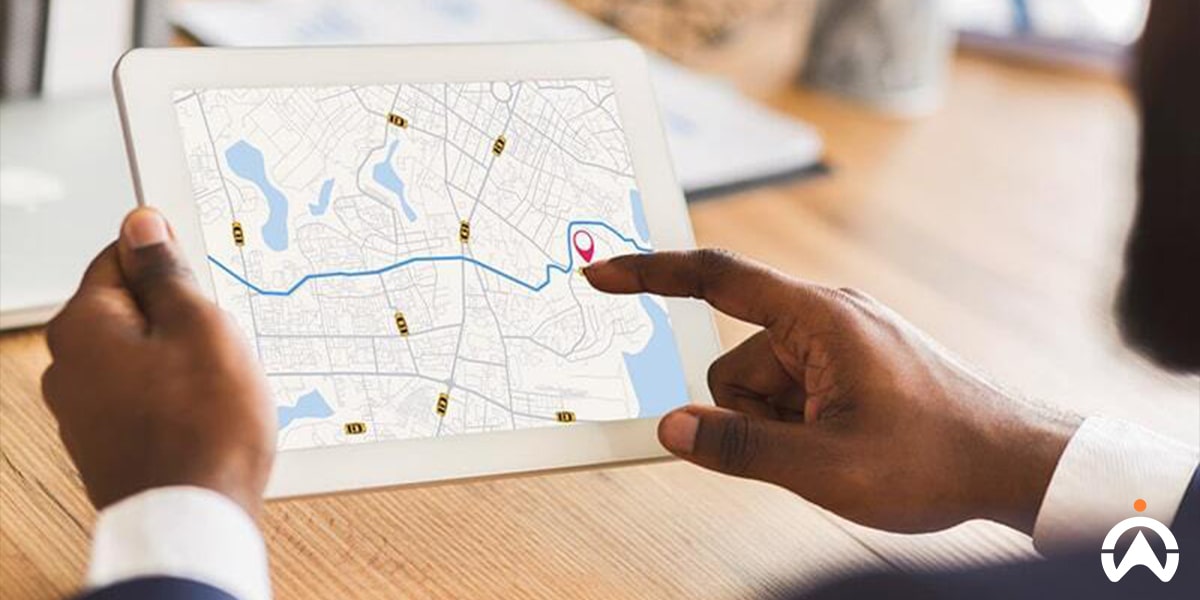
With today’s technology, having to worry about your fleet is old-school. Vehicle tracking systems have created a world where fleet management has been made easier. Get peace of mind with vehicle tracking from dispatch to delivery, all in the palm of your hand.

Technology continues to make our lives easier. Today, smartphones give us access to the online world and even our household appliances like washing machines. One of the tech creations that has completely transformed the fleet industry, is GPS tracking! Fleet companies are now in the know of their entire operations from beginning to end.

The real question is, how do you get the best vehicle tracking software with so much to choose from? By the end of this blog, you will know exactly what GPS vehicle tracking is, what to look for in vehicle tracking software and how your fleet business will benefit from vehicle tracking.

What is a vehicle tracking system?

A vehicle tracking system is software used to determine the exact location of a vehicle at any given time. To receive real-time insights on the geographic position of a vehicle, a vehicle tracking device is connected to the vehicle and uses GPS technology.

How exactly does GPS tracking work?

Okay, let’s break it down: GPS, which stands for Global Positioning System, is a satellite constellation supporting high accurate positioning, navigation and timing (PNT) measurements worldwide. While one of the first satellite positioning systems was initially developed in the 1960s for military purposes, GPS became available for public use in 1983.

Today, GPS has various uses in agriculture, marine surveying, and even fleet management where it is used to determine when, where, and how vehicles are being used, including driver behaviour, maintenance alerts, and more. This is done using the Global Navigation Satellite System (GNSS) network which comprises satellites that are in communication with GPS tracking devices providing information on the location, route, time, and speed of vehicles.

How exactly does GPS tracking work?

How do you know you need GPS fleet tracking?

Let’s unpack fleet tracking a bit more. Fleet tracking refers to a management system that uses GPS to monitor not just a fleet, but also tracked assets.

Fleet tracking usestelematics technology to collect real-time data from the fleet so fleet managers can monitor and efficiently manage the entire fleet and make strategic operational decisions.

These are some indications that your fleet business needs GPS fleet tracking:

  • A fleet manager is unable to manage drivers’ tasks and completion rates
  • There is poor visibility over your fleet and drivers, and poor task progression
  • A fleet manager is unable to assign and communicate important tasks in the event of an emergency
  • A fleet business has poor customer experience due to the inability to reach high customer expectations
  • Paperwork and signed proof of delivery (POD) get misplaced

4 benefits of fleet tracking

On the flip side, effective fleet tracking translates to the smooth operation of a fleet business, regardless of the fleet size. In turn, productivity increases, saving the business time and money, and overall, improving the customer experience which is great for any business’s bottom line.
Here are 4 benefits of vehicle tracking for fleet businesses:

  1. Driver visibility and asset tracking: Previously, fleet managers had no way of knowing the exact geographical location of the fleet and even the completion rate of the deliveries. Now, GPS tracking systems allow fleet managers to create, assign and monitor drivers’ tasks.
  2. Reduced operational costs: Whether it is reducing money or time, GPS tracking allows fleet managers to efficiently manage a fleet, increase productivity and reduce late and incorrect deliveries.
  3. Good customer experience: With vehicle tracking, customers can get real-time tracking of their cargo every step of the way from dispatch to delivery. Upon delivery, customers can sign an electronic POD and receive a delivery confirmation email.
  4. Reduced admin: Vehicle tracking allows fleet managers to reduce admin burdens with the ability to assign tasks, track drivers and fleet, and store electric PODs, all in one place.

But with so many tracking systems to choose from, how do you know which one is best? Let’s find out.

How to spot a good GPS tracking software

Vehicle tracking tools come in a variety of shapes and sizes from plug-ins, to hardwired, and battery-operated. Here’s how to choose the best fleet tracking software:

  • Find an easy-to-use platform: Simplicity ensures fleet companies don’t exhaust additional time, resources, and energy. Find tracking software that provides everything you need for your fleet in one platform so that fleet managers can focus on expanding the business.
  • Get real-time tracking: Efficiently managing a fleet operation entails having access to the right information at the right time, when it is needed. Get real-time vehicle tracking, including HD video footage, and AI-powered cameras, so fleet managers can use data received to make strategic operational decisions.
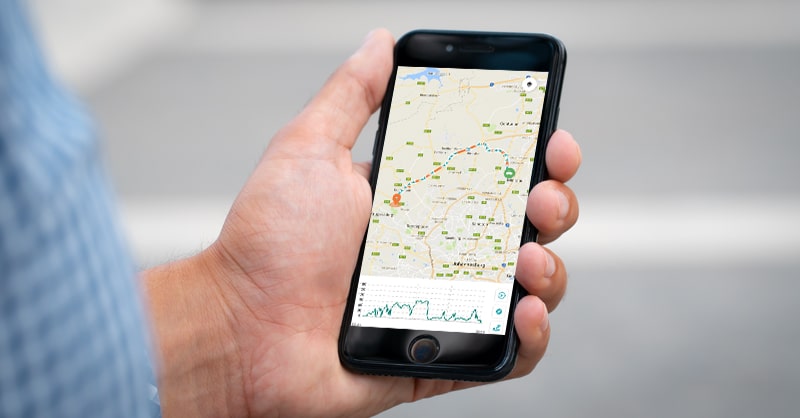
  • Mobility is a must-have: The ability to get visibility of the fleet and communicate with drivers from anywhere is essential for a fleet to operate smoothly. This way, you can manage the whole business operation (from assigning tasks to routing and dispatching, to the delivery) in the palm of your hands.

Get vehicle tracking in the palm of your hand with the Cartrack App

Cartrack provides an easy-to-use vehicle tracking and fleet management platform. Catrack’s vehicle tracking software puts fleet managers in complete control of your fleet, drivers, and assets.
Let’s take a look at some of the most popular features from Cartrack’s all-in-one fleet management software:

Live-vision and AI-powered cameras:Cartrack’s easy-to-use video system provides real-time visibility of your fleet, cargo, and drivers. This AI-powered and live-stream camera technology has up to eight internal or external cameras to ensure the safety of your drivers, fleet, and cargo and includes event recording, giving fleet managers insights into driver behaviour.

Geofence: With an accurate GPS positioning functionality alongside route histories on comprehensive street-level mapping, fleet managers can set up predefined areas (geofences) and receive notifications via SMS and email when vehicles enter or exit these areas.

Protector: Protector is a Value-Added Service by Cartrack. At a push of a button provided on the Cartrack Apporwebsite, drivers can get medical, roadside, legal, accommodation, and car hire services, making their work experience as comfortable as possible.

MiFleet:MiFleet is an easy-to-use software that can efficiently manage fleet-related operating costs. With MiFleet, fleet managers can easily import fuel transactions, highlight all fuel risks, get informed on possible fraud and investigate ways to save fuel, money, and reduce admin.

Stolen Vehicle Recovery (SVR): If a vehicle is stolen, Cartrack’s stolen vehicle recovery uses an advanced tracking device to track and recover vehicles. With the support of a highly-trained response team, Cartrack has over 92% stolen vehicle recovery rate.

Get peace of mind with Cartrack

Fleet managers’ lives are made easier with Cartrack’s vehicle trackingand telematics platform, and fleet administration system which provides security, safety and control, anywhere, anytime. .

Contact Cartracktoday for peace of mind in the palm of your hand.

How vehicle tracking works and why you’ll benefit from it

To operate a successful fleet business, vehicle tracking is essential! Vehicle tracking has provided telematics technology to efficiently and successfully operate a fleet business. Let’s find out how it works and why your business will benefit from it.

The development of vehicle tracking systems began in the 1960s. Today, vehicle tracking gives fleet managers and businesses more control over their fleet. Truck, taxi, logistics and car service industries depend on vehicle tracking systems to operate efficiently. However, vehicle tracking goes beyond more than merely determining the exact geographical location of vehicles. Let’s discover what more there is to vehicle tracking.

vehicles need a tracking system

vehicles need a tracking system

Why do vehicles need a tracking system?

The name says it all, a vehicle tracking system allows you to track the geographical location of your vehicle(s) in real-time. Thanks to innovation, vehicle tracking systems now go beyond just determining the exact location of a vehicle at any given time to collecting data and providing detailed reports on driver behaviour, vehicle maintenance, vehicle trip history, and even vehicle fuel consumption and management.

For vehicle tracking to work, a GPS tracking device is required. This is a small, portable unit that is installed on a vehicle (or even asset for tracking) enabling you to track the exact location of the vehicle or asset and receive information about when, where, and how your vehicles are being used.

Sounds similar to in-car navigation systems, right? But there are highlighting differences. On the one hand, GPS navigation systems show your location on a digital map and give you directions from point A to point B. On the other hand, GPS tracking devices use telematics technology to determine a vehicle’s exact geographical location and trip history, and further store this data in a computer, smartphone, or tablet.

Let’s dive into how this smart device works?

How a GPS vehicle tracking system works

GPS which stands for Global Positioning System, is a satellite constellation supporting high accurate positioning, navigation and timing (PNT) measurements worldwide. GPS tracking systems use the position of three or more satellites from the Global Navigation Satellite System (GNSS) to determine an exact geographical location.

There are different ways that a GPS vehicle tracking system can work.Active or commercial tracking systems provide real-time view of the geographical positioning of a vehicle while passive tracking systems or GPS loggers do not offer real-time tracking. Instead, they simply collect and store a vehicle’s GPS location and data on trips based on specific events to be viewed at a later time.

Although both active and passive vehicle trackers are the same GPS devices, they have different functions. Fleet managers use active tracking systemsto monitor drivers ’ real-time locations and drivers’ behaviour. Whereas passive tracking systemsprovide fleet managers with data and information on the fleet vehicles’ geographic locations, driver behaviour, and other vehicle insightswhenever they need access to the information and data.

How can vehicle tracking systems be used?

Because there are different vehicle tracking devices, there should be different ways vehicle tracking systems are used. Let’s explore the different scenarios in which vehicle tracking systems can be used:

  • To track a fleet: You are a fleet manager and you want to know the exact geographic location of your drivers and fleet. To make matters worse, customers are unsatisfied with the business’ services; complaints include late or no deliveries and missing or damaged assets. And if that’s not enough, you have piles of paperwork to deal with, including missing and unsigned proof of deliveries (PODs).

In this case, fleet managers often use GPS tracking to monitor the whereabouts of the vehicles. With vehicle tracking, fleet managers have a simplified and uncomplicated way to manage and oversee vehicles. Fleet managers receive information on where drivers and vehicles are at any given moment, where drivers have travelled throughout the day, the deliveries that have been completed as well as electronic PODs.

  • To keep an eye on your car: You are a car owner and need peace of mind that you will find your car exactly where you parked it. You want to have fun, live life, shop and have lunch with friends without having to worry about the security of your vehicle every second.

You can use GPS tracking to stay informed about the exact geographic location of your vehicle at any given time, receive notifications in the suspicion of idling, and if yourvehicle is stolen it can be tracked and recovered.

  • To access data and information when needed: You are a fleet manager and you are looking for an affordable tracking system that will provide you with the information and data you need to increase productivity, increase customer service, and effectively manage and maintain vehicles.

In this scenario, vehicle tracking is used to monitor vehicle mileage for the fleet businesses, access data and information that will assist in improving driver behaviour and reducing the misuse of vehicles.

3 fleet management challenges solved by fleet tracking

The purpose of fleet tracking is to collect data about a fleet using telematics technology. Fleet managers can use fleet tracking to help solve fleet management challenges. The following are three common fleet management problems that can be solved with fleet tracking:

  1. Driver accountability: Accountability can be defined as the willingness to accept responsibility or to elucidate one’s action. Fleet managers need the ability to confirm that drivers have completed tasks as expected, at the time specified and location. Real-time GPS tracking is the solution to this problem. Fleet tracking helps fleet managers set clear expectations for drivers and allows them to focus on achieving their goals and tasks.
  2. High customer expectations: With efficient delivery options such as one-week, one-day or even same-day, customer expectations have risen over the years and so have competitors. However, vehicle tracking systems have made it easier to meet high customer expectations. With vehicle tracking, fleet managers can optimise routes for drivers ensuring that deliveries are made on time and track assets from dispatch to delivery.
  3. High operational costs: From fuel usage to vehicle maintenance, vehicle theft, and even time, fleet-related operation costs can get extremely high. Vehicle tracking provides fleet managers with the information needed to monitor fleet operation costs and efficiently manage the fleet to reduce operational costs.

benefits of vehicle tracking

benefits of vehicle tracking

9 benefits of vehicle tracking

The obvious benefit of vehicle tracking is that it provides real-time tracking of vehicles, this is a basic function that makes way for more benefits of vehicle tracking. There are more reasons why your business will benefit from vehicle tracking, here are nine:

  1. Full visibility of drivers, fleet and assets: Previously, fleet managers had no way of knowing the exact geographical location of the fleet and even the completion rate of the deliveries. Now, GPS tracking systems allow fleet managers to create, assign and monitor drivers’ tasks all in one platform. The ability to oversee your entire fleet operation puts you in control of productivity, service delivery, and costs.
  2. Reduced operational costs and increased profits: Whether it is reducing money or time, GPS tracking provides actionable insights about how the fleet business’ time, money, and resources are used. This way, fleet managers can analyse operating expenses and reduce unnecessary costs, time wastage,, and increase profits.
  3. Decrease vehicle downtime: Fleet vehicles are either on the road everyday (whether for long or short distances) or in some instances not in use for long periods. Whatever the case may be, vehicles cannot curb the need for regular maintenance or else they suffer from damages such as wear and tear and engine faults.

With vehicle tracking, fleet managers receive diagnostics and alerts to ensure that potential vehicle damages are identified and vehicles get maintenance regularly. This information reduces vehicle downtime and the risk of vehicles breaking down while the drivers complete tasks and deliveries.

  1. Increased customer satisfaction: Vehicle tracking does not only increase customer satisfaction by increasing productivity through clear task allocation and task progression tracking but it also enhances the customer experience by involving customers every step of the way. With vehicle tracking, customers can get real-time tracking of their cargo from dispatch to delivery. This allows both fleet managers and customers to communicate and stay informed on any emergency changes to the delivery. Customers can further efficiently sign electronic PODs and receive a confirmation email.
  2. Theft prevention: Another reason why fleet businesses benefit from vehicle tracking is that it provides the ability to retrieve stolen vehicles. Vehicle tracking systems help reduce vehicle theft-related crimes by making it easy and accessible to track the whereabouts of vehicles, this saves financial and resource losses that could be incurred from vehicle theft.
  3. Seamless fleet management: With vehicle tracking, fleet managers don’t only get a birds-eye-view of the whole fleet operation in real time, but they can further seamlessly create, assign and track tasks. The ability to easily assign and track tasks leads to higher productivity, a reduction in incorrect or late deliveries, and reduced operational costs.

    A game-changing benefit of vehicle tracking for fleet management is the ability to communicate efficiently in case of an emergency. When unexpected situations occur fleet managers can communicate changes with drivers, quickly decide which vehicles to send where, or decide on the best alternative routes for drivers.

  4. Minimise paperwork and admin: Managing hand-written paperwork can be stressful and time-consuming. With vehicle tracking there is no need to manually create timesheets, create receipts to record payments, or fill out and search through piles of paperwork. Vehicle tracking allows fleet managers to reduce admin burdens with the ability to assign tasks, track drivers and fleet, and store electric PODs all in one place.

The cut-down of paperwork and admin boosts employee productivity as it lifts the paperwork and admin burdenfrom employees and allows them to fully focus on completing tasks.

  1. Increase driver accountability: The ability to seamlessly create, assign, and track tasks ensure that there are clear expectations of tasks and work ethic. With access to information and data on the accurate geographic location of vehicles, vehicle trip history and driver behaviour each employee can be held accountable for their work ethic whether good or bad. This way, vehicle tracking can foster a culture of accountability, integrity and honesty, and reduce internal and external conflict.
  2. Improved driver safety: Driver safety should be a major priority for fleet businesses as the success of the business is dependent on the drivers’ ability to efficiently and safely complete tasks. Road safety risks on the other hand can lead to accidents, driver injuries, legal issues as well as financial losses.

There are many ways vehicle tracking enhances driver safety. Some of the ways include route optimizationallowing fleet managers to create the most cost-effective, time-saving, and safe route for drivers no matter the size of the fleet business, camera solutions to monitor driver behaviour as well as driver assistance in case of emergency. Vehicle tracking tools can also allow fleet managers to monitor poor driver behaviour such as speeding, harsh braking and acceleration.

Why you need a tracking device for your car

Regardless of being a fleet manager or a fleet business owner, getting a vehicle tracking device is beneficial as it allows you to personally monitor the geographical location of your car, at any given time.

Here are some reasons why you should get a vehicle tracking device for your car:

  • To ensure the security of your car at all times.
  • To be alerted if your car is being tampered with or is stolen.
  • To remotely deactivate your car’s ignition to prevent theft.
  • To get quick assistance in the event that your car is stolen.
  • To recover your stolen vehicle.
  • To receive reports on maintenance, driver behaviour, and vehicle trips.

This may sound like a whole lot of admin but it isn’t. All the above can be done remotely, on your smartphone, with the Cartrack App.

Boost your business with Cartrack GPS features

Boost your business with Cartrack GPS features

Boost your business with Cartrack GPS features

Cartrack provides an easy-to-use platform that allows fleet managers to oversee the entire fleet operation all in one place. Cartrack features ensure that fleet managers run the fleet as best as possible at the lowest costs, ensuring that your business reaps the rewards.

Below are some Cartrack features that allow fleet managers to monitor fleet vehicles, driver behaviour, fuel usage, and more:

  • MiFleet: With MiFleet, fleet managers can manage their fleet, drivers, and fleet-related costs efficiently. MiFleet is easy-to-use software which allows fleet managers to monitor fuel transactions, be alerted on fuel risks, get informed of possible fraud, investigate ways to save fuel and money, and reduce admin.
  • Geofence: Geofence uses accurate GPS positioning to set boundaries on certain areas that vehicles are restricted from crossing. With this Cartrack feature, fleet managers can monitor when vehicles enter or exit the pre-set geographical boundaries by receiving a notification via SMS and email.
  • AI-powered cameras: Cartrack’s easy-to-use vehicle video cameras provide fleet managers with real-time visibility of their fleet, assets, and drivers. With this AI-powered and live-stream camera technology fleet managers get event recordings as well as information and data that provide critical information to improve driver behaviour and productivity.
  • Routing: This is a Cartrack feature that allows fleet managers to easily set, optimise and manage predefined routes for fleet vehicles to reduce wastage in operating costs. In the case of route deviations, fleet managers receive real-time alerts. This way, fleet managers can ensure that drivers are sticking to their tasks.
  • Stolen Vehicle Recovery (SVR): SVR is a Cartrack feature that can save fleet business financial losses from vehicle theft. With the use of the advanced tracking devices installed on vehicles together with a highly trained response team, Cartrack has over 92% stolen vehicle recovery rate.

Get 24/7 vehicle tracking with Cartrack

Cartrack offers fleet businesses and car owners a variety of packages with various vehicle tracking features. This way you can find a package that is best for you based on your personal or business needs.

Contact us today!

Explaining Vehicle Recovery vs Vehicle Tracking

Vehicle tracking and vehicle recovery are commonly used for vehicle safety and fleet management. We will uncover how vehicle tracking works and why you’ll benefit from it. As well as the purpose of a vehicle tracking system.

In this article, we will talk about vehicle tracking as a security feature for drivers, vehicles, and fleets.

Let’s also jump between its benefits for consumer drivers and fleet owners.

What is meant by vehicle tracking?

This can be referred to as the technology behind tracking the movements of vehicles and fleets, with a vehicle tracking device installed.

The device is equipped with a GPS Locator, which is fitted in the vehicle.

GPS tracking uses a global positioning system. This allows users to monitor vehicle locations as it pinpoints their exact geographical location. A network of satellites is used to specify the location of an object or person attached to the GPS device.

Vehicle information can be viewed on electronic maps via the Internet or on specialised software from a vehicle tracking provider.

For fleet managers, the GPS tracking software collects and stores information related to vehicle performance and management, including speed, trip distance, and driver behaviour – which can be used by vehicle fleet owners to improve safety and lower running costs.

vehicle tracking systems

vehicle tracking systems

What types of vehicle tracking systems do you get?

The system has two core parts – the location hardware (or vehicle tracking device) and vehicle tracking software.

There are different types of GPS software tracking systems that work in various ways. By understanding the difference, you should get an idea of what works best for you.

Vehicle tracking is also described as being “Passive” and “Active”.

  • “Passive” devices: Also known as GPS loggers, passive systems gather data about the vehicle’s location and store it on a hard drive or memory card, which you can then access at a later time. To use the device, you simply place it in or on the vehicle. When you want to access the information collected by the tracker, simply plug the device into a computer.
  • “Active” devices: These types of systems collect the same data as passive tracking systems but transmit the data in near-real time or real time via cellular or satellite networks to a computer or data centre for evaluation. This allows the dispatch team and management to locate your vehicle much faster.

vehicle tracking and vehicle recovery

vehicle tracking and vehicle recovery

What is the difference between vehicle tracking and vehicle recovery?

Vehicle tracking and vehicle recovery generally go hand-in-hand.

As mentioned, a vehicle tracking system monitors the location of a moving vehicle using GPS technology. It assists in vehicle recovery, as well as gives you access to all types of information concerning your vehicle.

In addition to stolen vehicle recovery from Cartrack, you can get safety product add-ons, such as the Cartrack panic button. If you’re in a hijacking emergency, you can press this panic button and a silent alert will be sent to our 24-hour control room.

Or if you have one of our fleet packages, get access to information concerning driving behaviour patterns such as speeding and harsh braking.

Vehicle recovery – this is the part where the technology or data is used to get the stolen or hijacked vehicle safely back to its owner. The Cartrack recovery team will locate the alert signal from the device via the latest GPS and Radio Frequency (RF) technology.

Which two are the best?

When it comes to choosing between vehicle recovery and vehicle tracking, you would need to check in with your budget, lifestyle, and what works best for you.

Most vehicle tracking packages have vehicle recovery as a standard feature, so a recovery team can find your vehicle if it is stolen, which will also keep your insurance premiums low.

While vehicle tracking is more costly, you will get more peace of mind with the extra safety features. So, if you want to monitor your vehicle more with a more hands-on approach, then vehicle tracking is the best option for you.

Who needs vehicle recovery?

One needs to take into consideration that there are 55 000 vehicles reported stolen in South Africa each year. These realities should be proof that the need to install a vehicle tracking or recovery device is more important than ever.

If you have a more limited budget, there are more affordable options available that will give you peace of mind when it comes to the security of your vehicle. Cartrack offers a package from R99 a month for those looking for a good level-entry stolen vehicle recovery package.

Who needs vehicle tracking?

Companies that use a large fleet of vehicles, either as a means to transport their goods or as a courier service for customers, are in most need of vehicle tracking services. However, anyone who wants to keep track of the driving habits and location of someone using their car or cars could benefit from this service.

8 benefits of a vehicle tracking system

8 benefits of a vehicle tracking system

8 benefits of a vehicle tracking system

No matter what you need vehicle tracking for, there are numerous benefits either for effective fleet management or vehicle and individual safety.

The benefits seem endless, here are a few:

  • Reduce running costs

If you have a vehicle fleet, the platform monitors driving patterns and gives tips to significantly reduce fuel wastage. Everyday motorists can activate features on the mobile app to improve driving behaviour and reduce running costs.

  • Protect the environment

It is beneficial for the environment if fuel is monitored. Companies can contribute positively to the community and improve corporate social compliance.

  • Vehicle maintenance

The platform gives maintenance-service reminders and other alerts to ensure effective fleet maintenance. This will result in less wear and tear on the vehicle, increase its longevity and reduce maintenance costs. Fleet managers can also avoid road penalties for faulty tyres and other vehicle issues.

  • Lower Insurance premiums

Companies and consumers also significantly save on insurance if they have a GPS vehicle tracking system in place. This is because it encourages safer driving, and helps drastically increase the chances of recovery if thefts occur. Insurance providers use advanced telematics in the device to provide driving and vehicle stats. This helps reduce premiums where possible.

  • Theft-deterrent

A GPS tracking unit assists with stolen vehicle recovery. Vehicle tracking systems are popular in consumer vehicles for theft prevention. This also offers the ultimate peace of mind, especially in countries where theft is rampant. Drivers only need a mobile phone with an Internet connection to reach out and get their vehicle back.

  • Driver productivity

Through a fleet platform, driver hours are monitored to ensure they get the rest they need , especially on long-haul journeys Communication through the platform is also streamlined throughout the travel time for effective time management and productivity.

  • Customer satisfaction

There is also better communication with customers in the production and delivery process through the fleet software app. As a result, businesses become more “customer friendly” which can only improve customer retention and business profits.

  • Improved business processes

The platform allows for less time spent on admin, allowing managers to focus on other tasks. They can tap into the system’s information about good driver behaviour stats and use it as a benchmark to train drivers.

  • Cargo security

GPS tracking systems can help replay a route to help fleet managers concerned about cargo theft. They will be able to spot unauthorised trips, and drivers can be alerted to avoid certain areas. If drivers find themselves in trouble, they can get help.

  • Geofencing

Geofences alert a manager about a vehicle’s whereabouts when it leaves a certain location or boundaries. Fleet managers can ensure their vehicles are operating within specific areas and that high-risk areas are avoided.

Cartrack stolen vehicle recovery

Cartrack stolen vehicle recovery

Why 1.5 million people have chosen Cartrack to recover their vehicle

  • World-class vehicle tracking and recovery technology
  • A 92% stolen vehicle recovery rate, the highest in South Africa
  • Get up to R150 000 cash back in the unlikely event that we cannot recover your vehicle
  • Trained air and on the ground vehicle recovery teams
  • 24/7 emergency control room support
  • Secure and reliable tracking device fitment techniques

Are you looking for the best car tracker in South Africa? Get the best of the best with us right by your side.

How can cargo safety improve your business?

When transporting various materials, certain safety measures should be taken to keep cargo as safe as can be. Read more to discover top-notch safety features used by the freight industry.

The freight industry transports hundreds of different materials, ranging from food and fabric to coal and fertiliser. Most of these materials are valuable which encourages criminals to go to great lengths to steal the cargo while in transit. But rest assured, there are plenty of ways to keep your cargo safe with the help of good fleet management software and its advanced features.

Safety measures for cargo

Cargo is transported through different types of freight channels like land, air or water. No matter the type of cargo, special care is taken to ensure that it is not damaged while in transit. Packaging the cargo in containers and wrapping them in foam, bubble wrap, or any other material is just one way to keep cargo safe and prevent it from moving around or being tampered with.

Shipping companies are responsible for packaging and labelling cargo before departure and are liable for protecting the contents against damage or theft.

Here are a few tips shippers can take to ensure cargo is handled safely:

  • Use proper shipping supplies like cushion materials, appropriate lashing, and labelling
  • To prevent shifting while on the road, the cargo must be secured on all sides
  • Fill open spaces with various materials like boards, airbags, empty packages and foam to minimise weak points
  • Secure cargo with special lashing on the top and bottom side rails, as well as the corners
  • Use nets to secure cargo in place

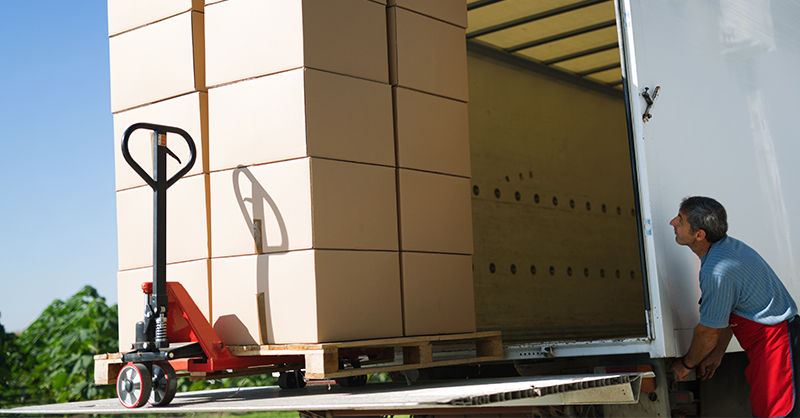
Cargo being loaded for shipping

Cargo being loaded for shipping

High-risk cargo

Living in certain countries where crime is prevalent and fleet attacks are common can be stressful for both fleet managers and transporters.

Although cargo theft can occur at any time, criminals usually target goods in transit. This is mainly because of the countless unsafe parking spots and dodgy streets along the way. This is when cargo is at its most vulnerable.

The distance between one point and another might also be a factor in an attempted theft. The more the driver is on the road, the more tired and less aware they get, making them an easy target for hijackers. As a result, crime syndicates may attempt to steal the goods at stop signs, under bridges, in unsafe parking spots or on deserted quiet streets when the driver least expects it.

There are a few preferred features frequently used by fleet managers to avoid these situations, geofencing being one of them. It’s a feature that allows perimeters to be set around any area, or danger zones, that fleet vehicles might pass along their way.

When the vehicle arrives at these locations, an alert will be sent and if for some reason, the vehicle does not exit these locations, the fleet manager would immediately know something is wrong and can quickly act by sending emergency personnel to the exact location, hopefully arriving just in time to stop the hijacking attempt.

The impact of technology on the road.

With safety measures becoming more sophisticated and technically advanced, it seems crime syndicates have also evolved with the times and started implementing tech in their operations.

Truck hijackings in South Africa have been increasing over the years and don’t seem to be slowing down anytime soon. Last year, Police Minister Bheki Cele reported a sizable increase of 31.7% in truck hijackings across the country.

“Criminals are now so sophisticated that they are using signal jammers, diversion tactics, infiltration teams, blackmail and even planted employees to reach products or assets,” says transport tactical risk specialist, Stan Bezuidenhout, as he shares some insights with Arrive Alive.

Though this might all seem negative, hope is not lost. While criminals become more intricate and ‘professional’ in their craft, technology will always be one step ahead. Fleet management safety systems have certain features such as CarWatch, Protector, AI surveillance cameras and many others that can add another layer of monitoring and security to protect your assets.

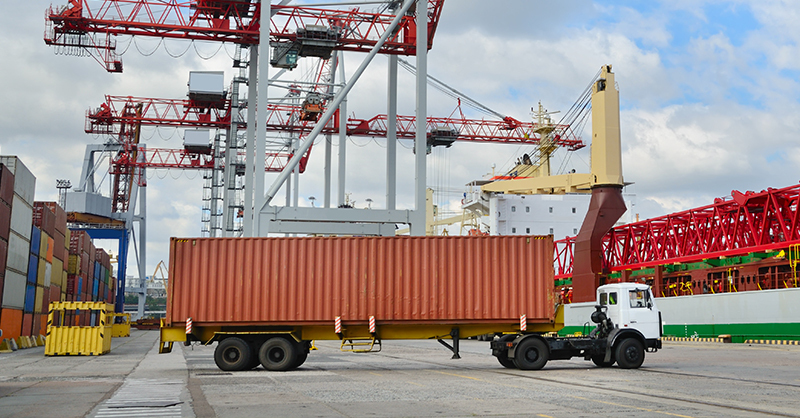
Cargo loaded on a truck

Cargo loaded on a truck

Keeping track of your cargo

Monitoring the arrival times of drivers is one of the most effective ways for fleet managers to keep their trucks and cargo safe. To ensure optimum safety while in transit, tracking companies such as Cartrack provide fleet management solutions to help with daily operations.

While fleet managers do their part to keep their fleet safe, transporters also have the tools to manually protect cargo with certain features provided.

Benefits of geofencing:

Geofencing provides a location-based service that defines a virtual perimeter around any area via GPS, such as a warehouse or even an entire city.

With this feature, fleet managers can:

  • Live track their vehicles
  • Identify certain events while on the road, like travelling in an unassigned area
  • Deliver automatic notifications to preset geofenced areas and receive alerts when drivers enter or exit high-risk or unassigned areas
  • Allow immediate reaction if theft of cargo or hijacking occurs

While geofencing is a huge asset in terms of fleet safety, it also contributes to the business’s bottom line. By using this solution, fleet managers will save money that would have otherwise been spent on replacing or repairing stolen or damaged vehicles.

AI-powered and live-stream camera technology:

It is more important than ever for fleet managers to have an extra pair of eyes on the road and ‘be’ present in each of their fleet vehicles. It may be an overwhelming task to manage risk for large fleets, but LiveVision is the dream tool that provides fleet managers with the visibility needed to ensure driver, vehicle and cargo safety.

LiveVision is Cartrack’s AI-powered video surveillance solution that can be used to protect, monitor and record the activities of your drivers and fleet. This solution can be used for fleet management, fleet tracking, and fleet security.

Fleet managers can gain full visibility of cargo by live-streaming the journey from their laptops or phones, or instantly download footage to review events or attend to alerts of potential cargo tampering.

International road safety rules

While ensuring cargo arrives safe and sound is a top priority, the purpose of certain safety measures is to reduce the chances of attempted theft or road accidents.

A Monash study on fleet management and safety provides insight into how three different countries approach the issue of road safety:

  1. In Germany, The German Traffic Safety Council has advocated the formation of volunteer safety circles, in which the company’s fleet of employees gathers to discuss prominent safety issues and find solutions under the guidance of an expert moderator. They also offer one-day “Safe, Economical, and Environmentally Friendly Driving” courses.
  1. In the United Kingdom, various strategies have been implemented in the UK to improve road safety within organisations. These strategies are as follows: driver training programmes, reward schemes, punishments, accident investigations, driver monitoring systems, and driver feedback procedures are among the long list.
  1. In South Africa, we have taken a hands-on approach with our road and cargo safety protocols. We have fleet management and vehicle recovery companies such as Cartrack that offer training facilities for drivers to better improve their driving skills and driving behaviour, as well as fleet management training, helping fleet managers reach a higher operations management level.

We also have a wide range of safety features, specially made for every individual motorist as well as businesses with any number of fleets. These features include Carwatch, Protector, Fuel monitoring, Geofencing, AI-Powered cameras and over 40 reports features that constantly monitor the state of your vehicles as well as your drivers. With all these insights and tools at your fingertips, productivity and efficiency levels within your business will only improve.

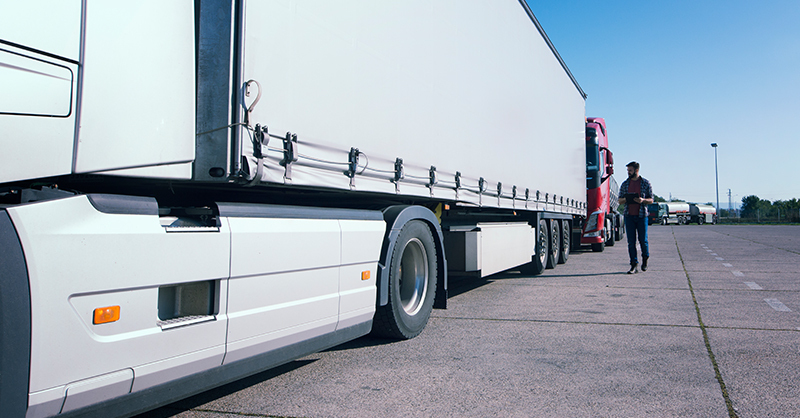
Cargo safety inspection

Cargo safety inspection

End goal for driver and fleet safety

Although countries around the world take different approaches to their cargo safety protocols, the end goal is for all to improve road safety for cargo, fleet vehicles and transporters involved in transit.

Implemented cargo safety protocols are necessary steps taken to reach:

  1. Reduced theft and hijacking attempts
  2. Vehicle accident prevention
  3. Enhanced driver education, alertness and behaviour
  4. Readily available accident analysis reports
  5. Reduces operation costs for damaged or stolen goods.

Improve and implement safety with Cartrack

Cartrack offers security features specially designed to protect your drivers, fleet and cargo against theft, hijacking, or any other roadside emergency that may occur. Put your trust in us and we will protect your assets. Visit our website today to get a free quote.

What is vehicle telematics and how can it benefit my business?

Step into the world of modern fleet management and get unique insights into your fleet vehicles and drivers through telematics solutions. This article will help you get the most out of your fleet and fully understand what telematics systems can do for you.

The telematics industry strives to benefit and make changes to every business it touches, and its efforts are evident. Telematics has grown immensely in recent years, encouraging businesses to implement telematics solutions to improve safety, increase efficiency, and most importantly, reduce costs.

This has seen the demand for innovative technology, prompting more businesses to grow curious about what telematics can be used for and how it can benefit them.

This blog will answer all your questions and give you the information you need to make an informed decision about telematics.
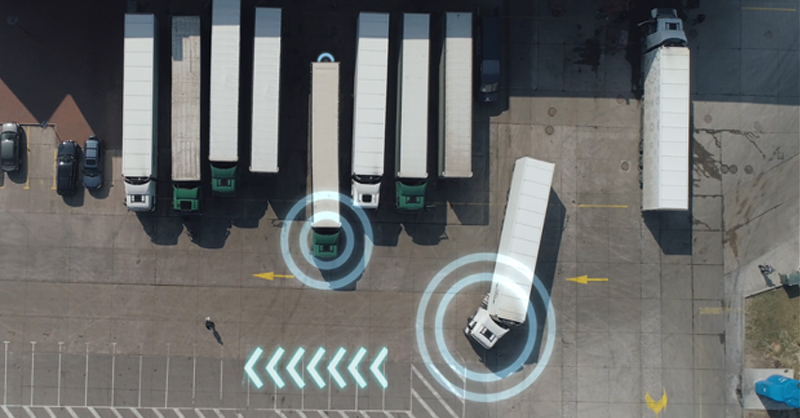
What is telematics

What is telematics?

What is telematics?

Telematics (also known as fleet telematics) is a system used to collect GPS fleet tracking data along with a range of vehicle-specific information and store it in a database. It integrates both wireless telecommunications and information technology (informatics) to process, deliver actionable data and efficiently convey information over vast networks.

Telematics is often associated with fleet management and vehicle GPS tracking devices. With these fleet systems in mind, telematics can be defined as an onboard communication system where all fleet software can interact with one another and share vital information.

Telematics can also be seen as a new method of integrating all types of data, from vehicle equipment to driver behaviour.

How do telematics systems work?

For a telematics system to work, it needs a few items:

  • A communication device (mobile phone, computer, laptop and/or tablet)
  • Fleet communication software
  • GPS tracking device
  • Engine interface
  • Input/output interface
  • SIM card
  • Accelerometer
  • Alert/notification

Telematics systems function by connecting a GPS fleet tracking device, or other data logging tool, to an asset. The tool collects critical performance data about the asset, like real-time engine diagnostics, vehicle location, and vehicle activity.

After being collected, the device transmits the data to a data centre where it can be analysed, interpreted, and compiled.

Fleet managers can access the uploaded data via the software of the telematics system once it has been uploaded. However, the method of doing so may vary depending on the particular telematics solution.

How are telematics devices installed?

Telematics is implanted via the vehicle’s on-board diagnostic (OBD) II port, or CAN-BUS port, typically located under the steering wheel.

GPS tracking devices and fleet management telematics are installed in discrete places so they are hard to locate and tamper with. Here are three types of units available and their hiding spots:

Plug in: These are devices that can be easily plugged into any fleet vehicle’s cigarette lighter, like Cartrack’s compact mobile unit. Since these devices have to be plugged-in to function, they could be very easy to spot.

Hardwired: These devices are installed directly into the vehicle and connected to the vehicle’s power supply (battery). Because they are not attached to the OBD port, they can be easily hidden in the vehicle.

Battery operated: Thesehave a battery or solar charger of their own and can operate independently from the vehicle, so they can be easily placed anywhere in the vehicle. These types of devices often have powerful batteries that could last for months at a time.

After installing telematics units, the device collects GPS fleet tracking data and a range of vehicle-specific information where fleet managers can implement smart solutions to achieve, automate and improve the following:

  • Manage route optimisation
  • Ensure the safety and compliance of the drivers
  • Help identify and improve bad driving habits
  • Receive notifications for preventative maintenance
  • Reduce idling, fuel and maintenance costs
  • Manage assets’ utilisation
  • Help drivers comply with policies and regulations
  • Reduces carbon footprint

A centralised server receives the information from the units via General Packet Radio Service (GPRS), 4G or 5G mobile data and cellular networks or satellite communication, and displays it through a secure website (usually the telematics system’s platform) accessed through tablets or smartphones.

Telematics and vehicle tracking systems

Vehicle tracking is the most common use of telematics in most industries, especially in trucking and transportation.

This technology is preferred in vehicles because of the notable benefits it offers. The ability to map the exact location of the vehicle, its speed, and its maintenance status, all through the use of GPS systems, combined with onboard diagnostics.

Here’s a list of additional information gained through telematics.

  • Location
  • Fuel Usage
  • Maintenance issues
  • Fuel consumption
  • Idle time
  • Instances of harsh driving (e.g., hard braking or cornering)
  • Speed and rapid acceleration

To make good use of this information, the telematics system analyses the data for certain events and patterns and creates reports on specific drivers and fleet vehicles, specifically for the convenience of fleet managers.
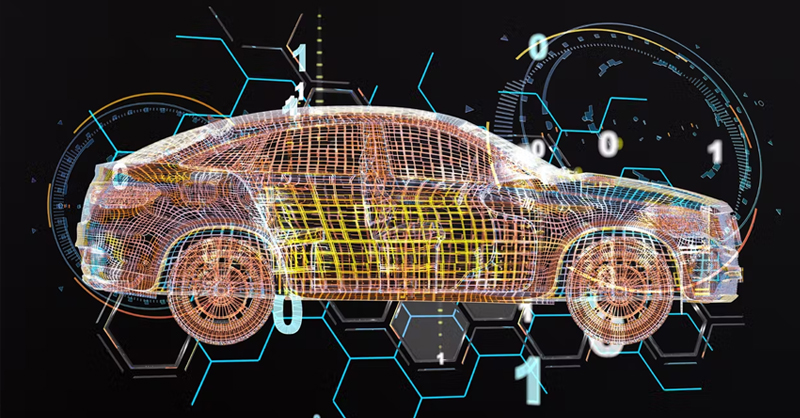
Telematics integration with vehicles

Telematics integration with vehicles

from fleet manager to fleet driver

Telematics integration with vehicles

Typically, trucks, trailers and other fleet vehicles are sold without tracking systems installed and are fitted with GPS tracking devices soon after they have been sold. If the vehicles don’t come pre-equipped with this technology, many aftermarkets offer GPS and telematics unit installation.

Some car dealerships also partner with telematics providers or vehicle tracking companies, such as Cartrack, to provide a seamless end-user experience and sell vehicles already fitted with Cartrack’s tracking units.

How to positively use telematics technology in your fleet

You have now gathered a basic understanding of telematics software and decided to implement it into your business, great! To properly use this technological game-changer, here are a few key areas where telematics can boost your business.

1. Safety tracking

Fleet telematics allows you to track vehicle location, speed, seatbelt use, as well as driving behaviour. You receive a digital record of every aspect of your fleet vehicles’ operations, which can provide insight into where and what improvements can be made to prevent accidents and improve driver safety.

2. Better payroll management

A telematics solution can help you reduce instances of overtime and timesheet fraud by monitoring your fleet’s electronic time logs and allocating resources based on real-time information. You can optimise your drivers’ routes so that no driving time is wasted. You’ll also know exactly how long and how far a vehicle has driven, making payroll calculations easier.

3. Trailer and asset tracking

Telematics can be used for more than just monitoring vehicles. You can attach a GPS tracking unit to trailers, expensive equipment, and non-motorized assets to prevent them from becoming lost and help find them faster if they are stolen.

You can also create alerts to be sent to you if a trailer or other non-motorized asset is moved without your permission.

4. Insurance risk assessment

With the permission of the owners, telematics can be used by insurance companies to monitor driver behaviour, allowing them to better determine risk factors and adjust insurance premiums accordingly. If additional help is needed in sorting out insurance, Cartrack helps motorists find affordable insurance by viewing the current insurance package used and providing you with 14 quotes with better rates.

How is it used in everyday life?

The telematics solutions market is projected to reach $62.6 billion by 2025, up from an estimated $29.9 billion in 2020. With this amount of money on the table, it’s safe to assume not just the transportation and freight industries reap the benefits of this system. Almost every industry has space in their regime to integrate telematics into their business and some of them use this technology a little bit differently than the rest.

Here’s a look at the industries making the most of telematics today.

  • Heavy machinery: Maintains heavy equipment and prevents theft with the use of telematics and asset tracking safety features.
  • Public Security: Monitors the location and driving speed of emergency vehicles to improve officer safety and increase response times.
  • Fleets: Trucks and various fleet vehicles are monitored to ensure shipments arrive at their destination safely and on schedule.
  • Construction: Performance diagnostics, fuel usage, and maintenance schedules are all reported on through the use of telematics.
  • Oil & Gas: Oil, gas extraction and transportation activities are monitored to improve efficiency and worker safety.
  • Refrigeration: The temperature of cold or heat-sensitive products is monitored to reduce spoilage and ensure safe consumption.
  • Executive fleets: Improve luxury vehicles’ maintenance to reduce breakdowns, unscheduled repairs, and part replacements.
  • Landscaping and lawn care: Monitors the performance of employees and equipment to improve productivity and customer service rates.

Generators: Generator conditions such as fuel level, battery voltage, and coolant temperature are monitored to ensure it is in healthy conditions and can run for longer.

How does telematics benefit the fleet business?

Telematics works to help fleet managers conduct their vehicles, drivers and other fleet employees. With telematics, GPS devices work to track your vehicle, trailers and assets successfully while also gathering vehicle data such as a full trip history of your vehicle and other actionable insights fleet managers can use to improve vehicle and driving conditions.

Other noticeable improvements telematics can make in fleet management are as follows:

  • Boost fleet efficiency

With actionable insights from our telematics and fleet data, you can track your drivers’ progress, improve communications and streamline your workflow.

  • Eliminate toll and fuel-card fraud

Telematics will automatically verify fuel-card payments whenever they are made by matching fuel sensor data, vehicle location history and fuel-card recipes. Making sure each driver is using their authorised cards at all times.

  • Always know exactly where your assets are

With our GPS units, you don’t only know the exact location of your assets but also ensure the cargo is accounted for from dispatch to delivery. For extra safety measures, you’ll receive alerts and footage whenever the cargo door is opened and the cargo itself.

  • Actionable insights on the conditions of your fleet

From the petrol intake to driving behaviour, telematics gives fleet managers all the information they need regarding their fleet. They also receive real-time alerts used to address maintenance issues immediately before they escalate. This allows you to keep your vehicles operational for longer, saving money on large repair bills, avoiding critical safety violations, and protecting your Compliance, Safety, and Accountability (CSA) scores.

  • Real-time tracking

Easily track the progress of your deliveries with automatic job status updates via SMS or email with electronic signature and photo sent, for that little layer of assurance and safe delivery.

  • Accurate dispatching schedules to ensure on-time deliveries

Use the Cartrack communication app for easy information transfer from fleet manager to fleet driver. Say goodbye to incorrect customer information, ensuring faster deliveries and happy customers.

  • Have Streamlined communication

Fleet telematics can drastically improve communication between drivers and fleet managers or administrators in a business. Improved communications, combined with accurate vehicle location, can help you accurately estimate arrival times and improve customer satisfaction.

  • Decreased fuel costs and operational expenses

Telematics can assist in uncovering waste areas, such as vehicle idling or fuel leakage, and allow fleet managers to rectify them quickly, improving fuel efficiency in the business and the bottom line. It can also assist management in planning the most efficient route for each driver to save wasted miles.

  • It increases driver safety

Accidents are always harmful to businesses and could be worse for drivers’ health and safety. Telematics can be used to improve driver behaviour and promote overall road safety. Fleet management software collects telematics data on your team’s driving habits and ranks your drivers according to their safety scores. You may then teach your drivers safer driving habits and improve the overall safety of your fleet.

Telematics and fleet management software can calculate distance driven and fuel expenses for different drivers in different jurisdictions automatically. They can also automate calculations for International Fuel Tax Association reports, increasing administrative efficiency, lowering calculation errors, and decreasing your company’s chance of being audited.
How does telematics work with other fleet software

How does telematics work with other fleet software

How does telematics work with other fleet software?

Businesses are increasingly relying on telematics and fleet management software to assist them in managing their fleets.

Fleet management software, a branch of telematics, is popular among modern companies as a way to manage the vehicles in their possession. Fleet management systems allow them to gain a comprehensive view of the health, profitability, and productivity of their entire fleet.

Many fleet managers use both fleet management systems and telematics to simplify and efficiently compile gathered information.

What is fleet management software?

Fleet management software is a large information database where you can keep track of everything and anything linked to your fleet. These records may include:

  • Purchased or leased vehicles
  • Vehicle information
  • Maintenance plans
  • History of parts and service
  • Compliance documentation (insurance, licences, tax)
  • Fuel transaction logs
  • Operating costs
  • Financial data

The purpose of using both telematics and fleet management technologies is to reduce the administrative processes associated with managing all fleet lifecycle information. This helps make sense of a fleet in terms of operating costs and total cost of ownership, as well as ensure that you are operating legally, complying with regulations, and effectively maintaining assets.

As such, these fleet systems usually have quite comprehensive reporting tools that can set alerts and send emails while perfectly integrating with third-party systems that offer financial solutions like Cartrack’s SARS-compliant logbook feature.

Are both systems needed?

If you’re asking yourself if the use of both telematics and fleet management software is truly needed to optimise your business, the answer is yes. These systems work together to improve fleet efficiency and productivity and provide several benefits that can easily be observed as soon as the technology is integrated into a business.

The benefits include:

  • Creating risk analysis by combining driver behaviour information with data on accident rates, medical history and fines
  • Safety monitoring
  • Elimination of costly idling
  • improved routes for travel
  • Streamlined processes by eliminating administrative time
  • Improved accuracy by eliminating redundant data entry

By incorporating telematics and fleet management software into business practices, you can reduce investment and operating costs in a variety of areas, including fuel purchasing, leasing, maintenance, accident management, and accounting.

Gain fleet insight with Cartrack

Use Cartrack’s fleet management solutions as well as the telematics technology to have your whole fleet under your control and watchful eye. Be informed about all the comings and goings of your fleet at any time and location.

Contact us on our website and take the first step in achieving fleet efficiency.