Tracking Devices: The One for All

There are many different kinds of tracking devices, each serving a significant function. These smart technologies are everywhere, and a common factor is how they make our lives easier.

Cartrack offers vehicle and asset tracking for various industries such as transportation, construction and agriculture. Let’s look at how this interesting technology works.

In this article, you will:

  • Understand what a tracking device is
  • See the different kinds of tracking devices and their functions
  • Learn how an IoT device connects with other devices
  • Find out how Cartrack solutions cater to your tracking needs

What is a tracking device, and what does it do?

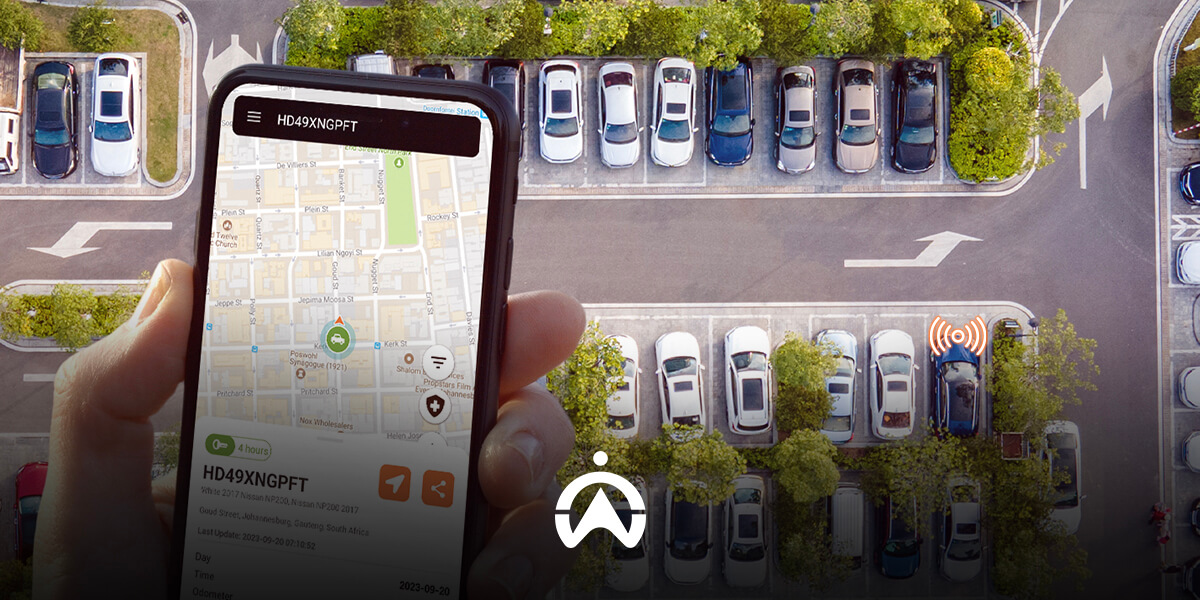
A tracking device is exactly what the name says: an electronic device that helps you monitor the location of an object or person. There are many different types of tracking technology, all depending on what you need them for.

Knowledge is power: understand the different types of tracking technology

To help you understand the different types of tracking technology and how each one works, here are some examples of the most commonly used tracking systems:

  • Radio Frequency Identification: Also known as RFID, this is an asset-tracking technology that uses radio waves to track assets equipped with tags. It requires three main components to work: a reader, an antenna and a tag. The tag is connected to the antenna, which sends and receives radio signals from the reader.
    This sort of device is used in various industries such as retail, manufacturing, and healthcare for inventory management or access control. In the fleet management industry, RFID technology is used for driver identification.
  • Near-field communication: This one has turned many shopaholics because you don’t have to think twice. All you need to do is tap your phone or credit card, and voila, payment is done! NRC technology is another form of RFID and is found on most smartphones. Over the years, this has become very popular due to the modern-day demand for contactless payment systems. This sort of technology only works when devices are in very close proximity to each other.
  • Barcode: This is an easy and effective way for businesses to track data related to inventory or physical assets. All that’s needed is a barcode label and a reader. It enhances the accuracy of the inventory management process and is a must-have for last-mile deliveries or tracking shipments.
  • WiFi: Wi-Fi-based asset tracking uses an existing Wi-Fi network to track the location of vehicles or equipment that are indoors or frequently travel in and outdoors, where signals may have trouble passing through. Examples are refrigerated trucks and warehouse inventory.
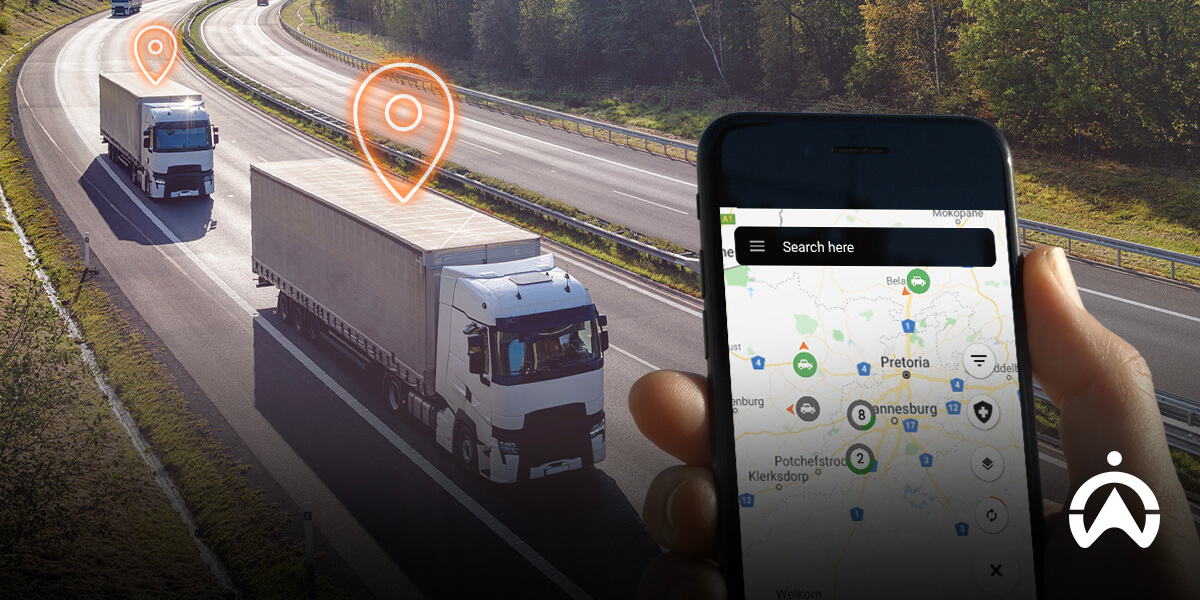
  • GPS tracking: Short for Global Positioning System, GPS is one of the most well-known and widely-used forms of tracking technology. It is a constellation of 31 satellites orbiting the Earth, with each satellite emitting signals that enable receivers, through a combination of signals from at least four satellites, to determine time and location. GPS technology is used on cell phones and other devices for navigation but has many other benefits such as the real-time location of vehicles and other assets such as a generator.
  • Geofence: Geofencing is based on either GPS or RFID systems. The only difference is that it does not consistently report location data but rather uses location data to set up invisible boundaries in an actual geographical area. When an object moves into or out of the virtual fence, a violation is reported through a transmitter.
    This kind of technology can be used to mark no-go areas, or you can put it around the workplace to let people know when vehicles enter or leave the building.
  • Cellular: This particular system can work with GPS but mostly relies on the presence of cellular towers to transmit location and asset information. Although not as effective as GPS, the system takes advantage of existing cell towers, which can be helpful for fleet management and equipment monitoring in remote areas.
  • Bluetooth Low Energy (BLE): A Bluetooth low asset tracker is a wireless solution that combines location accuracy and effective battery usage. BLE tags or beacons are attached to assets and Bluetooth-enabled devices like smartphones or getaways to give real-time updates on the location of equipment that is used. It helps track equipment within a restricted distance, typically reaching a maximum of 100 meters, which can be found in the construction and agricultural industries.
The IoT device, or should we call it the One-For-All?

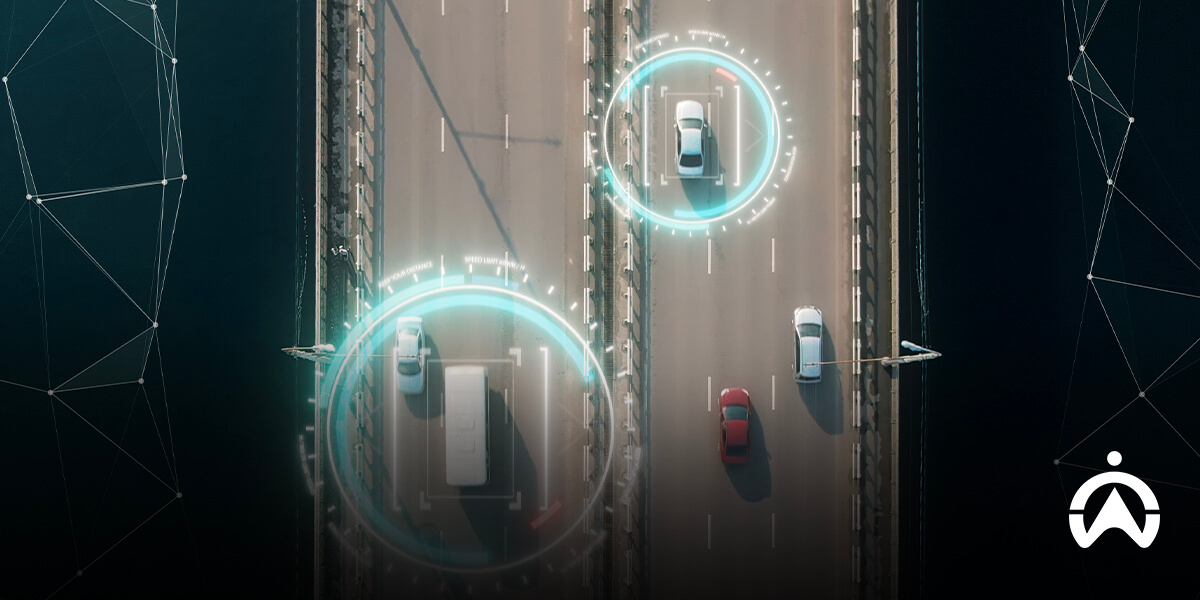
Imagine some of the powerful tracking systems mentioned above working with one unit to give you the best accuracy on the location of your vehicles and equipment, as well as data that will help you make better decisions. You don’t have to imagine, actually, because that’s basically what an IoT device does.

Formally known as the Internet of Things, IoT devices are specialised hardware such as sensors, actuators, and appliances that connect to wireless networks to collect and exchange data. They access the Internet via a physical area network such as Wi-Fi, Bluetooth, GPS or cellular connectivity and can be installed in vehicles or assets for every major industry.

Tracking device solutions and equipment for individuals and fleets—the Cartrack way

Now that you know how all these devices work, here’s how Cartrack uses them to simplify your daily work and home routines:

  • Stolen Vehicle Recovery:
    Cartrack has a recovery rate of more than 90% and over 2 million subscribers, so you can rest assured that our tracking unit will give your vehicle the security it needs. Our highly-trained air and ground recovery team is always on standby, ready to return what’s rightfully yours.
  • CarWatch:
    As an extra layer of security, you can switch on CarWatch on your mobile app right after you’ve parked your car. You’ll be alerted if it moves. Think of it as your virtual car guard.
  • Protector:
    Vehicle tracking technology does not just end up finding your car when it has been stolen. Sometimes, you just need other services like roadside or medical assistance. At the push of a button on your Cartrack mobile app or website, a call centre agent will contact you immediately and get you the assistance you need.
  • Geofence:
    Using Cartrack’s geofencing feature, you can set virtual fences around areas of your choice. This feature alerts you whenever your vehicle enters or exits the area and works not only for vehicles but also for other equipment fitted with tracking devices. If your machinery suddenly grows feet and “walks out” of the geofenced premises, you’ll get an alert, too.
  • Asset tracking:
    Know where exactly your equipment is at all times using Cartrack’s asset track feature. With this feature, you will receive real-time alerts whenever a fault code is set off or when your machinery needs servicing.
  • Temperature monitoring:
    Keep your refrigerated cargo fresh with our temperature monitoring solutions. These sensors give you immediate alerts when temperature changes in refrigerated trucks or trailers so that cargo such as food and pharmaceuticals can reach its destination in perfect condition.
  • Driver ID tags:
    Cartrack’s DID tags use RFID technology to help you immediately identify who drove which vehicle. You can ensure only authorised operators use your machinery, or only authorised drivers use those particular vehicles. This feature also allows you to monitor driving habits so you can see who needs more coaching.
  • Delivery:
    Our delivery software helps streamline operations for you and your drivers. It allows you to find the best order to complete tasks to reduce fuel expenses and track delivery progress in real time. Customers are also notified of any changes that might occur.
Trust the industry leaders of tracking technology—trust Cartrack

We could go on and on about the many benefits of tracking technology because, with Cartrack, the list is endless. Just contact us to find out more.

Let’s answer some FAQs

  • Which one is the best tracker in South Africa?
    Cartrack holds the highest trust rating on Hello Peter among all tracking companies in South Africa. With an outstanding stolen vehicle recovery rate of over 90%, Cartrack proudly holds the highest SVR rating in South Africa.
  • Where can I find tracking devices on cars?
    For safety reasons, the location of a tracking device is never disclosed, not even to the person driving.
  • How much does it cost to have a tracker fitted to your car?
    A Cartrack device costs as little as R99 per month and comes with free installation.

Stay on track with Cartrack. Contact us today.
Driver ID Tags: Be in Complete Control of Your Drivers and Your Fleet

Keeping up with who’s driving which vehicle can be quite the challenge, especially for a large fleet. Drivers sometimes forget to manually sign in for the vehicle they’ve used on that day, and if anything happens, you might not know who did it, which is why driver identification plays a crucial role in fleet management.

A driver ID tag simplifies the process and puts you in control of every vehicle. Cartrack Tanzania specialises in automatic vehicle and driver identification, so let’s get into the nitty-gritty of driver ID tags.

In this article, you will:

  • Find out how DID tags work
  • Learn about three different types of Cartrack DID tags
  • Discover the 7 benefits of driver identification
  • See how DID tags form part of a driver monitoring system

Get to know driver identification tags – the what, why, and how

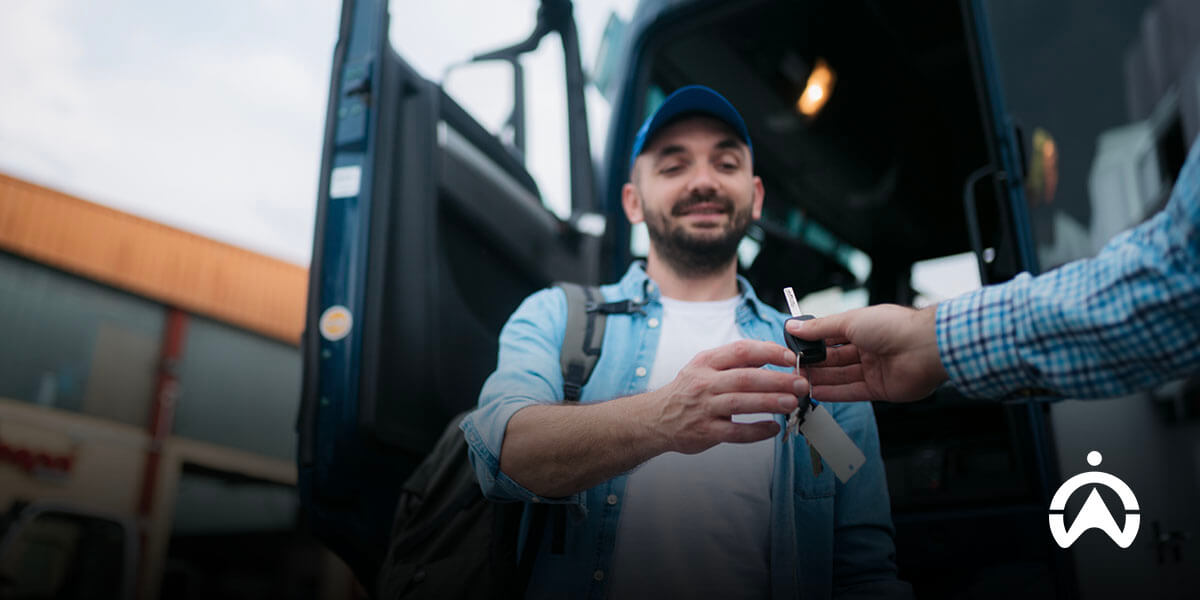
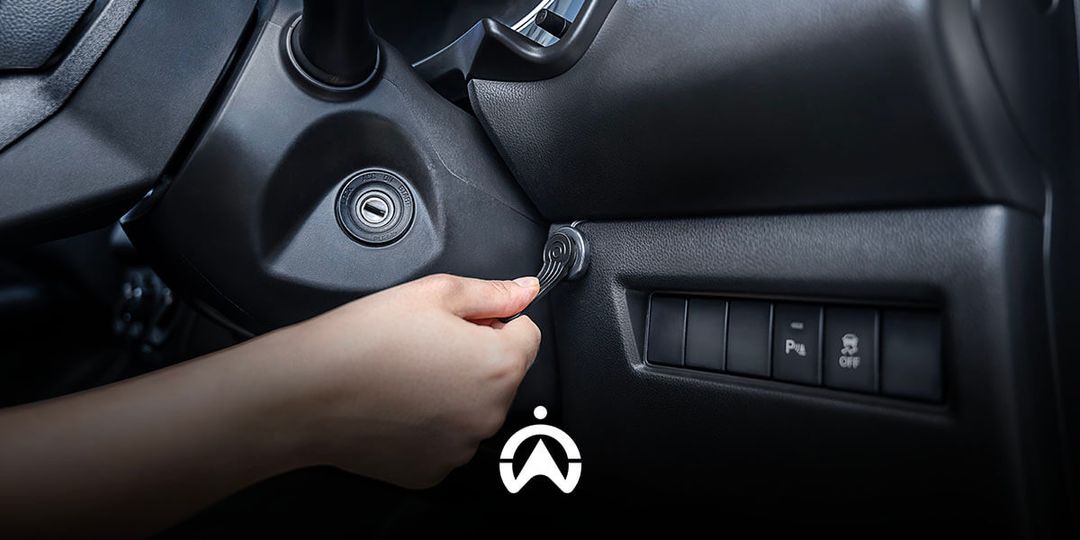
A driver identification (DID) tag is a key-ring-sized tag that is used in conjunction with the ignition key. It serves as an extra layer of protection and makes it easier for you to know who is on duty, who is driving which car and for how long. Look at it as an access card for drivers. If the vehicle is used without a tag, it can be flagged as potential theft. DID tags are essential for fleet management businesses in cold chain and logistics, the construction industry, and the transportation industry.

How do the tags work?

Driver ID tags use Radio-frequency identification (RFID) technology. This is a wireless communication that comprises three components: a reader, an antenna and a tag. The reader is connected to the antenna and transmits radio signals to the tag with added information. The tag also works in conjunction with GPS tracking technology to help monitor your drivers while on the road.

Cartrack’s advanced DID tag solutions

Introducing the three Cartrack driver identification features, specially tailored for your needs:

1. Driver ID
This helps you automatically identify drivers and vehicles using the driver’s identification number. If something ever goes wrong, this tag will be very useful. Drivers can also be assigned two tags, one for work and another for personal use. You can pull out a tag report to keep track of who was driving which car and when.

2. Driver ID start prevent

Eliminate unauthorised vehicle usage with Cartrack’s DID Start Prevent. With this, the tag assigned to the driver will be linked to the start inhibit, meaning the ignition will not go on unless there is a tag. This is ideal in industries such as mining and construction because there is equipment that needs to be protected and accounted for.

3. DID with configuration

This DID tag is configured for a specific vehicle to prevent others from using it. How is this any different from the rest? Well, let’s say you have some abnormal load trucks in your fleet. Not all drivers are qualified to drive trucks of that nature, so you need to control who gets access to them. It’s not easy to remember which driver has the correct license, but with a configured DID tag, you can ensure the tags only work on specific vehicle models. They are assigned to the drivers with licenses that qualify.

7 awesome benefits of a DID tag

These tags are made for your convenience and come with many benefits, such as:

  • Driver assignment control: Only authorised drivers will be allowed to use the vehicle. If the driver is not recognised, you will receive an alert.
  • Reduced admin and fraud: No time will be wasted manually recording who came to work and who didn’t, and handwritten timesheets become a thing of the past, eliminating fraudulent entries.
  • Driver accountability: Any careless driving will be quickly identifiable and tied to the correct driver; this will make it easier to conduct an investigation or correct the behaviour.
  • Route planning: This helps you ensure that drivers are using the most fuel-efficient routes through the information given in the reports.
  • Compliance: Driver ID tags help you monitor working hours through automated log reports so you can ensure drivers comply with working time limitations and get enough rest.
  • Less vehicle misuse: The driver can log the trip as business or private use, and because it works hand in hand with GPS technology, you will be able to see if that indeed was a scheduled trip. Furthermore, if drivers know they are being watched it limits the careless driving that leads to fuel wastage and road accidents.
  • Improves driver behaviour: Through driver reports, you will see where drivers need to improve, and that will gradually bring about a change in driving habits.

Enhance your driver identification game with Cartrack Tanzania

Cartrack Tanzania provides driver monitoring solutions that all work together for the safety of your fleet. Here are two other features that work hand-in-hand with our driver ID tags:

  • Driver Scorecards
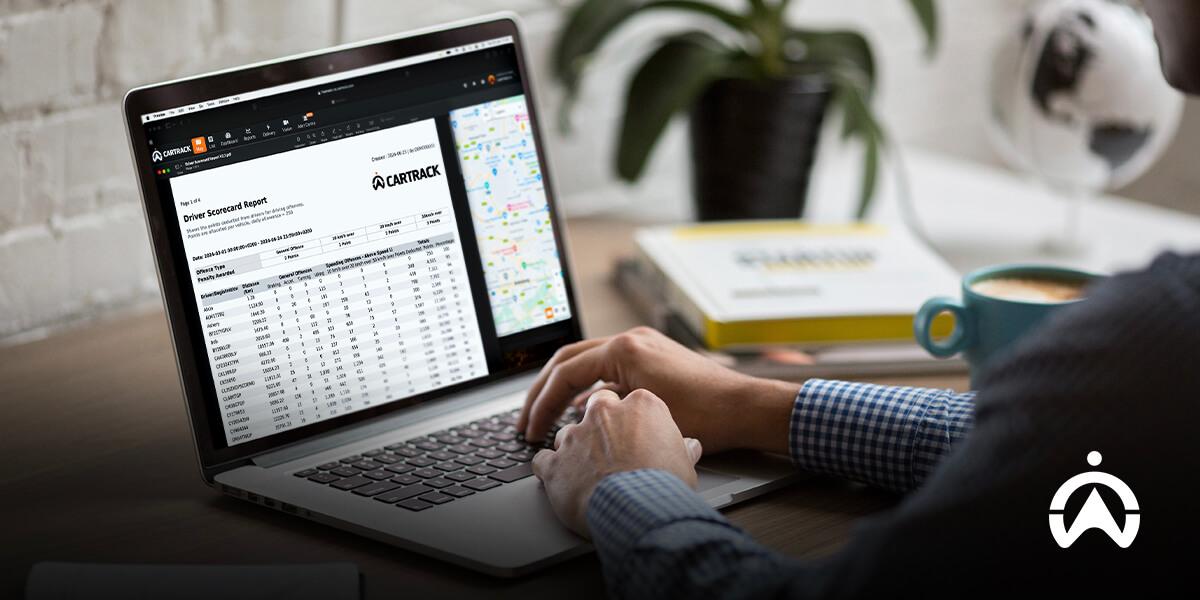
    Telematics makes everything possible. Our driver scorecards monitor any high-risk behaviour, such as speeding or harsh cornering. Each driver will get a rating, which will help you identify areas for improvement and provide the opportunity to coach the drivers to improve their driving habits.
  • Driver Reports
    Get driver ID tag assignment reports that show drivers and the tags assigned to them. You can also access business, private or weekend trip reports which show you the start and end details of each trip, helping you keep track of driver working hours as well.
  • Driver Coaching
    Enhance safety and reduce risks by training drivers based on reports. This also increases productivity and boosts savings due to fewer accidents, fuel-efficient driving techniques and reduced maintenance costs.
  • Advanced Driver Assistance System (ADAS)
    ADAS uses camera-based sensors, intelligent algorithms, and AI technology to enhance driver awareness and, therefore, increase driver and vehicle safety. This system alerts drivers of blindspots and gives forward collision warnings.

Get to know your drivers better through Cartrack’s fleet management solutions

We make running a fleet less strenuous and help you build a reputable business while saving costs using innovative driver monitoring solutions such as the driver ID tag. Contact us today.

Any other questions? Well, let’s get you sorted.

Take a look at these frequently asked questions about DID tags.

  • Do driver ID tags monitor driver behaviour like speeding or harsh braking?
    Yes, driver ID tags assist managers in monitoring events such as harsh braking and speeding, making it easier for them to identify who was driving and allowing drivers to take accountability.
  • How can driver ID tags be used to incentivise safe driving habits?
    Drivers can get ratings based on the frequency of harsh events, and those showing improvement by getting high ratings can get rewarded. This also helps increase driver buy-in.
  • How easy are driver ID tags to install and use?
    The driver RFID reader is installed in the dashboard and connects to the GPS unit. When the driver enters the vehicle, he/she will touch their ID tag to the face of the reader. The installation process is simple, and drivers are quick to understand how to use it as it is straightforward.
  • Can driver ID tags help improve fuel efficiency?
    Yes. Fleet managers will get reports on route deviations and fuel-draining habits such as harsh braking and cornering, allowing them to coach each individual on how to improve and, therefore, save fuel.

Get the visibility your business deserves with Cartrack’s DID tags

Don’t miss out on smart driver monitoring solutions. Contact Cartrack today!

What is Driver Coaching? Get All the Insights on How To Boost Your Drivers

Fleet managers put their trust in their drivers but still need to keep an eye on driving habits in order to avoid fuel drainage, high repair costs or even fatalities. With the right coaching, better driving habits can be achieved, but the question is: What’s the best way to train drivers to improve your quality of service?

Let’s have a look at driver coaching.

In this article, you will:

  • Understand the importance of driver coaching
  • Discover the four main reasons why you need a driver coaching system
  • Learn about the consequences of bad driving habits
  • Get tips for effective driver coaching
  • Find out how Cartrack makes driver coaching easier for you

Driver coaching explained: What is it?

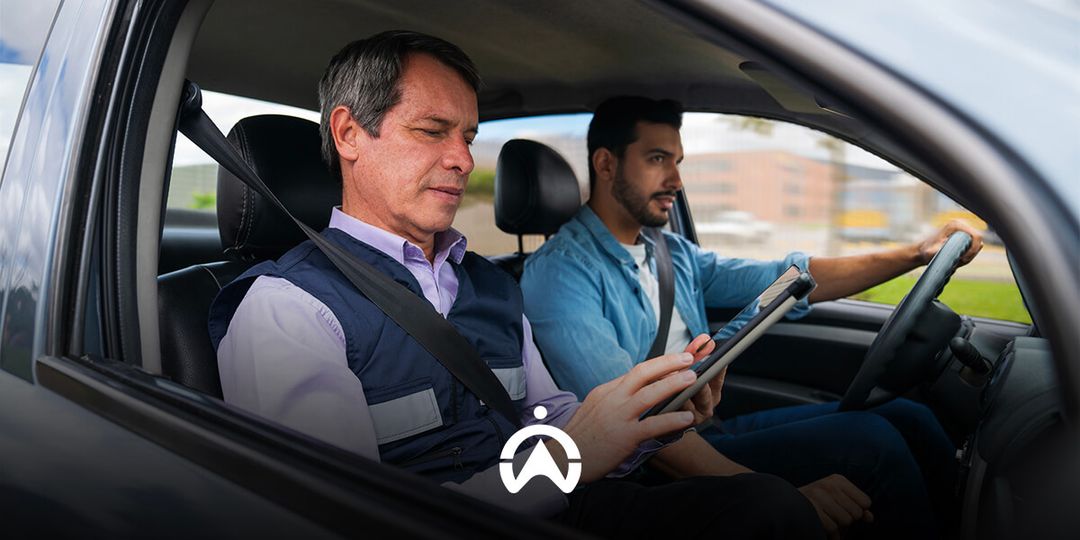
Driver coaching is the process of teaching and engaging with fleet drivers to improve their behaviour over time and enhance safety on the road. It is aimed at saving costs and increasing productivity.

Why driver coaching can be challenging

Drivers come with diverse skills; some are experienced, and others are at a beginner level. For example, a new driver might require an in-depth explanation of compliance and regulations, while an experienced driver will probably just need refresher training on advanced defensive driving. This means that the feedback needs to be tailored to each driver’s unique needs, but unfortunately, fleet managers and safety managers do not have time to engage with every single driver due to their ever-so-busy schedules, especially when running a large fleet.

Fleet managers can’t correct what they can’t see. They don’t exactly know what activities drivers get up to on the road, and that makes it difficult to notice patterns or pinpoint the real reason why fuel doesn’t last, why the driver ended up in an accident, or why vehicle parts always need repairing or replacement. Without data analytics from afleet management system, coaching doesn’t work.

4 consequences of bad driver behaviour on fleet businesses you need to know about

Here’s how problematic driving can cause serious profit drainage:

1. Fuel wastage

Fuel amounts to most of the budget for running a fleet and gets worse when not monitored. These are some of the driving habits that can dramatically increase fuel consumption:

  • Sudden braking: This usually happens when the driver does not keep a safe distance during traffic or is distracted. It uses more fuel because the vehicle’s transmission shifts to a lower gear to regain momentum.
  • Long periods of idling: According to North Carolina Environmental Quality, idling for 10 seconds uses more fuel than turning the engine off and restarting it. Idling also damages vehicle parts and causes pollution.
  • Speeding: A higher speed requires more power from the engine to overcome the drag from wind resistance, tyres, and transmission, which, therefore, burns more fuel.

2. Maintenance

Careless driving habits put a strain on the vehicle and shorten its lifespan due to the constant wear and tear. Here are some examples of careless driving habits that can cause maintenance issues:

  • Revving a cold engine: Usually done on cold winter mornings when you’re running late and need to get going, excessive revving puts strain on the engine before the oil has had a chance to circulate properly, increasing wear and tear.
  • Coasting: Keeping your foot on the clutch is called coasting and wears down the pressure plate and bearing before the expected time.
  • Ignoring warning signs: Drivers need to familiarise themselves with symbols on the dashboard so they know when to stop and take action to prevent further damage or a breakdown. If you see any warning lights relating to the engine, braking, airbag, oil pressure or tyre pressure, then you should pull over and request help immediately.

3. Safety concerns

This is important and more obvious. Reckless driving is one of the leading causes of road accidents. Drivers are responsible not only for their own safety but also for the safety of others. One small distraction or higher speed may cause a huge collision, end lives, and result in major lawsuits or jail time for the driver. This can also cause revenue loss due to unexpected downtime, repairs, and replacements.

4. A bad company rep

The purpose of the “How’s My Driving” sticker at the back of a truck or car belonging to a fleet business is to promote safe driving, which is another good way to monitor driver behaviour. If your drivers are not coached, they stand a chance of always being reported, damaging the company brand as it will be known for bad driving. This becomes more of an issue once more people notice, the word spreads, and clients start to avoid associating themselves with your fleet business. It gets even worse once drivers are caught in accidents, and it’s the same company that comes up.

Tips for effective driver coaching

Driver coaching plays a huge role in the overall business’s revenue, empowers the drivers, and helps them grow their skills. Your approach to doing so is very important; here are a few tips for successful coaching:

  1. Get a driver monitoring system: Telematics eliminates the gap by providing you with real-time data regarding your fleet. This allows you to track driver routes and monitor problematic driver behaviour.
  2. Build rapport with your drivers: Have a positive approach to each session, greet each driver, treat them with respect, ask how the day is going and how the family is doing and let them know how much you appreciate them.
  3. Make time for your drivers: The most serious incidents should be addressed within a day or two, but it is advised that you at least give weekly feedback so it becomes a part of the company culture.
  4. Make communication a two-way street: Coaching should be carried out as a conversation instead of just instructions. Ask the driver his/her side of the story, hear them out, then give directions and ensure they understand the risk of continuing the behaviour.
  5. Give recognition to top drivers: Those doing well should be rewarded, and those showing improvement should be recognised. This encourages the driver and boosts morale.
  6. Be positive when addressing drivers: All feedback should be seen as a way to improve instead of a scare tactic.
  7. Gain driver commitment: Drivers should be encouraged to take accountability for their actions and complete the agreed-upon follow-up actions.

Simplify driver monitoring and coaching with an all-in-one solution

It is evident that driver coaching is essential for every fleet business, and Cartrack, without a doubt, has the best solutions for you and your drivers:

The Cartrack driver coaching tools

  1. Advanced Driver Assistance Systems (ADAS)
    Enhance driver awareness with Cartrack’s ADAS. This powerful tool uses camera-based sensors, intelligent algorithms, artificial intelligence and machine learning to warn drivers of blind spots and forward collisions.
  1. ADAS coaching tool
    Cartrack’s on-platform driver coaching feature allows you to see risk reports and videos of daily or monthly driving violations, such as seatbelts not being used, fatigue, or cellphone use. This valuable tool also shows you the number of times a driver repeated an incident as well as how many times they have been coached on that specific violation. You can leave notes for each event, allowing you to keep track of what was discussed in the last coaching session.
  2. Driver scorecards
    Our driver scorecards give each of your driver’s ratings based on events such as harsh acceleration or braking. This helps you pinpoint areas for improvement so you know what kind of training they need, and it will also help you reward drivers with the highest ratings.
  1. Driver risk reports
    Easily monitor each driver’s progress and identify trends through the insight given by detailed driver reports so you can make informed decisions based on real-time data.

Unlock your drivers’ full potential with the right coaching: Choose Cartrack

Trust Cartrack to make you the best coach. Contact us today!

Here are a few driver coaching-related answers to questions you might still have on your mind

What is driver coaching?

The process of educating fleet drivers to improve driver behaviour so you can save on fleet running costs and enhance driver safety.

What is a coach driver?

An employee who drives a bus along a set route to pick up and drop off passengers. Usually for long-distance travelling.

How to improve the behaviour of the bus and taxi drivers?

You can boost the behaviour of bus and taxi drivers by providing training and education on road safety, customer service, and driving techniques that can improve their behaviour on the road.

How important is a good driver?

A good driver lowers the risks of accidents and promotes safety on the road.

What Is Fuel Efficiency? Everything to Know

Nothing makes a fleet manager more proud thana fuel-efficient fleet. However, as rewarding as fuel efficiency is for fleets, many don’t know the first step to achieving it.

This blog explores the importance of fuel efficiency and the recommended steps to take to reach it. Let’s start our engine and begin exploring.

In this article, you will:

  • Learn the factors that influence fleet fuel economy
  • Discover the tools to calculate the fuel efficiency of your vehicles
  • Uncover essential tips for improving fuel usage
  • Explore Cartrack fleet management solutions tailored for optimal fuel performance
  • Get the answers to your frequently asked questions regarding fuel efficiency

Sustainability on the horizon

Fuel efficiency is a crucial aspect of managing any fleet but due to the fluctuating fuel prices recently, achieving such a goal has proven challenging for many fleet owners.

South Africa is trying to turn the tide by setting their sights on a more sustainable fuel economy. Focusing on improving their vehicle’s fuel economy will not only improve the business’s fleet fuel usage and improve fleet operations for business but also positively affect the surrounding environment and economy, which sounds like a win-win for everyone.

South Africa has expressed interest in creating a more sustainable economy, and vehicles are a good place to start. The Sustainability in South Africa report highlights targeting environmental sustainability and reducing our carbon footprint, showing that the wheels have already been set in motion for a cleaner future.

Everything you need to know about fuel efficiency

A thriving fleet requires effective fleet management, driver training programs, vehicle selection, andfleet management technology to ensure safety, compliance, and fuel efficiency.

What good is having a well-maintained fleet of various types of vehicles if none of them can use fuel efficiently? On the sustainability journey, the next logical step is to look towards vehicles on the roads and public transport operations, bringing a lens to vehicle fuel efficiency.

Fuel efficiency is measuring how far a vehicle can travel with one litre. Most would assume a litre of fuel can take you far, but not all vehicles will use a litre of fuel the same way. The more miles your vehicle can travel with that one litre, the greater fuel efficiency your vehicle has.

To improve your fleet’s fuel efficiency, you must overcome the many factors that affect vehicle efficiency.

Factors that affect your fuel efficiency

  1. Vehicle size and carrying weight
  2. Fuel quality
  3. Under-inflated tyres
  4. Road conditions and traffic
  5. Driver behaviour
  6. Poor maintenance habits

All of these play a part in the bigger picture. Understanding these is crucial for optimising your fleet’s fuel consumption and reducing costs.

Is my fleet fuel efficient?

After all this information, I’m sure you want to know if your fleet meets the fuel efficiency standard. One way to find out is to follow a few steps that assess your fleet’s vehicle performance, fuel consumption rate, and operational efficiency.

Step 1 Gather data
Your fleet’s fuel consumption rate is a clear indication of whether your fleet knows how to efficiently use fuel or not. Getting this rate can be done manually by looking through fuel receipts or tracking the total distance each vehicle travels. For a faster approach, fleet management software like Cartrack can automatically calculate this for you.

Step 2 Calculate your fuel economy

Once you have the information from step one, you can use it to calculate your fleet’s average fuel consumption per 100 km. All you have to do is divide the amount of fuel used in litres by the distance travelled and multiply by 100.

Step 3 Compare findings

Use the answer from your calculations to compare to industry standards or vehicle manufacturer insights on similar vehicle types.

This might seem like a long process but think of it this way, Calculating your fleet’s fuel consumption can bring light to your fleet efficiency levels and identify areas for improvement. Using this information to improve your fuel economy will result in lower fuel costs and less money spent at the petrol station.

Essential tips for achieving fuel efficiency

The way a vehicle is driven can go a long way in affecting how well its fuel efficiency is. Making small changes such as decreasing the amount of times you idle or abruptly accelerate can save you thousands per year, especially when this is practised across a whole fleet.

Here are other tips that can benefit not only your vehicle but also your wallet in the long run.

Purchase fuel-efficient vehicles

This option is not always available for all businesses but opting for more fuel-efficient vehicles such as electric or hybrid vehicles is a sure way of having a fuel-efficient fleet.

Actively track fuel consumption

After filling up the tank, how long can your vehicle go without refilling again? The steps listed above can help calculate your fuel efficiency and give you insights into improving fuel consumption.

Eliminate unnecessary weight

Be mindful of how you load your fleet as heavier vehicles use more fuel. Allocate the right vehicle to transport heavier material and don’t just cramp your vehicles with unnecessary weight that they can’t carry.

Stop excessive idling

If your vehicle is stagnant for a long period of time, it’s better to switch off the engine than to stay idle. Turn off your engine if you’ve stopped for longer than 30 seconds. Believe it or not, 300 millilitres, or around 1 cup of fuel, can be wasted by idling every 10 minutes.

Improve driver behaviour

Every hatch corner you take or sudden braking highly influences your fuel use. For this reason, many businesses have driver coaching available to ensure their drivers improve their driving skills so they can save on fuel and save costs on vehicle wear and tear.

Fleet management tools for fuel management

Partner with fleet management software like Cartrack that offers GPS vehicle tracking and telematics for vehicle diagnostic information, vehicle usage data, preventative maintenance, driver behaviour along with alerts for risky behaviour and real-time data on how fuel usage with fuel monitoring solutions.

The quicker you start implementing these tips, the faster your fleet and save on fuel and steadily move towards a healthier, more fuel-efficient fleet. The price for not following through can sometimes be greater than the impact on your budget.

The price for inefficient fuel use

  1. Higher fuel costs
  2. Negative environmental impact
  3. Increased wear and tear
  4. Operational inefficiencies
  5. Creates emissions

Cartrack fleet management solutions for improved fuel economy

Fortunately for South African businesses, they don’t have to tackle fuel efficiency alone.

Fleet management software along with companies that offer a variety of fleet management solutions such as Cartrack, is available to assist in improving fuel economy by streamlining every aspect of vehicle management such as vehicle maintenance, vehicle allocation and usage and driver behaviour, which can all contribute to how well your fleet uses the expensive resources.

Let Cartrack be the middleman between your business and achieving peak fuel efficiency. Cartrack has a fully-stacked feature list that is all ready to improve your fleet.

Here’s how Cartrack’s trusted solutions can help your fleet reach fuel efficiency potential:

  • Fuel monitoring for real-time fuel insights
  • Driver coaching via Driver scorecards and reports
  • Preventative vehicle maintenance notifications
  • Fuel usage reports
  • Route optimisation for fuel-efficient routes
  • Cartrack’s MiFleet to keep track of fleet fuel costs
  • Electric vehicle integration

Go electric: Invest in a greener fleet

Electric vehicles (EVs) have taken the world by storm ever since they were introduced and South Africa is steadily opening up to the idea.

These vehicles aren’t affected by the rising fuel costs that are causing many motorists in SA to reevaluate their fuel budgets, and they aren’t affected by the wear and tear caused by fuel usage. Since no natural resource is used to power these vehicles, they create zero emissions and offer impressive fuel efficiency to boot.

They sound perfect, right? Well not quite, as amazing as they seem to be, they aren’t very practical for South Africans because of the lack of constant power due to load-shedding.

Despite this, there is still a great deal of interest in these vehicles in many countries, with some businesses opting to operate fully electric fleets. In sunny South Africa, Woolworths has joined in using EVs for their deliveries, becoming the first retailer to have an EV fleet. In the USA, the next time you order items on Amazon orIKEA, an electric van might stop by to drop off your package.

If your business isn’t quite ready to go fully electric, there’s always hybrid cars ready and waiting.

These are a combination of a traditional combustion engine and an electric motor. These two technologies come together to offer the best of both worlds with fuel efficiency from the electric motor and peak vehicle performance from the combustion engine. If your fleet usually travels around urban areas and your fleet has mostly sedan or hatchback vehicles, then this option could be perfect for you as they are well-equipped for inner-city driving.

South African Incentives in support of electric vehicle rollout

To get the ball rolling, recently South Africa has offered a few big incentives to gain attraction for electric vehicles.

According to the annual budget released in February 2024, The government announced that companies that invest in the local production of electric vehicles will receive a150% tax deduction starting March 2026.

The Department of Trade has also allocatedR964 million towards electric vehicles, this is in line with the New Energy White Paper approved by Cabinet.

Improve fuel usage and slash fuel costs with Cartrack Tanzania

Cartrack is your one-stop shop for fuel efficiency. Put our advanced solutions to the test and start enjoying the benefits of managing a fully efficient fleet.

Contact Cartrack Tanzania today.

Frequently asked fuel-related questions

Do you still have one too many questions floating around your head regarding fuel efficiency and what you have to do to achieve it? Read on to get the information to some popular questions on fuel efficiency.

How to understand fuel efficiency?

To understand your fleet fuel efficiency, you have to evaluate your vehicle’s ability to use fuel to boost its performance. Calculate the distance your vehicles can drive on 1 litre of fuel. This will show you how fuel-efficient your vehicles are. The number you see is determined according to other factors that affect how your vehicle uses fuel such as the vehicle’s weight, maintenance of the vehicle, the type of engine it uses and more.

What is the concept of fuel efficiency?

The concept of fuel efficiency stems from motorists and managers needing to show the limits of their vehicles when it comes to fuel usage. Seeing what 1 litre of fuel can do for their vehicles, how much power can be used from it and what is needed to achieve minimal fuel consumption are all important information to have. This insight would influence the type of fuel you give to your vehicle, its maintenance schedule and the overall health of your vehicle.

How many litres per 100km is good?

If your vehicle is healthy, then lower litres per 100 km indicates good fuel efficiency. But there are other factors such as vehicle type, vehicle weight and size and driving condition that can change the fuel consumption rate.

What determines the efficiency of a fuel?

There’s a list of factors to consider that influence how fuel-efficient your vehicle is including:

  • Vehicle engine
  • Vehicle type
  • Driving habits
  • Driving terrain
  • Fuel quality used

And more, if each of these factors are managed with a car then your vehicle is capable of reaching maximum fuel efficiency standards.

Does cruise control save fuel?

This is a common myth that has been passed on from driver to driver over the years. Although it doesn’t directly influence fuel efficiency, cruise control does allow the vehicle to drive at a constant speed, which can improve fuel efficiency because of the steady, non-harmful driving behaviour as there would be no harsh acceleration, idling or deceleration.

For further insights into fuel efficiency and fleet management solutions, be sure to check out our blog on Fuel Efficiency: Know How to Save Your Fleet a Fortune.

Road Spiking: Sudden Huge Increase and How to Protect Yourself and Your Vehicle

Watch out! The number of vehicles falling victim to spikes on the road has been increasing. Criminals are constantly developing new ways of setting traps for motorists, and as they’re developing their techniques, we need to wise up to stay safe.

Here’s a closer look into this new trend and some tips on protecting yourself.

In this article, you will:

  • Learn about road spiking
  • Get tips on what to do should your wheels get spiked
  • Find out which highways are mostly targeted
  • See how you can avoid road spikes
  • Discover how Cartrack can help you in this situation

What is road spiking?

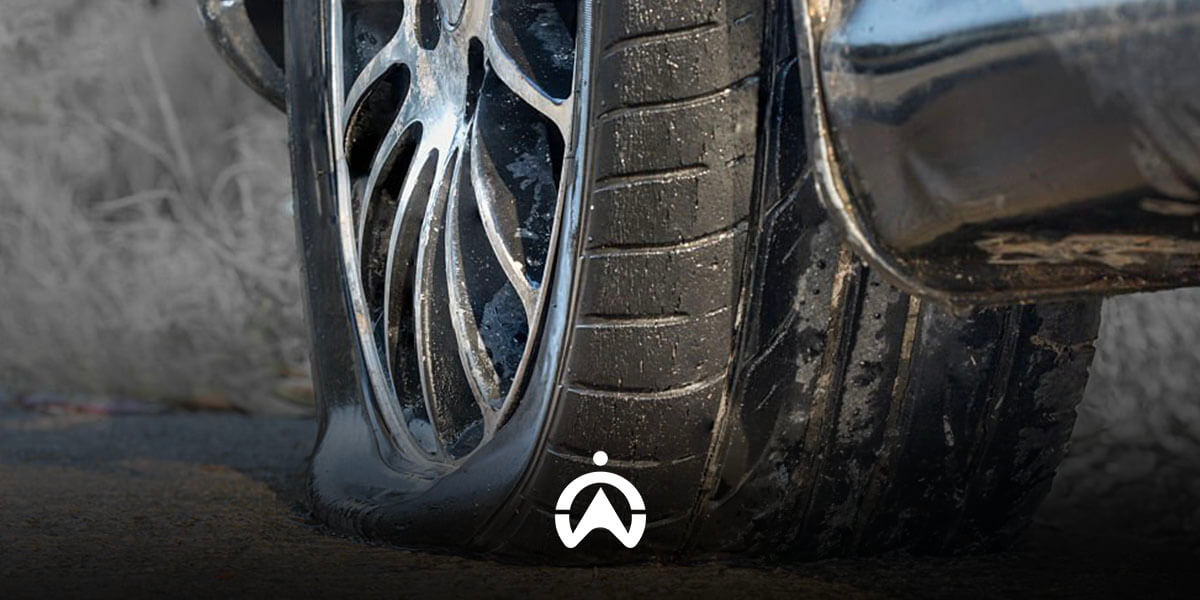
Road spiking involves placing spikes disguised to look like plastic bags or clothing on the road, usually when it is dark. This causes motorists to drive over them unsuspectingly, thinking it’s harmless. These “spikes” are mostly made out of nails, wood or even big stones.

Where on the road are the spikes placed?

Richard Brussow from the National Hijack Prevention Academy told eNCA that the thieves usually work in groups of two. One places the spiked object on the road, particularly the fast lane, while the other hides 300m-400m further down the road, waiting for the vehicle to come to a standstill. In most cases, the thieves are on foot, but there have been other cases where they drive behind the spiked vehicle till it stops, then attack.

The motive behind vehicle spiking

The aim is to damage the vehicle’s tyres, forcing you to pull over and assess the situation. Once you’re out of the car, the thieves come out of “nowhere” to rob you of your possessions. In some cases, this, unfortunately, does not only end with just getting robbed, as there have been several incidents where motorists were kidnapped and only released after all the money in their accounts had been withdrawn.

Calling all motorists: Targeted highways you should know about

What used to be reported once or twice a month has now risen to several incidents a week, with most incidents happening in Pretoria and surrounding areas. In the third week of May, 10 suspects were arrested in Pretoria in connection with road spiking. The Motor Industry Staff Association (MISA) has since provided a list of hotspots, most of which are on highways around Gauteng:

  • The N4 from Mpumalanga to Pretoria between the Soloman Mahlangu and Watermeyer off-ramps
  • The N4 from Pretoria to Mpumalanga between the Bronkhorstspruit and Balmoral off-ramps
  • The N1 and N4 Mpumalanga interchange in Pretoria
  • The N4 to Rustenburg between R80 Mabopane freeway and Britz Plaza tollgate Golden Highway
  • The R21 freeway from OR Tambo International Airport to Pretoria
  • The R562 in Olifantsfontein
  • The N12 in Witbank, under the Merridale bridge
  • The N12 between Klerksdorp and Potchefstroom
  • The N3 between Leondale and Barry Marais Road
  • The N17 between Rondebult and Heidelberg Road

Other highways in South Africa can still be targeted, as this is a growing trend, so stay vigilant!

Is there a way to avoid road spikings? Our top tips

Here are some tips on how steer clear of the spikes:

  • Avoid driving at night: It is difficult to see objects at night while driving, especially on roads that do not have enough lighting. Criminals take advantage of that, which is why most of these incidents happen at night or in the early hours of the morning. So, if you can, avoid being the night rider.
  • Have a good following distance: Create a safe space between you and the vehicle in front of you so that you can manoeuvre out of situations.
  • Do not stop for any objects on the road while driving: This is how they get your attention, which leads to you stepping out of the vehicle. If you spot an obstacle ahead of you, move into the emergency lane or the grass if the highway allows.
  • Reduce speed: Travel at a reasonable speed and try not to go over 80km/hr if you know you’re in a dangerous area. This increases your chances of seeing obstacles on the road. Thieves mostly target the fast lane because they know that by the time motorists realise that there’s something on the road, it is too late.
  • Stay in the middle: If circumstances allow, drive in the middle of two lanes, with two wheels on one side and two wheels on the other side. This may help you miss spikes placed in the lane, and it also makes it easier to swerve left or right. Remember, this is not in line with the rules of the road and should only be done in an absolute emergency, like when suspecting that you’re being targeted by spikes on the road.
  • Change lanes just before passing under a bridge. It is usually dark under a bridge, which makes it a hotspot for placing spikes.

So, let’s say you fall into the trap. What’s your next move?

These are some of the things you can do to get yourself out of the sticky situation unharmed and possibly dodge the entire situation:

  • Drive slowly and as far as possible: Your rims can handle more than you think. They can take you a few kilometres further, so long as you drive slowly. The goal is to get as far away as possible from the perpetrators, who are most likely on foot. Run-flat tyres also come in handy as they are built to keep your wheels running even with little or no pressure.
  • Do not brake: Most victims hit the brakes out of fear once the car falls in the direction of the damaged tyre. When you brake, you transfer all the weight of the vehicle to the front. Try as much as you can to keep the steering wheel straight and keep going, as the goal is to get as far away from the attackers as possible.
  • Don’t stay in the car: If your vehicle comes to a standstill, run out of the car as far as possible and hide while calling for help. Staying in the vehicle is what the thieves are hoping for because they want all your valuables, including your cell phone and bank card, so they can empty your bank account. This will also help you avoid getting kidnapped.
  • Send your live location: Make sure someone can track your whereabouts. This will be very helpful in getting you assistance faster, and should the thieves or any other potentially dangerous individual get to you, someone will be able to trace you using your last known location.

What to do should they get to you

If you were unable to run away from the thieves then the only thing that’s left to do is to comply. Here’s how:

  • Lift both hands up: If your hands are hidden or in your pocket, the thugs might think you are trying to call for help or take out a weapon to protect yourself, which can aggravate them and make the situation worse.
  • Do as you are told: At the end of the day, your life is worth more than whatever they are robbing you of. Do not try to fight them; instead, do as they say because everything is replaceable except your livelihood.
  • Take note of the little details: Without staring too much, try to take note of the little details so you may be able to give the police solid leads once you report the incident.
  • Keep calm: As hard as it is, try to remain as calm as possible. Panicking or making unexpected movements can intimidate the thieves and worsen the situation.

Additional safety precautions that’ll come in handy

Better safe than sorry! These are the daily safety measures that you can instil to help you from other dangers that you could come across on the road:

  • Always be in contact with friends/family
    Someone should know where you are at all times. Try to let your loved ones know your whereabouts as much as you can by always sending messages, making a call before you go, or sharing your live location with someone every time you’re on your way somewhere.
  • Pay attention to the people or objects around your vehicle
    If it is not road spikes, it might be police impersonations or other unusual objects that distract you and force you to stop and get out of your car. There might even be a car waiting not too far from your gate or in public spaces like drive-throughs to close you in. The bottom line is that you should always check your surroundings and be aware.
  • Get a GPS vehicle tracking device
    With a tracking device installed in your vehicle, your location will always be visible, making it that much easier to find should there be an incident like your wheels getting spiked.

Choose a GPS tracking system that is specially tailored for your safety: Choose Cartrack

These new tactics criminals use require you to be protected in all ways possible. Your vehicle’s location might be your saving grace should your wheels get spiked. If you get stranded, Cartrack is here to help. We offer advanced technological services for any outcome.

Here are some Cartrack’s safety must-haves:

  • Crash Detection
    This feature alerts our control room services when a collision is detected from your vehicle. If our control room can’t reach you, they will attempt to reach your provided emergency contacts or contact emergency services.
  • Panic button
    Get a panic button discreetly installed in your vehicle so you can call for help the instant you need it. The panic button sends a silent alert to our 24-hour control room service, which will attempt to call your emergency contacts, assisting in getting you help, should you not have enough time to reach for your phone after your wheels are spiked.
  • Protector
    This emergency medical and roadside assistance feature is available 24 hours a day and can be accessed on the Cartrack App at the touch of a button.
  • Geofence
    As an extra vehicle safety precaution, you can set virtual boundaries around areas of your choice so you are alerted whenever your vehicle enters or leaves them.
  • Stolen Vehicle Recovery (SVR)
    There are different motives behind criminals distracting you on the road; they may want what’s in the car or the car itself. It is, therefore, crucial that your car is protected at all times. Should the worst-case scenario be that your vehicle gets stolen, you will be more at ease knowing that Cartrack has your back. We have a 90% recovery rate, so that surely means you can trust us, and in the unlikely event that your vehicle is not recovered, you have a R150 000 recovery warranty that you can claim. Ts&Cs apply.
  • Cartrack Insurance
    Your car will need repairs after a road spiking incident, and the wheels will need to be replaced. Cartrack is also here to help you find an insurance quote that best suits you so you have fewer worries should you ever need to claim for repairs.

Cartrack goes beyond recovering your vehicle

We are an all-around company that specialises in vehicle safety and goes the extra mile for your personal safety. Contact us today and step into a realm of ease.

What Is a Fuel Management System?

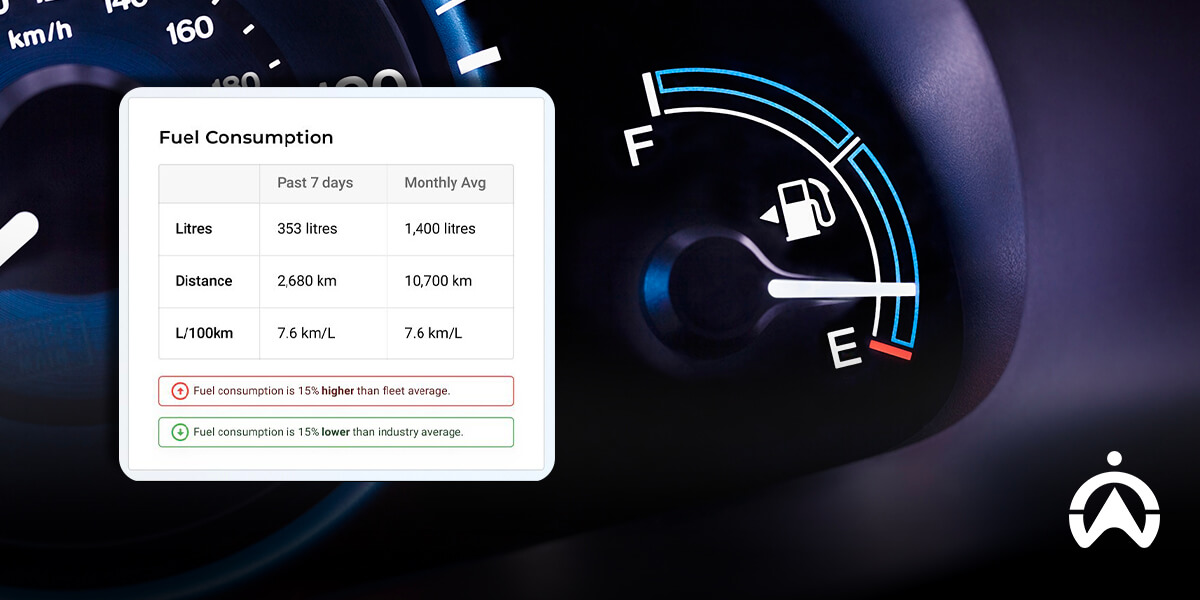
According to research done by the National Highway Traffic Safety Administration, fuel expenses can take up to 60% of total fleet business costs. With the ever-rising fuel prices, having a fuel management system will save your business a large sum. This is why it is important for every fleet business to have a fuel management system.

Let’s have a closer look at how this works.

In this article, you will:

  • Learn all things fuel management-related
  • Discover the disadvantages of running your fleet without a fuel monitoring system
  • See which fuel monitor would best suit your business
  • Differentiate between fuel monitoring and fuel management
  • Find how Cartrack can help you save on fuel costs

Everything you need to know about a fuel management system

A fuel management system is a combination of hardware and software technology that is used to optimise fuel consumption in various industries such as mining, construction, and transportation.

Fuel management systems ensure that fuel is being used efficiently by monitoring factors such as fuel consumption and engine performance. Businesses without a fuel management system battle with the cost of fuel daily.

How do fuel monitoring systems work?

Fuel monitoring systems work hand in hand with fleet management software and telematics to be able to translate the data. Here is a brief breakdown of two components of fuel monitoring systems:

  • Engine Control Unit
    Also called an engine control module, this unit controls both the engine and the transmission. It collects data related to fuel consumption, engine operating hours and mileage.
  • Fuel level sensors
    These are filters installed in vehicle tanks to monitor fuel levels. A tube connects to the fuel measuring system, and when fuel is added, it fills the tube and the spaces around it. The information is then sent to a telematics system, which gives readings such as tank capacity, litres and vehicle location.

Disadvantages of running a fleet without a fuel monitoring system

Here are some of the things that can go wrong when your fuel is not being monitored:

  1. Fuel theft and fraud: Having a fuel card is essential when running a fleet as it helps keep track of fuel expenses. It makes it easier to know which driver refilled where, when and for how much. However, if the cards are not integrated with a fleet management system, there will be loopholes, such as false transactions or drivers using their fuel cards to purchase fuel from their personal vehicles.
  2. Incorrect data analysis: Without a fuel monitoring system, fuel card reports can be misinterpreted, and there is room for many human errors.
  3. Careless driving: Bad driving habits such as harsh braking, speeding, excessive idling, and harsh cornering require more energy from the engine. This means that more fuel needs to be burned, leading to fuel wastage. Aggressive driving not only drains fuel but also causes vehicle wear and tear, leading to unexpected breakdowns, vehicle downtime, and heavy repair costs.
  4. Unnecessary mileage: Fuel monitoring systems work hand-in-hand with GPS technology. This enables you to see the routes that heighten your fleet’s fuel consumption. Without it, it becomes more difficult to track mileage and pinpoint problem areas.
  5. Environmental impact: Businesses are charged more tax for a high fuel consumption. This is due to global warming and the aim is to slow down climate change by lowering greenhouse gas emissions such as the burning of fossil fuels.

Benefits of a fuel management system

There are many benefits that come with having a fuel management system, such as:

  • Improved driver behaviour
    Driving habits such as excessive idling, harsh braking or speeding not only put drivers in danger of possible collusion but also drain fuel faster. With a proper fuel monitoring system in place, fleet managers will be able to monitor driving habits that increase fuel as well as vehicle wear and tear.
  • Reduces human error
    Fleet technology simplifies administration and speeds up operations. A fuel monitoring system reduces the manual work and is more accurate, eliminating any miscalculations of fuel expenses.
  • Improved route planning
    Fuel management is part of fleet telematics. Fleet management software gets you access to real-time GPS tracking. With this, fleet managers can track the routes drivers use to make deliveries and see which routes are wasteful or unnecessary, therefore saving fuel.
  • Fuel theft prevention
    Integrating a fuel card with a fleet management system catalysis the process of matching fuel receipts with the vehicle’s location and fuel level status, making it easier to detect fuel theft.
  • Greener fleet
    If you want to go green, a fuel management system will help you lower carbon emissions by reducing the amount of fuel you use. You will save money and the planet too.
  • Reduced maintenance and repair costs
    Using engine technology to monitor fuel can save your fleet from breaking down and needing more repairs.

The difference between fuel management and fuel monitoring

Fuel management is about gaining full control of all the fuel operations in the business in order to reduce costs. It’s about knowing which vehicle needs refuelling, monitoring driver behaviour, maintenance, and fuel storage, and getting detailed reports. A fuel monitoring system, on the other hand, is the literal real-time tracking of fuel levels using fuel monitoring tools such as a fuel level sensor. Essentially, the fuel monitoring system is a part of fuel management.

What kind of insight can you gain from a fuel management system?

Let’s have a look at Chris, who’s fleet manager at a logistics company. He has noticed that every time a certain driver uses one of his cars, the petrol in the tank doesn’t last long. He always checks receipts for the fuel cards and just doesn’t understand why there are so many refills. So, where does the fuel go?

Chris suspected fuel card fraud, so he decided to get a fuel monitoring system to better assess the situation. To his surprise, it turns out that the driver was always taking a longer route because he was more familiar with it. There’s a bakery on the way that he likes and normally stops by. This route increased the mileage, which is why the driver always needed to refill.

Chris also noticed that the same driver had many incidents of excessive idling. This was because whenever the driver would stop by his favourite bakery, he would leave the engine running, thinking it would just be a quick in and out. However, on some days, there would be a queue, and he’d wait longer for his baked goods. Chris has since coached the driver on driving habits that increase fuel consumption and is now seeing massive improvement.

From this, you can see that very simple and innocent things can have a huge impact on fuel expenses. A quick analysis plus some chats with your drivers can save your fleet a fortune.

Boost your fuel savings with a Cartrack fuel management system!

Cartrack is an industry leader in the fields of telematics and has helped many from different industries, such as transport, construction and mining, to maximise their fuel savings. With us, you get:

MiFleet

Mifleet is cost management software that can help you detect fuel theft and fuel card fraud by validating transactions with vehicle telematics data such as location, litres and tank capacity. This powerful tool gives you alerts whenever there is suspicion of fuel fraud, allowing you to further investigate and resolve the matter.

Fuel sensors

You can monitor your vehicle or machinery’s in-tank fuel levels with any of the following three fuel monitoring tools:

  1. Float sensors: Every vehicle comes with a floater and a variable resistor installed inside the tank. This moves up or down as fuel is added or while the vehicle consumes fuel. Cartrack connects to the wires the wire to the IoT device in order to read the voltages produced and translate them into litres. This information is then accessible for your use on our fleet management platform.
  2. Fuel probes: These arefuel level measuring devices that use a float system to track fuel levels. They are for external tanks or fuel tanks that are not connected to the vehicle and are connected to a telematics device inorder to send fuel level data.
  3. CANBus: The Control Area Network bus (CANBus) clamp is connected to our telematics device to enhance the ability of vehicle components, such as the engine and transmission, to “‘communicate” with each other. This then makes it easier for vehicles to detect when fuel is needed, and the data is then stored and sent to our fleet solutions.

Preventative maintenance

An overworked engine uses more fuel. Cartrack has a preventive maintenance feature that tracks engine hours. This feature provides real-time alerts of engine faults and automated maintenance schedules for each vehicle, so you know in advance which vehicles are due for servicing.

Route optimisation

Find the best order for drivers to complete tasks and create job routes for drivers to minimise mileage and fuel consumption.

AI LiveVison

Promote driver safety by installing our AI LiveVison Camera solutions to help you monitor driver behaviour. Drivers get real-time alerts whenever distracted behaviour such as yawning, cell phone use or smoking is detected, allowing the drivers to make corrections quickly. The goal is to avoid driving habits that increase fuel consumption, such as harsh braking, which often happens when the driver is distracted and suddenly has to stop. You can also have external cameras that monitor your fuel cap installed into your vehicles.

Driver Scorecards

Get reports on driver events such as speeding, harsh braking and harsh cornering for each driver so you can use them to coach drivers on their areas of improvement.

Cartrack makes saving on fuel so easy!

We are an all-around solution for everything related to running a fleet with a user-friendly platform that gives you peace of mind. We are industry leaders in fuel management and all things fleet-related.

Contact us today to help you fuel your fuel efficiency.

Here are some of the most asked questions regarding fuel management

What does a fuel management system do?

A fuel management system is a combination of hardware and software technology that is used to optimise fuel consumption

How does the fuel management unit work?

A fuel management unit (FMU) is a secondary fuel regulator on the return line to the tank. A rise in fuel pressure equals a directly proportional rise in boost.

What is the purpose of a fuel monitoring system?

A fuel monitoring system effectively manages fuel usage by reducing costs, enhancing overall operational efficiency, and meeting regulatory compliance.

What is the management of fuels?

The management of fuel is a process of managing and improving overall fuel usage and costs using telematics.

Ready to fuel on fleet savings? Call +255 222 772 434 or click here so we can call you back.