What Industries Benefit from GPS Tracking

GPS tracking is a non-negotiable for many business owners with a fleet of vehicles. Keeping track of these assets is a critical task that often has a team dedicated to it. This shows how complicated the process can sometimes be and how integral it is to efficiency and productivity.

So today, we will share which industries benefit most from GPS tracking and why Cartrack Tanzania is the ideal provider of this service.

This blog will discuss:

  • Which industries benefit from GPS tracking
  • How to choose the right GPS tracking system
  • The business value it brings
  • Why you should choose Cartrack Tanzania

Industries That Benefit Most from GPS Tracking

GPS tracking is a versatile service that can work for many business types across industries, seamlessly integrating into daily operations.

Some may believe that GPS tracking is solely for long-distance fleet vehicles; however, this is not the case at all. Several other business vehicles and assets can also use this technology, from off-road factory vehicles and heavy equipment to other immovable company assets.

Let’s explore some of the industries’ GPS tracking benefits and how it is used in each sector:

Logistics

With GPS tracking, fleet managers can optimise delivery routes in real-time, avoid traffic congestion, and ensure timely arrivals. This not only reduces fuel costs and vehicle wear but also boosts delivery efficiency.

Another key advantage is accurate ETA updates. Customers can receive real-time delivery updates, which greatly improves satisfaction and trust. Additionally, companies can reduce costly downtime by monitoring idle time and vehicle performance.

Construction and Mining

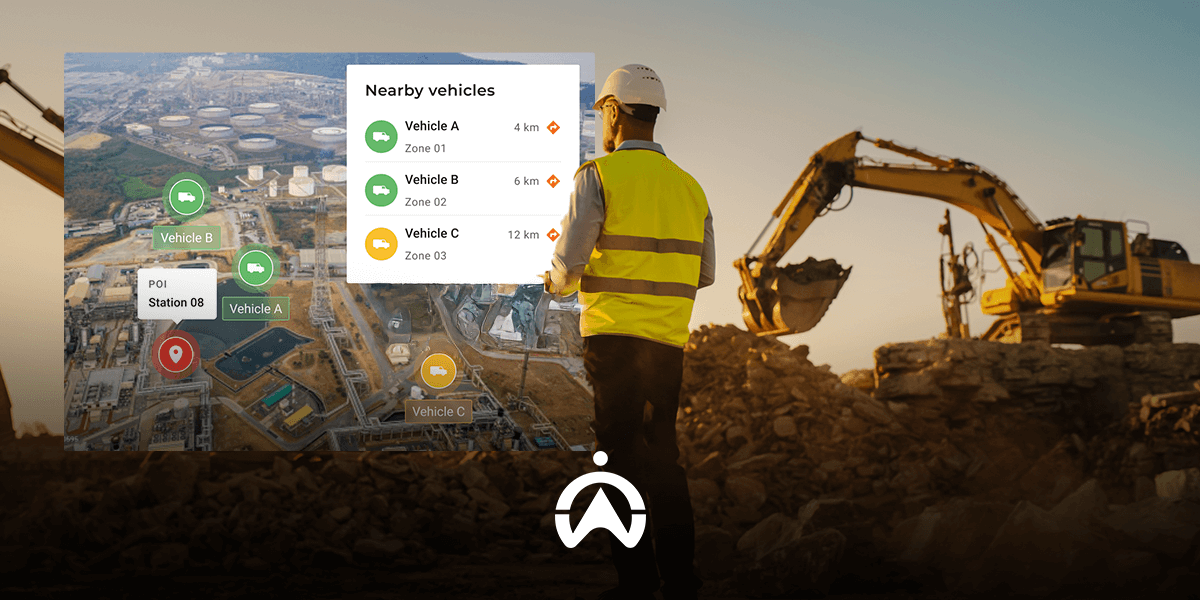
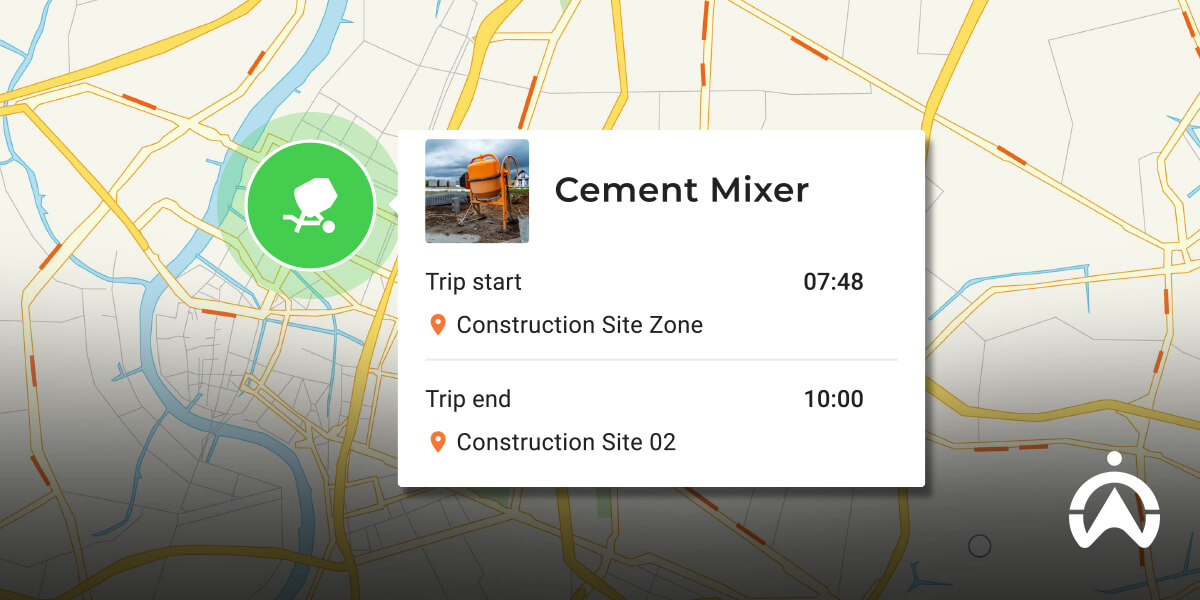
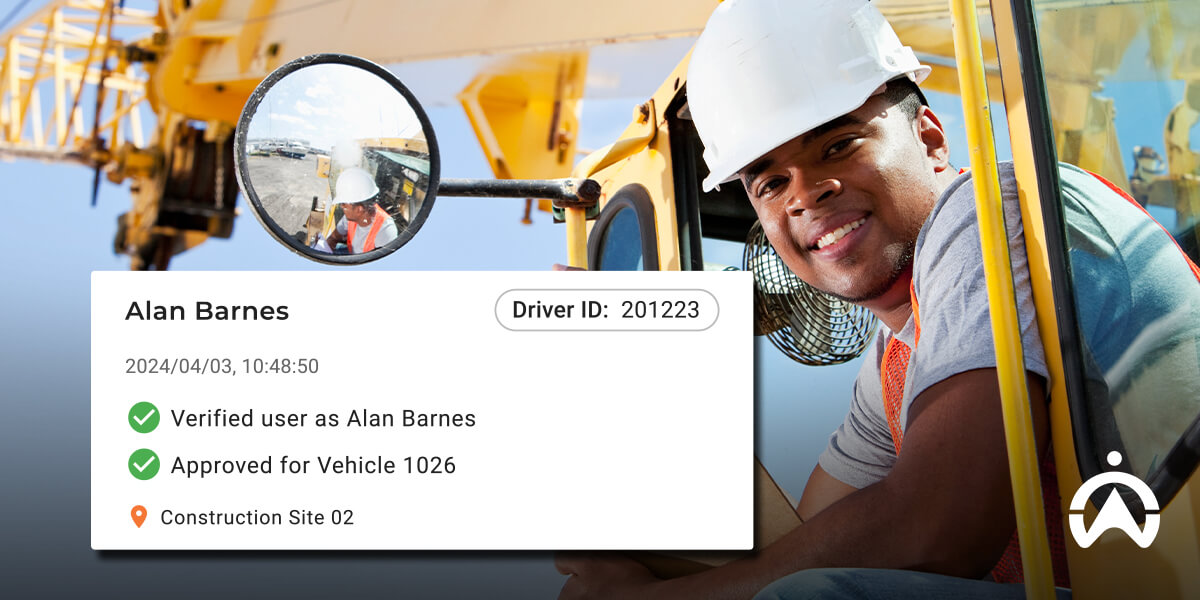
When looking at the construction and mining sectors, GPS tracking can help with tracking yellow metal equipment. The vehicles that are normally used in this industry tend to be off-road and are specialised for a unique function, such as excavators and cranes.

Sales

GPS tracking plays a vital role in a sales environment, particularly for outside, field, and travelling sales teams. It helps employers confirm that salespeople are where they’re scheduled to be, provides accurate mileage tracking for travel reimbursements or tax purposes, and adds an extra layer of safety for employees on the road.

Field Services

This industry includes professionals such as plumbers, electricians, and HVAC (Heating, Ventilation, and Air Conditioning) technicians. Business owners in this industry can assign jobs faster, track staff movements, and improve on-site arrival times.

Another benefit is that the system will make it easier to reduce travel claims with route verification.

Agriculture and Farming

For this sector, GPS tracking helps monitor tractors and harvesters in real-time. It also makes it possible to manage fuel usage during long working hours across vast land areas while preventing the theft of expensive farm vehicles and equipment.
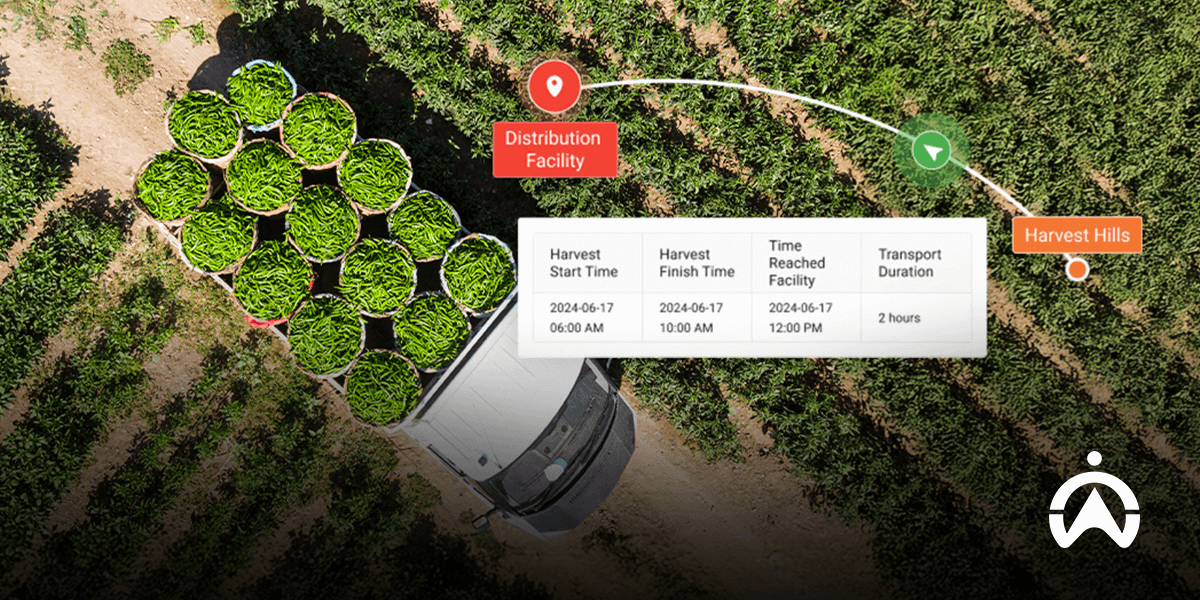
GPS Tracking benefit for Agriculture Industry

Waste management

GPS tracking plays a pivotal role in the waste management industry, where it’s used to monitor the location of company-owned dump trucks and streamline day-to-day operations. From trash collection and recycling to the safe disposal of hazardous chemicals, these services rely on efficient route planning and real-time visibility to meet environmental standards and customer expectations.

Security and Armed Response

For companies in the security sector, every second counts. GPS tracking ensures that armed response teams are always visible and can be dispatched to emergencies without delay.

Real-time vehicle tracking enables control centres to identify the closest patrol car and direct it to the scene, reducing response times and potentially saving lives.

Post-incident GPS history is invaluable for incident analysis, staff accountability, and reporting.

Car Rental and Vehicle Leasing

The car rental and leasing industry can be a tricky one, with the entirety of the business’s vehicles being open to use by the paying public. This means that there is a risk taken with each vehicle that is leased by an individual. GPS tracking ensures the proper use of rental vehicles, where it monitors vehicle usage, protects the fleet from theft, and provides a safer customer experience.

In the case of a hijacking, the tracking provider can recover stolen or abandoned vehicles faster.

Public Sector and Municipal Fleets

From refuse trucks to public transport fleets and other government vehicles, GPS tracking is useful. Municipalities can use the data from their vehicles’ prior journeys to plan efficient routes, monitor progress, and improve overall service delivery.

Additionally, the system can be used to reduce the misuse of government-owned vehicles, as the driver and location data will expose inappropriate use.

What to look for in a GPS Tracking System for your Industry

A reliable GPS tracking system provider should provide more than just location tracking. Modern GPS tracking devices come with a host of other benefits that can be used to enhance the operations of a fleet and improve overall safety.

Having the right tools and services in your GPS tracker is important, and it is vital to know which features to look out for so you can make the best decision.

Here are some key elements that a GPS tracking system should have:

Fuel and Maintenance Savings

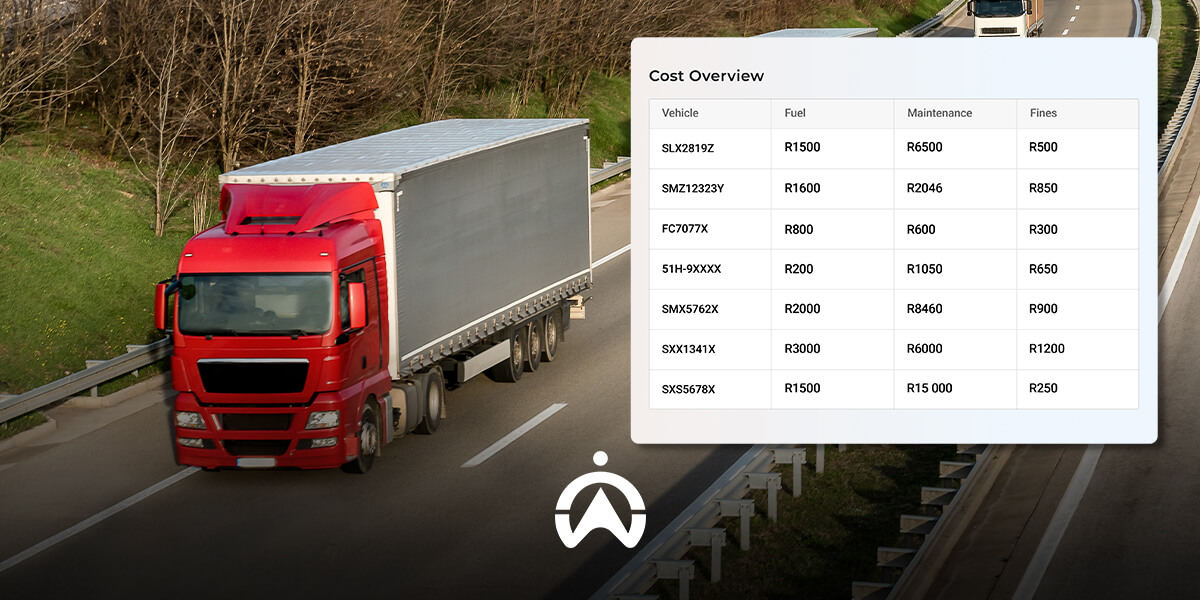
Fuel is a major expense for many businesses that have a fleet of vehicles. With GPS tracking, a business owner can detect the causes of fuel waste, such as bad driver behaviour and inefficient routes. Additionally, other factors such as vehicle health should be monitored to enable predictive maintenance.

All these factors, when attended to on time, can lead to significant cost savings.

Driver Behaviour Monitoring

How drivers operate business vehicles is a major contribution to how the fleet performs overall. Driver behaviour monitoring is an essential feature of a GPS tracking solution and is an essential component of a successful system. With this tool in place, the fleet manager can improve road safety, reduce accident risk, and enforce company driving policies.

Vehicle and Asset Protection

Protection of your business assets is very important, which is why the fast recovery of stolen vehicles or machinery is critical. Having a GPS tracking system that provides security measures for your assets can significantly enhance operational continuity and business growth. These measures can include security features such as geofences, panic buttons, and many others.

The Business Value of GPS Tracking

As a business owner, efficiency and productivity are crucial for success. This means that finding the best tools to assist in this goal is a top priority. This is especially relevant in managing a business’s fleet operations.

This is where the true value of a GPS tracking system comes through. The benefits it brings to a business make it easier to spot inefficiencies and reduce the causes of high and unnecessary costs.

Here is how you can expect to benefit from a GPS tracking system:

Cost savings

This is the biggest benefit that comes from implementing a GPS tracking system into a business fleet. A business owner can have oversight over all fleet operations and identify inefficiencies that drive up costs. These could be due to fuel consumption, long routes, idling time, and improper vehicle maintenance.

Better visibility

With the right GPS tracking system, a business can have full visibility of all its assets. This provides a greater sense of certainty in what is going on with the fleet while it is on its trips. This removes any and all assumptions from being made and provides hard facts from which future plans can be made.

Improved safety and accountability

When you know where your vehicles are and how your drivers are performing, it becomes easier to manage safety protocols and keep drivers accountable. This can be related to reckless driver behaviour, bad routes, and vehicle conditions. Having end-to-end trip visibility provides invaluable insights that can enhance the fleet’s approach to operations.

Theft prevention and recovery

The safety of your fleet and drivers does not need to stop with internal processes. A great benefit of having GPS tracking is that it often comes with theft prevention measures and stolen vehicle recovery services. Knowing that your vehicles are being monitored and that there is a dedicated team of experts ready to come to the rescue proves that GPS tracking is vital. These features can help lower insurance premiums and give your drivers peace of mind, two value propositions that do not normally go hand-in-hand.
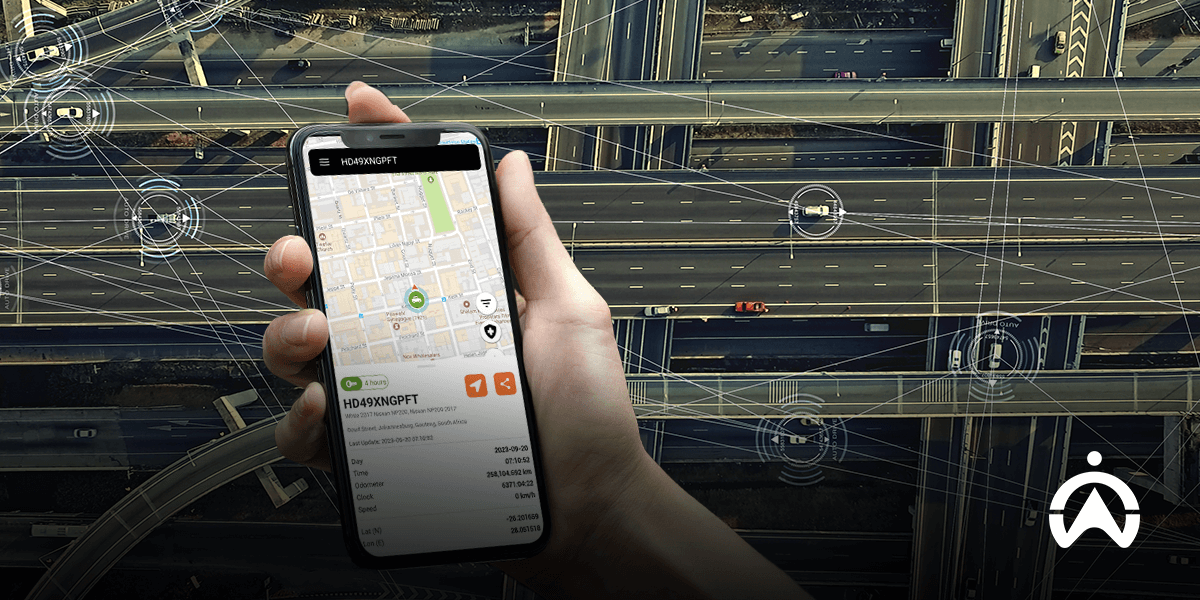
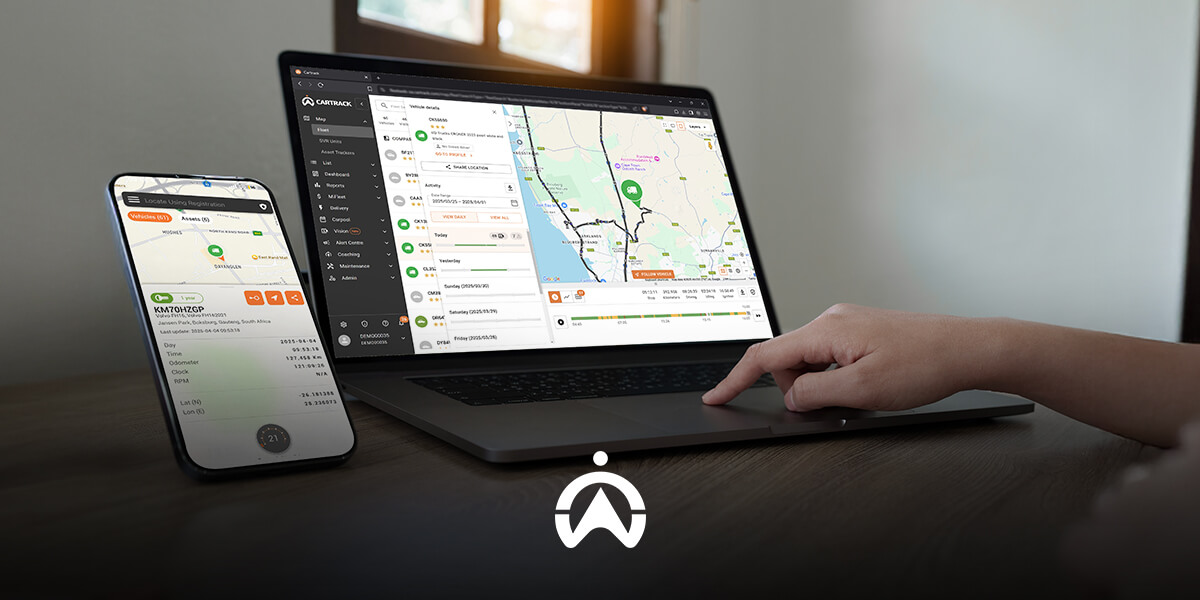
A person holding a smartphone displaying a Cartrack GPS Tracking App

Why Cartrack Tanzania Is the Go-To GPS Tracking Partner

When choosing a GPS tracking system for your business, make sure to choose one of the best, in this case, Cartrack Tanzania. With us as your provider, you can expect world-class service and cutting-edge technology. Our footprint spans all across the globe with offices in 24 countries and counting, where we continue to work with businesses of all sizes.

Cartrack Tanzania has a great reputation as a vehicle security provider in Tanzania. Here are some other reasons to choose us as your GPS tracking provider:

Industry-specific solutions

Our solutions are extremely adaptable and can work for any business type in any industry, from cold chain logistics to construction. We can tailor our solutions and services to the needs of your business, taking into consideration the type of assets and operational goals.

We offer everything from driver ID tags, fuel management, trip reports, vehicle diagnostics and predictive maintenance alerts. All these features can help a business accomplish specific goals related to its industry.

Local support

Cartrack Tanzania has a long history and a deep understanding of Tanzania’s road and business challenges. We understand the challenges that Tanzania businesses and motorists vehicles face on the road and have put together plans of action to assist in times of peril.

We have support teams and response teams available from anywhere in the country who are ready and equipped for any emergency. A call to our control room gets you an immediate response, whether it is a hijacking or the need for roadside assistance.

Real-time data

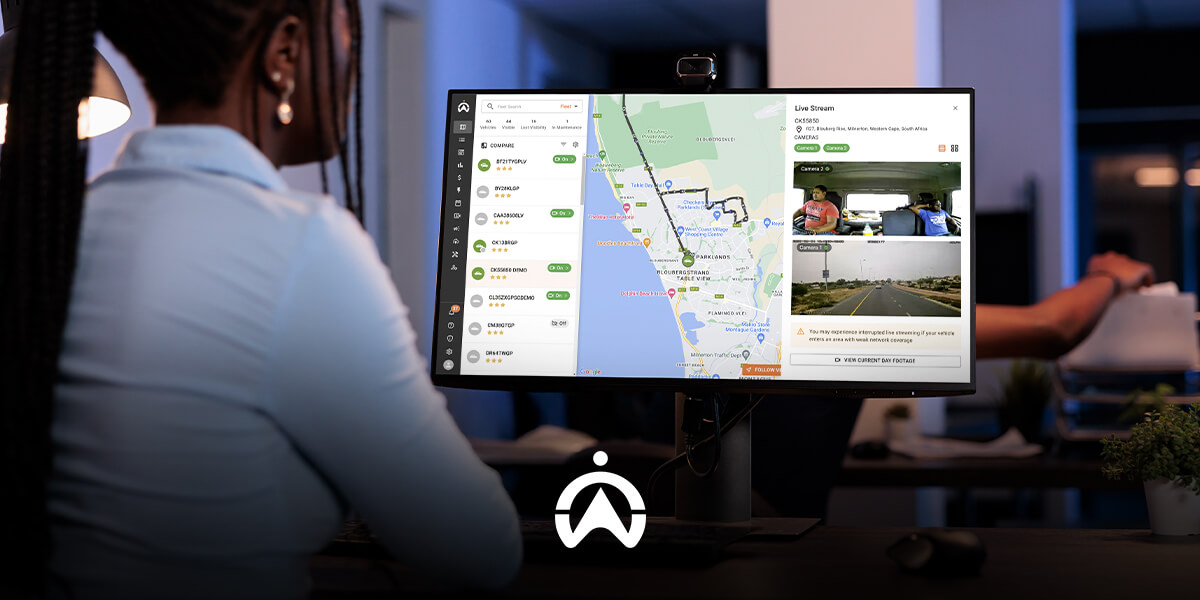
The primary benefit of having us as your business’s GPS tracking provider is having 24/7 access to your fleet’s location. This is made easier with our mobile app and online platform, which are both easy to use and very accurate in their reporting. This data can be viewed by the fleet manager from anywhere, whether they are on-site or working with a remote or hybrid workforce.

Scalable

We care about how your business grows and are invested in seeing your fleet perform at its best. We can easily scale with your fleet and its growing demands with our diverse products and services. Whether you are an SME or a large enterprise our solutions can work for your fleets.

Cartrack Tanzania is an industry leader and is trusted by over 115,000 businesses in a variety of industries and niches. Our high stolen vehicle recovery rate speaks for itself and is proof of how experienced and active we are in fleet management and security. Regardless of your industry or business size, we are up and ready to take you on.

Contact us today and take your GPS tracking solutions to another level.

Frequently Asked Questions

What blocks a GPS tracker?

There are technologies that are capable of jamming GPS signals. This is not a widespread issue but is significant enough to be a concern for customers. Cartrack’s devices come with anti-jamming technology that allows the vehicle to still be trackable even when the GPS signal has been compromised.

What is the difference between a phone tracker and a GPS tracker?

GPS trackers are standalone devices that provide accurate, real-time tracking data with long battery life and superior tracking accuracy. On the other hand, phone trackers rely on a smartphone’s GPS capabilities and may offer a more limited tracking range, battery life, and tracking features.

How big is the GPS tracker market?

The global GPS tracking device market size in terms of revenue was estimated to be worth USD 3.1 billion in 2023 and is poised to reach USD 5.7 billion by 2028, according to Markets and Markets, a competitive intelligence and market research platform.
Types of Vehicle Tracking System

Whether you drive a private vehicle or manage an entire fleet, investing in a reliable tracking system is crucial for safety, efficiency, and overall peace of mind.

There are many ways to track vehicles, and not all tracking systems are equal. Some are better suited for urban fleets, while others excel in remote logistics.

It is important to pick the system that best suits your needs. Today, we look at the different types of vehicle tracking systems and why our solutions should be your top pick.

In this article, you will:

  • Understand the true meaning of a vehicle tracking system
  • Learn about the various types of vehicle tracking systems available
  • Find out how to choose the best one for you
  • Discover the various vehicle tracking solutions that Cartrack Tanzania has to offer

What is a vehicle tracking system?

A vehicle tracking system (VTS) is an electronic solution designed to enhance vehicle safety and help fleet businesses improve productivity levels by monitoring vehicle locations and other data. The system connects fleet management software with vehicle tracking devices, which allows it to gather information about the vehicle and its driver.

Vehicle tracking systems have become popular over the years as the technology continues to reach new levels. This must-have solution comes in various forms, configurations, and sizes. Let’s explore and understand each of them.

Common types of vehicle tracking systems

Choosing a tracking device that best suits your needs can be difficult if you don’t know the options available and how they work. Let’s explore the different types of vehicle tracking systems:

1. Active tracking systems

These vehicle tracking systems are usually installed inside the vehicle, connecting to a power source that enables the collection and transmission of data in real time. The data is then stored and can be easily accessed in real-time via software.

Here are a few examples of active vehicle tracking systems and how they work:

  • Cellular network tracking systems
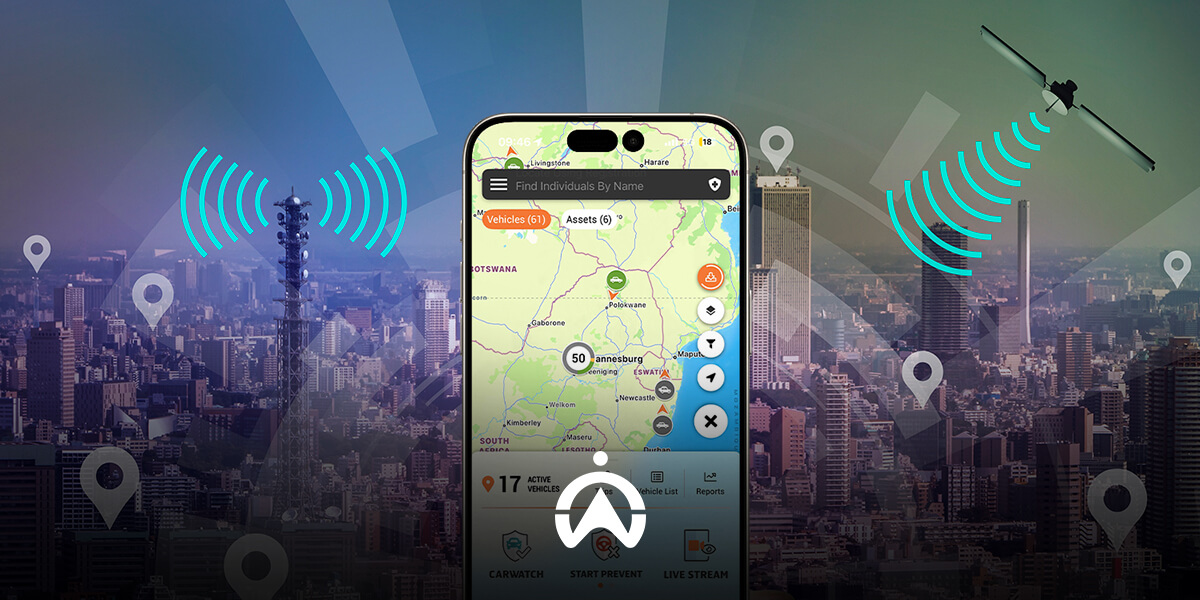
    This is a method where mobile networks are used to transmit the tracked data in real time; the data from the device is sent to a cellular tower, which then conveys it to a service provider over an internet connection. Cellular network tracking systems work best in areas with good mobile network coverage. The range for this form of vehicle tracking system can extend across cities and countries, depending on the coverage by the network provider. Cellular network tracking systems are ideal for people living and travelling in urban areas with good signal coverage.
  • Satellite tracking systems
    In order to understand satellite-based tracking, you first need a brief understanding of the Global Navigation Satellite System.

    The Global Navigation Satellite System (GNSS) is a satellite-based tracking system that uses satellite networks such as the Global Positioning System (GPS) to collect and transmit data from a tracking device. This fascinating technology usestime signals broadcast along a line of sight to let electronic receivers calculate their location with great precision.This method of vehicle tracking is therefore more reliable, making it an ideal solution for fleets and individuals operating in remote areas with limited mobile network access, as the coverage is more reliable and offers exceptional accuracy.

  • GPS-based tracking systems
    GPS-based vehicle tracking systems and satellite-based systems are interrelated but are not exactly the same thing.

    The key difference is that a GPS tracking system is satellite-based, but not all satellite-based tracking relies solely on GPS. An article by Online Science explains how there are other satellite navigation technologies, each managed by a different country, such as GLONASS (operated by the Russian Federation), BeiDou (operated in China), and Galileo (operated by the European Union). GPS was developed and is operated by the United States of America, and is the most commonly used.
    GPS trackers are ideal for individuals for personal safety and for fleet businesses for vehicle monitoring.

  • OBD-based tracking systems
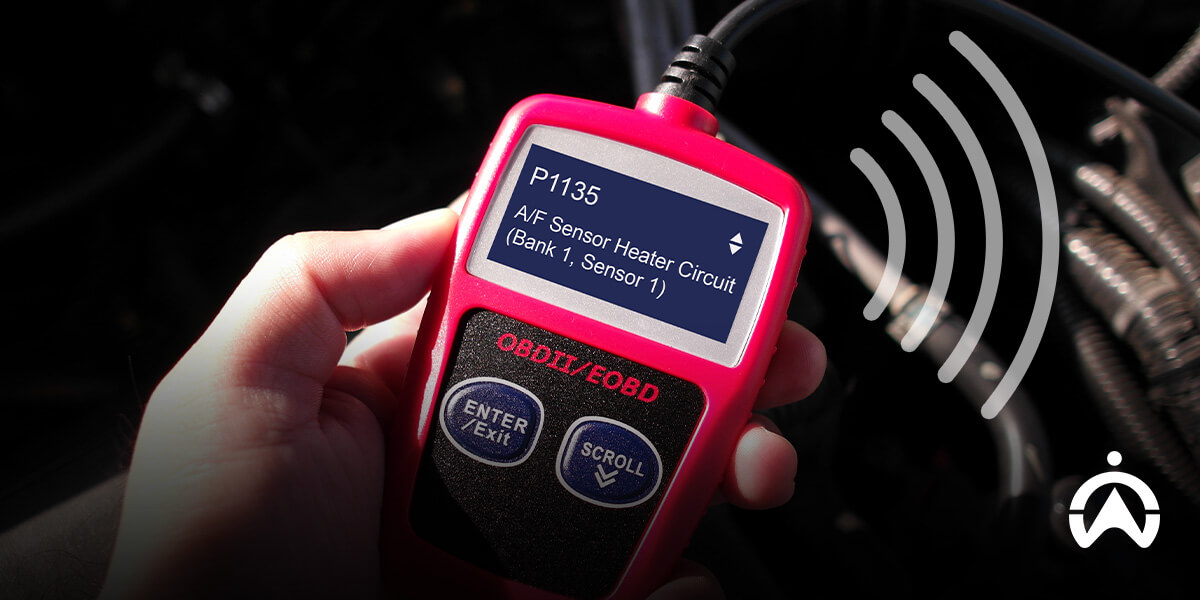
    Another form of active tracking is OBD-based technology. This approach involves plugging a device into the vehicle’s On-Board Diagnostics (OBD-II) port. The device is easy to install and allows fleet managers to have access to crucial information such as vehicle health, mileage, and fuel levels, helping enhance fleet efficiency. OBD trackers allow both fleet managers and private car owners to monitor risky driving behaviours such as speeding and harsh braking, making them the perfect solution for both personal and business purposes.

‍OBD-based tracking systems

2. Passive tracking systems

Passivevehicle tracking systems also make use of GPS to track vehicle location. The only difference is that you can’t get real-time updates in a passive system. They record the data and store it in a memory card or hard drive for later access. Once connected to a computer, the data will be available for users to view. This type of tracking is ideal for users who need access to historical trip data rather than real-time updates.

3. RFID-Based Tracking Systems

An RFID tracking system is one that is based on radio frequency identification technology. It can track and identify vehicle locations in real-time as well as record entry and exit information. The system is composed of three components: a tag, a reader, and vehicle tracking software. The tag is attached to the vehicle, and the reader emits a radio signal that activates the RFID tag; the software is then responsible for data storage and analysis. This type of technology has a short range and is an ideal solution for driver identification or tracking in indoor environments such as warehouses.

4. Internet-based (IoT-enabled) tracking systems

IoT, or the Internet of Things, integrates sensors and connectivity technologies such as Wi-Fi, cellular networks, and satellite communications to enable advanced vehicle tracking and remote diagnostics. The sensors and GPS devices collect information from the vehicles, and the data is then transmitted via the internet to a central platform. From there, the data is processed and turned into easily understandable information for fleet managers. This technology helps with predictive maintenance, finding optimal routes for deliveries, real-time monitoring and alerts, driver behaviour analysis, and much more.

A table comparison of the different tracking systems

An easy way to understand the key differences between the various types of vehicle tracking systems is through a table. Here’s a quick breakdown:

Type Technology Used Range Real-time? Use in Case
Cellular Mobile networks Wide Yes Real-time tracking in urban areas
Satellite GNSS (mostly GPS) Global Yes/No (can do both) Theft recovery, fleet management
RFID Radio Frequency Short (meters) Yes Warehouses, driver tags
OBD-II OBD port, GPS, Cellular Wide Yes Vehicle diagnostics, driver behaviour, fleet management
IoT-based Sensors, GPS, Cellular, IoT Global Yes Advanced fleet analytics, automation

How to choose the right vehicle tracking system

The best vehicle tracking system for you depends on your specific needs. Here are some factors to consider:

  • Budget and ROI: Most individuals require basic tracking services, such as Stolen Vehicle Recovery and the ability to view vehicle locations at any time. Additional features, such as driver behaviour monitoring or advanced analytics, are considered an extra layer of protection and will depend on how much you are willing to spend. On the other hand, businesses look for vehicle tracking services from an investment point of view. The price is not a huge concern, but the savings and profit as a result of improved productivity are what matter the most. Fleet managers should look into the type of data they require the most to boost profits.
  • Intended use: The solutions you choose will also depend on the intention. For example, delivery fleets require advanced solutions such as route optimisation capabilities, driver alerts, driver identification, and preventative maintenance. Personal vehicles are typically tracked for theft prevention and to ensure the safety of family members.
  • Area of operation: If your vehicle is constantly in remote areas, then you need a solution that can give you accurate location updates and data regardless of the low network coverage.

Satellite based vehicle tracking system

Explore our vehicle tracking solutions to find the right fit

Cartrack Tanzania makes use of most of the above-mentioned tracking technologies to give you solutions that you can access all on one platform. Here’s what we offer:

  • GPS live-tracking
    Always know where your vehicles are at all times. Cartrack devices use both satellite and cellular technology to ensure that you get accurate location updates, monitor driver routes, view location history, and ensure safety and efficiency.
  • Stolen Vehicle Recovery
    In the unfortunate case of vehicle theft, Cartrack Tanzania offers a stolen vehicle recovery service available 24/7 to ensure a swift response. We have skilled air and ground recovery teams available nationwide that are always on standby, plus we boast over 100,000 vehicle recoveries over the last decade.
  • Driver monitoring
    Our IoT-powered tracking devices give fleet managers the ability to keep an eye on driving behaviours such as speeding, harsh braking, excessive idling, rapid acceleration, and harsh cornering. Fleet managers will get alerts on these behaviours as well as detailed reports. Through this, managers can identify drivers who need training, which in turn promotes safer driving, reduces the chances of accidents, and helps the business avoid lawsuits and bad driving reviews.

    In addition, we have Driver Identification tags (DID), which help fleet managers instantly identify who is driving which vehicle. Preventing unauthorised drivers from using the wrong vehicles and also promoting driver accountability.

  • Crash detection
    Having instant access to your vehicle location also helps in situations where you need emergency services, such as an ambulance. As an extra layer of protection and through the power of our IoT-powered device, we have a crash detection service that allows us to detect collisions as they happen. From there, we will contact you or your loved ones and then send help.
  • Preventative maintenance
    Our advanced solutions help fleet managers keep a careful eye on vehicle maintenance; through this, they can get alerts on things such as worn-out brake pads, oil and water fluctuations, and engine health. This allows for a swift response before the issues get worse, reducing the chances of unexpected breakdowns, unplanned downtime, and costly repairs. It also helps the fleet remain compliant.

Invest in Cartrack Tanzania vehicle tracking solutions today!

Cartrack Tanzania is one of the leading companies in the vehicle tracking industry. We offer advanced features that cater to vehicle owners of all kinds. Whether business or personal, you will most certainly find what you need in our solutions. Reach out to us, and we’ll help you choose the best vehicle tracking system for you.

How to Avoid Fatigue-Related Accidents

Fatigue is one of the most overlooked causes of road accidents. Motorists believe they are only at risk of crashing if they are distracted or are under the influence of alcohol, but exhaustion can be just as dangerous.

When drivers are drowsy, they have slower reaction times and impaired decision-making, which increases the likelihood of accidents. However, many underestimate their tiredness, leading to risky behaviours behind the wheel.

Today, we discuss ways to avoid fatigue-related accidents and explore how Cartrack Tanzania solutions can help keep drivers safe.

In this blog, you will:

  • Learn ways to prevent fatigue-related accidents
  • Recognise signs and symptoms related to fatigue
  • Explore how Cartrack’s technology helps mitigate these accidents

Ways to Prevent Fatigue-Related Accidents

Driver fatigue can result in dire consequences. According to a questionnaire study of Tanzanian truck drivers, almost 40% of drivers reported being involved in at least one crash. Furthermore, drivers reported driving for an average of 10.6 hours without a break, with some reporting shifts as long as 24 hours.

To avoid this situation, motorists must implement small changes to their daily routines, significantly reducing fatigue. In this section, we’ll explore simple strategies to prevent these accidents from occurring.

Get Sufficient Rest Before Driving

Adults need approximately 7 to 8 hours of sleep to function optimally throughout the day. When well-rested, you are more alert, have high concentration levels, and can make better decisions. However, it’s more than just about the quantity of sleep; it’s also about the quality.

Here are seven tips to help enhance your quality of sleep:

  1. Only take naps that last for 20-30 minutes during the day to avoid disturbing your nighttime sleep cycle.
  2. Make sure your bedroom is at the right temperature and dark enough.
  3. Avoid using your phone and watching TV at least two hours before bedtime.
  4. Exercise regularly.
  5. Invest in a comfortable mattress and pillow.
  6. Avoid eating heavy meals, drinking caffeine, and smoking before bed.
  7. Have a set bedtime schedule.

It’s important to ensure that your drivers are not showing any signs of exhaustion before they hit the road. Always plan trips ahead to allow them to get adequate rest and prepare themselves for the trip.

A driver rests his head on the steering wheel of a truck, showing signs of fatigue inside the vehicle's cabin.

Take Regular Breaks During Long Drives

Sitting for extended periods can reduce blood circulation and cause backaches, leg cramps, and drowsiness. To prevent this, drivers must take short breaks every two hours, allowing them to stretch their muscles and refresh their minds.

These short breaks must be at designated rest areas, so fleet managers need to include these rest areas when planning routes. This helps drivers stay refreshed and alert throughout the journey.

Share Driving Responsibilities When Possible

Consider driving with companions to help keep you alert through conversation. If they can drive, share driving responsibilities to help reduce fatigue.

This also applies to fleet drivers; having two drivers share a long trip can significantly reduce driver fatigue. Taking turns ensures that each driver is well-rested and alert, which makes the journey safer and more comfortable for everyone.

Stay Hydrated and Eat Light

Your eating habits contribute to road safety, especially if you spend hours behind the wheel. Choosing healthy snacks while on the road can help maintain focus and alertness. All you have to do is replace highly processed and greasy foods with nutrient-rich options for long-lasting energy.

Pack a cooler filled with fresh fruits and light snacks such as grapes, bananas, nuts, and cheese. Remember, eating behind the steering wheel can be dangerous. To minimise distractions, consume meals and snacks only during breaks and not while driving.

Carry a water bottle to stay hydrated throughout the trip. Dehydration can cause your muscles to feel tired and not function to the best of their ability due to the imbalance of salts in the body. This will ultimately affect driving ability and may result in accidents.

Avoid Driving During Peak Fatigue Times

Avoid driving during times when your body is naturally tired and ready to sleep, such as at midnight or in the wee hours of the morning.

Fleet managers, as much as possible, plan trips during the day, since the body is naturally more alert at those times. This simple adjustment can significantly reduce the risk of accidents caused by fatigue.

Key Signs of Fatigue That Could Lead to Road Accidents

Fatigue can affect one’s physical, mental, and cognitive abilities, making it difficult to respond quickly to changing conditions. Recognising the signs and symptoms can help both individual and fleet drivers significantly reduce the risk of road accidents.

Spot Physical Signs

A fatigued person may experience symptoms such as muscle weakness, slowed reflexes, sore muscles, headaches, blurry vision, and dizziness. If these symptoms show before your trip, it’s best to delay and get the rest you need. If these signs appear while driving, take breaks and stay hydrated to maintain alertness.

Identify Mental and Cognitive Changes

Fatigue can affect your mind, meaning you might have difficulty concentrating, may be forgetful, making it harder to process what’s happening on the road. If you find yourself missing exits, struggling to stay focused, or reacting more slowly than usual, your ability to make quick and safe decisions is compromised. When these signs appear, it’s crucial to pull over or switch drivers to prevent accidents.

Detect Risky Driving Behaviours

If a motorist is drifting between lanes, tailgating, or responding slowly to traffic signals, it means they are experiencing dangerous fatigue levels. Such behaviours indicate that they are not alert, which increases the risk of accidents. If you find yourself engaging in any of these actions, you need to find a safe space to pull over and rest before continuing your drive.

The Role of Fleet Managers in Combating Fatigue-Related Accidents

While drivers are responsible for getting enough rest and following the above-mentioned tips to combat fatigue, fleet managers also play a crucial role in preventing these accidents from happening. Here’s how:

  • Monitor driver hours: Fleet operators can use telematics to track and monitor driving hours. Investing in fleet management solutions will help them know which driver is on duty and for how many hours. This not only benefits businesses to comply with labour regulations, but will also ensure that drivers are not overworked.
  • Enforce mandatory rest breaks: Sometimes drivers can insist on taking overtime, possibly due to financial reasons, however, managers must have rules surrounding this. They must ensure that drivers get some mandatory time off to rest.
  • Plan efficient routes: Choosing quicker and less traffic-congested roads helps reduce driving hours, minimising fatigue.

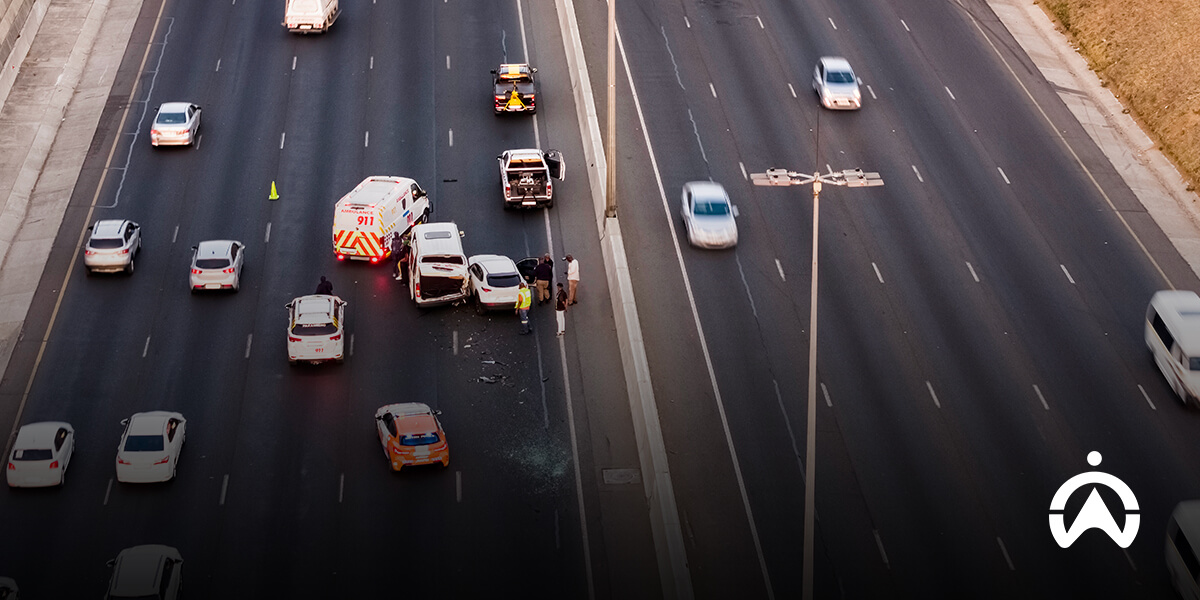
Emergency responders assist at a multi-car accident on a busy highway, with damaged vehicles and a police presence visible.

How Cartrack Tanzania Helps Reduce Fatigue-Related Fleet Accidents

Cartrack Tanzania has a wide range of products and solutions that help ensure driver safety and minimise fatigue-related accidents. Through the use of telematics and advanced technology, our systems significantly contribute to safer roads.

AI-Powered Cameras

Our dual-vision AI camera solutions can detect signs of fatigue, such as yawning, and track the position and orientation of the driver’s head. If these events are detected, the driver will immediately receive audible in-cabin alerts, prompting them to self-correct and prevent accidents.

Fleet managers can review recorded footage to provide coaching and support. This allows them to address any violations and offer the necessary training to ensure drivers remain alert and safe on the road.

Advanced Driver Assistance System (ADAS)

ADAS uses camera-based sensors and AI technology to enhance driver awareness and prevent accidents. This system alerts drivers to potential hazards, which improves driver safety.

Cartrack’s ADAS solutions include a variety of advanced features, such as:

  • Forward Collision Warning: Alerts drivers when their vehicle gets too close to another vehicle or obstacle. This helps prevent potential collisions.
  • Blind Spot Detection: Warns motorists of vehicles in their blind spots, reducing the risk of lane-changing accidents.
  • Automatic Emergency Braking: Detects possible collisions and applies the brakes automatically to reduce the impact or avoid a collision altogether.

Driver ID Tags

A driver ID tag is a small electronic device that allows fleet managers to identify exactly which driver is operating a vehicle at any given time. This gives them complete control over their drivers and fleet by tracking vehicle usage, monitoring driver behaviour, and ensuring only authorised drivers are behind the wheel.

These tags provide automated logs of working hours, helping fleet managers comply with labour regulations and prevent driver fatigue by enforcing rest periods. According to the Employment and Labour Relations Act (2004) of Tanzania, normal working hours are limited to 45 hours per week, excluding lunch breaks. Any additional hours require an overtime agreement. By monitoring working hours, driver ID tags help prevent fatigue and enhance road safety.

Route Optimisation

Cartrack’s fleet management software allows fleet operators to optimise routes. This not only ensures timely deliveries since the routes will be quicker and shorter, but it also ensures that drivers do not spend longer periods on the road.

In conclusion, fatigue is a serious yet underestimated factor in road accidents. By prioritising sufficient rest, taking regular breaks while driving, and leading a healthy lifestyle, motorists can reduce the risks of fatigue related accidents. Cartrack’s advanced solutions, such as AI-powered cameras, real-time monitoring, and route optimisation play a crucial role in helping them stay safe. Using these tools can benefit both individual and fleet drivers to effectively manage fatigue and improve overall road safety.

Contact us today to explore ways Cartrack’s solutions can help you stay safe on the road.

Frequently Asked Questions about Driver Fatigue

Q: Does fatigue only affect long-distance drivers?

A: No, fatigue affects all motorists, including those who drive short distances.

Q: How do sleep disorders like sleep apnoea contribute to fatigue while driving?

A: Disorders such as sleep apnoea can disrupt sleep cycles, leading to chronic sleep deprivation. Motorists with untreated sleep disorders may feel extremely tired during the day, which affects their driving performance. This means they are more susceptible to drowsy driving accidents.

Q: Can I rely on caffeine to stay awake while driving?

A: Caffeine can temporarily increase alertness; however, it should not be relied upon as a long-term solution for managing fatigue. Once its effects wear off, your body may experience a crash, which could cause even greater fatigue. The best solution is to rest and take breaks rather than relying on stimulants.

Q: Can taking over-the-counter medications cause fatigue and affect driving?

A: Yes, many over-the-counter medications, especially those for allergies or colds, can cause drowsiness as a side effect. Motorists should read medication labels and avoid driving if the medication may impair their alertness or reaction time. It is also best to notify your fleet manager if you are on any medication that may interfere with driving.

Q: Can the weather contribute to driver fatigue?

A: Driving in harsh weather conditions such as snow, heavy rainfall, or high heat requires more concentration and can cause stress or discomfort, leading to increased fatigue.

Q: Can stress contribute to driver fatigue?

A: Yes, high levels of stress can negatively affect a person’s sleeping patterns, resulting in fatigue.

Q: Can I play loud music to increase my alertness?

A: Playing loud music can temporarily make you alert, but it is not a reliable solution to deal with fatigue.

What Are the True Costs of Fleet Vehicle Breakdowns?

Vehicle breakdowns are inevitable in fleet operations. These breakdowns often come with heavy expenses, and on many occasions, fleet managers find it challenging to control and minimise costs effectively. Some of these breakdowns result from issues that can easily be avoided through careful monitoring and maintenance scheduling.

Let’s take a closer look at the true costs of vehicle breakdowns and how Cartrack Tanzania solutions can help mitigate these expenses.

In this article, you will:

  • Find out the true costs of vehicle breakdowns
  • Learn how to prevent breakdowns
  • Discover the role of IoT technology in preventative maintenance
  • See how Cartrack Tanzania solutions can reduce vehicle maintenance issues

Breakdowns: Impacting more than you think

Maintenance costs form a significant portion of overall fleet expenses. Every breakdown leads to costly repairs, operational disruptions, and revenue loss.

Reasearch indicates that roughly 53% of heavy vehicle drivers identify mechanical issues as a major cause of accidents. This clearly shows how regular vehicle maintenance not only helps you avoid breakdowns but also enhances driver safety.

The direct vs. hidden costs of fleet breakdowns

Vehicle breakdown expenses go beyond repairs; there are other financial and operational repercussions. Take a look at this breakdown of the direct and hidden costs:

1. Direct costs of fleet vehicle breakdowns

Repair and maintenance costs

  • Unexpected repair expenses vs. scheduled maintenance
    Unplanned repairs due to the failure of vehicle parts typically cost more than planned maintenance. Suppliers often order vehicle parts in bulk, which can lead to longer waiting times in the case of emergency repairs. Depending on where the components are outsourced, some orders may be quick, while others could take longer to arrive.

    When there are emergency repairs, the vehicle parts that need replacing might not be available. This leads to a rush in individual orders, which come at an extra expense. The mechanics will also need to work overtime to ensure the repairs are done as soon as possible, further straining the budget. However, with a planned repair service, you are certain to find the replacements there, and the mechanic ready for you.

Towing and roadside assistance

  • Expenses for emergency roadside services
    A vehicle that breaks down en route requires roadside assistance, such as emergency towing. Depending on the provider, this service may be covered by a monthly subscription to ensure fleet businesses do not have to worry about paying when it is time for assistance, or charged per incident. However, both options typically include a call-out fee which is separate from the labour costs. If the breakdown occurs after hours, charges may escalate. These charges also vary depending on location.

2. Indirect costs of fleet vehicle breakdowns

Lost productivity and downtime

  • Delays in deliveries and missed service appointments
    Sudden breakdowns reduce productivity levels and delay fleet operations. This results in late deliveries or missed service appointments. These unforeseen mechanical failures also pose security risks to fleet vehicles and cargo, as it might not be safe for trucks to be stranded for hours. Furthermore, if the driver is transporting temperature-sensitive goods, a breakdown could compromise product quality, leading to financial losses and customer dissatisfaction.
  • Idle driver wages and operational inefficiencies
    Certain vehicles not working means some drivers might be inactive for some time. Depending on company policy, the drivers still need to be compensated a fraction of their wages while on standby, creating unproductive labour costs.

Customer impact and reputation damage

  • Late deliveries lead to a dissatisfied client
    If we use the above-mentioned example of transporting temperature-sensitive goods, late deliveries can shorten the product’s shelf life, causing financial losses for retailers and damaging supplier relationships. This creates a dent in your company’s reputation and may lead to the loss of contracts or penalties for service days.

Administrative burden

  • Extra time spent coordinating repairs
    An often overlooked aspect of vehicle breakdowns is the administration of it all. Fleet managers need to coordinate repairs and reschedule operations, which takes away from other daily tasks. It also increases the fleet manager’s workload and responsibilities.
  • Legal implications
    It is required by law that all vehicles must be roadworthy to ensure safety for all road users. For this reason, vehicles that fail to meet these standards may face legal consequences, such as fines or a potential lawsuit. This sometimes means regular court appearances, which take time away from other work but also add to the time spent on administration. The outcome could also result in heavy fines or the business being forced to close down.

A mechanic sits on the edge of an open truck hood, holding a wrench, with various vehicle parts visible in the background.

3. Hidden costs that add up over time

  • Higher insurance premiums
    Increased claims can lead to higher premiums. Poorly maintained vehicles are more likely to experience mechanical failures. This results in more claims for services such as towing and start assistance. An increase in such claims leads to high premiums as vehicles are now flagged as more of a risk. Furthermore, if worn-out vehicles cause accidents, the victims of those accidents can claim from your company’s insurance.
  • Fuel inefficiency
    Poorly serviced vehicles consume more fuel due to components such as air filters, fuel injectors, and spark plugs being worn out. Our article on how to reduce fuel consumption highlights vehicle maintenance as one of the contributing factors to fuel inefficiency. Regular maintenance of these vital components ensures optimal combustion and engine performance.

    The article also points out the importance of tyre pressure and wheel alignment, stating that a 1% decrease in tyre pressure results in a 0.3 % reduction in fuel economy.

    As fuel expenses take up most of a fleet business’s budget, this further proves how skipping maintenance schedules will lead to greater costs.

  • Unplanned detours and idling during breakdowns
    When vehicles experience mechanical failure, drivers might need to take detours to find a safe spot for repairs or towing. This increases the amount of fuel being used. While waiting for roadside assistance, vehicles sometimes idle for prolonged periods, which further adds to fuel usage.
  • Impact on driver satisfaction and retention
    The frequent breakdowns often leave drivers in a state of frustration as they also want to accomplish tasks with minimal disruptions, as this has a good reflection on overall performance. This affects employee morale and could result in lower driver retention and increased hiring costs.

How to prevent costly fleet vehicle breakdowns

The true costs of vehicle breakdowns have proven to be more expensive than scheduled repairs. However, due to the workload and nature of the fleet management environment, it is easy to overlook things such as maintenance schedules to prioritise meeting client expectations. This common challenge can be resolved using technologically driven solutions.

Preventative maintenance involves practices that fleet managers can do to address maintenance concerns before they become bigger issues. It can be done in two ways:

The role of IoT technology in predictive maintenance

IoT-based predictive maintenance is an approach that involves using the Internet of Things (IoT) to gather and analyse data about vehicles, assets, and machinery. This technology consists of sensors or devices that are installed in the vehicles to collect and convert the data into valuable information. Through this, fleet managers are able to receive the information in its simplest form and make informed decisions.

Cartrack’s preventative maintenance solutions in action

Cartrack Tanzania caters for fleets of any kind. Let’s have a look at how our preventative maintenance solutions helped a construction fleet reduce downtime.

Case Study: Concord Cranes

Concord Cranes specialises in crane hire solutions. They have over 180 cranes and provide mobile cranes for hire, professional rigging, transport, and specialised lifting projects. Their main challenge was that they found it difficult to accurately record the hours each crane worked, making it difficult to maintain and deliver them to their clients on time.

How we helped them:

  • Our IoT device and specialised power take-off sensors make it possible for Concord Cranes to accurately monitor their cranes’ on-site working hours and the mileage travelled. The information they receive from this allows them to monitor the conditions and usage of their cranes so they can form preventative maintenance measures for their clients and increase their fleet lifespan.
  • Using insights from our fleet management platform, Concord Cranes now reduces maintenance costs by minimising the number of cranes sent for avoidable and expensive fault-related repairs. This also helps them minimise unplanned downtime.
  • Our fleet management and maintenance system has improved their overall brand reliability with their customers, ensuring their cranes are always safe and in working order. Additionally, detailed maintenance schedules have reduced the number of unexpected breakdowns and allowed them to plan ahead to ensure vehicle availability and minimal disruption during the delivery of cranes to customers.

“Using Cartrack’s advanced fleet management, we have been able to increase our operational efficiency to deliver a better service to our customers, as well as effortlessly establish a maintenance cycle that reduces our costs and increases our fleet longevity.” | Gareth Langley, Concord Cranes operations manager

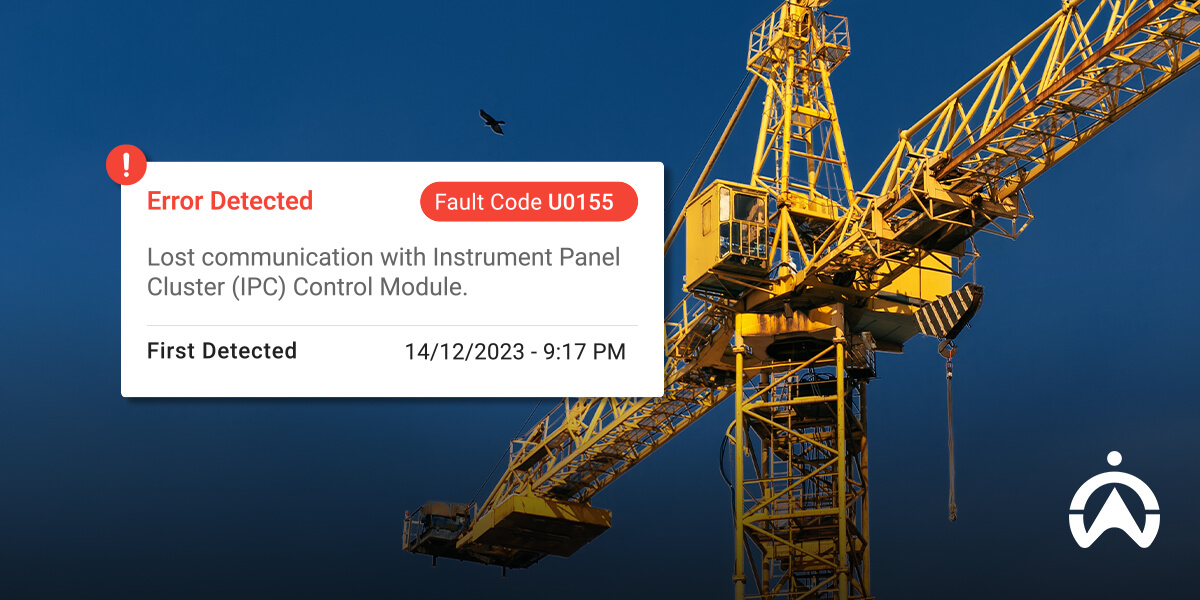
A yellow construction crane against a blue sky, displaying an alert about a maintenance error with the Instrument Panel Cluster.

Reduce the costs of fleet vehicle breakdowns with Cartrack Tanzania

The Cartrack Tanzania telematics technology provides vehicle diagnostics so you receive real-time alerts of vehicle maintenance issues such as engine faults, water fluctuations, and oil level levels. This information helps you make necessary arrangements on time so you can avoid unplanned fleet inactivity. Our platform also gives you reminders of maintenance schedules so you can warn drivers in advance and keep workflows undisrupted.

Here are other Cartrack Tanzania solutions that you can add to your preventative maintenance strategy:

  • Route optimisation
    Know where your vehicles are at all times using our GPS tracking technology and ensure drivers follow efficient routes using our route optimisation tool. The more kilometres a vehicle travels, the more it is likely to have worn-out parts that need to be replaced. Through an analysis of traffic conditions and historical travel trends, our route optimisation tool suggests the most cost-effective routes that drivers can use to get to their destinations. By using this feature, you reduce the long routes and detours that increase fuel consumption and vehicle mileage.
  • Driver monitoring
    Harsh events: Aggressive driver behaviours such as excessive idling and harsh braking have proven to be some of the factors contributing towards greater vehicle wear and tear. Our IoT device alerts you of these driving habits and gives you a detailed insight into each event.

    AI Cameras: The Cartrack AI Multivison camera solutions make use of artificial intelligence technology to protect your drivers from accidents that could lead to major repair costs. The cameras monitor distracted driver behaviours such as drowsiness, cellphone use, and smoking. Once detected, drivers will receive real-time audible alerts so they can instantly correct their actions. As an extra layer of protection, these cameras also help drivers detect blind spots and keep a safe following distance.

    Driver Scorecards: Encourage better driving habits using our Driver Scorecards. This feature rates each driver based on their harsh events and adherence to planned routes. You can use this information to reward those with high ratings, boost employee morale, and identify those who need more training on good driving habits.

Stop breakdowns before they start—explore Cartrack’s preventative maintenance services!

Monitoring vehicle performance using telematics helps detect issues early. By investing in our fleet management solutions, you ensure that your vehicles are always fit for the road. Reach out to our fleet consultants to get the most out of your fleet, increase vehicle lifespan, reduce downtime, and, most importantly, save costs!

Frequently asked questions about fleet maintenance

Q. What is the biggest challenge in fleet management?

The biggest challenge in fleet management is managing high operational costs. The day-to-day expenses of running a fleet include fuel, maintenance, repairs, and compliance fees. In the absence of proper management, these daily expenses can significantly impact the business’s total profit.

Q. What are the benefits of total preventive maintenance?

Preventative maintenance enhances drive safety, reduces downtime, increases efficiency, improves vehicle performance, boosts customer satisfaction, and helps you save costs.

Q. What are the different types of maintenance strategy

There are four main types of maintenance strategies:

  1. Reactive maintenance: Also known as breakdown maintenance, this is when you fix things only when they break. This method only works well on low-cost equipment that is not essential for operations.
  2. Preventative maintenance: This approach relies on following predefined schedules in order to detect problems and fix them before they become bigger issues.
  3. Predictive maintenance: Uses real-time data from advanced technologies such as IoT sensors, artificial intelligence, and machine learning to analyse potential problems such as engine temperature, oil conditions, battery conditions, and brake performance.
  4. Reliability-centred maintenance (RCM): This is a process of determining the most effective maintenance strategy for each of your assets by combining all the other methods.

Fleet Management System for Sale: What to Look for Before Buying

You are reviewing your business’s expenses and notice, once again, that your fleet-related costs have gone up and are not consistent with others. This frustrates you and has you wondering what more you can do to have this one cost finally sorted and under control.

If this is your experience, and you are looking to save on fleet-related costs, then you need the right fleet management system on your side.

It is important to know what to look for when choosing and buying a fleet management system for your business, luckily, we are here to help. Let us discuss what there is to know about this service and how investing in it sets your business up for long-term wins.

This blog will:

  • Explore how the best fleet management system brings long-term business success
  • Share the ways in which it can help your business save money
  • Discuss why Cartrack Tanzania is the right choice

Investing in the Right Fleet Management System for Long-Term Success

To effectively manage expenses and reduce fleet costs, you need a reliable fleet management solution. Making this decision may be difficult for some, as they may not be sure what to look for since most providers appear to offer the same or similar services.

The first step to take is to look internally at the business itself. You will need to evaluate where the fleet is lacking and where it can improve. This will assist in finding the best system for the business.

Here are some steps to follow before looking for a provider.

Check Compatibility with Business Structure

When choosing a fleet system, it is important to ensure that it is scalable and adjustable to the growth of the business and the plans that it has.

The system you choose for your business must also be compatible with the existing software currently being used. This could be payroll, enterprise resource planning (ERP), and other product and customer management systems. It should be able to integrate with all these different types of software and easily pull through insights and instructions from each.

It is also essential to determine whether the solution will be cloud-based or on-premise, as businesses may require a hybrid approach or transition over time.

Evaluate User-Friendliness and Support

When it comes to any form of tech or software, user-friendliness is paramount. Technological innovations are meant to make our lives easier and simplify processes. The system that you choose should have this element built into it.

It is important to have an intuitive interface if the goal is to have the system adopted easily, this applies to both PC and mobile options. The system should be able to be used by any of the business’s employees who work with the fleet. Navigating the options and features should be a clear and straightforward process.

Customer support should be readily available should there be any confusion about how the system works or if there are any technical issues. This is a crucial factor to consider, as there may be instances where technical issues arise, and no one within the business can fix them.

Compare Reviews and Reputation

Like every product out on the market, fleet systems are also subject to customer reviews. When looking to see which is best for you, checking customer reviews and testimonials is a good way to go.

This could be looking up the provider on public forums and company rating sites like Hello Peter or seeing what the public sentiment is on social media. Doing this will help in assessing the provider’s industry experience and reliability.

Do Cost vs. Value Analysis

Understanding pricing models is important as this is usually one of the leading determinants for which system a business may choose. Knowing the difference between a contract and a rental will inform which one aligns closer to the budget and goals of the fleet.

You will need to weigh upfront costs against long-term ROI to see which option will have the most value in relation to the amount being paid.

Another factor to consider is its potential hidden costs. These could include additional fees for installation, training, and upgrades. If unchecked, a business can find itself paying for services that another provider would have bundled into one cost.

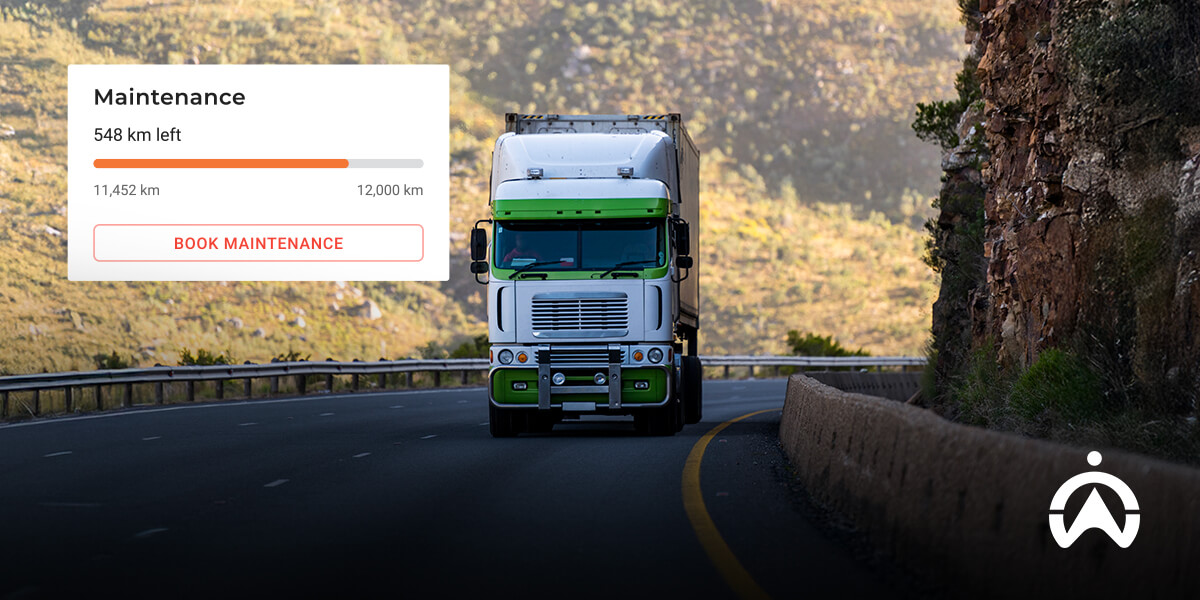
Truck on mountain highway with Cartrack Fleet Maintenance System alert showing 548 km left before service, enhancing predictive maintenance for commercial vehicles.

How A Fleet System Helps You Save Money

Having effective fleet management is important and can significantly improve fleet operations. It could lead to significant savings and cost reductions in areas the business previously thought not possible.

Here are some of the tools you must ensure your system has when evaluating if it is the one for your business.

Driver Behaviour Monitoring

Driver behaviour monitoring is one of the most effective ways of saving fleet-related costs. With this feature, a business can promote safer and more efficient driving habits throughout the fleet.

When drivers follow rules and treat vehicles with respect, they reduce the chances of fuel waste and wear and tear. These factors can become significant expenses in the long run, especially if the business has a large fleet of vehicles travelling long distances.

Fuel Management Tools

Managing fuel costs is a standard expectation for any fleet manager. This is an expense that might feel definite and only subject to change when fuel prices fluctuate. However, that is not the case, there are many strategies that can be taken to reduce fuel consumption and save money.

A fuel management tool can identify inefficiencies in fuel consumption and detect instances of unnecessary fuel waste. This could be due to fuel theft, driver behaviour, engine health and bad route planning, all issues that can be managed and resolved.

Automated Maintenance Alerts

Breakdowns can be quite costly, especially for larger, more specialised vehicles. These usually happen due to the vehicle’s age and the gradual accumulation of wear and tear. Servicing done in time can significantly reduce the risk of breakdowns. This is why getting notified when a vehicle is due for maintenance is essential. It prevents breakdowns with proactive servicing and keeps the fleet in good condition.

Route Optimisation and Efficiency

The routes a fleet takes can have a huge impact on the business. Long routes on bad roads at busy times of the day can all contribute to late deliveries and bad driving behaviour such as idling. A system needs to be in place to mitigate these problems, which is where fleet management comes in. Having it in your business can lead to optimised routes, enhanced delivery efficiency and reduced fuel wastage.

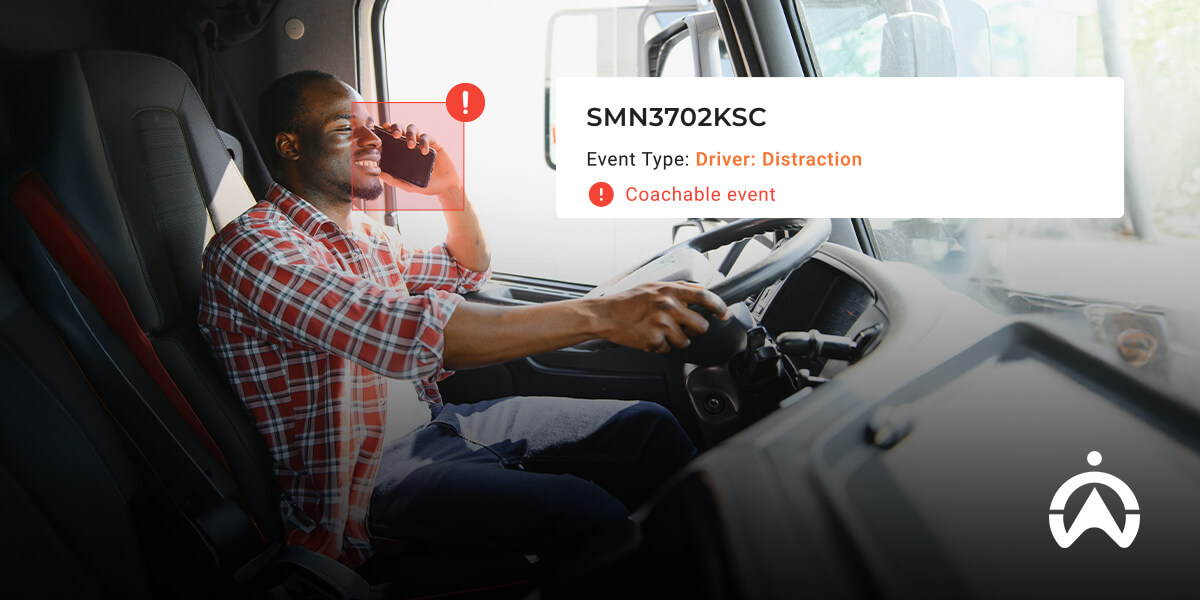
Truck driver identified using mobile phone while driving, flagged as a distraction event by Cartrack's AI-powered driver monitoring system for real-time coaching and safety improvement.

Why Cartrack Tanzania is the Smart Decision for Your Fleet

Cartrack Tanzania offers a comprehensive solution designed to reduce costs and maximise profitability. Here are some reasons we shine above the rest:

Flexible Costs and Packages

Here are some of our products and services that are guaranteed to reduce inefficiencies and streamline operations.

  • Bureau services: A service where we can remotely run your fleet on your behalf. Everything from route planning, driver management, fuel costs to everyday operations.
  • Delivery: This package allows you to manage drivers while they make deliveries, you can get proof of receipt, manage job schedules and have a full overview of all the trips taken.
  • Carpool: With this feature, you can control the allocation of vehicles to drivers, which helps in ensuring that all vehicles are used equally.

We offer a diverse product line that can be tailored to your business’s specific needs at a reasonable cost. These contracts come in 12, 24, and 36-month packages, with payments being made in cash or monthly instalments.

Advanced Telematics

Our telematics offering comes with precise GPS tracking and real-time location to help optimise a business fleet’s operation. The comprehensive solutions package includes asset management, vehicle diagnostics, and proactive maintenance alerts, helping your business reduce downtime and extend vehicle lifespan.

Precise GPS Tracking

Our tracking solutions are GPS and GSM enabled and come with unparalleled real-time location accuracy, which allows businesses to monitor their fleets with ease and precision. With tools such as live tracking, route history, and geofencing capabilities, a fleet manager can enhance productivity and performance. This is because routes will be optimised and deliveries done on time as the ETA will be more accurate. Additionally, our system provides alerts for unauthorised vehicle movements, which will make it easier to prevent theft and vehicle misuse.

Successful Stolen Vehicle Recovery

Protect your fleet with Cartrack’s industry-leading stolen vehicle recovery service, which boasts over 100,000 stolen vehicles recovered over the last decade. Dedicated recovery teams work around the clock all year round to swiftly locate and retrieve stolen vehicles.

Additionally, we offer remote vehicle immobilisation, emergency support, and a panic button as value-added services. We even offer a warranty in the unlikely situation that we are unable to recover stolen vehicles.

Reduced Fuel Consumption

Fuel costs are usually one of the biggest expenses for a fleet, fortunately, Cartrack’s fuel management system can help your business keep them under control. Our system has real-time fuel usage monitoring, detects inefficiencies, identifies fuel theft, and optimises overall fuel consumption. A business owner can also get detailed reports on refuelling patterns and consumption trends, empowering them to make informed decisions that can lead to significant cost savings.

Safer Driving Habits

Safe and responsible driving is non-negotiable and vital for both cost efficiency and fleet longevity. Our driver monitoring system tracks bad driving behaviours such as harsh braking, rapid acceleration, excessive idling, and speeding. A business owner can use these insights to implement training programmes which will promote safer driving habits, reduce wear and tear, and lower the risk of accidents. By improving driver behaviour, you not only enhance fleet safety but also boost fuel efficiency and reduce operational costs.

Get Cartrack For Your Fleet Today

Cartrack’s offering is customisable for every business model and is scalable to meet the needs of the business as it grows. We also work in a variety of industries in 24 countries across the globe, with a customer base of more than 115,000 businesses.

When considering which management system provider to get for your business, know that Cartrack Tanzania rises above the rest and will get your fleet functioning at optimal performance.

Contact us to start saving on your fleet’s costs.

FAQs

Q: What are the challenges in fleet management?

A: Many businesses face the same challenges when dealing with a fleet of vehicles. These can be:

  • Supply Chain Disruptions
  • Fuel Wastage
  • Vehicle Acquisition
  • Vehicle Maintenance
  • Health & Safety
  • Regulatory Compliance
  • Administration & Data Handling

For some businesses, these may be more prevalent than others.

Q: What is the difference between fleet management and telematics?

A: Fleet management software works as a cloud-based digital platforms which analyse data and help manage various aspects of fleet operations. Telematics systems gather integral data points, such as fuel consumption, vehicle diagnostics, and real-time GPS location.

Q: What is included in fleet management?

A: Most systems offer vehicle tracking, telematics, route optimisation and fuel consumption management. The goal is to maintain and enhance operational cost-effectiveness, vehicle maintenance, driver and asset management, vehicle safety and compliance, and operational efficiency.

Q: What are the benefits of a fleet management system?

A: Having this system will greatly benefit your business in several ways. Some of these include:

  • Reduced costs
  • Improved driver performance
  • Comprehensive and organised reporting and analytics
  • Optimised workflows and processes
  • Fraud and theft prevention
  • Increased vehicle lifespan
  • Better work experience
  • Improved customer satisfaction

All these will have a long-term impact on the business’s growth and development.

Car Tracking Services and Solutions

The need for car tracking services has increased over the years. This is due to various factors such as the rising concerns over vehicle theft, the growing demand for advanced technology that enhances driver safety, the growth in the fleet management industry, and the convenience of it all.

There are many car tracking services and solutions available in Tanzania, but finding the right one can be quite the challenge. Today, we look at the various car tracking services and solutions that we have to offer and also give you insight into how they work. Let’s dive into it!

In this article, you will:

  • Get a detailed explanation of what car tracking services do
  • Find out the benefits of car tracking services
  • Discover what to expect from a tracking service provider
  • Learn about our car tracking solutions

Car tracking services explained

Car tracking services refer to companies that offer GPS and cellular technology for users to monitor their vehicles in real-time. The GPS is primarily responsible for determining the vehicle’s exact location, while the cellular network systems are used for precision, quick data transmission, and other information such as speed and direction. Let’s explore the different types of car tracking services and why you need one.

Exploring the different approaches to car tracking

Not all vehicle tracking systems work in the same way. Some offer live updates, others store information for later use, and some use radio signals instead of GPS. Here’s a short breakdown:

  • Passive tracking (data loggers): Passive tracking systems act like logbooks. They record GPS locations, speed, and the direction in which the vehicle is moving and then store the information. The data can later be retrieved by connecting the device to a computer.
  • Active tracking: Active tracking, on the other hand, gives vehicle data updates such as location, direction, and speed in real time. This is made possible through cellular technology, satellites, and a cloud platform.

Although GPS trackers are the primary devices used in vehicle tracking, there are various other types of tracking technology that can be used depending on the purpose. A good example of this is Radio Frequency Identification (RFID). This is a wireless tracking method that uses radio waves to identify and track objects automatically. In the fleet management industry, RFID technology is used for driver identification.

The real benefits of using car tracking services

There are many benefits to having a vehicle tracking service, including:

  • Enhanced vehicle security and theft recovery
    It’s no secret that vehicle theft is a growing concern in Tanzania, with criminals constantly devising new methods to steal vehicles and cargo, making vehicle security the top benefit of having a car tracking service. Through this service, you get theft recovery benefits as well as other tools that will help prevent theft from happening.
  • Safer driving habits
    GPS tracking devices usually have IoT technology. This powerful technology is what allows the device to go beyond providing location information. IoT-enabled devices can detect driver behaviours such as speeding or sudden braking. Through this, businesses and individuals can see which driving habits they need to improve on, therefore encouraging safer driving.
  • Fuel efficiency
    Fuel accounts for one of the most costly expenses of fleet operations. Every drop of fuel saved makes a huge difference, especially during this time when fuel prices are constantly fluctuating. Using a GPS tracker with telematics capabilities, you can monitor driving habits that increase fuel consumption, such as idling and speeding. A tracking device with telematics capabilities can also detect mechanical issues that increase fuel consumption, such as engine inefficiencies.
  • Proactive maintenance
    Speaking of vehicle wear and tear, telematics devices can also detect issues with the engine and give fleet managers alerts that assist in vehicle health checks, such as service reminders, battery warnings, and engine diagnostics. This prevents unexpected breakdowns, as fleet managers will address potential issues before they escalate.
  • Insight into driver routes and behaviour
    Vehicle tracking services help fleet managers monitor driver routes in real-time. Through this, fleet managers can see when drivers are deviating from the planned routes or when they are making too many unplanned stops.
  • Potential insurance discounts
    Insurance premiums are determined by how much of a risk you pose to the broker. Without a tracking unit, your car stands a greater risk of being stolen and not recovered. For this reason, insurance companies might charge you more on your monthly premiums or refuse to cover your vehicle. Additionally, frequent insurance claims result in premiums going up. With safer driving encouraged by tracking data, you are likely to make fewer claims, therefore reducing the chances of prices going up.

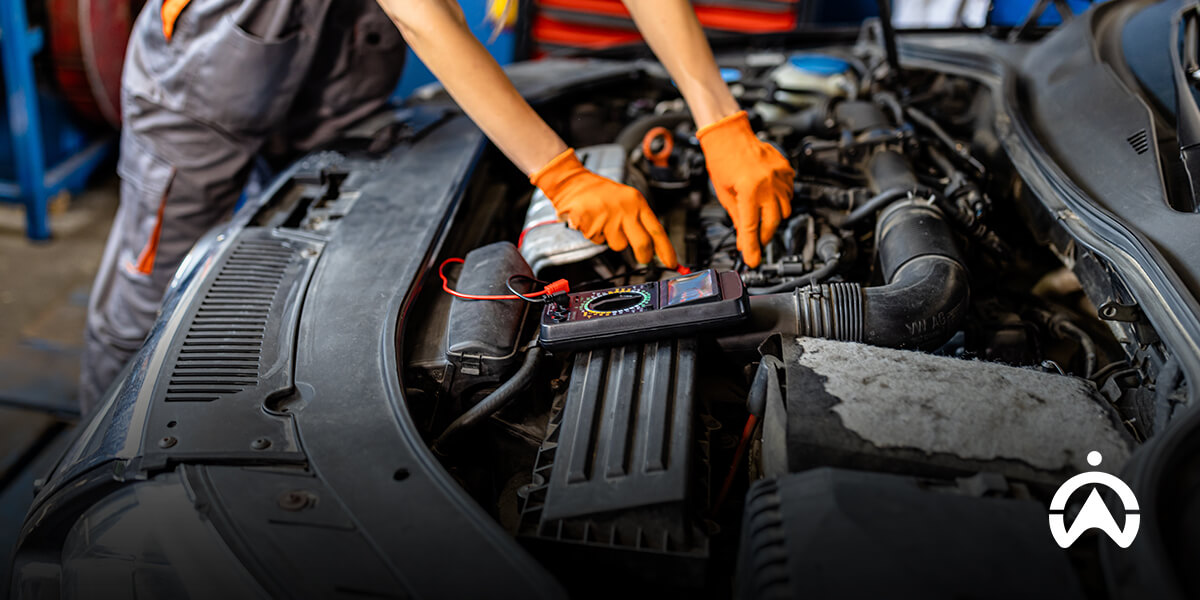
A mechanic in orange gloves uses a multimeter to diagnose a car's engine, focusing on underlying components.

Who can benefit from car tracking solutions?

A vast range of users can gain from these services. From private car owners to small businesses, e-hailing drivers, construction companies, and, of course, those in the business of logistics. Have a look at these two examples that showcase the perks of having a vehicle tracking service:

  1. Parents monitoring young drivers: If you are a parent to a teenager, a car tracking service will help you check their location at any time. You will know when they’ve reached their destinations, as well as see if they are driving responsibly.
  2. Delivery business: Delivery companies can significantly benefit from GPS tracking services. The technology eliminates time-consuming procedures such as the constant phone calls to check where drivers are and reduces the amount of paperwork. Fleet managers can use the software to optimise routes in order to find the best way to get to a delivery destination and get accurate delivery ETAs. This reduces fuel costs and promotes a better customer experience.

Costs, installation, and what to expect from a tracking provider

  • Cash vs rental
    It’s important that you know the payment options that a company has to offer. At Cartrack Tanzania, we have cash and rental options. With a cash contract, you pay for the device upfront, get full ownership, and lower monthly service fees. A rental contract, on the other hand, is a more budget-friendly option that offers flexible payments with lower upfront costs. Your budget and purpose of use will determine which payment option is best for you.
  • Stolen vehicle recovery (SVR)
    Not all tracking services include stolen vehicle recovery, so it’s vital to confirm whether your provider offers this essential service. This means you only get access to viewing the location of your vehicle, but should it be stolen, no recovery team will help you retrieve the car. It is important that you know the exact details of what your package entails to avoid signing up for a service that does not cover the basics of vehicle tracking.
  • Installation
    A smooth and professional installation is what you should look for. Some providers offer self-installation kits; however, an installation from a skilled technician ensures that it is done correctly, reduces the chances of vehicle parts being damaged during the process, and ensures that the device works optimally.
  • What tools do you get access to?
    When signing up for a GPS tracking service, you should expect to have access to a mobile app and a website to simplify the monitoring of vehicle movements in real time. The features should include real-time location sharing, trip replay, vehicle health reports, and ratings based on driving habits. The software should also give you historical data that allows you to review past trips, so you can identify areas of improvement. Furthermore, you should be able to set up alerts that inform you of safety concerns, such as when vehicles have gone over restricted areas.
  • Warranty and support
    Ensure your service provider can be trusted and is reliable. There should be customer support readily available for all your queries. Moreover, there should be a device warranty to ensure your unit is fully functional and will be repaired or replaced should there be any faults.

How to choose the right tracking solution for you

  1. Purpose
    Having a clear outline of your vehicle tracking needs will make it easier for you to find the best solution for you. Ask yourself what the most important activities you’ll be using it for are. Do you just want the service for vehicle security, or will you need additional features to manage a fleet? Once you understand your specific requirements, you can identify the solutions that would best suit you or your business.
  2. Cost
    Evaluate the upfront costs and subscription fees. Go through the terms and conditions to get a better understanding of any costs you might encounter along the way. Whether budget-friendly or high-end, the price you pay must be worth the service you will get. There should be a good return on investment.

A person in a safety vest fixes a car tire while another individual holds an umbrella, surrounded by autumn foliage.

Why choose Cartrack Tanzania for your vehicle tracking needs

Cartrack Tanzania is a trusted vehicle tracking company that has been around for over 20 years. We offer budget-friendly options that give individuals and business owners peace of mind. Our key features include:

  • Real-time tracking
    Track your vehicle’s location in real-time on the Cartrack mobile app or website. Get satellite views and smart-map overlays to get a view that best suits you. Access a full trip history and replay the journeys, and know the distance and duration of every trip.
  • Stolen Vehicle Recovery
    The Cartrack control room service is available 24/7. We have nationwide coverage and a highly trained recovery team that is always on standby, ready to get your car(s) back to you.
  • Breakdown assistance
    To ensure that your car is never left stranded on the road, Cartrack has a value-added service called Protector that provides roadside assistance in the event of a vehicle breakdown. Once again, help will get to you sooner since we will already have access to your live location.
  • Driver behaviour insights
    Our IoT-powered devices allow individuals and fleet managers to monitor aggressive driving habits such as excessive acceleration, harsh braking, harsh cornering, and speeding. This encourages driver accountability and safer driving habits.

    Furthermore, through the use of RFID tracking technology, we have driver identification tags that fleet managers can use to immediately identify who is driving which vehicle. This ensures that the business remains compliant by assigning certain types of vehicles to qualified drivers and makes monitoring driving habits easier, as you will know which driver needs training.

  • Route optimisation
    Using historical traffic patterns, travel trends, and real-time data, our route optimisation tool suggests the most efficient routes your vehicles can take. This reduces the long routes that increase fuel costs and improves delivery times.

Let us cater for your car tracking needs

Car tracking services are essential for every motorist, and as one of the leading vehicle-tracking service providers in Tanzania, we pride ourselves on giving you solutions that cater to all your vehicle needs. Reach out to us and see why we provide one of the best vehicle tracking services and solutions.

Car Tracking Devices vs. Traditional Car Alarms: Which Is Better?

Recent reports show a rise in theft-related crime; most notably, an increase in motorcycle and vehicle thefts. These alarming statistics prove that vehicle safety is more critical than ever. At this rate, investing in a security system—such as a tracking device or a car alarm—is non-negotiable. While most vehicles come factory-equipped with alarms, the big question remains: are they enough to truly protect your asset?

We will discuss these two key automotive security solutions, compare their effectiveness, and help you determine which system is better suited for your needs. You will also discover how Cartrack solutions can help safeguard you and your loved ones on the road.

In this article, you will:

  • Know the key differences between car tracking devices and traditional alarms
  • Understand the benefits of car tracking devices
  • Learn why Cartrack stands out as the best vehicle tracking partner

Car Tracking Devices vs Traditional Alarms: A Comparison

Car tracking devices and alarms aim to protect your vehicle, but they achieve this goal differently. The table below outlines each system’s key features, benefits, and drawbacks, providing a clear overview to help you make an informed decision when choosing the right security solution for your needs.

Aspect Car Tracking Device Traditional Car Alarm
Primary Function Vehicle Location & Recovery Deterrent, Alerts of Intrusion
Effectiveness Highly effective for locating and recovering a stolen vehicle Primarily effective at deterring theft or alerting to attempted theft
Technology GPS, Cellular, Wi-Fi Sensors, Sirens, Motion Detectors
Features Real-time tracking, Geofencing, Speed alerts, Driver behaviour monitoring, Remote engine immobilisation Loud siren, Motion detection, Tilt sensors, Glass break sensors
Installation Often hidden and professionally installed Typically visible, usually professionally installed
False Alarm Less prone to false alarms More prone to false alarms (e.g., loud noises, animals)
Additional Benefits Valuable for fleet management, parental controls, emergency services and potential insurance discounts Limited beyond basic theft deterrence

Key Differences Between Car Trackers and Alarm Systems

When it comes to car security, owners often consider both tracking devices and alarms. Even though they both offer car protection, they have different approaches to this. Let’s explore how different they really are by looking at their primary function, installation, technology, and limitations.

Key differences between traditional car alarms and tracking devices:

Primary function

Traditional car alarms

The main function of a traditional car alarm is to deter theft. If someone tries to steal your vehicle or break in to get your belongings, car alarm sensors will detect this, and sound will be emitted. In some cases, the vehicle’s headlights will also flash. These alerts are meant to notify people who are nearby and distract the criminal from continuing with this act.

This makes car alarms effective in theft situations.

Car tracking devices

The primary function of a car tracking device is to assist in recovering a stolen vehicle, by tracking its location through GPS technology.

Tracking devices do not prevent theft, making them ineffective in theft situations but highly effective post-theft.

Technology

Traditional car alarms

Traditional car alarms rely on sensors to detect unauthorised access or disturbances, triggering the alarm when activated. Below is a list of common sensors that an alarm system typically has:

  • Tilt sensors: These are used to detect any change in the vehicle’s inclination to the ground. The alarm will be triggered if there is a sudden inclination of the car. This feature protects against unauthorised towing or jacking up of the car.
  • Motion detection: If there is any movement happening near the car, this will trigger the alarm to go off. This can include even a slight touch of the vehicle.
  • Glass break sensors: If someone is trying to break your window, for instance, and glass shatters, this will be detected, and the alarm will go off.

Car tracking devices

Trackers are equipped with advanced GPS technology. These devices use GPS receivers to communicate with satellites, pinpointing your car’s location in real-time. The location data is then transmitted through cellular networks (like 4G/LTE) to secure servers, allowing users to track their vehicles remotely. This could be done via apps or online platforms.

Installation

Traditional car alarms

The Original Equipment Manufacturer (OEM) alarm systems are installed by the vehicle manufacturer during the manufacturing process. Aftermarket alarm systems are purchased separately and are usually installed by a qualified technician.

Car tracking devices

GPS trackers must be installed by a qualified technician to ensure they are installed correctly and discreetly.

It is not advisable to buy tracking devices at online marketplaces or off the shelf and attempt to DIY the installation. You are not only damaging your vehicle’s wiring and other important components, but you are also putting yourself in danger by purchasing from these non-reputable companies. These systems could easily be hacked, posing a risk to users.

A Cartrack technician inspects the dashboard and ignition of a car while seated in the driver's seat, focused on installing Cartrack tracking device.

Limitations

Traditional Car Alarms

These days criminals use sophisticated devices that can, unfortunately, easily disable car alarms. These systems are also more prone to giving false alerts,which negatively influences their reliability.

False alarms can be caused by the following:

  • Overly sensitive sensors: If a vehicle’s sensors are overly sensitive, they can be triggered easily. This means that your vehicle’s alarm can go off even when a small animal like a bird rest on top of your car’s roof.
  • Faulty key fob: A malfunctioning key fob or remote can send erratic signals to your car’s alarm system. Most key fobs have panic buttons, so if faulty, the panic button will most likely be activated randomly, causing the alarm to go off.
  • Wiring problems: If you have an aftermarket alarm system and decided to install it yourself, there is a possibility that you messed up the wiring system. This is why it is not advisable to DIY. You need to get a qualified technician to do the installation, always.
  • Low battery levels: A weak or dying battery could cause the car alarm to go off. If your vehicle’s battery is too old, ensure that you get it replaced to avoid this.

Car tracking devices:

Tracking devices are much harder for criminals to disable since they’re installed in discreet locations, making them difficult to find. This forces them to waste time looking for the device, giving authorities a crucial window to track the vehicle and recover it before it’s gone for good. These devices will not send false alerts due to their advanced GPS technology.

The True Benefits of GPS Car Trackers

Since traditional car systems were made for the primary function of theft deterrence, there aren’t many added benefits compared to GPS trackers. Car tracking systems have more added benefits, such as emergency assistance, fleet management capabilities, and parental control.

Let’s explore these added benefits below:

Emergency Assistance

This feature ensures that you and your loved ones get the necessary support when in an unfortunate situation on the road. Most tracking companies provide you with emergency assistance such as roadside or medical assistance. You will have peace of mind knowing that you are always protected.

Fleet management

Car tracking devices can assist fleet managers in running their day-to-day operations smoothly. This is how:

  • Efficiency: Real-time tracking allows fleet managers to optimise routes, minimise idle time, and improve overall efficiency.
  • Safety: They can help monitor driver behaviour and identify potential safety risks, such as speeding or harsh braking.
  • Maintenance: Tracking data can be used to schedule vehicle maintenance and ensure timely servicing.
  • Asset tracking: GPS trackers can be used to monitor the location and movement of valuable assets in your business.

Parental control

If you are a parent to a teenager who is new behind the wheel, you can ensure they are always protected on the road using GPS tracking systems. Geofencing allows parents to set up virtual boundaries and receive alerts if their child enters or exits specific areas. They will also be able to monitor their children’s behaviour on the road by analysing their harsh events and can offer necessary coaching.

Potential Insurance Discounts

Insurance companies tend to offer low insurance premiums to customers who have security systems in place, such as GPS trackers. This is because they know that, in case of theft, the high likelihood of vehicle recovery reduces the need for claim payouts.

A red SUV drives on Cartrack geofence area mark, surrounded by green grass and a metal guardrail, showcasing a vibrant outdoor scene.

Why Cartrack Stands Out as Your Vehicle Tracking Partner

From the above, it is clear that having a car tracking device is essential for your safety. However, it isn’t just about finding and installing the GPS tracker and calling it a day; you need to ensure that you get this device from a reputable company. Cartrack is such a company.

The Cartrack legacy means we have recovered over 100,000 stolen vehicles in the last decade, it’s no wonder we are one of Tanzania’s leaders in vehicle tracking.

Cartrack offers the following features and solutions to help ensure that your vehicle is safe and more likely to be recovered if stolen:

  • Advanced Fitment Technique
    Our highly trained technicians are responsible for the installation of our tracking devices, ensuring that they are installed correctly and do not interfere with other important components in your vehicle.
  • Air and on-the-ground recovery teams
    If a vehicle theft occurrence is underway, our highly trained recovery team is immediately dispatched. This is usually carried out by both air and ground teams to ensure the fastest, safest, and most proficient tactical response.
  • Cartrack Mobile App
    Our tracking devices are integrated with the mobile app, allowing you full control of your vehicle and fleet. You will also be able to access our wide range of features at just a touch of a button.

    Our app allows you to:

    • View your vehicle’s live location and past trips
    • Activate Carwatch which alerts you if your vehicle moves once parked
    • Activate Protector which provides Medical, Roadside, Legal, accommodation, and Car Hire Services
    • Share your live location with your loved ones
    • View the last position report, which indicates the last known position of the vehicle
    • View driving reports to monitor driving behaviour and reduce fuel and maintenance costs
  • Jamming detection
    Cartrack offers signal-jamming detection as a value-added product feature. This is to ensure that if criminals use signal jammers to jam the tracking system’s cellular connection, we can still track your vehicle. We will switch to RF frequency, which allows us to continue communicating with the vehicle.
  • Geofence
    You will be able to set up virtual boundaries in high-risk areas. This means that you will be notified instantly should your drivers or loved ones who are using your vehicle enter these zones. You can then call them to make a U-turn immediately.
  • Panic Button
    In case of an emergency, you can simply press a panic button, which will instantly send a silent alert to our 24/7 Cartrack control room. An operator will provide the necessary assistance.
  • Strip Warning
    In the event that your tracking unit is tampered with, which generally indicates that theft is in progress, our control room will receive an alert and contact you immediately to investigate.
  • Power Event Notification
    You will receive an alert should your vehicle battery be disconnected. This could indicate some form of tampering with your vehicle.

In conclusion, it is important to protect your vehicle, especially with the increasing theft and hijacking numbers in Tanzania. Ensure that your car is equipped with car alarms and GPS tracking devices for optimal security. Contact us today to find out about all our offerings and have peace of mind.

Frequently Asked Questions about alarms and tracking devices

Q: Is it possible to combine both a traditional alarm and a car tracking device?

A: Yes, many vehicle owners use both systems together for enhanced car security—alarms for theft deterrence and trackers for recovery.

Q: Can I transfer a car tracking device to a new vehicle?

A: Yes, you can transfer a tracking device from one vehicle to another. We will send a Cartrack technician to deinstall and reinstall the unit for a nominal fee. This is done at a time and place that is convenient for you. Simply contact us to make arrangements.

Q: Do car alarms or tracking devices drain the vehicle battery?

A: Both systems use minimal power and are unlikely to drain your battery under normal conditions.

Q: Can GPS tracking devices locate my car if it is stolen and taken to another country?

A: Our tracking units have international roaming, allowing tracking both locally and abroad. In areas with no GPRS/GSM coverage, the unit can store up to 5000 positions and events, such as ignition changes, every 3 km of travel, or deviations of 10 degrees or more. These data points are transmitted once GPRS/GSM communication is re-established.

Camera Video Telematics: Reducing Driver Negligence for Safer Fleets

Many various factors, including human behaviours, cause road accidents. Risky behaviours such as speeding, using mobile phones while driving, and overtaking other vehicles can have serious consequences.

When fleet drivers engage in these behaviours, it can significantly impact the business, resulting in costly accidents and operational downtime. To mitigate these risks, fleet managers can integrate video telematics into fleet management strategies to gain valuable insights into driver behaviour and vehicle performance.

This article explores how camera video telematics work and how they enhance fleet safety and efficiency. We also discuss how Cartrack’s solutions can help reduce driver negligence, leading to safer fleets.

In this article, you will:

  • Understand how driver negligence affects fleet safety
  • Learn how camera video telematics reduces driver negligence
  • Explore how Cartrack can help improve driver and fleet safety with camera video telematics

How Driver Negligence Affects Fleet Safety

Drivers can be negligent in many ways, from engaging in risky driving to neglecting basic vehicle maintenance checks. Driver negligence could result in dire consequences such as vehicle breakdowns, costly repairs, legal issues, and potential company reputation harm. Let’s have a look at the types of driver negligence that a fleet manager needs to be on the lookout for.

Types of Driver Negligence

To ensure fleet safety, it’s important to understand the different types of driver negligence.

These can be categorised as follows:

On-road negligence

  • Speeding: When a driver exceeds the recommended speed limit for a particular road or area.
  • Distracted driving: Driving while texting, talking on the phone, eating, smoking, or engaging in any other distracting behaviours.
  • Tailgating: Following another vehicle too closely.
  • Failure to obey traffic laws: This includes ignoring traffic signals, disobeying road signs, and violating other essential traffic rules.
  • Driving in hazardous conditions: Driving too fast or recklessly in rain, snow, fog, and other hazardous conditions.

Vehicle safety negligence

  • Neglecting regular inspections: Failing to conduct pre- and post-inspections, such as checking tyre pressure, and ignoring any mechanical issues the vehicle may have.
  • Ignoring warning signals: Disregarding dashboard alerts, like low oil and brake system warnings, which require immediate attention to maintain vehicle safety.
  • Delaying repairs: Postponing necessary repairs or ignoring signs of wear and tear, such as slippery brakes, which could compromise the vehicle’s ability to function safely.

Driver health and wellness negligence

  • Fatigued driving: Driving while tired, sleepy, or exhausted.
  • Drunk driving: Driving under the influence of alcohol or other substances.
  • Driving under the influence of medication: Driving while taking medication that impairs driving ability.
  • Driving with a medical condition: When a driver fails to disclose or manage a medical condition that affects driving ability.

Behavioural negligence

  • Driver complacency: When a driver is too relaxed behind the wheel, they tend to become less focused and fail to make the right decisions on the road.This complacency makes drivers more vulnerable to road hazards and increases the risk of accidents.
  • Aggressive driving: Driving aggressively, such as overtaking and weaving in and out of lanes.
  • Road rage: Engaging in angry or violent behaviour while driving.

Consequences of Driver Negligence

Driver negligence can result in severe repercussions for businesses; let’s explore some of them in more detail.

  • Financial consequences
    Driver negligence can lead to significant financial consequences for businesses. Repeated claims due to unsafe driving often result in higher premiums. If your company car is in an accident, you will face costly repairs, medical expenses, lawsuits, and property damage.

    Beyond these direct costs, accidents can cause lost productivity, as injured drivers may require time off, and vehicles may be out of service. This downtime disrupts operations, which ultimately affects the company’s profitability.

  • Reputational consequences
    Accidents or incidents caused by driver negligence can harm the company’s reputation and brand image. This will also lead to a loss of customer trust and loyalty towards the company’s brand; they will question the company’s ability to deliver goods or services safely.
  • Legal consequences
    Companies may face lawsuits and will have to pay exorbitant legal fees, penalties, and fines when a driver is found to be negligent. Negligent driving is a criminal offence that will affect the driver personally as a legal individual.

A mounted Cartrack dashcam, capturing the view through the windshield, with a blurred background of a vehicle and trees outside.

How Camera Video Telematics Reduces Driver Negligence

Not all camera video telematics systems are the same. Some have very basic capabilities, and simply record footage, while others are more advanced and equipped with AI technology. The latter can greatly reduce driver negligence by detecting risky driver behaviour such as cellphone use, speeding, harsh braking, and tailgating. It can also identify signs of fatigue and safety belt violations.

Here’s how businesses can benefit from implementing this technology:

Real-Time Monitoring and Feedback

Advanced telematics systems send immediate alerts to drivers when these risky events are detected, enabling them to correct their actions immediately. This prompt feedback helps reduce accidents and encourages safer driving practices.

Event Recording for Accountability

The recorded footage plays a crucial role in identifying and addressing driver negligence. In the event of an accident or safety violation, managers can analyse the footage to determine the cause and take appropriate action.

Businesses that invest in advanced camera telematics systems can use this data for driver training or to enforce necessary disciplinary actions.

Choosing the Right Camera Video Telematics Solution for Your Fleet

When choosing a camera video telematics solution for your fleet, consider features such as storage capacity, video quality, the installation process, real-time alerts, night vision capabilities, and integration with the existing fleet management systems.

Here are some key features to look for when choosing camera video telematics that suit your fleet’s needs:

  • Video quality: The video footage has to be clear to allow fleet managers to see what’s happening on the road and also to see the driver. High-resolution footage provides clarity and ensures that important details are not missed, especially in accidents.
  • Storage capacity: Ensure that the system offers cloud storage for easy retrieval of video footage and data. Cartrack’s AI multi-vision cameras have up to 1 terabyte of storage.
  • Real-time alerts: Systems that offer real-time alerts can significantly improve driver behaviour. In-cabin alerts will notify drivers of risky behaviours so that they can immediately correct themselves.
  • Easy installation: The installation of these cameras must be conducted by a trusted service provider to ensure they function optimally and do not interfere with the vehicle’s wiring. At Cartrack, all our installations are done by a qualified technician to ensure that the dashcams are mounted correctly.
  • Compatibility with fleet management systems: Look for solutions that allow easy access to video footage and telematics data from a single platform, such as a fleet management system web interface or app. This will enable easy access to analytics and reports.
  • Cost considerations: Cost is an important factor to consider when looking at investing in fleet cameras. There are different prices for different packages, depending on your fleet’s scalability and needs.

How Cartrack Can Help Improve Driver and Fleet Safety with Camera Video Telematics

Cartrack’s camera video telematics offer powerful tools to enhance both driver and fleet safety. With a combination of AI-powered cameras, real-time alerts, and driver performance monitoring, our solutions provide a comprehensive approach to reducing driver negligence and preventing fleet accidents.

We achieve this through the following solutions:

AI-powered cameras

Our AI-powered cameras detect risky events and provide real-time alerts to drivers, including the following:

  • Distracted driving: When a driver does not look forward for more than 3 seconds.
  • Mobile phone usage: Holding or using a phone while driving.
  • Fatigue: Yawning or other signs of drowsiness.
  • Smoking: Triggered when a driver has long objects on the lips, which could indicate smoking in the vehicle.
  • Tailgating: Following other vehicles too closely.
  • Not wearing a seatbelt: When there is no visibility of the seatbelt across the driver’s body.
  • Not facing the camera: Detected when a driver isn’t looking forward.

Drivers receive in-cabin alerts to correct actions immediately, helping to prevent accidents and improve road safety.

With up to 8 internal and external cameras, fleet managers will be able to access live footage, giving them full visibility into fleet operations.

In the event of an accident, this footage can help prove the driver’s innocence, ensuring that they do not get blamed for causing the accident. The video evidence can help expedite the insurance claims process, resulting in quicker payouts and eliminating the need for legal battles. This will not only save the company money but will also help retain drivers and foster a positive working environment since drivers will be confident that they are protected at all times.

A user navigates Cartrack's live streaming interface on a monitor, showcasing multiple camera feeds and navigation options.

ADAS (Advanced Driver Assistance Systems)

Cartrack’s Advanced Driver Assistance System (ADAS) enhances fleet safety by using AI to detect potential hazards. Features like lane departure alerts, forward collision warnings, and automatic braking help drivers avoid accidents.

By integrating real-time GPS data, ADAS ensures optimal driving speeds and provides collision prevention warnings, offering fleet managers the tools to reduce driver negligence and improve overall safety.

ADAS key features include:

  • Forward Collision Warning: Alerts drivers when they are approaching another vehicle or obstacle too quickly, helping prevent rear-end collisions.
  • Blind Spot Detection: Informs drivers of vehicles in blind spots, reducing the chances of accidents when changing lanes.
  • Automatic Emergency Braking: Detects imminent collisions and automatically engages the brakes, reducing the impact or preventing the crash altogether.

By incorporating ADAS into fleet management, Cartrack helps prevent risky driving behaviours that could lead to accidents, downtime, and increased costs.

Driver Coaching

After reviewing the footage, managers can refer drivers to our coaching platform, which automatically logs all high-risk behaviours. The platform tracks how often drivers repeat offences and receive coaching.

All sessions are logged with timestamps and comments to ensure drivers are coached in accordance with company policy and provide the necessary evidence required in case of any disciplinary hearings.

In conclusion, reducing driver negligence is key to strengthening fleet safety, lowering operational costs, and maintaining a strong reputation. Cartrack’s AI-powered camera video telematics solutions provide a holistic approach to improving driver behaviour and minimising risks. Implementing these tools helps fleet managers promote safer driving habits, prevent accidents, and protect business operations.

Contact us today to find out how you can empower your drivers and improve your fleet’s safety.

Frequently Asked Questions about Camera Video Telematics

Q: Is it possible to get a custom report from Cartrack’s camera system?

A: Yes, Cartrack offers customisable reporting features. Fleet managers can generate specific reports on driver behaviour, harsh events, and overall fleet safety performance, tailored to the business’ needs and operations.

Q: How do managers ensure that these cameras do not invade driver privacy?

A: To protect driver privacy, managers should establish clear guidelines for camera use. They should only allow authorised personnel to access footage and must ensure that these cameras are used solely for their intended purposes, such as monitoring driver behaviour and safety.

Q: Can camera video telematics be used for all types of vehicles?

A: Yes, fleet managers can install camera video telematics in cars, trucks, buses, and vans to reduce driver negligence and improve safety on the road.

Fleet Management for Wholesale and Distribution services

In the fast-paced world of wholesale and distribution, efficient fleet management is no longer a luxury, but a necessity. Maximising delivery schedules, minimising operational costs, and ensuring timely product delivery are critical to maintaining a competitive edge. This blog will explore the strategic implementation of fleet management solutions tailored to the unique challenges and opportunities within this sector, providing actionable insights for optimising your logistics operations.

To succeed, it’s important to have an effective system in place that helps keep everything running smoothly. This includes handling inventory, managing machinery, planning routes, and coordinating deliveries effectively and efficiently.
Managing all the tasks can sometimes be complicated and demanding. An innovative fleet management solution addresses these issues and optimises the logistical process.

Today, we reveal why fleet management is important for wholesale and distribution services and why Cartrack is a reliable fleet management provider.

In this article, you will:

  • Find out why fleet management matters for wholesale and distribution services
  • Learn what challenges wholesale and distribution services face
  • Understand how fleet management system can transform your business
  • Discover how Cartrack is the preferred fleet management provider for wholesale and distribution services

Why fleet management matters for wholesale and distribution services

If you are a business with large-scale operations and inventory, you know that some problems may arise. These can range from delays caused by issues such as the overbooking of vehicles or driver allocations, among many others. This is why fleet management systems are important, as they handle unforeseen challenges such as vehicle breakdowns, ensuring goods are delivered on time. Let’s discuss why fleet management matters for this industry.

Streamlining operations within wholesale facilities

A streamlined operation for many companies begins with effective inventory management within the warehouse. If your business can’t track inventory across different locations, it may become challenging to keep accurate stock levels. Fleet management systems can integrate with your existing systems to provide a centralised view of your business, making it simple to store and locate products.

Meeting delivery deadlines for time-sensitive goods

Distribution plays a pivotal role in the supply chain. Once an order is placed, it is picked, packed, and ready for delivery. However, this has to be coordinated based on the type of product being purchased, such as perishable items. Instead of simply creating contingency plans, businesses need nearly fail-proof solutions to ensure deliveries arrive on time and in perfect condition, preventing supply chain disruptions. Fleet management solutions are designed to tackle these issues by providing live tracking features that monitor deliveries from start to finish.

These systems ensure optimised routes for multi-stop deliveries, allowing drivers to meet strict deadlines while maintaining product quality. Additionally, they offer proactive alerts and analytical insights to help foresee potential disruptions, ensuring that your operations remain efficient even under challenging circumstances.

A spacious warehouse filled with stacked wooden crates, organized rows, and loading docks visible in the background.

What are the challenges in fleet management for wholesale and distribution?

There are various challenges wholesale and distribution services deal with, from delays to high costs in their day-to-day operations. It is these issues that they have to navigate to ensure the business operation runs smoothly. Here are a few that we have identified:

  • Late deliveries
    Late deliveries can significantly impact wholesale and distribution services. It not only results in unhappy customers but may disrupt the entire supply chain. For example, late deliveries of products to a business could mean that they cannot honour the special offer they are running, resulting in retailers missing out on sales and potentially losing credibility.
  • Inadequate security measures for cargo
    Distribution services transport vast quantities of valuable cargo, which is why they need to ensure it is secure and that they can respond promptly to security risks.
  • Excessive wear and tear on fleet vehicles
    Cargo trucks transport large quantities of goods, often for very long distances, which may cause excessive wear and tear on the trucks. Businesses need to ensure that load weights comply with regulations and that there is no extra weight that could cause strain on the vehicle, reducing wear and tear.
  • High fuel costs and fuel waste
    High fuel prices cause businesses to spend a lot on fuel. This may result in funds set aside for maintenance being reallocated to cover the increased fuel expenses. Additionally, the increase in fuel prices may affect the profit margins of businesses that rely on large daily deliveries.

Although these challenges exist for wholesale and distribution services, fleet management systems can help eliminate them.

How fleet management transformed wholesale and distribution services

The wholesale and distribution sector is always changing, and companies that adjust to these changes can enhance their processes and remain competitive. Cartrack’s fleet management system is the ideal partner to help them become more responsive to changes and to improve workflows. What sets us apart is our focus on innovation and reliability, easy-to-use systems, and 24/7 support.

Here is how Cartrack’s fleet management solutions can transform your wholesale and distribution services. Our offering:

Integrates with ERP Systems

Fleet management systems have many benefits, which include ERP system integration. Wholesale and distribution services can easily integrate their existing business activities, such as accounting, supply chain operations, and procurement, with our fleet management solution to enable a comprehensive view of inventory, customer orders, and deliveries. All the data flows through one API for end-to-end workflow, allowing a variety of departments to access the different information.

Tracks every delivery with real-time tracking

Cartrack’s fleet management system enhances a business’s ability to manage the distribution process from the time the products are sourced to their delivery. It provides a centralised view of all the deliveries in real time. You can switch from one delivery to another in just a few clicks to keep up with changes in each delivery. The system provides a business with enhanced communication, meaning you can stay updated with ETAs, which allows you to update your customers should there be any changes immediately. Knowing the status of a delivery in real time empowers you to manage customer expectations effectively.

Promotes safe and efficient driving with behaviour monitoring

Driving on Tanzania roads can be unpredictable because of poorly maintained roads and the bad driving of other motorists. This means a system needs to be in place to ensure your drivers are not only safe and compliant with road rules but also protected from external road circumstances. Cartrack’s advanced telematics technology enables you to monitor a driver’s behaviour every step of their journey. Alerts are sent on speeding, harsh braking, excessive idling, and harsh cornering.

Saves on fuel costs with smarter fuel management

Smart fuel management includes capabilities that track fuel levels and consumption for every vehicle. Firstly, the system allows you to keep a record of the entire fleet’s fuel transactions. It enables businesses to identify inefficiencies and theft. These capabilities allow you to identify spikes in fuel consumption, which may be an indication of poor driver behaviour.

A white truck parked outside a warehouse, with another truck in the background under a partly cloudy sky.

Reduces vehicle maintenance costs

Our fleet management systems significantly reduce vehicle maintenance costs. This is achieved through automated alerts that provide diagnostics on the vehicle, which include engine performance and mileage. All this data is used to predict when a vehicle requires maintenance before any significant damage is done, preventing breakdowns and unnecessary downtime.

Cartrack’s fleet management system empowers wholesale and distribution services with more control over the entire process, from managing machinery through collected data such as fuel consumption and engine performance to last-mile deliveries. By using live updates, advanced driver monitoring, and predictive maintenance. Our system ensures your business operates economically and efficiently.

Contact us today to find out more.

FAQs

Q: Can Cartrack’s fleet management system be customised to a specific business’s needs?

A: Yes, it can be customised to a business’s specific needs through different features such as fuel monitoring, route planning and vehicle monitoring.

Q: What is the role of telematics in fleet management?

A: Telematic is an advanced technology that collects and analyses data from a vehicle in real-time, which includes driver behaviour and vehicle diagnostics.

Q: Can small businesses use fleet management solutions?

A: Yes, Cartrack’s fleet management solutions can be used by small and medium-sized enterprises to streamline their operations and cut costs.

How to Prevent Construction Equipment Theft With GPS Tracking

Equipment, such as excavators, forklifts, concrete mixers and bulldozers, is the backbone of the construction industry, without it, development would grind to a halt. This is why it is important to address equipment theft as soon as it arises in a business.

GPS tracking provides a solution to this problem, as it keeps all assets accounted for even across work sites. Additionally, some providers offer services and features to enhance this product and overall security.

Let us discuss how GPS tracking can prevent construction equipment theft and how Cartrack is the ideal partner to help a business accomplish this task.

Get insights on:

  • Why equipment theft is a big problem
  • How theft costs the construction industry
  • How GPS tracking is used in theft prevention
  • The additional benefits of GPS tracking
  • How Cartrack’s solutions help prevent construction equipment theft

Why Equipment Theft Is a Major Concern

Tanzania has a massive construction industry that is projected to grow significantly in the coming years. The industry is expected to register an average annual growth of 7.2% between 2026 and 2029.

This insight shows how much value the industry brings to the country and economy. Equipment theft causes severe operational disruptions, threatening industry growth and financial stability.

There is significant difficulty in recovering stolen equipment as it is usually not tracked, this is because these assets lack permanent registration like passenger vehicles. This makes it hard to identify when it has been stolen or resold to another business.

This all leads to downtime and project delays, which ultimately have a negative effect on a business financially.

The Cost of Construction Equipment Theft

Construction equipment is very expensive and is usually hard to replace. This is because some types of equipment need to be custom-made, such as cranes or heavy-duty excavators. This leads to a significant waiting period between ordering and delivery.

The theft of equipment also disrupts project timelines.

Here are some of the costs that are incurred:

The Financial Losses From Stolen Machinery

The financial losses due to theft can be very large, especially if the equipment stolen is a specialised machine. Many construction companies do not budget for equipment replacement costs, making theft a significant financial setback. Theft impacts the business’s balance sheets as there is often little room for additional costs. This is because the industry operates on a project-based model, often with periods of inactivity.

As with all thefts, insurance costs are affected. Some insurers might increase premiums and, depending on the circumstance, may refuse to pay out altogether.

The Impact on Productivity

Delays are a major cause of reduced productivity, particularly in construction as most projects are deadline-based. When critical equipment is stolen, construction is hindered and in some cases halted, this means that labourers will sit idle with no work to do and time-sensitive processes will be disrupted.

A construction business with productivity problems and issues with meeting deadlines is at risk of reputational damage. If these issues persist, it will impact the business’s public image and dissuade potential clients from considering them for projects or bids for contracts.

Cartrack_cement_mixer_sensors_displaying_construction_site_zone

How GPS Tracking Can Prevent Equipment Theft

GPS tracking extends beyond vehicles and can be installed on equipment and machinery. Here are the ways in which GPS tracking can work for the construction industry and prevent equipment theft.

Real-Time Location Tracking

Monitor equipment locations at all times, reducing the risk of theft. This feature ensures that construction managers and security teams can keep a constant eye on valuable assets, enabling quick responses if an asset is moved without approval.

Geofencing Alerts

Set up virtual boundaries and receive notifications if equipment moves outside designated zones. Geofencing is particularly useful for ensuring that equipment remains within designated work areas, preventing unauthorised use and potential theft.

Tamper Alerts

Receive instant alerts if tracking devices are removed or tampered with. Cartrack’s GPS tracking systems are equipped with tamper detection technology, which immediately alerts fleet managers if someone attempts to disable or remove a tracking unit.

Remote Immobilisation

Shut down stolen equipment remotely to prevent further movement. This feature is invaluable in theft situations, as it allows owners to render stolen equipment inoperable, increasing the likelihood of recovery.

Historical Tracking Reports

Review past movement logs to track unusual patterns or unauthorised usage. These reports provide insights into usage trends, helping businesses identify security vulnerabilities and potential internal theft.

Battery and Power Loss Alerts

Get instant notifications if a tracking device experiences power loss or is disconnected. This helps in detecting potential tampering attempts or power failures that could compromise tracking.

Multiple Device Integration

Monitor multiple pieces of equipment from a single platform, ensuring seamless tracking across different sites. Whether managing a large fleet or a small number of assets, businesses can have complete oversight from a unified dashboard.

Automated Maintenance Scheduling

Keep track ofequipment maintenance schedules to reduce downtime and improve security. Well-maintained equipment is less likely to be left vulnerable to theft due to breakdowns in unsecured locations.

Additional Benefits of GPS Tracking

GPS tracking comes with some additional benefits that are secondary to our direct offering. The most evident one is that the business gets to improve operational efficiency by monitoring equipment usage. Efficiency is capital in the construction industry as it has a direct correlation with the amount of income the business gets.

Another benefit is that the business can reduce fuel costs, it can do this by tracking unnecessary idling. This could be the idling of any equipment or machinery that uses fuel to function, from vehicles to generators. You can ensure proper maintenance with automated service reminders that will inform you whenever equipment is due.

Additionally, with this system in place, you increase the worksite security due to the enhanced visibility of all the assets. When employees know that equipment is being tracked, it will deter them from attempting any theft.

Cartrack_ID_Tag_verifies_an_approved_operator_for_construction_equipment

How Cartrack’s Solutions Help Prevent Theft

With Cartrack as your partner, you can rest assured that your business equipment will be protected from theft. Our theft prevention technologies cater to all types of equipment and can be used by both large and small businesses.

Here is what you get from our solutions:

Advanced GPS tracking technology with real-time monitoring.

We offer GPS tracking of assets, where a ping is sent daily indicating the real-time location of the specific equipment or machinery in your business. This can also be applied to any construction vehicles that need to be tracked.

  • Full asset visibility
    The GPS tracking can be done on equipment and machinery spread across work sites. This will give the business owner an overview of where their resources are located and how many are currently in use versus those in storage at the business premises.
  • Asset utilisation rate
    Know how often your construction assets are being utilised by working hours or mileage to help you gauge where to strategically up or downsize your fleet to increase productivity and reduce unnecessary running costs.
  • Mobile app and web interface
    This information can all be seen on our online platform or mobile app. This makes it easier for managers to coordinate assets from any location, without needing to be at the specific construction sites.

Comprehensive fleet management solutions

In addition to GPS tracking, we offer comprehensive fleet management solutions. These can be useful for equipment management, as they come with telematics, which tracks the utilisation rate and wear and tear through the use of predictive maintenance.

  • Sensors
    Cartrack has a cement mixer sensor, specifically designed for the construction industry. This is done when the raw materials are loaded into the mixer, the sensor can record the moisture variation between the wet parts and the dry cement materials. With this, you can monitor the speed and direction of your cement truck’s drum rotation to ensure you always deliver a high standard of cement.
  • Preventative maintenance
    Set preventative maintenance schedules and get automated reminders using real-time data to ensure all construction equipment is regularly maintained based on hours of service, mileage and date of last service to avoid costly breakdowns and downtime.
  • Employee work-hour reports
    Automated reports tell you exactly when your construction teams arrive or leave their assigned project sites to give you actual working hours, so you can bill your clients and pay your team’s wages accurately and hassle-free.
  • Surveillance cameras
    Equip your construction vehicles with exterior cameras and in-cab monitors that livestream footage, providing operators with 360-degree views of their surroundings to help them prevent incidents, especially when reversing or carrying oversized loads.
  • Security measures
    Geofencing, tamper alerts, and start prevention are all included in this offering, along with driver ID tags and work logs. All these features will make reporting and billing easier to document.

24/7 customer support and theft recovery assistance

At Cartrack, we have a dedicated customer support team that is available 24/7 in case of any emergency or for general queries. This comes as a standard service for all our clients, with someone available to speak with you in one of our official languages, should you wish.

In the event of theft, our specialised recovery team works swiftly to locate and retrieve stolen equipment. This team is made up of trained and skilled individuals with experience in asset recovery.

Proven track record in vehicle and asset recovery

With over two decades in the industry, Cartrack has developed a great reputation when it comes to stolen vehicle recovery.

Over 115000 businesses trust us across 23 countries, proving how well-regarded and reliable our business offering is.

Prevent Theft, Reduce Risk, and Protect Your Assets with Cartrack

A business in construction needs to have its assets protected and accounted for if it wants to maintain optimal performance. Cartrack’s solutions ensure continuous equipment tracking, reducing operational inefficiencies caused by theft.

Contact us to find out how else we can support your construction business.

FAQ

Can criminals detect GPS tracking devices?

Yes, some criminals have developed methods to detect GPS trackers. However, Cartrack’s tamper-proof installation on equipment and tools makes removal and detection significantly more difficult.

Do GPS tracking units need an internet connection?

No, they do not, they use satellite signals to communicate their location. This is not affected by connectivity in any way.

Does a GPS tracker need a battery to be charged?

Some may be connected to an internal power source while others can run on an independent battery. Some of Cartrack’s independent GPS trackers can run for 3 days to two weeks without needing to be recharged, this will depend on the product chosen.