Workforce Management Software: 8 Unique Ways To Optimise Your Fleet

An optimised workforce is like the beating heart of a business.

It takes sophisticated technology and data to ensure that staffing levels meet the demands of customers, meet task deadlines and stay within budget.

Fleet managers need workforce workforce solutions to help them manage their drivers and activities at any time of the day.

Let’s dive into how workforce management software can help you optimise your workforce and get the most out of your fleet.

In this article, you will:

  • Learn the definition of workforce management and fleet optimisation, and why it is important for your business profits
  • Uncover the five core functions of workforce management software
  • Identify the common challenges in workforce management so you can correct these
  • Find the top eight benefits of workforce management solutions for your business
  • Learn how to improve the workforce management in your fleet, using Cartrack’s software platform

What is workforce management?

This involves optimising and tracking your organisation’s most important resource – people.

To achieve successful workforce management, employers should strive to strategically allocate their people and resources, track staff attendance and comply with workplace laws and regulations that change. This will optimise the productivity of their workforce and reduce various risks, such as paying employees less than what they should be paid due to mismanagement.

In addition, businesses can improve customer service and overall turnover, because they are not hiring unnecessarily, but rather optimising the processes for retaining their existing employees, saving them extra money on recruitment costs. This will also save them time spent on admin so they can free up time to focus on better ways to meet their customer’s needs and grow their business.

In addition, Workforce management contains processes that are well-integrated, especially if an organisation has multiple departments with many employees, which could make it more difficult and complex to manage these employees. They need to be in sync and communicate well together to get the work done.

This is where a good work management software solution comes into play but how can we apply this to a business?

What is an example of effective workforce management software?

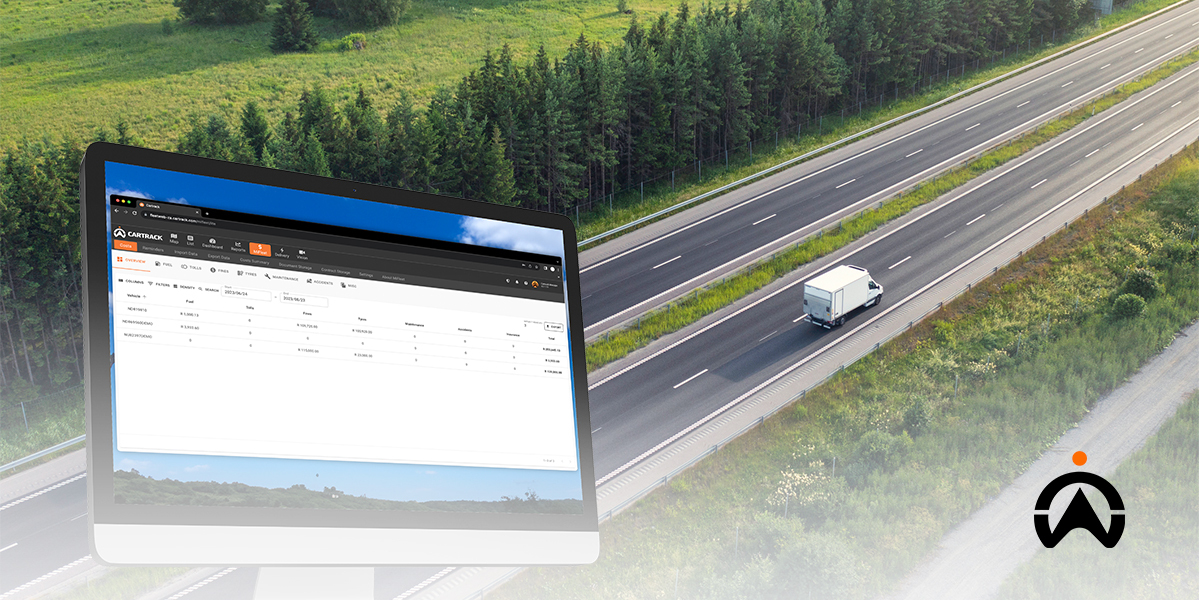
In the fleet management industry, a software solution that offers work log reports and driver ID tags, such as Cartrack’s, can help a fleet manager improve his workforce and easily manage his drivers on the road.

The technology makes it compulsory for drivers to tap the tag sensor in the vehicle or machine in order to start or stop operating it. This unique tag can, in turn, indicate their actual working hours. These times are then fed through to the fleet platform where a fleet manager can pull up a report with all the vehicle activity data, and even receive alerts letting them know when drivers clock in or out. This gives them full visibility of driver attendance and fleet activity, which helps them pay wages more accurately, and improves employee accountability.

Another reason fleet managers love Driver ID tags is the control it gives them. They can assign drivers certain tags that only work for certain vehicles. This helps them prevent any unauthorised usage of vehicles or equipment, helping them protect and manage their fleet. It’s also a great time saver. All this data and activity is recorded so managers don’t need to manually do this, which frees them up to focus on more pressing tasks.
What_is_an_example_of_effective_workforce_management_software

Why is workforce management important?

If you choose a workforce software solution, there are many ways it can benefit your business. Here are just a couple of key examples why it is important and how it can make your operations more productive, cost-effective and compliance-friendly.

  • Reduced compliance violations: Easy tracking of employee attendance ensures that companies are on top of their payroll and are complying with the state labour laws.
  • Less workplace safety incidents: More safety violation alerts will ensure that you manage environmental health and safety incidents more effectively.
  • No staffing shortages: Processes for existing staff allow them to be more productive, reducing the costly need to hire new staff.
  • Cost management: With a workforce more optimised, businesses can retain their staff better, and they won’t incur additional costs hiring new staff, helping them reduce unnecessary recruitment costs.
  • Efficient processes and workforce: Staff will naturally be more productive as business tasks are organised and allocated more strategically.

Most businesses need a quick and easy solution that include these basic examples, which is why workforce management software is a great option, no matter what industry you’re in.

Here are the top eight benefits of workforce management solutions

Now that you know some common pitfalls in workforce management, here’s how a software solutioncan help address those challenges.

  1. Control staffing costs

    Software technology will enable employers to know exactly how much labour is needed to complete all their tasks. It will give them a better overview of tasks to meet business demands and will help them easily pinpoint where staff is over and under-resourced, so they allocate staff accordingly. If there’s overstaffing and excessive overtime is being used, businesses can incur major unnecessary costs in cases where staff and overtime are excessive, so just being able to identify and rectify this can save a business money.

  2. Effective payroll

    There’s a way for you to have a more reliable payroll system in place, with the right software, which will automatically analyse hours worked, pick up overtime and will then calculate how much employees need to be remunerated. This will eliminate repetitive data entry and manual calculations, in turn minimising human errors and payroll inefficiencies.

  3. Easily compare with competitors

    Software helps businesses create benchmarks against other competitors in a similar industry or size, especially when it comes to attendance data and productivity levels of their employees. If their workforce isn’t measuring up to competitors, a business has the tools to take action. This is important because if they don’t, competitors can provide better service and dominate the market by being more efficient.

  4. Measure the productivity of your workforce

    A software platform will help you create key performance indicators and task schedules for your staff. You can also analyse their progress with tasks, using reports from the platform. This will help you see if they are being productive. You can also analyse if schedules are effective and see if changes are needed for your workforce to meet business objectives.

  5. Create smarter schedules

    With real-time data, employers can easily see which shifts need to be filled, so they can immediately fill them before they face a staff shortage. They can also create schedules by location, department or job for improved scheduling in the company.

  6. Minimise compliance risks

    Easily manage leave balances and employee benefits that comply with state laws, using a software system that has automated workflows that track this data. A system can also have integrated online recordkeeping and documentation for compliance. This is helpful if there’s ever an audit by a government agency or if there is a potential breach of compliance as your business will have the data to mitigate the situation and avoid putting the company’s reputation at risk.

  7. Empower your employees

    Use workforce software to improve communication with your employees, so you can make them feel more informed and help them reach your business standards easily. This will make them feel more empowered and motivated at work. You can also empower your employees further, by creating fair schedules that help them also meet their personal obligations, while still meeting the demands of the business. For example, they can have a say in their schedules with self-service features to update availability, swap shifts, request time off, and pick up extra shifts.

  8. Fewer errors and less admin

    Automate the attendance of your employees to minimise any human errors. A system can accurately calculate how many hours an employee has worked and automatically send that through to payroll. This creates less admin for HR because they won’t need to manually call the employees regarding hours worked or if there are any changes in the system.

If you are a fleet manager, optimising your workforce is important to improve the logistics, driver behaviour standards, and bottom-line costs of your fleet. We’ll give you further insight into workforce management software that can help you manage your workforce better so you can improve the processes in your fleet.

Here_are_the_)top_eight_benefits_of_workforce_management_solutions

Five core functions of workforce management software

According to Garner Inc, these are five principle functions that are found in a typical workforce management solution. Next time you’re shopping around for a solution to optimise your workforce, make sure you tick these five crucial boxes.

  1. Labour scheduling: A software system should give you the insight to see how many employees are required for a particular job at any given time. You will then be able to strategically divide the labour in your workforce and ensure that the workload is evenly spread out, the demands of customers are met and all skill sets are used at optimum.
  2. Data collection: You will need data and detailed information from a platform so you can create reports, compare processes driven by data, and make decisions, to assess if your workforce is working for you, or if there are areas that are lacking.
  3. Leave and absence management: An automated leave management system makes it easy to track, approve, or deny employee leave requests so you comply with leave regulations.
  4. Task and activity management: Maximise productivity with your staff members by giving them the software tools they need to perform duties, which includes task management scheduling, enabling employees to be assigned to the right activities so they are updated on company tasks.
  5. Attendance and payroll: A system will help you ensure attendance data is captured easily and accurately and that staff are paid for the hours they work, ensuring that there are fewer payroll errors.

We could quickly give you all the solutions to help you better manage your workforce but it will be way more beneficial if you understand the challenges first.

What are the challenges of workforce management?

If you answer “yes, that’s my challenge” to any of these, it is a good indication that you are in need of a software platform that can help in one or more of the following ways.

Employee time attendance and tracking

If your employees have to manually log their hours when signing into work, it could cause more errors when tracking their hours worked, create unnecessary paperwork, and take longer for management to process their working hours. This challenge can easily be solved with an attendance-tracking software solution.

Scheduling and rostering

You might require your employees to work different shifts scheduled for different parts of the day, and you might require more staff depending on project demands during certain periods. Paper-based rostering for this would take up too much time and create inefficiencies, which is why work automation will help managers face the challenge of employee rostering.

Managing absenteeism

Unplanned absences can test a business due to the extra costs of covering the absences and the losses incurred while the absent employee is replaced. It will be challenging for a business if they cannot manage absences, especially with a large workforce, where they will need immediate replacements to fill important roles, such as in a pressurised sales environment.

Employee self-service

Employee Self-Service solutions allow employees to view their rosters, swap shifts, request absence or annual leave, and view their information. Unfortunately, it will not be possible to accommodate everyone’s requests at the same time and it is often necessary to get through these requests to ensure the company still functions fully. If this information is not stored digitally, information can get lost, which can cause issues with labour compliance and create a potential admin crisis.

Why workforce optimisation and management should be a priority

Fleet optimisation means making the most effective use of your fleet, cutting costs, maximising productivity and ensuring best practices for your operations. It’s also about getting the most out of your vehicles or assets for less.

Basically, better managed and more optimised fleet means more productivity, deliveries, satisfied customers, revenue and profit. And that means, less costs, mileage, fuel usage, emissions released and drivers, and vehicles needed – every fleet manager’s dream.

Why_workforce_optimisation_and_management_should_be_a_priority

How to improve your workforce and fleet with Cartrack’s software

Here’s how a telematics software platform from Cartrack Tanzania can help you take your fleet from good to great.

  • Create driver schedules and communicate effectively with your drivers

    Schedule drivers to jobs or deliveries easily. Use Cartrack Delivery to view driver statuses and assign jobs in real time to your nearest available drivers. Drivers can also accept or reject tasks and review their schedules ahead of time. This allows them to communicate with managers via the mobile app, and notify them on the progress of deliveries, just by tapping the status buttons on the app. Managers can also view driver statuses to easily assign tasks to their nearest available drivers, and use the magic optimising tool to ensure the quickest and safest routes are taken for faster delivery turn-around times.

  • Enhance driver training with data insights

    You can receive detailed, automated driver behaviour reports for each driver from the Cartrack Tanzania platform. These reports can show you where your drivers are speeding, braking harshly, idling excessively and cornering fast. You can then use these insights to help grow your workforce by showing drivers where they need to improve, making them more accountable, and creating a safer, more efficient driving culture in your business.

  • Keep your whole workforce connected

    Seamlessly connect your drivers on the road with your team in the office, keeping everyone up to date with the latest fleet activities. When your drivers are assigned jobs, they can automatically keep you updated on their progress in real time, allowing your office staff to see the status and progress of every job. If a vehicle breaks down or is delayed, fleet managers can immediately view and use the insights from Cartrack’s GPS tracking software to assist their drivers.

  • Accurate and easy fleet payroll

    Give each of your drivers ID tags that require them to tap the sensor on the vehicle or equipment in order to start and stop using it. Fleet managers will receive automated log reports, indicating the exact hours spent on a job. You can use these reports to help accurately pay staff wages – eliminating payroll errors and any wage disputes.

  • Increase driver safety and productivity

    Use AI-powered and live-streaming camera technology to track driver behaviour. These cameras are designed to audibly alert drivers in real time when it detects forms of dangerous driving gestures like fatigue, smoking, cell phone use and more, allowing your drivers to quickly rectify their behaviour and prevent a possible collision. This technology makes drivers more aware and accountable for their actions, which in turn makes them more productive and professional when on duty.

Drive your workforce to optimum success with Cartrack Tanzania

When it comes to finding the best workforce management tool for your fleet, Cartrack Tanzania is miles ahead of the game. With over 15 years of experience in providing businesses of all sizes with industry-leading telematics software, let Cartrack take your fleet’s workforce from average to optimal.
Chat with Cartrack Tanzania today.

What is ADAS? Never Worry About Devastating Collisions Again

Imagine a world where driving becomes not only safer but also smarter. A world where accidents are significantly reduced, thanks to cutting-edge technology that anticipates potential dangers and provides timely warnings.

In this article, you will:

  • Develop an understanding of what ADAS is and how it works
  • Unpack the importance of ADAS
  • Discover the top 5 benefits of ADAS for your fleet
  • Find out how Cartrack’s ADAS software can boost fleet safety, efficiency, and savings
  • Read about a Cartrack ADAS success story

ADAS: What it means and what it is

ADAS stands for Advanced Driver Assistance Systems. These systems are a collection of advanced digital technologies and features integrated into modern vehicles. These advanced technologies and features enhance driver safety by improving the driver’s ability to react to dangers on the road to reduce minor and devastating accidents.

From the humble seatbelt to the familiar traffic lights and road lanes, the quest for safer roads has been relentless. Today, nearly all automobile collisions are caused by human error, fortunately, we can prevent this through ADAS through early warning and automated systems such as:

  • adaptive cruise control
  • lane departure warning
  • automatic emergency braking
  • blind-spot monitoring
  • pedestrian detection
  • parking assistance and more

Seemingly,the primary goal of ADAS is to prevent accidents, reduce the severity of collisions, and enhance overall road safety by alerting the driver to potential hazards, assisting in maintaining safe distances from other vehicles, monitoring lane positions, detecting and responding to obstacles, and providing assistance during parking manoeuvres.

According to the Insurance Institute for Highway Safety,forward collision warning systems cut front-to-rear crashes by27%, rearview cameras reduce backing accidents by17%, while automated rear braking decreases them by a secure 78% – all thanks to ADAS.

Let’s find out how it works.

ADAS_What_it_means_and_what_it_is

How ADAS works: a simple explanation

ADAS works by using camera-based sensors, intelligent algorithms, as well asartificial intelligence and machine learning to heighten drivers’ awareness of their surroundings and enhance vehicle safety. These cutting-edge solutions consist of multiple chips known as systems on a chip (SoCs) to analyse data from the surrounding environment, such as road conditions and other vehicles, to provide real-time warnings and assistance.

To put it simply, here’s how ADAS operates:

  • Sensors and Cameras: ADAS systems are equipped with sensors and cameras strategically placed around the vehicle. These sensors detect and gather data about the vehicle’s surroundings, including other vehicles, pedestrians, road markings, and obstacles. For optimal visibility, these ADAS cameras are usually mounted inside the vehicle by the front windshield, behind the central rear-view mirror.
  • Data Processing: Data collected by the cameras and sensors is processed in real time by onboard computer systems. These systems analyse the data using predefined patterns and algorithms to identify potential risks or hazards.
  • Driver Assistance Features: Based on the analysed data, ADAS provides driver assistance features to enhance safety. These features include:

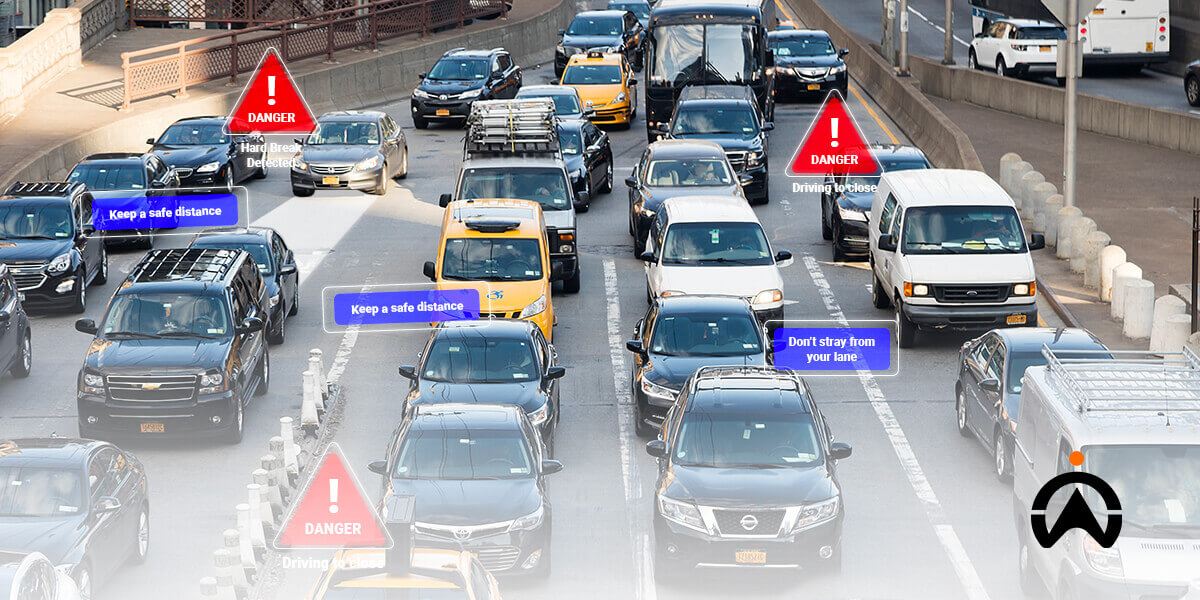
    – Forward Collision Warning: Alerts the driver if the vehicle is approaching another vehicle or obstacle too quickly, helping to prevent rear-end collisions.

    – Lane Departure Warning: Detects when the vehicle drifts out of its lane without signalling and alerts the driver to take corrective action.

    – Adaptive Cruise Control: Automatically adjusts the vehicle’s speed to maintain a safe distance from the vehicle ahead, providing a more comfortable and controlled driving experience.

    – Blind Spot Detection: Warns the driver of vehicles in blind spots, reducing the risk of lane-change accidents.

    – Automatic Emergency Braking: Detects possible collisions and automatically applies the brakes to reduce the impact or avoid a collision altogether.

  • Audible and Visual Alerts: ADAS systems further provide audible or visual alerts to the driver through sound signals, dashboard displays, or heads-up displays. These alerts draw the driver’s attention to potential dangers and prompt them to take appropriate action to prevent collisions.

What’s the importance of ADAS?

In today’s fast-paced and technology-driven world, the automotive industry has witnessed remarkable advancements, transforming the way we drive and ensuring greater safety on the roads. With this, ADAS systems have become crucial in mitigating human errors, improving road safety, and shaping the future ofvehicle and driver safety.

Let’s delve into the significant importance of ADAS:

  • Accident Prevention: With human error being a leading cause of accidents on the road, ADAS technologies, such as forward collision warning, lane departure warning, and automatic emergency braking,act as a safety net preventing devastating collisions.
  • Risk Mitigation: ADAS features play a crucial role in reducing or eliminating potential safety risks and their severity. By incorporating elements like blind spot detection, rearview cameras, and parking assist systems, drivers can overcome blind spots and navigate challenging manoeuvres with enhanced visibility. This reduces the likelihood of accidents caused by misjudgment or inadequate visibility.
  • Informed Decision Making: By providing drivers with real-time alerts about potential hazards, speed limits, and traffic conditions, ADAS becomes a valuable tool that empowers drivers to confidently make road safety choices. This reduces the chances of errors resulting from a lack of awareness or misinterpretation of the road.
  • Driver Assistance: In harsh weather conditions or low visibility scenarios, ADAS features like adaptive headlights, rain-sensing wipers, and traction control assist drivers in maintaining control and making the appropriate adjustments to minimise devastating collisions related to harsh weather conditions.
  • Safety Redundancy: Even the most attentive and experienced drivers can make errors or be momentarily distracted. As such, ADAS acts as a crucial backup system to compensate for human limitations and serves as an additional layer of safety by detecting and responding to potential dangers when human attention or reaction time falls short.

Overall, by mitigating human errors and providing critical assistance, ADAS technologies significantly contribute to reducing accidents, injuries, and fatalities on the road. They enhance the overall safety of your fleet by complementing human capabilities, making driving safer for everyone.

What’s_the_importance_of_ADAS

Top 5 benefits of ADAS for your fleet

ADAS integration has become increasingly vital in the fleet industry. This is due to its critical role in various other industries such as cold chain logistics, construction, rental and leasing, taxi services, and transportation and logistics. With thehigh accident statistics, ADAS is a necessary component for improving safety and efficiency in fleet operations.

Let’s unpack the top 5 benefits of ADAS for your fleet:

  1. Enhanced Safety: ADAS plays a crucial role in improving fleet safety by providing features that assist drivers in avoiding potential hazards and maintaining safe driving practices. This proactive approach significantly reduces the risk of accidents and promotes a culture of safety among drivers.
  2. Accident Reduction: Providing timely warnings and assistance to drivers by alerting them of potential road dangers, ADAS reduces the number of collisions. This results in lower costs associated with your fleet vehicle repairs, insurance claims, and potential injuries incurred by drivers as a result of accidents.
  3. Driver Training and Monitoring: Advanced ADAS features like fatigue detection identify and help you address risky driving behaviours within your fleet, promoting safer practices and reducing the chances of accidents caused by driver error. This ensures ongoing improvement in driver performance and overall fleet safety.
  4. Improved Fleet Efficiency: With ADAS features such as route optimization, real-time vehicle tracking, and predictive maintenance system, fleet operations can be streamlined and optimised, downtime can be reduced, and overall fleet performance can improve. This can result in increased productivity and profitability for fleet businesses.
  5. Cost Savings: The integration of ADAS in fleet operations translates into substantial cost savings. Fewer accidents thanks to ADAS, result in reduced expenses for vehicle repairs, insurance premiums, and liability claims. Moreover, ADAS features like adaptive cruise control contribute to improved fuel efficiency, reducing fuel consumption and expenses over time.

Although this is an impressive list of benefits, there’s just one catch: only top-notch ADAS can make them happen.

Cartrack ADAS for fleet efficiency, safety and cost savings

Introducing Cartrack’s ADAS, a cutting-edge solution that prioritises driver and fleet safety. Our ADAS analyses both internal (in-cabin) and external (road) driving environments to deliver unparalleled protection by:

  1. Detecting and informing drivers of any potential threats.
  2. Sending real-time audible alerts when high-risk behaviour is detected and capturing footage of the event and uploading it to the cloud.
  3. Alerting fleet managers and admin of any risk events and granting them access to the footage for effective training.

With our cutting-edge features, Cartrack ADAS cameras help fleets become more efficient, safer, and more cost-effective:

  • AI and Live-stream Technology:

    Use our AI-powered and live-stream internal or external cameras to safeguard your drivers, fleet, and precious cargo in real time. By providing a comprehensive view of your fleet operations, these cameras enhance efficiency by enabling proactive decision-making, optimising routes, and reducing downtime from potential collisions. This technology ensures the safety of your fleet by detecting potential risks and allowing for immediate intervention. Moreover, by minimising accidents and damages, they lead to significant cost savings in terms of vehicle repairs, insurance premiums, and legal liabilities.

  • Front Collision Warning:

    Our ADAS cameras diligently monitor the distance between vehicles, providing your fleet drivers with timely alerts to prevent rear-end collisions and bumper disasters. This proactive safety measure not only protects drivers’ lives but also prevents costly accidents, vehicle downtime, and subsequent repair expenses. By avoiding such incidents, your fleet efficiency is improved through uninterrupted operations and reduced downtime, thus resulting in significant savings.

  • Smoking Detection:

    Say goodbye to driving and smoking. Our DMS (driver monitoring system) camera instantly identifies smoking incidents, triggering immediate alerts. By addressing this risky behaviour, it ensures a focused and attentive driving environment, enhancing safety for both the driver and other road users. By eliminating this distraction, you can improve fleet efficiency and reduce the likelihood of accidents, vehicle damage, and associated costs. Additionally, it promotes a positive image for your fleet and reduces potential legal and reputational risks.

  • Distracted or Fatigued Driving Detection:

    Our advanced cameras keep a watchful eye on the driver’s head and eye movements to detect any distracted or fatigued behaviour such as yawning. If their attention strays from the road, it sends out in-cabin voice alerts, helping prevent accidents caused by distraction or fatigue. By proactively addressing distracted or fatigued driving, these cameras enhance safety by reducing the risk of accidents and injuries. This improves fleet efficiency by maintaining uninterrupted operations, and minimising delays caused by accidents or driver exhaustion. It also leads to substantial cost savings through reduced vehicle downtime, insurance claims, and potential legal liabilities.

  • Mobile Phone Use Detection:

    With incredible precision, our AI camera detects whether a driver is talking on their mobile phone by ear instead of via a Bluetooth handset. By discouraging handheld mobile phone use, it enhances safety by minimising distractions and promoting better driver focus. Thus reducing the risk of accidents, and improving both the safety of your fleet and other road users. Additionally, this promotes safe driving practices and increases fleet efficiency by reducing delays and enhancing overall operational productivity.

  • Camera-Covering Detection:

    No hiding. If a driver attempts to obstruct visibility by covering the camera, our system promptly alerts the fleet manager. By maintaining transparency and preventing camera tampering, this ADAS feature enhances safety by ensuring that monitoring and surveillance capabilities are not compromised. It further promotes fleet efficiency by discouraging unauthorised actions and behaviours, minimising potential risks, and preventing unnecessary accidents or incidents. By avoiding such incidents, fleet managers can save costs associated with accidents, vehicle damage, and legal complications, leading to substantial savings in the long run.

    You might be questioning the effectiveness and impact of these features on your fleet. Perhaps you’re wondering if they are truly necessary. Allow me to share a compelling real-life story that delves into the transformative power of these capabilities.

Cartrack_ADAS_for_fleet_efficiency_safety_and_cost_savings

Case Study: A Cartrack ADAS success story

Namdeb is a diamond-mining company that performs land-based prospecting (exploration), mining, and rehabilitation operations and services for (its subsidiary) Namdeb Holdings. Today, Namdeb monitors the utilisation and ensures the safety of over 416 vehicles (LDVs, crawlers, and buses), thanks to Cartrack’s ADAS cameras.

Challenge: Given the nature of the mining industry and the high potential for safety hazards that lead to worker accidents, injuries, and fatalities, Namdeb needed advanced driver-assistance systems (ADAS) to assist them in managing driver behaviour and safety, and monitor the utilisation of all fleet assets.

Solutions: To mitigate driver and safety risks, Namdeb implemented a comprehensive solution from Cartrack Tanzania. ADAS cameras were installed in their fleet vehicles, enabling effective monitoring and detection of risky driving behaviours such as smoking, cell phone use, and fatigue. These cameras instantly send audible alerts to drivers in real time, allowing them to rectify their actions and prevent collisions. To further enhance safety measures, Cartrack’s Driver ID tags were implemented to monitor driver identities and prevent unauthorised use of vehicles and machinery. Additionally, a hand-held in-cab breathalyser detects alcohol and prevents drivers from starting their vehicles if they are under the influence.

Results: As a result of Cartrack ADAS cameras, Namdeb’s fleet now boasts alert and focused drivers, ensuring peak performance 24/7. With the ability to enforce authorised and sober drivers only, fleet and driver safety has skyrocketed. Additionally, the company maintains a finely-tuned fleet, avoiding both underutilization and overutilization, operating seamlessly in designated mines with top-notch safety measures in place.

Say hello to better safety, saving and efficiency with Cartrack ADAS

Don’t miss out on the opportunity to revolutionise your fleet with better safety, efficiency and savings. Contact Cartrack Tanzania, and get a free demo today.

AI Takeover: The Truth About the Future of Telematics

Artificial intelligence (AI) has and is transforming vehicle tracking more than we can imagine.

A concept once only seen in sci-fi movies has leapt from our TV screens into everyday reality. As we witness the growth of artificial intelligence, it’s only natural to wonder how this innovation will further influence the use of telematics.

Let’s take a peek into the future of AI in the world of telematics.

In this article, you will:

  • Understand the fundamentals of telematics and its role in fleet management
  • Explore the rise of AI and its impact on telematics systems
  • Learn about the benefits and downsides of AI in the telematics industry
  • Discover the potential of telematics and AI technology in everyday tasks
  • Uncover your fleet’s true potential with Cartrack.

What is telematics?

Telematics in simple terms, combines informatics and telecommunications, making it a powerful tool for gathering and managing data through technology. Today, telematics is used in various industries, including fleet management.

Imagine you’re a fleet manager responsible for a group of vehicles, such as delivery vans or service trucks. You want to make sure your fleet operates smoothly, efficiently, and safely.

Telematics is the best technology to assist with all these tasks.

A telematics system consists of a tracking device installed in each vehicle in your fleet. These devices connect with onboard diagnostics, enabling continuous communication while storing, sending, and receiving telemetry.

Some examples of telemetry data that can be collected by telematics systems include:

  • Speed – Records the vehicle’s speed, providing insights into driver behaviour and compliance with speed limits.
  • Fuel consumption – Monitors fuel consumption and stores data related to fuel usage, enabling analysis and optimisation of fuel efficiency.
  • GPS location – Captures the coordinates of the vehicle’s current or historical positions, allowing for accurate tracking and route analysis.
  • Vehicle idling time – Monitors instances of prolonged idling and helps identify inefficiencies. This can assist in reducing fuel consumption and emissions.
  • Driver behaviour – Analyse driver behaviour, including harsh acceleration, harsh braking, and harsh cornering, providing data to promote safer driving practices and identify areas for improvement.
  • Distance travelled – Calculates and stores the distance travelled by the vehicle, allowing for mileage tracking and maintenance scheduling.
  • Engine diagnostics – Monitors engine performance and stores diagnostic data like RPM, engine temperature, fuel levels, and error codes, which aids in troubleshooting and maintenance.

With this data, businesses gain invaluable insights into their fleet’s performance, leading to better decision-making, improved asset utilisation, and significant cost savings.

The rise of artificial intelligence

The future of vehicle tracking is here, driven by the power of AI and telematics. As technology advances, vehicle manufacturers are keeping pace by incorporating super-smart connectivity features that allow their vehicles to interface seamlessly with the AI-powered software designed to monitor and analyse them.

Traditionally, telematics systems collected and transmitted data, but struggled to extract meaningful insights on time. Thanks to the growth of IoT (Internet of Things) and the advancement of machine learning algorithms, AI can process and analyse vast amounts of data instantly, providing valuable information about vehicle performance, driver behaviour, and operational efficiency.

This empowers businesses to make data-driven decisions and take proactive measures to improve their operations.

The_rise_of_artificial_intelligence

Six benefits of AI in the telematics industry

So, what makes AI so revolutionary? Well, with easily accessible fleet data, comes swift decision-making and a more hands-on approach to managing.

Let’s explore six more key reasons why AI is a fleet manager’s dream assistant:

  1. Enhanced safety and accident prevention: AI automation in telematics offers real-time feedback to drivers, helping prevent potential accidents. By analysing data, AI can identify risky driver behaviour, provide coaching and feedback, predict risks in route planning, and address safety concerns before they result in costly errors. Automated workflows can also monitor fuel usage and suggest actions to reduce it, contributing to a business’s overall sustainability goals.
  2. Actionable insights through data analysis: AI technology with machine learning capabilities allow for analysing of data collected by telematics systems. By identifying patterns and trends, fleet operators can make intelligent decisions and improve operational processes. AI-powered insights provide valuable information about driver behaviour, fuel usage, safety issues, and maintenance, leading to better cost management and increased efficiency.
  3. Predictive analytics for proactive management: AI and advanced analytics enable a shift from reactive decision-making to proactive management policies. By leveraging big data, fleet managers can anticipate problems before they become obstacles to operations. Predictive analytics can help reduce costs, improve maintenance, increase efficiency, and promote better driver behaviour, resulting in financial benefits for the organisation.
  4. Improved driver behaviour and performance: AI technology can effectively monitor and enhance driver behaviour. By providing continuous feedback and reinforcement of safe driving habits, fleet managers can ensure that drivers practise responsible behaviour on the road. This leads to increased safety, reduced accidents, and improved overall fleet performance.
  5. Optimal safety measures: AI technology introduces advanced techniques such as driver behaviour and identification, alarm systems, and geofencing to enhance fleet safety. Real-time monitoring systems enable fleet managers to receive instant notifications and respond swiftly to emergencies. Comprehensive reports generated by AI-powered systems help identify safety deficiencies and facilitate corrective actions, ensuring the safety of the fleet and its drivers.
  6. Strengthened data security: As fleets handle large volumes of sensitive data, data security is crucial. In the telematics industry, there is a growing emphasis on increased cybersecurity measures and the adoption of integrated databases. Fleet operators prioritise protecting sensitive information and are investing in strategic management approaches and upskilling IT personnel to meet evolving cybersecurity challenges.

Six downsides of AI-driven telematics

While AI in telematics brings the above-mentioned benefits and many more, there are some challenges that need to be addressed:

  1. Ethical and regulatory concerns: The use of AI algorithms raises ethical considerations regarding transparency and accountability. Clear guidelines and regulations are required to ensure ethical standards are upheld and individuals’ rights are protected.
  2. Data privacy and security: Telematics involves collecting and transmitting vast amounts of data, including personal and sensitive information. Ensuring data privacy and security is crucial to protecting against potential misuse or unauthorised access. Robust encryption, authentication mechanisms, and adherence to data protection regulations are essential.
  3. Bias and discrimination: AI algorithms are trained on data, and if the training data contains biases, it can lead to discriminatory outcomes. Biassed algorithms may affect areas such as driver behaviour assessment, insurance premium calculations, and personalised user experiences. Efforts must be made to minimise biases, ensure diverse and representative training data, and implement fairness measures in AI models.
  4. Integration and compatibility: Integrating AI technologies with existing telematics infrastructure can bring up technical challenges. Compatibility and smooth integration with diverse hardware and software components need to be ensured.
  5. Skill gaps and workforce training: The increasing reliance on AI demands a skilled workforce capable of developing, implementing, and maintaining AI systems. Organisations must invest in training programs and upskilling initiatives to bridge the skill gaps and empower employees to work effectively with AI technologies.
  6. Cost and resource requirements: AI implementation in telematics may involve substantial costs, including hardware upgrades, software development, and ongoing maintenance. Organisations must carefully assess the return on investment and consider long-term sustainability to justify the expenses associated with AI adoption.

Despite the challenges, AI in telematics still holds immense potential. It empowers transportation, logistics, and various other industries to unlock actionable insights, optimise operations, enhance safety, and create personalised user experiences.

How do telematics and AI technology help fleet managers?

Simplifying tasks, streamlining operations and cutting down on fleet costs are always top priorities for fleet managers.

Let’s see how telematics can become your right-hand man in your quest to get those daily tasks done and dusted quicker.

Say you’re interested in monitoring fuel consumption across your fleet, one of your most costly responsibilities. With telematics, you can track this data in real time. You’ll know which vehicles are efficient and which ones may need attention. This insight allows you to take proactive steps, such as addressing maintenance issues or providing driver training, to improve fuel efficiency and save costs.

If you want to focus more on improving driver safety, telematics also provides valuable information about driver behaviour. It can track factors like speed, harsh braking, and idling time. As a fleet manager, you can use this data to identify risky driving patterns and take appropriate measures to improve safety. For example, if you notice excessive speeding, you can offer training programs or implement driver rewards for safe and responsible driving.

The possibilities are vast with the combination of AI and telematics. AI algorithms can process telematics data in real-time, enabling predictive modelling, intelligent analytics, and personalised experiences.

How_do_telematics_and_AI_technology_help_fleet_managers

How AI-powered solutions will shape the future of fleets

Traditional fleet management systems are making room for a new wave of AI-powered solutions, ushering in a transformative era for fleet management practices. These innovations can unlock new levels of efficiency, safety, and sustainability in the transportation industry.

  1. The prominence of Mobility-as-a-Service (MaaS)

    Initially focused on ride-sharing platforms like Uber, MaaS is now extending its reach to include traditional fleet operations with services like Uber Eats and Courier Butler to enter a $22.18 billion estimated market by 2028.

    Considered the future of mobility, Mobility-as-a-Service allows fleet managers to customise their services and move away from the conventional approach of solely operating and maintaining their own vehicles.

    By leveraging AI and telematics data, fleets can seamlessly integrate with MaaS platforms, offering end-to-end multimodal transportation services. This integration optimises passenger experiences, improves overall mobility efficiency, and enables fleet managers to explore new business models and revenue streams.

  2. The impact of the Internet of Things (IoT)

    One of the most popular trends in telematics is the Internet of Things (IoT). It enables the re-engineering of the entire supply chain process by promoting the seamless sharing of information between all stakeholders, such as retailers and manufacturers, and connecting physical vehicles, devices, and sensors with the digital world.

    With IoT and AI-powered telematics systems, fleet managers can now collect real-time data, enabling fleet operators to monitor tyre pressure, monitor refrigerated systems and track vehicle performance.

    How does this work?

    IoT technology in fleet management relies on three key technologies:

    – Wireless communication: This includes technologies like 4G, Bluetooth, and WiFi, which help transmit important information between vehicles and systems.

    – Global positioning system (GPS): GPS enables accurate real-time tracking of vehicle locations, allowing for precise monitoring and control.

    – Onboard diagnostics: Vehicles use diagnostic tools like OBDII and J1939 scanners to perform self-diagnostics and report any issues, making maintenance and troubleshooting easier.

So, it’s not just about keeping up with the latest tech — it’s about seizing the opportunities it brings. By embracing these advancements and leveraging the power of data, businesses can gain a competitive edge, deliver exceptional customer experiences, and propel themselves forward in the dynamic business landscape.

How_AI-powered_solutions_will_shape_the_future_of_fleets

Empower your fleet with Cartrack’s advanced telematics solutions

As the future of telematics and AI unfolds, businesses must prepare for a new era of fleet management. Cartrack strives to deliver innovative technology to help businesses track, manage and improve their fleet.

Cartrack Tanzania offers a suite of telematics solutions designed to streamline operations with robust tracking devices and sophisticated software like:

  1. Advanced telematics technology: With installed tracking units and a smart fleet management platform, Cartrack Tanzania enables fleet managers to monitor their vehicles’ location, performance, and driver behaviour in real-time.
  2. Predictive maintenance: Cartrack’s telematics and AI solutions enable Cartrack Tanzania to predict maintenance needs before breakdowns occur. This proactive approach minimises downtime, reduces repair costs, and improves fleet reliability. Businesses can now optimise their maintenance schedules, enhance vehicle longevity, and maximise operational efficiency.
  3. Seamless integration with IoT and MaaS: Cartrack’s technology can seamlessly integrate with these technological innovations as well as vehicle advancements like electric vehicles. Fusing telematics, AI, and IoT, allows fleet managers to access fleet data like location, diagnostics, fuel monitoring and much more, to optimise passenger experiences, and explore new business models.
  4. Enhanced safety and compliance: Cartrack provides solutions to ensure fleet safety and compliance with features such as vehicle reports and logbooks. Cartrack ensures roadworthy vehicles and regulatory compliance with over 40 reports to monitor driver behaviour and optimise fleet performance. Cartrack’s logbook automatically logs all car trips and categorises them as personal or business trips ensuring you have a tax-compliant logbook ready for SARS submissions. Businesses can also benefit from simplifying compliance management by seamlessly handling insurance, permits, contracts, and other compliance obligations all from one platform.

Discover how Cartrack can transform your fleet management and propel your business forward.

Lead the change with Cartrack

The future of telematics is evolving right before our eyes and Cartrack is leading the charge. Businesses have long struggled to upload large amounts of data captured by their telematics systems, limiting the use of data and diminishing the return on investment.

Contact Cartrack Tanzania today to discover how our AI-powered telematics solutions can help you unlock the true potential of your fleet.

IOT In Fleet Management – Transform Your Fleet – Expert Guide

This is your expert guide to the power of IoT use in fleet management. Explore the game-changing potential of IoT and discover how it will transform your business management practices.

You are about to delve into the ever-progressing realm ofIoT in fleet management, grabbing expert insights along the way, helping you navigate the IoT landscape and convert your fleet into a profit-producing machine.

In this article, you will:

  • Gain expert insights into the dynamic fleet management market
  • Explore the transformative impact of IoT on the fleet management landscape
  • Uncover the top 8 benefits of using IoT in fleet management
  • Discover how Cartrack Tanzania can transform your fleet operations
  • Delve into a real-world IoT success story

The fleet management market: condition and challenges

Over the years, we’ve seen the revolutionisation fleet management solutions have brought to fleet operations, allowing them to achieve maximum efficiency while minimising costs.

In South Africa alone, the fleet industry has experienced remarkable growth, with five prominent players dominating the market. These companies offer comprehensive fleet management solutions and currently, all boast at least 15,000 fleet management units in active use – impressive. This demonstrates the widespread adoption of fleet management practices in the country.

Among the key players in the South African fleet management market, Cartrack Tanzania stands out as a leading provider of fleet management solutions, not only within South Africa but on a global scale as well. With over 1.75 million active subscribers,Cartrack Tanzania has established itself as a dominant force in the software as a service (SaaS) industry.

According to the 5th Edition of Fleet Management in South Africa, the telematics market in the country has reached a pretty mature stage. More and more businesses are equipping their fleet vehicles with telematics technology, increasing the telematics usage rate by almost 10% from 34.6% in 2018 to 41.5% in 2021. That’s not all, projections suggest that this rate is expected to rise to an impressive 63.1% in the current year, 2023 and a whopping 68% by 2026. This means we can expect the number of actively utilised fleet telematics systems to grow at a compound annual growth rate (CAGR) of 12.6%, surgingfrom 2.0 million units in 2021 to 3.6 million units by 2026.

While we clearly have exciting times ahead, it is worth noting that the South African fleet management landscape faces its share of challenges. Not all players in the fleet market offer comprehensive fleet management solutions. In fact, a large percentage of installed fleet telematics are low-end tracking systems, such as light fleet management solutions and stolen vehicle recovery systems with basic fleet management capabilities. So, there’s still some ground to cover.

As a result, the South African market is open to more advanced fleet management solutions that empower companies to tackle challenges head-on. From vehicle hijackings and low driver productivity rates to driver shortages, and concerns surrounding asset and cargo safety, there’s a lot to address. By providing real-time visibility into fleet operations, enhancing safety and security measures, and optimising resource utilisation, fleet management solutions can enable businesses to make informed decisions and improve overall fleet performance.

The best part is that these solutions have the potential to reduce costs and enhance customer service. Take it from me, it’s the dream of any fleet manager out there.

The_fleet_management_market_condition_and_challenges

Introduction to IoT: How technology is changing fleet management

The fleet management process involves a variety of aspects, from vehicle maintenance and fuel monitoring on the one hand, to driver and task management on the other. As a fleet manager, manually overseeing and managing one to one hundred or more vehicles can be an extremely tedious task, if not impossible.

Fortunately, today’s comprehensive and automated fleet management solutions, driven by IoT (and data capture, telematics, and cloud technology), have revolutionised the fleet industry worldwide.

The term IoT, or Internet of Things, refers to the connection of everyday objects (referred to as ‘things’) to the internet. This concept of IoT goes beyond merely granting internet access to desktops and smartphones and extends to a wide range of everyday things such as home appliances, watches and even buildings that are embedded with sensors, processors, and network connectivity that allow them to ‘communicate’ with each other and with us.

To illustrate IoT in practical terms, let’s consider your vehicles. They are physical everyday objects or ‘things’ that can be equipped with tracking devices, allowing them to connect to the internet and share vehicle data such as location. This capability allows you to remotely monitor and control your fleet, providing convenience, efficiency, and improved decision-making.

It is safe to say that IoT has paved the way for transformative fleet management changes such as:

  • Advanced computer performance, wireless tech and cloud storage: A combination of advancements in wireless communication technologies, cloud storage, and the augmentation of computing capabilities has revolutionised fleet management allowing fleet managers to access and gather data about the fleet. As a result, fleet managers are now able to access real-time or stored data and make decisions more quickly and accurately, which has drastically improved the efficiency of fleet management.
  • Accessible AI and ML technology: Artificial intelligence (AI) and machine learning (ML) have brought about significant advancements in fleet management software development. This progress empowers fleet managers to continuously monitor data from the entire vehicle fleet. Through this real-time feedback and deviation or alterations detection, fleet managers gain actionable insights such as real-time alerts of potential issues (such as maintenance reminders) enabling them to make informed decisions to enhance fleet performance.
  • Extensive and comprehensive data: IoT has made business data readily available and applicable to fleet management. By using sensors, telematics, and other IoT technologies, fleet insights have become more extensive and actionable. This valuable information allows businesses to gain a better understanding of fleet operations, leading to improved performance optimisation and informed strategic decision-making.

With emerging technologies like cybersecurity and others, projections for the IoT fleet management market further highlight its growth potential. Research indicates that by 2024, there will be 80 billion IoT connections worldwide, demonstrating the widespread adoption and impact of IoT across various sectors. This opens up possibilities for automation, optimisation, and innovation in various industries, such ascold chain logistics, transportation, construction, rental and leasing.

Let’s look at what these changes bring to my and your table.

Introduction_to_IoT_How_technology_is_changing_fleet_management

Top 8 benefits of IoT in fleet management

Having an IoT connection has made a significant impact on fleet management, basically giving fleet managers superpowers. Let’s uncover the top 8 incredible benefits that come with using IoT in fleet management:

  1. Enhanced route planning and tracking:
    Advanced route planning and tracking capabilities have undergone a remarkable transformation withGPS tracking. Fleet managers now possess round-the-clock vehicle monitoring, courtesy of the seamless integration of GPS technology and the IoT. This integration empowers you with precise, reliable, and real-time data, enabling you to drive productivity gains, cut down fuel expenditures, and swiftly respond to critical situations, such as unexpected breakdowns, therefore powering quick turnaround times.
  2. Automation of manual tasks and admin:

    Today, streamlining manual tasks and administrative processes is achieved through IoT-powered fleet management software. This sophisticated software facilitates data collection, storage, and analysis, leading to the automation of routine administrative tasks and manual data entries. By eliminating time-consuming and repetitive tasks, you can redirect the focus towards more strategic and value-added responsibilities.

  3. Preventative vehicle maintenance:
    The integration of IoT technology in vehicles has revolutionised the realm of preventative vehicle maintenance. Through digital mainframes, IoT enables comprehensive vehicle assessment, providing fleet managers with timely alerts regarding maintenance requirements. This proactive approach facilitates the establishment of preventative maintenance schedules, ensuring optimal upkeep of the fleet and prolonging the lifespan of vehicles.
  4. Fuel efficiency:
    IoT solutions play a pivotal role in delivering crucial insights into engine performance and fuel efficiency through ongoing monitoring of vehicle engine operations. By harnessing real-time data on fuel consumption, fleet managers gain valuable visibility into driver behaviour, particularly idle time, helping you optimise fuel usage, reduce emissions, and improve overall efficiency. By leveraging IoT technology, you can further gain actionable insights facilitating data-driven decision-making for enhanced fleet performance and fuel efficiency.
  5. Perfected delivery management:
    IoT fleet management solutions and GPS technology have transformed delivery management by offering end-to-end automation. Through the seamless integration of various functionalities, such as streamlined operations, route optimisation, coordinated vehicle dispatch, real-time vehicle location monitoring, delivery progress tracking, and seamless communication channels among managers, drivers, and customers, the entire delivery process is perfected. This holistic approach not only drives efficiency gains and cost reductions but also enhances customer satisfaction by guaranteeing punctual deliveries and handling any potential issues or delays that may arise.
  6. Driver safety control:
    IoT sensors offer comprehensive visibility into critical driver behaviours, such as engine start and stop frequency, speeding, braking patterns, accelerator usage, and fatigue monitoring. With access to this valuable data, you can implement targeted driver coaching and safety training programs, fostering a culture of safer driving practices and effectively reducing the occurrence of accidents.
  7. Increased customer satisfaction:

    With the use of IoT in fleet management practices and delivery, you can offer customers convenience, efficiency and personalised experiences. IoT enables data gathering for tailored user experiences, monitoring and optimising service delivery, and addressing issues promptly, thus fostering long-term loyalty through meeting their specific needs.

  8. Compliance with regulations:
    For fleet management businesses operating in regulated industries, partnering with IoT technology offers a strategic advantage in meeting strict government regulations. With specialised sensor capabilities in cold chain logistics for example, you can ensure reliable temperature control for sensitive products, closely monitor time-sensitive shipments, and guarantee adherence to delivery requirements. This advanced level of control and monitoring empowers you to navigate regulatory landscapes with confidence, maintainingfleet complianceand upholding the highest industry standards.

Top_8_benefits_of_IoT_in_fleet_management‍

Overall, IoT-enabled fleet management systems offer numerous advantages, such as improved efficiency, cost savings, enhanced safety, and regulatory compliance. However, the question remains: Which system is the right one for your business?

How Cartrack’s IoT solutions can transform your fleet

Imagine a fleet where your drivers, vehicles, and cargo are safeguarded, operating at maximum productivity, and generating lucrative results. Sounds like a dream, right?

Well, we can make it a reality. Cartrack’s advanced solutions will help you reap all the benefits mentioned above and even more:

  • AI-powered and live-stream camera technology: Utilise up to 8 internal or external AI-powered cameras to boost the safety of your drivers, fleet, and cargo. Our real-time alerts keep your drivers well-informed of potential safety violations and our live audible alerts enable them to make corrections in real-time. Additionally, record and access footage instantly, eliminating the need for tedious manual searches, helping train drivers where necessary and exonerating and expediting insurance claims.
  • Specialised sensors: Leverage Cartrack’s specialised sensors to gain valuable insights into key data for efficient fleet management. Our driver ID tags enable authorised vehicle utilisation and accurate driver tracking across different vehicles. Additionally, CANBus and OBD gateway provide real-time vehicle diagnostics, including engine health, brake pads, oil, and lights, and seat pressure sensors (that indicate whether a passenger is seated, used to monitor vehicle occupancy rates during trips or detect whether or not to activate an airbag in the event of an accident). These sensors allow you to enhance your fleet operation with tools that empower you to monitor vehicle and asset utilisation, perform preventative maintenance and ultimately improve fleet safety.
  • Temperature sensors: Safeguard the freshness and integrity of your refrigerated cargo with Cartrack’s advanced temperature monitoring solutions. Our sensors enable real-time temperature monitoring and immediate alerts for temperature fluctuations in refrigerated trucks or trailers to preserve perishable goods. Further gain peace of mind with comprehensive reports on cold chain temperature monitoring for each trip, which can be conveniently attached to electronic proof of delivery, providing valuable assurance to your customers.
  • Fuel sensors: Drive fuel efficiency and cost savings with Cartrack’scutting-edge fuel monitoring solutions. Our advanced fuel sensors capture and analyse precise fuel consumption data, empowering you with valuable insights into fuel trends, vehicle utilisation, fuel card usage and other actionable areas for improvement – such as driver behaviour. By accurately monitoring and addressing fuel sensor data, you can effectively reduce fuel consumption and mitigate the risks of fuel-card fraud or theft through smart algorithms that match fuel receipts with vehicle location and status.
  • GPS tracking: Unlock the untapped potential of your fleet vehicles and assets with Cartrack’s GPS tracking solutions. Our accurate and reliable technology enables real-time vehicle and asset tracking, providing you with live alerts for tracking task completion rates, detecting potential faults, facilitating proactive maintenance, and monitoring changes in tasks. With this GPS tracking system, you gain unprecedented control and visibility over your vehicles and assets, empowering you to optimise resource allocation, streamline operations, and achieve peak productivity.
  • Trailer tracking: Take control of the security and protection of your trailers and valuable cargo with Cartrack’s GPS trailer tracking technology. Our advanced system enables real-time location tracking of trailers, providing you with comprehensive trip-history reports to monitor their whereabouts and ensure optimal security measures. With the integration of cargo door and temperature sensors, you can further safeguard your cargo from unauthorised access and maintain ideal environmental conditions. Meanwhile, our innovative smart-camera technology allows you to live-stream the interior of trailers, enhancing overall monitoring capabilities and providing an extra layer of protection for your assets.
  • Vehicle diagnostics: Elevate your maintenance planning and ensure optimal vehicle health with Cartrack’s real-time vehicle diagnostics. This advanced system provides fleet managers with instant alerts for engine faults, worn brake pads, oil and water fluctuations, and a comprehensive range of diagnostics, empowering you to take proactive measures to prevent breakdowns and mitigate the risk of accidents. With the ability to schedule maintenance and communicate directly with drivers through our intuitive app, you can effectively minimise downtime, streamline workflows, and ensure seamless operations throughout your fleet.

By leveraging the power of these solutions, you can transform your fleet operations and achieve remarkable results. Don’t just take it from us, here’s evidence of how our solutions helped solve challenges in another business.

How_Cartrack’s_IoT_solutions_can_transform_your_fleet‍

A Cartrack success story: User case

Diag, a rapidly expanding laboratory company, achieved an astounding 1,200% business growth and significantly reduced their administration costs by half, thanks to Cartrack’s delivery app.

Challenges: In the past, Diag faced challenges related to task assignments, driver and vehicle tracking, and administration. This resulted in lower driver performance and slowed down job completion rates. Additionally, without effective tracking and reporting mechanisms in place, the admin team struggled to quickly identify delivery issues.

Solutions: To overcome these obstacles, Diag implemented Cartrack Delivery – a user-friendly system that simplifies task allocation, enhances organisational efficiency and boosts productivity to meet unique delivery needs and increase customer service and satisfaction. With this solution, Diag experienced remarkable transformations in its logistics operations, empowering drivers and propelling their business to new heights.

Results: With full visibility and accountability in their logistics chain, Diag achieved impressive results. The company successfully scaled their delivery team from a mere 5 to a massive 65, enabling them to expand its services from only 15 clinics to over 400 clinics across Vietnam. This expansion led to sky-high customer satisfaction and elevated levels of driver productivity. Their drivers are now handling almost 30 times more clinics than before. Their dispatchers also experienced a significant increase in productivity, effectively managing the workload of over 26 drivers from only 10 drivers previously. Now Diag has a unique selling point of 20-minute collection times, contributing to heightened sales.

Thanks to Cartrack Delivery’s optimised routing, Diag could minimise fuel costs, improve delivery turnaround times, boost productivity and increase customer satisfaction, further solidifying its position as an industry leader.

That’s how we helped them, what can we do for you?

Ready to transform your fleet? We have a state-of-the-art solution:

If you are ready to transform your fleet operations and unlock new levels of fleet efficiency and productivity with Cartrack, our comprehensive suite of solutions are designed for you.

Contact Cartrack Tanzania and get started with a free demo.

Unlucky Gents! Women Are The Better Drivers, Here’s Why

What are women better than men at? That’s a question sure to stir up many different opinions – but let’s keep this one all about the facts. Believe it or not, driving is one area where the ladies seem to have one-up on the gents. No wonder women tend to get better deals on car insurance than men. We’re unpacking all the reasons why, right here.

In this article, you will:

  • Learn how culture and society shape gender perceptions
  • Get the hang of the most recent stats on gender-based driving behaviour
  • Discover the critical traits of better drivers
  • Wise-up on how to improve your driving with top tips
  • Find out how Cartrack Tanzania helps you improve safety and responsibility

Men vs women: The age-old squabble has taken to the streets. But who’s less likely to have an accident?

One of the most important points to establish before embarking on a gender-based discussion of driving behaviour is what exactly “better driver” means. Responsible driving is the most desired attribute linked to better driving, especially in South Africa, where poor road conditions and sky-high accident rates are prevalent.

As we start exploring some of the differences between men and women and just how these play a role in their driving behaviours, looking at how society shapes our views on gender and gender-based behaviour is a great way to create some valuable context.

Cultural and societal factors linked to gender differences in driving

Two notable factors moulding gender perception are culture and society. And, when it comes to driving behaviour, the general norms set out by these factors can also influence how men and women make decisions while on the road.

  • Socialisation: Cultural norms influence gender roles and expectations, which can lead boys to be more assertive and competitive and girls to be more cautious and risk-conscious. These influences potentially impact their driving behaviour later in life.
  • Perceptions of masculinity and femininity: In numerous cultures, masculinity is linked to traits like dominance and aggression, leading to men’s tendency to adopt riskier driving behaviours to demonstrate or conform to societal expectations.
  • Attitudes and beliefs: Cultural and societal norms influence attitudes about gender and driving. For instance, the belief that men are naturally better drivers can lead to riskier driving displays among men.
  • Peer influence and peer pressure: Cultural and societal norms shape peer groups and social circles, exerting significant influence on behaviour. When a culture promotes risk-taking among men, it tends to foster a social environment where such actions are accepted or admired due to peer pressure.

It’s a popular belief that the way we understand the world around us is influenced by both nature and nurture. And, when it comes to nurture, culture and society are some of the most important shapers of the way we see gender as well as gender-based behaviour.

3 gender-based driving questions you’ve been itching to ask plus their honest answers

Does gender play a role in driving?

When it comes to responsible driving, gender plays a role.

While women come out on top as the most reliable drivers, it’s also been statistically proven that confidence levels can affect their driving abilities. While men tend to struggle more with irresponsible habits like speeding, tailgating, and harsh braking, women are more prone to underconfidence, which can also affect driver performance.

Are there more male than female drivers?

This can differ from country to country. Let’s use America as an example.

In 2021, licensed US women drivers outnumbered licensed male drivers on the roads. However, females travel fewer miles, making it less likely that a US driver on the road at any given time is female. So ultimately, the percentage of male drivers on the road in the US is higher than female drivers.

Are women or men better drivers?

Today in South Africa, women exhibit a higher likelihood of responsible driving behaviour than men. And, considering local role-players like poor road conditions and high-accident rates, “responsible driver” is a fitting definition for “better driver”.

The_verdict’s_out_women_take_pole_position

What constitutes a good driver? 5 telltale signs

Some drivers are from Venus, while some are from Mars. Still, basic behaviours linked to responsible driving remain the same regardless. So, the tendency of men versus women to exhibit these behaviours becomes fundamental to winning the title of “best driver.”

Behold the five telltale signs of good drivers:

  1. A clear mind

    Level-headedness decreases the likelihood of uncontrolled anger and a lack of impulsive behaviour. Keeping cool helps you avoid tunnel vision and a lack of awareness of what’s happening around you. It ensures you remain mentally sharp with optimal reaction times and a decreased tendency to make rash choices, directly affecting driver skill and safety. Be the one that cracks a charming smile instead of giving the guy in front of you that middle finger.

  2. Proper indicator use

    Notifying everyone around you of your plans to turn or change lanes may seem like a no-brainer, but if you think about it, the absence of indicator use is something you tend to see on the road almost daily. Whether it’s a driver who doesn’t know how to use an indicator at a traffic circle or an obnoxious lane-changer on the highway, a lack of signalling is common road-based etiquette. All-in-all, proper indicator use shows you value your safety and the safety of others around you.

  3. An avid follower of traffic rules

    The rules of the road are, according to many motorists, open to interpretation. However, bending the rules lead to accidents, and injuries, and causes a dangerous lack of consistency in how drivers behave. Once a driver understands the goal of traffic rules to mitigate risk and reduce car accidents, it’s easier to make sense of why it’s important to follow them.

  4. No speeding today…or ever

    Can you honestly say that you’ve never received a traffic fine for speeding? Most of us, regardless of gender, are guilty of speeding, even if it is just 65km/h in a 60km/h zone. What makes a good driver, though, is trying your best to stay within the limit and not allowing overwhelming emotions or road rage to dictate how much you want to bend the rules on any given day.

  5. Avoiding distractions

    Do you have a no-phone-use policy while driving? Making sure you keep your eyes where they should be – on the road, keeps you and everyone around you safe. Enable hands-free while driving if you can. But, even then, screen your calls and only respond to emergencies, as you’re likely to shift your focus to the conversation instead of traffic-related events happening around you.

The verdict’s out – women take pole position

The official report by the U.S. Department of Transportation’s Fatality Analysis Reporting System (FARS) does not lie; the title of Responsible Driver undisputably goes to the fairer sex.

  • From 1982 to 2021, speeding was identified as a contributing factor for a greater percentage of male drivers than female drivers involved in fatal crashes.
  • During the same period, the proportion of fatally-injured DUI passenger vehicle drivers has been substantially higher for males.
  • Seventy-two per cent of all motor vehicle crashes in 2021 were males, accounting for 72% of passenger vehicle driver deaths, 48% of passenger vehicle passenger deaths, 70% of pedestrian deaths, 86% of bicyclist deaths and 92% of motorcyclist deaths.

In the end, accidents involving male drivers tend to be more fatal and are more likely to be attributed to risky driving behaviour.

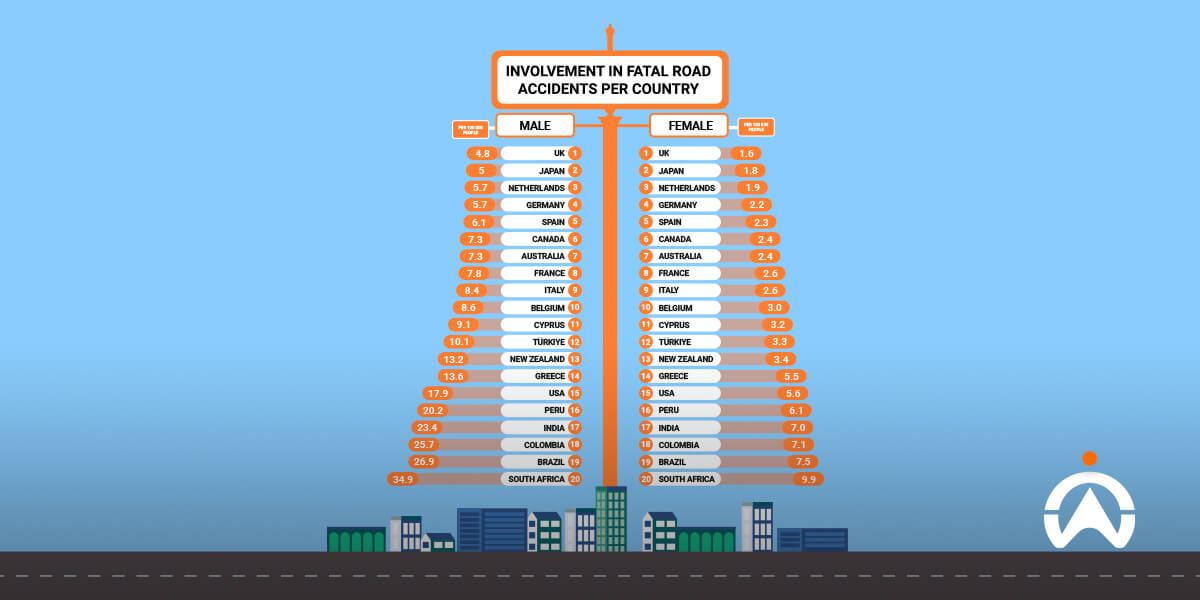
The involvement of men versus women in fatal road accidents globally

While the above data is US-based, research revealing global statistics tells the same story when it comes to fatal road-based accidents.

men_versus_women_in _fatal_road_accidents_globally

There’s always room for improvement: men’s and women’s top tips for becoming more responsible drivers

Whether you’re a male or female driver, doing some introspection on your daily driving behaviour will help you become a better driver by identifying and working on improvement points. And, because men and women are different, what can be better than providing a tailored list for each?

Men, this is how you can step it up a gear

  1. Don’t let other drivers’ irresponsible behaviour affect your focus

    Careless driving from other drivers will make anyone’s blood boil, but two wrongs won’t make a right. Keep your cool and maintain a defensive driving approach to counter the risky behaviour of others.

  2. Avoid distractions

    Distractions come in many shapes and forms. From smoking in your car to listening to loud music or replying to a text message, you’re busy entertaining a distraction if your eyes and mind are not where they should be — the road.

  3. Adopt and keep a growth mindset

    A growth mindset involves looking at situations from a there’s-always-something-to-learn perspective. No matter how careful you drive, never settle for thinking your driving doesn’t require any improvements.

Gals, to keep the bragging rights, consider these points

  1. Drive with confidence

    With statistics showing women as less likely to be confident about their driving abilities, it’s important to understand that a lack of confidence on the road can be dangerous. The best way to improve your driver confidence is to stay focused on the road and be ready for anything.

  2. Avoid multitasking

    It’s something women are notoriously good at, but when weighing up the pros and cons of multitasking while driving, your safety and the safety of others should be the first priority. While women are known to take fewer risks on the road and drive carefully, multitasking remains tempting.

  3. Don’t let emotions distract you

    Ever had to drive away after receiving bad news or having a fight with a loved one or partner? Take a moment to clear your head before hitting the road to ensure you drive with a focused mind.

men's_and_women’s_top_tips_for_becoming_more_responsible_drivers

Explore Cartrack’s expert tools for better driving

Nobody’s perfect, so having reliable tools that promote improved driving while prioritising vehicle safety is something no driver should be without.

As for gender-based driving performance, keep up the good work, ladies! It’s official: women drivers have outshone the male drivers of Mzansi. And, having more conscientious, focused drivers on the road elevates everyone’s road-based safety.

Speaking of safety, Cartrack’s SaaS-based platform is developed with drivers in mind. Here are four ways Cartrack’s revolutionary tech can help improve your safety:

  • Advanced vehicle tracking

    A car is a priceless lifeline, so make sure you protect yours. With a state-of-the-artvehicle tracking device installed in your car, backed by our 90%+ independently-audited vehicle recovery rate, you can keep your vehicle safe fromhijackings and theft.

  • Real-time crash detection

    Don’t end up stranded in the event of an accident. With smart IoT technology, we receive real-time crash notifications, allowing us to dispatch live-saving emergency responses on your behalf and notify the most important people in your life.

  • Detailed driver behaviour reports

    Make sure you drive safely with insightful trip reports. With the touch of a button, you can review your performance on common risky driving behaviours like harsh braking, fast cornering, excessive speeding and more, helping you be more mindful of your road behaviour so you can make improvements.

  • Peace of mind with Catrack Protector

    Stuck on the side of the road with no petrol and no one to call? Cartrack’s Protector is there for you when you’re stranded or in need of help, giving you access to roadside, legal, and medical assistance so you’ve got what you need to stay safe.

Stay on the winning side of vehicle-safety stats, contact Cartrack Tanzania today to increase the safety for you, your loved ones and those around you with our industry-leading vehicle-safety solutions.

Unlucky Gents! Women Are The Better Drivers, Here's Why

The battle of the sexes is taking to the road. Are women better drivers? Here’s what the latest stats say.

How to react in the event of a hijacking

Nobody climbs into their car expecting to be hijacked en route to their next destination. But, it happens.

“The best way to protect yourself from a carjacking is to be aware of your surroundings and do whatever you can to prevent it from happening altogether,” says Eugene Herbert, CEO of MasterDrive.

Navigate the unexpected

The prospect of being targeted in a hijacking is frightening. It’s a scenario that you hope to never find yourself in. Unfortunately, despite our best efforts, the reality is that it could happen to any one of us. That’s why it’s important to have the appropriate knowledge that will allow you to safely navigate this unfortunate event.

Here are some tips on how you should react in the event of a hijacking:

1. Don’t resist and do as you’re told

While your first instinct may be to retaliate when your life and possessions are threatened, avoid this reaction at all costs. Yes, it’s your car and you’ve worked hard to own and drive it, but hopefully it’s also insured, so unlike your life, it can be replaced, along with your other possessions inside the vehicle.

The best way to handle the situation is to not threaten or challenge the hijackers in any way, especially if they are carrying a weapon such as a gun or a knife.

Calmly just leave all your valuables in the vehicle, surrender your car and move away from it as quickly as possible without making any sudden moves. Always try your best to place as much distance as possible between yourself and the hijackers.

2. Don’t make any sudden movements

As previously mentioned, trying to be a hero is a move criminals expect from the people they’re stealing from, so the hijackers are more likely to be startled by any sudden movements and they may perceive it as a threat. Their response could be to panic which could result in them retaliating aggressively.

Keep your hands clearly visible at all times, preferably in the air. “The safety belt can put you at risk of getting shot at,” a hijacker told Independent Media in an interview. “When you reach to unclick your seatbelt, we might panic and think that you are reaching for a weapon, and that is when you get shot.”

Lift both your hands up and spread your ten fingers wide apart to show you’re not holding anything, which sends a message that you are not a threat to the hijacker, advises Derek Kirby, Ford South Africa’s advanced and defensive drivingexpert.

Avoid making eye contact with hijackers and speak slowly and calmly so as not to further aggravate the hijackers.

3. Subtly gather information

Instead of looking for a way out of the situation by challenging the hijackers, use the time in which you’re being told to give up your car to gather as much information as you can without posing a threat to the hijackers.

It’s a stressful situation but taking note of small and important details that will be useful to police at a later date helps when making a statement which will help hopefully get your car back. This information includes:

  • How many hijackers are involved in the crime
  • General descriptions of the hijackers and the clothes they were wearing
  • How many firearms or weapons were used and what they look like
  • The type of language and accent they used
  • The direction they drove off in after taking your car
  • All the belongings left in your car at the time of the hijacking

What to do after the hijacking

As soon as you are safe, you must borrow a phone and call the Police Service.

1. Activate your tracking device

If you have an active tracking device from Cartrack, immediately alert Cartrack’s control operations room by phoning +255 784 908 908.

Vehicle tracking has become an important technology for the safety of not only fleet vehicles but also for the individual driver. With the extensive range of optional extras offered by Cartrack, you will be covered for almost every eventuality, including a hijacking.

2. Don’t panic, push the button

When you tap the Protector button on the Cartrack app, it unleashes a world of tools that come to your rescue, managed by highly-trained control room operators:

  • Our team will contact you to determine what kind of assistance you need
  • The closest, most appropriate provider will be dispatched to your exact location
  • Help will arrive based on real-time analysis of the GPS and satellite technology embedded in your installed device

Cartrack’s Protector feature is an additional, optional service that is available on all Cartrack’s packages. Our emergency control room teams are always ready to support you in the unfortunate event of vehicle theft or hijacking. They will communicate directly with our private response teams and local police to ensure a rapid response.

3. Sound the alarm

“Install apps on your phone that friends and family can use to track your location should you not arrive on time,” says Herbert. The Share Location feature on the Cartrack app allows drivers or individuals to share their exact location from anywhere. This comes in handy when hijackers are driving off with your car, leaving you stranded. Sharing your trip before hitting the road is ideal to get the best of this feature.

Another great feature is geofencing, to alert you when entering a predefined high-risk area. “Investigate high-risk areas,” advises Herbert. “This is not to say you shouldn’t drive in those areas, but knowledge of this information can help you make the best decisions for your safety.”

Near or far, we’ll watch your car

A Cartrack tracking unit in your car ensures that no matter how far you go or who illegally dispossesses you of your car, there will always be a team of experts ready to come to your rescue. Contact Cartrack Tanzania for ultimate peace of mind and find out why #DriversLoveUs

5 tips to keep in mind if you’re modifying your car

We’ve all seen them. We’ve even heard them long before they appear. Idling in traffic waiting on the green light and suddenly a striking car catches your eye. The bold colour and unique exterior are hard to ignore and you wonder for a bit what it would be like to cruise down William Nicol in a car like that.

You can get your modest car to look and perform like a premium model through the magic of modifications.

Whether your modifications are purely for aesthetics or you want to increase your car’s performance for more driving pleasure, modifying your car isn’t as easy as the movies might have you believe. Getting a car that rivals a Fast & Furious ride can be expensive, time-consuming and even illegal. Here are a few considerations to keep in mind before planning that drive off into the sunset with your pimped-up ride.

1. What are the most popular car modifications?

There are three main categories of trendy car modifications, based on the goal of the change to the vehicle. The most popular ways drivers are modifying their cars involve:

  • Boosting engine capacity
  • Installing illegal devices like nitrous oxide cylinders
  • Dropping suspensions
  • Fitting bigger wheels
  • Tinting windows extremely dark
  • Installing body panels, spoilers, diffusers, and tail fins
  • Altering the exhaust system to emit louder sounds
  • Fitting super sound systems that exceed the approved decibels levels

From looks, to feel and the need for speed, the most common tweaks people generally make to their cars are:

Aesthetic or visual car modifications

Stars, stripes, flames and even graffiti are popular choices when drivers want to add a more cost-effective visual appeal to their wheels. However, aesthetic modifications extend beyond the car body and can include chrome tyre rims, grilles and so-called “halo” headlights.

Modifying your car in this way is the simplest because all these changes aren’t permanent and only affect the way the car looks and not the way it performs. It’s a pretty harmless way to make tweaks to your car, but there’s no guarantee you won’t stop traffic with your bold design choices.

Functional car modifications

Car enhancements that have more to do with function than form mostly have to do with a vehicle’s suspension.

If you’re satisfied with your car’s general performance and don’t intend on increasing its machine power, you’re probably looking at making some functional car modifications, for practical reasons. Some reasons include lifting your vehicle’s suspension to navigate bumpy roads and rough terrain as a bakkie driver. This kind of enhancement elevates the vehicle to avoid any damage to its bottom. [N3]

Perhaps you want a sportier look and feel to your ride. A slight drop in suspension enables your car to have bigger and wider tyres while cruising comfortably – and safely.

Performance car modifications

Looks aren’t everything, and drivers who have a need for speed and a desire for a powerful engine know this. Car modifications that improve a vehicle’s engine power, speed and braking abilities are considered performance-based.

Turbochargers and nitrous oxide are popular ways to alter your car’s speed limit, but they’re not so popular with the law. These performance modifications are likely to be illegal because of the threat they pose to the safety of the driver and other users on the road.

The idea behind modifying your car for performance purposes is to improve the driver experience or simply increase your car’s capabilities in your chosen environment.

2. Benefits and challenges of modifying your car

The concept of modification isn’t just for illegal street car racing like in the movies. Some cars can benefit greatly from a few tweaks to various parts.

For example, if you alter your car’s speed capacity, your car will have more power, which you could either use with restraint and experience fuel economy benefits or choose to drag race, putting you and other road users at risk.

Fitting larger rims and better tyres could either improve your car’s roadholding ability and reduce road noise or be a road hazard if they are not compatible with your vehicle, ill-fitting or don’t have the correct speed rating.

Car modifications that fall outside the manufacturer’s approved accessory installation can also affect the warranty of your car. When the same alterations also contravene the Road Traffic Act, the car can be deemed illegal for use on a public road. This can result in your car being discontinued from service, and to continue driving it, you will need to restore it to its original condition and present it for a retest at an approved vehicle testing station.

According to Forensic Road Transport and Risk Expert Stanley Bezuidenhout, there should be no issues with modifying your car with after-market accessories or performing upgrades on a vehicle if you:

  • Have the car manufacturer’s approval
  • Use parts developed or provided by companies with suitable certifications regarding standards
  • Fit modifications supplied by a local company who have an elevated level of credibility

On the other hand, says Bezuidenhout, there are certain modifications that compromise vehicles and could deem your car unroadworthy:

  • DIY cutting and widening of rims
  • Suspension is done by cutting of springs or heating of coils
  • Swapping engines between different vehicles of different sizes and capacities

Remember to keep in mind when modifying your car the impact of the enhancements on fuel consumption. Cars are built a standard way for a reason, and they’ve gone through tests to get the most economic performance for that particular make. Something as small as the wrong set of tyres could increase your fuel costs

3. Which car modifications are considered valid?

To be considered valid, modifications to your car need to be fitted with parts and accessories approved by the car manufacturer so you don’t lose the vehicle’s warranty.

Tampering with the engine performance, suspension, wheels, and brakes of a vehicle go outside the approved parameters, making the car’s dynamic performance a safety hazard because that specific vehicle wasn’t designed with high-performance driving in mind, especially on a public road.

“Such highly modified vehicles can only be restricted for use on racing tracks,” says Bezuidenhout. “Illegal street racing with vehicles modified to boost the performance of the vehicle has become a significant concern to all in road traffic enforcement and a threat to all road users.”

4. Which modifications are a threat to road safety?

“Simply put, alterations and modifications can be described as bringing about changes to the original vehicle parameter standards with a view, largely of enhancing a vehicle’s performance in fuel consumption, load capacity, cosmetic trim, 0 – 100km/h or top speed runs,” says Bezuidenhout. “Where these modifications do not comply with the requirements of the Road Traffic Act, they will be deemed illegal.”

So, what car modifications are considered a threat to the law and safety of other road users?

  • Speed enhancement modifications, which results in reaching illegally high speeds
  • Suspension modifications, which can affect the steering and control of the vehicle
  • DIY suspension modifications which can sometimes see springs falling out of the vehicle
  • An oversized engine which can compromise overall driving, including the ability to stop in time.
  • Overly wide wheels which can cause premature wear of wheel bearings and other critical components

5. What is your modification budget?

One thing about modifying your car – it won’t be cheap.

Buying a car in itself is an expensive exercise, regardless of whether you’re buying it pre-owned or brand new, financed or cash. If you’ve already put down a deposit on a new car, you probably don’t have that much more to spend on modifying it to your satisfaction.

Not-so-obvious costs of car modification

Not to mention covering the hidden costs of car modification and maintaining your new enhancements. A modified engine may need you to switch to premium fuel, costing you more in the long run with every visit to the petrol pump. A specialised paint job can make a scratch or dent feel like more than a minor incident.

It’s already expensive driving an ordinary, off-the-rack vehicle. Throw in a few modifications and you’re looking at big short- and long-term costs. You need to decide if digging deeper into your pockets for nice-to-have features is a necessity.

Long-term costs of modifying your car

Perhaps consider seeking out modified cars for sale matching your desired features. It’s not guaranteed you’ll find exactly what you’re looking for, but it may work out cheaper than modifying an ordinary car from scratch.

You may have to make peace with the fact that your new pimped up ride may have been put through quite a lot already. Have a trusted contact in the auto industry run a check on the car’s history to ensure you’re not buying a car that will give you future problems because of a sketchy past.

Another consideration to keep in mind is that all these modifications may not increase the car’s value. The car’s book value remains the same, despite how much you spend on modifying it. So, in the long run, if you intend on selling the car one day, be prepared to lose everything you’ve put into it.

Protect your prized possession

Your modified car is just as special to us as it is to you. Let us help you protect it with our world-class vehicle tracking service. About to drive through a dodgy neighbourhood or park at the mall for an errand? We’ve got you. Contact Cartrack Tanzania and let us help you stay safe on the road.

Easy steps for fleet managers to improve employee productivity

Managing fleet administrative tasks such as vehicle registration, fuel cards, invoicing and much more, leaves little to no time for fleet managers to focus on other business matters such as – employee productivity. Here’s how fleet managers can improve productivity rates.

Fleet managers often wear multiple hats and work on several projects simultaneously. Managing fleet administrative tasks such as vehicle registration, fuel cards, invoicing, driver expenses and quoting leaves little to no time to focus on other critical business matters, such as – employee productivity. Learn how to boost staff productivity and encourage fleet managers to bring production back on track.

With all the responsibilities fleet managers have, some might not be aware of the modern fleet technologies out there that can lessen their load and prove helpful in their daily duties. The most efficient way for fleet managers to increase their employee productivity is by outsourcing some of their responsibilities to someone, or something else.

Telematics and fleet management systems

A fleet management system is a database used to store all records of your fleet. Documentation on active vehicles, fleet vehicle specs, maintenance and anything else that has to do with your fleet vehicles can all be stored and accessed anytime you need the information.

Telematics, on the other hand, is a combination of vehicle tracking and communication services. It gathers and analyses all data collected from your vehicle(s) and sends it directly to the fleet manager. This information is used to keep track of various vehicle information.

Together, they possess a wide range of fleet data, reports and insights that fleet managers have full access to. All the administrative tasks that would have taken the manager several days to gather and compile, would all be waiting for him/her as soon as they open their laptop or phone.

How does fleet management help improve employee productivity?

The role of fleet managers is to keep costs low, maximise profits, and minimise risk while overseeing a fleet. With fleet management systems and telematics, half of the hard work would already be taken care of.

With the help of GPS technology, fleet management systems allow you to:

• Know the location of every vehicle in your fleet

• Be aware of each vehicle’s fuel consumption and be able to save

• Be able to decrease maintenance costs by continuously monitoring the vehicles

• Being the first to know when something needs to be replaced or fixed

• Cut delivery time down by implementing route optimisation

With these benefits put in place, and fleet management systems handling the heavy-duty tasks, fleet managers have more time to focus on maximising safety, improving service delivery standards and customer service and satisfaction. Fleet management systems don’t only improve a business’s work efficiency they also positively affect every employee’s productivity.

What is Employee Productivity?

Employee productivity is about fleet managers working smarter to raise the business’s bottom line. It’s the amount of work an employee gets done in a specific amount of time, or in simpler terms, how many jobs a fleet driver completes in a day.

Managers can access fleet data or employee productivity reports through productivity tracking and see where the majority of the employees’ time goes, how long it takes to complete their work and the quality in which it is done. This information is used by the manager to optimise operations going forward.

Productivity tracking

Productivity tracking measures show how productive your employees are in terms of how many projects they can handle and how fast they can get them done. It also tracks what the employees do when they are idling or simply not working, which websites they visit and how long they spend on these sites.

For a fleet manager, overseeing their many tasks on a day-to-day basis and being able to complete them before the day is done is very important. Productivity rates could rapidly decrease if their process is decreased by employees idling by or not completing their quota of tasks. It’s the manager’s job to keep them on schedule and avoid disaster.

“We often assume that productivity means getting more things done each day. Wrong. Productivity is getting important things done consistently,” says James Clear, author of Atomic Habits, “and no matter what you are working on, there are only a few things that are truly important. Being productive is about maintaining a steady, average speed on a few things, not maximum speed on everything,” says the productivity expert.

James Clear shares some top productivity methods with us:

These productivity methods could be used and utilised by both managers and employees. A valuable tool to have in your workflow management arsenal.

  1. Eliminate Time-Wasting Activities by Using the Eisenhower Box

The Eisenhower box is a task management tool that helps you prioritise tasks. It helps distinguish tasks according to urgency and importance and then lets you go through your work accordingly.

  1. Warren Buffett’s “ 2 List ” Strategy

Warren Buffett, a well-known billionaire investor, devised a two-list strategy in which you write 25 of your top priorities on one list, circle five goals from the first list, and jot them down on the second. Then only focus on those five while avoiding the remaining 20.

  1. The Ivy Lee Method

This is a 100-year-old strategy that’s proven to work time and time again. At the end of each day, write down six important tasks for the next day, then immediately do those tasks first thing in the morning. Repeat each working day with a new list.

  1. The 15-Minute, Anthony Trollope method

Anthony Trollope created a routine where he would ruthlessly do his work at 15-minute intervals every morning without giving himself any leeway. He exceeded his goals and increased productivity by:

  • Having someone keep him accountable
  • Tracking his progress
  • Focusing on the small achievements, not the finished product

Being productive is as simple as taking a few minutes out of your day and implementing one of these methods. Ten minutes of planning could result in a whole day’s worth of productive work.

What does it mean to improve employee productivity?

Increasing your employees’ productivity means catering to their needs. Fleet managers do this by:

  • Creating a healthy work-life balance
  • Establishing employee relationships within the workforce
  • Creating doable working hours
  • Providing positive feedback on how they can improve their work.

This allows fleet managers to make long-term solutions that will encourage employee productivity in the long run. These suggestions might not have immediate results, but little by little, an improvement will be evident in productivity rates.

5 Ways to boost employee productivity in your workplace

For employees, it’s easy to fall into the mundane routine of working at a steady pace, which often results in incomplete tasks. This could add more tasks to your to-do list for the following day. The more you repeat this cycle, the more work gets piled up and results in procrastination, falling behind on work and slowing down efficiency in your respective department.

Being productive is a skill that many of us struggle to grasp, but it does not have to be that way. Here are a few tips managers should implement to help increase their employees’ productivity at work.

  1. Stop multitasking

You might think doing a few tasks at once will help you finish your work faster, but in truth, it only slows you down and creates more work, as seen in the scenario above. Giving your attention to one task at a time is the only way to ensure your work is done and done properly.

  1. Take breaks

The time allocated for your break is important. It gives your mind and body time to recuperate and get some much-needed energy back into your system. One might think working for a prolonged period means being productive, but the opposite is true. You will feel mentally drained and produce work of poorer quality at a slower rate if you don’t take some time for yourself.

  1. Set small goals

Small achievements help maintain momentum over the long run. You’re more likely to complete large projects when they come by focusing on every achievement, no matter how big or small.

Acknowledging employees’ achievements helps motivate them, which in turn makes them more productive.

  1. Do the most work when you have the most energy

Whether it’s in the early hours of the work-day, or right after your lunch break, the time of day when you’re most alert and energised should be the time where you attend to your biggest tasks. Big projects require large amounts of energy, so give them the proper amount of time and attention they need. There’s no use letting all that energy go to waste on follow-up emails and organising paperwork.

  1. Implement the “two-minute rule”

This method is perfect for preventing procrastination and for reaching objectives without even noticing. All you have to do is fill small spaces of idling by doing tasks that would take you two minutes to do. Before you know it, you will have accomplished a lot of work and improved your work ethic.

Factors that impact employee productivity

Investing in your employees will have a lasting impact on your organisation. Beyond an employee’s experience, skills, and work ethic, several other office-based factors affect their work. These factors impact employee productivity, but they are often overlooked by fleet managers:

  • Engagement: Managers often think employees are productive simply by waking up, showing up for work and doing their assigned tasks. Getting to know your employees, giving them a sense of value and purpose so they feel a need to want to do more, is also an important aspect. It encourages them to be more productive.
  • Management practices: What level of engagement does the fleet manager have? Are they available and easily approachable by employees? And does he or she work with individuals’ strengths? Are they able to motivate their workers through their management style? These questions help determine if a manager’s management practice is effective or if it’s a liability to the business.
  • Workplace environment: When the atmosphere is unpleasant or intense, engagement and productivity levels plummet, which negatively affects the entire organisation’s productivity. Unnecessary stress and pressure might even drive employees to consider working for other businesses.

Fleet managers should look for ways to lighten the mood in stressful moments to ensure their employees remain calm and focused.

  • Appropriate tools: It is about providing people with the necessary tools and resources they need to get their jobs done to the best of their abilities. As a manager, make sure systems are in place to ensure new employee hires and current staff members have access to all the necessary software and resources they need to get their jobs done.

Employee engagement

This can be seen as the level of involvement or interest employees have within their workspace, towards their managers and with their surrounding colleagues. Whether they are fully involved in the business culture or are struggling to integrate into the environment.

Prioritising employee engagement in the business and various departments within it will build up work relationships and help in the long run, by making employees feel welcomed and more comfortable at work. Providing a safe environment for stellar production increases is an investment any business should be willing to make.

Lack of employee engagement

This lack of interest is often a result of improper organisational socialisation, also known as onboarding, in the first few weeks of the company. This is usually the responsibility of HR and the training department, but fleet managers also have a role in continuing to inform, assist and guide employees in their new roles and duties. This will aid in employees’ getting to know and engaging with their environment, colleagues and managers.

The type of work produced by an employee who is merely there to clock in and finish off their day, and one produced by an employee who truly enjoys their work and interacts with their colleagues, are drastically different.

Based on research gathered from 50 employees, Gallup states that “ Engaged employees produce better business outcomes than other employees – across industry, company size and nationality, and in good economic times and bad.”

Key factors to staff engagement:

  1. Purpose – “ People want purpose and meaning from their work. They want to be known for what makes them unique. This is what drives employee engagement.” says Gallup.
  1. Development – Employees need to feel like their skills and know-how are constantly being improved and they are learning new things by being at work. Not a place where they constantly share their business knowledge, but one where the business gives back by investing in them.
  1. A caring manager – Some managers think they need to lead with an iron fist, but a friendly personality and positive feedback go a long way.
  1. Ongoing conversations – The relationship between an employee and their supervisor is critical. If the employee and manager have a good line of communication with each other, issues can be resolved quickly and the work produced will be more aligned with the manager’s expectations, which means fewer reverts.
  1. A focus on strengths – Employees must focus on the strengths they already have while cultivating and improving their weaknesses.
  1. Have team building activities – Most people might think this is the job of HR, but managers are the ones that have to put the effort into planning and implementing team building activities as they have an impact on the overall production and behaviour of their employees.

Improving_employee_productivity_with_Cartracks_fleet_management_system

Project management

Project management is a process that helps to identify and manage the scope, cost, schedule, risks, and resources of a business. It also includes making sure that all the employees’ tasks are completed, resources are allocated appropriately, and that the work produced provides the business with increased sales and meets the business’s objectives.

The goal of project management is to create an environment where everyone on the team can work together and produce their best work. The aim is not to fix short-term problems like increasing the number of customer calls or emails sent per day. Yes, these are factors that increase employee productivity, but these problems will more than likely not have an impact on productivity in the long run.

What are performance measures

Performance measures are a collection of different attributes that come together to show how much a business, or employee, has achieved, based on its performance in a specific amount of time.

Many businesses use performance measures to set goals established by what their stakeholders and higher-ups expect from them. They then push these objectives towards their fleet managers and employees, to have a set goal.

Understand performance pace for different employees

Remember, not all employees work the same or at the same pace. For fleet managers, comparing one employee’s performance to their overall expectations of them or even to another employee is not always an accurate indicator of their ability to perform.

Managers have to evaluate each employee individually. Keep in mind that they are not all on the same level and they each have their own strengths, weaknesses and process they follow to get through their work.

Use employee productivity reports to customise every evaluation and use that data to individually improve productivity output. This will improve confidence in the employer, as it shows that the performance measures taken are used to help employees identify their ‘blind spots’. It also builds trust as it proves that the software is really there to make improvements and not as a spy tool.

The importance of performance measures

These are to keep fleet managers and businesses accountable and informed about every step taken to reach their goals. Each performance improvement is used to track the trajectory to success and the period in which it would take them to reach their target.

Without performance measures, managers wouldn’t have any means of tracking small milestones made on their way to achieving the business’s objectives.

Here are five pros and cons regarding productivity monitoring and performance measures:

Advantages

  • Ensures fairness within a work environment
  • Track individuals and team productivity
  • Sets positive standards for workplace behaviour, even outside the office
  • It reveals high-performing employers and underperformers
  • Shields business from cyberattacks

Disadvantages

  • Distributions of trust
  • Creates privacy problems
  • Employees can feel highly monitored and start to feel uncomfortable doing their job.
  • Lack of knowledge concerning the monitoring software
  • Cannot track where online, the employee spends their time

Most of the disadvantages of productivity monitoring can be dealt with through effective communication, indicating what exactly will be monitored.

For fleet managers, it’s important to be open and inform fleet drivers of the necessary safety measures put in place in each vehicle, yes, including the AI camera system recording their every move.

Advantages of employee productivity tracking

Productivity tracking helps to fine-tune business efficiency and employee work ethic. It helps the business in the long run by focusing on long-term solutions and not just short-term ones.

With the help of productivity tracking software, fleet managers can change the way they monitor employees, measure time, and keep track of their teams in between formal office hours.

Here are some of the benefits of implementing employee productivity:

  • Improve employee productivity and efficiency
  • Identifies struggles and internal problems
  • Efficiently track attendance and effort
  • Improves working from home conditions
  • Creates trust in employees
  • Effective project management
  • Increases security and safety

Employee productivity monitoring analyses the data provided to improve your employee’s work ethic, behaviour and productivity.

It is designed to show fleet managers which measures work. The data can be used to improve a team’s productivity as well as allow fleet managers to make informed important decisions like:

  • Whether they need to adjust their goals
  • Modifying certain departments.

It also gives a business a good indication of how far they are from achieving their objectives.

Make Cartrack your no.1 solution

When looking for a digital assistant to help you improve your employee productivity ratings, workflow and work ethic, Cartrack’s fleet management solutions do it all.

Cartrack offers fleet managers a range of add-on features that help cut fuel costs and driver expenses, lowers acquisition prices, saving businesses time and money.

Some add-on features include:

  • Routing
  • Fuel Monitoring
  • Temperature monitoring
  • CarWatch

Take your first step into work optimisation, Contact Cartrack Tanzania today to get a quote.

6 Ways Cartrack celebrates and empowers youth

The core of youth culture today is taking the world on fiercely, pitching ideas and exploring possibilities.

Turning eighteen is awesome; that sweet taste of independence is fabulous. For first-time drivers and car owners, or those driving for a few years – your car will keep you riding the youth wave.

Whether it’s for your first job, fun with friends, family responsibilities, or college – we get it.

All the twists and turns, rules and beeps in between, the roads can be scary, leaving many young drivers in absolute jitters, especially on South African roads

Cartrack puts youth in control. We are here to empower youth to drive confidently and with a smile!

What’s the main reason young drivers need extra tech and safety?

The big difference is experience. Even though we all think we’re the best drivers, those who’ve been doing it for longer are usually that little bit more cautious. And those who haven’t, will get there.

But until then, you could have DJ Khalid on full blast, while navigating the roads and then to top it off – your friend is asking for dating advice. In other words, extra distractions combined with learning the roads could put you in danger. Maybe you park in an unsafe area, putting you and your car at risk. Plus the peer pressure and fun might get the better of you, where you don’t think twice about the “no-go” areas, making you a bigger target.

Not to forget, it could be your first car, which is a precious asset. If it goes, we know it will hurt big time and we’re not just talking about your wallet. We do understand the need to buy nice things, so unnecessary car expenses should be avoided at all costs.

Watch what the youth have to say:

Let’s dive into how Cartrack makes driving as a youngster in SA a lot less scary.

6 ways Cartrack Tanzania can help youth feel safer

1. Get your car back

In the unfortunate event of your vehicle being stolen, you are not alone. We have the advanced vehicle tracking tech to trace and track your car down right to the exact location and recover it. Call us immediately, and our composed call agents will offer immediate assistance, together with our highly trained recovery team. Be rest assured that every precaution and effort is made to make a successful recovery of your vehicle.

2. Be in control with the Cartrack App

Park your Cartrack app right next to your Spotify one, because it’s going to give you peace of mind. You could use it for vehicle tracking, security, stolen vehicle recovery, and driver safety.

There’s lots of features. But we rate you are going to love these:

  • Be adventurous with Protector. It provides medical, roadside, legal, accommodation and car hire services, especially useful for a last-minute road trip.
  • Discover how you can improve your driving behaviour with reports. This will also help you save on fuel and maintenance costs.
  • Your loved ones might worry about you, you know, being so young and all. Share your live vehicle location with them in the case of an emergency.
  • We get that stuff is expensive. So get special deals on tyres and insurance.

3. Watch out with CarWatch

Out and about and worried about where you’ve just parked your car? CarWatch keeps a virtual eye on your car when you can’t. You can also activate CarWatch from the app, which alerts you if your parked vehicle moves without your permission, so you can make the right decision about what assistance you may need.

4. Panic button

No need to panic with the panic button feature. In an emergency, the press of a button will instantly send a silent alert to the Cartrack control room and an operator will respond to you right away.

5. Save cash

Need extra cash for online shopping? Then you are gonna want to save on insurance. New drivers tend to pay higher insurance premiums than other motorists. We know, it’s a tough one, but if you have a vehicle tracking device installed, you are bound to get lower rates.

6. Recovery warranty

Cartrack offers a R150 000 recovery warranty in the event that we cannot recover your vehicle. So either way, you won’t need to fork out unnecessary money.

So save your funky jams for the off-road stuff. Protect your car withCartrack Tanzania, and let our tech do the worrying for you so you can concentrate on the road ahead!

Using fleet management systems to empower your drivers

Fleet drivers represent the business world and provide much-needed services to the public. Safety measures would not only benefit them, but also the company they work for in terms of maximising profits, cutting costs, and improving delivery systems. Discover actionable fleet safety tips for drivers.

From the moment they drive out the business grounds and hit the road, fleet drivers are responsible for the vehicle, cargo, and their own well-being. They should consider how they handle the vehicle, how they avoid potholes and any objects that could compromise their safety, and much more.

The safety of drivers is the most critical aspect of the success of a fleet management system. By putting driver safety and empowerment at the centre of training programs, fleet managers can focus on their most valuable assets – drivers who can recognise their own risky, on-road behaviour and strive to correct their actions. Taking initiative puts fleet drivers in the best position to help keep their fleet on track during challenging times and gives their managers one less thing to worry about.

Cartracks-fleet-management-system-helps-you-manage-your-vehicle-maintenance-schedule

Managing your fleet on the road

While fleet systems get new technical upgrades annually, it’s important not to forget to use the technological innovations to also positively impact fleet drivers’ daily workload. Fleet managers should start using fleet management software to not only optimise delivery workflow but also improve driver skills, awareness and behaviour on the road.

There are many challenges fleet drivers face while driving; one that impacts the supply chain is on-road issues, which may hinder or delay delivery. These issues could be anything from dealing with vehicle maintenance problems such as a tyre blowout while driving, which could endanger both themselves and other motorists, or unforeseen situations of criminal activity, putting the driver’s life in possible danger.

Fleet safety comes first

According to the International Traffic Safety Data and Analysis Group Annual Road Safety Report for 2020, issues such as heavy loads and unworthy cross-border vehicles contribute quite heavily to road accidents and casualties, as do vehicles travelling inappropriately on rural roads.

Speed coupled with the lack of lane lines, unmarked intersections and unsafe road surfaces, also adds to the high accident rate on our roads.

This same report highlights that in all countries:

  • Speed is a contributing factor in 15% to 35% of fatal crashes
  • Driving under the influence of alcohol is a factor in 10% to 30% of fatal crashes

Truth is, your drivers are on these very roads but that’s where a technologically advanced fleet management system comes into play. It will allow you to put a speed management and monitoring strategy in place that will help you enforce safer driving behaviour through regular reporting, as well as keep track of where your drivers and vehicles are so that if they do run into any kind of trouble, you can act fast.

Gain insights from your fleet

A good means of instilling safer driver behaviour in your fleet is to hold safety meetings with your drivers. Here they can actively engage in discussions with the management team on where improvements need to be made to individual vehicles and the fleet as a whole. These can be as simple as avoiding a route currently under construction or needing to change a route completely due to dangerous situations such as potholes, illegal activity and more.

Take the time to draft a fleet safety policy revolving around your drivers. Put yourself in the driver’s seat. Keep it simple but as specific as possible and conduct regular reviews with your drivers. These meetings could include discussions around the wearing of seat belts, the use of breathalysers, and focused driving, which could be monitored by a fleet management system.

Being on the road gives fleet drivers the front-seat advantage, so put their knowledge to good use and drive effective teamwork. Managers can also use these meetings to discuss aspects such as the vehicles themselves, ways and means of improving things such as inspections, toll fees, licence renewals and more.

Cartrack’s MiFleet software is a great application to use for all this; it cuts down on your administration time and keeps you updated through alerts and reminders on where and when vehicle costs need to be covered.

The alerts sent would also help fleet managers avoid unnecessary downtime and loss of production due to delays such as service maintenance or unpaid fines, and help increase vehicle longevity.

Using-Cartracks-fleet-management-system-to-keep-track-of -your-vehicle-maintenance

Fleet monitoring to benefit transporters

Roadside situations are plentiful and it’s the responsibility of the fleet manager to try and be present as much as possible in every one of his/her fleets, to defuse any minor or major problems and quickly find the right long term solutions.

While managers do their part in keeping drivers safe, with the help of fleet management software, they can also:

  • Supply accurate vehicle tracking
    Through GPS wireless connectivity, the fleet system ensures your drivers can always be found, no matter what route they take.
  • Provide 24-hour live reporting
    To keep the fleet manager as informed as possible, fleet management systems will automatically send reports of every event that occurs while in transit, even if the driver forgets to update it on the mobile app.
  • Have always-on digital platforms
    A live program grants both the manager and driver the benefit of continued and instant communication.
  • Instant access to custom dashboards
    Conveniently have your important or most used tools at the ready as soon as you access your mobile app. Cutting time spent on having to search for certain features.

These types of features help managers keep track of their fleet and implement both instant and long-term strategies to improve driving habits, reduce running costs and increase fleet longevity.

Put safety in your own hands

There are also a few ways drivers can take initiative and implement safety into their daily schedules.

Training programs are available to help in managing the risks of driving, improve behind-the-wheel skills and also reduce the impact of accidents and breakdowns.

Sometimes, something as simple as rewarding drivers who practise safe road behaviour is all the motivation needed to encourage self-awareness and improvement.

Finding solutions to fleet vehicle neglect

Before we start deep diving into solutions, we first have to know the reason behind destructive driving behaviour and neglect of company vehicles.

One is if drivers haven’t been properly trained, are unsatisfied or unmotivated at work and are reluctant or haven’t properly integrated into the work environment or culture.

This negligent behaviour can result in on-road running costs increasing, including frequent tyre and brake replacements, future maintenance expenditures, and worse, accidents.

To help rectify this behaviour, fleet managers can peruse:

  • Engaging the workforce by sharing pertinent information with them
  • Hold regular meetings with your fleet drivers to keep them informed and engaged
  • Show them their performance reports, pointing out where they’re doing well or need to make improvements, and what factors affect their results
  • Obtain as much data as possible, both electronic and verbal, to help you form a holistic image of your fleet that allows you to make informed changes with speed and efficiency

The cost of fleet accidents

One accident can greatly affect and cost your company anywhere from $16,000 to $75,000, even if it’s minor and no one was hurt. In the case of fatalities, the cost can skyrocket even if it wasn’t your employees’ fault. The fact that fleet accidents are among the most expensive injury claims for a business, is one of the main reasons why safety is a high priority for fleet business owners.

Here’s a list of the type of cost implications accidents can have on your fleet:

  • Vehicle repairs/ replacement
  • Fines due to traffic violations
  • Legal representation
  • Court fines
  • Loss of revenue due to damaged fleet vehicles
  • The cost of insurance premiums and deductibles
  • Replacement driver training
  • Loss of productivity due to avoidable downtime

Though this list might be enough to cause a dent in any business’s profit margin, there might still be additional costs added depending on the circumstances, but rest assured, with fleet safety programs and training implemented, there will be significant reductions in on-road incidents.

Cartracks-fleet-management-system-helps-you-monitor-vehicle-maintenance

What are the 5 key elements of effective fleet management?

To avoid losing money in the case of accidents or general poor productivity, businesses should invest in fleet management systems and a fleet safety program, as this long-term investment pays off through better accountability, improved fleet safety, promotes fewer collisions, and reduced operating costs.

There are a few key elements that contribute to an effective fleet safety program:

1. Hiring responsible drivers

An effective fleet safety program begins with the driver recruitment process. Start by finding the right drivers that meet the business’s fleet driver standards. Having a skilled driver with experience in driving fleet trucks would be beneficial.

The idea is to build a reliable and safe team of skilled drivers who understand the importance of fleet safety and prioritise it as much as possible. Hiring drivers who are like-minded in terms of work ethic, attitude and driving skills might result in having a low fleet driver turnover rate.

2. Having a comprehensive driver training program

After assembling a team of safe and reliable drivers, the next step is to train them.

Cartrack Tanzania has a fleet management training course for fleet managers looking to maximise productivity, as well as offers training facilities for drivers to better improve their driving skills and behaviour.

The training of drivers not only reduces the possibility of accidents on the road but also sets a standard forsafe driving among the fleet, ensuring smooth operations.

3. Monitoring driver performance and behaviour

An effective fleet safety program requires the use of high-end fleet management software that allows fleet managers to efficiently monitor all fleet activity. Regular monitoring of driver performance and driver behaviour ensures all drivers are following the fleet safety guidelines and driving safely.

As a Cartrack Tanzania customer, you’d have the benefit of using an AI-powered camera system that monitors drivers while on the road. With this, you could get a full view of your drivers, vehicles and cargo in transit, and receive alerts on any risky driving behaviour or possible collisions.

You can also use driver scorecards to review their performance, which makes it easier for fleet managers to identify drivers who require further coaching.

4. Vehicle maintenance

Having routine inspections of fleet vehicles is also an essential part of proper fleet management. Now that you’ve trained your drivers to exercise safe driving behaviours, you need to equip them with vehicles that are in tip-top shape.

This will help prevent unforeseen breakdowns and accidents that result from faulty equipment or poorly maintained parts. Plus, regular vehicle monitoring will lower maintenance costs.

5. Keep a continued focus on fleet safety

The importance of overall fleet safety needs to be repeated regularly. With constant use of safety procedures, this idea will become the norm and integrate itself into the business’ culture.

Sharing important fleet safety metrics with your drivers, fleet managers, and safety officers frequently is also recommended. Seeing the benefits that the safety program brings will validate the effectiveness of the fleet safety program. The habit will continue and be properly implemented into the training programs of new drivers.

With Cartrack’s end-to-end SaaS solutions, you can improve the safety of your fleet by:

  • Having real-time monitoring of vehicle and driver behaviour with Artificial Intelligence (AI) technology can help identify and correct poor driving habits that lead to accidents and prevent them.
  • Monitoring driver performance through scoring and providing targeted training opportunities for drivers improves driving efficiency and lowers your fleet operating costs. Provide end-to-end driving analysis on your drivers’ dashboards so you can identify their most-used routes and intervene to prevent unsafe driving.
  • Creating customised driver safety policies to ensure that they can operate safely while delivering items. It also helps to lower the costs associated with poor driving behaviour.
  • Maintaining and servicing vehicles properly to keep them safe to operate and reduce the risk to both drivers and other road users. Proper maintenance can help prevent problems from occurring.
  • Creating a rewards programme to encourage drivers to drive safely and increase engagement. It is important to be able to attract and retain drivers that are motivated and engaged, as well as offer incentives or bonus payments for those who go above and beyond.

Cartrack’s tailor-made fleet management systems

Put driver safety and empowerment at the centre of fleet management with Cartrack’s user-friendly, fleet management tools. Fleet managers can get more out of Cartrack by taking part in their fleet management training as well as empowering their drivers to partake in the available driver training programs.

To see other ways Cartrack Tanzania can help you optimise your business, visit Cartrack Tanzania today.

Using fleet management systems to empower your drivers

Fleet drivers represent the business world and provide much-needed services to the public. Safety measures would not only benefit them, but also the company they work for in terms of maximising profit