
Does a Dashcam Reduce Insurance?

Dashcams are becoming more popular by the day. Some have them to capture their journeys, and others use them for peace of mind on the road. Regardless of the reason for having them, the burning question is whether having a dashcam can reduce your insurance. In short, yes and no.

Tanzanian roads can be unpredictable. From vehicle theft and cargo-related crime to dangerous driving behaviours, poor road conditions in some areas, and traffic congestion, drivers face a variety of risks every day, having tools to protect yourself is a must. Reported traffic statistics emphasize that road safety remains a significant challenge, with a high volume of vehicle accidents occurring annually across the national road network.

Many small bumper bashes aren’t reported, and this is because it’s just not worth the hassle and the whole he-said-she-said argument that ends up happening. How many times have you driven behind a car where their brake lights weren’t working, praying that they wouldn’t stop abruptly?

These reasons are exactly why many people and businesses are choosing to get dashcams and other AI-powered cameras in their vehicles. At Cartrack, globally to date, we’ve installed a total of 208,444 cameras!

Key Takeaways:

  • In Tanzania, a dashcam won’t automatically reduce your insurance premiums
  • A dashcam is a great security tool that can help with your insurance claims
  • Both businesses and everyday commuters can benefit from having a professionally installed camera in their vehicles
  • Having a professionally installed camera system with telematics is the best option for keeping you protected and speeding up insurance claims

Does having a dashcam reduce insurance?

Unfortunately in Tanzania, having a dashcam DOES NOT automatically reduce your insurance premiums. Some insurance providers may lower your premiums, but this isn’t the standard across most of them. Now this may be disappointing to many, but just because it doesn’t currently reduce premiums, this doesn’t mean it never will.

Dashcams are still incredibly useful, especially in Tanzania, where our road conditions can quite literally give you whiplash.

How does a dashcam actually help with insurance?

So, if a dashcam doesn’t automatically reduce my insurance premium, how does it help? Well, evidence, that’s how. Dashcams provide indisputable evidence that you can give to your insurance to help with many in-vehicle claims you might have.

Let’s take a deeper look at what it can help with.

Accidents

When you have a dashcam, you can actually prove that the person you rear-ended didn’t have working brakes before you hit them. Depending on the type of dashcam you have, you can also have proof of a hit-and-run or proof that you hit a pothole and it damaged your suspension.

Theft

In Tanzania, smash-and-grabs are common, especially in bumper-to-bumper traffic. If your phone or laptop gets stolen out of your vehicle while you’re driving, a dashcam can support your claim and help speed up the process.

Fraud

Many people try to commit fraud and cause accidents on purpose. Having a dashcam installed in your vehicle can protect you from any false claimsand remove the he-said-she-said scenarios to give you peace of mind in these situations.
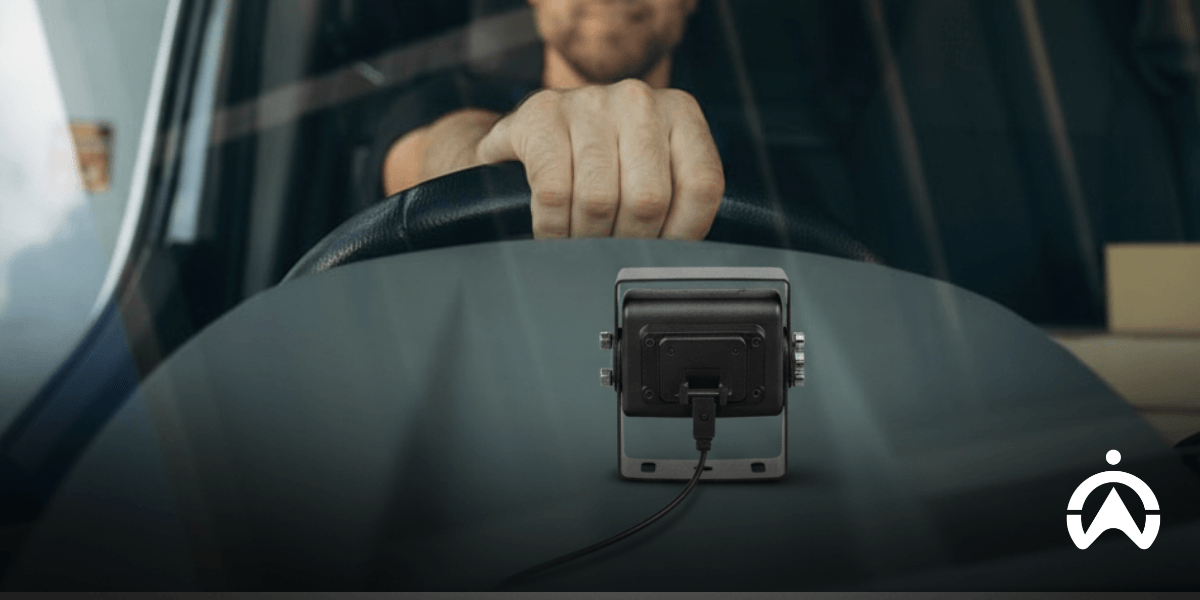
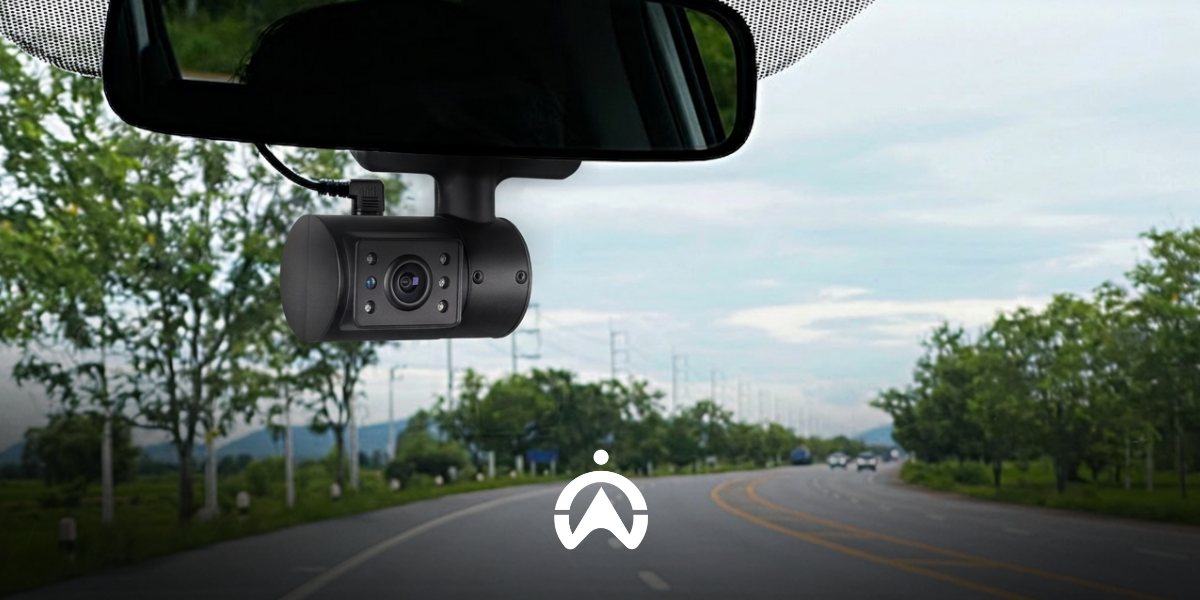
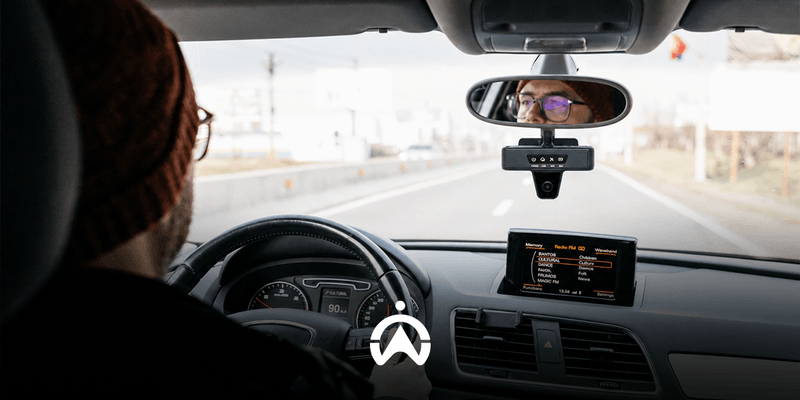
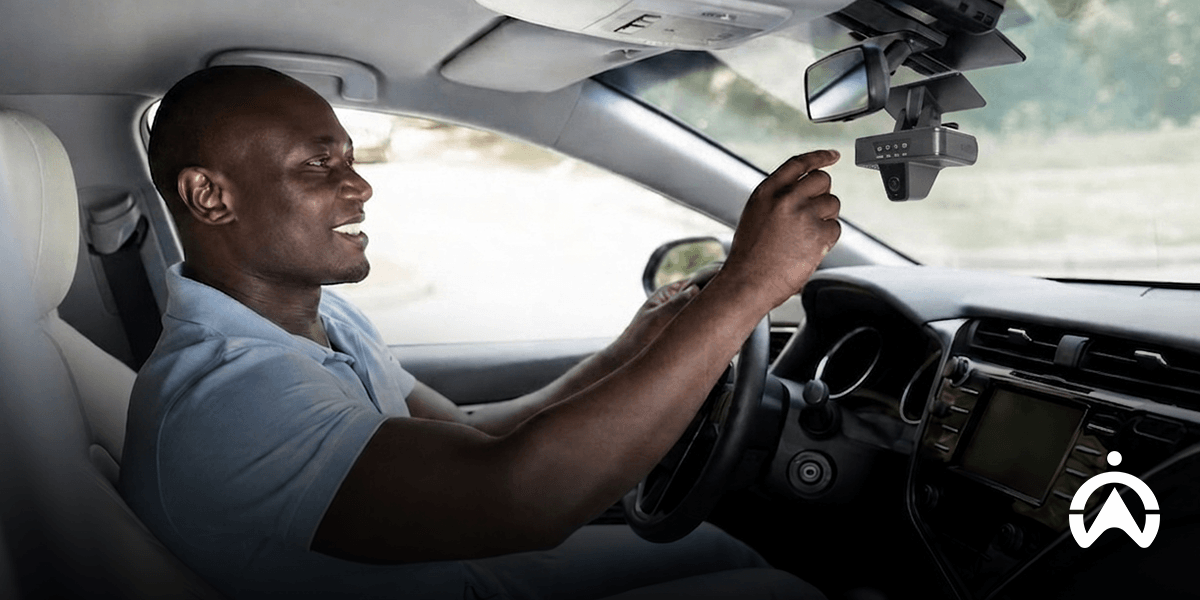
Driver using a dashboard camera and GPS device, illustrating how a dashcam can reduce insurance through safer driving and vehicle monitoring

What are the laws surrounding dashcams?

Local data privacy frameworks often introduce regulatory uncertainty regarding the use of recording devices like dashcams. These privacy laws are systematically designed to safeguard the personal information and digital rights of individuals and organizations within the jurisdiction.

Now, does a dashcam infringe on this act? Yes, but only if you’re not using it responsibly. If you have passengers in your vehicle and you have a dashcam that records in the cabin, it’s best to let them know. If you’re in an altercation on the road, you should let the other person know that you have a dashcam recording.

If you’re a fleet owner and you install cameras in your vehicles, you need to let your drivers know and acknowledge that they’ll be recorded for security reasons.

Let’s say you see someone driving recklessly on the road, and your dashcam records this. DO NOT post it on social media. This may constitute a violation of Tanzania’s Personal Data Protection Act, 2022. Any footage that helps with an accident or other incident on the road should ONLY be given to the police and your insurance.

Are there specific dashcams that are preferred by insurance companies?

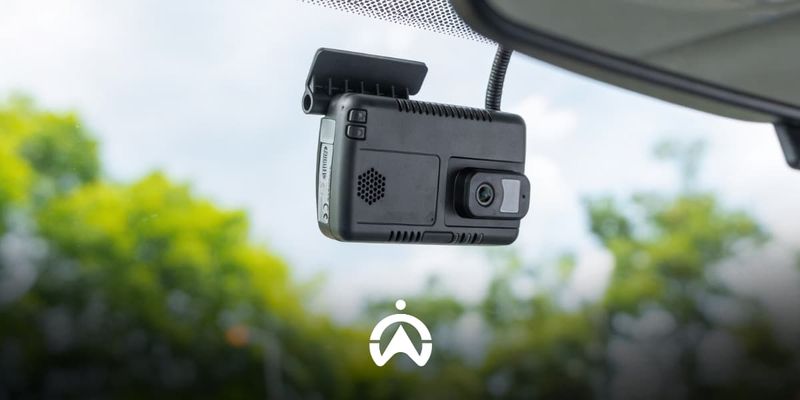
No, there aren’t any specific dashcams preferred by insurance companies because they’re not a requirement. However, just because there isn’t a specific one they like, this doesn’t mean that you should just get any dashcam off the first site you click on in your Google search.

We know that dashcams can help speed up claims and prove your innocence. But if your dashcam isn’t capturing the footage clearly enough or doesn’t have certain features, it can end up being pointless to even have.

Important features to look for in a dashcam are:

  • A dual camera that records the road and inside the cabin
  • High-quality video footage
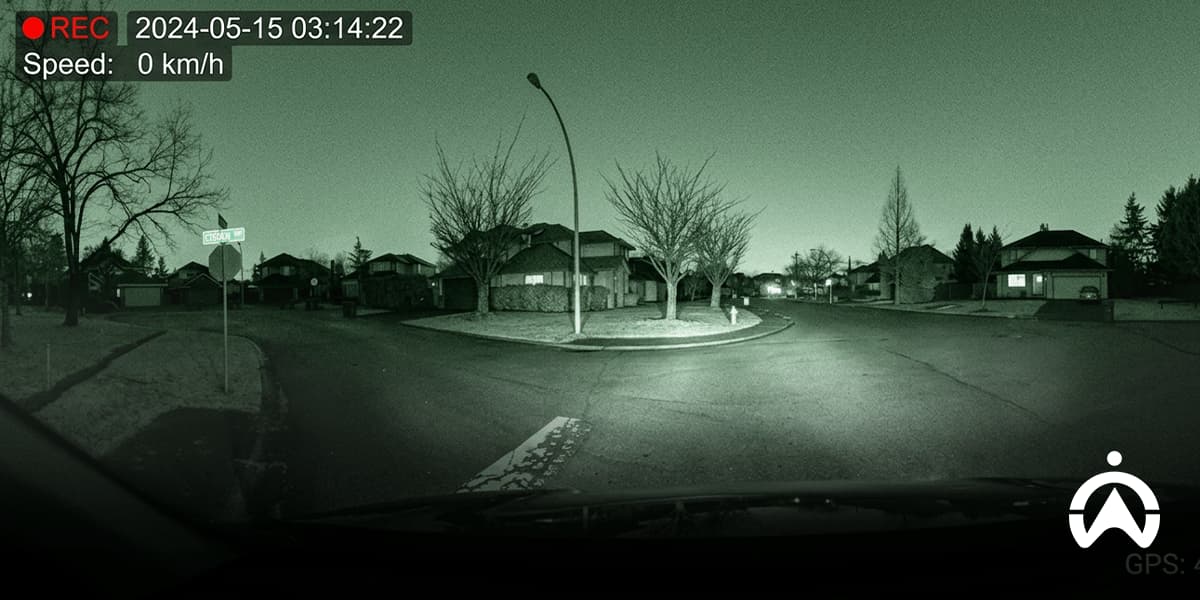
  • Night vision
  • Cloud-based storage
  • Wide-lens angles
  • Time & date stamps
  • Event detection (accident, distracted driving, etc.)

What proof is needed from a dashcam for an insurance claim?

If you’re in a situation on the road and you need to claim from your insurance provider, your dashcam can help. But this isn’t without conditions. You need to provide the original, unedited footage to your insurance provider. The footage should ideally have the time and date on it as well as the audio.

Why is dashcam audio important? Audio helps to provide context. Was anyone hooting, could you hear tyres screeching on the road?

Another thing that can help your claim is telematics connected to your camera. Advanced telematics show your speed and exact location. When you have a dual camera, you can prove that you weren’t distracted on the road as well.

All of this information tells the complete story to your insurance provider (at least from your side) and can help speed up a complex claim and prove your innocence.

Why do you need dashcams in your fleet?

For the everyday driver, dashcams are a nice to have. But, for businesses with vehicles on the road, dashcams are a must. Your fleets are on Tanzanian roads at all hours of the day and in various areas; a dashcam can protect your business in multiple ways.

However, it’s important for us to state that businesses CANNOT have a basic dashcam that just plugs into the car lighter port and think they’re covered. As a business, you need an advanced AI-powered camera system that’s connected to a GPS telematics device.

AI-powered cameras that record both in and out of the vehicle are necessary because they monitor the road and also how your drivers are behaving in the vehicle. If your driver is dozing off or on their phone while driving, an AI-powered camera will immediately alert the driver to correct their behaviour. And as a fleet manager you’ll be alerted as well.

A camera that’s designed for fleets will:

  • Improve your driver’s safety
  • Increase driver accountability
  • Assist with fleet management
  • Assist with driver training
  • Deter theft
  • Save costs

Dashcams for fleets and insurance

Now a dashcam may not automatically reduce insurance premiums for the everyday commuter, but for operations that have a lot of high-risk vehicles on the roads, you do have a greater chance of having your premiums reduced. This is because you have more than one vehicle insured by your provider; your vehicles are more expensive and your cameras are more advanced.

Let’s take a look at a possible scenario. Your driver David has been in an accident with your 16-wheeler. He drove off the road, and the truck rolled, writing it off and damaging the stock it was carrying. On top of that, David is now injured. As a fleet manager you now have a million things to handle, including claiming from your insurance provider.

This situation can go a few ways.

Scenario 1

Let’s say you don’t have a dashcam and telematics in your truck. Now it’s a back and forth with your insurance provider, and you can’t prove that David swerved off the road to avoid hitting a cow on the rural road he was travelling. Because let’s be honest, that sounds a little far-fetched.

Scenario 2

You have a plug-and-play dashcam that you found at a random online shop installed in your truck. When you try to get the footage to send to your insurance company, the footage is damaged, and you can’t use it to prove your driver’s claim.

Scenario 3

You have a Cartrack AI-powered dual vision camera and telematics device installed in your truck. You can pull the high-quality footage clearly showing the cow running into the road and that your driver wasn’t distracted while driving as well.

The telematics device allows you to show your driver’s route and his driving behaviour before the accident happened. All of the data you get can be provided to your insurance provider, showing that David is a good driver and that this was an unavoidable accident. Your claim is now quickly approved, and you and David can rest easy.
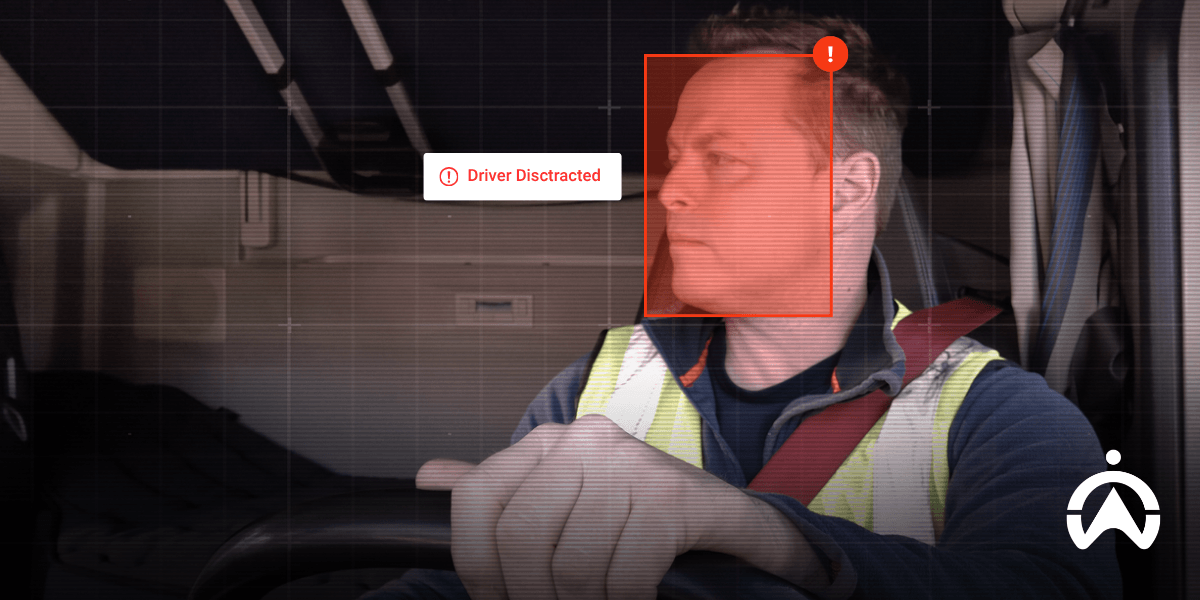
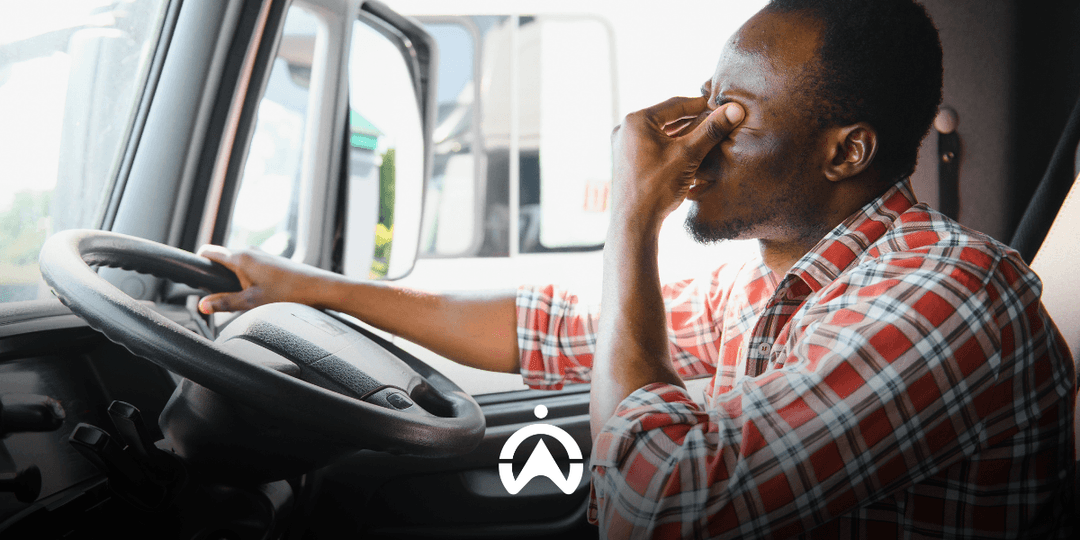
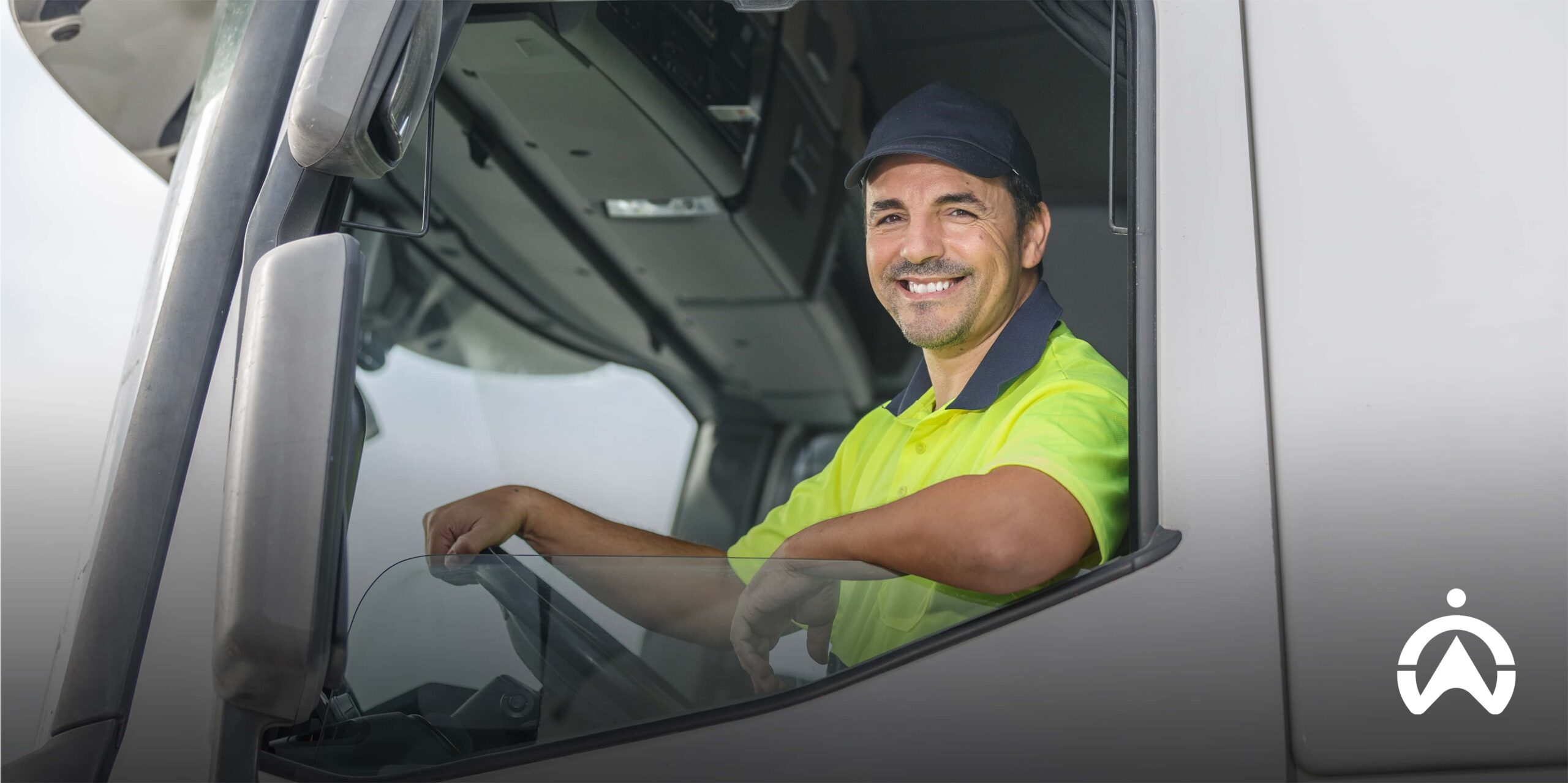
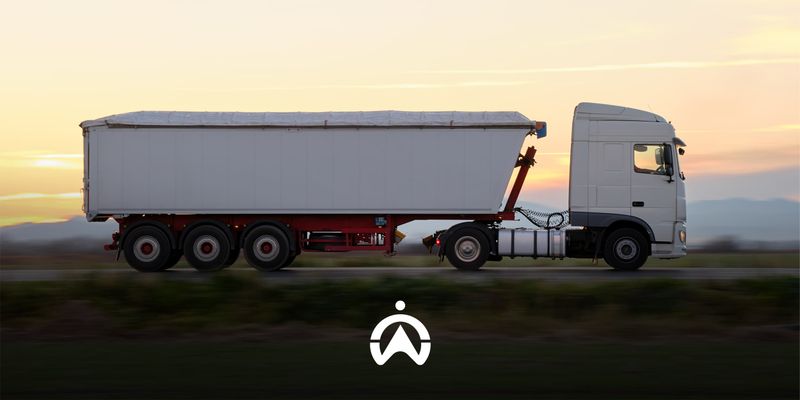
Truck driver detected by in-cab alert system, showing how a dashcam can reduce insurance through improved driver monitoring and safety

Camera options from Cartrack Tanzania

At Cartack we have 5 camera options to choose from for both fleet owners and everyday commuters. These cameras are:

  1. Road Vision
  2. Dual Vision
  3. MultiVision
  4. AI Dash Pro, and
  5. AI Multivision.

All five of these can help you with your insurance claims. Let’s take a quick look at their features so you can pick the right one for your unique needs!

Road Vision

Single road-facing camera, perfect to provide simple evidence in an accident.

Dual Vision

This records both inside the cabin and on the road. Perfect for capturing incidents on the road and to see driver & passenger behaviour.

MultiVision

You can get up to 4 cameras to capture in-cabin, on-the-road, external and internal-facing views. This is best for fleets who want visibility of their vehicles and their cargo as well as minimising the chances of blindspot accidents.

AI Dash Pro

With this camera system, you get a dual camera system that you can add extra views to, and it’s equipped with AI capabilities. This camera system allows you to monitor driver behaviour and alerts your drivers in real time as well!

AI Multivision

This is up to 8 cameras, and it’s designed for fleets. You’ll have complete visibility and will give your insurance everything they need in the event of a serious accident.

If you found this blog insightful and want tips on how to save on car insurance, check out this blog.

FAQs

What are common mistakes to avoid when using a dashcam?

There are a few common mistakes that you should avoid when using a dashcam. The most common one is mounting your camera incorrectly; you don’t want your dashcam blocking your view or not capturing the road properly. Other mistakes are not checking if your camera is on & recording, posting footage on social media, and not keeping its software up-to-date.

Can a dashcam drain my car battery?

If you have a professionally installed, top-of-the-range dashcam installed, it should NOT drain your car’s battery. Many dashcams will record for a few minutes after a car has been switched off, but it shouldn’t drain your battery to the point where you can’t start your car.

How long does 128GB take to eat up for a dashcam?

This depends on the resolution your dashcam records in. They usually record in a loop, so they’ll record over footage once they’re full. On a 128GB memory card, if you’re recording in 1080p, you can get up to 24 hours; in 2K, you’ll get up to 16 hours, and in 4K, you can get up to 8 hours of footage.
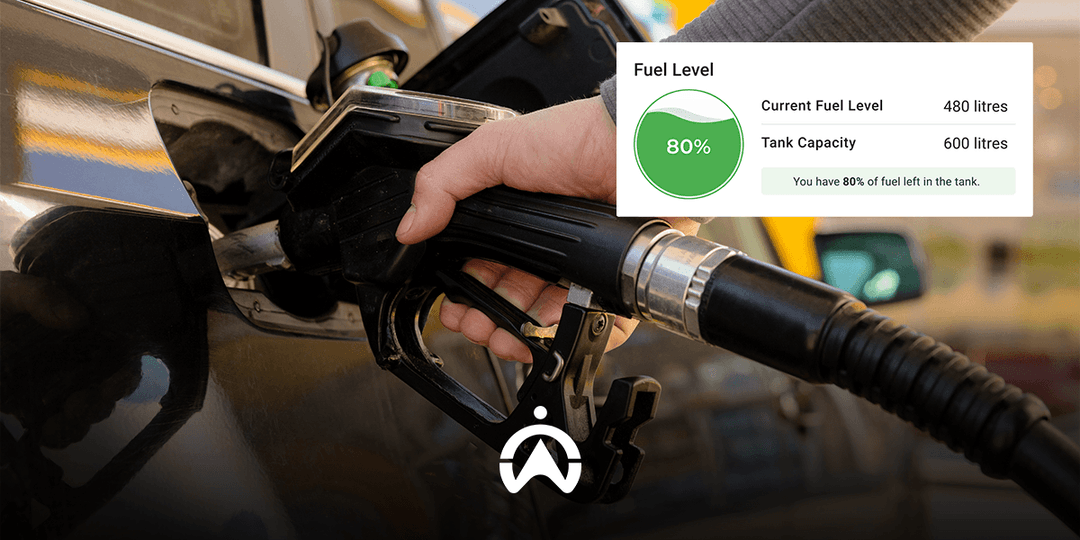
Why Diesel is More Expensive than Petrol and What to Do as a Truck Owner

Motorists across Tanzania experienced shocking petrol price increases in April 2026, but those with diesel trucks and vehicles REALLY felt the pinch. This makes us all wonder why diesel is so much pricier than petrol—and fleet operators are asking this question more than ever!

There are several economic, socio-economic and global reasons. Statista describes diesel demand as “pre-epidemic”, referring to the massive 28.3 million bbl/d (barrels per day) demand in 2024 ALONE. With escalating global tensions, this number just keeps going up.

Diesel demand. Taxation. Global unrest. All of these play a part in why diesel prices have soared. But fortunately, Cartrack Tanzania has some long-term fuel-saving solutions that’ll appeal to truck owners across various industries. Here’s everything you need to know.

Key Takeaways:

  • Global issues and strict green laws keep diesel prices high, but trying to save cash with fuel gimmicks like magnets or early morning fill-ups just won’t work
  • When expensive fuel drains your profits, you don’t need to make painful cutbacks to your essential business operations
  • The real secret to cutting costs is ditching the guesswork and using smart calibration and truck-specific sensors to track every litre
  • You can protect your bottom line by using Cartrack’s technology to plan better routes, maintain your fleet, and stop drivers from idling excessively

What are the main reasons for diesel being more expensive than petrol?

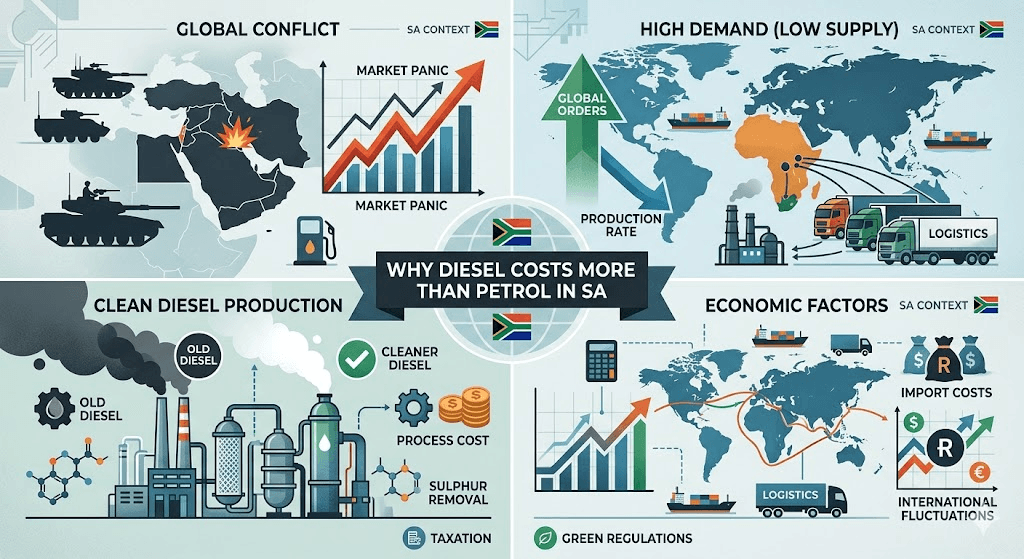
The main reasons for diesel being more expensive than petrol are high demand contrasted with low supply, diesel production time & costs, taxation, and global tensions. Another reason is the green practices that are now employed to produce diesel, which are more costly and time-consuming.

Why Diesel is More Expensive than Petrol

Global tensions

Not only are global tensions causing diesel prices to skyrocket, but this military activity also causes market panic. Together, these two factors ALONE do enough to raise diesel prices, making it harder for your trucking business to operate.

High demand for diesel

Tanzania isn’t the only country that relies on diesel to power logistics. Other countries are ordering massive amounts just like we are (high demand), and this is causing the supply to gradually run dry.

In short, countries are ordering diesel at a faster rate than the rate at which it can be produced.

“Clean” diesel production

Governments are clamping down on big industries to lower their carbon footprint, and diesel production plants are NOT exempt from these regulations. It’s more expensive to strip sulphur out of the end product of what’s considered “cleaner diesel”, and these costs are being passed on to the consumer.

Economic factors

Numerous economic factors contribute to diesel pricing premiums over petrol, combining to drive frequent market fluctuations. While many of these drivers are rooted in international supply chains and global transport dynamics, they directly impact localized markets that rely heavily on bulk fuel imports.

A quick note on fuel taxation: regional regulatory frameworks often tax diesel at a lower rate compared to petrol in order to subsidise and support public transportation networks and commercial industrial logistics.

However, there are a number of levies added to diesel and petrol costs, which include:

  • A government levy on each litre that’s used for government spending.
  • National regulatory frameworks often utilise dedicated fuel levies to fund national road networks, systematically directing these resources toward infrastructure development, structural maintenance, and transit safety initiatives to improve overall road quality.
  • TRA pre-tax clearance on customs and excise for imported fuel.
  • A carbon levy on the emissions of the fuel purchased.

These extras are all passed on to the consumer, and truck owners who use a lot of diesel for their daily operations are having to spend more on refuelling their vehicles like never before.

What are long-term effects of high diesel prices?

The long-term effects of high diesel prices hit truck owners harder than the average motorist, and these ultimately lead to higher overheads. Whatever business you’re in, higher truck transport costs could also cause you to struggle against your competitors. To stay relevant in your industry, you might even be tempted to cut costs in other areas of your business.

Lower profit margins

The most obvious long-term effect is less profit. Over time, this can cripple a business, because let’s face it: fuel isn’t the ONLY thing getting more expensive. Less profit = lower chance of survival. If your business is making less profit, everybody suffers; you, your staff, and your customers.

Competitive irrelevancy

You might be looking at your competitors and wondering how THEY’RE dealing with the increase in diesel prices.

  • Are they transitioning to EV trucks?
  • Are they taking advantage of fuel hedging?
  • Are they receiving subsidies?
  • Or are they just better at marketing?

These are some possibilities, but it’s more likely they’re struggling as much as you are. Or are they?

The fact is, if your competing truck companies are thriving amidst the current fuel crisis, it’s likely that they’ve found a way to reduce fuel use through technology.

The question is, will your truck business do the same to stay relevant?

Cutbacks on essentials

The temptation might arise to cut back OTHER essential operations within your company to subsidise higher diesel costs for your truck company. This could be in the form of staff layoffs, less money towards safety, or opting for a lower marketing budget.

This isn’t always necessary just because fuel prices have gone up. The solution is BETTER fuel management—not cutbacks.

What diesel-saving methods are ineffective?

There’s no magic pill that’ll fix the amount of diesel your truck uses. Saving diesel takes effort combined with technology. Unfortunately, there are a number of fuel-saving gimmicks that dupe truck owners into thinking they’re making a difference. This simply isn’t true.

Here are some you may have heard of already.

Additives to your fuel tank

There are companies out there duping people into buying additives for their fuel tanks, promising that these increase efficiency. Most of these fuel additive promises are scams!

Avoid them at all costs, and also avoid home remedy solutions that promise better fuel consumption if you add home kitchen items to your fuel tank.

Magnetic fuel savers

The claim is that magnetic fuel savers realign the molecules within fuel, causing it to burn at a more efficient rate. There’s no research to back up this claim, so it’s considered an old wives’ tale in the fleet industry.

Filling up at certain times of the day

Is diesel more dense when the weather is cooler? Yes, it is. This makes some people think that filling up early in the morning increases efficiency. But the difference in density is so marginal that it doesn’t make enough of a difference to really affect your fuel usage.

Here’s why.

By the time the diesel comes out of the nozzle to be burnt by your engine, it’s virtually the same temperature as it would be when the weather is warm. Also, any savings you might get from this method will be too small to make any meaningful difference.

Filling strategies

You’ve probably heard rumours that filling your tank to the brim causes your fuel to burn quicker. The truth is, the amount of fuel in your tank has no direct impact on how efficiently your truck engine burns it. Yes, filling your tank to the brim does add some weight to your vehicle, but the difference is negligible.

So what does work?

What should truck owners do to save on diesel costs?

When we strip away the false information about saving fuel, we’re left with what actually DOES work. This isn’t just a claim; it’s fact-based knowledge & industry experience from a fuel management software provider that works closely with truck owners to make a difference in their fuel costs.

Here’s what we’ve learnt over the past two decades.

Calibrate your trucks’ fuel tanks

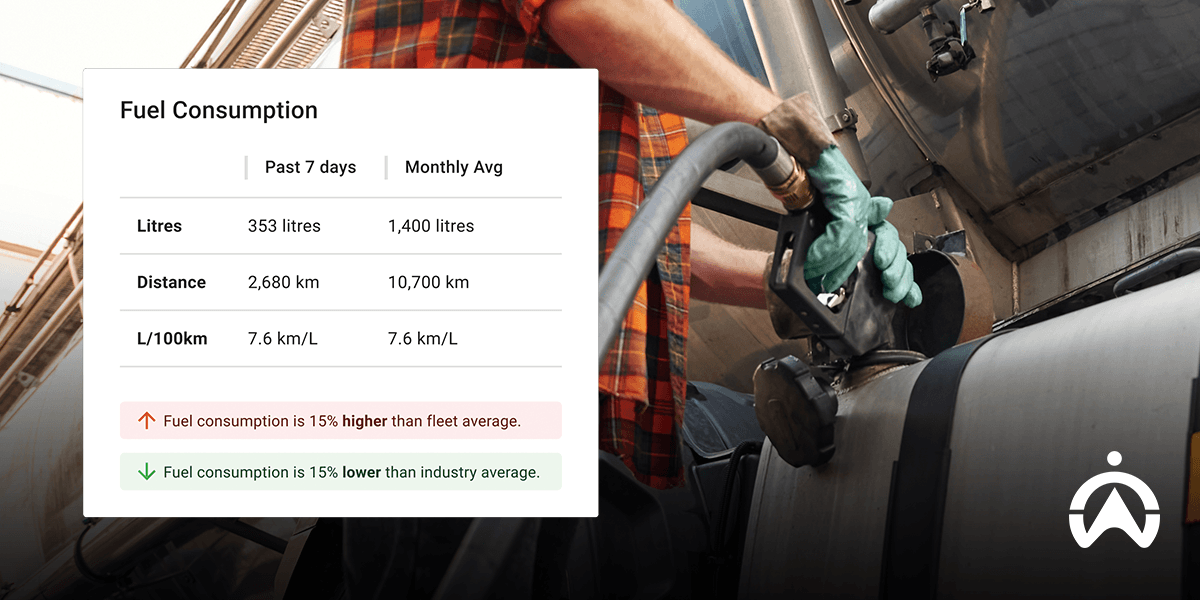
Saving fuel begins by starting from an accurate baseline. This can only be done through fuel calibration, which involves emptying your truck’s fuel tank and filling any fuel tank (which come in various shapes) with precise increments of fuel.

Your daily operations then generate raw data, and the calibration you get translates that data by giving you accurate litres.

Choose a fuel-monitoring technology that’s truck-specific

Cartrack Tanzania has a few fuel-monitoring options to choose from, but none are MORE ACCURATE than our fuel probe. A fuel probe works by combining a float IoT device with our gold-standard software.

Once you have this data, our software further refines the information to give you actionable fuel-saving strategies that are specifically tailored to the unique factors of your truck fleet.

This is also the best strategy for stopping fuel syphoning, fuel card fraud, and other bulk fuel anomalies.

Eliminate guesswork and rely on accurate data

The point of our software is to provide you with indisputable metrics that deliver true, relevant, and real-time data. This removes the guesswork out of your fleet operations and puts you in control of saving fuel.

All these small changes add up to lower overheads, helping you to preserve your profits and STAY COMPETITIVE.

Keep your vehicles in top condition

You already know that high-quality data gives you ACTIONABLE STRATEGIES. But what are these strategies?

One is keeping your vehicles well maintained. It’s no secret that well-maintained vehicles burn less fuel, but HOW can you manage this better than what you’ve already been doing?

The answer is predictive maintenance with the help of AI.

This is a strategy that removes the humdrum service schedules you used to do, and alerts you to maintenance needs based on real-time vehicle diagnostics. In addition to this ground-breaking technology, our system even books your vehicles in for maintenance automatically!

Plan and optimise truck driver routes

The less time your trucks are on the road for each delivery, the more fuel you’ll save. The objective of route optimisation is to accelerate your service and make your trucks more productive.

Bypass those pesky roadblocks, heavy traffic congestion, and pothole-ridden roads by using real-time route optimisation that’s flexible, dynamic, and accurate.

Monitor idling and coach drivers

Idling accounts for a bulk of the fuel your trucks waste each day. So does reckless driving! Getting rid of this alone will lower your fuel costs without disrupting your productivity.

Cartrack Tanzania offers various ways of doing this:

  • An alert system that lets you know when excessive idling is taking place
  • A driver coaching platform that educates them on idling less frequently
  • Sensors that alert you to fuel-guzzling driving habits like speeding or aggressive cornering
  • Power-Take-Off (PTO) monitors that give you stop/start data on your trucks

Call us to learn more! Cartrack Tanzania is dedicated to saving Tanzanian truck owners on their diesel costs, but it all starts with your willingness to start the process.

These methods really DO make a difference, so ditch those outdated gimmicks and go digital with a system that works hard to generate savings on your fuel budget.

Frequently asked questions about diesel vs petrol prices

How is diesel different to petrol?

Diesel is basically denser than petrol. Its core make-up has more viscosity, which plays an important part in its slower burning process and high torque offering. Diesel has a distinctly different smell too, making it easy to distinguish from petrol.

Will the Tanzanian government implement a work-from-home policy to curb fuel use?

While some regions have actively implemented remote work frameworks, Tanzania has not established this as an official policy. Local regulatory bodies recently clarified that any previous remarks regarding working from home were contextual examples for cost mitigation rather than formal state directives or policy proposals.

Which uses more oil to produce: petrol or diesel?

Petrol takes more oil to produce, but not much. Because of the production process, manufacturers are likely to get more diesel than petrol out of a comparative amount of oil. This refining process happens simultaneously, so both products are derived from the same barrel of oil.

How Driver Fatigue Detection Systems Work

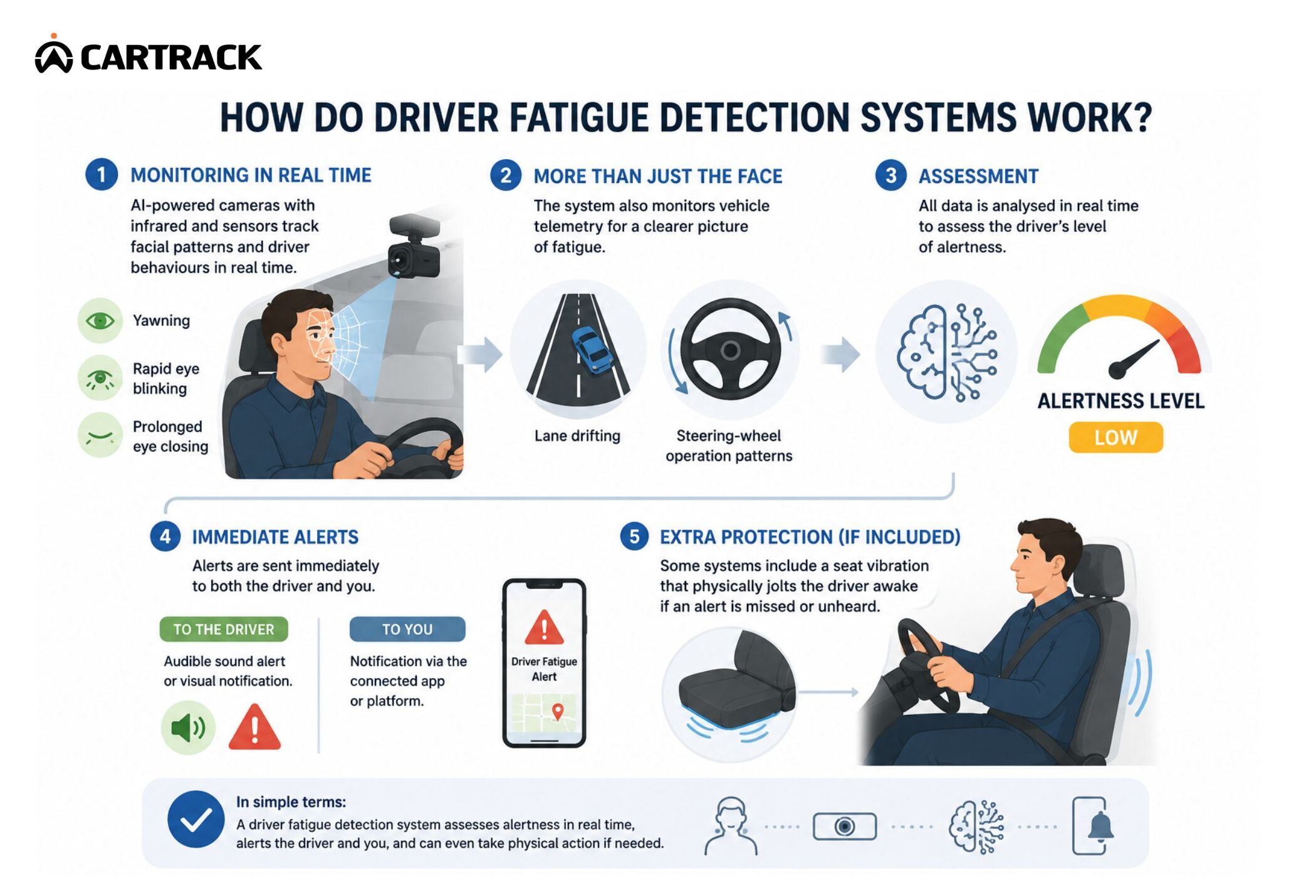
Driver fatigue detection systems work by combining AI power with sensors and/or cameras to monitor driver behaviours while they’re on the road. With those AI capabilities, facial patterns that are associated with exhaustion (like yawning or excessive blinking) are detected, which then trigger immediate alerts that act as an intervention.

Analysis shows that infrared camera arrays and built-in sensors are among the key components driving the growth and capabilities of AI-powered cameras. Commercial fleets are quickly adapting to technologies that explore more than just lane drifting and steering-wheel patterns. Facial movement recognition and blinking rates are catching fatigue in milliseconds, proving to be vital implementations in fleet safety.

Don’t put your fleet in jeopardy. Understand driver fatigue detection technologies, why they’re crucial for fleet safety, and how Cartrack Tanzania provides the best in those technologies so you meet safety compliance & combat driver exhaustion.

Key Takeaways:

  • Fatigue detection systems use intelligent cameras to track facial changes like yawning or prolonged blinking to trigger real-time alerts
  • Smart software can also monitor vehicle movements like lane drifting to create a much more accurate assessment of a driver’s alertness
  • Implementing these safety systems protects your drivers and secures valuable cargo while significantly lowering your insurance premiums and accident downtime
  • Advanced setups can even include a physical seat vibrator which gives the driver a gentle jolt to ensure they wake up instantly

What are driver fatigue detection systems?

Driver fatigue detection systems are a combination of tools and technologies that identify when a driver is exhibiting exhaustion while on the road. When fatigue has been detected, immediate alerts are triggeredin the form of audible, visible, and in-app/platform notifications.

The point of fatigue detection systems is to completely avoid, or at least drastically reduce, road accidents and incidents. Their real-time monitoring keeps a constant watch on everything happening inside and around the vehicle.

Let’s look at this more closely:

How do these detection systems work?

These detection systems work by merging AI power with sensors and/or cameras to keep an eye on drivers and their behaviours while on the road. Highly trained AI cameras embedded with infrared and sensors carefully track facial patterns—like yawning, rapid eye blinking, and prolonged eye closing—to quickly identify signs of exhaustion.

In addition to tracking facial patterns, certain aspects of vehicle telemetry are also monitored, like lane drifting and steering-wheel operation patterns. This provides more necessary information and creates a clearer assessment of fatigue.

In simple terms, a driver fatigue detection system assesses a driver’s level of alertness in real time.

Alerts are then immediately sent to both the driver and you. For the drivers, they’re notified through an audible sound alert or a visual notification. You’ll likely get a notification via the connected app or platform.

Depending on the system, there may also be an actual seat vibration solution included that physically jolts the driver awake. This feature is particularly important when the driver misses or can’t hear the audio alert.

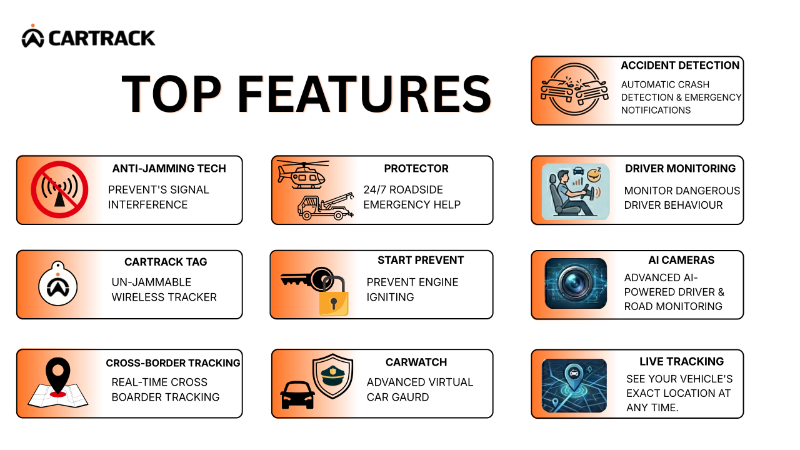
Take a look at our graphic below to get a quick, visually engaging overview:

Are there any considerations when it comes to fatigue detection systems?

Yes, there are certainly considerations and potential downsides to think about when including fatigue detection systems in your fleet.

One of the biggest, most common concerns is privacy. The last thing you’d want is for your drivers to feel as though they’re being surveilled in an intrusive and untrusting way. As a manager, you MUST be completely transparent in your policies and with your drivers, especially about the footage, why it’s being collected, and who has access to it.

If you’re clear in your explanations, your drivers will hopefully understand that this is for their protection and safety, not their exploitation. It’s also your responsibility to uphold your end of those policies.

Another common concern is false alarms. Technology isn’t perfect, and there will be mistakes in the recognition system. What’s important is that you use your discretion when overlooking the triggered events and footage.

Still, this doesn’t take away from the absolute importance of high-quality detection technology and tools in your fleet.

Why are fleets investing in this technology?

Fleets are investing in this technology because it’s what protects the operators, the business, and the brand reputation. It’s a careful, strategic business decision that has all aspects covered, from general safety (for everyone on the roads) to legal compliance.

Early warning and coaching interventions are solutions that take safety to new heights while proactively protecting your drivers.

Here’s why fleet managers like you see the importance of these tools:

Protecting drivers, their health, and overall wellbeing

At the core of fatigue detection systems is protection and safety. It’s common knowledge that driving while exhausted is comparable to driving while under the influence, and it can lead to devastating consequences.

Thanks to its real-time and dynamic nature, fatigue detection is a proactive approach that ensures exhaustion and drowsiness are nipped right in the bud. When you catch exhaustion before it escalates into something more dangerous, you’ll see fewer collisions, fewer close calls, and (most importantly), the preservation of life.

In addition to this, fatigue detection systems show your drivers that you care about them and their wellbeing. Your drivers can begin to grasp the value of this kind of technology, developing the understanding that their quality of life is actively being looked after.

With improved wellbeing comes boosted productivity, increased morale, and happier & engaged workers who are likely to remain loyal to you.

Keeping cargo safe

This one’s for the logistics and transportation fleet managers. Your drivers are your most valuable asset, and the cargo they haul comes in at a close second.

When an accident results from driver exhaustion, the cargo is typically the first to go (especially with heavy-duty trucks). Whether it’s destroyed because of the collision or even grabbed by passersby in the aftermath, the fallout of such an event can be devastating.

Not only does this tragically impact your bottom line, but you also face immense damage to your business reputation and legal issues up to your neck. But if you implement fatigue detection, you actively ensure the safety of your valuable goods.

With all the clear warnings and alerts, not only is the driver alerted and jolted awake before something bad happens, but you could potentially navigate them to the nearest truck stop, instead of them making an unsafe and unscheduled stop on the side of a highway.

Additionally, driving while exhausted can cause your drivers to operate with jerky movements and unpredictable behaviours. This puts sensitive cargo at risk. But if the driver is kept sharp, the cargo remains safe on a smooth and calm journey.

Fulfilling compliance and safety standards

We know that regulations are becoming increasingly strict, and the pressure is being felt by businesses worldwide.

With the implementation of a fatigue detection system, you’re keeping a strong record of safety protocols and policies. This kind of record is especially important if your business is ever audited or there’s an investigation.

From a compliance perspective, your proactive approach can also reduce the risk of potential fines and other financial issues, especially if you’re asked to pause operations.

Minimising accidents

While this may seem like the most obvious of the points, we can’t ignore the role fatigue detection systems play in the broader on-road safety conversation. Fatigue is a silent killer, and nodding off for even a split second could mean dire results.

It could be argued that systems like these are the core of safety in the fleet industry, especially for long-haul drivers.

Incorporating fatigue detection not only shows that you care about your drivers but also about the everyday civilians on the roads as well.

Bringing down insurance, legal costs, and downtime

One of the most common questions around fleet insurance is, ‘If I have proof of any risk management system in place, will this bring down my insurance premiums?‘

The answer to that is yes, there’s a very good chance it would, although it depends on your insurer. Insurance companies are increasingly rewarding businesses that are implementing risk management systems, like fatigue detection. This shows insurers that you’re being intentional about safety, leading to those lower rates.

More than that, accidents are extremely expensive. Not only is there loss or damage of cargo & vehicle repair costs, but also legal, litigation, medical, compensation, and other costs to consider. Not to mention the financial hit that downtime from an accident causes.

Ultimately, a fatigue detection system is the most advantageous and economical investment for your business.

Does Cartrack Tanzania offer driver fatigue detection systems?

Yes, Cartrack Tanzania does offer driver fatigue detection systems, which fall under the umbrella of our driver monitoring system (DMS). Our DMS system combines our intelligent, AI-powered cameras, driver scorecards, and live GPS tracking to effectively track driver behaviours. This technology has a baseline, and deviations from that baseline are what trigger instant alerts.

Here’s what we can offer YOU:

Live Vision AI cameras

Cartrack’s live-streaming intelligent dashcams can detect fatigue and distracted driving. This means you can keep an eye on your drivers and access the livestream if necessary, while also receiving immediate alerts for violations. Drivers are also notified of their violations, alerting and allowing them to make immediate corrections to their actions.

Our technology detects events such as:

  • Fatigue/yawning
  • Distracted/fatigued driving (through head and eye movement)
  • Camera covering (the camera shouldn’t be obstructed)
  • Smoking
  • Cellphone use

Driver scorecards

This feature is a way of keeping score of how well and responsibly your drivers are behaving on the road. Our technology rates parameters such as harsh braking, rough acceleration, speeding, and more, highlighting the areas that need more work through coaching.

Based on these scorecards, you can also invest in gamification or incentive-based programmes for your drivers. These are proven to be a more fun & engaging way for your drivers to remain safe and responsible, all while encouraging friendly competition amongst them.

Advanced Driver Assistance Systems (ADAS)

In addition to our inside cameras catching driver behaviour, we also have outside cameras that assist with driver safety by heightening your driver’s awareness and keeping their observance up. ADAS is a combination of AI, algorithms, and camera sensors that identify potential hazards and obstacles on the roads so that your drivers are EXTRA safe.

These features include:

  • Automatic Emergency Braking: This is when the car dramatically slows down or comes to a complete stop. An object or hurdle has been detected in the road and, in relation to the speed and slow reaction time of the driver, will take action on the part of the driver.
  • Forward Collision Warning: This is an immediate alert that lets drivers know when they’re closing in on another driver or obstruction too quickly, which prevents a potential crash.
  • Blind Spot Detection: This warns your drivers about vehicles or obstacles in the blind spot, so that there aren’t any surprises when they need to change lanes.

Final takeaway: Don’t sleep on fleet safety

If you’re looking for the ultimate answer to better safety, happier drivers, and a strong proactive business approach, then a driver fatigue detection system is what you need. We’ve established that fatigue is a silent threat, and it’s one that can expose your business to serious risks. It’s why basic tracking and monitoring attempts are simply not enough.

That’s why well-known local enterprises are turning to Cartrack Tanzania. We’ll give you the most careful and closest eyes on the cabin and the road, catching even the smallest sign of exhaustion or distraction before they escalate into costly incidents.

Tired drivers are bad for business, so keep your safety in focus. Invest in Cartrack’s advanced, AI-powered fatigue detection solutions and boost your fleet’s safety TODAY.

FAQs

What are 90% of accidents caused by?

According to WHO, 90% of accidents are caused by human error. This accounts for things like speeding, distracted driving (especially phone use), driving under the influence, and exhaustion. Because physical & infrastructural issues like poor road conditions make up a far smaller share of road accidents and injuries, WHO believes that addressing human negligence first is key to improving road safety.

Is driving for 2 hours tiring?

Yes, driving for 2 hours can generally be tiring. Driving for that long means 2 hours of consistent concentration and bodily tension, considering the driver is holding the same position for most of the time. This monotonous and tedious action can also bring your brain into a bit of a lull, forcing you into a relaxed frame of mind.

Why does my car tell me to take a break?

Your car tells you to take a break because some models have Driver Alert Systems, which give you a warning ahead of time if you’ve been driving for too long. This system monitors factors like the length of time you’ve been driving, tyre positions relative to the road, and steering wheel patterns to encourage you to take a break.

How to prove drowsy driving?

To prove drowsy driving, you should collect witness statements, along with photos and/or dashcam footage. Also, check the accident area for skid marks or anything that points to an active, aware driver taking action before a crash. A sleeping driver usually won’t take those actions, and the car’s event data recorder (similar to a black box) will reflect that.

The Best Way to Budget for Your Fleet Management

The best way to budget for fleet management is to know exactly how much it costs to run your fleet. This requires you to take your fixed costs, like financing and insurance, and your variable costs, like fuel and maintenance, to accurately evaluate every expense per vehicle.

Did you know that Driver behaviour and human error remain the primary causes of road traffic incidents and fatalities? Now you might be thinking, what does that have to do with managing your fleet? But when you have a tool that actively monitors your drivers, you can significantly improve how they’re driving, which directly impacts how much money your fleet is using.

When you invest in a robust fleet management system like the one from Cartrack Tanzania, you can easily make sure your fleet is staying on budget! Let’s see how.

Key Takeaways:

  • The best way to budget is through the total cost of ownership, not just tracking
  • When you don’t actively monitor fuel, vehicle loss, insurance, maintenance, driver behaviour, and other operational costs, your business is just throwing money away
  • Your drivers can directly dictate your profit margins. Driver behaviour can either make you spend more or save more
  • Implementing a robust system like Cartrack Tanzania will turn your unexpected expenses into automated, manageable assets

Why do you need a tool to budget for your fleet?

You need a tool to budget for your fleet so that you’re able to accurately manage and control the high operational costs that come with running a fleet. Even if you only have a fleet of five cars, you need a tool to assist you with truly working out the TOC of your fleet. It’s almost impossible without one.

What’s blowing your budget in your fleet?

There are some major factors, both expected and unexpected, that can affect your fleet’s budget. When you don’t accurately monitor and track these things, your business will basically be throwing money away. You won’t truly know how much money your fleet is wasting; therefore, you won’t know how to stop it from happening.

There these are:

  • Fuel
  • Vehicle loss
  • Insurance
  • Maintenance
  • Negative driver behaviour
  • Hidden costs

Let’s break these down

Fuel

Fuel expenditures consistently rank among the most substantial financial burdens for any enterprise, particularly within the transport sector where fuel consumption commands a massive share of daily operational running costs. This overhead pressure is further exacerbated by elevated commercial diesel prices, which heavily strain logistics budgets and inflate overall supply chain expenses.

Refuelling your vehicles isn’t the only time your business is spending money on fuel. Fuel is also costing you money when it’s being wasted from excessive idling or stolen through syphoning. Ultimately businesses end up spending more money on fuel than what’s actually necessary.

Vehicle loss

When a vehicle is stolen/hijacked, a business is hit in multiple ways.

  • Vehicle replacement costs
  • Operational downtime
  • Loss of stock (stolen with the vehicle)
  • Increased insurance premiums
  • Additional admin costs

Depending on the type of insurance you have, excess fees alone can result in significant out-of-pocket expenses, and that probably doesn’t even cover the goods lost in the process.

On top of that, if you don’t have a spare vehicle, you’re going to lose money from the unexpected operational downtime.

That’s why when you don’t have the proper tools to protect the vehicles in your fleet, it’s like you’re just leaving money lying around for anyone to take.

Insurance

When you have a fleet, no matter the size, you need to have insurance. Trucks carrying cargo are more likely to have insanely high insurance rates. This is because trucks are not only very expensive, but they also spend a lot of time on the roads, travel on dangerous roads at odd hours, and often carry expensive loads.

Maintenance

Maintenance costs can rack up quite the bill for businesses. From smaller services like oil changes, brake pads and new tyres tomajor breakdowns and repairs that put your truck out of service for a while, these all end up costing your business money.

When you’re not monitoring the health of your vehicles, they’ll break down when you least expect it and reduce their lifespan, costing you thousands and thousands of rands. And it’s not just the repairs that cost you money; it’s the unexpected operational downtime that costs you as well.

Driver behaviour

While often forgotten, driver behaviour plays a major role in fleet waste costs. Driver behaviour affects costs through:

  • Excessive fuel usage: Aggressive speeding and harsh braking can cause your vehicle to use up to 30% more fuel.
  • Engine wear & tear: Excessive idling, revving a cold engine, and shifting gears aggressively all place strain on the transmission and engine, meaning your vehicles will need repairs more frequently.
  • Damaged brakes & tyres: Speeding and harsh braking will burn through your brake pads and tyres, requiring replacements more often than usual.

Hidden costs

There are quite a few hidden things that are wasting money in your fleet, and you might not even realise it! These are:

  • Unauthorised vehicle use: Drivers using the company vehicles after hours or for personal trips waste fuel paid for by the company.
  • Accidents without evidence: If an accident occurs and you have no evidence as to who was at fault, your company can end up footing the bill for fraudulent claims.
  • Compliance penalties: When you don’t have the right tools to monitor your drivers, when it comes to a disciplinary process, you won’t have evidence to back your claims. Additionally, inaccurate logbooks can cause issues with SARS.

How does a fleet management system help you manage your fleet’s budget?

A fleet management system helps you manage your fleet’s budget by helping you see your fleet’s TOC. It uses a combination of hardware and software to accurately track and monitor your vehicles, assets, drivers and admin so that you have a complete overview of your operations all on one platform.

Let’s take the 6 main costs of a fleet and see how an FMS helps with these.

Fuel

A fleet management system helps you manage your fleet’s fuel budget in the following ways:

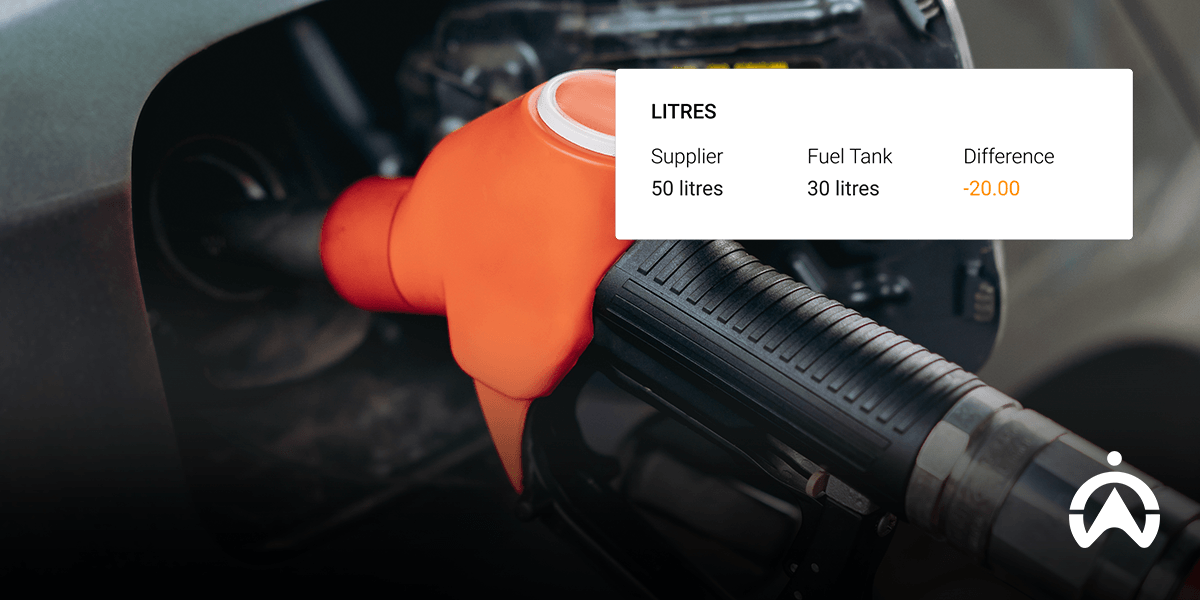
  • Automatic transaction matching: Fuel card transactions work together with the telematics data, comparing the fuel purchased to the vehicle’s actual tank capacity at that exact moment. This way you’ll easily be able to catch any abnormalities.
  • Fuel monitoring: This is done with fuel level sensors that track every drop of fuel in the most accurate way. You’ll get an immediate alert if there’s a sudden drop in fuel. This way, you can spot fuel theft instantly!
  • Route optimisation: When your vehicles are travelling on inefficiently planned routes, they’ll end up wasting more fuel. This is because they’re not using an optimised route to get them to their destination more efficiently. FMS has a route optimisation feature that automatically provides your drivers with the best route possible, saving you time and money.
  • The Cartrack bonus: Our MiFleet cost management tool will automate all the logging of your fuel expenses so you can stop manual receipt capturing and prevent card fraud!

Vehicle loss

Regional security data indicates that vehicle tracking and fleet security remain critical priorities, as transit networks face a consistently high frequency of daily vehicle targeting and theft incidents. This is why it’s important that you have a tracking device from a provider like Cartrack Tanzania with a high recovery rate and an in-house recovery team.

For example, if you have a fleet of 60 trucks, you’re more likely to be a statistic. Tracking devices that are part of a comprehensive fleet management system can save your business hundreds of thousands of rands in the event of theft.

The Cartrack bonus: We have an anti-jamming Cartrack Tag that uses our unique radio frequency so we can track your vehicle even if the signal is blocked on your main tracking unit!

Insurance

How do you bring down the exuberant insurance costs? Having an insurance-approved tracking deviceinstalled in every vehicle in your fleet can play a major role in this. Installing cameras coupled with telematics data will greatly assist with accident claims as well! These tools can bring down the amount of money your business is spending on accidents and insurance.

The Cartrack bonus: Our track record makes us a top choice among insurance companies in Tanzania

Maintenance

An FMS can help you schedule and manage all vehicle maintenance tasks, from daily inspections to a gearbox showing signs of a malfunction. These insights mean your fleet is always in tip-top shape, and when a major repair needs to happen, you will have already known and prepared for it, avoiding a potential accident or unexpected breakdown.

These insights allow you to not only save money but also accurately budget for repairs as well.

The Cartrack bonus: We have custom sensor integrations for specialised machinery that can monitor the equipment. Providing you with data to assess their condition so you can implement preventative maintenance to keep these optimised for use and minimise unexpected breakdowns.

Driver behaviour

With a fleet management system, you can accurately monitor how your drivers are performing on the roads. The telematics device paired with AI-powered cameras allows you to not only have the data to see how your drivers were performing but also the visual data to see what they were doing while driving as well.

The major benefit is that the AI cameras not only immediately alert you as the fleet manager to a driving event, but they also come with instant in-cabin alerts so the driver is able to immediately correct their mistake.

The Cartrack bonus: Our system includes driver scorecards so your drivers are automatically rated on their driving performance, allowing you to individually coach each driver based on problem areas!

Hidden costs

When it comes to all those pesky hidden costs, let’s look at how having Cartrack’s fleet management system can help your budget:

  • Unauthorised vehicle use: Geofences allow you to monitor when a vehicle leaves an area it’s not supposed to. Driver ID tags will only allow authorised drivers to use certain vehicles, and you can see exactly who started a vehicle at any given time.
  • Accidents without evidence: Our AI-powered cameras not only keep an eye on the road so you’ll have evidence for any dispute, but they also keep an eye on the driver for any reckless driving so that you’re able to coach them! This way you’ll save on fake claims as well as fuel and possible accidents from better driving.
  • Compliance penalties: Our driver reports and cameras will provide you with indisputable evidence for any disciplinary cases. And our automated ready logbooks will ensure that you have no issues during tax season.

The Cartrack bonus: Worried about how much you’re spending on lost or damaged stock? Our camera solutions can be placed inside the cargo area to monitor & record every time the door is opened, so you have eyes on your stock anytime anyone is near it!

If you’re ready to have a complete understanding of your fleet’s TCO, then give us a call to see how we can help you save money and budget more effectively!

FAQs

How do you create an efficient budget plan for managing your fleet?

To create an efficient fleet budget, take a data-driven approach. This approach will help to place your expenses into fixed and variable costs, lay out clear operational goals and guide you on how your vehicles are performing and which ones should be replaced or removed.

What is the fastest way to reduce my fleet’s variable budget costs?

The fastest way to reduce your fleet’s variable budget costs is through driver behaviour. When you manage and coach your drivers to drive better, you bring down variable costs drastically. Harsh braking and aggressive speeding both burn more fuel and place more strain on wear & tear parts.

What features should you look for in a fleet management tool?

Look for features that can grow with your business, offer seamless integration with software you already have, and make sure you always have mobile access to important information. Your platform should also give you easy-to-understand route info, GPS pinpoints, and driver behaviour alerts. Beyond these important features, also look for software with fuel management, predictive maintenance scheduling, and automated workflows.

Stop Data Fatigue in Your Trucking Company

You stop data fatigue in your trucking company by consolidating, prioritising, and actioning the information that comes through. This can’t be done with fleet management software that simply feeds you tonnes of information. Use AI-powered systems that make sense of your data so you can actually do something about it.

As connected vehicle and fleet technologies continue to grow, organizations are generating more data than ever before. We’re talking location data, camera footage, vehicle activity, sensor readings, and more. That’s a lot of information—but what are you supposed to do with all that data?

Is it really helpful, or are we just being bombarded with information without the pragmatic tools to TAKE ACTION? Cartrack Tanzania addresses this important question right here, so keep scrolling.

Key Takeaways:

  • Data fatigue is when you get heaps of info about your trucks but don’t have the context to do anything with it
  • It’s a huge problem for fleet managers because it makes it hard to see which issues are actually urgent
  • AI helps by connecting all those different data points so you don’t have to waste time playing detective
  • A good system doesn’t just show you what’s happening; it actually helps you take action to save time and money

What is data fatigue in the trucking industry?

Data fatigue is when your trucking company receives a bunch of data about your drivers & vehicles without giving you context or the ability to take action. It also describes the problem of having disconnected data that isn’t coherent with other data. This leaves you without a “big picture” view of what’s going on or what to do about it.

In short: “Data fatigue is having information without insight.”

If you’re a fleet manager that uses a fleet management system, it’s probably an issue you deal with all the time. There are causes to this problem, and more often than not it’s the fleet management system you’re using.

Types of data that might be confusing you

When we talk about data, what are we referring to? Any information that’s fed from an IoT (Internet of Things) device to your fleet software platform is considered “data”, and it comes in different forms.:

  • Video footage
  • Location points on a map
  • Alerts
  • Vehicle diagnostics
  • Fuel levels
  • Vehicle speed, idling and sudden stops
  • Routes and route deviations
  • Fleet costs
  • Delivery reports like invoices & PODs
  • Vehicle access
  • Points of interest and geofences

These are just SOME of the data points you’re probably dealing with. There are a lot more, and all of it can become too much—or hard to prioritise. This is known as “data fatigue”, and it can be prevented.

Is it time for an upgrade? You decide.

Are you ready to get more out of your FMS? Let’s see if it’s possible.

Truck driver sitting inside a truck cab, illustrating how to stop data fatigue in your trucking company through better fleet visibility and simplified reporting

What causes data fatigue in logistics and what are pragmatic solutions?

Data fatigue can be caused by two things: a fleet management system that’s outdated or unable to interpret the data it collects, or the fleet manager’s inability to make sense of said data. AI has drastically changed the way data is interpreted, making it easier for fleet managers to make better organisational decisions—and provide justification for making them.

Which of the following data fatigue symptoms are you currently struggling with?

Lack of priority

One of the biggest challenges for fleet managers is organising their data so that small problems give way to more urgent ones. A truck driver that’s yawning isn’t as important as another driver that’s taking aggressive corners.

How can you know which one demands your attention more urgently?

The problem?

You’re sitting at your desk getting multiple real-time data feeds showing you where your truck drivers are, and what their respective trucks are doing. There are 36 trucks out at that moment, and 14 of them are sending you alerts.

You’re not sure which alerts are actually urgent and which can be addressed at a later stage. It’s too much, so you focus on a truck that’s idling for too long rather than the guy who’s about to fall asleep at the wheel!

The solution!

You just upgraded to Cartrack’s FMS, which allows you to set alerts according to priority. You’re immediately aware of the truck driver who’s just worked a long shift and needs to stop & rest before he causes a catastrophic accident. The driver that’s idling at a robot needs to be called and told to take a better route, but that can wait for now.

Data points that don’t talk to each other

Coherency is missing in many data-collecting FM systems. And it’s an underrated feature to say the least! Without coherency, all you have is information overload. The human brain can’t easily make connections between multiple data points quickly enough to make a real positive impact on their decision-making.

Do you have a big-picture view of your fleet right now?

The problem?

One screen shows you the location of all your drivers. Another is listing alerts that require your attention. Another is showing you different routes each driver is taking. You even have a dedicated screen showing you live driver footage.

All of this is valuable, but only if it’s connected. You begin to realise that your sole job as a fleet manager is wrecking your brain trying to connect the dots between locations, alerts, driver profiles, and camera footage. It’s all too much, and you end up wasting time.

Oops, you’re so distracted you completely forgot about that truck that needs a service! Guess that means logistical downtime… 3 deliveries will probably be late. Feeling overwhelmed yet?

The solution!

AI can see the connections between all your data points. It’s constantly running algorithms that provide calculated outcomes that are RELEVANT to what needs to be done. Take context, add prioritisation, and you have enough to make a quick decision that saves money, time, and reputation.

Oh and by the way… Don’t worry about that truck that needs a service. Your new FMS from Cartrack scheduled that for you automatically 2 weeks ago. It’s all taken care of.

Data that’s not actionable

Knowing and doing are two different things. Decisions need to be made, and it’s your job to make them. You might be aware of a collision 300 kms away in Dar es Salaam, but what can you realistically do about it from your office in Arusha?

Do you have the tools to protect your drivers and your trucks if something bad happened right now?

The problem?

One of your trucks just broke down on the Trunk road T1. Not the end of the world, but you’re sitting 200 kms away, feeling kind of helpless. You’ll have to call roadside assistance and give them the location of the truck, but you’re not sure if the problem is really that serious—neither is your non-mechanically-minded driver.

Little do you know, it’s nothing more than a corroded battery terminal. Easy to fix, but you just lost thousands on towing, a mechanic, and the downtime caused.

The solution!

You were wise enough to get Cartrack’s add-on roadside and medical assistance. An expert already knew where to find your driver and knew exactly how to temporarily fix the battery problem. The delivery only suffered a 45-minute delay.

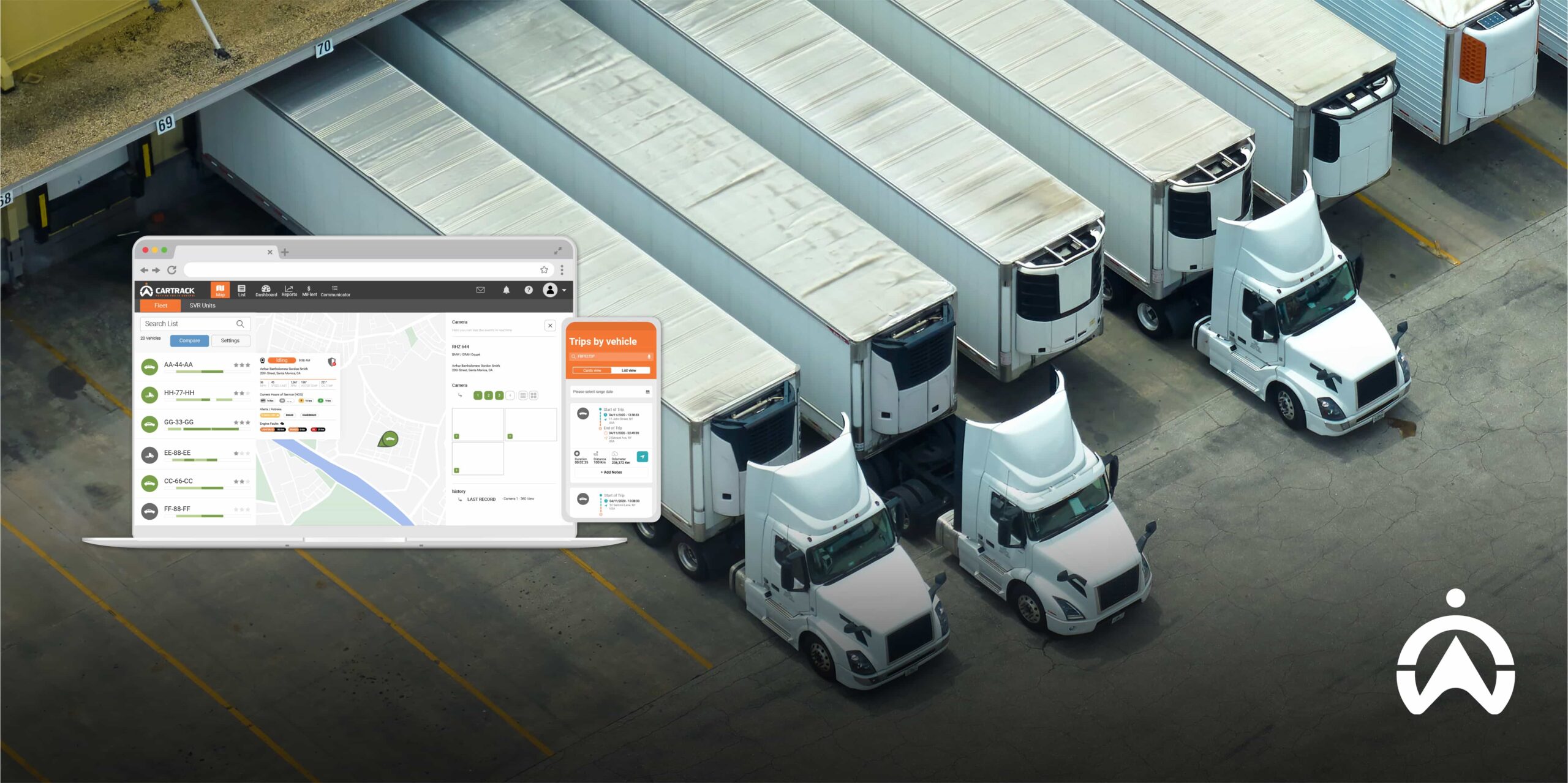
Fleet of semi-trucks with Cartrack vehicle tracking and trip management software, helping stop data fatigue in your trucking company

How should fleet management software remedy data fatigue?

Effective fleet management software will remedy data fatigue by offering a system that’s comprehensible, coherent, and capable. These 3 Cs point to data that’s easy to understand, provides context, and is accompanied by tools that enable immediate action. Older systems that neglect these abilities will fall away as more advanced ones take their place.

Data that’s comprehensible

This has a lot to do with user interface (UI). This is where the data is presented on your screen. Does it make sense? Is it easy to interpret? If it is, you can make a quick decision. If it’s not, you’re actually wasting more time than you’re saving.

Cartrack Tanzania offers a fleet management platform that’s compatible with your phone and PC. Information at your fingertips; 24/7. It’s not showing you irrelevant data—it’s showing you exactly what you need to know in real time, enabling you to make a call right there & then.

Data that’s coherent & connected

Your company spent good money for an FMS that provides different KINDS of data. This could be video footage, location data, driver information, vehicle diagnostics, and even delivery progress.

These points need to work together, or else it’s left to you to make sense of it all. Algorithms run by Cartrack’s AI fleet software will show you what’s URGENT, and what needs to be ACTIONED. Plus, it gives you the tools to take that action immediately.

Why?

Because it’s already made the necessary connections between all those complex data points. All you need to do is make a decision based on the simple-to-read information on your screen.

Data that’s capable of influence

While AI might make some of us apprehensive, it’s actually come a long way to make our lives a lot easier. This is especially true in the realm of fleet management, because AI tools are now automating much of the tasks you did before it arrived.

Not only are Cartrack’s vehicle cameras identifying potential driving hazards, they’re also WARNING drivers of those hazards in real time!

Not only does our software predict your vehicle maintenance needs, it proactively SCHEDULES service appointments for you!

Get the picture? Cartrack is offering you software that TAKES ACTION—because let’s face it; you’re busy enough!

Which FMS in Tanzania provides INSIGHT over information?

If you’ve been paying attention, you already know that Cartrack Tanzania is among the top fleet software management platforms that provide INSIGHT over information.

Is data important? YES! But not as important as context. Real life is happening all the time, and as a fleet manager, you’re responsible for so much.

Get fleet software that’s clear, simple, connected, and leads to action. Anything less is likely hurting your profits, placing your drivers at risk, and causing more problems than it’s solving.

Get an upgrade.

Frequently asked questions about data fatigue in trucking

What can I realistically do if my truck driver is driving recklessly?

If your truck driver is far away and you notice they’re driving recklessly through your telematics system, you can either contact the driver immediately or rely on automated correction. For example: Cartrack Tanzania offers cameras that speak to your drivers with alerts, telling them to correct their behaviour in real time.

How can truck drivers be held accountable for their driving actions?

Truck drivers can and should be held accountable for their driving actions with the help of telematics. This is a combination of vehicle diagnostics that’s coupled with vehicle cameras, giving you a full picture of what they’re doing. If a problem is highlighted, you can use irrefutable evidence in your training sessions to correct bad driving.

How do I protect my trucks from theft and GPS signal jamming?

Protect your trucks from theft and GPS signal jamming with the Cartrack Tag. This intuitive little device acts as a backup tracker for your vehicles because it’s easy to hide, and doesn’t rely on cellular signals to keep your assets visible. So if your tracking device is being jammed, we’ll still be able to track your vehicle.

ECU Tuning in Your Trucks: What Is Another Way to Achieve Fuel Savings?

Fuel is one of the biggest expenses fleets have. And thanks to the current political climate the world is in, the price of diesel has hit a record high. So, it’s only natural that everyone is looking at new ways to save. One of the methods fleet owners are now looking at is ECU (Electronic Control Unit) tuning.

According to a study done by Javad Heydari, “Diesel engines, in particular, benefit from economy maps, often achieving a 5–10% reduction in fuel consumption.” This is quite a huge saving for any fleet. But before you start searching for your nearest vehicle tuning specialist, you need to know what the other pros and cons are, as well as other methods to save fuel.

Did you know: One of the best and simplest methods of saving even more on fuel is through driver behaviour?

Keep reading because the team at Cartrack Tanzania are exploring ECU tuning, driver behaviour and telematics!

Key Takeaways:

  • ECU tuning allows you to unlock more power in your trucks and improve fuel efficiency
  • Remapping your ECU is a huge gamble for a commercial fleet because it can instantly void your vehicle’s warranty and leave you unprotected by your insurance in an accident
  • Good drivers are the best way to save on fuel
  • Telematics offers a risk-free alternative to save on fuel

What is ECU tuning?

Did you know that your car has more potential than it currently delivers? Manufacturers program all of their vehicles to operate at a certain spec, but are you aware that it’s possible for you to unlock all of this hidden potential? That’s where ECU tuning comes in.

The ECU is basically the brain of your vehicle; it controls everything from your ignition timing to your fuel mixing. This ultimately governs the performance of your vehicle.

Most petrol heads want more out of their vehicles, so they’ll get their ECU tuned so their vehicles can reach top speeds and have a faster takeoff & better fuel efficiency.

But what’s an alternative option to save on fuel?

How driver behaviour helps you save on fuel

Did you know that the best way to achieve fuel savings is through improved driver behaviour? It doesn’t matter what you attach to your vehicle or what alterations you make to the engine or software. If you have a heavy-footed driver who loves to speed and take corners like a NASCAR driver, your vehicles are going to burn through fuel no matter what.

As a fleet manager, the best thing you can do to ensure you’re saving fuel is through driver behaviour monitoring and training. So, how do you achieve this?

  • AI-powered cameras: When you install high-quality, AI-powered cameras in your trucks, your drivers are monitored in real-time. If they’re displaying any dangerous driver behaviour, they’ll get an immediate alert (as will you), and they can correct their behaviour instantly.
  • Driver scorecards: These will give you an accurate visual representation of how your drivers are performing on the road. With these, your drivers can see where their faults are, and you can coach each driver individually to improve their driving habits.

The best thing about training your drivers to drive better on the roads is that it lowers your chance of an accident, it reduces the wear & tear of your vehicles, and it’s long-lasting. It’s more realistic for you to save fuel through driver coaching than it is through remapping your vehicle.

Still curious about ECU tuning?

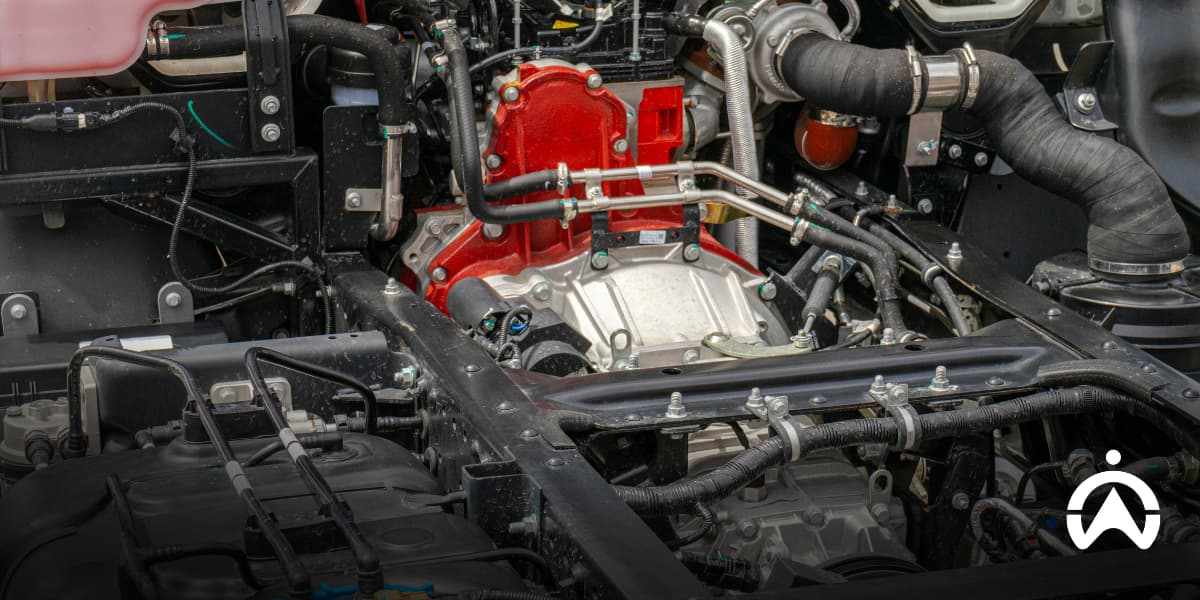
Close-up of a truck engine compartment, illustrating ECU tuning in your trucks for improved engine performance and fuel efficiency

How does ECU tuning improve my fleet?

ECU tuning improves your fleet by optimising the following engine specifications: air-fuel ratio, boost pressure, and ignition timing. Now, unlike the petrol heads who are tuning for speed, businesses are doing this to save money.

Let’s take a look at the benefits of ECU tuning for your fleet.

Reduce fuel consumption

As we’ve already discussed, fuel is one of the biggest expenses in a fleet. Which is why the major benefit of tuning your truck’s engines is to make them more fuel efficient.

Tuning can improve your vehicle’s fuel efficiency by between 5% and 10%. Now, that might not be a major saving, but when you look at this saving across the entirety of your fleet (and over a number of months), it’s quite a significant amount.

Power optimisation

The manufacturer restrictions on your ECU mean your trucks are only allowed to pull a certain amount of power. When you modify your vehicle’s software, you can get better low-end torque and quicker power delivery.

Now your trucks can tow and carry a heavy load much easier. On top of that, each vehicle experiences less strain on the engine when accelerating.

Possible lower maintenance costs

When ECU tuning is done professionally and correctly, it can make your engine run more efficiently. And in doing this, you can create less strain on certain components in your vehicle.

All of this sounds great… but is it legal?

What are the legal aspects around ECU tuning?

While ECU tuning isn’t illegal, there is a bit of a grey zone you need to be aware of. Emission regulations. When you alter your vehicles to perform better, you can inadvertently alter the amount of emissions your vehicles are producing.

Across the globe there are strict regulations around emissions, and when you tune your vehicles and they’re producing higher emissions than permitted, you could be hit with hefty fines.

So make sure you’re using a qualified tuner who understands the laws and regulations around emissions.

What are the risks of ECU tuning?

It’s very important to note that there are some major risks that come with tuning the ECUs in your trucks. You need to fully understand these potential risks to your fleet before you go ahead with the remapping of your trucks. Let’s check them out.

Possible damage to engine

A major risk that comes with ECU tuning is the potential damage it can cause to your engine. When modifications are made to the fuel/air ratio, ignition timing, etc., it can push your engine far beyond its limitations.

This can cause:

  • Overheating
  • Knocking
  • Complete engine failure

To prevent this from happening, make sure that:

  1. you’re using a reputable tuner, and
  2. you’re constantly monitoring and maintaining your engine’s health and performance.

You can void your truck’s warranty

When you tune the ECU you’re essentially messing with the manufacturer’s settings. This can ultimately void your truck’s warranty. So anything that would’ve normally been covered by your warranty will now completely be your responsibility to pay for.

So make sure you completely read through your warranty contract to see what will void it and what won’t, and consider if ECU tuning is worth the risk.

Insurance issues

Insurance providers aren’t fans of modifications to vehicles because these can compromise the integrity of the vehicle. You shouldn’t lie to your insurance provider, so once you inform them about the ECU remapping, they might increase your premiums or possibly refuse to cover you in certain areas.

So you should consider if saving 10% in fuel costs is worth coughing up R500 000 for in an accident.

Increase in wear & tear

When you remap your vehicle to have more power, you inevitably place more strain on other components of the vehicle. Remember the manufacturer settings and limitations are put in place to impose the least amount of strain on wear & tear parts. So when you decide to alter these, you’re affecting the lifespan of these parts.

Parts that can be affected are:

  • Clutch
  • Pistons
  • Fuel injectors
  • Transmission
  • Crankshafts
  • Barings
  • The entire engine

Higher maintenance costs

Because you’re now pushing your engine to work at a higher performance level, you’re more likely to have to do maintenance on your trucks more frequently.

Ultimately, there’s a possibility that the money you’re saving from ECU mapping is likely to be spent on maintenance.

Lowers your chances of resale

Trying to sell your truck after tuning it may be a bigger hassle than you realised. Because you’ve messed with the manufacturer’s settings, you’ve essentially compromised the entire integrity of the truck.

Consequently, you’ve made reselling your truck way more challenging, and you’ll probably have to settle for a lower resale price.

Unreliable performance

One of the greatest risks that comes with ECU tuning is that you don’t have a guarantee that the vehicle is going to perform the way you want it to. You could actually experience an overall reduction in the reliability of your vehicle from the remapping.

So what other route can you take?

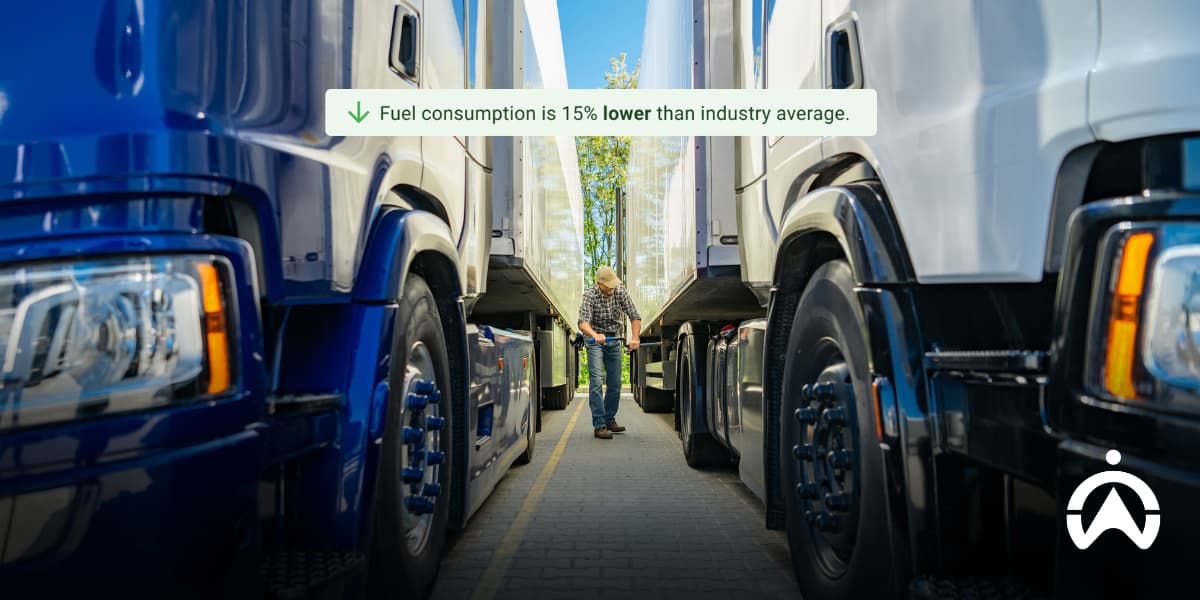
Technician working between parked trucks with fuel-saving message, illustrating ECU tuning in your trucks for improved fuel efficiency and performance

ECU tuning vs. telematics

There’s a more traditional method to saving fuel without voiding your warranty or incurring a list of risks. Telematics. Telematics can’t make your truck run faster, but it can help you save fuel, monitor the health of your trucks, and give you a complete overview of how your fleet is performing overall.

Let’s compare each of them.

How it affects your truck ECU Tuning Telematics
Speed Increases speed No affect on speed
Fuel Improves fuel economy Complete fuel management
Warranty Voids warranty No affect on the warranty
Wear & tear Increased strain on wear & tear parts Improved lifespan on wear & tear parts
Insurance Can cause insurance issues Can lower your insurance premiums
Resale Can affect resale value Can improve resale value
Maintenance Frequent maintenance required Proactive maintenance approach
Performance Improves the performance of the vehicle Improves the performance of the vehicle

It’s clear that the benefits gained from telematics do outshine ECU tuning, but if you want the benefits of all of them, you can implement them both. This way you can save even more fuel, easily monitor vehicle health, and completely improve your vehicle’s performance.

If you’re looking for a reputable telematics provider who can give you more bang for your buck, then speak to one of our specialists today!

FAQs

Can I tune my EV?

It’s possible to tune your EV, but there are a lot of limitations to what can be done. The main reason for this is that EVs are basically controlled through their manufacturer software, which is heavily protected. So without the right code, it’s extremely challenging.

Can I tune my vehicle’s ECU myself?

Technically, yes, you can tune your vehicle yourself. To do it, you’re going to need specialised hardware and software to connect to your vehicle’s OBD-II port and also an understanding of engine mechanics. Remember, if you do it incorrectly, you can completely damage your engine and the performance of your vehicle.

Is ECU tuning permanent?

No, ECU tuning isn’t permanent. If you’re not happy with how the vehicle is performing after being tuned, you can get it back to how it was. But keep in mind that manufacturers can see if the software was ever altered, so your warranty can still be voided even if you return it to its original factory software.

What are 5 Common Mistakes to Avoid When Using a Dashcam?

Dashcams aren’t just devices you go buy at a tech store. They should rather be seen as an (ideally) hardwired vehicle component that is essentially part of your car. Failing to manage footage and memory is another common mistake motorists make, but it all starts with choosing the right dashcam from the get-go.

Dashcams have become increasingly essential for drivers worldwide, with millions installing them to protect themselves on the road. High-profile accidents and severe road incidents frequently prompt motorists to research and invest in these devices, ensuring that any traffic events are accurately recorded for legal and insurance purposes.

But with so many brands available to consumers, which one is best? And what are the mistakes being made by motorists when they finally bite the bullet and make the purchase? Cartrack will highlight 5 common mistakes you could make when using a dashcam and also show you the best way to avoid these mistakes by purchasing the right one.

Key Takeaways:

  • Buying a cheap store-bought camera is the biggest mistake because it leaves you with all the hard work and maintenance
  • If you don’t get a professional to mount your camera, you can end up with messy hanging wires and useless footage
  • Managing your own footage is a massive chore because standard SD cards easily get corrupted and need monthly formatting
  • Sharing your videos on social media to shame other drivers breaks PDPA laws and can land you in serious legal trouble

What are 5 mistakes drivers typically make when using a dashcam?

  1. Purchasing the wrong dashcam in the first place
  2. Mounting the dashcam incorrectly
  3. Not managing their footage efficiently
  4. Being ignorant of “night vision”
  5. Sharing footage prematurely on social media platforms

1 – Buying the wrong dashcam

Arguably, the biggest mistake dashcam users make is in the initial selection process. Dashcams are seen as an accessory for your car; something we just add for continuous recording “just in case” something happens that’s worth capturing.

But dashcams are a bit more complex than people realise. Video footage takes up a lot of data. Imagine capturing every trip on your phone camera! It wouldn’t be long before your gallery ran out of space. And if you were to go over that footage afterwards, you’d quickly realise that much of that footage is painfully boring.

This is basically what store-bought dashcams are: simple cameras that record EVERYTHING about your trip. Not as useful as one might think.

Problems that stem from buying the wrong dashcam:

The 5 mistakes we mention in this article actually stem from this main mistake: CHOOSING THE WRONG DASHCAM to begin with. This will create mounting problems (you’ll likely have to mount it yourself), data management problems (store-bought cameras come with SD cards that require meticulous maintenance), and other challenges.

  • “But they’re so much cheaper.”
    True, but for the purposes of protecting you on the road, store-bought dashcams won’t necessarily do everything you need them to—especially in an emergency.
  • “But I only have to pay for it once.”
    Yes, but a once-off purchase comes with a lot of self-maintenance that will become tedious after some time.

So before you buy your next dashcam, let’s look at how mounting, data management, and safety features can be misunderstood. That way, you’ll make the right choice from the get-go.

2 – Bad mounting

Incorrect camera placement is a common mistake that ultimately renders your dashcam relatively useless. A store-bought dashcam will need to be mounted with wires hanging down to the plug that’s connected to your cigarette lighter.

Definitely NOT ideal!

Problems that stem from mounting your dashcam incorrectly:

Another big mistake is failing to inspect your windscreen beforehand. A crack in the windscreen could distort the footage, and windscreens that are strongly tinted could do the same (although this is less common). Bad footage won’t be useful if you ever need to refer to it for legal or insurance reasons.

  • Some users even make the mistake of mounting the dashcam OUTSIDE of the vehicle, which will cause the camera to suffer damage very quickly.
  • A dashcam mount that disregards power is another common mistake. It might be in the right position, but will it sufficiently charge when your car is switched on?
  • What about the angle? Is it picking up everything you need it to? How will you know how to adjust the camera to the most ideal angle?

Also remember: your car is constantly vibrating. The camera must be securely fixed by a professional, and the wiring should be hardwired to your vehicle in a way where wires are NOT in the way.

Driver adjusting a dash camera inside a vehicle, showing common mistakes to avoid when using a dashcam for proper placement and recording quality

3 – Wasting memory with irrelevant footage

As we mentioned earlier, much of the footage of your dashcam is nothing more than boring travel. This is not the purpose of a dashcam, because all of this footage takes up loads of space (or memory).

Many dashcams out there come with SD cards, which is where all this footage gets stored. But these need to be formatted at least once a month. You can pull footage and save it to your laptop if you want, but you’d have to search for it among hours of video you don’t actually need.

Problems that stem from memory mismanagement:

Not managing your footage correctly results in lost footage, corrupted images, and possibly a damaged SD card. The point of your dashcam is ultimately PROTECTION. If you don’t have clear, observable footage, you can’t use it to prove your innocence or the actions of those you encounter on the road.

4 – Misunderstanding “night vision”

Night vision is a great feature for using your dashcam in limited light. The problem comes in where night vision doesn’t adapt to bright lights and shadows. Night vision causes lights to be blindingly bright, making it impossible to discern shapes, shadows and number plates.

Problems that stem from night vision issues:

You might buy a dashcam because it has night vision (great selling point!), but without wide dynamic range (WDR) technology, the camera won’t adapt to bright lights in real time. This will leave you with indiscernible footage that’s useless for recourse if you experience an event on the road.

5 – Premature sharing of footage

It’s not technically illegal to record other people on the road, but once you share images of other people for the purpose of “naming & shaming”, you’re entering into dangerous territory.

The PDPA (Personal Data Protection Act) prohibits you from sharing recorded footage (where a private person can be easily identified) on public platforms. This includes number plates, faces, names, and other identifiable factors.

Problems that stem from sharing footage against regulations:

People get into a fair amount of legal trouble by sharing the identities of others online. This can open the floodgates of civil litigation where YOU’RE suddenly the one in the wrong!

Other bystanders who aren’t involved in the incident might also be in the footage. Without their consent, you may not share their faces on social media.

Remember: dashcam footage is there to identify someone who did something wrong, but always go to your insurance company first, and then to the police with your evidence. Social media isn’t where private information about other people should be divulged.

How does choosing the right dashcam solve these problems?

Choosing your dashcam from a reputable telematics service providernegates these problems by controlling footage wisely, having the camera installed properly, and guiding you on the correct (and legal) ways to use your footage and camera features. Suppliers like Cartrack Tanzania approach dashcams from a professional viewpoint, giving you everything you need to stay truly protected on the road.

Here’s how:

Cartrack’s solution to low-quality footage

Cartrack solves low-quality footage by always mounting your dashcam PROFESSIONALLY. We also inspect your windscreen for you, and wire your dashcam (typically through your cubbyhole) in a way that hides the DVR box and keeps wires out of the way.

Our dashcams give you high-definition footage, making it clear and easy to refer to when you need it for insurance claims or legal defence. The dashcam is mounted securely, so vehicle vibrations won’t affect the integrity of the device or its components.

Cartrack’s footage management strategy

Data and footage are where Cartrack Tanzania really shines! Instead of having a massive storage of irrelevant footage, Cartrack only stores video that’s based on an event. Our cameras automatically store this footage for 3 years in case you need to refer to it later.

This policy also solves the privacy problem of sharing footage. We’re bound by the PDPA to only share footage for legal or insurance purposes, keeping you safe from misusing that footage and getting into trouble.

If you need to review event footage, we’ll give you access to it—so you only use data when you actually need it. Our cameras do have SD cards for immediate recording, but you’ll never need to format it to keep it in good condition.

Cartrack’s night vision feature

Your Cartrack dashcam will work just as well at night as it does during the day. Our dashcams have WDR technology built in, so it adjusts to lighting and shadows in real time, giving you clear & crisp footage.

Nighttime dashcam view at a quiet intersection, illustrating common mistakes to avoid when using a dashcam for clear video recording and road visibility

What other features work well with a dashcam?

Other features that work WITH your dashcam to give you more safety features include:

  • GPS tracking and anti-jamming technology
  • Accident detection
  • CarWatch (a virtual car guard that detects unauthorised vehicle movement)
  • AI driver & road monitoring
  • 24/7 roadside and medical assistance
  • Cross-border tracking
  • Ignition start prevention

Cartrack top features that work well with dashcams

Where should you get a dashcam?

Avoid these very nuanced dashcam mistakes and keep clear of all the complications that come with mounting, sharing, and data management. Get your dashcam from Cartrack Tanzania and let us do all the heavy lifting for you.

We offer our dashcams on low monthly prices, and installation is FREE! Get yours by contacting us today.

Frequently asked questions about dashcam mistakes

How do I keep my dashcam SD card healthy?

To keep your dashcam’s SD card healthy, format it once per month. File fragmentation tends to happen over time on these cards, which can cause various errors and footage corruption. By formatting once a month, you’ll keep it from overloading with data that continuously overrides old data with new.

Should I turn off the dashcam audio while driving?

No, it’s best not to turn off your dashcam audio while you’re driving. It’s surprisingly helpful to have audio when analysing dashcam footage for legal or insurance purposes. Picking up sounds like hooting or reactions from the driver helps to identify context for the event being analysed.

How private are dashcams?

Yes, dashcams from reputable providers like Cartrack are private. Our policy is to never share your footage without permission unless it’s absolutely necessary for legal or insurance purposes. Cartrack Tanzania is fully compliant with the PDPA, which states that personal information can only be processed if it’s done lawfully and in a reasonable manner that doesn’t infringe on your privacy.

How important are the time & date settings on my dashcam?

The time & date settings on your dashcam are very important, because this ensures accurate timestamps on your footage. The time and date of an incident are critical pieces of information, and having these wrong could bring your legal or insurance claims into question.

Why You Need a Utilities Fleet Management System for All Your Providers of Gas, Water and More

Utilities that provide our cities with gas, water and electricity need a fleet management system to stay on top of which drivers are where, and when they’ve completed a task. These are the services that keep our cities & homes functional, so speed and efficiency are paramount.

Tanzania’s energy supply grew by 11% in 2024, according to research done by Enerdata. This pool of energy is managed by multiple province- and city-run municipality organisations, which means they decide who gets switched on and who gets switched off.

Many of these organisations also works alongside individual gas & water management entities, and road travel is a big part of each one. If you manage one of these entities, pay attention as Cartrack Tanzania explores the need for FMS in utilities.

Key Takeaways:

  • Fleet software keeps utility drivers safe and accountable so that essential services like water and power stay reliable for everyone
  • Smart camera systems and real-time alerts help stop risky habits like speeding or distracted driving before they cause accidents
  • Technology like route optimisation and digital proof of delivery helps teams reach more people faster while avoiding traffic or bad roads
  • Using high-quality tracking and fuel monitoring tools cuts down on big costs and helps utility businesses stay profitable

Why do utilities need fleet software to manage their drivers and fleet?

Utilities should manage their drivers and keep track of their vehicles using software because thousands of people rely on their services for basic home & business needs. Because road travel can prove precarious at times, keeping drivers safe, on time, and accountable is how risks are managed and service is maintained.

The “fleets” you see servicing communities (like maintenance trucks for water & power or rubbish collection vehicles) are a mix of government-owned and privately managed services.

How does this work? While the responsibility for the service lies with the provincial government, the active management of vehicles is mostly outsourced to private specialists.

This means that each individual area within a country is affected by how efficient those fleets are. If a utilities fleet is badly run, the residents of that city or town will suffer as a result.

Risky business: How utility providers manage unique industry risks

Utility providers can protect their drivers through regular coaching, vehicle camera systems, and a proactive maintenance strategy. It’s also important to protect each vehicle too, because your drivers rely on these vehicles to get from point A to point B safely.

More importantly, residents need to be protected. Utility workers are performing tasks that could cause explosions (gas), electrocution or fire (electricity) or even flooding (water). With fleet management software you can control your fleet better and manage these risks to better prevent them.

Safety culture

Utility workers do the same job day in and day out. This can breed complacency, which is a hotbed for incidents. Managing your fleet beyond just its vehicles helps you create a safety culture that keeps your workers accountable.

It’s not just about your drivers—it’s about ALL your workers.

This is never more true than in situations where your utility workers are in high-risk areas. This is when they and you need to be on high alert.

Fleet management software comes with handy tools like geo-fencing which alerts you to those times when these high-risk visits are actually happening—helping you prioritise your attention. It also comes with panic buttons so that your workers can urgently alert you to a crisis if one happens—helping you to react fast to mitigate disaster.

Driver behaviour

Drivers can be their own worst enemies sometimes. Accidents in fleets are often caused by distracted driving, cellphone use, or speeding. Time to take control! Minimise these habits and you’ll have a significant effect on the common risks drivers face. You’ll also keep the residents you serve safe from fire hazards, gas explosions and flooding from burst water pipes.

How?

  • Camera setups for vehicles integrate well with coaching systems. Having both lets you train your drivers with FOCUS. It removes doubt about where your drivers are struggling and gives you indisputable footage that you can use to adjust risky driver habits.
  • CAN bus integration reads important diagnostics about your vehicles in real-time, allowing you to set up alerts when drivers are speeding or get into a collision. CAN bus also reads real-time power-related actions of other equipment like cranes, lifts and pumps, which are right there in the midst of the most dangerous areas.

Whether you choose one of these or both, you’ll get valuable, high-quality data to keep your drivers on the straight & narrow.

Truck driver operating a utility vehicle, illustrating how a utilities fleet management system improves fleet visibility and driver monitoring

Third-party and other incidents

What about everyone else on the road? Your drivers are at risk every day due to the bad driving of others—not to mention damaged roads, unexpected obstacles, and extreme weather conditions.

  • For third-party risks: Vehicle camera systems keep others accountable when they surround or encounter your utility drivers. Not just on the road, but while they’re working too.
  • For damaged roads and obstacles: Route optimisation software can help your drivers avoid bad routes by instantly redirecting them to safer, quicker ones.
  • For extreme weather: Emergency roadside and medical assistance is available for those who want to safeguard their drivers against weather-related accidents or breakdowns.

Vehicle protection

The vehicles are what carry your utility service deliverers. If driver safety comes first, vehicle safety is a close second. But is tracking enough these days? Thieves are wisening up to tracking devices and using jammers to scramble their signal.

As usual, Cartrack is one step ahead. We use hardwired tracking devicesAND offer the Cartrack Tag as a backup if your regular device gets jammed.

If you really want to upgrade the security of your utility vehicles, consider our freely installed cameras that record everything that happens in and/or around your vehicle. Vandalism, theft, or hijackings—our cameras pick up everything!

The service delivery bridge: Satisfying residents

At the heart of fleet management for utilities is a focus on service delivery. Unlike most fleets, utility fleets keep the wheels turning for residents & businesses, placing high importance on speed, scheduling, and proof-of-service. Can FMS meet the challenge? Yes—and more.

Priority scheduling

When it comes to turning someone’s water back on or delivering a canister of gas before nighttime supper, priority plays a role. In utilities, certain tasks are more important than others, which is why scheduling is so important.

Cartrack’s workforce optimisation appboosts your utility service productivity by automating task assignment and optimising the workflows of your technicians. It does this using AI-powered algorithms that prioritise some jobs over others based on your managerial discretion.

Getting there FAST

Good service means speedy arrivals. Part of what Cartrack’s workforce optimisation software does is provide you with optimised routes so your drivers bypass traffic, damaged roads, and long routes. Residents and business owners will appreciate your dedication to quick utility fixes like switching on their power or getting their water turned back on.

Completing tasks

When one of your technicians finishes their task, you have to rely on their word. So does the resident. This can often lead to disputes that are nuanced in various ways. But when you have conclusive evidence of a job being completed, disputes become much easier to resolve.

For utility companies, this saves time & money, enabling your team to complete more tasks per day. Whether it’s a digital photo, an electronic signature, or a digital copy of a document, tasks flow more seamlessly when you have a system that WORKS.

Manager using the Cartrack fleet management system with live vehicle tracking and trip data for utility fleet operations

It’s still a business: Keeping profit margins high

At the end of the day, a utilities company needs to turn a profit. It’s a business after all, and money keeps things running—not just for the business, but for the town or city being served as well. To keep profit margins high, using a fleet management system is being regarded as a necessity rather than a luxury.

Why pay for something unless it’s delivering a decent ROI? Let’s find out how FMS safeguards your profits.

Negotiating insurance

Every vehicle in your utilities fleet needs to be insured. This is one of the biggest overheads you’ll have, and risk profiles affect just how big it ends up being. You may not know this, but insurance companies LOVE high-security features on your vehicles. They lower your risk profile and make disputes easy to resolve.

Adding alert systems, vehicle cameras and tracking devices to your vehicles gives you the leverage to negotiate your insurance premiums. And let’s be frank: every rand you can save makes a difference to your annual profit over time.

More service… higher profits

A good FMS should be designed to help your team service more residents. Through route optimisation, task completion evidence and fuel savings, your team can reach more people in less time. Your productivity goes up, and invariably, so do your profits.

Fuel cost management

Fuel is where you should see the biggest savings. Some fleet companies that use Cartrack report up to 24% savings on their fuel overheads. Why shouldn’t utilities companies enjoy similar results? Your vehicles are on the road A LOT, so every small adjustment you make adds up.

What’s the best fleet management software for utility fleets?

When it comes to features that fit the daily operations of utility fleets, Cartrack emerges as a solid fleet management service provider. Our security features are layered, and you get to choose which ones you want without paying for ones you don’t use.

It’s also worth looking at a solution that helps your fleet operate seamlessly, because this means better safety, higher profits, and a good reputation that just keeps developing over time.

Talk to our consultants about what you need, and we’ll discuss a range of features that will keep your utility fleet flowing, keeping your area of residents supplied and satisfied.

Frequently asked questions about utilities fleet management systems

How do utility fleets differ from other fleets?

Utility fleets differ from other fleets in that they’re an essential service rather than a luxury or commercial service. Their vehicles are often on the road more often than those of other fleets, and they must regularly operate and function well in rural areas.

How do my technicians provide proof of job completion?

Technicians can record proof of a completed job by either recording a digital signature or taking a screenshot of a signed document. They can also take mobile pictures of a completed task (like a switch or a fixed water pipe) and these will be kept on the FMS system if it needs to be referred to later.

Can FMS be used to notify residents of impending water or power disruptions?

Cartrack’s FMS can’t be used to notify a large area of people about water or power disruptions. It can notify individual residents of scheduled tasks who may have called or emailed about a problem and provided their details, but this is rare. In utilities, FMS is mostly used to simply increase efficiency.

Wireless vs Wired Dashcams: Which One Should You Choose?

When it comes to wireless vs wired dashcams, the one you should choose totally depends on what you expect from your camera safety solution. If you want something straightforward that’s without too many bells and whistles, a wireless option might work. But if you’re looking for higher quality and telematics features, then the wired choice is definitely it.

Wireless dashcam setups are still dominating the global market, making up a whopping 60% of global sales.Many everyday motorists are continuing to be attracted to the easy, DIY, and quick configurations, although some are becoming attuned to more durable, premium options.

On the other hand, hardwired cameras for fleet systems are flourishing at a10.7% annual growth rate. Fleet managers have long ditched the wireless options and recognise the safety of high-end, insight-driven hardwired choices.

Let Cartrack Tanzania make the decision easy for you. Keep reading to find out more about each camera category and what we have available!

Key Takeaways:

  • Wired dashcams are much more reliable than wireless versions because they plug directly into the car battery for an uninterrupted power supply and offer more features
  • Wireless dashcams are easy to install, but they usually run on batteries that only last for a few hours before needing a recharge
  • Hardwired cameras can connect with live tracking and vehicle sensors to give fleet managers deeper insights into vehicle and driver behaviour
  • High-tech camera systems, like Cartrack’s, offer advanced features like AI monitors to alert drivers the moment they show signs of fatigue or distraction

Which is the best option: a wireless or a wired dashcam?

Generally speaking, whether a wireless or wired dashcam is better actually depends on what you’re looking for and the role your dashcam will play. But it’s also widely known that wired dashcams are the better choice. They offer far more features and benefits, like high-quality recordings, better battery life, and telematics capabilities.

Let’s look more at each dashcam category:

What are wired and wireless dashcams?

Wired and wireless dashcams are dashcams that have the same core function—mounted in-car recording devices—but are connected differently. As their categories suggest, one is hardwired to the car battery, and the other is connected a bit differently.

But no dashcam is 100% wireless in its connection.

Wired devices are typically connected to the vehicle’s battery, giving them uninterrupted power. On the other hand, it’s rare that wireless devices have no cord at all; they’re usually connected via the 12V (cigarette lighter) socket. ‘Wireless’ is more in reference to how the video data is transferred, like using Wi-Fi or Bluetooth.

Some wireless hardware designs, especially if battery-powered, will allow you to use them without the wires connected, although they’ll only last for a few hours before needing to be recharged.

What does installation look like?

  • Wired dashcams are usually (and should preferably be) installed professionally. The dashcam will be mounted according to the best non-obstructive position(s) and connected directly to the vehicle’s electrical system or fuse box. The wires and cables are carefully tucked behind the windscreen frame and other structural seals.
  • Wireless dashcams are typically mounted according to the best non-obstructive position(s) and are suctioned or clipped in place. The dashcam is either connected to the car’s 12V socket or runs on a battery. Most wireless cams need an accompanying app, so you’ll need to download that. Pair the devices and begin recording.

How do each of their systems work?

  • Wired dashcams are powered by the vehicle itself. They’re incredibly strong in their design, usually maintaining integrity during harsh weather conditions and collisions. Recordings are saved on SD cards and looped when necessary, with some designs accommodating bystander or parking mode. Wired cams typically integrate elements like telematics and GPS tracking too.
  • Wireless dashcams are powered by a 12V socket. It connects via Wi-Fi or Bluetooth, which then communicates with your phone (and the connecting app). You can manually view and download footage via the app.

Passengers sitting inside a car with clear cabin visibility, illustrating the difference between wireless vs wired dashcams for in-vehicle monitoring

Is wired more reliable than wireless?

Yes, wired is typically more reliable than wireless.

There’s an uninterrupted source of power and, without the need for rechargeable energy, there’s far less risk of a fire hazard occurring (due to swelling batteries, etc.). Wired cams are usually cellular-network-equipped, meaning they don’t have to connect to Wi-Fi or Bluetooth, or potentially face signal interference.

Some wired cams also support bystander or parking mode, adding to the security and safety levels. Yes, it’s likely that it’ll cost more than a wireless cam, but the pros heavily outweigh the cons.

If you’re looking for absolute security, long-term reliability, full telematics, and a clean, professional finish to your installation, a wired option is your best bet.

What are the real-world advantages of each dashcam category?

PICTURE THIS:

You’re managing a fleet where you need to equip 60 delivery vans with dashcams before the holiday rush. At first, you strongly consider the wireless dashcams for their easy installation and flexibility. But considering the long-distance routes, you recognise that a consistent power source is non-negotiable.

If footage is lost during an incident or accident, this could mean serious financial and legal headaches for all involved.

Realising this, you decide you’d rather go for the wired dashcams and use them in your dedicated fleet, while reserving the wireless ones for contractors or rentals.

This combo offers the flexibility you’re looking for without sacrificing reliability when it counts.

wired vs wireless dashcams

As you can see, both of these options play a pivotal role depending on the context of your need. While wireless is all about flexibility and ease, wired is strong and massively dependable for businesses.

So what exactly are the benefits of each?

  • Wired:
    • Continuous power source (potentially with parking mode to record while your car is parked or the ignition is off)
    • The ability to record various angles through one setup (multi-camera systems)
    • Improvement in driver performance and safety through keeping drivers accountable. Dashcam footage can also be used to coach drivers if they’re reoffending
    • Maximised durability, which ensures that strong video quality is consistently present
    • Night vision/infrared capabilities, which are especially important for night-shift long-haul drivers and e-hailing fleets
    • High-quality resolution
  • Wireless:
    • Installation is simple and DIY-friendly
    • Flexibility & portability are the ideal features—especially if dealing with a rented vehicle or using one device between many family members
    • Clean, clutter-free finish (which links back to simple installation)

Both provide defence against incidents and potential false claims. These dashcams also have the potential to reduce insurance premiums, as many insurers favour everyday drivers and fleet companies who go the extra mile to protect themselves and their vehicles.

What dashcam and camera solutions does Cartrack Tanzania offer you?

The dashcam and camera solutions that Cartrack offers you are five core solutions: Road Vision, Dual Vision, Multi Vision, AI Dash Pro, and AI Multi Vision. Whether you’ve got a complex fleet or you just want to protect your beloved car, we’ve got the perfect solution for you.

We don’t offer wireless cameras, and all our core options are hardwired, guaranteeing far better quality and additional features to keep you, your family, or your fleet completely protected.

Here’s a breakdown on what YOU can expect:

Road Vision

Road vision is a single, road-facing camera. Our everyday drivers and small businesses love this option because it’s a simple solution to safety needs, providing accident evidence and helping consumers handle insurance claims more quickly.

This device offers:

  • Telematics features
  • 128 GB of storage (approximately 72 hours)
  • Live streaming & recording capabilities

Dual Vision

Dual Vision is a dual-camera system that’s both road-facing and cabin-facing. This is another winning solution for small businesses and the everyday driver. It works well for accident and insurance claims, adds an extra layer of security, and encourages drivers to behave safely & responsibly on the road.

The in-cabin monitoring keeps drivers on their toes!

Dual offers:

  • Telematics features
  • 256 GB of storage (approximately 194 hours)
  • Live streaming & recording capabilities

Multi Vision

Multi Vision has up to 4 cameras: road, cabin, internal, and external-facing. This solution is an entry into the big leagues, catering to larger-scale businesses like logistics and delivery. Larger fleets tend to require more visibility, especially when cargo is involved.

There’s greater operational oversight in addition to stronger security, and you and your drivers can keep an eye on the blind spots.

Multi Visionoffers:

  • Telematics features
  • Various hardware options for you to choose from (i.e., external side and rear cameras, dashcam dual cameras, dashmount road-facing cameras, etc.)
  • 256 GB of storage (approximately 194 hours)
  • Live streaming & recording capabilities

AI Dash Pro

AI Dash Pro is a dual-camera system that’s both road-facing and cabin-facing. It has an additional 2 camera channels and the option to add an extra camera to places like your fuel tank, cargo area, etc.

Most importantly, it has AI capabilities that help monitor driver behaviour and record events, such as fatigue, distraction, and smoking.

This is the perfect solution for businesses that have large, complex fleets that prioritise total visibility and safety. The AI event recording also makes it far easier for you to monitor your drivers, allowing you to implement driver coaching when necessary and prevent costly downtime.

The AI Dash Pro offers:

  • Telematics features
  • 512 GB of storage (approximately 100 hours)
  • In-cabin calling
  • AI capabilities to track disruptive driving events
  • Infrared for the cabin-facing camera
  • Live streaming & recording capabilities

NEW ADD-ONS to consider:

The Seat Vibrator is available as a feature to combat fatigue and distraction. The device sits under the seat, giving the driver a gentle “jolt” to remind them to stay focused or take a quick break from driving.

A small AI monitor for drivers can be included, so they’re visually alerted to the triggered event (sometimes, event audio alerts are missed). Here, the cargo door sensor can also be linked.

AI Multi Vision

AI Multi Vision has up to 8 cameras that are road-, cabin-, internal-, and external-facing. This is the ideal solution for large, complex fleets that are carrying high-risk cargo. Basically, if you’re looking for airtight security, complete visibility, and stronger compliance, this is the option for you.

AI Multi Vision offers:

  • Telematics features
  • Numerous hardware options (i.e., external side and rear cameras, dashcam dual cameras, dashmount road-facing cameras, etc.)
  • 1TB (approximately 291 hours) of storage
  • AI capabilities to track disruptive driving events
  • High-quality live streaming & recording capabilities

NEW ADD-ONS to consider:

The Seat Vibrator and the small AI monitor, as previously mentioned under AI Dash Pro.

Final takeaway: Blind spots are bad for business!

Simple and easy might seem like the most attractive choice, but going the extra mile can truly seal in your vehicle security. Do you want the ease of wireless cams that show you the action, but overlook the bigger picture? Or are you looking for effortless, uninterrupted, advanced, and airtight protection that wired cams can bring you?

This is where Cartrack Tanzania steps in.

Partner with us to ensure you’re always connected and always protected. With us, and the help of our sophisticated camera solutions, you know you can always account for the truth.

Ditch the messy wires. Forget the dead batteries. Just focus on the real protection.Call us todayand get a complete, professionally installed camera solution!

Frequently asked questions about wired and wireless dashcams

Does your insurance go down if you have a dashcam?

Yes, your insurance can go down if you have a dashcam, but it’s not always guaranteed. Insurers are typically in favour of drivers with dashcams because it means they’ve taken the extra step to protect their vehicle (and themselves). This also potentially makes the claims process much easier, thanks to the readily available evidence.

Do you really need a 4K dashcam?

No, you don’t really need a 4K dashcam for basic security, although higher video quality is generally recommended. When you have clearer streaming and recording, your dashcam is likely to pick up on more important details in an incident, like a driver’s number plate or something that occurs in low light. Overall, better detail means greater protection.

How long does 128 GB take to eat up for a dashcam?

It ultimately depends on the dashcam quality, so it can take anywhere between 10 and 24 hours. The 10-hour recording time is what’s typical of a 2K or 1440p resolution recording. Ultimately, the higher the camera quality, the less recording space you’ll have on the SD card.

Should I unplug my dashcam at night?

No, it’s not really necessary for you to unplug your dashcam at night. But you might want to consider unplugging it if:

  • You’re not really driving your car for a while, and it’s stationary in an enclosed environment
  • You feel that having a visible dashboard attracts criminals more than it deters them
  • You’re trying to preserve your car battery

Road Rage: How to Protect Yourself, Your Fleet and Your Drivers

Everyone gets annoyed on the road. It’s one thing to get annoyed by someone overtaking you, but it’s another to rudely or even violently retaliate. This is road rage, labelled “one of the biggest killers”. As common as it is, it shouldn’t be your reality.

There are steps you can take to prevent, avoid and deal with road rage. For fleet managers, the solution to protecting your fleet and drivers is a fleet management system from Cartrack Tanzania.

In this article, you will:

  • Fleet operations depend on keeping drivers safe – especially since road rage sparks countless violent incidents annually
  • Staying calm can defuse a tense moment with an angry driver
  • If something happens on the road, AI cameras inside vehicles quietly record what really happened
  • Stay calm and change your mindset; your life isn’t worth being right

What is road rage?

‘Road rage’ is a term used to describe aggressive and sometimes violent road behaviour that’s often caused by reckless driving. Things that can trigger road rage include:

  • Speeding
  • Tailgating
  • Running a red light
  • Changing lanes without indicating
  • Harsh weather conditions
  • Traffic congestion

This less-than-friendly behaviour is more than just a feeling of frustration or a mean look, as it is displayed in different forms, including:

  • Yelling at other drivers
  • Making vulgar gestures
  • Physical violence

These behaviours endanger the lives of those involved and other road users. But just how common is it on Tanzanian roads? Let’s see what the stats say.

Road rage stats

While road rage includes yelling and vulgar gestures, it can escalate into more violent behaviour that turns into potentially dangerous, life-threatening events. Let’s take a look at just how severe it can get:

Official crime statistics indicate that road rage, arguments, and minor provocations on the road are responsible for thousands of violent incidents, including murders, attempted murders, and severe physical assaults.th grievous bodily harm.

Looking at these stats, we can easily see how serious of an issue road rage is. But what exactly causes road rage? Let’s take a look.

What exactly causes road rage?

Driving recklessly, slowly or inconsiderately is usually met with an aggressive response from other drivers, aka, road rage. Factors like traffic, tailgating, driving while using the phone, weather conditions, aggressive driving and driving slowly are all quite common causes of road rage.

  1. Traffic jams:
    When you’re stuck in bumper-to-bumper traffic and you’re already running late, it can cause you to drive recklessly in an attempt to get to your destination on time. However, all this does is make you and other drivers frustrated and annoyed, triggering road rage.

    Look at Ayana, for instance; she’s about to miss a very important meeting because of traffic. So now she’s becoming impatient and starting to hoot, flash her lights and shout at other drivers to move out of her way and to move faster.

  2. Weather conditions:
    Driving is already quite a stressful task. Add harsh weather conditions, and now it’s basically an extreme sport. When you’re feeling extremely stressed and nervous on the road, other drivers driving recklessly can cause you to be more agitated than usual.

    Now look at Brent, who’s caught in a severe rainstorm. Even though he’s making sure to drive cautiously and follow all the rules of the road, the person behind him is driving recklessly, overtakes him and causes him to brake harshly. Now Brent is upset and starts aggressively hooting and shouting at the other driver.

  3. Aggressive driving:
    Aggressive driving is one of the most common causes of road rage. When someone is tailgating or brake-checking you, it can easily make you feel frustrated or angry, causing you to retaliate.

    Winston is speeding and tailgaiting anyone in front of him. Now this is causing other drivers to become angry at him and potentially react in a negative way.

This shows us that road rage is usually triggered by feeling unsafe and being inconvenienced while driving. Here’s what you can do to ensure that these actions don’t lead to road rage. What we can see from this is that road rage is usually provoked by feeling unsafe and being inconvenienced while driving. Here’s what you can do to ensure that these actions don’t lead to road rage.

What_are_some_common_causes_of_road_rage

7 Pro tips for avoiding road rage

Feeling frustrated on the road is normal, especially when you have somewhere to be or have had a long & draining day. Preventing road rage is impossible because you can’t control the next person, but you can take certain steps to avoid it yourself. Let’s check out 7 tips to help you avoid road rage.

  1. Drive safely:
    Cutting off drivers, driving in and out of lanes, and forcing yourself in front of another vehicle with the nose of your vehicle are irresponsible driving behaviours that trigger road rage.
  2. Avoid unnecessary speeding:
    Did you know that tailgating increases the risk of being in a car crash compared to safe driving habits? This is because it makes you look impatient, a common trigger for road rage.
  3. Avoid speeding:
    You should try to avoid speeding when possible. We all want to get to our destination but when you speed, especially when the weather is less than ideal, you’re putting your life and the lives of others at risk. And that’s exactly why it can lead to road rage, because your actions are risking everyone else on the road.
  4. Plan your journeys:
    Delays and running late all cause you to behave more irrationally on the road. It’s recommended to plan your trips in advance so you’ll have extra time for possible delays, and you’re more likely to stay calm while you’re driving.
  5. Don’t interact with angry drivers:
    STOP! Don’t pull that finger out to respond to that irate driver in his brand-new bakkie. Rather ignore him and get away from the situation as quickly and safely as possible.
  6. Don’t drink and drive:
    Alcohol makes you irritable and short-tempered.This means it will make you more likely to behave aggressively behind the wheel, increasing the risk of road rage.
  7. Watch out for the “L”:
    You have to be patient with learner drivers. They’re most likely not going to drive fast, as they’re already anxious on the road, and if you’re impatient, it can cause unnecessary road rage.

And even though these may not entirely protect you from experiencing road rage, they can significantly lower the chances of it affecting you.

But what if you’re the one having road rage?

What if you are the one exhibiting road rage?

When you’re on the receiving end of road rage, it simply requires you to disengage. But what do you do if you’re the one that’s exhibiting road rage? Let’s check out a few tips that can be helpful to you:

  • Take a deep breath:
    Road rage increases tension in your body, which simple breathing exercises can help relieve. This is because the more oxygen your blood has, the easier it is to calm down, so when you feel yourself about to have road rage, take a few deep breaths.
  • Stay in your lane:
    Rather, stay focused on your journey instead of reacting to other drivers being reckless. When you let what other drivers do affect you, it’s easy to get upset and escalate the situation and make it take a potentially dangerous turn.
  • Think before you speak:
    We’ve all seen or heard about the recent road rage incident that ended up with one person dead, one on trial and another in hospital. Think before reacting. Is your life worth fighting with someone who cut you off?

But what if you have a fleet? How do you stop your drivers from being involved in road rage incidents, and can you prevent road rage? Let’s find out.

What is a fleet management system?

Afleet management system helps you keep track of driver activities, ranging from where they are in real-time to whether they’re practising safe driving. Think of an FMS as your eyes and ears, from anywhere, anytime, at the tap of a screen.

But what role does it play in reducing road rage?

How does a fleet management system prevent road rage?

A fleet management system can help you prevent road rage in its ability to promote safer driving practices. Curious as to how? Let’s show you exactly how next-level technology does this:

  1. Driver behaviour monitoring:
    The root of road rage is dangerous driver behaviour. If you’re managing or are responsible for multiple vehicles, you can’t be in the passenger seat of each of them at all times to monitor driver behaviour. This is where a fleet management system comes in, providing you with solutions that help you detect and prevent harsh driver behaviour.
  2. Recorded video footage:
    Road rage can lead to costly accidents, and in the unfortunate event that this does happen and your drivers aren’t at fault, you can use recorded footage to help prove their innocence. Having access to the exact footage you need helps you defend your drivers from any false claims to support exoneration.
  3. Real-time analytics:
    Road rage can quickly spiral into a potentially dangerous accident. Should this happen and your drivers not be responsible for it, a fleet management system can help you see exactly where your drivers were and how they drove. This protects your drivers from false claims and legal costs you may incur due to road accidents.
  4. Route optimisation:
    As we looked at earlier, traffic congestion is one of the major causes of road rage. When your drivers are short on time and a delivery is about to be late, tension begins to rise, which can lead them to drive dangerously.

    Our route optimisation feature looks at all the tasks your drivers need to complete and finds the best order to complete them in the most efficient, time-saving way. With a tool like this, your drivers are less likely to end up in situations that may lead to road rage and dangerous driving.

  5. Advanced Driver Assistance Systems:
    We’ve established that tailgating is another major cause of road rage, and fleet management tools can help eliminate this too. This system makes use of smart technology to inform drivers of any obstacles or vehicles they’re tailgating.

Sounds incredible, right? We have the key to activating these benefits for your fleet; it’s Cartrack’s world-class fleet management system.

What_if_you_are_the_one_exhibiting_road_rage

Keep your fleet road-rage-free with Cartrack Tanzania

If you’re tired of road rage running rampant in your fleet, you need a fleet management system, and who better to give this to you than Cartrack Tanzania? Let’s see what features make us the ideal choice for your fleet:

AI Live Vision cameras

Bid farewell to distracted and dangerous driving with Cartrack’s AI Live Vision cameras. Powered by artificial intelligence (AI), this cloud-connected management solution uses in-cabin cameras to continuously monitor driver behaviour. This enables it to detect different forms of distracted driving, including:

  • Cellphone use
  • Smoking
  • Yawning and other telltale signs of fatigue

But this solution does more than just monitor the behaviour; it also triggers in-cabin audible alerts, immediately notifying your drivers and allowing them to correct their behaviour in real-time. Distracted driving plays a massive role in road rage, and our high-tech solution helps eliminate it.

ADAS

Keep your drivers completely aware of their surroundings with our Advanced Driver Assistance System. Powered by camera-based sensors, intelligent algorithms, and AI, ADAS takes a preventative approach to driver safety. One way it does this is by monitoring the distance between vehicles to help your drivers maintain a safe following distance.

By providing your drivers with real-time alerts when they drive dangerously close to another vehicle, this system can help prevent tailgating, a major contributing factor to road rage.

Driver scorecards

Monitor individual driver behaviour with our driver scorecards. These offer comprehensive ways to evaluate driver performance in great detail and rate each driver on how safely they drive. By monitoring high-risk behaviours that can lead to road rage in your drivers, you can provide specific training to improve driver behaviour behind the wheel, subsequently decreasing the risk of road rage.

These behaviours include:

  • Frequent and unnecessary speeding
  • Harsh braking and cornering
  • Aggressive acceleration

Route optimisation with Cartrack Delivery

Looking to simplify and automate your delivery solutions? Then get the most efficient routes with Cartrack’s Delivery solution. If your business has a fleet dedicated to delivering goods, you understand the implications of late deliveries on your brand’s reputation and its effect on productivity.

When your drivers are running late, it can cause them to behave irresponsibly on the road so that they can still make their delivery deadlines. This means they’re going to be speeding, turning harshly, or ignoring road signs. These actions can trigger road rage in other motorists.

Now with our Delivery app, you can put a stop to this. It will identify the most efficient order and routes so your team are ableto complete all of their delivery tasks. Helping you keep your delivery operations running on time with little to no delays.

Real-time GPS tracking

Even if you’re not managing a fleet, you can still rely on Cartrack’s technology to help you avoid road rage by gaining total visibility of your vehicle with Cartrack’s live GPS tracking.

Our GPS tracking software does more than simply track your vehicle. It gives you access to your trip history with a route replay function, helping you to easily spot patterns of risky driving. With this information, you can then pinpoint actions that trigger road rage. This way you can stay safe and responsible on the road.

These solutions give your drivers ultimate road rage protection by helping foster a culture of safety and responsible driving. Let’s see what the experts have to say about this and what other tips they can give you for your operation.

Some tips from the fleet experts themselves

Although you have a fleet management system, it doesn’t take away from your general responsibilities as a motorist to be as safe as possible on the road. We’ve got your back, though, because we’re bringing you some road rage tips from one of our experienced Cartrack branch managers:

  • Always leave for your destination early. By allowing for enough travel time that takes traffic and other delays into account, you can keep calm knowing there’s no need to rush.
  • Plan your routes. By knowing exactly which route you’ll be taking, you can avoid any delays that can trigger road rage.
  • Play your favourite music, as this can help you remain calm.
  • Always remain calm and courteous, and don’t get provoked when you encounter drivers with road rage. Allow them to pass and avoid eye contact.
  • When you encounter a road rage incident, do not sound your horn, flash your lights, or start gesturing.
  • If you are a victim of road rage and want to report the matter to the Tanzania Police Force (TPF), record the aggressor registration and the location of the incident.

Safeguard your fleet and its drivers from road rage with Cartrack’s solutions

With a wide range of solutions to tackle nearly every cause of road rage, Cartrack Tanzania is just what the road rage doctor ordered for your fleet safety needs. Contact us todayand make road rage a thing of the past.

FAQs

What is the fleet manager’s legal liability if a driver is the aggressor?

If your driver is the aggressor on the road, as the fleet manager, you can be legally held responsible for your employee’s behaviour. It’s trite law that an employer will be vicariously liable for negligent acts of their employee(s) in the case of them acting in a reckless manner during the course of their employment.

Does a history of “harsh driving” alerts affect insurance premiums even if no accident occurs?

Yes, some insurance providers provide usage-based insurance. This means they don’t wait for an accident to happen to adjust your rates; they look at the probability of one occurring. This is why it’s important to have telematics in your fleet so you can provide fleet management data to prove that your drivers are well behaved on the roads.

What is the “Post-Incident Protocol” for a driver who has been a victim of violence?

When a driver has been a victim of violence, the “Post-Incident Protocol” requires you to shift from monitoring to support & evidence gathering. It should include:

  • Safety instructions for your driver
  • Immediate reporting to Tanzania Police Force (TPF)
  • Pulling camera footage for evidence and details
  • Providing support and counselling for your driver
  • Ensuring that a formal case is opened