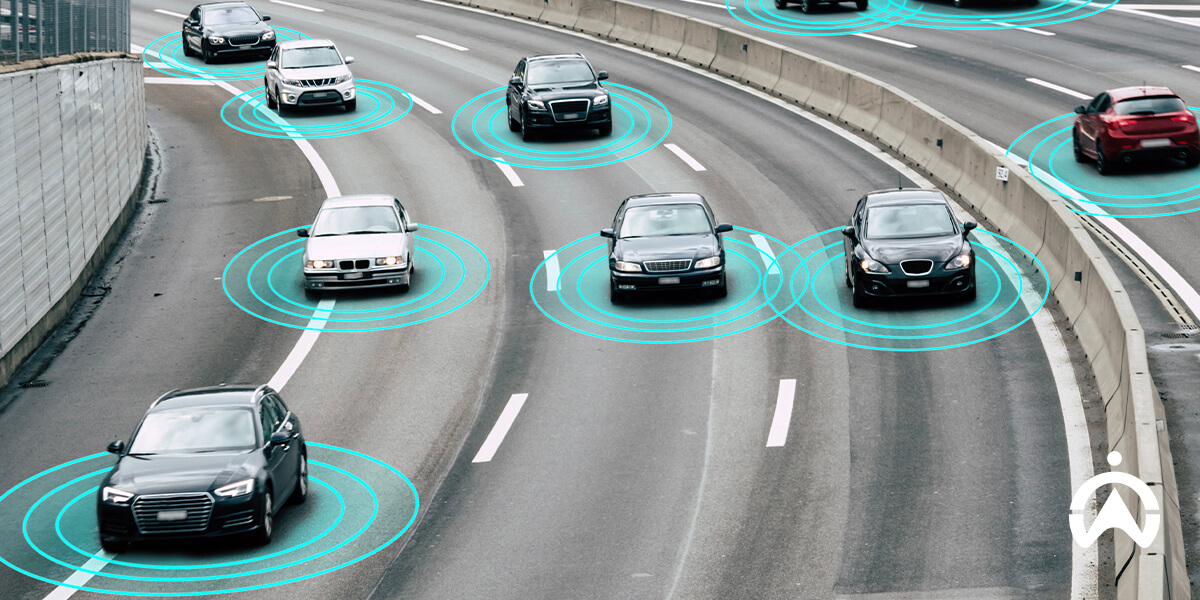
Get The Best Car Panic Button When You Need It

Whether we’re on our way to work or making a delivery, roads are a dangerous place. So, can we dispute the necessity of an in-vehicle panic button in such an environment?

Our major highways and quieter roads are both tainted with the risk of hijackings and a sky-high accident rate, so having help at the touch of a button can be that extra lifeline you never knew you needed.

Find out how you can protect yourself and your fleet with this smart technology.

In this article, you will:

  • Distinguish between a panic button and alarm system
  • Find out about different car panic buttons
  • Discover the benefits and downsides of car panic buttons
  • Learn about safety tips to use with car panic buttons
  • Get the best car panic button solutions with Cartrack

The difference between a panic button and an alarm system

Panic buttons sound pretty straightforward, right? With so many types, though, it’s worthwhile familiarising yourself with this lifesaver of a tool. An easy way to understand how a panic button works is to compare it to an alarm system. Nearly all makes and models now come equipped with alarm systems, and aftermarket options are also available for those who don’t have this as a standard feature.

Some alarm systems can be activated by pushing a button—similar to a panic button. However, the key difference between an alarm system and a panic button is that, upon activating an alarm, it makes a loud sound with the aim of deterring criminals and alerting passers-by of suspicious activity. When pushing a panic button, you activate a silent alert to authorities, a security control room, or other authorised personnel who can assist with dispatching the appropriate emergency services when you need them most.

Panic buttons can alert management or security personnel using Bluetooth, WiFi, or cell phone networks, making them conveniently mobile and user-friendly.

Are all panic buttons the same? Discover the best car panic buttons

While all panic buttons are designed to alert someone when you urgently need help, there are several types you can choose from, depending on how accessible you want them to be, where you want to place them, and when you’re most likely to use them. Here are some examples of panic button types, where you’d find them, and the type of scenarios they’re most often used in.

The mobile panic button

With a mobile panic button, it’s all in the name, and this handy personal security alert system goes everywhere you do beyond your vehicle. These panic buttons are usually found on security apps, so you’d need to have your phone with you if you want to use them. Once pressed, the alert will go to the specific security company or control room to which the panic button is connected, so you’re unlikely to find a panic button pre-installed or as part of the factory settings on your mobile phone.

Here are the main details you need to know about how a panic button works:

  • It’s usually a small button or icon on your mobile phone’s screen.
  • When pressed, it will alert a preselected emergency contact or designated control room.
  • The panic button alert can include your mobile phone’s GPS location to help you be found in an emergency.
  • Some panic buttons also sound an audible alarm as an initial deterrence tactic, in addition to contacting a control room or emergency contact.

In Mzansi, the private security industry is thriving, and most companies that provide personal patrolling home security services in conjunction with an alarm device will also have an app with a mobile panic button.

Designed to be quick and easy, specifically for high-stress situations, the mobile panic button has many perks. However, one of its downfalls is that it can still be a hassle to activate. Most people’s phones now have passcodes or require a fingerprint or face scan to unlock. Then, you’ll need to navigate to the relevant app, and only then can you push the panic button.

These few seconds can change your life, so finding smart ways to navigate this potential hassle, like making sure the app is on your home screen, etc., helps make the mobile panic button a good option for the everyday citizen on the go.

Built-in panic button

For those of us who travel extensively, especially as part of our jobs, having a built-in, hidden panic button in our personal or company vehicle just makes a lot of sense. This safety feature is designed to help alert authorities and loved ones in the event of an emergency and is usually connected to a dedicated control room or monitoring centre. If you or your drivers often travel at night or in notoriously dangerous areas, the built-in version is a great way to offer peace of mind and an extra layer of security. Here’s a quick look at how in-vehicle panic buttons work:

  1. Signalling the alarm: First and foremost, someone needs to know that you’re in trouble, so sounding that alarm is the crucial next step.
  2. Alert transmission: Along with sounding the alarm, the technology that comes with the panic button sends important information like your exact location, and it can send further helpful data like the identity of the individual who triggered the alarm and the time of the incident.
  3. Response: The point of the exercise is to get a response as soon as possible, which is up to the control room. The control room will contact the individual in distress and dispatch help to the received location.

Installable panic button

If your car doesn’t come out of the factory with a panic button, don’t worry! After-market options are available to help you get peace of mind. Installables are also popular among fleets, with staff constantly on the road, as nobody will argue that South African roads are dangerous workplaces. These function a lot like a built-in panic button, as, after they’re installed, the user won’t be able to move them around or simply take them out of the vehicle.

These panic buttons work exactly the same as a mobile panic button in the sense that, once pushed, a control room or emergency agent will be contacted. However, the installable panic button is not mobile, so it stays in one place, usually a discreet one, and only the driver should know its location, so you have that extra backup if you happen to be in danger.

The importance of smart panic button placement

When placing an after-market panic button in your vehicle, smart placement is key. Think not only hidden but accessible in an unobtrusive location, where the driver can reach out and press the button without taking their eyes off the road.

It’s also important to ensure the driver is aware of the panic button’s presence, especially if it’s hidden from plain sight.
Benefits and downsides of panic buttons

Can there be downsides to having a panic button in your vehicle? Like many other pros and cons, it depends on the situation. Don’t worry, though; being aware of the benefits and downsides can help you navigate these situations to make sure you get the most out of your panic button.

The most obvious benefit of an in-vehicle panic button is its convenience and direct access to help and safety. It can be placed on the dashboard, the steering wheel, or even on the driver’s car door for easy access that could potentially save lives.

The main downside, however, is closely linked to the main benefit, as having the panic button readily available for the driver might not be the best scenario for other passengers who may need to use it. Imagine children or elderly travellers who, without the driver’s knowledge, are experiencing an emergency but may not be able to reach the panic button or communicate their need for help. While this scenario is unlikely from a fleet perspective, it can be considered a drawback.

Apart from that, panic buttons don’t have many drawbacks for fleet or commercial drivers and can be a most valuable layer of security when a driver cannot reach any other means of communication in an emergency situation.

Safety tips to help you avoid panic button situations

Whether you’re on a private trip or doing a delivery, safety is key. If you can take measures to avoid getting yourself into a situation where you need a panic button, it’s even better. Stay safe by taking a look at some of the SAPS’s top vehicle safety tips:

1. Keep those doors locked and windows up

It’s easy to forget about and leave a window open after parking and getting out of your car. Modern models auto-lock after parking, but doing it yourself immediately after you exit your car is a great way to keep yourself accountable for your vehicle’s safety as well as your own by practicing vigilance.

2. Don’t trust unknown people who want to “help you”

Good Samaritans are rare, so when someone tries to indicate that you have a flat tyre and you can’t actually feel the wobbly sensation while driving, don’t stop. Even if something feels off with your vehicle due to possible road spiking, drive on as far as you can to a petrol station or away from the individuals before you inspect your vehicle to avoid being robbed or hijacked.

3. Keep your stuff in the boot

Don’t leave eye candy like laptops, shopping, and other valuables on your car seat. Stow them away safely in your boot so you don’t attract the attention of unwanted eyes, long fingers, and possible situations where you might need to use your panic button.

4. Don’t pick up strangers

Picking up strangers on the side of the road is a common habit of trucks and other long-distance drivers. However, it can pose many dangers and end in tragedy. So, whether you’re en route to your favourite vacation spot or transporting precious cold-chain goods, staying on your route and making sure there are no unwanted passengers in the car can save you from having to push that panic button.
Get the best car panic button and additional smart features from Cartrack Tanzania

With safety and your peace of mind as our main concern, we’ve developed state-of-the-art panic button technology and support smart technology to help you avoid these types of high-risk situations, theft, and loss. Let go of your stress, knowing that we have several lifelines to keep you safe on the road.

On-camera panic button

Cartrack’s Smart Vision camera solution offers state-of-the-art AI-powered safety alerts to ensure your drivers are notified of risky behaviour that can lead to accidents. It also comes with a convenient on-camera panic button, which is easily reachable during emergencies and allows immediate assistance alongside the visibility offered by this advanced solution.

In-vehicle panic button

Have a discreetly placed lifeline when you need it most with Cartrack’s in-vehicle panic button. Providing instant assistance from our dedicated Control Room, our agents are able to contact you and your emergency contacts and send help to your exact location.

Crash Detect

Cartrack’s sophisticated telematics devices can detect sudden changes in gravity, including collisions with other objects. On impact, the smart device alerts our control room of the incident, enabling us to dispatch emergency medical response to your exact geographical position.

Cartrack Protector

Have emergency roadside, medical, legal assistance, and more at your fingertips with Protector, conveniently located on the Cartrack App. Our staff are standing by to provide you with the help you need when you’re stranded or need emergency assistance—all at the push of a button.

Let Cartrack take the panic out of daily travels

Are you ready to remove the word “panic” from your fleet’s vocabulary? Contact Cartrack Tanzania today for superior panic button technology and other features that help you proactively up your fleet’s safety game.

Don’t panic! We answer all your panic button FAQs:

Are panic buttons worth it?

Your working environment can be considered high risk if you’re in a vehicle and on the road every day, and even if you’re just using your car to go and buy milk at the corner shop! With hijackings and other road-related crimes prevalent on South African roads, having an in-vehicle panic button is like having emergency services on speed dial. It helps you do your daily job with ease and without fear, knowing that you have the support you need when you’re experiencing an emergency situation.

What’s the point of a panic button on car keys?

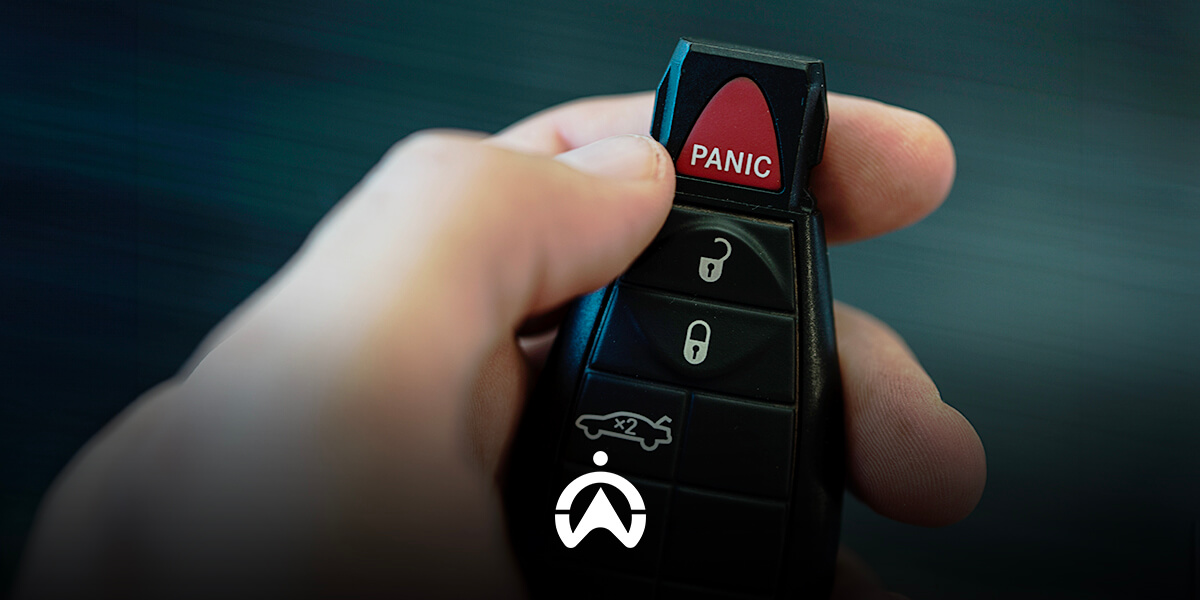
Panic buttons on car keys can have different functions. They can easily be confused with a vehicle alarm system, which is usually found on car keys; however, it is possible for car keys to have a panic button, and this can come in very handy, regardless of whether it is an older version of a car key or a more modern key fob. Consider the following scenario:

  • You’ve just parked your car, placed your mobile phone in your pocket or bag, and got out when you’re being confronted by a group of threatening individuals. Your mobile phone is too far to reach, but as the key fob is in your hand, you can easily push the panic button that will either make a very loud noise or send a message that you need help. This, in turn, will deter the suspects, giving you time to get back into your car, lock the doors, and drive away or get help.

When should a panic button be used?

If you don’t want to end up like the boy who cried “wolf,” you need to make sure that you use your panic button only in emergency situations where you have no other way of calling for help, and your life may possibly be in immediate danger.

Where is the best place to put a panic button?

With thieves constantly looking for the latest spots where we tend to hide in-vehicle panic buttons, there’s no set place. The best advice will always be to make sure it’s both completely hidden and as accessible as possible, which can be a challenge but one well worth it.

Don’t panic about in-vehicle emergency situations. Contact Cartrack Tanzania today to get the protection, peace of mind, and support you need.

Most Reliable Car Brands: What About Security?

There’s a time and place for you to think about whether your car is reliable, safe, and secure. But when you or your driver are stranded on the side of the road because of a vehicle breakdown, that is definitely not the right time.

So, let’s do this. What makes a car reliable? Our answer is simple: safety and security.

Get insights on the most reliable car brands here, but more than that – get the information you need on how to improve your vehicle’s safety and security with the best Cartrack features.

In this article, you will:

  • Find out what the most reliable car brand is
  • Learn more about what makes a car reliable
  • Understand why vehicle security is important
  • Learn how vehicle maintenance helps you improve the reliability of your car
  • Discover Cartrack’s vehicle safety and security products

What is the most reliable car brand

According to a recent article in Business Tech, Asian car brands are regarded as the most reliable car brands. This list of the most reliable car brands is based on a Consumer Report (CR) based on the experience of over 330,000 vehicle owners with vehicles as old as 23 years. Asian car brands are followed by vehicles from European automakers, and American vehicle brands are on the list of most reliable brands.

It’s not surprising that car brands like Toyota, Honda, Mazda, BMW, Kia, Hyundai, Nissan, Audi and more would pop up on the Business Tech list of most reliable car brands in South Africa. These are also some of the most popular car brands around the country, but with new car ranges available, the demand for entry-level and budget-friendly cars, and innovations regarding built-in security features for vehicle and driver safety, reliability is about more than popularity.

So, what made these cars score high in the car reliability index? Here are a few contributing factors:

  1. Frequency of major and minor engine issues
    Engine durability is critical for vehicle owners, and more customers are concerned about the engine’s lifetime. The engine is one of the most expensive car parts to replace and repair, especially when there is significant engine damage. A car is more reliable if there aren’t any frequent engine problems. Vehicle owners who participated in the CR survey have reported that they experienced fewer to no engine problems with these top car brands.
  1. Vehicle fuel system and overall emissions
    The engine system also affects efficiency, so producing a fuel-efficient engine that reduces overall emissions has been a top priority for many car manufacturers over the years. These cars were considered to be more fuel-efficient on the list of most reliable car brands. Of course, the type of vehicle also determined where these car brands landed on the list. Sedans, hatchbacks, and wagons were determined to be the most reliable vehicle types.
  1. Ease or difficulty of car body damage in an accident
    A scratch here and chipped and scuffed paint there may not be major indicators for car reliability, but how the vehicle fares in a crash is a major concern for vehicle owners. The IIHS vehicle testing evaluates cars based on crashworthiness and the in-built crash avoidance and mitigation technology. The 2024 car brands that faired quite well include the Hyundai, Mazda, Toyota, and Subaru for small and mid-sized vehicles. In addition to these, car brands such as Kia, Lexus, Ford, Jeep and VW have made the list for small SUVs, Midsize Luxury SUVs and Large SUVs. etc.
  1. Frequency of vehicle brakes, suspension, and steering problems
    Bad brakes, damaged suspension, or shaky steering can be catastrophic or cause a serious accident. This is why the frequency of these problems is a major concern for vehicle owners. Even though repairing and replacing brakes, shocks, and struts is relatively easy and less costly compared to an engine, frequently having these problems can be alarming.
  1. Ease or difficulty of fixing car parts and other maintenance issues.
    It can be inconvenient to have a vehicle part repaired or replaced after an accident or when a problem is identified while servicing your vehicle. These car brands scored high for how much easier it is to fix/replace a damaged car part or attend to the vehicle’s maintenance issues.

Whether a car is reliable depends on how it fits the vehicle owner’s needs for personal or business use. Plenty of car reliability surveys are available online. If you are looking for a new car or adding vehicles to your fleet for business purposes, then ease of maintenance, fuel consumption and efficiency, and vehicle security are important aspects of car reliability for you.

Benefits of choosing reliable car brands for business and personal use

In our view, car reliability really comes down to vehicle maintenance and fuel consumption. These two things can determine how long you enjoy your car or how much return there is on your investment.

Reliability and maintenance

Regular servicing and maintenance make a car more reliable. Your vehicle (s) should easily be maintained and serviced without breaking the bank or experiencing vehicle downtime. This helps you reduce the likelihood of your loved ones or drivers being stranded on the side of the road or unnecessary vehicle downtime due to a breakdown.

Through regular maintenance, businesses and individuals can:

Avoid major vehicle repairs: Routine maintenance helps you quickly identify and address minor issues, such as worn brake pads, before they quickly turn into major issues, like complete brake failure, which puts your drivers and other people on the road at risk. Brake failure is also a more expensive problem than simply replacing your brake pads.

Extend your vehicle lifespan: Well-maintained vehicles simply last long and often perform at their optimal performance, as if they were purchased just yesterday. By sticking to your vehicle’s service plan, you can help your fleet vehicle’s engine, transmission, and other systems wear out much more slowly and prolong your vehicle’s lifespan so your drivers enjoy a smooth driving experience.

Improve your vehicle safety: keeping up with your maintenance ensures critical safety systems in your fleet vehicles, like brakes, tyres, and lights, are all in working order for your drivers. This helps reduce the risk of breakdowns and accidents.

Reliability and Fuel Economy

The words reliable vehicle and fuel-efficient go hand-in-hand. Although fuel consumption doesn’t directly impact your vehicle’s reliability, if your vehicle guzzles petrol, it increases the likelihood of you or your drivers being stranded because of fuel issues or having to refuel frequently.

Whether you are planning to buy a new car or add vehicles to your fleet, focusing on fuel efficiency can also mean better vehicle reliability.

Lowering fuel costs: Choose more fuel-efficient vehicles to improve your fleet’s fuel economy. This will increase your vehicle’s reliability because you can go further with less petrol. You can also reduce your business’s fuel expenditures.

Enhancing productivity: Fuel-efficient vehicles can travel further on a single tank, but you can also improve your fleet’s fuel efficiency through route optimisation. Route optimisation helps you ensure your drivers carry out deliveries or tasks in the most efficient way possible.

Fuel directly impacts your company’s expenses and can also significantly affect the reliability of your vehicle.

Vehicle reliability also involves security. For example, some car brands have made the list of the most reliable car brands and the list of the most stolen vehicles in South Africa. So, how reliable is your car if it is also targeted by car thieves?

What about security?

Knowing your vehicle is reliable is one thing, but knowing your vehicle is secure is another.

With the rise in vehicle thefts in South Africa and the significant increase in vehicle costs, it’s become very important for everyone to protect their vehicles.

We’ve designed hundreds of products and features over the years to help you and your loved ones and your business protect your vehicles.

Cartrack’s vehicle security products

Different car brands have attractive and reliable in-built security and safety features, such as car alarm systems, safety hazard lights, seatbelts, and open-door warnings. Reliability goes hand in hand with security, but sometimes, you need to add additional vehicle security products to ensure your car is returned to you if it is stolen or your family or drivers are safe and assisted in an emergency.

Here are a few of our products for your safety and security:

  1. GPS live vehicle tracking
    Don’t underestimate the power of a simple GPS car tracker. Our tracking system not only helps you see the live location of your vehicle but also enables us to rapidly recover your vehicle in the event it is stolen. What’s more, this system also provides you with vehicle diagnostics that help you know how your car is being driven, the vehicle’s condition, and previous activity.
  1. CarWatch
    This anti-theft feature is activated with one touch from the Cartrack app. It is an early warning system that alerts Cartrack if your parked vehicle moves without your knowledge. Cartrack notifies you and sends its recovery team if necessary.
  1. Crash detection
    Our smart device can detect a crash or accident using AI and G-force technology. Cartrack is alerted in the event of a car accident, allowing them to send emergency help to your exact location.
  1. Protector
    This feature is also available through the app and provides you with access to emergency ambulance, medical, roadside, and legal assistance at the touch of a button. In an emergency, Cartrack can send help directly to you, no matter where you are, ensuring you are always safe when it matters most.
  1. Geofencing
    Protect your vehicles and assets by marking virtual boundaries around no-go zones or high-risk areas and receiving real-time alerts when your vehicles enter and exit these zones. This helps you prevent hijacking and vehicle and cargo theft.

Are you more interested in the Cartrack security features that are available to businesses? Have a look at this case study from one of our satisfied customers.

Case Study for Businesses: Diraro Group

Leading logistics companies like Diraro Group must pay attention to their fleet’s vehicle reliability to better deliver the quality and service they promise businesses and other customers. Diraro Group transports bulk supplies and commodities across South Africa and beyond its borders with a fleet of over 120 high-load capacity vehicles.

Their biggest challenge when approaching Cartrack was the lack of visibility over all their fleet vehicles. They needed a telematics system that would help them monitor, manage, and control their fleet more accurately. Their fleet transports valuable commodities, so they also wanted to see exactly how drivers used their vehicles and get live footage to help reduce incident rates and give their drivers more security.

Cartrack assisted Diraro Group with driver monitoring solutions that provide them with insights on the frequency of driver speeding, harsh braking, abnormal periods of idling, fuel consumption, kilometres travelled, and details on their fleet vehicle’s exact location.

Diraro Group also used our advanced AI-powered and live-streaming camera solutions to boost their fleet’s security. This camera provides live streaming so fleet managers can monitor their drivers’ trips live with visuals, audio, and access to remote footage retrieval for fleet managers after events. The AI cameras use facial recognition to monitor drivers in-cabin and give an audible alert to drivers when they detect dangerous driving, such as fatigue, distraction, or drowsy driving.

The camera system makes it possible for Diraro to take the guesswork out of their fleet management and any driver incidents. They can take every trip with their drivers and use driver footage for driver training and coaching or in the event of an accident liability dispute.

The Group HSE Manager, Loue Reikert, said this about Cartrack:

“ When you have actual live footage, it takes the guesswork out of an incident. Our incident rate has decreased with the awareness that we have access to footage”.

Security is crucial for fleet-based companies, and there are plenty of ways for businesses to improve not only their fleet vehicles’ security but also their reliability. Here are a few helpful examples:

  • Invest in your fleet’s fuel economy by acquiring economic vehicles, including more fuel-efficient heavy-duty trucks.
  • Prioritise fleet maintenance, which can save you a fortune in the long run.
  • Integrate Cartrack’s fleet management software to manage and maximise your vehicle utilisation.
  • Improve your driver’s performance with training to stop harsh driving that wears out your vehicles and increase the vehicle lifetime of your fleet.

By implementing some of these strategies, logistics companies can enhance their fleet vehicle reliability by reducing the number of vehicle breakdowns and improving their overall fleet operations and performance.

Get the best protection for the most reliable brands with Cartrack Tanzania

Cars can be geared up with even more security features that help you ensure your family or business vehicles are protected.

For more information on the Cartrack products and features, contact us here.

Quick answers to top FAQs about car reliability

Which car has the highest security?

It comes as no surprise that larger bakkies and off-road vehicles are regarded as the most secure vehicles in South Africa.

Which car brand is best for safety?

Some car brands just step safety and security up a notch by offering more than the standard security features like alarms and central locking systems.

What vehicle brand has the highest safety rating?

The #SaferCarsforAfrica crash test results for 2024 revealed that this car is the safest. Although we wish we could name-drop here, here is a hint instead: it rhymes with “zahindra XUV300”.

What is the safest and most reliable car brand?

Here’s a clue: it’s the car brand your grandfather and father would recommend; in fact, every generation of men would recommend this brand. If that’s not a good clue, it starts with a T and ends with an A.

Truck Hijacking: See the Latest Stats and Prevention Tactics

Imagine suddenly receiving an alarming call. One of your fleet vehicles has been hijacked! Your heart immediately sinks as you realise you may have lost clients and revenue, all while putting your drivers in harm’s way.

It’s time to empower yourself and prevent these horror stories from coming to life. We can learn the numbers, prevention tactics and then fuse Cartrack’s advanced and stolen vehicle recovery into the blend.

This is a powerful mix, so let’s get stirring!

In this article, you will:

  • Come to terms with the reality of hijacking
  • Learn about the effects of truck hijacking on businesses
  • Gain knowledge of recent truck hijacking statistics in South Africa
  • Find out how to protect your drivers and trucks with hijacking prevention methods
  • Learn more about Cartrack’s safety-driven solutions

But it could never happen to me…

We all have this strange idea that we are unique and free from all the worst experiences. Of course, this is far from the truth. Many people in industries that rely on fleets are painfully aware of the hijacking crisis in South Africa. For this reason, always being emergency-ready is part of every fleet manager’s job.

Statista Research Department confirmed this collective fear in its “Number of truck hijackings in South Africa FY 2009-2023” report. It stated that in South Africa’s 2023 fiscal year, there were just under 2000 truck hijackings–a jump from the previous year. In fact, since 2012’s fiscal year, these hijackings have increased more than twofold, with that year recording 821 events.

The effects of hijacking on businesses

Some issues in life have a domino effect, and hijacking has a “not-so-great” chain reaction that negatively affects business owners, drivers, profits, and customers.

One perfect way to fight against these possible future disasters is by educating yourself! Let’s find out more about what companies may experience from this crime.

Profit Loss

Freight hijackings have a devastating habit of turning supply chains all the way upside down. In January 2023, the Transported Asset Protection Association shared that, within 546 days, R577 million in goods were stolen from supply chains due to hijackings. These hijackings cause companies to lose their goods and services, which they now can’t sell to buyers. Given the soaring number of hijackings in this country, this loss in sales would put a solid dent in returns. The seller likely has to raise their delivery costs because there is more risk. More risk means using more money for these dangerous journeys.

If the business’s fleet experiences ongoing hijackings, it may lose frustrated customers forever!

In a 2020 TimesLive Article by Mpumzi Zuzile titled “‘These people are killing our business’: hijackers target trucking industry,” the writer discussed this challenge. He stated that 1000 fleet vehicles were singled out throughout South Africa in the previous financial year.

Gavin Kelly, the Chief Executive of the Road Freight Association, expressed: “Our members lose goods. They have vehicles damaged. They have drivers threatened. They incur financial losses on top of COVID-19 losses. Their premiums increase, and their drivers become reluctant to drive unsafe routes or times.”

He stated, “There is a continual drain on their ability to earn revenue, and they continue to operate in a continual state of fear and uncertainty.”

With Cartrack’s advanced telematics-based fleet management system along with state-of-the-art technology, you can mitigate these risks and optimise proactive safety.

Driver safety

Truck accidents are a massive issue on South African roads. A 2023 article in Creamer Media’s Engineering News stated that in 2022, trucks were linked to a mind-blowing 60% of accidents on the N3 toll route. Being constantly alert of possible hijackings can contribute to heavy driver fatigue.

Companies can install our panic button and tracking device to provide drivers with some peace of mind. The panic button can be a comforting friend, always there if the driver is ever in need. It is also a way for businesses to help save their drivers and goods!

South Africa’s recent hijacking statistics

Compared to the rest of the globe, South Africa is known for many things–our diverse culture, our passion for rugby, and the beauty of our many landscapes and provinces. Tragically, crime forms part of that list — hijackings included.

In fact, according to the 2024 World Metrics report, the Rainbow Nation’s truck hijackingsare among the highest in the world. Roughly 30 to 35 occur weekly. Other statistics they shared showed that most of these truck hijackings occur in the Gauteng province—70% of them, to be exact. The report shared that, according to the National Council for Road Safety, black trucks are at a 70% higher risk of being hijacked compared to white trucks, while the reason for this is unknown.

These scary figures point to a broader nationwide crisis. That said, in February 2024, the National Anti-Hijacking Police actually shared some positive numbers. They stated that the year-on-year hijacking digits had grown smaller. Sadly, they claim 66 vehicles are still stolen every single day throughout South Africa.

Hijacking prevention tactics for your company’s truck drivers

While these statistics spark fear, there are always ways to prevent or fight against these terrifying experiences. Great minds have come up with strategies for hijackings. Meanwhile, Cartrack has developed technologically-driven solutions crafted for driver safety. Using Cartrack’s solutions and anti-hijacking tactics together, you have an effective shield to protect you, your driversand your business.

Expand your knowledge

Learning about the different types of hijackings can help you prepare yourself or your fleet for the absolute worst. Educate yourself by reading a list from Arrive Alive of the many kinds of hijackings:

  • Freight hijackings: These hijackings focus on the goods in the vehicle or truck. The culprits want to steal whatever the vehicle is carrying.
  • Showmanship hijacking: This hijacking, usually violent or threatening, stems from gang members attempting to show off.
  • Transport hijacking: This is when the cars hijacked are reused for illegal purposes such as dealing drugs and robberies.
  • Syndicate hijacking: These are highly organised hijackings connected to syndicates.
  • Operational hijacking: These hijackings are performed byan organised group that steals and sells vehicle parts.

How to prevent hijacking?

When tackling a problem, we must confront it from where it is standing. It could be a possibility in the future, a present situation, or we could be dealing with the future. Here are some tactics from Arrive Alive that tackle hijacking from all angles — with some of our efficient services and solutions sprinkled throughout.

What preventative measures can we take in case of hijacking?

This is your best bet: avoid it as much as you can. Caution and awareness are your new best friends.

You can develop this friendship by practicing caution around every turn: parking anywhere or entering a driveway is the best time to remain aware, as this is when your vehicle or truck is slowly approaching a standstill. You are also about to open your door–a simply perfect opportunity!

That said, you should always ensure that your doors are closed and locked and your windows are rolled down. Hijackers tend to pounce around traffic lights and intersections. Stay aware.

Cartrack’s Vision solutions and GPS Tracking are perfect for this early-on type of prevention.

What procedure should be followed in a hijacking situation?

If the worst has happened, you or your truck drivers don’t have to feel hopeless. There are tactics you can employ. Firstly, always remain calm. If you are still only suspicious that someone is following you, you can always drive into a busy area.

If, however, the worst occurs, it is sometimes possible to simply drive away quickly to get as far as possible in the shortest period from the hijackers. While doing this, you should also hoot loudly.

Cartrack’s panic button can be a lifeline for your truck drivers if they encounter this terrifying situation.

What actions should be taken after a hijacking?

The driver must receive medical attention immediately and go to the police station. The company should also report the incident and handle the insurance.

If you have experienced this kind of traumatic event, you should consider going to a mental health professional to help you process and deal with any distress it may have caused you.

Cartrack Tanzania is dedicated to your safety and security

Cartrack is a safety-driven company. We provide many services and products geared toward keeping you and your vehicle out of harm’s way. Let’s explore the specifics of some of the products mentioned and how they can ensure truck and driver safety:

  • Multi-approach tracking solution: Our tracking software includes GPS tracking, real-time vehicle tracking, and recovery. Control room support is also available throughout the day and night.
  • Panic button: The panic button is perfect for a trucker in the midst of a hijacking. It has four options: medical emergency, accident, breakdown, and security alert. This button instantly lets our 24/7 control room know something is wrong, and they are always ready to take immediate action.
  • Cartrack Vision: Our vision solution includes AI-powered live-streaming cameras installed in different areas of your truck, including a driver-facing, in-cabin camera, for increased visibility. Apart from allowing fleet managers to witness the event in real time, the technology also allows you to request footage covering a specific date and time for evidence and insurance claims.
    Different problems require different Vision solutions, and multiple fall under this umbrella. A great approach to hijacking is Cartrack’s Multi Vision solution. AI cameras are installed to view the road, cabin, a chosen internal part of the truck like the cargo, and an external place to destroy blindspots. It’s the closest you’ll ever come to a magic pill for hijacking.
  • MiFleet: This solution, found on the Cartrack App, can be used to track various costs, such as fuel, tolls, accidents, and insurance. You can also export this information via PDF or Excel. This means you can understand where you’ve lost revenue from a hijack or general operations.

Cartrack keeps your business out of hijackers’ way and on the road to growth

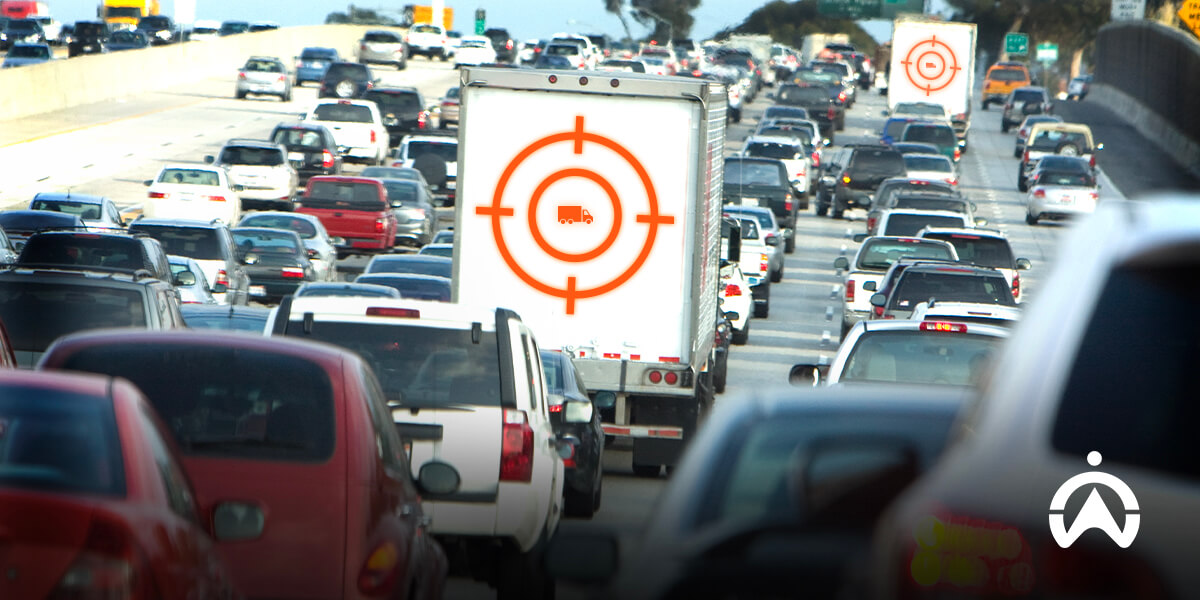
Our services and products will leave hijackers wondering why they even thought about targeting your company. Contact us today to rip that bull’s eye off your back.

FAQs to help you fight crime

  • Where do most hijackings take place in South Africa?
    According to the previously mentioned National Anti-Hijacking Police statistics, the Eastern Cape, Western Cape, Kwazulu Natal, and Limpopo’s hijacking digits reduced year over year.
    At the same time, the Northwest’s hijacking statistics increased significantly, with a 14.1% increase and a 13.5% spike.
  • Do hijackers have a new target in South Africa?
    In May 2024, Business Tech claimed that delivery vehicles are considered the ‘new target’ in South Africa. A significant number of hijackers began moving on from what was the go-to hijacking scheme — when these criminals targeted everyday vehicles, usually spotting those considered high-end or popular and stealing and selling the parts.
  • What are the trucking problems in South Africa?
    Beyond hijacking, truckers encounter many problems every day. These include poor road conditions, a lack of skills, corruption, and fatigue from being on the road too long.
    The trucking industry faces many challenges as an overall business. These include the high and constantly rising fuel prices in South Africa, a lack of skilled workers, road safety, and environmental concerns.
  • Is trucking a good business in South Africa?
    The trucking business faces a mountain of obstacles. However, it can still be an incredibly well-paid investment. This is if you can navigate a highly competitive and challenging industry and secure the needed funding.

Cartrack Tanzania is wholeheartedly committed to the safety of your fleet, goods, and drivers. Return this commitment and secure your business — contact us today.

Car Insurance Fraud: How A Dashcam Will Protect You and More

Vehicle owners in South Africa are always at risk of theft, hijackings, accidents, vehicle damage from bad weather such as flooding or hailing, or even their car being intentionally vandalised by someone else, and that’s why many people opt to get car insurance and tracking devices to protect and secure them when unexpected things happen.

Sometimes drivers can also become victims of fraud and scams that put not only their lives at risk but also their pockets and car insurance.

Car insurance fraud is on the rise in South Africa, and Cartrack vision cameras are the one onboard tool you need to protect yourself and your business from such scams.

In this article, you will:

  • Find out more about dashcams and what they do
  • Discover how dashcams protect you and your loved ones from car insurance fraud
  • Delve into how dashcams protect fleets
  • Unpack the Cartrack Vision Camera solutions and the benefits of these dashcams
  • Finally have the best answers to frequently asked questions about dashcams

How dashcams protect you from car insurance fraud

Car insurance fraud is not a new type of scheme, as vehicle owners and sometimes pedestrians have been known to cook up scams to either reduce their insurance premiums or receive a larger claim payout from the insurer. In South Africa, some pedestrians also cook up scams to claim from the Road Accident Fund (RAF) for personal injury.

According to a BusinessTech news article on car insurance fraud, it is estimated that approximately 32% of insurance claims are false. RAF has also reported that they prevented fraudulent claims to the value of almost R2.7bn over the past three financial years. This also points to the problem of car insurance fraud.

There are different types of car insurance fraud that motorists and other pedestrians may attempt, including

  • False claims
  • Faking car theft
  • Staged vehicle or personal accidents
  • Faking injuries from an accident

But how would a dashcam protect you from such car insurance fraud? Let’s find out.

How a dashcam can save you from false claims

Imagine you are driving back home after a long day of work and are stuck in bumper-to-bumper traffic due to the robots not working because of load shedding. You’ve noticed this one menacing driver recklessly switching and shifting between lanes when they suddenly jump ahead of you and abruptly stop, causing a rear-end collision. Still, thankfully, the damage isn’t too bad, as both cars just have a slight dent. You and the other driver stop to assess the damage and decide to exchange insurance information and resolve the matter later.

After the legitimate accident, the other driver’s insurance claim now includes more serious damages to the body of the car, the windows, and the side mirror. The other driver swears you were at fault in the accident and caused the vehicle damage, but you are not even certain about this, because you don’t remember the driver’s rear-end lights braking before. This is one of the most common insurance fraud scams: a staged car accident.

In such an incident, an onboard camera like Cartrack’s vision camera for individual vehicle owners would help you and protect you from car insurance fraud through video evidence of the events of that day of the accident. With access to this footage, you could still prove your innocence, assess the extent of the damage, and see whether you are the victim of a staged vehicle accident or car insurance fraud.

Cartrack’s Vision Camera: Capture everything

Cartrack’s vision camera is a user-friendly road-facing recording camera. Users can request footage based on date and time, and download the footage on the Cartrack app. Parents of young teen drivers can watch over their teens by live-streaming from the Cartrack app to ensure they arrive safely every time. Remote retrieval with these cameras is a powerful way for drivers to protect themselves from all sorts of car insurance scams and even reject car insurance claims.

This feature-rich and easy-to-install camera provides users with

  • Live-stream video with audio
  • Remote footage retrieval after events via the Cartrack App
  • Live GPS tracking for information on vehicle location

Dashcams can help you not only protect against fraudulent insurance claims, but also:

  • Provides valuable evidence in the event of an accident in your vehicle.
  • Capture pedestrian scams, like trying to jump in front of your vehicle.
  • Continuously record activity around your vehicle including attempts to vandalise your car and other damage to your vehicle.
  • Provide evidence for other drivers and activities you witness.

For businesses, the more advanced AI detection technology which comes with our SmartCabin cameras doubles the protection from car insurance fraud and other problems.

Let’s unpack this dashcam technology better suited for business vehicles below:

How dashcams protect your fleet from car insurance fraud

With live GPS fleet tracking, you gain increased fleet visibility to see your driver’s location, performance, and activity, but when your fleet is out on the road, there is no way of telling what happens between your driver, other motorists, and pedestrians.

For example, was your driver distracted by their cell phone while driving and so failed to see the vehicle switching into their lane, or did the other motorist cut too close to your truck driver while changing lanes, causing the accident?

Without any evidence, your driver-truck accidents become he says versus she says, which is difficult to prove to insurers or investigative officers and increases costs for you. This is only one example of an event where a fleet manager will never know if their drivers are being honest about events when something bad happens, like an accident, or whether someone is attempting to scam your driver.

Yes, it is true. Your drivers are also vulnerable to scams and car insurance fraud risks while out on the road, which is why Cartrack offers solutions designed to help you navigate these tricky situations with ease.

Cartrack’s Vision SmartCabin Camera: See everything to protect your fleet

A fleet dashcam is a perfect solution to protect your drivers and business fleet, but it’s not just your vehicle’s front view that is important; with an in-cabin camera, you can also get a cabin-facing view to ensure your driver’s safety.

The Cartrack SmartCabin is a dual road-facing and in-cabin-facing camera equipped with the following features:

  • Forward collision warning sensors: Help prevent possible collisions by audibly notifying the driver of an obstacle ahead of them.
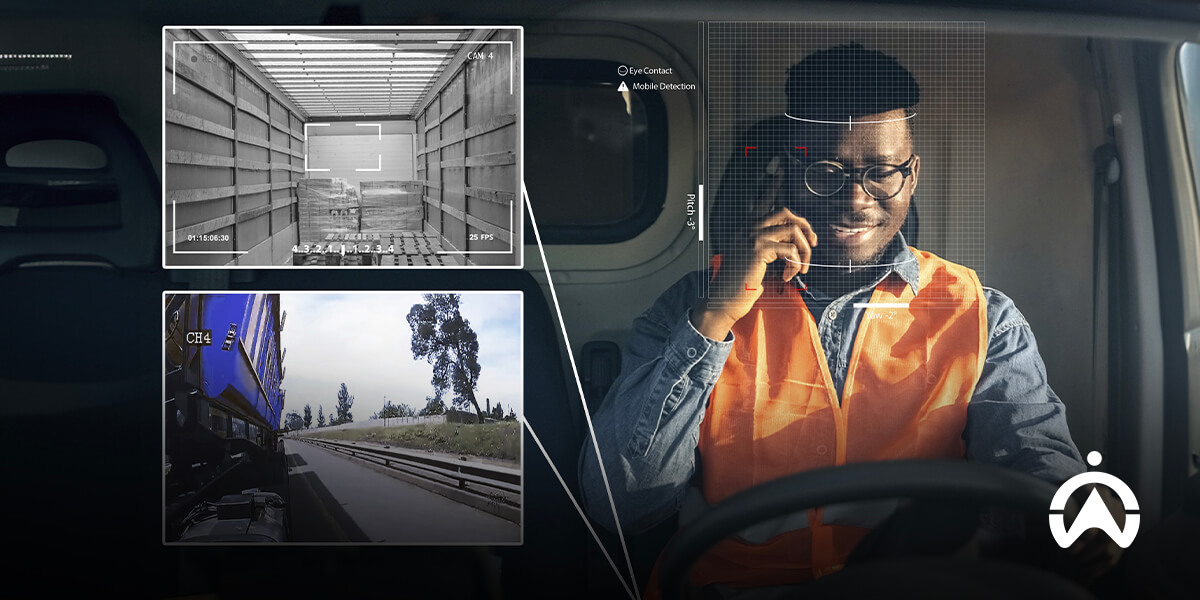
  • AI-detected events (in-cabin camera): This smart camera detects dangerous driver behaviours such as distracted and fatigued driving, mobile phone, and smoking detection to warn the driver to quit dangerous actions.
  • Livestream video with audio: Fleet managers can livestream drives to carry out spot checks and check their activity to enforce responsible and compliant behaviour.
  • Auto-answer in cabin mic and speaker: Facilitate two-way communication between manager and driver, or the Cartrack command centre to address any issues.
  • Remote footage retrieval: Fleet managers can request footage or download footage after events based on date and time.

A dashcam can protect your business from car insurance fraud on your fleet.

Protect drivers

In the case of a legitimate accident, that was not the driver’s fault. You can safeguard your driver by using event-based footage and other driver telematics information to help prove your driver’s no-fault and help them avoid unfair claims against them.

Improve driver performance and accountability

Camera footage can be used to train drivers, help them improve their performance, and increase accountability. Alternatively, by spot-checking drivers and live streaming their activity, fleet managers can ensure productive and responsible working hours.

Expedite Insurance Claims

Video recording and footage give an account of the events before and after an accident, and this helps speed up your insurance claims process and ensure your vehicle is repaired faster so you can avoid vehicle downtime.

Choosing the best dashcam: The top five features to look for

Dashcams can protect you and more, but it’s important to choose the right dashcam with these 5 top features to look for when you decide to add this extra layer of security and protection.

#1 Good battery life and reliable storage

Car insurance fraud scams don’t happen every day, but your dashcam records every journey you take. Imagine if your camera storage was full on the fateful day you or your fleet driver were involved in an accident. A good battery life and enough storage space are the top features to look out for with a dashcam.

#2 Video image quality and night vision

Not all dashcams are made equal; some have poor video quality; you cannot see the number plate of the vehicle or other details. Buying a dashcam with good video quality is important, especially for live streaming.

#3 Camera affordability

Car cameras are a security investment worth making, but that does not mean your business should go bankrupt by purchasing a camera. The affordability of the camera is something you must consider for yourself and your businesses too.

#4 Easy set-up and sleek design

Setting up a dashcam should be easy. For example, Cartrack has a plug-and-play option for rental cars, so there is no vehicle damage caused by camera mounting and hardware installation in the vehicle.

#5 GPS connectivity

An in-built GPS tracker adds some extra functionality to your dashcam and improves its reliability, especially when it comes to car insurance fraud.

Enhance on the road safety with Cartrack’s Vision Cameras

Vehicle dashcams are the protective tool you, your loved ones, and your fleet need to prove your innocence and avoid car insurance fraud and other scams.

Cartrack’s vision camera solutions are designed to enhance everyday road safety and protect you.

Contact us for a demo here.

10 Reasons Why You Failing at Fuel Management in Your Fleet

Great fleet owners understand that fuel management goes beyond reducing fuel budgets or leaving fuel expenses to employees. Instead, they embrace advanced fuel management to future-proof their businesses for long-term success.

Controlling your fleet’s fuel costs requiresfuel monitoring patterns, the right fuel monitoring system, data-driven decisions, and sustainable practices.

If you think you’ve given fuel management your best shot, here are 10 reasons why you may not have mastered fuel management and efficiency just yet.

In this article, you will:

  • Learn why businesses care about fuel management
  • Discover the 10 reasons why businesses are failing at fuel management
  • Get possible solutions for these fuel management challenges
  • Explore Cartrack’s Fleet Management System and fuel monitoring solutions
  • Get answers to the most frequently asked questions about fuel and fleet management

10 reasons why you failing at fuel management in your fleet

As your business grows, your fleet operating expenses, such as fuel, will most likely increase with it, but this does not automatically result in increasing profits.

If your fleet is still reporting unreasonably high fuel costs that stifle profits, then there may be other factors affecting your fleet fuel management that you need to pay attention to.

Here are 10 reasons why your business may be failing at fuel management and the fuel management solutions you need to know to combat these challenges.

1. Outdated vehicles

It’s not so much old cars versus new cars, but the ongoing vehicle price inflation has made it more difficult for ordinary South Africans and businesses to acquire new vehicles or replace their older and outdated vehicles. Unfortunately, your outdated vehicles may also be the weak point of your fuel management efforts.

  • Lower fuel efficiency: Cars become less fuel efficient as they age, meaning you may not get as much mileage from your refuelling and, therefore, need to pour more.
  • Increased maintenance needs: Wear and tear over the years also increases your vehicle’s maintenance needs, sometimes including the frequency of fuel system issues.

Alternative Solutions: Transition your fleet

Older in-built technology can make tracking fuel usage difficult. For example, not all vehicles have CANBus technology, which provides more accurate fuel consumption insights.

However, the solution to this weakness is not as simple as just replacing your fleet with the latest vehicle models. Fuel prices are still a major concern for businesses, and fleets that are planning for alternative fuel transition in the next 12 months need to be more strategic to future-proof your business. Consider joining the growing number of fleets, accelerating their EV transition and slowly replacing outdated vehicles with more fuel-efficient ones.

2. Lack of driver training on fuel efficiency

Unnecessary speeding, harsh braking, and excessive idling are fuel-inefficient practices you may be overlooking in your fuel management efforts. An untrained driver is less likely to be aware of how these driving behaviours impact fuel efficiency, so while you are trying to lower your fleet’s fuel costs, these bad driving techniques and habits increase your fleet’s fuel use, causing:

  • Increased fuel costs: inefficient driving leads to higher fuel consumption per kilometre, directly increasing a fleet’s fuel expenses and making it harder for you to control your fuel costs.
  • Heightened risk of fraud and misuse: your drivers who are not properly trained, poorly disciplined, or uninformed about your fleet’s standard operating procedures (SOPs) may easily misuse your vehicles, causing increased fuel consumption and costs.

Cartrack solution: Fuel efficiency report

Are you aware of how many litres are consumed per kilometre in your vehicle? (This also changes as your vehicle ages). Abnormal fuel efficiency could either indicate fuel theft, high idling, or poor driving habits. Do you know how to calculate the efficiency of each of your vehicles?

Our fuel efficiency report is designed to help you detect fuel inefficiency in your fleet and introduce measures to reduce your fleet’s fuel consumption, especially from untrained fleet drivers, that impact your fleet’s fuel management significantly and reverse all your efforts to reduce your fleet’s fuel consumption and costs.

3. Short trips (stop and start)

The frequent stop-start with short trips causes poor fuel economy in your fleet. When you start your vehicle, it generally requires more fuel than when it runs at a steady speed. According to AA, trips of two kilometres or less use more fuel than longer trips, and based on your vehicle size, short trips could cost you more fuel unnecessarily.

Beyond increasing fuel costs and lowering your fleet’s fuel inefficiency, short trips could be causing your fuel management woes because short trips are:

  • Difficult to monitor: Without telematics, fuel monitoring hardware, or a fuel management system, fleet managers find it challenging to track fuel consumption for past trips and optimise fuel usage for short trips.
  • More susceptible to fuel theft and fraud: Because it’s difficult to monitor or get detailed fuel usage data with vehicles frequently used for short trips, fuel fraud and theft increase the risk.

Cartrack solution: Live GPS tracking and fleet visibility

GPS telematics helps increase the accuracy of a fuel management system. By tracking the location and activity of your vehicle’s movement, you can mitigate fuel theft risks with short trips by comparing your fleet’s fuel consumption against vehicle mileage and activity.

Cartrack’s route optimisation generates the best order for completing tasks and deliveries, helping you get from point A to B, and finally point C most efficiently by generating your route sequence. This software feature is a smarter way for you to combine multiple planned short trips into one longer journey and reduce the number of harmful stop-and-start trips.

With route optimisation, you can instantly order deliveries and service tasks instead of manually planning your route and work order, which is often less fuel-efficient.

4. Carrying unnecessary weight

There’s a relationship between weight and fuel economy, and you’ll have to pay attention to this in your fleet management. An extra kg of weight can cause the engine to work harder and use more fuel when accelerating and braking.

In addition to lowering your fleet’s fuel efficiency and increasing your fuel costs, carrying unnecessary weight in your fleet can surprisingly cause:

  • Accelerated wear and tear: Excessive or frequent additional weight strains your vehicle. Over time, this increases the wear on your vehicle and the risk of mechanical problems.
  • Safety risks: Added weight makes it difficult for your drivers to handle your vehicle and compromises vehicle safety.

Cartrack can lighten your load

While the solution seems simple, the less your vehicle weighs, the less fuel it will use. Drivers can avoid carrying unneeded items or extra persons during trips. But the truth is, it’s not only your driver’s additional items (or persons) in the truck that could be slowing down your vehicle or causing fuel management problems. Have you assigned the correct vehicle for the task?

Paying attention to your fleet vehicle capacity helps you ensure that your fuel tank isn’t leaking from unnecessary weight. Cartrack delivery ensures you assign the right vehicle to your drivers for their work and tasks, automatically notifying you when the job might require a larger capacity.

5. Weather conditions

It may be hard to believe, but weather conditions impact your fleet fuel. This is mostly because of how the weather conditions affect your vehicle and the driver’s behaviour. For example, drivers may frequently use the air conditioner on warm summer days which reduces fuel economy by 25%! If you think cutting the AC would work, think again! Driving with the windows down has also proven to affect vehicle aerodynamic drag and increase the need for more fuel.

Colder temperatures also cause higher fuel consumption and difficult driving conditions that force your vehicle’s engine to work harder. Weather conditions affect your fleet in two ways:

  • Difficult to mitigate: Weather affects both your drivers’ and vehicles’ performance, and fleet managers can find it challenging to mitigate these effects. How weather conditions affect fuel consumption and activity is often overlooked.
  • Not just temperature: Windy conditions and rainy weather can also affect your fleet’s fuel efficiency.

Cartrack Solution: Get strategic about the weather

The weather isn’t something you can dodge or avoid, so it’s up to you to come up with strategies for your fuel management that account for weather conditions. For example, encourage your drivers not to idle to warm up your vehicle and instead drive gently for a few minutes to warm up the engine. Alternatively, as mentioned earlier, you may want to avoid shorter trips on cold days because the vehicle engine may require more time to reach the right temperature.

Track vehicle activity and idling via the Cartrack FleetWeb. Here, you can customise alerts for vehicle idling or download an idling report to get an overview of the frequency of vehicle idling. By knowing which of your vehicles and drivers are idle, you can quickly address this fuel-inefficient behaviour.

6. Bad driving habits

Some driving habits simply waste your fleet’s fuel, so if you want to save on fuel, start by changing and training your drivers to avoid bad driving habits such as speeding, idling, and aggressive driving like harsh braking or accelerating.

Bad driving habits not only reduce your fleet’s fuel efficiency but also put your drivers and vehicles at risk. These common habits cause:

  • Increasing full consumption: The costs of bad driving behaviours are estimated to reduce fuel efficiency by 15-30% on the highway and 10-40% on stop-and-go.
  • Higher maintenance and repair costs: Reckless driving accelerates the wear and tear on your vehicles and could also result in accidents and damage that is costly to replace or repair.

Cartrack Solution: Monitoring drivers

You can mitigate bad driving habits by monitoring your drivers, identifying these habits, and training your drivers to help them improve. Cartrack’s driver monitoring solutions give insights into your driver’s performance on every trip, which helps you build driver-specific training and coaching.

With Cartrack’s driver scorecards, you can score the frequency of high-risk driver actions like speeding, harsh braking, and sharp cornering and create custom alerts for fuel-wasting bad habits to get notifications if your drivers violate rules.

7. Fuel fraud/theft

Fuel fraud and theft have been a fast-growing problem in South Africa, and more businesses are investing in identifying fuel fraud. Without the right fuel monitoring tools, your attempts at fuel management may be unnoticeable because of internal fraud involving employees and fleet staff.

There are a few ways that fleet staff may be frauding your fleet, including claiming fuel not poured into your vehicles, syphoning fuel from your vehicle’s tank, or engaging in other fuel card fraud. What methods are you using to identify fuel theft in your fleet? Even with fuel cards to monitor your fleet’s staff refuelling expense, there can still be fuel fraud or theft in your company, causing:

  • Unnecessary cost to company: Not monitoring and controlling fuel expenses results in excessive costs to the company that could otherwise be avoided.
  • Operational disruption: Fuel syphoning and misfueling can cause costly vehicle downtime and affect your fleet’s productivity.

Cartrack Solution: Advanced fuel monitoring

Fuel fraud and theft can cost your business substantially, but without the right fuel monitoring system, it’s very easy for you to miss suspicious activity. Cartrack’s FleetWeb with MiFleet makes it easy for you to monitor fuel theft by sending a notification when there is an increase in fuel consumption and fuel payments that do not align with your vehicle’s mileage.

8. Misuse of fleet vehicles and machinery

Driver deviations, unauthorised activity, or misuse of company vehicles and machinery can each significantly impact your fleet fuel management in several ways, causing serious financial losses. For example, if one of your employees moves your construction equipment to complete personal projects at a different location but leaves the fuel costs up to you, the misuse is costly for you.

Alternatively, your drivers and fleet staff can drain your fuel budget by using vehicles for personal purposes, which results in excessive fuel consumption and high costs. These kinds of unnecessary expenses are delaying your fuel management progress.

Cartrack Solution: Geofence and DID

Cartrack Live GPS tracking and driver identification tools improve your fleet’s fuel management by ensuring that your company vehicles and equipment are not used for personal projects at your expense. Now, you can verify claims for fuel, machinery and vehicle working hours, and other factors by validating where transactions or activities took place and which of your fleet staff were responsible.

9. Poor vehicle/machinery maintenance

Each vehicle and machinery requires specific attention to prolong your fleet’s fuel economy and efficiency. Neglecting maintenance and service tasks like oil changes, air filter replacements, and other engine and tyre checks decreases your fleet’s fuel efficiency.

When you’re managing multiple vehicles and machinery with different ages, performance capacities, and locations, it’s difficult to keep up and arrange maintenance and service tasks for each of your fleets. Overlooking some key maintenance needs in your fleet sets your fuel management efforts back over time by causing:

  • Increased fuel consumption: Whether engine problems or issues with the fuel system generally, faulty vehicles in your fleet lead to higher fuel usage.
  • Less fuel efficiency: Neglecting maintenance tasks will affect your fleet’s fuel efficiency, making it difficult for your vehicles to perform overtime.

Cartrack Solution: Service Reminders and Preventative Maintenance

Cartrack makes it easy for you to set customisable reminders to help you keep up with your vehicle’s maintenance and service needs. This is one of many handy tools to improve your fleet’s fuel management. In addition to reminders, Cartrack’s FleetWeb platform helps you get proactive about maintenance. Use historical vehicle maintenance and service information on Cartrack’s FleetWeb to predict and plan the maintenance activities your vehicle needs over time.

10. Lack of modern fleet management system or fuel monitoring system

Your fleet and fuel management systems should be equipped with more modern technologies like GPS and telematics for real-time tracking and communication capability. While you think your fuel management strategy is the best, any lack of real-time tracking capabilities makes it more difficult for you to identify the problems affecting your fleet’s fuel.

Using the correct fuel monitoring tools and hardware for the problem you want to address is also important. If you’ve invested in fuel sensors yet continue to struggle with your fleet’s fuel consumption or insights on fleet fuel use, then it is possible that your fleet fuel problems are due to something else. Without the right fuel monitoring system in place, it is difficult to:

  • Gain visibility over fuel use: Without the right system, managing and controlling your entire fleet’s fuel consumption becomes more difficult, making it easier for fuel theft or misuse to happen right under your nose.
  • Optimise your fleet’s fuel use: Fuel monitoring helps you identify your fleet’s fuel use and gives you insights on adjusting to delivery schedules and minimising fuel inefficiencies.

Cartrack Solution: Advanced fuel management

Upgrading your fleet’s fuel management system is the most effective way to monitor its fuel consumption and expenses closely. Our fuel management system helps you identify and address all fleet behaviours affecting its fuel usage and gives you data-driven insights so you can make decisions quickly.

Why care about your business’s fuel management?

Whether you have a small-scale fleet of 5 vehicles or a larger fleet with over 500 vehicles and specialised machinery, overlooking your business’s fuel management can be costly to your business and its future.

If you haven’t introduced controls for better fuel management yet, here are five reasons why you should care about your business’s fuel management.

1. High fuel prices and fleet budgets

Fuel prices in South Africa are frequently adjusted and impacted by several factors. Not paying attention to your fleet’s fuel consumption also means inaccurate budgeting. Without a well-structured budget and accurate fuel management, it’s difficult for you to properly allocate costs and account for other expenses for your vehicles. A fuel tracking system is one of the most effective ways to track and manage your fuel costs.

2. Manual fuel cost accounting

When you’re looking over and managing diverse fleets of vehicles, including low-powered engine-run machinery, that are perhaps located all over the country and even cross-border, then using manual methods for fuel cost accounting is impractical. Plus, there are plenty of automation tools like fuel cards and fuel monitoring systems that provide more accurate fuel cost accounting.

3. Missing fuel fraud, theft, and other risks

Without proper fuel management, you may be missing or overlooking fraudulent fuel activities that drain your fleet. Fraud risks such as fuel theft, misuse, and fuel card fraud can be prevented with the right fuel monitoring measures.

4. Lack of visibility over vehicle use

Due to a lack of fleet visibility, vehicle misuse and abuse by drivers and other employees can easily go unnoticed. Fuel management helps you detect this misuse and ensures that you avoid the costs of this kind of activity falling on you.

5. Environmental impact of running your fleet

Customers are growing to prefer more sustainable initiatives from businesses. Sustainable fleet transformation often requires businesses to purchase new low-emission vehicles or electric vehicles, but getting ahead of your fuel management is one of the most effective ways to improve the environmental impact of your fleet.

Master Fuel Management with Cartrack Tanzania

Cartrack’s Fleet Management System is equipped with everything you need for effective fuel management for your fleet’s success. You’ve got the full guide to fleet management systems. Are you ready to get started with Cartrack?

Contact us for a demo.

Useful FAQs about fuel management

  1. What are the difficulties in fleet management?
    Fuel management is often cited as one of the most difficult challenges for fleets. This is because fuel prices fluctuate constantly, and with every fuel price increase, bad driving habits, and other fleet inefficiency, there is a direct cost to the company.
  1. What is the major problem facing a fleet company?
    Managing high costs is a major challenge for fleet management, as it impacts your business’s ability to compete in the market. For example, if your courier business is forced to increase the cost of service to customers, this may force them to find a cheaper courier company.
  1. How can I improve my fleet management?
    An advanced fleet management system with other integrated technologies like GPS tracking, cost management software, fuel management software, fleet reporting tools, and delivery and task management tools can all help you improve your fleet management.
  1. How do you manage fuel for the fleet?
    This quick step-by-step guide is a starting point for fuel management, but here is a more detailed guide:

    Step 1: Gain complete fleet visibility with GPS tracking.

    Step 2:
    Use fuel monitoring systems to monitor and analyse fuel usage.

    Step 3:
    Use route planning and optimisation.

    Step 4:
    Utilise fleet cards to manage refueling.

    Step 5:
    Regularly maintain your fleet.

Get a quick demo of our fuel management system here.

How to Start a Successful Delivery Business

E-commerce businesses, drop shipping, and food delivery businesses globally have led to an increased demand for reliable, affordable, and customer-centric courier and delivery service providers. So, launching a delivery business start-up or expanding your business to offer delivery service is an excellent idea!

This is an attractive prospect for you to get into because it requires very little start-up costs. In fact, you could probably start a delivery business right now with the vehicle and cell phone you have. But to run a successful delivery business, you need a lot more effort and strategy.

This complete guide on how to start and run a successful delivery business using Cartrack’s delivery fleet management system is exactly what you need to get started.

In this article, you will:

  • Get a step-by-step guide to starting a delivery business
  • Understand the behind the scenes of a successful delivery business
  • See what you need to get started with a delivery business
  • Identify the biggest challenge to your delivery business success
  • Discover how Cartrack’s delivery fleet management software can help you achieve a successful delivery business
  • Uncover whether delivery fleet management is right for your business

Our 5-step guide to starting a successful delivery business

The delivery sector is expanding and is projected to grow at accelerated rates over the next few years.

Here’s why you should start a delivery business:

  • The increased demand and the growing e-commerce industry require reliable delivery service businesses.
  • Your business could provide this service to different companies on a small and large scale.
  • The initial investment and operational costs of a delivery business are relatively low.
  • As your business and customer base grows, you can easily expand your fleet, services, location, and client base.
  • The technology and innovations, such as fleet management systems in the logistics industry, make it a thousand times easier for businesses to run a delivery business and become successful.

Starting a delivery business is relatively easy, but growing it into a successful business will require more effort. To achieve business success, you first need to understand what goes on behind the scenes of such a business.

When you imagine a successful delivery business, what companies come to mind? Are you considering a delivery giant offering same-day express delivery or a smaller delivery business that ensures quality and timely delivery of your online orders?

Starting a successful business is no easy task. Here is what goes on behind the scenes to make your business a success:

  • Aiming to ensure on-time-in-full delivery of products and orders to retailers and customers.
  • Protecting brand reputation and ensuring customer loyalty and satisfaction.
  • Providing the best pricing options for customers and clients.
  • Real-time delivery progress, reliable order tracking, and multiple delivery options for customers.
  • Happy drivers with a good work-life balance.
  • A clear business goal and vision, understanding of the delivery market, and legal compliance.

Whether you are a business person looking to launch a delivery/courier business or you’re hoping to expand your business and offer delivery services to fulfil your customer’s needs, this guide will help you bring your business out of imagination into reality, and finally, business success.

Step 1: Identify your delivery business niche

The delivery business is a fast-growing market, with businesses offering food delivery, drop-shipping, gift delivery, courier service, medical equipment, supply delivery, and even after-hours delivery. The best way to start your delivery business is to first decide on your niche and prepare a business plan.

Here are five top delivery business niches worth looking at:

  • Food, grocery, and alcohol delivery
    This industry is projected to have a market revenue of US $2.40 billion in 2024. You can offer delivery service for restaurants, supermarkets, and liquor stores through on-demand and convenient customer services. You can also pick up and deliver or make and deliver catered meals for events, meetings, and parties through a catering delivery service.
  • Flower and gift delivery
    Who doesn’t love flowers and gifts? The market growth rate for this business is projected at 14.7% (2024-2028) in South Africa, with revenue reaching US $56.6 million. You can offer same-day or next-day delivery for fresh flowers and gifts for special occasions like birthdays, anniversaries, etc.
  • OTC and prescription delivery
    Partner with local pharmacies and offer customers reliable over-the-counter and prescription medication delivery services. The OTC pharmaceuticals market for online sales is projected to grow at a 13.68% rate annually and reach US$616.00m revenue by 2029 in South Africa and US $130.6bn by 2029 globally.
  • Pet food, supplement, and supply delivery
    Work with pet stores and vets or offer your own branded products to deliver food, medication, and other supplies to pet owners. Online sales of pet products are expected to grow by 11.82 annually in South Africa (8.14% globally), with a projected market volume of US$396.30 by 2029 (US$78.55bn by 2029 globally).
  • Courier services
    Deliver packages, documents, and other items for businesses and individuals with same-day, next-day, and more delivery options available to customers. In South Africa, this market is dominated by major players, with even global competitors influencing the market.

These quick insights into each of these niche delivery businesses in South Africa and the projected market revenue and market growth over the next few years are useful ways to understand the potential profitability of your own delivery business. The more the market demand and e-commerce industry grow in South Africa, the more opportunity there is for your business to offer a delivery service to the market.

Each industry has unique challenges, but once you’ve decided on a niche delivery service, it is easier to build a business plan detailing your mission, conduct market research, consider your financial investment, and estimate your return on investment (ROI).

Finally, remember to choose a business structure and register your business with the Companies and Intellectual Property Commission (CIPC).

Step 2: What you need to get started

With your delivery business plan and official registration from the CIPC in place, it’s time for you to invest in the necessary fleet, equipment, and other supplies for your business.

Consider making these investments for your delivery business:

  • The right vehicle(s)
    You’ll need the right vehicle for the job/delivery service you plan on providing and selecting the right vehicles is crucial for your delivery efficiency. Whether you decide to invest in a new or old vehicle, such as a cargo van, light-duty truck, compact car, motorcycle, or other unique vehicle is entirely up to you. Alternatively, this is also a great option if you simply use your own vehicle for deliveries. One of the most important things when choosing the right vehicle is your fleet’s operating costs, so investing in budget-friendly, low-fuel consumption and good fuel economy vehicles is important. To protect your brand image consider opting for more eco-friendly vehicles too.
  • The perfect delivery drivers
    Drivers play a crucial role in the success of your delivery business, and their performance and behaviour can impact key aspects of your operations from customer satisfaction to operational costs, and your brand reputation too. Training the perfect delivery drivers requires coaching to improve driver behaviour and prevent reckless driving, speeding, harsh braking and dangerous driving habits. Ensure that your drivers have the correct driver’s licence and personal insurance for their protection in the event of an accident.
  • The right insurance and protection
    Insurance will be your saving grace if your customer or client’s parcel or product is damaged or stolen in transit or one of your vehicle (s) is damaged or stolen. You need to secure the right insurance for your business, which may include business liability insurance, goods in transit (GIT) insurance, courier insurance, and public liability insurance. When starting your business, you will also want to add an extra layer of security, primarily to protect against vehicle and cargo theft. One of the best protections you can opt for is stolen vehicle recovery services from a company like Cartrack.
  • The best technology for delivery management
    Delivery management technology is your best friend for your business’s success. In addition to investing in the right vehicle, purchasing smart devices like a tablet or smartphone for drivers, and getting a GPS tracking system from Cartrack. You’ll want to add delivery service software such as Cartrack Delivery that can help you perfect delivery tracking and progress, plan the best route for drivers, automate processes, monitor your drivers, keep track of your vehicle maintenance, generate customised reports on your fleet and business and more.

Starting a delivery business is relatively easy, but growing it to be successful will require more effort. To achieve business success, you need to mitigate risks and proactively prevent the biggest challenges in delivery businesses from affecting you.

Step 3: Address the biggest challenges to your delivery business success

  • Parcel management
    Getting parcels to your customers’ doorstep seems easy enough right? The challenge comes with ensuring that the customer’s order is processed properly, to the correct item specifications and delivery address, and all information is properly recorded to plan the delivery logistics. Mistakes can happen more easily without adequate routing and scheduling, real-time visibility, or proper capturing of the delivery information, especially if you or your fleet manager has to complete this process manually.
  • On-time deliveries
    Timely delivery is essential for customer satisfaction, brand reputation, and your business’s competitive advantage. A delivery business requires efficient logistics and operational processes, as most successful companies prioritise on-time delivery. This is a brilliant way to increase sales as customers know they can trust a business that delivers their orders. Ensuring timely deliveries can be challenging for your business due to driver productivity and other delays, which can directly cost you sales.
  • Fleet fuel management
    Fuel is most likely the biggest operational cost your delivery businesses will face, so managing your fleet’s fuel costs will be a major challenge. High fuel costs affect your business’s profitability and the service pricing you can offer customers, making it even more difficult for you to run a successful business. You’ll have to manage the costs and fleet consumption and ensure your business’s cost efficiency.
  • Driver productivity and work-force optimisation
    Your drivers and fleet staff’s productivity can directly affect business sales and profitability, but how can you ensure they are productive and efficient? Operational efficiency is a major business challenge, but delivery fleet software and other technologies can help your business address this.
  • Unplanned vehicle downtime
    Any vehicle downtime due to maintenance, breakdowns, repairs, vehicle servicing, etc. can result in reduced productivity, financial business loss, customer satisfaction issues and even more problems for your delivery business.
  • Measuring customer satisfaction
    Getting client and customer feedback is important for your business, but old methods of sending surveys or completing a form can discourage customers from giving a review. Knowing how your customers feel about your delivery service is essential for improving service quality and enhancing customer experience.
  • Fleet logistics management
    This involves efficiently planning and coordinating delivery vehicles to optimise delivery routes and driver schedules. This is one of the biggest challenges for delivery businesses and gets more complicated as your fleet and business expand.

You may be concerned about whether your new start-up or business strategy, even with the right equipment and a good customer base, can compete with larger delivery service providers and popular third-party logistics companies, but would you believe us if we told you that there is enough cake for everyone to share in the market? What’s more, delivery technology and other innovations from companies like Cartrack make it easier for start-up businesses like yours to compete with delivery giants.

Step 4: Using technology for your delivery business

Delivery fleet management software is a top strategy for addressing your delivery business challenges and ensuring business success. At Cartrack, we’ve designed the perfect software for new delivery businesses. Cartrack delivery is an all-in-one tool equipped with cloud-based software and a mobile delivery app to optimise your delivery business and empower your drivers.

Take a look at these Cartrack Delivery features and benefits you can experience in your delivery business.

  • Automated and streamlined processes: Enjoy a more efficient method of uploading driver information, and assigning jobs to drivers.
  • Driver visibility: Gain real-time visibility on job progress and driver location, and intervene or communicate delivery delays. Managers can also receive updates about driver availability for new tasks.
  • Route planning and route optimisation: Ensure timely delivery by arranging delivery schedules in advance based on job priority, driver availability, and shortest route. Alternatively, auto-plan your deliveries with the route optimisation feature that organises jobs in the most logical order.
  • Two-way communication: Managers and drivers enjoy two-way communication, and drivers receive instant notifications when work orders are changed.
  • Customer communication: Customers receive an automated notification once the driver is on the way, with a link to live track their delivery and are notified when delivery is complete.

Step 5: Establishing a good customer-base

Your business’s long-term success depends on its customer base. Once you have chosen a niche area and invested in fleet, equipment, and software, it’s time to focus on building a good customer base by providing quality service.

Here are some strategies for effectively building and maintaining loyal customers:

  • Deliver a positive customer experience every time
  • Focus on reliable and timely delivery
  • Offer a competitive price
  • Build a positive brand image and market your business with customer reviews
  • Introduce a referral program for deliveries
  • Participate in local community events
  • Offer other value-added services to customers
  • Gather customer’s feedback

Here’s how Cartrack has helped businesses like Mr Build in South Africa run a successful and well-known business with delivery.

Cartrack Case Study: Mr Build

Mr Build is a well-known hardware store specialising in woodworking, timber, cement, plumbing, and a wide range of home decor. Over the years, Mr Build has grown with a total workforce of 200 people across different branches and a fleet of about 40 vehicles that deliver building and DIY materials to customers around South Africa.

As the business expanded, Mr Build found tracking where their drivers and vehicles were during deliveries was challenging. They could not update customers on their delivery without knowing if the driver was experiencing delays, which ultimately affected customer satisfaction.

Cartrack’s fleet management software was able to help Mr Build with:

  • Seeing exactly where their vehicles are at any given time and the vehicle history to see all trips completed.
  • Mr Build avoids the manual and costly processes of checking up on drivers by calling to locate drivers.
  • Reducing delays and unnecessary route deviations and boosting driver accountability and productivity.
  • Improving customer satisfaction by updating them on the delivery process and managing their expectations.
  • With the addition of CarWatch, managers get alerted the moment there is any unauthorised vehicle movement, and Cartrack’s 24-hour recovery team can respond immediately in the event of a vehicle theft. This helps them better manage risk and increase the chance of vehicle recovery during a theft or hijacking.

The manager at Mr Build, had this to say about Cartrack:

“Cartrack helps us monitor the fleet much better, I always know where all the vehicles are. There’s no part of the day where I have to look for a vehicle or driver. If I can’t get a hold of the driver, I know where the truck is.”

Mohammed Haider Yacoob – Manager, Mr Build Tzaneen

How to achieve a successful delivery business with Cartrack’s fleet management software

Our fleet management software helps businesses in several industries unlock another level of efficiency and profitability.

Beyond Cartrack Delivery, here are other tools and software services that can help you achieve a successful delivery business:

  • MiFleet
    Our cost and accounting software makes it easier for businesses to manage the varying financial costs of running their fleet. For your delivery business, this can help you ensure that every cent you spend on deliveries is accounted for. Track and authorise fuel costs such as driver refuelling, fuel card transactions, driver working hours, labour costs, and other costs such as repairs, services, and maintenance.
  • Fuel management
    Our advanced fuel management system has hardware and software that ensure your delivery fleet runs optimally and economically. Track and monitor your fleet’s fuel consumption accurately, eliminate fuel-inefficient behaviours like driver idling, route deviations, poor route planning, and identify any fuel fraud in your fleet.
  • Fleet management reports
    Get valuable insights into your delivery business operations with customised reports on driver behaviour and productivity, cost management, vehicle history and maintenance reports. Each of these reports can help you make data-driven decisions for your business.
  • Maintenance and service reminders
    Regular maintenance and servicing of your delivery fleet is the best way to prevent unexpected breakdowns, minimise vehicle downtime and costly repairs, and ensure that vehicles are always ready for delivery. See your vehicle’s maintenance history and set upcoming service reminders so you can keep up with your fleet’s maintenance. This also helps you ensure driver safety, extend vehicle lifespan, and enhance fuel efficiency.

Achieve a successful delivery business with Cartrack Tanzania

Launching a delivery business is simple, but transforming it into a profitable and successful business requires strategy.

So let’s get started; contact us for a Cartrack Delivery and fleet management software demo today.

When Is the Right Time to Sell Your Car?

One of the hardest things to do in life is letting go. Yet, holding on for too long only makes things even more difficult for you in the end, and in terms of cars, the longer you take to sell it, the less profitable it will probably be, right?

So, when exactly is the right time to say goodbye to your precious car? Let’s have a look.

In this article, you will:

  • See the things you should look at when thinking of selling your car
  • Find out the pros and cons of trading in, selling privately, or to a dealer
  • Discover the benefits of a Cartrack device, even when selling your car
  • Read more about other Cartrack features for your car
  • Get the answers to some car-selling FAQs

What to look at to determine the best selling time for your vehicle

Here are several factors that you should look into when trying to decide on the best time to sell your car:

  • The value
    This can be done using an online tool to calculate the value of your car so you have an estimate of how much it is worth, set a fair price and don’t get ripped off. When using this tool, enter the truthful condition of your car so the price range can also be realistic.
  • Age and mileage
    In one of our previous blogs, we mentioned how the age of the and its mileage play crucial roles for those looking to buy, so if you want to attract potential buyers, this is what they will look at first. A good mileage is about 15 000 to 20 000 kilometres a year. So a four-year-old car, for example, should have 60 000 to 80 000 km.
    A good age to sell your car should be around its second or third year because, by that time, the depreciation rate should have slowed down and the vehicle is still fairly new.
    According to Edmunds, the second steep depreciation comes around the fourth year so if your car is pre-word then it’s advised that you sell it before it hits another big drop in value. The next drop comes in its eighth year, so try selling your car in between these drops to get the best value.
  • Time of year
    Most people buy cars around the spring or summertime as that’s when they are getting ready for road trips, plus it’s when salary bonuses are out and people want to make it count. TimesLive mentioned in one of their articles that new vehicle manufacturers issue incentives to sell more units around the end of the year to avoid carrying inventory into the next year. This means more trade-ins and available vehicles on the market, making the end of the year a good time to buy and the beginning of the year a good time to sell.
  • Vehicle make or model
    Do a bit of research and check if your vehicle model is on the list of cars that are currently in high demand so you can cash in once yours is on that list.
  • The state of the economy
    A car isn’t a purchase one can make impulsively in this country, given the rate of inflation. Interest rates are forever fluctuating, and fuel prices are at an all-time high, causing people to be more value-conscious so they can get the most out of their money. In most cases buying a car is done out of the need for a new everyday mode of transport and not a luxurious treat. With that said, a tough economic time might be beneficial for you because most people cannot afford to buy brand-new cars so they’d rather opt for used ones.
  • Warranty
    People looking to buy will check if the vehicle warranty has run out or not, to see if they can still claim if the car gets a mechanical breakdown. They also want to see the full service history so they know what they are getting themselves into. While you still have the car, make sure you take good care of it because it will make a big difference when it’s time to sell.

Are you trading in, selling privately or opting for a dealership? Here’s what you need to know

You have the option of selling your car to a dealer, and instead of paying cash, they can use the money to settle your payment if it’s under finance or deposit it towards buying a new car at the same dealer. This is called “trading in” a car. It is a quicker way to sell and replace your vehicle, but the trade-in price might be lower than retail value.

Selling to a dealership or privately?

Dealerships are always looking to buy cars and are probably the quickest option for car selling. The good thing about this is that they take care of the paperwork for you and you will get your money immediately. The downside is that the price might be lower than trading in or selling privately.

Selling your car privately puts you in control and will actually get you the most money but it takes time to find a buyer, requires a lot of admin and might get scammed in the process.

A word of advice

If it no longer meets your needs, costs more to keep it running than what it’s worth, or is too expensive to maintain, then those can also be considered signs that you need to sell it. Remember, it’s always better to sell when you want to than when you need to so that you are not desperate and taking any offer.

How Cartrack is beneficial even if you are selling your car

As mentioned before, a car can still be seen as an investment, and if you’re looking into selling it one day then you need to take care of it and keep it safe.One of the main things you need to get to ensure safety is a GPS tracking unit, such as Cartrack’s. Your car will always have someone watching over it and in the unfortunate event that it does get stolen then you’ll be more at ease knowing our skilled air and ground teams are always on standby ready for your call.

Additionally, once you decide to sell your car, you can inform us so we deactivate your device and install a different one into your new car, then you can continue with us as per usual. That is not all, if your car buyer wants to keep the unit in the vehicle you sold, then we will simply change the details of ownership and start the buyer on a new payment plan. Old car, new car, next car, we go with you everywhere.

The benefits of an already installed tracking unit when selling your car

Increased security for the buyer: The new owner will be delighted by the fact that the car comes with a GPS tracking unit already installed, insurance premiums will be lower due to the added safety feature, so this also gives you an opportunity to charge a bit more for the vehicle because of the extra cool benefits.

More Cartrack features for your car’s safety

Here are some additional features that will give you and your vehicle an extra layer of security:

  • Carwatch
    Get alerted wherever your parked car moves without your permission by switching on Carwatch on your Cartrack mobile app. Carwatch is a virtual car guard that you’ll get access to at the flick of a button.
  • Protector
    Gain 24-hour access to emergency services such as roadside and medical assistance so you are not left stranded in the middle of nowhere. At the push of a button, one of our call centre agents will contact you immediately and get you the assistance you need.
  • Crash detection
    If you’re in an accident, our control room will instantly detect it and will instantly contact your loved ones to determine the kind of help you need.

We are with you every step of the way, anywhere and everywhere

Cartrack has a stolen vehicle recovery rate of over 90% and 2 million subscribers. They trusted us and so should you. Contact us today.

Have a look at some frequently asked questions relating to making a car sale

At what point is it best to sell a car?

A car depreciates quicker in the first 2-3 years, the fourth year, and the eighth year. So selling it in between those years will get you a better value.

What months are best to sell a used car?
Around spring or early summer.

What is the best month for car sales?
According to Auto Trader, the best months to buy a car are usually October, November, and December, as dealerships usually have sales during this period to help them meet their annual target.

What is the best time to trade in your car?

At the break-even point, this is when your trade value is in line with the settlement amount owed to the bank it’s financed with.

Outsourced Fleet Management: Get the Best Fleet Bureau Services

Sometimes, managing your fleet can be difficult, especially if you do not have the time or resources to do it effectively. Having someone else take the reins in your fleet management can take a load off your back and allow you to focus on other operational needs. Discover how you can get the best bureau services with Cartrack Tanzania.

In this article, you will:

  • Gain an understanding of what bureau services are
  • Explore the pros and cons of using an outsourced fleet management system
  • Learn what the benefits of outsourcing your fleet management
  • Delve into what Cartrack’s Bureau Services offer you
  • Get answers to your questions about outsourced fleet management

What is outsourced fleet management? 5 things you need to know about fleet bureau services

  1. Cost reductions: Your business can save money on hardware and software costs, as well as the salary you would’ve paid someone to manage your operational systems internally.
  2. Improved customer service: Your delivery times can be improved with someone making sure that your drivers get to their destinations on time, and they can share live location links with your customers to ensure customer satisfaction.
  3. Reduced administrative duties: Knowing that someone else is ensuring your admin tasks get done, like scheduling maintenance reminders to avoid truck breakdowns, allows you to focus on your operational duties.
  4. Regulatory compliance: Having an external fleet management team helps ensure that your fleet adheres to road regulations, allowing your company to avoid getting fined for offences such as exceeding road speeds and not paying toll fees on time.
  5. Customisable solutions: Your fleet management solutions can be tailored to suit your specific needs.

The pros and cons of using outsourced fleet management

Pros Cons
✔ Experts in the field: Providers have teams that are only focused on managing your fleet 24/7. ✘ Data sharing: A third party will access your fleet’s operational data to streamline it and improve your fleet efficiency.
✔ Optimisation of your fleet: Outsourced managers can improve your fleet operations by performing tasks like planning routes, reducing fuel consumption and creating alerts and reminders to improve deliveries and other operations. ✘ Language barriers: You and your fleet manager might not be in the same country, which can cause language barriers and possible miscommunication.
✔ Risk management: Providers are usually well-educated on the road regulations and industry-related compliances they can use to manage your fleet. ✘ Contractual rigidity: You typically sign a long-term contract with your provider, which offers stability to your relationship. However, if you decide to switch providers, it might be challenging to end your contract.
✔ Access to advancing technology: Fleet management providers are usually at the forefront of the latest technological updates they can inform you of to improve the management of your fleet further. ✘ Not being as hands-on: You will have less control of your fleet’s management; however, a dedicated and capable team handles the details for you.
✔ Less company expenditure: By outsourcing fleet management, you can save the initial costs of purchasing all the hardware, software and infrastructure to manage your system and system maintenance fees. ✘ Provider dependence: It is great to have a provider that you know you can rely on, but sometimes their systems need updates that might influence the visibility of your fleet operations.

The benefits of using outsourced fleet management services

Stay on top of your business with expert fleet management services that will eliminate the complexities of fleet oversight.

Gain operational efficiency through the use of outsourced fleet management

Outsourced fleet management services have various advantages. Some of these include:

  • Handles all your fleet admin-related tasks: When you outsource your fleet management, you can assign your fleet administration duties to experts. This will allow you to focus on other operational responsibilities while your fleet admin is in the hands of capable professionals who can anticipate and manage potential risks.
  • Set up your custom alerts, reports & other checks like health checks: Your outsourced fleet management partner can set up custom alerts and reports and check whether your teams are dispatching on time.
  • Monitors and manages your fleet in real-time: You have a devoted team that monitors and manages your fleet live, so if anything goes wrong, they can address it right away.
  • The provided solutions are scalable and flexible based on your evolving fleet needs: Having an external fleet management team can make it easier to adjust your solutions as your operations develop and grow. This way, you don’t need to learn new skills about your system because you already have a dedicated team that knows the system and knows what solutions might work best for the changes in your fleet.

What Cartrack’s Bureau Services offers you

Cartrack’s Bureau Services is your all-in-one expert fleet manager who knows our system inside out and knows exactly what your operations need to function optimally and efficiently. Some of the Cartrack-specific features that we offer include:

  • 24/7 fleet support and assistance:
    • We offer customised update timing. As a rule of thumb, we send hourly updates, even through the midnight hours.
  • Identify and manage any risk to your fleet:
    • Our expert fleet managers can quickly identify any possible risks thanks to their trained eyes, which can catch any abnormalities or suspicious events.
  • Scalability and flexibility of your fleet management system:
    • Our fleet management service can adjust your system according to the growth of your fleet hassle-free.
  • Make your fleet more cost-efficient:
    • Our bureau service can help you optimise your fleet by scheduling preventative fleet maintenance to avoid breakdowns and unplanned downtime and ensure timely deliveries to enhance client satisfaction and recurring business.
  • Here’s how we manage your fleet admin on your behalf:
    • Our bureau services are adept in managing your fleet because they have access to the system that gathers your fleet data, such as:
      • Odometer reading updates
      • Trip history
      • Idling time
      • Kilometres travelled
      • Harsh events such as speeding
    • Our experts also set up reports and alerts such as the Fuel Management Report and Accident Reconstruction Report
    • Alerts & reminders
    • We do real-time calls to you, as the client, based on the following:
      • Vehicles entering or exiting high-risk areas
      • Vehicles entering or exiting loading areas
      • Changes in driver instructions
      • Drivers making unauthorised stops or movements that were not pre-approved
      • Drivers speeding
    • We also do daily or weekly health checks based on your preferences.

Supercharge your fleet management with Cartrack Tanzania

Contact us today and let our expert fleet managers handle your fleet admin worries.

Frequently Asked Questions about Outsourced Fleet Management

  • What is fleet management outsourcing?
    Fleet management outsourcing is when your business uses a third party to manage the administrative duties related to your fleet.
  • What is the biggest challenge in fleet management?
    The biggest challenge in fleet management is currently driver productivity and safety.
  • What is the biggest importance of fleet management?
    Fleet management has various important aspects. Some of these include improving driver and fleet safety, reducing overall fleet costs, and improving delivery services.
  • What are fleet management services?
    Fleet management is ensuring that all the necessary actions occur to ensure your fleet runs smoothly.

7 Ways to Prevent Your Car From Being Stolen

Imagine leaving your local shopping centre, only to find your parked car vanished into thin air. Your first thought would be that maybe you forgot where you parked and so you look around, but as time goes on, you finally come to terms with the fact that your car has been stolen. That’s a reality that a lot of motorists have had to face which is why you need to know how you can possibly avoid that.

Today, we look at the different ways you can save yourself this trouble and how Cartack makes it all easier for you.

In this article, you will:

  • Learn the 7 ways you can prevent your car from being stolen
  • Read more on vehicle theft crime stats
  • Find out more about the different vehicle theft tactics
  • Discover where stolen vehicles end up
  • See the advantage of having Cartrack by your side

It’s no secret that vehicle theft in South Africa is an ongoing problem and that there is a high demand for stolen vehicles in the illegal market. The South African Police Service reported a rise in hijacking incidents across all nine provinces, with 5973 cases in the third quarter of 2023/2024.This calls for all motorists to find ways to avoid this sort of situation.

Here are 7 ways you can prevent your car from being stolen

This is how you can save yourself from the inconvenience:

  1. Lock your car
    This might sound obvious, but many people forget to lock their cars when they get out. Although the new vehicle models lock automatically even if you don’t do so immediately, it’s always better to check it yourself and be 100% sure. Thieves are always on the lookout for easy access and an unlocked car for them is like hitting the jackpot.
    Also, don’t just click the lock button and walk away, as there have been incidents where the thief sneaks in to hold one door, while an unsuspecting driver gets out of the car, assuming it’s all good. Make sure all doors are locked, not just the one by the driver’s seat.
  1. Use anti-theft devices
    Though not 100% foolproof, these are your first line of defence and could save you hours of going back and forth with the police and an increase in insurance rates after claiming for a stolen car.There are multiple anti-theft devices that you can use to protect your car. Here are a few examples that will save you from the hassle:

    – Steering wheel lock: Yes, they still work and are making a comeback. Steering wheel locks are low-tech solutions that have been around for many years yet some people have the perception that they are out of date and not as effective. However, recent studies have shown an increase in the purchasing of these devices since the surge of keyless car entries. If criminals manage to get into your vehicle, there should be a physical obstruction that will prevent them from getting away with your car.

    – Immobiliser:This is a security device installed into the vehicle to prevent the engine from starting unless the correct key is used.

    – Faraday pouch: As mentioned above, keyless car theft is a thing nowadays. This is done through something called a relay attack. How it works is that they use two devices, one picks up the signal from your key fob which could even be 100 meters away, while the other device is used to trick your car into thinking the key is nearby. This can happen anywhere from mall parking lots to your own home.
    Two thieves need to be present for this to be properly executed, with one standing closer to your actual keys and the other close to the car. With that said, a Faraday pouch is your best bet at preventing that from happening as it blocks your key signal from being picked up.

  1. Get a GPS tracking unit
    You can count on a GPS tracking unit if the anti-theft devices fail. This GPS vehicle tracking technology is more advanced and ensures that you know where your vehicle is at all times by giving you live location visuals. A tracking unit such as Cartrack’s will not only help you notice quicker that your car is gone but also increase the chances of it being found.
  2. Park in well-lit areas
    Criminals avoid doing things in the light so by parking in a well-lit area, you’re lowering the chances of falling victim. When parking in a busy spot, choose spots that are closer to the security camera if there are any. When going to the mall, use the parking that is secure and paid for instead of just parking it outside.
  3. Don’t leave valuables in the car
    Take your phone, wallet and laptop with you at all times if possible then keep everything else that might be of value out of sight as these make criminals pay attention to your vehicle and they might take the chance. To avoid identity theft as well, make sure you also hide any paperwork that contains any of your personal details.
  4. Strengthen your driveway security
    Whether you park your car inside a garage or just outside in your yard, make sure the area has enough security features to scare away the thieves or make it easier to identify them. Install cameras in your driveway.
  5. Try not to go to high-risk areas
    The most common provinces for carjackings are Gauteng, KwaZulu Natal and the Western Cape. This makes sense as these are big cities that have a lot of people living in them. Now we are not saying don’t stay there but rather know the hijacking hotspots in your province so you can avoid driving there at night more especially.

Know the different vehicle theft tactics

As always, criminals are always finding ways to get your car, whether parked or on the move, here are a few hijacking tactics that you should be on the lookout for:

  • Police impersonation
    This is when the thieves dress up as policemen in order to make you, a law-abiding citizen, stop so they can rob you of your valuables and take your vehicles. There have even been incidents where victims were kidnapped, taken to the ATM and forced to withdraw money from their accounts. If you get stopped by an unmarked vehicle with blue lights or you suspect that you might be stopped by bogus police officers, do not stop, drive to the nearest police station or any busy area.
  • Placing objects on the road
    It could be spikes, rocks or pieces of clothing. Always be on the lookout for any objects on the road that will distract you and force you to stop. Once your vehicle comes to a standstill the thieves will be nearby, ready to take your vehicle, your phone or your money. Avoid driving after dark as this makes it easier to miss the signs.
  • Driveway hijacking
    So you’ve spent the entire day being vigilant on the road while driving and now that you’re home you finally relax? Don’t! Always be aware of your surroundings even when you’ve reached your driveway. Look out for cars nearby, make sure no one is following, and alternate your route home because what they’ll do is corner you while driving into the yard. Another thing you can do is to switch on your indicator two or three houses early as this might make them lose interest and pass you.
  • Tollgate/drive-thru
    This is when the perpetrators use their own vehicles to box you in while in the queue at a tollgate or drive-thru at a fast food restaurant. One car will be at the front and the other at the back. Now how can you avoid this? There’s not much you can do besides paying attention to who is following you.
  • The tap-tap method
    Once again, another way to lure you out of the car. This is when the thieves drive behind you and then slightly bump you, knowing very well that you’ll stop to assess the damage and take their details. The driver will talk to you for a, maybe apologise then boom, into your car they go.

Where the stolen vehicles end up

According to Sabinet African Journals, approximately 60% of stolen vehicles remain in South Africa – especially lower-value vehicles, then approximately 30% of stolen vehicles are taken across our borders – mainly luxury vehicles. Chop shops take the remaining 10% portion. Here’s a deeper look into all three categories:

Stripped and sold

It takes about 30 minutes to completely strip a vehicle and chop shops have an estimated value of about R442 million and there is a high demand for affordable, readily available vehicle parts on the black market. The parts are harder to trace and easier to conceal making them more profitable than reselling the whole vehicle. In an article by IOL, Miway spokesperson Siyakha Masiye told the news reporter that the most frequently stolen accessories include car wheels. wheel caps, car batteries, sound equipment, vehicle mirrors and headlights.

Cloned and sold

Vehicle cloning is when the stolen vehicle is presented as legitimate. At the beginning of this year, Top Auto reported that between 3000 and 5000 cases of cloning are reported each year. How this happens is that criminals copy the VIN of a car that is parked in a public location, take a picture of the license disc then take a standard vehicle registration document and edit it in a software program so the details in the document match their target vehicle. From there, they go to a local number plate manufacturer to print the cloned plate.

These cloned vehicles are then sold to innocent people who believe everything is legit. So when buying a used car, do a background check to avoid falling victim and losing the vehicle and your money once the police find out. Cloned vehicles are also used as a getaway for committing other serious crimes such as hijackings, kidnappings, and cash-in transits.

Out of the country? Where to?

If it’s not stripped or sold in the country then it goes to the black market abroad. Vehicles move from South Africa into the borders of neighbouring countries, mainly Mozambique, Botswana, Namibia, and Zimbabwe. Concrete fences have now been built in an effort to combat the crime but syndicates have started building makeshift bridges across solid fences because they are on a mission and the show must go on. Cars are seen crossing to the other side in broad daylight and it is said they can go from one country to the other and can get as far as Angola to the Democratic Republic of Congo.

Bonus – The 8th and most effective way to prevent your car from being stolen: Cartrack Tanzania

Driving around has become a dangerous sport, always having to watch over your shoulder and all, but luckily Cartrack is here for you. Here’s how:

  • Stolen vehicle recovery
    In the unfortunate event that your precious ride gets stolen, you can rest assured that our skilled air and ground team will be there to get it back to you. Cartrack has a 90% recovery rate, which proves that we will have your back when you need it the most.
  • Cross-border vehicle recovery
    If your vehicle gets stolen and taken out of the country, we will still have your back. Our GPS vehicle technology supports international roaming, allowing us to track your vehicle internationally.
  • Protector
    Our protector service gives a quick response to emergency services such as medical and roadside assistance. Just flick the button on your Cartrack mobile app, and a service agent will call you or your loved ones to understand and organise the kind of help you need.
  • CarWatch
    All you have to do is go on your Cartrack on your mobile app after parking your car and you’ll get an alert if the car moves without your knowledge. This means you can go about your day worry-free knowing that you will find your car exactly where you left it.
  • Jamming Detection
    For the thieves who think they can outsmart our technology, Cartrack offers signal-jamming detection as a value-added product feature so we can still track the vehicle’s location even when the signal is blocked.
  • Insurance
    Some insurance companies do not cover vehicle replacement if you do not have a tracking device installed, so make sure you get that sorted out first then get insurance. Cartrack makes it quicker and easier for you by helping you find insurance best suited for your lifestyle. You can contact us and we’ll help you find what works for you.
  • Cartrack’s Road Vision camera solution
    Get a front-facing camera with GPS tracking technology installed into your vehicle so you can record every trip you make. This will help you document any accidents that you might encounter, plus it will scare away the thieves.
    You’ll have footage of them trying to steal your car so they can be easily identified. The footage can be easily accessed at any time on your Cartrack mobile app. But wait, there’s more—GPS technology allows you to see your vehicle’s live location at all times and you get reports of harsh driving behaviours such as speeding.
  • Limited Recovery Warranty*
    In the highly unlikely event that your vehicle is not found, you can claim up to R150 000 cash back payment for the replacement of your vehicle. *Ts&Cs apply.

Keep your eyes on the road while we keep ours on your ride

Although it’s important to always be aware of your surroundings, we know it’s easy to get distracted and let your guard down, and that’s why we are here.

Contact us today and have one less thing to worry about.

Are Car Trackers Worth the Money?

Imagine you’re driving a quiet scenic route to George: it’s green everywhere. The hills, the farms, the plants next to the road, all different shades of green. You’re so focused on admiring your surroundings that you miss one of the sharp turns the George Pass is so well known for.

The next moment, you’ve lost control of your car, and your coffee that turned cold hours ago is everywhere. Finally, you comes to a standstill, and you’re still alive! But, wait—no one knows where you are. There weren’t any cars behind you to witness your accident and offer help. If only your car had a tracker…

Compelling story, isn’t it, but are car trackers really worth the money? Let’s find out.

In this article, you will:

  • Find out what a car tracker is
  • Get a better understanding of why you need a car tracker
  • Get an idea of what your options are if you do not want a car tracker
  • See the benefits of having a Cartrack unit
  • Read a case study on how Cartrack helped Calgan Recliners save fuel

Are car trackers worth the money? Let’s start by looking at what a car tracker is

A car tracker is a small GPS telematics device used to monitor your vehicle’s location in real time. In other words, if you forget where you parked your car in the maze called the mall parking lot, don’t worry about it—you can use your vehicle’s tracking unit to locate your car.

A telematics tracking device can also be used to track your vehicle’s telematics data such as whether the ignition is turned on/off, and whether the driver committed any harsh driving offences such as speeding or sharp cornering.

Why you need a tracker in your car

Having a tracker in your vehicle poses a great number of benefits, and some of these include:

  1. Preventing your vehicle from falling victim to car thieves:
    A total of 5,937 carjackings took place from October to December 2023 according to the 2023/2024 third quarter report. A GPS tracker can stop thieves in their tracks because it can be integrated with other vehicle safety measures such as alarms that blare when your vehicle is being tampered with.
  1. Increased chance of recovering your vehicle:
    When our vehicles get stolen we all go through the 7 steps of grief:
  • Shock: “My car. My Sweet Suzi (the name of your car in this scenario) was just here. 10 minutes ago Sweet Suzi was just here. Where is she?”
  • Denial: “No no no. My car is not stolen. I just forgot where I parked (*starts turning in maddening circles trying to locate Sweet Suzi*).”
  • Pain: “My favourite sweater was in my car. And my brand new Stanley Cup. My brand new expensive Stanley Cup.”
  • Anger and bargaining: “When I find the guy who stole my Sweet S…”
  • Depression: “I’m never getting Sweet Suzi back again. Ever.”
  • Reconstruction: “It’s okay if I don’t get Sweet Suzi back again. And it’s okay if I tear up every time I see a beat-up white Suzuki Swift.”
  • Acceptance and hope: “I lost Sweet Suzi but I can still get her back.”

Your chances of getting your vehicle back once it has been stolen are much higher when it has a car tracker installed. The reason for this is that the recovery team, whether it’s the police or a tracking company’s recovery team, can use the GPS function of the tracker to locate your vehicle and retrieve it. So, you never have to worry about never driving Sweet Suzi again.

  1. Increase your safety:
    Have you ever driven down a secluded road and thought, “If I get into an accident right now, I will surely not make it because there’s no one around.” Your chances of being safe can increase exponentially when you have a vehicle tracker.
    The reason for this is that most trackers have telematics functions that can detect when your vehicle abruptly stops or collides with something. In instances like these, the system can contact you, your emergency contact and emergency services to provide you with immediate assistance.
  1. Keep an eye on your loved ones’ safety with real-time vehicle location monitoring: Traveling or moving to a new city can be quite daunting and your loved ones often worry about your safety. To give them peace of mind, you can share your live location and even create geofences to notify them when you’ve reached a specific location.
  2. Lower your vehicle insurance premiums:
    Your vehicle insurance premiums can drop like a penny down a well when you have a car tracker. Insurance companies oftentimes offer discounts for members who have car trackers because it reduces the chances of their vehicles being stolen, and if it does get stolen, the recovery rate is much higher.
  1. Your vehicle’s fuel efficiency at its best:
    We all know that we have a couple of… shortcomings… when it comes to driving, whether that is driving, by pure accident of course, 160km/h in the 120km/h lane or driving 40km/h in the 100km/h, or imagining we’re Usain Bolt, and zooming between the lanes by revving and braking at neck break speeds. We all have our habits. Which isn’t always good for our fuel efficiency. A car tracker’s telematics unit can gather the data to show what our individual shortcomings are, allowing us to work on improving those habits so that we can get the most out of our fuel per month.

You have other options when you don’t want to use a car tracker… at your own risk

In the instance that you wish not to get a car tracker, which we don’t recommend, you have other options at your disposal when keeping yourself and your vehicle safe:

  • Car guards can keep an eye on your car: There is at least one car guard at any shopping centre, store or office. However, let’s look at it from their perspective: they offer their services on the premise that they aren’t going to get paid because most of the time they aren’t. And if they are, it’s not a lot. They also don’t get the necessary training of have the tools to defend your vehicle when it gets stolen. Is it your best option? You decide.
  • Neighbourhood watch can do patrols: Another alternative to using a car tracker is neighbourhood watches. You and the people in your street can create shifts to drive around the neighbourhood at night to ensure that no one tries to steal the vehicles that are not securely parked. However, your car will not always be in the vicinity of your neighborhood watch patrol, and these patrol officers are often fatigued unalert as they have to stay up into the early morning hours.
  • Parking your vehicle in a secure location: You can park your vehicle in a gated area however that’s not always an option as not all stores or complexes have gated parking lots.
  • Use your cellular device’s GPS tracking: You can also use the GPS function on your mobile phone while you are in the vehicle; however, if you get out of your vehicle, it will no longer have a GPS tool to track it if it gets stolen.

Why choose Cartrack Tanzania as your tracking partner?

  1. Location tracker: Our tracking devices monitor your vehicle’s location in real-time and show data such as whether it’s, driving, idling, or turned off. This will allow you to have the peace of mind in knowing that the moment your vehicle gets stolen or you get hijacked we can see your live location and send out a team to find you and your vehicle.
  2. Stolen Vehicle Recovery (SVR): Cartrack’s specialised Stolen Vehicle Recovery teams use the GPS tracker in your vehicle to locate it and recover it as quickly as possible. It’s also reassuring to know that our stolen recovery rate has been holding a steady position of over 90% for several years now.
  3. Limited Recovery Warranty*: In the event that your vehicle gets stolen, and Cartrack is unable to recover it, you can claim up to R150 000 from us. This option does however come with *Ts&Cs.
  4. Risk alerts: You can get alerts on your mobile app when your vehicle is about to enter a high-risk area for instances such as popular hijacking zones. This can give you the option of not entering the area or being extra vigilant when you do decide to enter the area.
  5. CarWatch: You can get a personal digital car guard that notifies you when your vehicle moves without your knowledge and/or authorisation.

Case study: A baby, a stolen vehicle, and the relief of having a Cartrack

Alicia Lamprecht was visiting with one of her friends in Observatory (residential area in Johannesburg) when her car was stolen with her baby still in the back seat. Luckily, she has a tracking unit in her vehicle and was able to monitor the location of her vehicle in real-time on her Cartrack mobile app while she got in contact with Cartrack’s control room. With the help of Cartrack’s SVR team, they were able to find her vehicle but her baby was not in it anymore. Luckily, the vehicle’s location gave them a starting point to search for her baby.

Still wondering if car trackers are worth the money? Don’t wait for your most precious possession to get stolen to find out you need one! Contact us today and keep them safe with Cartrack Tanzania.

Frequently Asked Questions about Car Trackers

  • Is it worth putting a tracker to my car?
    Yes, it is worth getting a tracker in your vehicle. Having a tracker in your vehicle has various benefits such as a higher rate of vehicle recovery if your vehicle gets stolen, lower insurance premiums per month, and being able to see your vehicle’s telematic data which can help you lower your fuel costs per month.
  • Which car tracker is best in South Africa?
    There are a couple of really good car trackers in South Africa at the moment. But the best fit for you will depend on your needs. Cartrack’s telematics unitis designed to fit most makes and models, old and new, and offers an extensive range of tracking, recovery, and safety services.
  • Is it important to have a car tracker?
    Having a car tracker in your vehicle can be important. Especially with the rising vehicle theft statistics in South Africa, having a tracker in your car can help recover your vehicle if it gets stolen.