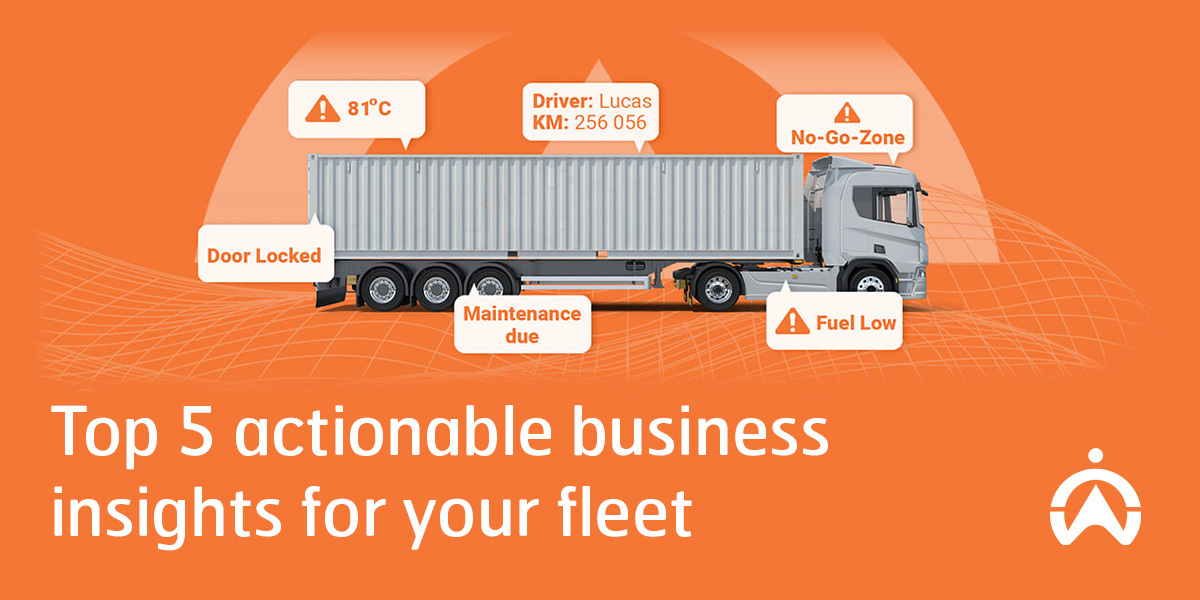
5 top actionable business insights for your fleet

The process of data collection is more than meets the eye. When cracked right, there are multiple ways businesses can use it to their advantage.

It starts with analysis, followed by objective-based interpretation, and ends with opportunities for business development and exploration.

In this article, we’ll take you on an insightful data mission, where you will get the chance to achieve actionable business insights through data.

We are here to empower managers and unleash their decision-making powers.

Actionable business insights through data

How-fleet-management-helps-with-your-vehicle-maintenance

The data process can seem like quite a mouthful, but let’s break it up into bite sizes.

Data is the information that you collect from your systems. For example, in the fleet management process, you might need data about driver behaviour, fuel consumption, maintenance alerts, and much more.

Insights are the value you derive from the analysed data. You can use data analytics to identify trends and patterns in the information retrieved. Analytics assists to make sense of the data.

Information is a product of refining this data and giving it structure and context. This way, you aren’t staring at a bunch of random numbers on spreadsheets and documents.

Actionable insights are where the magic happens. This is the part where businesses use data analytics and discoveries to take action and improve the efficiency of their operations.

There are many online tools available to make sense of data. In the fleet vehicle tracking industry, software platforms are trending. The advanced tech is already in place, with powerful insights, and integrated analytics – all designed to give you the reports you need.

Let’s dive in a bit more.

What are actionable insights examples?

How-Cartracks-fleet-management-delivers-actionable-insights

Fleet management systems or platforms are what fleet managers can use to achieve and harness actionable insights.

These are accompanied by advanced software technology assisting businesses in developing a strategy to make informed decisions.

You could choose Cartrack Tanzania as a provider and gain actionable insights such as:

  • Instantly pinpoint challenges. This will allow you to make changes immediately during work hours and in your business overall. While you are quickly putting fires out the business can keep growing with increased productivity levels.
  • Receive contextualised metrics. Perhaps you want a specific context for a certain reporting requirement, such as the cost per job. The operational, administrative, and financial data costs can be aligned for you to analyse this spec. Receive metrics for all three and can determine the exact cost per job, and make price comparisons. Maybe one outweighs the other creating a cost imbalance, so you might need to make some cost changes there. Also, compare accurate metrics to see whether your routes are optimal and know how other costs impact your margins.
  • Use comparable metrics. Compare metrics across drivers and vehicles to pinpoint price differences in costs per task, or differences in behaviour and maintenance costs for the vehicles they are driving. If one driver’s vehicle is costing significantly more on maintenance than others, managers can assist their driving behaviours and empower them where needed. Use this to assess driver productivity. Know how much time your drivers spend on the road and how many jobs they complete in the required time.
  • Get important insights instantly. There might be an urgent concern that needs your immediate attention, prompting a meeting with concerned parties. Say you don’t have time to spend hours analysing data; the platform will give you a visual overview of your fleet’s fuel consumption, unproductive idling, safety, and utilisation on the dashboard, all with one click. You can filter data by time or vehicle for added flexibility and speed in pinpointing challenges. With this, you can be prepared for your meeting without doing much prep.

What are data insights for business decisions?

Data-insights-deliverd-through-cartarcks-fleet-management

We know that actionable data can help you make immediate moves and business decisions.

However, we should expand on it, ultimately using it in the best way possible for the business. In other words, use it to drive workforce optimisation, which encompasses admin together with task, team, and change management.

Fleet owners need a solid business structure and strategy behind them to set the foundation for fleet managers, drivers, and all other staff. From there, we can create meaning out of insights.

But let’s start with the base first.

Actionable insight business considerations

  • Get the right people in your corner

It’s important to hire the appropriate people for the job who can understand the data insights. Investing time and energy into finding the wrong people is costly, and not just financially, but for the business flow. For example, fleet managers should be hired based on the fleet experience they have to understand what the system data means.

  • Communication and team planning

The importance of communication and planning for businesses and teams has proven to be one of the most important task management strategies. With a vehicle fleet, it goes without saying that you will have a diverse team, often distributed all over. As a result, you need to plan, manage, follow up on tasks and create a space for them to excel. One way of doing this is having communication channels in place to improve driver productivity and ensure efficiency. Fleet software apps offer this feature.

  • Set up KPIs

These are used to assess an organisation’s performance against its goals. They aid in decision-making, assist in setting strategic objectives, and enable effective processes. This will motivate employees and assist with their performance.

  • Internal actions

Managers and teams need to create actions within their task management, and delegate tasks to team members. Reminders are set and updates are done, once the task is complete – they can move on to the next. This is also part of the communication channel chosen.

  • Competitive advantage

Companies should capture, manage and analyse their data to improve their business intelligence. They can then grab the opportunity to jump ahead of competitors by offering great customer service.

How do you convert data into meaningful insights?

Actionable-insights-brought-to-you-through-our-fleet-management-system

  1. Define your goals and objectives

Before even choosing appropriate fleet management software, goals should be top of mind. Goals give everyday tasks more meaning and clarify the reasoning behind company decisions. Without these in place, there isn’t much to work towards causing stagnation and struggle to make accomplishments. Goals are steps to the end result, which are part of every business plan.

Fleet managers can set operational goals such as saving on fuel costs and improving driver engagement. With this in mind, they can go directly to the part of the platform that gives this insight. Maybe the marketing team’s goal is to bring in more leads for the business, which will require a higher budget. Saving on fuel costs and working towards that goal, will directly bring in more revenue for the company.

If this does come to fruition, the data indeed will be a meaningful insight that can be measured to the goals.

Now, you will be able to ask the right questions and figure out what questions you want your data to answer. Before you unravel the data, it will ensure that you don’t spend time on the wrong things.

  1. Segment your data

Cutting up data into segments can help you make better sense of it. A fleet software platform works in the same way as Google Analytics. You can customise the platform to suit your needs, and pull up the specific data you require for adequate reporting. For example, maybe you have a management meeting about driver behaviour and productivity. You can create a segmentation for that on the platform, and then relay feedback on that only.

  1. Use visuals to simplify data sets

Visuals are a nice way to represent data in an easily comprehensible manner. Especially when it comes to presentations, you cannot use raw data to relay information, but should rather use visuals to show your findings. The software’s report function will be the starting point before you create the perfect presentation for your meeting.

  1. Discover the context

Without the right context, you’re either not getting the full story or getting the wrong one. Based on your pre-determined goals, you need to get the full picture to create meaning out of the outcome or visuals. You should ask questions like who is responsible for this within your fleet? Or why did it happen? And in what way does it affect the business?

  1. Spot the right patterns

Up, down and zig-zags in between, this is what you commonly see on visual representations. From this, you can determine patterns or trends in the data concerning certain incidents. You can identify when there is an upward or downward trend, visualise a relationship between two factors, and more. They’re all tailored towards uncovering the stories behind the data.

  1. Determine a hypothesis and action plan

You’ve done your research, now is the time to get going with an action plan. Perhaps, vehicle maintenance issues are the common trend of driver misconduct. Maybe you need to delegate this issue to more team members to resolve, where they will dissect this reporting feature in more detail.

6 key attributes of an actionable insight

Actionable-insights-for-your-business-through-our-fleet-management

We understand that you could be on the move a lot. Want a quick rundown of how to achieve actionable insights? Whip these out and take action.

  1. Alignment

Tie your insights to defined business goals to drive action. Align them with your KPIs to create urgency.

  1. Context

You need background information or comparisons to give data insightful context. Otherwise, there will be more unanswered questions rather than a plan.

  1. Relevance

Deliver the insight to the right person at the right time and setting. They need to reach key decision-makers for appropriate action to take place.

  1. Specificity

If you are highlighting actions, then you need to explain them in detail for people to understand. Explain why something happened to develop more action.

  1. Novelty

Give interesting insights. There’s no need for repetitive insights but rather to give new developments to create more growth and challenges. We switch off to information if we feel they constantly reinforce, rather than challenge and increase our current knowledge.

  1. Clarity

Insights need to be clear to understand. People need to understand the reason behind it and how it will help them. Visualisations will help the information stick.

Conclusion

Need some meaningful insights? With Cartrack Tanzania, there are hundreds of reports to boost your business. Speak to us today and receive automated reports to match your workflow straight in your inbox.
How to efficiently manage business and transport logistics

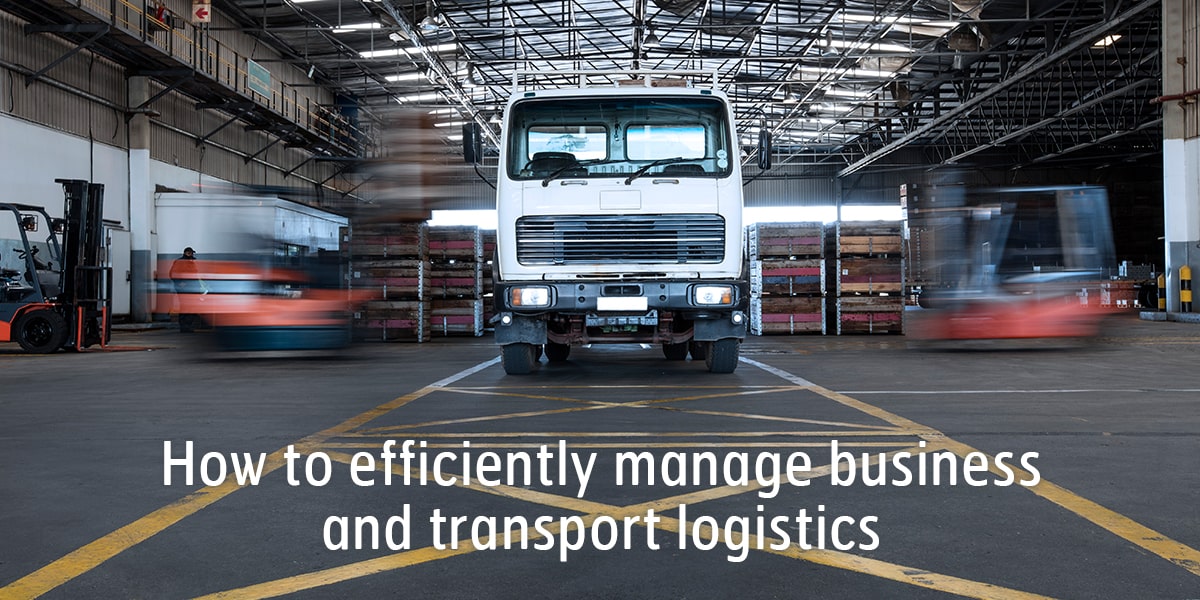
What is business and transport logistics management and how can it benefit my company?

Business logistics matters to every organisation, regardless of the scope, industry or specialisation. Read more on how fleet managers can better utilise logistics management to transport goods and services from point A to B.

This is the process of transporting goods from one primary location, such as a manufacturing warehouse, to their destination. This process of movement makes up contemporary business logistics and keeps your logistics business running smoothly.

logistics_and_supply_chains

logistics and supply chains

What are logistics and supply chains?

Supply chain management and logistics management are two topics often used interchangeably because both concepts are central to running a successful business. While the supply chain includes every element from production to delivery, logistics is only one element in the larger concept of the supply chain.

Let’s unpack this a bit more.

A Supply chain is a network of businesses, organisations and other people working together to produce and distribute popular products. Logistics, on the other hand, handles the safe movement of supplies and finished goods from location A to B, this includes transportation and warehousing.

Logistics also includes two processes:

  • The gathering of data on each process involved in a company’s distribution
  • The allocation of resources such as human resources, materials, equipment and capital to the different steps required in the movement of goods

Although logistics is a simpler concept to understand than the overall supply chain, don’t let its simplicity fool you, logistics has a huge role to play with many steps within it to keep it functional and beneficial to the business.

Business logistics: What it is and how it works

Business logistics refers to the workflow and oversight of goods in transit, whether from a supplier to a business or from a business to a customer. The key concept here is managing these processes as a unified system.

You don’t have to manage and oversee this process manually. A logistics management system can take care of inbound elements like purchasing and arranging the transportation of products, parts, materials and finished inventory from suppliers to a company’s warehouse or manufacturing plant. And outbound elements like the flow of items through a company’s production line, warehouse and ultimately to the customers.

Both these elements would need the logistics manager to implement other management techniques such as:

  • Transportation management
  • Warehouse management
  • Fleet management
  • Order processing
  • Inventory control
  • Supply and demand forecasting
  • Managing third-party logistics (3PL) service providers

A logistics management system can take over these different management departments and automatically gather and process information as needed. Leaving logistics managers with practical tasks such as making sure the supplies being transported arrive safely and intact, and striving to attain positive feedback from customers.

business_logistics_management

business logistics management

How does business logistics management boost profits?

Business logistics management gains profit and trade for the business, by exchanging goods and services, making logistics the backbone of any business. Without financial gain and trade, there would be virtually no transactions taking place, no deals, no profits and ultimately, no business.

But when done right, business logistics management can make organisations leaner and more profitable over time. Granting broader visibility over the movement of goods and items from production to consumption, identifying infrastructure and operational practices that help or hinder the smooth transportation and distribution of goods

As smooth as this process is, it can show cracks in the current workflow of any business. It can also inform which aspects of an employee’s duties are handled well, and which require new or updated systems. To ensure no further ‘cracks’ are shown, a set of inbound and outbound domains should be followed to ensure effective logistics handling.

The 7 pillars of effective logistics

1. Material sourcing

Material sourcing is more than finding the cheapest supplier of raw materials. Logistics includes calculating and managing factors like backorder delays, add-on service costs, extraneous fees, increased shipping costs due to distance or regulatory environments, and warehousing costs.

Going the extra mile to find the right supplier for any material also requires understanding how these factors will impact the overall operation cost. This process is referred to as “strategic sourcing”.

2. Transportation

Fleet managers should pay special attention to this component of logistics planning, as it is the core of logistics management.

For transportation to contribute and fulfil its role in logistics planning, first, a company needs to select the best mode of transportation – there are only three freight options for shipments: air, water, or land. Then they choose the best carrier based on cost, speed and distance, including optimising routes that require multiple carriers.

If goods are being transported globally, the shipper needs to be knowledgeable about customs, tariffs, compliance and any relevant regulations, while transport and fleet managers have to document and track shipments, manage billing and report on performance using dashboards and analytics software.

3. Order fulfilment

For items to get to their destination(s) without trouble, the right items must be “picked” from the warehouse as per the customer’s order, get properly packaged and labelled, and then shipped to the customer’s home or collection location as scheduled. Once delivered, this creates an order fulfilment, which is the heart of logistics sequencing in customer distribution.

4. Warehousing

Both short- and long-term storage are common parts of logistic planning, so common in fact, that a new process, warehouse management systems (WMS), was created to help logistics planners optimise warehouse space by taking into consideration specific conditions for perishable goods, as well as enquired facilities such as cold storage, docking facilities, and proximity to modes of transportation such as rail lines.

Further, WMS can also deduce goods that are scheduled for transport to be placed at the front of the warehouse. While lower-demand items are stored toward the rear. Perishable goods are often rotated, so the oldest items are shipped out first, ensuring effective warehouse operations.

5. Demand forecasting

Logistics caters to inventory demand forecasting. This ensures the business never runs out of high-demand products or materials and doesn’t stock up on items that aren’t needed. This saves the businesses money, time and products that might expire as a result of poor sales. By using demand forecasting, logistics managers can precisely determine how much of each product they will need and when they will need it.

6. Inventory management

Based on past trends or seasonal behaviour, companies can plan for increased demand for certain products and meet demand when requested. In turn, a company can better determine when to offer discount pricing for items that aren’t in demand and offer incentives for free capital to reinvest in goods that are in higher demand. With this, they can also keep profits higher and make inventory turn faster.

Since stores differ from one another, good inventory management enables the business to decide to ship products that are performing poorly in one store or region to another where the products are in demand rather than take a loss via discounting pricing to get rid of stock. Or creating waste by throwing away the products. Logistics is key to moving inventory where it is likely to get the best price.

7. Supply chain management (SCM)

A supply chain is essentially a series of transactions. If logistics fails, the supply chain will fail, and transactions will come to a standstill. To better explain, during the pandemic, aisles in multiple stores were empty, caused by sudden high demand. While warehouses and farms had amble goods that were going bad and had to be thrown out. The transportation restrictions during that time broke supply chains, and thus stores didn’t receive their goods, losing profit in the long run.

If business and transportation logistics were implemented and business owners used demand forecasts beforehand, they could have foreseen the disaster and prepared for the sudden spike in demand.

What_is_transportation_logistics_management

What is transportation logistics management

What is transportation logistics management?

Transport management is part of logistics management and, as such, It’s considered one of the most important aspects of the distribution element, as well as the factor that can make or break a company.

Because transportation and logistics management are so similar, it’s not uncommon for them to share the same primary goal of efficiently and effectively transporting goods throughout a company’s supply chain.

The end goal: physical delivery

Transportation logistics focuses on the successful delivery of goods from one location to another. Planning to have a safe and scheduled delivery is one thing, but going through the terrain without loss, damage or attempted theft and delivering the physical items is another.

To swiftly meet delivery deadlines without encountering any problems, it’s best to get to know the transportation functions. The function of transportation services can be divided into three important areas:

  • Operations Management
  • Vehicle and Fleet Organisation
  • Infrastructure Administration

The best terrains for your business

Depending on what shippers are transporting, how large the item(s) are, and how valuable they may be, different modes of transportation may be appropriate for that item; however, when comparing the different terrains, it is stated that out of all the different modes of transportation, road transportation is the popular mode frequently used by the freight industry, here’s why:

  • It’s the most cost-effective of all the modes of transportation
  • You can have a quick and scheduled delivery (1-3days delivery)
  • Flexible service
  • Easily traceable cargo and fleet vehicles
  • Door-to-door complete delivery services are available
  • Most economical means of transportation

Transport_Logistics_management

Transport Logistics management

Why is active management crucial?

Order fulfilment is only one of the many aspects of transportation and logistics management. There are several other reasons why it’s crucial to be proactive in this area of your business. As seen above, transportation management is a huge deal in the overall supply chain and the success of a business.

Let’s take a closer look at a few reasons that support active management:

Optimisation of inventory flows

Your entire supply chain can run smoothly when you manage your transport logistics effectively. This will allow you to keep a close eye on inventory and manage it accordingly, especially if transportation techniques are used. As a result, your warehouse’s operational efficiencies will be improved, lead times will be reduced, and storage costs will be reduced.

Environment sustainability

As you become more streamlined in your logistics approach and use the terrain that best suits your business practices, another benefit is reducing your carbon footprint. The transportation industry is known for being a bit ‘emissions-heavy’ so every little step towards decreasing emissions is one to be celebrated.

Moreover, striving to lessen air pollution will draw in customers that want to work with companies that take social responsibility seriously. Optimising your transportation process will simultaneously reduce environmental impact while increasing customer satisfaction.

Some notable benefits of logistics management

1. Increases visibility

With business logistics management, logistics managers have the advantage of seeing the distribution and transportation process through a strategic, more precise lens. It’s important to note the steps taken in the primary stages of product creation, such as front-end design, testing and production of its goods. While these are vital processes and essential to solidifying brand market share, they should not take time away from pushing the products through the business’s supply chain in a timely, efficient and cost-effective way.

2. Reduces costs

Smart business logistics planning helps logistics managers trim costs on many previously overlooked transportation and storage expenses. Through programs like fleet management software, inventory management and demand forecasting, businesses can tailor far more strategic inbound and outbound shipping schedules, routes, fleet vehicle maintenance and more. With this, managers can use the money saved through the efforts of effective spending and money-saving methods to be distributed elsewhere.

Key overhead costs reduced through business logistics efforts include:

  • Storage and inventory holding calculations
  • Purchasing expenses
  • Per-unit production costs
  • Fixed-asset expenses, such as warehouses, vehicles, etc.
  • Total supply chain expenditures

All the while, business logistics improve:

  • Cash flows
  • Order fulfilment rates
  • Delivery times
  • Net profits

3. Improves customer experience and increases customer satisfaction

Out of all the different options a business has for delivering their products, most customers favour door-to-door delivery. With this delivery option, customers can enjoy safe payment methods, quality of a good or service upon arrival, and save up on fuel and travelling expenses to the nearest delivery location.

To better cater to the customer, the delivery process should be a swift and straightforward experience, as a customer there’s nothing worse than not knowing where your parcel is or when it will arrive. Prompt and on-time arrivals, clear communication channels from the organisation and intact, undamaged cargo are key factors that impact customer satisfaction and guarantee positive feedback on the overall delivery service.

When your organisation fails to meet these delivery expectations, customer satisfaction can greatly decrease. Logistics managers, however, can prevent that from happening with the help of business logistics.

4. Increased Profit

Efficient logistics management gives you credible transport and business insight on operations and customer relations. The information can then be used to increase the order fulfilment rate which can boost profit. With the aid of other management programs, such as fleet management software, fleet data, route optimisation, and active vehicle tracking, managers can minimise operational costs and ensure supply chain synchronisation.

fleet management

fleet management

What impact does it have on fleet management?

At best, poor logistics planning will temporarily affect a company’s bottom line. At worst, it could be quite damaging. Since logistics are seen as the physical manifestation of a transaction, without them, cash flow can’t move from buyer to seller, resulting in a halt in production and a staggering loss in products and profit, ultimately leading to poor customer satisfaction and a decrease in customers.

Fortunately for the business, managers can use logistics management software to help make the best decisions for the business and fleet, such as calculating the best routing and shipping decisions, containing costs, protecting investments and tracking the movement of goods.

Logistical best practices vary depending on the nature of the business and its product decisions, but the process is always complex. Automation is the key to efficiency. This software can often also automate processes, such as:

  • Choosing shippers according to rate fluctuations or skills
  • Printing shipping labels
  • Transactions are automatically entered in financial ledgers and on the balance sheet
  • Ordering shipper pickups
  • Recording receipts and receipt signatures
  • Helping with inventory control

This one software can do the job of many in no time. Modern logistics management, aided by technologies such as Artificial Intelligence (AI) and the Internet of Things (IoT), enable managers to find new revenue streams and increase delivery profitability. Sure, these objectives can be met without the use of technology, but these methods allow businesses to achieve higher standards of logistics management and delivery efficiency.

Cartrack’s tailor-made fleet management systems

Have Cartrack’s user-friendly, fleet management tools readily available to help in the management of your business and transportation logistics as soon as you open our app. To further optimise your business practice, visit Cartrack Tanzania and let’s get started.

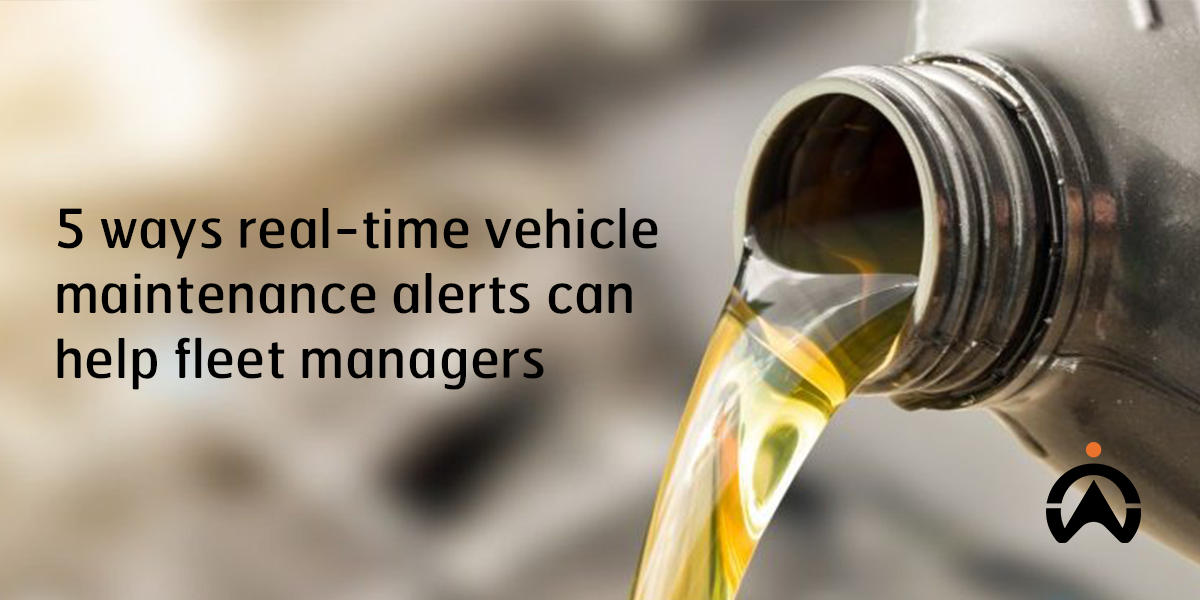
5 ways real-time vehicle maintenance alerts can help fleet managers

Real-time maintenance alerts are an important part of a business maintenance strategy. There are different types of maintenance you can implement for your business, particularly if you have a vehicle fleet.

Your business is multi-faceted. Maybe it has multiple assets on-site, fleet cargo, industrious equipment, or high maintenance vehicles–which make up its innate structure.

Maintenance management is an important part of building a healthy business ecosystem.

With advanced IT systems, real-time monitoring and maintenance alerts can be available at your fingertips. There are numerous benefits and ways it can work for you positively.

We are here to guide you, so you grab them with both hands and manage your business effectively.

What_is_maintenance_and_monitoring

What is maintenance and monitoring

What is maintenance and monitoring?

Whether you would like to receive maintenance alerts for your vehicle fleet or important assets at your premises– it all forms part of asset maintenance and monitoring, under the umbrella of asset management.

What exactly is Asset monitoring? It refers to the management and assessment of assets and equipment of an organisation, which incorporates the tracking of asset usage.

The main purpose of asset maintenance is to ensure effective operations, create a safe working environment and protect your assets. Quality asset maintenance will ensure you get the most asset value and longevity for your business investment.

Real-time asset tracking allows asset-intensive companies to monitor the condition and usage of their assets. In order to monitor the efficiency of assets immediately, and receive maintenance alerts on the fly– we need real-time asset tracking through various technology and sensors.

What is real-time monitoring?

In other words, we mean data monitoring– the route of real-time monitoring.

Real-time monitoring is a process, enabled by IoT, where sensor-collected data is streamed continuously for immediate access and review, with zero to little latency between collection and delivery.

Traditionally, other monitoring solutions were used such as data loggers. These required costly installations creating data blindspots and issues. But with real-time monitoring, there are fewer gaps in data processing and interpretation due to continuous data streaming. In addition, you can use a time monitor for even extra visibility.

There are various administrative methods that can be used for data collection, such as fleet management. For example, real-time monitoring is important when it comes to fleet management and monitoring of cargo transportation.

The sensor device can be placed in the fleet’s cargo. It will collect data about temperature, light, humidity, and much more– depending on the fleet manager’s requirements for data processing.

It will be interpreted by the vehicle provider’s software platform (such as Cartrack), where data points will be streamed in real-time. The business can consolidate the information with the platform’s comprehensive reporting tool.

But let’s talk about how it can be fundamental for vehicle and asset maintenance. Now we are diving into real-time maintenance alerts.

Real-time monitoring example

What does real-time monitoring do?

Say you own a country-wide food delivery company, with a robust vehicle fleet under your wing. Fleet management and vehicle cost-efficiency are a top priority. Vehicle maintenance is an important consideration to cut costs and ensure an effective production line.

Fleet managers can make use of real-time data collection on vehicle health from a vehicle tracking company such as Cartrack Tanzania, which will provide streamlined data and alerts relating to vehicle maintenance.

Their fleet management platform uses telematics software to give you the necessary information, and real-time vehicle diagnostics.

We will dive more into this later on.

But let’s first look at some practical examples and benefits of how asset tracking and maintenance alerts can assist your business– an add-on service provided by a vehicle tracking provider.

monitoring_business_benefits

monitoring business benefits

5 real-time monitoring business benefits:

  1. Improved asset utilisation

Smart algorithms will alert you when your assets and machinery require servicing. Receive maintenance alerts on movable assets such as industrious equipment on your manufacturing site. This works through asset tracking to manage them better, increasing their durability. For instance, forklifts that aren’t managed and maintained on-site could break down causing more maintenance problems. Also, use monitoring to ensure the completion of equipment maintenance without delay.

  1. Save costs

Reduce asset repair or replacement costs. Well-maintained equipment reduces the frequency or necessity of buying new equipment or replacing broken parts. It can also assist with stock inventory management. If equipment breaks down, this can affect production costs and supplies– impacting sales and customer retention.

  1. Improve employee and workforce safety

If assets are maintained well, then staff will be protected from danger caused by equipment. If there is any danger on site, authorities will be alerted accordingly. You can also prevent situations that could threaten safety.

  1. Asset and business management

If you are implementing asset maintenance management, you can go a step further and create a risk assessment to help identify equipment with high safety risks– based on maintenance reports. Once identified, the appropriate maintenance schedule can be implemented, to plan part replacements or upgrades. This will assist with managing your business more efficiently.

  1. Improved admin processes

Streamline your administrative processes effectively and have everything you need in one place. Instead of using filing, paper trails and other manual tools- you can retrieve everything in one place. For example, access powerful reports on usage hours and costs for you to make maintenance decisions on your equipment.

Types of maintenance

Part of vehicle and asset management is having a maintenance strategy in place to get the most out of software data and maintenance alerts. Maintenance tasks can involve a chunk of procedure, leaving us in a situation of not knowing where to start. Making it easier for you, we can break them up into predictive, preventive, or corrective maintenance. The difference between preventive maintenance and predictive maintenance lies in the data being analysed.

Let’s unpack this a bit more:

Predictive maintenance

Predictive maintenance is an advanced form of planned maintenance that monitors asset conditions in real-time. It relies on monitoring and analysing data from the actual, current condition of the equipment in operation. Within predictive maintenance, there are condition monitoring tools used to detect equipment malfunctions and damages.

How does predictive maintenance work?

Maintenance workflows are used to retrieve your asset or vehicle diagnostics, so you receive the necessary maintenance alerts. A vehicle tracking provider will usually already have this in place.

Sensors are connected to the asset being monitored, data is then collected from the sensors within identifiable baselines and set parameters. While the asset is running, the sensor will detect any performance abnormality and send out maintenance alerts. Maintenance will then be performed before running the asset as usual. Advanced warnings like this can save your business from excessive maintenance costs or worse, irreparable damage to your assets.

Here are the tools and technologies that make it possible:

  • Condition-monitoring equipment

These are sensors commonly used in maintenance, to pick up information and capture data from the asset, which is then communicated with the software to assess the state of the asset in real-time. As part of internal operations, Alerts can be configured into a cloud monitoring service for maintenance. You can configure single or multi condition-based alerts to notify you about problems that may require attention. When a condition-based alert is triggered, you will be notified through one or more notification channels.

In addition to increasing the longevity of equipment. Machine condition monitoring supports a variety of goals for manufacturers, including:

  • Reducing and eliminating unplanned machine downtime
  • Optimising machine health and performance
  • Improving quality and reducing scrap parts
  • Driving a maintenance performance programme based on accurate machine data
  • Enabling automation based on real-time machine condition data

There are various condition-monitoring sensors that detect environmental phenomena.

Here are some examples for businesses to consider:

  • Vibration monitoring. Vibration patterns can indicate many different things. Monitoring vibration patterns can offer insight into part durability and changes to this pattern can indicate a failing tool, often 15 minutes or more than when a human operator can begin to see a problem.
  • Temperature. Temperature is a strong sign of any potential problems in a machine. If temperatures deviate against the set parameters or standards, employees will be alerted about any impending machine failure, machine breaks, or even fires in hazardous environments. This could all pose major health risks too.
  • Torque: A worksite might have assets operating using a twisting force around an axis, called a torque. Use sensors to identify anomalies in the rotational force of the machine, and develop an understanding of how it changes during job runs. Monitor its day-to-day functioning, and identify any correlation with scrap parts, machine failures, and broken tools. Site managers can integrate data retrieved into their maintenance strategy.
  • The Internet of Things (IoT)

IoT refers to the way devices interact with one another. The role of IoT is to analyse and make sense of the equipment data. The different sensors collect and share the data working with other parts of IoT technology, such as user interfaces and connectivity within the central information system.

  • Predictive Formulas

From here, predictive formulas identify common equipment maintenance trends, including servicing, repairs, or a replacement. The formulas rely on predetermined algorithms that compare a machine’s current behaviour against its expected behaviour. Once the trend deters from the standard, there will be signals of gradual deterioration. The maintenance team can then take measures to prevent the equipment from failing.

[H1] What are the main industries using predictive maintenance right now?

The manufacturing industry benefits the most from predictive maintenance. According to Mckinsey Global Institute, the global manufacturing industry could save up to $630 billion by 2025, by using predictive maintenance. Manufacturers can use this maintenance strategy to manage plant floor equipment, boost operations, and improve workplace safety.

Preventative_maintenance

Preventative maintenance

Preventative maintenance

Preventive maintenance relies on historical data, averages, and life expectancy statistics to predict when maintenance activities will be required. It includes taking the necessary precautions and actions to prevent equipment incidents or failures from occurring before they happen.

The benefits of preventive maintenance will decrease business downtime and productivity resulting from equipment not working properly. It will also ensure all equipment and employees work only during scheduled hours, eradicating the need for paying staff overtime due to unforeseen machinery failures.

Real-time_vehicle_monitoring

Real-time vehicle monitoring

Real-time vehicle monitoring benefits

According to vehicle safety experts, all vehicles are subject to wear and tear and unless maintained at regular intervals, this wear and tear will eventually result in unsafe vehicles and vehicle breakdowns which could impact your downtime and productivity.

Regular planned maintenance is a critical step in preventing this.

We know that for operational managers, on-site maintenance and management are necessary. The same applied to vehicle fleets, which is equally crucial.

Here are some ways real-time monitoring is used in vehicle maintenance.

  • Increased driver safety as ill-maintained vehicles could cause life-threatening incidents on the road.
  • Seamless maintenance plans which are easily adjustable
  • Avoid road breakdowns and accidents. Receive real-time alerts of any engine faults, worn brake pads, oil and water fluctuation, and other diagnostics, helping you pre-empt which vehicles need servicing.
  • Instantly respond to maintenance needs. Schedule maintenance and warn drivers in advance via our app, and keep workflows undisrupted. Communicate directly with your driver the moment a fault is detected and let them know where to take the vehicle in real-time, helping you minimise downtime and future issues.
  • Automated preventative maintenance. Our platform automates the maintenance schedules for each of your vehicles by using your utilisation hours and the time of the last service, hassle-free:
  • Cut your maintenance costs. A strong maintenance servicing routine helps prevent vehicle breakdowns, minimising major indirect and direct costs.
  • Increase your vehicle lifespan. With proactive-maintenance schedules your vehicles will remain healthier for longer, ensuring you get more out of them.
  • Reduce unnecessary downtime. Prevent vehicle breakdowns and plan for your servicing in advance to reduce project disruptions.
  • Improved maintenance workflows: For your fleet, you can use the Cartrack app, which will give you real-time maintenance alerts. As a result, you can streamline your process and workflows better.

Other uses of a real-time monitoring application

  • What is real-timeDatabase monitoring? It is used to measure a database’s performance in real-time. Receive alerts to identify problems and other attributes which could cause future problems.
  • A real-time monitoring tool is useful in the healthcare industry. Real-time alerting for maintenance is crucial for a patient’s safety in hospitals.
  • Real-time monitoring call centre refers to the tools and software used by managers to oversee and track agent calls as they occur. Alerts can be more quickly routed to appropriate staff, or even to automated systems, for future mitigation.

Use Cartrack Tanzania to stay on top of your vehicle maintenance and/or asset maintenance and create a maintenance strategy that works for you.

Fearless Women Truck Drivers Shattering Stereotypes In Our World

Are women breaking into previously male-dominated industries?

They sure are, and you may be surprised at what they’ve already achieved in the once-masculine world of trucking and fleets. With a shift taking place, more women are discovering how to become valued members of this male-dominated industry.

We’ve got all the details on how women managed to break the mould, the organisations created to support women in trucking, and what you should know if you’re interested in joining this female-growing industry.

In this article, you will:

  • Learn more about female representation in trucking
  • Find out about female-focused support organisations
  • Discover why women should join the trucking industry
  • See how Cartrack helps you create the ideal fleet business for all genders

Women’s growing representation in the fleet industry

Gender perception has contributed to how different industries are viewed and influenced the career paths of both sexes. Women entering the trucking industry is a unique example of piercing a male-dominated environment that can still seem impenetrable today.

Historically, societal roles were primarily based on gender: domesticated and caring roles like nursing and childcare were perceived as more female, upholding feminine and maternal stereotypes. Society’s perception of gender also kept women from working in more masculine industries like mechanics, construction, and modern-day fleet-based jobs like trucking.

However, this did not stop women from breaking barriers and entering male-dominated workplaces with vigour. Today, companies worldwide are also actively contributing to diversification in male-dominated industries to give women the representation and inclusion they deserve.

Women’s_growing_representation_in_the_fleet_industry

The history of women in trucking

As testosterone-fuelled as the trucking industry has been throughout history, women persevered and cracked it through a good cause.

The journey began during World War II in the US, where women stepped up to fill men’s jobs who were at war, one of those jobs being trucking. In 1918, Luella Bates pioneered the trucking industry as the first female truck diver and worked for Four Wheel Drive Auto Co during the war.

After Bates’ trailblazing entry, Lillie Elizabeth Drennan became the first licenced US truck driver and trucking firm owner in 1929. In 1944, Dusty Row became the first female truck driver to complete a 2 237km route with a fully-loaded truck.

These ladies ultimately initiated a shifting perspective of women in trucking, and since then, women have made serious strides in the fleet industry as a whole.

  • According to a survey conducted by the National Transport Institute (NTI), the average percentage of female over-the-road (OTR) drivers increased from 7.13% in 2017 to 7.89% in 2018.
  • A survey conducted byFrightwaves further shows that women now make up over 10% of OTR drivers, an increase from the 2018 survey. Recently, the percentage of female truck drivers has risen close to an increase of 30% in a period of a year (2018 to 2019).
  • The US Bureau of Labor Statistics shows that the Trade, Transportation, and Utilities industry was the second largest employer of women in 2017, after manufacturing. Of the 7.7 million workers in the US Transportation and Utilities sector, women constituted 22.6%. There are 24.8% of women represented in the industry in 2021.

Here’s why women should get into trucking

Calling all women with a deep desire to drive a heavy-duty powerhouse or even to own their fleet. With things looking up for women in the fleet industry, there’s no time to consider joining this flourishing industry like the present.

While there’s still work needed in terms of representation, inclusion, and gender equality in the industry, women today are more empowered than ever with resources and opportunities through social media, organisations, and communities that share support, guidance, and valuable information. Here’s why the fleet and trucking industries need more women:

  • Equal pay: The trucking industry offers fair and equal pay, with no known wage gap between men and women.
  • High demand: There is an increased demand for truck drivers, creating more opportunities for women to enter the industry.
  • Career stability: Women who remain with trucking companies for long periods tend to experience a sense of stability in their careers and their lives.
  • Safety and cautiousness: With women often being less distracted and more safety-conscious, they become good drivers who prioritise good driving.

While the profession can be demanding, it’s also rewarding and offers valuable job security and financial freedom for women across the world.

Here’s_why_women_should_get_into_trucking

Influential women in trucking

There’s no better way to measure the growth of women in trucking than looking at what some of the most successful women have achieved and how these achievements are paving the way for other aspiring female truckers and women in the fleet industry. Here are some of the most influential women in trucking today and how their achievements empower other women to follow in their footsteps.

  1. Siphokazi Matsha is the founder and chief executive of GoGirl Logistics, a South African, 100% black, female-owned logistics and courier company. Matsha aims to empower women in the fleet and transport sectors through hiring, quality training, and leadership. Growing up in Mdatsane in the Eastern Cape, Matsha is no stranger to the daily struggles women face, which is her primary source of inspiration for creating new opportunities for women in South Africa.
  2. Trina Norman was named 2022’s Most Influential Woman in Trucking by US organisation Women in Trucking. Working as a feeder operations manager for UPS for the past three decades, Norman is praised as a woman with an admirable work ethic and an exceptional leader and mentor in her field. Norman’s mission is to recruit, mentor, and empower women to join the remarkable women behind the wheels at UPS in Southern California.
  3. Felicia Marfo is an African trailblazer and the brains behind Ladybird, Ghana’s first female-only logistics firm. Marfo further empowered her female employees by training them to become globally-certified truck drivers, contributing to narrowing the gender gap in the Ghanaian logistics and fleet industry. She is determined to help women empower themselves with the belief that when women work, economies experience growth.

Female-friendly supporting organisations across the world

With forward-thinking women aiming to offer empowerment as leaders in the industry, other avenues of support present a range of organisations designed to support women in the trucking industry. Here are a few:

  1. AWISCA, or Women In Supply Chain, is all about boosting and revolutionising supply chain skills in Southern Africa. They team up with big companies, the government, universities, and the whole industry to make it happen. Their main job is to fix any gaps in the supply chain’s abilities and capacity and develop smart solutions for these challenges.
  2. Women in Trucking: The Women In Trucking Foundation is a non-profit organisation that’s all about supporting ambitious students, drivers, and professionals in the trucking industry who want to level up their skills through classroom and vocational training. They’re a community of corporations, foundations, and individuals who truly value professional growth in trucking and are dedicated to its success.
  3. Iron Women Southern Africa: Iron Women is a badass truck driving school exclusively for women, supported by Volvo Group Southern Africa. Their mission is to boost the skills of professional drivers and make our roads safer. Graduates become top-notch drivers, making their future employers’ fleets more productive, safe, and efficient.

How to make it: The top 5 tips for aspiring female truckers

Being a minority group in a booming industry can be challenging, but that just makes it all the more exciting to start destroying that glass ceiling. Here are five tips to help female truckers overcome all obstacles and reach new heights.

  1. Find a school or training program

    The first thing you’ll need to get is a valid truck driving license and applicable training. Organisations like Iron Women are a great example of a female-focused group that offers training designed to give women a boost in the competitive trucking industry. After finding a team that appeals to you, you can add Cartrack’s fleet management technology to support you all the way to the top.

  2. Apply for grants and scholarships for a financial boost

    Many women depend on scholarships to get the education they need for a successful career, so don’t let a shortage of funds stop you. Be on the lookout for grants and scholarships through female trucking organisations, in your private capacity, or internal funding and grants within the school or program of your choice.

  3. Become part of a community

    With so many organisations ready to support you, you never have to face a challenge alone. Become part of a group and get to know like-minded women who are just as determined to be successful in a man’s world and share valuable experiences.

  4. Choose a company that prioritises diversity and inclusion

    With so many companies prioritising diversity in the workplace nowadays, this shouldn’t be much of a problem, even in a predominantly male-dominated industry like trucking. Working at a company that supports equal opportunities gives women the chance to advance in their careers with equal pay and benefits.

How_to_make_it_The_top_5_tips_for_aspiring_female_truckers

How you can diversify your fleet with Cartrack

Diversifying your fleet means having a range of age, ethnicity, gender, and other differences within your workforce.

Today, trucking companies are shifting their approach to match the constant diversification of the workforce. Adding a female touch to your fleet can bring a fresh perspective to how companies successfully operate and engage with clients. Additionally, women can close the truck driver shortage and contribute to company success by being part of increased productivity.

Companies need to offer a favourable working environment to attract more women. Since truck driving is male-dominated, some conditions may not be favourable for female workers.

Suitably, technology can be used to fuel positive changes and progress in diversifying today’s trucking industry by fostering better working conditions for women.

Here’s how some of Cartrack’s fleet management software solutions can help you build a strong, diverse, safe and successful fleet for all genders:

  • Delivery app: Simplify your deliveries and keep your clients happy with prompt and efficient service. Cartrack’s delivery app automates the entire delivery process and related admin, helping you maintain full visibility of the entire process as well as full control over workflow management from start to end.
  • Route optimisation: Cartrack’s Delivery app has a route optimisation feature that automatically analyses distance and travel time, offering drivers shorter and quicker route options without traffic or road deviations, helping them complete jobs faster, with less frustration and fuel usage.
  • MiFleet: Accurately identify all areas where you can cut fleet-related costs with Cartrack’s MiFleet cost management software. From timely maintenance alerts to detailed fuel-usage tracking, you have advanced tools and smart actionable data at your fingertips to improve your fleet’s profitability.
  • Protector: Give your workers peace of mind with Protector. This fleet-management add-on provides access to a range of services designed to make their job as worry-free as possible. At the push of a button, an agent immediately makes contact to assist with roadside, legal, or medical services.
  • AI-powered cameras: Keep your drivers safe with AI driver behaviour recognition. These in-cabin cameras audibly alert your drivers in real time they detect forms of dangerous or distracted driving gestures like, cell phone use, speeding, fatigue and more. This gives your drivers the chance to correct their behaviour live as it happens and prevent any collisions from occurring.

Men or women, Cartrack has fleet-boosting solutions for everyone

Increased female representation in the trucking industry ultimately depends on fleet companies. Diversifying your fleet can empower women, reduce driver shortage, and increase profitability.

Whatever type of fleet you manage or strive to manage, Cartrack’s smart fleet management and optimisation tools will help you transform your business.

Contact Cartrack Tanzania today!

How courier companies can benefit from cost reduction and implement business growth through fleet management

With great demand for online-based shopping comes an even greater need for efficient fleet management. Adapt to the times and grow your courier business with rewarding fleet management practices.With great demand for online-based shopping comes an even greater need for efficient fleet management. Adapt to the times and grow your courier business with rewarding fleet management practices.

Modern delivery services and fleet management go hand in hand in the era of fleet innovation. For a manager to accurately keep track of customers, delivery routes and local as well as international delivery services, the use of fleet management is highly recommended.

What is a courier company?

Whenever you scroll through an online store, order items and clear your cart, guess who delivers your goods right to your doorstep? Courier companies.

These are businesses that collect and deliver items ranging from things like clothes to groceries, from one location to another. They are an affordable option for transporting and delivering parcels across South Africa.

While courier services make online shopping that much easier for the average person, businesses also use these services often, as they are an important part of business operations.

Using couriers for e-commerce fulfilment allows businesses to:

  • Deliver multiple packages
  • Provide a more specialised or regional delivery service
  • Relieve themselves of service delivery responsibility

How does delivery work in a courier business?

How courier services go about fulfilling their orders, depends on the nature of the business, contracts, locations, customer needs and a number of other variables.

To reduce overall transport and delivery time, couriers often pick up many different orders to deliver to specific areas at a time. This is prefered over going back and forth between locations, with a zig-zag pattern. To help avoid this, route optimisation is often used. This way, courier services can dispatch multiple orders in a day and cut down on unnecessary journeys by coordinating area-specific deliveries.

Delivery cycle

How couriers go about delivering parcels might change depending on where the couriers are located. Most couriers follow a standard cycle centred around the customers based on their chosen delivery preferences.

An average courier delivery process could look like this:

1. From the moment your order is processed and shipping details are sent to you for easy tracking, businesses deliver all orders to a local depot where couriers pick them up and drive them to designated areas of distribution.

2. During this time, you will receive a tracking update of their items, notifying you that the courier company is on-route to delivering goods right to your home or office.

3. This cycle gets repeated as the courier returns to the local depot to pick up and deliver parcels to other eagerly waiting customers.

Depending on delivery routes and destinations, this cycle could be a lot more back and forth, especially without the fleet management services that offer route optimisation and fuel management.

How to choose the best courier service in Tanzania?

Courier companies handle a lot of precious, personal and valuable goods. That’s why it’s important to find a company you trust. A business might need a courier who can deliver their goods on time and make sure their goods arrive undamaged, while the average person just needs a courier company that can deliver their goods quickly.

When looking at courier companies, there are plenty to choose from. Based on your needs, a consumer can view online reviews from previous customers, while it’s best for businesses to choose a courier that has what it takes to manage the size of orders they wish to fulfil and whether that company can meet their local or global needs, they might need to partner with both local and international courier services.

Other aspects to consider include; price, location, international reach, express delivery options and many more. For businesses, it’s smart to consider multiple courier companies that can cater for delivering different types of packages to assist with your needs.

We put together a list of five courier companies South Africa has to offer that includes both local and/or global shipping:

  1. Fastway Couriers
  2. Globeflight
  3. The Courier Guy
  4. MDS Collivery
  5. Aerospeed Couriers

With The Courier Guy being one of the top courier services south of Africa, offering a popular range of delivery services like:

  • Same-day express delivery
  • Overnight courier
  • International shipping

In order to select the best South African courier service for you, research the services offered and become familiar with their processing procedures.

How_to_choose_the_best_courier_service_in_Tanzania

How to choose the best courier service in South Africa?

What is fleet management and how does it benefit delivery services?

Fleet management is used to track and monitor business operations. With this, a courier company can keep a fleet running efficiently, on time, and within budget while also making effective business decisions.

Fleet management and operations are a part of any business that relies on commercial vehicles to function. To boost productivity and make a business run as smoothly as possible, fleet management is used to oversee all fleet operations, employees and maintenance practices.

The reason fleet management is widely used, apart from efficient management:

  • Coordination of fleet
  • Ability to cut fleet costs
  • Maximising productivity
  • Reaching delivery quotas

How does fleet management work?

While fleet management software may appear to be a simple solution to the many difficulties that this line of work presents, it is only when other factors are under control that the technologies of fleet management services can be used to their fullest potential.

Software

The foundation of fleet management is GPS tracking. The fleet manager can view the precise location using the software and use it to monitor the vehicles while receiving additional information on other aspects of driving behaviour and safety.

Telematics

Fleet managers can more easily gather data about a vehicle’s acceleration, speed, braking force, and fuel consumption through telematics, which helps them determine when maintenance and repairs are necessary.

The sensors are used to detect any sudden movements, such as fast acceleration or harsh braking, giving you a good idea of the driver’s behaviour, which can directly impact the fuel usage of that vehicle.

Maintenance

Keeping track of a fleet’s records and maintenance expenses can be very expensive. By handling vehicle maintenance, negotiating maintenance expenses, and planning service intervals, using a fleet management system can help cut costs and avoid unexpected downtime.

How do delivery services benefit through vehicle telematics?

Using courier delivery services to ship goods from suppliers to wholesalers or fulfil customer orders is a common and affordable option for business growth. In our increasingly connected world, especially with the rise of e-commerce, there is no denying the importance and benefits of courier services.

In all aspects of fleet management, a manager needs to run fleet vehicles and maintain safety while they are on the road.

Vehicle telematics data comes in handy when analysing the following:

  • Fleet vehicles
  • Vehicle location
  • Service delivery
  • Coverage
  • Driver behaviour
  • Community safety
  • Routing
  • Dispatching units
  • Diagnostics
  • Preventative maintenance

For your package to be shipped securely and on schedule, you will need an experienced company or service provider that uses telematics technology to live-track and deliver packages securely.

Lost goods?

After ordering an item online and getting the confirmation Email/SMS from the courier service that your parcel is on its way, the first logical option is to track its every movement until it arrives at your doorstep, right? Well, what if your goods get lost in transit around South Africa or within your city? This is where fleet management can assist.

Each parcel has a shipping label that is scanned at each stop along the way, fleet management software can conduct a search starting from the last depot where the shipment was scanned and track it down to the last vehicle that had the items.

What’s the role of the fleet manager?

Fleet managers aim to keep costs low, maximise profits, and minimise risk while overseeing and optimising a fleet.

They are often in charge of the different departments that make up a whole fleet. Fleet managers are in charge of fleet operations and may be tasked with duties like route planning, driver management, asset utilisation, vehicle maintenance, and the implementation of any programmes that help boost business productivity and avoid cost wastage.

To improve fleet efficiency and lower operating costs, entities frequently use companies like Cartrack Tanzania that offer efficient vehicle telematics with affordable, easy-to-use overall fleet management solutions.

The latest benefits of fleet management

No matter how many vehicles are in the fleet, manually managing them can be difficult. Through predictive analytics and precise reporting, fleet management software can assist fleet managers in:

  • Gaining real-time visibility into their operations
  • Improving driver satisfaction
  • Reducing fuel consumption.
    Reducing operation cost
  • Maintaining fleet
  • Complying with regulatory guidelines
  • Boosting service levels

5 ways fleet management can improve delivery efficiency in companies

Fleet management technologies have dominated the world of logistics and business transportation. Due to the variety of advantages it provides, they have not only simplified the process but also improved delivery efficiency. Here’s how:

  1. Real-time routing

Route optimisation for effective planning is referred to as “real-time dynamic routing” because it enables fleet managers to make use of real-time data and insights. It considers a variety of factors, including same-day delivery, the quantity of goods, the weather conditions, and the movement of traffic.

It increases the business organisation’s dependability in keeping to schedules and deadlines. Additionally, it helps drivers save time, enabling them to complete more deliveries in a single day.

  1. End-to-end real-time monitoring

The data is available throughout the supply chain for managers and qualified employees. Allowing for better decision-making and general performance improvement as they would be able to access live information anytime from their fleet platform.

Fleet platforms make use of artificial intelligence (AI), machine learning and telematics to provide the power of planning, fleet and driver allocation, and tracking from a single point.

Productivity is increased by highlighting potential problems and improving transparency for customers, managers, drivers, and the business through:

  • Aggregated data
  • Automated reporting
  • Improved real-time visibility across the supply chain
  1. Visibility

Since goods sometimes use several different modes of transportation to get to their destination, it is occasionally challenging for businesses to pinpoint their exact location due to the nonlinear nature of the route.

However with automated systems, the visibility of intermodal transportation has improved, aiding in the smooth coordination and execution of the plans. Fleet management also increases operational capability and operational efficiency while ensuring that shipments are handled with the utmost care and according to best practices.

  1. Electronic proof of delivery

An electronic proof of delivery (POD) is the signing off of your delivered items on a mobile device. It’s a significant benefit of moving logistics toward digital methods. By going paperless, you can cut costs while streamlining operations for both fleet managers and employees.

With the aid of electronic tools, the labour-intensive manual data entry process is now significantly reduced and gives drivers all the information they require, on an easily accessible platform.

  1. Contactless Shipping

Fleet management software can let customers know when their products have been delivered and confirm delivery through electronic signatures, minimising or eliminating physical contact and maintaining social distance. They are kept informed at every stage of the process and can also pay using digital wallets.

Resulting in:

  • Enhanced customer experience
  • Increased delivery profitability
  • Efficient #PL management
  • Greater control over fleet operations
  • Improves intermodal transportation efficiency
  • Helps archive perfect order index
  • Adherence to on-time in-full deliveries
  • Reduces carbon footprint

fleet_management_can_improve_delivery_efficiency_in_companies

5 ways fleet management can improve delivery efficiency in companies

Benefits of fleet management for courier companies

Fleet management software offers the same benefits enjoyed by other businesses and industries. With a complete view of fleet daily operations, managers can efficiently manage and offer their expertise through fleet platforms without physically being where they are needed.

Now, courier services can monitor their driver’s progress with real-time information, giving you the required insight into driver behaviour and vehicle treatment.

Wireless communication can be used to inform customers when their deliveries will arrive. While other features like mileage reports allow you to track and validate your employees’ work and billing.

Fleet management services also offer the following benefits to courier companies:

  • Communicate quickly and clearly
  • Reduce time spent on administration
  • Deliver a more flexible and reliable service
  • Maximise successful orders
  • Improve operational efficiency
  • Ensure accurate pickups, deliveries and returns

Why is fleet management required?

Catrack’s fleet management solutions can help courier companies that deliver locally and internationally. No matter the size of the courier service, a good fleet management system can help you manage any business.

Contact Cartrack Tanzania today for an easy fleet management solution that can be tailored to your business needs.

Benefits of fuel management and fuel consumption techniques for fleet businesses

Managing vehicle fuel consumption doesn’t need to be a time-consuming task. For reliable fuel tracking, use fleet management systems to their fullest potential through fuel management and see the difference.

One of the biggest responsibilities managers take on is finding ways to minimise the costs associated with running a fleet. Fuel management just makes this process a lot easier.
Here’s how fuel management can help you calculate the average fuel consumption rate in your fleet.

Fleet management and your business’s fuel economy

Fleet management fully monitors vehicles and gathers data on each vehicle as they run. With each trip taken, the system automatically tracks fuel consumption levels and notes the speed at which the fuel is burned.

With this information, telematics gathers all vehicle data and translates it into easy-to-understand information, and compiles it on the manager’s fleet platform.

The type of information gathered for prime fuel efficiency includes:

  • Speed
  • Full history of vehicle usage
  • Vehicle routes
  • Maintenance issues
  • Idle time
  • Driving behaviour

Now, managers will have full access to fleet diagnostics and valuable insights that will allow them to make informed decisions about how to improve their fleet for a greater, greener business.

How to boost vehicle performance

Managers are constantly looking for fresh and inventive ways to keep up with their fleet and get the most out of their work operations. With fuel being one of the most valuable resources in use, managers need to take the necessary steps to ensure it is not being wasted.

Fuel management is a subdivision of a fleet management system that uses fleet telematics to:

  • Read fuel levels in real-time
  • Keep track and improve fuel efficiency
  • Reduce fuel consumption
  • Instantly notify managers of fuel change

Fuel management systems can give you detailed information about your fleet’s fuel economy. You can determine whether your fuel usage has increased as a result of incorrect tyre pressure, misaligned tires, or vehicle weight.

All this ultimately helps managers better handle their fleets’ fuel consumption performance automatically, making fuel monitoring a crucial component of fleet management.

Fleet_management_and_your_business’s_fuel_economy

How to boost vehicle performance

Fuel economy defined

Fuel economy is the distance vehicles travel with a given amount of fuel, meaning it’s a form of vehicle thermal management that measures how much a vehicle consumes energy in fuel and turns it into kinetic energy to travel.

Fuel economy technologies show that vehicles with reduced fuel consumption burn less fuel than other vehicles and produce lower levels of carbon emissions.

So, how does a fuel management system work to preserve energy?

With GPS technology, fuel management systems automatically create different graphs comparing fuel usage based on previous trips taken. These graphs give business owners operational insights that aid in identifying a variety of technical and usage-related problems.

Fuel consumption management is extremely beneficial to fleet managers for the simple reason of its ability to reduce operational costs. Fleet management also provides a complete overview of transportation to manage your fleet operations and business logistics in the current economy with ease.

A fuel management system provides you with accurate data on:

  • Cost per mile
  • Fuel theft
  • Driver behaviour (risky driving, overspeeding, Idling)

How to reduce fuel consumption with fuel monitoring

Fuel expenses seem to grow with each passing year, so when it comes to planning, budgeting, and managing fuel costs, fleet managers use a few tips to give their tanks a break.

1. Driving Behaviour
They investigate how their team of drivers operate their vehicles and, through training, can change their driving behaviour for the better. Poorly driven vehicles use up more fuel than expected and contribute to maintenance issues in the future.

2. Vehicle inspections
Bad driving habits result in damaged vehicles, so frequent vehicle inspections for any maintenance issues that could contribute to excessive fuel usage and increased maintenance costs are recommended.

3. Route management
Finding the most fuel-efficient route avoids excessive fuel consumption and cuts down on overall delivery time.

For more fuel-saving tips, click here.

How_to_reduce_fuel_consumption_with_fuel_monitoring

How to reduce fuel consumption with fuel monitoring

The cost impact of fluctuating fuel prices

Among the ups and downs of fuel prices in the South African economy, motorists finally got some good news from the Automobile Association of South Africa (AA) just in time for the new spring season.

Because of fluctuating fuel prices, fleet managers might find it difficult to plan out a fuel budget and manage costs, especially if they don’t have a strong tracking tool to help keep up with fuel price changes.

Benefits of fuel management

A great fleet manager can split their focus between all the factors that affect their fleet. If you manage a fleet efficiently, you’ll notice that fuel economy is just one of the many obstacles you have to tackle.

There’s also:

  • Fuel consumption management
  • Internal and external fuel fraud
  • Unnoticed fuel leakages
  • Complex and time-consuming fuel reporting

How do fuel management tools help tackle these issues?

  1. Improve accuracy – Get the data that is travelled by your fleet and calculate the amount of fuel consumed with fuel monitoring systems. You can also save the data for later analysis with the help of an automated fuel control system.
  2. Improve fuel efficiency – With this, you can track your vehicle maintenance and driver routes. Implementing efficient driving routes is necessary to make cost-effective decisions so that misuse of excessive fuel consumption can be eliminated.
  3. Reduce fuel theft – Fuel theft is considered a big issue in the fleet industry. Using a fuel monitoring system can reduce fuel theft attempts by recording fuel consumption, fuel-related expenses and identifying security issues within your fleet to implement solutions.
  4. Automated reports – Reports can be received on events in real-time, like fuel levels, unauthorised vehicle usage and frequent engine idling so that you are able to investigate what your mileage is, as well as any irregular fuel economy.
  5. Maintain compliance – Fuel consumption software will make sure that your fleet adheres to emission standards. There are many places where CO2 emissions are heavily regulated.

Managers can access information from their laptops or phones since the software allows for remote usage. With this and an internet connection, you don’t have to deal with outdated stocktaking or tank management from the office. You can do it all from virtually anywhere.

Benefits_of_fuel_management

Benefits of fuel management

Reduce fleet costs with a trusted fleet management company

Cartrack’s smart dashboard provides swift fleet monitoring for your whole fleet and many more benefits for fellow managers.

Learn more about fuel consumption, and use Cartrack fleet management solutions to fix it.

Contact Cartrack Tanzania today to start saving on fuel.

How a dispatch controller can benefit from task management in trucking companies

Due to the behind the scene nature of their role, the job of a dispatch controller may be undermined. However, dispatch controllers are the bedrock of trucking companies. This means they need to be efficient and effective task managers. In this article, we discuss the role of dispatch controllers, task management and how dispatch controllers benefit from the software.

You are probably reading this for one of three reasons. One, you are a dispatch controller looking to improve task management. Two, you would like to become a dispatch controller or learn more about task management. Or three, you are simply looking for all the information on dispatch controllers or task management.

Whatever the reason, you are reading the right blog! After this, you will know what exactly the job of a dispatch controller entails, the challenges faced, and the task management tools and benefits that come to save the day from all the dispatch controller challenges.

Firstly, what is a dispatch controller and what is their task?

As a dispatch controller, there may be an assumption that your job entails sending drivers around while you sit back, relax and let time pass by. That’s a high underestimation of what a dispatch controller does.

A dispatch controller is an individual who oversees and supervises the business operations from dispatch to delivery. This entails assigning drivers to tasks, optimising drivers’ routes, tracking the location of vehicles, collaborating with drivers and communicating with customers.

So, although truck dispatch controllers are not on the frontline on the road all day in a big rig, they work hard behind the scenes coordinating and managing the schedules and routes of truck drivers to ensure cargo is dispatchedand delivered in a safe and timely manner.Basically, dispatchers are the bedrock of the trucking industry.

Let’s see what being a truck dispatch controller really underpins.

There’s no such thing as a “typical” day in the life of a dispatch controller but here are eight things that truck dispatch controllers do every single day:

  1. Manage operational costs: Daily, dispatch controllers are responsible for coordinating and managing the fleet operation to achieve set goalsat the highest productivity while at the lowest operationalcosts. A dispatch controller needs to quickly find creative ways to solve problems and optimise routes to save time, resources, and money.
  2. Proactively solve ‘the challenge of the day’: As mentioned, no two days are the same in the trucking industry, and neither are any of a dispatch controller’s deliveries. Each delivery has a unique need, for example: shipping food and beverages is much different than shipping car parts or chemicals. Dispatch controllers need to identify any special considerations, proactively solve challenges, and foresee and resolve future challenges.
  3. Stay organised and focused: A typical day in the life of a dispatch controller is busy. Coordinating deliveries, taking calls, and managing drivers, vehicles, and routes all day makes time fly. In between all the busyness, dispatch controllers need to be highly focused, stay organised with a task list, and be able to manage the high customer expectations and high-stress levels of drivers.
  4. Optimising technology: Technology is a tool used by dispatch controllers on a daily basis, from GPS tracking devices to smartphones to fleet management systems. Dispatch controllers in the trucking industry use technology daily to keep operations running smoothly, safely, and timely.
  5. Collaborate with drivers: As a dispatch controller, communication and collaboration are essential. Each day as a dispatch controller includes constant communication and frequent check-ins with drivers.
  6. Ensure fleet compliance: It is the responsibility of the dispatch controller to ensure that operations are fleet compliant. Daily, dispatch controllers ensure that drivers are well-trained and well-rested, and vehicles are safe and roadworthy.
  7. Oversee the entire operation: It is the daily job of an effective dispatch controller to have a bird’s eye view of the entire fleet operation, from the location of each truck to the driving performance of each driver.
  8. Keep clients happy: Unhappy clients could result in dispatch controllers losing out on work and damaging the company’s reputation. Ensuring customer satisfaction is a huge part of a dispatcher’s job. The good news is that fleet management systems help dispatch controllers reach customer expectations.

Yep, it’s a handful! With so much to do, it is obvious that dispatch controllers face challenges daily. Let’s take a look at the challenges faced by dispatched controllers.

what_is_a_dispatch_controller

Firstly, what is a dispatch controller and what is their task?

What is task management?

Task management refers to the process of scheduling tasks and managing them with milestones and deadlines to ensure tasksarecompleted on time. A dispatch controller needs to be responsible for ensuring that the fleet operation is as productive as possible by planning out how and when tasks are executed, from beginning to end. Task management is a leading challenge for dispatch controllers.

Task management involves creating, prioritising, delegating, and monitoring tasks to ensure they are completed within set deadlines. For this, dispatch controllers need to organise the fleet operation workflow to ensure efficient task completion.

Project management features task management but they play two different roles. While task management mainly focuses on getting tasks off the ground, executed and completed on time, project management software focuses on reaching overall project milestones and deadlines. Therefore, project management is a core component of task management.

But why must dispatch controllers go through all this hassle?

Why is the management of a task even important?

Dispatch controllers have to know what, how and when tasks need to be completed. This is called task tracking, it is the main reason why project management plans are important.

Let’s break it down.

Task management is pivotal for a fleet operation’s success as it helps dispatch controllerskeep everything in flow. All fleet operations from planning to reporting, analysing, evaluating, creating, and executing require task tracking so that dispatch controllers can efficiently control fleet operation, access real-time reports, and make strategic decisions.

Task management is what allows dispatch controllers to track tasks closely and know everything they need to about each and every task to ensure they can manage customer and business expectations perfectly.

Why_is_the_management_of_a_task_even_important

Why is the management of a task even important?

3 ways to manage a task with project management software

Now that it is obvious that project management is crucial for a smooth running fleet operation, let’s find out how a project manager can effectively manage tasks. Below are three key categories, features and ways to manage tasks ensure teamwork:

  1. Manually using to-do lists: This is a basic form of task management and is made up of physical components such as manually writing tasks down on a planner, whiteboard or chalkboard in order to track tasks and scratch-off once completed. This way of managing tasks is best for people or teams who are dealing with a small number of tasks on a task list that rarely changes.
  2. Electronically using apps or spreadsheets: With the rise of technology, computing has allowed for a shift from manual task management to electronic via software. Electronic task management can be done in various ways from the basic use of spreadsheets to using task management apps. Unlike manual forms of task management such as to-do lists, this form of project management is not confined and can therefore be taken with dispatch controllers anywhere they go with their computer, laptop, or even smartphone.
  3. Online or cloud-based tools: This is an extension of electronic task management which is inclusive of the unlimited expandability of the internet, so dispatch controllers can create and manage tasks online. This form of task management comes in the form of software tools or online applications allowing dispatch controllers to organise and monitor tasks from any location. With the use of the internet, online or cloud-based tools allow information, metrics, reporting, analytics, or any other files to be easily stored and shared. These tools work on the Cloud, this way dispatch controllers can assign storage space and even backup any critical information source.

Planning is a project management task, we already know that failing to plan is planning to fail. If tasks are not well planned and managed the business will be set for failure.Trucking companies need to use the most efficient task management method to ensure success and the best performance. Let’s find out moreabout task management tools.

What is a task management tool?

Task management does not have to be as complicated as it sounds, especially with selected work management tools. These task management tools are basically the answer to the challenges faced by dispatch controllers, the dream and basic need of every dispatch controller!

A task management tool is software used by an individual, team, or organisation to complete projects efficiently by organising and prioritising tasks. This software is used to streamline all the processes involved in creating, delegating, and completing task lists.

Task management tools are built to help task managers and even dispatch controllers get the best out of their teams by empowering each employee to work faster and collaborate better. Task or project management tools combine every necessary feature a dispatch controller needs to create and manage tasks. These features include the next:

  • Creating, sharing and assigning tasks
  • Identifying and labelling dependent tasks
  • Creating subtasks from larger deliverables
  • Tracking task progression and completion
  • File storing and sharing
  • Collaboration, teamwork and communication tools

With project management software, dispatch controllers can create a suitable workflow for the team. Whether dispatch controllers need to create simple to-do lists, assign tasks to each team member or create a complex schedule to complete large deliveries, task management tools make the process effortless.

What_is_a_task_management_too

What is a task management tool?

8 benefits of using task management tools for trucking companies

Whether it is a business in the trucking industry or not, every kind of business can benefit from using task management tools to manage employees, teams, assets, tasks and other resources such as time and budget. Task management tools allow you to bring life to new and successful processes by:

  1. Organising all tasks on a single platform: With the right task management tool, dispatch controllers can have the entire workspace on one platform. Dispatch controllers can delegate tasks with ease, monitor them at a single glance, and immediately address any delays or issues.
  2. Prioritising tasks based on importance: Yes, all tasks are important but not all tasks take priority. With a task management tool, dispatch controllers and teams can focus on the most critical tasks first and then turn their attention toward less urgent ones.
  3. Boosting team collaboration: ‘Teamwork makes the dream work’ might be a cliche, but it holds true for the trucking industry. Task management tools consist of features to boost collaboration such as user mentions and in-task comments and help teams communicate efficiently.
  4. Breaking down complex tasks and managing multiple tasks: Managing multiple tasks at the same time can be back-breaking. Task management requires a lot of planning and seamless execution or else minor delays or mistakes can lead to major issues. Task management tools make the process of creating and completing multiple tasks easier and effortless to manage.
  5. Automating tasks: Some tasks such as monthly reports or weekly meetings happen on specific dates throughout the year. Rather than manually setting up repetitive tasks, task management tools use automation to create tasks every month or week, based on the dispatch controller’s needs.
  6. Access to task progression in real time: Dispatch controllers have multiple drivers, vehicles, clients and deliveries on their plates, at the same time. Manually trying to keep up with the progression and completion rate of tasks is time-consuming and daunting. With a task management tool, dispatch controllers can oversee all their tasks on one platform.
  7. Clear task delegation: When the entire team can look at an up-to-date project board with all their tasks on it, they don’t have to go looking for crucial information or bug their manager or team members for it. This is especially crucial for remote or hybrid teams where team members have different time zones and work schedules.
  8. Making more profits: Profits are a benefit embraced by any business in any industry. Customer satisfaction and business profitability will be positively affected by task management software like Cartrack Tanzania which offers the above benefits.

With the right task management tool in place, businesses can reap each of the benefits. A good task management tool encompasses features that set the business up for ongoing success.

There are a few task management tools on the market, but trucking companies need to make sure they choose the best.

benefits_of_using_task_management

8 benefits of using task management tools for trucking companies

The best-of-the-best task management tool

Cartrack Tanzania has industry-leading fleet and task management software that empowers fleet managers or dispatch controllers to seamlessly assign jobs to their entire fleet and empower teams to successfully, efficiently and productively complete and deliver tasks.

Let’s take a look at Cartrack solutions and features that dispatch controllers can use to exceed customer expectations, grow the fleet operation and boost efficiency and profits:

  • Easy-to-use, all-in-one platform: Cartrack Tanzania is a complete fleet management platform, not only for transportation and logistics businesses but all businesses that require fleet or task management. Cartrack’s easy-to-use platform empowers trucking companies (amongst others) to streamline the entire operation from task management to operational costs, all in one platform.
  • GPS tracking: GPS tracking is essential for effective task management. With Cartrack’s telematics technology devices, dispatch controllers can stay in the know of the real-time GPS location and movement of any of the company’s trucks. This feature will help dispatch controllers monitor vehicles, know driver and vehicle schedules, reduce unexpected downtime and time taken between jobs.

That is not all. GPS tracking does not only allow dispatch controllers to track trucks and assets but also time and tasks. With GPS tracking, dispatch controllers can optimise routes and ensure that tasks will be completed in time. Time tracking helps dispatch controllers meet deadlines and anticipate any delays. Additionally, with GPS tracking, dispatch controllers can also track tasks allowing them to oversee accountability, the team members’ dedication, and the task completion progress.

Now, customers can enjoy the experience of better service and faster deliveries.

  • AI-powered Cameras: Cartrack’s AI-powered and live-stream camera technology has up to eight internal or external cameras to help dispatch controllers monitor driver behaviour and keep drivers, fleet and cargo safe. With this feature dispatch controllers can gain insight into which drivers speed, get distracted, drive harshly or become fatigued. This can help dispatch controllers improve drivers’ road behaviour with safe-driver training and reduce accidents and cargo damage, as well as unnecessary maintenance and penalty costs.
  • Actionable insights: With Cartrack, dispatch controllers can instantly pinpoint challenges, know how to tackle them and increase the fleet’s operational efficiency with actionable insights that help them keep the business growing. This includes seamless automated reporting and insights on:
  • Fleet size optimisation
  • Fleet costs
  • Driver scorecards
  • Driver productivity
  • Fuel consumption
  • Cost per job and km

Reports can be sent straight to dispatch controllers’ inboxes, ensuring that they have all the information that they need, when they need it.

Choose the best, choose Cartrack Tanzania

With Cartrack Tanzania, you can manage tasks, track progress and collaborate seamlessly, all from one platform.

Contact Cartrack Tanzania today, and have the best task management tools right at your fingertips!

Empower and improve your construction business with smart fleet management software

The buildings, homes, bridges, iconic structures and the very cities we live in today, are all made possible thanks to construction companies.

In this article:

  • Find out what makes a good fleet manager. Ensuring quality supervision and making safety a priority is an example.
  • We will focus on how fleet management can benefit the construction industry.
  • Learn how to improve and empower your construction business with a fleet management software platform from Cartrack.
  • Uncover the five major benefits of implementing construction fleet management for your business.
  • Find out some important tips to grow an efficient construction company from scratch.

To bring these masterpieces to life and ensure operational success, effective fleet management features are a must-have.

If you are in the construction industry, you’ve come to the right place.

We will inform you about ways you can empower and improve your construction business, and how smart fleet management software will help you do this.

Empower_and_improve_your_construction_business

We will inform you about ways you can empower and improve your construction business, and how smart fleet management software will help you do this.

What does a fleet management software platform do?

This can be referred to as a fleet software platform.

All kinds of businesses or industries can use the tool to manage all aspects of their operations, from the powerful data insights it provides. For example, gain insights about maintenance, driver behaviour, fuel expenditure, fuel consumption and so much more.

For a fleet manager, time is money.

A lot of tasks can be automated to cut time spent on admin and create more time for growing the business.

Certain managerial qualities are also needed, to add the cherry on top of a good fleet management process.

What skills do you need to be a fleet manager?

  1. Create quality supervision

Construction fleet managers need to make sure they have an overview of their operations, drivers, and vehicles all day. No matter the time of day, if their vehicles are not working, they need to give reasons why they are not working, react fast, and find immediate solutions. Or perhaps there could be an issue on-site, they need to identify who is in charge of what construction project or which driver is responsible for using certain vehicles or equipment.

  1. Make safety a priority

Necessary measures should be taken to secure his/her fleet. They need to know the location of their vehicles in real-time to prevent or identify any theft, and to protect their assets during a construction project. Fleet managers also need to make sure their vehicles are driven well and set performance standards for drivers to meet. This will ensure the drivers, vehicles, and assets are all safe, while at the same time, unnecessary fleet costs won’t be incurred. Another safety measure is to ensure rules and regulations are being followed, where drivers should be encouraged to avoid distractions and safety hazards. In this case, managers should be aware of no-go zones for their fleet, and create geofences or barriers stopping drivers from entering any unsafe or unauthorised areas.

  1. Make sense of data

Fleet managers need to analyse, interpret and react fast to software data, to make instant decisions that will safeguard operations. If they receive data alerts such as a vehicle has broken down, there’s bad driving or a vehicle is not where it should be, they will need to respond. For instance, there could be a non-functioning vehicle, and then maintenance will need to be carried out to prevent costly repairs on construction vehicles.

  1. Manage vehicle maintenance and make better decisions

A manager needs to be more strategic about the data received from the software platform, and use it to plan and be more organised in the future. They can make predictions or forecasts for newly purchased or old vehicles and maintenance plans. Questions like are more vehicles needed? Or which vehicles are being used the most and which are the most efficient? Can be answered by the software platform service to plan ahead. Ultimately, to reduce fleet costs and do operations more efficiently.

What are the types of fleet management industries out there?

  • Vehicle rental & leasing
  • Cold chain logistics
  • Construction
  • Taxi
  • Transportation & logistics

In this article specifically, we will dive into what fleet management involves for construction businesses, and give you construction fleet tracking and telematics solutions.

What_are_the_types_of_fleet_management_industries_out_there

In this article specifically, we will dive into what fleet management involves for construction businesses, and give you construction fleet tracking and telematics solutions.

What is construction fleet management?

It involves the planning and oversight of all vehicles, drivers, and assets to ensure productivity and effective workflow in the business.

It is a process where fleet managers gain full visibility and control of their operations using route planning, vehicle fleet monitoring, data collection, and reporting.

Managers of construction fleets need to see what’s working and what isn’t, so there are fewer project delays and cost impacts on the entire business.

A smart fleet management platform is the answer to effective construction fleet management– here’s how.

Why you need Cartrack’s fleet management solution to improve your construction fleet business

  • GPS vehicle and equipment tracking: Easily locate your vehicles and assets to keep them safe, and acquire information about their condition. And monitor if they are being utilised efficiently.
  • Maintain your construction assets: Get maintenance alerts when your vehicles and machinery need a service to reduce costs and increase the lifespan of your vehicles. Also, reduce downtime and improve productivity.
  • Construction fleet safety: AI-powered tech cameras give insight into driver behaviour, making sure they are not easily distracted and are driving correctly.
  • Driver management and training: Promoting safe driving habits and training will help save you time and money. This will improve road behaviour and reduce wear and tear on vehicles.
  • Keep your assets and cargo protected: Ensure they are where they should be, and receive alerts when they enter or exit unauthorised zones.
  • Timestamps: Know when teams arrive and leave job sites to ensure working hours align so can pay your team’s wages accordingly.
  • Less admin: Less paperwork, as all fleet processes are automated and documented electronically.
  • Manage costs: Understand your project costs and ensure your pricing keeps you profitable and competitive. Our actionable insights help you spot cost inefficiencies, empowering you to focus on growing your business.

Equipment fleet management in a construction fleet

Not only is vehicle management important for your construction fleet vehicle or vehicles, but heavy equipment fleet management plays an equal role.

The breakdown of this equipment could be severely costly to the business, limit projects getting done on time, and cause a lack of delivery to clients.

Let’s look at a concrete mixer, as an example.

They allow you to produce your own batches of mixed concrete that can be transported directly to where it’s needed on the construction site. It’s also a money and time saver as you won’t have to rely on a concrete batch plant to deliver and you can control the quantity of what is used.

Let’s say you have ten cement mixers on site, do you know if they are being utilised effectively and if they are protected? Monitor them with GPS tracking technology, and get data insights on the platform.

They could be left on without supervision, and are turning unnecessarily without cement in them– thus are not being used efficiently. You could have some that are underutilised, so then you’ll save by not buying more where there’s no need.

Also get live alerts if they are stolen, or are being used without consent and if they are due for maintenance.

Equipment_fleet_management_in_a_construction_fleet 

Equipment fleet management in a construction fleet

4 major benefits of fleet management software for construction fleets

  1. Optimise fleet and operator performance

Successful fleet management systems involve analysing vehicle and operator data to the max.

Data insights such as fuel consumption, mileage, mechanical diagnostics, maintenance and driver performance– all allow managers to understand fleet operator history and performance thoroughly.

Fleet managers can then refine daily operations, save on costs and make informed business decisions.

For example, truck breakdowns and service maintenance can also be extremely costly. Managers can use the data to develop and manage a vehicle maintenance schedule, resulting in a drop in repairs and extending the lifespan of vehicles. They will also operate at full capacity, which means a reduction in fuel running costs.

In addition, data about the best routes to take and safe driving methods to use can be implemented to improve driver safety and fuel economy.

  1. Increase productivity and workflow

When fleet management software is in place, there’s less room for errors, issues, delays, or anything that could disrupt workflow, resulting in more efficiency overall.

Fleet managers must coordinate vehicle and equipment dispatch efficiently to keep construction projects on schedule. They can plan efficient routes, find the best routes and send the nearest available drivers to fulfil site requirements. The right people are assigned to the right jobs, and get tasks done better and on time. Projects are planned accurately and the team is accountable and on top of task deliverables needed to keep projects moving forward.

As a result, the company will have more time to respond to urgent requests and adapt quickly without delays.

  1. Improve invoicing

Automated reports tell you exactly when your construction teams arrive or leave their assigned project sites.

This lets you see their actual working hours so you can bill your clients and pay your team’s wages accurately, helping you avoid cost wastages.

Managers should consider their invoicing and transactions to be done digitally, which will also improve data security and safety.

Also to implement financial record-keeping on a digital platform to improve accuracy and minimise payment errors and/or misses.

This will allow construction companies to look back at payment history and send accurate invoices to clients.

  1. Better budgeting & forecasting

The whole objective of running a successful construction operation is to see if there are capital gains. Companies can thus leverage valuable fleet data to get an overview of expenses and an understanding of what projects are making or losing money.

Get reports to predict expenses and revenue, and generate more accurate budgeting and projections for the future. For example, they can assess how much money has been spent on fuel within a certain period and budget accordingly.

Overall, the business should understand where they stand financially, to take the right measures to keep their doors open and finances healthy.

How to grow an efficient construction business

We know a fleet management platform will give you more control of your business, but as with any business, other elements are important to your success.

We’ve got some additional tips for your toolbox.
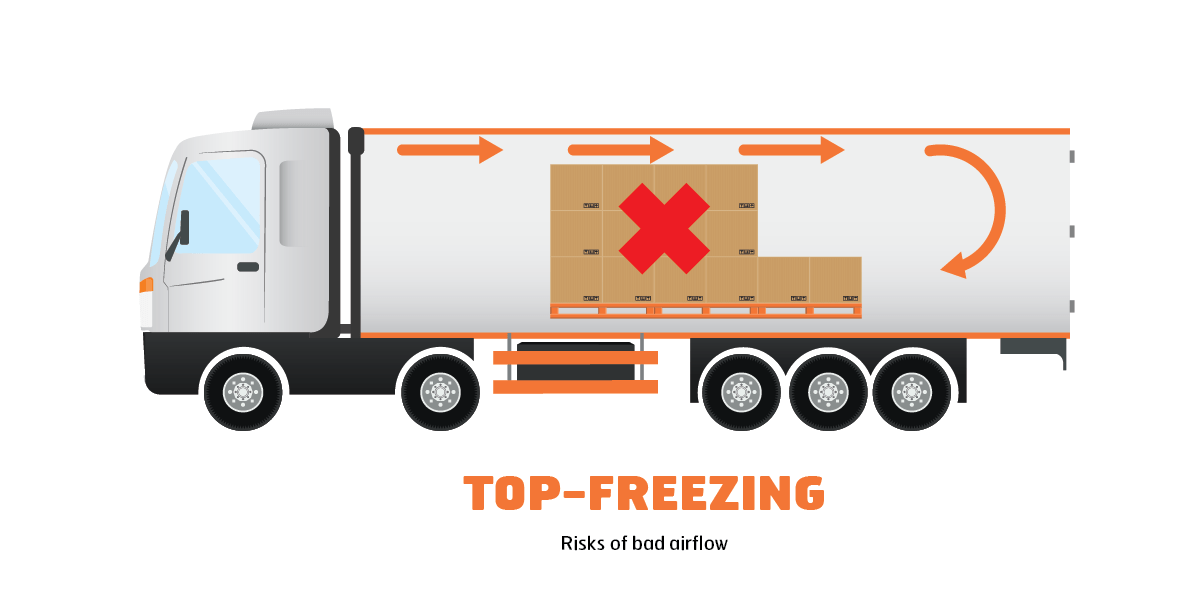
  1. Create a great team: You need the right people in your corner to ensure the work gets done right. And you should also be rewarding them for great work and empowering them to do better.

  2. Build a strong network: Attend events and network to build your customer base. Build a report with existing clients, and create a space for positive referrals.
  3. Launch a website: Your website should include valuable information about your company and services, and answer questions your customers often ask. You should list how your services will solve their problems.
  4. Build effective sales and marketing channels: Having an engaging website and social media accounts is a good starting point for an online presence. But to take it a step further, you should consider using effective digital strategies like SEO, analytics, content marketing, and advertising as part of your overall growth strategy.
  5. Invest in the right construction fleet management software: As mentioned, a saas platform will assist with much smoother operations, and give fleet manager’s more control of their fleet through accurate reporting and data insights.

The best fleet management for construction businesses is out there. Get started with fleet management software from Cartrack Tanzania. Grow and improve your business with a tech-powered platform today.

Supply chain and logistics: How to start a cold chain business

As the seasons change from one temperature to another, cold chain logistics provides a temperature-controlled environment that ensures fresh produce from storage to delivery.

In this article:

  • Cold chain logistics are temperature-controlled networks that ensure the preservation of medicines, pharmaceuticals and food products.
  • Run an efficient cold chain business by balancing the link between temperature, perishability and transportation
  • Explore the key elements of cold chain logistics and learn how to maintain them in your business.
  • Learn about the future of the cold chain industry and how it’s grown into a multi-million dollar market
  • Cartrack provides a complete fleet management solution where, cold-chain monitoring, real-time visibility and streamlined compliance are within reach from one platform.

The fresh produce at your local market, the skin care products you use daily, along with those important meds in your cabinet, all have one thing in common, they were moved from one location to another through cold chain logistics.

You might be asking yourself, “what is cold chain logistics?” Many of the products you buy are a part of cold chain logistics in one way or another. Without the use of this innovation, fresh produce wouldn’t survive the trip to wholesalers or even to your doorstep.

Supply chain management explained

For smaller operations or local deliveries, cold chain transportation management occurs in-house and is simpler to operate, but for a larger company that works internationally, globally delivering temperature-sensitive products becomes complicated. This creates an opportunity to partner with third-party logistics companies that have expertise in cold chain transportation.

This is where supply chain management comes in. A cold chain is a temperature-controlled cold chain network. It’s a system that takes preservation seriously and treats products with recommended cold temperature levels. This allows customers to receive the highest quality products regardless of the season or weather.

Practical use for cold chain storage

Cold chain logistics (also known as chill chain logistics) is the technology and process that allows for accurate planning and safe transport of temperature-sensitive goods and products along the supply chain.

Some standard products requiring cold chain transportation are:

  • Meat
  • Seafood
  • Produce
  • Dairy products
  • Medical supplies
  • Pharmaceuticals
  • Floral industry

Efficiently starting a cold chain business means using certain technologies and science to evaluate and accommodate the link between temperature, perishability and transportation.

Practical_use_for_cold_chain_storage

Practical use for cold chain storage

The future of the cold chain industry

This industry has grown to be a multi-million dollar market valued at USD 209.2 million in 2021. With an increased demand for product sustainability, the global cold chain logistics market size is forecast to reach staggering heights of USD 464.0 million by 2028, all thanks to the pharmaceutical and food industries’ expansion in 2022 due to the global pandemic we faced.

When to use cold chain logistics

Cold chain involves a process that isn’t just used when transporting or storing goods. It impacts every step of the cold supply chain, from procurement, storage, and delivery right down to end users.

Even after the goods have been safely delivered, many products are further kept at a constant temperature and stored in refrigerators or cool areas to preserve the item until consumed, used or expired.

A rise or fall in temperature during any of the supply chain phases can be bad news for the goods and the customers who have consumed/used them, particularly with expiry-sensitive produce. The shipper and their client have a lot on the line and might lose money when cold products go bad.

Key elements of supply chain management

To keep everything running smoothly, a cold chain business needs hands-on logistics managers who oversee each part of the cold chain process and receive crucial insights.

To maintain the shipment’s integrity and avoid product losses/damage, key elements of the cold chain have to be constantly monitored.

1. Packaging

Packaging is mainly used to protect products while in transit. Packaging for cold chain products should keep them from getting damaged while allowing storage containers to maintain the goods at their required temperatures.

2. Temperature monitoring

Products that need constant cold conditions also require regular temperature tracking. Temperature monitoring does more than maintain a constant degree. It can keep track of humidity levels and show when and for how long a package was kept at different temperature levels.

3. Transport

Products are kept at their appropriate temperatures from the time they leave the manufacturer until they reach their destination using various types of refrigerated transport units.

4. Storage

To keep food or medication at the proper temperature along the supply chain, cold storage rooms are equipped with insulation against outside temperatures.

When_to_use_cold_chain_logistics

Key elements of supply chain management

How do you provide a temperature-controlled environment?

Since different food cold chain products have different temperature requirements, cold chain logistics can provide you with temperature-controlled facilities like warehouses and transportation that can cater to different temperature needs.

These are the standard degree settings recommended:

Deep freeze meat and seafood -30° C and -18° C (-22° F and -0.4° F)
Frozen meat and seafood -18° C and 0° C (-0.4° F and 32° F)
Pharmaceutical drugs etc. 2° C and 8° C (36° F and 46° F)
Chill fruits, veggies, and dairy products 7° C and 14° C (44.6° F and 57.2° F)
Ambient fresh produce etc. 14° C and 24° C (57.2° F and 75.2° F)

Although these are the recommended safe temperatures for certain foods, there is some leeway as some goods can handle the slight temperature change. If the change is steep and frequent, that’s when items get spoiled.

Cold chain technologies in the supply chain

So, to make sure goods don’t get compromised and stay in pristine conditions no matter the phase in the supply chain, the pharmaceutical, medical and food industries all heavily rely on cold chain logistics.

There are several methods to keep goods at proper temperatures. To determine the right refrigeration method, these factors are used:

  • Duration of transit
  • The size of the packaged shipment
  • The weather/outside temperature

After the right method has been chosen, the following modern cold chain solutions can be applied.

1. Shipping containers

To ensure shipments don’t experience fluctuating temperatures, businesses have to swiftly move shipments through the supply chain using shipping containers to ensure the products won’t experience undesirable temperatures.

Shipping containers (reefer containers or vehicles) are refrigerated units with a temperature-controlled onboard cooling system. These are insulated vans, semi-trucks or standard ISO containers that can also be modified to keep products warm if needed.

2. Cooling technologies

These are methods used to keep already cold products at the same temperature.

Gel packs: Frequently used in medical and pharmaceutical deliveries.

Dry ice: It can keep items frozen for a long time, particularly used for food, pharmaceuticals, and hazardous materials. Instead of melting when exposed to air, it sublimates.

Liquid nitrogen: Used primarily to transport biological cargo (organs, tissues, etc.). The extreme cold keeps things frozen for a longer time.

Eutectic plates: Also called cold plates, they are used similarly to gel packs, but cold plates are reusable.

Quilts: Insulated quilts can be wrapped around or placed over freight and are used to keep temperatures constant, so frozen items will remain frozen for a longer time.

Common cold chain logistics challenges

Despite all the tips, tricks, and devices mentioned above, running a cold chain business efficiently is not easy. Maintaining a constant temperature throughout cold chain storage is not always as easy as it sounds.

Bad airflow
While good airflow maintains a uniform temperature in your freezers, trucks, and trailers, and distributes air evenly within the area, bad airflow, however, can cause issues like short-cycling, promote humidity, and might have different temperatures throughout the storage and more.

(mock images)

Hot spots
Appear when a shipment is not cooled throughout at a uniform temperature, and certain parts of the shipment are at different degrees.

Short_cycling

Hot spots

Top-freezing
Is when your shipment is placed too close to refrigerated air in a storage or transportation unit. It can cause frost damage to your products.

Top_freezing

Top-freezing

Why is cold chain logistics important?

This allows customers to experience and purchase different goods that come from all over the world. The more customers demand to experience otherworldly products, the more the cold chain logistics companies grow.

While some products can withstand environmental shifts, others can’t. While transporting, quality, flavour, consistency, and safety are all on the line.

The end customer might not notice the prime wagyu beef they bought spent two hours in the wrong temperature range, but they may be at risk of food poisoning or associated illnesses if products are not treated accordingly by the cold chain.

With goods coming from all over the globe, cold chain management simply minimises the risk of temperatures exceeding safe levels during storage or transportation and provides manufacturers and suppliers with better control over their products.

Starting different cold chain jobs in the industry

Want to know how you can start a cold chain logistics business? Or want to join a cold chain logistics startup? If this topic has piqued your interest and you’re looking into different careers within this industry, here are some career paths in cold chain logistics you could partake in:

  • Rent out cold storage to companies selling perishable products
  • Cold chain consulting
  • Provide cold/refrigerated transport services for road, rail, air, and water
  • Manufacturing refrigerated trucks and vans
  • Construction of cold storage
  • Equipment manufacturing or supplying to cold store owners
  • Technology suppliers to temperature-controlled logistics services

Starting_different_cold_chain_jobs_in_the_industry

Starting different cold chain jobs in the industry

Smart cold chain management

Leave your on-the-ground cold chain operations to Cartrack Tanzania.

Get 24/7 protection with temperature sensors that remotely monitor temperature, automated alerts on temperature variations sent via email/SMS and our AI-camera system will help with real-time visibility of your cargo and drivers while on the road.

For optimum control over your fleet and the goods you transport, get Cartrack.

Let’s get in touch today.

Practical use for cold chain storage

Truck logistics play a significant role in our economy and daily lives.

In this article:

  • Get an overview of what truck logistics entails
  • Learn how to start a truck logistics business step by step
  • Why truck logistics is such a rewarding business to venture into
  • How Cartrack’s fleet management platform can help run an efficient, safe and compliant transportation and trucking company

According to the Commodity flow survey (CFS) trucks transported 71.6% or $10.4 trillion of the $14.5 trillion worth of all goods shipped in the United States in 2017. Clearly, starting a truck logistics business comes with a lot of rewards but it is hard work too.

What is logistics and how has it evolved to truck logistics?

The word logistics originates from the French term loger or logistique which means shortage. Historically, logistics was a term associated with the military where the function of logistics was supplying troops with suitable equipment for war.

With the rise of consumerism and the growth and complexity of supply chains, the word logistics evolved in the 1950s. Logistics became a term used in the business sector to refer to the process of planning, implementing, and controlling the transportation of goods, resources and information from the point of origin to the point of customer consumption. The focus of logistics shifted from the war to meeting customer expectations and reaching customer satisfaction in the most timely and cost-effective manner.

What_is_logistics_and_how_has_it_evolved_to_truck_logistics

What is logistics and how has it evolved to truck logistics?

Today, the industry logistics markets have further developed as a concept that is utilised for business analysis and planning to help businesses achieve strategic competitive advantage by considering all possible factors involved in the business operation.

Truck logistics, therefore, refers to the research and planning of trucking operations. The logistics of trucking take into consideration all the factors involved in the transportation of goods and resources with the use of trucks, to boost productivity and efficiency. Trucking logistics include:

  • Planning and optimising the most efficient routes for truck drivers
  • Improving fuel consumption through fuel management
  • Ensuring trucks are in good condition to complete tasks
  • Hiring an excellent staff of truck drivers
  • Applying effective fleet management

In today’s industrialised world, trucks are one of the primary means for commercial transportation and the transportation of goods. Efficient trucking logistics not only helps a trucking company achieve success but also contributes positively to the economy. It is therefore safe to say that the trucking industry plays a large role in the economy.

Let’s take a closer look at how this important and large industry operates.

How does the transport business industry work?

A truck logistics company falls under the transportation business industry which is made up of businesses that transport goods, resources, or even passengers from one location to another. These businesses provide services to different target markets, from individuals to companies and even global trade partners. This means that businesses in the transportation industry can specialise in various niches and activities from e-hailing or hauling customer goods to international shipping of supplies and products.

Businesses in the transportation industry are commonly classified into different categories based on their target customer, the type of routine, and the service provided, namely:

  • Personal transport: This is catered to individuals and small groups of people and includes one-on-one services such as taxi services, bus services, and most recently e-hailing services.
  • Local transport: This category provides services to regional markets by transporting cargo such as livestock, materials, consumer goods, and more. Local transport may be commercial or private, depending on the distributed materials.
  • Global transport: Global transport offers services for sea shipping or air-based delivery of cargo. These services consist of aspects of the personal and local categories but on an international scale.

Truck logistics focuses on local services. In providing these services, truck logistics prioritise road safety to ensure the secure transportation of cargo and the safety of both truck drivers and individuals as well as the preservation of specific goods, products, and loads.

What trucking logistics does is examines factors such as trucking routes, types of loads and delivery times to best facilitate the different types of transport services and determine the best means of transport. For example, heavy hauling and long hauling are more demanding aspects of trucking than e-hailing personal services.

How_does_the_transport_business_industry_work

How does the transport business industry work?

The role of truck logistics in transport supply chain businesses

A supply chain refers to a network of individuals and companies who are involved in creating a product and delivering it to the consumer. Truck logistics is an aspect of the supply chain that plays a role in delivering goods or services to customers, manufacturers, distributors, or consumers.

Simply put, the supply chain covers the production and distribution of goods and services to all types of customers while truck logistics focuses on the movement and storage of products in the supply chain. When efficiently implemented, both supply chain management and truck logistics work together to give companies a competitive advantage and bring value to their customers.

The goal of truck logistics is to get goods and services delivered on time. To achieve this goal, truck logistics follows a logistics flow that entails the movement and direction of goods, resources, products, or information within a supply chain network between the point where the goods, resources, products, or information originate to where they are consumed by customers.

The three types the logistics flows are:

  1. Inbound logistics: Raw materials, tools, machines used for manufacturing, consumable items needed for fuel, or various spare parts and other elements for production inputs are moved, transported, or stored from suppliers to manufacturers for processing and production. Being the first stop of the supply chain, effective inbound logistics allows for a swift and integrated supply chain.
  1. Outbound logistics: Finished products from manufacturing are moved to the next stop of the supply chain. These finished products are shipped and delivered from the warehouse to the logistics business customers. All the products that move through this outbound logistics flow are intended for consumer consumption and satisfaction- this is also referred to as the order fulfilment process.
  1. Reverse logistics: This involves returning, servicing, repairing, refurbishing, reselling, recycling, recovering, or properly disposing of products. Reverse logistics, therefore, refers to moving items or goods from the consumers back through the supply chain. This process is most common in the automobile and electronics industry.

3 reasons why you should start a trucking company

With the current shortage in the logistics industry, starting a truck logistics business can be rewarding. Here are three reasons why you should start a truck logistics business:

  1. You can make money

Amongst other reasons, people start businesses to make money. So yes, you can make money from a truck logistics business, however, only if you manage it efficiently. This is because the profit made in the trucking logistics business is heavily affected by the costs. Fuel costs are one of the factors that can lead to high costs, especially in trucking and logistics- fuel costs eat up your profits.

  1. You can work from home

Working from home has become a new norm. Today, the basic needs of managing a truck logistics business are a computer, phone, and internet. With these gadgets, starting, owning, and managing a truck logistics business from home is possible. Trucks can be busy on the road all day while you use fleet management software to monitor the activity of your fleet with the use of GPS location software.

  1. You do not need to own trucks

Most people have the assumption that to start your own trucking business you need to invest in a truck or trucks- this is not the case. As an owner of a truck logistics business, you do not need to be the owner of the truck or trucks. A start-up trucking business can be started with another person’s truck- just like Uber and Bolt. This is called an owner-operator and you can simply register the owner-operator’s truck under your authority.

Thinking of starting your own logistics company? Let’s get you started with the following steps!

3_reasons_why_you_should_start_a_trucking_company

3 reasons why you should start a trucking company

6 actionable steps to plan and start a truck logistics business

  1. Complete the required training

Truck logistics requires the right set of training and skills, therefore it is important to acquire the right training suitable for the job. The form of training will vary based on the type of service the trucking business will provide- whether global, local transportation, or both. The following are some of the training requirements:

  • Transport Management Systems: This training gives an understanding of how transport management systems (TMS) work and why it is vital for transport systems. The training equips you to manage and track all the different aspects of transport management such as vehicle maintenance, warehousing, communications, cargo handling, and more.
  • Management and Inventory Operations: The ability to handle and control inventory plays a vital role in the transport and logistics business. Inventory management is integrated with warehouse management to inform and educate you on how products move through your operation.
  • Transportation Regulations and Law: To run a trucking logistics business that provides both domestic and international services, training should include regulations on interstate commerce and global shipments and carriers.

There may be additional training or courses that may have to be acquired depending on the type of service your truck logistics provides and local government regulations.

  1. Do your research

Before you get into truck logistics it is important to research the industry. Research helps you understand the business and how viable it is, even before entering the market. Here are some research points that could give you an overview of the business:

  • Costs: As mentioned above, the purpose of owning a business is to make a profit. It is important to find out the costs of the business and whether the business is profitable.
  • Competitors: Researching competitors will help you understand what other service providers are doing right or wrong. This way, you will gain an understanding of what the customer’s expectations are.
  • Niche: The truck logistics business is a big industry. Find out what goods and services you would like your business to specialise in. Successful businesses pick a lane.
  1. Set it up

Starting a truck logistics business will take a lot of time, money, and energy, this is because it involves planning, making key financial decisions, and completing a series of legal activities. Here is a guide to setting up your truck logistics business:

  • Create a business plan
  • Choose a business entity
  • Open a business account
  • Ensure fleet compliance

actionable_steps_to_plan_and_start_a_truck_logistics_business

6 actionable steps to plan and start a truck logistics business

  1. Get funding

Transport tools and different road and cargo shipping requirements are some of the capital needed to start a track logistics business. Therefore, you need start-up capital to start a truck logistics business. Luckily, there are many funding and financing options accessible, based on the type of service a truck logistics business provides as well as the geographical location of the business. There are traditional financing options such as loans and private financial aid. However, if you have no money, you can opt for financing that can help you start a trucking logistics business with no money. The trick is doing the research and finding the funding that is ideal for you.

In South Africa, truck logistics presents a major business opportunity with a few good funding options- these include both government funding options as well as private funding.

  1. Put together a team to operate your fleet

A truck logistics business without truck drivers is non-functional. There are many things to take into consideration when hiring employees:

  • Do they have a history of safe driving?
  • Check the applicant’s compliance, safety, and accountability profile (CSA)
  • They must have a commercial driver’s licence (CDL) or road test certificate
  • Make sure the applicant’s medical certification is up to date
  • Have a road test

Finding a suitable employee will take a lot of time and effort but hiring the right applicant for the job will positively impact the business.

  1. Invest in fleet management software

Finding the best fleet management software will help you ensure the success of your business. A good fleet management software will help you optimise routes, track truck drivers and cargo, ensure your fleet is compliant, help you manage fleet-related costs, protect you from fuel fraud and ensure you keep your truck drivers safe.

Oversee your logistics company and save time with Cartrack’s software as a service (SAAS)

Cartrack’s fleet management software allows you to streamline your entire fleet operation from monitoring driver behaviour and using GPS tracking to pinpoint drivers and assets to managing vehicle usage and fuel usage.

Contact Cartrack Tanzania today and kick-start your successful trucking company with us.