How to improve environmental fleet sustainability with vehicle maintenance

Improving the environment, becoming a more sustainable business and reducing your fleet’s fuel and CO2 emissions sounds pretty good, especially when it means cutting your fleet costs and attracting more customers.

In this article:

  • Learn how to transition into a cleaner, greener business with fleet management systems and telematics
  • Receive helpful tips on how to reduce your fleet’s carbon footprint
  • Implement healthy habits that promote fleet sustainability such as being up-to-date with vehicle maintenance and improving driver behaviour
  • Find out how Cartrack’s complete fleet management solution can cut fuel costs, monitor fuel consumption and create a cleaner fleet

Implementing green initiatives is becoming an increasingly appealing business approach for many fleets. Green fleet practises not only generate a positive public attitude. They also take advantage of “green” government laws and incentives that cut fuel expenses and increase the profitability of your fleet, doesn’t sound like a bad deal does it?

Like most things worth having, transitioning into a cleaner fleet isn’t easy. Fleet managers have to research, plan, and finally, implement the many changes that come with achieving fleet sustainability.

A manager’s role in sustainable fleet management

Fleet management is simply a manager’s day-to-day. They oversee all movements and activities of fleet vehicles and drivers, to ensure deliveries are made and jobs are done on brief and on time. Additionally, they ensure drivers are kept safe, practising good driving behaviour and are compliant with regulations.

Overseeing all fleet operations is sometimes a stressful and overwhelming task. To efficiently be on top of everything, fleet managers use fleet management systems to increase visibility and allow for better management of their assets.

With fleet management systems, fleet managers can achieve:

  • Reduced overall fleet costs
  • Track vehicle movement
  • Streamline deliveries
  • Improve fleet safety
  • Increase driver retention
  • Keep vehicles up to date with scheduled maintenance
  • Comply with regulations

With fleet management systems, fleet managers can achieve:

What is the most important aspect of fleet management?

With all the responsibilities that fall towards fleet managers, the most important part of their job is being able to see the bigger picture and make informed decisions that will bring the business closer to reaching its goals.

With the help of technological innovation within the fleet industry, fleet managers can now do much more than they could in the early 2000s. Technology has paved the way for fleet managers to optimise operations and coordinate their systems and employees.

Fleet management systems do their part of automating all administrative tasks to equip fleet managers with the necessary insights to efficiently run their fleets.

Almost every decision managers make, they decide in favour of the business. Creating a balance between tightening capacity and increasing demand while dealing with driver shortages, fluctuating fuel prices, and keeping up to date with the industry’s regulations, all contribute to improving the business.

Fleet sustainability

Many businesses are now prioritising sustainability, pushing managers to add one more thing to prioritise – fleet sustainability.

Reducing the fleet’s carbon footprint goes hand in hand with lowering fuel usage and costs. So, to achieve favourable and lowered fleet costs, the first thing to do is to determine how much carbon a fleet contributes.

How do you calculate your fleet carbon footprint?

The amount of COI2 emissions your fleet produces solely depends on how much fuel gets burned, so how much CO2 does your business actually burn? This calculation will help you find an answer.

There are two ways to efficiently calculate the environmental impact of our fleet.

1. Mathematical estimation.

Find out how many litres of fuel your business buys every month, if you don’t have this information, you can take the number of miles your fleet completes in a month and your average miles-per-gallon (MPG).

With the miles and MPG, you can calculate the number of litres of fuel your fleet burned.
Alternatively, one litre of diesel is 2.68kg, while petrol is 2.32kg. You can multiply your litres by 2.68 or 2.32 and get your kilograms of CO2.

2. Accurate measurement.

This is a more precise method that involves telematics. Telematics is used along with fleet management systems to monitor and track all your vehicles, gathering information from their location and speed to their idling and fuel usage.

Either than estimating, you can see the real MPG of each vehicle at any point in time with live fuel consumption rates and reports that highlight options to improve fleet health and easily get your fleet monthly emission.
Fleet_sustainability

How do you calculate your fleet carbon footprint?

Creating a sustainable fleet management strategy

After deciding on ‘going green’, a sustainable fleet management strategy is created. This is a method that aims to positively impact the environment and reduce the environmental harm your fleet is causing.

This method ultimately promotes efficient driving and minimises a fleet’s carbon footprint through healthy driving practices such as optimised routes, proactive vehicle maintenance and looking towards integrating electric vehicles (EVs) into a fleet.

All activities a fleet can partake in to reduce environmental, social and economic impact are included in these six key areas:

  • Prioritise cleaner vehicles
  • Utilise electric vehicles
  • Improve staff behaviour
  • Practice effective and timely maintenance
  • Utilise route optimisation
  • Get Cartrack’s fleet management solutions

Electric vehicles for fleets

Electric vehicles have been a trending topic of previous years and still seem quite relevant. These vehicles can be of service in light-duty, medium/heavy-duty and even off-road applications. EVs can match or surpass the performance of their gas-fuelled counterparts plus they’re much quieter.

There are a variety of plug-in vehicles that you can choose from.

Standard electric vehicles (EVs) are fully equipped with a battery rather than a tank and are powered by rechargeable batteries that power multiple motors.

Hybrid vehicles are the best of both. Hybrid vehicles are powered by two engines, one petrol and the other electric. They can use both petrol and electricity to run.

Electric vehicles produce 0% of gas emissions while hybrids produce very low emissions and increase fuel efficiency.

Paint your fleet green

With the sustainable fleet management strategy in hand, it’s time to turn your intentions into actions. A “green fleet” is not so different from a normal one. It can be simply defined as a fleet with sustainable goals of reducing its greenhouse gas emissions and plastic waste.

Every stage of the supply chain, from manufacturing to distribution, can have technological improvements by going green. Creating win-win situations for business, the environment and residents.

Paint_your_fleet_green

Paint your fleet green

Step 1: Reduce your fleet’s fuel usage

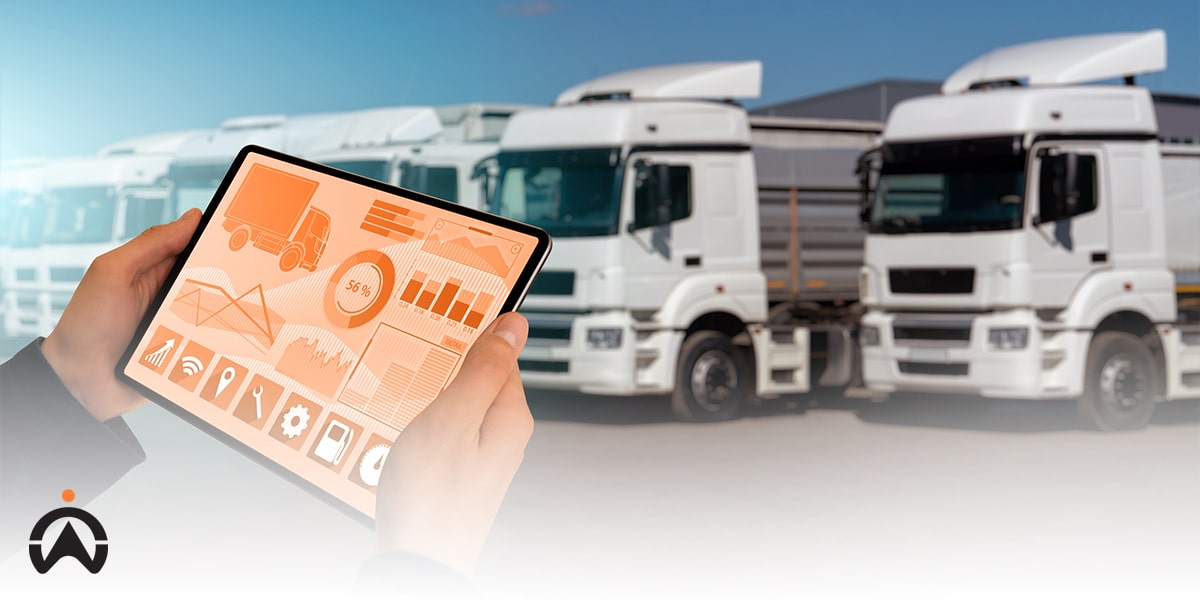
Fleet management systems and telematics play a huge part in studying a fleet and compiling all the good and bad information. A report can be sent to a manager detailing not just problematic insights into your fleet but also solutions you can implement to improve fleet operations.

Both speeding and idling waste more fuel than most people know, to combat this, there are a few things recommended.

  • Positive driving behaviour
  • AI camera technology
  • Driver scoreboard
  • Driver training program

These features can be advantageous not only in reducing the cost of speeding and idling but also in encouraging drivers and ensuring driver safety.

Step 2: Improve vehicle maintenance

Fleet platforms can track the mileage your vehicle has travelled since its last maintenance and create maintenance schedules to keep up to date with vehicle servicing. Maintenance notifications help managers stay informed about their fleet’s maintenance checks.

The benefits of a healthy vehicle go beyond having a longer service life cycle, burning less fuel and reducing overall fleet costs. Avoiding unforeseen breakdowns saves the business more money than having a vehicle out of service and paying more to repair what’s damaged.

Tips to easily turn your fleet green

It all starts with reducing your fuel consumption and associated emissions. The extensive amount of carbon waste produced does more damage to the environment than most. Depending on the size of your business, you might find that the number of vehicles in your fleet makes a difference in how long you will need to completely change your business for the better.

Go electric
One of the easiest ways to dramatically boost your fleet’s sustainability efforts is to utilise electric or plug-in hybrid vehicles. Even if you choose hybrid vehicles and don’t fully go electric, hybrids will still have a significant change in your monthly fuel consumption and fuel costs.

Vehicle selection
Choosing the right vehicles for your business makes a difference. Bigger might not always be better, it all depends on which products are being transported and which vehicles are making the deliveries.

If your fleet only consists of 18-wheelers yet they are delivering small furniture, it might be wise to use a smaller vehicle that uses less fuel. Selecting green vehicles not only assists with sustainable goals but also reduces the overall running cost of your fleet.

Track fuel consumption
With vehicle telematics, you can see fuel consumption info on your fleet platform automatically. Telematics is considered a go-to in green fleet technology, it can give you some well-needed insight into your fleet and drivers.

Sometimes it may be difficult to improve all of your drivers’ driving behaviour as they may not be facing the same issues. The best option here might be to train your drivers and teach them useful habits, such as how heavy acceleration uses more fuel than gradual acceleration.

Log and report everything
To create a green fleet system, you must keep track of everything that happens in your fleet. Use fleet technology to track emissions, idling, and other metrics as part of your green fleet operations. Only through tracking data will you be able to assess how successfully your green fleet goals are being met.

These are the building blocks to creating a more sustainable fleet.
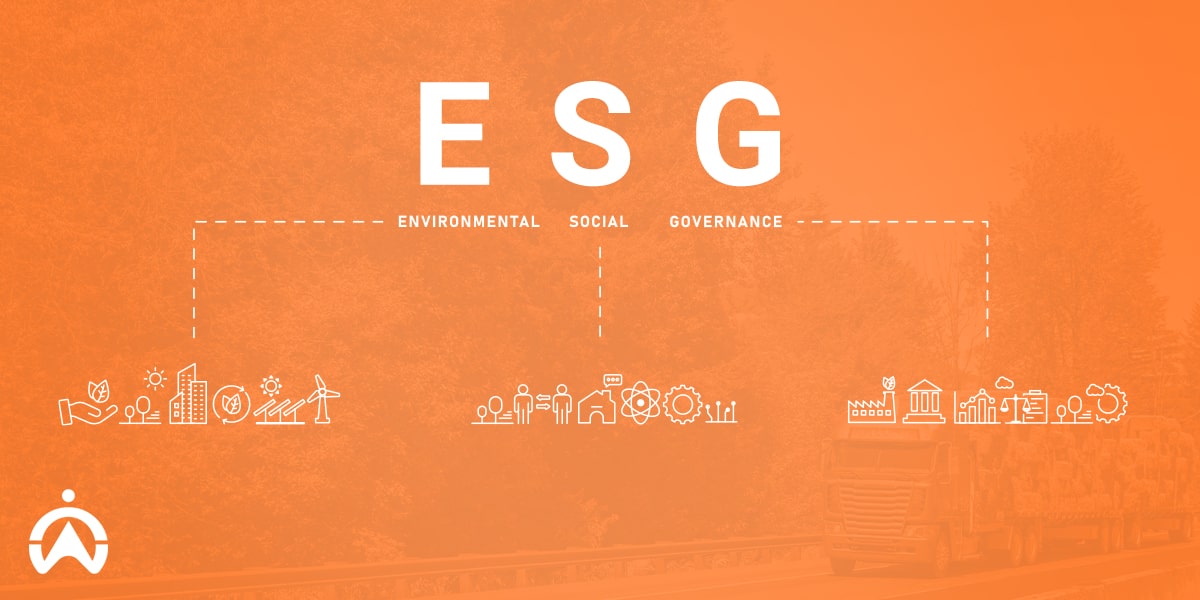
Tips_to_easily_turn_your_fleet_green

Tips to easily turn your fleet green

How does a green fleet help environmental sustainability?

The major objective of a green fleet should be to improve environmental sustainability and reduce the fleet’s carbon footprint. This can be performed in several ways:

Improving driver behaviour – From rapid acceleration to hard brakes and vehicle idling, driver conduct influences your fleet’s green activities, which can be good and bad.

Reduce your carbon footprint – By collaborating with companies like Cartrack, you can have your fleet’s full activities on one platform and achieve lowered carbon emissions. Using Cartrack will not only benefit the environment, but it could also have positive tax implications for your business.

Electric vehicles – While not every fleet will be able to replace all their gas vehicles with electric ones, it doesn’t hurt to start considering the option and perhaps implementing it in small ways like having a few electric vehicles that drivers can use once in a while.

Reward your drivers – Rewards aren’t practised in many businesses, but they have been proven to work, especially in boosting driver behaviour and encouraging safer driving.

Use telemetry data – Your telematics already gathers and compiles all the data you need to understand your fleet. This is a treasure trove of viable information on how to increase the sustainability of your fleet.

Promote fleet sustainability

We are the no. 1 telematics solution that can help better monitor and improve your on-the-ground fleet operations.

  • Cut unnecessary fuel emissions
  • Understand your fleet’s fuel consumption
  • Achieve fleet sustainability with healthy vehicles

Our technology can be used for much more than just tracking your fleet.
Interested? Contact Cartrack Tanzania today.
6 ways to improve driver behaviour and driving skills with fleet telematics software

Do you need data insights to train your drivers on the dos and don’ts? Are your fuel costs through the roof due to poor driving behaviour?

No matter your challenge as a fleet manager, there are ways to monitor driver behaviour with the help of telematics software.

In this article:

  • Understand what driver behaviour is exactly
  • Identify the factors that affect driver behaviour
  • Discover various driver assessments to help you hire the appropriate drivers
  • Find out six ways to improve driver behaviour and safety
  • Learn how to shape driver behaviour through a fleet telematics management platform
  • Know the benefits of a driver behaviour monitoring system

This article is all about what you can do to empower your drivers and improve driving behaviour in your fleet – all of which give numerous business benefits you can’t overlook.

On top of that, you will discover some factors that affect driver behaviour and driver assessments that can assist you in ensuring you hire the right drivers.

ways_to_improve_driver_behaviour_and_driving_skills

Do you need data insights to train your drivers on the dos and don’ts?

What is driver behaviour?

Driver behaviour can be defined as the actions a driver performs while operating a motor vehicle. It’s essentially driving methods and a driver’s characteristics, either intentional or unintentional. Typically, driver behaviour is characterised on a spectrum from normal to risky and aggressive.

If you are a fleet manager, it’s useful to understand the factors that can influence your driver’s driving methods, as they can affect your driver’s ability to assess risk and make decisions on the road.

Take a look at some pointers:

Factors that affect driver behaviour

  • Distractions: Any action that takes your driver’s eyes off the road is considered a distraction. A common distraction is the use of smartphones for text messages and calls while driving.
  • Reckless driving: Actions such as speeding, going through a traffic light, changing lanes without indicating, or driving too fast can put other road users at risk, all of which is considered reckless driving.
  • Fatigue: Apart from the actual dangers of falling asleep on the roads, even a tired driver may have slower reaction times than an alert driver, making it more difficult to respond to sudden road hazards.
  • Age and experience: There is a weight of evidence that proves that age and experience have effects on crash risk. For example, studies consistently found that teenage drivers had dramatically higher crash rates than older drivers, particularly drivers older than 25.
  • Driving under the influence: Drunk driving causes nearly half of all fatal accidents and numerous crash injuries every year. In South Africa, 50% of all accidents that occur on the roads involve a member who is over the legal alcohol limit. However, alcohol is not the only substance that can impair a driver’s ability to operate a vehicle. Prescription medications, illegal narcotics, and over-the-counter medicines can all cause confusion, drowsiness, and poor decision-making.

Now that you understand the factors that influence driver behaviour, there’s more you can do to ensure you hire the right drivers for your fleet.

Assessing a driver’s abilities and attitudes to driving can significantly help the employee and employer. The qualities of a good driver are derived from attitude, skills, and knowledge.

You can consider conducting driver assessments to analyse behaviour and attitude together, after all, they are interconnected.

Here are some, so you can understand your drivers before they hit the road.

Types of driver behaviour assessments

  • The driver behaviour questionnaire (DBQ)

Drivers are asked questions about how they drive daily, and can indicate on a scale (0 = never and 5 = nearly all the time) how often they performed each driving behaviour on the list.

  • Attitudes toward traffic safety scale (ATTS)

Here they asked questions about their views on road safety, which will give a fleet manager an idea about their behaviour and how they approach traffic laws.

  • Driver behaviour transactional analysis (TA)

This test will help you understand how your drivers react under pressure, and their working styles. This model will help you find out information about how they organise their work and time and communicate with each other.

Types_of_driver_behaviour_assessments 

Types of driver behaviour assessments

6 ways to improve driver behaviour and safety

  1. Establish safety policies

Companies should create policies, procedures and safety expectations for drivers to follow. These should be signed by managers and drivers and reviewed regularly to show how committed your company is to reducing traffic-related crashes, injuries, and death. And these policies can be shown to drivers during training sessions, for example, your no-distraction policy.

  1. Check driver records

Check driving records and history before bringing new drivers on board. You can filter out those with poor driving history, to avoid future incidents.

  1. Train drivers

The best way to instil safe driving methods is to educate your drivers on safety protocol. Show them the consequences of risky driving behaviour, over-speeding, distracted driving, and more. You could also send them on a driver behaviour course to better equip them.

  1. Motivate your drivers

Training your drivers will motivate and encourage them to perform better, as it creates a space for growth and to develop their skills. Empower your employees with the right set of values for success, creating positive practice.

You could also create incentive programs where they are rewarded for driving well, to enhance their good driving habits.

Actionable data from a fleet management platform can be used to show your drivers the best way to drive. For example, you can pick up if one driver is idling more than others, and then you can let these drivers know. If others are following safe driving procedures, this can help motivate other drivers to reach that level too.

  1. Maintain vehicles

If your vehicles are maintained well, you’ll have a safer fleet overall. They will run better where you can prevent road accidents and protect your drivers. In real time, you can get alerts if there are any engine faults, worn brake pads, oil and water fluctuation, and other diagnostics, so you know when you need to service your vehicles.

  1. Use vehicle telematics software

Use the smart data from a fleet management platform to get the insights about driving behaviours and methods you need. You’ll be able to pick up events such as speeding and harsh braking, and put systems in place to stop these incidents in their tracks.

Here’s more on how telematics software can help you monitor the drivers in your fleet.

ways_to_improve_driver_behaviour_and_safety

6 ways to improve driver behaviour and safety

How to improve driver behaviour through a fleet telematics management platform

As we know, there is a benefit in identifying unsafe driving methods. Insurance companies always look for ways to reduce insurance claims and road accidents by monitoring safe driving habits on South African roads.

We also know that safe driving impacts the longevity of a fleet and can help cut costs.

Here’s how a fleet platform can help you improve driver behaviour:

  • Driver behaviour reports

Get driver scorecard data reports from a fleet platform and get the driver insights you need to pick up idling, aggressive driving, speeding, and more – all of which are costly to a fleet.

Also get detailed reports for each behaviour. Say for instance, speeding is an ongoing trend with one of your drivers, then pull up a detailed speeding analysis. It could have detailed locations, duration and distance travelled over maximum speed limits, so you can get the full picture of a speeding incident. Or maybe your fuel costs spiked, get an excessive idling report to see if this is the cause.

On-demand trip reports can also be retrieved if you want to analyse and compare all your vehicles, and the drivers using those vehicles.

These reports will help fleet managers take real-time measures to mitigate issues.

  • Driver behaviour alerts and reminders

With all the daily tasks a fleet manager faces, a fleet platform will help with its alerts and reminder features. Managers can customise driver behaviour alerts and receive the info they feel is necessary. So they can create a trigger alert for when the ignition is on and off, and choose where they want the alert to go, i.e. email. Or get alerts in real-time when safety rules aren’t followed, and correct this immediately.

Drivers can get preventative in-cabin alerts in real-time too, so they know when they are breaking the rules of the road or safety violations. For instance, if they are not leaving a proper distance from the other vehicle. Also create reminders for certain events, so for example, maybe you want to be reminded to check a certain route a driver is taking, to see if speeding persists.

  • AI-powered cameras

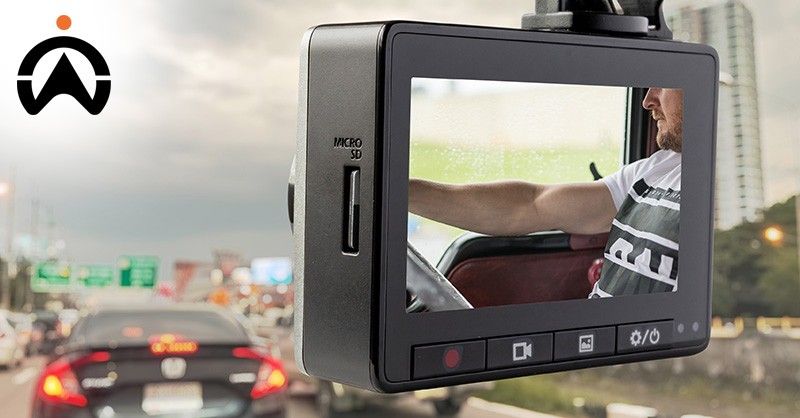
Get up to eight internal or external cameras to help keep your drivers, fleet, and cargo safe. These cameras can pick up all sorts of detection including front collision warnings, smoke detection, distracted driving, yawning, and more. Smart In-cabin screens keep your drivers safe and they can get visibility of their blind spots, and the cameras alert them in real-time of any dangers or issues. With the footage, you’ll also be able to protect drivers from false accident claims. In the event of poor driving, fleet managers can also use the footage to bring up the incident with the driver in question.

Benefits of improving driver behaviour monitoring system

Choose Cartrack’s software and GPS tracking system and you’ll get these benefits:

  • Reduce costs as poor driver behaviour will be picked up and accidents can be prevented
  • Ensure compliance with the law in your company
  • Identify harsh driving methods to ensure safety compliance on the roads and to protect your fleet
  • Protect your drivers as they will be notified in real-time if they are not driving correctly
  • Provide accountability with driver ID tags or identification
  • Save on running costs such as fuel and maintenance, and increase your vehicle’s longevity

Make your fleet and driver’s behaviour as safe as possible, with fleet management software from Cartrack Tanzania.

Get in touch with us today.

The Best Fleet Compliance Checklist You’ll Ever Need

Managing a fleet involves many responsibilities and one that takes a top spot is ensuring fleet vehicles and drivers meet the required compliance standards

Besides securing a safe work environment for drivers and their designated vehicles — compliance adherence also helps businesses avoid negatively impacting productivity and budgets with unnecessary fines, penalties, and even accidents.

A detailed compliance checklist ensures businesses and fleet managers cover all their bases. Luckily for you, we’ve compiled a guide that comprehensively lays out everything you need for the ultimate compliance checklist.

The Basics of Fleet Management Compliance

It’s important to understand fleet management complianceand why it’s crucial for safe and effective fleet management. It helps businesses understand how much they will benefit from implementing a solid compliance checklist.

One of the most important goals of fleet compliance is to guarantee the safety of drivers, assets, and members of the public. Staying fully compliant involves implementing measures that promote fleet safety and driver compliance. Compliance requirements and an advanced telematics platform help businesses determine their safety standards and how to maintain them.

What is the importance of fleet management compliance?

Fleet compliance goes hand in hand with fleet risk management. Both are crucial for identifying issues that can make a fleet unsafe or non-compliant and then finding ways to avoid these issues and make the necessary improvements.

What _is_the_importance_of_fleet_management_compliance?

How the Procedures in Fleet Management Link to Compliance

Foolproof fleet management software is a great way to identify compliance-related issues that need attention. It’s also an intelligent guideline for creating a custom compliance guide for your business. Discover some of the main fleet management components you can use to create yours.

  • Vehicle management: Regular inspections ensure that vehicles are always roadworthy and function as they should, contributing to a safe working environment.
  • Driver management: Tracking driver behaviourand managing an organised roster helps identify unproductive driving habits while ensuring drivers are well-rested, contributing to safety-related compliance.
  • Movement tracking: Making sure vehicle movements are always efficient with optimised routes is part of efficient fleet management. Tracking your fleet’s movements helps fleet managers proactively identify and deal with any compliance issues.
  • Workflow monitoring: Monitoring individual and fleet-related workflows helps create efficient fleet management systems. This enables fleet managers to identify the need for workflow adjustments and implement them accordingly.
  • Admin management: Admin is not every fleet manager’s favourite part of the job, but leaving a paper trail of detailed reports backs up any compliance-related claims and is a valuable source of information for future improvements.

A solid telematics system simplifies fleet managementand drastically reduces the admin burden.

What types of fleet management documents are used?

Fleet owners or managers use fleet management documents to record information about fleet vehicles. These documents are often in the form of checklists for specific procedures to simplify the compliance process.

Companies often use a fleet vehicle inspection checklist in pdf format. This ensures all fleet vehicles are road-worthy, contain the necessary equipment, and are generally issue-free. Using a daily vehicle inspection checklist in Excel format can add more functionality to how the form is used.

When in doubt, it’s easy to download free daily truck inspection checklists or vehicle inspection checklist forms as a base for creating customised versions that fit your business’s needs. What all of these documents and checklists have in common is that they are used to monitor fleet-related movements and ensure that fleet drivers and vehicles meet compliance standards.

What_types_of_fleet_management_documents_are_used?

What Fleet Managers Need to Know: The Only Compliance Checklist You’ll Ever Need

With a streamlined compliance process where fleet managers can track all aspects of their fleets, including tax compliance, internal audits, and inspections, you can avoid possible penalties while keeping your accounting up to date and your drivers safe.

Look no further if you’ve been looking for the ultimate checklist to keep your fleet compliant — here’s what you need to do to stay on top of things.

Prioritise tax compliance

Benjamin Franklin famously said: death and taxes are the two things that are certain in life. When it comes to fleet management compliance, the latter certainly rings true. Companies must follow local tax laws to avoid fines and meet legal compliance standards.

These essential tax streams can be added to your compliance to-do list:

– VAT: Value-added tax

– PAYE: Pay As You Earn

– UIF: Unemployment fund

– SDL: Skills Development Levies

In the US and Canada, fuel tax forms an essential component of companies’ tax compliance, as fleet managers must be able to indicate where fuel taxes go. They do this by monitoring fuel usage.

The IFTA or International Fuel Tax Agreement allows 48 US states and ten CA provinces to collect data, including travel miles, fuel purchased, and purchase locations.

While different countries may have different tax laws and compliance requirements, tax compliance remains an integral part of global fleet management compliance, and using asophisticated SaaS platformhelps companies gather the data they need to stay compliant.

Conduct regular vehicle inspections

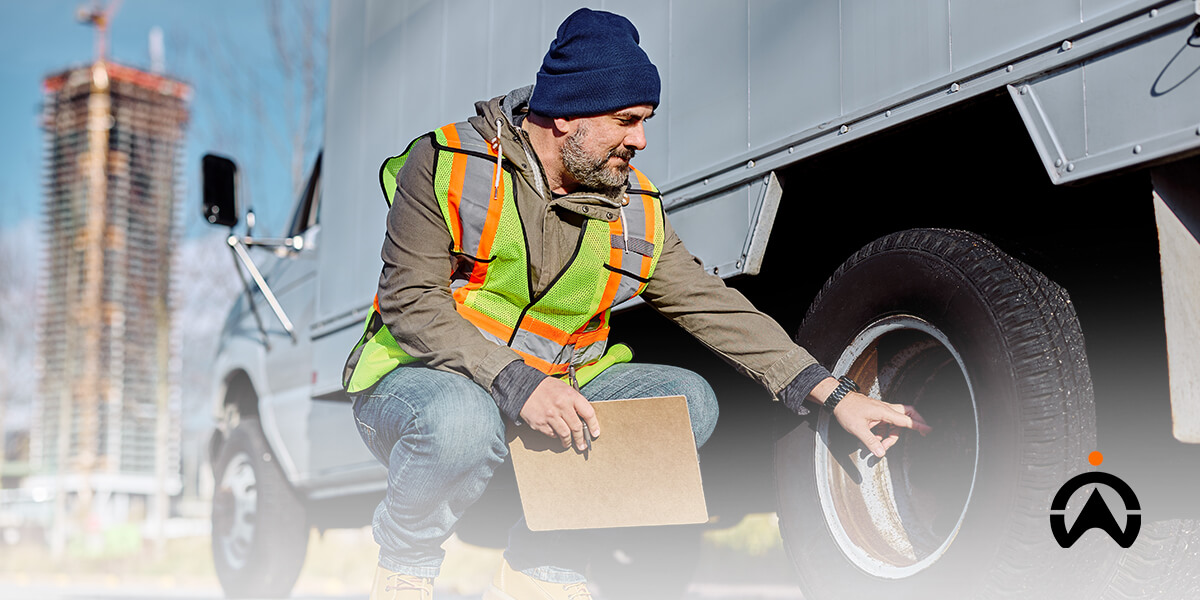
As part of your overall compliance checklist, a fleet vehicle maintenance checklist can help you ensure your fleet vehicles are roadworthy and in tip-top shape. Regular vehicle inspections contribute to compliance best practices and help identify crucial defects while raising fleet safety standards and increasing fleet longevity.

Keep your fleet on the road with an expert vehicle inspection checklist

Start the process by jotting down the vehicle’s odometer reading, the last six digits of its VIN, licence plate details, make and model, and the designated driver’s first and last name.

These details help you keep track of the vehicle’s mileage, age, identification markers, and assigned driver during an inspection.

_____________________________________________________________________________________________________________________________________________________________________________

When done, follow the five-step checklist below to do a comprehensive inspection:

1. Pre-Startup – Check the oil, transmission, and washer fluids

2. Interior – After starting the engine, check if the following is in working order: Fuel level, hooter, aircon, interior lights, brake pedals. Then, check the seatbelts and upholstery. Make sure the first aid kit is stocked and the vehicle has emergency tools like flares, flashlights, and spare wheels.

3. Mirrors/windows – Test the windscreen wipers and make sure the mirrors are clean.

4. Exterior – Start by checking the head-and-taillights, turn signals, and hazard lights. Then move on to the tyres and check for wear and tear and the spare tyre pressure.

5. Undercarriage – Check for fluid leaks and any loose or hanging objects

_____________________________________________________________________________________________________________________________________________________________________________

This checklist helps identify issues that may affect the fleet’s compliance status. By flagging these issues and taking immediate action, businesses can avoid further compliance and safety issues.

  1. Keep tabs on licence & permit validity

    Staying within the boundaries of the law is a non-negotiable part of fleet compliance. This can include ensuring registrations and licences are up to date and valid to keep fleet cars on the road and avoid related fines. Staying on top of the following fleet-related admin helps fleet managers remain compliant:

    – Obtain and regulate proper permits for your vehicles

    – Register vehicles with the proper authorities

    – Stay on top of driver’s licence renewals

    – Make sure vehicle registration renewals are done on time

  2. Run internal audits

    So, let’s say you’re implementing a new fleet management system or looking to identify pain points in your current one. Conducting internal audits can help you do both while also being a massive help in fleet compliance.

    A comprehensive audit doesn’t only rate all aspects of fleet management, it also provides better insight about whether a company’s processes are compliant with government regulations, fleet management requirements, and best practices. What’s not to like about killing two birds with one stone?

_____________________________________________________________________________________________________________________________________________________________________________

The ultimate fleet management audit checklist:

To help fleet managers and companies benefit from staying compliant, here is a detailed fleet management audit checklist:

~ Fleet Management Policy – Review fleet safety and health and safety policies

~ Vehicles – Review vehicle inspections and forward plan for vehicle replacement. Assess vehicle monitoring procedures. Analyse fuel usage.

~ Drivers – Assess drivers and review staff training. Review licence validity and insurance arrangements. Retrain drivers where needed

~ Third-party – Review and assess third-party providers

~ Fleet Security – Review and assess fleet security

~ Operationally – Assess and review inventory

_____________________________________________________________________________________________________________________________________________________________________________

Once all the data has been assessed and reviewed, it’s important to take three final steps:

1. Review and assess recommendations from previous audits

2. Review the current audit’s findings

3. Get the findings approved by the relevant authority in the company

After completing all of these steps, you have conducted an in-depth audit of your fleet on the aspects that matter most.

Know your fleet drivers’ hours of service

Even if a company only has a few fleet drivers, knowing their exact hours of service or HOS on top of everything else that needs to be done is virtually impossible. However, keeping track of each driver’s HOS is crucial to remain compliant with health, safety, and environmental requirements. Here’s why.

Drowsy drivers risk their lives behind the wheel and pose a genuine danger to themselves and the public. Fleet managers that keep track of HOS can avoid drivers’ fatigue by giving drivers enough time to rest after a shift so they start a new one refreshed.

Additionally, drowsy drivers are likelier to exhibit lousy driving behaviour, leading to cost-related and environmental slipups, including increased fuel costs and unnecessary CO2 emissions from excessive idling and speeding.

Managing HOS leads to improved driver fatigue management and a safer fleet.

What_Fleet_Managers_Need_to_Know_The_Only_Compliance_Checklist_You’ll_Ever_Need

Experience Effortless Compliance With Cartrack

Here’s how Cartrack’s advanced telematics-based features can help make staying on top of compliance, safety, and risk management a seamless and painless process:

  1. Receive automated updates on licence renewal, permit, and registration compliance with the MiFleet accounting software which is seamlessly integrated into the Cartrack fleet management platform.
  2. Enable fleet managers to keep track of vehicle services and scheduled maintenance, ensuring proper safety compliance via the MiFleet system.
  3. Ensure fleet drivers are well-rested by keeping track of their HOS. Cartrack’s SaaS platform allows you to track driver shifts and generate shift reports, facilitating proactivity and continuous improvement.
  4. Use Cartrack’s AI-powered camera solution to give drivers real-time audible alerts for risky and distracted driving behaviour so they can rectify it on the spot, boosting driver accountability and safety.

Achieving fleetwide compliance can be a difficult, if not, impossible task. To make compliance adherence as easy as possible, especially when it comes to acquiring data and accurate reporting – a sophisticated telematics system is every fleet manager’s best friend. Cartrack is a dominating SaaS provider, with over half a million active fleet management units in South Africa alone.

Chat with a Cartrack agent today for a smart tailor-made solution to all your fleet compliance needs.