How to stop vehicle idling and save fuel and business costs

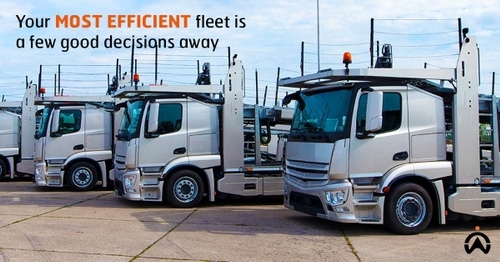
For an activity that requires so little movement, idling sure does put a dent in your business’s bottom line – and quickly too.

Whether drivers are leaving the engine running while unloading deliveries, stuck in traffic, taking a roadside phone call or warming up the interior in the winter months and cooling it down in the summer, every second – and cent – counts.

This is how idling vehicles in your fleet costs you, and how to save at the pump and on upkeep:

Minimise wear and tear on parts

If you think fuel costs are your biggest financial drain , consider much bigger expenses than your fleet’s petrol and diesel consumption as the vehicle goes nowhere slowly.

Excessive idling puts a huge amount of stress on your vehicles’ parts. When “just a few minutes” of idling turns into an hour daily, it adds up to around 102 998 km of engine wear over a year. And that’s just forone vehicle.

Driver scorecards can help increase your vehicles’ lifespan by decreasing bad driving habits like idling, reducing accidents and boosting your business’s operational efficiencies.

No matter the size of the cars in your fleet, parts and maintenance isn’t cheap. You could be using money spent on repeated repairs elsewhere, to grow your business.

Educate and motivate your drivers

You know that trick where you switch off the engine in heavy traffic and turn it back on when things get moving again? Some people believe restarting the vehicle burns more fuel than leaving it idling. Your drivers could be among them.

According to the Environmental Defense Fund, idling for 10 seconds wastes more fuel than restarting the engine. But, what about keeping the engine warm to reduce wear and tear from starting and stopping the engine repeatedly? Idling does a lot more damage.

Debunking these beliefs will encourage your drivers to switch off their engines when ever the vehicle is stationary for more than 10 seconds.

Track more than just routes

We mentioned fuel earlier, but how do you know where the leak is?

Software such as Cartrack’s smart dashboard shows you how much fuel your fleet uses for unproductive idling. By analysing data provided by the devices installed on your fleet vehicles, you can see where the most idling is taking place and why.

A customisable dashboard helps you easily monitor the key metrics that matter to your business. Improve your fuel consumption, idle rates, driver safety, fleet running costs, productivity, vehicle usage and more.

This actionable intelligence allows you to change routes, where necessary, and reduce time spent idling fuel away in traffic.

Save on running your fleet today

Idling can be an expensive problem for your business, but there’s a fairly simple fix. While making drivers aware of more cost-effective habits goes a long way, GPS vehicle tracking can help with limiting idling.

Contact Cartrack today to find out how our expert fleet management solutions can help. Visit Cartrack Tanzania for more.

How trailer tracking technology helps you manage, monitor and protect your trailers

Trailer tracking is just one of the many tools used to help make a manager’s life easier. With it, you can efficiently monitor and gain access to your assets from anywhere through our cloud-based solution.

It wasn’t that long ago that employees had to go out of their way to get information. Taking time to write down the trailer number, note the location, and record any onboard cargo leaves you with less time to actually use your assets.

When trailers were on the road, manual counting was more challenging and often required a phone call, or two, for the fleet manager to get an exact location. If a trailer went missing during transit or was stolen days could pass before the company found out.

Trailer tracking technology changed all that.

Telematics and asset monitoring for trailers

Although many businesses use GPS trackers for better trailer management, many don’t know the full extent and potential of these little gadgets, i.e a GPS device, in fleet telematics.

Telematics is the smart technology used through a GPS tracking device installed in their vehicles. It gathers and stores all vehicle and trailer data and compiles it for easy management and access through a fleet platform.

Like many fleet technologies, telematics is mainly used for tracking assets like vehicles, trailers, generators, IT devices and expensive equipment. This is used for damage prevention, asset protection and overall asset tracking within the fleet.

What is a trailer tracking device and how does it work?

With GPS technology advancing faster than many people imagined, we are only beginning to realise the true value that it adds to the transportation and logistics industry. One of the most promising uses of this technology is in asset protection through trailer GPS tracking.

There are two parts to the commercial trailer tracking systems.

Battery or solar-powered – A trailer tracking device is attached to the trailer itself which emits a GPS tracking signal that communicates through the use of a cell modem. This allows the user to find out where the trailer is at any given moment.

The software – This is what receives the signals sent by the tracking device. The software can translate the signal from the trailer tracker and put the information onto a map, showing the exact location, whether the trailer is stationary or moving, and in some cases, whether or not it is tethered to a vehicle.

What is a trailer tracking device and how does it work?

Why track your assets?

Businesses invest in many things to generate profits, like their employees, vehicles and overall trailer assets. Physical assets could include any equipment, technology, or machinery that an entity uses to provide a service to themselves or their customers. All these different types of vehicles and site equipment are valuable for the business and need to be protected.

Asset tracking is used to track a business’s assets. It gathers any GPS data related to them, such as their current location, maintenance conditions, when last it was in use, for how long and by whom. This is achieved by equipping the assets with a tracking device.

Asset tracking is useful for:

  • 24/7 trailer surveillance
  • Movements of the asset
  • Usage of the asset

Apart from your trailer’s protection, asset and trailer tracking is used for productivity and easy management, having a tracking device automatically tells you how long one of your trailers has been used in a day, and by who saves loads of time in calculating, it also helps add up working hours so you can bill clients or pay employees more accurately.

The real-time vision of their trailers gives fleet managers insights into their assets whether on-site or on the road. Using fleet trailer tracking units and software not only makes their job simpler but can also boost the organisation’s bottom line.

Asset tracking devices for theft prevention

So it happened, you clock in one morning, open your emails and read that one of your trailers was damaged or stolen while unattended. Now what? Most of the time, criminals would strip the trailer and remove the trailer’s vehicle identification number (VIN) before you even notice your assets are gone.

This happens all too frequently, costing businesses time and money. Every company that uses trailers understands these struggles. The dangers of leaving your assets unguarded, the area where they are left alone, the chance of the item getting stolen or used without our consent, and the list goes on.

With a trailer tracker, you will immediately know that something has gone wrong. An alert would be immediately sent out, giving you enough time to call the authorities and find your missing trailer, and you can receive all this info via your mobile device.

Types of trailers that can be tracked

Realistically, GPS trackers can be installed onto any moving vehicles and stationary assets. Cartrack’s tracking units can be easily installed on all types of trailers, and vehicles in use, including:

  • Flatbed trailers
  • Enclosed trailers
  • Equipment trailers
  • Open auto trailers
  • Speciality trailers

While any GPS fleet tracking device would do, partnering with an industry-leading fleet management company like Cartrack would give you numerous benefits and added peace of mind.

Asset tracking technology

While GPS tracking is the most popular tracking method, there is more than one way of tracking assets. Finding the best asset monitoring solution for your company might be difficult given the variety of asset tracking technology available.

Bluetooth asset tracking/ Beacons: These are remote gadgets that transmit Bluetooth low-energy signals sent to another Bluetooth digital gadget or smart device to establish the location of the beacon itself.

Radio frequency identification: Passive RFID asset tracking is a form of wireless communication that uses electronic fields to identify and track tags attached to objects. These require RFID reader devices to receive signals from the tag.

GPS-based asset tracking: GPS tracking devices are attached to any assets and can interact via cellular networks or satellites and communicate over long distances while keeping accurate, up-to-date logs for employees.

Most types of mobile asset tracking devices allow for custom alerts, notifications and even geofence set-ups for the safety and protection of your assets.

The best GPS tracking features to look out for

Before choosing an asset tracking solution, always consider your goals and ask yourself: What exactly is my business looking for and what features do we need the most?

The best tracking devices are ones that have the following features:

  • 24/7 real-time location tracking
  • Cloud-based system
  • Theft detection
  • Easy installation
  • Long battery life
  • Solar-powered technology
  • Instant reporting
  • Over-the-air serviceability
  • Interface with user-friendly mapping systems such as Google Maps or others
  • Viewing trailer trip history

Finding one device that offers all these features would be a dream, but realistically most devices are not one-size-fits-all, these features are spread out between devices that are used to track different assets in different environments.

The best GPS tracking features to look out for

Why does GPS asset tracking matter?

GPS asset tracking is done to improve the use and security of valuable items, in this case, your trailers and the cargo they carry. Companies that fail to track assets correctly could be losing vast sums of money on an annual basis and losing the trust of their customers.

Trailer (and asset) management is an essential component of your business’s supply chain operations. Lost or delayed cargo means lost sales and unhappy customers, which can be detrimental to a business.

Management may have a better and clearer image of where everything is, and where it is going, by connecting trailer tracking devices and their fleet management system.

By doing this, you can receive:

  • Lowered insurance rates due to aiding in trailer theft recovery
  • Software upgrades can be done digitally and don’t need the removal of the tracking device
  • Optimised asset usage
  • Increased asset and cargo security
  • Improved customer service with accurate and timely information
  • A sealed trailer tracker that can work in harsh weather and road conditions.

Different businesses that can utilise trailer tracking devices

If your assets aren’t frequently monitored, operate in unsafe locations, aren’t being utilised enough or bring value to your business, implementing trailer monitoring would be very beneficial.

No matter the fleet size, almost all industries can benefit from tracking and monitoring their trailers.

  • Landscaping
  • Construction
  • Handyman
  • Tile and flooring installation
  • AC & heating repairs
  • Transport and logistics
  • Utilities

The benefits trailer tracking can bring your business

A fleet of any size can profit greatly from using a dependable trailer tracking system. With this, you can safeguard your trailers, get visibility and insights into their movements, and much more:

Gain complete trailer visibility – Track all your van trailers on one platform.

Increased trailer utilisation – Monitor trailer utilisation at customer sites and optimise trailers by redeploying under-utilised assets.

Protect cargo – Use smart sensors and camera systems to gain 24-hour cargo monitoring and protection against tampering or unscheduled usage.

Simplify deployment – Trailer tracking can be used on any trailer to keep assets safe.

Increase productivity – Examine past GPS data to see where you can improve trailer efficiency and usage.

Increased trailer safety – Receive instant alerts on trailer status, location, door activity and unauthorised usage for optimum security.

Trailer tracking systems use the data sent to the dispatcher to provide dependable and secure insights to shippers for better management of their various assets.

Secure trailer tracking with industry experts

Cartrack’s GPS trailer tracking technology puts you in control of both your active trailers and non-moving assets.

If you’re looking for advanced safety and tracking features, Cartrack provides real-time security with customisable geofences and alerts for your assets.

Let us help you protect your assets. Contact Cartrack Tanzania tod

Why does your fleet need to monitor frozen goods with Cartrack’s temperature monitoring system?

Don’t let the outside environment influence the quality of your product. Get a temperature monitoring system and control the temperature of your cargo area as well as your products.

If you are a part of the food, beverage, medical or pharmaceutical industry, you know having the right temperature is the key to safeguarding your products against the outside environment. Temperature monitoring systems can be easily tailored to fit every industry and provide the right temperatures every time.

There are numerous remote temperature monitoring systems on the market that might be more suitable for one industry than the other. Read on to find the right one that will benefit both your business and your products.

What is a temperature monitoring solution?

In countries prone to extremely high weather temperatures, such as African and Asian regions, using a temperature monitoring system while storing or transporting your products is often the only method to sustain product quality.

Almost 20% of perishable products are damaged each year because of poor cold chain practices, resulting in billions of dollars in losses. This system strives to decrease product damage by efficiently controlling and monitoring the temperature of any cargo environment. It constantly maintains the quality of the transported or stored products by providing constant low temperatures suitable for the products.

The food industry is not the only entity that frequently uses this technology. Numerous businesses specifically need cold temperatures to thrive, such as:

  • Healthcare
  • Hospitals
  • Clinics
  • Science organisations

This technology is a must-have throughout the supply chain, especially for cold-chain logistics businesses in the perishable goods industry.

Cold chain logistics

When implementing temperature monitoring, you are likely to also use cold chain logistics. This takes the practice of preserving products one step further.

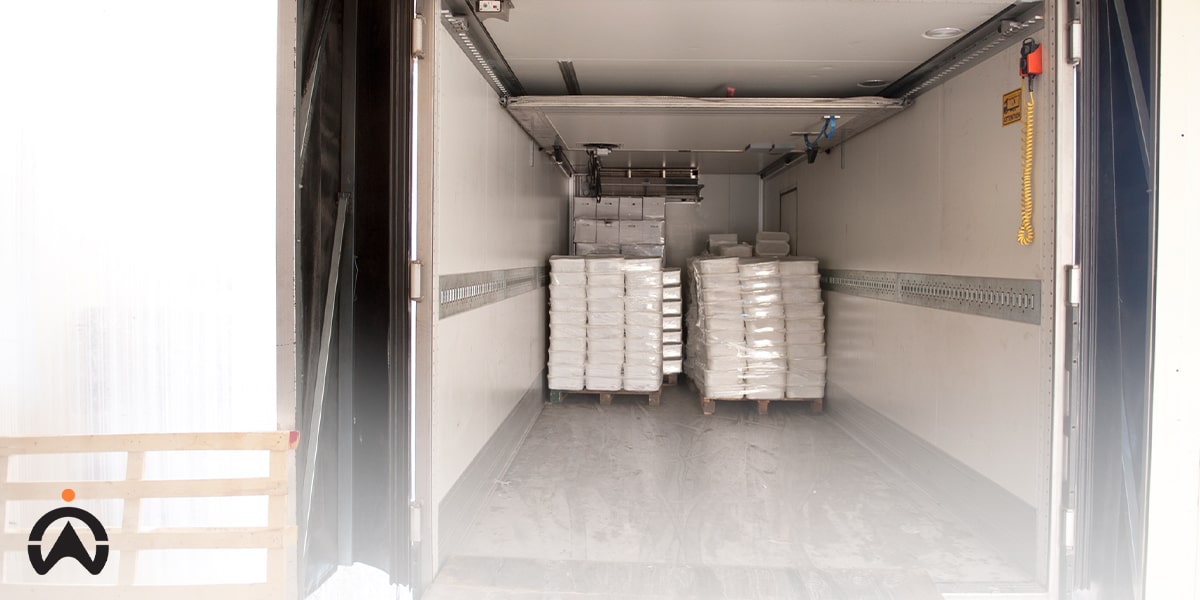
This offers a variety of cold storage and cold transportation options, specially manufactured to provide a controlled cold environment for products. Cold chain logistics also offers cold technologies that can be used even when you don’t have cold storage or a vehicle fully equipped to transport cold chain products.

To keep temperature-sensitive products at their preferred temperature throughout transit, you’ll need:

  • Gel packs
  • Dry ice
  • Liquid nitrogen
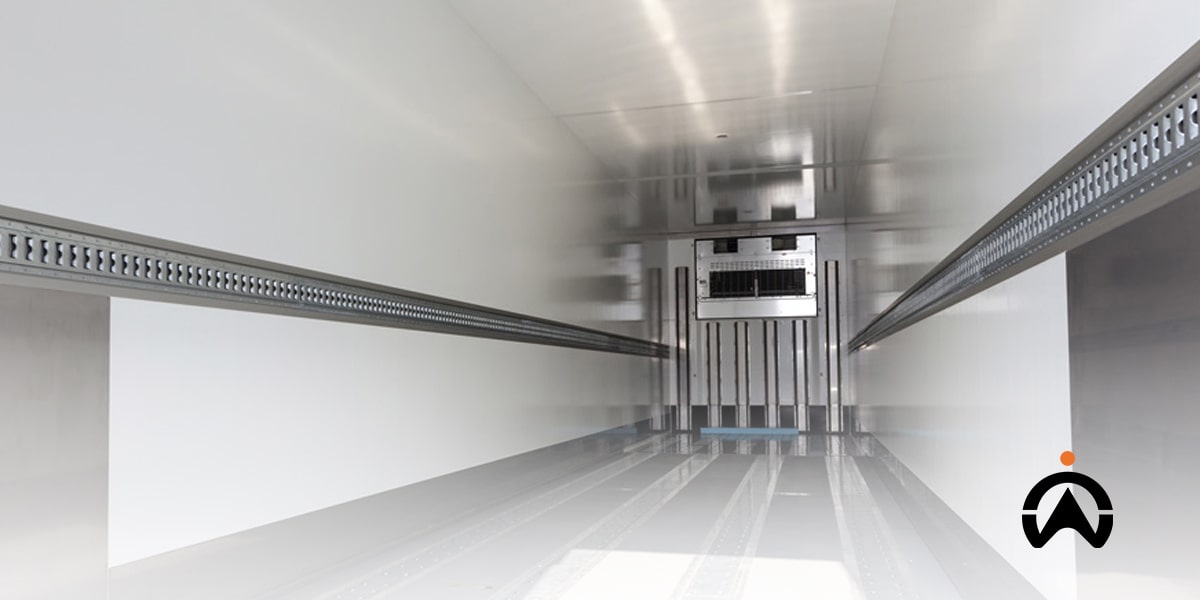
  • Reefer (refrigerated container)

Reefer (refrigerated container)

How does a temperature measurement device monitor?

Finding out how a temperature monitoring device works can be overwhelming. There are many moving parts all working together to get this system up and running.

Usually, a remote temperature monitoring system has six common temperature sensors that each play their part and contribute greatly to the system.

1. Temperature sensor or probe

A temperature sensor is what allows the temperature monitoring system to track environmental temperatures and detect any changes in degree, while a system temperature probe converts signal levels, changes impedance levels and provides easy connection methods.

Measuring temperature is the whole point of the sensor. Without it, the system wouldn’t be able to work. These are the three most common temperature sensors you’ll find:

Thermocouples: These are the most affordable and common temperature sensors. If you don’t mind extreme high-temperature data accuracy, a simple-to-use sensor and a cost-effective solution, this is the right sensor for you.

RTD sensors: Theyhave a higher accuracy percentage than thermocouples and offer more accurate readings. This is ideal for freezers and refrigerators as the sensors’ temperature range is limited.

Thermistors: Similar to RTD sensors, thermistors have a limited temperature range, but they are more resistant to non-linear thermocouples fluctuating. For this sensor to work, it has to be paired with a system that supports the non-linear resistance curse.

2. Thermal buffers

A material or liquid is used to buffer response time in temperature sensors. They aid monitoring systems in accurately measuring product or ambient temperatures.

A sensor with a lower reaction time will be able to detect slight temperature changes in a short period and alert necessary personnel to the switch.

Examples of thermal buffers include:

  • Glycol bottles,
  • Nylon blocks
  • Vials filled with glass beads

3. TMD (temperature measurement device)

Every modern-day system has that one critical element and a temperature monitoring system is exactly that. (TMD) is responsible for doing the following tasks:

  • Connects to sensors for digitising the temperature value
  • Records temperature data
  • Temporarily stores data before transmission to the storage destination

This works with three types of temperature measurement devices:

  • Standalone temperature measurement device – this standalone temperature monitoring is an all-in-one independent device that doesn’t need a helper device to record or process temperatures.
  • Networked temperature measurement device – this needs to be connected to a PC, server, or cloud via a LAN or wi-fi to send through and receive data.
  • Wireless temperature monitoring – this is a popular option that needs a little more technology to run. It includes a wider wireless monitoring system range and a higher data update rate. Ideal if you have multiple fixed points, like stationary freezers or refrigerators, that require automatic data collection and live alerts.

4. Data storage

Any system used to collect and send data needs a big place to store all that information. Depending on your business, you might need to store temperature data frequently, or even once a week.

Data storage options for temperature monitoring systems include:

Local memory storage: Simply use any USB stick or memory card you have to store data. Unfortunately, this is only suitable for small businesses as USB sticks and memory cards are easy to lose and don’t usually have large storage space.

Local gateway: This can connect to and use a cellular network for the temporary collection and storage of data. The data is later transmitted to a larger storage device like a local PC.

Cloud solutions: These automatically transfer data to servers and additionally offer a wide variety of features to managers. Connected cloud-based solutions, like Cartrack, are becoming increasingly popular in temperature monitoring systems and are being implemented more with each passing year.

5. Alarms

One of a temperature monitoring system’s most important components is the alarm. An alarm makes sure that every threat or warning is effectively communicated, through various communication channels such as email, SMS, and fleet platforms.

Your temperature monitoring system’s alarm settings must be customised for your company.

6. Software

After the monitoring has done its part and gathered information, the software is needed to decide what you do with the data, whether you choose to chart it, archive it or simply categorise it. Software is needed to run and control the operations of the entire system.

Software is needed for:

  • Configuration
  • Charting
  • Alarm management
  • Data retrieval
  • Reporting

What is a continuous temperature monitoring system?

This is a powerful system that can weather any storm, from power outages to internet outages. It will continue to have 24/7 monitoring of products.

For a South African business that suffers through load-shedding almost daily, using technology to monitor the temperature of your products might not always work out when the power goes off.

To combat this, many businesses have had to find alternative means to maintain a constant temperature, continuous temperature monitoring is one of those options.

How does this monitoring system work?

Continuous temperature monitoring equipment has internal batteries that provide just enough power to keep the system running regardless of weather conditions.

While the power is out, the system can:

  • Record temperature readings without interruption
  • Capture necessary data that is critical to the operation

Having a generator might help in these situations, but even when the generator turns on, it sometimes doesn’t bring back the internet or phone network, which can hinder temperature readings by not transmitting the data.

Without an internet connection, a cloud-based platform such as Cartrack will recognise the break in communication from the temperature sensor and see that transmissions are not being received, which will notify personnel of the disconnect.

This system is often used in labs, museums or construction sites.
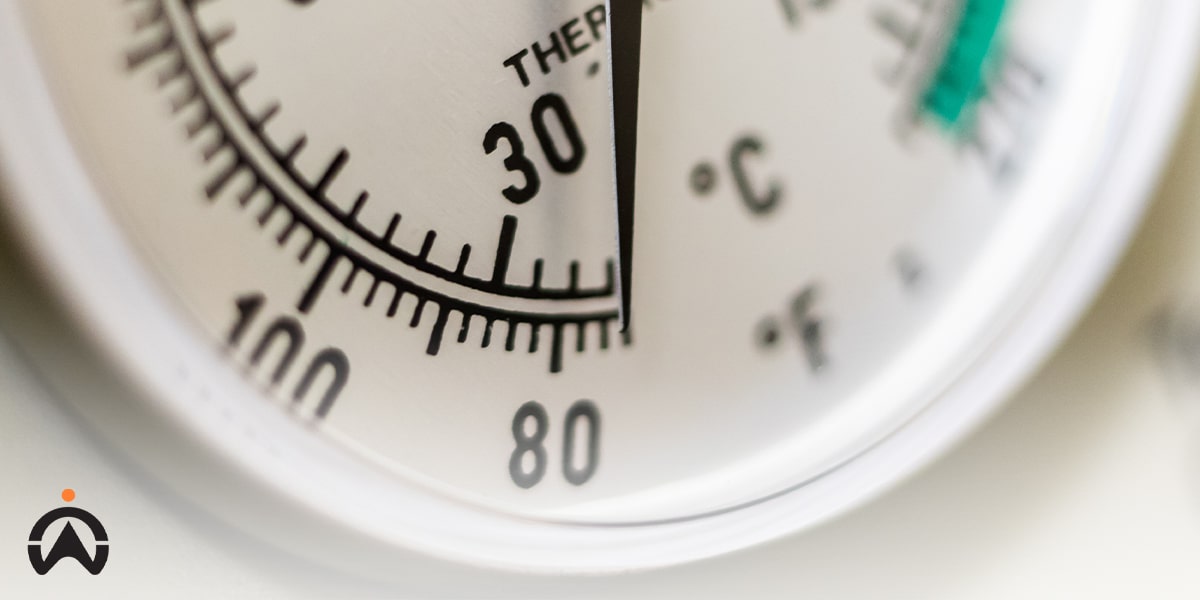
How does this monitoring system work?

How to find the best temperature monitoring and control system

Like many temperature sensors in use, the best one is always the one that suits and caters to the business’s needs. Every added feature works differently and brings its strengths and weaknesses. Finding the right one for your business solely depends on how you intend on using this system and the type of products you specialise in.

Features temperature monitoring needs:

1. Accuracy

What good is a temperature monitoring system that doesn’t give you accurate temperature readings? Accuracy is important for both gathering and sharing temperature data. If the readings are off, alarms won’t work and products would spoil without the manager being aware.

2. Long battery life

A system that provides 24/7 monitoring and has a battery life that lasts over a year is preferable. After you have this, testing the system is important. Knowing exactly how long the battery lasts is the difference between being prepared and scheduling a new battery to continue monitoring or clocking in the next day, and finding a dead system along with damaged products.

Most temperature-sensitive products need to be at a certain temperature constantly, a change in degree can mean the manufacturer suffers a loss in products and won’t profit. So, long battery life is pretty important.

3. Large storage

Most temperature systems are used in shipments, warehouses or storage containers over a long period. Temperature monitoring systems often have months and months of backlog piled up. Most businesses look for storage big enough to handle the capacity.

If the storage and temperature monitoring system are not up to the task, data leaks might occur, leaving chunks of data missing and no way of knowing if your products are still in pristine condition.

4. Wireless data transfer

This is the ultimate form of transferring data if your business uses a cloud-based data storage system. Either than other systems, monitoring systems’ wireless data transfer allows immediate access to data without interfering with the temperature system. Reducing the use of physical paper in the long run as all information is already gathered and stored.
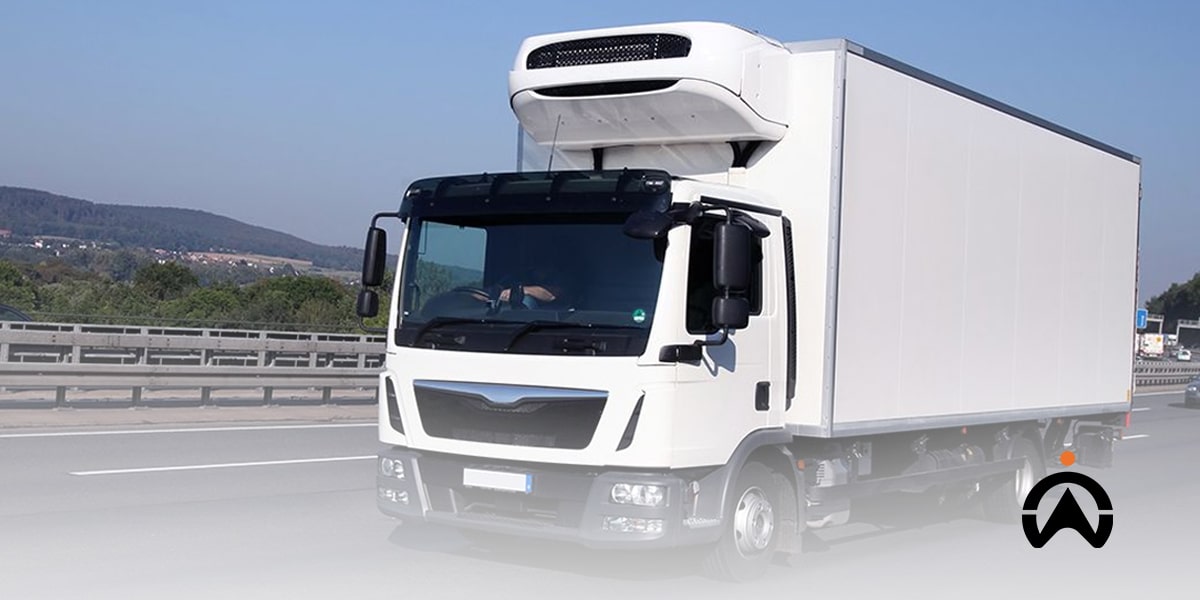
How to find the best temperature monitoring and control system

What can a temperature monitoring system do for your business?

Your business can easily track, control and regulate the products and assets’ temperature in any specific environment with a good temperature monitoring system. This will ensure that the business and customers are satisfied with the product and your services.

Here are some essential components that benefit the business:

Automatic alerts
You will automatically be notified of events that impact your products, like high and low-temperature changes. With this, you can determine if your product has experienced fluctuating temperatures and to what degree.

Temperature notifications
The monitoring system will be notified if there is the slightest temperature change and will instantly alert managers. The faster you are notified, the faster you can come up with a solution.

Reports
Thiswill be generated automatically by the temperature monitoring system so you can see trends and analyse the patterns. Giving you the bigger picture of what’s happening within your warehouse, vehicle or storage area.

Temperature tracking
Get product updates and current temperature measurements without manually checking in. A temperature monitoring system will do all that for you, allowing for easier monitoring.

Customised indicators
Create specific temperatures for minimum and maximum thresholds based on the kind of product or container being monitored by the system.

Complete temperature monitoring solution

Looking for a smart fleet system that will not only drastically decrease the chances of product spoilage or damage but also automatically regulate temperatures and keep managers in the loop?

Cartrack offers solutions that allow credible insights into your warehouses without having to leave the comfort of your office.

Interested? Contact us today.