South Africa
 Botswana
 Kenya
 Malawi
 Mozambique
 Nigeria
 Swaziland
 Namibia
 Zimbabwe
 Hong Kong
 Indonesia
 Singapore
 Malaysia
 Philippines
 Thailand
 New Zealand
 Vietnam
 Poland
 Portugal
 Spain
 United Arab Emirates

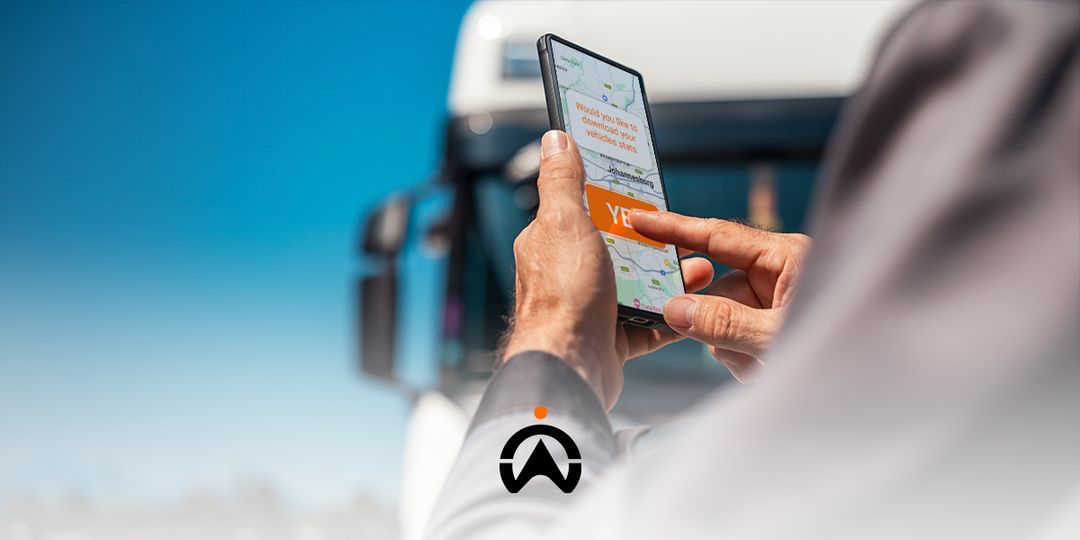
You may know the power of a smartphone, but what about the power of a smart fleet?
Say goodbye to tedious manual labour, and welcome automated fleet operations. How? With smart mobility and connected vehicles. No, these aren’t vehicles that are physically connected; they’re just smart vehicles.
But what exactly makes them smart, and how can your fleet unlock this? Let’s find out.
In this article, you will:
- Find out what smart mobility is
- Discover what role it plays in effective fleet management
- Learn how connected vehicles are the key to fleet success
- Explore how Cartrack’s solutions help achieve smart mobility through connected vehicles
What is smart mobility?
Smart mobility focuses on creating efficient, eco-friendly, and convenient urban transit systems by integrating various advanced technologies and modes of transportation. This revolutionary approach to transportation goes beyond moving people and goods from point A to point B; it’s about optimising the transportation ecosystem for greater accessibility, safety, and environmental responsibility. It works to secure a future of transportation that’s smarter, cleaner, and more equitable for everyone.
What is smart mobility for fleets?
In a fleet context, smart mobility leverages advanced technologies to optimise fleet transportation systems and services. It involves the use of connected devices to gather real-time data on vehicle location, condition, and driver behaviour. This data empowers fleet managers with actionable insights, helping them make informed decisions to optimise fleet operations.
What are the key aspects of smart mobility for fleets?
Smart mobility in fleet management is made up of a whole ecosystem of technologies and approaches that are aimed at revolutionising the way we get around.
Here are some key aspects of smart mobility:
- Telematics:
Telematics refers to the integration of telecommunications and informatics technologies that are designed to collect, transmit, and analyse data. It is an essential part of smart mobility in a fleet context, as it provides a comprehensive solution for in-depth fleet monitoring. Fleet management systems use telematics to track and monitor multiple vehicles, which provides valuable data on key fleet metrics such as driver behaviour and vehicle performance.
- Internet of Things (IoT):
IoT refers to the interconnected network of devices and vehicles equipped with sensors, software, and connectivity. This use of interconnected devices and sensors works to seamlessly collect and transmit data from vehicles, drivers, and other fleet assets. IoT technology in fleet management is important for real-time data monitoring. This data can then be analysed and used to optimise fleet operations, improve fleet safety, reduce running costs, and enhance customer satisfaction.
- Artificial Intelligence (AI):
AI refers to the use of machine learning algorithms and predictive analytics to analyse large volumes of data generated by telematics devices and sensors installed in vehicles. By collecting data from connected vehicles, AI technology helps fleet managers identify problem areas before they become an issue, create real-time coaching, optimise maintenance operations, and boost driver safety and accountability.
- Data analytics:
Data analytics refers to the collection, processing, and analysis of large, complex sets of data to generate insights, patterns, and predictions. This data can help improve various aspects of fleet management in several ways, including route optimisation, preventative maintenance, fuel efficiency, and driver behaviour monitoring.
The core purpose of smart mobility is to optimise fleet operations by integrating advanced technologies and innovative solutions. A major key to doing this is the integration of connected cars.
What are connected vehicles?
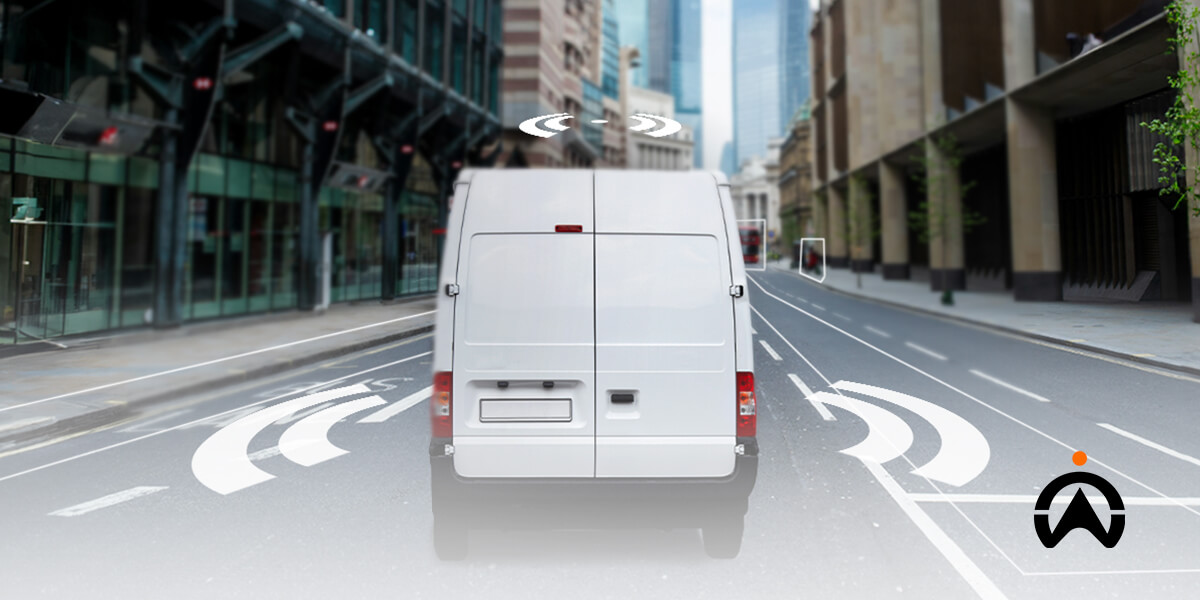
Connected vehicles, which are also known as “smart cars,” are vehicles that are integrated with advanced data and communication technologies. This enables them to collect and transmit real-time data on various aspects of their operations. By leveraging this data, along with advanced algorithms and artificial intelligence, fleet managers can optimise and improve the safety and efficiency of their operations. By making use of sensors and communication systems, connected vehicles can communicate with other devices and systems outside of the vehicle, sharing data with other vehicles.
Why do fleets need connected vehicles?
The purpose of connected vehicles is to not only collect and transmit their data to the cloud but also record data from their environment. By making use of embedded sensors and communication technologies that enable continuous interaction between vehicles, infrastructure, and fleet management systems, these vehicles can help fleets achieve:
- Promote optimisation and efficiency:
By leveraging real-time data, fleet managers can optimise operations in real-time, avoid traffic congestion, and identify the most efficient routes for deliveries or services. This real-time data also helps make predictive maintenance a possibility through the continuous monitoring of vehicle health, enabling proactive upkeep or repairs before breakdowns occur.
- Boost their safety and compliance:
Connected vehicles facilitate improved driver management by monitoring behaviours such as harsh braking, speeding, or idling, which allows for coaching and training interventions to improve overall fleet safety.
- Improve their customer service:
Connected vehicles make it possible for customers to gain visibility into the precise location and estimated time of arrival of their goods or services, fostering transparency and reliability.
- Enhance their fleet visibility and control:
Fleet managers gain an up-to-date, comprehensive view of their entire fleet’s activities. This enhanced visibility enables precise tracking of their vehicles, real-time monitoring of adherence to schedules, and optimised routes for increased efficiency.
Is there a link between connected vehicles and electric vehicles?
The fleet industry is seeing the rise of electric vehicles, and yes, there is a link between connected and electric vehicles. These two technologies are interconnected and reinforce each other. Connected vehicles, which are always connected to the internet, enable features such as cloud updates, remote operation of vehicle functions, and real-time data sharing.
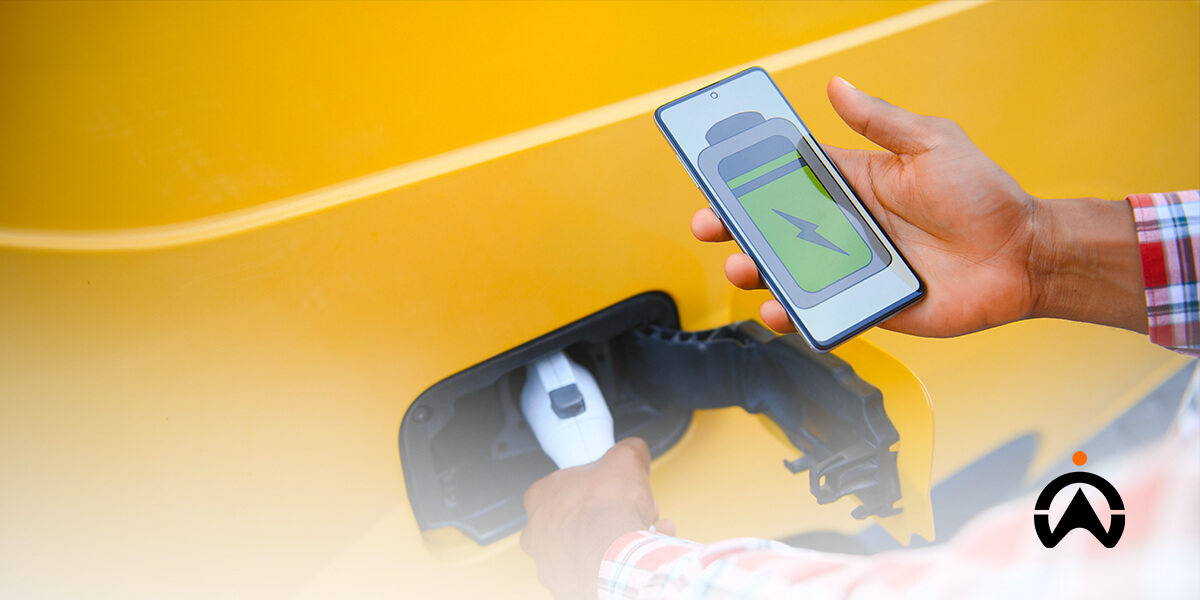
This connectivity is not only beneficial for traditional vehicles but also plays a crucial role in the advancement of electric vehicles, which are beginning to dominate the fleet industry. For example, connected vehicles can provide EV drivers with essential information such as charging status, which helps them conveniently check the level of their vehicle battery from their phones and create a charging schedule suited to their delivery schedules.
Moreover, the rise of autonomous vehicles and driver assistance technologies, which are also closely linked to connected vehicle capabilities, could further enhance the safety and performance of electric vehicles. This convergence of electric vehicles and connectivity gives birth to smart mobility solutions, which work to reshape the traditional concept of transportation.
What role does smart mobility play in connected vehicles?
Smart mobility plays a crucial role in connected vehicles by leveraging connectivity and advanced technologies to optimise transportation systems, reduce congestion, enhance safety, and create a more sustainable future. Some of the key roles of smart mobility in connected vehicles include:
- Enhancing cooperative driving: V2V (vehicle-to-vehicle) and V2I (vehicle-to-infrastructure) communication is a technology we see in connected vehicles. It enables them to communicate with each other by making use of short-frequency radio waves, which helps them exchange information about their speed, position, and route planning. This plays a crucial role in preventing costly collisions. The result is a reduction in collision risks and the prevention of potential accidents by enabling a more aware and responsive driving environment.
- Enhanced fleet safety: With connected vehicles, smart mobility fosters an environment of enhanced safety. Real-time communication capabilities among these vehicles significantly reduce accident risks. Using technologies to prevent accidents through real-time communication and the potential for driver assistance technologies to reduce human errors, is a leading cause of road accidents.
- Aiding in precise route planning: Smart mobility solutions analyse data from multiple sources, such as GPS, traffic cameras, and weather forecasts. This data-driven approach enables connected vehicles to optimise routes, minimise travel time, decrease fuel consumption, and alleviate traffic congestion, which directly impacts the efficiency of connected vehicle operations.
- Seamless Electric Vehicle (EV) Integration: The emergence of electric vehicles necessitates specialised integration strategies within connected vehicle fleets. Smart mobility platforms can help by conveniently guiding EVs to charging stations and streamlining charging processes by scheduling them into day-to-day fleet operations.
How does smart mobility optimise fleet operations?
Smart mobility has established itself as a transformative force that can be very helpful in revolutionising how operations are optimised and managed. Here is how it can help optimise fleet operations:
- Optimising travel routes based on real-time road conditions:
By leveraging advanced technologies to plan efficient routes, taking into account factors such as traffic, road conditions, and vehicle characteristics, smart mobility enables fast route planning and optimisation, which significantly reduces travel time and fuel consumption.
- Monitoring driver behaviour:
Smart mobility aids driver monitoring and training through the integration of telematics systems. These systems track and analyse driver behaviour, looking at aspects such as speed, braking patterns, and driver behaviour. Insights from these behaviours help drivers improve their habits, promote safer practices, and reduce the likelihood of accidents.
- Providing access to real-time GPS tracking:
By making use of real-time GPS tracking capabilities, smart mobility gives fleet managers precise visibility into the location and movement of their fleet vehicles at any given moment. This enables continuous monitoring, which enhances fleet operational efficiency by optimising routes, improving scheduling, promoting safety, and ensuring on-time deliveries. - Encouraging data-driven decision-making:
Smart mobility leverages data analytics to empower fleet managers with actionable insights. By analysing large volumes of data gathered from connected vehicles, traffic patterns, and performance metrics, informed decisions regarding maintenance schedules, vehicle utilisation, and resource allocation can be made, leading to optimised fleet operations
- Improving overall fleet safety:
Smart mobility prioritises fleet safety by incorporating advanced safety features and real-time monitoring. Through the integration of driver alerts, collision avoidance systems, and automated emergency braking, smart mobility plays a proactive role in reducing accidents and ensuring the safety of both drivers and vehicles.
- Keeping fleet vehicles healthy and functional:
Smart mobility facilitates preventative maintenance by monitoring vehicle health in real time. Through predictive analytics and real-time monitoring, these systems can pick up on vehicle issues before they become serious. This minimises vehicle downtime, reduces repair costs, and extends the lifespan of fleet assets.
5 ways Cartrack’s solutions help you achieve smart mobility through connected vehicles
Make your fleet smarter with Cartrack’s solutions. Here’s how:
- Preventative maintenance:
Keep your fleet healthy with preventative maintenance. As an integral part of its fleet management platform, Cartrack’s preventative maintenance leverages telematics and real-time vehicle diagnostics to enable proactive maintenance. The technology provides real-time alerts for engine faults, worn brake pads, and oil and water fluctuations, allowing fleet managers to preemptively schedule vehicle maintenance. By automating maintenance schedules and providing instant alerts, the platform helps you keep your vehicles healthy and minimises unplanned downtime. This proactive approach to maintenance aligns with the principles of smart mobility as it leverages real-time data and advanced telematics to optimise vehicle health, enhance safety, and prevent disruptions, leading to a more efficient, sustainable fleet.
- AI-powered cameras:
Ensure your drivers are operating at their optimum level with Cartrack’s Live Vision AI cameras. This is a cloud-connected video management solution that enhances driver safety and provides real-time monitoring and alerts to drivers and fleet managers. Powered by IoT (Internet of Things), this AI-powered and live-streaming technology gives you 24-hour interior and exterior visual access to your vehicles. Equipped with preventative in-cabin voice alerts, these cameras immediately notify your drivers about distracted or dangerous driving behaviours (such as speeding, cell phone use, smoking, and frequent yawning, which can indicate fatigue). These real-time alerts help your drivers immediately correct their behaviour, preventing accidents and injuries from occurring. You can remotely access event-based footage on demand, helping you assess individual driver behaviour and spot specific areas for improvement.
- Advanced Driver Assistance System:
Ensure your drivers are always aware of their surroundings with Cartrack’s Advanced Driver Assistance System. By making use of sensors and cameras strategically placed around a vehicle, ADAS can record data about a vehicle’s surroundings, including obstacles and other vehicles. The data collected is processed in real-time and used to identify potential risks or hazards on the road by making use of real-time safety features. These include forward collision warning, which alerts drivers when they are approaching an obstacle or another vehicle too quickly, helping them avoid rear-end collisions. Other safety features include adaptive cruise control, which automatically adjusts the vehicle’s speed to maintain a safe following distance from the vehicle ahead; blind spot detection, which warns drivers of vehicles in blind spots, helping reduce the risk of lane-change accidents.
- Real-time live GPS tracking:
Gain full visibility and control of your fleet with Cartrack’s real-time GPS tracking. This technology is integral to your fleet’s smart mobility as it helps you track your fleet in real-time, unlocking ultimate safety for your vehicles and assets. Our solutions make use of GPS (Global Positioning System) technology, which helps you know exactly where your vehicles and drivers are in real time. This unparalleled insight gives you insight into key metrics such as distance travelled, break durations, and idle times, which can be used to encourage data-driven decision-making.
- Route optimisation:
Prevent travel delays with Cartrack’s route optimisation feature. Available through our Delivery app, route optimisation helps reduce travel delays, lower fuel consumption, and maximise fleet productivity. By analysing distance, travel time, and real-time traffic and road conditions, this feature helps you find shorter, deviation-free routes for your drivers so they can complete tasks/deliveries more timely.
Turn all your vehicles into connected vehicles with Cartrack’s fleet management solutions
Harnessing the power of smart mobility may sound a bit complicated and technical, but with Cartrack Tanzania, it has never been easier.
Contact us today, and let’s turn your fleet into a connected one together.