Fuel Efficiency: Know How to Save Your Fleet a Fortune

Struggling with endless kilometres gobbling up your fuel allowance, rising fuel costs, and a tightening budget?

Might be time for fuel-efficient practices.

Let’s explore simple strategies and powerful tools to transform your fleet into a lean, mean fuel-saving machine.

In this article, you will:

  • Learn what fleet fuel efficiency is and why it’s crucial for cost savings
  • Get practical insights for making your fleet more fuel-efficient
  • Explore the role of fleet management software in optimising fuel usage
  • Discover Cartrack’s fleet management solutions to improve fuel efficiency
  • Test your fuel-saving knowledge with our enlightening quiz

Imagine saving a ton of money without needing a magic petrol station that offers bottomless, free fuel.

Interested?

Well, the truth is, saving your fleet a fortune has less to do with where you buy your fuel, and more to do with how efficiently you use it.

Let’s start with the basics: What exactly is fleet fuel efficiency, and why should you care?

What is fleet fuel efficiency?

Fleet fuel efficiency means how well your vehicles use fuel while doing their jobs. It’s about empowering your drivers, trucks, vans, and machines to use just the right amount of fuel to deliver your goods, complete their routes, and keep your business running smoothly without wasting any fuel or hurting the environment.

Will fuel efficiency save you money?

In short, yes. Fuel efficiency affects fleet costs, and often in a very significant way.

Fuel can be the single largest operating cost for many fleets, according to theNational Highway Traffic Safety Administration (NHTSA), sometimes accounting for around 60% of the total budget. That’s why even small improvements in fuel efficiency can lead to huge cost savings.

Fuel-efficient vehicles simply consume less fuel, leading to substantial and potentially life-saving cost reductions, especially with unpredictable fuel prices.

But the benefits go beyond the pump. Less fuel used means less engine wear and tear, translating to lower maintenance costs on labour, parts, and downtime. And, since efficient vehicles can travel further on a single tank, drivers spend less time refuelling, boosting productivity and minimising operational disruptions.

Overall, fuel efficiency is a key factor in controlling fleet costs. By investing in fuel-efficient vehicles and implementing fuel-saving practices, businesses can significantly reduce their operating expenses and improve their bottom line.
Will_fuel_efficiency_save_you_money

Money-saving factors you need to know for fuel efficiency

For businesses relying on fleets for transportation, fuel costs can quickly add up. To address this, fleet managers need to grasp the factors influencing fuel consumption and take strategic steps to enhance efficiency.

Here are some factors that impact fuel usage:

Road conditions and terrain:
The state of roads, from smooth highways to bumpy gravel roads, can greatly affect fuel efficiency. Uneven surfaces like cobblestone or unpaved roads increase resistance, causing engines to work harder and consume more fuel.

Traffic congestion:
Stop-and-go traffic increases idling, leading to higher fuel consumption. Planning routes to avoid congested areas and scheduling deliveries during off-peak hours can optimise fuel efficiency.

Vehicle maintenance:
Regular maintenance is crucial for preserving fuel efficiency. Neglecting tasks like replacing air filters or spark plugs can result in increased fuel consumption over time.

Fuel quality:High-quality fuel from trusted fuel suppliers is essential for engine performance and fuel economy. Clean fuel ensures optimal efficiency and engine health.

How can I make my fleet more fuel-efficient?

Now that you understand what affects fuel efficiency in your fleet, let’s get into the proven solutions that can propel your fleet’s fuel efficiency.

The key factors contributing to fleet fuel efficiency include:

Vehicle selection: Choosing fuel-efficient vehicles with modern engine technologies and aerodynamic designs can significantly impact overall fleet efficiency. Hybrid or electric vehicles may also be considered for further fuel savings.

Maintenance practices: Regular and proactive maintenance, including timely oil changes, air filter replacements, and checking tyre pressure, ensures that vehicles operate at peak efficiency, minimising fuel consumption. It’s usually recommended that vehicle maintenance checks (VMCs) be conducted monthly, bi-monthly or between 20,000 km and 40,000 km.

Driver behaviour: Driver habits play a crucial role in fuel efficiency. Practising smooth acceleration, moderate speeds, and avoiding unnecessary idling contribute to better fuel mileage. Educate your drivers on sustainable driving habits regularly and implement driver training programs to promote fuel-conscious behaviour.

Route optimisation: Utilising route planning and optimisation tools helps reduce unnecessary mileage, idling time, and fuel consumption. Efficient routing ensures that vehicles reach their destinations using the most direct and fuel-efficient paths.

Telematics and monitoring: Implementing telematics systems allows fleet managers to monitor real-time data on fuel usage, vehicle performance, and driver behaviour. This information helps identify areas for improvement and implement strategies to enhance fuel efficiency.

Fuel management systems: Using fuel management systems helps track fuel transactions, detect irregularities and manage fuel consumption effectively. This can include monitoring fuel card usage and implementing measures to prevent fuel theft.

Technology integration: Adopting advanced technologies like fuel-efficient driving apps, can provide drivers with real-time feedback on their driving behaviour, encouraging fuel-conscious practices.

Load management: Ensuring vehicles carry optimal loads without excessive weight contributes to better fuel efficiency. Avoiding unnecessary cargo weight reduces the energy required to transport goods.

Here are the top 5 fuel-saving tips for your fleet, taken from one of our recent blogs

  • Regularly check the tyre pressure of each of your vehicles
  • Regularly service your vehicles according to the set fleet maintenance schedule
  • Train your drivers on eco-friendly driving like gentle acceleration
  • Use route planning whenever you want to use the most fuel-efficient paths
  • Lighten up your load when necessary
  • Invest in fleet management software for premium fuel-saving

Bonus Tip: Track your progress and inform your drivers of fuel-saving successes to keep drivers motivated.

How can fleet management software improve my fleet’s fuel efficiency?

Fuel costs can feel like a constant uphill battle for fleet managers. Fortunately, fleet management software offers a powerful solution to ease your fleet’s fuel-burning ways.

By using fleet management software to optimise your fleet, these significant fuel efficiency gains are within reach.

Smooth fuel management: When it comes to fuel costs, fleet software makes handling fuel a breeze by syncing up fuel card data with vehicle assignments automatically. It even crunches numbers to give you miles per gallon (MPG) insights, so you’re always in the know about your fuel usage and how it impacts your wallet.

Instant fuel intel: With automated fuel systems, you get real-time updates on fuel economy stats, CO2 emissions, and operational efficiencies. It’s like having a fuel efficiency coach in your pocket, helping you make savvy decisions to save on fuel costs.

Hassle-free fuel transactions: Say goodbye to messy paperwork and confusing fuel records. Fleet fuel software streamlines everything, making it super easy to track fuel use and spot areas where you can save some cash.

Smarter fuel management: By accurately tracking fuel economy, fleet software helps you fine-tune your fuel usage. You’ll have a clear picture of how fuel affects your bottom line, making it easier to manage costs and keep your fleet running smoothly.

Proactive maintenance and driving tips: Fleet software not only helps you stay on top of maintenance schedules but also encourages fuel-efficient driving habits among your drivers.

Green route planning: Some fleet software goes the extra mile by suggesting eco-friendly routes that minimise emissions and cut down on fuel use. It’s a win-win for your business and the environment. By following through with fleet management software to increase your fleet’s fuel consumption, you’ll enjoy these benefits:

  • By decreasing fleet fuel consumption, you save money
  • Your fleet will run smoother, faster and further. Boosting operational efficiency
  • Your fuel-efficient vehicles will be cheaper to maintain
  • Reduce your carbon footprint

Additionally, some governments offer tax breaks or discounts for eco-friendly options, further sweetening the deal. Emissions fees based on fuel consumption also come into play, making efficient choices even more financially.
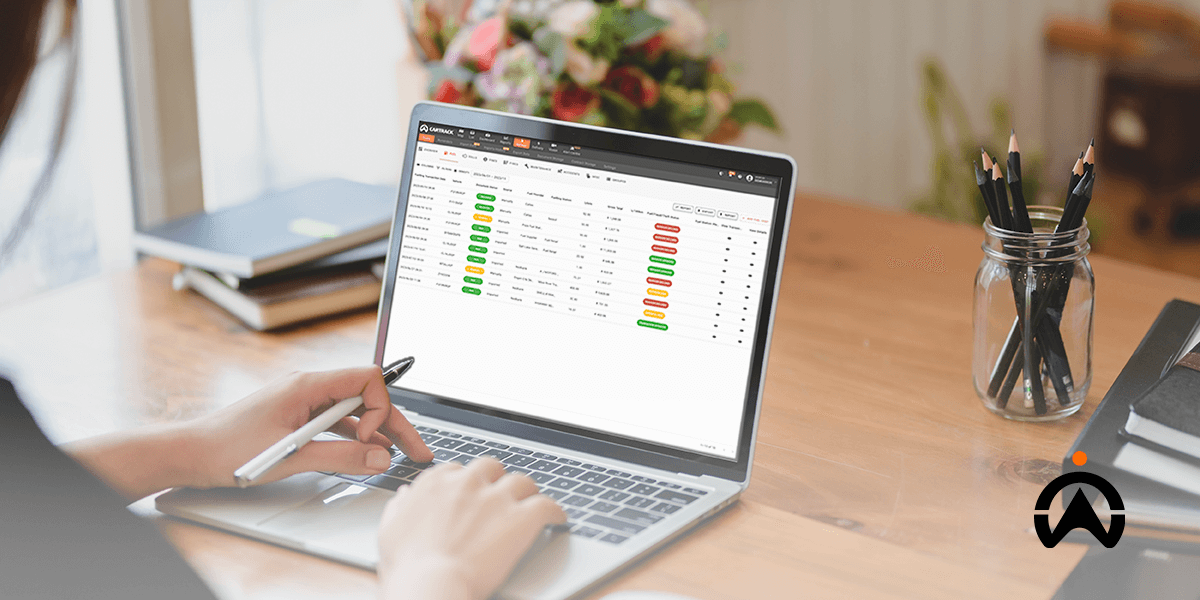
How_can_fleet_management_software_improve_my_fleet’s_fuel_efficiency

Turn your fleet into a fuel-saving machine

Cartrack Tanzania is an industry leader in vehicle tracking as well as fleet and fuel management solutions. Accurate monitoring and analytic tools empower fleets to improve fuel efficiency and save on fuel costs, and Cartrack Tanzania offers ideal solutions to do just that.

Here are five ways Cartrack Tanzania features and solutions can help:

  1. Vehicle maintenance and performance

    Cartrack Tanzania assists fleet managers in keeping track of vehicle health with preventative maintenance alerts that notify managers of scheduled maintenance checks. This helps to address issues promptly, promote fleet longevity, and prevent fuel-consuming problems, like engine misfires that can waste fuel, ensuring vehicles maintain peak fuel efficiency.

  2. Fuel monitoring

    Cartrack’s fleet management systems provide real-time monitoring of fuel consumption by using data analytics. With this, fleet managers gain insights into individual vehicle performance, driver behaviour, and fuel efficiency trends for each vehicle.

  3. MiFleet

    Cartrack’s MiFleet is a cost management system offering full visibility of your fleet’s running cost. By connecting to fuel sensors or integrating with CANBus, it monitors fuel consumption data and identifies inconsistencies that may indicate fuel fraud by comparing transactions to fleet vehicle telemetry data. This empowers managers to address fuel-consuming patterns and maximize fleetwide fuel efficiency.

  4. Fuel usage reports

    The system provides contextualised metrics on fuel consumption per km travelled and per job completed for every driver and vehicle, allowing fleet managers to pinpoint areas that require attention and take corrective actions.

  5. Route Optimisation

    Cartrack’s Delivery tool enables the optimisation of drivers’ routes based on the shortest distance, ensuring drivers take the most efficient routes while avoiding unnecessary fuel wastage and ultimately saving on fuel costs.

Stop fuel wastage and start saving with Cartrack’s fuel management solutions

Cartrack Tanzania is your key to answering the looming question ‘Do you know how to save your fleet a fortune’ with a resounding YES.

But you can’t save what you can’t track. Contact Cartrack today and get a free quote for your fleet.

Fuel-saving rookie or expert? Take the quiz to find out

Ready to put your fuel-saving skills to the test?

Take a quiz to help you identify how to boost your fleet’s efficiency and reduce fuel expenses. Answer each question truthfully, jot down your answers, and check the results to reveal your fuel-saving skills.

1. How often do you conduct maintenance checks on your fleet vehicles?

A. Monthly

B. Quarterly

C. Semi-annually

D. Annually

E. I don’t have a regular maintenance schedule

2. How often do you educate your drivers on fuel-efficient driving practices?

A. Regularly, through training sessions

B. Occasionally, during team meetings

C. Rarely, if ever

D. I rely on drivers to educate themselves

E. I haven’t considered driver education for fuel efficiency

3. How do you handle vehicle loading and cargo weight?

A. I overload vehicles regularly without considering weight limits

B. I adhere to recommended weight limits and distribute loads evenly

C. I occasionally exceed weight limits for convenience

D. I rely on drivers to estimate appropriate loading without specific guidelines

E. I have no knowledge or consideration of cargo weight impact

4. Do you use telematics or GPS tracking to monitor and optimise routes?

A. Yes, consistently

B. Occasionally

C. No, but I’m considering it

D. No, and I don’t see the need

E. What is telematics?

5. How do you handle vehicle idling in your fleet?

A. Strict anti-idling policies in place

B. Moderate, with occasional reminders

C. No specific policies

D. I’m not sure

E. Idling is not a concern for my fleet

Fuel efficiency test results:

If you answered mostly A’s: Congratulations, you’re a Fuel Efficiency Pro!

If you answered mostly B’s: You’re on the right track but consider some improvements.

If you answered mostly C’s: There’s room for improvement; assess your fleet practices.

If you answered mostly D’s: It’s time to reevaluate and implement fuel-saving strategies.

If you answered mostly E’s: Your fleet might be missing out on significant fuel efficiency gains.

Apply Cartrack’s advanced fleet management technology and contact us today to start adopting fuel efficiency best practices. Remember, every litre can lead to substantial cost reductions.
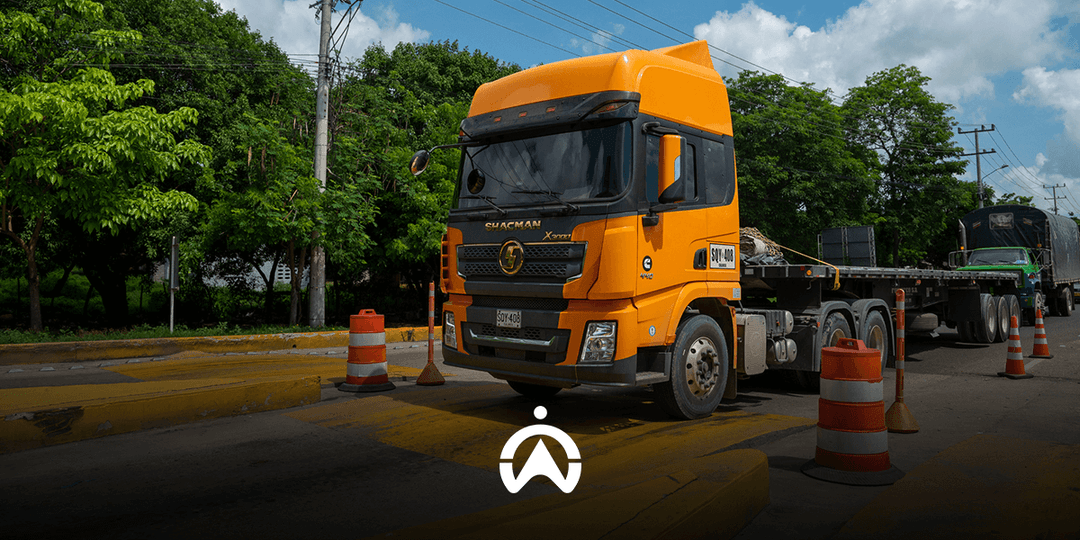
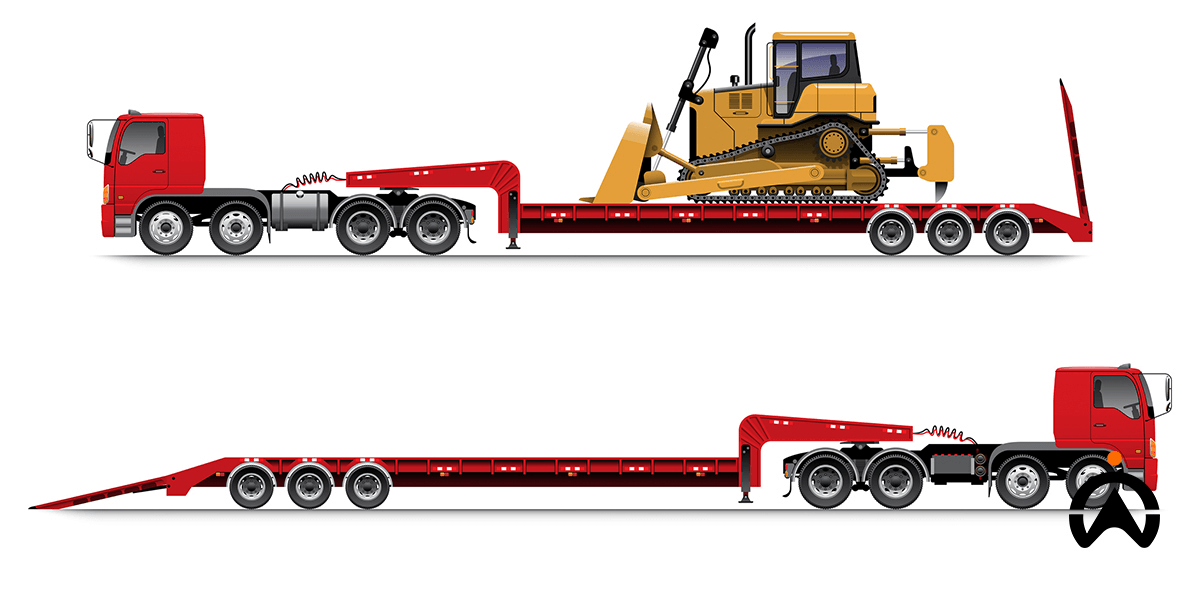
Curb Weight vs Gross Weight: The Insight You Need to Empower Your Fleet

Overloaded vehicles go beyond “doing more with less time”, as overloading can harm your entire fleet operation.

Are you ready to empower your fleet management? Then read on to find out exactly what these terms mean and learn what the difference is between curb weight and gross weight.

In this article, you will:

  • Learn what vehicle weight is
  • Find out what the two types of vehicle weight are
  • Delve into the downside of overloaded vehicles
  • Explore how fleet management is crucial for identifying overloaded vehicles
  • Discover how Cartrack’s tech can help detect potentially overloaded vehicles

What is curb weight?

Curb weight, also known as dry weight, is essentially the car’s skeleton weight when fully operational but completely empty, so without passengers, cargo, or even your favourite travel mug.

Here’s a closer look at the components and significance of curb weight:

What’s included in curb weight?

  • The core: This includes all parts that make it a vehicle, including the engine, wheels, body panels and transmission parts.
  • The vehicle’s standard features: This is everything that comes pre-installed in your vehicle and is essential for everyday driving like air conditioning, safety equipment such as airbags and seatbelts, and even your audio system.
  • The vehicle’s essential fluids: This is the weight of important liquids that are crucial to car functioning and include engine oil, coolant, and brake fluid.

Why is curb weight so important?

  • Effective comparison to similar vehicle models: By comparing curb weights of similar models, you can get a better idea of how they might stack up in terms of performance when loaded with passengers and cargo.
  • Simplifying performance prediction: Knowing your vehicle’s curb weight helps you predict how it will function under various conditions, including acceleration, braking, and fuel efficiency.
  • Aids in choosing the right vehicle: When considering tasks like towing or carrying heavy loads, understanding curb weight becomes crucial for selecting a vehicle with the required capacity and power.

Now that we’ve explored curb weight, let’s learn more about vehicle gross weight.

What is gross vehicle weight?

John is on his way to deliver a washing machine to a customer using one of his fleet vehicles. The car is loaded with the machine, some equipment to install it, and a few other tools. This is a prime example of gross vehicle weight (GVW), which describes the total weight of your loaded vehicle when it is ready for operation.

Let’s dive deeper into the components and importance of gross vehicle weight:

What’s included in gross vehicle weight?

  • Curb weight: As explained, this refers to the car’s weight when empty, but with all its standard equipment, fluids, and a full petrol tank.
  • Cargo weight: All the goods, tools, or anything else you’ve packed into the vehicle.
  • Passenger weight: The combined weight of all vehicle passengers.

Why is gross vehicle weight so important?

  • Enhances road rule adherence: Being aware of your gross vehicle weight helps you adhere to weight limits on roads and bridges, which keeps your drivers and other roadgoers safe.
  • Improves vehicle safety: Maintaining proper weight distribution when operating vehicles and delivering goods significantly reduces the likelihood of accidents caused by poor vehicle control, excessive idling, and increased wear and tear.
  • Optimises fuel efficiency for trips: Vehicles that have excessive gross vehicle weight have been shown to consume more fuel.
  • Simplifies future planning: Knowing the GVW helps you effectively calculate how much cargo your vehicle can safely carry without it being overloaded.

Curb_weight_vs_gross_weight

Curb weight vs. gross weight

Let’s take a look at the differences listed above in table form:

Features Curb Weight Gross Vehicle Weight (GVW)
Definition Weight of an empty vehicle Weight of a fully-loaded vehicle
Components Vehicle structure, standard features, and operational fluids Everything in curb weight, passengers, and cargo
Variation Remains static unless the vehicle is modified Dynamic, as there are changes with load variation

How does vehicle weight affect fleet performance?

No one vehicle weight measurement is more important than the other, as they are both crucial and beneficial to fleets in various ways. The information obtained helps fleet managers make informed decisions on how to lower a vehicle’s weight, which is important for the following reasons:

  1. Vehicle performance: A lower curb weight translates to a lighter vehicle and leads to:

    – Improved acceleration: Lighter vehicles require less power from the engine to reach desired speeds, resulting in quicker acceleration. This improves response time and overall driving experience.

    – Enhanced handling: Lighter weight leads to easier vehicle handling. Drivers can respond more readily to steering input, making it easier to control and navigate challenging road conditions.

    – Shorter braking distance: Lighter vehicles require less force to stop, resulting in shorter braking distances and improved safety by reducing the risk of rear-end collisions.

    John, for example, overloads his fleet vehicles, leading to his drivers showing signs of irresponsible driving behaviour like harsh braking. This, in turn, negatively affects driver safety and fleet longevity.

  2. Fuel efficiency: A direct correlation exists between weight and fuel consumption. Vehicles with lower curb weight experience:

    – Reduced energy expenditure: Lighter vehicles require less energy from the engine to maintain momentum, leading to better fuel economy. This translates to fewer fuel stops.

    Let’s look at John again, who has now started overloading his vehicles so he can do more in fewer trips. Although this may seem like a smart thing to do to make the most of his resources, his vehicles are burning more fuel than they should, translating to higher operational costs and more frequent fill-ups.

  3. Safety: Maintaining proper weight limits is crucial for safe vehicle operation. Exceeding the gross vehicle weight can compromise safety by:

    – Impacting handling: Overloading can adversely affect handling, making the vehicle unstable and accident-prone.

    – Extending braking distances: Heavier vehicles require a longer distance to stop, increasing the risk of collisions.

    – Putting stress on components: Overloading can strain the vehicle’s suspension, brakes, and tyres, potentially leading to breakdowns and safety hazards.

Let’s return to John one more time. His tendency to overload his vehicles also seems to be impacting fleet safety. As a result, John is seeing an increase in harsh driving behaviour, such as harsh braking, which not only puts his drivers at risk but also causes his vehicles to require more unscheduled maintenance.

These reasons and examples show how important it is for vehicles to not be overloaded, as it impacts the entire fleet’s functioning and efficiency. But how do you ensure that your vehicles don’t exceed their maximum weight? The answer is measuring its weight.

How can you measure your vehicle’s weight?

Now that we’ve looked at the importance of knowing your vehicle’s weight and why keeping it low is so crucial, let’s see how you can actually measure it:

  1. Weighbridges:

    Weighbridges, also known as truck scales, are large, specialised scales designed to weigh an entire vehicle, including its content. The vehicle is driven onto the weighbridge and weighed empty to establish its curb weight. The vehicle can then be loaded and re-weighed on the weighbridge. These two calculations are used to determine the weight of the cargo that is being transported.

  2. On-board scales:

    On-board scales are devices that can be used to estimate the approximate loaded weight of a vehicle. They help determine the vehicle’s weight distribution and total weight by fitting sensors and electronic components directly onto the vehicle itself. Unlike weighbridges, which are stationary and only located in specific areas, on-board scales can measure vehicle weight at any place and any time, even when the vehicle is in motion.

  3. Weigh-in-motion systems:

    Weigh-in-motion (WIM) systems are technological tools designed tomeasure vehicle weight while in motion. By driving over sensors that are either “embedded” in the road or mounted above it, the system is designed to capture a vehicle’s weight data at normal traffic speeds.

If you don’t have access to these sensors, your next best bet is a fleet management system. But before we get into this multi-purpose solution, let’s look at fleet management in general.

How_can_you_measure_your_vehicle’s_weight

What is fleet management?

Fleet management is the complete oversight of a company’s fleet of vehicles, ranging from maintenance to fuel consumption monitoring and keeping an eye on each vehicle’s location to ensure drivers are driving safely. These are all crucial for streamlining operations and ensuring the fleet runs smoothly, cost-effectively, and according to regulations.

How fleet management helps you identify heavy vehicle weight

In the world of fleet management, ensuring your vehicles operate within their designated weight limits is crucial, and a few key indicators could help with this. These indicators can be identified with a fleet management system:

  1. Fuel consumption:

    There is a direct correlation between vehicle weight and fuel consumption. Lighter vehicles require less energy from the engine to maintain power, which results in better fuel economy. However, heavier vehicles need more power to move the additional weight, increasing fuel consumption. When a vehicle’s engine needs to work harder to maintain speed and overcome additional resistance, it translates to burning more fuel to generate power. If your fleet has been consuming more fuel following an increase in cargo, your vehicles might be overloaded.

  2. Maintenance:

    Exceeding a vehicle’s maximum weight puts excessive stress on various components, including tyres, suspension components, brakes, and the engine. This leads to premature wear and tear, which means vehicles require more frequent maintenance and shortened lifespans.

    This also increases the risk of unplanned breakdowns, which overloaded vehicles are more susceptible to. An increase in overall maintenance can suggest a vehicle is overloaded. Some tell-tale signs include:

    – Brake system issues

    – Engine issues, including frequent overheating

    – Frequent tyre replacements and irregular tyre wear

    – Suspension and steering issues

  3. Driver behaviour:

    While harsh driver behaviour isn’t a clear indicator of an overloaded vehicle, certain driver behaviours can raise a red flag, indicating that the vehicle may exceed its weight limits. These include:

    – Excessive swerving: An overloaded vehicle is more difficult to control, leading to dangerous swerving, which can worsen when a driver attempts to turn or is travelling on uneven roads.

    – Harsh braking:
    An overloaded vehicle can experience increased braking distance and instability due to its weight, leading drivers to implement harsh braking to avoid collisions or obstacles.

    – Increased idling:
    An overloaded vehicle puts more strain on the engine, which overworks it to maintain speed and overcome the additional weight. This increased demand leads to decreased engine power, causing drivers to shift gears more frequently, increasing engine idling.

Easily identify overloading and empower your fleet with Cartrack Tanzania

While Cartrack Tanzania may not directly weigh your vehicle in real time, you don’t always have a scale on hand when you need one. We offer a range of solutions to help you spot the signs of an overloaded vehicle. These include:

  1. Fuel monitoring:

    Keep a close eye on your vehicle’s fuel consumption with Cartrack’s fuel monitoring system. Our advanced fuel sensors installed inside fuel tanks allow you to track fuel levels in real time, helping you identify and explain sudden fuel drops or increased fuel consumption. With access to these detailed fuel metrics for each vehicle, you can spot which vehicles may be operating above their gross weight.

  2. Driver behaviour monitoring:

    Detects and swiftly corrects harsh driving behaviour associated with overloaded vehicles with Cartrack’s driver behaviour monitoring system. Our driver scorecards help monitor high-risk behaviours linked to overloaded vehicles, like harsh braking, excessive idling, and speeding. Pair this with our AI LiveVision cameras and gain 24-hour live-streaming access to your vehicles. Your drivers are immediately alerted via in-cabin audible alerts when dangerous driving is detected. For example, a front collision warning alerts drivers to increase their following distance when they are getting too close to the vehicle in front of them.

  3. Preventative maintenance:

    Quickly pinpoint vehicle damage caused by overloaded vehicles with Cartrack’s preventative maintenance. Our system provides real-time vehicle maintenance alerts linked to overloading, like engine damage, worn-out tyres, and worn brake pads. With this information, you can spot which of your vehicles may be overloaded and swiftly address these issues before they become costly, unplanned downtime.

Keep your fleet light on its feet and boost safety and efficiency with Cartrack’s fleet management solutions

Tired of overloaded vehicles impacting your fleet’s performance, efficiency and bottom line? Then Cartrack’s solutions are exactly what you need, helping you identify weight issues, promote safe driving, and optimise your operations.

Contact us today, and find out how.

Easy Breathalyser Testing in Your Fleet: See How to Safeguard Your Business

In the blink of an eye, a single case of driving under the influence can cost your business hundreds of thousands in significant legal and financial losses and shatter your driver’s personal life.

That’s the sobering reality of not mitigating drunk driving issues in your fleet. It’s not all doom and gloom, though, thanks to advanced breathalyser interlock fleet technology.

Let’s take a look at how this invaluable device can help you easily enforce safer and sober driving in your business

In this article, you will:

  • Get a comprehensive explanation of what breathalyser testing is
  • Understand what the breathalyser rules in South Africa are
  • Explore the unique benefits of using breathalyser testing within your fleet
  • Uncover Cartrack’s alcohol breathalyser solutions for your fleet management
  • Discover how to use breathalyser testing to help drivers with their well-being

What is breathalyser testing?

‘Breathalyser testing’ involves using a diagnostic device to estimate a person’s blood alcohol concentration level from their breath.

According to the National Institute of Health, two types of breathalyser tests can typically be conducted on motorists: preliminary alcohol screening (PAS) or evidential breath tests (EBTs). PAS tests are smaller, portable devices typically used by law enforcement officers to test motorists for drunk driving. EBTs are more reliable devices law enforcement uses to test breath samples at the police station.

To combat drunk driving and reduce the risk of road accidents, many countries have also implemented alcohol ignition interlock devices for commercial fleets and DUI offender programs. Alcohol ignition interlock devices prevent drivers from starting or driving their vehicles while under the influence of alcohol.

Breathalyser testing using these devices helps businesses ensure that employees do not drive, or operate heavy machinery while under the influence of alcohol.

What_are_the_breathalyser_testing_rules_in_South_Africa

The benefits of breathalysers

By implementing robust policies promoting responsible driving habits, and investing in solutions like alcohol ignition interlock devices for breathalyser testing, you can create a safer environment for your employees, the community, and your business. Ultimately, the cost of inaction is far greater than the cost of prevention.

Here are some benefits of implementing breathalyser testing in your business:

  1. Promotes safety and responsibility

    Drunk driving is a leading cause of road accidents, with devastating consequences for everyone involved. Your employees and innocent bystanders can sustain serious injuries or even fatalities.

    Witnessing or being affected by a drunk driving incident can also significantly impact your employees’ morale and sense of safety. This can lead to decreased productivity and employees feeling discouraged in the work environment.

    Regular breathalyser tests in the workplace can deter employees from drinking on the job, promoting responsible behaviour and reducing the risk of accidents in the workplace. By identifying intoxicated individuals on the job, health and safety officials can make the relevant decisions to remove them from the workplace and prohibit them from operating any heavy machinery, helping to prevent potential injuries and liabilities.

    Implementing alcohol ignition interlock devices for your fleet can also deter your drivers from consuming alcohol, or attempting to drive under the influence. These devices are used in confidence by fleet and freight companies, transporters of dangerous goods and professional passenger drivers such as public transport drivers and e-hail drivers.

  2. Avoid liabilities

    Accidents stemming from drunk driving may lead to exorbitant business costs. Companies can end up facing vehicle repairs, medical bills, lost productivity, and potential lawsuits, and the financial burden can quickly spiral out of control, jeopardising your business’s stability.

    Drunk drivingcarries severe legal penalties, including hefty fines, license suspensions, and even jail time for employees caught drunk behind the wheel. These legal repercussions can tarnish your company’s reputation and lead to further financial losses.

    News of a drunk driving incident involving your fleet can also severely damage your business’s public image and customer trust. Negative publicity about your business can be detrimental to your business’s brand image and long-term success.

How Cartrack’s breathalysing device and technology works

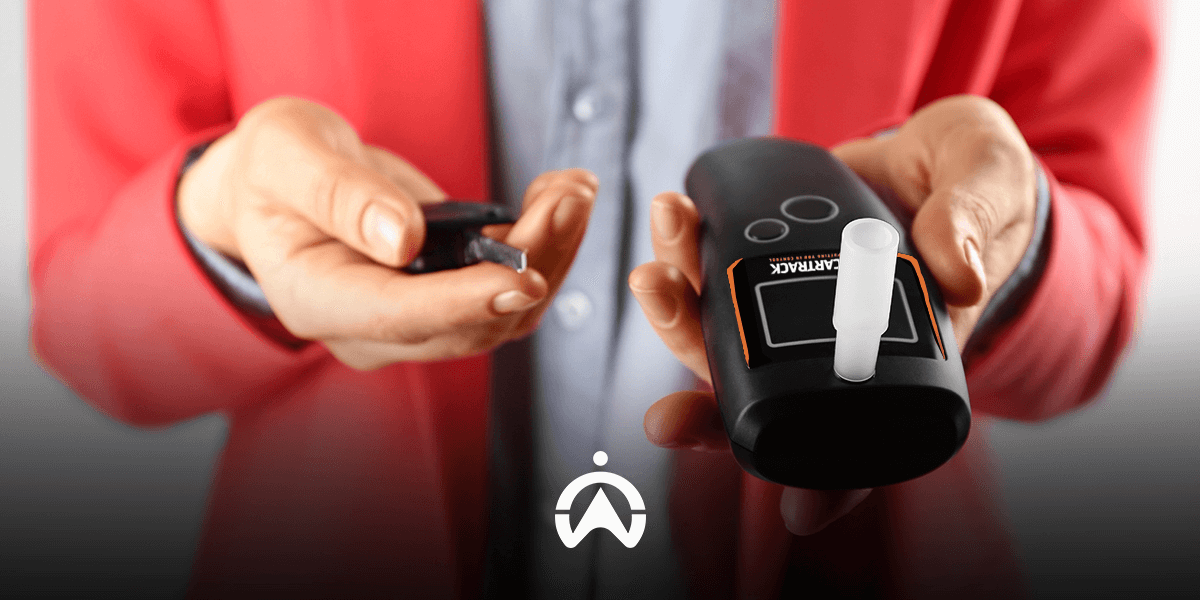
Businesses can combat DUI issues with their drivers and prioritise driver and fleet safety with Cartrack’s Alcohol Breathalysers. Our breathalysers use cutting-edge technology that interlocks with your vehicle’s ignition. Should the driver get a positive breath alcohol concentration (BrAC) result that is above the legal or preset limit (i.e. they fail the breathalyser test) the vehicle can be prevented from starting.

Here’s how it works:

  1. Prevents intoxicated driving

    This device seamlessly integrates with Cartrack’s Start ignition and Start Prevent technology. This allows managers to directly prevent vehicle ignition if a driver’s breath alcohol concentration exceeds a legal or pre-set limit.

  2. Real-time alerts if drivers fail the breathalyser test

    Should a driver fail the breath tests, the results are instantly reported via the Global System for Mobile (GSM) to your control centre, and the vehicle will immobilise as soon as the ignition is turned off, allowing for immediate intervention and support from the fleet manager.

  3. Comprehensive recording

    Every test, pass or fail, on the device is stored in the unit’s memory for detailed reporting and analysis. Driver behaviour reports can easily be accessed on Cartrack’s Fleet Pages at any time. The information is seamlessly made available with an encrypted RD-download of data from the vehicle to your PC.

  4. Override function

    The device is equipped with two override functions, offering flexibility in emergencies. A once-off reprogrammable override function can be used to keep the vehicle mobile and in the event of a technical failure, an emergency override PIN code can be issued by the control centre.

  5. Innovative features

    The device can distinguish between mechanically stimulated and human breath samples using Electronic Counter Circumvention Measures (ECCM) so drivers cannot bypass the test. It also features advanced fuel cell sensing technology, and LED indicators to make it more user-friendly for drivers.

Easy software implementation and verification

Cartrack’s Alcohol Breathalysers are CAN-Bus enabled. This reduces installation time and enhances the system’s capability. The breathalysers seamlessly integrate with Cartrack’s fleet management system.

All the features are programmable to meet your fleet business challenges and can also consider the legal and judiciary requirements.

Businesses can take other measures to ensure there is no tampering with the breathalysers or attempts to bypass the system. For example, Cartrack AI SmartCabin Cameras are driver-facing and use AI facial recognition to detect the position or orientation of the driver’s head and eyes.

These cameras are designed to detect distracted driving gestures like mobile phone use, smoking, or signs of driver fatigue such as yawning, which could potentially cause accidents. Fleet managers can also use these cameras to see whether the driver is intoxicated, or if they have attempted to use someone else to do the breathalyser test for them.

In addition, for mobile workers, such as delivery drivers and field service workers, fleet managers can set up breathalyser testing as a pre-trip inspection to ensure drivers are safe on the road. Since fleet managers can’t watch their drivers every move, they can set up a pre-trip checklist to ensure drivers do the breathalyser test every time and they can verify this with reports from the fleet management software.

Easy_software_implementation_and_verification

Cartrack’s cost-effective solution and long-term benefits

While breathalyser testing may require an initial investment in devices, training, and implementation, the long-term benefits far outweigh the initial costs.

Cartrack’s alcohol breathalyser is a cost-effective solution, that delivers immediate benefits today and helps you mitigate any drunk driving risks in the long run.

Here are a few rewards your fleet and drivers can reap from using Cartrack’s breathalyser technology:

Benefits for your fleet:

  • Reduced liability and risk: Proactively prevent accidents and legal repercussions associated with drunk driving.
  • Enhanced driver accountability: Foster a safer and more responsible driving culture within your team.
  • Improved operational efficiency: Minimise downtime and disruptions caused by alcohol-related incidents in the work environment.
  • Compliance with regulations: In some industries, breathalyser testing may be mandatory or highly encouraged to comply with regulations and safety standards.
  • Reduce insurance costs: Insurance companies often offer lower rates to companies with strong safety measures, including breathalyser programs.

Benefits for your drivers

  • Encouraged to act responsibly: Drivers will avoid excessive drinking when they use company vehicles, travel long distances for work or operate heavy machinery within the business.
  • Training opportunity: Drivers can be trained on the risks of driving under the influence, and regulations and disciplinary procedures when it comes to breathalyser testing. Which can help them reduce risky behaviour.
  • Non-liability: In an accident, drivers can also be held non-liable by having evidence and reports proving they were not under any influence while driving or operating machinery.
  • Enjoy a safer environment: All employees get to enjoy a safe environment knowing their co-workers are acting safely when operating heavy machinery or generally working.

Bonus benefit: A long-term win-win for businesses and driver well-being

Introducing alcohol breathalyser testing can be a delicate subject. Drivers and employees often feel targeted by managers or businesses when things go wrong. One of the ways you can build the relationship between managers and drivers is to create a supportive and helpful environment. Instead of aiming to punish and dismiss employees who fail an alcohol breathalyser test, you can see it as an opportunity to treat alcohol abuse and alcoholism with the utmost sensitivity.

Drivers can experience a sense of confidence and trust in managers that test results will be treated confidentially. They can also trust that fleet managers are there to help them if they are struggling with alcohol use. Doing this is a positive step towards improving employee well-being and morale.

For example, imagine that one of your top-performing drivers fails an alcohol breathalyser test and cannot resume their work for the day. Instead of immediately dismissing or disciplining them, you could assist them in getting professional help, saving your business the time and money to replace highly skilled employees.

Here are other changes you can make to promote your driver’s well-being:

  • Return to duty alcohol testing – conduct random and regular testing for accountability by helping employees who are DUI offenders or who are in rehabilitation return to their work.
  • Employee assistance programs (EAPs) – offer confidential access to the program that allows drivers to get the professional support and guidance they need in a safe and conducive environment.

Ready to implement breathalyser testing that looks out for your drivers and business?

Protect your drivers and business with easy-to-use breathalyser technology

Implementing breathalyser testing for your drivers and employees is a strategic way to enhance safety, reduce liability, and foster a responsible work environment.

Cartrack Tanzania can get you started with alcohol interlock breathalyser technology. Contact us for a demo and more information.

Thinking About Fleet Leasing? See the Advantages of Fleet Technology

Did you know that not every fleet owns the vehicles they use?

Though it may sound unlikely, it’s actually an instance of fleet leasing. Think of it as leasing a car, but on a bigger scale and for a longer time.

Intrigued? Read on to learn more about fleet leasing, how it works, and whether you should consider leasing your fleet’s vehicles.

In this article, you will:

  • Learn what fleet leasing is
  • Find out what makes the two types of fleet leasing so different
  • Delve into the benefits of fleet leasing
  • Explore how fleet management is the secret to optimised fleet leasing
  • Discover how Cartrack’s solutions are the keys to simplifying fleet leasing

What is fleet leasing?

Fleet leasing refers to an agreement between a business and a fleet owner, where the fleet gets access to fleet vehicles in exchange for a monthly fee without taking ownership of them. This may sound similar to renting passenger vehicles but unlike typically brief rental periods, fleet leases run for about 2-5 years.

Depending on your company’s needs, fleet leasing can involve many vehicles, including trucks and vans.

What are the different types of fleet leasing?

Fleet leasing can be open-ended or closed-ended. What do we mean? Let’s explore these in more detail:

Open-end leasing:

Open-end leasing is when the fleet owner is responsible for the vehicle’s residual risk, meaning there’s a chance that you’ll owe more money than the car is actually worth at the end of your lease. This happens when the vehicle depreciates faster than expected, and at the end of the lease term, the fleet manager needs to either purchase or return the vehicle. If the vehicle’s value exceeds the residual value, the fleet manager can also sell it for profit.

Think of open-end leasing, like renting a car for a long period but with a twist. While you agree to make scheduled repayments, you and the company share responsibility for the vehicle’s final value.

3 key characteristics of open-end fleet leasing include:

  1. Lower monthly payments but higher risk: With open-end fleet leasing, your monthly payments are lower. However, you face a higher risk because you are responsible for any difference between the estimated residual value of the vehicle and its actual future market value.
  2. Unlimited mileage: Unlike closed-end leasing, you have access to unlimited mileage, making it an ideal choice for fleets with higher, more unpredictable mileage requirements.
  3. Maintenance and repairs: As the fleet manager, you are responsible for the maintenance and repairs of the leased fleet vehicles.

Now that we have a clearer understanding of open-end leasing, let’s take a look at its advantages and disadvantages:

Advantages of open-end leasing:

  • Initial costs are lower: Monthly repayments are typically lower, giving you the ability to free up funds for other business needs.
  • Flexibility in terms of mileage: There are no fixed mileage limits, allowing businesses the freedom to handle the unpredictable driving needs and patterns that can come with fleet operations.
  • The opportunity for ownership: Fleet managers can acquire these vehicles at the end of their lease period.

Disadvantages of open-end leasing:

Closed-end leasing:

Closed-end leasing offers more predictability than open-end leases. Unlike open-ended leasing, where the fleet manager is responsible for the vehicle’s residual risk, close-ended leasing requires the provider to handle this responsibility. So, when the lease term ends, the vehicle can be returned with no worries about selling or any potential depreciation due to a set residual value. In short, closed-end leasing is all about predictable costs and usage within agreed-upon terms.

3 key characteristics of closed-end leasing:

  1. Fixed monthly payments: These are fixed for the whole lease term, so you don’t have to worry about fluctuating market values.
  2. Specific mileage limits: You need to stay within these limits, and if you exceed them, you must pay excess charges per kilometre
  3. You don’t have to worry about the final value: The vehicle’s final value is not your responsibility as long as it is returned in good working condition.

Sounds pretty straightforward, right? Now, let’s look at the advantages and disadvantages of this fleet leasing option.

Advantages of closed-end leasing:

  • No maintenance worries: The lessor is usually responsible for vehicle maintenance and repair during the lease term, which saves your business time and money.
  • More chances for upgrades: Due to the shorter lease periods, you can keep your fleet current, ensuring you always have access to the latest vehicle technology.
  • Simplified budgeting: Due to the fixed monthly repayments, you can accurately estimate your fleet’s budget and streamline your financial planning.

Disadvantages of closed-end leasing:

  • Higher monthly repayments: Due to fixed repayments and the lessor taking on more risk, monthly payments can be slightly higher compared to open-end leases.
  • Mileage restrictions: Mileage restrictions can be detrimental to a fleet’s budget, as exceeding them leads to costly charges.
  • No ownership opportunities: Unlike open-end leases, businesses don’t have the option to purchase the vehicles they’ve used at the end of their lease period.

No_maintenance_worries

Open-end vs closed-end fleet leasing

Let’s take a look at some key differences between the two fleet leasing options:

Feature Open-End Leasing Closed-End Leasing
Mileage allowance Usually unlimited Usually limited
Monthly payments Generally low Generally high
Maintenance & Repairs The lessee’s responsibility The lessor’s responsibility
Residual value Estimated by final market value, and is the lessee’s responsibility The lessor’s responsibility
Management Burden Requires more involvement in tracking mileage and managing maintenance by the lessee The lessor’s responsibility

The top 4 need-to-know benefits of fleet leasing

Fleet leasing can be beneficial for a fleet business in various ways. Let’s explore some of these:

  1. Improved vehicle maintenance: Depending on which type of fleet leasing agreement you choose, your fleet lessor can include maintenance repair services in the lease agreement, which reduces labour costs and frees up resources for other business needs while also ensuring that vehicles are working well.
  2. Increased flexibility: Fleet leasing allows companies to easily adjust the size and composition of their fleet based on varying demands, such as peak seasons or changes in the number of employees. This flexibility equips fleets for their specific functions, increasing profits and saving money during off-peak seasons.
  3. Reduced administrative responsibilities: Fleet leasing companies handle many of the administrative tasks associated with managing a fleet of vehicles, such as vehicle registration and licensing. By outsourcing much of the vehicle monitoring, maintenance, and compliance to the leasing company, fleet managers can reduce operational strain and free up resources that support fleet growth.
  4. Scalability: Scalability in fleet leasing is a fleet’s ability to efficiently expand its capacity and capabilities by adding vehicles and enhancing operational processes to handle more tasks without compromising on efficiency. By eliminating large upfront costs and management burdens, fleet leasing can help unlock flexibility to upscale or downscale a fleet as needed.

The secret to optimised fleet leasing: It’s fleet management

Fleet management is the process of keeping a fleet of vehicles running smoothly. It involves various tasks that enhance the fleet’s efficiency, reduce its running costs, and promote its overall safety. Fleet managers oversee these goals and make management decisions, including vehicle acquisition, maintenance, fleet monitoring and fuel management.

How can a fleet management system help simplify managing a leased fleet?

A state-of-the-art fleet management system plays a significant role in successfully running a leased fleet. Let’s see exactly how:

  1. Data-driven decision making: Fleet management facilitates easy access to and interpretation of large volumes of data. Take John, for example, who manages a leased fleet of 15 vehicles. Keeping track of various fleet metrics, including fuel consumption and mileage for all these vehicles can be challenging. What John needs is a fleet management system that can automatically collect and analyse all data related to vehicle maintenance, fuel consumption and driver behaviour. By knowing exactly how your fleet is operating, you know what changes need to be implemented. This is important for a leased fleet, where every decision can impact your profitability and the amount you’ll have to pay at the end of your lease period.
  2. Live GPS tracking: Fleet management provides comprehensive insight into vehicle performance and management using GPS tracking software. By collecting and storing data on speed, trip, distance, and vehicle location, fleet managers not only know a vehicle’s location at all times, but they can also see the exact route their vehicles travelled, how long each trip took, and gain insights on driver behaviour. Look at this from John’s perspective, who no longer has to call the drivers of every leased fleet vehicle to know exactly where they are or what trips they’re on. This helps managers keep track of vehicle mileage, which is crucial for closed leasing with a mileage limit.
  3. Proactive fleet maintenance: Fleet management makes it easier for fleet managers to create maintenance strategies specific to their fleet’s individual needs. Keeping your fleet well-maintained ensures you don’t experience unplanned downtime due to damaged vehicles, helping you save on unnecessary repair costs. This is crucial for a leased fleet, especially if you opt for a leasing option where you are responsible for vehicle maintenance.
  4. Monitoring driver behaviour: Fleet management makes monitoring driver behaviour a simple task, which is crucial due to its impact on fleet safety and productivity. Dangerous driving behaviours like harsh braking and sharp cornering increase mileage and fuel consumption and the risk of unplanned downtime due to accidents, which is why driver behaviour monitoring helps ensure that your leased fleet remains safe and effective.
  5. Streamlining cost management: A fleet management system enables you to keep track of every cent your fleet consumes, helping you pinpoint potential reasons for cost drainages, whether it be due to increased fuel consumption or damaged vehicles. This is important for fleet leasing options, where you are responsible for most fleet costs.

Give your leased fleet more savings, efficiency and productivity with Cartrack Tanzania

CartrackTanzania has a wide range of solutions to simplify managing a leased fleet, helping you achieve convenience and activate ultimate efficiency. Let’s explore these solutions:

  1. GPS tracking: Gain full visibility of your leased fleet with Cartrack’s GPS tracking technology and determine your vehicle’s exact geographical location in real time. Our GPS tracking also gives you access to Cartrack’s stolen vehicle recovery service. With an above 90% stolen vehicle recovery rate, Cartrack Tanzania responds swiftly to vehicle theft or hijacking, increasing your chances of vehicle recovery.
  2. Route optimisation: Unlock the best routes for your leased fleet with Cartrack’s route optimisation. Available as a part of our Delivery feature, this tool looks at real-time traffic and weather conditions to find ideal routes for your drivers. Improve fleet efficiency and fuel consumption by choosing effective routes based on real-time data, which helps you lower overall costs for your leased fleet.
  3. Fuel monitoring: Know exactly how much fuel your leased fleet vehicles consume with Cartrack’s fuel monitoring system. By giving you real-time insights into fuel consumption, you can quickly detect the source of fuel drainages and act against fuel theft and fraud. Our fuel fraud detection technology matches fuel receipts with your vehicle’s locations and fuel status, helping you reduce fuel cost drainages and improve operational efficiency.
  4. Driver monitoring: Enhance fleet driver safety and behaviour with Cartrack’s driver monitoring system, equipped with a range of next-level hardware and software solutions to help you monitor driver behaviour.

    – Cartrack’s Advanced Driver Assistance System (ADAS) is designed to alert your drivers of potential road hazards, helping them avoid obstacles and prevent accidents in real time.

    – AI LiveVision cameras give your drivers access to real-time, audible alerts on dangerous and distracted driving behaviours, including smoking, excessive speeding, and yawning, which helps them quickly correct their behaviours and prevent accidents.

    – Driver scorecards give you detailed reports on each of the abovementioned harsh driving behaviours, allowing you to see when an incident occurred and who was driving, and use these insights to empower and train on safer driving practices.

  5. Cost management: Don’t miss payment and registration deadlines ever again with Cartrack’s MiFleet software. With the ability to receive reminder alerts, our cost management solution makes keeping track of all your fleet expenses a breeze, whether it be vehicle permits or fuel costs. Not only does this help you improve your fleet compliance, but it also reduces admin time and eliminates human error that comes with manual calculations, helping you ensure your leased fleet isn’t costing you more than it should.
  6. Preventative maintenance: Spot potential maintenance issues before they become more costly with Cartrack’s preventative maintenance. Our software uses advanced analytics to alert you on potential vehicle maintenance issues, such as damaged brake pads and low oil levels. This proactive measure uses historical data and smart algorithms to create a maintenance plan specifically tailored to your fleet, helping you eliminate unplanned downtime, prevent road accidents, increase fleet longevity, and transform your leased fleet into a well-oiled machine.

Give_your_leased_fleet_more_savings_efficiency_and_productivity

Case study: How Cartrack helped Agungrent boost their vehicle renting business

Whether you’re already renting your fleet vehicles or looking to rent them out, Cartrack is a solid solution with a proven track record. Take Agungrent, a transportation service provider company specialising in vehicle rental, logistics & trucking of over 6,000 vehicles.

Agungrent found reducing running costs and managing their fleet inventory challenging. They needed a system to help them easily manage their vehicle rental usage, receive vehicle data and reduce overall fleet costs.

Using Cartrack’s mobile application, Agungrent unlocked real-time monitoring of their vehicle’s movements, helping them bill rented-out vehicles more accurately. Cartrack’s fuel monitoring solution also helped them increase their fuel efficiency by up to 30%, and driver and safety reports they now gained access to, helped them enhance their driver safety culture overall.

Here’s what the company’s Operations Manager, Mr. Edi Cahyono had to say:

“Cartrack is a GPS service global provider which offers many features that are very capable and user-friendly, also offers competitive prices tailored to our needs.”

Tackle fleet leasing woes with Cartrack’s superior fleet management solutions

Take managing your leased fleet from time-consuming and frustrating to streamlined and automated with Cartrack Tanzania.

Contact us today, and find out how.