What is Cartrack’s Mifleet

Cartrack’s MiFleet is a powerful, core value-added service within our larger digital fleet management platform. This feature makes managing costs, risks, and compliance a simple process. As fleet managers and owners, the reality is that you’re at the mercy of the challenges that come with running a fleet. These include keeping important paperwork in order, fuel expenses, and optimising fleet operations.

Studies show that fleet management tools, such as MiFleet, can reduce fuel costs by up to 15% and decrease administrative expenses by as much as 20%—savings that directly impact the bottom line. You get the opportunity to turn efficiencies into tangible business growth and stronger returns.

With MiFleet, we go beyond simple tracking and telematics. MiFleet automates back-end processes, keeps track of all costs and expenses, and gives you access to all the valuable insights you need. Turn to MiFleet for your all-in-one fuel and cost management solution.

Key Takeaways:

  • MiFleet is a central feature of Cartrack’s digital platform that makes managing fleet costs, compliance, and risks much easier
  • It automates tasks like expense tracking, reporting, and licence management, saving time and reducing errors
  • MiFleet gives real-time insights so fleet managers can make smarter decisions and lower operational costs
  • The tool works for all fleet sizes and can integrate with telematics or other systems for full visibility

Understanding Cartrack’s MiFleet: what is it?

Cartrack’s MiFleet is an add-on feature that’s part of Cartrack’s digital fleet management platform, or FleetWeb. It’s designed to take the hassle out of running a fleet and simplify the processes that come with it. MiFleet automates and streamlines tasks, eliminating the need for paperwork and spreadsheets while ensuring cost control, compliance, and reporting.

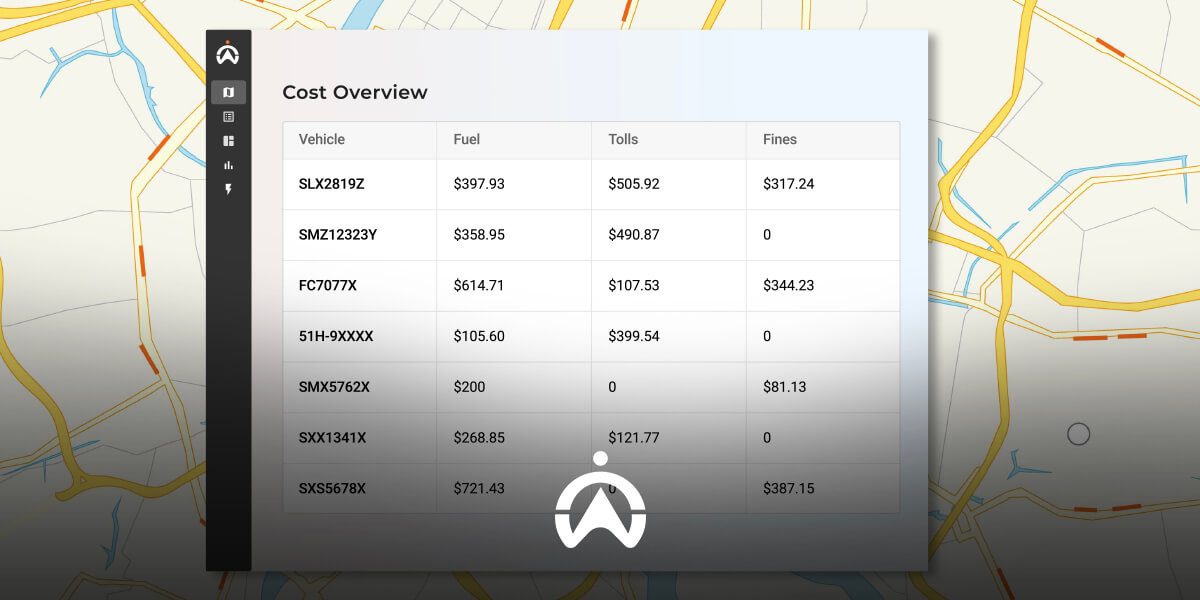
MiFleet is powered by advanced algorithms and analytics. On the dashboard, you can track expenses like fuel, tolls, fines, tyres, maintenance, accidents, and insurance. The system gives you clear breakdowns across your entire fleet, allowing you to spot fuel consumption patterns, cut down on waste, and even detect possible fuel theft.

As a fleet manager, you can get a complete picture of your fleet’s performance. Using a tool like MiFleet gives you the opportunity to strengthen your fleet strategy, improve your overall business performance, and implement effective change for business growth.

Core focus areas include:

  • Expense tracking: Keep track of tolls, fuel, licences, fines, and so much more.
  • Automated reporting and compliance: Have all your documents saved and in order with minimal effort.
  • Consolidated fleet cost visibility: Be able to see all the fleet costs in real time.

Quick Benefits Snapshot

  1. Cut admin time
  2. Lower compliance risk
  3. Smarter cost control
  4. Works for any fleet size

What can MiFleet do for your business?

MiFleet can make everything about fleet management easier and more profitable. This feature goes far beyond simple real-time monitoring. By consolidating fleet processes, MiFleet empowers you to simplify all the administrative processes, make compliance straightforward, and improve the way you run your business.

Let’s take a look at what MiFleet can do for you:

Automated expense management

Through automated expense management, you won’t have to worry about juggling paperwork or confusing spreadsheets. MiFleet allows you to import and translate data, organising expenses and insights into practical feedback. Not only does this save time, but it also reduces the chance for human error. This ensures your data is as reliable as possible.

A truck driver in a bright safety jacket smiles and gives a thumbs-up from the window of his vehicle.

Compliance and licence management

Compliance and licence management are the key components in fleet management, and keeping track of them all can be overwhelming. Vehicle registrations, permits, and driver’s licences are just a few of the documents that always need to be up to date.

MiFleet helps you stay in control by storing soft copies of required records in the documents and contracts storage tabs, generating reports, and sending renewal reminders. As a result, you can avoid potential fines and downtime that come with being non-compliant. Automation equals convenience—something every fleet manager wants and needs.

Real-time financial oversight

MiFleet’s dashboard gives you a full overview of your costs and expenses, meaning real-time financial oversight. Clearly seeing these costs means that as a fleet manager, you can take corrective action before things become exceedingly expensive. Fuel and maintenance costs are usually the highest expenses for a fleet. Adding MiFleet to your Fleet pages can help you save money and reinvest that money back in your business instead.

Integration with Cartrack telematics

Cartrack telematics, the central component to all comprehensive insights, integrates with MiFleet. Operational and financial data come together to create a powerful tool that lets you make cost-saving decisions. The impact doesn’t stop here, though; fleet efficiency, improved driver behaviour, and better fuel management are also on the cards.

The business impact of Cartrack’s MiFleet

Cartrack’s MiFleet is your key to a renewed fleet strategy. Its business impact is clear, proving itself as a solution that helps businesses of all sizes and industries. MiFleet gives you both the knowledge and control you need to implement necessary changes without simply relying on guesswork.

Gain access to actionable insights into your fleet’s condition and operations, resulting in improved performance and decision-making.

Here are some significant outcomes you can expect for your business:

  • Reduced admin burden: Because tasks and reports are automated, tedious administrative duties are a thing of the past. You and your staff can stay focused on the business itself.
  • Lower operational costs: Smoother operations mean lower costs. Costly maintenance payments, fuel waste, and other expenses are reduced due to improved efficiency.
  • Improved compliance and risk reduction: With driver, trip, and vehicle documentation in order, you won’t have to deal with fines or downtime.
  • Data-driven decision-making: Keep track of trends and patterns, and view your fleet plan operations in a proactive manner, rather than reactively.

Who should use Cartrack’s MiFleet?

If you’re:

  • a fleet business owner
  • part of the finance team of a fleet company
  • a fleet manager, or
  • an operations manager overseeing fleets

…you should use Cartrack’s MiFleet. Reliable reporting and comprehensive cost overviews, eliminating inefficiencies, and reduced paperwork are just some of the tools you’d need to manage your fleet more effectively.

Let’s take a look at some industries that benefit the most, along with examples of how:

  • Logistics and distribution: These are businesses that constantly face high pressure and demand because of deliveries. Additionally, fuel is an integral factor. MiFleet could be the answer to keeping track of your business’s fuel usage, expenses, and wasteful practices.

    Example: A courier company has been struggling to keep up with the increasing costs of fuel. With the help of MiFleet, the company was able to consolidate the costs and spot the reasons for fuel waste. This allowed them to take steps to lower fuel expenses.

  • Delivery and field services: Companies that offerdelivery services often have large fleets with multiple staff members. Administrative tasks can become tedious and time-consuming. MiFleet automates systems and can quickly generate reports when they’re needed, meaning you save time and free up company resources.

    Example: A local delivery business found that they were spending far too much time on back-office processes. Because MiFleet consolidates major costs like fuel and tolls, this business saves hours without having to rely on manual paperwork.

  • Construction: There are numerous regulations and compliance rules that fleets have to abide by, but this is particularly true for construction companies. Asset protection, licences, and permits are just some of the factors that could directly impact uptime. MiFleet ensures your construction company receives regular document renewal reminders and keeps all important records in one place.

    Example: A contractor with dozens of trucks was facing major delays, losing valuable time and money because of unexpected breakdowns. MiFleet helped the contractor keep track of costs and previously logged maintenance, so that they could schedule maintenance before breakdowns could occur. This meant that construction continued to run smoothly.

  • Rentals: As a car rental owner, you’re faced with regulatory matters that include traffic fines, regular servicing, and compliance that comes with large fleets. Much like construction companies, rental businesses consolidate records, making meeting compliance standards much easier.

    Example: A car rental company wasn’t keeping up with fines and servicing, which meant they were faced with even more fines and downtime due to penalisation. MiFleet helped this company store and track fines and service invoices, meaning the company could respond promptly and proactively.
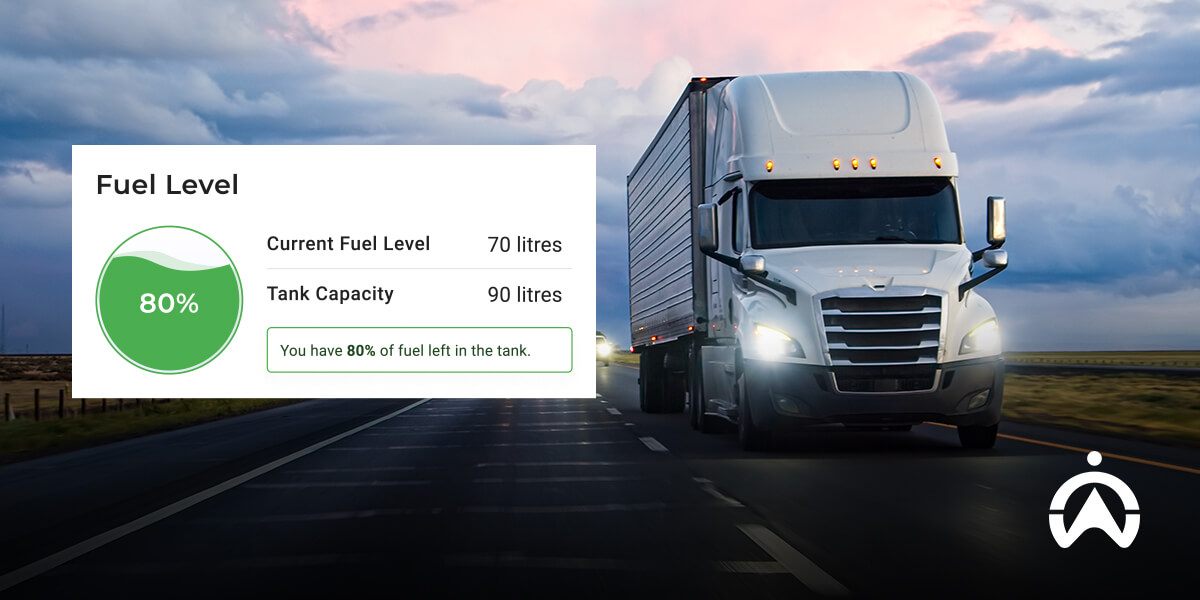
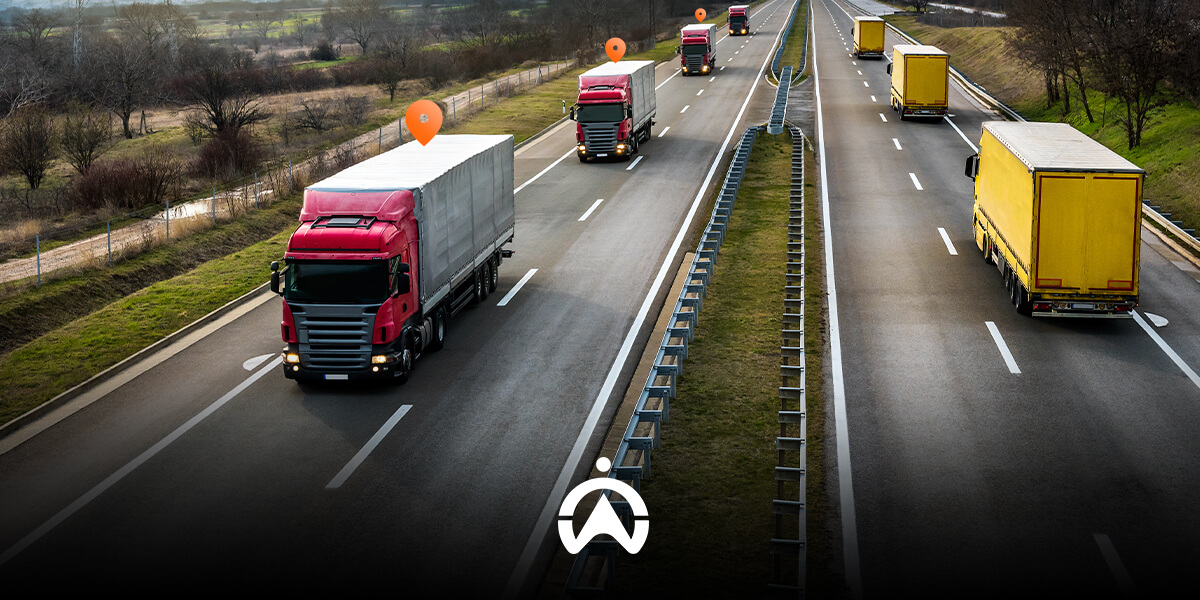
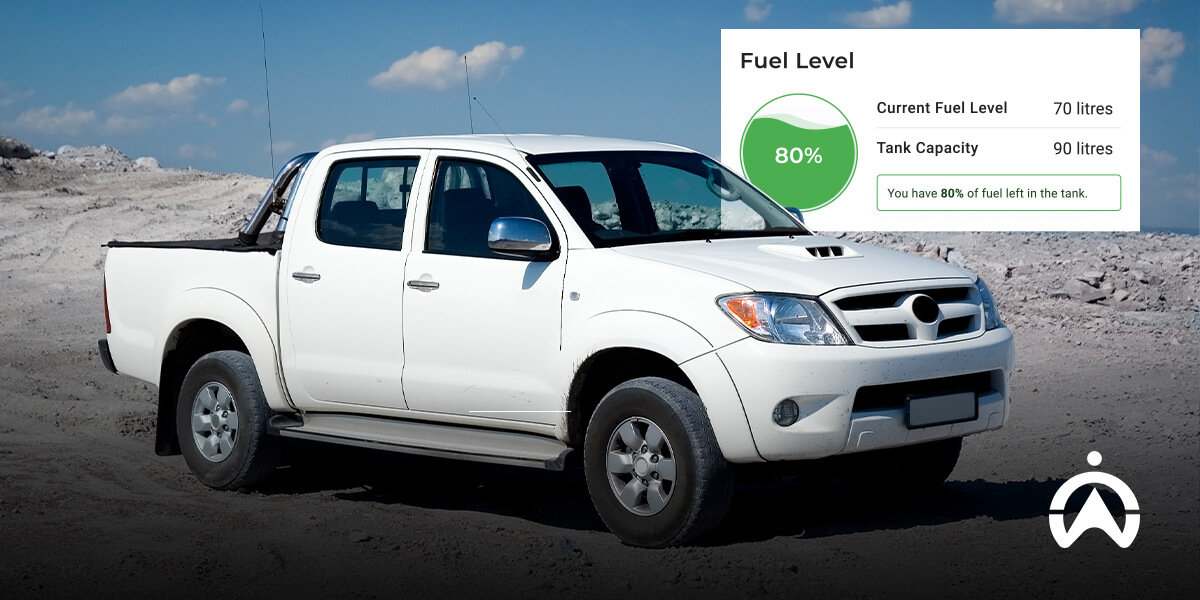
A large truck drives on a highway, next to a fuel gauge display indicating 80% fuel remaining.

Why should you choose Cartrack’s MiFleet?

You should choose Cartrack’s MiFleet because it stands out above the rest, combining innovation, comprehensive capabilities, and accuracy in one feature. MiFleet also integrates valuable insights and improves cost management through advanced features. With all of this, you can ensure you’re getting a full and realistic picture of your fleet.

Your business can trust MiFleet to manage and simplify everyday tasks, while still embracing strategic control. MiFleet has the advantage of scalability, meaning that it’ll always be flexible by adapting to the size of your fleet. This kind of flexibility means you have access to all the necessary tools—no matter how big or small your fleet is.

Choosing MiFleet means going beyond simple fleet management. Choosing MiFleet means a reformed fleet strategy, optimised business performance, and better, smarter decisions for the future of your company.

Final thoughts

Cartrack’s MiFleet offers more than standard fleet management technology. It gives businesses a smart way to control costs, stay compliant, and boost consumer trust. Our intelligent add-on feature automates daily tasks, makes financial tracking much easier, and provides instant analytics so your company can make decisions based on real data.

It doesn’t matter whether you’re managing a small fleet or a large transport network. MiFleet turns cost management and fleet visibility from a reactive, time-consuming task into a proactive tool that supports your business growth and improves operations.

Book a demo with Cartrack Tanzaniato see how MiFleet can streamline your fleet operations. Contact our team today to enhance your fleet management with our smarter cost and compliance solutions.

FAQs

Q: Do I need to use Cartrack Tanzania telematics to get MiFleet?

A: No, MiFleet can technically work without Cartrack Tanzania telematics, although it’d be very limited in its functionalities. The best way to use MiFleet is with Cartrack’s telematics, as it’ll give you the best and most comprehensive results. When you combine these tools, you get the complete visibility and data-driven insights that you need.

Q: How quickly can Cartrack’s MiFleet be implemented?

A: Cartrack’s MiFleet can be implemented very quickly, although the tracking device and fuel sensors themselves can take from 2 to 4 hours to be installed in a single vehicle. The amount of time it takes ultimately depends on a number of factors. These include the number of vehicles, the features you’re interested in, and software configuration.

Q: Can MiFleet integrate with my existing accounting or third-party systems?

A: Yes, MiFleet has been designed to integrate with most of your accounting or third-party systems. You can export reports and data for analysis or reconciliation, keeping your financial and operational information accurate and easy to access. This helps avoid double entry and makes it much simpler to get a clear picture of fleet costs and overall productivity.
GPS Tracking Solutions That You Need to Know

The GPS tracking solutions that you need to know use a combination of hardware and software to show the live location of a vehicle, asset, or person. The hardware, a GPS device, remotely connects to satellites, sending signals that make real-time tracking possible. Tracking solutions address some of the most important pain points for businesses, including theft, rising fuel costs, and asset maintenance.

In Tanzania, where road conditions can be brutal and vehicle theft remains a major concern, a GPS tracking solution is not just a nice-to-have. It’s a necessary system for your business’ survival. Without this solution, your business risks losing its assets, experiencing downtime, and incurring higher costs.

Did you know that Cartrack Tanzania is one of the leading GPS tracking solution providers in Tanzania? A single prominent service provider accounts for a substantial share of the active fleet management and telematics units deployed across commercial vehicles in the region. This significant market footprint underscores the widespread industry reliance on advanced tracking and operational intelligence solutions. This is how Cartrack Tanzania stands out. Cartrack Tanzania offers turnkey solutions for businesses of all sizes and industries, providing the best way for you to keep your fleet safe and establish full operational transparency.

Key Takeaways:

  • GPS tracking solutions let you see the real-time location of vehicles, assets, or people to keep your business safer
  • They can cut costs, improve driver accountability, prevent theft, and make reporting and compliance easier
  • Cartrack Tanzania offers flexible solutions for any fleet size with features like geofencing, driver monitoring, and live alerts
  • Modern GPS trackers work even in low-network areas and give you immediate updates through dashboards and mobile apps

What are GPS tracking solutions, and how do they work?

GPS tracking solutions are systems that use the Global Positioning System (GPS) as a way to accurately determine the location of an asset, vehicle, or person. In the case of a business, they translate to the visibility of your fleet at all times, with the intention of managing operations more effectively.

Hardware (a GPS tracking device) is fitted into the asset, and data is transmitted via cellular networks to a central online platform. This means you can keep track of vehicle movements and operational efficiency from a single, streamlined dashboard. In the case of Cartrack Tanzania, you’d see everything from Fleet Web or the mobile app.

GPS tracking solutions have grown in popularity among fleet-based businesses. Most solutions have made it simple to track vehicles through easily accessible web pages or mobile apps. The result? Clear visibility, improved safety, and better business decision-making overall.

Types of GPS tracking solutions that you need to know

The types of GPS tracking solutions can be divided into two categories: how they operate and their purpose. In terms of operation, tracking solution types include passive, active, and hybrid solutions. When looking at purpose, GPS tracking solutions typically include personal, vehicle, and asset tracking.

It’s important to note that Cartrack Tanzania focuses on vehicle and asset tracking for businesses, with solutions that are built to support smarter fleet management and stronger operations.

By Operation

Here’s a comparison table to help you understand how GPS tracking solutions operate:

Type of GPS Tracking Solution Brief Explanation of GPS Type Real-Time Tracking? Data Storage Best For
Passive Records data for later review, no live updates No Typically stored on the device to be reviewed later Smaller fleets or occasional tracking
Active Sends location instantly, which allows for real-time tracking Yes Usually cloud-based and accessible anytime, though it can be stored on the cloud too Large fleets needing live monitoring
Hybrid Combines live updates with offline logging, giving reliable tracking at all times Yes Available on both the device and the cloud Fleets needing flexibility and occasional offline access

By Purpose

Here’s a table to help you better understand the purpose of GPS trackers:

Purpose Typical Use / Description
Personal Trackers These are largely for individual safety and typically include wearables, pet collars, or family-sharing tracking apps
Vehicle Trackers These monitor vehicles for fleet management and logistical purposes. GPS tracking typically goes beyond simply tracking, assisting fleet managers in making better operational choices
Asset Trackers These are for tracking valuable equipment, tools, or containers

A yellow lorry crane in a construction site, with details overlay including location, date, and sharing options.

What are the business benefits of GPS tracking solutions?

The business benefits of GPS tracking solutions largely revolve around delivering measurable value for your business. Beyond smoother operations and lower operational costs, its automated reporting and standardisation features streamline and simplify back-office tasks. Tracking solutions also support features that improve driver accountability, encouraging a safer driving culture within your business.

Let’s take a closer look at some of the business benefits:

  • Reduced fuel and operational costs: By carefully tracking trips through fuel usage, route viewing, and driver monitoring, you can identify any inefficiencies that impact fuel and operational costs. Better routes and reduced risky driving equate to lower fuel and maintenance expenses.
  • Improved driver accountability: GPS tracking solutions used in combination with monitoring driver behaviour can strongly encourage safer driving. Getting real-time, intelligent insights into driver behaviour helps with reinforcing feedback and coaching. It also reduces accidents and wear and tear.
  • Theft prevention and asset protection: With the help of tracking solutions, you can receive immediate alerts for hardware tampering or unauthorised vehicle movement/use. GPS tracking assists in quickly recovering stolen vehicles and assets, as well as protecting cargo.
  • Simplifying reporting and compliance matters: GPS tracking solutions paired with telematics will always give you the best in valuable insights. Because of this, you can leave the demanding paperwork behind and rely on automated reports and data. This makes it much easier to stay compliant and ready for potential audits.

Choosing the right GPS tracking solution for your business

When choosing the right GPS tracking solution for your business, it’s important to consider the business’ needs and goals before anything else. Always analyse fleet size, type, and priorities before deciding on what kind of solutions and accompanying features work best.

Cartrack Tanzania offers you flexible solutions that work for every type of business and fleet size. If you’re still unsure about your options, our experts can point you in the right direction by suggesting the best solutions for maximum performance and control.

In the meantime, take a look at our quick self-check below to get a better idea of how to choose.

Mini Self-Check: Find Your GPS Solution

Look at these 3 categories to narrow down which GPS tracking solution fits your business needs:

  • Tracker Purpose
    • Vehicle Tracking → Optimise fleet operations, boost driver accountability, and bring down costs
    • Asset Tracking → Keep high-value equipment safe, prevent theft, and track locations in real time
  • Fleet Size
    • Small (1–10 vehicles) → Passive tracking could suffice
    • Medium (11–50 vehicles) → Active or hybrid tracking is recommended
    • Large (50+ vehicles) → Active tracking with real-time monitoring and extra add-ons is recommended
  • Fleet Type
    • Light vehicles/delivery vans → Vehicle or portable trackers might suffice, depending on the number and type of vehicles
    • Heavy-duty trucks/specialised equipment → Consider hybrid or active tracking for reliability and complete visibility
    • Mixed fleet → Hybrid tracking recommended for flexibility, although active tracking can also be helpful
  • Business Priority
    • Cost-sensitive/occasional tracking → Passive tracking works
    • Real-time visibility & fleet control → Active tracking is essential
    • Flexibility and offline reliability → Hybrid tracking fits best, but active tracking could still be a priority here

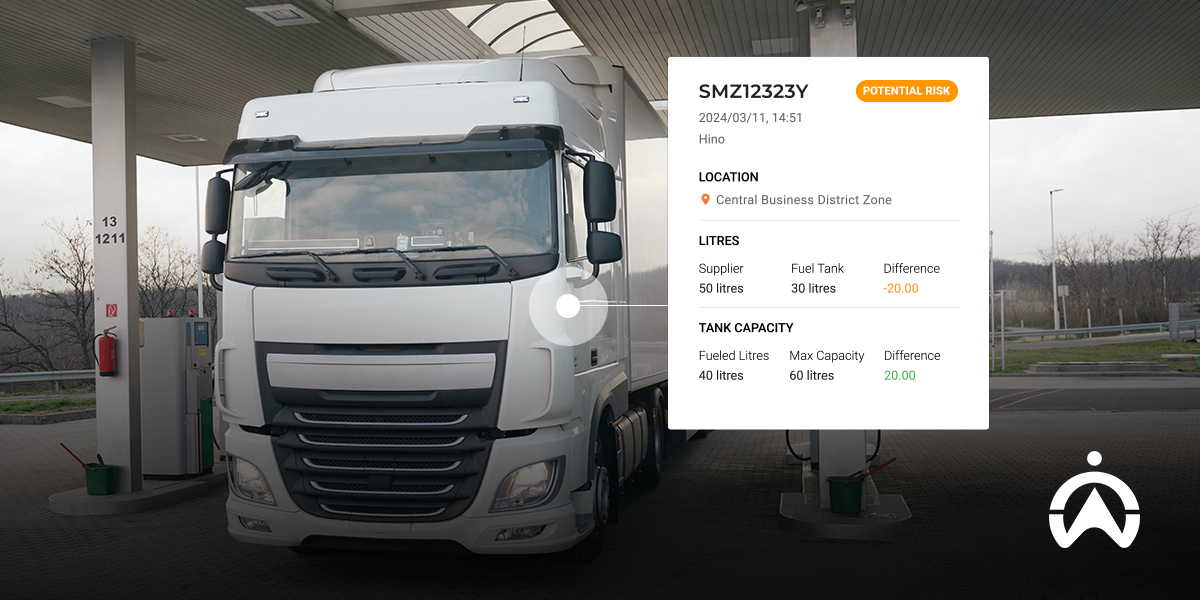
A Hino truck refuels at a station, displaying fuel metrics like supplier litres, tank capacity, and a potential risk alert.

Why Cartrack Tanzania is the optimal choice for GPS tracking solutions that you need to know

Cartrack Tanzania is the optimal choice for GPS tracking solutions because businesses across Tanzania and so many parts of the world trust it. Cartrack Tanzania holds a strong reputation and is known for its innovation, exemplary customer service, and dependability, guaranteeing tangible results for you and your business.

Key advantages of choosing Cartrack Tanzania include:

  • Proven reliability: Cartrack Tanzania has a powerful global footprint. We’re trusted by businesses across Tanzania and 23 other countries worldwide. These are businesses spanning various sectors that’ve achieved secure and accurate tracking with us.
  • Comprehensive solutions: Cartrack Tanzania provides flexible, scalable, and comprehensive GPS tracking solutions that are tailored to every kind of business. Whether your fleet is small or complex, we’ll make sure to find an approach that works for you.
  • Advanced features built in: Geofencing, driver behaviour monitoring, and remote vehicle immobilisation are only a few of the advanced features we offer. Having all the bells and whistles isn’t necessary, though—we can help you choose exactly the right add-ons to suit your fleet.
  • Easy installation & support: We offer scalable GPS tracking solutions that can grow with your business. We also provide expert guidance where necessary, numerous fitment centres, and ongoing support to ensure you’re always operating smoothly.
  • Real-time insights: With MiFleet and the Cartrack mobile app, you can get access to insights and live data whenever you need it. The ability to have immediate access allows you to make decisions on the move, especially in the case of an emergency.
  • Local expertise: Because we have solutions tailored for Tanzanian roads, regulations, and business needs, you can rest assured that you’re receiving unmatched support from our professional, round-the-clock available team.

Maximising your fleet with GPS tracking solutions

Location tracking only scratches the surface of what GPS tracking solutions offer. The real power lies in transforming raw data into strategic advantages. Cartrack Tanzania can empower your business with comprehensive oversight of vehicles and assets, reducing costs, strengthening security measures, and streamlining regulatory requirements.

With both local expertise and international reach, Cartrack Tanzania provides adaptable, robust systems engineered to maintain your fleet’s productivity, security, and continuous progress.

Don’t wait until inefficiencies cost your business. Talk to our experts today and see how easy smart fleet management can be.

FAQs

Q: Can GPS tracking solutions work in remote or low-network areas?

A: Yes, GPS tracking solutions do work in remote or low-network areas, especially modern units like Cartrack’s. However, if the connection does fail, information will continue to get logged and stored. The information is then uploaded automatically once the connection is restored. This ensures that none of your information is lost.

Q: Is GPS tracking legal for businesses in Tanzania?

A: Yes, GPS tracking is legal for Tanzanian businesses as long as staff are notified that their movements are being tracked. GPS tracking is actually encouraged for fleet-based businesses because it addresses key pain points and priorities, but businesses must abide by compliance and labour laws.

Q: How long does it take to install a GPS tracking system?

A: Installation is typically quick and hassle-free. From Cartrack’s side, professional fittings take about two to four hours per vehicle. It ultimately depends on the features required and the number of vehicles being worked on. Professional technicians will always do their best to ensure proper setup and minimal downtime.

Q: How do GPS tracking alerts and notifications work?

A: GPS tracking alerts and notifications work by appearing in real time through the related dashboards and mobile apps. These systems, more especially with Cartrack Tanzania, are triggered by certain events that prompt an immediate notification. These events include unauthorised vehicle use, geofence breaches, dangerous driving behaviours, and hardware tampering.

Fleet Asset Protection: What Strategies and Solutions Can You Implement for Your Business

Effective strategies and solutions you can implement for your business’ fleet asset protection include a combination of technology, driver management, preventative maintenance, and strict policies. Together, these tools and measures help safeguard your fleet, drivers, and assets from the risks of theft, damage, and accidents.

Asset protection is a very essential element of fleet management, as without it, your business faces huge financial losses. Fleet asset protection also involves safeguarding important company information and preventing fraud. As digital fleet technologies become more widely adopted across East Africa, strong data security measures are increasingly important for protecting both vehicles and business information.

In this article, we’ll discuss all things relating to fleet asset protection and how we at Cartrack Tanzania simplify this for your business.

Key Takeaways:

  • Fleet asset management helps businesses keep vehicles safe, lasting longer and costing less
  • Protection includes tracking, training, secure parking, maintenance, insurance, and cybersecurity
  • GPS, geofencing, and driver monitoring boost safety, prevent theft, and cut downtime
  • Cartrack’s tools, like live tracking, and cameras, help companies protect fleets

What is fleet asset management?

Fleet asset management is the process of tracking, overseeing, maintaining, and safeguarding a group of vehicles, equipment, and other assets within a business’s fleet. The goal with fleet asset management is to increase asset lifespan, reduce operational costs, minimise downtime, and ensure safety.

Strategies for fleet asset protection

The strategies for fleet asset protection involve:

  • vehicle tracking
  • driver training
  • preventative maintenance
  • insurance management
  • Implementing cybersecurity measures

These strategies ensure that you always know what’s happening in every aspect of your fleet. They help keep your vehicles and other assets safe, lower costs, and improve how your team works.

Here’s a table that highlights what each strategy consists of:

Strategy What it entails
Vehicle tracking and telematics GPS tracking for real-time visibility, route monitoring, and stolen vehicle recovery systems
Driver training and accountability Safe driving practices, reducing misuse through monitoring, and building a culture of responsibility
Physical security measures Secure parking, vehicle immobilisers, alarms, and access control to keys and vehicles
Preventive maintenance and inspections Regular checks, proactive care, and the use of diagnostic tools to prevent breakdowns
Insurance and risk management Comprehensive coverage, fleet management data for claims, and balancing cost vs. protection
Leveraging technology for cybersecurity Protecting connected systems, updating software, and securing telematics devices

Now let’s check out a detailed breakdown of each strategy:

Implementing vehicle tracking and telematics

  • GPS tracking for real-time visibility
    One of the best ways to keep track of your fleet is by using GPS tracking systems. These allow you to know exactly where each asset is at any time. Whether you’re managing a small fleet or a large one, real-time location tracking is super important. It ensures that your assets (which are a big part of your investment) are always secure.
  • Route monitoring and geofencing
    Monitoring the routes your drivers take allows you to see if they’re following planned routes. This helps you prevent delays and makes sure that the most efficient paths are being used. Geofencingadds another layer of protection by giving you the ability to create virtual boundaries. If a vehicle or any other equipment crosses those boundaries, you’ll receive an alert. This helps prevent theft and further ensures that your fleet is safe.

Driver training and accountability

  • Safe driving practices
    How drivers operate vehicles plays a crucial role in their safety and the safety of your assets. You can use vehicle telematics to spot risky driving behaviours such as speeding, then train your drivers on safer habits. In doing so, you reduce accidents, prevent damage to vehicles and cargo, and improve the overall longevity of your assets.
  • Reward drivers through telematics data
    Telematics data gives you reports on how drivers conduct themselves when using vehicles or equipment. From there, you can identify areas where improvement is needed and use the system to rate their driving habits and reward good behaviour. This motivates drivers to take pride in their work and reduce the likelihood of neglect or careless driving.

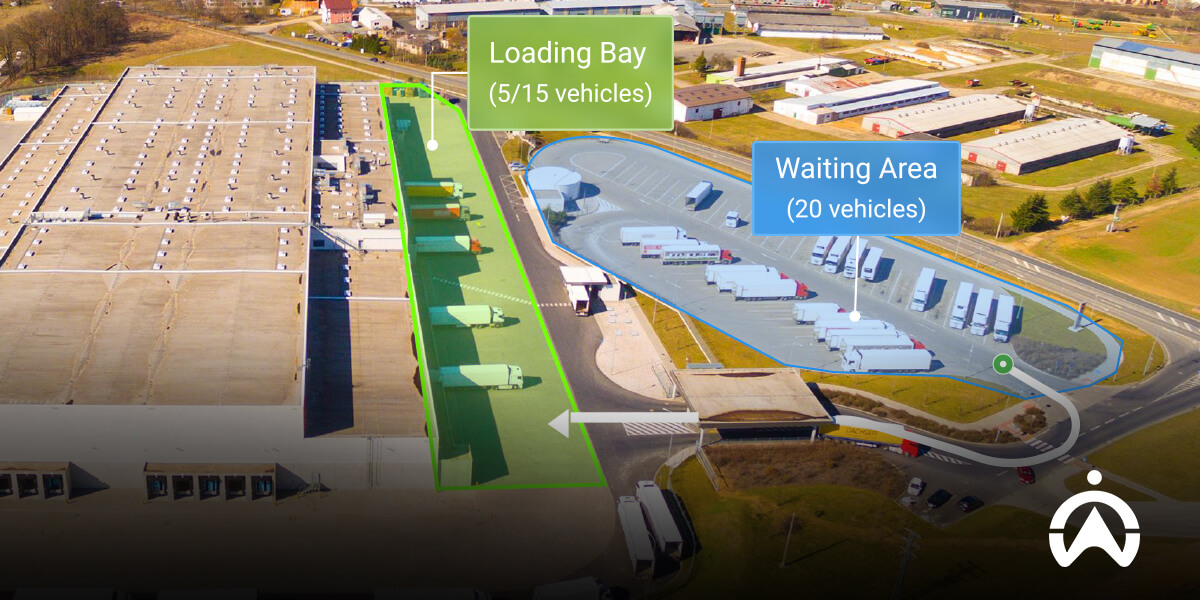
Aerial view of a logistics facility showing a loading bay (5/15 vehicles) and a waiting area (20 vehicles) for trucks.

Physical security measures

  • Secure parking facilitiesThe location where vehicles are parked is just as important as how they’re protected. Investing in secure parking facilities is a key step in safeguarding your fleet. This can mean choosing parking lots with high fences, cameras, and even security guards. It’s especially important for fleets that have valuable assets or operate in high-risk areas. Secure parking reduces the chance of theft or vandalism.
  • Vehicle immobilisers and alarmsAnother effective security measure isusing vehicle immobilisers and alarms. Immobilisers prevent vehicles from moving unless the correct key is used. This makes it difficult for thieves to steal your vehicles. Alarms serve as an extra deterrent, as they’re loud, and will alert you or nearby people when something goes wrong.
  • Access control to keys and vehicles
    Controlling access to the keys and vehicles is essential. Only authorised personnel should be able to get the keys to a vehicle, and there should be a clear process for handling key distribution. You can use systems like key boxes or digital locks that require a code to access keys. This reduces the risk of stolen vehicles due to unauthorised use.

Preventive maintenance and inspections

  • Regular checks to avoid breakdowns
    Preventive maintenance is about making sure your vehicles and assets are in good condition before something goes wrong. Performing regular checks, such as oil changes, helps identify issues before they cause an unexpected breakdown. This saves your business time and money by preventing larger problems that could result in costly repairs or downtime for the vehicle.
  • Protecting assets through proactive care
    Taking a proactive approach to vehicle care means addressing issues before they become big problems. This can include replacing worn-out parts or fixing minor issues before they escalate. This reduces the risk of accidents caused by mechanical failure.
  • Using diagnostic tools for early detection
    Modern fleet tracking systems are often equipped with tools that can flag mechanical issues early. These tools monitor things like engine performance, tyre pressure, and fluid levels. When there’s a problem, the system sends an alert to you so you can quickly fix it.

Insurance and risk management

  • Importance of comprehensive insurance coverage
    Insurance is an essential part of protecting your fleet, and the type of cover you choose makes a huge difference. We recommend you choose comprehensive coverage for your fleet to ensure that you’re financially protected in the event of an accident, theft, or damage. It’s important to have coverage that fits the specific needs of your fleet, whether that includes vehicle repairs, liability for accidents, or protection against natural disasters.
  • How fleet management data supports insurance claims
    Fleet management data can be very useful when dealing with insurance claims. GPS tracking data and maintenance records can provide evidence that speeds up the claims process. For example, if an accident occurs, this data can help show whether your driver was following safe practices. This improves the chances of a quicker and more favourable outcome.

Leveraging technology for cybersecurity

  • Protecting connected fleet systems
    The data from digital solutions, such as a fleet management system, also introduces potential cybersecurity risks. To protect your fleet’s digital systems, you must use strong security measures that include:

    • Encryption
    • Firewalls
    • Secure communication channels

      Choose a service provider that already has these protective measures in place.

  • Updating software and securing telematics devices
    Just like with any device that connects to the internet, telematics devices and fleet management software need to be updated regularly to stay secure. Failing to update your systems can leave them open to cyberattacks. So, it’s vitally important to stay on top of these updates.
  • Best practices for data security
    In addition to keeping software updated, it’s important to follow best practices for data security. This includes using strong passwords, limiting access to sensitive data to authorised personnel only, and regularly backing up important information.

The role of fleet management solutions in safeguarding your fleet assets

Fleet management solutions play a vital role in strengthening asset protection. These solutions give you integrated systems with centralised monitoring and reporting. Through this, you’ll always know where your vehicles and assets are, how they’re being treated, how they’re performing, and if there are any threats.

To best understand what we mean, have a look at one of our success stories for fleet asset protection. A case study about one of our clients, Avis.

Case study: Avis car rentals

Avis is one of the world’s largest vehicle rental companies. They have a fleet of rentals in over 5,000 locations in 165 countries worldwide, including Tanzania. Their business success is dependent on providing customers with a reliable, efficient and safe vehicle rental service.

Avis needed a reliable service to help keep their vehicles and clients safe from theft and hijacking.They also needed an easy-to-use system so they could oversee the daily activities of their large fleet of rental vehicles. They needed a solution that gave them insight into ways they could track and improve their vehicle usage, health and longevity.

How we helped them:

  1. Our GPS tracking software allows Avis to monitor vehicle activity. It also provides them with accurate mileage data. This helps them ensure their rental vehicles are well-maintained and in good working order for their clients. These preventative maintenance measures protect AVIS’s assets by minimising fleet breakdowns. This reduces downtime, optimises vehicle usage, and maximises rentals.
  2. With our professional installation techniques, vehicle tracking capabilities, anti-jamming technology and 24-hour recovery team, Avis can reduce the risk of vehicle theft! This increases their chances of vehicle recovery within their fleet. Avis now saves costs associated with vehicle loss.
  3. With Cartrack’s geofencing feature, Avis’s fleet managers can set virtual boundaries to mark no-go or high-risk zones. They also receive alerts before their customers enter these areas with their rentals, providing an added layer of risk management.

“We chose Cartrack largely due to their strong brand, track record of delivery, and commitment to customer service. We are thrilled with the benefits this partnership has delivered for our business.” – Armour Gittings | General Manager Investigations Department – Avis

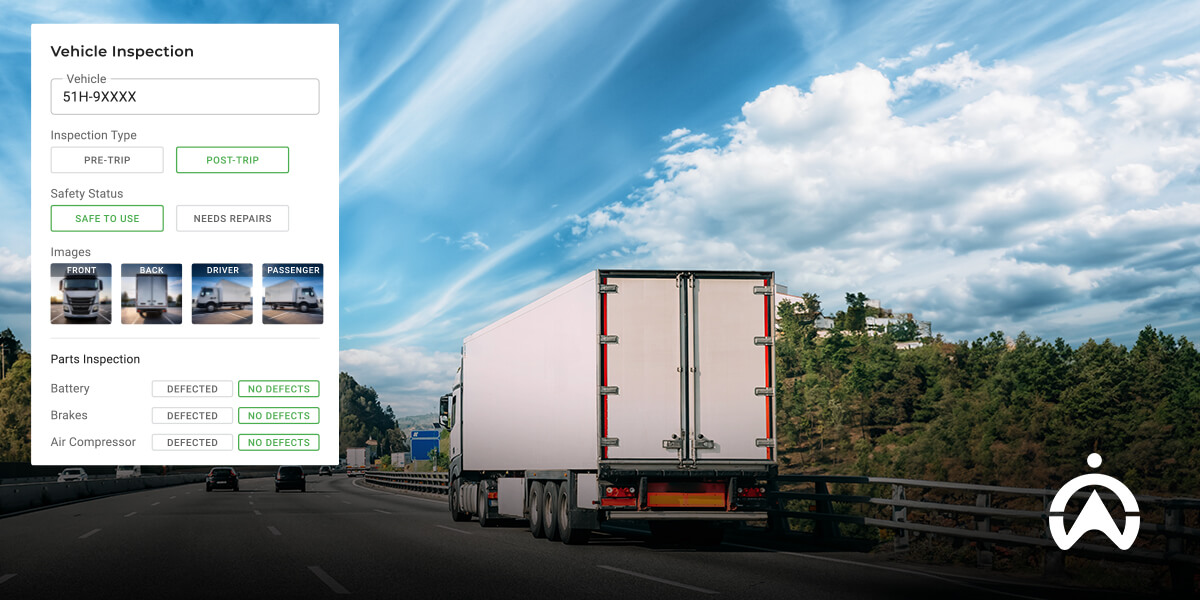
Image of a truck on the highway with a vehicle inspection dashboard displaying inspection details and defect statuses. Blue skies above.

Building a fleet protection plan for your business with Cartrack Tanzania

At Cartrack Tanzania, we pride ourselves on giving you next-level fleet asset protection tools. Over the past two decades, we’ve encountered businesses from various industries. With twenty years of experience serving diverse industries, we understand that every client faces distinct challenges.

Whether you manage a small local fleet or oversee nationwide operations, we’ll customise our system to meet your specific needs.

Here’s a brief breakdown of some of our features:

  • Start inhibit: The Cartrack Start Inhibit feature is an immobiliser. This means once the vehicle is off, you can prevent the ignition from going on again and therefore stop unauthorised movement.
  • Start prevention: The Cartrack Driver Identification (DID) tags are a solution that helps you instantly identify who’s using which vehicle or machinery. They have a start prevention option, which prevents unauthorised users from operating vehicles and equipment.

    For example, some drivers don’t have a licence to operate certain machines in a mine. Through this feature, you can issue a tag to each operator that matches the vehicle or machine they qualify for. This prevents staff members with little experience from using the machine or vehicles they aren’t licensed for. It also reduces safety hazards and ensures compliance.

  • Geofencing: As already mentioned, a geofence gives you the ability to create virtual fences around areas of your choice. This can be around a warehouse, construction site, or delivery route. Through this feature, you’ll get alerts wherever vehicles or equipment enter or leave your marked zones, giving you extra peace of mind.
  • Live tracking and Stolen Vehicle Recovery: With us, you’ll always know where your assets are, and you can remotely monitor routes from anywhere. We’ve conducted over 100 000 recoveries over the past decade. So in the unfortunate event that any of your vehicles or assets are stolen, you can trust us to get them back to you.
  • Preventive maintenance: To help you meet your fleet’s maintenance standards and reduce accidents caused by mechanical failure, we have a proactive maintenance plan. Our system helps you keep a record of service dates and alerts you to issues such as engine faults and oil & water fluctuations. In doing so, you’ll also protect your fleet from unplanned downtime and costly repairs.
  • AI Multi Vision cameras: The Cartrack AI Multi Vision camera solution gives you the option of having up to 8 cameras installed in each of your vehicles. Through this, you’ll get a full view of what drivers are up to daily and the surroundings of each vehicle. The AI-powered in-vehicle cameras can detect risky habits such as cellphone use. From there, they’ll give an audible alert, ensuring the driver corrects their actions immediately.

Cartrack Tanzania specialises in all things fleet-related. We’ve got over 2 million subscribers that trust us with their vehicles and assets, so should you! Stick with us, andwe’ll give you the ultimate fleet asset protection.

Frequently Asked Questions about fleet asset protection

Is a fleet a fixed asset?

In accounting, a fleet is generally considered a fixed asset. This is because fixed assets consist of long-term, tangible assets that are used to bring in income over more than one year. Vehicles such as cars and trucks that are used by businesses fall under this category.

What are the elements of asset protection?

The elements of asset protection include driver training and education, regular maintenance and inspection, the use of GPS trackers and telematics, as well as monitoring driver safety. These elements collectively work towards minimising accidents, theft, and damage. They also help reduce operational disruptions and save costs.

What is the best asset protection tool?

The best asset protection tool is advanced GPS tracking software with telematics capabilities. This technology provides you with real-time location monitoring, vehicle diagnostics, and updates on driver behaviour. These tools help you keep your assets safe and well-maintained and increase productivity levels.

Protect your fleet assets with Cartrack Tanzania today!

What five factors should a fleet manager examine when planning to purchase a fleet?

The 5 factors a fleet manager should examine when planning to purchase a fleet include investment options, resale value, local regulatory requirements, flexibility, and predictive insights. Ultimately, though, the real challenge lies in striking a balance between controlling costs and enhancing operational capability.

In Tanzania, fleet compliance can be stressful. Tough road conditions, safety concerns, and rising fuel prices make poor purchase planning an even greater risk, the right vehicle choice can pay off. Modern fleet management technologies and smarter vehicle planning can also help companies improve efficiency and control operating expenses.

Put simply, smart planning up front leads to real savings over time. With Cartrack’s selection of tools at your disposal, we can help you from the purchase stage right through to fleet optimisation. We’re prepared to support you in making the best investments while remaining compliant and ensuring your fleet is equipped for the future.

Key Takeaways:

  • Fleet managers need to weigh up finance, resale, compliance, flexibility, and data when buying vehicles
  • Smart planning saves money in the long run and keeps fleets safe, legal, and ready for growth
  • Cartrack Tanzania gives real-time data, predictive insights, and compliance tools to guide smarter choices
  • The right fleet purchase balances cost control with strong performance and future value

The 5 key factors every fleet manager must consider when purchasing a fleet

When planning to purchase a fleet, a fleet manager should examine these 5 key factors:

  1. Financing and investment options
  2. Resale or residual value
  3. Local regulatory and context-specific risks
  4. Flexibility and scalability, and
  5. Data and predictive insights

These factors shape your ROI (return on investment) and ensure that your fleet grows in tandem with your business.

#1. Financing and investment options

As a business owner, you’ve likely examined your financing and investment options, weighing the pros and cons of either leasing or purchasing. Ultimately, it depends on what your business plan looks like. A company that intends to scale rapidly may choose to lease fleet vehicles, whereas a more established business may purchase them.

Leasing often appears more attractive because of lower upfront costs and consistently having access to new vehicles. But, it also means that you have limitations on custom features and regular payments. In contrast, buying means higher upfront costs but better ROI and stronger use over a vehicle’s lifespan.

How does Cartrack Tanzania help? We provide visibility into lifecycle costs for smarter financial planning. With us, you can align your business goals with your financial decisions.

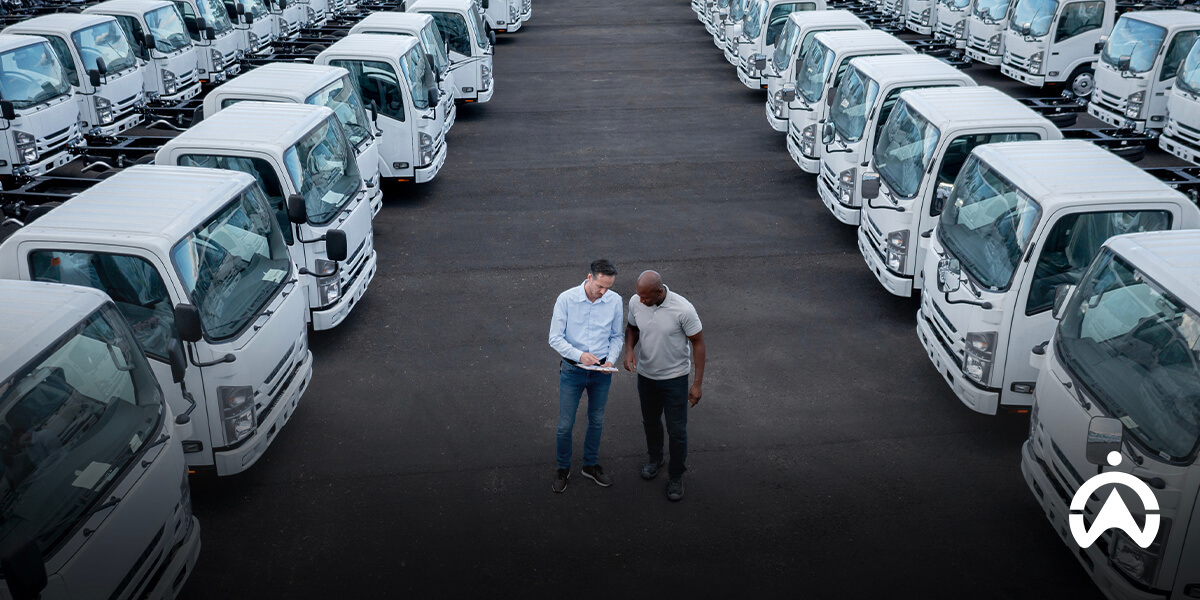
Two men discuss details while standing among rows of white commercial trucks parked in a large lot.

#2. Resale/residual value

Resale or residual value refers to the estimated worth of a vehicle at the end of its lifecycle or rental period. Factors like mileage, brand reputation, market demand, and condition ultimately determine residual value. It’s often overlooked but remains a crucial contributor to total ROI.

The demand for second-hand vehicles in Tanzania is particularly high. This is why being strategic about the maintenance and overall condition of the vehicles is key to maintaining competitive value.

How does Cartrack Tanzania help? We monitor usage and maintenance to protect residual value. With our predictive maintenance schedules and accurate usage patterns, we ensure you keep your vehicles in their best condition and protected long-term.

#3. Local compliance and context-specific risks

Local compliance is non-negotiable, and ignoring these mandatory regulations means you’re at risk of heavy fines, damage to your business reputation, and prolonged downtime. Fleet managers and business owners must stay on top of COFs (certificates of fitness), roadworthiness checks, permits and licences, and sustainability standards.

Compliance isn’t the only factor to keep in mind though. External risks like harsh road conditions, theft, and fuel prices highlight the importance of risk management when it comes to purchasing planning.

How does Cartrack Tanzania help? We offer features like real-time alerts, driver scorecards, and theft recovery. You can rest assured that your fleet will remain compliant, safe, and under control at all times.

#4. Flexibility and scalability

Flexibility and scalability are the keys to being able to respond to potential market shifts and changes in business structure. As your business expands, you must adapt to future opportunities. Vehicle needs will likely change, and so will your operational processes.

Flexible fleets will ensure that you’re able to scale with business growth smoothly and efficiently. Keeping this kind of flexibility in mind during vehicle purchases will help you maintain profitability and prepare your fleet for future growth.

How does Cartrack Tanzania help? We’re ready to guide you through future upgrades and grow with your business. Our comprehensive, future-proof platform and its insights are prepared to scale with your business.

#5. Data and predictive insights

Never rely on guesswork. Look to detailed data and predictive insights to drive the decision-making for your business and its changes. Without these vital details, you risk missing timely maintenance, overspending on fuel, and choosing vehicles that don’t match the technical requirements.

Predictive upkeep unlocks decision-making that’s based on facts, not hunches. In addition to preventing costly breakdowns, they show where and how you can save money, which you can then put back into your business.

How does Cartrack Tanzania help? We push predictive value. MiFleet and telematics enable confidence in purchase planning. Predictive maintenance, fuel management, and tracking costs give you a complete and comprehensive view, so you can make smarter purchase decisions.

Fleet-buying cheat sheet

This fleet-buying cheat sheet is a way for you to quickly reference what you need to examine before making vehicle purchases. We know that as a fleet manager, you’re busy and always on the go. This acts as an instantly scannable guide to see which factors matter most, depending on your fleet size and whether you might buy or lease.

Remember: this is merely a partial shortcut guide. Every fleet has its own unique requirements. Always customise your fleet specifically according to your business goals, industry needs, and potential insights.

How to Use the Cheat Sheet:

  1. Identify your fleet size and growth projections
  2. Check each factor column for guidance on priority (⚡ = low, ⚡⚡ = medium, ⚡⚡⚡ = high)
  3. Use the Lease vs Buy column to determine financial and operational implications
Factor Small Fleet (5–20 vehicles) Medium Fleet (20–100 vehicles) Large Fleet (100+ vehicles) Lease vs Buy Considerations
Financing / Investment Options ⚡⚡⚡ High ⚡⚡ Medium ⚡⚡ Medium Buy for long-term ROI / Lease for flexibility
Resale / Residual Value ⚡⚡Medium ⚡⚡Medium ⚡⚡⚡ High Buying protects value / Leasing risks are shared with the provider
Local Compliance & Context-Specific Risks ⚡⚡ Medium ⚡⚡⚡ High ⚡⚡⚡ High Leasing may include compliance support / Buying requires in-house monitoring
Flexibility & Scalability ⚡ ⚡⚡High ⚡⚡ Medium ⚡⚡ Medium Lease for scaling / Buy, but plan very carefully
Data & Predictive Insights ⚡ Low ⚡⚡ Medium ⚡⚡⚡ High Buying enables full tech integration / Leasing means limited customisation

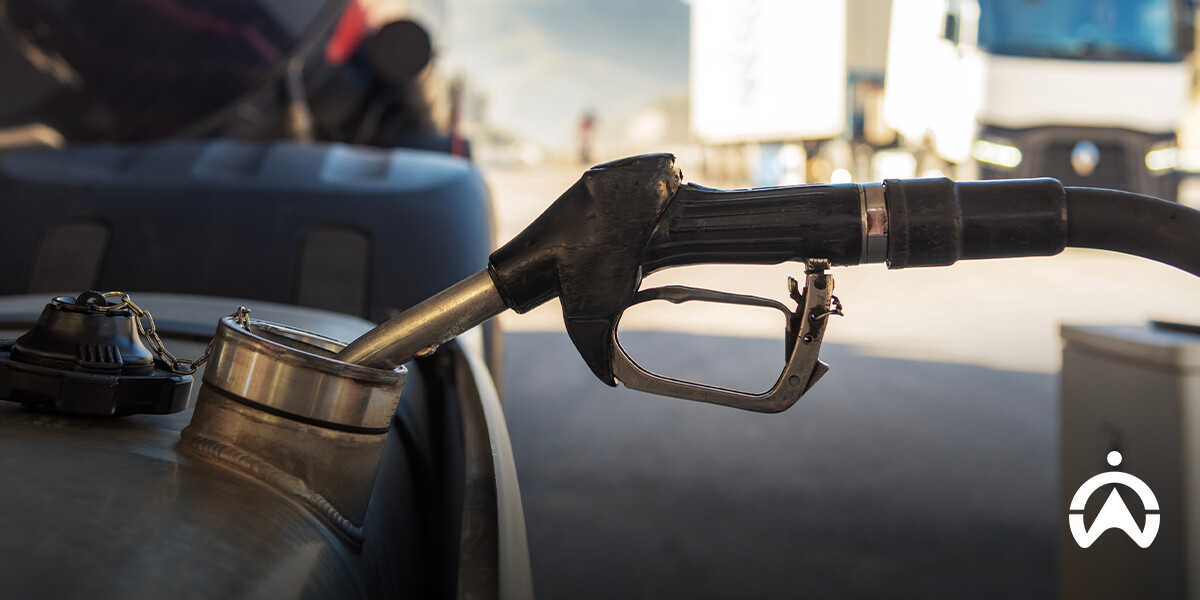
Close-up of a fuel nozzle being inserted into a vehicle's tank, with blurred trucks in the background at a gas station.

How Cartrack Tanzania supports smarter fleet purchasing

By providing the necessary insights and resources needed to make smarter purchasing options, Cartrack Tanzania facilitates easier planning for investing in a fleet. Your vehicles hold value, compliance is sorted, and future costs become clear today. What does that mean for you? Smarter investments, fewer risks, and confidence that your fleet is built on a strong foundation for the years ahead.

Cartrack Tanzania allows you to act confidently, with the knowledge that every rand you invest turns into real value for your business.

Here’s a reminder about how Cartrack Tanzania makes all the difference:

  • In terms of the cost of ownership, we get right to the point. We’ll help you see exactly where your money could go regarding financing and investment options, so that you don’t worry about potentially overspending.
  • We only want the best for your fleet. Fleet vehicles are important assets that need to be kept in good shape—especially if there’s a chance for them to be resold at the end of their useful life. We can maximise your ROI.
  • We give you the space to expand your business and fleet without worry. Providing the necessary data and guidance you might need, you can comfortably grow or change direction for the better.
  • There’d be no need to worry about compliance and safety matters, as our automated reporting, vehicle recovery, and live alerts would keep your operations running smoothly and legally.
  • All of the above points are backed by intelligent insights that our resources provide, so that every business move you make is an informed one.

Final thoughts

Fleet purchases may seem straightforward on paper, but the real test is ensuring that every vehicle supports long-term productivity, compliance, and adaptability. Cartrack Tanzania can make this all possible. With the right tools and resources at our disposal, you’re guaranteed tangible deliverables and a long life for the fleet you’re planning to purchase.

Partner with Cartrack Tanzaniato get the tools and visibility you need to ensure that every vehicle you buy drives business success.

Ready to make smarter fleet investments?Let’s talk—book your Cartrack Tanzania demo today.

FAQs

Q: How do I calculate the total cost of ownership (TCO) for a fleet?

A: You calculate the total cost of ownership (TCO) of a fleet by starting with the buying or leasing price, then adding regular expenses to that cost, such as fuel, insurance, maintenance, and the like. Remember to include depreciation and resale value too. Cartrack’s FleetWeb makes this easy by tracking every expense in one place.

Q: Is leasing better than buying a fleet?

A: Whether leasing is better than buying a fleet is entirely based on your business goals. Leasing keeps upfront costs low and allows you to upgrade when you choose. However, buying provides long-term ownership and potential resale value. Businesses often choose a mix of both.

Q: How can the right technology help improve ROI when purchasing a fleet?

A: The right technology can help improve ROI when purchasing a fleet by producing valuable insights and helping you target exactly where your money will go. Telematics gives you insight into factors like driver behaviour and maintenance needs, helping cut down on waste and downtime. With Cartrack’s predictive insights, you can make purchase decisions that deliver stronger long-term returns.

Q: What hidden costs should you watch out for when buying vehicles for your fleet?

A: Hidden costs you should watch out for when buying vehicles for your fleet are the ones that typically show up after purchase. These include high insurance premiums, customisation costs, and delivery fees. Low resale value can also be a costly trap. With Cartrack’s figures, you can spot these risks early and choose vehicles that help you avoid expensive surprises.

Key Skills Your Truck Drivers Should Have in Your Fleet Company

The must-have skills for every driver include good communication, defensive driving, using navigation tools, basic knowledge of road rules, and being able to spot vehicle issues early. With these, you ensure enhanced safety, reduced costs, and more efficient fleet operations.

Truck drivers are the backbone of a fleet company. They’re the link between the company and its customers. They’re directly responsible for delivering goods safely and on time. Without skilled, dependable drivers, your fleet operations face the risk of delays and higher safety risks. This, in the long run, increases the likelihood of financial loss for your business.

According to MiningDoc, skilled drivers maintain higher alertness to avoid fatigue-related accidents and manage fuel use efficiently. This improves safety and reduces costs. Driver skills go beyond just holding a valid driver’s licence. As a fleet manager, it’s important that you know what skills to look out for and which technology can help you achieve a skilled workforce.

Key Takeaways:

  • Truck drivers need both technical skills, like safe driving, and soft skills, like good communication
  • Regular training helps drivers stay safe, reliable, and professional on the road
  • Technologies such as telematics and AI make it easier to identify risky habits and coach drivers on their skills
  • Supporting drivers with smart tools and training lowers costs, boosts safety, and builds trust with customers

Must-have skills for professional truck drivers

To better help you understand the kind of skills your drivers need, we’ve broken them down into two categories: soft skills and hard skills. Hard skills refer to the technical, job-specific abilities, and soft skills refer to how drivers interact with people or situations. Both skill types can be taught through training.

Let’s have a look:

Hard skills

  • Technical driving expertise
    Drivers need to know how the trucks they operate behave in different conditions. A small delivery van reacts differently to a big semi-trailer. Drivers must know how vehicles respond when they’re empty versus fully loaded. They also need to understand how the vehicles react in the rain or on steep hills. The better your drivers understand your vehicles, the safer they can drive them.
  • Defensive driving
    Defensive driving is all about thinking ahead and reacting fast. Your drivers can’t control what other drivers do, but they can control how they react. When they spot a sudden road hazard, they need to know what to do to prevent accidents. Your drivers must take defensive driving courses. This makes them more alert and saves your business from the costs of accidents.
  • Knowledge of road rules and compliance
    Professional drivers need to know things like speed limits, weight restrictions, traffic signs, and any other special rules that only apply to trucks. Through this, they’ll avoid fines and keep themselves and others safe. Once they fully understand these road laws, they become more responsible and trustworthy.
  • Vehicle safety checks
    It’s important that drivers check their trucks before the start of every journey, and they need to know what faulty signs to look for. Vehicle components such as brakes, tyres, lights, and mirrors must all be in top condition. By checking these things regularly, they can spot small problems before they turn into big ones. These pre-trip inspections ensure safety and help them avoid costly, unexpected breakdowns.
  • Navigation and technology use
    Your drivers must know how to use technologies such as GPS navigation systems and fleet management software. GPS ensures they can follow routes accurately and avoid taking wrong turns or getting lost. This saves time and reduces fuel waste.
  • Time management & reliability
    Being on time is important, but it shouldn’t be at the cost of speeding. Drivers need to know how to balance safety and punctuality. This keeps operations running smoothly and efficiently. When drivers are always on time, they strengthen their trust with customers who count on accurate deliveries, making the company look good.

Soft Skills

  • Communication
    Fleet operations depend on communication. Drivers must be able to keep dispatchers updated about their status. They also need to properly understand instructions and report delays as early as possible. Clear communication helps to avoid confusion and improve teamwork. It also ensures smoother fleet coordination and improved client relationships.
  • Customer service and professionalism
    Drivers are often the face of your company, even if they only interact with clients for a few minutes. How they greet a customer, handle a delivery, or deal with a problem reflects on your company. They must always be polite, friendly, and professional. This shows respect and builds trust. Customers are more likely to come back or leave positive feedback when your drivers treat them well.
  • Problem-solving
    Things don’t always go as planned. Traffic congestion, bad weather, or mechanical issues can slow things down. Your drivers must be able to quickly think of solutions. By solving problems quickly, they keep your deliveries on track and reduce stress for the rest of your team. A driver’s ability to handle unexpected situations makes them invaluable to your company.
  • Stress management and endurance
    Driving for long hours and having tight deadlines can be stressful for your drivers. Drivers must know how to manage the pressure to avoid frustration. This ensures they’re always focused and maintain a high standard throughout their long shifts. It also results in fewer accidents that are linked to stress and fatigue.
  • Adaptability and continuous learning
    The world of fleet driving is always changing. New rules, new technology, and new company policies come up regularly. Drivers need to be adaptable to change instead of resisting it. Whether it’s a new GPS system, a safer driving method, or updated safety regulations, they must always be willing to improve their performance. Willingness to learn shows professionalism and ensures that your fleet remains competitive and compliant.

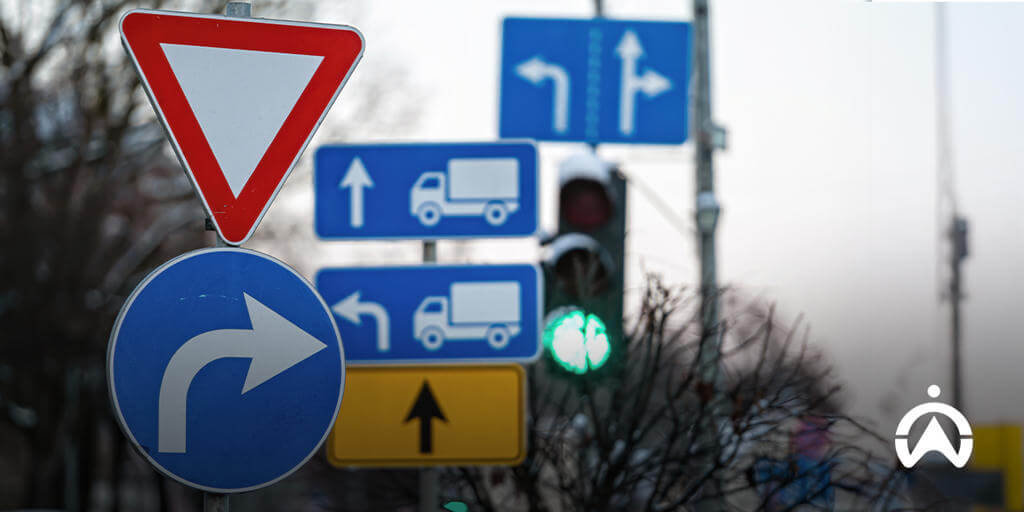
A collection of road signs including a yield sign, right turn arrow, truck direction signs, and a green traffic light.

The role of technology in developing driver skills

Technology plays a huge role in enhancing the skills of drivers. Traditional driver training methods often limit themselves to reactive measures. This means correcting behaviours long after they happen, which doesn’t always work. However, with the right technology in place, you’ll have a reactive framework in place, which has proven to be more effective.

Key players in improving professional driving standards—Telematics and AI

  • Telematics: The use of telematics in fleet management has been a game-changer. This technology provides you with real-time reporting of driving habits such as speeding and harsh cornering. For instance, telematics can detect when a driver accelerates too quickly. As a fleet manager, you’ll also receive reports of driver actions as they happen. From there, you can tailor the training to focus specifically on that issue.
  • AI technology: Another powerful tool that’s redefining fleet driver training is artificial intelligence (AI). This technology often comes with fleet dashcams. It analyses various unsafe driving habits, like not wearing seatbelts and using cellphones. The cameras then release real-time audible alerts so drivers can quickly adjust their actions on the go.

Telematics and AI tools can then be integrated into one tool that specifically focuses on driver training. This is what we at Cartrack Tanzania call a driver coaching platform, where all recorded incidents are turned into insightful data that displays the patterns of each driver and the team.

You can then use this data to send drivers for training based on each incident and have a full record on the platform of training discussions.

How Cartrack Tanzania helps you build safer, smarter, and more skilled drivers

Our fleet management solutions help you keep an eye on driver performance so you can identify each driver’s specific coaching needs. It also ensures your drivers are always safe on the road and that your fleet meets compliance requirements.

Here are some of our top features for enhancing the skillset of your workforce:

  • Route optimisation for better navigation
    Our route optimisation software is there to help you plan faster, more fuel-efficient routes for your drivers. Through monitoring historical route patterns, this software ensures that drivers avoid delays.

    With this easy-to-use system, drivers avoid things like road closures and traffic congestion. Your drivers will better understand these alternative routes the more they use them. This helps them gain better navigation skills in situations where there’s no signal to help.

  • AI Dual Vision camera for driver alertness
    The Cartrack AI Dual Vision dashcam solution ensures that drivers remain aware of their distracted driving habits. This powerful gadget can spot behaviours such as fatigue, cellphone use, and smoking. It then sends out an audible alert so drivers can quickly rectify their actions. You’ll get reports of these actions, which will make it easier for you to spot patterns, address issues, and send your drivers for training.
  • Driver coaching platform
    Training your drivers makes them feel more confident and supported. This develops your team and reduces turnover. For this reason, Cartrack Tanzania has a driver coaching platform.
    This feature monitors the behaviours of all drivers through reports from our telematics devices and cameras. They can spot repeated offences such as speeding, reckless driving, and even smoking.

    From there, you can schedule drivers for coaching sessions so they can improve their skills. All discussions of the coaching sessions will be noted on this platform so that other coaches can see what was discussed in previous sessions.

  • Driver scorecards
    Rewarding drivers for good behaviour and skill improvement helps boost employee morale. For this reason, we have a driver scorecard program on our platform. This feature rates how well each driver behaves on the road. Now you can reward the ones with the best ratings through incentives or by giving them public recognition.

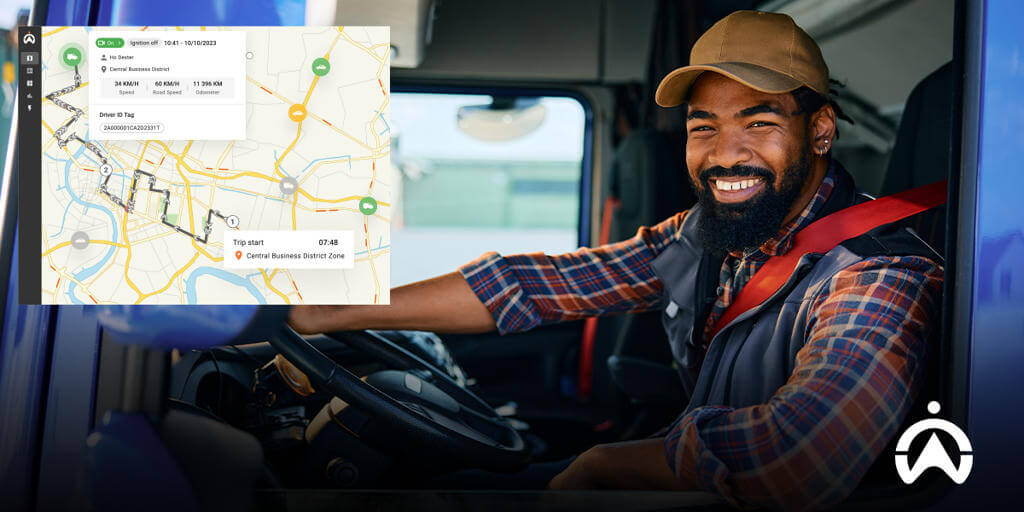
A truck driver seated in a vehicle, navigating a map displaying a route and destination information on a digital screen.

Support your team with smarter fleet solutions

Truck driver skills are important for anyone working in the industry. If you’re a fleet manager who’s looking to hire new drivers, it’s important that you know what to look for. It’s also essential that you know the skills your current drivers need to improve on.

Investing in driver training and support brings many benefits to both the company and your truck drivers. Over time, through our technology, you’ll have a culture where people and technology complement each other. This leads to lower costs, higher compliance, and a better reputation for the business. Reach out to us and enhance the skills of your workforce.

Frequently Asked Questions

What is a fleet strategy?

A fleet strategy refers to a detailed plan that guides a business on how to manage a fleet of vehicles and assets to achieve a set of business goals. The intended outcomes of implementing a fleet strategy usually involve lower fuel costs, better maintenance scheduling, and improved safety. A good fleet strategy helps the business run smoothly and more efficiently.

What are the metrics of fleet management?

The metrics of fleet management are the key points that fleet managers can use to measure fleet performance. They include vehicle utilisation rate, driver behaviour, route efficiency, repair turnover, preventative maintenance, fuel consumption, and the Total Cost of Ownership. These are some ways to keep up with all aspects of the fleet and boost profits.

What is a typical day for a fleet manager?

A typical day for a fleet manager involves anything that aims for the smooth operations of a company’s vehicles. Fleet managers assign vehicles to drivers, track performance, manage paperwork, plan routes, and ensure that drivers adhere to compliance regulations. They’re also somewhat responsible for client satisfaction.

How does fleet tracking improve safety and compliance?

Fleet tracking improves safety and compliance by providing real-time reports on driving habits such as speeding, sudden braking, harsh cornering, and aggressive acceleration. Each incident is accounted for, allowing fleet managers to intervene and provide each driver with training. Fleet tracking also automates driver working hours, ensuring drivers get enough breaks in between. All this improves fleet safety and compliance.

What industries benefit the most from fleet management?

The industries that benefit the most from fleet management are transportation and logistics, construction, mining, utilities, e-commerce, and agriculture. These sectors mostly depend on vehicles to move goods from one point to the other or to provide services. Fleet management is there to properly organise all vehicle-related operations, and therefore reduce costs, improve safety, and enhance productivity.
Ready to take your drivers skills to the next level? Join Cartrack Tanzania today!

Airtag vs a GPS Tracker: What’s the Best Car Protection?

A GPS tracker is much better for car protection in terms of vehicle recovery. An AirTag can sometimes help you find your car if it passes near other Apple devices, but this won’t really give you real-time updates. It also won’t work well in less-populated areas. A dedicated GPS tracker, however, uses satellites and cellular service for a much more reliable, powerful, and accurate connection.

Recent reporting indicates a significant volume of vehicle and motorcycle thefts occurring within the region over a short period. These figures underscore the ongoing security challenges facing owners and the critical importance of implementing robust anti-theft measures to protect assets in a high-risk environment. At Cartrack Tanzania we completely understand what some car owners face when deciding between a GPS tracker and an Airtag. So, we’re here to help you make an educated decision.

Key takeaways:

  • Choose a GPS tracker for real protection. Unlike an AirTag, a GPS tracker gives you live updates, theft alerts, and expert recovery support to keep your car safe
  • With thousands of cars stolen in Tanzaniaevery year, you need more than just alarms or steering locks to protect your vehicle
  • Your GPS tracker works almost anywhere
  • AirTags only work if nearby iPhones pick up the signal, but a GPS tracker uses satellites and mobile networks to track your car in real time, even in remote areas
  • With Cartrack’s app, you can see your car’s live location, share it instantly, view trip history, and rely on recovery teams available 24/7

AirTag or GPS tracker: Which is the better choice for protecting your car?

With thousands of cars stolen annually, vehicle theft is a serious issue—especially in Tanzania Losing a car can also be extremely stressful in addition to being a financial loss. Although steering locks and alarms offer some prevention, the reality is that savvy thieves can easily get around these.

For this reason, a lot of Tanzanian drivers are using tracking devices as an additional precaution. Usually, there are only two options to consider: a GPS tracker and AirTag’s. But which is better suited for serious vehicle protection? Let’s fully explore each of these devices and understand why a GPS tracker offers far greater security than an AirTag ever could for your car.

What is an AirTag?

So what exactly is an AirTag? An AirTag is a bluetooth tracking device owned by Apple designed to locate personal belongings. It’s a small and discreet tag that works via the ‘Find My’ network using nearby iPhones to update the location.

How does an AirTag work for car protection?

The AirTag was designed to help you find personal items like keys, wallets, and bags—not cars. While AirTags are small and easy to place, they completely rely on Apple’s “Find My” network. What this does is make their performance dependent upon how many iPhones exist, limiting how well they can protect your vehicle in real-life theft cases.

Pros of AirTag for car use

The pros of an AirTag for tracking your car are:

  • It’s an affordable one-time purchase.
  • It’s easy to set up with an iPhone.
  • It’s small and discreet—easy to hide.
  • It’s also reasonably useful in dense urban areas with many iPhone users.

Cons of AirTag for car use

The cons of an AirTag for tracking your car are:

  • It’s not a dedicated vehicle tracker GPS—no theft alerts.
  • It relies entirely on nearby iPhones to update location.
  • It’s useless in rural areas or places with only a few Apple devices.
  • Thieves can easily detect and disable them.
  • They don’t provide real-time updates or recovery assistance.

For everyday items, an AirTag is convenient. But for serious car protection? It falls short!

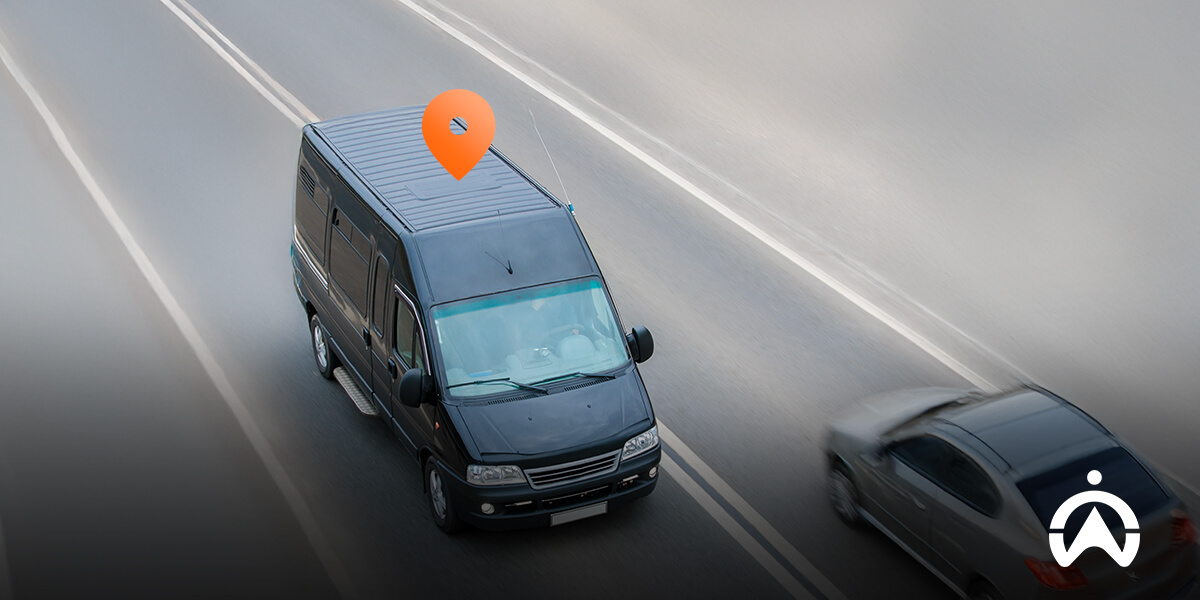
Cartrack GPS tracker vs AirTag comparison with black van on highway marked by location pin.

What is a vehicle tracker GPS?

A GPS tracker is a specialised vehicle tracking device that provides precise, real-time location updates via satellites and mobile networks. GPS trackers, as opposed to AirTags, are made specifically for the purpose of preventing car theft, assisting in vehicle recovery, and offering other useful safety features.

Why is a GPS tracker the better option for vehicles?

GPS trackers are mainly designed for vehicles, in contrast to AirTags, which are designed for items. So no matter where your car is, a GPS tracker provides precise, real-time location updates via satellite technology and mobile networks. In Tanzania, where auto theft is a major problem, a GPS tracker can also send theft alerts.

They can also put you in touch with expert recovery teams and provide you with full visibility via a mobile app. Let’s take another look at some pros & cons:

Pros of a GPS tracker for car use

The pros of a GPS tracker for tracking your car are:

  • It provides real-time location tracking.
  • It works independently of nearby devices.
  • They have geo-fencing (alerts when your car leaves a designated area).
  • They provide theft alerts for unauthorised movement.
  • You can receive emergency responses and recovery assistance.
  • It’s linked to professional monitoring centres for rapid theft recovery.

Cons of GPS tracker for car use

The cons of using a GPS tracker for tracking your car are:

  • They’re are more expensive than an AirTag.
  • They require installation (by a professional).
  • Ongoing subscription fees may apply.

AirTag vs GPS tracker: Side-by-side comparison

A sure way to make sure you’re making the right choice for your vehicle’s protection is by comparing the key features, reliability, and overall value of each device. While an AirTag can be a handy tool for tracking your small personal belongings, a vehicle tracker GPS is purpose-built to safeguard your car. That’s because it offers you real-time monitoring, theft alerts, and recovery support.

By comparing the technology, cost, and protection provided by each of them, you can easily see why the best GPS tracker for car safety in Tanzania is the superior choice.

Feature GPS Tracker AirTag
Purpose Vehicle tracking and protection Finding misplaced items
Technology Satellite-based GPS and mobile networks Bluetooth and Apple’s Find My network
Real-time Tracking Yes, accurate and continuous Limited, depends on nearby devices
Coverage Global coverage Only where iPhones are present
Theft Prevention Theft alerts, immobilisation options No dedicated features
Durability Rugged, built for vehicles Consumer-level
Cost Higher cost and possible subscription Low one-time cost
Ease of Use Professional installation recommended Simple set-up
Best for Serious vehicle protection Everyday personal items

Why GPS trackers are better for Tanzanian drivers

In tanzania, every second is crucial when your vehicle is stolen. Even a few minutes can make an impact whether you get your whole vehicle back or just parts of it. This is why, compared to an AirTag, a GPS tracker offers you far more protection:

  • Theft alerts: Get alerted right away if your car is moved without your consent.
  • Expert recovery teams: Cartrack Tanzania has 24/7 vehicle recovery teams to curb vehicle theft.
  • Family protection: A GPS tracker can help parents keep an eye on their children’s driving habits and make sure they get to their destination safely. For family homes, this makes ours the best GPS tracker for vehicle safety.
  • Fleet management: Companies can keep an eye on several cars at once, reducing fuel waste and unauthorised travel.

Simply put, the best hidden GPS tracker for car protection is the better option if you’re serious about keeping your vehicle safe in Tanzania.

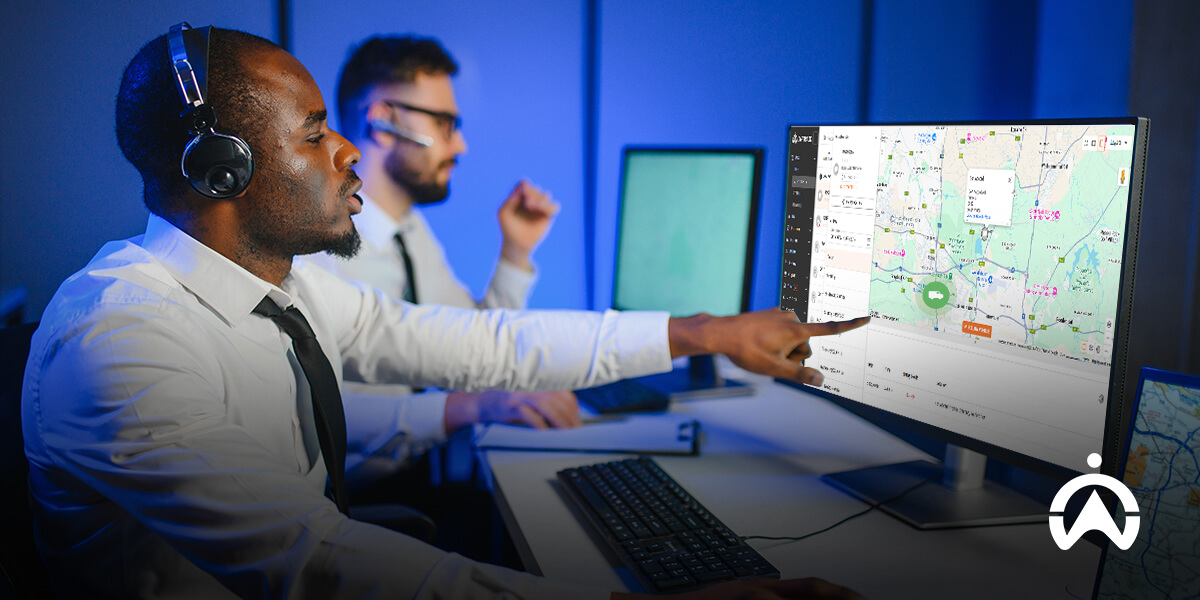
Cartrack GPS tracker vs AirTag comparison shown with headset user pointing at detailed digital map on monitor.

Why drivers prefer our vehicle tracking services

Now, you may be wondering, ‘Why do people prefer using Cartrack’s GPS tracking systems?’ Efficiency and speed are critical when it comes to retrieving stolen assets, as every second is vital for a successful recovery. With a strong presence in Tanzania, there is a deep understanding of these local challenges, emphasizing the need for rapid response and precise coordination to protect valuable property and minimize loss.

At Cartrack Tanzania, we offer:

Nationwide reach, around the clock
No matter where you are in Tanzania, our tracking network will cover you. Our teams remain on standby 24 hours a day, 7 days a week, 365 days a year—so your car is always protected.

A mobile app for seamless control
We put complete visibility at your fingertips. Using our user-friendly mobile app, you can:

  • Track your car’s live location in real time.
  • Instantly share your current location with loved ones or coworkers.
  • Get notifications and proactive alerts as soon as something changes.
  • Access your full trip history whenever you need it.

A trusted service by millions of Tanzanians
Over two million drivers already rely on our service to protect their cars. We’re honoured to be acknowledged as the top vehicle tracker GPS provider for peace of mind and proven outcomes. Our excellent customer service and reputation as one of the most trustworthy tracking companies on HelloPeter speaks for itself. We hold a 9.5 Trust Index rating on HelloPeter, the highest in our industry, and have an overall score of 4.15 out of 5 stars.

Other car protection devices

GPS trackers and AirTags aren’t the only devices available to protect your vehicle. Your budget and needs play a major role in what device you’ll choose. To make sure you have a complete overview on what products exist, we’ve put together a comprehensive overview for you to make an informed decision.

Device How It Works Approx. Cost (ZAR) Pros Cons
Steering Wheel Lock A visible lock clamps onto your steering wheel to prevent it from turning. R300 to R1,000 Affordable; visible deterrent; easy to install. Bulky to use daily; determined thieves can cut through it.
Gear Lock (Manual/Automatic) Locks the gear lever in place, preventing the car from being shifted into gear. R800 to R2,000 Reliable; hidden option; slows down theft attempts. Professional installation is often required; not foolproof.
Immobiliser Prevents the engine from starting without the correct key or code. R1,500 to R3,000 Effective against hot-wiring; often lowers insurance premiums. Installation required; sophisticated thieves may bypass.
Car Alarm Sounds like a loud siren when forced entry or movement is detected. R1,000 to R4,000 Audible deterrent; alerts nearby people. Many false alarms; people often ignore alarms.

Frequently Asked Questions

Can I use an Apple AirTag as a car tracker in Tanzania?

Yes, but only to a point. AirTags get their location updates from nearby iPhones, so they work better in busy cities. However, they don’t let you track things in real time or get alerts when something is stolen, and thieves can easily find and disable them.

Is a hidden GPS tracker for car security more effective than a visible one?

Yes, a hidden GPS tracker used for car protection is much harder for thieves to find and take off, which makes it much more likely that you’ll get your car back if it’s stolen. Additionally, there’s often more than one GPS tracker installed in your vehicle, so you will always be protected.

Can a GPS tracker lower my insurance premiums?

Yes, Tanzanian insurance companies see GPS trackers as a good way to protect your property and may offer you lower premiums. GPS trackers greatly increase the chances of recovering a stolen vehicle, which is why AirTags are not recognised for this purpose.

Do all GPS trackers require a monthly subscription?

Not all GPS trackers require a monthly subscription. Some products are sold as the best GPS tracker with no monthly fee or the best vehicle tracking device with no monthly fee. Most of the time, these only let you track your location. But subscription-based services offer theft alerts, help with recovery, and monitoring around the clock.

Will an AirTag alert me if my car is stolen?

No, unfortunately, AirTags don’t offer any recovery support, immobilisation, or theft alerts. AirTags are Bluetooth devices, so only when and if your vehicle happens to pass another Apple device will it then be able to provide you with location updates.

What is the most effective GPS tracker

One of the most effective GPS trackers is the one from Cartrack, making it a smart choice for both business and personal use. Our devices give you flexible technology and real-time tracking, so you’re always protected and can keep an eye on your assets at any time.

Choosing the best GPS tracker is a matter of identifying the specific requirements of your business, whether your priority is enhancing safety, increasing visibility, or streamlining operations. The importance of effective tracking is underscored by the persistent risk of vehicle theft, which remains a significant challenge for both individuals and commercial fleets. This ongoing security concern highlights the need for proactive measures to protect assets and ensure business continuity in a high-risk environment.

Let us guide you to the GPS tracker that truly fits your needs. We’ll help you understand the criteria for effectiveness, discover which GPS trackers are best suited for each vehicle, and seewhy Cartrack Tanzania is trusted across Tanzania and the world.

Key takeaways:

  • The most effective GPS tracker protects assets and offers real-time monitoring
  • Professional-grade trackers give accuracy, reliability, and integration for fleets
  • Vehicle, fleet, and asset needs determine which GPS tracker is best
  • Cartrack Tanzania combines advanced features, support, and adaptability across all use cases

What is the most effective GPS tracker?

The most effective GPS tracker is the one that directly meets your business or personal needs. It’s a tracker that delivers security, live monitoring, accuracy, and adaptability—all functions that go beyond just tracking. Ideally, a GPS tracker should be the key ingredient to keeping track of and protecting your vehicle.

So, what does “effective” actually mean when it comes to GPS tracking?

Typically, effectiveness is measured using the following criteria:

  • Ease of use: apps and platforms that are easy to access and use
  • Long-term value: providing a return on investment that goes beyond the initial upfront costs
  • Accuracy: live tracking, which provides a precise location
  • Smooth integration: works with third-party systems, telematics, and fleet management platforms
  • Reliability: working optimally without unexpected downtime

Ultimately, while consumer trackers can work well for personal cars or smaller assets, business-grade solutions almost always deliver more. Their scale, richer data, and professional support reflect this.

Cartrack particularly stands out as one of the most effective GPS tracker suppliers worldwide. We provide solo drivers and large organisations with reliable, instant visibility through our advanced telematics, fleet management integration, and safety-conscious features.

Accuracy vs range: What matters more for GPS tracking effectiveness?

Accuracy and range are equally important when it comes to GPS tracking effectiveness. Accuracy ensures that you’re getting the exact location at all times, while range determines whether information can be effectively transmitted through different areas.

Ultimately, the best and most effective GPS solution strikes a balance between the two.

  • Accuracy refers to how precisely a tracker can pinpoint the location of an asset, often within just a few metres. This is extremely necessary for route emergencies or recovering a stolen vehicle.
  • Range is dependent on connectivity (either satellite or cellular data) to transmit information effectively, no matter the area.

What is the most effective GPS tracker for vehicles?

The most effective GPS tracker for vehicles is usually a portable, wireless option, although it ultimately depends from vehicle to vehicle. A standard personal car might need different features compared to a bakkie or a truck, but functions like theft protection and durability are usually universal.

  • Cars: individual car owners often need theft recovery, geofencing, and easy smartphone app alerts for complete protection.
  • Trucks: trucks are often used in fleets and typically require fleet-focused needs. Features include route optimisation, compliance tools, and driver monitoring for risk and cost management purposes.
  • Bakkies/light commercial vehicles: these are vehicles that are typically used for long-distance, potentially rough-terrain travel. Hardware durability is a must, with enough connectivity and coverage—considering Tanzania’s road conditions and climate.

Cartrack Tanzania proves itself as a provider that’s suitable for all vehicles and needs, offering support and features for all three categories.

Cartrack showing what is most effective GPS tracker as white semi-truck rolls down highway with location pin glowing above.

What is the most effective GPS tracker for fleets?

The most effective tracker for fleets is one that’s able to meet business-specific needs, which include data-driven insights, increased performance outcomes, and reduced costs. This is typically achieved with a hardwired GPS tracking unit—but again, this depends on your industry and fleet type.

  • Why fleet requirements differ: fleets typically require advanced features that consumer-targeted units can’t offer. These features include adaptability for fleet growth and change, cost control tools for fuel efficiency and optimisation, and compliance support for regulation and safety purposes.
  • Advantages: key benefits include an overall safer driving culture, consistent visibility, and better cost management.

Cartrack Tanzania delivers all the advanced features you’d expect for GPS fleet tracking. Trusted by local and global businesses alike, we’re ready to partner with you to keep your fleet future-ready.

What is the most effective GPS tracker for assets and equipment?

The most effective GPS tracker for assets and equipment are usually lightweight, portable, and wireless units with long-lasting battery life. Assets and equipment can often be brushed aside, and yet they’re just as vulnerable to theft as vehicles are. Examples of these high-value assets include construction machinery and harvesting tools.

  • Industry use cases: this solution is perfect for agricultural tools, construction yellow machinery, car rental fleets, and other movable assets. Additionally, the monitoring and safety of trailers and containers can also benefit from an asset tracker like this.
  • Portability: this kind of flexibility means the tracker is easy to move if necessary. It’s also adaptable to different environments.

Cartrack Tags function as tracking devices as well as security and fleet control systems, ensuring your assets are always protected.

What are the core features of an effective GPS tracker?

The core features of an effective GPS tracker include tamper-proof elements, impressive battery life, and real-time visibility. It’s important that an effective GPS tracker works under tough conditions, like low-coverage areas and rough terrain. Above all, a GPS tracker should be sturdy, reliable, and secure.

Take a look at these core features:

  • Accuracy and real-time visibility: these features ensure live location reporting that’s as accurate as possible (within 2-5 metres). Notifications of movement or entry/exit around unauthorised areas are also a benefit.
  • Battery life: a tracker with strong, lengthy battery life means there’s less downtime and need for maintenance. This ensures continuous tracking.
  • Ease of installation: you can choose between portable, wireless trackers or hardwired trackers depending on your needs. Regardless of tracker type, installation should be seamless or professionally done without damage to your vehicle.
  • Connectivity (cellular, satellite, or IoT compatibility): avoid downtime by choosing a GPS tracker that uses cellular, satellite, or hybrid connectivity. These are strong means of connection that’ll likely keep information transmitting with little to no downtime.
  • Security and tamper-proof features: a tracking device that has tamper-proof features ensures the device is protected and that its integrity remains intact. Unauthorised people won’t have access to your information this way.

Consumer vs professional GPS trackers: Which is more effective?

The effectiveness of the GPS tracker type ultimately depends on who’s using it. Consumer GPS trackers are easy to install and affordable for personal cars and smaller assets. On the other hand, professional GPS trackers are typically hardwired and offer advanced tools for complex fleets.

Take a quick look at this comparison table to get a better understanding:

Feature Consumer GPS Trackers Professional GPS Trackers
Purpose Personal use (car owners, parents monitoring driving teens, or general asset monitoring) Business and fleet use (cars, trucks, and assets at scale)
Features Basic location tracking, alerts, and theft recovery Advanced telematics, driver behaviour monitoring, route optimisation, and compliance
Support Limited or self-managed smartphone apps 24/7 monitoring, full customer support, SLAs (service-level agreements)
Scalability Works for individuals or small-scale use Built for fleets/multiple assets and enterprise needs
Value Affordable upfront but limited in scope Typically higher initial costs, but reflects ROI due to efficiency, legal compliance, and theft recovery

Although consumer GPS trackers are suitable for individual everyday use, professional trackers are generally considered more effective overall due to their advanced capabilities. Cartrack Tanzania delivers the best of both worlds. We offer tools that are both simple for individual use and powerful enough for elaborate fleets.

Which GPS tracker works best in Tanzania and why?

The GPS tracker that works best in Tanzania is the one that offers a balance between accuracy, reliability, and assistance. In a country where vehicle theft is a frequent concern, strong network coverage and customer support are a priority with a GPS tracking device. Fortunately, Cartrack Tanzania meets all of these requirements.

For everyday consumers, effective car tracking means extra protection and faster vehicle recovery. For businesses, it means better risk management and cost control.

Cartrack Tanzania is among the most trusted GPS tracking providers in Tanzania. Tending to both everyday individuals and large fleets, we’re a popular choice when it comes to meeting market requirements.

How to choose a GPS tracker for your needs

To choose the most effective GPS tracker for your needs, you need to define your purpose, set your criteria, compare providers, and consider after-sales support. These four steps are the keys to linking goals to measurable criteria, helping you make the right choice.

Take a look:

Step 1: Define purpose

Ask yourself what you’ll be using the tracker for and what kind of assets you’ll attach it to. Think about the main purpose, the type of asset, the scale—whether it’s just a few vehicles or a large fleet—and the results you want to achieve, like lower fuel costs or improved driver behaviour.

Step 2: Set criteria

Think carefully about which GPS tracking features are non-negotiables. Use these as the basis of your criteria, and consider these following points:

  • Power source: is the device portable and wireless or hardwired?
  • Connectivity: is the device dependent on cellular and multi-SIM data, and can it use satellite connection when necessary to avoid downtime?
  • Extra protection features: is the unit sturdy and able to remain in place no matter the terrain? Is the unit tamper-proof?
  • Integration: does this unit connect seamlessly to its accompanying fleet management platform? Does it provide the necessary data and analytics required?
  • Updating accuracy: does this device show real-time feedback and update frequently?

A man holding a phone displaying Cartrack app as most effective GPS tracker.

Step 3: Compare providers

Always compare providers and their offerings according to the criteria you’ve set. This is a practical checklist that helps you objectively select the best provider for your GPS tracking needs. Think about these parameters when comparing providers:

  • Demo options: does the provider offer trials and demos for you to test their services and offerings?
  • Case studies: are there enough real-life references and success stories that reflect their work?
  • Feature fit: does the provider meet your criteria in terms of the features you’re looking for?
  • Onboarding and ongoing support: does the provider offer onboarding to help your team work smarter with these new tools? Is there ongoing support and refresher training when necessary?
  • Security and privacy: can the provider offer encrypted services to keep your data safe? Are their security measures at a global standard?
  • Uptime and recovery: does your provider offer strong recovery services in the case of vehicle theft? Is round-the-clock support and monitoring offered from their control room?

Step 4: Consider after-sales support

After-sales support is the key to a holistic, effective GPS tracker—the technology is only half the job. Make sure that your provider offers the following:

  • Professional installation and fitment that won’t impact the vehicle’s warranty
  • Maintenance when it’s necessary, including battery replacements, spare units, and software or hardware updates
  • Onboarding and training for staff, including you as an owner or fleet manager
  • Scalability and flexibility if your fleet grows or changes in its structure

Making the right choice in GPS tracking

Ultimately, the most effective GPS tracker is the one that best suits you and your personal or business needs. Whether you’re managing a sophisticated fleet, protecting high-value assets, or looking after a personal car, effectiveness should be all about stronger security and smarter control.

Luckily, Cartrack Tanzania is prepared for whatever you need. We bring both simplicity and comprehensiveness based on your needs, so that you remain assured that your assets are always protected and connected.

Don’t leave your assets’ safety to chance. Equip your business with Cartrack’s GPS tracking solutions, trusted by thousands across Tanzania. Speak to our team today and find the most effective GPS tracker for your needs.

FAQs

Q: What is the difference between a tracker and a GPS tracker?

A: The difference between a tracker and a GPS tracker is that a tracker can be any device that tracks movement or location with, for example, Bluetooth, whereas a GPS tracker specifically uses cellular data or satellite networks to provide live locations. GPS trackers are typically the smarter, better-connected option, proving valuable for fleet and asset tracking.

Q: Which GPS tracker has the longest range?

A: The GPS tracker with the longest range is usually a satellite-enabled tracker. This is because they usually have the best coverage, even in low-coverage or remote areas. The range of a tracker depends on the connectivity method, which is usually cellular, satellite, or hybrid connectivity.

Q: Which GPS tracker is the most accurate?

A: The most accurate GPS trackers are professional-grade ones. Professional-grade trackers usually combine GPS triangulation and other telematics technology to provide live tracking that’s as accurate as possible—within 2-5 meters accuracy. This is especially necessary in areas with low-to-no signal coverage or interference.

Q: Are hidden GPS trackers legal?

A: Yes, hidden GPS trackers are legal when placed in the vehicles or assets you own. Illegality comes in if you place a hidden or inconspicuous GPS tracker in another person’s vehicle without their knowledge or consent. It’s important that businesses also comply with employee monitoring regulations when using GPS tracking for fleet vehicles.

What is A Good Fleet Car? Get the Complete Guide

A good fleet car in Tanzania is any car that provides your company with relatively low fuel costs, driver safety, low maintenance, and a high resale value. Other factors that could influence your vehicle decision might include tyres, vehicle lifespan, cabin space, and other tailored needs of your company.

Industry data indicates that there are a significant number of active fleet management units installed across various vehicle networks in Tanzania. This widespread adoption of telematics, supported by several major service providers, demonstrates a strong regional commitment to utilizing technology for improved operational efficiency and asset security. With so many fleet vehicles in the country, many business leaders are opting to start fleet-based companies.

At Cartrack, we’re all about finding ways to cut your organisation’s overheads and provide you with more efficiency and asset protection. That’s why we constructed this article to help you decide on the best fleet vehicle options for your business.

Key Takeaways:

  • A good fleet car in Tanzania should be reliable, fuel efficient, safe, and hold its resale value
  • Businesses need to look at the total cost of ownership (TOC), not just the purchase price, when choosing fleet vehicles
  • Fuel savings, safety features, and low maintenance costs make the biggest difference to long term fleet expenses
  • Protecting fleet cars with tracking, driver monitoring, and fuel management keeps costs down and assets safe

What is considered a good fleet car in Tanzania?

A good fleet car in Tanzania is one that has a reputation for reliability, is affordable to run, and keeps its resale value. Popular options include:

  • Fuel efficient bakkies
  • Cars that are light on fuel
  • Sedan brands with a long and reliable reputation
  • Vehicles with large load capacities
  • Vehicles with decent drive power when fully loaded

These models are trusted for fuel efficiency, low maintenance, and their decent resale value.

When choosing multiple vehicles for a fleet, some factors that exceed a regular vehicle purchase should be considered. The most important is the ‘Total Cost of Ownership’ of each vehicle. This goes beyond the initial purchase cost of a car and asks the question, “What is a good fleet car in terms of the total amount of money it will cost to buy, run, and eventually sell?”

What is ‘Total Cost of Ownership’ when choosing a fleet vehicle?

Total Cost of Ownership (aka TCO) when choosing a fleet vehicle means the full cost of running it and later selling it. (You can also include the purchase price in this calculation). It mostly includes:

  • Fuel use
  • Regular maintenance
  • Repairs
  • Insurance
  • Licence fees
  • Resale value

Knowing your TCO helps you pick vehicles that save you money in the long run. That’s why it’s an important calculation to make before you settle on just any car brand.

Why is fuel efficiency important for fleet cars?

Fuel efficiency is important for fleet cars because of how much time they spend on the road. Because your company will be spending a large portion of funds on fuel, any obtainable fuel savings over your entire fleet should be identified and implemented.

Although most fleets prefer to use diesel over petrol for their cars, this on its own doesn’t always provide the maximum savings you can obtain. Curbing fuel theft, discouraging idling, and finding the optimum routes for your drivers are just some ways you can make a significant difference in your fuel costs.

But one of the biggest differences in fuel savings will come from choosing a good fleet car to begin with. Cars that generally use less fuel per kilometer should be considered over ‘gas-guzzlers’. Choosing between manual and automatic can also make a difference in your fuel costs, so pick wisely.

Cartrack highlighting what is a good fleet car with white pickup on sand showing 80% fuel and 70L left to roll further.

What role does vehicle safety play in fleet selection?

Vehicle safety also plays an important role in your fleet vehicle selection. Safer cars generally save you in the long run, and are well worth the extra initial purchase costs for these vehicles.

How does choosing a safe car for your fleet save you in the long run? Just look:

Benefit How it Helps Long Term Savings
Fewer accidents Safer cars lower crash risk Less money on repairs
Lower insurance Safer cars often get discounts Lower monthly costs
Better resale value Safe cars stay in demand More money when selling
Healthier drivers Less chance of injury Fewer medical bills
Less downtime Cars stay on the road More work done each day
Good company image Seen as caring and reliable More customers trust you
Longer lasting cars Built stronger and safer Lower replacement costs
Happier staff Built stronger and safer Better staff loyalty

How do maintenance costs affect fleet car selection?

Maintenance costs affect your fleet car selection by influencing your running expenses. If you choose cars with higher service or repair costs (like a cheaper brand over a better-known one), your fleet budget will quickly go up. Cars with affordable parts, reliable servicing, and strong dealer networks in Tanzania help you cut downtime and reduce repair costs.

How important is vehicle resale value in choosing fleet vehicles?

Resale value is a super important factor to consider when choosing fleet vehicles. A vehicle is a significant financial investment, and maximizing its return at the time of resale is a key consideration for any owner. Certain established automotive brands are known for maintaining stronger resale values over time compared to newer or less proven alternatives. Opting for brands with a track record of value retention can be a strategic decision, ensuring that more of the initial capital is recovered when it comes time to upgrade —especially when the time comes to sell your vehicles.

What other factors are worth considering?

Other factors worth considering before deciding on a good fleet car for your business include:

  • What tyres it carries
  • How comfortable your drivers will be
  • The load each car can carry
  • Car warranty
  • SA road conditions
  • Bulk purchase discounts and ongoing dealer support

Here’s a more expansive overview to keep in mind:

Factor Why it matters How it helps your fleet
Tyres Wear and replacement cost Keeps vehicles safe and moving
Insurance premiums Cost of cover Reduces overall fleet expenses
Spare parts Easy to get locally Prevents long downtime
Driver comfort Happy drivers Improves safety and performance
Load capacity How much the vehicle can carry Matches business needs
Dealer support Service availability Fixes problems quickly
Road conditions Tough roads affect vehicles Chooses the right vehicle type
Warranty coverage Protects against faults Saves money on repairs

Which brands are most popular for fleet cars in Tanzania?

The most popular fleet car brands in Tanzania are ones that offer a mixture of fuel efficiency, robustness, low maintenance, and safety. These factors make them among the best fleet cars for SA companies. Some also come at relatively low purchase prices, whether you’re buying them new or second-hand.

Which bakkies are considered good fleet vehicles?

The bakkies in Tanzania that are considered good fleet vehicles are those that have stood the test of time in terms of durability, brand awareness, and reputation. They also have decent load capacities, allowing you to carry more per trip.

Do Tanzania fleets prefer petrol or diesel cars?

Most Tanzanian fleet vehicles tend to use diesel fuel, but that’s mainly because of how many trucks are included in thousands of Tanzanian fleets. Fleets that use sedans (or cars) for their fleets, also have some options to use diesel, but most are petrol fueled.

Which diesel cars and bakkies are good fleet cars?

If you want your fleet to run on diesel fuel, you can choose from several cars and bakkies popular in Tanzania. Options include those that are reliable, fuel-efficient for heavy use, and have strong dealer support across the country.

How do you manage and protect your fleet vehicles?

Once you’ve found the ideal vehicles for your fleet, it’s important to protect each and every one of them for as long as possible. Even though your Total Cost of Ownership is lower due to the wise choices you’ve made, you still need to protect against:

  • Theft
  • Road accidents
  • Wear & tear
  • Fuel theft
  • Bad driving

Cartrack isn’t only about saving fuel costs with world-class fuel management software. We also offer other investments that protect your vehicles and save you on fleet operation costs. Here are some other ways you can manage and protect your fleet vehicles.

Protect against theft

Protecting your fleet against theft keeps your assets safe and lowers your insurance premiums. GPS tracking and real-time alerts tell you where every vehicle is, making managing them easier.

If a vehicle goes missing, we can act fast and recover it. This lowers your replacement costs and allows your insurance company to offer lower premiums.

Learn aboutCartrack’s GPS Tracking!

Prevent road accidents (and bad driving)

Safety in any fleet is equivalent to money in your pocket. Preventing road accidents through speed monitoring, identifying harsh braking and other risky driving habits keeps your drivers safe. Addressing these also helps you coach your drivers through training.

AI-driven digital driver scorecards give you all the information you need to reward good driving and identify potentially risky driver habits. Getting alerted to these habits before accidents happen will lead to fewer repair costs.

Learn about Cartrack’s Driver Scorecard and Driver ID Tags!

Cartrack showing what is a good fleet car with driver at wheel and January 2024 safety score glowing on dash.

Reduce wear & tear

In the same way, preventing bad driving will minimise vehicle wear and tear. Even though you made some good decisions in choosing good fleet cars or fleet trucks, you still need to mitigate any unnecessary damage brought on by risky driving habits:

  • Keep your tyres lasting longer
  • Extend the gap between brake replacements
  • Preserve your engine components

Keep your vehicles in the best condition despite long hours on the road. Learn about Cartrack’s CANbus vehicle readings!

Stop fuel theft

A good fleet car saves you on fuel by default. However, how do you prevent fuel thieves from syphoning out that fuel when your vehicles are parked? Worse still, how do you prevent your drivers from committing fuel fraud when they fill up?

Cartrack understands the value of fuel in SA. It’s not something that should EVER be wasted. With fuel sensors and AI-driven digital logbooks, you can prove fuel theft, prevent it in future, and recover your profits through smarter fuel management.

Learn about Cartrack’s fuel management solutions!

Frequently asked questions on good fleet cars in Tanzania

Are there tax benefits for businesses running fleets?

Yes, running a fleet can give your business tax benefits. You can claim on vehicle depreciation, fuel costs, vehicle maintenance, and your insurance premiums as business expenses. This lowers your taxable income and helps you save money. Make sure your vehicles are properly registered and that all records are kept for SARS compliance.

Are hybrid and electric fleet cars practical in Tanzania?

Hybrid and electric fleet cars can be practical in TZ, but there are some challenges. Charging stations are limited in many areas, and the initial costs for these vehicles are higher. They suit urban fleets with predictable routes. If you manage routes and charging carefully, hybrids and EVs can cut fuel costs and reduce emissions.

What is the average lifespan of a fleet car in Tanzania?

The average lifespan of a fleet car in Tanzania is around 5 to 7 years. The car will still run after this period (provided it’s well maintained), but the wear and tear may warrant a replacement to keep your fleet running well.

Can companies lease fleet cars instead of buying?

Yes, companies can lease fleet cars instead of buying them. Leasing helps businesses manage cash flow while keeping their fleet modern and reliable, and gives you the flexibility to upgrade your vehicles regularly. It often includes maintenance packages (which come with the leasing contract) and fleet management support (which can be outsourced).

Do fleet cars need tracker devices in Tanzania?

Yes, fleet cars do need tracker devices in Tanzania, although this isn’t a legal requirement. GPS trackers help you to monitor vehicle location, prevent theft, and manage your drivers’ driving habits on the road. They improve safety, reduce fuel waste, and give you real-time data to make better fleet management decisions.

How to Calculate a Truck Driver Scorecard to Boost Safety

To calculate a driver’s scorecard to boost safety, you allocate points for safe driving and deduct points for reckless conduct. A driver scorecard is a digital tool that tracks on-road behaviour — like speeding, idling, and more — to measure safety and performance. This helps drivers stay accountable while providing fleet managers with a clear overview of their staff and data-driven insights.

Beyond fuel efficiency, ensuring fleet safety remains one of the primary challenges for operational managers. Research indicates a strong correlation between a supportive work environment and driver conduct, suggesting that when safety and health are prioritized within an organization, drivers are more likely to adopt cautious and responsible habits on the road. This underscores the significant benefits of fostering a culture that puts the well-being of personnel at the forefront of business strategy.

With Cartrack Tanzania, you can implement our advanced Driver Scorecard to fairly track and improve driver behaviour. Both managers and drivers can have access to actionable insights that boost protection and performance. Monitor safety, compliance, and efficiency to get the insights you need to run your business as smoothly as possible.

Key Takeaways:

  • A truck driver scorecard tracks driving habits to boost safety and accountability
  • Cartrack’s advanced scorecard uses AI and rolling averages for fairer insights
  • Driver scorecards are free with any of Cartrack’s fleet management solutions
  • Scorecards support training and rewards and build a strong, safe driving culture
  • You get to choose your own demerit system based on what’s important to your company culture

How to calculate a truck driver scorecard

You can calculate a truck driver scorecard by starting at 100, then deducting points/implementing demerits for risky driving behaviours. The points are viewed on a rolling average to get a transparent and fair overview, giving more of an accurate score.

Below is a table to help you better understand how these calculations work. Note that these are just examples using the default Cartrack Tanzania parameters; you’ll be able to set your own.

Step Action Details/Example Purpose
1 Identify tracked behaviours/events • Decide which events count as tracked behaviours
• Apply a standard across all parameters
• Apply a minimum daily distance you’ve set
Sets clear and fair parameters to ensure transparent comparisons
2 Apply severity levels • Each behaviour or event is tied to a level of severity
• Some examples: +20 km/h speeding = Medium; collision = Critical.
Displays how risky each event is and which events count for which level of severity
3 Apply the demerit system • Scores are displayed based on the aggregate rolling average from the last full day Weighs behaviours by importance, indicating small incidents to severe issues
4 Deduct from 100 • Daily score = 100 − Total demerits for the day
• For example: 38 demerits means the total score = 62
Creates a clear performance number at the end of the day
5 Aggregate into a rolling average • Daily scores displayed or combined into daily, weekly, or monthly averages
• Example: driver’s weekly score = average of last 7 days
Gives a clearer picture of long-term trends over time

So how do you calculate a driver’s score? Well, actually, you don’t have to! Cartrack’s scoring system does it for you. You can update score weightages according to what you believe is important. Talk to usabout getting a scoring system in place for your drivers.

What is a truck driver scorecard?

A truck driver scorecard is a strategy for fleet managers to monitor and measure driver behaviour by using a merit and demerit system. This system gives fleet managers a comprehensive overview of drivers and their behaviours while on the road. Both safe and risky behaviours are highlighted so that necessary feedback or correction can be given.

With Cartrack’s Driver Identification (DiD) tags, you can ensure that each trip and its insights are correctly linked to the right driver. This is especially important when numerous drivers share one vehicle. This ensures that the scorecard reflects individual performance, not pooled data.

Here’s a quick overview of basic vs. advanced scorecards:

  • Basic scorecards give a concise summary of performance and monitor a limited number of events. Some simply offer a score based on parameters set by the client.
  • Advanced scorecards, like Cartrack’s, apply smart techniques that include AI-powered capabilities, rolling averages, and even more variables to measure. These include AI driver monitoring and collision warning events. Advanced scorecards guarantee better, more accurate information on your drivers.

The purpose and benefits of the driver scorecard include:

  • Making sure that compliance and legal matters are met
  • Observing better cost management and cutting fuel waste through smoother driving, reducing wear and tear from harsh events, and lowering accident-related expenses
  • Isolating dangerous driving patterns and preparing coaching sessions as training
  • Building transparency and motivation from both the drivers and management, encouraging a better overall driver culture

Simply put, driver scorecards are the backbone of fleet risk management and safety. As your business implements this strategy, you’ll begin to see massive improvements in driver accountability, safety, and workflow performance.

An individual in a work uniform checks a clipboard, with two delivery vans parked in the background and location markers nearby.

How do truck driver scorecards boost safety?

Truck driver scorecards matter for safety because dangerous driving habits are one of the leading causes of accidents on the roads. Through monitoring these behaviours, fleet managers can measure the link between general fleet safety and what happens behind the wheel.

Scorecards are meant to bring about accountability and motivation to practise safer habits. The hope is that drivers will recognise that their performance is evaluated fairly and transparently for the betterment of the business and their personal safety. DiD tags also support this, ensuring the right driver is accountable for their own actions.

Above safety, truck driver scorecards are also the key to training, coaching, and incentive programmes. There’s a balance of accountability and reward. Fleet managers can coach drivers with high-risk driving patterns but also reward consistent and safe drivers.

Some of the important advantages include:

  • Saving on fuel from reduced aggressive driving and idling
  • Compliance and legal regulations are met because of consistent monitoring and regulation
  • Fewer collisions occur as safer driving practices reduce the risk of accidents
  • Smoother driving with less wear and tear, which also means an extended vehicle lifespan

How does Cartrack’s truck driver scorecard boost safety?

Cartrack’s truck driver scorecard boosts safety by giving you a complete big picture of how your drivers are performing. Your drivers will start off with a complete score of 100 and then have points deducted based on risky driving. The driver score is based on the rolling average to give a fairer, long-term score.

Here’s more on how it works:

  • A daily score is at the core: every driver starts at 100, and demerit points are deducted. The daily score is calculated per day, not per trip.
  • Minimum daily distance: this is set by you, the client, so that trip scores are not distorted.
  • Score aggregation: the score that’s displayed is always based on the aggregate, rolling average from the last full day. You can view your drivers’ scores daily, weekly, or monthly.
  • Parameter weight updates: you can choose how much certain events/risky behaviours affect the overall score or decide which events matter most points-wise.
  • Admin and driver visibility: both you and your drivers can see the driver scorecard and feedback. DiD tags also ensure that drivers are authenticated at the start of a trip, so managers and drivers are sure the scores are accurate.
  • No additional cost: Cartrack’s driver scorecards are completely free with any of our fleet management solutions. There are no hidden fees, and you don’t have to pay extra to access driver data.

What behaviours and events does a truck driver scorecard track?

Behaviours and events tracked on a truck driver scorecard include harsh events, AI driver monitoring, efficiency, and collision warnings. By tracking these events, fleet managers have full visibility over all driver behaviours and patterns. These are the typical categories monitored:

Speeding

Speeding is one of the biggest threats to road safety. Scorecards take note of over-the-road speed limits or when drivers exceed the maximum legal vehicle speeds set by the company. This is noted when speeds typically go above 100, 140, or 160 km/h. With Cartrack Tanzania, separate events are also triggered by going +10, +20, and +30 km/h above the maximum speed.

Keeping track of speeds improves fuel usage and reduces the risks of collision.

Harsh events

Harsh events include aggressive driving manoeuvres—like harsh braking or acceleration—which tend to compromise safety and increase fuel consumption. Aggressive driving is also monitored, indicating excessive RPMs (revolutions per minute). This means that there’s pressure on the engine.

Efficiency

Better fuel management, improved sustainability, and smoother operations are the results of efficient driver behaviour management. When behaviours like excessive idling are nipped in the bud, you can encourage stronger, more ethical business practices.

With Cartrack Tanzania, idling is counted when a vehicle is on but not moving for 15 minutes. Total idling time is summed up, with each 5 minutes counting as 1 event count deduction.

AI driver monitoring

AI driver monitoring is a key component of advanced driver scorecards. This monitoring system integrates AI with the in-cabin camera, detecting distractive or disruptive behaviours like fatigue, phone use, or smoking behind the wheel. Because these events are detected in real-time, fleet managers can react proactively.

AI collision warnings

AI collision warnings are another smart feature that detects headway monitoring (which measures the gap between a vehicle and the one in front of it) and actual collisions. This kind of monitoring goes beyond critical insights but also provides a platform for accountability.

What results can you expect from truck driver scorecards?

You can expect results that include safer driving habits, support for reward programmes, and the identification of high-risk drivers for coaching. Implementing driver scorecards is your path to better productivity and business management. You can create a culture of accountability while prioritising compliance and driver well-being.

Here’s more on what to expect:

Encourages safer driving habits

If your drivers know that they’re being monitored, they’ll likely practise safer habits when on the road. Safer driving practices will become the norm, reducing accident rates and changing the driving culture for the better. They’ll also know that their safety and well-being are put first.

Lowers operational costs

Better driving practices not only prevent accidents and insurance claims; they also lower operational costs. Fewer dangerous incidents mean lower insurance premiums, reduced fuel consumption, and less downtime. This equates to better cost management for your fleet.

Provides transparent and adjustable scoring

Scorecards should be transparent and fair. Being forthcoming is the key to genuine accountability and trust-building between managers and drivers. Both you and your drivers are able to see scorecards, their calculations, and which events weigh more than others in severity.

Identifies high-risk drivers for training and coaching

Through continuous monitoring, you can spot which drivers are consistently exhibiting dangerous driving patterns. This makes it easy for you to target coaching and implement proactive measures before accidents occur. This can also become an opportunity to encourage and support your drivers.

Supports reward programmes for top performers

Scorecards provide proof of drivers who are practising safe behaviours, too. Through rewards programmes or incentives, you can recognise drivers who are displaying safe and reliable driving. This creates a greater sense of positivity and stronger safety in your driving culture.

Displays admin dashboards

Fleet managers have full access to streamlined dashboards with driver scorecard insights. Rankings, aggregated scores, and trends are easily accessible. These insights make it straightforward and convenient to track fleet productivity, make business decisions, and find areas for improvement.

A green dump truck drives on a road; navigation map shows a route of 2 km, estimated arrival in 8 minutes at 10:28 AM.

What sets Cartrack Tanzania apart in driver safety management?

Cartrack Tanzania sets itself apart in driver safety management by offering advanced scorecard solutions. Smart insights, customisable weightings, and transparent calculations are just some of our specially designed features. We’re dedicated to giving you tools that guarantee safer, motivated, and accountable teams while reducing risks.

Here’s what makes us different:

  • Flexible weighting: With Cartrack Tanzania, you define the parameters for your scorecards, the severity for each, and the weight they carry. You can monitor events so your fleet’s performance directly supports safety and cost savings.
  • Transparent calculations: Cartrack Tanzania allows both drivers and managers to see how scores are calculated, creating a level of transparency and impartiality. This can also motivate drivers to employ safer driving habits and take ownership of their actions.
  • AI-powered insights: Cartrack’s advanced driver scorecard monitors distractive behaviours and collision warnings in real time. These are the sorts of insights that allow you to prevent costly accidents before they happen.
  • Scoreboards and rankings for healthy competition: Cartrack Tanzania has made it easy to view scorecards, so drivers can compare their performances in relation to their colleagues. This allows for positive, healthy competition and encouragement to practise safer driving.
  • Simple analytics dashboard for managers: Cartrack’s platform gives you easy and immediate access to driver scores, rankings, and trends. This gives you the opportunity to manage risks better and keep track of driver improvements.
  • Differentiation through features not all competitors have: Cartrack Tanzania goes beyond just scoring. Our driver scorecards are a practical tool for managing driver safety. Our specialised coaching solutions—a tool many competitors don’t have—transform insights into actions. Turn these insights into a development programme that benefits your drivers.
  • Available at no additional cost: Unlike many providers that typically charge for advanced analytics, Cartrack Tanzania includes driver scorecards free of charge with any of our fleet management solutions. This means that your business, regardless of industry or size, can benefit from driver scorecards without worrying about additional expenses.

Safer drivers, stronger business

For your business, the impact of truck driver scorecards is unparalleled. At its very foundation, this tool is the best way forward for risk and safety management, building team accountability and providing the tools your team needs to improve.

Cartrack Tanzania gives you everything you’re looking for in a driver scorecard to boost safety:

  • Advanced smart monitoring
  • Transparency
  • Score weighting according to your parameters

We have the tools you need to reshape the reputation and safety of your business.

Safety isn’t just about compliance—it’s about the well-being of your staff and the protection of your assets. Turn driver data into safer practices with Cartrack Tanzania. Contact us to discover how our driver scorecard transforms safety in your fleet today.

FAQs

Q: How can you introduce driver scorecards without damaging morale?

A: You can introduce driver scorecards without damaging morale by highlighting them as improvement and training tools, not as a punishment. Remain transparent about the scores and consider introducing incentives or reward programmes as a way to boost morale. This could help drivers see the scorecard system as a means of support, rather than critique.

Q: Can driver scorecards be customised for different types of fleets?

A: Yes, Cartrack Tanzania is especially invaluable in customising driver scorecards for different types of fleets, especially if some events weigh more than others. You can decide on your own minimum thresholds or choose the weighting of different behaviours/events according to your business goals.

Q: What should I do if a driver’s score suddenly drops?

A: If your driver’s score suddenly drops, you should locate the root cause as quickly as possible via the Cratrack dashboard. A significant score drop usually indicates regular repeated offences. Once you’ve narrowed down the issue, use this as an opportunity to coach and retrain the driver before risks escalate.

Q: Are driver scorecards effective for small fleets?

A: Yes, driver scorecards are just as effective for small fleets, as they benefit from the same positive outcomes as larger ones. Scorecards are an adaptive tool, so you’re not limited to large fleets if you’re looking for results. In fact, smaller fleets typically find rolling out changes to be much easier.

Q: What are the three elements of risk in truck driving?

A: The three elements of risk in truck driving are environment/external factors, vehicle condition, and driver behaviour. Although the external factors are typically out of your control, driver behaviours and the state of your fleet asset can be actively managed to reduce risks. Scorecards are powerful tools that help you manage these controllable events.

Get the Best Insights on Business GPS Tracking Use Cases

Whether you’re in agriculture, e-hailing, mining, or tourism, GPS tracking devices are a must-have for your business. This technology will bring numerous positive changes to your business that’ll improve your bottom line. In today’s world, GPS tracking technology isn’t optional; it’s essential.

According to The Africa Vehicle Tracking Market System, the vehicle GPS tracking market in Africa is growing rapidly. It’s expected to reach a compound annual growth rate (CAGR) of about 14.9% from 2020 to 2027. The research also lists Cartrack as one of the major companies in the African vehicle tracking system market. As one of the leading companies in the industry, we’re here today to give you the key use cases of our GPS technology.

Key Takeaways:

  • GPS tracking helps businesses protect vehicles, assets, and staff from theft and loss
  • It improves customer service by giving accurate delivery times and proof of service
  • Managers can plan better routes, cut fuel costs, and boost efficiency
  • GPS data supports safety, compliance, and smarter workforce management

Why should businesses turn to GPS tracking?

Businesses should invest in GPS tracking technology to gain better control of all activities involving their fleet of vehicles. It’s also no secret that vehicle theft is a great concern in Tanzania, making it one of the top reasons to get GPS trackers.

Beyond vehicle theft recovery, GPS tracking technology ensures that you always know the exact locations of your vehicles. It makes it easier to see when drivers aren’t being productive, have been in one place for too long, or when they’re in places they shouldn’t be. GPS tracking technology, therefore, encourages workforce accountability across your entire fleet, and boosts productions (and profits)!

What are the top GPS tracking use cases for businesses?

The top uses for GPS tracking are fleet management, asset tracking, workforce management, safety and compliance. Businesses today are always looking for ways to work smarter & faster while saving money. GPS tracking technology does exactly that and brings in added advantages.

Here’s a detailed breakdown of the GPS use cases for most businesses:

Fleet management

  • Real-time vehicle tracking: As mentioned, GPS tracking devices help you see exactly where vehicles are at any given time. This makes your vehicles easier to manage, especially when running a large fleet. It also helps you ensure that drivers are on schedule. If a vehicle breaks down or gets delayed, you’ll be able to quickly respond and send help to the right location.
  • Route optimisation and reduced fuel spend: You can use GPS tracking technology to plan better routes. This is what we call route optimisation software. By using this software, you can plan the fastest and most efficient routes for your drivers. This reduces driver deviations, saves fuel, and minimises costs. It also helps your drivers avoid delays caused by traffic or road closures.
  • Enhancing customer experience with accurate ETAs: When your customers know exactly when their delivery will arrive, they enjoy a more satisfying experience. GPS tracking helps you provide customers with accurate estimated arrival times (ETAs). Through this, you ensure that your business meets client expectations.
  • Proof of delivery and accountability: GPS tracking helps your business prove that deliveries have been completed on time. It also keeps drivers accountable for the deliveries they make, reducing mistakes and complaints.

Asset tracking

  • Securing high-value equipment or cargo: It’s not just about the vehicles but also about what they carry. Businesses often need to protect expensive tools, machinery, or other types of cargo. GPS tracking helps keep tabs on your high-value assets so nothing goes missing.
  • Theft recovery: If an asset is stolen, GPS trackers make it easier to locate and recover. This reduces financial losses and gives your business more peace of mind. Insurance companies will also offer you favourable premiums if they know your vehicles can be recovered if stolen.
  • Monitoring vehicle utilisation: GPS tracking technology works with sensors to show you how often your equipment is used. Through this, you can ensure that your tools aren’t overworked or sitting idle for too long. This helps you save money and improves efficiency.

Cartrack business GPS tracking use cases at construction site with machinery and loader usage stats.

Workforce management

  • Better scheduling and dispatching: GPS data helps you assign jobs to the right employees and plan schedules efficiently. This reduces downtime and ensures the right person is at the right place at the right time.
  • Improved accountability (clock-in/out verification): GPS tracking systems have timestamps. This means better record-keeping of when employees arrive and leave work sites. It improves accountability and prevents false reporting. For example, if your driver claims they did overtime, GPS records will be able to prove that.

Safety and compliance

  • Monitoring driver behaviour (speed, harsh braking, idling): How your drivers treat vehicles can greatly impact the number of accidents that occur. It also affects fuel and maintenance costs. GPS tracking technology works with telematics to provide you with insight on unsafe driving habits. You’ll get instant alerts or detailed reports so you can train drivers on on safer driving habits to improve fleet safety and reduce costs.
  • Meeting legal and industry requirements: Some industries have strict rules for hours, safety, or cargo handling. GPS tracking will help your business stay compliant and avoid heavy fines.

Industry-specific use cases for GPS tracking

GPS tracking solutions play an important role in various industries such as cold chain logistics, agriculture, mining, construction, e-commerce, and service trades like plumbing. If you’re running a fleet in any of these sectors without GPS technology, you risk falling behind.

Here’s a table that briefly outlines how GPS tracking technology is used in different industries to make operations more efficient:

Industry GPS Tracking Use Cases Purpose/Benefits
Cold Chain & Specialised Transport Monitor temperatures, prevent delays and spoilage, and ensure compliance. Protects refrigerated goods, saves costs, and maintains standards.
Field Services Track technicians, assign jobs efficiently, and provide proof of service. Improves productivity, saves time/fuel, and ensures accountability.
Agriculture Locate farm equipment across fields, prevent theft, monitor productivity, and monitor working hours. Efficient equipment use, security, maintenance planning, and worker compliance.
Construction Monitor cranes, bulldozers, and other machinery. Prevent theft, track fuel/machine hours, and coordinate teams. Reduces costs and safety hazards, improves planning, and ensures equipment security.
Mining Track vehicles and heavy machinery, and monitor driver safety, predictive maintenance, and compliance. Smooth operations, accident prevention, reduced downtime, and regulatory compliance.
Delivery & E-commerce Track vehicles/packages, optimise routes, provide ETAs, proof of delivery, and manage high-volume orders. Improves efficiency, saves fuel/time, enhances customer satisfaction, and ensures accountability.

Cartrack case studies: How different companies use our GPS tracking solutions

Cartrack Tanzania GPS tracking solutions are there to serve businesses across multiple industries. We’ve dedicated our time to understanding our customers across different industries. We keep close contact with our clients to learn how our solutions perform. From this, we’ve developed case studies that demonstrate the difference a GPS tracking system can make.

Here are some case studies displaying how our technology works in the construction and e-commerce sectors. We also give you a short story of one of our many successful recoveries.

Concord Cranes: A construction company

Concord Cranes is a company that specialises in crane hire solutions. They provide mobile cranes for hire, professional rigging, transport, and specialised lifting projects across their 15 branches.

Main challenge:

Concord Cranes found it difficult to accurately record the hours each crane worked, making it challenging to maintain and deliver them to their clients on time.

How we helped them:

  1. Cartrack’s IoT device and specialised power take-off sensors help Concord Cranes see their cranes’ working hours, mileage, and what equipment each crane uses. This makes it easier to check the condition of every crane and plan maintenance before problems occur.
  2. With Cartrack’s system, Concord saves money by avoiding costly repairs and reducing downtime. These insights allow them to fix small issues early on, instead of waiting until they become big, expensive problems.
  3. Concord also uses Catrack’s system to build trust with its customers. The cranes are always safe, reliable, and ready to work. Clear maintenance schedules mean fewer surprise breakdowns and better planning for crane deliveries.

“Using Cartrack’s advanced fleet management, we have been able to increase our operational efficiency to deliver a better service to our customers, as well as effortlessly establish a maintenance cycle that reduces our costs and increases our fleet longevity.” – Gareth Langley, Concord Cranes operations manager.

The Courier Guy: A last-mile delivery service

The Courier Guy is South Africa’s leading courier service provider. It started with one motorbike in the early 2000s. Today, the large fleet they have makes it vital for the company to maintain control of its vehicles. They also need to keep up with the ever-growing consumer demands to deliver goods faster and safer.

With a growing number of drivers, customers, and vehicles to manage, GPS telematics is even more crucial for The Courier Guy. The company needed a system in place that gave fleet managers full visibility of the entire fleet operation. One that can simplify business operations and task management, while increasing customer satisfaction.

How we helped them:

  1. The Cartrack system provides them with driver management solutions that eliminate time-wasting and unreliable manual tracking. It also gives them accurate, real-time monitoring of drivers’ locations. This ensures that packages always arrive timely, safely and correctly.
  2. Cartrack’s fleet management software automatically populates the customer details of recurring orders. This has helped eliminate incorrect submissions, reducing paperwork. Through this, they improve manager and driver communication, resulting in faster delivery turnaround times.
  3. Thanks to Cartrack’s Delivery software, The Courier Guy can keep customers updated during every step of the delivery. Automated emails and SMSes are sent so customers always know where their packages are. Fleet managers can also see the live location of vehicles and ask drivers to upload a photo or get an e-signature as proof of delivery. This improves driver accountability and gives customers better service.
  4. The Courier Guy has improved the safety and security within their fleet thanks to Cartrack’s AI-powered camera live-streaming technology. The cameras monitor driver behaviour and give instant alerts when risky driving habits are detected. They ensure that drivers can correct themselves right away. Cartrack’s AI-cameras have led to fewer damaged goods, fewer speeding fines, and a stronger, more trusted brand image.

“Cartrack’s technology allows us to focus on our drivers, customers, cargo, and fleet all from one platform. It puts us in control from dispatch to delivery.” — Jeffrey Wheeler, Assistant Fleet Manager, Courier Guy, South Africa.

Vehicle retrieval: A successful truck and cargo recovery

In May 2025, Cartrack’s Recovery Team was dispatched for a FAW truck after receiving signal-jamming alerts. The team tracked the vehicle and spotted it leaving a recycling centre. The suspect attempted to flee but was swiftly apprehended, and the vehicle was safely recovered along with its cargo, which had been offloaded on the premises.

The suspect was handed over to the SAPS Flying Squad. The vehicle was booked in at the Lenasia Vehicle Identification Services, and the goods were returned to the client.

Cartrack business GPS tracking use cases shown on laptop with vehicle activity and distance graphs.

Other unusual and innovative uses for GPS tracking

GPS tracking applications have evolved over the years, and nowadays, this technology is used for things that most people wouldn’t have imagined. For example, some companies use GPS tracking technology for marketing and town planning. These are two very smart ways of monitoring crowd flow.

Here’s how they work:

  • Marketing and customer engagement: Some businesses use geofencing technology to target the cellphones of customers nearby. This is called geofence marketing. Through this technique, customers receive targeted adverts or push notifications. Marketing companies can send special offers, discounts, or promotions based on a person’s location. GPS tracking software also helps these companies understand where customers go so they can plan better marketing campaigns and improve services around those locations.
  • Urban planning insights: Cities and businesses can use GPS data from delivery or service fleets to understand traffic patterns and busy areas. This helps them plan roads, optimise routes, and reduce congestion. Businesses can also use it to find faster delivery routes, saving time and fuel.

Explore tailored GPS tracking solutions for your business

Whether it’s vehicles, machinery, or other assets, with us, you’ll always have full visibility. You’ll get live tracking features with smart map and satellite views. This ensures that your assets are safe and never out of sight. We always strive to give you the next-level technology, so you’re always steps ahead of the competition.

Here’s a detailed breakdown of our GPS tracking features:

  • Geofence: Our geofencing feature can be seen as an extra precautionary measure. With this, you can create virtual fences around areas of your choice and get alerts whenever vehicles or assets go in or out of those locations.
  • AI dashcams: Our AI Dual Vision dashcam solution comes with GPS tracking capabilities. This means with these cameras you not only get to see what drivers are up to, but also get alerts and reports on driving habits such as speeding. These cameras also monitor distracted driving habits and send alerts to ensure that drivers focus on the road ahead.
  • Stolen Vehicle Recovery: Our track record speaks for itself. In the past decade, we’ve retrieved more than 100 000 stolen vehicles. This makes us one of South Africa’s leading companies in stolen vehicle recovery. We have a nationwide team of experts who are always ready to give back what rightfully belongs to you.
  • Driver Identification tags: With the Cartrack Driver Identification (DID) tags, you not only know where vehicles are, but also instantly know who’s driving. Each driver will have their own tag, which ensures that they only use vehicles they’re assigned to. DID tags also help you differentiate between personal and business trips, making it easier to track fuel expenses.

We specialise in GPS tracking solutions that are useful in many industries. By partnering with us, you choose industry experts who’ve been around for decades. Contact us today to boost your business operations with our smart GPS tracking tools.

Frequently Asked Questions about GPS tracking

How reliable is GPS tracking?

GPS tracking is very reliable most of the time. It uses satellites to find locations anywhere on the globe. However, tall buildings, tunnels, or heavy trees can sometimes block signals and make it less accurate. Overall, it gives you and your business a good idea of where vehicles, devices, or people are.

How do you ensure GPS information is used ethically?

To ensure the ethical use of the information gathered from your GPS tracking devices, you must ensure that there’s transparency between you and your drivers. You must explain to drivers how the data helps with safety and productivity. Furthermore, you must also introduce strict policies that limit data collection and its use to only what’s necessary.