What to Do When Buying a Car from a Private Owner

Buying a car directly from a private owner is slightly different from buying one second-hand at a dealership. There are important quality features to check that’ll help you match up the car with what you’re paying (or should be paying). Determining the value involves looking at the history, inspecting the current condition, and trusting your instincts.

Then there’s the paperwork, which involves legal considerations and payment security. Online marketplaces like ZoomTanzania are regularly flooded with used car deals. While this is often a quicker and more lucrative way to sell a car, some do it for dubious reasons like hiding mechanical faults or attempting to get more money than the car is worth.

Cartrack Tanzania will walk you through the second-hand car purchasing process step by step so that you get the best deal when buying a car from a private owner.

Key Takeaways:

  • Check the Motor Vehicle Registration Card for TRA logo embedded to ensure the car’s papers aren’t fake
  • Both the buyer and the seller must complete a paperless digital transfer process​
  • Look for uneven paint or oil leaks when you’re inspecting the car for any hidden damage
  • Test the car on both quiet streets and the highway to listen for rattles or strange steering vibrations

What’s the first thing to check before buying a car from a private owner?

The first thing you need to establish before buying a car from a private owner is that they do actually own the car. The Motor Vehicle Registration Card is a MUST, and there are ways you can confirm if the registration card is real or fake.

Once you get to the private owner to inspect the car, ask them for the Motor Vehicle Registration Card. Then:

  • Look for the official Tanzania Revenue Authority (TRA) logo and specific security background patterns that prevent photocopy fraud.
  • heck for uneven fonts, misaligned letters, or spelling mistakes, which are common signs of a forged card.
  • Ensure the Chassis Number and Engine Number
    on the card perfectly match the metal plates physically stamped onto the vehicle itself.

What paperwork is needed for buying a car from a private owner?

Besides the RC1 document (most important), you’ll also need a yellow form. This will be filled out by you and the previous owner. Once it’s complete, either you or they must take the form to the nearest licensing department for processing. They’ll update their system to reflect that you are now the legal owner of the vehicle.

Optional paperwork worth considering for due diligence:

  • Proof of bank account (stamped)
  • Roadworthy certificate (preferably issued by a recognised and authorised vehicle inspection provider)
  • A sales agreement with details of the sale (signed by you and the previous owner)
  • Receipts that pertain to the service history
  • A bank settlement if the car isn’t fully paid off yet
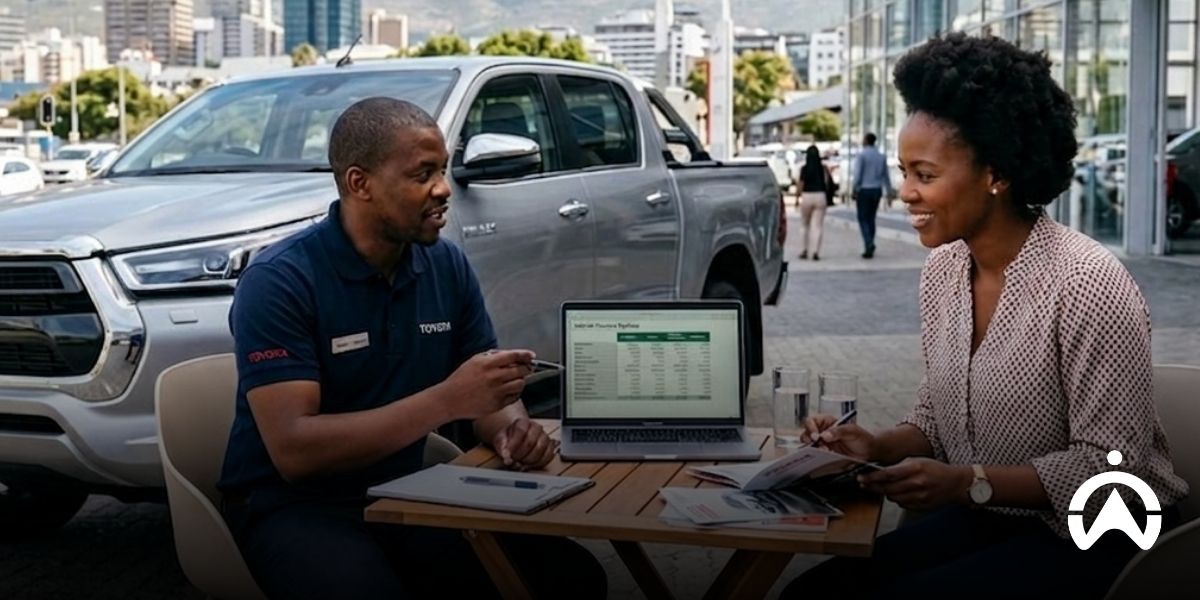
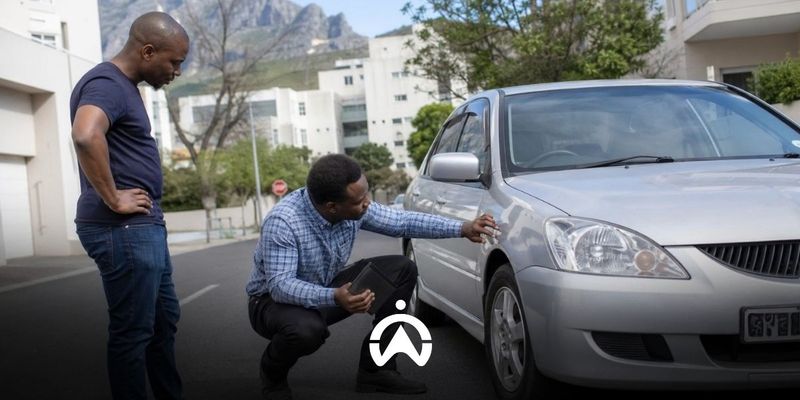
Two people reviewing documents and discussing a vehicle sale, illustrating what to do when buying a car from a private owner safely and confidently

How should you inspect a used car before buying from someone?

When inspecting a private owner’s used car before buying, use this checklist:

  • Uneven tyre wear & tear
  • Windscreen cracks (even tiny ones)
  • Buttons in the car like locks, windows and dashboard switches
  • Minor mismatches on paintwork
  • Scratches or bumps on panels
  • Oil stains where the car is parked

Seeing evidence of damage or a past accident might not cause you NOT to buy the car, but it’s relevant to bring up with the previous owner. They should be charging according to the car’s current condition and must declare if the car’s been in an accident.

What should you look out for while test driving a used car?

When test driving a used car (which is highly recommended before buying), make sure you do short-stop driving as well as long-distance driving. Short distances will give you a feel for the brakes & suspension, while long distances will allow you to listen out for rattling noises or car performance issues.

Suburban driving observations

Drive over a few speed bumps and note how the car’s suspension handles it. Also observe how the brakes handle stops at red lights and stop signs, and don’t forget to take note of how well the car pulls off from these points (clutch-related). You’ll also pick up if there’s engine hunting, which could indicate a damaged engine head or other less-serious problems.

Highway driving observations

Long drives let you check a few other important things, like whether the engine overheats or if the car makes rattling sounds. Pay close attention to the steering wheel when you do a highway drive, because vibrations could point to wheel alignment imbalances.

Post parking observations

If you can, park somewhere else after your test drive is over. Go back to where the car was parked initially and look for fresh oil stains. A car that leaks oil will have mechanical issues that need to be addressed with the previous owner.

Also check the handbrake by parking on an incline if possible (although you can also test this while driving around town). Test the indicators, lights, and hazards while you’re parked and safe, and feel free to get out of the car to see if they work externally.
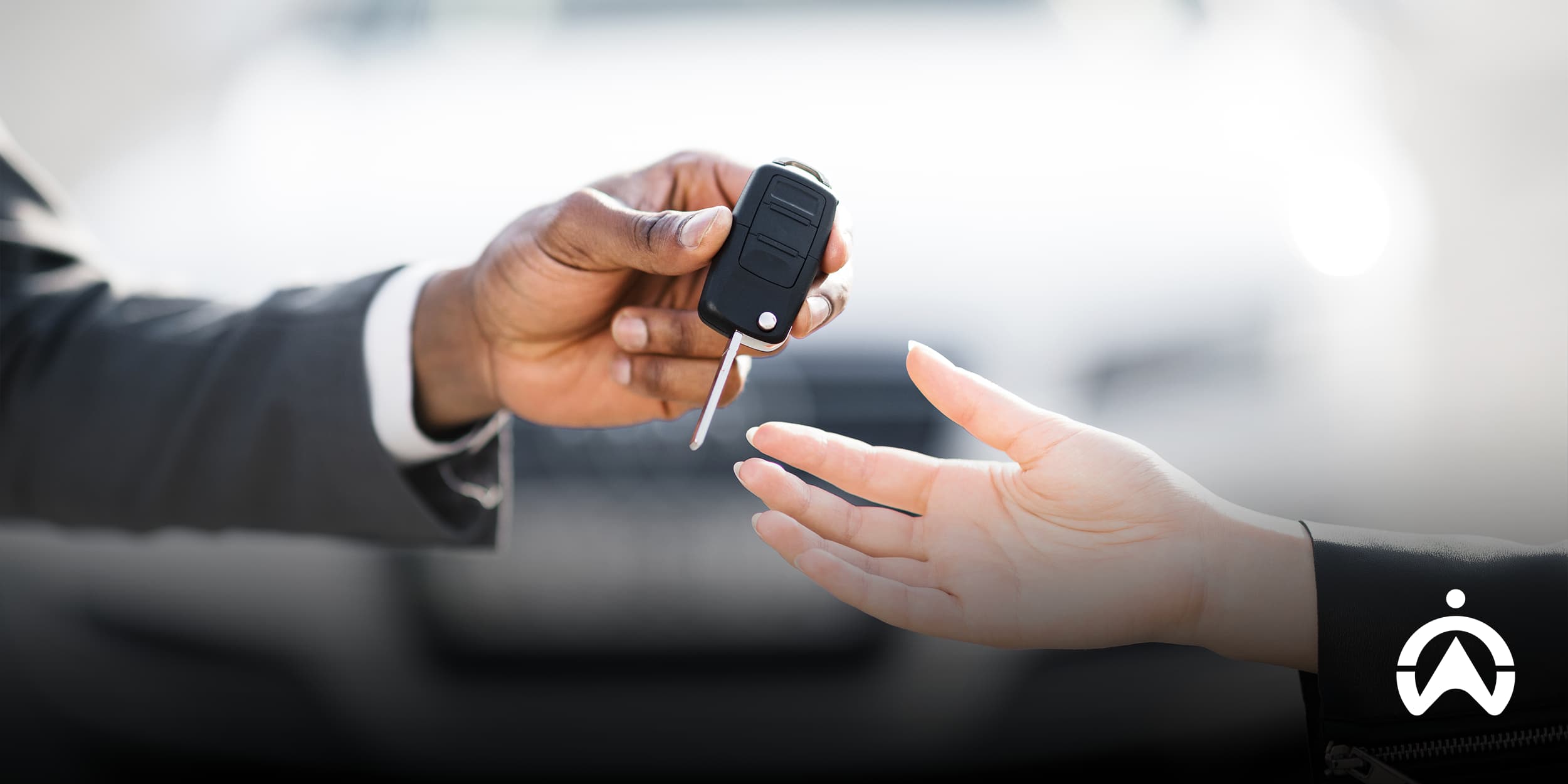
Person handing over car keys during a vehicle sale, showing what to do when buying a car from a private owner and completing ownership transfer safely

What should you do if the previous car owner has a tracking device installed?

If the previous car owner has a tracking device installed, you can speak to them about either having it removed or having the tracking service transferred to your name. In the latter case, the device will simply remain installed, and you can contact the tracking service provider to change ownership.

If it’s a Cartrack device, we make this process simple. Just give us a call and we’ll do the heavy lifting on your behalf.

Safety considerations for your new, used car purchase

If you just landed yourself a good deal on a used car, consider protecting it with a GPS tracking device if it doesn’t already have one.

It’s also highly recommended by many local influencers that all cars install a dashcam, as this offers a myriad of safeguards for motorists like you.

If you have any Cartrack products in your old car, speak to us about transferring them to your newly-purchased one, and we’ll schedule a visit.

Frequently asked questions about buying a car from a private owner

What can I reasonably expect from a used car with high mileage?

It’s reasonable to evaluate a high-mileage car based on its condition & age rather than its odometer reading. That’s because some cars (ones that aren’t necessarily ‘old’) are used for long-distance driving more than urban driving, which is actually a good thing in terms of wear & tear. Judge the age and general condition—together with the mileage—to accurately assess the car.

What is the most popular second-hand car?

The most popular brand of second-hand car is Toyota. They’re still a keen favourite among used car buyers in Tanzania and other countries because of the reputation for longevity, reliability, and low fuel consumption.

How much value does a new car lose after purchase?

If you buy a car brand new, you can expect it to lose around 10% of its value as soon as you drive it off the lot. It will also lose another 10% to 15% within the first year of driving, depending on your driving habits and vehicle care routine.
9 Cold Weather Maintenance Tips for Your Trucks

The 9 cold weather maintenance tips for your trucks include, but aren’t limited to, assessing battery health, prepping emergency kits, establishing strong safety protocols, and selecting winter-grade products and accessories.

Winter doesn’t just make driving trickier; it speeds up the wear and tear on your fleet’s most vulnerable (and pricey!) parts. Reports reveal that hydraulic system failures shoot up to an astronomical 340% in the colder months, thanks to fluid thickening and seal degradation.

For you, mastering winter care is an intelligent financial move to keep those bulky bills away.

Don’t get caught in the cold. Keep reading to find out all there is to know about keeping your trucks in the best shape during winter months, and how Cartrack Tanzania can help you achieve that.

Key Takeaways:

  • Extreme cold can cut a truck battery’s capacity by half, so you should test your batteries and clean any rusty connections before winter starts
  • Use special additives or winter-grade fuel to stop your diesel from turning into a thick wax that can block filters and stall your engine
  • Check your tyre tread and pressure regularly because cold air makes tyre pressure drop, which ruins your grip on slippery roads
  • Use smart fleet management tools like predictive maintenance to spot small mechanical issues before they turn into expensive breakdowns

What are the 9 crucial tips for maintaining your fleet trucks in cold weather?

The 9 crucial tips for maintaining your fleet trucks in cold weather include:

  1. Assessing battery health
  2. Ensuring your diesel engine is prepared
  3. Checking that fluids are at the correct levels
  4. Examining your tyres and their traction
  5. Inspecting your heater and defroster
  6. Looking over suspension components
  7. Considering valuable operational protocols
  8. Scheduling a pre-winter service
  9. Keeping emergency supplies stocked up

Take a look at each point in greater detail:

1.Assess battery health

Freezing temperatures can put some serious strain on a truck’s battery, which is why regularly testing battery health is one of the most important of the 9 steps.

Did you know that winter conditions can cut your truck’s battery capacity by up to 50%? The need for extra power to start up the truck on cold mornings makes things even worse.

If you’re consistently checking your trucks’ batteries, you’ll know whether or not they’re ready to take on harsh winters. Ensure that any connections aren’t rusty or corroded; check that the battery is actually charging & in good condition; and if the battery is leaning towards four years old, consider having it replaced.

2. Ensure your diesel engine is prepared

The last thing you want is for your fuel to crystallise & gel, damage the inner workings of your truck, and set your whole workweek back through downtime.

The cold temperatures can alter your fuel and its viscosity, causing it to turn into a sludgy, wax-like substance that does more harm than good. Your engine could potentially fail.

Ensure you’re prepared with winterised fuel or anti-gel additives, as these keep your fuel in good condition and prevent it from gelling. This also means the trucks’ filters and systems remain free of blockages.

3.Check that fluids are at the correct levels

Just as special precautions are taken with diesel, standard vehicle fluid management needs the same level of attention. Windscreen washer fluid, oil, power steering fluid, and coolant all need to be at their correct levels, and winter-friendly options should also be considered.

Picture this:

One of your drivers is on the road, heading out to make their delivery in the dreary, winter weather. They get a load of road spray (debris consisting of water, road dirt, and mud) kicked up onto the windscreen, compromising their visibility. They activate the washer fluid to clear the screen, but it’s diluted or has partially frozen. It only creates more sludgy dirt across the windscreen and worsens your driver’s visibility.

Part of driver safety is ensuring that fluid management is thoroughly and intentionally controlled.

Consider getting winter-grade washer fluid & car oil to ensure smooth fluid flow, and closely monitor coolant & power steering fluids, as their performance levels can change when the weather drops.

4. Examine your tyres and their traction

It goes without saying that strong tyres with the right level of traction are key to staying connected to slippery, wet, and potentially icy winter roads.

Always check the tyre grip! Tread depth on your tyres is what will save your drivers from dangerous situations in winter conditions, like loss of control and hydroplaning. Ensure that the depth of your tyres isn’t lower than it should be, and consider replacements if there’s some unevenness.

Consider snow-ready or winter-grade tyres (with deeper treads) for high-altitude areas that typically experience snow.

Finally, don’t forget to regularly check the air in your tyres. When the temperature drops, so does the tyre pressure, and this ultimately impacts wear-and-tear & fuel efficiency.

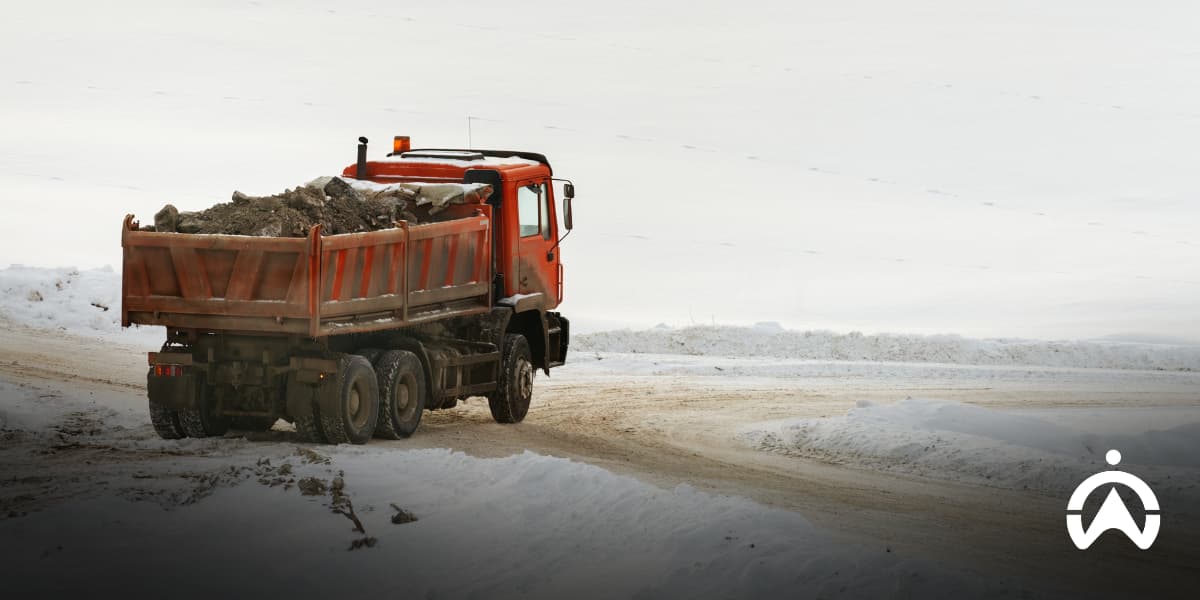
Orange dump truck driving on a snowy road, illustrating cold weather maintenance tips for your trucks during winter transport operations

5.Inspect your heater and defroster

Your drivers need to be comfortable and in good health during their trips, especially when they’re long-distance. Part of helping them maintain this is by ensuring that the heaters and defrosters are in good condition.

When the heaters and defrosters are working well, they keep your drivers comfortable, which means your drivers are secure and fully engaged.

But beyond this, heaters and defrosters help with increasing visibility when condensation or misting is happening in the truck. They can also help warm the truck up if it gets caught in the snow.

Test these functions, check filters, and clean out vents if necessary to ensure you’re prepared for the cold.

6.Look over suspension and brake components

Look out for potential worn-down and stiffening components. Suspension parts, like springs and shock absorbers, should be properly lubricated so they don’t become stiff and fail. Brake parts, like rotors and pads, should be checked for corrosion or cracking.

These functions are non-negotiables, because the winter chill can threaten their level of performance.

Grease your suspension parts and replace your brake parts if necessary, especially if you suspect corrosion or other signs of wear-and-tear. Also ensure that the brake system air tanks remain dry, so that moisture caught in these air systems doesn’t freeze and disrupt braking function.

7.Consider valuable operational protocols

Setting clear rules & channels for communication is the key to coordinated safety and risk management.

Guidelines and protocols need to be clear so that everyone is prepared for any unforeseen circumstances.

Your drivers should have a very clear understanding of what they need to do in an emergency and how to report them. Decide who monitors what, who will communicate with drivers, when operational adjustments happen, and other relevant situational factors.

Ensure you’ve got your reliable towing and repair companies on speed dial, just in case.

8. Schedule a pre-winter service

Before the extreme cold even hits, get your fleet of trucks prepped and ready with a comprehensive service & check-up.

A pre-winter service does most of the work for you.

You can quickly address any changes or upgrades that need to be made, and even get a second opinion from your service provider regarding products you’ll need for your trucks.

9. Keep emergency supplies stocked up

You could have all the inspections done, products purchased, and necessities in place, but the unexpected can still happen. Keep emergency supplies stocked so your drivers remain safe in emergencies.

You can never be too careful!

Here’s what should always be kept in truck emergency kits, regardless of season:

  • Water
  • Long-life food items
  • Blankets
  • Extra fuel
  • Reflective vests
  • Torch with extra batteries
  • Tire chains
  • Bag of sand (for extra support and grip in an emergency)

Can Cartrack Tanzania help you prepare your fleet for the freezing cold?

Yes, Cartrack can help you prepare your fleet for the freezing cold, thanks to the advanced features of our fleet management platform. With FleetWeb, you can focus on what matters most when it comes to fleet winter management, like maintenance, reminders, operational efficiency, and reducing downtime.

Here are a few key features:

Predictive maintenance

Our proactive features combine Internet of Things (IoT), vehicle sensors, AI, and predictive analytics to collect data. This data produces comprehensive insights and analyses to detect potential problems & equipment failures, saving you and your business from seriously costly downtime.

The predictive nature of this feature ensures that your vehicles stay in tip-top condition, and you’ll see a massive improvement in asset utilisation.

Optimally functioning trucks are trucks that aren’t wasting fuel, are maximising operational efficiency, and are ultimately reducing business expenses.

Reminders and instant notifications

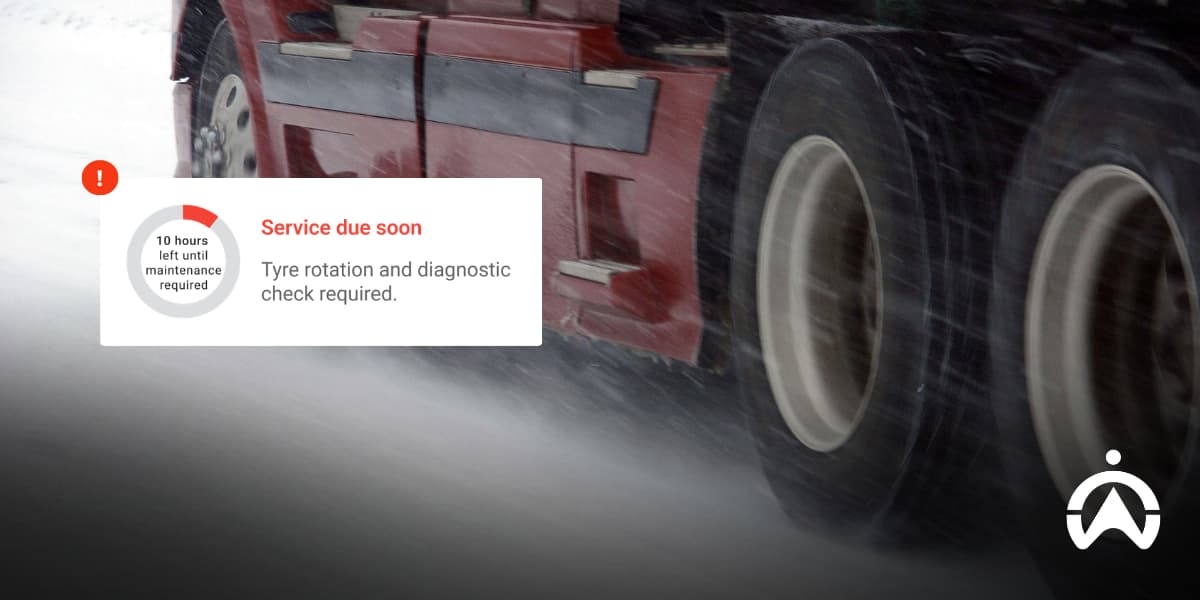
In connection with predictive maintenance, our platform can provide you with all reminders related to inspections and maintenance. And, if you’ve thought about something in particular and want to schedule maintenance yourself, we have a custom form that you can fill out and send.

Get your reminders and alerts on general servicing, but also receive real-time notifications for any faults, unexpected fluid fluctuations, worn car parts, and much more.

Accidents can still happen. Communicate directly with your drivers if a fault occurs while they’re on the road and let them know what the next steps are.

Close-up of truck tyres on a snowy road with maintenance alert, highlighting cold weather maintenance tips for your trucks and winter tyre checks

Operational efficiency

The winter months can put a serious strain on your operations. Drivers are likely idling more, fuel consumption rises, and maintenance demands tend to be higher than usual.

But this doesn’t have to be the case.

Operational efficiency can only be achieved with total fleet visibility, and fleet visibility needs a sophisticated fleet management platform like FleetWeb.

With complete oversight, you can quickly take the right steps to correct these operational strains. Additionally, with our automated and smart tools available to you, you can stay ahead of the winter blues and keep your trucks moving with minimal interruption.

Driver habits

How your drivers behave on the roads is already an immediate concern, but when winter conditions increase the danger levels, keeping an eye on them becomes even more crucial.

If your drivers are aggressive on the roads, they risk fuel waste, increase the risk of wear-and-tear, and essentially apply pressure on the truck’s performance overall.

In winter, drivers face slippery roads, poor visibility, and extra structural cold weather stress. All these factors lead to a reduced level of safety. With our AI-powered driver monitoring and scorecard features, you can successfully monitor your drivers and ensure they’re being responsible.

When your drivers aren’t being safe on the roads, you can use the scores and recorded events to actively coach them and give them data-driven feedback. Not only do you guarantee better safety for your drivers, but it’ll likely push them towards more careful, safer driving throughout the seasons.

Final takeaway

Weather changes can stir up anxiety about your trucks, their performance, your drivers’ safety, and the pressing importance of putting precautions in place. But when you’re well-prepared, there’s no need to worry.

Every step taken to achieve a safer fleet—whether big or small—means your fleet stays in an efficient and road-ready condition throughout the winter months. Partner with us, and we’ll provide all the technologies needed for you to achieve total oversight of your fleet’s performance, safety, and condition; from the inside out.

Let Cartrack Tanzania help you keep your fleet running smoothly, no matter the weather. Contact our dedicated professionals to book a demo or find out more about our offerings!

Frequently asked questions about cold-weather maintenance

Does putting cardboard on a windscreen stop frost?

Yes, putting cardboard on a windscreen can stop frost, and this method is considered quite a well-known practice. It’s not as reliable as a high-quality commercial windscreen cover, especially given that it could just stick to your windscreen if it rains or snows, but it works! Get a piece of cardboard that covers the whole windscreen for the best results.

Does putting a blanket over a car engine help?

Although this isn’t considered the most effective solution and is a possible fire hazard, yes, putting a blanket over a car engine can help. Covering a warm engine this way can successfully trap some of that warmth after it’s been on the road, but you’re better off buying the correct fuel additives and specialised battery blankets.

How to clean snow off a truck?

To clean snow off a truck:

  • Switch the truck on so you can activate the defrosters and heater. This helps melt some of the ice already on the truck
  • Clean the car with a telescoping broom. Start on the roof and work your way to the bottom
  • Use an ice scraper to clear the windows and mirrors

Where to buy rugged fleet cameras suitable for delivery vans?

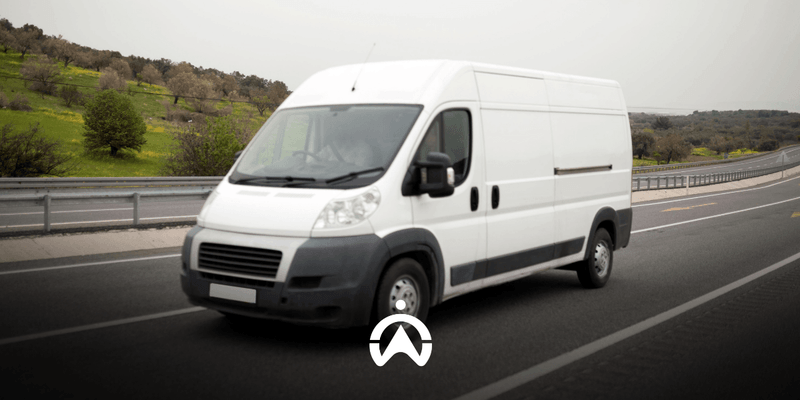
Rugged fleet cameras for delivery vans can be purchased from providers like Cartrack Tanzania. The integrity of these cameras AND their installation ensure stability on bumpy trips. These cameras must work properly if they’re to protect your vans, which is why choosing the right provider is paramount.

An increase in road logistics and new delivery businesses are the reasons, showing that many companies are relying more on delivery vans to keep their customers satisfied.

But with this upswing comes increased risk, which is why delivery van fleets are looking to vehicle cameras to keep their drivers & assets safe.

Can the demands of van logistics be tolerated by vehicle cameras? Only the best ones. Here’s where you can source yours.

Key Takeaways:

  • Delivery van camera installation is free at Cartrack, so always make sure you leave it to our professionals
  • Delivery van (Light Commercial Vehicle) cameras need to be rugged enough to withstand harsh weather, long hauls, and bumpy driving
  • The best delivery van cameras come fully equipped with AI technology to help you monitor and coach your drivers
  • You should consider getting a camera for your cargo area too, which will auto-record whenever the van’s cargo door is opened

What makes a fleet camera “rugged” enough for delivery operations?

The ruggedness of a fleet camera depends on its ability to record and provide high quality road footage despite the constant vibration of a delivery van. It also needs to withstand harsh weather conditions and normal wear & tear (which speaks to its longevity).

Are dashcams suitable for delivery vans?

Many store-bought dashcams are NOT suitable for delivery vans because they’re intended for private motorists. Some of these cameras have invasive wire connections, and others aren’t exactly built for bumpy driving. And because of the high demands of delivery van driving, a specialised provider like Cartrack should be contacted for your delivery van camera needs.

What’s the difference between a store-bought dashcam and a delivery van fleet camera?

The difference between a store-bought dashcam and a delivery fleet camera is that the latter is built for high-demand driving. Bumpy roads, lots of stops, long hauls, and weather conditions all affect the durability of a delivery van camera. That’s why a store-bought dashcam isn’t a wise investment if the purpose is camera longevity.

FEATURE Store-bought dashcam Cartrack Vision How Vision from Cartrack benefits your fleet
Alerts Beeping sounds and/or light flickering Real-time driver coaching Drivers get AI voice warnings in real time
AI capabilities Some have G-sensors Advanced Driver Alert System Keeps drivers safe in real time
Data management SD card that needs regular formatting Saved footage is event-based and uploaded to Cartrack’s system No manual data management and no need for SD card formatting
How it’s connected Wi-Fi 4G or LTE streaming in real time You can see live footage
Warranty Depends. Usually 12 months Lifetime warranty No need to replace your camera hardware
GPS capabilities Yes, on-screen GPS Yes, GPS is synced with your telematics software Your footage has context (location, speed, etc.)
Secure installation? Plug in to your cigarette lighter Hardwired to a DVR box without wires in the way No wires across the dashboard
Support of other cameras Usually 2 cameras can be accommodated Accommodates up to 16 cameras Perfect for large vehicles like trucks and delivery vans
Can it be stolen? Yes, easy to steal Installation is tamper-resistant Lower risk of camera theft

How do delivery van cameras help in the delivery process?

Beyond protecting your driver and van, delivery cameras are often used to resolve delivery disputes FAST. If a customer claims that your van never reached their home or business to carry out a delivery, you can use the delivery van camera footage to clear your driver.

Vehicle cameras for delivery vans are also used to protect cargo. These cameras are attached to door sensors, automatically recording every time the van door is opened to survey who’s handling your goods.

Will having rugged delivery van cameras affect your insurance?

Most insurance companies offer better premiums to fleet companies who install cameras onto their delivery vans. Disputes are resolved quickly when footage is always retrievable of a time-stamped event.

If you look at the price of delivery cameras from Cartrackversus the amount of money you’ll save on your insurance, the difference is often surprising.

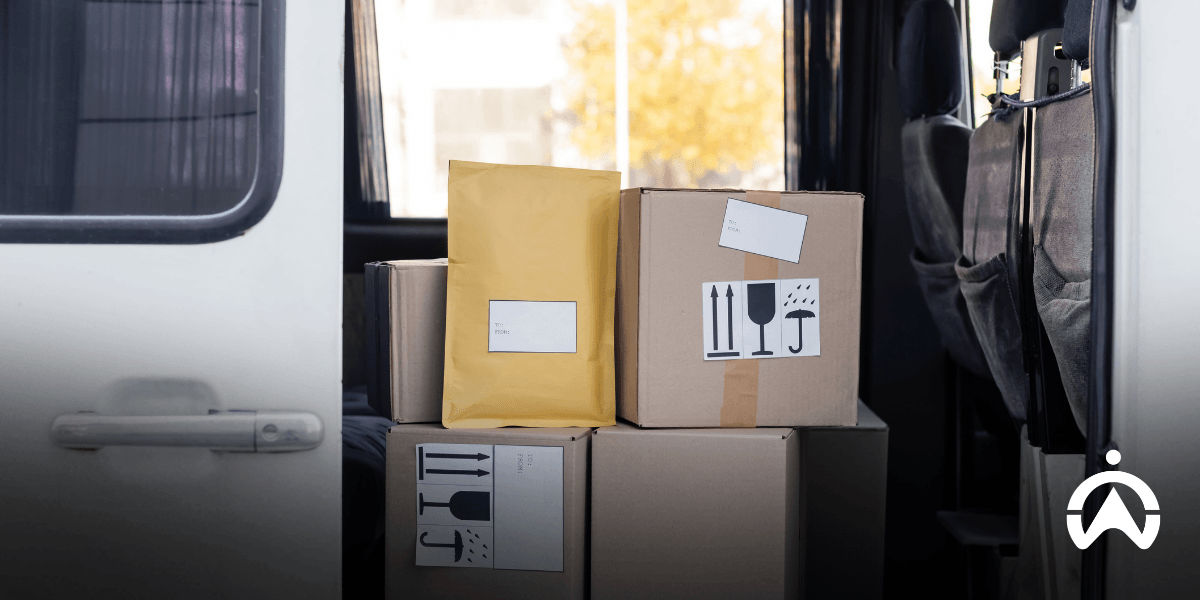
Packages stacked inside a delivery van with open side door, illustrating where to buy rugged fleet cameras for delivery vans and improve cargo security

Why is delivery van logistics so demanding?

Delivery van logistics is especially demanding because it involves driving that’s often “rough” and long. Delivery van drivers make lots of stops each day, and they often find themselves in rural areas where the roads are bumpy. Another fact is the condition of some roads, which call for the ruggedness of components—including the vehicle cameras.

Potholes and bumpy roads

Many countries struggle with potholes in their roads. Many potholes are hard to see, giving delivery van drivers a sudden jolt when they drive over (or into) them. This happens to everyone, but MORE SO to delivery van drivers who travel long hours during the night & day. These jolts can severely damage your cameras if they’re not built for rugged driving.

Stop-and-go driving

Delivery drivers stop more often than the average driver. This constant stopping and going may sound minor, but it does add more vibration to the components. If your cameras aren’t rugged (or not installed properly), they may start to come loose or get damaged over time.

Weather considerations

Most motorists have the option to keep their vehicles under cover during storms or hot weather. With delivery van fleets… not so much. They have a job to do, and bad weather won’t usually be accepted as an excuse for not delivering on time.

For these and other reasons, delivery van cameras should be rugged enough to withstand the rough demands of delivery driving. Learn more by checking out Cartrack’s rugged camera options for delivery vans.

What should a delivery van camera include?

Besides a rugged build and professional installation, a delivery van camera should also include a system where footage is easy to manage. The best delivery van cameras also come with door sensor technology that automatically switches on when doors are opened and off again when they’re closed.

Furthermore, look for a delivery van camera that comes with various options for in-cabin, side-view, and rear-view recording. Last but not least, always choose a delivery fleet camera that has AI capabilities, as this comes with many profit-saving features that will help you manage your fleet better.

Easy-to-retrieve footage

Choose a vehicle camera provider that makes retrieving footage simple. Storage of your footage should be cloud-based to prevent high data costs, but viewing a specific event shouldn’t be a mission. Cartrack lets you view footage by simply making a phone call to our control room.

Cargo door sensor technology

Many providers sell cameras, but not all of them sell a camera SYSTEM. If you run a delivery fleet, having a full surveillance system is vital to the protection of your cargo. Door sensor technology coupled with your cameras will watch what happens every time the doors are opened to give you a full picture of how your valuable goods are handled.

Versatile installation options

Camera systems for delivery vans should also be versatile enough to go beyond road recording.

  • What about the cabin where the driver and passengers sit?
  • What about blind spots?
  • What about the cargo?

Speak to Cartrack about how a full camera system protects all aspects of your fleet operation.

AI technology for driver coaching

The best cameras for delivery vans will always go beyond recording by also giving you operational intelligence. A camera that monitors your drivers is all good and well, but what if it could correct your drivers in real-time based on highly refined AI tech?

That’s exactly what our cameras do at Cartrack! They identify potentially dangerous habits like drifting off while driving, or even eyes gazing somewhere other than the road. What about smoking, eating or drinking? Yes, our cameras detect those too.

Not only do they detect, but they can even correct that behaviour right then & there—almost as if you’re right there with your driver.

Why is installation of delivery van cameras so important?

At Cartrack we stress the importance of having your delivery van cameras installed by our competent technicians. The ruggedness of our cameras relies on a proper installation, so it’s not just about the design & build of the device itself. Considering the demands of delivery van logistics, installation must be done by experts who know how.

REMEMBER: To enhance the ruggedness of your delivery van camera, they should be hardwired into your vehicle, not simply “plugged in”.

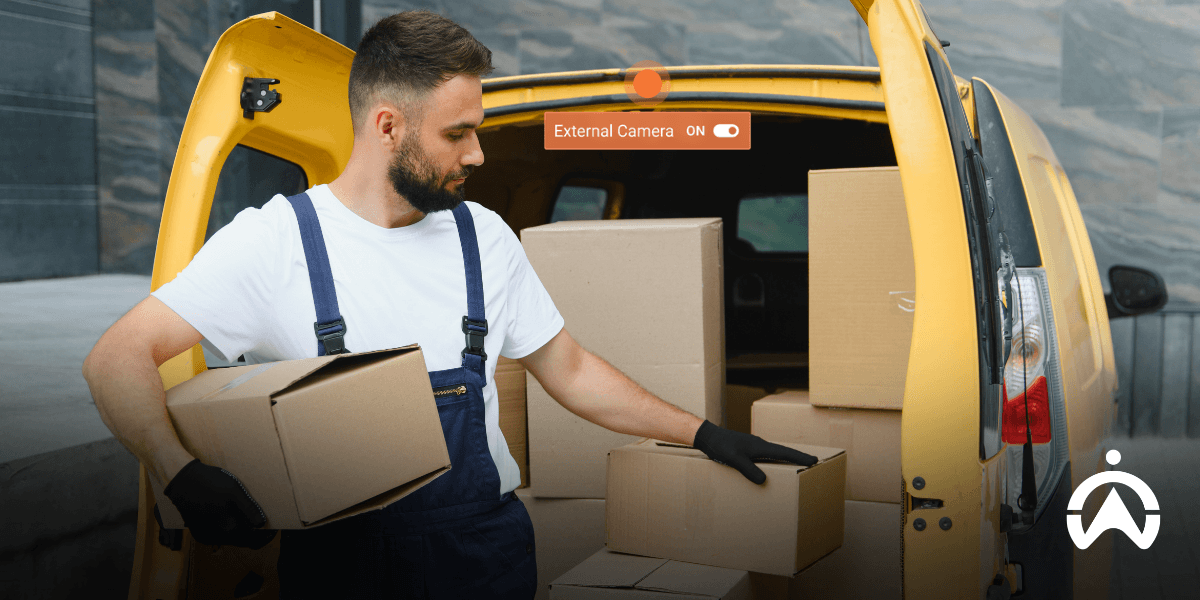
Delivery worker loading boxes into a yellow van, showing where to buy rugged fleet cameras for delivery vans to improve driver and cargo monitoring

How much do delivery van cameras cost at Cartrack?

The cost of delivery van cameras at Cartrack will depend on how many you need, what software package you want to combine with your cameras, and how large your fleet is. Cartrack is standing by to answer all your questions and give you a detailed quote based on exactly what you need.

Give us a call to learn more.

While Cartrack is considered to be a leading vehicle camera provider in various countries, it’s important to remember that we specialise in vehicle camera SYSTEMS. This means you’re getting a lot more than a camera for your delivery vans. You’re getting:

  • Cloud-based footage management
  • Scalable installations that can be modified or adjusted
  • Free installation
  • Subscription-centred assurance
  • Device warranty
  • AI capabilities that go beyond basic recording

You don’t have to select ALL our features, but it’s nice to know they’re available if you ever need to upgrade your delivery van security.

Frequently asked questions about rugged fleet cameras for delivery vans

Can I install a delivery van camera myself?

No, it’s highly recommended that you don’t install your delivery cameras yourself. Installation is an important part of having a vehicle camera, and not doing it professionally will affect the functionality and warranty of the camera. Since our vehicle camera installation is free at Cartrack, this is best left to our professionals.

Do delivery van cameras help my drivers see blind spots?

Yes, delivery van cameras can be installed to help your driver see blind spots. We offer regular road-facing cameras, rear-view cameras, and cargo cameras, but we also give you an extra option to install side vehicle cameras that give your drivers a fuller view of what’s around them.

What happens to vehicle camera footage?

At Cartrack, vehicle camera footage is stored for some time before it’s eventually deleted to make room for more. You can at any time request to see footage if it’s recent enough, in which case we’ll archive that footage for future use. If our AI cameras detect a notable event, we’ll automatically save the footage in case you need it.

How do I retrieve delivery van camera footage?

To retrieve delivery van camera footage, simply contact Cartrack and request the footage with a time & date. We’ll supply the footage of that particular event, at which point you can let us know if it should be saved or deleted.

ESG in Your Fleet Management and Understanding Your Carbon Footprint

Implementing ESG in your fleet management strategy and understanding your carbon footprint is incredibly important for fleets in 2026 and beyond. It’s a challenge for businesses to manage their carbon footprint while customer demands rise, and the need to stay ahead of their competitors intensifies.

Real-world studies have shown that adopting eco-driving strategies—those that focus on speeding, harsh acceleration, and idling—can cut your fuel consumption and CO₂ emissions by 5% to 12% almost immediately.

This proves that you don’t need to replace your entire fleet with electric vehicles overnight to make a significant impact. By simply using data and software to improve how your drivers are handling your vehicles, you can significantly reduce your carbon footprint!

Key Takeaways:

  • To successfully understand your company’s carbon footprint and implement ESG in your fleet, you need a telematics system
  • Cartrack Tanzania has all the hardware and software your business needs to implement ESG in your business
  • ESG principles need to be woven into the core of a company’s strategy
  • Preventative maintenance, driver behaviour, route optimisation and fuel management all help to reduce your fleet’s carbon footprint

What are the key ESG metrics for fleet performance reporting?

The key ESG metrics for fleet performance reporting are centred around lowering your environmental impact, improving driver safety, and upholding operational governance. The ESG metrics you should monitor are:

  • scope 1, 2, & 3 GHG emissions,
  • fuel and energy consumption,
  • driver safety score,
  • driver turnover rates,
  • regulatory compliance rate, and
  • supplier ESG standards.

How can I integrate ESG principles into my fleet management strategy?

Integrating ESG principles into your fleet management strategy starts with taking actionable steps like prioritising driver safety, optimising routes, and introducing electric or hybrid vehicles into your fleet. By applying these practices into your daily operations, you’ll ensure the long-term success of your sustainability goals while minimising your fleet’s environmental impact.

Let’s take a deeper look into these principles…

Corporate citizenship in fleet management

Corporate citizenship is the extent to which businesses are responsible for their actions and impact on their community, the environment and their employees. Environmental, social and governance (ESG) principles need to be embedded into the core of a company’s strategy.

A strong corporate citizenship is what builds a company’s reputation, develops customer and employee loyalty, and can result in an increase in shareholder interest and lower regulatory pressure.

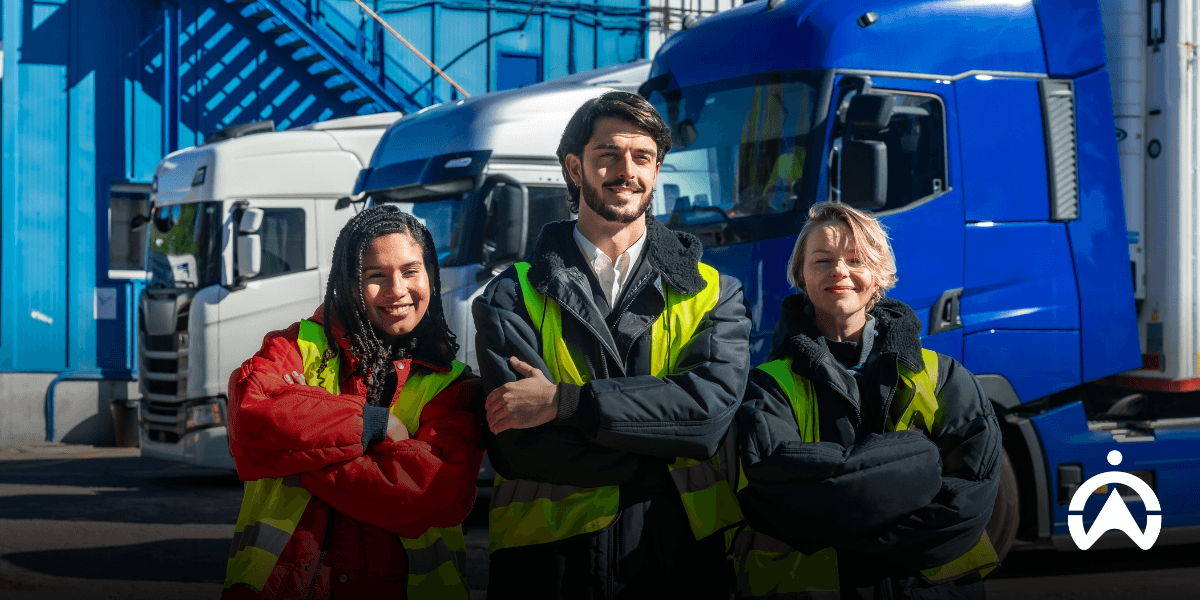
Three warehouse workers in high-visibility jackets standing in front of fleet trucks, highlighting ESG in fleet management practices.

The environmental footprint (the “E” in ESG)

According to research, “the transport sector accounts for approximately 16% of global greenhouse gas emissions… particularly in road transport, which remains the main contributor to these emissions”.

To successfully reduce your environmental footprint, here are some of the things you can implement in your fleet:

  • Optimise route efficiency: Digitalising route planning allows you to reduce the amount of time your fleet spends on the road and automatically finds them the most efficient routes to travel.
  • Predictive maintenance: When your vehicles are regularly maintained, you’ll ensure that all your vehicles’ engines are operating at optimal efficiency with effective combustion. Having digital inspection reports and engine diagnostics will simplify this process for your fleet managers, and you’ll ensure your fleet is performing efficiently at all times.

Social and community impact (the “S” in ESG)

Get the latest tech in your fleets to further your teams’ success—rather than using it to reprimand them. Shift your corporate mindset from blame to empowerment. Here’s how you can start:

  • Prioritising driver safety: Tech like driver scorecards and AI-powered cameras that can detect high-risk driver behaviour (like speeding or distracted driving) provide real-time, audible, in-cabin alerts so drivers can self-correct.
  • Promote transparency & trust: Automatic and accurate reporting of working hours lets you guarantee fair compensation and legitimate overtime claims, eliminating any disputes between workers and management.

Governance and compliance (the “G” in ESG)

You need to make sure your operations remain objective and reliable to eliminate any bias in the workplace. This is done through data-driven decisions from a single source of truth and information.

This can be achieved through:

  • Regulatory compliance: Digital tools can help you ensure that your drivers aren’t exceeding governed working hours and that mandatory document renewals like licences and maintenance certifications are up-to-date.
  • Privacy & data protection: You have to make sure that your fleet systems are GDPR compliant and offer “private mode” features for your drivers so that vehicle data during personal time is hidden.

Steps to implement sustainable fleet management practices

Take these steps to successfully implement sustainable fleet management practices in your business:

  • Assess your fleet
  • Introduce alternative vehicles into your fleet
  • Implement a telematics system
  • Train drivers to drive more eco-friendly
  • Install renewable energy sources
  • Set up a fuel management strategy

Assess your fleet

Before you start implementing any sustainable and eco-friendly practices into your operations, you have to first accurately assess your current fleet. Find out how much fuel your fleet is currently using, how the engines are currently performing, and what the average mileage of your fleet is.

Introduce alternative vehicles into your fleet

Mixing your fleet with hybrids, electric or hydrogen-fuelled vehicles is an expensive but great way to reduce your carbon footprint. If you’re feeling a bit hesitant to upgrade your entire fleet, start off with one or two vehicles to test their feasibility.

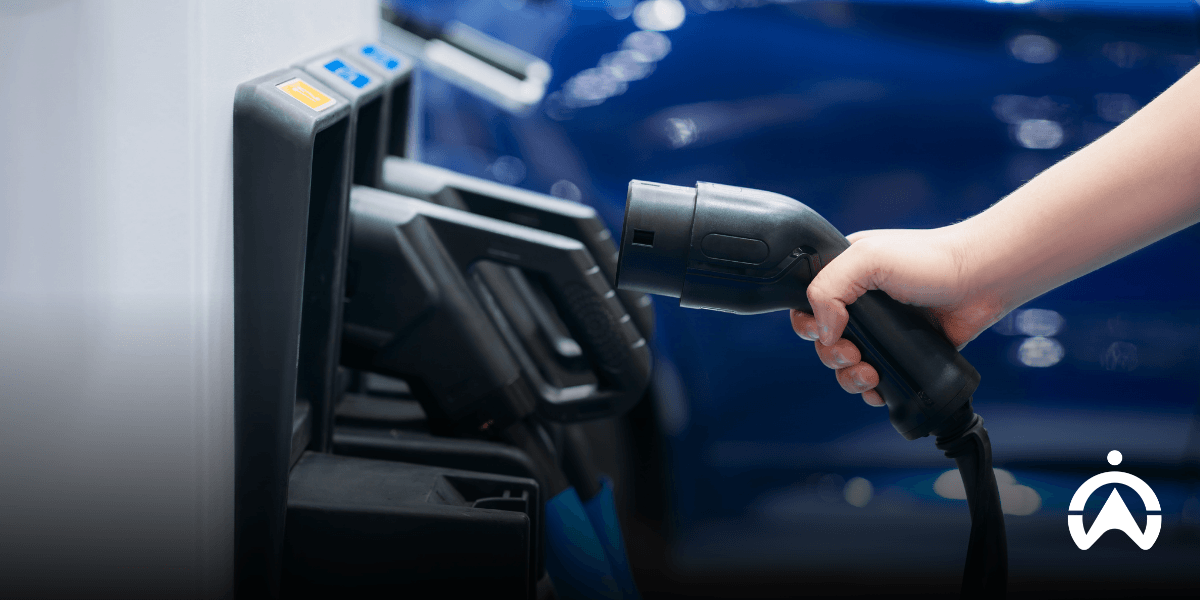
Hand holding an electric vehicle charging plug at a station, demonstrating how to lower your carbon footprint through green fleet management.

Implement a telematics system

Installing telematics systems in the entirety of your fleetis the best way to build a sustainable fleet. Telematics will provide you with insights on driver behaviour like speeding, idling and harsh braking, which all burn more fuel and increase your carbon footprint.

GPS tracking and AI-powered software assist with route optimisation so your drivers will use more efficient routes. Subsequently, you’ll consume less fuel and spend less time on the roads.

Telematics also gives insights into how your vehicles are performing. Preventative maintenance tools will ensure your vehicles are performing optimally at all times. Poorly maintained vehicles are less fuel efficient and have a shortened life span, which contributes negatively to your sustainability goals.

Train drivers to drive more eco-friendly

The cheapest way to build a sustainable fleet is by training your drivers to have more eco-friendly driving habits. The way your drivers handle the vehicles on the road directly impacts how much fuel they consume.

Train your drivers to practise driving habits like:

  • Smooth acceleration
  • Proper gear shifting
  • Keeping an optimal speed
  • No excessive idling

All of these can contribute tosubstantial fuel savings and reduced emissions.

Install renewable energy sources

If you have electric vehicles in your fleet, you should install solar-powered charging stations in your depots. When you invest in sustainable infrastructure in your business, you not only guarantee long-term savings; you also significantly reduce your business’ carbon footprint.

Set up a fuel management strategy

The best way to understand and minimise your fleet’s carbon footprint is by setting up a fuel management strategy. Using a combination of hardware and software, you can accurately monitor the fuel usage of each vehicle and machine in your business.

A comprehensive fuel management system includes:

  • Driver behaviour monitoring
  • Proactive maintenance
  • Fuel usage reports
  • Insights into preventing/spotting fuel theft and fuel card fraud

If you’re ready to understand your carbon footprint and successfully implement ESG in your fleet management, contact us todayto get our comprehensive fleet management system and all our add-ons to help make your fleet greener!

Frequently Asked Questions

How to calculate my fleet’s carbon footprint accurately?

Accurately calculate your fleet’s carbon footprint with either a mathematical estimation or a telematics measurement. Estimating involves multiplying the total litres of fuel consumed by 2.68kg (diesel) or 2.32kg (petrol). Telematics is more accurate, providing real-time data on fuel consumption, idling and mileage, giving you automated reports that show accurate vehicle performance and monthly emission totals.

How can a fleet reduce its carbon footprint through route optimisation software?

Route optimisation can reduce your fleet’s carbon footprint by minimising your fleet’s fuel consumption on the road. Advanced route optimisation will use real-time data and GPS tech to automatically update your drivers’ routes, finding them the most efficient and shortest route possible.

How can telematics data reduce a fleet’s carbon footprint?

Telematics data can reduce a fleet’s carbon footprint by providing your business with relevant data that measures your sustainability. A telematics system will provide you with insights on driver behaviour, vehicle performance and fuel management insights, which all work to reduce your fleet’s overall carbon footprint.

How to Instantly Deal With Road Rage

To instantly deal with road rage, de-escalation is key. However, driving on Tanzanian roads is NOT for the faint-hearted. Between the potholes, dala-dalas, bajajis, mzee and bibi who can barely see, and those big V8 Land Cruisers who think they own the road, experiencing frustration while driving doesn’t take much.

Road rage, arguments, misunderstandings and provocation can be accountable for attempted murders, murders and assaults with grievous bodily harm.

If you don’t want to be a statistic, keep reading because we’re going to show you how to instantly deal with road rage and what tools Cartrack Tanzania has to help keep you cool, calm and collected on the road!

Key Takeaways:

  • Road rage can easily take a deadly turn
  • Use techniques such as deep breathing, ignoring, and removing yourself from the situation to keep yourself safe
  • Invest in tech such as dashcams to get evidence
  • The goal is to arrive at your destination safely and alive, not first

From zero to sixty: why do people have road rage?

There are probably a thousand reasons why people have road rage. Common reasons are impatience, running late, reckless driving that puts their life at risk, traffic, and personal anger issues. But it still boils down to two things: a foolish action met with an aggressive response.

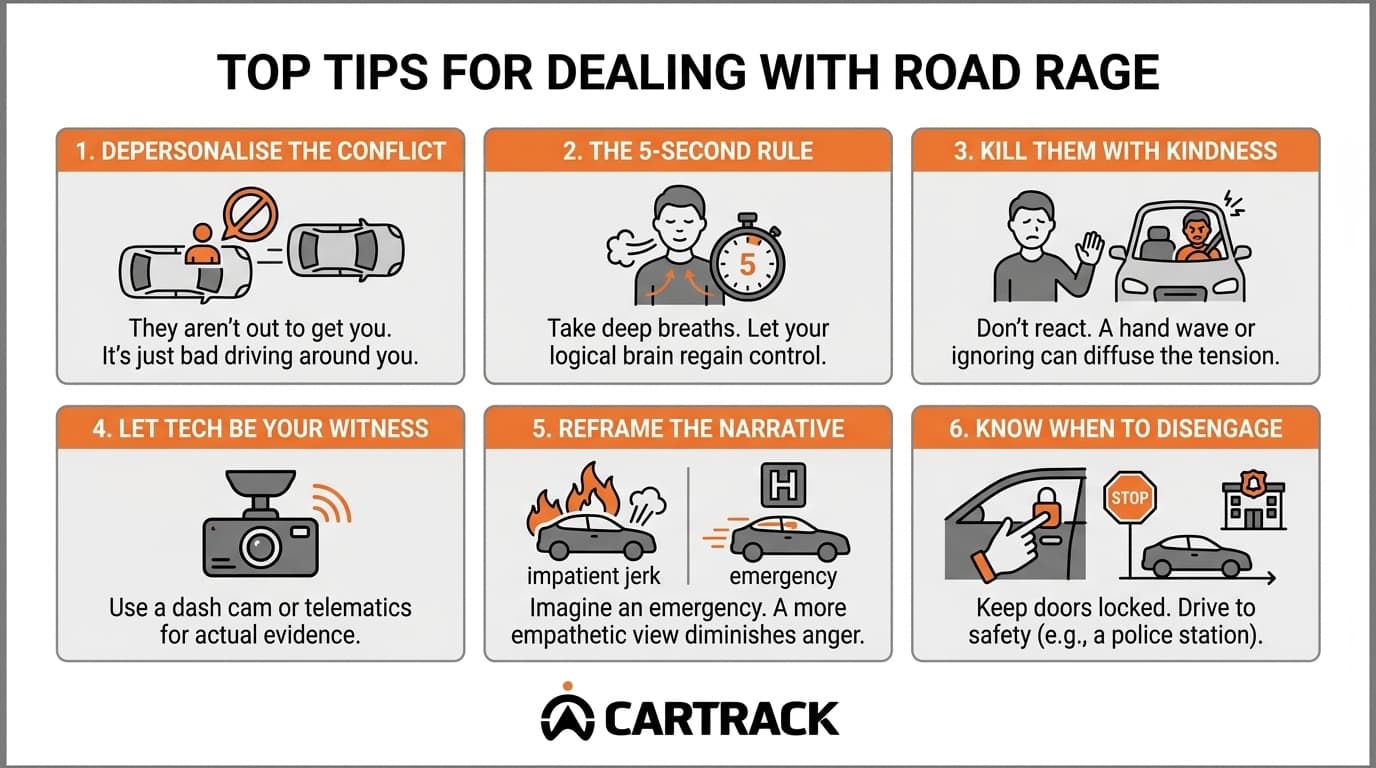
Top tips to dealing with road rage

We need to know exactly how to deal with road rage, where we have so many people on the road at all times. Things like diffusing the situation, taking deep breaths, using the latest safety tech, and changing your mindset can all help you deal with road rage.

Depersonalise the conflict

So many times when we get road rage, it’s because we feel like the person doing the aggressive/reckless driving is personally attacking us. But the truth is, they don’t know us, and this could have happened to anyone.

Tip: Remember that they aren’t “out to get you”; they’re probably just stressed out, running late, distracted, or just a really bad driver. Either way, don’t take bad driving behaviour from someone else as something that’s happening to you, but rather as something that’s happening around you.

The 5-second rule

When our stress levels rise and our adrenaline hits, our logical side of our brain shuts off. This leads us to make dangerous and impulsive decisions, and that’s what we need to stop from happening.

Tip: You can’t control those drivers and how they drive and behave. All you can do is control yourself and how you react. So when something happens, stop and take a few deep breaths for 5 seconds. This small delay will assist the logical side of your brain to gain control of the wheel again.

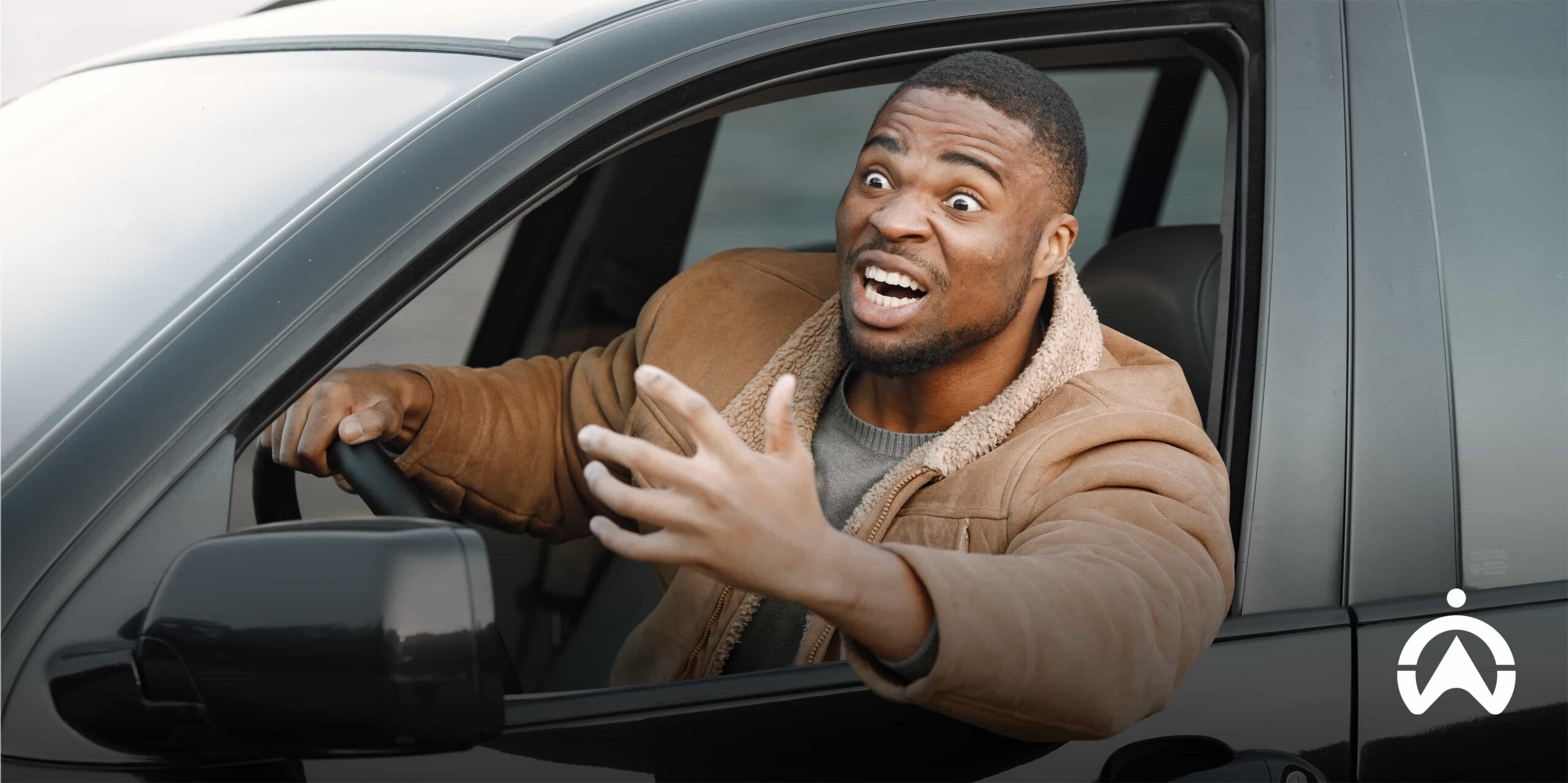
Man gesturing from the driver’s seat during a traffic dispute, showing how to instantly deal with road rage and avoid aggressive driving situations

Kill them with kindness

Aggression only feeds off of a reaction. Remember that school bully that stopped the second you started ignoring them? It’s the same here; if you don’t react and just ignore the other driver, you won’t be adding any fuel to the fire, and the situation should simply dissolve.

Tip: Try the “kill them with kindness” technique; it’s a brilliant way to diffuse a tense situation. If someone is making obscene gestures or yelling at you, put your hand up in an apologetic manner (yes, even if it isn’t your fault) or simply ignore them. When you don’t engage in the “fight”, the other driver is most likely to lose interest and move on with their day.

Let tech be your witness

Road rage can occur from the want to be right. But when you have the latest tech in your vehicle, you don’t need to engage further. You have actual evidence to prove your innocence.

Tip: Not only can installing a camera or a telematics system that monitors your driving act as a behavioural anchor for yourself, but you can also use data and the footage to back you up in the event of a reckless driving incident.

Reframe the narrative

When someone is driving like a maniac, we often assume it’s because they’re an impatient jerk. And yes, sometimes that’s exactly what they are, but occasionally it’s not the reason they’re driving like that.

Tip: So change the narrative. What if they just got a devastating phone call or are rushing to the hospital? Imagine the worst-case scenario, and it’ll help you have a more empathetic view on the situation, diminishing your anger.

Know when to disengage

Is your life worth being right or proving a point? Because unfortunately this is how a lot of road rage incidents end—in the unnecessary death of another. This is why it’s important to know when to disengage from a situation.

Tip: Never pull over or get out of your car to confront another driver. Keep your doors locked at all times, and if necessary, drive to your nearest police station to get help. Knowing when and how to disengage can be life-saving.

top tips for dealing with road age

How Cartrack Tanzania can help you instantly deal with road rage

Cartrack Tanzania can help you instantly deal with road rage by providing you with physical tools to protect yourself. AI-powered cameras, panic buttons, Cartrack Protector, and driver data from our GPS telematics device all work to help you handle road rage incidents.

AI-powered cameras

At Cartrack we have top-of-the-range AI-powered cameras that can help you immediately deal with road rage. Road rage is usually caused by dangerous driving behaviours, and while you can’t control how others are driving, you can control yours.

Our AI-powered cameras will instantly alert you if you’re distracted or fatigued while driving so you can immediately fix your mistake or know that it’s time to pull over. They’re also fitted with ADAS (Advanced Driver Assistance System) tech.

This tech has the following features:

  • Forward Collision Warning (FCW): This will alert you if a crash risk is detected
  • Automatic Emergency Braking (AEB): This applies brakes if you don’t react in time
  • Lane Departure Warning (LDW): Will warn you if the vehicle is drifting out of its lane
  • Blind Spot Detection: You’ll get instant alerts for vehicles in hard-to-see spots
  • Adaptive Cruise Control (ACC): Speed is automatically adjusted to help you keep a safe following distance

Having cameras in your vehicles also works as evidence for road rage incidents. You won’t have to fight to prove that you were in the right; you can easily view and download the footage from your Cartrack app!

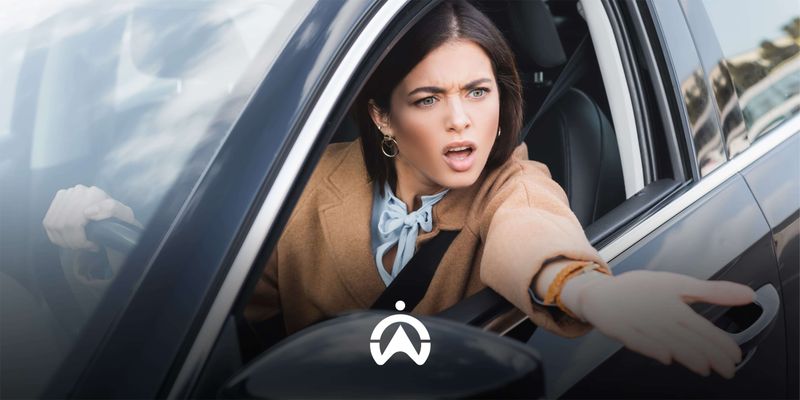
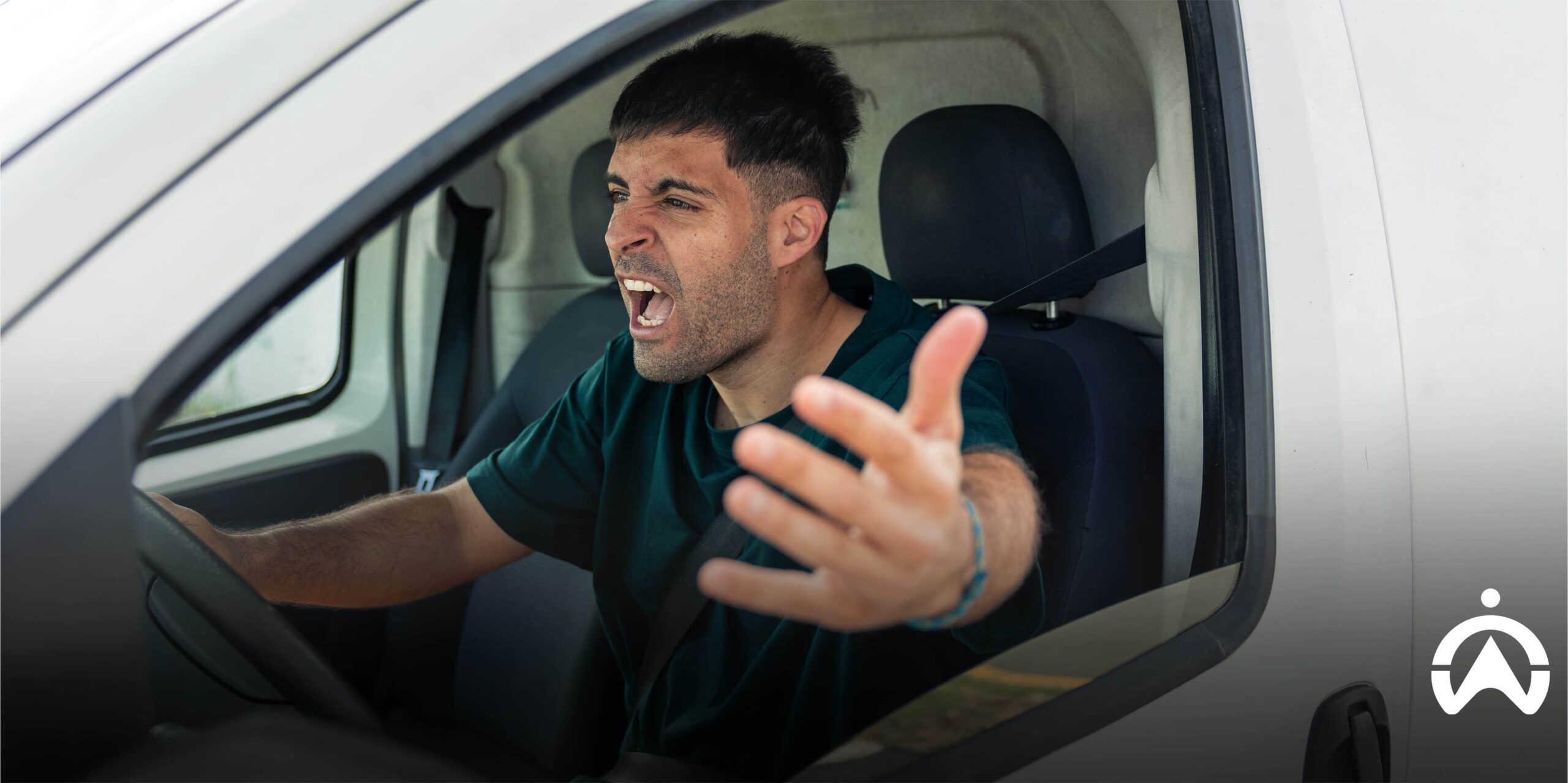
Driver reaching out through a car window during a tense road interaction, illustrating how to instantly deal with road rage safely and calmly

Panic buttons

If you’re ever in a road rage situation where the other driver is placing your life in danger and you can’t safely get away from them, you need a Cartrack panic button. Our panic buttons are placed where they can be discreetly (but easily) accessed.

Once you push it, our emergency control room is alerted, and they’ll contact you to find out what help you need and then dispatch the necessary emergency teams to your exact location.

Cartrack Protector

Sometimes road rage moves from gestures and shouting to a physical altercation that can leave you or your vehicle in a bad state. This is where Cartrack Protector comes in. You’ll get emergency roadside, medical and legal assistance all at the click of a button on the Cartack app.

GPS telematics

If you’re the one that’s causing road rage in others, having a GPS telematics system in your car can help you identify your driving faults. Driving data is pulled from the telematics system, and you’re then able to pull a report on the Cartrack app.

You can see exactly where and when you’re excessively speeding, braking harshly & cornering. You can then use this data to identify triggers (are you speeding and accelerating harshly every Monday morning to get to that 8am meeting?) and change your habits accordingly.

PS: Aggressive driving not only puts strain on your wear & tear parts, but you also use way more fuel compared to when you drive smoother. And with the current price of fuel, we ALL need to use every drop wisely!

Main goal: Arrive alive, not first

Remember, at the end of the day the goal is to get to your destination safely. Being late or missing a meeting is NOT worth your life or the lives of others. So it’s time to make better choices on the roads in Mzansi and be part of creating a safe environment for everyone!

If you’re ready to get the tech that helps keep you cool, calm and collected on the road, then click here and check out our safety solutions for you and your family!

FAQs

What should I do if another driver is following me?

If another driver is following you, do NOT pull over or drive home. This can put you directly in harm’s way. Rather drive to a police station or to a very populated area like a petrol station or shopping centre; this way you’ll have people around you so you’re not in a dangerous situation alone.

How can I tell if my driving is triggering others?

It’s sometimes difficult to know if your driving is triggering others, but if you’re someone that’s driving slowly in the “fast” lane, doesn’t use indicators, or pulls out in front of others, there’s a chance you’re triggering some people. Getting a telematics system installed from Cartrack Tanzania will allow you to identify your reckless driving habits that cause frustration in others.

Should I record the incident on my phone?

It’s better to not record an incident on your phone in your hand because this can cause the other person to get more aggressive. It also requires you to not have both hands on the steering wheel. So rather install a dashcam in your vehicle to safely capture any incidents on the road.

The Future of Tracking Technology and Stolen Vehicle Recovery

The future of tracking technology and stolen vehicle recovery shifts from a reactive approach to a proactive one. This is done through the advancement of AI, telematics and smarter tech. These work together to outsmart thieves, making protecting your vehicle more and more simple over time.

Let’s look at the current stats. According to Crime and traffic incidents statistics report​, between January and December 2025, 3,934 cases of motorcycle and vehicle theft were reported.

To avoid being a statistic, you have to invest in a tracking and recovery solution that will outsmart thieves and is always one step ahead of them. And who better to choose than an industry giant who’s been in the game for 22 years with some of the highest tech tools and their own in-house recovery team? Yes, that’s right. It’s Cartrack.

Key Takeaways:

  • Tracking has evolved from passive tracking to proactive AI monitoring, keeping you one step ahead of car thieves
  • Advanced telematics isn’t just for safety—it’s leverage to get better insurance rates and a resale value for your car
  • Thieves are hacking signals to get into your vehicle, which means you need a smarter security ecosystem that protects your car no matter what
  • No one truly knows where the future of tracking is headed, but it’ll definitely be smarter and more efficient than ever before!

Tracking tech: Before and after

When vehicle tracking technology just started out, it was simple tech that used passive radio-frequency (RF) systems that were mostly inactive until a vehicle was reported stolen. Then we upgraded to GPS/GSM technology that not only constantly & accurately tracks your vehicle’s location but also its speed and direction as well.

Now we have fully integrated AI telematics technology that provides a highly advanced monitoring system. These are some of the features of AI telematics systems:

  • Driver behaviour monitoring (harsh braking, speeding, rapid acceleration, etc.)
  • Efficient route optimisation
  • Vehicle maintenance alerts
  • Advanced Driver Distraction Warning (ADDW) from AI cameras
  • Sophisticated security capabilities (geofencing & remote immobilisation)
  • Trip histories
  • Automated TRA-compliant logbooks
  • User-friendly mobile app
  • Road-side & emergency assistance

New tracking tech: from tracking to active monitoring

The older tracking technology would basically just sit there until someone stole your car. Newer advanced tech has a more proactive approach and tries to make your car “un-stealable”. AI-powered technology (cameras & tracking devices) actively monitors your vehicle; this includes trip history, driver behaviour and your car’s health.

So why is this important for the everyday driver? It’s valuable for two reasons… insurance and resale.

Insurance

Having a vehicle in Tanzania means you have to have insurance. And while it’s not a legal requirement, it’s a necessity on our roads. From theft to reckless driving, insurance makes sure that you’re covered if anything happens to your valuable asset.

Unfortunately, insurance is expensive, but losing or damaging your vehicle is even more expensive. When youinstall an insurance-approved tracking device and an advanced camera system in your vehicle, you have leverage to negotiate with your insurance provider to reduce your premiums.

Why is this?

Let’s say you have one of those lekker groot bakkies that are notorious for getting stolen. You call your insurance company to insure your new ride. Because your car is considered high-risk and you travel quite a lot, you’re given a price that makes your heart skip a beat or two.

But you just installed a Cartrack tracking device and our AI-powered dashcam in your car. They’ve now not only dropped the price of your premium, but you also have peace of mind knowing your bakkie is protected no matter where you are.

Resale

When you’re looking to rehome your fuel baby, you want to get the best price for it. But how do you prove that you looked after your car, drove safely, and never crashed it? AI-powered telematics actively monitors your driving behaviour and provides you with proactive maintenance alerts so you can keep your vehicle in tip-top shape.

This data can be pulled, and you can prove to an interested buyer that your vehicle is worth the price you want showing that they’ll be gaining a worthwhile investment!

Where to next?

Tracking has already developed so much from simply placing a dot on a map, but where could it possibly go from where we already are? Imagine if all the data that AI telematics constantly collects could provide you with a live “risk score” whenever you stop your vehicle.

Whenever you stop at a robot or park your car in a spot that experiences a lot of vehicle theft, you immediately get an in-cabin alert: “High-risk area; be cautious.” This will allow you to either park somewhere else or be more alert at the robot you’ve stopped at.

A connected security ecosystem

Vehicle tracking and recovery have evolved and are now a connected security ecosystem. You no longer just have a tracking device and hope that a recovery team will be able to get it back for you; your vehicle security has evolved.

Thieves have become smarter and have shifted from breaking windows to hacking signals and can steal a car in seconds. This is why your security system needs to be smarter. Beyond a GPS tracker, with Cartrack you also get:

  • Cartrack Tag: This small, wireless tag works as an extra layer of protection that isn’t susceptible to jamming, and uses Cartrack’s proprietary RF communication network to provide location updates.
  • Limp mode: Most modern cars already have a safety feature known as ‘limp mode’, which forces your car to slow down even if the thief is flooring it. If your car is stolen, at Cartrack we can activate limp mode remotely, which drops the speed down to a crawl, making it easier to recover.
  • Geofences: These are virtual boundaries you can create, and if your car moves out of these zones, you’ll get an instant alert so that our team can recover your vehicle faster.

Where to next?

So what will the future hold for vehicle security ecosystems?

Picture a complete digital vehicle lockdown: your vehicle gets stolen, and with a push of a button on your app, you remotely shut down your vehicle. It goes into limp mode and starts automatically and safely pulling the car over; all the doors and windows close and lock. This keeps the car in lockdown until the recovery team arrives.

Why Cartrack is the best choice in vehicle protection & recovery

Cartrack is the best choice in vehicle protection & recovery because we’re future-proof. We have a track record to back us, and we have the latest technology to keep you and your vehicle protected. And on top of that, we have a specialised team at your disposal 24/7, 365 days of the year!

Our best features

This is what you can get from one of the best tracking and recovery organisations in the industry:

  • Anti-jamming tech
  • Cartrack Tag
  • Cross-border tracking
  • CarWatch (virtual car guard)
  • Start prevent
  • Protector (24/7 roadside emergency assistance)
  • Live tracking
  • AI cameras
  • Driver monitoring
  • Accident detection

And while it may be fun to think of where tracking technology and stolen vehicle recovery could go, you want the best of the best now. Sogive us a calland keep your vehicle and loved ones safe on the streets of Mzansi!

FAQs

Can I activate Limp Mode myself from the app?

No, you can’t activate ‘Limp Mode’ on your phone. This is for safety reasons, so only our dedicated recovery team will be able to activate it from our control room. By doing it this way, it’ll only be done when necessary; and in a safe way without placing anyone else on the road at risk.

Will AI telematics drain my car’s battery faster?

No, AI telematics won’t drain your car’s battery faster. Even though this tech is more powerful, it’s also more efficient. These devices will usually go into hibernation mode when the vehicle is off and will draw more power when activated in a recovery situation.

What happens if my car is stolen but the battery is disconnected?

If your car is stolen, it’s quite common for thieves to disconnect the battery to try and kill your tracking device. If you have a Cartrack tracking device, when the car battery is disconnected, our control room will get an immediate alert, and the device will still work for 3-7 days after.

What Type of Alerts Should Your Fleet Management Platform Have?

The alerts your fleet management platform should include (or should at least have the capacity for) are SMS alerts, driver alerts, panic alerts, and accident alerts. You can gain even more value from your FMS if it includes fuel fraud alerts, cargo monitoring alerts, and idling alerts.

Consider road crash statistics from recent transport safety reports. Light delivery vehicles and freight trucks make up a notable proportion of road accidents each year, reflecting the risks associated with high-mileage commercial transport operations. Beyond the direct financial costs to fleet companies — including vehicle damage, insurance claims, and operational downtime — the human impact is far greater. The loss of life, serious injury, and long-term disability resulting from these incidents is immeasurable, underscoring the importance of road safety and responsible fleet management practices.

In this article we’ll cover a total of 8 fleet management alerts that you should have to avoid these kinds of events. First we’ll cover what the alert is and how it works. Then we’ll move on to the ROI benefits of the alert. Finally, we’ll show you how Cartrack Tanzania has developed a system that makes these alerts possible, accessible, and highly functional.

Key Takeaways:

  • Driver monitoring and collision alerts help keep your staff safe and lower your insurance costs
  • SMS updates for tasks and cargo door sensors make sure your deliveries stay on track and secure
  • Panic buttons and fuel alerts stop theft and prevent you from wasting money on expensive petrol
  • Temperature sensors and idling alerts help you protect your goods and keep your fleet running well

What are 8 alerts every fleet platform should offer?

The 8 alerts every fleet platform should offer are:

  1. Driver monitoring alerts
  2. SMS alerts for task completion
  3. Panic alerts
  4. Alerts for idling
  5. Collision alerts
  6. Fuel-related alerts
  7. Cargo door sensor alerts
  8. Temperature fluctuation alerts for cargo containers

These alerts solve a range of issues from cargo protection to full-on accident prevention.

Let’s take a look at each one more closely.

Driver monitoring alerts

An alert warning you about bad driver behaviour is an essential tool in any fleet management system. Not only do your drivers represent your brand, they also affect the safety of other motorists on the road. But most importantly, bad driving puts THEIR OWN SAFETY at risk, which is something you want to avoid.

What is it and how does it work?

Driver monitoring is somewhat multi-layered.

Layer 1: Monitor what the vehicle is doing and receive alerts when there’s speeding, harsh braking, or aggressive cornering.

Layer 2: UseAI vehicle cameras to watch drivers and make sure they’re not:

  • Getting distracted
  • Falling asleep
  • Smoking, eating, or drinking

Layer 3: Use the above vehicle & driver data to coach each driver. Keep track of these training sessions and get alerted when agreed-to corrections aren’t being adhered to.

It’s a helpful system. You could be at home, in the office, or on the road yourself and STILL get alerted to what’s going on with your drivers hundreds of kilometres away!

What are the ROI benefits of having this alert?

Driver safety holds massive financial returns. If your drivers are keeping to sound driving habits, they’re protecting your vehicles, themselves, and other motorists.

The result? Your vehicles experience less wear & tear. Your use of fuel goes down. Fatality and accident risks go down. Your insurance premiums might even go down! It’s an all-round win for your fleet.

How can Cartrack Tanzania help?

Cartrack offers all 3 of these layers. Speak to us about getting a CAN Bus reader attached to your vehicles so you can monitor vehicle behaviour.

Optional: Go a step further and ask us about free installation on our AI vehicle cameras where you can watch your drivers in real time and even get alerted to when they’re compromising their driving.

Also optional: Now go all out… and get Cartrack’s driver coaching setup, making sure your drivers stick to habits that save you money and minimise fleet risk.

SMS alerts for deliveries

Much of what you do as a fleet manager is based on the logistics and tasks of your drivers. It’s a big-picture job that can feel a bit ‘blind’ at times (since you’re not there to direct your drivers on every aspect of their jobs). SMS alerts solve this issue.

What is it and how does it work?

SMS alerts give you small details on delivery processes. This is especially helpful with last-mile deliveries but can also benefit any fleet where the drivers complete “tasks” of any kind. SMS alerts give you updates at every stage of each process.

Stage 1: A parcel (or cargo) is being picked up (or loaded).

Stage 2: It’s on route. The ETA is approximated and sent to you. SMS Received… How convenient!

Stage 3: The driver has arrived. The package is delivered. The cargo has been offloaded. Signatures are recorded. Photos have been taken as proof. Services have been rendered. Done and dusted… Now on to the next one.

What are the ROI benefits of having this alert?

The ROI of getting SMS alerts is EFFICIENCY. The more efficient your drivers are, the better you manage them. The better (and quicker) you manage them, the more deliveries they accomplish in a day.

Simply put: Less time with blind management = more revenue for efficient deliveries!

How can Cartrack Tanzania help?

Cartrack helps you crush the competition by offering a delivery and field service app where every driver is managed semi-automatically. You get a big-picture view of what’s going on with each driver and how they all fit together into your day’s schedule.

It’s workforce optimisation at its finest, and it costs less than you think. Ask us about it.

Panic button alerts

Keeping your drivers safe is an essential investment within your fleet. Why? Because a lot of crime happens on the roads. Theft. Hi-jacking. These are real threats—not just against your drivers & vehicles but to your bottom line as well.

What is it and how does it work?

A panic button is installed discreetly within each vehicle. Only the driver knows where it is, and pressing it alerts our control centre to danger. You also receive a panic alert, keeping you abreast of risks while your driver is on the road.

What are the ROI benefits of having this alert?

Don’t get security features that cost money unless they SAVE & MAKE you money in return. The return on investment for panic button alerts is obvious:

  • Less unresolved theft
  • Safer drivers
  • Less downtime
  • Potentially lower insurance

How can Cartrack Tanzania help?

The point of panic alerts is ACTION. Cartrack has emergency teams and recovery teams on standby, and they’re always ready to spring into action when danger or breakdowns threaten your drivers and the logistics of your cargo.

Prolonged idling alerts

Idling results in an obscene amount of money out of your fuel budget. Getting alerts to prolonged idling gives you more control, and the power to DO SOMETHING ABOUT IT.

What is it and how does it work?

Once again, CAN Bus is the hero of this story. A clamp is attached to the ‘nervous system’ of your vehicle, detects idling, times how long idling occurs each time, and alerts you to it immediately.

What are the ROI benefits of having this alert?

Imagine the cumulative effects of less idling across your fleet. Those small idling sessions build up over time and can potentially result in thousands of rands over a 12-month period.

Saving this amount of money is a game changer for fleets, so wouldn’t you want to take control of it to lower your overheads?

How can Cartrack Tanzania help?

Cartrack offers a comprehensive fuel monitoring platform that puts usage and waste into perspective. But we also give you the control of getting alerted to idling so you can take steps to curb it or make it less frequent.

Collision alerts

Getting emergency help to your drivers when they’re far away from you as the fleet manager is an invaluable feature that every fleet management platform should include. Your vehicles are important, but your drivers even MORE so.

What is it and how does it work?

You’ll get alerted to any collision, whether severe or insignificant, and we will too. Coupling these alerts with an emergency reaction team gives you extra peace of mind while your drivers are out on the road. You’re prioritising their safety, and you’ll be aware of a collision event when it happens—not hours after.

What are the ROI benefits of having this alert?

Not enough is said about the ROI benefits of protecting fleet drivers. Keeping them safe plays into driver retention, giving you the ability to build a strong team of individuals who feel protected.

If a collision does occur, your drivers will get expert emergency services on the scene as quickly as possible!

How can Cartrack help?

Even with vehicle safety features, collisions can have devastating effects. Cartrack adds an extra layer of driver protection by alerting you to accidents so you can contact your driver to see if they’re okay. If they can’t be contacted, we’ll be there to investigate and help where we can.

Want to learn more about collision alerts? Contact one of our consultants, and we’ll show you how to implement this into your fleet—along with all the other alerts on this list.

Fuel monitoring alerts

With fuel prices on the rise, even the smallest wastage builds up over time, affecting your fleet budget negatively. Not to mention the larger fuel anomalies that take place like theft, fraud, or leaks. A fuel alert lets you know when any of these three things is happening.

What is it and how does it work?

Sensors are placed within the fuel tanks of your vehicles. These sensors give readings that are way more accurate than the standard tank sensors your vehicles are equipped with.

The readings are then fed to a fuel monitoring software platform, algorithms are run, and pertinent information is sent to you to analyse or investigate.

What are the ROI benefits of having this alert?

Detecting fuel waste comes with massive ROI benefits. The larger your fleet, the more cumulative these savings become. Fuel is expensive, but it’s likely to go up even more! Are you doing everything you can to use fuel sparingly?

How can Cartrack Tanzania help?

Cartrack provides and installs state-of-the-art fuel sensors that connect to our fuel monitoring platform. Our system is also scalable, so it continues to save you money as your fleet grows!

Cargo door alerts

If your cargo isn’t monitored as efficiently as your vehicles and your drivers, you run the risk of suffering loss from the compromise of your most valuable products. This isn’t just about keeping cargo contained for quality purposes; it’s also about protecting it from being tampered with or stolen.

What is it and how does it work?

Door sensors are great on their own, because they alert you every time your cargo doors are opened or closed.

But you can add even more security to this feature by seeing exactly what’s taking place every time the doors open—IN REAL TIME. Cameras can be coupled to door sensor alerts, so you can tune in to what’s occurring by watching it LIVE.

What are the ROI benefits of having this alert?

This system protects your cargo from theft, border patrol tampering, and he-said-she-said disputes. You’ll have a record of exactly what time the doors were opened, and with cameras you’ll have video evidence of what transpired.

How can Cartrack help?

Door sensors are a valuable installation provided by Cartrack. We’ll also advise you on cameras if you want those too. These only activate when the doors open, giving you a relevant series of footage that can be used if your cargo is compromised.

Temperature alerts

Got temperature-sensitive cargo? You could save on a lot of waste if you were monitoring cargo temperatures at all times. This goes beyond door sensors by checking and providing the real-time temperature of your containers. It’s perfect for food delivery, as well as medical supply cargo carriers.

What is it and how does it work?

If the temperature rises, you’ll know about it. You can set limits that reflect the bare minimum or maximum temperature your cargo needs to remain at. This works with specialised sensors that feed to a trigger alert, and that alert goes straight to you when something isn’t quite what it should be.

What are the ROI benefits of having this alert?

Having this alert might not be necessary for every fleet, but if you deal with perishable food or medical supplies, IT’S A MUST!

Tonnes of food is wasted in the delivery process every year. Do you want to carry those costs, or are you prepared to put measures in place to prevent it?

How can Cartrack Tanzania help?

Cartrack develops these sensors, and our software and alerts system is compatible with your mobile device & PCs. We’re standing by to schedule a full temperature monitoring system for your containers that carry heat- or cold-sensitive cargo.

What’s the main idea behind fleet alerts?

The main idea behind getting fleet alerts is AWARENESS. Being in the know about what’s going on with your drivers, your vehicles, and your cargo results in high ROI, more efficiency, and an overall stronger brand reputation.

Knowledge is POWER in the world of fleet management. Take control back and get the most essential alerts directly on your phone.

In today’s fleet arena, it’s the only way to REALLY manage effectively.

Frequently asked questions about fleet platform alerts

Are Cartrack alerts sent to my phone or my computer?

Many of Cartrack’s alerts are sent straight to your phone, but Cartrack Tanzania also has various software packages that receive alerts too. Think of our platform, FleetWeb, as your control centre. Whatever software package you subscribe to, adds a channel to it, allowing you to manage a fleet category. SMSs can be activated with some, but others are platform-based.

Which fleet alert will save me the most money?

The fleet alert that will save you the most money will depend on your fleet structure & size, but the strongest contenders are fuel alerts and driver monitoring alerts. These relate directly to your largest costs (fuel & salaries), so keeping an eye on them will ultimately save you on costs.

What devices are used to generate fleet management platform alerts?

The devices used to generate fleet management alerts are fuel sensors, AI cameras, various sensors for doors and temperature monitoring, and CAN Bus clamps. These often work well together to give you a full picture of what’s happening in your fleet, but they’re also individually helpful if related to the specific nuance of YOUR fleet.

Top Fleet Management System for Your Forestry Management

To successfully manage your forestry operations, you need to invest in the top fleet management system available. A fleet management system can help your forestry operations by providing you with:

  • real-time tracking,
  • route optimisation,
  • fuel and driver management,
  • enhanced safety, and
  • overall operational productivity.

Fuel is a major cost for forestry enterprises, and with global tensions causing fuel to rise by over TZS 1,300 a litre for petrol and over TZS 1,500 a litre for diesel since January, a Fleet Management System (FMS) is essential. An FMS can greatly assist with monitoring fuel usage in your entire forestry fleet—and this is only one of the perks of having one!

Cartrack’s fleet management system is designed to give your business complete operational intelligence. You’ll not only have eyes on your entire fleet, but also data to back up your operations. If you’re ready to learn about how Cartrack Tanzania is the top fleet management system for your forestry operations, then keep scrolling.

Key Takeaways:

  • An advanced fleet management system gives you complete operational control
  • A FMS can help you save fuel, keep track of your entire fleet, keep machines and vehicles maintained, and improve environmental compliance
  • GPS tracking is a very important component of a comprehensive FMS for forestry management
  • Cartrack Tanzania is one of the top fleet management systems because its system is designed to give you insights into every aspect of your fleet operations

Why do you need a fleet management system for forestry management?

You need a fleet management system for forestry management so that you can optimise your entire forestry operations. An FMS can ensure that your operations that are based in remote locations are running smoothly and safely while giving you data-driven insights into how your fleet is operating.

What are the core features of a fleet management system for forestry?

The core features of a fleet management system for forestry should be designed to handle the particular complexities that come with handling heavy machinery in remote and challenging environments. The system needs to assist forestry fleet management in tracking their fleet, equipment, fuel, maintenance, and driver behaviour.

Let’s break down the importance of all the core features of FMS and forestry.

Tracking in remote areas

A lot, if not most, of your team, equipment, machinery and vehicles will be working in really remote areas. Having advanced tracking devices installed on your vehicles, machinery and equipment is a great advantage for forestry fleet managers because you’ll have eyes on where your entire fleet is, no matter where you are.

Geofencing

Geofencing is a tool that can assist forestry fleet managers in creating virtual boundaries to prevent unauthorised operations, ensure that certain equipment and machinery stay in selected areas, and minimise illegal logging.

Monitoring fuel

Fuel is a major cost for forestry fleets, and the price of fuel is currently a precarious situation. Fleet managers in the forestry industry need to accurately track and monitor fuel usage within their entire operations. This is the only way you’ll be able to make proper decisions on how to save on fuel and how much to accurately budget for fuel costs.

Maintenance

In the forestry industry you have a lot of equipment and vehicles that need to be well maintained so they can perform at optimal levels at all times. An advanced fleet management system will keep track of all vehicle and machinery maintenance. It monitors their health and alerts you when they require maintenance so you can avoid unexpected downtime.

Driver/operator monitoring

It may feel like an impossible task to monitor every driver and operator in your forestry fleet, but there are tools you can implement to assist with this. Let’s check them out:

  • AI cameras: AI cameras in and around your vehicles will give you eyes on your drivers and their surroundings. You can spot fatigued or distracted driving and even if they’re smoking or not wearing a seatbelt. They’ll also get an instant alert to correct their behaviour.
  • Panic buttons: These will help keep your drivers and operators safe in an emergency situation, which is especially useful in remote working spaces.
  • Driver ID tags: This will assist with keeping track of who is using what vehicle/machinery at all times. You can also grant certain drivers permission to operate specialised machinery.
  • Seat pressure sensors: You’ll be alerted when someone sits inside your vehicle’s driver and passenger seats, so you’ll know your vehicle’s/machinery’s occupancy rate at every point.

Environmental compliance

FMS can assist your forestry operations in achieving environmental compliance in the following ways;

  • reduce fuel usage
  • ensure that your machines and vehicles are running efficiently
  • prevent excessive idling
  • setting up geofences to prevent entrance into conservation areas, and
  • monitor logging equipment to stop illegal logging.

Route optimisation

FMS uses real-time data and advanced GPS tech to calculate, analyse and predict the most efficient routes for your fleets. FMS takes everything into consideration, from traffic conditions, road closures and vehicle capacity, to find the most efficient route.

Main problems in forestry and how Cartrack’s FMS solves them

There are few problems that forestry businesses face daily, and a lot of these problems can be solved if you have a top fleet management system (like the one from Cartrack Tanzania) integrated into your operations. Problems like visibility, high fuel consumption, fuel theft, unexpected downtime, driver fatigue, overloading, and asset security.

Let’s take a deeper look into the problems forestry operations face and the FMS solutions!

Visibility in “dead” zones

Problem: Forestry operations are based in areas with little to no cell signal, thanks to dense forests. This means fleet managers often have “blind spots” and can’t see what’s happening with the machinery and vehicles.

Solution: Cartrack’s devices have offline data logging that automatically updates when they’re back online, meaning fleet managers will have no lost or missed data on their remote fleets.

High fuel consumption

Problem: Forestry operations have heavy machinery that already consumes a lot of fuel. Factors like poor routing, excessive idling and aggressive driving habits are all things that waste fuel.

Solution: Cartrack’s FMS will pull data reports on driver behaviour, so you’ll know exactly when your drivers and operators have been speeding, idling or braking & cornering harshly. With these insights, fleet managers are able to train drivers and machine operators, fully equipped with the data to back up their training sessions.

Fuel theft

Problem: The majority of logging operations are in secluded areas, and with ever-increasing fuel costs, your bulk fuel tanks and machine reservoirs are a desirable target for thieves.

Solution: Fuel calibration and fuel sensors. At Cartrack we have fuel sensors that are calibrated to each and every fuel tank, regardless of shape or size. We’ve got three sensors to choose from (fuel probe, CAN bus, and fuel analogue) that will give you data and immediate alerts on your fuel. This lets you account for every drop of fuel and easily detect fuel theft or even a leak.

Encroachments into protected zones

Problem: Your team accidentally logs in a protected ecological zone or moves into a neighbour’s property. These can end up giving your operations major fines as well as damage to your business’ reputation.

Solution: Cartrack has a cool feature called geofencing. This allows you to create virtual boundaries around specific areas, and when someone leaves or enters a geofenced area, an alert is triggered and fleet managers are immediately notified.

Unplanned downtime

Problem: When a machine or vehicle unexpectedly breaks down in the middle of a forest, it halts operations and affects the efficiency of the entire team. Causing fleet managers to lose time and money.

Solution: Cartrack’s FMS has a predictive maintenance feature. This system monitors mileage, engine health, tyres, and other wear & tear parts and will alert fleet managers when a vehicle or machine needs to go in for maintenance. Our system also allows you to create maintenance schedules and will send you automatic maintenance reminder alerts!

Driver fatigue & distraction

Problem: Logging drivers are often on long, remote, gravel routes. These routes are considered high-risk environments that experience many distraction- and fatigue-related accidents.

Solution: Cartrack’s AI-powered cameras can help with this. Our AI camera solutions monitor your drivers and pick up any distracted (eyes off the road) or fatigued driving (yawning and drooping eyelids). Drivers get instant in-cabin alerts, and fleet managers are notified on their fleet page. This way drivers can correct themselves and fleet managers can set up driver training.

Overloading & underloading log trucks

Problem: Many forestry operations face problems regarding the overloading or underloading of logging trucks. Overloading can lead to an increase in wear & tear on your vehicles, breaks, tyres and shocks. Underloading means your fleet is just “hauling air”, and this diminishes your profit per tonne.

Solution: At Cartrack we have a specialised sensor called ‘Cargo Protect Weight Management‘. This sensor is designed to monitor the weight of the cargo in a vehicle as well as detect any loading or offloading. Having this data means fleet managers will know exactly when a vehicle is being overloaded or underloaded and can efficiently recommend the ideal load.

Inefficient skidding & extraction paths

Problem: Forestry operations use machines called skidders that drag logs from the cutting area to the landing area for processing. When these machines take an inefficient path, they create soil buildup and waste fuel—not only for themselves but also for other vehicles in your fleets taking the same routes.

Solution: Monitoring these routes with Cartrack’s customisable route optimisation will allow you to know exactly which routes the skidders are using so you can find a more efficient route. You’ll also be able to train the rest of your team to use that alternative efficient route so they don’t get caught up in the skidders’ paths.

Unauthorised use of specialised machinery

Problem: A lot of machines and vehicles used in logging require specialised licences to be safely operated. Remote operations mean that fleet managers can’t always control who’s using these vehicles and machines.

Solution: Cartrack’s Driver ID tags let you control which driver is authorised to use which machine and vehicle. Each driver will get a unique tag that they have to tap on a sensor in the vehicle/machine for it to start. If they aren’t authorised to use it, the vehicle/machine won’t start.

Challenges in calculating cost-per-load

Problem: You don’t have enough data to know which logging compartments are profitable and which ones are costing you too much in labour and fuel.

Solution: Cartrack’s entire FMS is designed to give you complete operational insights. All the components work together to give you accurate data on every part of your fleet. You can get data & reports on:

  • Vehicle trip and location history
  • Driver performance
  • Fuel consumption
  • Vehicle health
  • Driver vehicle inspections
  • Tasking and scheduling
  • Drivers & assets

Asset tracking & security

Problem: Forestry operations use very expensive assets often left overnight in remote work areas. These expensive assets are at a higher risk of being stolen.

Solution: Cartrack has world-class GPS trackers, remote immobilisation and stolen vehicle recovery (SVR). Our system lets you keep track of all your assets from the palm of your hand, no matter where you are. If your assets are taken, we’ll send out our highly trained team to try and recover them for you. Remote immobilisation allows you to shut down any stolen machinery to prevent it from working or moving.

A major component of a top fleet management system is a quality GPS tracking system. If you want operational insights and want to protect your fleet, you need GPS tracking. So let’s take a look into how this feature works with FMS and your forestry management.

How to successfully integrate GPS tracking into forestry fleet management software

To successfully integrate GPS tracking into forestry fleet management, it requires a more specialised method that includes an API-first approach and ruggedised hardware integration. This is because you’re not just tracking a fleet of trucks on the road; you need to track and monitor specialised vehicles and machinery that are in extreme and remote environments.

Ruggedised hardware integration

First you need to install hardware that can handle the rugged environment that your entire fleet will be working in. Cartrack has multiple types of tracking devices that are tamper-proof and designed to last in extreme environments.

API-first approach

Your forestry operations are made up of different vehicles, machines and equipment, each requiring specialised tracking units. The API-first approach is the only way this can be successfully integrated into your operations.

The API-first approach takes all your disconnected information and easily connects it. The fleet management platform you use should seamlessly integrate with most if not all of the systems in your forestry operations.

What are the benefits of real-time GPS tracking for logging trucks in Tanzania

The benefits of real-time tracking for logging trucks in Tanzania are an improvement in productivity, efficiency and safety. Having real-time GPS tracking means you can:

  • Keep your vehicles & stock safe
  • Give your drivers the most efficient routes to travel
  • Improve driver safety
  • Save on fuel
  • Have better visibility

Having a fleet on Tanzanian roads is a stressful situation for any business. For forestry industries that have logging trucks, even more so. If a truck is hijacked and the logs are stolen, lost or damaged, it’s not something that can be easily replaced. Trees unfortunately don’t grow overnight.

A top fleet management system works with real-time GPS tracking to give you accurate data on where your logging trucks are at all times. Not only will you have added visibility on your fleet, but you’ll also have the tools to keep them safe. When you choose a tracking device from a world-class company like Cartrack Tanzania, you’ll have a dedicated recovery team that will go out to try and get your vehicle back for you.

Tanzanian roads aren’t in the best shape, traffic congestion is a nightmare, and there’s always a robot out somewhere. Real-time GPS tracking can instantly and automatically provide your drivers with an efficient route, minimising fuel wastage, ultimately saving you time and money.

Final thoughts

The top fleet management system for your forestry management is one that gives you complete operational intelligence. This is why Cartrack comes out on top. We’ve got everything you’ve thought of (and things you haven’t) to make your forestry management efficient, compliant and profitable.

So get in touch with one of our friendly operators today to keep your forestry fleet evergreen!

FAQs

How does GPS tracking work in remote forestry areas with poor cellular signal?

Most common GPS tracking works in remote forestry areas that have poor cellular service by using satellite-based systems to determine the location. Cartrack also has a device called the Cartrack Tag. It’s a wireless device that uses a proprietary Radio Frequency (RF) network that gives strong visibility even when your GPS isn’t working.

How can fleet management help prevent illegal logging?

Fleet management helps prevent illegal logging by making use of GPS tracking, telematics, and geofencing. Fleet managers can then accurately monitor the movement and usage of logging equipment in real-time, ensuring that logging activities are only happening in authorised zones.

Can the software help reduce the high maintenance costs of off-road equipment?

Yes, FSM can help reduce the high maintenance costs of off-road equipment by helping you move from a reactive approach to a proactive one. Predictive maintenance keeps track of specific components in your equipment and alerts you when they’re wearing out. This way you can plan for it to be maintained and avoid unexpected downtime.

What is the Best Bike Sharing Software?

The best bike sharing software—such as Cartrack Tanzania—will give you full control of your entire fleet, even if you have various branches across the country. As one of the best solutions on the market, it prevents scheduling conflicts, optimises the availability of vehicles, and lets you control who drives which bike and when.

According to Market Reports World, motorcycle sales exceed 61 million units yearly, with commercial use growing in Asia and Africa especially. Much of this has a lot to do with fuel costs going up. Fleets are finding ways to use bikes instead of cars wherever they can.

But when it comes to sharing all your bikes across an entire company, how do you do so efficiently to achieve the highest task efficiency? Cartrack Tanzania will answer that question here, so keep reading.

Key Takeaways:

  • The right software keeps your bikes on the road so you can finish more deliveries and grow your profits
  • You’ll always know which rider’s on which bike so everyone’s held accountable and your gear stays safe
  • Good scheduling stops your team from arguing over bikes because they’ll know exactly what they’re riding and when
  • You won’t just save time, but you’ll also build a great reputation that makes customers want to choose you over the competition

What will the best bike sharing software actually help companies do?

A bike sharing software platform will unlock more potential within your company by increasing deliveries, optimising usage, and recording bike use. These may sound like small benefits, but cumulatively, they can transform your business into a service powerhouse that crushes the competition with a superior brand reputation.

Using your assets (motorcycles) more efficiently

The essence of bike sharing is the ability to schedule the use of your motorcycle fleet according to which rider needs it the most. It eliminates scheduling conflicts by showing everyone involved which bikes are available and which ones are booked. This is completely flexible and can change as the workday progresses.

Keeping a log of who drove which vehicle and when

You just found a scratch on one of your bikes. It wasn’t there yesterday, so who’s responsible? Check the bike sharing logs to see who drove it. It was Dave. Let’s have a word with Dave.

Scheduling your riders and matching them up with specific vehicles gives you more control over the WHO, the WHEN, and the WHAT. Your bikes are kept safe. Riders are held accountable for the bikes they use, making it easier for you to investigate problems.

Allowing your workforce to complete more tasks

When scheduling is handled smoothly, more customers are served. Your riders won’t be scrambling for the next available bike to make their deliveries. They’ll be assigned a vehicle at the exact time they need it.

Customers are happier because a speedy delivery is what they really want. They’ll order again and even recommend you to their friends & family.

Delivery rider on a scooter with insulated box on a cobblestone street, illustrating bike sharing software for managing urban delivery fleets

What “big-picture” benefits will bike sharing software achieve?

The main big-picture benefit of using bike sharing software is an ultimate increase in profits. Other side benefits include staff retention, cost-to-value fuel use, and a better brand reputation. All of these contribute to your eventual bottom line, which is why fleets are converting to bikes rather than cars or vans for their logistics workflows.

As we often say at Cartrack, you shouldn’t buy software unless the monetary benefits exceed the cost. Let’s see how real-life situations of using bike software result in a company that’s well-run.

On-time deliveries: Your brand reputation

You’re probably competing with a bunch of other companies trying to impress your customers. By remaining consistent in on-time deliveries, you build a reputation for dependability. Customers are less fussy about price and more picky about who gets their delivery to them the quickest.

The result? PROFIT!

Asset optimisation: Getting the most out of your motorcycles

Bikes aren’t left on the sideline—they’re being put to use every minute of your workday. When one is dispatched, another is waiting for the next available rider. You’re getting the highest ROI out of the motorcycles you own, and your efficiency instantly goes up.

The result? EFFICIENCY!

Scalability: More customers, same efficiency

As your reputation grows, your customer base grows too. When more customers start utilising your services, you might start looking at purchasing additional motorcycles. This won’t hinder the best bike sharing software, because it’s designed to scale with your company. You manage everything from one point of control.

The result? GROWTH!

Staff morale: Less conflict, more productivity

Riders aren’t arguing over who gets to use the next available motorcycle. Their assigned vehicles are indisputable, and good structure is the order of every day. Your staff know what’s expected of them, and there’s a workflow with minimal interruption or conflict.

The result? PRODUCTIVITY!

Real-life examples of how bike sharing changes the way your company operates

We can all think of real-life examples of how bike sharing is put into practice. Perhaps you can relate to one or more of these scenarios. Most of us order pizza from time to time. Most of us also get packages delivered. And almost all of us have, at one time or another, received a grocery delivery.

Small delivery company: The pizza place down the block

A small pizza delivery place down the road has 5 bikes and 4 drivers. Two of the bikes are larger and use more fuel than the other 3. It’s more cost-effective for the owner if the three smaller bikes are prioritised for deliveries, but when things get busy, the other two are available.

Medium delivery company: The courier agent

25 motorcycles are owned by a courier company. Fuel costs too much to do deliveries with vans or cars, so bikes are the preferable means of dropping off parcels. As the order comes in, one of the 30 riders on staff must use a bike.

These riders don’t argue with each other when there’s a shortage of bikes because the schedule is clear on who gets to ride which bike and when.

Large delivery company: The retail-level grocery vendor

A retail manager has 15 branches of grocery stores within a city. Each of these stores has a different number of bikes available for grocery deliveries. They also have variable numbers of drivers that use those bikes.

Sounds chaotic, but with the best bike sharing software, there’s a set schedule that eliminates confusion and keeps every bike on the road when it’s needed most.

Two motorcyclists riding a touring motorcycle on a clear day, illustrating bike sharing software used for managing shared mobility and rental bikes

What other software features pair well with bike sharing software?

Other features that pair well with bike sharing software include GPS bike tracking (BikeTrack), workforce optimisation software (Cartrack Delivery), and predictive maintenance software (Cartrack Maintenance). Each of these are powerful optimisation tools on their own, but when combined, they help you to achieve a service & protection force that’s hard to beat.

BikeTrack

Bike theft happens all over the world, and recovering your bike if it gets stolen is one of the surest methods of protecting your assets. BikeTrack uses hidden GPS tracking devices to keep tabs on your motorcycles so that they can be pursued and retrieved if stolen.

Delivery

Delivery is Cartrack’s workforce optimisation software. It’s perfect if you’re in one of the many delivery or service industries. Not only will you get route optimisation for your riders, but you’ll also get confirmation every time a bike dispatches from your premises, your riders complete a service, and your bike returns.

Maintenance

Maintenance shouldn’t be done according to a set schedule. A much more economically sound way to manage it is to predict when the bike needs a service, and have our system automatically book it for you. AI powered predictive maintenance has become a game changer for fleets around the world, and bike fleets are no exception!

How does Cartrack’s bike sharing meet you where you are as a business?

If using motorcycles is a business move you’ve made to keep costs low and deliveries fast, Cartrack Tanzania meets you with bike-sharing software that’s world-class. Carpool from Cartrack has everything you need to keep your efficiency high and your costs low.

We’re in the business of making sure you get the most profit out of your motorcycle fleet, so contact a consultant to elevate your business and your brand image.

Frequently asked questions about bike sharing software

What’s the most efficient motorcycle for fleets?

The Honda Ace 125 and the Honda CB500X are good choices as the most efficient bikes for motorcycle fleets. They have a reputation for dependability while simultaneously offering low fuel use. If economy is your main goal, you can’t go wrong with either or both.

Which countries have Cartrack’s Carpool software?

Cartrack’s Carpool software is available in many regions across the globe. This includes various countries in Southeast Asia, Europe, and across the African continent. Tanzania, Indonesia, Singapore, and Thailand are just some of the countries that can benefit from this super helpful software.

Are motorcycles practical for delivery companies?

Yes, motorcycles are often the preferred choice for delivery companies. While it’s true that delivery vans can carry more goods and complete more deliveries in one trip, they often use up so much fuel compared to quick darts back and forth with a fuel-efficient motorcycle. Depending on your business structure, motorcycles are a good vehicle pick.

How to Prevent Generator Theft in Your Business

To prevent generator theft in your business, ensure it’s locked behind a steel cage, secured in a well-ventilated structure, marked/etched with your business logo, and tracked. The best results come from a combination of traditional and advanced security measures. Not only do they help you save on replacement costs, but they also ensure you keep downtime minimised.

Businesses all over Tanzania are facing an ever-growing flood of equipment and fuel theft. With global tensions pushing petrol and diesel prices past TZS 4,000 a litre, the cost of keeping the power on has exploded. Businesses are simply trying to protect their bottom lines, especially when relying on backup power to keep operations moving. This is exactly why generator and fuel theft protection needs to be factored into your business budget.

Let us guide you through the dos and don’ts of generator security. Read our blog to understand why thieves target energy equipment, get insights on the best protection methods, and see how Cartrack Tanzania can become your partner in generator tracking & safety.

Key Takeaways:

  • You can protect your generator by using a mix of physical barriers and advanced technology to make it much harder for thieves to move.
  • Permanent marking or etching your company logo onto the generator makes it less valuable to thieves because it is harder to resell to honest buyers.
  • Using a wireless tracker that works on radio frequency is a smart move because it cannot be blocked by signal jammers and will be carefully tracked by your provider.
  • Generators must always be kept in well-ventilated areas because they produce carbon monoxide, which is a deadly gas that you cannot see or smell.

What can you do to protect your generator from being stolen?

To protect your generator from being stolen, you should:

  • Track the asset
  • Secure it in a well-ventilated structure
  • Keep it locked behind a steel frame
  • Add high-quality chains and locks
  • Reinforce security and protection measures around your building
  • Permanently mark/etch your generator with the brand logo
  • Anchor your generator (if it’s a fixed structure)

Bringing together a combination of traditional security methods with advanced technological ones is what could save you from disappearing generators.

Traditional and practical solutions

To protect your generator using traditional and practical solutions, consider the following:

  • Secure the generator in a well-ventilated structure: Keep your generator hidden and away from prying eyes within a closed structure, like a shed. The structure MUST be well ventilated, positioned away from your workers, and (if applicable) far from your personal property.

    In the process of creating energy, generators produce carbon monoxide, which can be extremely lethal. They can also potentially overheat.

  • Keep the generator locked behind a steel frame: A steel frame or cage is a straightforward method to keep your generator protected, especially if it’s a type of steel that’s reinforced and created with strong welds.
  • Anchor the generator: In addition to locking the generator, fixing your generator to the ground makes it that much harder to steal. This can be done by securing the cage or using concrete anchors.
  • Add high-quality chains and locks: Use high-grade, heavy-duty chains and locks to secure the steel cage that the generator’s in. This might seem like a very obvious and not too secure method, but it’ll still add that extra layer and make stealing it that much harder.
  • Permanently mark/etch your generator: If your generator is clearly and permanently marked with your business logo or serial numbers, this makes it far more difficult for thieves to resell it. Buyers will suspect that what’s being sold is stolen and may not want to purchase the item.

Advanced security measures

To protect your generator using advanced security measures, consider the following:

  • Track the generator: Use a portable or asset tracker for your generator. If some thieves do manage to run off with it, then you have a good chance of getting it back if you’ve partnered with a reliable tracking company, much like Cartrack Tanzania.
  • Reinforce security and protection measures around your building: Up the security and camera presence around your business’ grounds. Consider motion cameras, sophisticated alarm & tamper systems, electric fences, and access control or biometric systems.

Large teal industrial generators secured behind a metal fence to prevent business generator theft.

Why is generator security and safety important for your business?

Generator security and safety are important for your business because not only are they a necessary component to keeping your business going, but they also encourage you to take responsibility for your setup. Generators work by burning fuel (usually diesel) to produce electricity, and this process generates carbon monoxide.

Carbon monoxide is dangerous because it’s a silent killer. It’s odourless and colourless, so you don’t always know it’s present unless you have a carbon monoxide detector. It can also quickly become an electrical or fire hazard if you don’t handle your generator properly, and the last thing you want is to injure yourself or another staff member.

Keeping your generator secure keeps your business going and downtime minimised. This results in numerous benefits, like happy customers through operational consistency, keeping profits up, and general overall improved security in your business.

Why do thieves target generators and other business equipment?

Thieves target generators and other business equipment because it can be an easy and rewarding opportunity. The biggest reason is the large profit; typical business equipment and generators can be resold in second-hand markets for very high prices.

Reseller thieves also make it easy for buyers to purchase the stolen equipment, selling without the hassle of thorough verification.

Thieves also tend to take advantage of bigger warehouses or facilities because equipment isn’t always looked after properly, or the site is just a little more vulnerable with numerous entry points. If your generator or equipment isn’t permanently marked with a business logo, number, or name, this makes it even easier for thieves to resell.

Make sure you implement all the safety measures possible to maximise your risk management.

How can Cartrack Tanzania help you keep your generators protected?

Cartrack can help you keep your generators protected by offering the Cartrack Tag. The Tag is a portable tracking and backup anti-jamming device that can be used in vehicles and for asset tracking. It’s perfect for your generators because it’s discreet and wireless, making it tough for thieves to make off with them without us knowing—even if they try.

The Cartrack Tag is completely unaffected by signal jamming,which is a technique that many thieves use to steal vehicles and other GPS-tracked assets. This is because the Tag doesn’t depend on cellular networks; it operates on its own radio frequency.

A person in a camouflage jacket securing a green portable generator outdoors to prevent business equipment theft during winter.

How does the Cartrack Tag work?

The Tag’s radio frequency is called the CPRF (Cartrack Proprietary Radio Frequency) Network. This network acts like a beacon of sorts, sending out consistent pings. The Tag then uses a method that we call ‘crowd searching’.

If someone takes your generator and puts it in a moving vehicle, any other vehicle equipped with a hardwired tracking device that it passes will report your stolen car. This data allows our control room to accurately locate the Tag, and ultimately your generator!

If you want to look at this from a different angle, think of this process as a relay race. The Tag is essentially ‘passing the baton’ to every car fitted with a hardwired device on the road; each of the devices is a teammate.

The teammates send locational data back to the control room. Thanks to hardwired devices being heavily present in so many vehicles across the country, our coverage is extensive and powerful.

How’s this type of monitoring best for my generator?

The Tag pings every 40 seconds, sending a notification of the generator’s location to our control room. It’s important to note that you won’t see the location of your Tagged generator; only our control room team will. Customer visibility is restricted to elevate the level of security and stop potential thieves from seeing where your generators are.

But don’t fret; we see this as discreet protection and one of our biggest strengths. Criminals are typically looking for the most obvious systems, and yet our Tag works silently in the background, away from malicious eyes.

Final takeaway: Safeguard your energy source

Your generator keeps your business alive during blackouts and outages, which makes protecting it an absolute priority. By blending physical barriers with clever, discreet tracking technology and advanced measures, your investment will remain right where it “generates” the most value.

With Cartrack you can secure your equipment, protect your revenue, and keep the power going.

Keep the power on and the thieves off. Call Cartrack Tanzania to get your safety and tracking solution for your generator today!

Frequently asked questions about generator theft and protection

Where should you not put a portable generator?

You shouldn’t put a portable generator in a completely enclosed space, inside your home, or near your house. Keep it in an outside structure like a shed. Ensure that the place is clean and free from wet conditions, that the structure is far enough from your home, and that it has airflow to avoid carbon monoxide buildup

Can I put a tarp over my generator?

No, you can’t put a tarp over your generator, because it’ll become a fire hazard by blocking airflow and trapping carbon monoxide. The best thing to do is to place the generator in a dry, safe structure with sufficient airflow. Technically, you can cover your generator with a tarp, but only when the generator is off.

What is the responsibility of generator owners?

The responsibility of generator owners is to be strict about safety guidelines and to keep everyone protected from carbon monoxide poisoning and fire hazards. Owners should ensure generators are installed & stored properly, they’re regularly maintained, and they comply with any safety/responsibility requirements.j