
Get a Car Camera for Complete Safety and Visibility

Imagine being equipped with backup vision and achieving complete safety and visibility while navigating the chaos of the streets – this is precisely what car cameras can offer you. You get a second set of eyes on the road and total protection when you need it most.

As a driver, smash-and-grabs, hijackings, insurance fraud, and collisions are just some of the looming threats you may face. This is why having a car camera is the smart choice. It protects you, your vehicle, and your passengers by helping prevent escalations and capturing clear evidence of dangerous incidents.

In fact, the global dashboard camera market is projected to reach USD 5.40 billion by the end of 2025, growing at a compound annual growth rate (CAGR) of 10.50% and reaching USD 8.89 billion by 2030, indicating a growing global need for these devices.

As that demand continues to grow, choosing the right cam becomes a necessary investment. Cartrack’s revolutionary car camera technology is there to support you, ensuring that every journey is covered and giving you more confidence every time you get behind the wheel.

Key Takeaways:

  • Car cameras help you see everything around your vehicle and stay safer on the road
  • Different cameras, like road, rear, dual, and interior, suit different driving needs
  • Recording modes like parking, continuous, and event-triggered keep you protected and provide proof
  • Car cameras can reduce stress, help with insurance, and give you extra security and peace of mind

How do car cameras improve your safety and visibility?

Car cameras improve your safety and visibility by acting like another set of eyes while you’re on the road. You can record what’s happening in and around your vehicle in clear quality, even eliminating blind spots with the help of multiple angles. These are particularly helpful for daily driving, especially when dealing with traffic or manoeuvring tight spaces.

Although road-facing and dual (road and cabin-facing) cameras are the most common options for personal or passenger vehicles, those are not your only choices:

  • Rear-facing cameras: These face the back of the vehicle and capture footage from that angle.
  • Interior cameras: These are located inside the vehicle and give you passenger visibility. Though more of a niche, interior cameras are typically used for ridesharing vehicles (Uber/Bolt) or for parents who just want to keep an eye on their driving teens.

Car cameras also tend to work in different modes, depending on what works best for you:

  • Parking mode: This mode leaves the car camera recording even when the car is stationary and the ignition is off, protecting it from theft and other incidents. The recording is usually triggered by someone bumping or touching the car when stationary.
  • Continuous recording: This mode records your entire journey, but only while the car is on. It might extend to parking mode if it’s a hardwired car camera, though that’s a less common setup.
  • Event-triggered: This mode automatically saves snippets of footage when there’s detection of risky or abrupt driving behaviours, like collisions or sharp swerving.

Car cameras also help you fight against real-world threats. Scam insurance claims or staged collisions can be proven false with clear camera footage. Even more, the presence of a car camera can make criminals think twice about violent acts like hijackings or smash-and-grabs.

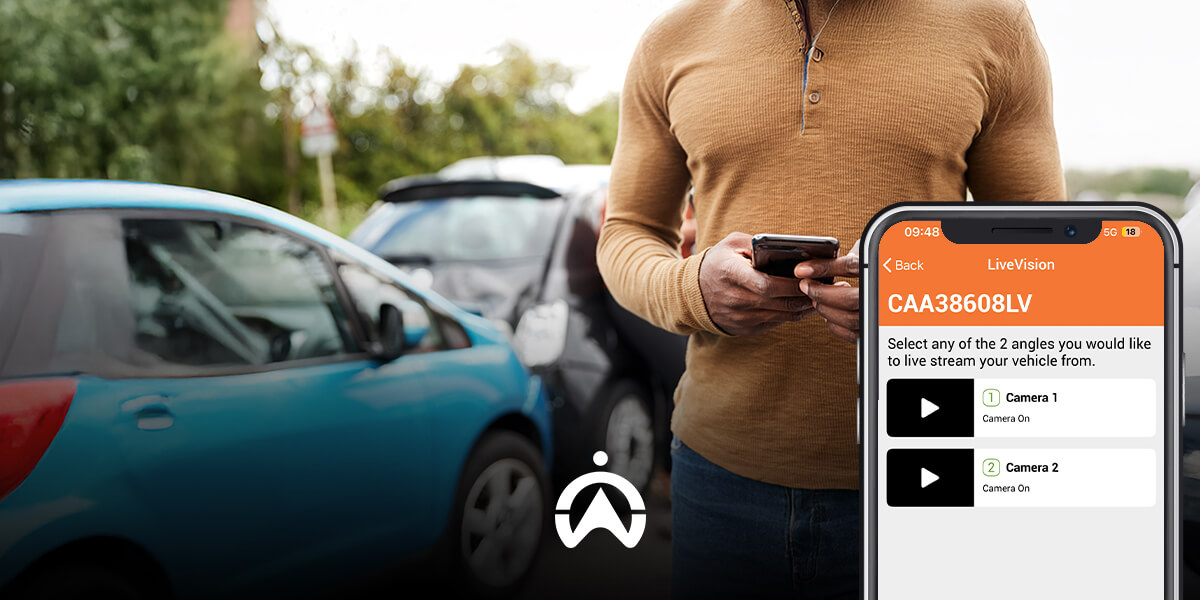
Cartrack car camera capturing attempted car theft on urban street.

Why does every driver need a car camera?

Every driver needs a car camera to reduce the overall stress of navigating the roads. There’s so much uncertainty every time you get behind the wheel. Because of the roads’ unpredictability, a car camera can be a game-changer in so many ways. Consider these factors:

  • Lower stress: A car camera can be an invaluable device, especially when you’re faced with the stresses of intense traffic or crime hotspots. The extra layer of security can keep you calm, especially when something could potentially go wrong.
  • Extra security: As mentioned, the extra layer of security can be massively reassuring. Whether you’re a rideshare driver picking up passengers daily or just a person wanting to keep one of their most valued assets safe, this added layer can give you total peace of mind.
  • Faster insurance processing: With evidence in the form of clear footage at hand, insurance processes can happen far quicker. The immediate evidence means you can potentially eliminate back-and-forths and long disputes.
  • Protection in disputes: It’s unfortunate, but as a driver, you could face the risk of being falsely accused of causing a dangerous road incident. But with a car camera, you have all the proof necessary to back up your case in a potentially costly dispute.

How to choose the right car camera for your needs

Choosing the right car camera is about recognising the key features that would make having an in-vehicle cam worth your while. Features like clear recordings, safe and sufficient storage, and easy installation all contribute as deciding factors. Stay focused on safety, clarity, and ease of use. Here’s what to consider:

Crisp footage, wide-angles, and night vision

Clear footage is probably one of the most important features in a car camera. You want to actually be able to see what’s happening and who’s being captured, or else it defeats the purpose of capturing footage—especially in the case of a dispute.

Wide-angle recording just means that the lens captures more in the frame of the footage, reducing those blind spots and getting more details of your surroundings. Night vision is important for those low-light or evening recordings.

Secure and sufficient footage storage

If you’re capturing high-quality video, you’re most certainly going to need enough secure space to store that footage. Depending on your provider, you can choose from storage via the cloud, via an SD or SSD card on the unit, and loop recording, which overrides old footage.

Easy mounting and use

Car camera equipment that’s annoying to install or use can be a terrible experience overall. You’ll want to go for a car camera that’s easily installed, typically on the dashboard, windscreen, or rearview mirror. You’ll also want a unit that’s easily integrated with a mobile app or platform, allowing you to access the footage you need with ease.
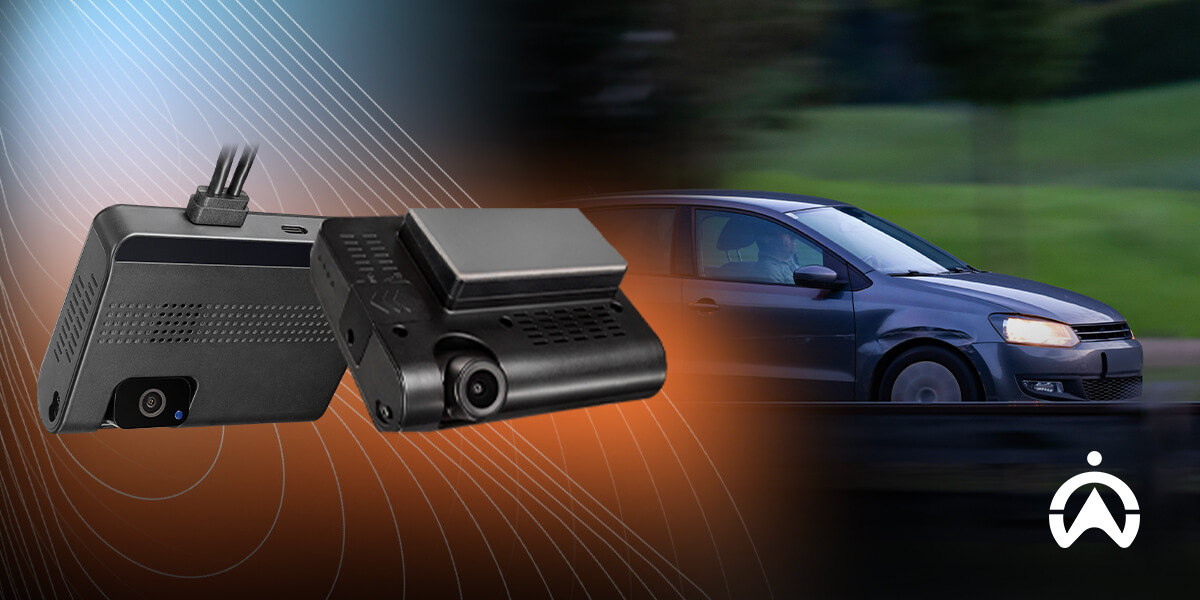
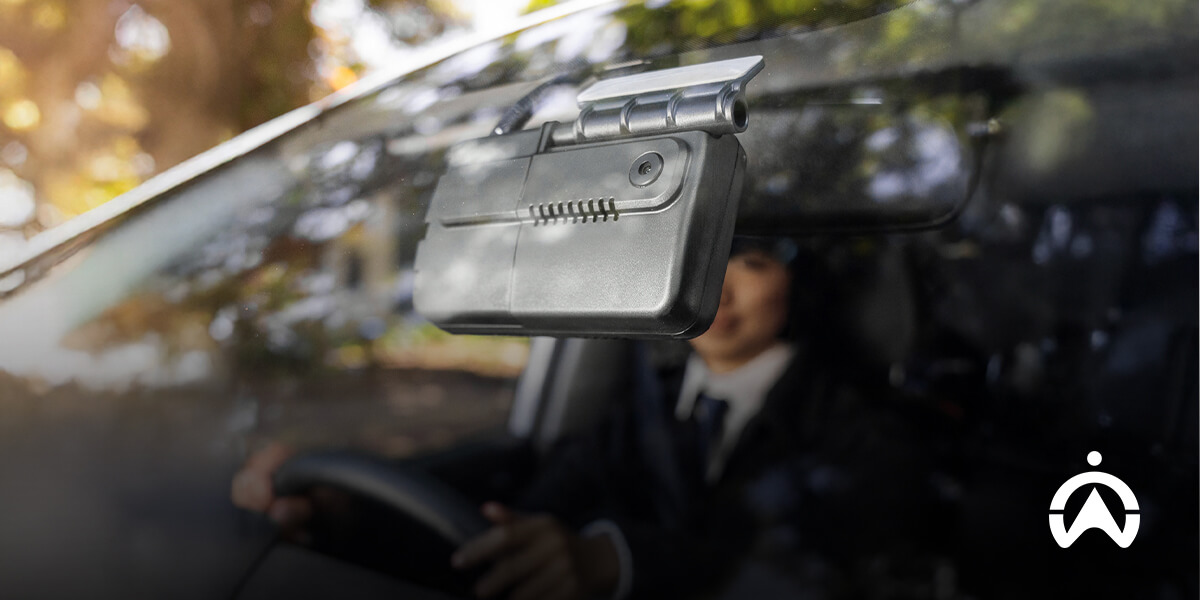
Cartrack car camera dashcam showcasing vehicle surveillance technology.

Why Cartrack Tanzania is the ideal choice for complete safety and visibility

Cartrack Tanzania can meet your safety and visibility needs by ticking every core requirement you’d need in a top-tier car camera. From live footage to SVR support, here’s what we can offer:

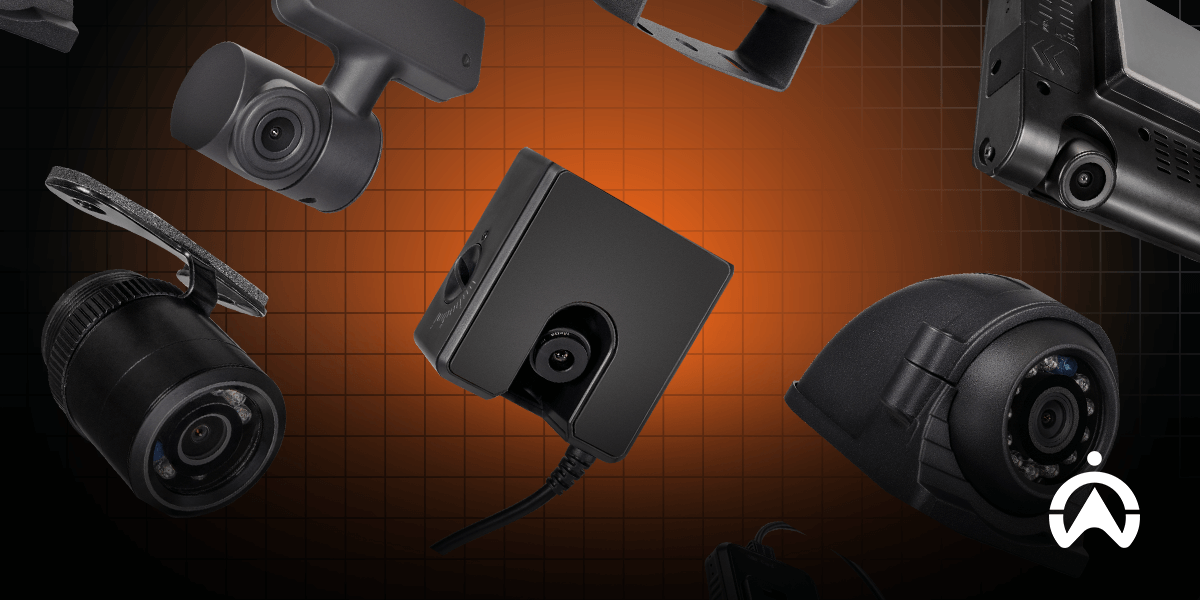
  • Options for every vehicle type: Whether you’ve just bought a new car or you’re a business owner with a large fleet, Cartrack Tanzania has a car camera solution for everyone. This goes from single and dual cameras to Multi-Vision solutions with up to 8 cameras.
  • View footage anytime via the Cartrack Tanzania app: It doesn’t matter where you are or when it’s needed; you can have access to your stored footage via your phone with just one tap.
  • Stolen Vehicle Recovery (SVR) support: Cartrack’s car camera solutions can operate as standalone units because they have their own video telematics and LTE connection. This means that in the event of hijacking or theft, Cartrack can react promptly and work to recover your vehicle as swiftly as possible. Certain Cartrack Tanzania camera solutions also allow you to add a discreet action button. Once pressed, 10 seconds of footage is recorded and sent straight to the Cartrack Tanzania control room.
  • Reliable hardware: Cartrack’s car camera hardware is built to endure whatever terrain and environments come its way. This handy device continues to deliver clear footage and steady performance so that you’re never left without that extra set of eyes.

By choosing Cartrack Tanzania, you’re investing in your safety and the protection of your assets, knowing you have a company by your side that’s totally dependable and invested in your well-being.

Drive safer and smarter

Consider a car camera as a smart and long-term investment. It’s not just about recording and having a little gadget in your car; it’s about full security and visibility when you need it most. Look at this investment as a way to achieve clarity, peace, and protection in high-risk situations.

With Cartrack Tanzania, you get a trusted partner who’s there with you on every car journey you take. Beyond our innovative and constantly developing technology, you can be sure that you’ll always be protected against the craziness of the roads.

See everything from every angle. Contact us to get complete peace of mind with Cartrack’s car camera solutions today.

FAQs

Q: How do you know if a car camera is recording?

A: You’ll typically know a car camera is recording if a small (usually red) light is on via the unit itself or on the app. With Cartrack Tanzania, you can check that the car camera is recording by checking the status of the camera via the app.

Q: Do car cameras record conversations?

A: No, typically, car cameras only record video and won’t record conversations. Some models might have audio recording, but you’d have to go over that with your provider. Certain Cartrack Tanzania camera solutions do allow audio. Audio-enabled models usually let you disable audio for more privacy.

Q: Can a car camera lower my insurance premium?

A: Yes, many insurance companies offer lower insurance premiums for customers with car cameras, as these typically lower road risks and speed up the insurance claims process. This reassurance helps insurers process claims more quickly and can ultimately turn into cost savings for you.

Q: Where is the best place to mount a car camera?

A: The best place to mount a car camera is typically on the rearview mirror. It ultimately depends on the person, but the rearview often has the best and most unobstructed view of both the road and the cabin. It also avoids blocking your vision while driving.

Q: Does Cartrack’s car camera need the internet to work?

A: It depends. Yes, Cartrack’s car camera needs the internet to work if you want access to live-viewing and remote access to the footage. Otherwise, Cartrack’s car solutions typically have their footage stored right onto the device via an SD or SSD card.

Q: How long does a Cartrack car camera installation take?

A: A Cartrack car camera installation typically takes about an hour to two hours, depending on the complexity of the installation and the type of camera solution being installed. Our skilled technicians handle the process smoothly, making sure that everything is properly installed and working before you get back on the road.
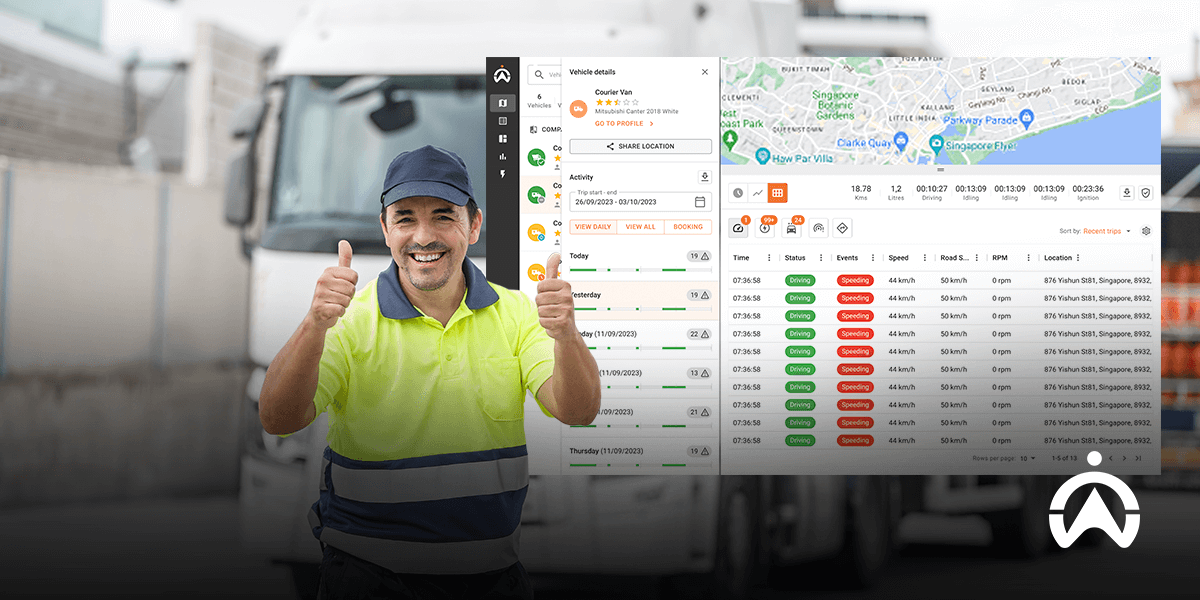
9 Ways to Stop Your Fleet Drivers from Speeding

To prevent your fleet drivers from speeding, you need to adopt a dynamic approach that incorporates strict company policies, advanced technology, and comprehensive training. This method will promote safer driving habits, thus improving overall fleet running costs and enhancing safety.

Speeding is one of the most common causes of road accidents. It also consumes more fuel, causes vehicle damage, and could lead to reputational damage for your company. This sort of driving behaviour will, in the long run, result in higher fleet operational costs. In today’s article, we give you 9 simple ways to reduce the speeding habits of your vehicle operators.

Key Takeaways:

  • Speeding puts lives at risk and increases business costs like fuel, repairs, and insurance
  • Telematics and AI cameras help track drivers, prevent distractions, and spot unsafe driving
  • Clear rules, fair schedules, and regular training encourage drivers to follow safe speeds
  • Positive steps like rewards and strong leadership build a safer driving culture

9 Effective strategies to reduce speeding in your fleet

Speeding is a huge concern on Tanzanian roads, and for a business it can result in higher operational expenses. With the right strategy, your business can overcome this issue with ease. Here are 9 ways to stop your fleet drivers from speeding:

1. Implement real-time speed monitoring

Technological solutions are the key to curbing the issue of speeding. As a fleet manager, you must invest in a vehicle telematics system, as it gives you a full view of how drivers behave on the road. You’ll get instant alerts of speeding incidents and extensive reports.

2. Find the root cause

It’s always better to know why speeding incidents happen in the first place. Are the schedules too tight? Is it poor route planning? Or is it more of a company culture issue? These are the questions you should be asking to find the root cause and make amends.

3. Set clear rules on speed limits

Don’t assume all drivers know the law. Create company policies that clearly state the maximum speed allowed in different areas or road conditions. For example, drivers need to slow down at least 10 km/h below the speed limit when it rains. Put this in your policies and communicate it to them so they know what’s expected of them in those situations. Make sure every driver understands the rules.

4. Give drivers regular feedback on their driving

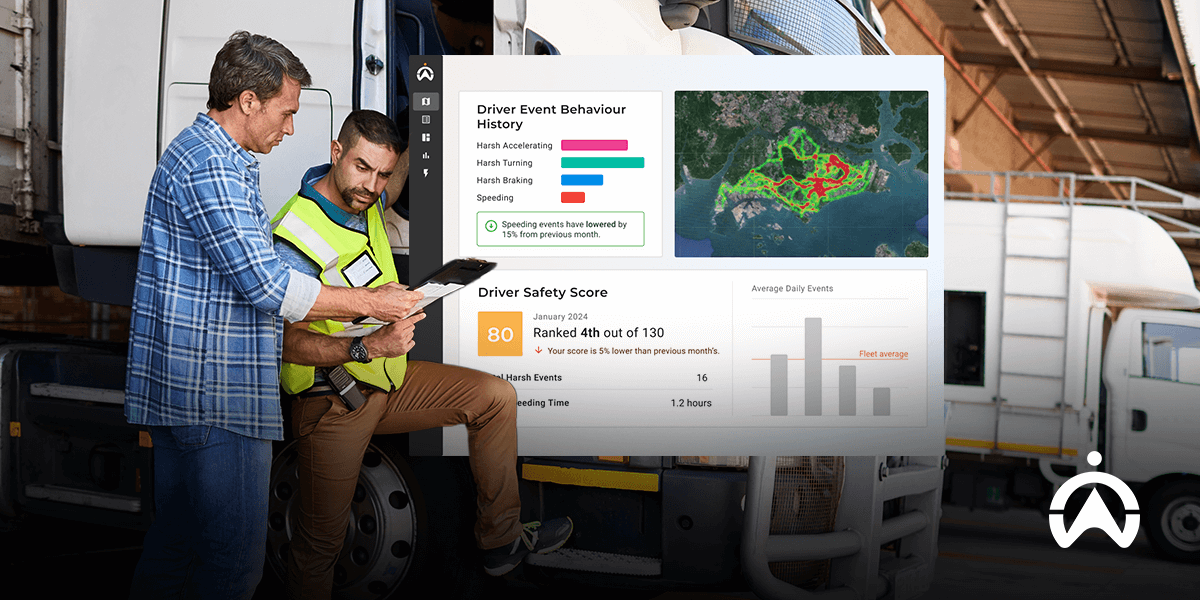
Use the telematics system and fleet management platform to generate reports for each driver. The report should include things like how often they speed, when, and where. You might discover that some drivers only tend to speed on a certain route and therefore need training on a better way to go about it. Sharing reports is an opportunity to communicate with drivers, encourage safer driving, and reward improvements.

5. Offer ongoing training

Ensure that drivers are regularly upgrading their driving skills. You can offer defensive driving courses or use each incident as an opportunity to send the driver for coaching. A good fleet management system should already have a coaching system in place to make it easier for you.

Accidents are the worst, as they could turn fatal. Drivers must understand the impact speeding has on a business beyond collisions. Educate them on the effects of speeding. Point out how it increases fuel costs and repair expenses, and makes the business a higher risk to insurers.

6. Reward safe driving

Every employee needs to be motivated, and rewarding good behaviour is one way to keep up morale. Give public recognition to drivers, like naming them “driver of the month” and putting them in newsletters. You can also give incentives such as gift cards, bonuses, or an extra break time.

7. Reduce distractions using in-cab cameras with AI features

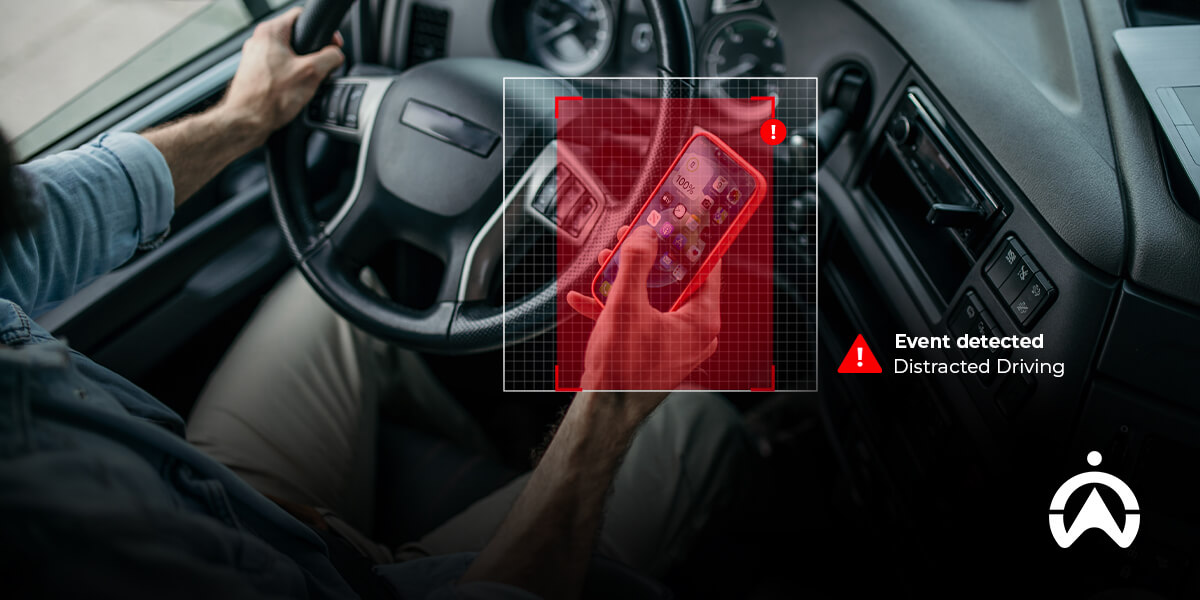
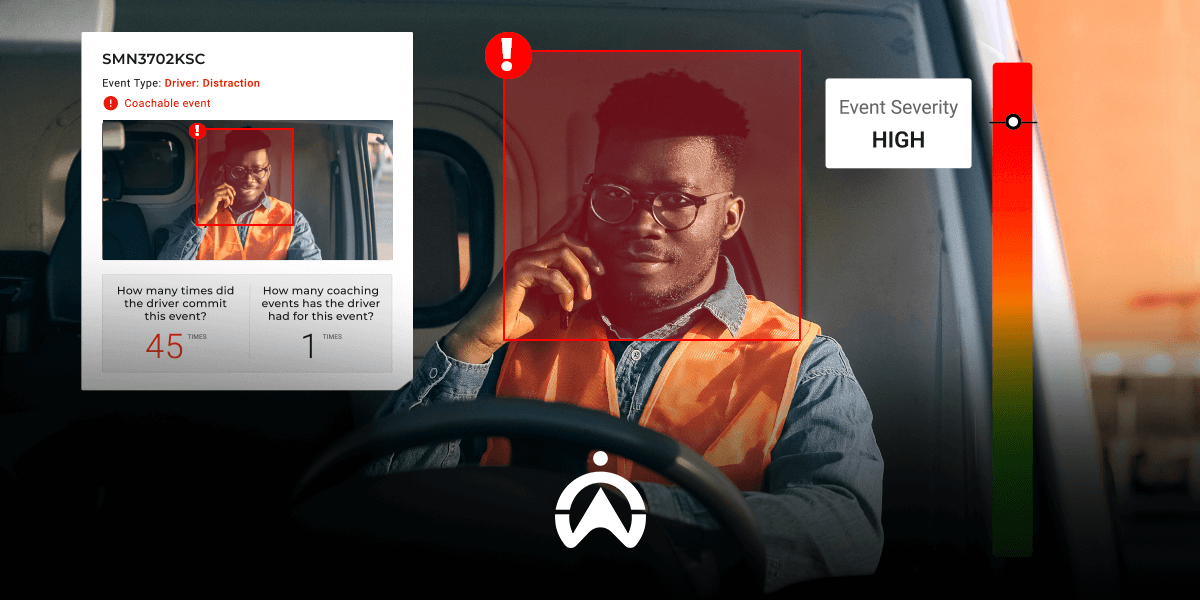
In some cases, drivers end up speeding because they’re distracted by something else and are therefore not paying attention to the speed limits. It’s important that you install dashcams with AI capabilities, as these can detect when drivers are not paying attention to the road.

The cameras will give drivers alerts to change their behaviour, ensuring that they avoid accidents. You will also get reports on each distracted driving incident and can then review the footage with drivers to help them improve.

8. Avoid schedules that force drivers to rush

Unreasonable deadlines make drivers more likely to speed. As mentioned in one of our previous points, tight schedules and poor route planning might be one of the reasons drivers feel the need to speed. Use route optimisation software tools to perfectly plan routes and delivery times that allow safe driving.

9. Lead by example

Safety is a priority for everyone in the company. Therefore, managers and supervisors who use company vehicles should also follow the same safety rules. Setting this example helps create a culture where safe driving is taken seriously across the whole team.

Facts about speeding

Speeding inevitably increases the likelihood of road accidents. It may also result in injuries and fatalities! According to the World Health Organisation (WHO), road traffic injuries are the leading cause of death for children and young adults aged 5–29 years. They also state that approximately 1.19 million people die each year as a result of road traffic crashes.

Insurance premium rates are fundamentally determined by risk assessment. Since excessive speed increases the likelihood of accidents, it directly leads to a higher frequency of insurance claims, which typically results in elevated premiums for the policyholder. Furthermore, recorded traffic violations and fines serve as indicators of driving behavior and can negatively impact insurance rates across the industry.

The Cartrack solutions that help keep your drivers within speed limits

At Cartrack, we have various solutions for you to reduce speeding and improve driving behaviour. Here’s what we offer:

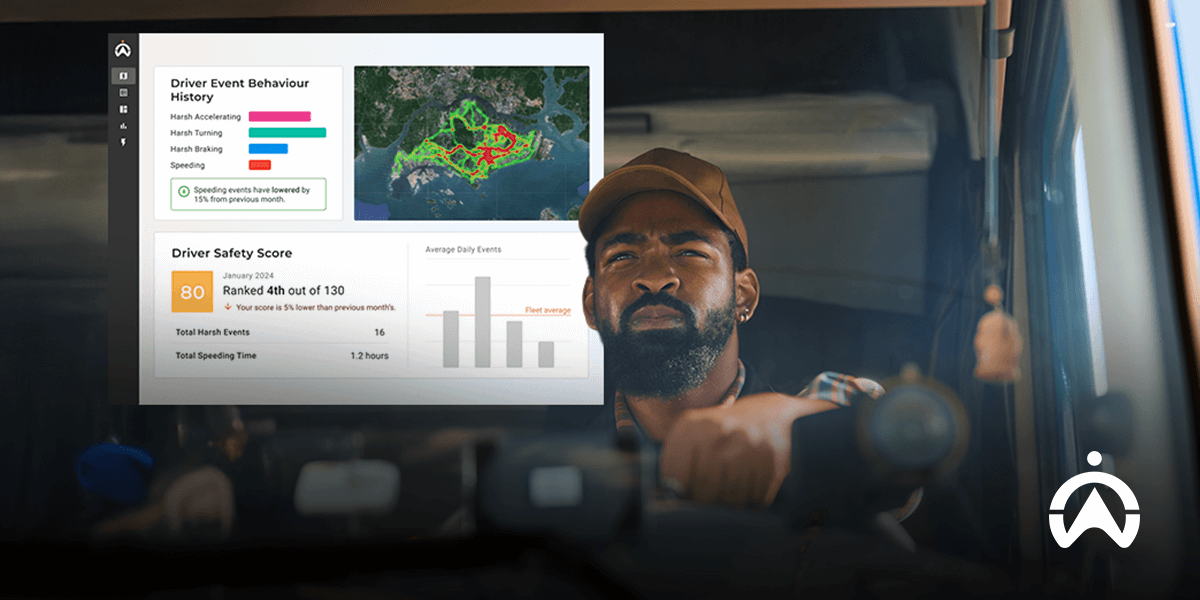
  • The Cartrack telematics device: Our GPS tracking units have telematics capabilities. This means they monitor vehicle activities and detect when drivers are engaging in unsafe driving habits such as speeding, harsh cornering, and harsh acceleration. You’ll then get reports on each incident, indicating the number of “violations”. You can also view this information in the form of a chart, so it’s easier to understand.
  • AI cameras: We have AI-powered cameras that were solely designed to enhance driver safety and give you a full view into the activities of each driver. Our AI Dual Vision dashcams can spot and give audible alerts when drivers are using their cellphones, yawning, or smoking. As mentioned, such behaviours could distract the drivers from focusing on speed limits, so minimising them helps a lot!.
  • Coaching platform: You also have the option of adding our coaching platform to your package. The Cartrack coaching platform keeps a record of each incident from every driver. From there, you can use this to see trends in your team and the events of each individual, and send them for training based on their specific needs. This feature also allows trainers to leave notes for each session so they know what was discussed with each driver in previous sessions.

Using a mix of technology, fair rules, and a positive safety culture is the best way to improve overall driver conduct. Investing in our fleet management technologies is the first step to reducing risky driver behaviour. It also gives your business a stronger reputation and saves costs. Contact us today to see how we can help you curb speeding in your fleet.

Frequently Asked Questions about speeding

Are incentives more effective than penalties when trying to stop truck drivers from speeding?

Yes. Positive motivation, such as incentives, works better in the long term compared to penalties. When drivers feel punished, they tend to experience stress or fear, which can lead to them hiding violations or engaging in unsafe shortcuts to avoid consequences.

How can fleet managers train their drivers ‘on-the-job?

Fleet managers can train their drivers on-the-job by using GPS telematics systems and cameras. This ensures that they always have a close eye on behaviours such as speeding, harsh braking, or distracted driving. From there, they can provide feedback after trips or during scheduled coaching sessions.

What are driver scorecards, and how do they work?

Driver scorecards evaluate a driver’s performance based on telematics data. The system rates each driver on how they behave on the road. It monitors each trip and scores it according to the number of incidents. In doing so, drivers and fleet managers will know if they’re good or if they need more training to practice safer driving.

Cut costs, improve safety, and protect your company’s reputation with our solutions. Reach out to us.

9 Ways to Stop Your Fleet Drivers from Speeding

Read along to find out what you can do to reduce the amount of speeding fines in your business.

Speak to an Expert: +255 22 2772434

Advanced Fleet Management Features That You Should Have For Your Business

Fleet management software helps your business monitor, coordinate, and streamline vehicle operations. It’s not just about using GPS tracking to pinpoint the whereabouts of your assets; it’s about getting comprehensive and tangible insights through advanced fleet management features. These data tools are there to help you make better decisions for your business.

There’s a mistaken idea that GPS tracking is enough. While tracking your vehicles is important, being a business that leverages advanced fleet management tools will put you above the rest and help you save. According to industry reports, companies using advanced fleet technology can see up to a 20% reduction in fuel costsand a 10-20% improvement in fleet utilisation.

Modern fleets need modern solutions. Intelligent systems with features that combine hardware, software, and insights are your key to real results. In this guide, we’ll explore the importance of advanced fleet management features for your business and why Cartrack’s solutions are your secret to easy implementation.

Key Takeaways:

  • Advanced fleet management features help businesses cut costs, boost safety, and improve efficiency
  • Key tools like driver monitoring, predictive maintenance, and route optimisation deliver real results
  • Modern tech such as AI, IoT, and connected vehicles, keeps fleets safe and future-ready
  • Cartrack Tanzania offers flexible, secure, and reliable solutions that support fleets of any size

Why do advanced fleet management features matter?

Advanced fleet management features matter because they give managers a full and comprehensive view of their operations. Fleet management is more than just tracking—it’s about being able to take on the challenges and vulnerabilities that come with it.

Every day, businesses are faced with rising costs and emergencies that trigger downtime. With advanced fleet management features, you can operate a safer, cost-effective, and top-performing business. A smoothly run business means happy customers and staff.

How advanced features deliver real-world ROI

Advanced features deliver real-world ROI by directly promoting better productivity and cost management. Some of these benefits include:

  • Lower fuel costs: through route optimisation and fuel monitoring.
  • Fewer accidents: through driver behaviour monitoring and coaching/feedback.
  • Compliance: through holding important documents, reporting, and record-keeping.
  • Faster deliveries: through scheduling and real-time vehicle monitoring.

Future trends in advanced fleet management

The fleet industry is rapidly evolving, and unfortunately, you need to ensure your business stays prepared. Always keep an eye on your business and emerging trends. Consider these:

  • Artificial Intelligence (AI): AI is a perfect tool for automating processes and predictingunsafe or risky behaviours. A good example of this is an AI-powered video that captures and makes a note of unsafe driver behaviours, like fatigue or distraction.
  • Internet of Things (IoT): IoT refers to a network system of smart objects that connects devices in vehicles. These devices are typically sensors that collect data and using the internet to transmit information. IoT makes it possible for fleet managers to tackle potential issues before they become costly disruptions.
  • Connected Vehicles: These are vehicles that can communicate with each other and with infrastructure in real time (traffic lights or road sensors). This means that vehicles are ‘talking’ to each other, other fleet systems, and even the surrounding environment.

    While IoT connects individual sensors and devices within a vehicle, connected vehicles take it a step further. They enable entire vehicles to communicate with each other and external infrastructure.

    An example of this is when Cartrack’s Tag uses the ‘crowd searching’ method. Crowd searching is implemented when a vehicle is jammed and then stolen. The jammed device (in the stolen vehicle) moves through a ‘crowd’ of vehicles with their own anti-jamming devices, and is then reported back by those other vehicles. This allows Cartrack Tanzania to triangulate and quickly locate the stolen vehicle.

What are the core categories of advanced fleet management features?

Five essential groups comprise the core categories of advanced fleet management features. These include:

  • Driver safety and behaviour
  • Vehicle health and cost management
  • Data and compliance
  • Productivity and customer service
  • Security and theft prevention

Let’s take a look at each of these in more detail.

Advanced features for driver safety and behaviour

Keeping your drivers safe encourages a safer driving culture and reassures drivers that their wellbeing is a priority. Driver safety and behaviour is more than just meeting legal obligations—it creates a positive business reputation as well. These are some advanced features:

Driver behaviour monitoring

You can monitor the behaviours of a driver while they’re on the road, and even get notified of signs of fatigue, distraction, smoking, and more. This allows you to keep track of potentially unsafe driving patterns. Combating these unsafe behaviours at an early stage can greatly reduce the risk of accidents and incidents.

Immediate alerts for risky driving

Immediate alerts are sent your way if the AI-powered driver monitoring picks up on unsafe behaviours. This includes speeding, phone use, or signs of distraction shown by the driver. Immediate alerts mean that as a fleet manager, you can take note of these behaviours or adjust tasks and duties if necessary.

In-cabin cameras

You’re able to keep an eye on what’s happening inside the vehicle too. You can identify risky driving traits yourself, or even see whether a driver is making an unauthorised stop or pickup. In some cases, you have the ability to speak to the driver through the in-cabin camera as well.

Training feedback tools

The best way for drivers to improve is to learn from their stumbles and understand the importance of road safety. Having saved footage of their trips allows you to deliver personalised coaching and feedback. This will hopefully help the driver feel looked after rather than policed.

Cartrack advanced fleet management features with person using laptop to oversee parked trucks.

Advanced features for vehicle health and cost management

The last thing you’d want for your fleet is to see some unexpected downtime. Being able to keep track of vehicle health and maintenance means that you can better manage costs and prevent costly breakdowns. Here’s how:

Predictive maintenance and diagnostics

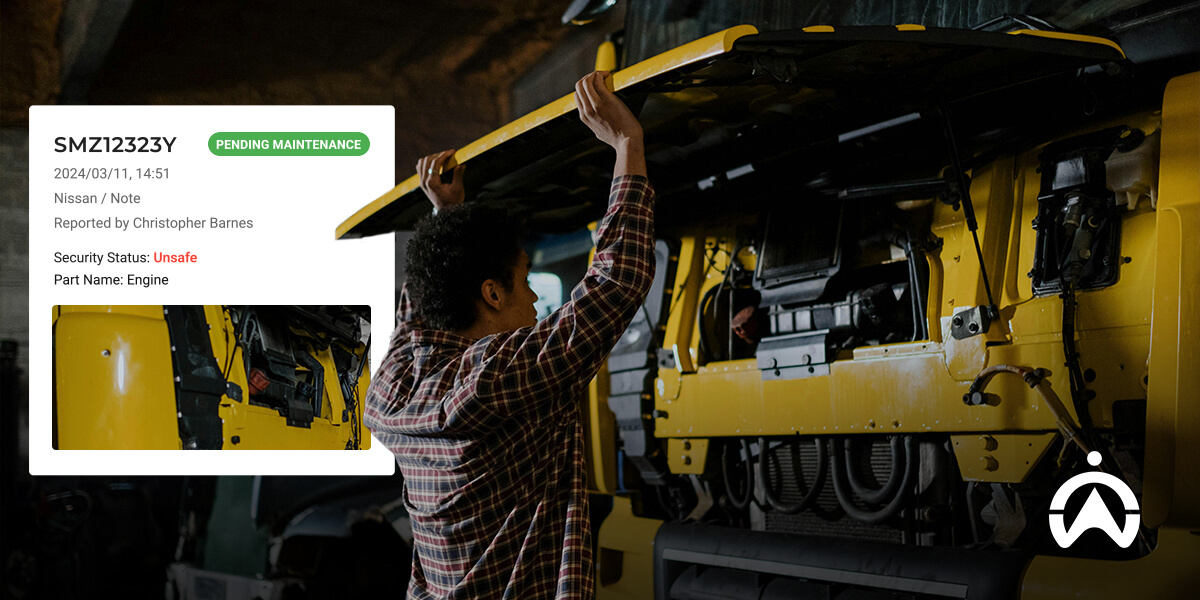
Smart features allow you to closely monitor factors like mileage, engine health, and wear & tear in certain car parts. Because of this, predictive maintenance is the key to staying proactive and keeping your vehicle healthy.

You’ll be alerted to issues like overheating, and can ensure vehicle maintenance is scheduled before the issue becomes a costly expenditure.

Fuel monitoring and route optimisation

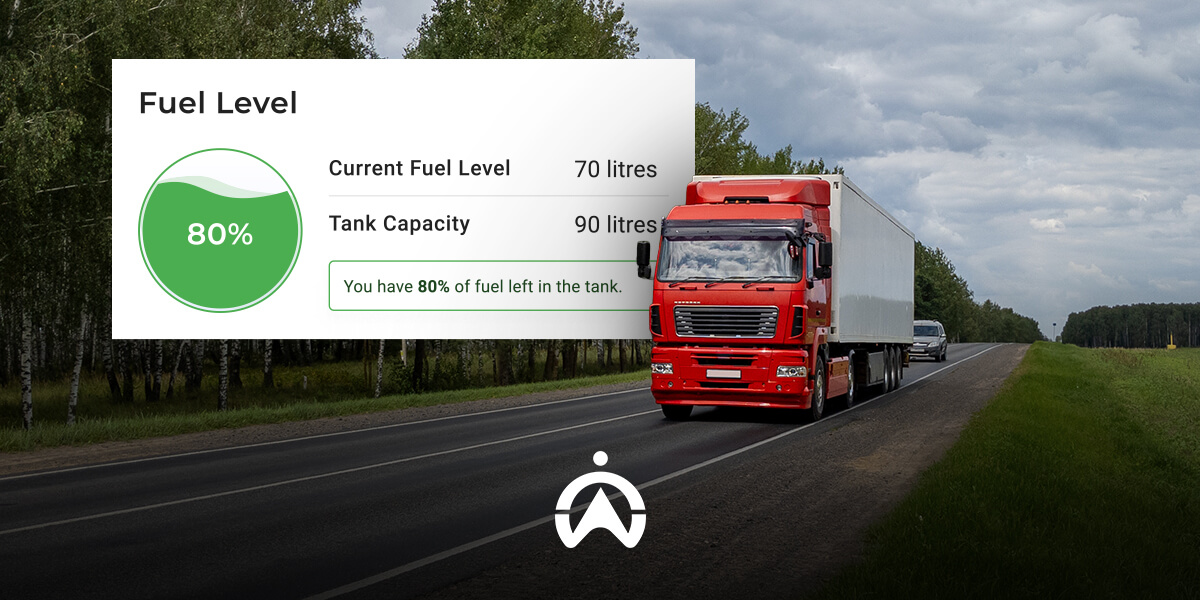
Monitoring fuel and optimising driver routes is the solution to solving one of the biggest operational costs when managing a fleet. Keeping track of fuel usage means you can better understand driving patterns or even note potential fuel theft.

Combined with route optimisation, you can almost guarantee an increase in productivity while cutting back on wasted fuel use. You can also meet your ethical goals by cutting back on carbon emissions.

Tyre pressure and load monitoring sensors

Ensuring that your fleet’s tyres are in good condition is another way to encourage a safer driving culture. Doing so means that there’s less chance of accidents caused by tyre blowouts or sudden loss of control.

The monitoring sensors also track tyre pressure and note any possible overloading or over- or under-inflation.

Automated service scheduling

Automated service scheduling is your answer to extended vehicle lifespan, compliance, and uptime. With this service, you can always guarantee that important checks aren’t missed, including oil, brakes, or general servicing. This means you don’t have to worry about unexpected downtime.

Advanced features for data and compliance

With fleet management, there’s a lot of data being processed, as well as regulations that are always being updated. When you combine data and compliance, you can see how these insights can help you make better business decisions while also reducing risk and legal issues. Consider these factors:

Customisable dashboards and KPIs

When using a fleet management tool, you can choose which metrics you want to keep track of via your dashboard. This means you have a total overview of what matters most, whether it’s driver performance or fuel usage. You can also see and interpret that data in real time (while it’s happening).

Compliance monitoring

If you’re looking to stay on top of legislation and not worry about fines and legal issues, compliance monitoring is the solution. It automates the process of tracking key issues like emissions and load limits.

By removing the potential for human error, you have time to focus on other important tasks, all while avoiding potential fines.

Integration with various tools

Third-party integration is a massively important consideration if you want to avoid cross-platform confusion. When your fleet management platform works with systems like payroll, you get a much smoother, streamlined order of operations.

This means, for example, that a driver’s hours are automatically linked to payroll, and human error is eliminated.

Cloud-based storage

Cloud-based storage means that you have access to your insights and data whenever and wherever you are. No matter the device, you can look over your data without worrying about information being lost or viewed by unauthorised users.

Advanced Features for Productivity and Customer Service

Meeting customer needs is a top priority. With advanced features for productivity and customer service, you can expect smooth operations and happy customers with every service. Achieve these through:

Route optimisation and live ETAs

As mentioned, route optimisation means your drivers are travelling using the best and most efficient routes. This means quicker deliveries, shorter travel times, and reduced fuel use. Pair this with live ETAs (estimated time of arrival), and customers know exactly when to expect their deliveries.

This combination builds customer loyalty and satisfaction!

Geofencing and automated notifications

Setting up virtual zones with geofencing allows you to monitor when your drivers enter and exit specific areas. These typically include warehouses and regular delivery areas. When drivers enter or leave geofenced areas, you can be notified regarding their movements.

This not only gives insights into time spent in an area, but it also ensures drivers are held accountable regarding their movements.

Digital job dispatch and proof of delivery

You don’t have to concern yourself with manually sorting out schedules and duties for your many drivers (and wasting paper in the process). You can digitally assign jobs to your drivers through your fleet management platform, along with any necessary additional information.

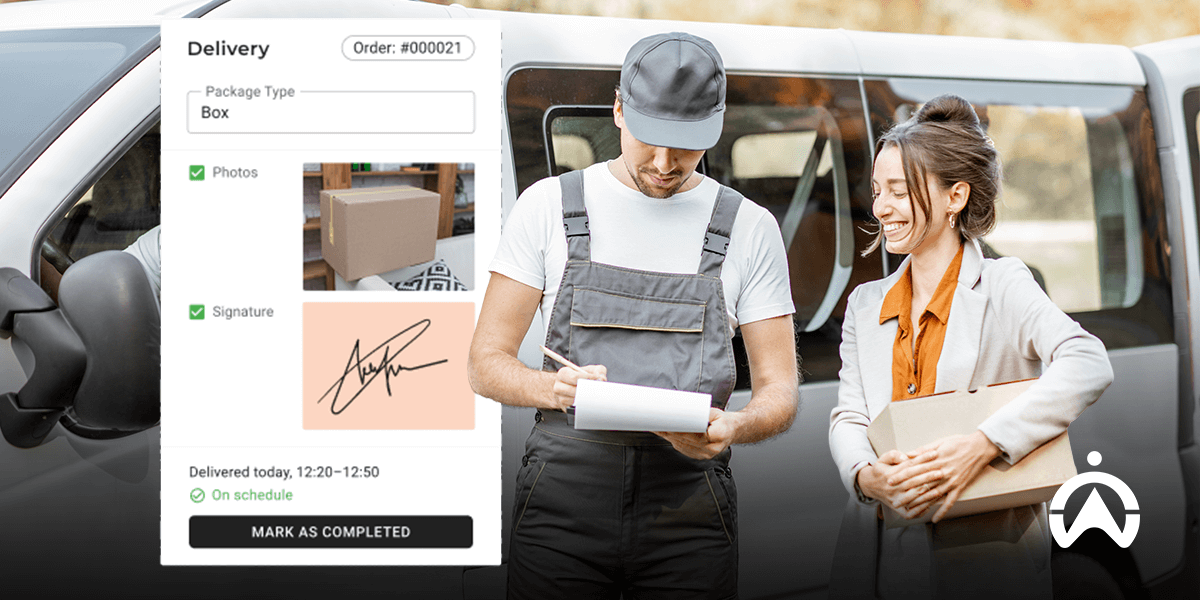
Regarding proof of delivery, you can now digitally capture confirmation every time a package reaches its destination. Customers can sign electronically, or you can take a photo as verification.

Links for tracking customers

Customers can have access to live information through tracking links. Once the delivery is in process, they can click on a secure link to keep track of their package and follow their order. This is the kind of feature that builds transparency and brand loyalty.

Advanced features for security and theft prevention

Your fleet is not only made up of precious assets, but is likely carrying very precious cargo too. Theft prevention and security measures are absolutely necessary to keep your assets, supplies, and drivers safe. Here are some protective measures:

Stolen vehicle recovery (SVR)

The technology used for Stolen Vehicle Recovery (SVR) assists partner companies (like Cartrack Tanzania) with swift vehicle recovery. The vehicle’s location can be pinpointed, and the fleet management company’s control room will be immediately notified. These kinds of innovative tools can instil trust and confidence.

You can rest assured knowing that vehicle loss is minimised and your insurance worries are potentially quelled.

Remote vehicle immobilisation

If a vehicle has been stolen or is being used without the correct authorisation, you have the power to disable the vehicle remotely with the remote vehicle immobilisation tool. This is one of the most powerful safety features that deters theft and keeps your vehicle out of the wrong hands.

Remote vehicle mobilisation can minimise damage to the vehicle while also giving you enough time to arrange reinforcement for vehicle recovery.

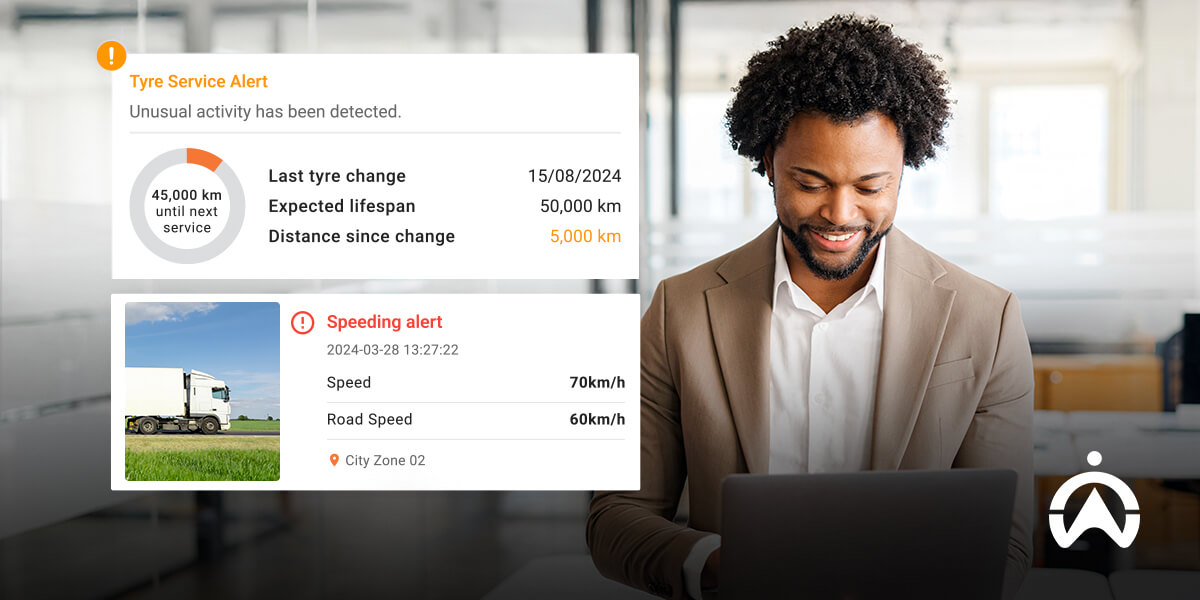
Cartrack advanced fleet management features showing tyre service and speeding alerts on laptop.

How to identify the features your business really needs

The best thing you can do for your fleet is to understand what solutions are best. These are typically identified by assessing fleet size, your industry, and operational objectives.

Here’s an easy checklist to help you:

  • Identify your pain points: Narrow down the challenges you face within your business. Are you struggling with fuel costs? Are drivers constantly getting into accidents? Are customers not satisfied with your services? Once you’ve assessed these vulnerabilities, you can begin to understand exactly what you need.
  • Link your needs with the right features: Consider the tools that directly match with your pain points. For example, if your drivers are getting into many accidents, look at implementing AI-powered camera solutions with a multiple-camera option.
  • Assess your fleet and its size: Different fleets have different needs. Smaller fleets typically aren’t as complex and may only need a few advanced fleet management tools. Larger fleets tend to be more complex, needing a lot more features and integration benefits.
  • Think about your industry needs: What’s necessary for construction vehicles won’t be the same for delivery vehicles. Look at your priorities; as a delivery company, you’ll likely consider features like live tracking and digital proof of delivery. A construction company would focus more on load monitoring and remote vehicle immobilisation.
  • Set your goals: This links back closely to the first point. Decide what you want to address and what you’re looking to achieve with your business. Do you want to decrease and better manage operational costs? Do you want to improve driver safety? Let these be the factors that guide you in choosing advanced fleet management features.
  • A word of caution: It’s natural to want the best for your business and its fleet, but that doesn’t mean you need every feature on offer. Doing this will lead to unnecessary and extra spending. Rather, target your business’s challenges directly so that you get genuine value in return.

How do you make sure you’re choosing the right advanced features for your business?

To make sure you’re choosing the right advanced features, look over your business goals and the vision you see for its future. Investing in fleet technology, particularly advanced features, is a significant step forward. You want to make sure you’re maximising your returns. Focus on these areas:

  • Carefully examine your business goals: As mentioned, be clear about what you want to achieve for your business. You’ll want to avoid spending money on unnecessary extras, especially when that money could be going into the business instead.
  • Consider future growth: This is a significant point to consider, especially if you plan to expand your business. Invest in a platform that boasts flexibility and adaptability. If your business needs and goals change, you’ll want advanced fleet management features that grow and change WITH you.
  • Look at integration: Advanced fleet management features will only work optimally if platform and workflow integrations are smooth. Always go for features and systems that work in tandem with your fleet management platform.
  • Support your staff during change: Many of us find comfort in familiarity, which is normal. This is why it’s important to support your staff when implementing change regarding these new, advanced features and tools. Invest in training and ongoing support for all the staff, so that they can feel more confident about the tools they’re using.

By considering these points, you can take this opportunity to critically assess the features you’ve identified and ensure that you’re making the right choices.

Why Cartrack Tanzania is your top choice for advanced fleet management

Having the latest fleet management technology is well and good, but you’ll need a reliable provider to match. Cartrack Tanzania is able to provide the necessary advanced fleet management technology you need while offering training and constant support for you and your team. We’re an all-in-one provider.

Here’s a reminder of what sets us apart from the rest:

  • AI-powered driver monitoring: Get all the feedback on your drivers and their driving patterns. Detect any distractive driving habits and use the insights/video footage as a coaching method for driver safety. Additionally, improve safety and accident-related issues with this feedback.
  • Secure storage: Cartrack’s Vision footage is stored on the sturdy and durable devices, remaining secure no matter the environment.Otherwise, you can safely access live footage and general insights via Fleetweb or the mobile app. Your data is encrypted according to global standards, so you can be confident that your information remains safe.
  • SVR and remote immobilisation: Remain at ease knowing that your assets are extra secured with these features. SVR and remote immobilisation reduce theft and recovery time. Our built-in SVR means that the Cartrack control room will react swiftly to your stolen vehicle. Remote immobilisation will give you the power to keep the wrong person from getting away with your vehicle.
  • Fleetweb: Our streamlined platform gives you total visibility and control. It also allows you to connect to third-party systems without interruption.
  • Flexible packages for businesses of any size: The size of your business doesn’t matter to us – we’re here to help. Whether you’re a business with a small fleet or a complex, larger one, Cartrack Tanzania can cater to your needs. We have flexible solutions that’ll work with your needs and bring maximised value. So, don’t hesitate to give us a call.

The road ahead for your business

Investing in advanced fleet management features is about creating the best and most profitable version of your business. With the help of these tools, you’re pushing a safer driving culture, higher ROI, and better long-term success.

With Cartrack Tanzania, you’re getting much more than just a service provider. We offer you a strong partnership and reliable relationship to ensure you stay ahead of the curve.

Drive your business forward today with Cartrack Tanzania.Book a demoto see how advanced fleet management features can unlock safety, savings, and smarter operations.

FAQs

Q: What’s the most important advanced fleet management feature?

A: There isn’t necessarily a most important’ advanced fleet management feature, because different businesses have different priorities. However, driver and asset safety are typically considered the most important factors. As a result, it could be said that safety-improvement tools are considered most essential.

Q: Are advanced fleet management features only for large fleets?

A: No, advanced fleet management features are for fleets of all sizes. Reliable fleet management providers should be able to cater to all businesses or at least be scalable. With smaller fleets, these tools can improve productivity and cost management. With larger fleets, complex and detailed insights can be provided to bring positive change to the business.

Q: Which advanced fleet management features help reduce operational costs most effectively?

A: Route optimisation and fuel monitoring help reduce operational costs the most. This is because fuel tends to be the most expensive expense when it comes to fleet management. Advanced features that measure and manage these costs are able to reduce waste and provide the best routes for drivers.

Q: Can Cartrack’s advanced fleet management features integrate with existing business software and workflows?

A: Yes, Cartrack’s fleet management features are made to seamlessly integrate with various existing software, like payroll. This means you can avoid human error and rely on smart systems to keep your systems running. You also don’t have to worry about adopting new systems and cross-platform confusion.

Q: Which advanced fleet management features deliver the fastest ROI?

A: There isn’t just one feature, although driver behaviour monitoring, GPS tracking, and route optimisation are typically the features that deliver the fastest ROI. These advanced fleet management features almost immediately result in faster delivery times, lower fuel costs, and improved risk management.

Get Fleet and Fuel Management Services With Cartrack

As your fleet grows larger, it becomes more and more difficult to manage your drivers, their vehicles, and the fuel they use. Cartrack Tanzania is on the forefront of developing ways to make this process a lot easier, and our solutions combine various functions that make fleet management flow well.

Fuel theft is a pervasive challenge within the logistics industry, where both opportunistic individuals and organized syndicates illicitly siphons fuel from commercial vehicles to resell on the illicit market. This ongoing issue highlights the critical need for robust fuel monitoring solutions and security measures to protect valuable assets and control operational costs.Tanzanian law enforcement isn’t having much success in curbing this problem. It negatively affects the TZ economy, not to mention your company’s bottom line!

Cartrack Tanzania has been developing better ways to identify fuel theft, while at the same time helping you navigate other fleet management needs. Here’s how fleet and fuel management have improved thanks to the solutions we offer fleet companies like yours.

Key Takeaways:

  • Large companies save money and improve efficiency by using Cartrack Tanzania to track fuel, driver habits, maintenance, and vehicle location in real time
  • Cartrack’s Fleet Plus and MiFleet systems prevent fuel theft, spot waste, and match fuel receipts with actual usage for smarter cost control
  • Using these solutions in Tanzania can reduce fuel costs by up to 24 percent while making fleets safer and more productive
  • Save the fleet management Cartrack Tanzania contact details (+255 22 2772434 …or +255 22 2772436) to get a free demo of our solutions

How do large companies manage their fleets and monitor their fuel usage?

Large companies manage fleets and fuel usage with solutions such as:

  • GPS Tracking
  • Fuel Monitoring
  • Driver Behaviour
  • AI Dashcams
  • Maintenance Planning
  • Delivery tools

These give you real time data on the location of your vehicles, your fuel spend, driver habits and route efficiency. You’ll cut costs, prevent theft, boost safety and make smarter decisions with clear reports.

Fuel monitoring is a big part of fleet management, but there’s a lot more to it. If curbing fuel theft is the only solution you’re after, you should consider ways to improve your fuel monitoring through Cartrack Tanzania. However, there are other benefits you can enjoy if you take more comprehensive packages that already include fuel monitoring. Let’s look at which Cartrack Tanzania packages include this money-saving feature.

Cartrack’s Bureau Service for large fleets

Having Cartrack’s software is a massive benefit to your fleet company. However, you may not have the resources to run a fleet management department from the get-go. You’d have to hire staff, set up an operations center, and constantly train your managers on fleet-related software. Or do you?

As an additional service, Cartrack Tanzania also offers you Bureau services. Think of it as an instant, fully trained team of fleet managers that handle your fleet for you! Our teams monitor the fuel of your vehicles, keep an eye on your drivers, and even assign optimal routes for deliveries.

Our Bureau Service also includes tracking of your vehicles, and will initiate vehicle recovery if any of those vehicles is stolen or hijacked. This team has already been trained at Cartrack, by Cartrack, and for Cartrack’s software. They can simply do the work for you, and keep you updated on the important stuff by submitting big-picture reports on a regular basis.

Cartrack’s Bureau Service is full of perks if you don’t want to hire and manage your own team of fleet managers. Here are just some of them:

  • 24/7 fleet monitoring and support
  • Regular vehicle health checks
  • Alerts for risky driving or fuel misuse
  • Easy-to-read reports and insights
  • Flexible services that grow with your fleet
  • Less admin, and more focus on your business

Which Cartrack Tanzanian packages include fuel monitoring features?

Cartrack Tanzania offers fuel monitoring in different ways. Our various packages are tailored to meet the needs of your fleet based on its size and industry type. A Cartrack Tanzanian consultant will analyse your fleet and give you the best option, but for now let’s look at the different ways our solutions save you fuel.

Fuel Monitoring

Basic Fuel Monitoring gives you real-time tracking of your vehicles’ fuel levels. You’ll also be able to track fuel consumption rates and look for concerning patterns or discrepancies. Fuel card transactions also help you detect anomalies and prevent fraud.

Driver Behaviour Analysis

Another way to save on fuel is to promote better driving habits from your drivers. Driving habits like long idling, harsh braking from fast driving, and overdoing it on the acceleration costs your company money everyday! You can identify areas for improvement and reduce fuel wastage by getting data that alerts you to these bad habits.

Maintenance Alerts

Did you know that there’s a hidden cost in not maintaining your vehicles? That hidden cost is fuel! Trucks and cars that don’t get regular maintenance WILL use more fuel because the mechanical components become more stressed.

What if you could easily manage the maintenance schedules of your vehicles without having to remember each one yourself? Cartrack Tanzania provides you with notifications for scheduled maintenance to ensure your vehicles operate efficiently and consume fuel optimally.

Reporting Tools

Generate historical reports that give you detailed information on fuel usage with Cartrack’s reporting tools. By simply looking at these customisable reports, you can get an overview of fuel usage, expenses, and the performance of each driver. This helps you to make decisions based on data, and spot fuel loss if and when it happens.

Next step? For detailed information on specific packages and pricing, it’s recommended to contact Cartrack directly or request a demo through our official website. The Cartrack Tanzanian contact number for speaking to a consultant is+255 22 2772434 …or +255 22 2772436

Still not sure? Let’s take a detailed look at MiFleet, and answer some of your questions about the best ways to manage your fleet.

Fleet management: What can you expect from Cartrack Tanzania?

As mentioned, fuel optimisation is an important part of managing any fleet. However, there’s more than one way to save fuel. MiFleet is Cartrack’s smart cost-management and fleet accounting system. It gives you full control over fuel, administration, maintenance, and operating costs.

Your fuel card data will be matched up with vehicle telemetry. This helps you to spot fraud, and also tracks fuel usage per km. From all this, you’ll get clear cost-breakdown reports that give you big-picture and finer-detailed information about your fleet.

With the software of MiFleet comes some hardware too. Tracking devices, fuel sensors, cameras, etc. Sounds great, but you probably have a few questions about how this all works together. Here are some of the most frequent, costing, software and hardware questions we get.

Are there flexible payment options for Cartrack subscriptions?

Yes, Cartrack Tanzania offers flexible payment options for subscriptions, just talk to us and we’ll create one for you! You can choose a monthly or an annual plan depending on your fleet size, the Cartrack packages you choose, and the needs you have.

This makes it easier to manage fleet costs, and it helps you scale up as your fleet grows. Don’t feel like you’re being locked into a long contract; talk with us about a payment option that fits in with your budget.

Do I need to pay extra for additional tracking units per vehicle?

Yes, you usually need to pay extra for additional tracking units per vehicle. Each unit comes with its own installation and activation costs, so adding more vehicles will increase your subscription fee. However, Cartrack also makes it easy to expand your fleet tracking by adding new devices to each vehicle. This means you’ll need to budget for each extra tracker.

Is Cartrack’s fleet data secure and encrypted?

Yes, Cartrack’s fleet data is secure and encrypted on secure servers. Whether it’s vehicle data, driver trends, or fuel information, it’s all protected using modern encryption. You can access your data safely, knowing that it’s shielded from unauthorised access. This is to keep your fleet operations private at all times.

How does Cartrack Tanzania match fuel receipts to actual tank activity?

Cartrack Tanzania cleverly checks your fuel receipts against what’s actually in the tank using the MiFleet software and telematics data from fuel sensors and other hardware. It matches your fuel card transactions with real-time fuel levels, GPS-based location and engine use. This way you can easily spot fraud and make sure purchases are correct.

Do Cartrack Fleet Plus benefits include fuel monitoring?

Yes, one of the main features Cartrack Tanzania offers with Fleet Plus is fuel monitoring. This would include:

  • Fuel Monitoring: It measures the fuel that goes in and out of your vehicles.
  • Fuel Probe: This is a sensor that provides real-time readings of fuel levels.

Cartrack Fleet Plus solves a series of problems faced by many fleet managers. Let’s take a look at an overview of each one and then explore them in more detail.

Problem Faced by Fleet Managers How Cartrack Tanzania Fleet Plus Helps Feature Name
Hard to track fuel usage Shows fuel going in and out of vehicles Fuel Monitoring
Drivers stealing fuel Detects unusual drops in fuel levels Fuel Probe
High fuel costs Helps spot waste and fraud Fuel Monitoring
No real time info Gives instant fuel readings Fuel Probe
Hard to match fuel receipts Compares receipts to actual fuel used Fuel Monitoring
Fleet is not efficient Gives clear fuel usage data Fuel Monitoring
Fuel theft is hard to prove Shows exact fuel levels over time Fuel Probe
Hard to plan trips Helps see fuel levels and plan stops Fuel Probe

Hard to track fuel usage

It’s tough to know how much fuel your vehicles are using every day. However, with Cartrack Tanzania Fleet Plus you can see exactly how much goes in and how much goes out. This helps you control your fuel costs a lot better, which adds up month after month.

Is Cartrack really the best option to choose in Tanzania? We think so… and here’s why:

What to Look for When Choosing a Fleet Management System

Drivers stealing fuel

Sometimes drivers or fuel thieves might syphon fuel, and there’s no way for you to know when this happened. A lack of evidence will make it difficult to pinpoint who the culprit is too! Cartrack Fleet Plus helps you spot this quickly so you can stop it and not pay for fuel your drivers aren’t using for business purposes.

High fuel costs

Fuel can get expensive fast if you’re not careful. Because of rising fuel costs, you should try to save wherever you can. Using Fleet Plus lets you see where fuel is being wasted so you can save money. This could be anything from bad driving habits, speeding, irregular idling, etc.

No real time info

Waiting for reports of the info you need shouldn’t be a long process that only gets to you at the end of the day, week, or month. Fleet Plus gives you fuel readings as they happen so you can act fast and make changes.

Hard to match fuel receipts

It’s tricky to check if receipts match what your vehicles are actually using. Cartrack’s Fleet Plus solution compares receipts with fuel usage automatically, and this takes the guess work out of your job as a fleet manager.

Fleet is not efficient

If your fleet isn’t running well, it’s inevitable that your organisation will begin to lose money. Fleet Plus shows clear fuel data so you can make better choices and keep your vehicles moving when it counts the most. More vehicles on the road for longer, means more profitability for you.

Fuel theft is hard to prove

Even if you suspect theft it’s hard to take action without getting into labour law hot water. With Fleet Plus, you get a detailed fuel level history that proves exactly what happened, when it happened, and who the most likely person was that did it.

Hard to plan trips

Planning trips isn’t easy if you’re always having to guess the best route and you’re not aware of your fuel levels. Fleet Plus helps you see fuel in real time so you can plan stops and routes a lot more efficiently.

How much can your business save on fuel costs using Cartrack in Tanzania?

The amount of fuel costs your business can save using Cartrack packages depends on the size of your fleet and the types of vehicles you use. However, it’s safe to say that you can save as much as 24% of your fuel costs, which is what we’ve seen other companies achieve on small and large scales.

How is this possible? Well, every little saving helps, and those savings build up over time. If you solve the problems listed above, you’ll quickly see a huge difference in the amount of fuel you actually need to run your fleet!

Start saving today. Not just on fuel, but on other expenses too. As we’ve seen, it’s a game changer having a solution that saves you on insurance costs, wear & tear from bad driving, and the reputational damage your drivers can cause your brand. Get in touch with an expert fleet management consultant and let’s work out a solution that ultimately brings in more profits for your business.

Get fleet and fuel management services with Cartrack Tanzania and start saving!

Frequently asked questions about fleet and fuel management from Cartrack

What technology is used in fleet management?

Fleet management uses:

  • GPS tracking
  • Telematics
  • Fuel monitoring
  • Route optimisation
  • Maintenance software

These tools help you keep track of your vehicles, improve efficiency, reduce costs, and ensure the safety of your drivers on Tanzania’s roads. Many fleets also use mobile apps to access real time data wherever they are.

What’s the difference between logistics and fleet management?

The difference between them is that fleet management focuses on managing vehicles, drivers, and fuel, while logistics covers the whole supply chain. Logistics management includes storage, delivery, and inventory. You can think of fleet management as part of logistics for keeping your vehicles moving efficiently across the country.

What are fleet tools?

Fleet tools are software and hardware devices that help you to manage your vehicles, their drivers, their respective fuel usage, and the maintenance of each vehicle. GPS trackers, telematics systems, fuel sensors, and reporting platforms give you clear insights that help to save costs and improve your fleet’s efficiency.

How do I create a fleet management plan?

To create a fleet management plan, start by assessing your vehicles, drivers, routes, and fuel costs. Set clear goals for using less fuel (overall percentage), scheduling less vehicle maintenance, and improving safety. Then choose tools like the ones offered by Cartrack and move towards more savings, more profitability, and the eventual growth of your fleet.

How do fleet managers use spreadsheets?

Fleet managers use spreadsheets to track fuel consumption, maintenance schedules, mileage, and overall expenses. You can create simple tables and charts that help you to see trends with a bird’s eye view, or in close detail. Spreadsheets are a flexible, low cost way to keep your fleet organised and running smoothly.

Portable GPS Tracker Device For Every Asset

Portable tracking has evolved into a practical necessity for both individual vehicle owners and businesses managing growing fleets. Due to the persistent threat of vehicle-related crime, these systems are in high demand across the industry. When incidents occur, tracking technology has proven highly effective, with a significant majority of stolen vehicles being successfully recovered, though specific outcomes often depend on the service provider and the unique circumstances of the recovery.

Most traditional portable GPS trackers are a simple and flexible alternative to standard tracking systems, which are highly efficient but typically permanently attached in place. Portable trackers are lightweight, sleek, and wireless, making them the perfect solution for rental setups, personal safety measures, or other short-term tracking needs. But while these portable trackers rely on GPS or cellular connection, Cartrack’s device, the CT Tag, is purpose-built solely for jamming-resistant asset tracking – not needing any cellular or internet connections to function.

This tracker type introduces a new degree of safety and control, and through this guide, we’ll tackle the advantageous outcomes of opting for a portable tracker and how Cartrack’s advanced technology and anti-jamming protection make it easy for you to stay connected to your vehicle and keep it safe.

In this article, you will:

  • Discover what portable GPS tracker devices are and how they work
  • Understand the key differences between portable GPS trackers, traditional trackers, and Cartracks CT Tags
  • Know who portable trackers are ideal for and what features to seek out
  • Find out why Cartrack’s portable device is one of the smartest choices on the market

What is a portable GPS tracker device?

A portable GPS tracker is a standalone, small, battery-operated device that transmits a vehicle’s real-time and precise location. It’s a wireless unit that, unlike standard trackers, which are integrated directly into a vehicle’s electrical system, requires no installation and can fit in every vehicle. Portable trackers are typically:

  • SIM-equipped devices, which use LTE (Long Term Evolution) or GSM (Global System for Mobile Communications) networks for connection purposes. This is not the case for Cartrack’s portable device, though. Cartrack’s portable tracker, known as a CT Tag, doesn’t use a SIM card, so therefore doesn’t rely on GSM or GPS connection. This also means that it’s unaffected by jamming, as it doesn’t transmit GPS or cellular signals.
  • Sleek and compact, so that it’s easy to store discreetly or to attach magnetically to a part of the car.
  • Battery-driven for independent operation.

Portable devices are designed for universal use, making them a convenient solution for every type of vehicle, including personal cars, delivery vehicles, motorbikes, rental vehicles, and even specialised assets. One single unit can move between any asset, as is required, and common uses include short-term tracking, fleet management, personal safety, and asset recovery.

What to expect from a quality portable GPS tracker

A reliable and high-quality portable GPS tracker should offer flexibility, consistent performance, and rapid location pinpointing. The features below are the ones to look out for, and these can be found in Cartrack’s solution:

  • Real-time location tracking: Being able to track your asset is at the core of everything from route surveillance to SVR (stolen vehicle recovery). This should be achievable when the vehicle is in motion or is stationary. In the case of Cartrack’s CT Tag, tracking is via CPRF triangulation and crowd searching, not GPS pings.
  • Anti-tampering and detection: This is a crucial feature that offers extra security; should the portable tracking device be touched, taken, or tampered with, the Cartrack control room will immediately get a notification.

How do portable trackers differ from traditional trackers?

It’s fair to assume that portable trackers won’t work as well as hardwired ones, but in reality, that’s not the case. Portable trackers deliver the same high level of performance, just with the additional flexibility aspect. Look at the table below to understand the key differences:

Feature Portable Tracker Traditional, Hardwired GPS Tracker
Installation Process No installation required. Place it in or below the vehicle and you’re ready to go. Requires a professional connection directly into the asset’s wiring system.
Mobility & Reusability Easily moves between vehicles due to its lightweight and compact build. Fixed to one vehicle and permanently installed.
Power Source & Lifespan Rechargeable battery-powered, so it doesn’t depend on the vehicle’s battery. Powered directly by the vehicle, so it draws energy from the vehicle’s battery.
Best For Flexible and non-road asset tracking, rentals, shared vehicles, personal use – anything short-term or adjustable. Fleet tracking that’s long-term or permanent installations for businesses.

Is a portable GPS tracker the right fit for your needs?

A portable GPS tracker could potentially be the perfect option for you, as it has the ability to serve so many kinds of people and businesses. Because of their sleek design and wireless build, they offer adaptability across numerous industries and personal circumstances, depending on what you’re looking for. Let’s take a closer look at who truly benefits:

  • Car dealerships and logistics providers: Much like the previous point, this is a solid solution for businesses that deal with logistics or have constantly moving assets between users, like car dealerships. Consider this if you’re monitoring driver behaviour or even keeping an eye on assets that are frequently changing hands.
  • Construction and heavy equipment (yellow metal): Non-road assets, such as heavy machinery used in construction businesses, also require tracking and monitoring. With Cartrack Tanzania, you can still get insight into movements, but also get an extra layer of security through anti-jamming protection – an enhanced feature of the portable tracker.
  • Key cases and benefits:
    • Peace of mind and theft recovery throughimmediate alerts
    • No permanent installation required, which means no worries about delays, downtime, or any fiddling with the assets
    • Flexibility for seasonal or short-term needs
    • Shared vehicles and non-owned assets can still be carefully tracked and kept safe under your care – without ownership limitations

How to choose the best portable GPS tracker for every vehicle

Although there are numerous portable tracker options available out there, there are a few core features that should matter to you when choosing the best one. No matter the asset type, it’s likely you’ll want the most reliable device. Here are the features to look for – and how Cartrack Tanzania meets these needs:

  • Device size and discreetness: A portable GPS tracker should be sleek and compact enough that it’s easily hidden but still durable. Cartrack’s device is discreet and sturdy, unmoving even when covering rough terrain.
  • Coverage and reliability: A portable tracker shouldn’t foster downtime through lack of visibility, and unlike traditional portable trackers that rely on GPS or cellular networks, Cartrack’s device works independently of that connection. This means that there’s consistent performance – even where GPS fails or jamming occurs.
  • Data access and location: High-quality units are sometimes accompanied by a platform that gives you clear insights and an overview history. Due to its complex device type, Cartrack Tanzania doesn’t typically allow this kind of access to clients and is only accessible to authorised personnel in the Cartrack Tanzania control room; however, businesses are allowed personal visibility upon request. This action is largely to prevent criminal interference.
  • Battery life and power modes: Naturally, a solid battery life is one of the most key features here, especially considering that portable units depend on their own battery source to stay powered. With its durable battery and smart modes, Cartrack’s device lasts between 3 and 5 years.
  • Immediate alerts: Real-time alerts are the key to extra safety and security, allowing you to be instantly aware of unauthorised actions. Any tampering with a Cartrack Tanzania device is immediately recognised.
  • Local and ongoing support: It’s one thing to just have a quality tracking device; it’s another thing to have a quality tracking device that doubles as an anti-jamming gadget, is provided by a reputable company, and offers round-the-clock support. Cartrack Tanzania gives you expert assistance with everything from maintenance and battery replacements to quick response times from the control room and vehicle recovery teams.
  • Critical questions to ask before you settle on a portable unit:
    • Can I use this in multiple vehicles?
    • Will I get an alert if the tracking unit is removed?
    • How often is location data updated?
    • Will I receive dependable support when I need it?
    • Does the tracker work in low-signal areas?

What makes Cartrack’s portable GPS tracker the smartest choice?

Reliability and quality should be the leading focuses of a top provider. Cartrack Tanzania is at the forefront of this, having established itself as a leader in fleet management and vehicle tracking and being trusted by hundreds of thousands of businesses and individuals. Here’s what makes Cartrack Tanzania the standout choice:

  • Value-asset tracking: Due to its discreet and mobile nature, Catrack’s portable tracker can be used as a means to track non-road assets, ensuring their protection when they’re in storage, on-site, or in transit.
  • Exceptional battery efficiency: Cartrack Tanzania has employed smart battery-saving modes for their portable tracking units, which ensure extended battery life between maintenance.
  • Enhanced safety through CPRF Network: The wired device has full telematics and anti-jamming capabilities.
  • The Tag preserves energy by not having to report GPS or cellular activity. As a wireless unit, it can be discreetly hidden and works perfectly as a transmitting device in the CPRF Network;
  • Local support across Tanzania: Get access to assistance from local teams nearby who understand your geographic landscape and surroundings. Otherwise, rest assured that there are teams available 24/7 from crisis control rooms in case of emergencies.
  • A solid solution for both individual and commercial needs: Cartrack’s CT Tags are just as effective for individuals as they are for businesses; it’s an easy and adaptable choice that is able to scale or move across all types of assets – without sacrificing functionality.

The bottom line

Overall, portable trackers might just be the future of asset tracking. You get the perks of full visibility, tracking control, and adaptability without the stress and hassle of having to commit to a permanently installed device.

Cartrack’s portable solution is backed by customer satisfaction and reliability. Get everything you’re looking for in a tracker – from security and smart alerts to personal and professional use.

Need flexible vehicle tracking that moves with you, or want to see how this device works in action?Start your journey with Cartrack Tanzania today, and get a personalised demo.

FAQs

Q: What is the best tracking device in Tanzania?

A: The best tracking device ultimately depends on some contributing factors; these include your business needs, budget, and the company’s offerings. Cartrack Tanzania ranks among the top providers, offering high-quality products, all-around support, and user-friendly platforms.

Q: Does a portable GPS tracker work without internet?

A: Technically, yes – standard portable trackers use satellites to pinpoint location, which can require mobile data (communicated from a SIM card), but not necessarily Wi-Fi. Cartrack’s portable tracker doesn’t rely on GPS or cellular data at all, which extends its already lengthy battery life and doesn’t fail in environments with low signal or connectivity.

Q: What happens if someone removes the portable Cartrack Tanzanian tracker?

A: The tampering will immediately trigger detection, and the Cartack control room will receive an alert or notification. The device is designed to send location signals via the CPRF network for as long as possible so location information can be used and the asset can be retrieved as swiftly as possible.

Q: Can a cell phone detect a portable GPS tracker?

A: No, not necessarily. As previously mentioned, standard trackers typically depend on mobile networks and satellite signals to transmit data. Because portable trackers don’t use Wi-Fi or Bluetooth, they don’t show up on the phone’s device list and typically require special equipment for detection. Cartrack’s Tag is invisible to consumer devices because it doesn’t broadcast detectable Wi-Fi/Bluetooth/GSM signals.

How a GPS Tracker with a Temperature Sensor Is the Best Way to Monitor Your Perishables

The quality of perishable goods, such as fruits and dairy products, can spoil quickly without proper storage and transport. This makes them unsafe for use and will cost your transportation business a fortune due to a loss in customer trust and compliance fines.

Managing these goods effectively involves understanding their unique characteristics and implementing suitable storage and transportation practices. Businesses must guarantee safe storage and traceability during the transportation stage to prevent deterioration. To achieve this, there must be a fleet management solution that can monitor the temperature of these perishable goods in transit.

The combination of GPS technology, telematics, and temperature sensors makes this possible, and today, we discuss how it all works and why it’s the best way to monitor your perishables.

In this article, you’ll discover:

  • What a temperature tracker is and how it works
  • The most effective way to monitor temperature-sensitive cargo
  • The risks involving poor management of temperature-sensitive goods
  • The industries that benefit from GPS trackers with temperature sensors
  • The Cartrack Tanzania solutions for better temperature control

What is a GPS tracker with a temperature sensor?

A temperature sensor with a gps tracker is a device that’s used to monitor temperature readings over a period of time. In cold chain logistics, it’s used to record the temperature conditions of your cargo during transit. This is done through the integration of IoT (Internet of Things) technology, GPS tracking technology, and sensors.

How does the system work?

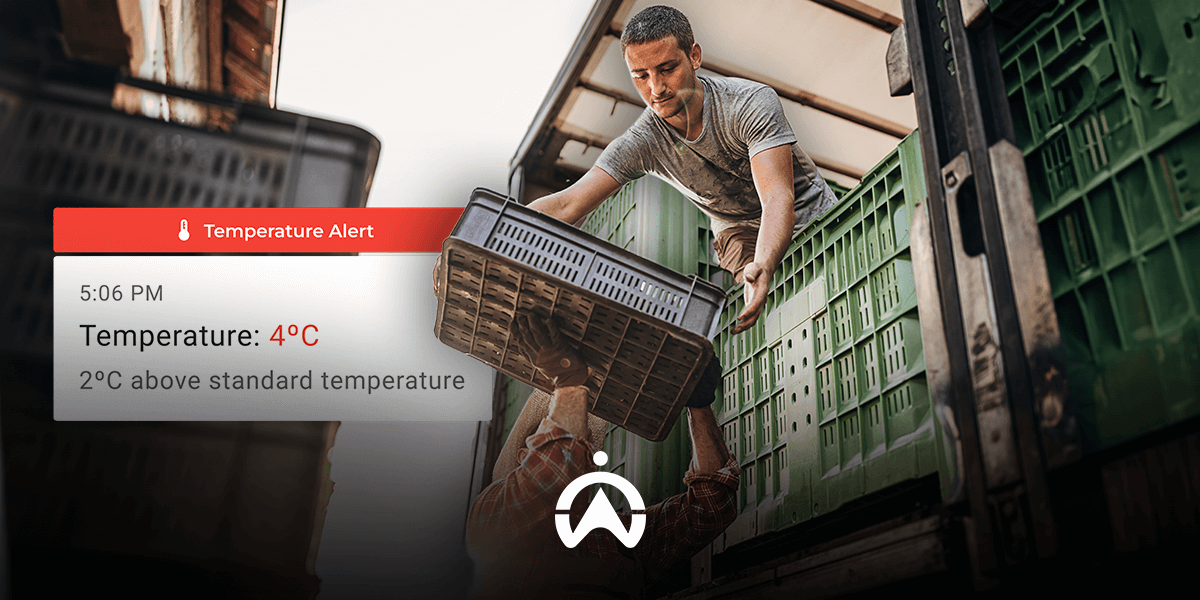
  1. Temperature sensors are usually installed in areas inside refrigerated trucks or trailers. The sensors then measure the temperature of that environment, often at frequent intervals (e.g., every 5 minutes).
  2. Temperature readings are then transmitted to the telematics device for processing, and the device conveys the information to a cloud-based platform in a way that’s easy to understand. This is where fleet managers get notifications of temperature fluctuations.
  3. The fleet management platform securely stores all temperature-related data for an extended period, giving fleet managers detailed reports that show sensor readings, times, and locations.

What’s the best way to track temperature during transit?

The best way to track the temperature of goods during transit is by using a remote temperature monitor that works in conjunction with a GPS tracking system. This setup offers significant advantages compared to traditional methods, which rely heavily on manual procedures. Such methods are prone to human errors, such as using thermometers and temperature strips.

A GPS tracking system that’s paired with temperature monitors offers real-time temperature alerts with high precision, which minimises variations. Some sensors are placed in different compartments of the storage unit, which allows multi-point monitoring.

They also give location insights and historical data analysis, which encourages accountability. Furthermore, fleet managers can easily access the data through user-friendly dashboards on desktops or mobile phones.

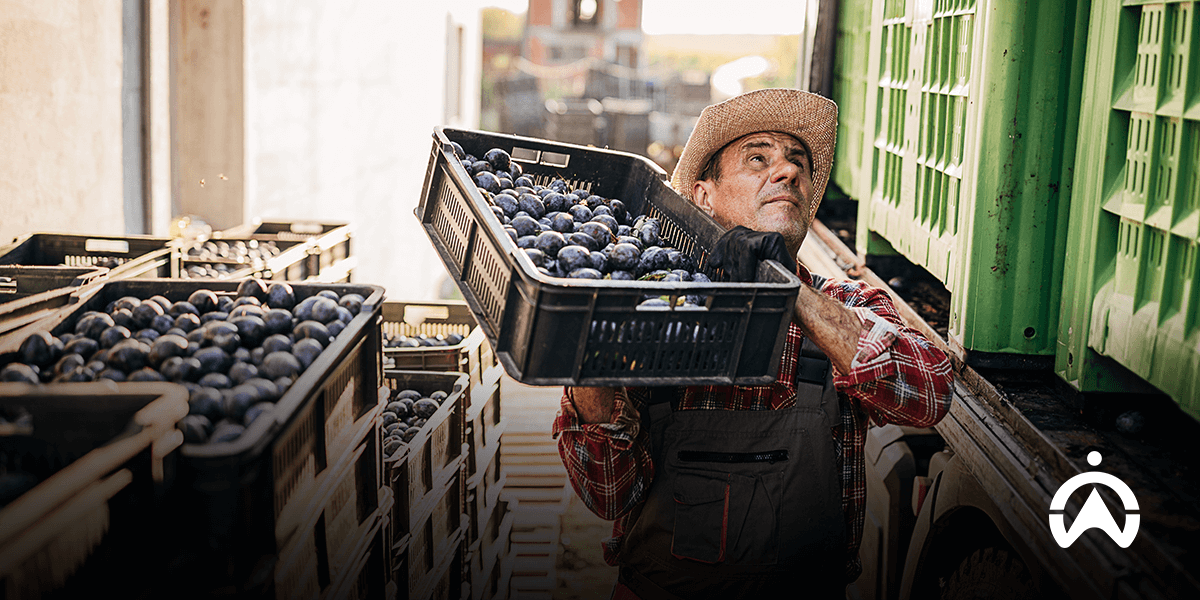
Farmer harvesting plums with Cartrack GPS Tracker with Temperature Sensor for optimal freshness

Why is it important to check the temperature of perishable goods during delivery?

Significant volumes of food are lost annually, creating a major waste crisis that impacts the economy and the environment. This widespread loss occurs at various stages of production and distribution, highlighting a critical need for more efficient resource management across the country.

Inefficiencies within the food supply chain, particularly during the post-harvesting and distribution phases, contribute significantly to waste. This presents a major challenge, as a substantial portion of households continue to struggle with food insecurity, emphasizing the urgent need for more resilient and effective logistics to ensure resources reach those in need.

Perishable goods such as meat and vegetables have a limited shelf life and must reach retailers in the best quality possible. Storing such goods at incorrect temperatures is one of the most common food safety risks in the cold chain logistics industry, as it can result in bacteria forming, leading to spoilage and food poisoning.

The spoilage of these goods can bring your transportation business significant financial losses and can damage the company’s reputation, potentially leading to product recalls and regulatory fines.

Recent instances of product recalls in the food industry highlight the risks associated with contaminants exceeding safety standards. In some cases, these issues have been traced back to logistical complications during the transport of raw materials between different regions. When transport conditions are not strictly controlled, it can lead to health and safety concerns that necessitate removing products from the market and investigating supply chain vulnerabilities.

This real-life example highlights the dangers and implications of poor temperature monitoring during the transportation stage.

Other industries that benefit most from GPS trackers with temperature sensors?

For most of this article, we’ve spoken about food, but there are other industries that also require temperature monitoring systems, such as the following:

  • Pharmaceutical supply and vaccine distribution: Medicines such as tablets, capsules, and vaccines require strict temperature control to maintain their effectiveness. Any temperature fluctuations that occur during transit can alter the chemical structure of these products, making them ineffective or potentially dangerous.
  • Floral and nursery: Flowers respond almost immediately to a change in the environment. Some plants and flowers require near-freezing temperatures to survive, while others require warmer temperatures. The floral and nursery industry also uses temperature monitoring systems to maintain temperature ranges during the transportation stage to preserve the quality of flowers and plants.
  • Museum and art preservation: Artwork is often sensitive to changes in temperature because of the materials that make up the pieces. For example, a canvas (used for paintings) is made up of natural materials such as cotton or linen. The materials can shrink or expand depending on temperature and humidity, causing permanent damage to the painting. As a result, temperature monitoring during the transportation of valuable artwork is an aspect that shouldn’t be overlooked.
  • Funeral services: From hearses to ambulances, it’s important that these vehicles follow safety regulations to ensure slow decomposition, maintain dignity, and avoid health risks while transporting the deceased. Temperature sensors are usually placed inside the coffin compartment of the hearse, and the vehicles usually have GPS trackers for location and timestamps.

How to ensure proper temperature control during transportation

Proper monitoring of perishable cargo involves a collaboration of various technologies, such as the following:

Pre-cooling trucks

It all starts with the type of vehicle you get for the job. Vehicles that transport refrigerated goods have their own specifications. It’s vital to pre-cool the storage compartments to the right conditions before loading the produce. That’s why pre-cooling trucks is a must for most businesses in this industry.

Temperature sensor calibration

Sensor calibration refers to the process of adjusting and setting sensors to measure temperatures accurately. This is done through testing the accuracy of the sensors and adjusting them before placing them into vehicles. Over time, they can give inaccurate readings due to ageing, so they need to be regularly checked and adjusted. Also, make sure the sensors are placed in different zones of the cargo area to get the true conditions of the storage compartment.

Route planning

Another key component in the transportation of perishable goods is planning and choosing routes that minimise travel time to avoid delays that may expose the cargo to risks. The best way to do this is to invest in route optimisation software.

Real-time monitoring setup

Set up alerts for fleet managers, coordinators, dispatchers, and all relevant stakeholders so they receive notifications of any temperature changes or route deviations along the way.

Case study: Supermarket Farms

Supermarket Farms supplies fresh, high-quality produce to restaurants, hotels, and catering companies throughout the Dar es Salaam region of Tanzania. With over 30 years of experience in the industry, they have established themselves as a trusted provider within the local agricultural supply chain.

They couldn’t see where drivers were, so they needed a system that could give them complete visibility to ensure there were no unnecessary detours or delays. This would help them keep produce fresh and improve efficiency.

How we helped them:

  1. Our GPS tracking solution allows Supermarket Farm to pinpoint exactly where their drivers are at any given time. This helps them see if and why there are delays, such as when drivers are idling for long or when they go off route. If there’re any issues causing delays, they’ll instantly know about and resolve them. They can also alert their own customers, improving their driver turnaround times.
  1. Supermarket Farm uses our fleet management system to get driver and vehicle insights to help them better run their day-to-day operations. If drivers have received speeding tickets, managers can pull up reports to verify where the event occurred. This helps them to settle disputes, and also minimises future events from occurring

“Cartrack’s system has benefited our business’ productivity, helping with logistics, and improving driver turnaround times. It has helped us make sure there are no delays and route detours, saving us petrol because the drivers are staying on the exact routes” – Nelson Duarte, Co-owner, Supermarket Farms.

Cartrack GPS Tracker with Temperature Sensor monitoring refrigerated truck flowers at 3.9°C–4.1°C

Keep a close eye on your temperature-sensitive goods with Cartrack Tanzania

Have a look at the features we have in store for your business:

  • Temperature sensors
    Get up to four temperature sensors to remotely monitor the temperature of your cargo. Receive alerts on any temperature fluctuations and detailed reports. If there are any client complaints, you can use this data to show them that temperatures remained within the compliant range while in transit.
  • Cargo door sensors
    The frequent opening and closing of cargo doors also contributes to temperature fluctuations and can lead to spoilage. Our cargo door sensors instantly detect when doors open and close. From there, you’ll receive alerts so you can see when drivers do it more often than required, or when doors are open for too long during the offloading stage.
  • Live GPS tracking
    All businesses in the logistics industry need to invest in a GPS tracking system. Our vehicle tracking system gives you smart map views of your vehicle location, so you always know where they are. You can also spot detours that could cause delays. If drivers are in one spot for too long, you can call to check what’s happening and quickly attend to the matter.
  • Route optimisation software
    It’s crucial that you plan efficient routes for transporting your perishable cargo. Our advanced route optimisation software factors in historical traffic patterns, road closures, distance, driver availability, and time. This gives you the best route for each of your deliveries. It ensures that your temperature-sensitive goods arrive on time and in good condition, while helping your business cut back on fuel costs.

Protect your perishable goods with Cartrack’s smart solutions

The integration of GPS technology, telematics, and temperature sensors proves to be an effective way for many businesses in the cold chain industry to monitor their refrigerated cargo. By investing in our preventative solutions, you ensure that all your goods remain in optimal condition from the pickup stage to the drop-off. Keep your cold chain unbroken; contact us today!

Frequently Asked Questions about monitoring perishable goods

How can I monitor temperature remotely?

To monitor temperature remotely, you can use wireless temperature sensor technology that’s integrated with a fleet management platform like MiFleet from Cartrack Tanzania. This allows you to connect to your fleet’s data from anywhere, whether using a mobile phone or a desktop.

How accurate are temperature sensors?

The accuracy of a temperature sensor depends on the type of sensor it is. Most fleet management services offer BLE (Bluetooth Low Energy) sensors, which are known to be highly accurate. However, like any other gadget, temperature sensors may wear out and lose accuracy over time if not properly maintained.

What device can detect temperature in a cargo truck?

Several devices can detect temperature in a cargo truck. The most common ones include:

  • RTDs (Resistance Temperature Detectors): Commonly used in cold chain logistics and conditioning systems.
  • Infrared sensors: These work for things like automatic doors and camera motion detection.
  • Thermistors: They are used for monitoring the temperatures of oil and coolant in vehicles to ensure reliable engine performance.

Why Business Owners Should Invest in a Truck Camera System

Business owners should invest in truck cameras because they assist in improving the overall safety of your vehicles and cargo. They also provide fleet managers with a full view of what drivers get up to daily. This technology has become the standard in the trucking fleet business, as it also reduces the risks of accidents and improves operational efficiency.

Let’s dive into why a truck camera system is worth the investment and how we, as Cartrack Tanzania, stand out from the rest in terms of what we offer.

Key Takeaways:

  • Truck cameras make drivers more accountable and encourage safer driving
  • They protect businesses from false claims by providing clear video proof
  • Cameras help cut costs over time by lowering accidents and repairs
  • They improve customer service, delivery checks, and support legal compliance

Is a truck camera system good for your fleet business?

Yes, a truck camera is absolutely good for your fleet business! It presents many benefits that help your business improve efficiency, safety, and fleet running costs. By reviewing footage and data, you can make more informed decisions to enhance the overall performance of your fleet.

Let’s have a closer look at some of the key advantages of having a truck camera system:

Enhancing driver accountability and behaviour

It’s no secret that most drivers don’t like the thought of cameras “following them around” while they go about their daily tasks. However, the presence of fleet cameras encourages safer driving habits. They know they’re being watched, and should there be any issues, they’ll be held accountable.

Most fleet cameras have telematics capabilities, meaning they can detect driving habits such as speeding, harsh braking, and excessive acceleration. As a fleet manager, you’ll receive alerts and reports of these behaviours so you can address and educate drivers on better habits.

Some cameras also have AI (artificial intelligence) technology. This means that they can spot when drivers are engaging in unsafe driving habits, such as when they’re looking away from the road. This improves the safety of drivers, as the cameras give off alerts that help them quickly change their actions to avoid accidents.

You can also station fleet cameras outside the trucks to cover surrounding areas and inside the load area. This ensures that the cargo is protected and that you can always see if employees are handling it with care.

The evidence presented by video footage and telematics data can be used for coaching drivers and performance reviews to further promote accountability and improve road safety.

Cartrack truck camera system mounted on windshield, recording driver in suit with sunny view outside.

Protecting your business from false claims

The quickest and most cost-effective way to resolve accident disputes is to have solid proof. With false car insurance claims and insurance fraud cases becoming a growing concern in Tanzania, a camera system has become increasingly necessary for trucking businesses.

In instances where a fleet driver is not at fault, camera footage is all you need to prove their innocence. The camera footage will reveal the whole scene, from before the incident to during and after. A truck camera system also helps protect your business from the long-winded back and forth. It speeds up the process, saves costs, and protects the company from insurance fraud chancers.

Reducing costs in the long run

From our previous point, we’ve already established how cameras improve driver safety and therefore reduce the chances of accidents through AI and telematics. Fewer accidents lead to fewer unexpected repairs and claims. This then results in lower insurance premiums in the long run, as the company’s risk profile will improve. Good driving habits also reduce vehicle wear and tear, reducing the frequency of vehicle part replacements.

Boosting customer service and delivery accuracy

Cameras present visual evidence of how employees handle products during deliveries and help verify if they arrived on time. Your company’s reputation is what will bring in more clients. It’s therefore essential that you protect it at all costs.

For example, suppose a client complains about product damage. In that case, you review the footage to confirm that the staff loaded the products securely. This keeps the cargo safe from movement that could cause damage to the products. It also helps identify who was at fault and strengthens trust with clients through transparency and accountability.

Supporting compliance and legal requirements

In an attempt to reduce road accidents and enhance public safety, Tanzania’s Land Transport Regulaory Authority (LATRA) has introduced a new set of changes, aimed at improving accountability and monitoring in the transport sector. The changes include planning to equip public and school buses with surveillance cameras. They expanded vehicle tracking and stricter enforcement measures for commercial transport operators.

For example, the previous amount for a cellphone use offence was TZS 50,000. Repeat offences and stricter enforcement measures can now result in significantly higher penalties and additional legal consequences for businesses and drivers.

These new laws are a perfect example of how a fleet camera system will help keep your business in line with industry compliance and safety regulations. It also helps maintain proper records in the case of audits or instances where you need proof to dispute certain penalties.

What to look for in a good truck camera system

A good truck camera system should have a multi-camera setup that provides 360-degree coverage, including the front, sides, interior, and rear end. The camera quality should be clear enough to see finer details, such as faces and license plates. Their standard features should include GPS integration, cloud access and storage, and AI assistance.

Cartrack truck camera system detecting distracted driver holding smartphone inside vehicle.

How can Cartrack Tanzania truck camera solutions help protect your fleet?

The Cartrack Tanzania truck camera solutions help shield your fleet from accidents using smart features that enhance fleet oversight. All our fleet camera offerings come with sharp image quality, GPS tracking features, cloud storage, and the ability to live stream footage from anywhere.

Here’s a closer look at the top Cartrack Tanzania camera solutions for your fleet of trucks:

  • AI Dual Vision: This is a road- and in-cabin-facing camera solution that gives you a clear view of how drivers behave on the road and what they see ahead. As the name suggests, it’s equipped with AI technology that can spot distracted driving. From there, it’ll give out audible alerts so drivers can quickly correct their actions. It also provides blind-spot and forward collision warnings. As a result, drivers will always be aware of their surroundings.
  • AI Multivision: Our AI Multi Vision solution gives you the options of installing up to eight cameras in each of your trucks. This gives you a comprehensive view of what happens in and around the vehicles.
  • Coaching: The Cartrack driver coaching platform provides fleet managers with detailed insights into the driving patterns of each vehicle operator. It shows repeated offences, based on incidents from camera footage and telematics reports. From there, fleet managers can send drivers for training and use this platform to tackle each concern. The outcomes of the training sessions can be recorded on that same platform, so the previous trainer can see what was discussed with the same driver in the last session.

By offering detailed insight into driver behaviour, helping reduce accidents and unexpected downtime, and meeting compliance regulations, truck camera systems go beyond surveillance. They instead boost overall fleet efficiency. Reach out to us, and explore camera solutions suited to your truck operations.

Frequently Asked Questions about vehicle camera systems

Do truck cameras record everything?

Not exactly. Many truck cameras record everything that happens only when the ignition is on. Some only record when there is a trigger, such as a sudden impact to the vehicle. While others recovered continuously, it all depends on the type of camera it is and the settings. Also keep in mind that they might only cover specific angles and not everything around the truck.

Which vehicle camera is best for small businesses?

The Cartrack AI Dual Vision dashcam works best for small businesses. It offers a good balance of advanced features such as AI assistance for forward collision warnings and speeding alerts. These alerts enhance driver awareness, reduce the chances of accidents, and improve overall road conduct.

How do truck cameras work?

Most truck cameras use a combination of camera lenses, sensors, GPS-based telematics, and artificial intelligence to capture daily trucking activities. The cameras cover different angles of the trucks and all work simultaneously to give fleet managers an all-round view of each vehicle.

Get a customised truck camera quote for your fleet.

AI Camera System: 5 Best Features for Tanzanian Fleet Managers

AI camera systems are used in Tanzanian fleets to monitor drivers, record vehicle data, and manage logistics remotely. Any company that takes their fleet seriously needs a comprehensive way to manage that fleet as affordably and efficiently as possible. Now that AI is being integrated into these camera systems, they’re better than ever!

Driver fatigue is considered one of the major contributing factors to road accidents in Tanzania, particularly among commercial and long-distance drivers.So, what if your fleet managers could detect driver fatigue before it happens? What about other causes of accidents? Can you prevent those too?

This is why Cartrack Tanzania has covered the 5 best features of AI camera systems in Tanzanian fleet management. This technology not only saves your organisation a large percentage of your profits, but also protects your assets, your drivers, and your long-term growth. Let’s explore how.

Key Takeaways:

  • AI cameras spot driver fatigue, distraction, and other risks in real time to prevent accidents
  • They provide smart alerts, dual cameras with advanced safety features, and cloud-based footage storage
  • GPS and telematics give managers a full picture of vehicle location, driving behaviour, and incidents
  • Unlike standard dashcams, AI systems offer driver scoring, automated uploads, theft protection, and coaching tools

Top 5 AI camera features for fleet managers in Tanzania

If you’ve been wondering if your current vehicle dashcams are worth replacing with AI camera systems, check out this brief overview:

Feature What it Does Why it Matters
Driver fatigue detection Detects when the driver is tired Helps prevent accidents
Dual-Camera with ADAS & DMS for Collision warning Alerts when a crash risk is high Gives drivers time to react
GPS linked route optimisation Finds the best route Saves time and fuel
On demand footage retrieval Lets you access video when needed Useful for checks and proof
Automatic driver scoring Rates driver behaviour Supports training and safety

Now let’s look at each one more in-depth.

1. AI in-cab alerts

One of the best features of an AI camera system is the software’s ability to detect potentially dangerous driver behaviour. This includes:

  • Distraction (looking away instead of ahead)
  • Fatigue (yawing, eyes closing, etc)
  • No seatbelt
  • Smoking or vaping
  • Tampering with the camera

These behaviours can have a devastating impact on your driver and your vehicle. Getting notified of these behaviours helps you to better manage your fleet, because you’re never in the dark. Alerts will be sent to you and/or your fleet manager in real time, so you’ll always have a sense of control even when your drivers are far away.

Cartrack AI Camera System with black car cameras and accessories on orange background.

2. Dual-camera with ADAS & DMS

Regular dashcams are usually forward-facing. The AI camera systems at Cartrack Tanzania provide forward and driver-facing (known as in-cab) cameras that monitor the driver and the driving compartment.

But what’s so special about that, and what role does AI play in these camera systems? Well, these cameras have ADAS (Advanced Driver Assistance System) and DMS (Driver Monitoring System) features. DMS is what we covered in the previous section.

However, ADAS is much more advanced, because this is where the AI really proves its worth to you and your driver:

  • Advanced Driver Assistant System: This is software that steps in when your driver needs it most. The AI-powered ADAS has some of the most advanced capabilities, including:
    • Forward Collision Warning (FCW) – alerts if a crash risk is detected
    • Automatic Emergency Braking (AEB) – applies brakes if the driver doesn’t react in time
    • Lane Departure Warning (LDW) – warns if the vehicle drifts out of its lane
    • Blind Spot Detection – monitors and alerts for vehicles in hard-to-see areas
    • Adaptive Cruise Control (ACC) – automatically adjusts speed to keep a safe following distance

3. Cloud and event-based footage

Further to receiving the event-based alerts mentioned above, AI camera systems also allow you to view live footage of your driver and the surroundings of your vehicle. What you may not know is that when one of those alerts is sent, it triggers the recording software and intelligently decides what important events to archive for later viewing.

This means that every time something out of the norm happens during the driving process, your AI camera system will record and keep that footage for:

  • Insurance purposes
  • Driver accountability and feedback
  • Fuel fraud investigations
  • Driver complaints
  • Disciplinary processes and labour law compliance

4. GPS integration & telematics

“GPS & Telemetry Integration for Contextual Oversight…” might sound technical, but it’s easy to grasp. It simply means that your AI camera system uses GPS to track the vehicle’s exact location, and then pairs this with telemetry data, like speed, braking, and fuel use.

Together, this data gives fleet managers a clear picture of what was happening and where. As you can imagine, this makes it easier to understand incidents, coach drivers, and improve operations.

5. Scalability and coaching tools

It’s nice to know that you and your fleet managers can access pertinent footage whenever you need it. But what about storing all of this information? Together with intelligent technology, AI camera systems also come with a cloud storage infrastructure that allows you to archive a large amount of footage for later use.

As footage ages, you can delete it, or simply purchase more storage space. This allows you to retrieve footage when necessary, but these systems also track and record driver scorecard data. This never gets deleted, because you’ll need it to rate, train, and commend your drivers.

How are AI camera systems different to standard dashcams?

AI camera systems can be distinguished from standard dashcams primarily through their ability to detect pertinent activities. 6 more features worth mentioning include:

  • Real-time analysis vs. passive recording
  • Automated event uploads
  • Alerts and driver coaching
  • Multi-sensor integration
  • Risk scoring and reporting
  • Theft prevention and compliance support

Because all of this data is recorded and stored via cloud-based storage systems, you get an archive of relevant information that regular dashcams wouldn’t provide.

Let’s compare your regular dashcam to the AI camera systems Cartrack Tanzania offers in terms of these six features.

Real-time analysis vs. passive recording

Automated event uploads

  • Regular dashcam: Video files will stay stored on a memory card until you or your managers remove them. If an incident occurs, managers must manually download and review the footage.
  • Cartrack Tanzania AI cameras: Important events are automatically uploaded to the cloud. This ensures incidents are captured, stored safely, and left ready for you to review them whenever you’re ready.

Alerts and driver coaching

  • Regular dashcam: Standard dashcams can’t warn your drivers or help them to improve their driving habits. They’re no more than a record of what happened AFTER it’s already happened.
  • Cartrack Tanzania AI cameras: The system gives you real-time alerts for risky behaviour like harsh braking or fatigue. Drivers receive instant feedback to improve their performance. This also helps you to identify patterns and deal with them preemptively.

Cartrack AI Camera System showing driver behaviour analytics and safety scores on digital dashboard.

Multi-sensor integration

  • Regular dashcam: Traditional dashcams rely only on video footage and can’t connect with the systems of your vehicles. This limits the data they can ultimately provide to you and your fleet managers.
  • Cartrack Tanzania AI cameras: These connect with GPS and CANbus to combine speed, braking, fuel use, and video data. You’ll get a complete view of each vehicle as well as your drivers’ activities.

Risk scoring and reporting

  • Regular dashcam: A standard dashcam doesn’t calculate the respective riskiness of your drivers. It also can’t generate reports. You and your managers must rely on manual reviews of video clips, which can be tedious and time-consuming.
  • Cartrack Tanzania AI cameras: The system scores drivers based on behaviour and provides clear reports. This helps you to identify trends and take action quickly.

Theft prevention and compliance support

Where can you get the best AI cameras for your fleet?

At the forefront of AI camera technology for fleets is Cartrack Tanzania. We’ve pioneered the industry and developed devices and systems that make your job easier when it comes to managing your vehicles and drivers.

You might be considering dashcams for your fleet. Perhaps you’ve already got them. Replacing them with AI camera systems is the best way to evolve your fleet and give you the data you need to grow as an organisation.

Contact us todayto get a tailored quote on your own fleet’s AI camera solution.

AI camera systems frequently asked questions

What are “harsh event” detections?

Harsh event detections are alerts triggered when your driver brakes too hard, takes sharp turns, speeds suddenly or drives in a risky way. Your AI camera picks these up in real time. This helps you spot unsafe habits early and improve both safety and fuel efficiency across your fleet.

How do AI cameras enhance legal defense and claims processing?

AI cameras give you clear video proof of what happened before, during and after an incident. This reduces false claims and helps speed up insurance processing. Your business saves time, avoids unnecessary costs, and has stronger evidence to protect drivers and your company’s reputation if disputes do arise.

Are AI camera systems tamper-proof?

Yes, most AI camera systems are built to resist tampering. However, no system is fully foolproof. They use locked mounts, secure storage and cloud uploads to keep your footage safe. If someone tries to interfere, alerts can be sent to you so that action is taken quickly.

Can AI camera systems withstand rugged terrains?

Yes, AI camera systems are designed to handle Tanzania’s tough roads and weather conditions. They’re built with durable parts that resist dust, vibration and heat. This makes sure your footage stays reliable whether your trucks are driving on highways, dirt roads or mining routes.

How long do cameras continue recording when the ignition is off?

Most AI cameras keep recording for a set time after the ignition is switched off. This is usually powered by backup batteries or low voltage connections. It means your vehicles remain protected while parked, helping you to capture footage of theft attempts or damage even when no one’s driving.

Curb expenses, monitor your fleet, and avoid mishaps withCartrack’s groundbreaking AI camera system.

How Do Delivery Companies Use GPS Technology to Plan the Fastest Routes for Drivers?

Delivery companies use GPS technology to optimise their routes by identifying traffic conditions, pin-pointing a vehicle’s location, and calculating the quickest route. AI technology has further enhanced GPS technology, helping drivers and companies save on fuel and optimise their delivery times.

AI route optimisation is becoming popular to make deliveries faster and cheaper.It looks at traffic, vehicle performance, and even the weather to help companies save fuel and reduce emissions. At Cartrack Tanzania, we lead the way in intelligent route optimisation through GPS technology in the form of our Delivery solution. Here’s how we did it.

Key Takeaways:

  • GPS helps drivers avoid traffic, roadworks, and accidents, saving time and fuel while making deliveries faster
  • It guides drivers through rural areas and poor road networks, letting companies reach more customers efficiently
  • GPS cuts down your delivery costs, prevents theft, and monitors driver behaviour to protect company resources
  • Cartrack’s Delivery software works with GPS to give real-time updates, optimise routes, and improve customer satisfaction

How does GPS technology improve delivery efficiency in Tanzania?

GPS technology improves delivery efficiency in Tanzania by finding the quickest routes based on traffic and road conditions. It does this in real time, so it’s always up to date on the analysis. This helps your drivers avoid delays on their deliveries, as well as cut down on wasted fuel.

Drivers can make more deliveries in less time, keeping your business more competitive. As Tanzanians, we all deal with potholes, traffic jams, and roadblocks. The obstacles have an impact on companies that rely on delivery for profit. However, they can be avoided with the right GPS-integrated software.

There are 4 main ways Cartrack’s GPS software can help YOUR delivery company become more productive and efficient in the delivery sector. With our Delivery solution, these include:

  1. Avoiding traffic congestion and recent accident scenes
  2. Navigating rural areas where traditional maps may not be updated
  3. Reducing fuel costs by always calculating the most optimal route
  4. Enhancing customer satisfaction by completing more deliveries faster

How can GPS technology help avoid traffic congestion?

GPS technology helps you avoid traffic congestion by showing live traffic updates. From here, it reroutes drivers between & around busy roads. In Tanzania’s cities, this means faster deliveries during high-traffic periods. By guiding your vehicles through smoother routes, it saves time, reduces stress for your drivers, and minimises fuel costs.

Wondering how many obstacles GPS technology can help your drivers avoid? Here’s a quick overview:

Obstacle How GPS helps Benefit
Traffic jams Shows live updates and gives new routes Saves time
Road works Warns about blocked or slow roads Keeps trips smooth
Accidents ahead Alerts drivers to crashes Avoids long delays
Busy city roads Finds quieter side streets Faster deliveries
Weather issues Suggests safer routes in storms or floods Protects drivers
Wrong turns Gives clear step by step directions Reduces stress
Fuel waste Picks shorter and smoother routes Cuts fuel costs

Cartrack courier GPS technology with woman tracking delivery on laptop using GPS technology.

Is GPS route optimisation beneficial for rural deliveries in Tanzania?

Yes, GPS route optimisation is absolutely beneficial for rural deliveries in Tanzania, because it maps out the best paths through areas with fewer-to-no road signs, or areas with poor connectivity. It also helps your drivers avoid unnecessary detours, saving them time and fuel. This makes it easier for you to serve rural customers and grow your reach.

According to data from the World Bank as compiled by Trading Economics, in 2024 the rural population in Tanzania was 61.86 percent of the country’s total population. This is a massive customer base your company might want to hone in on! With GPS technology, your drivers can navigate these areas with ease.

How does GPS reduce fuel costs for delivery companies?

With Delivery from Cartrack Tanzania, delivery companies can reduce fuel costs by guiding drivers on the quickest, shortest routes, while limiting time spent idling in traffic—which uses up fuel. In Tanzania, where fuel costs are a major operational expense for transport and delivery businesses, even small savings per trip add up. Your drivers can complete more deliveries using less fuel, cutting expenses and reducing harmful emissions from their vehicles.

Quick note: Combining GPS technology with some of Cartrack’s other fuel-saving solutions further enhances your fuel savings and can even help you prevent fuel fraud.Read here (10 reasons why you’re failing at fuel management).

How can GPS technology enhance customer satisfaction?

GPS technology enhances customer satisfaction by giving accurate delivery times. Your drivers also get to make MORE deliveries, which means better profits for you. It also allows customers to track their parcels in real time. For Tanzania consumers, this builds trust, because your customers know exactly when to expect their orders. So what happens? They order again!

When you’re competing in a market that relies on deliveries, this puts you way ahead of the competition. As your reputation for reliability grows, you’ll begin to grow your customer base—slowly but surely. Using Delivery from Cartrack Tanzania will give you the edge over your competition, and help you grow from strength to strength!

How does GPS technology protect your company assets?

GPS technology further benefits fleet and delivery companies by protecting their vehicles as well as their drivers. GPS is the backbone of vehicle recovery. Tracking devices are installed onto your vehicles, helping our team to recover stolen or hijacked vehicles in good time. GPS also helps you track drivers that might be lost or in trouble.

Together with other technologies from Cartrack Tanzania, GPS also provides other benefits. If any of these appeal to you, be sure to get in touch with us today:

Risk How GPS and other solutions can help Benefit
Vehicle theft Tracks location at all times Makes it easier to recover vehicles
Driver misuse Monitors routes and stops Protects company resources
Fuel theft Shows fuel use and refills Reduces money loss
Lost goods Records trip history Helps find missing cargo
Unsafe driving Sends alerts for harsh driving Keeps vehicles in better shape
Fake claims Provides trip and event proof Protects the company from false costs
Delays Gives live traffic updates Keeps deliveries on time
Poor planning Finds the best routes Saves fuel and reduces wear

Cartrack courier GPS technology enabling delivery person to confirm package handover with GPS technology.

What software works well with GPS to enhance delivery services?

For delivery companies, the Delivery solution from Cartrack Tanzania is the most advanced software that works to enhance your delivery business. It works with GPS technology to optimise drivers’ routes, update their assignments, and automate your customers’ notifications. You’ll also be able to check in real-time how your deliveries are progressing to each of your customers.

Looking at the Delivery solution in full view, we notice that it includes a lot more. Here’s everything you can expect:

  • Paperless process: Delivery also helps you to skip paperwork and capture everything digitally. Everything is archived within the app itself, giving you an automated system where you can check invoices, delivery orders, times, products, etc.
  • Last-mile delivery: Last-mile delivery means getting your goods from a hub branch straight to the customer’s door. Cartrack Tanzania helps your business manage this final step with tools like route planning, GPS tracking, and proof-of-delivery. You’ll see where your drivers are in real time, cut costs, speed up deliveries, and give customers AMAZING service!
  • Low-data or offline mode: Got a low internet connection? Cartrack’s Delivery lets you keep working even when your network is weak or temporarily non-existent. It comfortably handles low-data or offline mode by storing key information locally on your device. Routes, delivery details, and customer data are saved so drivers can continue working without a live connection.
  • Instant job updates: The Delivery solution provides you with new tasks, cancellations, or changes right away. You don’t have to memorise or keep track of individual delivery jobs, because the app does it for you!
  • Digital proof of delivery: You can collect e-signatures from customers, and even photo proof of your deliveries all in one place. This makes for easy confirmation and proof that your deliveries were completed.
  • Automated customer notifications: What if your customers could receive clear updates and delivery times every time they ordered from you? Well, that’s what they’d get if you used the Delivery app from Cartrack Tanzania. Your customers are always kept up to date, which keeps them happy and encourages them to order again.

Does GPS integration require additional infrastructure in Tanzania?

The obvious question is, “Can Tanzania’s infrastructure accommodate the connectivity to keep high-tech GPS working optimally?” The answer is yes. Why? Because GPS works through satellites and mobile networks. Most fleet management systems only need your vehicles’ GPS tracking devices and a basic data connection. This makes it simple to adopt, whether you manage a small or large fleet.

What company has the most advanced GPS technology for fleets in Tanzania?

At this point in time, Cartrack Tanzania is a major and growing player in the fleet management arena in Tanzania. Our software is the most advanced when it comes to delivering real-time updates that make a difference to drivers and fleet managers. By combining many of the other solutions we offer, you can grow your fleet and reduce risks across your organisation.

Speak to one of our expertsabout how our Delivery solution can enhance your company, its assets, and your profits.

Frequently Asked Questions about how delivery companies use GPS technology

What GPS do delivery drivers use?

Delivery drivers in Tanzania often use GPS apps like Google Maps and Waze, as well as fleet management platforms. But larger, more serious delivery and courier companies reach scalability by using advanced systems like the solutions offered by Cartrack Tanzania. That’s because this software is designed to enhance the efficiency of their delivery services.

How does GPS work so fast?

GPS works fast because it uses satellites that send signals to your phone or device within seconds. These signals are processed quickly, showing your exact location on the map. With mobile data, your GPS updates in real time, so you get instant routes, traffic updates, and accurate directions.

Do traditional GPS devices always give you the fastest route?

No, traditional GPS devices don’t always give you the fastest route. They usually rely on preloaded maps and don’t always update traffic conditions in real time. This means you might still get stuck in traffic. More advanced GPS software from Cartrack, is way more accurate in helping you (or your drivers) avoid time-consuming obstacles.

How do I plan a route on GPS?

To plan a route on GPS, you simply open the app or device, type your start point and destination, and press go. For delivery companies, routes are also planned out by the fleet managers using advanced software. This helps delivery vehicles synchronise their routes so that all of them are at peak efficiency.

How has technology improved delivery speed in delivery courier services?

Technology has improved delivery speed by using GPS route optimisation, live traffic tracking, and real-time driver communication. Courier companies now avoid busy roads, save fuel, and deliver way faster. Using Delivery software, your customers also get updates on when their parcels will arrive, which makes the whole delivery process smoother and more reliable.

Learn more about Delivery from Cartrack Tanzania.Get in touch with us TODAYand let us show you how you can grow your delivery business.