Vehicle Battery Maintenance Made Easy: How to Stay Secure With Cartrack

There’s a popular misconception that all your battery needs is a jumpstart to stay healthy. This false theory, however, has left many drivers stuck with a failing battery while completely baffled, not knowing what the issue is.

Don’t wait until you see the battery light flashing on your dashboard to take action and start maintaining your battery. Our blog is the handy guide you need to reduce breakdowns and avoid costly battery repairs.

Let’s dive in.

In this article, you will:

  • Uncover the importance of vehicle health and the role of battery maintenance
  • Discover popular types of batteries and their maintenance requirements
  • Understand when to maintain or replace your vehicle battery
  • Get actionable steps to preserve your car battery and extend its lifespan
  • Explore Cartrack solutions that safeguard your vehicle battery

Importance of vehicle health

One part of the vehicle that is often disregarded when talking about vehicle health and maintenance is the battery. The battery and the engine are two parts that make the vehicle able to function and move, but often enough, the focus is only on the engine.

Let’s change that, shall we?

Your battery is responsible for providing power to your engine and lights, allowing you to change gears and be on your way. When the engine is turned off, it also powers all the other electrical components of your vehicle, like your radio or air conditioner.

A well-maintained battery can have a long service life, provide reliable performance and also prevent unexpected and costly breakdowns from happening. To achieve this, it needs top-notch servicing.

Different stages of vehicle servicing

Before we start focusing solely on our vehicle batteries, let’s first see the bigger picture of your whole vehicle. What use is a healthy and thriving battery if it works with parts that aren’t running efficiently?

To keep your vehicle as healthy as can be, servicing is recommended every few months to ensure small issues are checked and fixed and don’t grow to be costly if ignored. Vehicle inspections are determined by their make, model and mileage. Depending on these 3 factors, different types of vehicle maintenance plans can be recommended to ensure that every part, from tyres and oil to battery and engine, is running at tip-top shape:

  1. Interim car service

    These are small but important basic vehicle checkups that are encouraged every 15 000 km—22 000 km. They include your vehicle’s oil changes, fitting in new oil filters, light vehicle inspection, and checking for any leaks. This type of servicing is recommended at least once a year, even if your vehicle hasn’t reached the specific mileage target.

  2. Full car service

    This service is encouraged around 20 000 km and includes all basic checkups of minor servicing. It also includes inspections of some critical parts, including your brakes, lights, steering, tyres, windscreen, vehicle fluids like hydraulic fluids and testing components like starter, alternator, and battery.

  3. Major car service

    This service is recommended every 30 000 km—45 000 km and includes maintenance of all the vehicle parts mentioned in the minor and full servicing, as well as other parts that might cause the car to fail, such as replacing the air filter, spark plug, and brake fluid, if left unattended.

    For major servicing, you can also include the following to ensure your vehicle stays in tip-top shape:

    – Wheel alignment
    – Suspension checks
    – Tyre tread tests
    – Checking brake pads and brake discs

    If your car is still under warranty, you would have to service your vehicle following preset intervals. If it’s out of warranty, then there’s more flexibility in the timing and services performed but to ensure your vehicle’s health and a decent resale value, it’s better to keep as close to the schedule as you can.

What’s under my hood? Discover popular types of batteries

To make sure all the effort you’re putting into having a lasting vehicle battery pays out, you have to know what kind of battery your vehicle has and use the correct maintenance techniques. Batteries can be like that, you know; what works for one type might not have the same effect on another.

  • Lead acid batteries

    This is the popular, more traditional, and most cost-effective battery that most cars you see on the road have. It works with lead and a mixture of sulfuric acid and water. Because of this battery’s materials, it’s prone to evaporating over time, leading to a decrease in its power over time. The necessary maintenance this battery needs is topping up with distilled water every few weeks.

  • Lithium-ion batteries

    This battery is most popular with electric vehicles and plug-in hybrid electric vehicles. They have a high-power to low-weight ratio, low energy consumption, and are recyclable—perfect for an eco-friendly electric fleet. Its drawbacks are that they are expensive, prone to overheating, and hard to find on the market if you ever need to replace them.

  • Sodium-ion batteries

    These batteries were created as the solution to the problems presented by lithium-ion batteries. Sodium is abundant, easier to extract, sustainable to use, and more affordable than lithium-ion. Since they are a new solution, more research is needed before it’ll be widely available and become the industry standard.
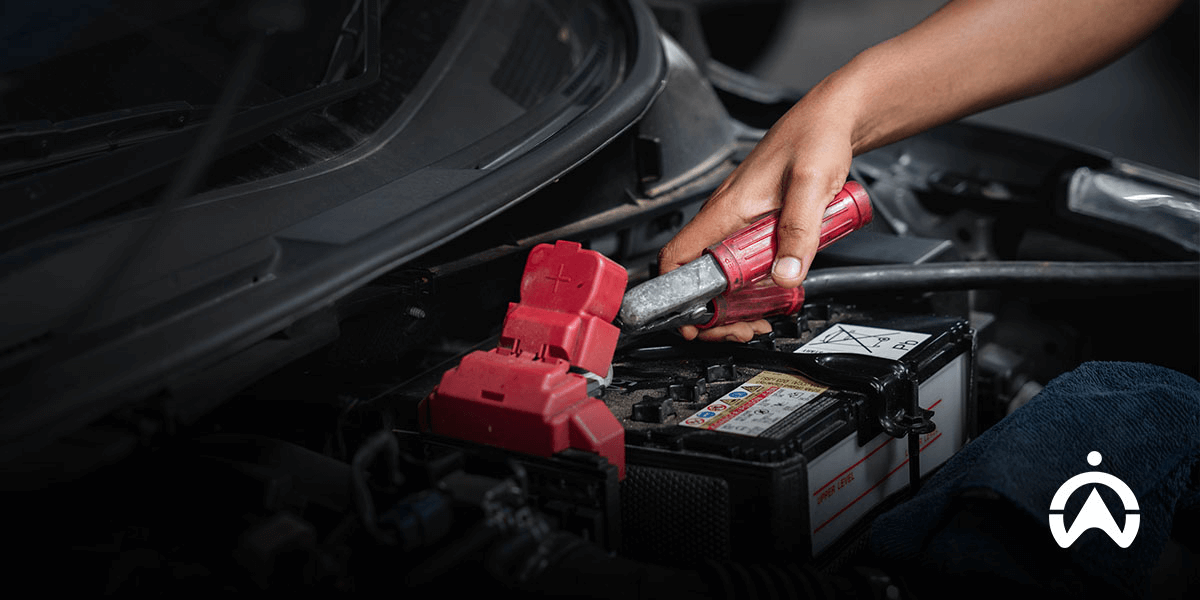
Discover popular types of batteries

Battery issues: Factors that affect battery longevity

Vehicle batteries don’t cause many issues for their drivers, and it’s for this reason that most drivers don’t take a second look at their batteries when performing regular inspections. Often enough they don’t see issues with the batteries until it’s too late and they find themselves stuck on the side of the road calling for help.

To prevent calling a tow truck to move your vehicle or flanking down other drivers for a jumpstart, here are a few battery maintenance tips to keep your battery working for longer.

  1. Avoid short trips

    Rather than making short trips throughout the day, rather round it up into 1 trip to release strain on your battery. Your battery uses power to start your vehicle for every trip, with multiple short trips, your battery uses more and more power without it being replenished from your alternator. A longer drive allows the alternator to charge your battery as you go.

  2. Keep your vehicle moving

    The longer you leave your vehicle in your garage without driving it, the faster your vehicle’s battery will slowly die out because it’s not getting its regular dose of charge from the alternator. With working-from-home opportunities increasing, it’s understandable that some motorists can go days without touching the road. While this is great for your wallet, it’s not so great for your vehicle. A quick fix for this can be to take your car out for a spin every few days to make sure your battery gets its charge.

  3. Avoid extreme temperatures

    When it comes to temperature, your battery prefers neutral temperatures. This one might be hard for South African drivers who live in warmer climates, but your battery works better when it’s neutral or cool. Try parking your vehicle in shaded areas or a garage to limit exposure to extreme temperatures.

  4. Clean your battery

    Don’t be afraid to pop the hood and get to cleaning. Corrosion (a white or bluish-green powder) and dirt often build up around screws or bolts resulting in poor connectivity, just brush away the dust, sweep off the gathered dirt and wipe any grime accumulated on your battery. If there is too much corrosion, call your vehicle mechanic to help get rid of it safely.

  5. Service your vehicle

    Servicing your car does a lot of good in maintaining its health. Leave it up to the professionals to ensure your battery is running as it’s supposed to and that it stays secure in your vehicle and doesn’t rattle around.

    Even while giving your battery all the TLC it needs to continue working, there comes a time when you have to replace the unit and unit and start afresh.

Do I maintain or replace my vehicle battery?

Unfortunately for many motorists, batteries are not a once-off purchase type of item. A vehicle battery’s estimated life expectancy is around three to five years. Over time, they get worn out and eventually need to be replaced.

Here are signs you should look out for of a failing battery:

  1. Slow cranking: If your battery takes a minute or two to power your car, it could be a sign that your battery is starting to fail and is due for a replacement.
  2. Battery warning light: If the battery warning light on your dashboard is lit up, it means your vehicle has detected an issue with your battery or the charging system and needs you to take a look.
  3. Battery corrosion: Excessive corrosion or damage can be a big sign of an unhealthy battery. Most of the time, you can just wipe away the corrosion, but if it’s extensive, then it might be too late for your battery.

If you see these signs along with a cracked battery case, a fluid leak, or a bulged battery case, it’s unfortunately too late to save the battery and it should be replaced.

Even though the invisible clock is ticking away to when you will eventually replace your battery, there are still some helpful methods you can use to extend your battery’s life for a few more rides.

Vehicle battery maintenance checklist

Often, the battery health gets swept aside as many drivers assume all the battery needs is a jump start if it ever has issues, but that’s far from the truth. Fortunately for many drivers, maintaining your battery is relatively easy.

☑ Inspect your battery: Before getting your hands dirty, take the time to look around your battery and check for any signs of damage like cracks, bulges in the case, or any leaking fluids. These are sure signs of battery failure and suggest your car needs a new battery.

☑ Test your battery’s voltage: To confirm if your vehicle battery is indeed losing power, you can use a battery tester to measure the battery’s voltage. A fully charged battery should have a voltage of around 12 V. If the voltage is too low, then it might need to be recharged or replaced.

☑ Keep your battery terminals squeaky clean: Corroded terminals slow down the electricity flow from the battery to the car’s electrical system. To correct this, simply use a wire brush or a material to wipe to remove any gathered corrosion around your battery. If the corrosion is tough to clean, disconnect the battery cables and use a mixture of baking soda and water to lightly remove it around the terminals.

☑ Regularly charge your battery: Have you recently noticed that your battery isn’t holding much charge after leaving your vehicle parked for days at a time? Vehicles that aren’t often used don’t have enough time to recharge, which results in low power output and shorter battery life. Use abattery charger or maintaineras a solution to keep your battery charged even when it’s not in use.

☑ Check the age: Car batteries usually last between three to five years, if you’re experiencing frequent issues with your battery, check if the age of the battery is the cause. Even if your battery still works the same but is approaching five years, consider replacing it before issues start to occur.

☑Ensure your battery isn’t stored loosely: Your battery should not move around or vibrate while you’re driving. This can loosen the battery and cause internal damage and short circuits.

This battery maintenance advice works for most battery types but what about batteries in electric vehicles?

Maintaining my electric vehicles’ battery

When it comes to electric vehicle (EV) batteries, regular charging is the way to go. Unlike regular vehicles that rely on petrol to drive from one location to the next, electric vehicles rely on their batteries and how much charge they have to make the trip.

To ensure your vehicle’s battery lasts, these techniques are used.

  • Regular state-of-charge checks
  • Temperature monitoring
  • Battery voltage and cell health monitoring

These ensure drivers get the most out of their battery by swiftly identifying any issues with the battery before they become costly.

Safeguard your vehicle battery and extend its lifespan with Cartrack solutions

Don’t get stranded in the wrong side of town because of your battery.

Cartrack Tanzania, the trusted industry leader in vehicle safety and fleet management does more than just track the location of your vehicle in real-time, it can also track your vehicle health, monitor your battery, provide features to empower you to get ahead of your vehicle maintenance and get you out of battery-related situations.

Key Cartrack Tanzania features that can lend a helping hand with your battery

Cartrack Tanzania takes your vehicle battery health into consideration

In addition to our features, our tracking units shine for their reliability and integrity. Rest assured, knowing that as hard as our tracking unit works 24/7, gathering vehicle data and offering you valuable insights on your vehicle’s daily trips and usage, it won’t damage or negatively affect your vehicle’s battery in any way. This means that you can enjoy these tracking solutions:

Whether you’re using Cartrack for security, efficiency, or to keep track of your vehicle, rest assured that your battery will still be able to give its best.

So, are you ready to say goodbye to your vehicle safety and battery woes? Contact Cartrack Tanzania today for trusted vehicle safety solutions.
Police Impersonation and Extortion: Why a Tracking Device Is Important

Scams have become one of the easiest ways criminals get money out of people, from fake shopping websites to fake police trying to make money out of a terrible situation.

Criminals are now using the trusting nature of everyday roadgoers like me and you to extort money by creating fake recovery stories. The upside, though, is that families and car owners can protect their vehicles withGPS tracking solutions.

This blog explains how police impersonation scams work and the steps you can take to avoid them and protect your ride.

In this article, you will:

  • Find out what police impersonation is and how to identify it
  • Unpack the psychological factors that contribute to police impersonation and crime
  • Learn tips to help you avoid extortion from fake police officers
  • See how a tracking device can help you recover your vehicle
  • Protect yourself with Cartrack GPS tracking units

Police impersonation and extortion 101

Remember when you used to play cops and robbers as children? Robbers are now pretending to be cops to extort money from vehicle owners in exchange for the release of their vehicles. Impersonating an officer of the law is one crime, and extortion is another that can be used to lure victims into providing information and giving away their hard-earned money.

Bogus officers with fake stories date back as far as the 18th Century, when criminals would pretend to be police officers so they could raid and extort innocent civilians. In our technologically advanced age, little has changed, unfortunately; criminals are still scamming people by disguising themselves as police officers and often using the anonymity of the internet and smartphones to their advantage. The hotspot for these crimes appears to be Johannesburg and surrounds, so if you reside in this area, be extra vigilant when receiving a call from a police officer.

Police impersonation: Wolves in sheep’s clothing?

Most people love a costume party where they can dress up as what they’ve always wanted to be but when that turns into criminal activity, it leads to chaos. The legal term for this is impersonation—the act of pretending to be another person for entertainment or fraud—which goes beyond a costume for a party.

Many people have fallen victim to this act mainly because they do not want to get into trouble by arguing or resisting cooperating with police officers. Historically, police officers have always been viewed as individuals the general public can trust because their job is to uphold the law, so stealing from an innocent victim by pretending to be law enforcement is one of the ultimate betrayals and may cause serious damage to the trust relationship between the victim and the police, as well as other law enforcement.

Police impersonation: Wolves in sheep’s clothing?

Extortion through police impersonation

Extortion is the practice of obtaining something, like money, using force or threat. In recent trends, criminals are impersonating police officers to hijack and force people to empty their bank accounts for their gain. This extortion can be done in two different ways,a hijacking happens, and a bogus officer pretends to have found your vehicle and calls to demand money for the vehicle’s release. Another way these fake coppers get away with scamming you is by implementing fake roadblocks. They pretend to be police officers, and they use this authority to try and take your vehicle.

Imagine leaving friends after a great braai and catch-up session, and you’re suddenly stopped by a vehicle with blue lights similar to a police van. If the person stepping out of that vehicle turns out to not be a real officer, your car and even your life may be in danger.

These criminals take you hostage and drive your vehicle to the nearest ATM. This is where the extortion comes in, they force you to enter your bank pin to access your account and withdraw all of your money. This is essentially what extortion is, a way for criminals to get a vehicle and money at the same time.

Impersonation here, impersonation everywhere

This phenomenon is not only popular in South Africa; police impersonation and extortion have gone global. India, for example, reports criminals impersonating police officers in an attempt to extort money by getting hold of a victim’s details and calling them to tell them that a package with illegal substances arrived at a police station and that a police case would be opened against the victim. Honduras also has a problem with criminals impersonating law enforcers and committing crimes. The security officials in Honduras have introduced uniforms with chips that contain the police officer’s information. These chips are hard to duplicate and make it easier to spot fake police officers.

Why are police impersonations a popular crime?

The motives behind different crimes can vary even if the main objective remains some kind of monetary or material gain. For example, some individuals are driven towards crime due to poverty, while others may just be looking for the thrill of the chase and the enrichment they get from it. Some of the main psychological reasons for extortion are:

  • Power and control: Criminals enjoy the power they have in these situations because they not only feel in control but they can get what they want by taking advantage of their victim’s fear.
  • Greed: Gluttony can somewhat drive criminals to want more out of a situation. They know that their victim might have a lot of money so they extort more amounts.
  • Intimidation: Some criminals like instilling fear in people by intimidating them. This is a personal psychological issue that can only be treated by professionals.

While these reasons may not apply to every perpetrator, they shed some much-needed light on why these criminals tend to act the way they do from a deeper level. No matter the reason behind these criminals’ actions, though, there is no doubt that they always cause pain and trauma to victims.

Conquering undercover deception: How Sam lost his SUV and got it back

If you’re wondering how the day of a police impersonation and extortion victim goes, it may not be that different from yours.

For example, a typical day for Sam starts with him stopping by the mall to do some errands and get his wife a cappuccino. However, on one fateful day, he noticed that he was being followed by a suspicious vehicle right after pulling out of the mall’s parking lot, and the assailants took his vehicle. Sam rushes to the nearest police station with the help of a Good Samaritan, who picks him up just outside the mall parking lot and gives him a lift.

After opening a case of vehicle theft at the police station, Sam receives a call from another fake police officer claiming to have found his vehicle, telling Sam he has to meet the officer to pay for the release of his car. Sam was starting to feel uneasy about the situation and, after smelling a rat, informed Cartrack of the incident. Cartrack used their GPS tracking to locate Sam’s vehicle, and he was able to recover his car safely and expose the police impersonators with the help of Cartrack’s recovery team and the police.

Cartrack’s advanced GPS tracking to the rescue

Sam’s situation is one of smart moves and quick responses from Cartrack. The GPS tracking device that Sam had installed was the main champion in locating his vehicle and avoiding extortion from fake police officers. The use of Global Positioning Systems (GPS) allows Cartrack to locate your vehicle through satellites that calculate where your vehicle has travelled and where it stops. This can save you from having to pay criminals pretending to be police officers to extort money from you. Contact Cartrack Tanzania to have a GPS tracking device installed in your vehicle and stop criminals from using you as their meal ticket.

Cartrack Tanzania: Safety for your vehicle and wallet

Our state-of-the-art vehicle tracking features are designed to help you combat theft in a country where it poses a very real threat. Whether your car is stolen, hijacked, or gone due to an attempted fraudulent police encounter, Cartrack Tanzania has the tools to enhance your vehicle’s safety.

  • CarWatch

    CarWatchis essentially the vigilant eyes you need when you’re not near your vehicle. The CarWatch feature detects unauthorised movements, letting you know about any suspicious vehicle activity. You can easily access CarWatch on theCartrack App, and the Cartrack 24-hour control room will contact you immediately upon receiving an unauthorised movement alert. For the general safety of your vehicle, CarWatch is a feature you can’t go without.

  • Geofence

    The geofence featureuses GPS to trigger alerts when your vehicle leaves the geographical boundary you createdto keep track of your vehicle’s movements. For example, if you want to take extra security steps to know your car’s movements, you can use geofencing to create specific zones and get an alert when your vehicle enters or exits these areas. Cartrack’s GPS tracking device works with geofencing to help you get alerts of your vehicle’s movements, increasing our control room’s proactive response to suspicious activity.

  • Vehicle recovery

    Locating and recovering stolen vehicles is one of our areas of expertise. Our GPS tracking system allows ourvehicle recovery team to locate your vehicle even when it has crossed the borders of South Africa. Our tracking device is also tamper-proof and discreetly installed to ensure thieves and hijackers don’t locate it while being chased by one of our dedicated recovery teams.

    Cartrack Tanzania is your superhero when it comes to vehicle tracking and recovery. A GPS tracking device from Cartrack Tanzania, along with CarWatch and Geofence, can help you recover your vehicle when you are in danger of being extorted by police impersonators.

Cartrack: Safety for your vehicle and wallet

Get the ultimate protection with Cartrack Tanzania

Contact Cartrack Tanzania for afree quote and to find the best package for your vehicle and needs.

Tips to avoiding being extorted by a criminal impersonating a police officer

Let’s face it, crime is an ever-existing phenomenon in South Africa, and it is nearly impossible to run away from. Knowing your rights as a driver when pulled over by the police—fake police in this case—can help you determine the danger of the situation. Here are some tips that can help you escape from fake police:

  1. Assess the situation: Check the police officer’s uniform to see if it looks professional. There may be telltale signs like not wearing a full uniform and the absence of identification. For your safety, you may ask for their identification to determine if they are indeed employed by the South African Police Services.
  2. Do not stop at deserted areas to make a phone call: This might not seem like an issue, but thieves can see a deserted area as an opportunity to take your vehicle and extort money from you because there wouldn’t be any witnesses.
  3. Drive to your nearest police station if you are stopped or followed by a suspicious vehicle. This will allow you to get to safety if criminals are pursuing you quickly. These guys are unlikely to follow you into a police station!
  4. Press that button: Cartrack’s Panic button enables the emergency control room to contact you when you are in danger and directly communicate with Cartrack response teams along with local police to ensure a quick response.

Save your vehicle and yourself from extortion with a GPS tracking device from Cartrack Tanzania. Contact Cartrack Tanzaniato have this device installed in your car and know where your car is at all times.

Dirty Diesel: How to Prevent and Stop Contaminated Fuel in Your Fleet

Dirty diesel, contamination crises, and dodgy fuel—these headlines have made top stories in South Africa over the last few months. This brings us to ask: are the recent news reports sensationalising the fuel contamination problem, or do we have a crisis on our hands?

Fuel contamination can harm your fleet vehicle’s performance and engine operation, which explains the concern over reports about dirty diesel.

As fuel prices increase, it’s alarming to individuals and businesses that they could spend more on fuel, potentially damaging their vehicles and ultimately costing them millions in the long run.

With fuel monitoring solutions from Cartrack Tanzania, fleet managers can prevent and stop dirty diesel refuelling that is happening right under their fleet.

In this article, you will:

  • Understand what contaminated fuel is and how it affects your fleet
  • Get a breakdown of the signs of dirty diesel in your fleet to look out for
  • Uncover five ways to prevent fuel contamination
  • See how Cartrack’s solutions help with fuel contamination in your fleet
  • Discover the truth about fuel contamination

Why worry about dirty diesel?

Dirty diesel, more commonly called fuel or diesel contamination, refers to impurities in your fuel that reduce its quality and grade. These impurities can be caused by various contaminations, such as water and microbial (bacterial and fungi) degradation, which occurs in the storage and handling of the fuel.

Here’s a more detailed explanation of fuel contamination.

Types of fuel contamination

With more than one type of fuel contamination, it’s best to get clued up so you can keep contamination risks in your fleet at a minimum.

  1. Water contamination

    Diesel fuel is easily contaminated by water when stored in tanks through condensation, leakages in the storage unit, or poor handling during the diesel transfer. This results in microbial growth, rust, and water and oil separation in the fuel. A little water in your fuel may not seem like a bad thing, especially when water accidentally enters your fuel system, but the saying “water and oil don’t mix” stands true when it comes to diesel.

    The water levels in your fuel should be below the saturation point, so any excess water entering your vehicle’s fuel system can result in bacterial growth, corrosion, and ultimately, engine damage.

  2. Fuel debris

    There are two types of fuel debris: organic degradation and inorganic degradation. Organic degradation happens when diesel fuel is stored in tanks for too long and essentially expires. Filling stations and fuel providers will often add stabilisers and other additives to prevent this type of degradation. It is recommended that vehicle owners or fleet owners have their fuel tanks assessed before using any additives.

    Inorganic contamination happens during the fuel handling process, meaning it may be handled improperly when transferred or moved from the diesel fuel tanks, trucks or drums and eventually to your fleet’s tank. During this process, the diesel fuel may come into contact with sand, dirt, rust, and other debris, ultimately causing dirty diesel.

  3. Intentional diesel mixing

    Dodgy petrol stations may also reduce the purity of their diesel fuel intentionally by adding synthetic fuel such as illuminating paraffin. A recent news report revealed that the Department of Mineral Energy (DMRE) discovered over 70 petrol stations selling dirty diesel fuel in South Africa.

    These petrol stations have been ripping off customers by selling lower-grade and contaminated diesel fuel at premium prices. Beyond the financial impact for individual owners and businesses, dirty diesel can cause serious vehicle problems too, and that’s why vehicle owners and fleet businesses should be worried.

    The sad truth about dirty diesel is that you do not need to have excessive dirt in your fleet’s fuel system for it to affect your vehicles. The accumulation of debris and contaminated fuel builds up in your system and can have disastrous and costly effects on your cars and machinery in the long run, ultimately affecting their longevity.

    But how can you detect whether your fleet’s running on dirty diesel? Here are some telltale signs to look out for in your fleet:

    – Poor engine performance
    – Inefficient fuel consumption
    – Fuel tank corrosion
    – Difficulty accelerating a vehicle or driving up a slope
    – Blinking engine light
    – Clogged fuel filters
    – Engine stalling

    Alternatively, you may want to consider having your vehicle inspected for fuel contamination in its tank. You can no longer afford to ignore or overlook your fleet’s fuel quality because doing so could cost you more later.

Types of fuel contamination

The negative effects of dirty diesel in your fleet

Businesses transporting goods regularly or working with machinery that rely on diesel fuel will be disadvantaged by the devastating results on their vehicles and machinery.

Dirty diesel can cause:

  1. Aggressive engine damage

    Debris and other contaminants in your fuel can cause significant damage to your vehicle’s fuel injectors, pumps, and other engine components.

  2. Higher maintenance costs

    Assessing and addressing the damage caused by dirty diesel, or even pumping out the fuel from your vehicle, could result in higher maintenance or service costs.

  3. Increased fleet inefficiency

    Dirty diesel burns faster, leading to increased fuel consumption, forcing your engine to work harder and reducing your vehicle or machinery’s performance.

Prevent and stop fuel contamination in your fleet

Whether your fleet was accidentally refuelled with dirty diesel and you’ve fallen victim to dodgy petrol stations, or maybe you have simply overlooked fuel quality for your vehicle and equipment; there are only three tried and tested ways to prevent and stop fuel contamination in your fleet.

Here are the three best ways to prevent fleet fuel contamination:

1. Schedule regular maintenance and vehicle checks

Regular vehicle and equipment maintenance or servicing helps ensure your fleet is prepared for every trip, no matter the distance. Your vehicle is constantly working, so keeping up with the service is a smart way to make sure every component works optimally.

To prevent and stop fuel contamination, fleet managers who suspect dirty diesel in their fleet can request a checkup on their fuel filter and fuel pump at their next maintenance or service check.

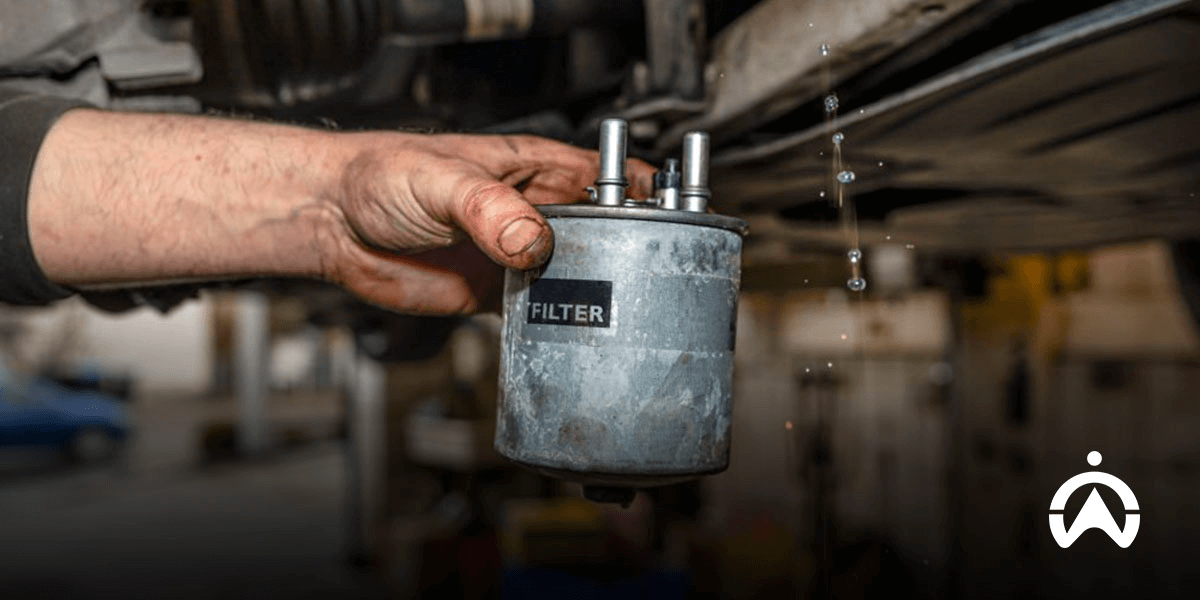
To avoid manually tracking their fleet’s service appointments, fleet managers can set maintenance or service reminders on the Cartrack Fleet Web and automate the administrative process. For example, replacing your fuel filter every two years or every 50 000 km driven (depending on the vehicle type) is typically recommended. By setting customised reminders for a fuel filter replacement, you ensure your fleet’s fuel filter is checked and replaced on time. What’s more, having to replace your fuel filter earlier than when you captured it on Fleet Web would indicate that there may be fuel contamination problems affecting your fleet.

2. Train fleet staff on fuel contamination issues

As expected, your drivers probably know more about your vehicle and your vehicle’s performance than you do. They are behind the wheel every day, ensuring your deliveries and tasks are completed on time. This also means they can alert you to vehicle issues so you can address them faster.

By training your drivers and other fleet staff on fuel contamination and the signs they can look out for, you can help them prevent and stop fuel contamination in your fleet. Simply adding routine oil and filter vehicle checks can go a long way.

Cartrack’s GPS tracking and telematics solutions help when your drivers are not sure what is causing your vehicle’s performance difficulties. Our telematics give insights into your vehicle so you get notified of engine faults and battery health checks. With these insights, you can address vehicle issues even faster.

3. Monitor your fleet’s fuel pattern

Last but certainly not least, your fleet’s fuel consumption, expenditure, and patterns can all indicate whether your vehicles’ and machinery are running on dirty diesel. Fuel monitoring is all about analysing your fleet’s fuel consumption in real time, tracking fuel expenditure and transactions, monitoring fuel tank levels, and identifying the problems affecting your fleet’s fuel.

Using various fuel data can help fleet managers detect and address fuel issues such as contamination. Sometimes fuel contamination is caused by drivers or fleet staff trying to get cheaper fuel so they can inflate the fuel costs and pocket the change from refuelling. This kind of fuel theft can be addressed with fuel card integration that restricts refuelling to authorised stations. Fuel cards can also be used to track fuel purchases by location, cost, and volume to help managers identify suspicious activity.

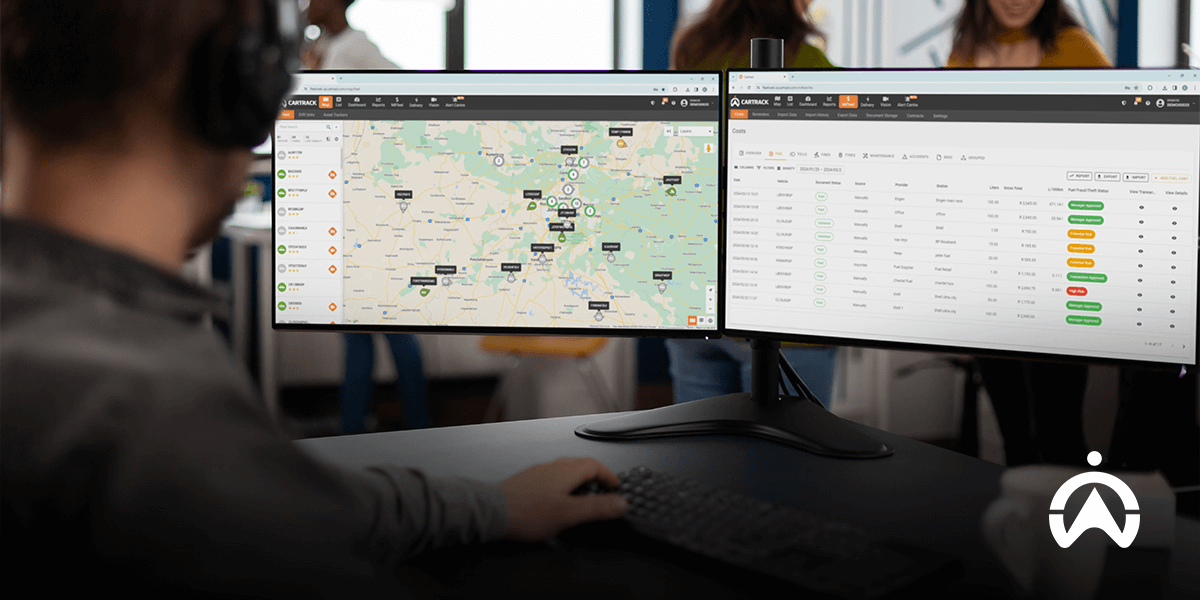
Our fuel monitoring system is equipped with GPS tracking and fuel sensors and can be integrated with Cartrack’s MiFleet for cost administration. This system provides an all-in-one option to address dirty diesel issues and other fuel management challenges. Using our system, fleet managers can customise and automate their fuel consumption reports on the Cartrack FleetWeb to meet their needs and address fuel issues.

Alternatively, if you realise that one or more of your vehicles or machinery seem to run out of fuel faster or that the vehicle often breaks down, then you can investigate dirty diesel or fuel fraud in your fleet.

chedule regular maintenance and vehicle checks

Fuel contamination: Debunking common myths

The news reports on fuel contamination and dirty diesel are not lying, but some misconceptions we have about fuel quality could stall your fleet, resulting in vehicle and equipment downtime and costly maintenance.

Let’s quickly debunk some common myths about fuel contamination.

Myth #1: There is no way to test your fleet fuel

Fleet managers can arrange different fuel testing tools and sampling checks with their fuel providers or request for their vehicles. Fuel testing is the only accurate way to determine whether a vehicle has dirty diesel. Mechanical checks, fuel tank condition, and fuel appearance all suggest contaminated fuel.

Myth #2: All diesel is the same

Diesel products differ, and South African vehicle owners have the option of choosing among different grades of diesel. It’s more important for fleet owners and staff to understand what their vehicles are compatible with and ensure they do not undercut their vehicles or machinery.

Myth #3 – Engines are resilient, so misfuelling is not a problem

Your engine cannot run properly without the right fuel, and sometimes, it will not run at all if you’ve poured the wrong fuel. While engines are resilient, misfuelling can damage your vehicle and cost you money.

Myth #4 – Using dirty diesel helps with fuel-saving

The saying goes, “cheap is expensive”, which is true when it comes to dirty diesel. Fuel saving should never compromise your fleet vehicles; dirty diesel damages your vehicle and reduces lifespan. With Cartrack’s fuel monitoring solutions, you can reduce your fleet’s overall fuel costs and strategies to improve your fleet’s fuel efficiency.

Protect your fleet from contamination with Cartrack’s fuel monitoring solutions

Fuel contamination can wreck your fleet, leading to costly repairs and unnecessary downtime. Protect your money-making vehicles and machinery from dirty diesel and keep your fleet running smoothly.

Contact ustoday for a free demo of our fuel monitoring solutions!

Hotshot Trucking: How To Accelerate Your Entire Business With One Powerful Fleet System

Is your trucking business hotshot-ready?

No, it doesn’t have anything to do with being an actual hotshot; it’s all about the ability to deliver goods as quickly and efficiently as possible.

Ready to take your hotshot trucking game to the next level? Read on to discover how Cartrack’s fleet management system is the solution your business needs for effective hotshot trucking.

In this article, you will:

  • Learn what hotshot trucking is
  • Find out what the role of hotshot trucking is in South African industries
  • Delve into the benefits and challenges of hotshot trucking
  • Explore how a fleet management system is important for solving these challenges
  • Discover how Cartrack’s solutions can take your business to the next level

What is hotshot trucking?

South Africa is home to a big logistics industry, which has made hotshot trucking crucial to its success. But what exactly is this?

The term “hotshot” describes a delivery solution for businesses that need to deliver time-sensitive goods as quickly as possible. Businesses that use this solution use hotshot trucks instead of traditional trucks to facilitate quick deliveries.

What is the role of hotshot trucking in South African industries?

Hotshot trucking is so beneficial that it impacts countless South African industries. Let’s explore nine of these:

  1. Mining and Resources:

    Hotshot trucking promotes the quick transportation of equipment, spare parts, and supplies to remote mining sites, ensuring uninterrupted operations and timely maintenance. ⁤
  2. Agriculture:

    In the agricultural industry, hotshot trucking promotes the fast delivery of perishable goods such as fruits, vegetables, and flowers to local markets or export facilities. ⁤This helps farmers maintain product freshness.
  3. Construction:

    In the construction industry, hotshot trucking simplifies the delivery of construction materials, heavy machinery, and building components to construction sites, which in turn simplifies project management and construction timelines.
  4. Manufacturing:

    The manufacturing industry benefits from hotshot trucking thanks to the faster and simpler delivery of raw materials, components, and finished goods to and from factories.
  5. Oil and gas:

    The oil and gas industry uses hotshot trucking to speed up equipment, tools, and supply delivery to drilling sites and refineries, ensuring operational efficiency and timely project execution.
  6. Telecommunications:

    The telecommunications sector uses hotshot trucking to quickly transport critical infrastructure components such as cables, antennas, and networking equipment to installation sites.
  7. Retail and distribution:

    The retail and distribution space uses hotshot trucking to speed up the transporting of infrastructure components such as cables, antennas, and networking equipment to installation sites.
  8. Emergency services:

    Emergency services use hotshot trucking to ensure the quick delivery of essential supplies, medical equipment, and relief aid during emergencies such as natural disasters.
  9. Specialised industries:

    Thanks to hotshot trucking, specialised industries, such as pharmaceuticals, can deliver sensitive equipment and products. This ensures that quality standards and deadlines are met.

With the role of hotshot trucking in different industries, what truly makes it a standout hero are its benefits. Let’s explore these below.

What_is_the_role_of_hotshot_trucking_in_South_African_industries

What makes hotshot trucking a delivery superhero?

Hotshot trucking brings a wide range of benefits to a fleet, helping bring in a new level of efficiency and success. These include:

  • Improving efficiency:

    Hotshot trucks can easily navigate traffic, helping them reach their destinations faster than traditional trucks. This ensures smooth operations and that urgent delivery needs are met.

  • Boosting flexibility:

    Hotshot trucks can drive in congested areas and travel to rural areas, which makes them the ideal choice for multiple industries and different types of deliveries.⁤

  • Improving customer satisfaction:

    In our fast-paced and tech-driven world, timely deliveries are important for customer satisfaction. Hotshot trucking allows businesses to quickly complete orders and respond to urgent customer requests. This creates a positive customer experience, positively impacting the business’s reputation and success.

  • Reducing your fleet’s carbon footprint:

    Compared to large trucks, hotshot vehicles are smaller and consume less fuel, which helps them contribute to a lower carbon footprint.

  • Providing opportunities for specialised cargo:

    Hotshot trucking is the perfect choice for delivering specialised cargo that requires special handling, whether temperature-sensitive or delicate. This helps businesses offer solutions to various industries, including pharmaceuticals.

Do these benefits have you thinking about starting a hotshot trucking business? Starting a hotshot trucking business requires careful planning for success in the competitive industry. So before you strap in and hit the accelerator, there are some challenges you should be aware of, as this knowledge will help you successfully navigate a hotshot trucking business.

⁤

Exploring the possible roadblocks of hotshot trucking

As beneficial as hotshot trucking is, it has its share of challenges. These challenges include:

  • Fuel price fluctuations and consumption:

    Fuel is a major operating expense for hotshot truckers, especially with South Africa’s fluctuating fuel prices. While hotshot trucks are fuel-efficient, they require careful, constant monitoring and route planning to optimise fuel consumption, which can be time-consuming and riddled with human error if done manually.
  • Higher operating costs:

    Hotshot trucking fleets are prone to higher operating costs per kilometre due to fuel efficiency, maintenance, insurance, and road tolls. Effectively managing these expenses is key to maintaining profitability in this competitive industry.
  • Limited capacity:

    Hotshot trucks have a smaller load capacity compared to traditional trucks. This lowers the volume of goods that can be transported in a single trip, leading to higher transportation costs for larger deliveries.
  • Risk of overbooking:

    The fast-paced nature of hotshot trucking increases the risk of overbooking or scheduling conflicts, especially during peak periods. This can lead to difficulties in meeting delivery commitments and maintaining customer satisfaction.
  • A limited supply of hotshot drivers:

    The shortage of skilled hotshot truck drivers in South Africa is a challenge, as the industry requires experienced professionals who can safely complete time-sensitive deliveries. This shortage can lead to delays in delivery, impacting a business’s reliability.

If these challenges aren’t handled, they can snowball into a business crash. However, it is avoidable, and the solution is a fleet management system.

Goodbye headaches, hello efficiency: A fleet management plan for trucking woes

Imagine a virtual control centre for your fleet that is accessible from your smartphone or laptop.

You don’t need to imagine anymore because that’s what a fleet management system is; comprehensive software designed to streamline and optimise fleet operations.

⁤With technologies like telematics and GPS tracking, a fleet management system provides real-time insights into fleet operations. ⁤⁤In hotshot trucking, where every minute and litre of petrol counts, these insights can help optimise routes, improve driver safety, and identify potential problems before they become costly delays. ⁤

⁤Whether you own one or multiple trucks, this solution is the key to solving the challenges of hotshot trucking.

Unveiling the advantages of a fleet management system for hotshot trucking company

Hotshot trucking thrives on agility and efficiency, which a fleet management system can help with. Let’s take a look at how this system can elevate your hotshot trucking business:

  • Real-time tracking:

    Hotshot trucking is built on tight schedules, which makes monitoring vehicle locations in real time important for on-time deliveries. Manually monitoring many vehicles can be time-consuming and filled with human error, but with a fleet management system, it doesn’t have to be. This system provides real-time capabilities, which helps hotshot trucking businesses know exactly where all their vehicles are, reducing delay risks.

    Let’s take a look at John, who runs a hotshot trucking business. His drivers are constantly on the road, which makes it challenging to keep track of them at all times. Without a fleet management system, John would have to constantly call his drivers to find out where they are, but now, he sees all this information from the comfort of his phone.

  • Optimised routing:

    South Africa is home to unpredictable traffic conditions and occasional road closures, creating delays and increased travel times for hotshot trucking. This is where a fleet management system comes in, using GPS technology to provide route suggestions based on real-time traffic patterns.

    Let’s look at John again. His drivers would typically be left in the dark about traffic conditions and road closures. This used to be dangerous to his fleet’s functioning and success, but now, with a fleet management system, he can help drivers find alternative routes, helping prevent costly delays that will result in late deliveries.

  • Vehicle maintenance:

    With frequent short-distance trips, hotshot trucks are prone to accelerated wear and tear, which increases maintenance requirements. For example, short trips prevent an engine from reaching its ideal operating temperature. This causes incomplete combustion, oil debris build-up, and poor lubrication of engine components, causing engine damage. These damages can be difficult to detect without a fleet management system, which provides proactive maintenance scheduling according to vehicle mileage and diagnostics. This encourages preventative maintenance, which prevents unforeseen breakdowns and costly repairs.

    Let’s look at John again, who used to play the guessing game with the running condition of his trucks. This meant vehicle breakdowns that would lead to unplanned downtime, damaging the business’s efficiency and reputation. But now, equipped with a fleet management system, he can spot maintenance issues before they become bigger issues, keeping his vehicles running for longer.

  • Fuel management:

    Hotshot trucks are constantly on the road, making fuel a major expense that can be worsened by driver behaviour. Manually monitoring each of your vehicle’s fuel usage shouldn’t be a hassle, it can be automated with a fleet management system. By monitoring fuel usage and fuel-burning driver behaviours like idling, harsh acceleration, and speeding in real time, you can quickly identify inefficiencies and implement corrective measures to reduce fuel consumption.

    John used to have to check all his vehicles at the end of each day, which was time-consuming and led to inaccurate calculations due to human error. With a fleet management system, he can keep a close eye on how much fuel each vehicle consumes, saving him time and money.

  • Safety enhancement:

    Hotshot trucking is a fast-paced industry where drivers need to complete deliveries as quickly as possible, which can cause risky, unsafe driving. It can be difficult to know exactly how your drivers are operating behind the wheel, but with a fleet management system, you gain in-depth insight into their behaviour, which can enhance their overall safety.

    John didn’t know how his drivers behaved while behind the wheel. This meant there was no way of identifying which drivers needed training and in which specific areas. With a fleet management system, John can now observe his drivers’ behaviour in real time, unlocking a new level of visibility and safety.

    – Scalability: Scalability is a business’s ability to expand based on changing demands. By using smaller trucks to quickly respond to customer needs, hotshot trucking offers the flexibility to quickly adjust operations according to varying demands and real-time needs.

These benefits sound fantastic, right? Well, they’re not unattainable. You can give your hotshot trucking business this cost-effectiveness, safety, and productivity boost with Cartrack Tanzania.

Unveiling_the_advantages_of_a_fleet_management_system_for_hotshot_trucking

Turn the heat up on your hotshot operation with Cartrack’s solutions

Make your hotshot trucking business the talk of the town with Cartrack’s wide range of fleet management solutions, including:

  1. Cartrack Delivery:

    Unlock ultimate delivery operations for your hotshot trucking business with Cartrack’s Delivery platform. Our AI-powered route optimisation algorithm uses real-time traffic conditions to ensure you take the most fuel and time-efficient routes, helping you reduce overall costs and boost efficiency. Not only that, but this feature-rich solution helps you gain in-depth insights into all your drivers and their trips. This ensures that you accurately assign jobs based on driver availability and job completion times, which is important in this fast-paced industry where multiple deliveries need to be completed in short periods.

  2. Specialised sensors:

    Keep refrigerated cargo fresh with Cartrack’s real-time reefer temperature monitoring. Hotshot trucking is all about time-sensitive load delivery, and this can include temperature-sensitive goods. With our reefer temperature monitoring that helps you closely monitor refrigerated truck conditions, you can keep your perishable goods as fresh as the day they were prepared. Receive a live alert the moment any temperature fluctuations are detected, helping you send a replacement truck to ensure fresh deliveries.

  3. GPS tracking:

    Gain in-depth insight into where all your vehicles are at all times, thanks to our real-time GPS tracking technology. By using GPS and GSM technology, our IoT device helps you unlock unparalleled vehicle tracking and full insight into its location, the direction it travels, and its speed. This is all available through our easy-to-use, convenient fleet management platform or mobile app, unlocking complete visibility for your hotshot trucking business.

  4. Fuel monitoring:

    Know exactly how much fuel each of your vehicles is consuming in real-time with Cartrack’s fuel monitoring system. Constant short trips can increase fuel consumption due to incomplete engine warmup and increased idling. With this in-depth information, you can quickly spot fuel drainages, prevent fuel theft, and spot fuel fraud by matching fuel receipts with your vehicle’s fuel status and location. which can significantly improve your fleet’s operational efficiency.

  5. Driver behaviour monitoring:

    Ensure that your drivers are driving as safely as possible with Cartrack’s Live Vision AI cameras. This cloud-connected video management software gives your drivers real-time, audible alerts when distracted and dangerous driving like smoking, phone use, and yawning are detected. This allows them to correct their behaviour in real time and prevent accidents. Give your drivers another level of safety with Cartrack’s advanced driver assistance system (ADAS), which can give drivers real-time alerts if their vehicle approaches an obstacle or vehicle too quickly, helping them avoid obstacles and prevent accidents.

  6. Cost management:

    Keep track of every cent your fleet needs to run with Cartrack’s MiFleet software. Operating in a fast-paced industry like hotspot trucking requires you to always be hands-on with your expenses, and MiFleet is here to simplify that. This system helps you reduce admin time, eliminate human error caused by manual calculations, and accurately track all your fleet expenses, from fuel costs and taxes to maintenance and vehicle permits. You can make your fleet cost-effective and compliant by unlocking in-depth insight into all fleet expenses.

  7. Preventative maintenance:

    Make unforeseen breakdowns a thing of the past with Cartrack’s preventative maintenance solution. With easy access to advanced analytics, our software helps you spot potential maintenance issues like damaged brake pads and low oil levels before they affect fleet longevity and functionality. The system can also create a tailor-made maintenance plan based on smart analytics and historical data, helping you avoid unplanned downtime that can affect your fleet’s productivity. This is crucial in an industry where even a few minutes of downtime can lead to significant losses.

Double the efficiency and half the hassle with Cartrack’s solutions today

Hotshot trucking is all about speed and efficiency, and your fleet needs to embrace these to be successful in this industry.

Contact us today and make your hotshot trucking business the most streamlined, effective, and profitable with Cartrack’s fleet management.

Manual vs. Automatic: Which Is Better for Your Fleet?

Businesses have important criteria to ensure their vehicles are a perfect match for their specific requirements. It’s all about being the perfect couple, from zippy motorcycles delivering speedy treats to rugged trucks for furniture or construction crews. After all, birds of a feather fleet together.

But what about automatic vs manual vehicles? Which suits your business best?

Let’s dive in to get the answer and see which transmission type is favoured most by South African businesses.

In this article, you will:

  • Uncover the shifting trends in fleet vehicle preferences
  • Compare manual and automatic transmissions
  • Discover how automatic transmissions address fleet challenges
  • Get tips for choosing the right transmission type for you
  • Find out why Cartrack Tanzania is the best fleet management solution for both manual and automatic fleets

Fleet landscape in 2024

If your business is in the automotive industry, I bet you’ve noticed some changing trends impacting your vehicle sales. Since the introduction of automatic and electric vehicles (EVs), more and more businesses from various industries are starting to buy and use them.

If consumer sales are anything to go by, South African motorists have tipped the scale in favour of automatic vehicles. For the first time in well… ever, automatic vehicles have outsold manual vehicles based on November 2023 vehicle sales, reported Cars.com with the help ofLightstone Auto. Even though this proves that more automatic vehicles have recently been sold in South Africa, the information used was only based on vehicles like passenger cars, including SUVs, and light commercial vehicles. So, it’s also interesting to note that a medium to extra-heavy commercial vehicle like a truck is not part of this new trend.

Manual_vs_automatic_transmission

Manual vs automatic transmission: What’s the difference?

When it comes to choosing between the two, most fleets don’t. They opt for having both types of vehicles in their fleet so they can reap the benefits of both transmission types.

Let’s break down the differences between the two.

Reliable manual vehicles:

These are the classic cars we all know and mostly love.

These vehicles have a stick shift and a clutch pedal for the driver to manually speed up, slow down, and control the vehicles they drive. This type of vehicle gives full control to the driver to operate as they please.

Here are the benefits of manual vehicles:

Improved vehicle control: With manual transmission, drivers have more control over gear shifts, allowing them to adjust to road conditions and terrain as they please.

Lower initial cost: Manual vehicles are typically cheaper for businesses to buy upfront compared to autos, making them a more cost-effective option for buyers with tight budgets or businesses with smaller fleets.

Better fuel consumption: Manual transmissions can potentially improve fuel economy as they allow drivers to shift gears while driving for maximum fuel efficiency, but this benefit solely depends on driving behaviour.

Affordable mechanism: Manual transmission gearboxes have fewer complex mechanical components than automatic ones, potentially lowering the chances of expensive repairs causing extended downtime.

Modern automatic vehicles:

Automatic vehicles have a transmission type that uses computers and sensors to identify the vehicle’s speed and change gears automatically, cutting out the need for manual gear shifting by the driver.

Despite the technological innovation of automated gear changes, this type of transmission isn’t necessarily the better option for every business, but it does have advantages that many organisations can’t ignore.

  1. User-friendly: Unlike manual transmissions, automatic vehicles don’t take you that long to get used to driving or operating, making them more user-friendly.
  2. Enhanced safety: With automatic transmissions, drivers can keep both hands on the wheel at all times, promoting safe driving and increased driver behaviour awareness on the road.
  3. Easier hill driving: Drivers never have to worry about their vehicle rolling backwards on a hill. An automatic transmission gearbox prevents vehicles from rolling back on steep inclines, providing a smooth driving experience without needing pedal balancing.
  4. Reliable performance: These vehicles rarely stall like their manual counterparts, ensuring a smooth driving experience without sudden engine shutdowns.
  5. Stress-free traffic driving: Automatic transmission types simplify driving in congested traffic conditions, requiring little pedal inputs for stop-and-go situations. Some automatic vehicles even turn off automatically if the vehicle stops for a long duration of time to avoid idling and save petrol.

The best of both options:

There’s a third player in this manual vs automatic comparison game: The automated manual transmission.

The automated manual transmission, or AMT, has the same mechanisms as a manual vehicle, just with sensors and actuators that process the automatic changing of gears. Then what’s the difference between this and the other popular transmissions?

Well, for one, a car with an AMT does not have a clutch pedal; there’s only the accelerator and brake pedal. This type of transmission allows for manual gear changing when needed by simply moving the gear lever up or down.

Will an automatic fleet improve my fleet for the better?

In short, yes, it can potentially improve your fleet operations.

Since the introduction of automatic vehicles, many everyday drivers and fleet owners have become increasingly interested in the easy-to-use, fuel-conscious vehicle type. Now in 2024, the interest is still going strong.

For fleet managers, the allure of automatic transmissions goes beyond smoother rides for drivers; it’s about how they tackle some of the biggest pain points that affect their bottom line:

Automatic transmissions, especially modern ones, can not only automatically select the optimal gear for driving conditions, leading to smoother acceleration, but can also provide less engine strain by doing so. This processing could mean fewer fuel stops and lower overall fuel costs for fleet vehicles.

As manual transmissions require more driver input, particularly during congested traffic or driving in hilly areas, this can lead to driver fatigue and stress. Automatic cars eliminate the need for this manual repetition, reducing driver fatigue and the potential for costly accidents.

That’s right, with fewer actions needed for driving, automatic cars allow drivers to focus more on the road and surrounding vehicles. This can positively result in a decrease in accidents, which not only protects your drivers but also saves businesses money on repairs, insurance claims, and even potential lawsuits. By strongly impacting maintenance, safety, and fuel, it’s easy to see how automatic motors are becoming the go-to choice for fleet owners. With the rising fuel and maintenance costs, opting for automatic transmission makes a lot of practical sense for fleet owners.

Will_an_automatic_fleet_improve_my_fleet_for_the_better

How do I choose the right transmission for my truck or car?

Like most major decisions that impact your fleet or business, like choosing the right fleet management software or implementing a fuel card system, you first have to look within and ask yourself what exactly your fleet needs for improved operations, what you can afford, the industry your business works in, and how big your fleet is.

Choosing between manual and automatic fleet vehicles involves a balancing act between these key factors:

  • Purchase price: Automatic vehicles typically have a higher upfront purchase price compared to manuals.
  • Fuel efficiency: Modern automatic transmissions can be more fuel-efficient, especially for city driving, with traffic lights prompting frequent stops and starts. This can lead to long-term fuel cost savings. However, the answer can change depending on whether your business does the majority of inner-city travel or long-distance travelling.
  • Maintenance: While automatics may require less frequent maintenance in some cases, their repairs can be more expensive when needed, so practising preventative maintenance here and there can be very beneficial.

What’s the first step to optimising my fleet? Cartrack Tanzania fleet management solutions

If you’re looking for fleet management software to optimise your fleet of green automatic trucks that offer mobile pet grooming services or blue manual vehicles that deliver home gadgets, look no further than Cartrack Tanzania.

Cartrack’s versatility shines through its ability to seamlessly integrate with automatic and manual fleet cars. Regardless of your vehicle’s transmission type, Cartrack Tanzania empowers you to optimise fleet performance and operations with our trusted features:

Fuel monitoring: Gain real-time insights into fuel consumption across your fleet. Identify areas for improvement, like unnecessary idling or fuel-wasting driving habits, and coach drivers for better fuel economy in automatic and manual vehicles.

Route planning: Easily set and manage predefined routes for your fleet vehicles to shorten travel duration and lower fuel consumption. If your drivers don’t follow these predefined routes, you’ll promptly receive real-time alerts, allowing you to inform them to reroute or offer assistance if something has gone wrong.

Data-driven reports: Whether you’re monitoring fuel consumption, driver behaviour, or vehicle health and performance, Cartrack’s telematics-powered fleet management technology offers over 40 reports with valuable insights that keep you informed and empower smart decision-making.

Spots or stripes? Get a fleet management solution perfect for manual and auto fleets

Cartrack Tanzania caters to fleets of all sizes, industries, and transmissions. If a fleet management solution is what you need to elevate your fleet into a new stratosphere of success, Cartrack Tanzania has the smart features, insights, and trusted technology to make it happen.

Contact Cartrack Tanzania today.

Abnormal Load Trucks: How to Eliminate Your Truck Operation Challenges With a Fleet System

Handling a fleet of trucks can be a hassle, and handling an abnormal load fleet can be more difficult. But does it have to be?

Let’s find out how Cartrack Tanzania can simplify managing an abnormal load fleet, turning it into a breeze.

In this article, you will:

  • Understand what abnormal load fleet trucks are
  • Unpack the state of abnormal load trucking in South Africa
  • Delve into the challenges faced in abnormal load fleets
  • Uncover what makes fleet management the ideal solution for these challenges
  • Discover how Cartrack’s fleet management solutions are your secret weapon to fleet success

Unpacking what abnormal load fleet trucks are

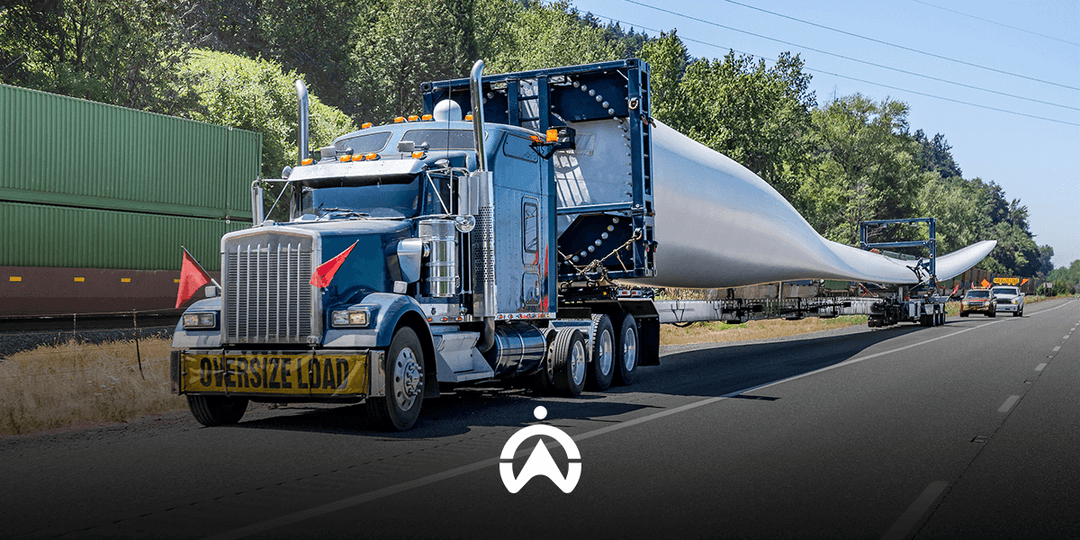
Abnormal load fleet trucks are specialised vehicles designed to transport machinery, industrial equipment, and oversized or overweight loads that exceed the standard legal limit, whether width, length, height, or weight. These trucks are important in the transportation industry, as they ensure the safe delivery of heavy cargo—think massive transformers, wind turbine blades, and even oil rig platform sections.

See, these aren’t your typical eighteen-wheelers; they are specifically designed to handle heavy, specialised cargo usually used for major construction and infrastructure projects and use various trailers, depending on the cargo they carry. These include low-bed trailers that sit low to the ground to carry extra-tall machinery, extendable trailers that are ideal for very long objects, step-deck trailers that simplify forklift loading, and flatbed trailers that are ideal for quick and easy equipment loading and unloading.

Spot the difference: Abnormal load trucks vs. normal trucks

Let’s do a quick comparison of the difference between abnormal load trucks and normal trucks:

Abnormal load trucks Normal trucks
Load size and weight Transport oversized and heavy loads that are above the standard legal size and weight limits Transport large and standard-size loads that are within the usual legal size and weight limits
Cargo type Usually transports specialised cargo such as mining, construction, and industrial equipment Usually transports general goods and materials, such as packaged goods and building materials
License requirements Drivers require special licenses to drive these trucks, as they come with more safety challenges and concerns Drivers require a standard truck driver’s license
Legal requirements These trucks must be permitted to operate legally because they exceed standard legal limits. These don’t require special permits, as they operate within the standard legal limits.

Abnormal load trucks sound like a mouthful, right? Well, that’s what makes these trucks so important—their ability to get the job done, no matter the size. But how important are they in South Africa’s unique economy? Let’s find out.

Decoding abnormal load transportation in South Africa

The South African economy is shaped by the construction and development industry. In fact, in the fourth quarter of 2023,the construction industry contributed about R106 million to the country’s gross domestic product (GDP). The industry is also expected to grow steadily over the next four quarters, recording a compound annual growth rate of 5.8% between 2023-2027. This means that the construction output is set to reach over R276 million by 2027.

The transportation of heavy, large machinery is a crucial part of a successful construction industry. In South Africa, abnormal load transportation is important for moving components such as mobile cranes, earth-moving equipment, and heavy machinery from one destination to another.

However, abnormal load transportation isn’t just limited to the construction industry; it also plays a role in the following industries:

  • Mining industry:

    Simplifying the delivery of equipment such as drill rigs, underground loaders, and belt systems.
  • Power plants:

    Aiding the delivery of turbines, generators, and transformers.
  • Manufacturing industry:

    Streamlining the delivery of storage racks and industrial boilers.

With the growth of these industries, abnormal load transportation has also grown, bringing a new set of challenges for them.

Exploring the hidden hurdles of abnormal load transportation in South Africa

South Africa has a unique climate for running any business, and this applies to the abnormal load fleet industry. South Africa’s economic and geographical climate creates a unique set of challenges for fleet managers. These challenges include:

  • Rising operational costs:

    South Africa is the home of fuel cost fluctuations, with the most recent fuel price increase of R1,21 for a litre of petrol and R1,19 for a litre of 50 ppm diesel. With the amount of fuel abnormal load trucks burn due to their size and weight, even the smallest increase can significantly increase operational costs. Abnormal load trucks need powerful engines to maintain momentum, and the specialised trailers create significant wind resistance. These two factors result in higher fuel consumption compared to regular trucks. So, if fuel consumption isn’t closely monitored, increased consumption will leave you with the nasty surprise of possibly being unable to pay for your fuel.
  • Fleet compliance:

    Compliance is a big challenge faced by abnormal load fleet managers. Abnormal load trucks carry loads that are so large and heavy that they can exceed legal weight limits. For this reason, transporting abnormal loads requires special permits that specify approved routes and safety conditions, depending on the size and nature of the load. This permit isn’t just extra admin; it’s also an extra expense, which can add to the already expensive nature of abnormal load fleet vehicles.
  • Driver management:

    Handling a vehicle with a heavy load can be very challenging, so drivers need the appropriate training to ensure they drive safely and efficiently. Whether you have one, five, or twenty abnormal load trucks, this can be quite challenging, as you need to keep an eye on your drivers at all times to determine how they are behaving behind the wheel.
  • Route planning:

    Abnormal load truck routes need to be pre-planned, as they cannot take the same routes as normal vehicles or trucks. Many South African roads are not designed to handle large, heavy loads, especially in urban areas where streets are too narrow and roads have sharp corners or low bridges. Route planning ensures that large loads are delivered on time with little to no delays while avoiding high-risk theft or hijacking areas.
  • Vehicle maintenance:

    Vehicle maintenance is a major challenge for abnormal load fleet managers in South Africa. The increased weight and size of the cargo abnormal load trucks carry puts additional strain on many vehicle components, such as engines, brakes, suspension, and tyres, accelerating vehicle wear and tear. With South Africa’s poor road conditions, vehicle parts can face premature damage, meaning more frequent maintenance.

Abnormal load trucks face a wide range of challenges; if these aren’t handled, your fleet can become a heavy burden. If you’re looking for a solution that streamlines and solves these challenges, you need a fleet management system.

Exploring_the_hidden_hurdles_of_abnormal_load_transportation_in_South_Africa

Go from headache to efficiency with a fleet management system

Imagine having eyes and ears on every abnormal load truck in your fleet at all times. This is the beauty of fleet management systems, it’s a combination of tools and technologies that make fleet management tasks easy. These systems increase fleet productivity, improve efficiency and safety, and simplify real-time monitoring of various fleet aspects. It’s your all-in-one tool to know what’s happening in every aspect of your fleet, whether it be fuel consumption, driver behaviour, or maintenance issues.

A fleet management system isn’t a luxury; it is essential to the efficient running of your fleet, and without it, the repercussions are detrimental. Let’s take a look at the consequences of not prioritising fleet management in the context of abnormal load fleet vehicles.

How does poor fleet management impact abnormal load fleets?

Effective fleet management is crucial whether you’re transporting normal or abnormal loads. Let’s take a look at the risks of not prioritising it on your fleet:

  • Financial losses:

    Fleet management is rooted in the constant monitoring of various fleet aspects, and without it, a fleet can experience significant financial loss. Fuel wastage due to inefficient routing, poor vehicle maintenance, and dangerous driving behaviour can lead to an increase in operational costs, reducing fleet profitability.
  • Reputation damage:

    Fleet management is essential to streamlining fleet processes, and with it, fleets can avoid delays that can damage their reputation and customer service. One of the most incredible things about fleet management is the in-depth insight it gives you into your entire fleet operation, whether it be driver behaviour, real-time vehicle location, or routing.

    Let’s look at John again. He doesn’t employ fleet management strategies, which means he can’t spot potential delays in delivery routes due to traffic conditions. He also needs to call each of his drivers to find out exactly where they are and how long it should take them to complete their delivery. These factors lead to late deliveries, damaging the fleet’s reputation.

  • Unplanned downtime and unforeseen damage:

    Fleet management gives you in-depth insight into factors that can lead to unplanned downtime and unforeseen damage. It’s all about real-time monitoring, taking the guessing out of running your fleet.

    John can’t help his drivers stay safe and drive responsibly because he doesn’t know how they’re driving. It is important to remember that, according to the Department of Transport, abnormal load truck drivers require an appropriate license and training to drive these vehicles safely. John cannot provide specific training because he doesn’t know what areas his drivers need training in, increasing the risk of car accidents.

These consequences sound hefty, right? This is why you need a fleet management system. Now that we’ve covered the impact of poor fleet management, let’s explore how a fleet management system can help you take your abnormal load fleet to the next level.

How can a fleet management system help streamline abnormal load fleets?

A fleet management system is the secret weapon you need in your fleet’s arsenal for various reasons. Let’s explore these below:

  1. Streamlined route planning:

    As we established above, abnormal load trucks cannot use all roads due to their size. Using real-time GPS tracking and AI software, a fleet management system can spot congested roads, low-clearance obstacles, bridge weight capacity, and other critical factors that help you identify the safest, most convenient route. Fleet managers can ensure their deliveries are made on time by following routes that won’t require deviations due to congestion or rules and regulations.
  2. Enhanced driver safety:

    Driver safety is essential, especially when handling a vehicle as large as an abnormal load truck. A fleet management system lets fleet managers view their drivers in real time, helping them know exactly what goes on behind the wheel. By doing so, they can spot behaviour that puts their drivers and cargo at risk. This allows them to implement driver-specific training to ensure the fleet remains as safe, effective, and as productive as possible.
  3. Optimise vehicle safety:

    We live in a country where your car is always at risk of being stolen, which is a costly risk for abnormal load trucks and the cargo they carry. A fleet management system helps fleet managers unlock a new level of vehicle safety, thanks to real-time GPS tracking. This helps them to always know where their vehicles are. So, if a driver notifies the manager that the vehicle has been stolen, they can quickly pinpoint its location at the tap of a button.
  4. Preventative maintenance:

    Preventative vehicle maintenance is more than just fixing a faulty part; it’s about spotting the issue before it snowballs into a more serious, costly matter. A fleet management system can monitor the health of various vehicle components, ranging from engines to brake pads. By helping fleet managers quickly spot faulty parts that can affect the truck’s roadworthiness, they can swiftly schedule a repair to avoid unplanned downtime.
  5. Effective fleet cost management:

    Running a fleet comes with a ton of costs, which increases with an abnormal load fleet. These expenses can be a lot to manage and keep an eye on, but with a fleet management system, you can know exactly how much money it costs to effectively run your fleet. Knowledge is power, which also applies to your fleet’s running costs. This knowledge can help you spot cost drainages in your fleet, implement cost-saving strategies, and ensure you never miss a payment deadline.

Intrigued? Well, you can unlock these benefits for your abnormal load fleet today. How? The answer is Cartrack’s fleet management solutions.

How_can_a_fleet_management_system_help_streamline_abnormal_load_fleets

Tame these fleet giants with Cartrack’s fleet management solutions

Cartrack Tanzania offers a wide range of fleet management solutions that can simplify the running of your abnormal load fleet. Let’s go over a few of these solutions:

  1. Driver behaviour monitoring:

    Keep track of your abnormal load driver’s behaviour with Cartrack’s AI Live Vision cameras. This AI-powered live streaming technology helps you unlock 24-hour visual access to your fleet, making monitoring each of your drivers a breeze. By making use of AI analysis, our cameras can detect different forms of dangerous or distracted driving, including:

    – Fatigue
    – Speeding
    – Smoking
    – Cell phone use

    Audible in-cabin alerts are triggered the moment these behaviours are detected, allowing your drivers to correct their behaviour in real time. This proactive approach to safe driving works to help your drivers avoid costly and potentially fatal accidents. And, as a fleet manager, you can also receive these real-time alerts on top of keeping an eye on your drivers via a live stream feed to make sure you stay updated even if looking away for a moment.

  2. Driver scorecards:

    Know exactly which areas your drivers need to improve on with Cartrack’s driver scorecards. It’s one thing to know that some of your drivers are driving harshly, but it’s another to be able to pinpoint exactly which driver is behaving this way. Our scorecards keep track of high-risk behaviours, including:

    – Harsh braking
    – Excessive speeding
    – Sudden acceleration
    – Harsh cornering

    These detailed reports help you pinpoint the exact time, location, and driver linked to these harsh driving events, helping you know which drivers require targeted training to improve your abnormal load fleet’s overall safety.

  3. ADAS:

    Ensure your drivers are completely aware of their surroundings with Cartrack’s Advanced Driver Assistance System (ADAS). This proactive technology uses features such as front collision warnings to alert drivers of a potential threat in real time, helping promote vehicle safety and prevent potentially disastrous road accidents.
  4. Driver ID tags:

    Make sure that only authorised drivers can use your abnormal load trucks with Cartrack’s Driver ID tags. As established, abnormal load truck drivers need special licenses to operate these large vehicles, so you don’t want to give unqualified or inexperienced drivers access behind the wheel. By giving your drivers a unique tag that needs to be tapped on a sensor inside a vehicle to start, you achieve controlled driver-vehicle assignment and usage, unlocking another level of safety.
  5. MiFleet:

    Account for every cent your abnormal load fleet consumes with Cartrack’s MiFleet software. Our cost management system gives you full insight into every fleet expense, ranging from vehicle permits for your abnormal load trucks to their fuel costs. By being hands-on with your fleet expenses, you can say goodbye to human error caused by manual calculations. This reduces your admin time and helps your fleet remain cost-effective, compliant, and profitable.
  6. Cartrack Delivery:

    Level up your abnormal load fleet’s delivery game with Cartrack Delivery. Making deliveries is already taxing and can be a hassle for abnormal load fleets. However, thanks to our Delivery solution, it doesn’t have to be. This solution aims to streamline and optimise all your delivery options by giving you full insight into your driver’s location and trips. This helps simplify job assigning, as it is based on job completion times and driver availability. But that’s not all, as this solution also helps you find the best delivery routes for your drivers. By using real-time traffic conditions, our route optimisation tool ensures that your drivers take the most effective, deviation-free routes, which reduces delays and improves overall efficiency and customer service.
  7. Fuel monitoring:

    Make every litre of petrol count with Cartrack’s fuel monitoring system. At Cartrack Tanzania, we understand that fuel is a major expense for fleets, especially those transporting abnormal loads. This is why we’re bringing you a solution that helps you be in complete control of your fleet’s fuel consumption. By helping you monitor fuel consumption in real time, you can quickly spot the source of fuel drainages and even prevent fuel theft.

    Thanks to our software’s ability to match your fuel receipts with your vehicle’s location and fuel status, you can spot fuel fraud, helping you reduce cost draining and boost your fleet’s overall efficiency.

  8. Preventative maintenance:

    Ditch unplanned downtime and costly breakdowns with Cartrack’s preventative maintenance solution, equipped to help you spot potential maintenance issues before they become costly and affect fleet longevity. Equipped with advanced analytics, this solution monitors the health of various vehicle components like brake pads, taking the guessing game out of knowing which part of your truck needs maintenance. But that’s not all because this system also creates maintenance plans tailored to your fleet, helping you avoid scheduling maintenance at compromising times, preventing road accidents, and increasing your fleet’s longevity.
  9. Real-time GPS tracking:

    Know where all your abnormal load trucks are at all times, thanks to our real-time GPS tracking technology. Our next-level IoT devices are equipped with GPS and GSM, which gives you full insight into where your vehicle is, the direction it is travelling in, and the speed it is being driven. All you have to do to gain access to this information is open our fleet management platform or our mobile app. Talk about safety at the tap of a button, right? But that’s not all because, with our GPS tracking, you get access to our stolen vehicle recovery service, with an above 90% success rate.

    So, in the unfortunate event that your truck is stolen, Cartrack’s highly trained recovery team works hard to recover it based on its live location updates.

Power your fleet with smart fleet management

Your success as an abnormal load fleet depends on your ability to be forward-thinking in your fleet management approach. Cartrack is an industry leader that thrives on innovation, making us the perfect choice to take the abnormal weight off of your shoulders.

Watch the video below to find out exactly how:

Master abnormal load fleet management and unlock efficiency, safety, and profitability with Cartrack Tanzania

Size plays a big role in fleet management, and to take your big fleet to the next level, you need a big-thinker as your partner. That partner is Cartrack.

We’re trusted by over 1.9 million subscribers. Trust us in solving your abnormal load fleet challenges.

Contact us today and give your abnormal load fleet the ultimate success.

Don’t let your abnormal load trucks get you down—get your answers from these FAQs

You probably have a few unanswered questions about fleet management. Well, there’s no need to leave this page because we’re here to answer those questions for you!

How can I improve my fleet management?

  • Implementing a fleet management system is the first step to improving your fleet management. This is because a fleet management system helps you manage fuel costs, optimise routes, track your vehicles in real time, and monitor driver behaviour, which is all crucial for improving fleet management.

How do you maintain a fleet of trucks?

  • There are various ways to maintain a fleet of trucks, but the most important include keeping vehicle parts in good working condition through regular maintenance and preventing dangerous driving behaviour that can lead to premature wear and tear.

How do you introduce safe fleet management?

  • Safe fleet management is centered around real-time insight. Focus on driver-specific training, which begins by monitoring your drivers’ behaviour while they’re behind the wheel. Also, prioritise real-time vehicle location monitoring, as this helps you unlock heightened visibility and safety.

How do you deal with fleet management?

  • Take on a preventative approach as opposed to a reactive one.
  • Keep a close eye on driver behaviour.
  • Know where every cent is going in your fleet operation.
  • Measure each litre of petrol consumed.
  • Ensure you know where each fleet vehicle is at all times.

Click here to enter a world of unparalleled safety, efficiency, and productivity for your abnormal load fleet with Cartrack Tanzania.

Road Rage: How to Instantly Protect Yourself, Your Fleet, and Your Drivers

Everyone gets annoyed on the road.

It’s one thing to get annoyed by someone overtaking you, but it’s another to rudely or even violently retaliate.

This is road rage, labelled “one of South Africa’s biggest killers.”

As common as it is, it shouldn’t be your reality. The solution to protecting your fleet and drivers is a fleet management system.

In this article, you will:

  • Learn what road rage is
  • Delve into the road rage figures in South Africa
  • Find out what causes road rage and how you can handle it
  • Explore how a fleet management system can help you manage road rage
  • Discover how Cartrack’s solutions are the secret weapon for combating fleet road rage

Let’s define road rage

Road rage is a term used to describe aggressive and sometimes violent road behaviourcaused by irresponsible driving. Triggers include:

  • Speeding
  • Tailgating
  • Running a red light
  • Changing lanes without indicating
  • Harsh weather conditions
  • Traffic congestion

This less-than-friendly behaviour is more than just a feeling of frustration or a mean look, as it is displayed in different forms, including:

  • Yelling at other drivers
  • Making vulgar gestures
  • Physical violence

These behaviours endanger the lives of those involved and other road users. But just how common is it on South African roads? Let’s see what the stats say.

Road rage: The numbers that are still on the rise

While road rage includes yelling and vulgar gestures, it can escalate into more violent behaviour that turns into potentially dangerous, life-threatening events. Let’s take a look at just how severe it can get and look at the numbers:

SAPS’ 2nd Quarter crime report (July 2023 – September 2023) indicates that road rage was responsible for about 1,272 attempted murders, 1,053 murders, and 20,686 assaults with grievous bodily harm.

Unfortunately, these numbers are still on the rise. According to the 3rd Quarter Crime Report (October 2023 – December 2023), road rage was responsible for about 1,702 attempted murders, 1,116 murders, and 27,918 assaults with grievous bodily harm.

These numbers tell us just how serious this issue is for South Africa. But what causes road rage? Let’s take a look.

What are some common causes of road rage?

While there are countless causes of road rage, let’s explore the three most common ones; traffic, weather, and aggressive driving:

  1. Traffic congestion:

    Bumper-to-bumper traffic can cause people to drive recklessly to get to their destination on time. This leads to affected motorists being frustrated and annoyed, triggering road rage.

    Look at John, for instance, who is about to miss his 12 o’clock flight because of traffic. Noticing that he might not make it to O.R. Tambo on time, he becomes impatient, leading to him constantly honking his horn, and yelling at motorists to hurry up.

  2. Weather conditions:

    Driving in harsh weather conditions can start feeling like an extreme sport, causing drivers to experience high stress levels. This stress can increase irritability, especially towards other motorists who are driving recklessly.

    Look at John again, who is now caught in a rainstorm. While he is making sure to obey all the rules of the road, someone is driving recklessly and attempts to overtake him. This leaves John feeling angry and can easily boil over into road rage.

  3. Aggressive driving:

    Aggressive driving is one of the most common causes of road rage. Being on the receiving end can leave drivers feeling angry and frustrated, causing them to retaliate.

    John is at it again. Instead of driving within the speed limit, he is speeding excessively, and changing lanes without indicating. This can lead to drivers becoming angry and potentially reacting.

This shows us that road rage is usually triggered by feeling unsafe and being inconvenienced while driving. Here’s what you can do to ensure that these actions don’t lead to road rage.

What_are_some_common_causes_of_road_rage

Let’s explore 7 pro tools for avoiding road rage

Feeling frustrated on the road is normal, especially when you have somewhere to be. So what steps can you take to help you avoid road rage? Let’s find out.

  1. Drive safely:

    Cutting off drivers, driving in and out of lanes, and forcing yourself in front of another vehicle with the nose of your vehicle are irresponsible driving behaviours that trigger road rage.

  2. Don’t tailgate:

    Tailgating leads to a13%-14% increase in the risk of being in a car crash compared to safe driving, and it makes drivers appear impatient, a common trigger for road rage.

  3. Avoid speeding:

    Exceeding road speed limits, especially during harsh weather conditions, can provoke feelings of anger and frustration in other drivers, leading to road rage.

  4. Plan your trips:

    Planning trips can reduce stress, giving you extra time for potential delays and helping you stay calm while driving.

  5. Don’t engage with angry drivers:

    Don’t pull that finger out to respond to angry drivers. Instead, get away from the situation as quickly and safely as possible.

  6. Don’t drink and drive:

    Alcohol makes you irritable and short-tempered, making you more likely to behave aggressively behind the wheel and increasing the risk of road rage.

  7. Watch out for the “L”:

    Be patient with learner drivers not wanting to drive fast, as they are already anxious on the road, and your impatience can cause road rage.

While these may not completely protect you from road rage, they can significantly lower the chances of it affecting you. But, what if you’re the one expressing road rage?

What if you are the one exhibiting road rage?

While being on the receiving end of road rage requires you to simply disengage, what happens if you’re the one exhibiting road rage? Let’s go through a few tips that can help you:

  • Breathe deeply:

    Road rage causes heightened tension, which breathing exercises can help relieve. The more oxygen your blood has, the easier it is to calm down and feel more relaxed after experiencing road rage.

  • Stay in your lane:

    Focus on your journey instead of responding to other drivers, as this can escalate the situation and make it take a potentially dangerous turn.

  • Get a fleet management system:

    Preparation is better than reaction, and a fleet management system can help you and your drivers stay proactive. By helping you spot dangerous and distracted driver behaviour, this system is the perfect tool for keeping you and your drivers safe from road rage.

But what exactly is a fleet management system? How does it work, and can it help you prevent road rage? Let’s find out

What is a fleet management system?

A fleet management system is your one-stop tool for managing multiple vehicles. It helps you keep track of all driver activities, ranging from where they are in real-time to whether they’re practicing safe driving. Think of it as your eyes and ears, from anywhere, anytime, at the tap of a screen. But what role does it play in preventing road rage?

Fleet management can be the miracle pill for your fleet’s road rage

The power of a fleet management system lies in its ability to promote safer driving practices. Let’s see exactly how this next-level technology does this:

  1. Driver behaviour monitoring:

    The root of road rage is dangerous driver behaviour. If you’re managing or are responsible for multiple vehicles, you can’t be in the passenger seat of each of them at all times to monitor driver behaviour. This is where a fleet management system comes in, equipping you with solutions that help you detect and prevent harsh driver behaviour.

  2. Recorded video footage:

    Road rage can lead to costly accidents, and in the unfortunate event that this does happen, and your drivers aren’t at fault, you can use recorded footage to help prove their innocence. Having access to the exact footage you need helps you defend your drivers from any false claims to support exoneration.

  3. Real-time analytics:

    Road rage can quickly spiral into a potentially dangerous accident. Should this happen, and your drivers were not responsible for it, a fleet management system can help you see exactly where your drivers were and how they drove. This protects your drivers from false claims and legal costs that you may incur due to road accidents.

  4. Route optimisation:

    As we looked at earlier, traffic congestion is one of the major causes of road rage. When your drivers are short on time and delivery is about to be late, tension begins to rise, which can lead to them driving dangerously to not miss their delivery deadlines. Our route optimisation feature looks at all the tasks your drivers need to complete, and finds the best order to complete them in the most efficient, time-saving way. With a tool like this, your drivers are less likely to end up in situations that may lead to road rage and dangerous driving.

  5. Advanded Driver Assistance Systems:

    We’ve established that tailgating is another major cause of road rage, and a fleet management tools can help eliminate this too. This system makes use of smart technology to inform drivers of any obstacles or vehicles that they are tailgating.

Sounds incredible, right? We have the key to activating these benefits for your fleet; it’s Cartrack’s world-class fleet management system.

What_if_you_are_the_one_exhibiting_road_rage

Avoid distressing and profit-draining accidents by keeping your fleet road rage-free with Cartrack Tanzania

If you’re tired of road rage running rampant in your fleet, then you need a fleet management system, and who better to give this to you than Cartrack Tanzania? Let’s see what features make us the ideal choice for your fleet:

  • AI Live Vision cameras:

    Bid distracted and dangerous driving farewell with Cartrack’s AI Live Vision cameras. Powered by artificial intelligence (AI), this cloud-connected management solution uses in-cabin cameras to continuously monitor driver behaviour. This enables it to detect different forms of distracted driving, including:

    – Cellphone use
    – Smoking
    – Yawning and other telltale signs of fatigue

    But this solution does more than just monitor the behaviour, it also triggers in-cabin audible alerts, immediately notifying your drivers and allowing them to correct their behaviour in real-time. Distracted driving plays a massive role in road rage, and our high-tech solution helps eliminate it.

  • ADAS:

    Keep your drivers completely aware of their surroundings with our Advanced Driver Assistance System. Powered by camera-based sensors, intelligent algorithms, and AI, ADAS takes on a preventative approach to driver safety. One way it does this is by monitoring the distance between vehicles to help your drivers maintain a safe following distance. By providing your drivers with real-time alerts when they drive dangerously close to another vehicle, this system can help prevent tailgating, a major contributing factor to road rage.

  • Driver scorecards:

    Monitor individual driver behaviour with our driver scorecards. These offer comprehensive ways to evaluate driver performance in great detail and rate each driver on how safely they drive. By monitoring high-risk behaviours that can lead to road rage in your drivers, you can provide specific training to improve driver behaviour behind the wheel, subsequently decreasing the risk of road rage. These behaviours include:

    – Excessive speeding
    – Harsh braking and cornering
    – Reckless acceleration

  • Route optimisation through Delivery:

    Streamline your delivery options with the most efficient routes brought to you by our Delivery solution. If you’re in the business of delivering goods, then you understand the impact late deliveries can have on your fleet’s reputation and productivity.

    Running late can cause drivers to behave irresponsibly in trying to meet their delivery deadline, like speeding, turning harshly, and running red lights. These behaviours can trigger road rage in other motorists. With our Delivery app, you can help put a stop to this, helping you identify the most efficient order to complete all your delivery tasks. This helps you keep your delivery operations running on time with little to no delays.

  • Real-time GPS tracking:

    If you’re not running a business, you can still rely on our technology to help you avoid road rage by gaining full visibility of your vehicle with Cartrack’s live GPS tracking.

    The beauty of our GPS tracking software is that it does more than track your vehicle; it gives you full access to your trip history with a route replay function, helping you spot instances of risky driving. With this information, you can pinpoint behaviours that trigger road rage, helping you stay safe and responsible on the road.

These solutions can help you give your drivers ultimate road rage protection by helping foster a culture of safety and responsible driving. Let’s see what the experts have to say about this, and what other tips can they give you for your operation?

Let’s hear some tips from the fleet experts themselves

Although you have a fleet management system, it doesn’t take away from your general responsibilities as a motorist to be as safe as possible on the road. We’ve got your back, though, because we’re bringing you some road rage tips from one of our experienced Cartrack branch managers:

  • Always leave for your destination early. By allowing for enough travel time that takes traffic and other delays into account, you can keep calm knowing that there is no need to rush.
  • Plan your routes. By knowing exactly which route you will be taking, you can avoid any delays that can trigger road rage.
  • Play your favourite music, as this can help you remain calm.
  • Always remain calm and courteous, and don’t get provoked when you encounter drivers with road rage. Allow them to pass and avoid eye contact.
  • When you encounter a road rage incident, do not sound your horn, flash your lights, or start gesturing.
  • If you are a victim of road rage and want to report the matter to the SAPS, record the aggressor registration and the location of the incident.

Safeguard your fleet and its drivers from road rage with Cartrack’s solutions

With a wide range of solutions to tackle nearly every cause of road rage, Cartrack Tanzania is just what the road rage doctor ordered for your fleet safety needs.

Contact us today and make road rage a thing of the past.

Are You on Top of Your Fleet Management Standard Operating Procedures? – What You Need to Know

Fleet Standard Operating Procedures (SOPs) are your secret recipe for running a safe, compliant and efficient fleet.

Fleet SOPs usually include guidelines for vehicle maintenance, driver safety, fuel management and more. Although these guidelines are essential for all stakeholders, unfortunately, many businesses keep this powerful tool locked away in a cupboard, rendering it almost useless.

SOPs are only effective if your stakeholders engage with them daily, so join us and discover how to get on top of your fleet SOPs usingfleet management software.

In this article, you will:

  • Learn about fleet management standard operating procedures (SOPs).
  • Discover the top benefits of fleet SOPs.
  • Assess whether your fleet is reaping the benefits of your SOPs.
  • Learn how to create and implement standard operating procedures for your fleet.
  • Uncover 7 Cartrack software features that help businesses develop effective fleet SOPs.

What are fleet management standard operating procedures (SOPs)

The topmost challenging aspects for fleet managers include driver engagement and safety, leadership support, and regulatory compliance. Fleet management standard operating procedures (SOPs) are the perfect guide to help fleet managers handle challenges like this and more.

Fleet SOPs are important for risk management and ensuring everyone in your fleet remains responsible and accountable. They help ensure that anyone who uses your fleet knows the correct way to request and operate your vehicles/equipment.

Most SOPs for fleet management will include the following guidelines:

  • Vehicle asset verification
  • Acquiring, replacing and disposing of vehicles
  • Applications for vehicle use
  • Vehicle and equipment safety
  • Vehicle repairs and maintenance
  • Driver safety and regulatory compliance
  • Fuel management
  • Cost management
  • Accident/incident reporting

Fleet management procedures are not only necessary for driver and fleet safety; they are a strategic way of safeguarding your business. Effective SOPs show your commitment to fleet safety and compliance, which is assuring for all stakeholders.

The 5 top benefits of Fleet Management SOPs

Fleet management SOPs cover managing your fleet well and getting the best Return on Investment. Do you currently achieve the following benefits from your fleet SOPs?

#1 Improved fleet safety

SOPs help businesses, fleet managers, and drivers prioritise safety in their fleet. With measures that encourage driver safety training, vehicle maintenance, and pre-trip inspection, fleet managers can effectively improve their overall fleet safety using SOPs.

#2 Increasing fleet efficiency

By setting SOPs for vehicle usage, fuel management, and cost monitoring, fleet managers contribute to increased fleet efficiency. These measures help extend your vehicle’s lifespan, reduce costs and improve fuel efficiency. Your SOPs should contribute to you reaping the return on your investment and assets.

#3 Enhancing fleet compliance

Outdated SOPs can lead to compliance issues and unexpected fines. SOPs ensure a compliant fleet by outlining the processes for maintaining records, updating information, and paying regulatory fines. Fleet SOPs should be current and up to date to help you maintain a compliant fleet—are yours?

#4 Improved communication between managers, drivers, and stakeholders

SOPs provide clear guidelines for all stakeholders, enabling managers and drivers to understand their roles and responsibilities. With fleet SOPs, setting measures to increase communication and remote management helps businesses improve their overall operations.

#5 Reduced fleet costs

Having SOPs for your fleet ultimately helps reduce costs and increase profitability. With measures on how to claim back for fuel, timesheets, and how to calculate vehicle operating hours, businesses avoid financial losses and identify costly profit drainages.

If your fleet’s SOPs don’t help you attain one or more of these benefits, then it’s time to upgrade them.

Here’s a quick guide to get started on upgrading your SOPs.

The_5_top_benefits_of_Fleet_Management_SOPs

How to create and implement fleet management SOPs

This step-by-step guide describes three important parts in the process of building SOPs and finally putting them into practice for your fleet. If you already have SOPs for your fleet, these steps will help you improve them and ensure they are still relevant for your fleet and business.

First things first: Identify fleet challenges

Begin by identifying key fleet management challenges where Standard Operating Procedures (SOPs) can be beneficial. For example, is your fleet experiencing a profitability downturn? Perhaps your drivers are frequently missing deliveries or your fleet vehicles keep ending up in the repair shop. Identifying these challenges can help you move on to a viable solution.

Incorporating standard operating procedures into your workforce and task management would lead to better asset utilisation and increased profitability.

Here are 15 fleet-related challenges that SOPs could help with:

  • High fleet downtime
  • Poor communication between managers and drivers
  • Redundant vehicles
  • Driver identification for vehicles
  • Operator identification for equipment
  • Violations and fines against your fleet
  • Overbilling for repairs, maintenance, or service
  • Penalties for non-compliance
  • Poor driver behaviour and performance
  • Lack of vehicle/equipment maintenance
  • Increased vehicle wear and tear
  • Poor administration
  • Out-of-hand fuel costs
  • Suspected fuel theft
  • Safety issues

Unfortunately, a one-size-fits-all approach to SOPs is not ideal. The list of fleet management challenges is endless, so identifying your fleet-specific challenges is the only way to develop effective SOPs. Don’t worry, though, once you start implementing these, you’ll start reaping the rewards.

Next: Involve relevant stakeholders

When developing your fleet SOPs, include fleet managers, drivers, mechanics, field service workers and even someone from your legal department (if applicable) in the process.

By making this process a group effort, you can ensure that everyone is aware of the SOPs and understands:

  • What the SOPs aim to achieve
  • Who the SOPs apply to and under which circumstances they must be used
  • Who is responsible for specific tasks
  • Who is accountable for whether the SOPs are implemented correctly
  • The specific procedures to be followed

Take fleet safety for instance; here’s how involving stakeholders in developing SOPs can help.

In a recent survey abouttoday’s fleet managers’ priorities, only 50% of fleet managers surveyed said they believe their company continuously strives to improve their employee safety. In the same survey, however, 22% said their company mainly focuses on solutions that improve the bottom line/profitability.

This survey shows the importance of prioritising leadership, businesses, and stakeholders. Businesses need to show that they are focused on solutions to improve profitability, without compromising driver safety.

Involving all relevant stakeholders also shows that your business equally values both profitability and safety.

In the process of developing SOPs, aim to at least involve:

  • Fleet managers
  • Drivers
  • Health and safety experts
  • Trainers

These stakeholders are priceless to your business and process because of their industry expertise and understanding of your unique fleet challenges.

Time to develop and share: Share SOPs with all stakeholders

While this part of SOPs development may require a bit of effort, there are plenty of experts who advise on how to write procedures for your fleet, helping you simplify the process.

Our advice is simple when it comes to your fleet: You should at least have or regularly update SOPs for these six fleet management areas:

  • Fuel management
  • Vehicle maintenance and repairs
  • Fleet cost management
  • Fleet compliance
  • Vehicle usage and management
  • Driver training and safety
  • Reporting accidents and liability
  • Health and safety
  • Driver management

Ensure your procedures are easy to understand and explained to all stakeholders. You may want to consider offering training on your SOPs to all the relevant people. According to the J.J. Keller Center for Market Insights, over 52% of fleet managers surveyed believe it’s important that their drivers apply what they learn in training and that the training is specific to their unique needs. By training drivers on your fleet SOPs, you can be assured that your drivers engage your SOPs.

After developing your fleet SOPs, remember to make them easily and readily accessible to everyone. You should also update them frequently, so consider getting a user-friendly platform to access your SOPs and update them from anywhere.

Now that we’ve given you a guide to building SOPs, you’ll need to know how fleet management software like Cartrack’s can help you develop your fleet’s standard operating procedures.

How_to_create_and_implement_fleet_management_SOPs

7 Cartrack fleet software features to develop your fleet (SOPs)

Cartrack’s fleet management software helps businesses develop and establish fleet manager and driver engagement with fleet SOPs.

These seven features assist with complete fleet management:

Feature 1: GPS for fleet tracking

Our GPS tracking system lets fleet managers track and pin their fleet’s live location anytime and anywhere, unlocking the ultimate fleet visibility and management. This information helps fleet managers know exactly where their drivers and fleet are located to monitor driver performance and productivity, communicate instructions with drivers, or immediately respond in an emergency.

Feature 2: Digital fleet reports and records

Using our GPS tracking and other smart tools, fleet managers can create customised automated reports to get data on vehicle performance, fuel consumption, and fleet-related costs. MiFleet is our advanced cost management software that simplifies fleet cost administration, helping you get an overview of your fleet, identify financial leakages, and perform a bulletproof cost analysis.

Our web-based software allows approved stakeholders to easily access vehicle, driver, and cost-related reports from anywhere. The fleet reports are designed to assist fleet managers in making data-driven decisions about their fleet.

Feature 3: Preventative maintenance

Cartrack’s telematics-based solution also gives valuable insights into vehicle conditions. Fleet managers receive notifications on vehicle problems such as engine faults and battery failures as proactive reminders to service their vehicles or schedule maintenance.With the added benefit of uploading invoices for accurate record-keeping, fleet managers have everything they need in one place to ensure optimal fleet performance and reduced downtime.

Feature 4: Driver monitoring

Our fleet and worker management solutions include GPS tracking, driver identification tools, driver behaviour reports, and AI camera systems to monitor driver productivity and performance. Fleet managers can monitor and track different driver behaviours in real time, staying on top of irresponsible driving behaviourlike speeding, idling, and harsh braking. If you’re struggling with fleet safety issues, Cartrack’s driver monitoring solutions help you identify and address unproductive driving habits.

By integrating Cartrack’s SmartCabin camera solutions, fleet managers can also get live audio and visual recordings to help train drivers on dangerous driving. Cameras are also useful for liability problems in the event of an accident. Our driver monitoring solutions help fleet businesses improve fleet productivity and safety.

Feature 5: Fuel management system

Our comprehensive fuel management system is equipped with fuel monitoring sensors, vehicle tracking, and fuel cost management, helping businesses to accurately track and cut fuel inefficiencies. Managers receive notifications for suspected fuel theft and can customise fuel reports to understand not only risks like theft or fraud but also their fleet’s overall consumption. SOPs ultimately help fleet managers establish solid fuel claim validation procedures to help clamp down on fraudulent activities and increase their fuel budget flexibility.

Features 6: Fleet compliance (insurance, taxes, fines, and toll payments)

Cartrack’s MiFleet also helps fleet managers ensure their fleet complies with industry-specific and standard regulations. Fleet managers can upload information and set expiration dates and reminders for vehicle insurance, road tax certificates, and toll card payments, helping avoid late payment penalties and fines.

Feature 7: Cartrack website and app for instant communication

With online access and a user-friendly app, our fleet management system supports uninterrupted, clear communication between fleet managers and drivers. Fleet managers can use both the app and website to assign tasks, check task progress, and communicate with their drivers for optimised productivity in industries like delivery, logistics, supply chain, and mining.

Perfect your SOPs and supercharge your fleet profits with Cartrack Tanzania

Your fleet’s standard operating procedures are important and invaluable to your business. They safeguard your fleet managers, drivers, fleet, and overall business.

Our fleet management software helps you ensure everyone involved engages with the SOPs to improve productivity, safety, and compliance.

Contact us today.

Enterprise Fleet Management: How to Manage Large Fleets Successfully

Large fleets can bring big returns, but also big headaches. From fuel costs to driver safety, keeping everything running smoothly can feel like an impossible feat.

The secret is enterprise fleet management—your large fleet’s solution to efficiency, safety, and ultimate control.

Let’s find out what makes fleet management the key to a successful large fleet.

In this article, you will:

  • Learn what the keys to running a successful fleet are
  • Find out what challenges are faced by large fleets
  • Delve into enterprise fleet management
  • Explore how a fleet management system is the solution to a successful large fleet
  • Discover how Cartrack’s solutions turn running a large fleet into a breeze

What is an enterprise fleet?

A fleet is a group of vehicles typically owned by one business. These vehicles, which can be anything from trucks and taxis to bakkies, are used for transportation, logistics, or commercial operations. Fleets come in all industries, shapes, and sizes, but what makes an enterprise fleet stand out is its size. While the size of an enterprise fleet can vary, it is typically defined as having at least 15 vehicles. But what are the key differences between a small fleet and an enterprise fleet? Let’s explore these.

Small fleet Enterprise fleet
Size Limited number of vehicles (typically less than 15) Larger number of vehicles (typically 15 or more)
Management style While there are fleet management options available for small fleets, they are often managed manually Requires dedicated fleet management software due to size
Purpose Typically used for local operations May be used for both local and regional operations
Focus Prioritise keeping costs low with economical vehicles and maintenance options Focus on optimising efficiency, driver safety and profits through advanced technologies and training programs

Whether 5 or 500 vehicles, fleets come in all industries, shapes, and sizes. One thing both small and large fleets have in common is the key components needed for successful management.

The keys to successful enterprise fleet management

While no two fleets are exactly alike, there are key tools every fleet should be utilising to ensure their success.

Let’s take a look at them:

1. Proactive management, not reactive:

Proactive management is a crucial part of running a successful fleet,as it allows you to address issues before they snowball into costly problems. You must adopt a proactive management style instead of a reactive one, which can negatively impact fleet efficiency, profitability, and productivity. Let’s look at a quick comparison of the two.

Proactive management Reactive management
Approach Anticipates problems and takes steps to prevent them before they occur Responds to problems once they have occurred
Planning Relies on planning and strategy Relies on improvisation and quick fixes to problems
Decision-making Based on predicted needs due to data and analytics Based on immediate needs and urgency
Outcomes Aims to minimise problems and optimise performance Deals with the consequences of a problem

2. Data-driven decision-making:

Relying on intuition and playing the guessing game when it comes to running your fleet does more harm than good. This is where data-driven decision-making comes in—the process of using information gathered from various sources to make informed choices about your fleet operations.

Data-driven decision-making is built on the following concepts:

  • Data collection: Acting as the foundation for data-driven decision-making,data collection refers to gathering data from various sources, such as vehicle telematics, maintenance records, and dispatch information, with collected data serving as raw material for insights.
  • Data analysis: Analysing the data that has been collected to identify trends and patterns in your fleet.
  • Actionable insights: Turning the collected data into actions that can be used to improve fleet efficiency through data-driven decision-making.

3. Adaptability:

Adaptability is important for running a successful fleet in the ever-changing world of fleet management.It is being flexible and resourceful in the face of unexpected situations or evolving needs. Customer demands and industry trends can change rapidly, so a fleet must adapt its services or offerings to these trends.

John, for example, has customers who are now demanding estimated times of arrival for deliveries. If John cannot adapt to and meet this demand, he risks losing his customers, negatively impacting his business. This adaptability also applies to technological advancements.

Whether you own a small or large fleet, the above tools are crucial for your fleet’s success. However, it is also important to remember that the size of your fleet determines what solutions you need to prioritise more. Fleet size impacts the challenges faced, so the solutions should be tailored depending on your fleet’s individual needs.

The_keys_to_successful_enterprise_fleet_management

What challenges do large fleets face?

Large fleets differ from smaller ones not only in size but also in terms of the challenges they face. As we unpack these challenges with some contextual statistics and facts below, things are about to get interesting.

Fuel management: Fuel is a major fleet expense, and South Africa’s fluctuating fuel prices can significantly impact large fleets. Research shows that most fleets can spend about 24% of their budget on fuel, so a minor price hike automatically becomes a substantial fuel budget increase. Manually keeping track of how much fuel all your fleet vehicles are consuming can be quite challenging and time-consuming.

  • Vehicle maintenance: Keeping a large number of vehicles operational requires constant attention. This is crucial because one vehicle’s breakdown can impact the efficiency of the entire fleet operation. On top of that, accurately predicting maintenance needs for each vehicle in a large fleet can be tricky. According to findings from the Brake & Tyre Watch project in 2019, out of 764 randomly tested trucks, 69% of those trucks failed due to a range of faults resulting from poor maintenance.
  • Driver safety: Managing driver behaviour and safety can also be challenging whether you have five or fifty drivers. Large fleets struggle with ensuring all their drivers are properly trained and driving safely, as this means their behaviour needs to constantly be monitored.

    While this is important for identifying dangerous behaviours and knowing exactly where drivers need further training, it can be challenging for a large fleet with hundreds of drivers. This is crucial in a country where, in 2022, trucks were involved in 57.3% of all crashes on the N3 toll route, and 85% of them were attributed to human error.

  • Cargo safety: In 2022, South Africa recorded a whopping 2,670 cargo theft incidents over 18 months. Securing cargo and preventing damage during transportation is critical for large fleets. Ensuring cargo reaches its destination safely and securely requires specific planning, implementing training programs for drivers, and the real-time monitoring and tracking of vehicles throughout the entire transportation journey.
  • Driver retention: Attracting and retaining qualified and skilled drivers is an ongoing battle.In 2022, it was reported that South Africa has a shortage of approximately 3,000 truck drivers, which has been continuously growing, impacting fleet productivity and efficiency.

If not handled, these challenges can stand in the way of your large fleet’s success. This can be a lot of work, but there’s a way to simplify it; it’s implementing enterprise fleet management.

The secret to a successful large fleet: Unpacking enterprise fleet management

Enterprise fleet management oversees the operation of large fleets, typically those with 20 or more vehicles. This process goes beyond simply tracking a vehicle’s location and includes a wide range of strategies that optimise efficiency, safety, and cost-effectiveness. These strategies are known as fleet management strategies.

Empowering fleets, no matter the size, with fleet management strategies

Fleet management strategies are a wide range of practices and tools designed to optimise the operations of a fleet. This process of planning, organising, and directing everything related to the fleet is the roadmap to a successful fleet operation, guiding decision-making and actions to achieve fleet efficiency, safety, cost-effectiveness, and compliance. These strategies can be a lot to handle, and the best way to effectively implement them is through a fleet management system.

What is a fleet management system?

A fleet management system is the backbone of an effective fleet. This solution uses software and technology to help fleet managers oversee and optimise various aspects of their fleet, whether a single truck or a range of delivery vans. It is crucial to help ensure that a fleet remains profitable, efficient, and safe.

Exploring the benefits of a fleet management system for a large fleet

A fleet management system is your fleet’s secret weapon for success and standing out from the crowd. Let’s look at the benefits this system can bring to large fleets:

  • Cost savings: Managing a large fleet comes with many cost drainages. By tracking fuel consumption and scheduling timely maintenance, fleet managers can prevent costly breakdowns, reduce costly fuel consumption by optimising travel routes, and eliminate fuel-consuming driver behaviour.
  • Improved efficiency: Managing a large fleet involves complex logistics, which a fleet management system automates. Managers can ensure their operations run smoothly by automating tasks like generating reports, streamlining dispatch processes, and optimising routes based on real-time traffic data.
  • Enhanced safety: Safety is paramount for large fleets. A fleet management system helps automate driver behaviour monitoring, helping managers identify risky habits like speeding or harsh braking. This allows driver-specific coaching and training programs to be implemented, promoting safe driving practices across the entire fleet.
  • Data-driven decision-making: Large fleets generate a massive amount of data, which a fleet management system can collect and analyse. With data from GPS tracking, engine diagnostics, and driver activity, managers gain insights that help them make informed decisions on everything from maintenance schedules to resource allocation.
  • Reduced downtime: Unplanned downtime due to breakdowns can negatively impact a fleet’s operations. A fleet management system can predict maintenance issues by real-time monitoring of a vehicle’s components. By doing so, maintenance issues are dealt with before they become costly.

That sounds fantastic, right? We have the ideal solution to help your fleet experience these benefits firsthand: Cartrack Tanzania.

Exploring_the_benefits_of_a_fleet_management_system

Unlock ultimate fleet management for your large fleet with Cartrack’s solutions

Cartrack Tanzania is an all-in-one solution adding convenience, efficiency, and simplicity to your fleet management. Let’s explore the components that power this solution:

  1. GPS tracking:

    Always know exactly where your fleet vehicles are with Cartrack’s live GPS tracking. This technology does more than just track your vehicles. By pinpointing inefficiencies to monitor and improve your enterprise’s productivity, our real-time tracking helps you boost your operations, enhance vehicle safety, and enable proactive monitoring and route optimisation for all your vehicles.

  2. Preventative maintenance

    Overcome the challenge of keeping a large vehicle network functioning at its best with our preventative vehicle maintenance. Powered by AI and analytics, our software helps you spot potential maintenance issues before they develop into serious repair problems. By providing alerts on issues like damaged brake pads, service interval reminders, and low oil levels, you can avoid costly damage to vehicle components that can cause road accidents and breakdowns.

  3. Fuel monitoring system

    Make every litre of fuel count with our fuel monitoring system. Our fuel cost monitoring software tracks all fuel transactions and matches the receipts with a vehicle’s advanced telemetry. When paired with a fuel sensor installed inside your vehicle’s tank, you can closely monitor fuel consumption in real time, giving you full visibility into your fleet’s overall fuel economy. This system is pivotal in helping you identify fuel theft, lower fuel wastage, and boost fuel efficiency.

  4. Driver behaviour monitoring

    Give driver safety and behaviour a boost with Cartrack’s fleet driver monitoring system. This system offers access to a range of top-tier hardware and software solutions to simplify monitoring driver behaviour.

    – Cartrack’s Advanced Driver Assistance System (ADAS) enhances fleet safety by providing real-time alerts to drivers regarding potential road hazards. This proactive technology uses front collision warning to alert drivers when their vehicle approaches another vehicle or obstacle too quickly, helping drivers prevent accidents and creating a safer driving environment.

    – Cartrack’s AI LiveVision cameras provide drivers with immediate audible alerts for distracted and dangerous behaviours such as smoking, excessive speeding, or yawning, which empowers them to take corrective action promptly. This fosters a culture of safety while also reducing the risk of accidents.

    – Driver scorecards provide a detailed record of individual driver behaviour. These detailed reports not only identify instances of harsh driving but also pinpoint the exact time and driver associated with each event. This data empowers fleet managers to implement targeted training programs focused on promoting safe driving practices.

  5. Cost management system

    Turn estimates into accuracy with Cartrack’s MiFleet software. This cost management solution helps you keep track of all your fleet expenses, ranging from taxes and fuel costs to vehicle permits. These detailed insights help you achieve ultimate fuel savings, which reduces admin time and fees.

  6. Geofencing

    Know where your vehicles or equipment are being operated with Cartrack’s geofencing feature. Gain real-time insight into fleet activity by setting virtual boundaries around specific areas to monitor the movement of your drivers, vehicles, and equipment. Once a geofence has been set up, you are immediately notified the moment the vehicle enters or exits that specific area, giving you complete visibility into fleet operations.

Cartrack in action: Helping The Courier Guy successfully manage their enterprise

The Courier Guy is a leading courier provider in South Africa that has grown rapidly over the years. What started with one motorbike is now a business with over 2,200 vehicles.

With this growing number of drivers, customers, and vehicles to manage, The Courier Guy needed a solution that would give them full visibility of their entire fleet operation, increase customer satisfaction, and simplify their business operations and task management. This solution was Cartrack.

Here’s what they had to say:

“Cartrack’s technology allows us to focus on our drivers, customers, cargo, and fleet all from one platform. It puts us in control from dispatch to delivery.”

Jeffrey Wheeler, Assistant Fleet Manager, Courier Guy, South Africa.

Comfortably manage your enterprise fleet with Cartrack’s advanced solutions

Running a large fleet isn’t child’s play, but this taxing process becomes a breeze with an effective enterprise fleet management solution.

Contact us today and unlock a new level of convenience and efficiency today.

Route Planning and Route Optimisation Software Solution for Powerful Fleet Planning

Route optimisation is no longer seen as a luxury feature, and with the explosive growth in online shopping and home deliveries, it’s now a necessity every business should have.

In the race to meet customer demands,route planning and optimisation are vital strategies for efficient travel. They’re the secret sauce that helps businesses make smart delivery decisions, ensuring products and services reach customers swiftly and seamlessly.

Whether you’re a local shop or a global e-commerce giant, embracing route optimisation and planning isn’t just smart—it’s essential for staying ahead in today’s fast-paced market.Let’s see how this advanced tool makes businesses tick.

In this article, you will:

  • Learn about the drawbacks of manual trip planning
  • Explore the key differences between route planning and route optimisation
  • Discover the must-have features of powerful route optimisation software
  • Identify signs for your business to switch to route optimisation solutions
  • Learn how Cartrack’s solutions can revolutionise your trip operations

The challenges of manual route planning

In the past, route planning relied heavily on manual methods, lacking the advanced tools like GPS tracking and fleet telematics that we have today. Fleet managers had to rely on spreadsheets, maps, and guesswork to manage and optimise their operations.

This often led to inefficient management practices, as they had to navigate blindly without real-time insights into their fleet’s activities.

Even though smaller companies still use manual trip planning, it still has its shortcomings. Here are the four top disadvantages of traditional trip planning:

  1. It’s time-consuming

    Plotting routes on a map, considering traffic jams, and factoring in driver breaks takes ages. This time could be better spent focusing on other aspects of your business, like ensuring cargo safety or monitoring fuel consumption per trip.

  2. Mistakes happen

    Manual planning is prone to errors like missing shorter, more fuel-efficient routes or not underestimating travel time, leading to delays, increased expenses, and frustrated customers.

  3. Constant inefficiency

    Identifying the most efficient routes that minimise fuel consumption and maximise deliveries is a complex task when done manually, resulting in inefficiencies within the operation.

  4. Challenges with dynamic variables

    Usually, after mapping out a route, the task of considering trip duration, weather, and traffic is rarely checked again as the day goes by. Manual planning struggles to adapt to these factors in real time.

The modern solution: Introducing route planning and route optimisation software

As we’ve explored the drawbacks of manual trip planning, many businesses have realised these limitations and started turning to modern solutions for route planning and optimisation.

But how are these new concepts any different from the tools businesses have been using?

Let’s see how route planning and optimisation offer solutions and improve trip management.

Efficient mapping with route planning

Route planning, in simple terms, is when you manually try to figure out the best way to get from point A to point B. When it comes to deliveries or managing a fleet of vehicles, it’s more than that.

If you’re running a fleet that constantly makes deliveries throughout the day, say a bakery or pharmacy making at-home deliveries, route planning would involve figuring out the order in which to visit all your customers to make the most efficient deliveries.

This could mean:

  • Considering traffic patterns; avoid rush hour traffic jams in congested areas like Long Street, Cape Town in the morning and deliver during off-peak hours.
  • Striving to minimise distance; consider delivering to suburbs closer to you first before going all the way out of town.
  • Planning a logical route; don’t zig-zag across the city, wasting time and fuel.

Route planning is creating the most efficient way to complete a journey with multiple stops, considering various factors to save time and fuel. This line of planning differentiates it from traditional trip planning.

Advanced route optimisation solutions

Route optimisation takes route planning to the next level. The software finds the most efficient routes that minimise travel time, fuel consumption, and vehicle wear and tear. It’s more like a super-smart app that automatically presents the absolute best order to deliver those parcels.

This way, your delivery guy travels the shortest distance, avoids traffic jams, and gets all the deliveries done faster.

It considers factors like:

  • Real-time traffic conditions
  • Weather conditions
  • Vehicle capacities
  • Driver availability
  • Delivery priorities

Unlike route planning, which may involve manual processes or basic algorithms, route optimisation relies on advanced software algorithms that generate optimised routes tailored to each fleet’s specific requirement.

Advanced_route_optimisation_solutions

Route planning vs. route optimisation: What’s the difference?

The differences between route planning and route optimisation might be confusing, so let’s clear the air and state the differences.

Route planning simply involves pointing out the sequence of stops for a delivery route and manually planning the route. While it’s a good starting point, it doesn’t optimise for efficiency. Route optimisation software improves this process by using advanced algorithms and bringing your business these perks:

  1. Save on costs:

    Businesses can save a lot of money by making routes more efficient and using less fuel. This means spending less on fuel, repairs, and general running costs.

  2. Boost efficiency:

    When routes are optimised, vehicles can do their jobs quicker and get more done in less time. It’s like getting a productivity boost, allowing businesses to achieve more with their resources.

  3. Happy customers:

    Timely deliveries are vital for keeping customers happy. By consistently delivering on time and giving accurate arrival estimates, businesses can create positive customer experiences, leading to better reviews and more loyal customers.

  4. Eco-friendly moves:

    Route optimisation helps protect the environment by reducing unnecessary driving and fuel use. It’s a greener approach that shows a commitment to reducing emissions and looking after the planet.

  5. Smarter resource use:

    Optimised routes mean businesses are using their vehicles, drivers, and equipment in the best possible way. This helps them get the most out of their investments and run more efficiently overall.

  6. Stay flexible:

    Route optimisation software lets businesses adapt quickly to changes. Whether it’s unexpected traffic or last-minute delivery changes, businesses can stay nimble and keep things running smoothly.

  7. Data-driven decisions:

    Route optimisation software provides valuable data businesses can use to make smart choices. By examining things like delivery times and fuel use, businesses can spot patterns, find areas for improvement, and keep getting better over time.

How route optimisation technology makes your business tick

Let’s use the pharmacy business as an example. Say you’re planning deliveries for a busy week with multiple stops for your drivers spread across town, and you’ve just fed this information to the system. What happens next?

Here’s how to take the chaos out of your delivery schedule:

Step 1: Feed it information

Enter all your delivery addresses into the software; you can even specify delivery windows for some customers who need their parcels at a certain time. The software calculates the distances between each stop, giving you a basic idea of travel time.

Step 2: Analysis

It carefully analyses the data we’ve gathered, considering factors like delivery locations, time constraints, vehicle capacities, and real-time conditions such as traffic patterns and road closures.

Step 3: Optimisation

This is where the magic happens. Using sophisticated algorithms, the software crunches the numbers to generate the most efficient routes for our vehicles. These routes are designed to minimise travel time, fuel usage, and vehicle wear and tear while ensuring that all deliveries are made on time. You can factor in driver breaks.

The software will present you with this information:

  • A clear map shows the most efficient order to tackle all your deliveries for the week.
  • Drivers receive the optimised route on their phones, complete with turn-by-turn navigation and delivery information for each stop.
  • You can track driver progress and delivery status in real time, giving you peace of mind and allowing you to manage any last-minute changes.

Step 4: Real-time adjustments

As the week progresses, the software continuously monitors real-time conditions and adjusts routes as needed. Whether it’s unexpected traffic jams or last-minute changes to delivery schedules, the software ensures that our vehicles stay on the most efficient path.

Step 5: The feedback loop

As deliveries are completed, the software collects data on actual performance, including delivery times and fuel consumption. This data is then used to fine-tune and improve future route planning, ensuring that we always optimise our deliveries to the fullest extent possible.

And just like that, the busy week has gone without a hitch. Route optimisation software takes the guesswork and frustration out of planning deliveries.

This is just one week. Imagine what you can accomplish with this software running for a whole financial year. You can focus on running your business while your deliveries run smoothly.

List of must-have features for a powerful routing software

What makes this technology able to do all the things that make your delivery management that much easier? It’s got smart features!

  1. Multi-stop planning:

    This core functionality is the foundation of effective route optimisation. The software should seamlessly handle a high volume of delivery stops and generate the most efficient route sequence, minimising travel time and maximising productivity. Imagine a sophisticated map app that intelligently determines the optimal order to visit all your destinations.

  2. Real-time traffic integration:

    Unforeseen traffic congestion can disrupt even the most meticulously planned routes. Look for software that integrates live traffic data feeds. This allows for dynamic route adjustments, ensuring deliveries stay on schedule despite unexpected roadblocks. Think of your routes as adaptable entities, constantly adjusting to real-time traffic conditions.

  3. Driver constraints and preferences:

    A happy and well-rested workforce is paramount for efficient deliveries. Choose software that allows you to incorporate driver preferences and constraints. This could include factoring in driver breaks, specific skill sets required for certain deliveries, or even vehicle types (such as refrigerated vans for temperature-controlled goods).

  4. Advanced route optimisation algorithms:

    Beyond basic distance calculations, advanced route optimisation requires sophisticated algorithms. These algorithms should consider many factors, including one-way streets, traffic light patterns, and historical traffic data, to create the most efficient routes possible. This ensures fuel costs are minimised and delivery times are optimised.

  5. Mobile app functionality for drivers:

    Paper maps are a relic of the past. The software should provide user-friendly mobile applications for drivers. These apps should display optimised routes with turn-by-turn navigation and clear instructions for each stop. This empowers drivers to navigate efficiently and reduces the risk of confusion or delays.

  6. Robust reporting and analytics:

    Data is a valuable asset for continuous improvement. Effective route optimisation software should generate comprehensive reports on key performance indicators (KPIs) such as on-time delivery rates, fuel consumption, and driver performance.

By analysing these reports, you can identify areas for improvement, further refine routes, and make data-driven decisions for your fleet management strategy.

powerful_routing_software

How do I know if my business needs these route optimisation solutions?

Here are some tell-tale indicators that it’s time to consider afleet management system, route optimisation software and the amazing tools it comes with.

  • Late deliveries: Inconsistent delivery times and frustrated customers are sure signs that your current route planning methods aren’t working.
  • High fuel costs: Inefficient routing can lead to both excessive travel time and unnecessary mileage, which can significantly inflate your fuel costs.
  • Inefficient routes: Drivers spend time stuck in traffic or backtracking unnecessarily.
  • Unhappy, fatigued drivers: Your drivers experience long hours of driving and inefficient routes, which can result in driver fatigue, stress, and potentially risky driving habits.
  • Lack of visibility: Without proper route planning tools, it is difficult to track delivery performance, identify areas for improvement, make informed decisions, and even follow up on tasks.

Have you experienced all these hiccups, and are you ready to make the switch to improved deliveries? It’s time to get Cartrack’s route optimisation and fleet management solutions.

Route optimisation made easy with Cartrack’s fleet management solutions

Cartrack Tanzania is a leading provider of smart fleet management solutions designed to assist CEOs, business owners, and managers in improving and optimising the everyday routes their fleet uses.

When it comes to deliveries, Cartrack Tanzania solutions have proven to improve fleet operations, reduce fuel consumption, and save on fleet costs, leaving managers with more time to focus on improving their fleet and operations.

Here are some Cartrack Tanzania features that make it all possible:

  • Cartrack Delivery

    Cartrack’s Delivery tool simplifies task assignment and real-time tracking from dispatch to delivery. Automating processes offers full visibility into task progress and allows easy job allocation to drivers. Through route optimisation, Delivery provides quicker route options, reducing travel time, fuel consumption, and turnaround times.

  • GPS tracking

    Cartrack’s GPS tracking provides real-time location and other vehicle insights for managers to enhance operational efficiency. Cartrack Tanzania helps cut costs per job and improve fleet visibility and overall vehicle safety.

  • Geofencing
    Cartrack’s geofencing feature allows users to set virtual boundaries around specific locations. Managers can monitor vehicles entering or exiting zones, such as warehouses or delivery drop-off locations, providing wider visibility of vehicle activity and ensuring drivers stay on schedule with their tasks.

Realise the power of Cartrack’s route optimisation

The Salt Block & Deli and Baron’s Meat Co. strive to deliver their meat and produce as fresh as possible to their clients. With Cartrack’s route optimisation solutions, The Salt Block & Deli experienced improved tracking on their vehicles and enhanced fleet productivity.

“[With Cartrack] we can plan our routes, and when we go back and look at the history, we can see exactly how long it took from one area to the next,” said Leriche Beneke, CEO of The Salt Block & Deli and the Baron’s Meat Co.

Leriche is just one of the thousands of business owners that Cartrack has assisted with their fleets. Our route optimisation solutions can fit into any business and within any industry, even yours.

Start saving on travel costs and improve fleet efficiency with Cartrack Tanzania

With our proven track record of delivering reliable solutions, you can trust Cartrack to improve your trip strategies and drive efficiency across your operations.

Contact Cartrack Tanzania today for a free quote and discover how our proven solutions can enhance your trip planning and delivery efforts!