Know the Pros and Cons of Electric Cars & See the Latest Stats

Going green is a hot topic on everybody’s lips right now. Is it possible to create a more sustainable fleet by looking at the pros and cons of electric vehicles?

Get the latest statistics and insights about EVs, how they work, why they’re the best option for the environment, and how Cartrack’s fleet management platform can help you optimise your green fleet mission.

In this article, you will:

  • Learn the difference between ICE vehicles and EVs
  • Get the hottest EV-related statistics
  • Discover the pros and cons of electric vehicles
  • Get answers to the most frequently asked EV questions
  • Find out how Cartrack can optimise your EV-based fleet

The power of electricity: Unveiling EVs

Electric vehicles have taken the world by storm, offering a range of benefits that internal combustion engine vehicles just can’t. First, though, it’s crucial to understand exactly how these two vehicle types differ in key areas and why this matters.

Electric vs ICE: Know the difference

There are more differences between EV and ICE vehicles than there are similarities when it comes to the inner workings. They look relatively the same on the outside, with a bonnet, boot, seats, and a steering wheel. But what goes on beneath that bonnet is where the main difference lies.

ICE is short for internal combustion engine, as these vehicles use fossil fuels like petrol or diesel to power their engines. EVs are completely different. Instead of fuel powering an engine, EVs use electricity from a rechargeable battery to power an electric motor. This main difference along with several others plays an important role in influencing modern society’s tendency to switch to EVs. These include:

  • Emissions and compliance
  • Maintenance
  • Range
  • Cost
  • Noise
  • Efficiency

Whether you’re looking to buy a personal vehicle or purchase replacement vehicles for your fleet, factors like cost, maintenance, efficiency, and range most likely play a significant role in your personal choice of vehicle type.

The pros and cons of EVs: What you need to know

What are the biggest positives and negatives of electric vehicles? Familiarise yourself with the good and the bad to develop a balanced perspective.

The perks

  1. Reduced emissions

    One of the main reasons why electric vehicles are becoming so prevalent on roads worldwide is because they offer a viable countermeasure against climate change with notably fewer harmful emissions.

  2. Energy efficiency

    When it comes to converting either electricity or petrol to energy, the conversion rate for electricity is much higher, making it more energy efficient. While petrol vehicles only convert about 12% – 30% of the energy stored in petrol to power, EVs convert over 77% of the energy stored in the grid to vehicle power making it the no-brainer option when it comes to choosing an energy-efficient vehicle.

  3. Lower fuel & basic maintenance costs

    Did we say lower fuel costs? Let’s rephrase that: EVs use no fossil fuels, which means you’ll not be emptying your bank account at a petrol station every few weeks. Electric vehicles also don’t use other fluids like engine oil, and due to regenerative braking, the brake’s wear and tear is reduced significantly.

  4. A quieter ride with instant torque

    Powered by a battery instead of an engine, EVs make very little noise, creating a great travel experience. An EV’s torque is generated by magnetic fields and an electric current instead of gas combustion and turning the crankshaft, which takes more time.

    For Context, let’s compare theTesla Model 3 Performancewith the high-performance Audi RS3. While the Audi’s 0-60 mph acceleration is just under four seconds, the Tesla smashes this performance with an impressive 3.1 seconds.

The downsides

  1. The environmental impact of manufacturing

    While driving an EV has minimum harmful emissions, there are debates about the impact its manufacturing process has on the environment. The electric vehicle battery requires lithium mining, which in itself causes carbon emissions, habitat destruction, and pollution. However, climate change activists see this as a necessary evil to reach the greater good of net zero.

  2. EV Energy sourcing

    One of the biggest issues EV drivers experience is limited energy sourcing, also known as insufficient charging stations. Just like ICE vehicles’ fuel tanks eventually empty out and need to be refilled, an electric vehicle’s battery must be charged to continue travelling. If there are not enough charging stations, the battery can run empty without the option to recharge, and the driver can end up stranded.

  3. They’re pricey

    With EVs not yet being produced at the scale of ICE vehicles, their general production costs are still high. Additionally, manufacturing lithium-ion batteries and electric motors is far more expensive than producing an internal combustion engine. With technology progressing, this may change soon, making EVs more affordable shortly.

  4. Limited range

    The electric vehicle range depends on the make and model. So, while some EVs have a decent range, others need to be recharged frequently, making them less practical for long-distance travel. In the end, however, a petrol or diesel-powered vehicle still gives you a little bit more, and there are just so many more options to fill up along the way, unlike EVs.

Discover the hottest EV stats right now

There’s nothing like good old statistics to provide some insight on a topic you may not be a hundred per cent familiar with. In terms of market growth, models, and stats by geographical location, there’s lots to learn about EVs.

Market growth

  • In close to a decade, EV use and popularity have experienced incredible growth. The BNEF 2023 Electric Outlook Report recorded 20 million EV vehicles on the road in June 2022 after recording just over 1 million in 2015.
  • In 2022, 14% of all new vehicles sold globally were electric, a significant increase from around 9% in 2021 and less than 5% in 2020.
  • By 2024, it is forecasted that25% of all new passenger car registrationswill be electric, exceeding 17 million units in sales globally.

Models

  • The Tesla Model Y was the world’s most popular plug-in electric vehicle with worldwide unit sales of roughly 771,300 in 2022. However, the Tesla Model 3 is the most desired EV, with 1,852,356 global monthly searches.
  • The BYD Atto 3 claims the third spot among themost popular EVs in Australia, with 3,216 units sold in 2023.
  • The Nissan Leaf was the world’s best-selling electric car from 2011 to 2014 and in 2016

Country-based EV stats

  • In 2020, Norway had 81.0 electric vehicles per 1,000 residents, the highest in the world. The country also has the largest fleet of plug-in EVs per capita globally. In 2021, 15,5% of all vehicles in Norway were fully electric, spectacularly outperforming the EU average of 0,8%.
  • In 2020, China grabbed the top spot for the world’s largest market for electric vehicles. The International Energy Agency’s Global EV Outlook 2023also reports that 40% of global EV sales are made in China.

*Statistics sourced from Statista and IEA

Which vehicle brands make electric vehicles?

With the EV landscape developing at a record pace, you might be surprised at how many electric car companies there currently are. Many of us are only familiar with trusted household brands like the ones mentioned above, but there’s a whole new world of EV brands ready to explore. Here is a mix of new and trusted brands that make the most popular EV models right now.

  • Tesla
  • BYD
  • Rivian
  • Kia/Hyundai
  • General Motors
  • Lucid
  • Ford
  • Mercedes-Benz
  • BMW
  • Fiat
  • Alfa Romeo
  • Ferrari
  • Toyota

Other noteworthy brands involved in the manufacturing and development of electric batteries, charging stations, and EV-related technology include Volta Charging, Electra Vehicles, WiTricity, and Proterra Inc.

Origin and history of EVs

When looking at the ultra-modern exterior design of electric vehicles, it seems impossible to imagine that these machines date back almost two centuries. The first EV model prototypes were created in 1835, though in the late 19th and most of the 20th century, ICE vehicles took centre stage, with the mass production of internal combustion engines being cheaper at the time.

Here’s a fascinating breakdown of how electric vehicles came to be:

  • The first version of a full-sized EV was developed in 1832.
  • The first electric production car was built by Thomas Parker, using a high-capacity rechargeable battery.
  • In 1996, General Motors created one of the most well-known EVs at the time, the EV1.
  • EVs finally took off in the 21st century due to the need to reduce CO2 emissions

Today, Tesla is one of the most popular EV brands, with household brands like Toyota, Ford, BMW, and Nissan also sporting their own EV models.

The environmental need for electric vehicles

While the invention of the electric vehicle happened almost 200 years ago, the need for an alternative to ICE vehicles only peaked relatively recently. Climate change plays a significant role in global policy and the need to preserve the planet.

Climate change influences energy efficiency

The impact of climate change on energy efficiency is undeniable. As our planet warms, energy systems become increasingly vulnerable, highlighting the critical role of energy efficiency in mitigating climate change. By reducing energy consumption and emissions, we can alleviate pressure on the environment and address the challenges posed by a changing climate.

The U.S. Environmental Protection Agency emphasises this connection, recognising energy efficiency as “the most cost-effective way to address climate change.” In most cases, efficiency measures demonstrably reduce energy waste, save money, and facilitate the expansion of renewable energy sources. This makes energy efficiency a key strategy for addressing climate change and its broader impacts on the environment, economy, and human health.

What is Net Zero?

Imagine a world where the greenhouse gases we emit are matched by the ones we remove, creating a stable equilibrium. That’s the essence of net zero, a crucial goal to combat climate change. It’s about reducing our greenhouse gas emissions as close to zero as possible. This involves two key strategies:

Emission reduction: We need to drastically reduce the amount of greenhouse gases we release into the atmosphere. This means transitioning from fossil fuels, investing in energy efficiency, and adopting sustainable practices across industries.

Emission removal: Even with significant reductions, some emissions will remain. Net Zero acknowledges that and seeks to “balance the books” by removing these remaining emissions from the atmosphere. Technologies like tree planting and carbon capture are exploring ways to achieve this.

Achieving net zero is a global challenge that’s gaining momentum. The UK has set an ambitious target of reaching net zero by 2050, and many other countries follow suit. This collective action demonstrates a growing understanding of the urgency to adopt more energy-efficient ways to travel.

Can EVs reduce global warming?

According to the United Nations, oil, gas, and fossil fuels are the biggest contributors to global carbon emissions, accounting for 75% of greenhouse gas emissions and 90% of CO2 emissions worldwide. ICE vehicles mainly operate on fossil fuels, making them a top suspect, while EVs emit notably fewer harmful emissions.

Based on this fact alone, there’s no doubt that EVs have the potential to reduce global warming or climate change and make the world a greener place. The more EVs on the road, the fewer greenhouse gas emissions and harmful air pollution, helping us breathe easily and keep the world clean.

The_environmental_need_for_electric_vehicles

The most frequently asked questions about Electric vehicles

As EVs have not been on the road for that long, there are bound to be quite a few questions. Here are some of the most interesting frequently-asked questions about EVs.

1. Do electric cars have engines?

While we’re used to associating a vehicle’s ability to move with an engine, an EV’s design is based on different technology and uses a rechargeable battery instead. Because there is no internal combustion engine, there is also no fuel tank, fuel line, or fuel pump, and the EV doesn’t emit exhaust from a tailpipe — all crucial components needed for a traditional vehicle engine.

2. What are the biggest problems with electric cars?

Nothing in life is perfect, and while the EV comes pretty close, it does still pose some problems. You never know, these may be solved in future as technological development progresses, but for now, it’s good to familiarise yourself with the following shortcomings, like a lack of charging infrastructure, the very real issue of range anxiety, and the fact that it takes a while to fully charge an EV, especially in cold temperatures.

3. Are EVs and hybrid cars the same?

Electric vehicles and hybrid cars are not the same. Ane, while it’s easy to distinguish between ICE vehicles and EVs, things get a bit more complex when it comes to EVs versus hybrids. Not to worry, though, here’s a breakdown that’ll get you up to date in no time.

  • EV (Electric Vehicle): Powered solely by an electric motor and battery pack, EVs offer a clean and quiet driving experience. Their reliance on charging infrastructure, however, is still developing in some areas.
  • FCEV (Fuel Cell Electric Vehicle): These vehicles use hydrogen fuel cells to generate electricity, resulting in zero tailpipe emissions and water vapour as the only byproduct. While highly eco-friendly, hydrogen refuelling infrastructure is currently limited.
  • PHEV (Plug-in Hybrid Electric Vehicle): Combining an electric motor with a gasoline engine, PHEVs offer both electric driving for shorter distances and the flexibility of a gas engine for longer trips. They can be charged externally, reducing reliance on gas stations.

    Basically, there are two types of hybrids and a fully electric vehicle. The main difference is that EVs are solely powered by a battery and electric motor and don’t use an alternative fuel source.

4. Where does the EV’s engine sound come from?

EVs have no engines, so where does that consistent, low-key hum actually come from? The engine sound is not generated by any part of the vehicle’s mechanics — it comes from a sound file added to the vehicle to add that sound we’ve come to associate with vehicle movement.

The Hyundai Ioniq 5 N, for example, features ten internal and external speakers as part of a system that generates fake exhaust soundsto mimic the experience of driving an ICE vehicle.

5. What kind of batteries are used in EVs?

The lithium-ion battery is the most well-known option for electric vehicles. Still, other battery types are also successfully powering EVs these days:

  • Nickel-metal hydride batteries (more common in hybrid vehicles)
  • Lead-acid batteries
  • Ultracapacitors

6. Do EV batteries pose any safety risks?

When it comes to fire risks, EV batteries are generally considered safer than internal combustion engines. However, it’s crucial to know that lithium-ion batteries are highly flammable and that EV batteries should under no circumstances be detached, exposed to extreme conditions, or damaged. Continued improvements are being made to ensure increased battery safety for EV users as EV technology moves forward.

7. What are the pros and cons of Tesla?

Apart from the general pros and cons of EVs, Teslas also have some unique to the brand:

  1. Ever heard of Sentry Mode? This is Tesla’s version of a home alarm system that gives the driver a live view of what’s happening around the vehicle, accessible on the Tesla app. It’s definitely a great perk in terms of safety
  2. Teslas are not immune to problems that may require expensive repairs, which affects the insurance premium you’ll have to fork out if you decide to get one. The repair costs combined with high premiums may cause you to think twice before you buy.

Even if you’re not planning on buying a Tesla anytime soon, having insight into EV features, technology, and vehicle types may help you make smart decisions in future, with a booming EV market becoming a crucial component to reaching Net Zero worldwide.

Are EVs a good fit for your fleet? 3 reasons why you should consider going green

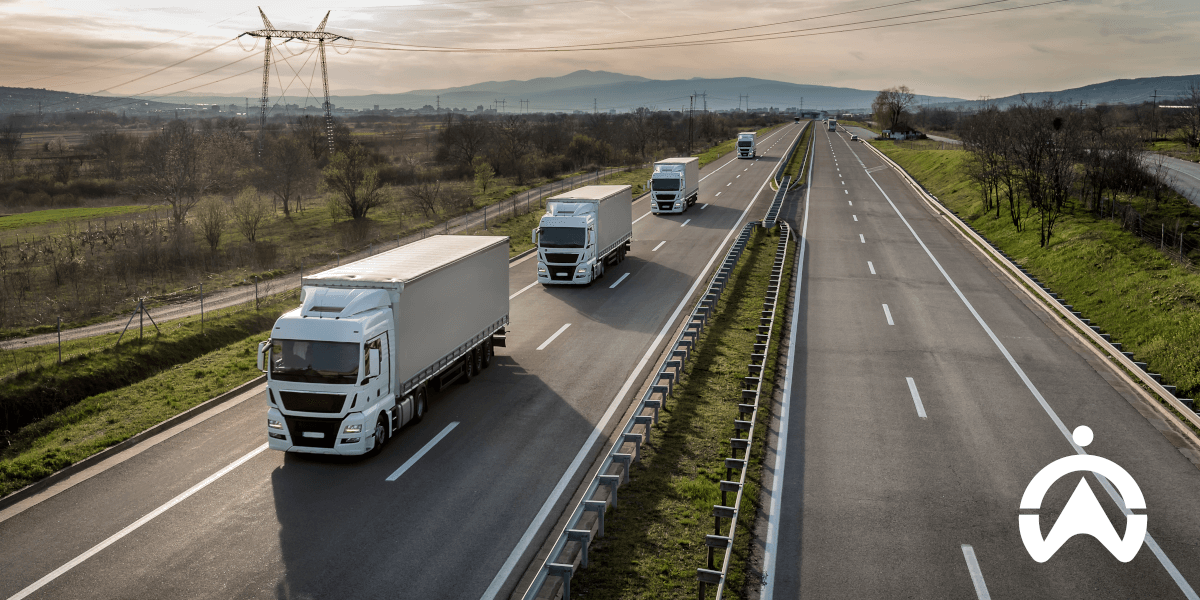
Since the popularisation of EVs, they have also been implemented in fleets across large parts of the world. Take a look at why transitioning to EV vehicles has some notable perks for your business.

1. Eliminate fuel costs

For fleet operators, “filling up” often translates to a major headache which is fluctuating fuel prices and ever-growing expenses. Budget control remains a constant battle, and transitioning to EVs offers a promising solution to minimise fuel spend.

2. Reduced fleet maintenance

Forget just slashing fuel costs – electric vehicles (EVs) revolutionise fleet maintenance. Fewer fluids mean less downtime and lower costs, especially for large fleets. Plus, real-time data and proactive maintenance keep your EVs humming, maximising uptime and fueling your business growth – all while going green. It’s not just a fuel swap, it’s a strategic shift to efficiency and cost-effectiveness.

3. Enhanced vehicle efficiencies

Electric vehicles (EVs) hold a trump card for transportation, logistics, and trucking: instant torque. While diesel engines have power, they can’t match the immediate acceleration from a standstill that EVs offer (check CarThrottle for the science).

This translates to major benefits for your fleet. Large trucks can reach cruising speeds faster, requiring less initial power, leading to significant charging cost savings. Whether hauling passengers or freight, instant torque equals efficiency and savings.
Are_EVs_a_good_fit_for_your_fleet

Cartrack Tanzania can help you grow a greener fleet

Our industry-leading fleet management technology is constantly evolving, and we’re geared for the future with features that can help you utilise and optimise the implementation of EVs in your fleet.

  • Be proactive about EV maintenance and optimise your savings

    The Cartrack fleet platform allows you to follow a strict predictive maintenance schedule, which prevents unnecessary breakdowns, repairs, and vehicle downtime, whether you have ICE vehicles, EVs, or a mix of both. Sticking to a broad maintenance routine can greatly help reduce operational costs, improve your ability to budget, and free up more money to spend on other fleet-related needs.

    For example, instead of engine maintenance, keeping an eye on an EV’s battery health and lifespan is crucial, as battery replacements are costly. Dedicated telematics data at your fingertips provides up-to-date information about your EV’s health. The fleet management platform also offers a range of useful insights by offering accurate data on vehicle and engine health and driving behaviour, while the dedicated MiFleet platform helps you manage all fleet-related costs, including registration and licensing fees, promoting compliance and helping you avoid late payment penalties.

  • Never worry about range anxiety or vehicle downtime

    While it’s quick to fill up a petrol or diesel tank, it does take a while to charge an EV, and as we discovered earlier, extreme temperatures can also unnecessarily prolong these charging times. In a fleet context, charging time equals vehicle downtime, significantly impacting fleet operations.

    Cartrack’s fleet management platform can help you make up for lost time by optimising all other aspects of your operation with advanced tools for route planning and optimisation that also allow route planning around crucial charging stations. Additionally, you can schedule charging times into your fleet’s workflow, monitor your EVs’ battery life in real time, and ensure you’re always aware of all range statuses so a fleet car doesn’t end up stranded with an empty battery.

Contact us today to optimise your EV fleet management needs

If you’re ready to start adding EVs to your fleet, we’re ready to make your greener fleet system the best it can be.Contact Cartrack Tanzaniaand choose the most sustainable fleet management option.

Fuel Efficiency: Know How to Save Your Fleet a Fortune

Struggling with endless kilometres gobbling up your fuel allowance, rising fuel costs, and a tightening budget?

Might be time for fuel-efficient practices.

Let’s explore simple strategies and powerful tools to transform your fleet into a lean, mean fuel-saving machine.

In this article, you will:

  • Learn what fleet fuel efficiency is and why it’s crucial for cost savings
  • Get practical insights for making your fleet more fuel-efficient
  • Explore the role of fleet management software in optimising fuel usage
  • Discover Cartrack’s fleet management solutions to improve fuel efficiency
  • Test your fuel-saving knowledge with our enlightening quiz

Imagine saving a ton of money without needing a magic petrol station that offers bottomless, free fuel.

Interested?

Well, the truth is, saving your fleet a fortune has less to do with where you buy your fuel, and more to do with how efficiently you use it.

Let’s start with the basics: What exactly is fleet fuel efficiency, and why should you care?

What is fleet fuel efficiency?

Fleet fuel efficiency means how well your vehicles use fuel while doing their jobs. It’s about empowering your drivers, trucks, vans, and machines to use just the right amount of fuel to deliver your goods, complete their routes, and keep your business running smoothly without wasting any fuel or hurting the environment.

Will fuel efficiency save you money?

In short, yes. Fuel efficiency affects fleet costs, and often in a very significant way.

Fuel can be the single largest operating cost for many fleets, according to theNational Highway Traffic Safety Administration (NHTSA), sometimes accounting for around 60% of the total budget. That’s why even small improvements in fuel efficiency can lead to huge cost savings.

Fuel-efficient vehicles simply consume less fuel, leading to substantial and potentially life-saving cost reductions, especially with unpredictable fuel prices.

But the benefits go beyond the pump. Less fuel used means less engine wear and tear, translating to lower maintenance costs on labour, parts, and downtime. And, since efficient vehicles can travel further on a single tank, drivers spend less time refuelling, boosting productivity and minimising operational disruptions.

Overall, fuel efficiency is a key factor in controlling fleet costs. By investing in fuel-efficient vehicles and implementing fuel-saving practices, businesses can significantly reduce their operating expenses and improve their bottom line.

Will_fuel_efficiency_save_you_money

Money-saving factors you need to know for fuel efficiency

For businesses relying on fleets for transportation, fuel costs can quickly add up. To address this, fleet managers need to grasp the factors influencing fuel consumption and take strategic steps to enhance efficiency.

Here are some factors that impact fuel usage:

Road conditions and terrain:
The state of roads, from smooth highways to bumpy gravel roads, can greatly affect fuel efficiency. Uneven surfaces like cobblestone or unpaved roads increase resistance, causing engines to work harder and consume more fuel.

Traffic congestion:
Stop-and-go traffic increases idling, leading to higher fuel consumption. Planning routes to avoid congested areas and scheduling deliveries during off-peak hours can optimise fuel efficiency.

Vehicle maintenance:
Regular maintenance is crucial for preserving fuel efficiency. Neglecting tasks like replacing air filters or spark plugs can result in increased fuel consumption over time.

Fuel quality:High-quality fuel from trusted fuel suppliers is essential for engine performance and fuel economy. Clean fuel ensures optimal efficiency and engine health.

How can I make my fleet more fuel-efficient?

Now that you understand what affects fuel efficiency in your fleet, let’s get into the proven solutions that can propel your fleet’s fuel efficiency.

The key factors contributing to fleet fuel efficiency include:

Vehicle selection: Choosing fuel-efficient vehicles with modern engine technologies and aerodynamic designs can significantly impact overall fleet efficiency. Hybrid or electric vehicles may also be considered for further fuel savings.

Maintenance practices: Regular and proactive maintenance, including timely oil changes, air filter replacements, and checking tyre pressure, ensures that vehicles operate at peak efficiency, minimising fuel consumption. It’s usually recommended that vehicle maintenance checks (VMCs) be conducted monthly, bi-monthly or between 20,000 km and 40,000 km.

Driver behaviour: Driver habits play a crucial role in fuel efficiency. Practising smooth acceleration, moderate speeds, and avoiding unnecessary idling contribute to better fuel mileage. Educate your drivers on sustainable driving habits regularly and implement driver training programs to promote fuel-conscious behaviour.

Route optimisation: Utilising route planning and optimisation tools helps reduce unnecessary mileage, idling time, and fuel consumption. Efficient routing ensures that vehicles reach their destinations using the most direct and fuel-efficient paths.

Telematics and monitoring: Implementing telematics systems allows fleet managers to monitor real-time data on fuel usage, vehicle performance, and driver behaviour. This information helps identify areas for improvement and implement strategies to enhance fuel efficiency.

Fuel management systems: Using fuel management systems helps track fuel transactions, detect irregularities and manage fuel consumption effectively. This can include monitoring fuel card usage and implementing measures to prevent fuel theft.

Technology integration: Adopting advanced technologies like fuel-efficient driving apps, can provide drivers with real-time feedback on their driving behaviour, encouraging fuel-conscious practices.

Load management: Ensuring vehicles carry optimal loads without excessive weight contributes to better fuel efficiency. Avoiding unnecessary cargo weight reduces the energy required to transport goods.

Here are the top 5 fuel-saving tips for your fleet, taken from one of our recent blogs

  • Regularly check the tyre pressure of each of your vehicles
  • Regularly service your vehicles according to the set fleet maintenance schedule
  • Train your drivers on eco-friendly driving like gentle acceleration
  • Use route planning whenever you want to use the most fuel-efficient paths
  • Lighten up your load when necessary
  • Invest in fleet management software for premium fuel-saving

Bonus Tip: Track your progress and inform your drivers of fuel-saving successes to keep drivers motivated.

How can fleet management software improve my fleet’s fuel efficiency?

Fuel costs can feel like a constant uphill battle for fleet managers. Fortunately, fleet management software offers a powerful solution to ease your fleet’s fuel-burning ways.

By using fleet management software to optimise your fleet, these significant fuel efficiency gains are within reach.

Smooth fuel management: When it comes to fuel costs, fleet software makes handling fuel a breeze by syncing up fuel card data with vehicle assignments automatically. It even crunches numbers to give you miles per gallon (MPG) insights, so you’re always in the know about your fuel usage and how it impacts your wallet.

Instant fuel intel: With automated fuel systems, you get real-time updates on fuel economy stats, CO2 emissions, and operational efficiencies. It’s like having a fuel efficiency coach in your pocket, helping you make savvy decisions to save on fuel costs.

Hassle-free fuel transactions: Say goodbye to messy paperwork and confusing fuel records. Fleet fuel software streamlines everything, making it super easy to track fuel use and spot areas where you can save some cash.

Smarter fuel management: By accurately tracking fuel economy, fleet software helps you fine-tune your fuel usage. You’ll have a clear picture of how fuel affects your bottom line, making it easier to manage costs and keep your fleet running smoothly.

Proactive maintenance and driving tips: Fleet software not only helps you stay on top of maintenance schedules but also encourages fuel-efficient driving habits among your drivers.

Green route planning: Some fleet software goes the extra mile by suggesting eco-friendly routes that minimise emissions and cut down on fuel use. It’s a win-win for your business and the environment. By following through with fleet management software to increase your fleet’s fuel consumption, you’ll enjoy these benefits:

  • By decreasing fleet fuel consumption, you save money
  • Your fleet will run smoother, faster and further. Boosting operational efficiency
  • Your fuel-efficient vehicles will be cheaper to maintain
  • Reduce your carbon footprint

Additionally, some governments offer tax breaks or discounts for eco-friendly options, further sweetening the deal. Emissions fees based on fuel consumption also come into play, making efficient choices even more financially.

How_can_fleet_management_software_improve_my_fleet’s_fuel_efficiency

Turn your fleet into a fuel-saving machine

Cartrack Tanzania is an industry leader in vehicle tracking as well as fleet and fuel management solutions. Accurate monitoring and analytic tools empower fleets to improve fuel efficiency and save on fuel costs, and Cartrack Tanzania offers ideal solutions to do just that.

Here are five ways Cartrack Tanzania features and solutions can help:

  1. Vehicle maintenance and performance

    Cartrack Tanzania assists fleet managers in keeping track of vehicle health with preventative maintenance alerts that notify managers of scheduled maintenance checks. This helps to address issues promptly, promote fleet longevity, and prevent fuel-consuming problems, like engine misfires that can waste fuel, ensuring vehicles maintain peak fuel efficiency.

  2. Fuel monitoring

    Cartrack’s fleet management systems provide real-time monitoring of fuel consumption by using data analytics. With this, fleet managers gain insights into individual vehicle performance, driver behaviour, and fuel efficiency trends for each vehicle.

  3. MiFleet

    Cartrack’s MiFleet is a cost management system offering full visibility of your fleet’s running cost. By connecting to fuel sensors or integrating with CANBus, it monitors fuel consumption data and identifies inconsistencies that may indicate fuel fraud by comparing transactions to fleet vehicle telemetry data. This empowers managers to address fuel-consuming patterns and maximize fleetwide fuel efficiency.

  4. Fuel usage reports

    The system provides contextualised metrics on fuel consumption per km travelled and per job completed for every driver and vehicle, allowing fleet managers to pinpoint areas that require attention and take corrective actions.

  5. Route Optimisation

    Cartrack’s Delivery tool enables the optimisation of drivers’ routes based on the shortest distance, ensuring drivers take the most efficient routes while avoiding unnecessary fuel wastage and ultimately saving on fuel costs.

Stop fuel wastage and start saving with Cartrack’s fuel management solutions

Cartrack Tanzania is your key to answering the looming question ‘Do you know how to save your fleet a fortune’ with a resounding YES.

But you can’t save what you can’t track. Contact Cartrack today and get a free quote for your fleet.

Fuel-saving rookie or expert? Take the quiz to find out

Ready to put your fuel-saving skills to the test?

Take a quiz to help you identify how to boost your fleet’s efficiency and reduce fuel expenses. Answer each question truthfully, jot down your answers, and check the results to reveal your fuel-saving skills.

1. How often do you conduct maintenance checks on your fleet vehicles?

A. Monthly

B. Quarterly

C. Semi-annually

D. Annually

E. I don’t have a regular maintenance schedule

2. How often do you educate your drivers on fuel-efficient driving practices?

A. Regularly, through training sessions

B. Occasionally, during team meetings

C. Rarely, if ever

D. I rely on drivers to educate themselves

E. I haven’t considered driver education for fuel efficiency

3. How do you handle vehicle loading and cargo weight?

A. I overload vehicles regularly without considering weight limits

B. I adhere to recommended weight limits and distribute loads evenly

C. I occasionally exceed weight limits for convenience

D. I rely on drivers to estimate appropriate loading without specific guidelines

E. I have no knowledge or consideration of cargo weight impact

4. Do you use telematics or GPS tracking to monitor and optimise routes?

A. Yes, consistently

B. Occasionally

C. No, but I’m considering it

D. No, and I don’t see the need

E. What is telematics?

5. How do you handle vehicle idling in your fleet?

A. Strict anti-idling policies in place

B. Moderate, with occasional reminders

C. No specific policies

D. I’m not sure

E. Idling is not a concern for my fleet

Fuel efficiency test results:

If you answered mostly A’s: Congratulations, you’re a Fuel Efficiency Pro!

If you answered mostly B’s: You’re on the right track but consider some improvements.

If you answered mostly C’s: There’s room for improvement; assess your fleet practices.

If you answered mostly D’s: It’s time to reevaluate and implement fuel-saving strategies.

If you answered mostly E’s: Your fleet might be missing out on significant fuel efficiency gains.

Apply Cartrack’s advanced fleet management technology and contact us today to start adopting fuel efficiency best practices. Remember, every litre can lead to substantial cost reductions.

Curb Weight vs Gross Weight: The Insight You Need to Empower Your Fleet

Overloaded vehicles go beyond “doing more with less time”, as overloading can harm your entire fleet operation.

Are you ready to empower your fleet management? Then read on to find out exactly what these terms mean and learn what the difference is between curb weight and gross weight.

In this article, you will:

  • Learn what vehicle weight is
  • Find out what the two types of vehicle weight are
  • Delve into the downside of overloaded vehicles
  • Explore how fleet management is crucial for identifying overloaded vehicles
  • Discover how Cartrack’s tech can help detect potentially overloaded vehicles

What is curb weight?

Curb weight, also known as dry weight, is essentially the car’s skeleton weight when fully operational but completely empty, so without passengers, cargo, or even your favourite travel mug.

Here’s a closer look at the components and significance of curb weight:

What’s included in curb weight?

  • The core: This includes all parts that make it a vehicle, including the engine, wheels, body panels and transmission parts.
  • The vehicle’s standard features: This is everything that comes pre-installed in your vehicle and is essential for everyday driving like air conditioning, safety equipment such as airbags and seatbelts, and even your audio system.
  • The vehicle’s essential fluids: This is the weight of important liquids that are crucial to car functioning and include engine oil, coolant, and brake fluid.

Why is curb weight so important?

  • Effective comparison to similar vehicle models: By comparing curb weights of similar models, you can get a better idea of how they might stack up in terms of performance when loaded with passengers and cargo.
  • Simplifying performance prediction: Knowing your vehicle’s curb weight helps you predict how it will function under various conditions, including acceleration, braking, and fuel efficiency.
  • Aids in choosing the right vehicle: When considering tasks like towing or carrying heavy loads, understanding curb weight becomes crucial for selecting a vehicle with the required capacity and power.

Now that we’ve explored curb weight, let’s learn more about vehicle gross weight.

What is gross vehicle weight?

John is on his way to deliver a washing machine to a customer using one of his fleet vehicles. The car is loaded with the machine, some equipment to install it, and a few other tools. This is a prime example of gross vehicle weight (GVW), which describes the total weight of your loaded vehicle when it is ready for operation.

Let’s dive deeper into the components and importance of gross vehicle weight:

What’s included in gross vehicle weight?

  • Curb weight: As explained, this refers to the car’s weight when empty, but with all its standard equipment, fluids, and a full petrol tank.
  • Cargo weight: All the goods, tools, or anything else you’ve packed into the vehicle.
  • Passenger weight: The combined weight of all vehicle passengers.

Why is gross vehicle weight so important?

  • Enhances road rule adherence: Being aware of your gross vehicle weight helps you adhere to weight limits on roads and bridges, which keeps your drivers and other roadgoers safe.
  • Improves vehicle safety: Maintaining proper weight distribution when operating vehicles and delivering goods significantly reduces the likelihood of accidents caused by poor vehicle control, excessive idling, and increased wear and tear.
  • Optimises fuel efficiency for trips: Vehicles that have excessive gross vehicle weight have been shown to consume more fuel.
  • Simplifies future planning: Knowing the GVW helps you effectively calculate how much cargo your vehicle can safely carry without it being overloaded.

Curb_weight_vs_gross_weight

Curb weight vs. gross weight

Let’s take a look at the differences listed above in table form:

Features Curb Weight Gross Vehicle Weight (GVW)
Definition Weight of an empty vehicle Weight of a fully-loaded vehicle
Components Vehicle structure, standard features, and operational fluids Everything in curb weight, passengers, and cargo
Variation Remains static unless the vehicle is modified Dynamic, as there are changes with load variation

How does vehicle weight affect fleet performance?

No one vehicle weight measurement is more important than the other, as they are both crucial and beneficial to fleets in various ways. The information obtained helps fleet managers make informed decisions on how to lower a vehicle’s weight, which is important for the following reasons:

  1. Vehicle performance: A lower curb weight translates to a lighter vehicle and leads to:

    – Improved acceleration: Lighter vehicles require less power from the engine to reach desired speeds, resulting in quicker acceleration. This improves response time and overall driving experience.

    – Enhanced handling: Lighter weight leads to easier vehicle handling. Drivers can respond more readily to steering input, making it easier to control and navigate challenging road conditions.

    – Shorter braking distance: Lighter vehicles require less force to stop, resulting in shorter braking distances and improved safety by reducing the risk of rear-end collisions.

    John, for example, overloads his fleet vehicles, leading to his drivers showing signs of irresponsible driving behaviour like harsh braking. This, in turn, negatively affects driver safety and fleet longevity.

  2. Fuel efficiency: A direct correlation exists between weight and fuel consumption. Vehicles with lower curb weight experience:

    – Reduced energy expenditure: Lighter vehicles require less energy from the engine to maintain momentum, leading to better fuel economy. This translates to fewer fuel stops.

    Let’s look at John again, who has now started overloading his vehicles so he can do more in fewer trips. Although this may seem like a smart thing to do to make the most of his resources, his vehicles are burning more fuel than they should, translating to higher operational costs and more frequent fill-ups.

  3. Safety: Maintaining proper weight limits is crucial for safe vehicle operation. Exceeding the gross vehicle weight can compromise safety by:

    – Impacting handling: Overloading can adversely affect handling, making the vehicle unstable and accident-prone.

    – Extending braking distances: Heavier vehicles require a longer distance to stop, increasing the risk of collisions.

    – Putting stress on components: Overloading can strain the vehicle’s suspension, brakes, and tyres, potentially leading to breakdowns and safety hazards.

Let’s return to John one more time. His tendency to overload his vehicles also seems to be impacting fleet safety. As a result, John is seeing an increase in harsh driving behaviour, such as harsh braking, which not only puts his drivers at risk but also causes his vehicles to require more unscheduled maintenance.

These reasons and examples show how important it is for vehicles to not be overloaded, as it impacts the entire fleet’s functioning and efficiency. But how do you ensure that your vehicles don’t exceed their maximum weight? The answer is measuring its weight.

How can you measure your vehicle’s weight?

Now that we’ve looked at the importance of knowing your vehicle’s weight and why keeping it low is so crucial, let’s see how you can actually measure it:

  1. Weighbridges:

    Weighbridges, also known as truck scales, are large, specialised scales designed to weigh an entire vehicle, including its content. The vehicle is driven onto the weighbridge and weighed empty to establish its curb weight. The vehicle can then be loaded and re-weighed on the weighbridge. These two calculations are used to determine the weight of the cargo that is being transported.

  2. On-board scales:

    On-board scales are devices that can be used to estimate the approximate loaded weight of a vehicle. They help determine the vehicle’s weight distribution and total weight by fitting sensors and electronic components directly onto the vehicle itself. Unlike weighbridges, which are stationary and only located in specific areas, on-board scales can measure vehicle weight at any place and any time, even when the vehicle is in motion.

  3. Weigh-in-motion systems:

    Weigh-in-motion (WIM) systems are technological tools designed tomeasure vehicle weight while in motion. By driving over sensors that are either “embedded” in the road or mounted above it, the system is designed to capture a vehicle’s weight data at normal traffic speeds.

If you don’t have access to these sensors, your next best bet is a fleet management system. But before we get into this multi-purpose solution, let’s look at fleet management in general.

How_can_you_measure_your_vehicle’s_weight

What is fleet management?

Fleet management is the complete oversight of a company’s fleet of vehicles, ranging from maintenance to fuel consumption monitoring and keeping an eye on each vehicle’s location to ensure drivers are driving safely. These are all crucial for streamlining operations and ensuring the fleet runs smoothly, cost-effectively, and according to regulations.

How fleet management helps you identify heavy vehicle weight

In the world of fleet management, ensuring your vehicles operate within their designated weight limits is crucial, and a few key indicators could help with this. These indicators can be identified with a fleet management system:

  1. Fuel consumption:

    There is a direct correlation between vehicle weight and fuel consumption. Lighter vehicles require less energy from the engine to maintain power, which results in better fuel economy. However, heavier vehicles need more power to move the additional weight, increasing fuel consumption. When a vehicle’s engine needs to work harder to maintain speed and overcome additional resistance, it translates to burning more fuel to generate power. If your fleet has been consuming more fuel following an increase in cargo, your vehicles might be overloaded.

  2. Maintenance:

    Exceeding a vehicle’s maximum weight puts excessive stress on various components, including tyres, suspension components, brakes, and the engine. This leads to premature wear and tear, which means vehicles require more frequent maintenance and shortened lifespans.

    This also increases the risk of unplanned breakdowns, which overloaded vehicles are more susceptible to. An increase in overall maintenance can suggest a vehicle is overloaded. Some tell-tale signs include:

    – Brake system issues

    – Engine issues, including frequent overheating

    – Frequent tyre replacements and irregular tyre wear

    – Suspension and steering issues

  3. Driver behaviour:

    While harsh driver behaviour isn’t a clear indicator of an overloaded vehicle, certain driver behaviours can raise a red flag, indicating that the vehicle may exceed its weight limits. These include:

    – Excessive swerving: An overloaded vehicle is more difficult to control, leading to dangerous swerving, which can worsen when a driver attempts to turn or is travelling on uneven roads.

    – Harsh braking:
    An overloaded vehicle can experience increased braking distance and instability due to its weight, leading drivers to implement harsh braking to avoid collisions or obstacles.

    – Increased idling:
    An overloaded vehicle puts more strain on the engine, which overworks it to maintain speed and overcome the additional weight. This increased demand leads to decreased engine power, causing drivers to shift gears more frequently, increasing engine idling.

Easily identify overloading and empower your fleet with Cartrack Tanzania

While Cartrack Tanzania may not directly weigh your vehicle in real time, you don’t always have a scale on hand when you need one. We offer a range of solutions to help you spot the signs of an overloaded vehicle. These include:

  1. Fuel monitoring:

    Keep a close eye on your vehicle’s fuel consumption with Cartrack’s fuel monitoring system. Our advanced fuel sensors installed inside fuel tanks allow you to track fuel levels in real time, helping you identify and explain sudden fuel drops or increased fuel consumption. With access to these detailed fuel metrics for each vehicle, you can spot which vehicles may be operating above their gross weight.

  2. Driver behaviour monitoring:

    Detects and swiftly corrects harsh driving behaviour associated with overloaded vehicles with Cartrack’s driver behaviour monitoring system. Our driver scorecards help monitor high-risk behaviours linked to overloaded vehicles, like harsh braking, excessive idling, and speeding. Pair this with our AI LiveVision cameras and gain 24-hour live-streaming access to your vehicles. Your drivers are immediately alerted via in-cabin audible alerts when dangerous driving is detected. For example, a front collision warning alerts drivers to increase their following distance when they are getting too close to the vehicle in front of them.

  3. Preventative maintenance:

    Quickly pinpoint vehicle damage caused by overloaded vehicles with Cartrack’s preventative maintenance. Our system provides real-time vehicle maintenance alerts linked to overloading, like engine damage, worn-out tyres, and worn brake pads. With this information, you can spot which of your vehicles may be overloaded and swiftly address these issues before they become costly, unplanned downtime.

Keep your fleet light on its feet and boost safety and efficiency with Cartrack’s fleet management solutions

Tired of overloaded vehicles impacting your fleet’s performance, efficiency and bottom line? Then Cartrack’s solutions are exactly what you need, helping you identify weight issues, promote safe driving, and optimise your operations.

Contact us today, and find out how.

Easy Breathalyser Testing in Your Fleet: See How to Safeguard Your Business

In the blink of an eye, a single case of driving under the influence can cost your business hundreds of thousands in significant legal and financial losses and shatter your driver’s personal life.

That’s the sobering reality of not mitigating drunk driving issues in your fleet. It’s not all doom and gloom, though, thanks to advanced breathalyser interlock fleet technology.

Let’s take a look at how this invaluable device can help you easily enforce safer and sober driving in your business

In this article, you will:

  • Get a comprehensive explanation of what breathalyser testing is
  • Understand what the breathalyser rules in South Africa are
  • Explore the unique benefits of using breathalyser testing within your fleet
  • Uncover Cartrack’s alcohol breathalyser solutions for your fleet management
  • Discover how to use breathalyser testing to help drivers with their well-being

What is breathalyser testing?

‘Breathalyser testing’ involves using a diagnostic device to estimate a person’s blood alcohol concentration level from their breath.

According to the National Institute of Health, two types of breathalyser tests can typically be conducted on motorists: preliminary alcohol screening (PAS) or evidential breath tests (EBTs). PAS tests are smaller, portable devices typically used by law enforcement officers to test motorists for drunk driving. EBTs are more reliable devices law enforcement uses to test breath samples at the police station.

To combat drunk driving and reduce the risk of road accidents, many countries have also implemented alcohol ignition interlock devices for commercial fleets and DUI offender programs. Alcohol ignition interlock devices prevent drivers from starting or driving their vehicles while under the influence of alcohol.

Breathalyser testing using these devices helps businesses ensure that employees do not drive, or operate heavy machinery while under the influence of alcohol.

What_are_the_breathalyser_testing_rules_in_South_Africa

The benefits of breathalysers

By implementing robust policies promoting responsible driving habits, and investing in solutions like alcohol ignition interlock devices for breathalyser testing, you can create a safer environment for your employees, the community, and your business. Ultimately, the cost of inaction is far greater than the cost of prevention.

Here are some benefits of implementing breathalyser testing in your business:

  1. Promotes safety and responsibility

    Drunk driving is a leading cause of road accidents, with devastating consequences for everyone involved. Your employees and innocent bystanders can sustain serious injuries or even fatalities.

    Witnessing or being affected by a drunk driving incident can also significantly impact your employees’ morale and sense of safety. This can lead to decreased productivity and employees feeling discouraged in the work environment.

    Regular breathalyser tests in the workplace can deter employees from drinking on the job, promoting responsible behaviour and reducing the risk of accidents in the workplace. By identifying intoxicated individuals on the job, health and safety officials can make the relevant decisions to remove them from the workplace and prohibit them from operating any heavy machinery, helping to prevent potential injuries and liabilities.

    Implementing alcohol ignition interlock devices for your fleet can also deter your drivers from consuming alcohol, or attempting to drive under the influence. These devices are used in confidence by fleet and freight companies, transporters of dangerous goods and professional passenger drivers such as public transport drivers and e-hail drivers.

  2. Avoid liabilities

    Accidents stemming from drunk driving may lead to exorbitant business costs. Companies can end up facing vehicle repairs, medical bills, lost productivity, and potential lawsuits, and the financial burden can quickly spiral out of control, jeopardising your business’s stability.

    Drunk drivingcarries severe legal penalties, including hefty fines, license suspensions, and even jail time for employees caught drunk behind the wheel. These legal repercussions can tarnish your company’s reputation and lead to further financial losses.

    News of a drunk driving incident involving your fleet can also severely damage your business’s public image and customer trust. Negative publicity about your business can be detrimental to your business’s brand image and long-term success.

How Cartrack’s breathalysing device and technology works

Businesses can combat DUI issues with their drivers and prioritise driver and fleet safety with Cartrack’s Alcohol Breathalysers. Our breathalysers use cutting-edge technology that interlocks with your vehicle’s ignition. Should the driver get a positive breath alcohol concentration (BrAC) result that is above the legal or preset limit (i.e. they fail the breathalyser test) the vehicle can be prevented from starting.

Here’s how it works:

  1. Prevents intoxicated driving

    This device seamlessly integrates with Cartrack’s Start ignition and Start Prevent technology. This allows managers to directly prevent vehicle ignition if a driver’s breath alcohol concentration exceeds a legal or pre-set limit.

  2. Real-time alerts if drivers fail the breathalyser test

    Should a driver fail the breath tests, the results are instantly reported via the Global System for Mobile (GSM) to your control centre, and the vehicle will immobilise as soon as the ignition is turned off, allowing for immediate intervention and support from the fleet manager.

  3. Comprehensive recording

    Every test, pass or fail, on the device is stored in the unit’s memory for detailed reporting and analysis. Driver behaviour reports can easily be accessed on Cartrack’s Fleet Pages at any time. The information is seamlessly made available with an encrypted RD-download of data from the vehicle to your PC.

  4. Override function

    The device is equipped with two override functions, offering flexibility in emergencies. A once-off reprogrammable override function can be used to keep the vehicle mobile and in the event of a technical failure, an emergency override PIN code can be issued by the control centre.

  5. Innovative features

    The device can distinguish between mechanically stimulated and human breath samples using Electronic Counter Circumvention Measures (ECCM) so drivers cannot bypass the test. It also features advanced fuel cell sensing technology, and LED indicators to make it more user-friendly for drivers.

Easy software implementation and verification

Cartrack’s Alcohol Breathalysers are CAN-Bus enabled. This reduces installation time and enhances the system’s capability. The breathalysers seamlessly integrate with Cartrack’s fleet management system.

All the features are programmable to meet your fleet business challenges and can also consider the legal and judiciary requirements.

Businesses can take other measures to ensure there is no tampering with the breathalysers or attempts to bypass the system. For example, Cartrack AI SmartCabin Cameras are driver-facing and use AI facial recognition to detect the position or orientation of the driver’s head and eyes.

These cameras are designed to detect distracted driving gestures like mobile phone use, smoking, or signs of driver fatigue such as yawning, which could potentially cause accidents. Fleet managers can also use these cameras to see whether the driver is intoxicated, or if they have attempted to use someone else to do the breathalyser test for them.

In addition, for mobile workers, such as delivery drivers and field service workers, fleet managers can set up breathalyser testing as a pre-trip inspection to ensure drivers are safe on the road. Since fleet managers can’t watch their drivers every move, they can set up a pre-trip checklist to ensure drivers do the breathalyser test every time and they can verify this with reports from the fleet management software.

Easy_software_implementation_and_verification

Cartrack’s cost-effective solution and long-term benefits

While breathalyser testing may require an initial investment in devices, training, and implementation, the long-term benefits far outweigh the initial costs.

Cartrack’s alcohol breathalyser is a cost-effective solution, that delivers immediate benefits today and helps you mitigate any drunk driving risks in the long run.

Here are a few rewards your fleet and drivers can reap from using Cartrack’s breathalyser technology:

Benefits for your fleet:

  • Reduced liability and risk: Proactively prevent accidents and legal repercussions associated with drunk driving.
  • Enhanced driver accountability: Foster a safer and more responsible driving culture within your team.
  • Improved operational efficiency: Minimise downtime and disruptions caused by alcohol-related incidents in the work environment.
  • Compliance with regulations: In some industries, breathalyser testing may be mandatory or highly encouraged to comply with regulations and safety standards.
  • Reduce insurance costs: Insurance companies often offer lower rates to companies with strong safety measures, including breathalyser programs.

Benefits for your drivers

  • Encouraged to act responsibly: Drivers will avoid excessive drinking when they use company vehicles, travel long distances for work or operate heavy machinery within the business.
  • Training opportunity: Drivers can be trained on the risks of driving under the influence, and regulations and disciplinary procedures when it comes to breathalyser testing. Which can help them reduce risky behaviour.
  • Non-liability: In an accident, drivers can also be held non-liable by having evidence and reports proving they were not under any influence while driving or operating machinery.
  • Enjoy a safer environment: All employees get to enjoy a safe environment knowing their co-workers are acting safely when operating heavy machinery or generally working.

Bonus benefit: A long-term win-win for businesses and driver well-being

Introducing alcohol breathalyser testing can be a delicate subject. Drivers and employees often feel targeted by managers or businesses when things go wrong. One of the ways you can build the relationship between managers and drivers is to create a supportive and helpful environment. Instead of aiming to punish and dismiss employees who fail an alcohol breathalyser test, you can see it as an opportunity to treat alcohol abuse and alcoholism with the utmost sensitivity.

Drivers can experience a sense of confidence and trust in managers that test results will be treated confidentially. They can also trust that fleet managers are there to help them if they are struggling with alcohol use. Doing this is a positive step towards improving employee well-being and morale.

For example, imagine that one of your top-performing drivers fails an alcohol breathalyser test and cannot resume their work for the day. Instead of immediately dismissing or disciplining them, you could assist them in getting professional help, saving your business the time and money to replace highly skilled employees.

Here are other changes you can make to promote your driver’s well-being:

  • Return to duty alcohol testing – conduct random and regular testing for accountability by helping employees who are DUI offenders or who are in rehabilitation return to their work.
  • Employee assistance programs (EAPs) – offer confidential access to the program that allows drivers to get the professional support and guidance they need in a safe and conducive environment.

Ready to implement breathalyser testing that looks out for your drivers and business?

Protect your drivers and business with easy-to-use breathalyser technology

Implementing breathalyser testing for your drivers and employees is a strategic way to enhance safety, reduce liability, and foster a responsible work environment.

Cartrack Tanzania can get you started with alcohol interlock breathalyser technology. Contact us for a demo and more information.

Thinking About Fleet Leasing? See the Advantages of Fleet Technology

Did you know that not every fleet owns the vehicles they use?

Though it may sound unlikely, it’s actually an instance of fleet leasing. Think of it as leasing a car, but on a bigger scale and for a longer time.

Intrigued? Read on to learn more about fleet leasing, how it works, and whether you should consider leasing your fleet’s vehicles.

In this article, you will:

  • Learn what fleet leasing is
  • Find out what makes the two types of fleet leasing so different
  • Delve into the benefits of fleet leasing
  • Explore how fleet management is the secret to optimised fleet leasing
  • Discover how Cartrack’s solutions are the keys to simplifying fleet leasing

What is fleet leasing?

Fleet leasing refers to an agreement between a business and a fleet owner, where the fleet gets access to fleet vehicles in exchange for a monthly fee without taking ownership of them. This may sound similar to renting passenger vehicles but unlike typically brief rental periods, fleet leases run for about 2-5 years.

Depending on your company’s needs, fleet leasing can involve many vehicles, including trucks and vans.

What are the different types of fleet leasing?

Fleet leasing can be open-ended or closed-ended. What do we mean? Let’s explore these in more detail:

Open-end leasing:

Open-end leasing is when the fleet owner is responsible for the vehicle’s residual risk, meaning there’s a chance that you’ll owe more money than the car is actually worth at the end of your lease. This happens when the vehicle depreciates faster than expected, and at the end of the lease term, the fleet manager needs to either purchase or return the vehicle. If the vehicle’s value exceeds the residual value, the fleet manager can also sell it for profit.

Think of open-end leasing, like renting a car for a long period but with a twist. While you agree to make scheduled repayments, you and the company share responsibility for the vehicle’s final value.

3 key characteristics of open-end fleet leasing include:

  1. Lower monthly payments but higher risk: With open-end fleet leasing, your monthly payments are lower. However, you face a higher risk because you are responsible for any difference between the estimated residual value of the vehicle and its actual future market value.
  2. Unlimited mileage: Unlike closed-end leasing, you have access to unlimited mileage, making it an ideal choice for fleets with higher, more unpredictable mileage requirements.
  3. Maintenance and repairs: As the fleet manager, you are responsible for the maintenance and repairs of the leased fleet vehicles.

Now that we have a clearer understanding of open-end leasing, let’s take a look at its advantages and disadvantages:

Advantages of open-end leasing:

  • Initial costs are lower: Monthly repayments are typically lower, giving you the ability to free up funds for other business needs.
  • Flexibility in terms of mileage: There are no fixed mileage limits, allowing businesses the freedom to handle the unpredictable driving needs and patterns that can come with fleet operations.
  • The opportunity for ownership: Fleet managers can acquire these vehicles at the end of their lease period.

Disadvantages of open-end leasing:

Closed-end leasing:

Closed-end leasing offers more predictability than open-end leases. Unlike open-ended leasing, where the fleet manager is responsible for the vehicle’s residual risk, close-ended leasing requires the provider to handle this responsibility. So, when the lease term ends, the vehicle can be returned with no worries about selling or any potential depreciation due to a set residual value. In short, closed-end leasing is all about predictable costs and usage within agreed-upon terms.

3 key characteristics of closed-end leasing:

  1. Fixed monthly payments: These are fixed for the whole lease term, so you don’t have to worry about fluctuating market values.
  2. Specific mileage limits: You need to stay within these limits, and if you exceed them, you must pay excess charges per kilometre
  3. You don’t have to worry about the final value: The vehicle’s final value is not your responsibility as long as it is returned in good working condition.

Sounds pretty straightforward, right? Now, let’s look at the advantages and disadvantages of this fleet leasing option.

Advantages of closed-end leasing:

  • No maintenance worries: The lessor is usually responsible for vehicle maintenance and repair during the lease term, which saves your business time and money.
  • More chances for upgrades: Due to the shorter lease periods, you can keep your fleet current, ensuring you always have access to the latest vehicle technology.
  • Simplified budgeting: Due to the fixed monthly repayments, you can accurately estimate your fleet’s budget and streamline your financial planning.

Disadvantages of closed-end leasing:

  • Higher monthly repayments: Due to fixed repayments and the lessor taking on more risk, monthly payments can be slightly higher compared to open-end leases.
  • Mileage restrictions: Mileage restrictions can be detrimental to a fleet’s budget, as exceeding them leads to costly charges.
  • No ownership opportunities: Unlike open-end leases, businesses don’t have the option to purchase the vehicles they’ve used at the end of their lease period.

No_maintenance_worries

Open-end vs closed-end fleet leasing

Let’s take a look at some key differences between the two fleet leasing options:

Feature Open-End Leasing Closed-End Leasing
Mileage allowance Usually unlimited Usually limited
Monthly payments Generally low Generally high
Maintenance & Repairs The lessee’s responsibility The lessor’s responsibility
Residual value Estimated by final market value, and is the lessee’s responsibility The lessor’s responsibility
Management Burden Requires more involvement in tracking mileage and managing maintenance by the lessee The lessor’s responsibility

The top 4 need-to-know benefits of fleet leasing

Fleet leasing can be beneficial for a fleet business in various ways. Let’s explore some of these:

  1. Improved vehicle maintenance: Depending on which type of fleet leasing agreement you choose, your fleet lessor can include maintenance repair services in the lease agreement, which reduces labour costs and frees up resources for other business needs while also ensuring that vehicles are working well.
  2. Increased flexibility: Fleet leasing allows companies to easily adjust the size and composition of their fleet based on varying demands, such as peak seasons or changes in the number of employees. This flexibility equips fleets for their specific functions, increasing profits and saving money during off-peak seasons.
  3. Reduced administrative responsibilities: Fleet leasing companies handle many of the administrative tasks associated with managing a fleet of vehicles, such as vehicle registration and licensing. By outsourcing much of the vehicle monitoring, maintenance, and compliance to the leasing company, fleet managers can reduce operational strain and free up resources that support fleet growth.
  4. Scalability: Scalability in fleet leasing is a fleet’s ability to efficiently expand its capacity and capabilities by adding vehicles and enhancing operational processes to handle more tasks without compromising on efficiency. By eliminating large upfront costs and management burdens, fleet leasing can help unlock flexibility to upscale or downscale a fleet as needed.

The secret to optimised fleet leasing: It’s fleet management

Fleet management is the process of keeping a fleet of vehicles running smoothly. It involves various tasks that enhance the fleet’s efficiency, reduce its running costs, and promote its overall safety. Fleet managers oversee these goals and make management decisions, including vehicle acquisition, maintenance, fleet monitoring and fuel management.

How can a fleet management system help simplify managing a leased fleet?

A state-of-the-art fleet management system plays a significant role in successfully running a leased fleet. Let’s see exactly how:

  1. Data-driven decision making: Fleet management facilitates easy access to and interpretation of large volumes of data. Take John, for example, who manages a leased fleet of 15 vehicles. Keeping track of various fleet metrics, including fuel consumption and mileage for all these vehicles can be challenging. What John needs is a fleet management system that can automatically collect and analyse all data related to vehicle maintenance, fuel consumption and driver behaviour. By knowing exactly how your fleet is operating, you know what changes need to be implemented. This is important for a leased fleet, where every decision can impact your profitability and the amount you’ll have to pay at the end of your lease period.
  2. Live GPS tracking: Fleet management provides comprehensive insight into vehicle performance and management using GPS tracking software. By collecting and storing data on speed, trip, distance, and vehicle location, fleet managers not only know a vehicle’s location at all times, but they can also see the exact route their vehicles travelled, how long each trip took, and gain insights on driver behaviour. Look at this from John’s perspective, who no longer has to call the drivers of every leased fleet vehicle to know exactly where they are or what trips they’re on. This helps managers keep track of vehicle mileage, which is crucial for closed leasing with a mileage limit.
  3. Proactive fleet maintenance: Fleet management makes it easier for fleet managers to create maintenance strategies specific to their fleet’s individual needs. Keeping your fleet well-maintained ensures you don’t experience unplanned downtime due to damaged vehicles, helping you save on unnecessary repair costs. This is crucial for a leased fleet, especially if you opt for a leasing option where you are responsible for vehicle maintenance.
  4. Monitoring driver behaviour: Fleet management makes monitoring driver behaviour a simple task, which is crucial due to its impact on fleet safety and productivity. Dangerous driving behaviours like harsh braking and sharp cornering increase mileage and fuel consumption and the risk of unplanned downtime due to accidents, which is why driver behaviour monitoring helps ensure that your leased fleet remains safe and effective.
  5. Streamlining cost management: A fleet management system enables you to keep track of every cent your fleet consumes, helping you pinpoint potential reasons for cost drainages, whether it be due to increased fuel consumption or damaged vehicles. This is important for fleet leasing options, where you are responsible for most fleet costs.

Give your leased fleet more savings, efficiency and productivity with Cartrack Tanzania

CartrackTanzania has a wide range of solutions to simplify managing a leased fleet, helping you achieve convenience and activate ultimate efficiency. Let’s explore these solutions:

  1. GPS tracking: Gain full visibility of your leased fleet with Cartrack’s GPS tracking technology and determine your vehicle’s exact geographical location in real time. Our GPS tracking also gives you access to Cartrack’s stolen vehicle recovery service. With an above 90% stolen vehicle recovery rate, Cartrack Tanzania responds swiftly to vehicle theft or hijacking, increasing your chances of vehicle recovery.
  2. Route optimisation: Unlock the best routes for your leased fleet with Cartrack’s route optimisation. Available as a part of our Delivery feature, this tool looks at real-time traffic and weather conditions to find ideal routes for your drivers. Improve fleet efficiency and fuel consumption by choosing effective routes based on real-time data, which helps you lower overall costs for your leased fleet.
  3. Fuel monitoring: Know exactly how much fuel your leased fleet vehicles consume with Cartrack’s fuel monitoring system. By giving you real-time insights into fuel consumption, you can quickly detect the source of fuel drainages and act against fuel theft and fraud. Our fuel fraud detection technology matches fuel receipts with your vehicle’s locations and fuel status, helping you reduce fuel cost drainages and improve operational efficiency.
  4. Driver monitoring: Enhance fleet driver safety and behaviour with Cartrack’s driver monitoring system, equipped with a range of next-level hardware and software solutions to help you monitor driver behaviour.

    – Cartrack’s Advanced Driver Assistance System (ADAS) is designed to alert your drivers of potential road hazards, helping them avoid obstacles and prevent accidents in real time.

    – AI LiveVision cameras give your drivers access to real-time, audible alerts on dangerous and distracted driving behaviours, including smoking, excessive speeding, and yawning, which helps them quickly correct their behaviours and prevent accidents.

    – Driver scorecards give you detailed reports on each of the abovementioned harsh driving behaviours, allowing you to see when an incident occurred and who was driving, and use these insights to empower and train on safer driving practices.

  5. Cost management: Don’t miss payment and registration deadlines ever again with Cartrack’s MiFleet software. With the ability to receive reminder alerts, our cost management solution makes keeping track of all your fleet expenses a breeze, whether it be vehicle permits or fuel costs. Not only does this help you improve your fleet compliance, but it also reduces admin time and eliminates human error that comes with manual calculations, helping you ensure your leased fleet isn’t costing you more than it should.
  6. Preventative maintenance: Spot potential maintenance issues before they become more costly with Cartrack’s preventative maintenance. Our software uses advanced analytics to alert you on potential vehicle maintenance issues, such as damaged brake pads and low oil levels. This proactive measure uses historical data and smart algorithms to create a maintenance plan specifically tailored to your fleet, helping you eliminate unplanned downtime, prevent road accidents, increase fleet longevity, and transform your leased fleet into a well-oiled machine.

Give_your_leased_fleet_more_savings_efficiency_and_productivity

Case study: How Cartrack helped Agungrent boost their vehicle renting business

Whether you’re already renting your fleet vehicles or looking to rent them out, Cartrack is a solid solution with a proven track record. Take Agungrent, a transportation service provider company specialising in vehicle rental, logistics & trucking of over 6,000 vehicles.

Agungrent found reducing running costs and managing their fleet inventory challenging. They needed a system to help them easily manage their vehicle rental usage, receive vehicle data and reduce overall fleet costs.

Using Cartrack’s mobile application, Agungrent unlocked real-time monitoring of their vehicle’s movements, helping them bill rented-out vehicles more accurately. Cartrack’s fuel monitoring solution also helped them increase their fuel efficiency by up to 30%, and driver and safety reports they now gained access to, helped them enhance their driver safety culture overall.

Here’s what the company’s Operations Manager, Mr. Edi Cahyono had to say:

“Cartrack is a GPS service global provider which offers many features that are very capable and user-friendly, also offers competitive prices tailored to our needs.”

Tackle fleet leasing woes with Cartrack’s superior fleet management solutions

Take managing your leased fleet from time-consuming and frustrating to streamlined and automated with Cartrack Tanzania.

Contact us today, and find out how.

Mileage Expense Management – The Amazing Feature in a Fleet System

What is fleet mileage?

Fleet mileage refers to the total distance travelled by a fleet of vehicles within a specific period. It is a critical metric for assessing vehicle usage, monitoring fuel consumption, determining maintenance needs, and overall operational efficiency, and is usually measured in kilometres.

What is fleet mileage expense tracking?

Fleet mileage expense tracking is the practice of keeping a log of the distance travelled by each vehicle in a fleet for tax deduction purposes and to help fleet managers optimise routes, reduce operational costs, and improve overall fleet management. It involves monitoring the money spent on every business kilometre driven by a group of vehicles in a fleet, including deliveries, maintenance runs, and other work-related activities. It includes the tracking of expenses related to fuel, maintenance, repairs, and other operational costs directly related to the distance travelled by fleet vehicles. Fleet mileage expense tracking can be done manually or through the use of fleet management software that automates the process and provides an array of information to manage a fleet more efficiently.

The benefits of fleet mileage expense tracking

Fleet mileage expense tracking is a beneficial tool for the effective running of your fleet. Here are a few benefits of this next-level innovation:

1. Cost management:

Fleet mileage expense tracking is crucial for helping you accurately budget and forecast fleet expenses, including fuel costs, maintenance, and other vehicle-related expenses. By accurately monitoring mileage expenses, you can ensure that your fleet operates within its budget, while also identifying areas of inefficiency that require cost-saving measures. These measures can range from optimising routes and minimising fuel consumption to scheduling preventative maintenance and reducing vehicle usage.

2. Reduce mileage:

Fleet mileage expense tracking plays a crucial role in reducing vehicle mileage by providing valuable insights into vehicle usage patterns and operational inefficiencies. By analysing detailed mileage data, fleet managers can spot areas for optimising fleet efficiency. An example of this is making use of real-time GPS tracking to implement route optimisation strategies, which helps you avoid traffic congestion, something that can significantly increase fleet mileage and vehicle wear and tear.

3. Track driver performance:

Fleet mileage expense tracking plays a big role in knowing how your drivers are operating behind the wheel. By spotting and addressing the root cause of increased mileage, whether it be inefficient driving behaviour or unauthorised vehicle usage, fleet managers can ensure that their drivers are operating safely and efficiently. To provide more detailed reports, this can be integrated with other systems to provide a comprehensive solution for tracking and managing driver behaviour. This simplifies managers’ calculation of fuel consumption and costs associated with each driver, enabling performance comparisons and creating driver-specific solutions.

4. Optimise operations:

Fleet mileage expense tracking gives fleet managers comprehensive insights into vehicle usage rates and the associated expenses. This makes it easier for them to identify inefficiencies, streamline their processes, and make data-driven decisions that play an important role in maximising fleet productivity and efficiency. For example, Sarah notices that her fleet’s mileage has increased significantly over the last two months. The upside is that Sarah makes use of these insights, which helps her identify the source of the increase, which is an increase in deliveries. With this knowledge, she can decide whether she needs another vehicle, or optimise her delivery routes.

These benefits of keeping track of fleet mileage expenses can leave quite a positive impact on a fleet, and the best way to reap these benefits is to implement a fleet management system.

What is a fleet management system?

A fleet management systemis a comprehensive software solution that is designed to streamline and optimise the management of a fleet of vehicles. It allows businesses to track vehicle locations, mileage, and other data, which helps simplify the process of fleet management. Fleet management is the process of overseeing and coordinating a wide range of fleet vehicles. Key aspects of fleet management typically include vehicle tracking, vehicle acquisition, maintenance, tracking and driver monitoring. A fleet management system simplifies all these processes, bringing them all to you through a simple, easy-to-use platform, and helping you increase your fleet efficiency.

What are the elements of effective fleet management?

  1. Real-time tracking: As an essential element of effective fleet management, real-time tracking involves making use of GPS technology to monitor the speed, location, and performance of fleet vehicles in real time. It plays a crucial role in giving fleet managers a comprehensive view of their entire fleet operation, making it easier for them to make informed decisions and optimise fleet performance.
  2. Route optimisation: This element is closely linked to real-time GPS tracking. It is focused on finding and choosing the most efficient and cost-effective routes for fleet vehicles to travel on for business purposes. By making use of GPS technology, advanced algorithms and real-time road data, this element not only identifies the shortest, fastest, and most fuel-efficient routes for drivers to reach their destination, but also prevents route deviation, which is a significant cost generator for fleets.
  3. Tax compliance: Tax compliance refers to the adherence to tax regulations and requirements set by the South African Revenue Services (SARS). It involves several aspects, including accurate record-keeping and the timely filing of tax returns. Fleet managers need to keep accurate records of their fleet’s expenses, including fuel, maintenance, and repairs. This can seem very time-consuming, but effective fleet management helps simplify the recording and storing of these records.
  4. Fuel monitoring: Fuel monitoring is a crucial element of effective fleet management, as it directly impacts operational costs and environmental sustainability. By closely monitoring fuel consumption, fleet managers can identify areas for improvement and implement strategies to reduce fuel usage, which subsequently leads to cost savings. Keeping track of every litre of fuel being consumed can be very difficult, but a fleet management system’s capabilities can give you real-time fuel consumption insights, simplifying the whole process.
  5. Driver monitoring: Your drivers are a crucial part of your fleet, with their behaviour having a significant impact on its success and efficiency. Effective fleet management needs to integrate driver monitoring as it helps fleet managers gain real-time insights into driving behaviour, vehicle status, and operational efficiency, which ultimately leads to improved safety, reduced costs, and enhanced fleet productivity.

Fuel_monitoring

What are the top 3 benefits of a fleet management solution?

A fleet management solution is the secret to a highly effective fleet, yielding a wide range of benefits. Here are the top three benefits that can elevate your entire fleet operation:

  1. Improved driver behaviour:

    Fleet management makes use of different mechanisms designed to monitor driver safety and efficiency, including in-cabin cameras and GPS tracking technology. These enable real-time monitoring of driver performance metrics such as speed, acceleration, and braking. By triggering real-time alerts when harsh driving is detected, drivers can quickly correct their behaviour. Along with this, fleet managers can review these events, helping them build specific training for drivers, and helping them improve driver behaviour and overall fleet safety.

  2. Improved customer service:

    One of the biggest selling points of fleet management solutions is the full visibility it gives managers. By helping fleet managers know exactly where all their vehicles are at all times, they can give accurate information to their customers in regards to deliveries and estimated times of arrival (ETAs). Along with this, they can optimise their routes based on real-time traffic and weather conditions.

    Let’s take Michael for instance. He runs a custom-made prescription glasses business. With a full overview of his vehicle and the road conditions, he can ensure his drivers avoid traffic-congested areas, delivering clear vision to his clients as quickly as possible. Talk about 20/20 vision, right?

  3. Increased fuel efficiency:

    Manually keeping track of fuel consumption can be quite challenging, leading to costly inaccuracies. However, a fleet management solution provides detailed insights into how much fuel each of your vehicles is consuming. No more running to each of your vehicles at the end of the day to play the guessing game of what level your fuel gauge is on. By helping you assess driver behaviour, you can spot and eliminate fuel-wasting behaviour, such as excessive idling, ensuring that your fleet remains fuel efficient.

How can fleet management help simplify mileage expense management?

  • Automated mileage tracking: Fleet management systems automate mileage tracking by using GPS technology to track the location and distance of each vehicle. This data is automatically recorded and stored on the fleet platform, which eliminates the need for manual mileage logs. Not only is this more convenient, but it also ensures accuracy in your mileage tracking.
  • Real-time vehicle monitoring: Powered by GPS tracking technology, fleet management systems give fleet managers access to real-time data on vehicle location, speed and status. This helps fleet managers conveniently verify mileage claims and ensure compliance with the company’s policies.
  • Route optimisation: By providing real-time data on a vehicle’s location, fleet management systems can suggest or optimise routes based on factors such as traffic conditions, distance, and fuel efficiency. This plays a crucial role in reducing mileage by finding the most efficient routes for drivers.
  • Expense reporting: By automating data collection, fleet management systems can generate detailed mileage reports for each vehicle or driver, simplifying the tracking and recording of mileage expenses and facilitating the reimbursement processes.
  • Integration with accounting software: Many fleet management systems integrate with cost management platforms, which helps streamline the reimbursement process by automatically transferring mileage data and expense reports.

Achieve accuracy in your vehicle mileage measurements with Cartrack’s solutions

Say goodbye to the guessing games and human error. With Cartrack Tanzania on your side, calculating your vehicle’s mileage will be a breeze. These are a few solutions that’ll give you the edge:

  1. Fuel monitoring system:

    An increase in fuel consumption can be indicative of increased vehicle mileage, so keep track of your fleet’s fuel consumption with Cartrack’s fuel management system. This industry-leading solution makes use of advanced telematics and real-time visibility to provide detailed fuel monitoring. By providing you with metrics on fuel consumption per kilometre travelled, and per job completed, we help you spot any significant increases in fuel consumption, alerting you that your vehicles are experiencing an increase in mileage.

  2. Driver behaviour monitoring:

    Keep track of harsh driver behaviour with Cartrack’s driver scorecards. Driver behaviour can significantly impact vehicle mileage, with harsh driving behaviours such as speeding and harsh acceleration decreasing fuel economy by up to 30% at highway speeds, and by up to 40% in stop-and-go traffic. Make use of our driver scorecards to monitor high-risk driving behaviours such as excessive speeding, harsh braking, long idling, and sudden acceleration. By giving you these detailed insights into driver performance, you can identify what behaviours may be causing an increase in vehicle mileage, and create driver-specific solutions to correct these.

  3. MiFleet:

    Know exactly how much money your fleet needs to run effectively with Cartrack’s MiFleet. This easy-to-use vehicle cost accounting software makes efficiently managing fleet vehicles, drivers, and operating costs simpler. By integrating, digitising and automating fleet admin and cost analysis, this tool helps you know your fleet’s exact running costs, helping you accurately determine your mileage expenses at the touch of your screen. Unlock full insights into this with a wide range of reports ranging from vehicle performance and fuel usage to on-road hours automatically emailed to you.

  4. GPS Tracking:

    Know exactly how your vehicles are operated with our real-time GPS tracking. Our system does more than just let you know where your vehicles are in real time. With access to your vehicles’ full trip history, you can track exactly where your drivers have been, along with gaining insights into the vehicle idling status, fuel levels and engine diagnostics. By knowing exactly how long your driver operated a vehicle, you can get an accurate report on mileage expenses.

Calculate your fleet’s mileage expenses 100% accurately with Cartrack’s solutions

Calculating your entire fleet’s mileage expenses can be daunting and time-consuming. But that was before Cartrack Tanzania. Our industry-leading solutions are here to help you streamline the entire process, turning your stress into peace of mind.

Contact us today to find out how

How to Conquer Route Deviation & the Hidden Costs Draining Your Fleet

Route deviation adds extra time, fuel, and frustration to your operations, making them one of the greatest enemies of efficient fleet management.

So, is it possible to combat the route rebellion and save on fleet costs? You bet.

Discover how smart telematics and tracking technology can efficiently cure route deviation and cost drainage-related headaches.

In this article, you will:

  • Learn the definition of route deviation
  • Differentiate between two types of route deviation
  • Understand route deviation’s effect on efficient fleet management
  • Get answers to burning questions about route deviation and fleet management
  • Discover five ways to combat route deviation
  • Find out how Cartrack’s fleet management solutions optimise fleet operations

Route deviation defined

Imagine mapping out the ideal route for your delivery driver: avoiding traffic jams and unnecessary stops and taking the shortest possible route.

Then, for some reason, your driver veers off course, adding miles, minutes and fuel usage to the trip. Something you didn’t necessarily budget for. That is a classic example of route deviation — a detour that throws a carefully planned schedule and budget out the window.

While there are some legitimate reasons for route deviation, it often happens because drivers are just not sticking to planned routes as instructed.

Types and possible reasons for route deviation

Fleet managers know that even the most meticulously planned routes can hit an unforeseen bump with detours and unplanned stops. These “route deviations” can be caused by a range of factors, sometimes due to driver choices like unplanned breaks or taking shortcuts that are supposed to save time but end up having the opposite effect on fuel costs and efficiency.

However, not all detours are created equal; there are two types of route deviations and what they mean within a fleet-related context:

  • Path deviations are like taking a wrong turn on the highway – the driver goes off the planned route, adding extra miles and minutes. These can happen for various reasons, from missing an exit to following bad GPS advice, and are considered accidental.
  • Sequence violations, on the other hand, are more like stopping at your grandma before your aunt, even though you planned it the other way around. The driver might visit stops in a different order than planned and instructed, potentially impacting delivery times, disrupting workflows, and affecting fuel usage.

Understanding the two types of route deviations helps fleet managers pinpoint the root cause of the issue and take appropriate action. Was it a genuine mistake, a navigation error, or something else entirely? By addressing the “why” behind the detour, fleet managers can ensure efficient routes, reducing fleet costs. Advanced route deviation and optimisation technology make it even easier to ensure drivers stick to allocated routes, optimising savings.

Route deviation technology’s relevance in fleet management

Fleet management software offers route deviation systems because they help in:

  • Productivity: While sticking to traditional routes provides an element of predictability that helps manage expectations, using route deviation detection technology can boost productivity without losing the element of predictability. Time is money, they say, and if your fleet can work more efficiently, you can put a stop to unnecessary cost drainages.
  • Cost management and drainage: If you expect your fleet to travel on pre-planned routes, you most likely have a good reason for this, and from a fleet management perspective, it’s mostly to increase productivity and reduce fuel costs. Identifying and pinpointing where drivers veer off assigned routes helps you address the issue early on and proactively prevent extensive cost drainage.

Here’s why you want route deviation tech for your fleet

  1. Maximising visibility

    Route deviation software acts as a watchful eye, constantly monitoring driver behaviour and vehicle location. Any deviation from the planned route is visible to the fleet manager, allowing them to investigate potential issues like unauthorised stops, inefficient detours, or even potential safety concerns.

  2. Optimising resource utilisation

    This technology also plays a crucial role in unlocking the full potential of your fleet by optimising resource utilisation by helping ensure that every vehicle, driver, and drop-off is used with maximum efficiency. Imagine the chaos without it, you’d experience unplanned detours causing delays and waste fuel in avoidable traffic jams.

  3. Improving fleet analysis

    In the world of fleet management, data is king, and route deviation software along with other telematics tools like driver behaviour monitoring can help pick up problem areas like excessive idling and harsh cornering and braking, which can lead to unplanned maintenance and expensive repairs.

  4. Happy customers

    In the cold-chain industry, route deviation can lead to spoilt produce, unhappy customers, and piles of wasted money. Sticking to assigned routes is crucial in these types of industries to ensure the integrity of the products in transit, customer satisfaction, and no money wastage.

The benefits of detecting route deviation within your daily fleet activities span far and wide, but what about the questions you may still have about this unique cost-saving technology?

Here are some of the most popular FAQs around route deviation.

Here’s_why_you_want_route_deviation_tech_for_your_fleet

The most in-demand FAQs about route deviation and fleet management costs addressed

1. What are some costs associated with fleet management?

Running a fleet involves more than just keeping the wheels turning. Fleet managers juggle a variety of expenses, including:

  • Fuel costs: Keeping the tanks filled is a major cost drain, influenced by vehicle choice, driving habits, route efficiency, and fluctuating prices.
  • Insurance: Protecting your vehicles and drivers is crucial, but premiums vary depending on factors like coverage, claims history, and vehicle type.
  • Depreciation: The value of your vehicles naturally decreases over time, impacting your overall budget.
  • Fixed costs: Rent, salaries, utilities, and maintenance form a constant backdrop of expenses.
  • Acquisition: Purchasing or leasing new vehicles requires careful budgeting and consideration of long-term costs.
  • Licenses and permits: Keeping your vehicles legally compliant involves ongoing fees.
  • Administration: Managing paperwork, payroll, and logistics can add another layer of cost if you don’t have the software to automate these processes.

Optimising each of these components is key to controlling costs and ensuring your fleet operates efficiently and profitably.

2. Which part of the fleet management system has high-cost expenses?

When it comes to fleet costs, it’s not a one-size-fits-all answer. However, it all comes down to how problems and obstacles are handled and how swiftly issues like route deviation and bad driver behaviour are addressed. By implementing smart, proactive solutions like driver training and fuel monitoring, you can save significant amounts with early problem detection and smart problem-solving.

3. What fleet cost drainages are caused by route deviation?

While straying from planned routes might seem like a minor inconvenience, the financial impact on fleet operations can be significant. The most immediate cost drain is caused by bloated fuel consumption. Every unnecessary km driven means more fuel eating into your budget.

Route deviation also increases vehicle wear and tear, resulting in more frequent maintenance needs. This adds to your operational costs and increases the risk of unexpected breakdowns and repairs, potentially causing further delays and disruptions.

Ultimately, these added stresses shorten the lifespan of your fleet, forcing you to replace vehicles sooner than anticipated. So, remember, sticking to the route isn’t just about efficiency; it’s about protecting your bottom line.

4. How can fleet costs be reduced?

To keep fleet costs in check, you can use a simple but smart two-pronged approach of proactive planning and real-time monitoring.

Replacing vehicles before frequent repairs and untimely breakdowns turn them into financial liabilities is crucial.

Then, telematics and fuel tracking technology become another powerful tool to monitor your daily expenditure, allowing proactive decision-making that promotes short and long-term savings.

By combining strategic vehicle replacement with insights from telematics data, fleet managers can achieve significant cost reductions, ensuring fleet vehicles operate at peak efficiency and profitability.

Geofencing

5 Foolproof ways to reduce route deviation in your fleet

Route deviation software is a great tool and it works even better combined with other telematics and vehicle tracking solutions. Consider these five tools in combination with route deviation detection to start seeing real results in fleet savings.

1. Route planning

While a route first needs to be planned and established before route deviation can occur, route planning still plays a crucial role in minimising this cost-guzzling hiccup within fleet management, especially for delivery and field service businesses. Fleet managers can optimise routes by meticulously monitoring route deviation patterns and reasons why these deviations occur, leading to increased efficiency and route deviation.

2. Vehicle tracking

Tracking technology acts as a digital guardian in fleet management, not only for drivers but also by ensuring increased route efficiency. By using GPS tracking devices, managers can identify and address route deviations before they become regular costly detours. Additionally, analysing trip history data provides valuable insights into past deviations. By pinpointing recurring issues and understanding the “why” behind them, managers can implement targeted solutions like route adjustments or driver coaching, ultimately minimising future deviations and their associated costs.

3. Geofencing

By creating virtual boundaries around designated routes and delivery zones, geofencing acts like a digital guardrail that automatically alerts dispatchers or fleet managers when a driver enters or exits a geofenced area. This allows for timely intervention and helps prevent costly detours and possible safety issues. On top of that, geofencing goes beyond just location tracking. By using it with time-tracking software and driver ID tags, you can gain valuable insights into employee activity within designated or marked zones, ensuring efficient operations and optimised schedules. You’ll always know which driver entered a designated area at what time, how long they were there, and when they left.

4. Regular driver performance assessments

The key to conducting regular driver performance assessments is tracking driver behaviour daily. This enables you to detect possible trends in risky driver behaviours like speeding, harsh cornering and braking, and even excessive idling, helping you conduct assessments and create accurate corrective training programs that will give you the results you need to run a profitable fleet while keeping drivers accountable every time they switch on the ignition.

5. Live driver monitoring

While route deviation software can help you spot these issues and provide a bird’s eye view of what routes drivers are taking (or not taking), live driver monitoring using AI-powered or live stream cameras provides more insight into what’s happening inside the cabin and reveal driver behaviour that may contribute to route deviation that may not be detected otherwise. Additionally, live driver monitoring helps offer insight into accidents and any emergencies drivers may be experiencing, whether they’re sticking to the allocated route or deviating.

Live_driver_monitoring

We’ve got the cost-cutting tools to eliminate route deviation and optimise fleet management

If you’re searching for a product that embodies an all-in-one solution for fleet management, search no more. Cartrack Tanzania has an all-in-one platform designed to combat cost-draining fleet management concerns like route deviation.

  • Route planning and optimisation: Shave costly km off your routes and say goodbye to route deviation with advanced route planning software. Choose the most efficient routes by reducing travel times and improving routes based on traffic and historical data.
  • Geofencing: Know when your drivers enter or exit designated zones with Cartrack’s geofencing. Create virtual boundaries around important areas, hazardous zones, and work sites to optimise fuel expenditure and reduce route deviation.
  • Delivery: Cut costs with faster, more efficient deliveries using the Cartrack Delivery app. With live tracking, driver performance metrics, route optimisation and automated easy task assignment, you can say goodbye to unnecessary detours and straying off-route.
  • Driver behaviour monitoring: Increase route compliance and improve fuel efficiency by keeping drivers accountable for harsh braking, speeding, and harsh turning. In turn, you save significantly on fuel and vehicle maintenance in the long run.

Eliminate route deviation by making Cartrack Tanzania your partner for cost-effective fleet management

Contact us today and start benefitting from telematics and vehicle tracking technology that helps eliminate route deviation, resulting in significant savings.

GPS Logbook: Never Manually Log Book Again – Unlock Business Efficiency

Tired of taking hours to manually log all your business trips in a little book, scribbling side notes and details until the sun sets and the office empties?

Switch to the simpler, time-saving, and more efficient way of tracking your business’s travels —GPS logbooks – where every meter can be accurately recorded automatically.

Your trip-logging life is about to get a whole lot easier.

In this article, you will:

  • Learn about the mechanics behind GPS logbooks
  • Understand the benefits of GPS logbooks over traditional methods
  • Know the functionalities and features of GPS logbooks
  • Explore an easy guide to implementing GPS logbooks into your fleet business
  • Discover Cartrack’s SARS-compliant logbook and its benefits

Introduction to GPS logbooks

Manually filling out logbooks can be a real pain. It’s tedious, time-consuming, and error-prone. Just having tojot down every detail of your vehicle’s movements by hand is enough hassle. That’s where GPS logbooks come in handy. They automate the process, saving you time and ensuring accuracy in tracking your vehicle’s mileage.

GPS logbooks combine GPS technology with detailed recording. They automatically let you know where your vehicle goes, how fast it’s going, and other details to help keep track of mileage accurately where you can mark areas as business or personal travel zones. Unlike the classic logbooks that need writing, GPS logbooks do it automatically, giving precise info every time.

They make tracking easy and exact, showing the route taken, distance, time, and stops. No need to write everything down, so mistakes are fewer and tracking works better.

Whether it’s managing vehicles, watching cargo, or just logging trips, GPS logbooks make trip data more reliable and accurate.

What is GPS technology and how is it used

Before we dive deeper into logbooks and how they’re used, let’s quickly get our heads around GPS technology.

GPS stands for Global Positioning System, it’s a satellite-based navigation tool that helps us locate exactly where we are on Earth. The technology we rely on to navigate from one place to another, whether through Waze or Google Maps on our cars or phones, is known as GPS.

How?

With satellites orbiting around the Earth. These satellites send signals to GPS devices on the ground. The devices figure out how long it takes for each signal to reach them from different satellites. Using this data, your GPS device can figure out exactly where you are.

GPS isn’t just for getting directions. It’s popularly used in tracking just about anything that moves, from cargo to vehicles, and even wildlife. This technology has positioned itself as an integral part of different types of industries and even features, one of them being logbooks.

All the cogs and bolts behind a GPS logbook

The mechanics behind a GPS logbook are quite straightforward. It works by leveraging GPS technology to track and record the movement of your vehicle.

For the logbook to record vehicle movement it uses GPS tracking. The GPS logbook is equipped with a GPS receiver that communicates with satellites through signals. These satellites continuously transmit signals containing precise timing information and their location.

As you drive around, your logbook quietly records all this info: where you’ve been, how fast you’ve been going, and even when you’ve made stops along the way. You can also label trips as either business or personal.

So, when you want to check your travels on a GPS logbook, all you have to do is pull up your logbook’s reports and you’ll see everything in detail, from your routes to your mileage. This information can be downloaded or accessed through software applications.

It is basically like having a digital version of your manual business travel logbook that does everything for you.

Are all vehicles compatible with GPS logbook devices?

If your fleet is vast with different types of vehicles and you’re worried if GPS technology will work on all your vehicles, don’t panic, it will. Vehicle type doesn’t matter when it comes to GPS logbooks.

These devices are designed to be compatible with all kinds of vehicles, whether you’re driving a car, a truck, a van, or even a motorcycle. As long as your vehicle has a power source, like a battery or a connection to the vehicle’s electrical system for the GPS logbook, you’re good to go.

Your vehicle’s OBD-II Port can enhance GPS logbook accuracy

Most modern vehicles come equipped with an On-Board Diagnostics II (OBD-II) port, which is a standardised diagnostic port found in cars and trucks manufactured after 1996. This port allows external devices, such as GPS logbook devices, to connect directly to the vehicle’s onboard computer system.

Using the OBD-II port, GPS logbook devices can access valuable information about the vehicle’s performance, including speed, engine RPM and fuel consumption. This information can then be used to accurately track the vehicle’s movements and more.

With an OBD-II port available, you can simply plug in a compatible GPS logbook device and start tracking your trips with ease. It’s a convenient and hassle-free way to monitor your vehicle’s usage and even expenses.

And before you ask, yes, you can still use a GPS logbook without an OBDII-port.

While many GPS logbook devices are designed to connect to the OBD-II port for vehicle data collection, some GPS logbook devices don’t require it. They rely on GPS satellite signals and built-in accelerometers to record the vehicle’s location and calculate the distance travelled, which is then used to generate an electronic logbook.

But remember that GPS-only logbooks might not be as accurate as those that use OBDII data. Because a GPS signal can be affected by weather, terrain, and tall buildings.

Traditional logbooks vs the revolutionary GPS logbook

While traditional logbooks have served their purpose for decades, they come with inherent limitations:

Prone to human error: Handwritten entries can be inaccurate or incomplete, leading to discrepancies and potential tax headaches.

Time-consuming and laborious: Manually recording trips, calculating distances, and collating data is a tedious and inefficient process.

Susceptible to loss or damage: Physical logbooks can get lost, damaged, or even stolen, jeopardising valuable business records.

Limited insights: Traditional logbooks offer basic data, lacking the depth and analysis needed for optimising fleet performance.

Inconvenient storage: Physical logs require a lot of storage space to be placed. And even if you keep them clean and tidy, they are more vulnerable to damage or loss leading to missing information down the line.

The new and shiny GPS logbook on the other hand can improve the workload of the modern fleet manager.

In their arsenal, they have:

  • Real-time tracking: Shows you the exact location of all your vehicles in real time.
  • Automatic data capture: Your GPS logbook records information such as trip duration, distance travelled, and stops you’ve made along the way
  • Readily accessible logbook reports: The system creates easy-to-read reports summarising your trips. These reports give you a clear picture of how your vehicle has been used, including trip histories, mileage summaries, and more.

But the differences, or rather benefits, don’t end there:

Beyond basic GPS tracking, GPS logbooks can be used with advanced fleet management solutions like Cartrack’s to offer fleet managers an easier course for monitoring each of their vehicles:

  • Fuel management: Monitor fuel consumption, identify areas for improvement, and reduce fuel costs.
  • Harsh driving alerts: Identify and address unsafe driving practices to promote a safer fleet.
  • Real-time tracking: Monitor your fleet’s activity in real-time, gain valuable insights, and respond to situations promptly.

From this short explanation, I’d say the GPS logbooks would be preferred by managers. It’s not just an upgrade, it’s a transformation for businesses seeking efficiency, compliance, and cost savings.

But whichever one you choose, remember they both serve the purpose of tracking vehicle mileage and usage.

Traditional_logbooks_vs_the_revolutionary_GPS_logbook

How are GPS logbooks used?

Even though this logbook has automatic features to get the job done, it still needs your help to get the ball rolling, simply owning one isn’t enough. To truly reap the benefits, you need to know how to use its features effectively.

Here are some tips to help you get the most out of your GPS logbook:

  1. Use automation wisely:

    – Activate automatic trip recording:

    Make sure your device starts and stops trip recordings automatically to accurately track all mileage.
    – Sync with your vehicle’s odometer: If possible, sync your device with your car’s odometer for even more precise mileage tracking.
    – Consider expense import features: If available, import expenses directly from your bank statements or fuel cards to simplify expense management.

  2. Improve data collection:

    – Classify trips correctly:

    Label trips as business, personal, or other to make expense reporting and tax deductions easier.
    – Include relevant details: Add notes about the purpose of each trip, any passengers, or toll expenses for better expense tracking and record-keeping.
    – Track additional expenses: If needed, use the logbook to monitor other vehicle-related costs such as parking fees, repairs, or maintenance.

  3. Use reporting tools:

    – Create custom reports:

    Use the reporting features to generate reports tailored to your needs, such as monthly summaries or detailed expense breakdowns.
    – Export data for analysis: Export data in different formats to analyse it further in spreadsheets or accounting software for deeper insights.
    – Share reports digitally: Share reports electronically with your accountant, employer, or other parties for efficient collaboration.

Your step-by-step guide to implementing GPS logbooks into your business

Using technology like GPS logbooks can greatly enhance your fleet’s performance, streamline operations, and increase profitability.

To start, you’ll want to determine the best solution for your business needs. Research and compare different GPS logbook providers, considering factors like mileage tracking requirements, reporting needs, and desired features such as route optimisation and fuel tracking.

Next, plan and communicate effectively with your team. Make sure everyone understands the goals of implementing GPS logbooks and the benefits they offer. Provide clear instructions and transparent communication about data privacy measures during training sessions.

Once you’ve selected a solution, proceed with installation by following the manufacturer’s instructions for installing GPS devices in your vehicles. Create individual accounts for drivers on your fleet platform and configure settings according to your preferences.

After installation, make the most of the data collected by regularly analysing reports on mileage, fuel consumption, driver behaviour, and route efficiency. Use these insights to optimise routes, reduce idle time, promote responsible driving, and identify cost-saving opportunities.

Lastly, encourage feedback from your drivers on the system’s usability and effectiveness. Keep your GPS logbook software and devices updated to ensure optimal performance and security.

Cartrack’s SARS-compliant logbook feature

Cartrack integrates GPS logbook technology seamlessly into its services, ensuring compliance with SARS regulations while offering a range of user-friendly features.

Cartrack’s SARS-compliant logbook simplifies mileage tracking for individuals and businesses. By leveraging GPS technology, Cartrack automates the process of recording and categorising trips, ensuring accuracy and efficiency.

With Cartrack’s GPS logbook, users can:

View all their trips: Access a comprehensive record of all trips made, including details such as date, time, distance travelled, and route taken.

Keep detailed trip history: Maintain a complete history of trips with the option to add notes and annotations for each journey.

Categorise trips: Easily classify trips as either business or personal, streamlining expense reporting and tax deductions.

Monitor distance travelled: Track the total distance covered within a selected timeframe, providing valuable insights into vehicle usage.

Export data in SARS-ready format: Generate reports in a format compliant with SARS requirements, simplifying tax filing and reporting processes.Ready to convert trip info into tax-compliant business travel claims? Get ready for simple trip management with our GPS logbooks. All you have to do is become a Cartrack client, download the Cartrack mobile app, and follow the easy instructions left in our GPS logbook video to get started. Click on the link below and watch the video:

From manual trip-logging chaos to complete automated control: Get Cartrack’s advanced logbook app

As a fleet manager, you already have enough responsibilities to handle, let’s ease one of them without GPS logbooks. This paperless, data-accurate, and automatic feature can save you time for you to focus more on your other fleet obligations.

Contact Cartracktoday for our fleet management solutions.

Number Plate Recognition: The Game-Changing Technology for Vehicle Tracking

Picture this, you pull up to the boom gate in a parking and seconds later the boom just magically opens. You don’t even need to press a button on a machine for a ticket. And the same happens when you exit, you simply just pull up and drive through.

That’s the power of number plate recognition (NPR) technology.

This is just one example of how NPR can make your life a breeze. In this blog, we will explore ways this advanced piece of tech works with other software like vehicle tracking to assist in fleet management.

Strap in, let’s go.

In this article, you will:

  • Explore what number plate recognition is and what makes it tick
  • Discover different types of NPR systems and how they benefit different businesses
  • Learn about the key technologies that power NPR
  • Understand how NPR technology is used by businesses across industries
  • Learn about Cartrack’s NPR-integrated SVR solution and its benefits

What is number plate recognition (NPR)?

There are a few technological advancements used in today’s world that not only benefit businesses but can be helpful to everyday motorists as well — number plate technology is one of them.

Number plate recognition, also known as Automatic Number Plate Recognition (ANPR), is a sophisticated system that uses cameras and advanced software that automatically captures, reads, and stores a vehicle’s licence plate information for future use.

Decoding NPR technology: How does it work?

Number plate recognition works through a combination of cameras, optical character recognition (OCR) software, and database technology.

Let’s use the parking lot example mentioned above. NPR reads and processes your vehicle’s number plate information through cameras. It automatically records entry and exit times, calculates parking fees, and enhances parking management, all without the hassle of physical tickets or social interaction.

Here are the key technologies that make NPR tick:

1. Vehicle number plate detection

This is one of the core technologies that power NPR. It essentially involves identifying, recognising, and extracting the information from licence plates captured through cameras.

  • Image screening. Specialised cameras capture images of licence plates which are then processed to enhance quality and readability.
  • Camera capture: Specialised cameras equipped with infrared or visible light take pictures of licence plates as vehicles drive by or pass through a specific area, like toll gantries, parking lots, or intersections.
  • Image pre-processing: These images undergo adjustments to enhance quality, reduce noise and make them clear enough to read. This is necessary, especially if the image was taken in different lighting conditions or at high speeds.
  • Optical character recognition (OCR): This software analyses the images to identify and extract the alphanumeric characters on the licence plate. It works by detecting the plate within the image, breaking down individual characters, and understanding their shapes and patterns.
  • Character recognition: Once the characters are extracted, the OCR software interprets them to determine the licence plate number. This step may involve pattern-matching algorithms and machine-learning techniques to improve accuracy, especially for distorted or obscured characters.
  • Database comparison: The recognised licence plate number is then compared against a database of known or registered plates, containing information like ownership, registration status, violations, or other relevant data.
  • Alerts and actions: Whether it’s an expired registration or outstanding violations, the system triggers actions like alerts, generates tickets, opens gates, or records entry/exit times. The exact response depends on how NPR technology is used.

2. Recognition system:

After OCR processing uses algorithms to analyse character shapes, fonts, and spacing to find individual characters, the data goes through verification.

  • Verification and error correction: Recognised characters are validated and cross-checked for consistency and adherence to legal plate formats, this helps in error correction.

3. Joint Information System platform:

While NPR is the process of capturing, recognising, and processing vehicle licence plates, JIS acts as a central platform to share NPR data from various sources. This helps connect the data to end users, like law enforcement, who need it.

Here’s how different entities use it.

  • Law enforcement: Licence plate data might be compared to stolen vehicle databases, traffic violation records, or access control systems.
  • Fleet management: Information can be linked to specific vehicles, drivers, and route optimisation software.
  • Transportation: Authorities could use JISP data from NPR systems to monitor traffic flow and identify potential congestion points.
  • Parking management: Plate data can be verified against authorised user lists or payment systems.

NPR helps automate the job of keeping track of cars on the road by spotting important information on licence plates and storing the data either to send to a manager or use at a later date to make sure everything is running smoothly.

Decoding_NPR_technology_How_does_it_work

Different types of NPR systems

Number Plate Recognition (NPR) technology has become a versatile tool across industries, offering valuable insights and automating processes. With different types of NPR systems available, choosing the right one can feel a bit overwhelming. Here are examples of a few different NPR systems:

Fixed camera system: These are stationary cameras installed at specific locations, such as entry/exit points of facilities like toll gantries or along roadways. These are designed to capture and recognise licence plates for various purposes, like toll collection, traffic management, and security surveillance.

Mobile camera system: These consist of cameras mounted on vehicles, such as police cars or enforcement vehicles, for on-the-go licence plate recognition. This allows authorities to patrol areas and identify vehicles of interest, enforce traffic laws, or track stolen vehicles.

Cloud-based NPR system: Ideal for managing extensive camera networks or requiring advanced analytics. When dealing with vast networks and complex data analysis, cloud-based NPR systems use the power of cloud servers for processing and recognition, offering unmatched scalability and flexibility.

Edge-based NPR systems: In contrast to cloud-based systems, edge-based NPR systems perform the processing and recognition of licence plates at the “edge” of the network, meaning they scan the plates directly in the cameras themselves. This can offer advantages in terms of real-time processing and data privacy.

When choosing the right system for your business, consider your application, the industry you’re in and the budget.

How accurate is number plate recognition for fleet and vehicle tracking?

The accuracy of Number Plate Recognition (NPR) for fleet and vehicle tracking is generally high, ranging from 95% to 99% in ideal conditions.

However, some factors can affect the accuracy of the system.

Image quality: High-resolution cameras with good lighting provide clearer images, leading to higher accuracy. So if the image is blurred, low-resolution, or has poor lighting conditions, the system’s accuracy decreases.

Plate condition: Dirty, damaged, or obscured licence plates can make it difficult for the system to read characters correctly. Weather conditions; rain, snow, fog, or extreme temperatures can also poorly affect image accuracy.

Camera angles: Ideally, cameras should capture plates head-on or slightly angled. Extreme angles can distort characters and reduce accuracy.

Software technology: Advanced algorithms and machine learning play a big role in character recognition. Newer and more sophisticated software generally has higher accuracy.

How do businesses use NPR technology and how does it benefit them?

Imagine this, your delivery truck zooms past a checkpoint and in split seconds its licence plate is instantly captured and recognised. No more handwritten logs, no more time-consuming manual entries. NPR accurately and seamlessly tracks your fleet, streamlining operations and saving you precious time and money.

This seems like technology every company should have, one way or another.

Businesses across industries, from logistics and delivery to transport and rental companies, can enjoy the advantages this system can provide and improve their fleet management.

Here’s how NPR can transform fleet management in your business:

Easy tracking: Say goodbye to manual logs. NPR automatically tracks your entire fleet, giving you instant access to vehicle locations and detailed historical data. No more guessing – you’ll always know where your vehicles are, ensuring smooth operations and informed decisions.

Smooth toll gantries: No more waiting at toll booths. NPR identifies your vehicles, ensuring automatic payments and reducing delays. This means smoother journeys, happier drivers, and less fuel consumption, saving you time and resources.

Better security: Worried about vehicle theft? NPR keeps watch, alerting you to unauthorised access or theft attempts. With real-time monitoring, you can intervene quickly, protecting your assets and avoiding costly losses.

Stolen vehicle recovery: Use advanced number plate recognition (ANPR) to swiftly locate your stolen vehicles. ANPR cameras capture and interpret number plates of passing cars, when your stolen vehicle’s number plate is detected, it triggers an alert, enabling you to track and recover the vehicle in real-time.

Compliance made simple: Keeping up with regulations can be tough. NPR helps by monitoring speed limits and access rules, ensuring your fleet stays compliant. This proactive approach minimises fines and keeps your operations running smoothly.

Informed decisions: NPR provides valuable insights into driver behaviour, route efficiency, and fuel usage. Use this data to optimise routes, reduce idling, and implement targeted training – all leading to cost savings and improved efficiency.

How_do_businesses_use_NPR_technology_and_how_does_it_benefit_them

Why Cartrack’s SVR technology and NPR are the perfect recipe for ultimate fleet safety

In a landscape where vehicle theft is on the rise, especially in South Africa, protecting your assets has never been more critical.

In response to this growing challenge, Cartrack Tanzania offers several safety features like 24/7 vehicle tracking, geofence, smart cameras, and stolen vehicle recovery (SVR) paired with NPR technology. This is our way of safeguarding vehicles with swift recovery in the unfortunate event of theft.

Cartrack Tanzania takes NPR technology to new heights by seamlessly integrating it with our own GPS tracking and fleet management software and using it to uphold our high stolen vehicle recovery rate.

How? If you report your vehicle as stolen, our 24/7 control room and recovery teams leverage live vehicle tracking from our installed unit and NPR technology to show where the vehicle’s number plate was last seen by cameras, so we can track down the stolen vehicle in real time and attempt to recover it swiftly.

“NPR technology is one of the solutions used by Cartrack to achieve an industry-leading stolen vehicle recovery rate of over 90%!” — Agent Diederiks, Recovery Department, Cartrack

Use Cartrack Tanzania and NPR technology for accurate vehicle tracking

Tired of inaccurate fleet tracking and relying on outdated information? Upgrade your business to Cartrack’s complete fleet management solutions, along with NPR technology, for accuracy at every turn.

Ready to experience the power of NPR-integrated fleet management?

Contact Cartracktoday to learn more and start optimising your fleet operations.

Signal-Jamming Detection: Cartrack’s Advanced Technology Has Got You Covered

Losing signal while using GPS technology can be incredibly frustrating. Now imagine if someone jams these signals on purpose to steal your car. What can you do?

Signal jamming detection technology can be the difference between finding your car where you left it or reporting it stolen.

Find out exactly howadvanced signal jamming technology can help keep you and your vehicle safe from theft and hijackings.

In this article, you will:

  • Learn more about signal jamming and signal jamming detection
  • Become acquainted with how signal jamming works
  • Establish why this technology exists and what it’s used for
  • Find out what you can do to avoid car theft and hijacking and stay safe
  • Discover Cartrack’s advanced jamming detection and anti-theft technology

What is signal jamming detection?

Imagine you’re trying to listen to your favourite song on the radio, but suddenly, someone cranks up static at full volume. That’s what signal jamming does at a basic level – it disrupts communication by blasting out interference. The effects of signal jamming can be irritating and dangerous, which is why signal jamming detection technology exists as a countermeasure.

Is it possible to fight back against this silent but powerful disruptive power? Yes, and the solution is signal jamming detection. Signal jamming detection technology monitors targeted frequencies for suspicious noise that indicates interference.

Ultimately, signal jamming detection picks up when these disruptions happen, acting like a security guard for the radio waves used to lock cars, use smartphones, or track vehicles’ movements to prevent or at least pick up sinister activities related to these signals.

By catching jamming attempts early on, it helps keep everyone connected.

What_is_signal_jamming_detection

The definition of signal-jamming technology: What does a signal jammer do?

Have you ever been in that frustrating situation where your phone inexplicably loses signal? It could be more than just bad reception. Signal jammers are devices designed to disrupt wireless communication, and by using one of these, criminals can cause the same signal-blocking effect on smartphones and even vehicle-tracking devices.

In a world where communication happens through frequencies, signal jammers are the ultimate party crashers. Imagine radio signals as voices trying to be heard in a crowded room. A jammer acts like a speaker, blasting loud music on the same frequencies used by cell phones and GPS devices. This interference drowns out the legitimate signals or voices, preventing normal communication.

In 2023, the SAPS recovered stolen vehicles and apprehended several vehicle syndicate thieves as the popularity of using signal-jamming technology to steal and hijack cars increased.

Why does signal-jamming technology exist?

Unfortunately, the reason for signal jammers’ existence is quite sinister, as we strongly suspect they were not created for the greater good of mankind. They have very few uses that are considered legitimate or above board, as their main function is to muddle and disrupt means of communication and the exchange of information.

  • Signal jamming usage is largely based on military activity, including overriding or obscuring a target signal and confusing enemy communications or radar.
  • Signal jammers are also a popular tool used in several different crimes as they are effective prevention techniques for blocking calls and internet access, which can disrupt emergency response and communication with authorities.
  • Criminals also use it to conceal their location by messing up vehicle tracker signals to evade capture.

All in all, signal jammers can cause chaos by disrupting personal and public communication while affecting logistics and business activities, which is why they are illegal and considered dangerous in most parts of the world.

How signal jamming is used in vehicle theft and hijackings

It is when a remote device is used to block or jam the locking device of a motor vehicle. When you press your vehicle’s remote, the prospective thief presses a different remote button simultaneously, effectively blocking the signal from your remote to your vehicle.

These devices can be small, hand-held, or large, industrial briefcase-size jamming devices. Certain jamming devices are simply plugged into the vehicle’s cigarette-lighter jack socket, blocking all tracking signals. This results in the control centre losing contact with the vehicle, where the tracking system merely shows the vehicle’s last position before the signal is lost.

Examples of common signal-jamming-related theft or hijacking event

Criminals use GSM and GPS signal jammers to get tracking and recovery teams off their scent during and after hijacking operations. Signal jammers can prevent a vehicle’s telematics or tracking device from communicating its location to its service provider.

Cartrack’s jamming detection helps alert the control room of this activity, and in the event of a thief or hijacker using a jamming device to block communication between the tracking system and the cellular network, Cartrack Tanzania can switch to RF frequency, which allows continued communication with the vehicle.

Your most burning questions about signal-jamming technology-related crimes answered

Do you have some questions about signal jamming and signal jamming detection? You’re not alone — here are the most frequently asked questions plus detailed answers to help you understand the concept and how the technology is used.

1. Can a car tracker be jammed?

Yes, a jamming device can block the signal from a vehicle tracking device. GPS jammers produce a white noise radio signal transmitted at around the same frequency as the GPS satellites used by the GPS, blocking out the signals to GPS tracking devices and navigation systems.

2. Can a GPS tracker signal be blocked?

Yes. A tracker’s GPS signals can be blocked by a variety of objects, including aluminium foil, plastic containers, andeven wet trees. These are examples of more cost-effective options, but criminals use signal-jamming devices because they are more effective than aluminium and plastic and, as you can imagine, are easier to come by and transport than wet trees.

3. How do you prevent signal jamming?

In most cases here in South Africa, we’re looking at signal jamming incidents related to preventing you from locking your car, leaving it vulnerable to theft, or criminals jamming your tracker’s signal in the event of hijacking to deter recovery teams from tracking and recovering your vehicle.

4. Is signal-jamming prevention expensive?

Purchasing a signal-jamming detector can be pricey depending on your budget and how you plan on using the device. However, some companies like Cartrack Tanzania offer jamming detection as a value add-on or product feature, making it more affordable and convenient for that unforeseen day when you may end up needing it.

Apart from using a jamming detector, you can also do some things to ensure criminals don’t just get away with car theft and other crimes scot-free, and proper preparedness is the first step towards prevention.

signal_jamming_technology_related_crimes

5 Top tips that help you avoid falling victim to vehicle theft

There’s a lot you can do when it comes to preventive measures, so we’ve chosen some of the smartest options that help you deter vehicle theft and track down those involved.

  • Use a steering wheel or gearbox lock

    Sounds so last century, doesn’t it? However, criminals’ hacking skills are never too far behind the invention of the latest technology. Returning to physical barriers like steering wheel and gearbox locks will make it incredibly inconvenient for criminals to steal your car quickly.

  • Stash it, don’t flash it

    A campaign launched by the CCID or Cape Town Central City during the 2018 festive season urged holiday-goers to keep their valuables out of sight to avoid theft and robbery. In a country with a high crime rate that includes vehicle theft and smash-and-grab incidents, this remains valuable advice. Always ensure your wallet, phone, and other valuables are safely stashed away and not visible to passers-by.

  • Vigilance is key

    Assessing your surroundings while parking and before leaving your vehicle behind can give you a good idea of whether the environment you’re leaving your car in is generally safe. Trust your gut, and don’t think twice about your safety. If it doesn’t look or feel right or if there are suspicious-looking individuals on the scene, the best option will always be to get back into your car and drive to a location where you feel more secure.

  • Show us your vehicle’s VIN

    Etching your vehicle’s VIN on all your major car parts is like putting a unique identifying tattoo on each of your limbs. While your dismemberment is highly unlikely, it’s terrifyingly likely that your car might be after a theft or hijacking event. Putting a tracking component on your vehicle parts is an invaluable tool for following the tracks of criminals in car theft syndicates long after incidents of theft, providing invaluable leads for law enforcement and helping stop multiple incidents of vehicle theft.

How Cartrack’s safety-first technology keeps you in control of your car’s location

Cartrack Tanzania offers state-of-the-art signal jamming detection technology to ensure our control room agents can keep tabs on your tracker despite signal jamming attempts. On top of that, we provide other features that add extra layers of protection against vehicle theft and hijacking for your vehicle or fleet:

Stolen Vehicle Recovery: With dedicated air and ground recovery operations, the Cartrack Stolen Vehicle Recovery team leaps into action the moment your vehicle is reported stolen. With advanced signal jamming detection technology, we have the tools to access your vehicle’s location even when car thieves attempt signal jamming.

CarWatch: Keep an eye on your car even when you’re not there. CarWatch is an early warning system conveniently located on the Cartrack app. With the push of a button, you’ll know the moment your vehicle moves without your consent and alert our stolen vehicle recovery team.

Protector: Have complete peace of mind in case of an emergency with Cartrack’s Protector feature. Get instant access to premium medical, roadside, and legal assistance to ensure your safety fears of ever being left stranded and vulnerable are a thing of the past.

Driver ID and Start Prevent: Control who can drive your fleet vehicles by assigning Driver ID Tags. Combined with our Start Prevent feature, assigned drivers can only start fleet vehicles with your authorisation, ensuring optimised security and a decreased risk of vehicle theft.

Limited Stolen Vehicle Recovery Warranty: In the unlikely event that your vehicle has been stolen and cannot be recovered by Cartrack’s dedicated recovery team, you can claim R150 000 cash back with Cartrack’s Limited Stolen Vehicle Recovery Warranty. *Cartrack’s Recovery Warranty Terms and Conditions apply.

Combat signal jammers and maximise vehicle safety with Cartrack Tanzania

With Cartrack Tanzania on your side, there’s nothing to lose except the risk of vehicle theft. Contact us today to find out more about different Cartrack Tanzania packages and how they can help you increase vehicle safety.