Fuel Management Systems – The Ultimate Guide For Any Business

Fuel — one of the most important variable fleet costs.

Research shows that most businesses spend about 24% of their fleet budget just on fuel. While you can’t control the price of fuel, you can have systems in place that help you optimise your fleet’s fuel efficiency.

Let’s jump right in and find out just how you can start slashing those fuel costs.

In this article, you will:

  • Learn what a fuel management system is
  • Find out how a fuel management system works
  • Discover the benefits of a fuel management system for your fleet
  • See how Cartrack’s fuel management solutions help boost fleet efficiency and profits

What is a fuel management system?

A fuel management system is a system that measures the fuel usage in vehicles. As part of a fleet management system, this system makes use of hardware and software components, known as telematics, to offer automated solutions for the monitoring, controlling, and optimising of fuel usage.

By giving you precise insights into your fleet’s fuel economy, this system helps fleet managers take the guesswork out of manually tracking fuel consumption data by providing an automated, real-time tracking system that helps them effectively manage all fuel-related activities.

How does a fuel management system work?

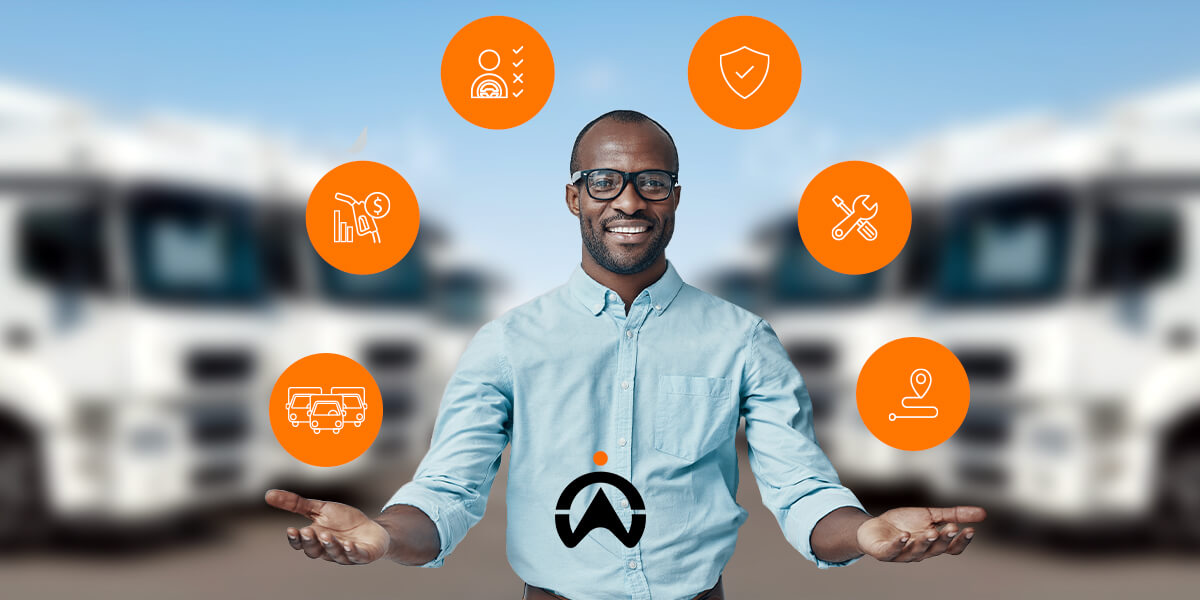
Fuel management systems are designed to provide operational insights to fleet managers.

The system automatically tracks fuel consumption levels and also notes the speed at which the fuel is burned.

The system makes use of telematics to gather vehicle data and translates it into simple information, compiled on a fleet platform. This is done by making use of:

The information typically gathered for optimum fuel efficiency includes:

  • Vehicle speed
  • Full trip history of vehicle usage
  • Vehicle routes travelled
  • Idle time
  • Driving behaviour
  • Fuel level data

The Risks of Not Having An Effective Fuel Management System

The repercussions of not having a fuel management system can be detrimental to a fleet’s success, including:

  • Increased fuel costs
  • Fuel theft
  • Inefficient travelling and delivery routes
  • Fuel-wasting driving behaviour
  • High maintenance costs
  • Decreased productivity

All these fuel-wasting costs add up, but with a good fuel management system, you can easily identify them and start saving.

The-Risks_of_Not_Having_An_Effective_Fuel_Management_System

The importance of fuel monitoring systems

Fuel monitoring systems are important for fleets because they allow fleet managers to collect and analyse fuel consumption data in their fleet. This data is a crucial part of fleet success, as it yields a wide range of benefits, including:

  1. Improved driver behaviour:

    Identifying and addressing driver behaviours that lead to unnecessary fuel usage is crucial to fleet success. Fuel management systems can help reduce fuel costs by identifying driver behaviour that is causing unnecessary fuel usage. These behaviours which include excessive idling, speeding, harsh braking, and cornering, all significantly contribute to increased fuel consumption.

  2. Improved fleet efficiency:

    Fuel management systems can use information on their fleet’s fuel consumption to better plan for future trips. For example, by knowing how much fuel a typical delivery will take, unexpected delays can be avoided, which positively impacts workflow.

  3. Improved planning and optimisation:

    Fuel management systems help provide real-time data and insights. By analysing fuel consumption data, fleet managers can identify the most fuel-efficient routes and make adjustments to less efficient routes.

  4. Fuel theft prevention:

    Fuel management systems help fleet managers identify possible fuel theft with real-time fuel capacity, ensuring that unauthorised fuel consumption is immediately detected. Common methods of fuel theft include syphoning, fuel card fraud, fuel card cloning, and false transactions.

  5. Accurate vehicle running costs insights:

    Fuel management systems help monitor and record the amount of fuel each of your fleet vehicles is consuming. This data is crucial in helping you know when you need to change your fleet vehicles. It also gives you insights on which vehicles are more efficient so you can use the most fuel-efficient vehicles for more fuel-demanding trips.
  6. Reduction of human error:

    Fuel management systems automate the collection of vehicle and driver data, eliminating errors caused by human input. Before these advancements, fleet managers and drivers would have to manually record vehicle and driver data, which would result in inaccuracies that would negatively affect fleet efficiency.

Without an effective fuel monitoring system, fleets can experience an increase in expenses and cost wastages, which can be detrimental to any business’s general operations and bottom line.

However, with software that enhances operational efficiency, reduces costs, and ensures proper and secure usage of fuel within a fleet or organisation, these problems can turn into money-saving solutions.

How Can We Help Improve Your Fuel Management?

If you’re looking to reap the benefits of a fuel management system, then look no further than Cartrack. Its industry-leading solutions simplify fuel cost data capturing and its valuable tools help you gain a comprehensive understanding of fuel consumption and leakages, providing you with actionable insights that can be used to improve your fleet’s fuel consumption.

Here are some key ways our solutions help save fuel costs:

  • Monitoring and Improving Driver Behaviour:

    Cartrack’s fuel monitoring software helps you see how much fuel has been put into your vehicles and helps you identify the driver behaviours that negatively impact fuel consumption. Research shows that idling consumes between 0.76 to 2.65 litres of fuel an hour, while harsh braking has been shown to increase fuel consumption by approximately 40%. Our driver scorecards monitor high-risk behaviour such as speeding, harsh accelerating, cornering or braking, which helps you know exactly what areas require improvement so you can drastically lower your fuel consumption.

  • Promoting Preventative Maintenance:

    A critical aspect of fuel efficiency lies in vehicle maintenance. Neglected issues such as worn-out tires, engine damage, or low coolant levels can lead to increased fuel consumption. Cartrack Tanzania takes a proactive stance with preventative maintenance. We monitor your vehicle’s health. This allows you to schedule maintenance that suits your fleet’s schedule, minimising downtime and optimising vehicle performance. Now you can ensure your fleet operates at peak efficiency while minimising unexpected fuel consumption spikes associated with maintenance neglect.

  • Simplifying Admin with Automated Reports:

    Monitor fuel usage and expenses with Cartrack’s automated reports. When integrated with fuel level sensors, these reports give you access to critical data points, including total fuel consumption, initial and final fuel levels for trips, average fuel consumption, unauthorised vehicle usage, and fuel-draining incidents such as excessive engine idling. These reports are promptly delivered to your inbox, ensuring you have the information where and when you need it.

  • Mitigating Fuel Card Fraud and Theft:

    Cartrack’s intelligent algorithm goes beyond traditional measures to address fuel card fraud and theft, with examples including syphoning and fuel card cloning. By automatically cross-referencing fuel receipts with your vehicle’s location and fuel status, it instantly flags any suspicious activities. This proactive approach empowers you to identify abnormal spikes in fuel consumption promptly. Moreover, trip reports with fuel sensor data provide an additional layer of security, helping you take immediate action against any discrepancies.

The_Solution_for_World-Class_Fuel_Management

Is It Beneficial to have a Fuel Management Software for Businesses of All Sizes?

You would think software solutions like this would only be suited for larger businesses, but they’re actually super beneficial for businesses of all sizes and in all industries.

Small businesses: Small businesses typically have limited resources, making it important for them to find ways to save money and improve their efficiency. A fuel management system can help small businesses do both by tracking fuel usage and identifying areas where fuel can be saved. Since small businesses will typically have one vehicle for deliveries, this enables them to optimise routes and helps ensure that there are no delivery delays.

Medium-sized businesses: Medium-sized businesses have more complex fleets than small businesses, making them require more stringent compliance requirements, which fuel management systems can help them achieve.

Large businesses: Large businesses often have massive fleets with hundreds or even thousands of vehicles. Fuel management systems can help them manage their entire fleet efficiently and comply with all applicable regulations in all provinces and countries where they operate.

What’s more? Implementing these solutions results in the automation of manual business processes, helping you free up resources, minimise paperwork, and speed up productivity.

The Solution for World-Class Fuel Management

Effectively improving your fleet’s fuel management needs a system that closely monitors fuel consumption, aids driver training programs, and adopts fuel-efficient technologies. The answer? Cartrack’s world-class solutions give you all the tools you need to say farewell to fuel stress and welcome enhanced productivity and efficiency.

Contact Cartrack Tanzania and unlock the endless benefits of fuel management.

How To Drive Customer Service Excellence with the Right Fleet Management System

Customer service excellence is a crucial part of the success of any business, playing a role in its profitability, reputation, and ability to maintain customer loyalty.

Interested in knowing how your fleet can prioritise and maximise its customer service excellence? Then you’re in the right place.

In this article, you will:

  • Know exactly what customer service excellence is
  • Learn what impact customer service excellence has on the success of your business
  • Find out how a fleet management system impacts customer service excellence
  • Discover how Cartrack Tanzania ’s solutions help you boost your customer service excellence

What is Customer Service?

Customer service is the direct, one-on-one interaction between a customer, a company, and their product/service.

We’ve all experienced good and bad customer service. Good experiences usually leave us feeling satisfied, while bad service can leave a lasting impression, for all the wrong reasons.

This is why customer service plays such a crucial role in the success of a business. It focuses on providing support, assistance, and satisfaction to customers by meeting their expectations.
Businesses that do this well usually experience long-term success.

What_is_Customer_Service

Why Is It So Important For Your Fleet’s Success?

  1. It Promotes Customer Retention and Loyalty:

    Retention is cheaper than acquisition. This applies to your business and its customers too. Customer retention is a business’s ability to keep its existing customers happy and loyal to the business. It plays a crucial role in the success and sustainability of a business, as poor customer service is one of the main reasons why customers leave a company. Studies show that all it takes is one negative interaction or mistake for your customer to jump ship.

    According to a Northbridge Group study, 72% of consumers reported that they would switch to a competing brand after one poor customer experience. This also applies to your loyal customers, with the number increasing. In 2022, Emplifi, a leading customer service platform, released a report titled “11 Key Things Consumers Expect From Their Brand Experiences Today”. This report indicated that 86% of consumers would leave a brand they trusted after only two poor customer experiences.

  2. It Promotes Customer Advocacy:

    Customers talk. In a world where word-of-mouth is the most effective and least expensive marketing tool, their talk can either help you gain or lose potential customers. Customer advocacy is when your customers spread positive word-of-mouth about your product, service, or business.

    Loyal customers provide a stable base, while their positive reviews and referrals contribute to new customer acquisition. If you are offering your customers poor service, they will most likely share it with others. While negative reviews are an unavoidable reality, you shouldn’t be giving people more of a reason to write them due to poor service delivery. According to research, 94% of consumers report that a bad review has convinced them to avoid a business.

  3. It Increases Profits:

    Customer service excellence boosts profits in multiple ways. Studies show that most customers will prioritise service delivery quality over affordability. A study of over 1,000 U.S. customers found that 58% of consumers are willing to pay more for a product or service if they know that they’ll receive excellent customer service. By promoting customer loyalty and advocacy, profits increase over time. Repeat customers contribute to steady revenue, which reduces the need for customer acquisition efforts that can be quite costly.

Achieving Customer Service Excellence In The Digital Age

In the digital age, customer service excellence has taken on a new level of importance. With the rise of technology, customers have come to expect faster, more efficient, and personalised service across multiple channels.

For a business to succeed and remain sustainable, it needs to adapt to these changes. While this may sound like a lot of work, decent fleet management software and its ability to help streamline your processes can make your quest for customer service excellence a lot easier to attain.

Achieving_Customer_Service_Excellence_In_The_Digital_Age

What Is Fleet Management?

Fleet management refers to the comprehensive process of optimising the lifecycle of a fleet of vehicles. It encompasses all the actions needed to run a fleet operation efficiently in a way that saves you money and guarantees profits. With a range of tasks that are designed to aid efficiency, safety, and fleet productivity, fleet management is an essential part of any successful fleet.

The Key Components of a Good Fleet Management System

  1. Vehicle tracking: GPS tracking technology is an important part of a successful fleet management system. It allows fleet managers to get full visibility into the location and movement of their vehicles, giving them the ability to monitor routes, optimise dispatching, and improve overall efficiency.
  2. Asset management: This involves tracking and managing your physical assets, including vehicles and equipment. This helps you stay informed of which assets are adding value to the business and identify which ones need upgrading or replacement.
  3. Driver Management: This component provides fleet managers with tools to monitor and manage driver behaviour, performance, and compliance. This enables you to improve driver safety, performance, and scheduling.
  4. Cost management: This component provides tools for tracking and managing costs associated with your fleet. This includes fuel consumption monitoring, maintenance and repair tracking, and expense management.

How Does Fleet Management Boost Customer Service?

  1. Improving and Enhancing Visibility: Integrated fleet management software offers increased driver visibility during their trips, giving you access to real-time vehicle tracking. This enables you to offer customers accurate updates on their deliveries or services, promoting better communication and trust. This helps you keep customers well-informed, reducing frustration and enhancing their overall experience.
  2. Improved Planning and Scheduling: Enhanced planning and scheduling through real-time tracking empowers precise monitoring of drivers’ locations and job durations. This enables effective dispatching, reduced service windows, and accurate Estimated Time of Arrivals (ETAs). Accurate planning prevents overcommitment, which builds trust and minimises customer frustration. It also helps optimise vehicle usage, expanding the capacity to efficiently serve more customers.
  3. Improved Route Planning: Efficient route planning is the key to faster deliveries. It significantly reduces travel time and ensures prompt arrivals, helping you meet customer expectations more easily. Similar to planning and scheduling, route planning can help you establish and provide accurate ETAs, adding convenience and value to customers’ lives. It plays a crucial role in minimising delays by equipping drivers with information to avoid traffic congestion and road closures, resulting in a more seamless daily operation of your fleet.
  4. Effective Communication: Effective communication, especially through real-time channels, significantly enhances customer satisfaction by ensuring that all issues are promptly addressed and resolved. Furthermore, real-time communication empowers your drivers to effectively liaise with you regarding any on-road delays or vehicle-related issues, empowering them to proactively manage situations. This eliminates potential inconveniences for clients and improves the professional image of the business.
  5. Increased Efficiency: Implementing a fleet management solution equips your team with valuable data-driven insights as it pinpoints areas that can be improved. These insights play a crucial role in monitoring and enhancing driver behaviour, consequently reducing accident risks and enhancing overall safety. Additionally, it helps your drivers operate vehicles more efficiently and securely, directly contributing to improved customer service excellence. Enhanced driver behaviour promotes more prompt deliveries as drivers are more focused on the road and the task at hand. Safer driving also reassures customers that their goods will be handled with care, preventing potential damage during transit and avoiding customer dissatisfaction.

How Cartrack’s Solutions Help Achieve Customer Service Excellence

Here are 4 Cartrack Tanzania solutions that can help your business improve its customer service excellence:

  1. Cartrack Delivery

    Our Delivery app gives you full visibility of your delivery operations. With this system, you can notify customers when their delivery is on route, and completed, promoting customer convenience and communication. You can also allocate jobs to your drivers and optimise them based on the quickest route or by job priority for faster deliveries. Additionally, the app can help you prepare driver schedules in advance and dispatch your nearest available drivers. This ensures disruptions are limited, and all delays or schedule changes can be effectively communicated with customers, boosting customer satisfaction.

  2. Temperature Monitoring

    If you provide goods that are temperature-sensitive, such as foods, beverages, or pharmaceutical products, our GPS and IoT tracking can help you monitor the location and temperature conditions of your refrigerated trailers. By offering you real-time alerts in the event of any temperature fluctuations, you can check in with drivers to either resolve the issue or dispatch a replacement trailer. This helps you consistently deliver goods that are fresh and compliant, positively impacting your customer service.

  3. Automated Maintenance Plans

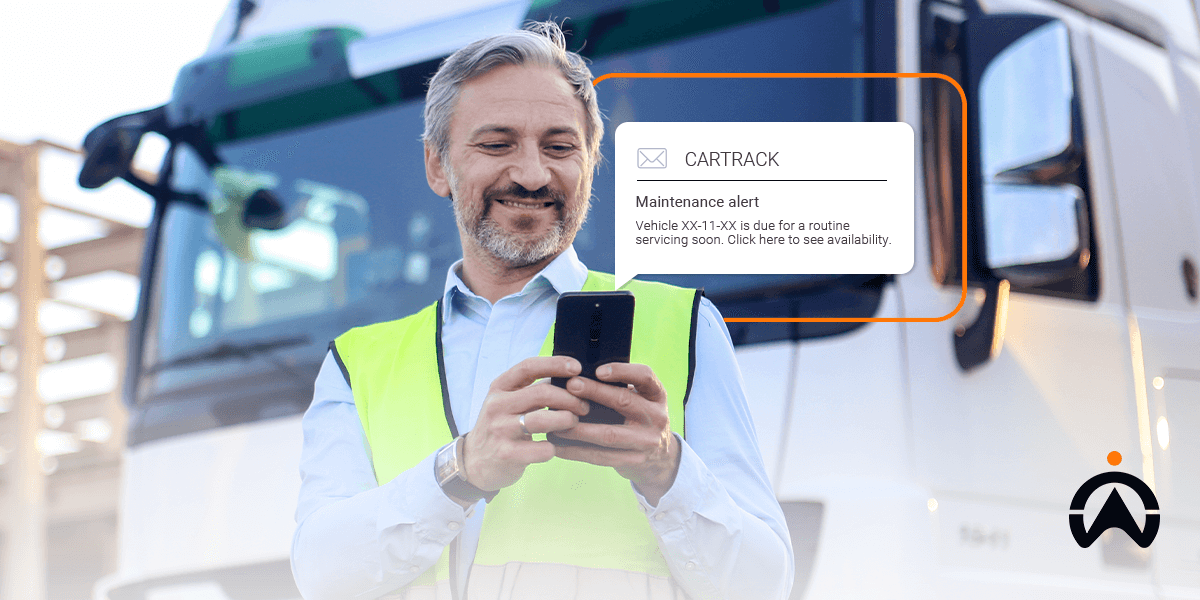
    Our fleet management software helps you unlock perfectly timed vehicle maintenance by automating maintenance schedules for each vehicle. Our software ensures that you receive real-time alerts of vehicle faults, including worn brake pads, engine faults, and oil and water fluctuations, allowing fleet managers to address issues quickly and efficiently. This ensures that downtime is minimised, boosting overall efficiency and improving customer service.

  4. Live Vision AI Cameras

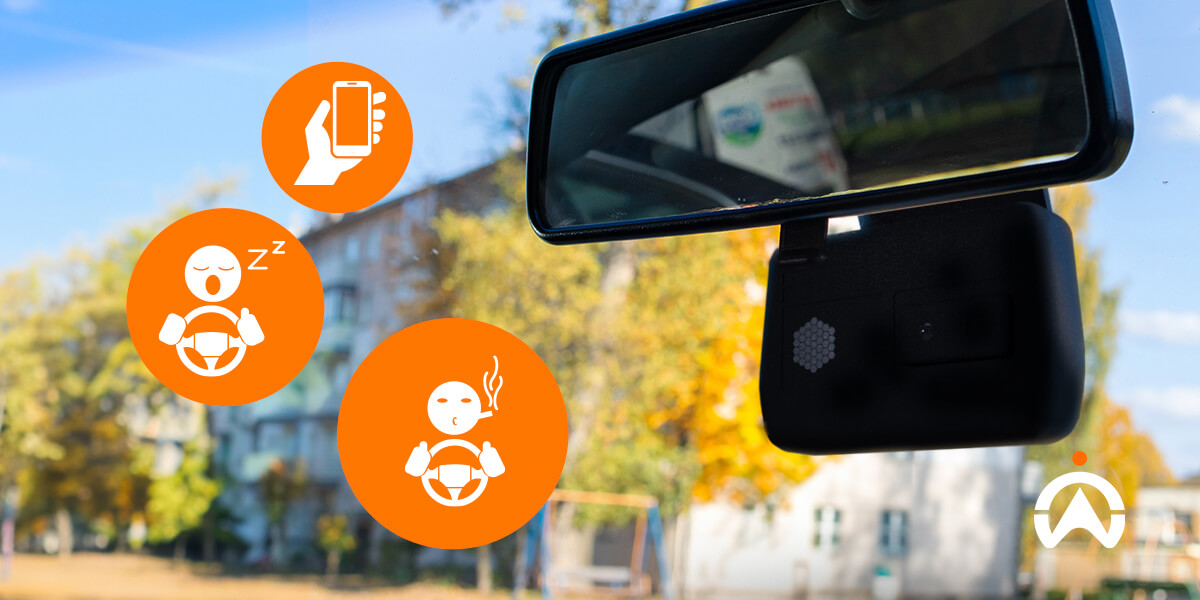
    Our Live Vision AI camera technology gives you 24-hour visual access to your vehicles. Equipped with in-cabin audible alerts, this live-streaming technology immediately notifies your drivers of any distracted or dangerous driving, including smoking, distracted or fatigued driving, mobile phone use, and yawning. This allows your drivers to correct their actions in real time, preventing avoidable delays and reducing the risk of incidents that could disrupt deliveries and result in customer dissatisfaction.

Make Customer Service Excellence Your Business Standard with Cartrack Tanzania

Whether you’re providing a service or delivering goods, give your fleet an efficient fleet management system to ensure customer satisfaction.

Let Cartrack’s industry-leading solutions keep your customers beaming. Contact Cartrack Tanzania to learn how to achieve improved customer service excellence and take your business to the next level.

How to Prevent Fuel Theft – 7 Instant Tips to Protect Your Fleet

Fuel theft is becoming increasingly worrisome for fleet managers and business owners, particularly in the face of ever-fluctuating fuel prices. It’s no secret that as diesel and petrol prices go up, the threat of fuel theft often follows.

Fortunately, there are several ways to protect your fleet against fuel theft and excessive fuel usage.

Ready to unpack valuable information and seven clear tips to help protect your fleet from fuel theft and excessive fuel usage?

In this article, you will:

  • Understand the impact fuel theft has on your fleet’s operations and budget
  • Familiarise yourself with potential fuel-theft signs within your fleet
  • Gain insights into measures and tips to protect your fleet from fuel theft
  • Explore the benefits of preventing fuel theft in your fleet business
  • Learn how Cartrack’s solutions can help identify and prevent fuel theft

Understanding the Impact of Fuel Theft

Fuel theft can have a significant impact on businesses, especially those that rely on a fleet of vehicles for their operations. This can present several challenges for businesses, including financial losses that can impact the company’s overall profitability.

Additionally, it can lead to operational disruptions, causing unexpected delays in deliveries and vehicle downtime. This activity can result in damage to the vehicles themselves, adding more to fleet maintenance costs, with potential issues such as punctured fuel tanks or other forms of tampering.

Overall, fuel theft poses significant safety risks, especially if it involves meddling with vital components of the vehicle, potentially jeopardising the safety of drivers and other motorists if the driver is unaware of the potential vehicle damage through fuel theft and continues to operate their vehicle.

Signs of fuel theft

Thieves throughout South Africa have been actively seeking inventive methods to steal fuel from vehicles and filling stations alike. Surprisingly, most fuel theft incidents don’t occur by criminals. We’re not saying criminals don’t play a part but the majority of fuel theft frequently happens from the inside. Yes, you guessed it — your employees.

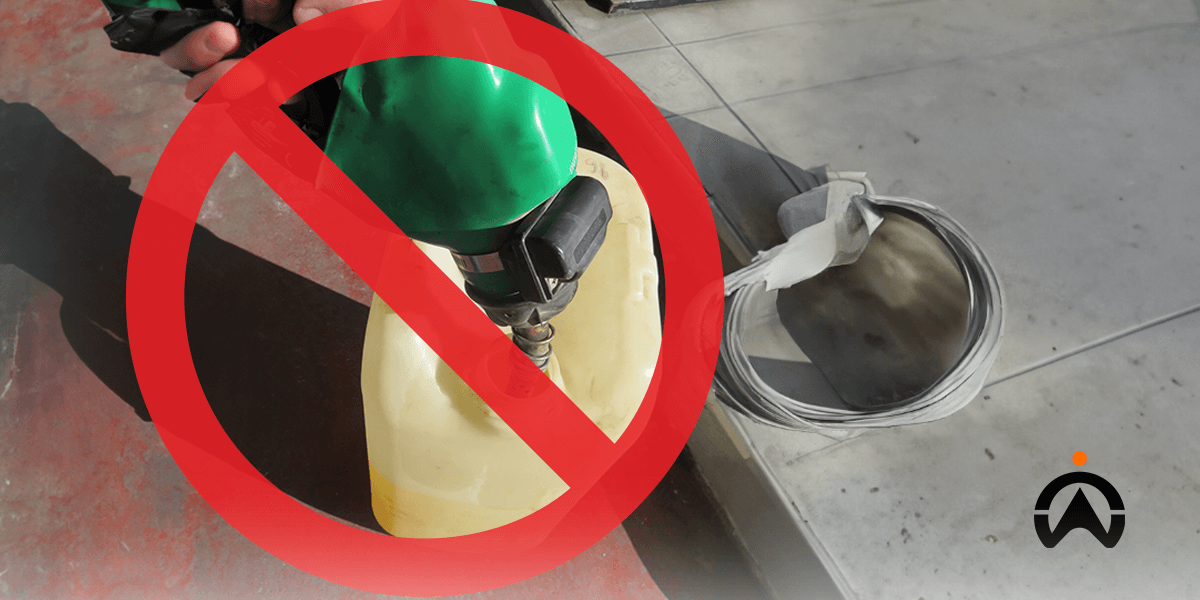
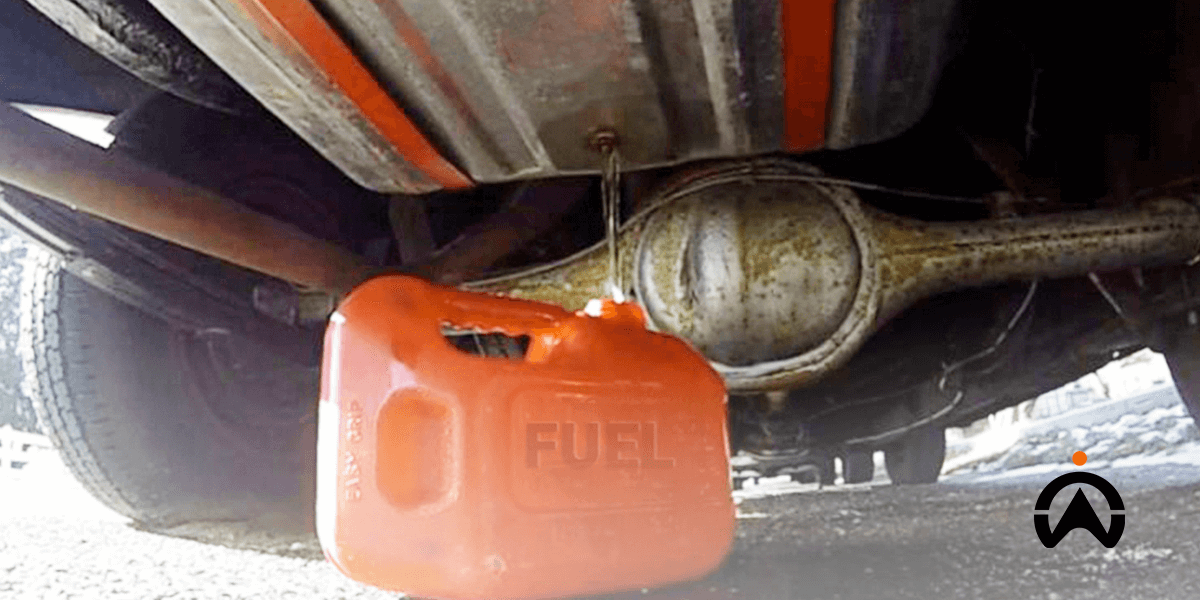
This is referred to as skimming, it involves employees syphoning a small amount of fuel from a vehicle’s tank for their personal use, thus saving money on their fuel expenses. Coincidentally, ‘skimming’ or ‘shimming’ can also mean a form of fuel card fraud.

So, how do you know that there’s fuel theft occurring in your business?

The signs of fuel theft can include:

  • Sudden drops in fuel levels without reasonable explanation
  • Gaps between fuel purchase records and actual usage
  • Unexplained high fuel expenses
  • Evidence of tampering with fuel tanks or petrol cap locks
  • Unexpected changes in fuel consumption patterns
  • Unexplained variations in vehicle routes
  • Unauthorised vehicle activity during off-hours

Signs_of_fuel_theft

7 profit-saving tips to protect your fleet from fuel theft and excessive fuel usage

Guarding your fleet against fuel theft and unnecessary fuel expenses is a key component in maintaining a successful operation. Implementing proactive measures can ensure the security of your fuel and the optimisation of your fuel resources.

With this in mind, here are 7 valuable tips to assist you in minimising fuel theft and wastage:

Tip 1: Improve your tracking system

Invest in an advanced tracking system like Cartrack’s to closely monitor your fuel consumption and track vehicle movements in real time. It will help you instantly identify any fuel usage irregularities, solve causing issues and save money.

Tip 2: Secure fuel tanks

Employ robust locking mechanisms on your fuel tanks to deter potential thieves. Anti-siphoning devices can further fortify your defences against unauthorised fuel access.

Tip 3: Regular audits

Conduct frequent audits to oversee fuel usage meticulously. Identifying any inconsistencies early on can help address potential fuel theft issues before they escalate.

Tip 4: Educate your drivers

Educate your drivers on fuel-efficient driving practices, including maintaining consistent speeds, minimising idling time, and planning optimal routes to reduce fuel consumption. Driver data like this can be easily accessible to managers through Cartrack’s driver behaviour reports, ensuring you have the tools you need to train drivers on responsible driving habits.

Tip 5: Utilise fuel monitoring software

Implement user-friendly fuel monitoring software integrated into your fleet management system. This technology enables you to monitor fuel levels and promptly detect any suspicious activities.

Tip 6: Install surveillance systems

Consider installing visible surveillance cameras at fueling stations and parking areas. Not only do they act as a deterrent to potential theft, but they also serve as concrete evidence in case of any attempted fuel-related crimes.

Tip 7: Establish clear guidelines

Develop and enforce transparent fuel usage policies within your organisation. Clearly define procedures for fuel card usage, refuelling protocols, and reporting any unusual activities, fostering a culture of accountability and responsibility.

Benefits of saving every litre of petrol

Every drop of stolen fuel is a loss that adds up over time. Fuel theft can result in increased vehicle repair costs, which are usually much more expensive than the stolen fuel itself.

By recognising the various benefits associated with preventing fuel theft, fleet managers can elevate the overall performance and safety of their operations.

Here’s what you can gain from solving your fuel theft problem:

Cost savings: Efficient fuel management helps reduce fuel wastage and prevents unauthorised fuel usage, resulting in significant cost savings over time.

Enhanced operational efficiency: By closely monitoring fuel usage, you can optimise routes, reduce idle time, and improve overall fleet efficiency, leading to better productivity and timely deliveries.

Maintenance optimisation: Effective fuel management can contribute to the proper maintenance of vehicles, ensuring that they operate at their optimal level and reducing the likelihood of unexpected breakdowns.

Improved accountability: Implementing measures to prevent fuel theft fosters a culture of accountability among drivers and employees, promoting responsible behaviour and discouraging fraudulent activities.

Regulatory compliance: By maintaining accurate fuel records and preventing fuel-related irregularities, you can ensure compliance with industry regulations and avoid potential legal issues.

Sustainability: Efficient fuel management practices contribute to a more sustainable approach to resource utilisation, reducing the environmental impact associated with excessive fuel consumption and wastage.

Enhanced fleet security: Preventing fuel theft not only protects your financial assets but also enhances the overall security of your fleet, ensuring the safety of both your vehicles and your drivers.

Managing your fuel effectively isn’t just about saving money; it’s about protecting your bottom line and keeping your fleet running smoothly. By implementing proper fuel management practices, you not only prevent fuel theft but also ensure that every drop of fuel is utilised efficiently.

Fuel theft trends

There are many tactics criminals use when stealing fuel from a vehicle, you might be familiar with syphoning, the traditional method of fuel theft where criminals use plastic tubing to syphon fuel from work vehicles and pour it into a petrol can for personal use, but you might not know the other popular methods of fuel theft such as:

  1. Fuel tank puncturing: There has been a growing trend of thieves puncturing fuel tanks, particularly in businesses with parked car fleets overnight. This technique allows for quicker fuel extraction in larger quantities but often results in considerable vehicle damage and costly repairs.
  2. Damaging fuel caps and fuel lines: Criminals might resort to breaking petrol caps or cutting fuel lines as another means of gaining access to the fuel within the tank.
  3. Misuse of fuel cards: Employees may sometimes swipe the business card for personal use or lend their fuel cards to friends or family resulting in unauthorised transactions. Tellers may also swipe fuel cards more than once reflecting in duplicate transactions and double the fuel costs.
  4. Cloning of fuel cards: Similar to credit card cloning, fuel cards can be duplicated, often going undetected by banks until it’s too late.
  5. Illegally accessing pipelines: In more complex scenarios, criminals may illegally tap into fuel pipelines to syphon off significant volumes of fuel. This is a technique commonly seen within the oil and fuel industry.

Fuel_theft_trends

How Cartrack’s fleet management solutions can help

Cartrack Tanzania is a global provider of data analytic solutions, specialising in mobile asset management, asset recovery, and workforce optimisation. Our comprehensive fleet management platform encompasses essential features including vehicle tracking, driver behaviour monitoring, cost breakdown analysis, and fuel management.

Our industry-leading fleet cost monitoring system — MiFleet is the perfect web-based tool that shows managers the exact running costs of their fleet. This data includes items such as toll fees, licence renewal dates, maintenance, and most importantly, fuel costs.

MiFleet automatically reviews all your fuel transactions, matches your fuel receipts with your vehicle’s telemetry data and highlights areas of possible fuel theft. Fleet managers can easily import fuel transactions, flag fuel risks and stay updated with all fuel costs, helping them prevent fuel cost wastages and save money.

Besides MiFleet, Cartrack Tanzania also provides various solutions that can assist in identifying and stopping fuel theft:

Fuel theft identification: Cartrack Tanzania efficiently accesses trip reports with fuel sensor data, effectively validating any suspicions of fuel syphoning. This capability empowers you to take necessary action promptly and effectively.

Fuel consumption visibility: With Cartrack’s comprehensive fuel monitoring system, you can seamlessly track your fleet’s real-time fuel consumption. This clear visibility allows you to promptly identify sudden or unusual fuel level changes, triggering alerts for potential fuel theft or misuse.

Reducing fuel waste: Cartrack’s advanced fuel monitoring system provides detailed metrics on fuel consumption per kilometre travelled and per job completed for every driver and vehicle. These valuable insights help pinpoint areas that need attention, enabling you to proactively prevent fuel wastage.

Driver behaviour tracking: Cartrack’s state-of-the-art technology enables close monitoring of driver behaviour, including driving speed, abrupt braking, and prolonged idling, all contributing to fuel waste. By closely monitoring and addressing these behaviours, you can actively promote fuel-efficient driving practices and significantly reduce fuel consumption.

Fleet tracking: Leveraging Cartrack’s GPS tracking feature allows you to effortlessly keep tabs on your fleet vehicles’ precise positions. This critical function serves as a robust defence, instantly detecting any potential instances of unauthorised vehicle use, thus effectively combating fuel theft and unapproved usage.

Receive long-term fuel security and fleet protection with Cartrack Tanzania

With Cartrack Tanzania, you can proactively protect your valuable fuel resources, mitigate losses, and ensure that every drop of fuel is used optimally. Don’t let fuel theft drain your resources and disrupt your operations. Contact Cartrack Tanzania today.

Fleet Dashcams: Find the Best Solution for Your Business

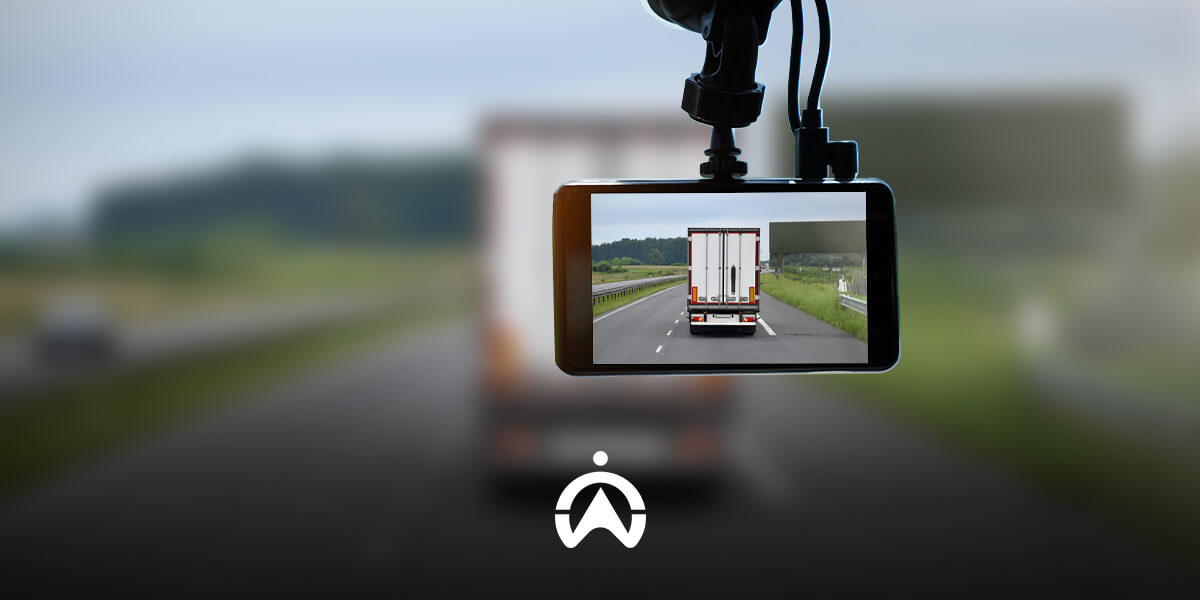
Vehicle dashcams for your fleet are not just good for recording footage; they act as a reliable, always-on witness that can protect your drivers, vehicles and business.

Let’s zoom in on the ins and outs of dashcams and explore their transformative impact on modern fleet management.

In this article, you will:

  • Learn what dash cams are and their role in fleet management
  • Know the difference between fleet and ordinary dashcams
  • Understand how fleet dashcams safeguard your drivers and fleet
  • Uncover the multiple benefits of fleet dashcams
  • Explore the features and benefits of Cartrack’s AI-powered cameras

What are fleet dashcams?

Fleet dashcams are advanced video recording systems installed in company vehicles.

These dashcams go beyond just recording — they serve as reliable witnesses, capturing every trip event and offering a comprehensive lens on your fleet’s activities.

With features tailored to meet the demands of commercial operations, fleet dashcams provide a crucial layer of security, enhancing driver safety, ensuring regulatory compliance, and protecting businesses from potential liabilities. From real-time monitoring to precise GPS tracking, these nifty devices are instrumental in promoting a culture of accountability, safety, and operational excellence within your fleet management practices.

Key features to consider when selecting a dashcam for a fleet

When choosing a dashcam for your fleet, ask yourself if your fleet needs basic dashcams that are for everyday use or dashcams that come with specific features to better suit your fleet’s needs.

Here are the features any fleet dash cam should come with:

  1. Video quality
  2. Wide-angle lens
  3. Storage capacity
  4. GPS integration
  5. Real-time alerts
  6. Cloud connectivity
  7. Durability and weather resistance
  8. Audio recording
  9. Ease of installation and maintenance
  10. Compatibility with fleet management systems

Then there are those dash cams that provide you with a little extra to enhance the fleet management and safety side of your business. If this is a major focal point, then ensure your fleet is installed with the best.

Here are some benefits:

Advanced tech for peace of mind: With GPS tracking and real-time alerts, you can monitor your fleet’s every move. You can receive instant notifications about potential incidents and securely store all critical footage on the cloud.

Tailored to your needs: Customisable settings let you tweak recording quality, storage duration, and event-triggered recording. It’s all about making the system work just the way you want it to.

Insights that drive success: Dashcam footage is a goldmine of information about driver behaviour, road conditions, and overall fleet performance. Use it to fine-tune your strategies and train your drivers to be top-notch.

Stay on top of emergencies: Real-time monitoring keeps you in the loop, ready to spring into action at a moment’s notice. Your drivers? They get live support whenever they need it.

Compliance made easy: Think of it as your legal safety net – dashcams provide the evidence you need to ensure you’re always on the right side of the law. No more headaches when it comes to disputes, accidents, or legal matters.

A culture of safety and trust: Dashcams foster a culture of accountability and safety within your team. Drivers feel empowered, and you create an environment that prioritises their well-being and the efficiency of your fleet.

Fleet dashcams vs ordinary dashcams, what’s the difference?

The difference lies in your main need for a dashcam.

You’re probably asking yourself, “Couldn’t I just install any old dashcam I find at the store?” The answer is yes. You could use an ordinary consumer dashcam for your fleet, but when it comes to reaping the actual benefits, the more affordable consumer option just won’t cut it.

On the surface, ordinary dashcams and fleet dashcams appear the same. Both record video footage from a vehicle’s front-facing view and that footage can be reviewed to see exactly what happened in a specific situation or accident as video evidence. But that’s where similarities between the two devices end.

Fleet dashboard cameras are designed for commercial fleets and provide managers with the driver insights they need to effectively manage their fleet. Ordinary consumer dashcams are low-cost and targeted only towards personal use in a single car, and give you zero driver insights. Due to their very limited functionality, they’re not suitable for fleet use.

Benefits of using fleet dashcams?

From boosting safety to cutting down costs, these cameras are the secret weapon every smart fleet manager needs and here’s why:

  1. Gain full visibility into critical events: With fleet dashcams, you can have an unobstructed view of crucial moments, such as capturing a sudden brake or swerving to avoid an accident. This comprehensive footage helps you understand the context of each event and make informed decisions live in the moment.
  2. Increase safety, prevent accidents, and reduce claims: Fleet dash cams can help identify risky driving behaviour, such as sudden lane changes or tailgating, enabling you to provide timely feedback and training to your drivers, thus preventing potential accidents.
  3. Lower insurance premiums and the cost of claims: By providing clear evidence of an accident or incident, dashcam footage can help expedite the claims process and minimise disputes, leading to reduced insurance premiums and faster claim resolutions.
  4. Protect your drivers and fleet against false claims: In case of an alleged collision or incident, dashcam footage serves as irrefutable evidence, protecting your drivers and fleet from fraudulent or misleading claims.
  5. Coach your drivers better to improve safety: Using dashcam footage, you can offer specific examples of both exemplary and concerning driving behaviour to your drivers, facilitating targeted coaching sessions and enabling them to improve their skills on the road.
  6. Enhance fleet efficiency and save time: Analysing dashcam footage can help identify inefficient routes, excessive idling, or unauthorised vehicle use, allowing you to optimise routes, reduce fuel consumption, and save valuable time and resources for your business.

In addition, dashcams can also be used to prevent theft and vandalism, collect evidence of fraud, and create training materials for drivers.

Loving these benefits?

Then you’ll love an equally crucial aspect: the security of these fleet dashcam systems. Understanding the measures in place to protect your data is key to leveraging their full potential.
Benefits_of_using_fleet_dashcams

Security measures on dashcams

Only authorised staff can access recorded videos or images, so managers and drivers can ask for the driving event videos or images. Usually, data is kept for 90 days, but the fleet company decides when to delete it. When it comes to what kind of data can be saved, according to GDPR rules, videos not linked to any specific events should not be saved.

The General Data Protection Regulation (GDPR) is designed to protect sensitive information. Here are some ways that fleet dash cam systems adhere to these rules and protect sensitive data:

Restricted access: Video or image captures are restricted to authorised personnel only.

Privacy by design: Fleet dashcam systems are designed with privacy in mind, allowing fleet managers to configure and customise the dashcam settings and setup for privacy compliance.

Customisable settings: Fleet dash cam systems offer customisable settings, allowing fleet managers to disable certain features like in-cabin recording and distracted driver features.

Private mode: Drivers can activate private mode during non-working hours, ensuring that video and images are no longer sent to the cloud.

Secure storage: Fleet dash cam systems offer cloud storage capabilities, ensuring that sensitive data is stored securely and accessible only to authorised personnel.

Compliance with GDPR: Fleet dash cam systems must comply with privacy regulations such as GDPR, ensuring that sensitive data is protected and used only for authorised purposes.

Will drivers be monitored 24/7?

Much like anyone, drivers want to have their privacy protected, so they are often apprehensive about a camera watching their every move.

With compliant dashcams, drivers’ privacy is top-notch. These systems are highly adaptable, allowing features like in-cabin recording and distracted driver alerts to be switched off, focusing solely on what’s happening on the road.

Some fancy dashcams even have a live-streaming option for extra driver support, and drivers get a heads-up when their manager uses it.

Why use dashcams for fleet management?

In recent years, dashcams have gained significant popularity as essential tools for fleet management, and the reasons behind their widespread adoption are clear. Specifically designed for professional use, commercial dashcams provide a tailored set of advantages catering to the distinct requirements of fleet operations.

Notably, these robust dashcams comply with the General Data Protection Regulation (GDPR), boast tamper-resistant designs, and are skillfully hardwired for hassle-free installation. Moreover, they offer a host of sought-after features, such as:

  • Automatic download of pertinent footage
  • Remote accessibility for real-time monitoring and configuration
  • Support for multiple cameras
  • Utilisation of commercial-grade SD cards

In essence, dashcams are a valuable asset for fleet managers of all sizes, making a substantial impact on safety, cost reduction, operational efficiency, and customer service improvement.

They play a crucial role in identifying drivers engaging in unsafe practices, like speeding or tailgating, and provide targeted coaching to enhance their driving behaviour. Dashcam footage becomes a lifeline when it comes to exonerating drivers involved in accidents that were not their fault, resulting in significant savings on insurance or other driving costs, such as speeding tickets.

By pinpointing areas of excessive idling, dashcam footage allows fleet managers to educate drivers on the importance of reducing idling, leading to substantial fuel cost savings.

The Big Plus of Dashcams and GPS Vehicle Tracking Working Together

Fleet dashcams, when coupled with GPS tracking, serve as a potent asset for effective fleet management, delivering real-time insights into driver behaviour and vehicle activities.

Here’s a breakdown of their operational process:

  1. Installation: Dashcams are strategically placed in each fleet vehicle, typically on the windscreen or dashboard, and connected to the vehicle’s power source.
  2. Continuous recording: These dashcams maintain an uninterrupted record of video footage, encompassing the road and, in certain instances, the driver and the vehicle’s interior. The recorded data is securely stored either on the device itself or in the cloud, depending on the system’s configuration.
  3. GPS tracking: Equipped with a GPS receiver, the dashcam captures essential information about the vehicle, including its precise location, speed, and travel direction. This data is seamlessly synchronised with the video recordings, providing a comprehensive overview of the vehicle’s activities.
  4. Event triggering: Dashcams can be customised to automatically preserve video clips triggered by specific events like abrupt braking, sharp turns, or collisions. These clips are conveniently tagged with GPS data, simplifying the process of locating and reviewing them when necessary.
  5. Real-time monitoring: Fleet managers gain access to a web-based dashboard that not only streams live video feeds from the dashcams but also presents the GPS tracking data for each vehicle. This real-time monitoring empowers managers to quickly address any issues or emergencies.
  6. Reporting and analytics: Many fleet dashcam systems include reporting and analytics features that empower managers to create custom reports grounded in GPS and video data. This capability aids in identifying patterns, enhancing driver conduct, and diminishing the potential for accidents.
  7. Safety and insurance advantages: Fleet dashcams complemented by GPS tracking offer real-time feedback to drivers concerning their behaviour, fostering enhanced safety practices. In cases of accidents, the dashcam’s video evidence can expedite the insurance claim process and potentially lead to reduced insurance premiums.
  8. Integration with other systems: Certain fleet dashcam systems can integrate with other fleet management tools, including telematics platforms, dispatch software, and maintenance systems. This integration provides a comprehensive outlook on the fleet’s operations.

How can fleet dash cams help with insurance claims?

Curious about how you can give your fleet a safety and security boost while also streamlining insurance claim processes? Fleet dashcams might just be the game-changer your business needs.

Take a look below at the various ways fleet dashcams can revolutionise the way you handle insurance claims.

  • Clearing driver’s name: Fleet dash cams provide video evidence that can prove drivers’ innocence in accidents or false claims, helping cut down on insurance expenses and shielding drivers from blame.
  • Lowering insurance premium: Many insurers offer up to 10% discounts for fleets using GPS tracking and maintaining a clean driving record. Since fleet dashcams come with comprehensive GPS location reports, your fleet might qualify for overall reduced premiums.
  • Enhancing driver safety: Fleet dashcams serve as coaching tools for better driver behaviour, reducing the likelihood of accidents and insurance claims.
  • Valuable video evidence: Fleet dashcams offer crucial video evidence for quick insurance claim processing and fraud prevention.
  • Monitoring fleet activity: Fleet dashcams monitor vehicle activity, optimising overall fleet efficiency and minimising accident risks and insurance claims.

Do fleet dash cams require professional installation?

Once you know all the crucial insights and benefits dashcams can give your business, it’s time to make that purchase. But once that’s done, what is the actual process, what is the very next step?

Installation.

Whether you’re planning on professional installation or taking the DIY route, setting up these cameras for your commercial fleet is a lot smoother than you might think.

The installation of fleet dashcams can be carried out either by professionals or by fleet owners themselves. Certain dashcam models come with specific installation requirements to ensure comprehensive coverage of critical events.

However, it is advisable to opt for professional installation to guarantee accurate setup and seamless operation. Fleet dashcams are intentionally designed to offer user-friendly installation and operation, boasting an interface that allows easy access to live video feeds and footage from any device.

This simplified installation approach ensures that fleet managers can swiftly integrate the dashcams into their operations without encountering unnecessary complications or vehicle downtime delays.

What is the best dashboard camera to buy for my fleet?

With plenty of options available, you wouldn’t want to choose the wrong one.

When selecting the ideal dashboard camera for your fleet, it’s essential to consider the unique requirements of your specific fleet and business operations. Assess the key factors that play a significant role in your daily operations, such as the size of your fleet, the nature of your cargo, and the types of routes your vehicles typically drive through. Look for a dashboard camera that offers tailored features to address these specific needs.

When choosing a dashcam for your fleet, it is important to compare the features and pricing of different models and the reliability and reputation of the brand, this will help find the product that will best meet your needs.

If you’re looking for real-time tracking, customisable settings, AI-powered functionalities and a trusted name, then Cartrack’s camera solutions are a no-brainer.

What_is_the_best_dashboard_camera_to_buy_for_my_fleet

Cartrack’s AI-powered, live-stream camera

Cartrack is a global leader in providing data-driven solutions, catering to each part of your business, especially drivers and fleets, including; fleet management, driver behaviour management, asset tracking and recovery.

Our all-inclusive fleet management platform includes our smart AI-powered fleet dashboard cameras.

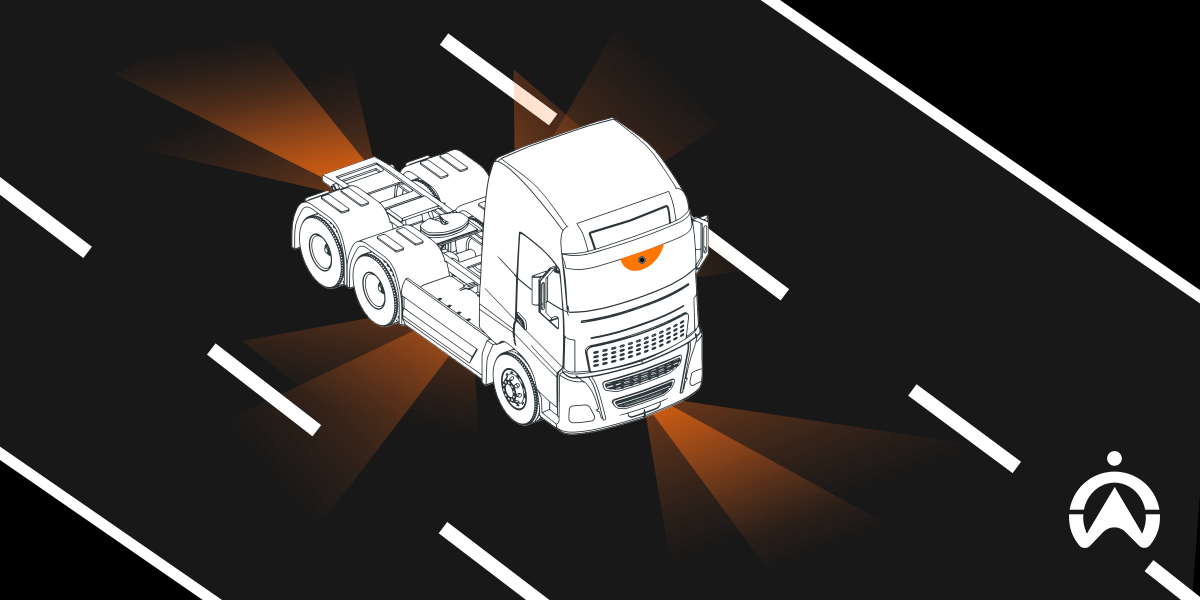
With up to 8 internal or external camera installations, your business can experience real-time monitoring for enhanced safety, streamlined operations, and increased efficiency for your drivers, fleet and cargo.

What makes our AI camera solution different from the rest:

  • Swift detection of potential safety threats in driver behaviour
  • Promotes driver accountability and encourages improved driving habits
  • Provides real-time tracking for efficient fleet management
  • Reduces potential accident events

How Cartrack’s AI-powered cameras work

It all starts with ADAS, our Advanced Driver Assistance System. This powerful tool not only enhances your driver safety but also helps you stay informed with instant alerts and provides you with real-time insights into potential road challenges.

How?

Well, ADAS includes data processing and specific functionalities such as:

Forward collision warning: Notifying drivers when their vehicle gets dangerously too close to another vehicle or obstacle, preventing possible collisions.

Blind spot detection: Warning drivers of vehicles in their blind spots, minimising the risk of lane-changing accidents.

Automatic emergency braking: This feature automatically applies the brakes of the vehicle when it identifies potential collisions, minimising impact or preventing accidents altogether.

Smart cameras: The future of fleet management

What makes this technology tick is the Internet of Things (IOT), a network of linked devices equipped with sensors, software, and connectivity, delivering instant vehicle data right to your desktop. With this and Live Vision, our cameras have live streaming, an AI feature that ensures 24-hour visual access to your vehicles, both internally and externally.

Driving events that these cameras can detect:

Front collision warning: Our smart cameras keep a close eye on the distance between your vehicle and the one in front. If your vehicle gets too close to a vehicle in front of it, the cameras will audibly alert you, helping you prevent a potential collision.

Smoking detection: Our cameras can detect when drivers smoke in the vehicle and will audibly alert drivers so they are reminded to keep both hands on the wheel and focus on the road ahead.

Distracted or fatigued driving: the driver’s head and eye movements are monitored to see whenever the driver’s attention diverts from the road, suggesting distraction. This eye movement will be detected and an instant alert will sound to warn the driver.

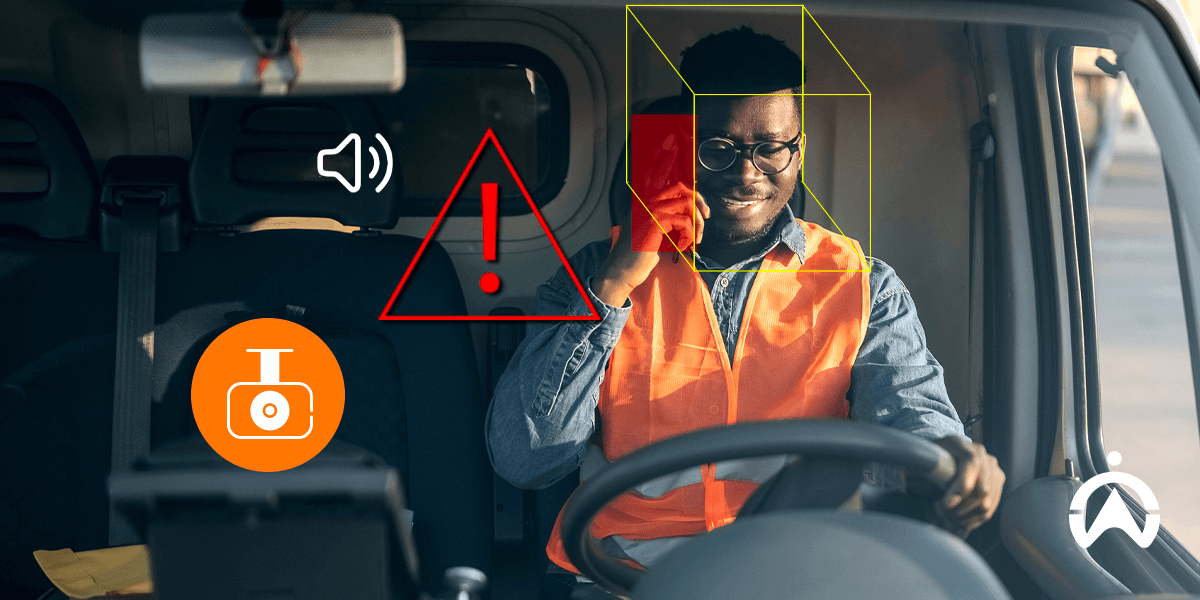
Mobile phone use detection: the cameras can also detect signs of phone use while driving, and audibly alert drivers of the distraction so they can put away their phone and pay attention to the road.

Yawning: Frequent yawning is a clear sign of severe fatigue. These cameras will instantly alert drivers when signs of fatigue are detected so they can be reminded to take a rest and prevent a collision.

Camera-Covering Detection: The moment the dashcam is covered an audible alert will be triggered reminding eh driver to remove the obstruction to ensure driver and vehicle safety is not jeopardised.

The smart camera solution for your fleet

Now, you’re equipped to find the best fleet dashcams for your business.

Cartrack’s leading camera technology, advanced safety features and smart fleet management software work hand-in-hand to provide the ultimate solution for all your fleet dashcam needs.

Contact Cartrack Tanzania today for the only camera solution you’ll ever need

What Is a Driver Monitoring System? – Powerful Driver Safety

Whether you have a big, medium, or small-sized business, your drivers play a crucial role in its success. Is their safety on the road a priority for you? Do you have a system in place to monitor and protect them?

There’s one simple system to enhance driver safety for good. Let’s unpack it right here.

In this article, you will:

  • Gain a good understanding of what a driver monitoring system is
  • Learn exactly how driver monitoring systems work
  • Find out why it is so important to prioritise your drivers’ safety
  • Discover how Cartrack Tanzania is the solution for all your driver safety challenges

What Is a Driver Monitoring System?

Driver monitoring systems (DMS) are cutting-edge vehicle safety systems that monitor driver safety. As an important part of the Advanced Driver Safety System (ADAS), this system works to continuously assess and analyse driver behaviour, actions, and their overall state while they’re behind the wheel. To achieve this, the systems make use of cameras, sensors, and sophisticated algorithms. This enables them to play a crucial role in the prevention of distractions and potential road accidents, which can be costly for businesses.

In a country where it is estimated that around 25% of road crashes are caused by the use of mobile phones while driving, it is vital that businesses incorporate an effective driver monitoring system.

How Do Driver Monitoring Systems Work?

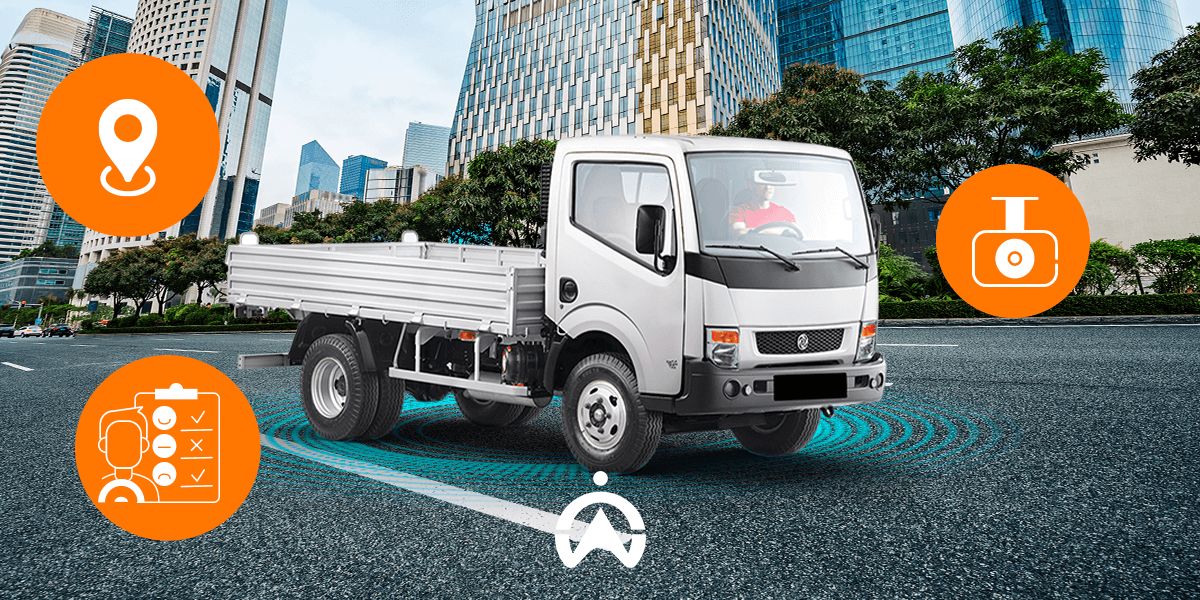
Driver monitoring systems are quite complex, using a variety of components to monitor driver behaviour. These components include:

  • Cameras: Cameras are the key component of driver monitoring systems. Usually mounted on the dashboard of the vehicle, they monitor the driver’s behaviour and alert them when signs of distraction, drowsiness, or impairment are detected.
  • GPS Vehicle Tracking: This helps you keep an eye on your vehicles and ensure that drivers are using the safest predetermined routes.
  • Driver Scorecards: Driver scorecards provide driver ratings by monitoring high-risk behaviour.

These components work together to provide you with an effective driver monitoring system, which we unpack in more detail below.

How_Do_Driver_Monitoring_Systems_Work

Cracking The Code of An Effective Driver Monitoring System

The technology that the system makes use of is responsible for creating a baseline of normal driver behaviour and ensuring that there are no deviations from it. Once the software picks up on any deviations (which include drowsiness, impaired driving, or distracted driving) from this normal behaviour, a real-time warning is issued. This warning is usually issued in the form of audible alerts and informs drivers of what behaviour has been detected. This allows your drivers to correct their behaviour in real time, lowering the risk of road accidents, and promoting safety.

The Importance of Having a Driver Management System for Driver Safety

Driver monitoring systems improve driver safety through the monitoring of driver attention and alertness while driving. By keeping a constant eye on driver behaviour, it plays a vital role in:

  • Reducing distracted driving:

    Distracted driving is one of the most common causes of road accidents, accounting for about 2.5 million accidents worldwide every year. Driver management systems can detect signs of distraction, such as the driver’s eyes looking away from the road

  • Spotting fatigued driving:

    According to the South African Road Foundation (SARF), the risk of road accidents occurring increases by 8.3% when a driver is fatigued. Driver management systems can detect signs of fatigued driving, which lets your drivers know that they may need to take a break.

How Can Cartrack Tanzania Help You Supercharge Your Driver Safety?

Whether you’re running a small business with one vehicle or a large-scale business with a massive fleet, Cartrack Tanzania can cater to your individual needs and elevate your driver safety with the following driver monitoring solutions.

  1. ADAS

    Standing for Advanced Driver Assistance Systems, ADAS aims to lower the risk of accidents and enhance driver safety by heightening your drivers’ awareness of their surroundings. This is done by alerting them to potential road hazards, detecting and responding to obstacles, and helping your drivers maintain a safe distance from other vehicles.

    All of this is done by making use of camera-based sensors, intelligent algorithms, and artificial intelligence (AI). ADAS provides driver assistance features that work to enhance driver safety. These include:

    – Data Processing

    – Driver Assistance Features, including:

    Forward Collision Warning: Alerts drivers when their vehicle is approaching another vehicle or obstacle too quickly, helping them prevent rear-end collisions.

    Blind-Spot Detection: Alerts drivers of vehicles in blind spots, helping them reduce the risk of lane-changing accidents.

    Automatic Emergency Braking: Identifies potential collisions and results in the vehicle automatically engaging the brakes to either minimise the impact or prevent a collision entirely.

  2. Live Vision AI Cameras

    Unlock AI-powered, live-streaming technology that gives you 24-hour visual access to your vehicles with our Live Vision AI cameras.

    This is a cloud-connected video management solution that makes use of in-cabin cameras and uses AI analysis to give you access to driver behaviour monitoring and real-time alerts. This technology can detect various forms of distracted or dangerous driving, including:

    – Speeding
    – Yawning
    – Cell phone use
    – Smoking

    When these behaviours are detected, in-cabin audible alerts immediately notify your drivers, allowing them to correct their actions in real time and prevent potential accidents. Fleet managers can also receive real-time alerts and access the footage via a livestream feed, which helps ensure that preventative action is immediately implemented. An example of this is a front collision warning, which alerts drivers when they drive dangerously close to the vehicle in front of them. This ensures that they increase their following distance, preventing a potential accident.

  3. Driver Scorecards

    This is another feature that helps you monitor driver behaviour, and improve safety. Our driver scorecards rate each driver based on how safely they drive. This is done by monitoring high-risk behaviour such as:

    – Excessive speeding
    – Reckless acceleration
    – Harsh braking
    – Long idling

    These scorecards give you detailed insights into driver performance and help you spot which areas require improvements to ensure driver safety.

    By making use of these solutions, you gain access to a more comprehensive, proactive approach to driver safety. You can protect your drivers from external risks while also working to ensure they don’t pose a risk to themselves through various forms of distracted driving.

The Benefits of Prioritising Driver Safety for Your Business

The benefits of driver safety go beyond your drivers, reaching into the overall functioning of your business. These include:

  • Reduced risk of accidents and injuries: While this may seem pretty obvious, this directly means less money needs to be spent on repairs, insurance, and downtime.
  • Improved productivity: Fewer accidents lead to a decrease in downtime, meaning more tasks can be completed with little to no delays. This leads to increased customer satisfaction, which positively impacts the business’s public image.
  • Improved employee morale: Making driver safety a priority shows your employees that you care about them and their general well-being. This leads to an increase in employee productivity, loyalty, and retention.
  • Improved fuel efficiency: Safe driving practices have been shown to help lower fuel consumption by up to 20%. With the everchanging prices of fuel, this can be a massive burden lifted off your shoulders.

The_Benefits_of_Prioritising_Driver_Safety_for_Your_Business

Monitor and Improve Driver Safety, Anywhere, Anytime

We live in such a fast-paced, technologically driven world. This makes it important to have eyes on your vehicles and driver behaviour at all times.

Regardless of how many vehicles you have, this can be a bit of a challenge. But worry not, because Cartrack Tanzania has the solution. Cartrack’s solutions enable you to detect high-risk driving behaviour in real time, giving you access to live-streamed footage for any active vehicle via our mobile app.

This equips you with around-the-clock access to your drivers and their on-the-road behaviour, all from your smartphone. You are also able to view recorded footage of your drivers and use this to train them on where improvements need to be made to increase their safety on the road.

Rev Up Your Driver’s Safety Today, With Cartrack Tanzania

Are you ready to take driver safety to the next level? Then join over 1.8 million subscribers who trust Cartrack Tanzania with their vehicle’s safety. Big or small, our goal is to provide you with the tools you need to elevate your business operations, one safe driver at a time.

Contact Cartrack Tanzania today, and welcome unparalleled safety.

Cross-Border Stolen Vehicle Tracking: How to Keep Your Vehicle Safe

In a world that is more interconnected than ever, the issue of cross-border hijackings has emerged as a significant worry for both vehicle and fleet owners.

In this blog, we delve into how technology advancements such as GPS tracking devicescan help combat this problem.

In this article, you will:

  • Understand why vehicle protection is a must
  • Unpack ways to protect your car from hijackings
  • Unlock the top 5 benefits of stolen vehicle recovery
  • Find out which company has the highest stolen vehicle recovery rate in South Africa

Cross-border vehicle theft rises: Why you need to protect your car?

Cross-border vehicle theft — the criminal act involving the theft of a vehicle in one country and transported over the border to another. In South Africa alone, vehicle theft and hijackings stand out as one of the most reported crimes in the country, with an astonishing average of one vehicle being hijacked every22 minutes. To put this into perspective, that’s roughly the time it takes for a quick lunch with a friend, running quick errands at the shopping mall, a short cardio session, or even having a catch-up call with a loved one. In essence, 22 minutes is a short amount of time and we get quite a few of them in a 24-hour day.

Out of the estimated annual R8.5 billion worth of vehicles that are stolen within South Africa, an alarming R4.9 billion were transported across the South African borders to be sold in neighbouring countries.With approximately 5,800 kilometres of border lines surrounding South Africa, eight major harbours, and a mere 53 land border posts to monitor the passage of vehicles into and out of the country, cross-border vehicle theft remains a significant contributor to vehicle loss in the nation. This means, you and I stand an even lower chance of recovering our vehicles, should they ever get stolen.

You’re probably wondering what happens to the other remainder. Approximately R3.1 billion are cloned, while R514 million end up stripped and sold in scrap shops across the country. So whether in or out of the country individuals, businesses, or fleet industries still take a massive knock. For example, in 2013, around 39,000 vehicles resurfaced within the system, causing significant financial burdens for insurance companies that had to cover claims without realising that these vehicles were duplicates.As one of the only countries in the region that manufactures vehicles, South Africa will remain the primary target for cross-border hijackings with 1 in every 3 hijacked vehicles being illegally exported via ports of entry and exit as well as border lines. Thanks to advancements in technology, protecting your vehicle from both domestic hijackings and cross-border risks is possible.

Cross-border_hijackings_are_up

Safety measures to minimise the risk of being hijacked:

There are many practical ways to protect yourself from hijackings:

  • Beware of your surroundings when parking your vehicle
  • Keep alert when entering your vehicle
  • Be cautious while on the road
  • Check you are not being followed
  • If being followed home, do not wait in your driveway
  • Check the street when approaching your home
  • Be vigilant when entering your driveway

Safety_measures_to_minimise_the_risk_of_being_hijacked

While all these practical measures can be effective, technology offers the highest level of safety for your vehicle, even in the unfortunate event of a hijacking. Installing a GPS tracking device in your vehicle offers you comprehensive protection whether you are driving or parked. This Global Positioning System (GPS) tracking device does this by integrating with the GPS satellite network to determine the exact location of your vehicle anytime, anywhere for personal vehicle security, fleet management or even asset tracking.

Here are 5 basic components of a GPS tracking device that will help make the likelihood of recovering your vehicle much greater, domestically and across the border:

  • GPS receivers: This component picks up signals from many GPS satellites to provide an accurate 4-metre location of your car, helping you accurately pinpoint the location of your car at any given time, even if it crosses the border.
  • Satellite or cellular communication: Many GPS tracking devices are equipped with cellular or satellite communication. This allows the tracking device to ‘communicate’ with you via an app on your smartphone, or software platform. This way, you get the real-time location of your vehicle(s) and are notified when your vehicle has been moved without your authorization.
  • Backup Battery: GPS trackers can be powered by internal batteries, a vehicle’s power system, or other power sources. A back-up battery can be added to keep your tracking device operational, sending location data, even if your vehicle’s main power source is disconnected.
  • International Coverage: A global fleet management solution can offer cross-border GPS tracking with a wide-ranging coverage including support for multiple countries and global positioning, to track your car’s location accurately, regardless of its location.
  • Geofencing: Vehicle tracking companies provide this type of feature. It allows you to create virtual boundaries on a map to receive notifications when your vehicle crosses these boundaries. This is also a handy way to be alerted if your vehicle enters or exits borders, hijacking hotspots or dangerous areas so you can react early on.

Thanks to these components, GPS tracking can provide you with an extra layer of protection. However, what if your vehicle is stolen even after all this effort? That’s where stolen vehicle recovery comes into play.

Stolen vehicle recovery: Top 4 benefits of SVR

Top_5_benefits_of_SVR

The most effective way to get your vehicle back before it’s taken across the border, cloned, or stripped for parts, is by signing up for stolen vehicle recovery services with a reputable provider like Cartrack.

This concept of stolen vehicle recovery (also known as SVR) involves utilising the installed GPS tracking device in your vehicle to promptly alert and dispatch a recovery team in the unfortunate event of theft, thereby significantly increasing the chances of retrieving your stolen car.

Here are the top 4 benefits of stolen vehicle recovery:

  1. Quick recovery: In the unfortunate event that your vehicle is stolen, the tracking technology enables a swift response by sending real-time alerts to a recovery team. This increases the chances of recovering your vehicle before significant damage occurs or it is taken across the border and out of reach.
  2. Peace of mind: Stolen vehicle recovery services give you an additional layer of protection. Whether at home, work, or travelling, you can be confident about your vehicle’s security, knowing that your vehicle is equipped with GPS tracking technology that can deter potential hijackers and vehicle recovery services that can minimise the likelihood of theft.
  3. 24/7/365 vehicle tracking: Stolen vehicle recovery services offer round-the-clock vehicle monitoring. This means your vehicle is being watched even when you’re not actively checking its location, ensuring a more proactive approach to react fast in case of suspicious activity and minimise loss.
  4. Real-time alerts: You can receive alerts straight on your phone when any unusual movement or tampering of your vehicle is detected. This allows you to act promptly and inform the authorities if needed.

Now that we have an understanding of stolen vehicle recovery, the real question is which stolen vehicle recovery and GPS tracking provider to go for. I always say, nothing less than the best.

The highest stolen vehicle recovery rate in South Africa:

Cartrack is dedicated to providing every customer, locally and globally with world-class vehicle security. It’s no wonder they have thehighest audited vehicle recovery rate of over 90%.

Our SVR aims to provide you with comprehensive protection for your vehicles with our cutting-edge features:

  • Advanced vehicle tracking device fitment

    We schedule a free vehicle tracking fitment. Cartrack’s advanced fitment techniques provide high confidence that hijackers will find it difficult to discover or deactivate your vehicle’s tracking device. This sophisticated installation allows us to achieve our industry-leading stolen vehicle recovery rate.

  • Cross-border SVR

    The Cartrack tracking unit features international roaming, allowing tracking both locally and abroad. In areas with no GPRS/GSM coverage, the device can store up to 5000 positions and events, such as ignition changes, every 3 km of travel, or deviations of 10 degrees or more. These data points are transmitted once GPRS/GSM communication is re-established.

  • CarWatch

    CarWatch is an early warning system you activate at the touch of a button from Cartrack’s app. It will alert you and Cartrack in advance the moment your parked vehicle is moved without your authorisation. This allows Cartrack to proactively send a response team to your vehicle and increase the chances of recovery. Additionally, our Cartrack control room agents will promptly contact you to check in and provide assistance in case of a hijacking.

  • Back-up battery

    A reliable vehicle tracking device with a long-lasting battery increases the likelihood of recovering your vehicle. Cartrack’s internal backup battery comes into play when the vehicle’s battery is disconnected or fully discharged, providing up to an extra 4 to 5 hours of power. This gives us ample time to track and recover your vehicle.

  • Geofencing

    Cartrack empowers you to establish geofences, including border entry and exit points. These virtual boundaries can be customised to designate no-go or high-risk zones, and you’ll receive instant alerts as soon as your vehicle enters or exits these geofenced areas.

  • 24/7/365 control room support

    Our emergency control response team is ready to support you 24/7/365, especially in the unfortunate event of vehicle theft or hijacking. We also allow direct communication with the private response teams and local police to ensure a rapid response.
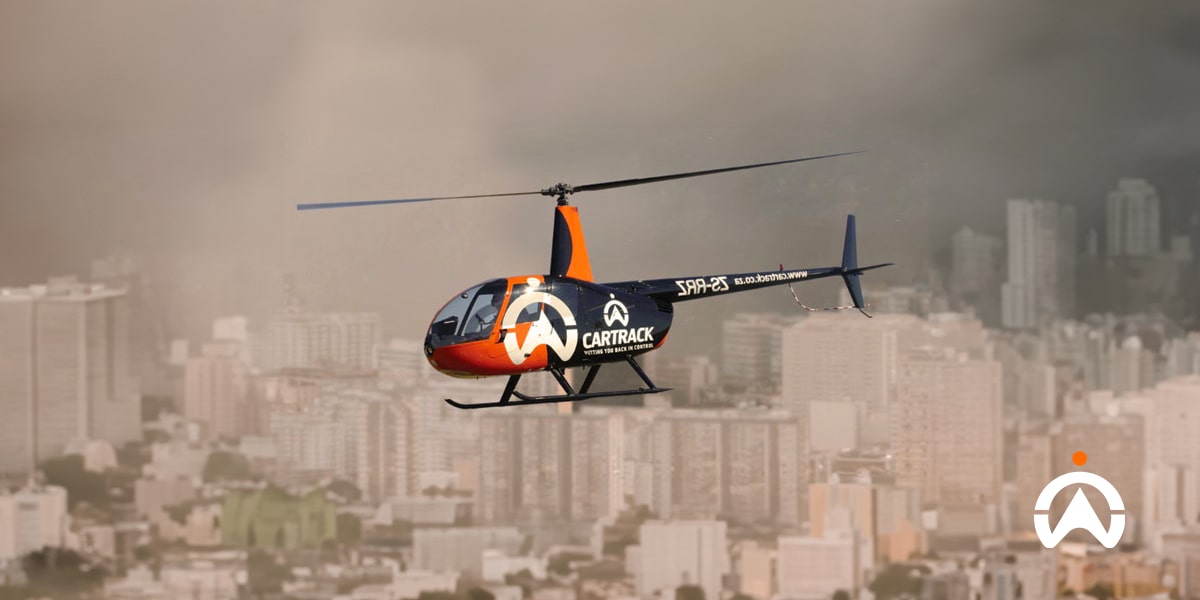
  • Air and ground recovery teams

    Cartrack maintains a skilled air and ground recovery response network in South Africa and neighbouring regions, collaborating closely with local law enforcement to ensure swift and successful vehicle recoveries in case of theft.

  • Limited recovery warranty

    Enjoy complete peace of mind knowing that in the unlikely event, we’re unable to recover your stolen vehicle, we will pay you up to R150 000 (terms and conditions apply).

The_highest_stolen_vehicle_recovery_rate_in_South_Africa

SVR: Recent successful stolen vehicle recoveries

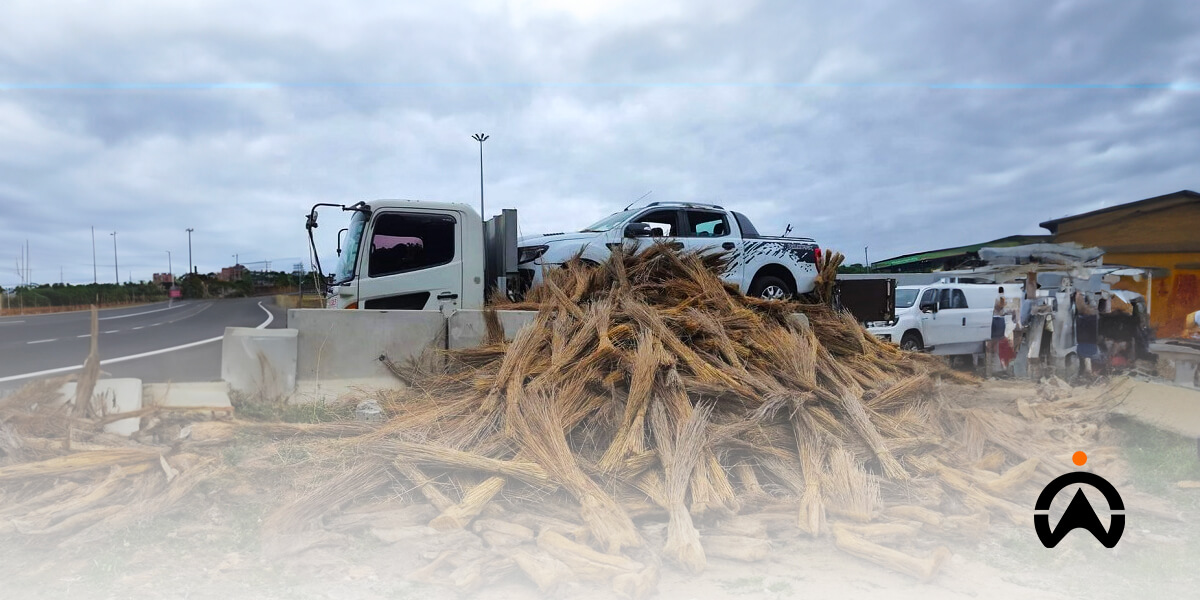
Cartrack’s reputation is built on delivering results. Our skilled recovery team intercepted the stolen vehicle along the Mozambique border, expertly uncovering the attempted disguise on the stolen bakkie which was camouflaged and packed under heaps of straw, in the hope it would go undetected (watch here). Additionally, in July 2023 alone, we achieved outstanding results, recovering vehicles, collaborating with law enforcement, and leading to the arrest of 67 suspects linked to vehicle theft, we also seized 8 firearms and confiscated 15 signal jammers.

Recent_successful_stolen_vehicle_recoveries

Protect your vehicle locally and beyond borders with Cartrack

With the highest audited recovery rate, Cartrack stands as your unwavering choice for stolen vehicle recovery.

Contact Cartrack Tanzania today and get vehicle tracking that goes above and beyond.

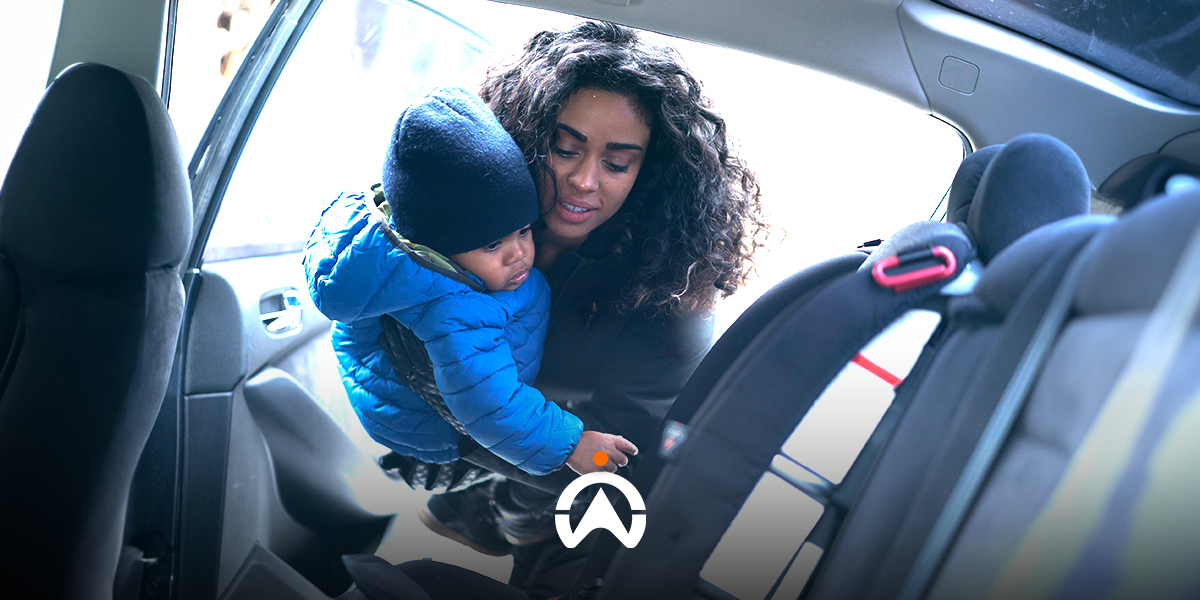
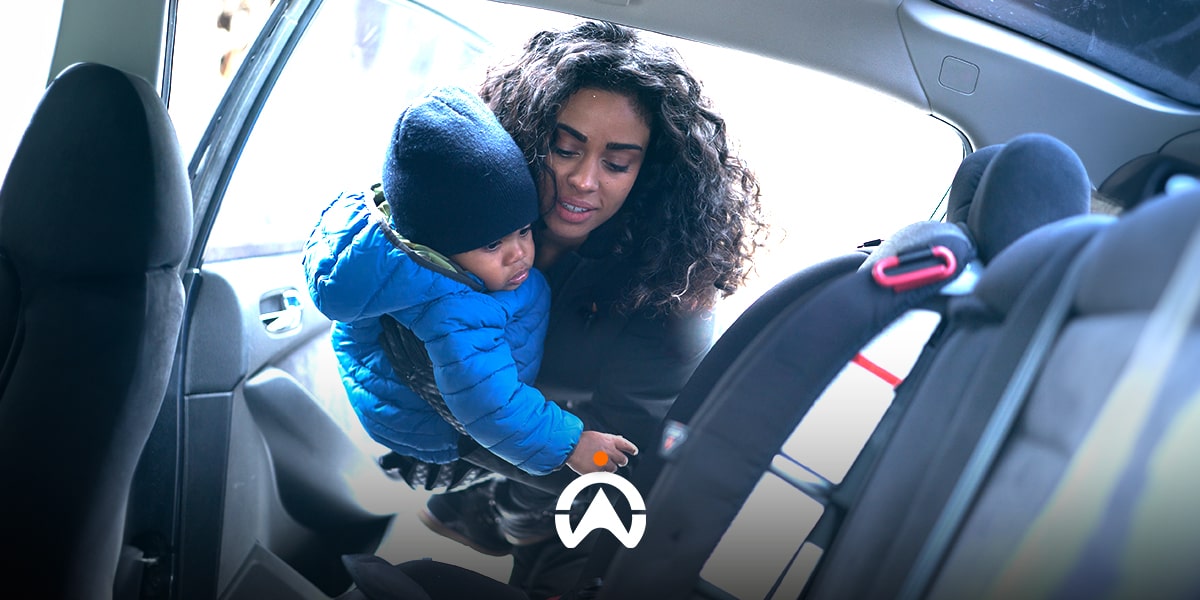
How To Keep Your Child Safe in a Hijacking

What’s any parent’s worst nightmare?

Most likely, the unthinkable — losing their child. The thought of this is more of a reality for South African parents, especially for those living in high-crime areas, areas where vehicle theft and hijacking rates are some of the highest in the world.

If experiencing a hijacking is not bad enough as it is, imagine having to live through this nightmare while your child is in the back seat.

This isn’t just another blog; it’s a heartfelt guide to proactive life-saving measures any parent can apply to keep themselves and their children safe during a hijacking.

In this article, you will:

  • Discover essential tips to ensure your child’s safety during a hijacking incident
  • Know how to navigate hijacking situations and prioritise your child’s well-being
  • Understand what hijackings are and how to stay safe on the road
  • Receive insights into the prime times and targeted vehicles
  • Learn how Cartack can minimise the risk of a hijacking and increase the chances of vehicle recovery

What Exactly Is a Hijacking?

Hijackings are incidents where criminals take control of your vehicle without your permission. They usually use threats, violence, or intimidation to do this. Their primary aim is usually to steal your car and its contents and strip it to sell parts or even use it for illegal activities.

These incidents usually occur in high-crime areas, particularly in metropolitan settings where vehicles often come to a stop, such as intersections, drive-throughs, driveways, gated communities or parking lots. There is no way to predict how a hijacking event will play out, it all depends on the criminal’s motives. They can result in different scenarios and affect victims in various ways, including:

Physical harm or death: Depending if there is a struggle, hijacking can cause physical injury or death to the driver and even passengers.

Emotional trauma: For those involved in a hijacking, the event can be distressing, resulting in feelings of fear, worry, or even post-traumatic stress disorder (PTSD) every time you take the wheel or enter a vehicle.

Personal items loss: Hijacking can result in the loss of the vehicle as well as any of your personal belongings such as wallets, phones, watches, and any other valuables in the car.

Understanding what hijackings are and how to be safe on the road is critical for protecting yourself and your loved ones.

Child Safety in Hijacking Situations

Imagine driving down a familiar road with your child in the backseat, lost in conversation and laughter. Suddenly, the unthinkable happens — you find yourself in a hijacking situation. Panic sets in, your heart races, and in that moment, your child’s safety becomes your sole focus. What’s your next move?

Essential Tips for Parents

Hijackings are a reality in many parts of the world, and they can be a terrifying experience for anyone, especially parents driving with children in the car. Knowledge is power. Even though no one ever thinks they will be involved in a hijacking event, it is important to know how to keep yourself and your children safe if it ever happens.

Here are some steps to help ensure your child and yourself make it out of the situation unharmed.

1. Stay calm: Remaining calm is paramount. Follow the hijackers’ instructions, avoid unnecessary interactions and steer clear of panicking or sudden movements that might escalate tensions.

2. Safety over possessions: Prioritise your child’s safety above all else. Comply with the hijacker’s demands and focus on protecting your child.

3. Visible hands: Always keep your hands visible to signal non-aggression towards the criminals and refrain from reaching for anything unless instructed. This minimises the risk of violence.

4. Strategic child seat placement: Position your child behind your front passenger seat. This enables you to quickly release your child’s safety belt and exit the vehicle together if needed.

5. Calm communication: Avoid antagonising the hijackers. Communicate calmly, informing them of your child’s presence and requesting permission to remove your child safely.

6. Have a plan: Prepare for the worst by having a plan. Make Cartrack, your first choice. Their recovery team’s swift response can increase the chances of recovering your vehicle if it’s stolen during a hijacking.

Family Life Tips for Different Stages:

The protection of your children is important no matter where you are in your parenting journey, especially when faced with the unexpected, such as a hijacking. Here are some helpful suggestions to keep your kids safe in such a stressful scenario.

If you have a baby and he or she is strapped in their car seat when a hijacking takes place, it is important to calmly inform the hijackers that you have a baby in the car and that you need to remove your baby.

For parents with one child:

  • Keep your baby’s car seat on the side of the car closest to you. This way, whether you’re in the driver’s seat or outside the car, you can instantly and easily reach them.
  • If your children are old enough, teach them how to unbuckle their seat belts and exit the vehicle in an emergency. This knowledge can make all the difference during a hijacking, allowing for a faster and safer escape.

For parents with two or more children:

  • Begin by unbuckling the child closest to you, then proceed to the other side for the second child. If they’re old enough, encourage them to remain calm and unbuckle their own belts for a quicker exit.

Communication is key. Talk with your children to keep them calm during this stressful circumstance. Being calm will keep them calm. Encourage your children to avoid making eye contact with the hijackers and hold each other’s hands, this will help create a sense of closeness, which can be comforting during such a frightening experience.

While it’s impossible to predict how you’ll respond in such a situation, remaining calm and obedient is your best defence to protect yourself and your children.

Child Safety Around Vehicles

Whether you are embarking on a road trip, running errands, or simply going about your daily routine, ensuring your children’s safety in and around vehicles is of utmost importance, not just in hijacking situations.

Here are some practical and valuable tips to safeguard your child’s safety in the car:

Activate child safety locks: Activating your vehicle’s child safety locks is a fundamental step in preventing theft and ensuring your child’s security. This also prevents them from interfering with the vehicle’s controls, reducing the chances of accidents or injuries.

Never leave your child unattended: The temperature inside a parked car can escalate rapidly, posing serious threats like heatstroke. Regardless of the duration, never leave your child alone in a vehicle. Always bring them with you when exiting the car to guarantee their safety.

Stay alert and engaged: While out and about with your child, staying attentive and engaged is vital. Keep them within your line of sight or that of a trusted adult. By maintaining visual contact, you’re well-equipped to react swiftly to potential risks, ensuring their safety. Also, ensure they memorise their address and telephone number, this is crucial information for emergencies.

Hijacking Statistics in South Africa

According to the South African Police Service’s (SAPS) quarterly report, the statistics for the period from April 1 to June 30, 2023, showed 5,488 cars hijacked during these three months.

This equates to an alarming average of 60 cars being stolen daily, with these being the most hijacked vehicles:

  1. VW Polos
  2. Toyota Hilux bakkies
  3. Ford vehicles, including the Ranger and F-150
  4. Hyundai vehicles, including the i20 and Tucson
  5. Kia vehicles, including the Picanto and Rio

Although these are mostly hijacked in South Africa, keep in mind criminals continue to target automobiles regardless of the make and model, so always drive safely and courteously on the road.

New Hijacking Trends You Should Be Aware Of

In a recent podcast, Bobby Petkov, the CEO of Mit-Mak Motors, shared insights into some emerging hijacking trends. It’s essential to stay informed about these tactics to protect yourself on the road.

1. The ‘Blockage Method’

Imagine you’re stopping for a quick bite at your child’s favourite fast-food place like KFC or McDonald’s and heading towards the drive-through. Before you get your food, the ‘blockage method’ comes into play. Hijackers strategically block your car from both the front and back, trapping you.

With no escape route, they’ll approach your vehicle with a weapon, demanding you to exit. Without being able to move your car away from both ends, they’ll take your car and leave you and your child stranded.

2. The ‘Tap-Tap Trap’ method

In the ‘tap-tap trap method,’ hijackers follow closely behind your car. They intentionally bump your vehicle and pretend it’s an accident. They’ll apologise and suggest you stop and exchange insurance details. Even if they sound sincere, it’s actually a trap. Once you stop, they’ll seize the opportunity and drive off with your car.

3. The ‘Good Samaritan’

This tactic involves hijackers posing as good samaritans. They’ll flag you down, claiming your tyres look flat or indicate something is wrong with your car, and advise you to pull over for a check. Once you’ve pulled over, that’s when they strike, hijacking your vehicle.

It’s crucial to be aware of these tactics and stay vigilant on the road to protect yourself from these emerging hijacking trends.

Steps To Take after Getting Hijacked

  1. Contact the South African Police Service (SAPS): SAPS is your first point of contact for assistance after a hijacking incident. Reporting the incident to SAPS is essential to initiate the necessary legal processes and ensure your safety.
  2. Reach out to roadside assistance services: After a hijacking, you may need to call for immediate roadside assistance or your vehicle tracking provider if you have one. Companies like Cartrack Tanzania provide crucial aid, such as towing, vehicle recovery, and emergency services.
  3. Utilise safety apps: When it comes to ensuring your safety and that of your loved ones on the road, mobile apps like Cartrack’s, can make all the difference. Through an installed tracking device Cartrack Tanzania clients can use a range of resources like tracking their vehicle, and monitoring its usage. In case of a hijacking, they can alert authorities and loved ones.

Once you’ve ensured your child’s safety and submitted the necessary information to the police, your vehicle tracking provider and insurance, it’s critical to seek help for any trauma you or your child have experienced.

There are numerous trauma counselling programmes available to assist you in coping with the emotional and psychological effects of a hijacking event. The South African Depression and Anxiety Group (SADAG), TraumaCall, and ER24 are a few examples. These services are provided by experienced specialists and can assist people in dealing with feelings of fear, worry, and powerlessness.

How Cartrack Tanzania Can Help Increase Your Safety

Cartrack Tanzania plays a vital role in enhancing safety during vehicle-related emergencies. With a recovery rate above 90%, Cartrack’s globally recognised solutions help ensure your vehicle’s safety.

Cartrack Tanzania offers a range of services that can help in a hijacking situation. Here are some ways:

  1. CarWatch: This is like your personal digital car guard. CarWatch is an early warning system that customers can activate at the touch of a button through our mobile app. It notifies Cartrack Tanzania in advance if your parked vehicle is moved without your knowledge. This allows Cartrack to proactively send a recovery team to increase the chances of vehicle recovery if stolen.
  2. Vehicle Tracking: Cartrack’s vehicle tracking system keeps a close eye on your vehicle and provides real-time location updates. This is essential for keeping tabs on your vehicle’s usage and movements, and it is useful if Cartrack Tanzania needs to locate your vehicle in a hijacking situation.
  3. Protector: If you, unfortunately, experience harm in the event of a hijacking, Cartrack doesn’t just strive to recover your vehicle, it’s also there to help ensure your safety with our app’s Protector feature that allows you to call for medical assistance at the push of a button.
  4. Stolen Vehicle Recovery: In case your vehicle is stolen, Cartrack’s specialised Stolen Vehicle Recovery service utilises GPS tracking to swiftly locate and recover your car. This service can help locate and recover your vehicle quickly and safely in this stressful situation.
  5. Limited Stolen Vehicle Recovery Warranty: If for some reason your vehicle has been stolen and in the unlikely event Cartrack cannot recover it, you can claim a R150 000 cash-back payment with Cartrack’s Limited Stolen Vehicle Recovery Warranty. Ts&Cs apply of course.

Expert Vehicle Safety

With an above 90% stolen vehicle recovery rating and effective safety features, our expert solutions and reliable services are internationally trusted by over 1,8 million subscribers. Our team is dedicated to protecting your loved ones and your vehicle.

Contact Cartrack Tanzania today to discover how you can give your vehicle the top-tier protection it deserves.

5 Fleet Management Challenges: How to Overcome Them and Save Money

Think we can all agree that money makes the world go round. Much is the same for the business world — except here, it’s profits that keep it going round, especially in the fleet industry.

Boosting profits often means overcoming challenges to run your business operations more smoothly, identifying and minimising any areas of profit drainage.

Fleet management is no different.

Are you experiencing fleet management-related challenges that you’d like to overcome and boost profits in the process? We’ve mapped out the perfect solutions for the most pressing problems right here for you.

In this article, you will:

  • Learn more about fleet managers’ responsibilities
  • Identify five crucial fleet management challenges
  • Find innovative solutions for these challenges
  • Understand how to save money on fleet-related challenges
  • Discover how you can conquer these challenges with Cartrack Tanzania

Fleet managers wear many hats: Here’s what they do

Many hats mean many responsibilities, and a fleet manager oversees everything involving the business’s commercial vehicle fleet. Adding to that, each hat is linked to a range of management skills and abilities. These are some of the tasks fleet managers tackle daily:

  • The vehicle management hat:

    Managing a fleet of vehicles, no matter how big or small, requires a dynamic and strategic approach. Keeping track of and managing fleet vehicles includes:

    – Maintenance
    – Handling compliance
    – Recording fuel usage and mileage
    – Vehicle tracking, and more

  • The driver management hat:

    Driver management incorporates but is not limited to managing and supervising a fleet of drivers to ensure they execute their tasks safely and successfully. This includes:

    – Monitoring operations
    – Checking regulatory compliance
    – Conducting performance assessments
    – Providing general assistance

  • The admin management hat:

    The admin management hat is a tough one for fleet managers as these tasks can be extremely tedious and time-consuming. Admin management duties include:

    – Preparing and maintaining vehicle records
    – Regulatory reporting and filing
    – Keeping records of insurance claims, and
    – Preparing fleet-related reports

  • The operations management hat:

    While tasks like vehicle and driver management naturally fall under operations management, it’s worth singling out this multifaceted hat and looking at it in more detail. Fleet managers’ operational duties include but are not limited to:

    – Planning
    – Managing
    – Coordinating
    – Directing
    – Supervising programs for vehicle assignment
    – Maintenance
    – Utilisation
    – Repair
    – Disposal

Tough job? You bet. Manageable? Yes — If you have the best solutions.

Fleet_managers_wear_many_hats_Here’s_what_they_do

Five key fleet management challenges with five innovative solutions

With fleet management being quite a hefty task involving many subtasks and responsibilities, there will always be challenges on the road to success. The key to advancing your fleet-based business is to identify the most pressing challenges and pinpoint solutions that work for your business.

So, how do you overcome fleet management challenges? While fleet-related challenges can range from a variety of tasks, one of the most important uniting factors is costs. We’ve got some of the most common and important issues lined up, as well as some inventive ways to transform these issues into money-saving success stories.

  1. Vehicle acquisition and management

    Ensuring your fleet stays in tip-top shape while expanding with suitable vehicle additions is essential for avoiding unnecessary downtime and optimising production, but it can pose significant challenges.

    Some complication-causing factors are too many insurance claims, vehicle cost inflation, and vehicle maintenance efficiency and costs. For example, with the new vehicle markets slowing down significantly and second-hand inflation even more due to interest rate hikes, finding ways to prolong current fleet vehicle health and usability has become a rising concern.

    How to make vehicle acquisition and management a cost-saving breezeThe best way to make informed choices for future vehicle acquisition is by having all the information available about the state of your current fleet vehicles, including maintenance reports, diagnostics tools, driver behaviour reports, and a proactive maintenance schedule to minimise downtime and increase fleet longevity.

    The ultimate solution is a fleet-oriented telematics system that allows you to monitor and automate as many of these processes as possible while receiving smart updates and reminders that support proactive fleet management. These tools are invaluable for putting a stop to profit drainage and managing how you spend money on your fleet.

  2. Driver safety and productivity

    In a fleet environment, driver safety is an integral part of workplace safety, and a safe environment also lays the foundation for happy and productive employees. However, ensuring driver safety comes with some hurdles, like ensuring drivers are adequately trained, monitoring risky driving behaviour, optimising driver schedules, and providing your fleet with the quickest and most effective routes.

    Doing all this while wearing different hats can be very challenging. Luckily, there are ways to optimise, update, and speed up processes.

    Conquer safety and productivity challenges like this to start saving

    With advanced AI technology and live streaming now a reality, one of the most valuable tools for monitoring driver behaviour lies in camera-based tools you can use in your fleet vehicles. Knowing which behaviours you need to address helps drivers stay safe and on the road and keeps training materials updated and relevant.

    Additionally, a SaaS fleet management systemthat offers detailed trip reports can pinpoint other unwanted behaviours like harsh braking, accelerating, and other actions cameras cannot capture. Using the latest tech to ensure your drivers stick to economic driving best practices allows you to see significant fuel and maintenance savings.

  3. Admin management

    While admin is essential to productive fleet management, most fleet managers and business owners do not see it as a core business activity. Yes, ensuring your fleet-related admin is in order can be a mountainous task, but if not tended to regularly, can snowball and become a costly inconvenience.

    Critical elements include:

    – Preparation and maintenance of accurate vehicle records
    – Insurance and regulatory reporting and filing
    – Prepping and filing trip reports
    – Coordination of vehicle maintenance and repairs
    – Data sorting and analysis

    How to make your admin and budget work harder for you

    A range of SaaS-based tools are available to help you automate some of the most tedious admin processes and ensure you’re keeping everything that requires filing, sorting, and updating as organised and current as possible.

    By specifically looking for and adding a fleet management cost-accounting system to your set of tools, you can simplify processes like prepping and maintaining accurate vehicle records and make your fleet admin work for you.

    As a result, you’ll have more time available to attend to crucial tasks without having to hire dedicated admin staff, allowing you to put that money to better use.

  4. Regulatory compliance

    Supply chains and other fleet-based businesses have to adhere to vehicle-specific and other compliance requirements essential for running a successful and productive company. These regulatory and compliance requirements can range from vehicle inspections, license and registration renewals, and fines.

    The challenge lies in making sure all of these requirements are met when they’re due to avoid penalties and other issues linked to non-compliance. The due dates for these different requirements are usually scattered across a fleet manager’s calendar of things to do, which can cause unnecessary stress and complications.

    Staying effortlessly compliant while saving is easier than you thinkThere’s undoubtedly a wide range of smart fleet management software available. Looking specifically for one that offers timely reminders for critical compliance-related tasks like license and registration renewals and routine vehicle inspections will help solve any issues you may have with costly late renewals and registrations the uncomplicated way.

  5. Driver retention and shortages

    Once a driver is employed and fully trained, they become potential investments for your business as they learn the ropes and gain experience. According to the IRU’s 2022 Driver Shortage Global Report, driver shortages have become a serious global issue, while driver retention is also a widespread problem in the fleet industry.

    When it comes to fleet drivers, shortages and poor retention are due to a low pay range, the demanding nature of the job, and a lack of training and communication. Not to worry, though, there are ways to improve the job experience and retain more drivers for a strong, well-trained, and experienced fleet that remains loyal.

    Here’s how to keep your drivers happy while saving money

    Being a fleet driver is undoubtedly challenging; however, there are viable, cost-reducing solutions. Drivers who know they’re appreciated tend to stay and grow with companies instead of looking for greener pastures. Using technology like real-time analytics, audible alerts, and driver scorecards to communicate, improve, and recognise productive behaviour are invaluable retention tools.

    By simplifying your drivers’ everyday tasks with solutions like route optimisation and accurate shift tracking times, you ensure fair and reasonable shift times, resulting in happy drivers, and a lower staff turnover.

fleet_management_challenges_with_five_innovative_solutions

Turn your fleet management challenges into profit with Cartrack’s solutions

Fleet-related challenges usually have financial implications which is why businesses prioritise saving money wherever they can. Using technology to your advantage is a smart way to take control of fleet management challenges, boost management KPIs, and convert them into money-making opportunities.

Here’s how Cartrack Tanzania can help you wear all the fleet management hats with ease and have the money to maintain or buy new ones:

  1. Make every cent and second count with MiFleet. It’s a fully customisable cost management system that analyses and adapts trip-related data like cost per km, maintenance costs, and more, giving you intelligent automated reporting and actionable insights to proactively make cost-saving decisions.
  2. Gain complete control and visibility with industry-leading fleet management telematics technology. Our live GPS tracking, detailed trip reports that indicate harsh braking and excessive idling, and route optimisation software for enhanced productivity help you keep your drivers safe, fleet efficient, and trips optimised.
  3. Reduce fuel costs and gain critical insights with advanced LiveVision streaming technology. Our in-cabin system lets you monitor and communicate with drivers in real time so you can identify inefficiencies like unproductive on-and-offloading or bad driving behaviour, helping increase task efficiency and vehicle longevity.
  4. Stay compliant with our smart temperature monitoring system. Specialised sensors let you know in real time the moment your cargo’s temperature changes, helping you to inform drivers and reduce the loss of perishable goods. With us, you’ll deliver fresh every time, saving you money and maintaining crucial customer satisfaction.

Turn_your_fleet_management_challenges_into_profit_with_Cartrack’s_solutions

Get the fleet management solutions you need at Cartrack Tanzania

Contact Cartrack Tanzania today to kickstart significant savings by conquering your fleet-based challenges the smart way.

5 Simple Ways To Protect Your Car From Hackers

Gone are the days of smashing the window of a car to break into it. In today’s world, a laptop and a signal device are all that hackers need to drive away with your vehicle.

While technology has improved the driving experience, it has also simplified car theft and introduced new digital vulnerabilities. Just in the first three months of 2023, a total of 5 119 cars were hijacked in South Africa.

This article will delve into easy methods you can take to protect your car from hackers.

Let’s get straight to it.

In this article, you will:

  • Learn 5 ways to safeguard your car against hackers and prevent theft
  • Gain insights into the common methods hackers use to steal your car
  • Discover which vehicles are more prone to being hacked
  • Understand how Cartrack Tanzania’s technology enhances fleet and vehicle safety

Vehicle Safety in the Digital Age

In our tech-driven world, cars have become more than just a way to get from one point to another. They’ve evolved into sophisticated machines, bringing convenience and connectivity to our fingertips. Yet, as we embrace this digital revolution on wheels, it’s crucial to recognise that our vehicles are now vulnerable to a new kind of threat — car hackers.

5 Easy Tips To Prevent Being Hacked

Cars today are more than just engines on wheels; they are equipped with an array of technology and features like remote park assist, wireless connectivity and proximity parking alerts that all rely on software, Bluetooth, and data connectivity. These tech-savvy motors have even become motorists’ biggest assets!

To ensure your prized possession remains safe and sound, whether on the road or wherever it’s parked, here are five effective strategies to shield your car from cyber threats:

  1. Strengthen Your Digital Defences:

    Just as you secure your computer or smartphone, your car’s onboard systems need protection too. Ensure that your car’s software is up-to-date with the latest security patches and updates. Manufacturers often release software patches to address vulnerabilities and protect vehicles against potential hacking threats.

  2. Hack-Proof Your Key Fob:

    Your key fob is the gateway to your vehicle’s systems. To prevent fob attacks, store your key fob in a Faraday pouch, or even in aluminium foil, to block its signal and keep hackers at bay. If applicable, some brands allow you to turn off your key fob’s wireless signal.

  3. Secure Wireless Communication:

    Many modern cars have features like Bluetooth connectivity and remote access that rely on wireless communication. Secure these wireless communication channels using strong, unique passwords and enabling encryption to prevent hackers from intercepting signals and gaining unauthorised access.

  4. Be Cautious with Third-Party Devices:

    When adding aftermarket devices or accessories to your car, ensure they’re from reputable sources and have been thoroughly vetted for cybersecurity. Some devices might introduce vulnerabilities if they’re not properly secured.

  5. Manage Remote Access Wisely:

    If your car offers remote access features, like starting the engine or unlocking doors through a smartphone app, disable these functions when you’re not using them. This minimises the window of opportunity for hackers to exploit potential vulnerabilities in the remote access system.

Easy_Tips_To_Prevent_Being_Hacked

How Cybercriminals Hack Your Car

These days, almost every car you see on the road is equipped with remote keyless entry (RKE) systems. These cutting-edge setups grant drivers the convenience of unlocking, locking, and even starting their cars without the need to physically press the key itself. The only requirement? The key remote, also known as the key fob, needs to be close by.

Hackers have mastered the art of stealing a car in a matter of minutes. From the moment you lock your car and walk away, criminals have already started the process of riding off with your wheels.

Let’s dive into their playbook and witness their moves:

  • CAN bus intrusion: Armed with a smart device, hackers slip into a car’s inner workings through entry points like headlights or wires. Blink, and you might miss it. Once inside, they’ve got the power to unlock the car and bring the engine to life.
  • Signal jamming technology: This involves interference with radio frequency signals, such as those used in keyless entry systems. By jamming the key fob signal, attackers can prevent the vehicle from receiving the legitimate unlock command, making it more vulnerable to theft.
  • Relay attack: This typically involves two attackers working together using relay devices, with one attacker standing near the targeted vehicle, while the other stands near the owner’s key fob. The criminals intercept the signal between a key fob and the car and pass on or transfer messages through the signal to unlock and start the car, even if the key fob is not physically present.
  • Replay attack: Either than the relay attack, this one simply needs the thieves to capture legitimate data transmission from the key fob when you lock or unlock your car and play the signals back later to trick the car into believing the keys are close by and simply unlock.

Which Vehicle Can Be Hacked?

The simple answer to this question is – all of them. Unfortunately, any car with a computer system or connected to the internet is vulnerable to getting hacked. However, some cars are more prone to being hacked and hijacked than others. In no order, here are some examples of cars that have been identified as being more prone to being hijacked in South Africa:

  • Toyota (including the Hilux, Fortuner, and Rav 4)
  • Volkswagen (including the Polo and Golf)
  • Ford (including the Ranger and F-150)
  • Nissan NP200

It’s important to note that these are just examples, and any vehicle, whether used for personal or business purposes, can be vulnerable to hacking and theft. It’s recommended to take precautions to protect your vehicle, such as using advanced vehicle technology provided by Cartrack Tanzania .

How Cartrack’s Advanced All-in-One App Can Help

Whether you’re behind the wheel of a brand-new automobile or one that’s been your trusted companion for years, equipping your vehicle with Cartrack’s cutting-edge tracking unit can mean the difference between spending money and starting over in the event of theft or swiftly reclaiming your prized possession with Cartrack’s remarkable stolen vehicle recovery and other services.

Cartrack Tanzania offers several services and features that can help protect your car from getting hacked and stolen.

Here are some of the ways:

  1. Real-time vehicle tracking: With Cartrack’s GPS vehicle tracking system, you can keep a close watch on your car’s whereabouts in real-time. In case of theft, this feature enables you to pinpoint the exact location of your vehicle, assisting law enforcement in swift recovery efforts.
  2. SVR (stolen vehicle recovery): Customers receive immediate assistance if their vehicle gets stolen. After it’s stolen and you inform Cartrack of the event, Cartrack’s on-the-ground and air recovery teams will be dispatched and immediately start searching for your vehicle. Our SVR rate of over 90% is trusted by over 1.7 million customers.
  3. CarWatch: This is an early warning system like a virtual car guard that activates at the touch of a button and notifies Cartrack Tanzania in advance if your vehicle is moved or tampered with without your knowledge. This allows Cartrack to proactively send a recovery team to increase the chances of recovery.

How_Cartrack’s_Advanced_All_in_One_App_Can_Help

Cybersecurity Tips for Fleets

Businesses relying on vehicle fleets are navigating a new realm of opportunities, but they are also not safe from hackers. The connectivity and efficiency brought by fleet management systems have undoubtedly streamlined operations, but they have also introduced the same vulnerabilities to commercial vehicles.

Cartrack Tanzania fleet management software offers several features that can help protect against cyber threats:

  • Compliance monitoring: Cartrack’s fleet management software offers compliance monitoring that instantly alerts admins of any compliance or business risks in real-time. This can help prevent unauthorised machinery or vehicle usage and ensure that your fleet is operating per regulations and best practices.
  • Fleet visibility: Cartrack’s fleet management software provides full visibility of your vehicles, drivers, and cargo, so managers can actively identify any potential security threats.
  • Live monitoring and alerts: Cartrack Tanzania offers live GPS positioning, geofence monitoring of no-go and operational zones with vehicle entry, and exit alerts, and live task monitoring. All of these assist in fleet monitoring in real-time for potential security threats.
  • Stolen vehicle recovery (SVR): Cartrack Tanzania tracking units provide 24-hour security, vehicle tracking, and stolen vehicle recovery services. This can help you locate and recover stolen vehicles, minimise the impact of car theft incidents and avoid costly vehicle replacements.

By using Cartrack’s fleet management software and taking advantage of its features, you can help protect your fleet against cyber threats and improve overall cybersecurity awareness.

Elevate Vehicle Safety with Cartrack’s Expertise

Level up the security of your entire fleet or personal vehicle with Cartrack’s advanced vehicle tracking device. Our impressive recovery rate exceeding 90% and reliable solution puts you in full control of your vehicles, increases their visibility, and bolsters the safety of your valuable assets through top-notch security features.

Give your vehicles protection you can trust. Discover the peace of mind that comes with our cutting-edge technology. Explore Cartrack Tanzania now.

How to Improve Fleet Management with Cloud Operations

Nowadays, simply tracking your fleet from one point to another with basic fleet management software falls short. Successful fleet management requires more than that. You need simplified fleet data, a scalable fleet management system, and actionable insights to identify inefficiencies and solutions in your fleet. All of this becomes achievable through cloud operations, which help you to process, manage, and store your fleet data effectively.

In this article, you will:

  • Find out why you need cloud operations for your fleet
  • Gain an understanding of cloud operations
  • Discover exactly how cloud operation works in fleet management
  • Unpack ways to improve fleet management with cloud operations by Cartrack Tanzania

So, why cloud operations?

What better way to kick things off than by examining the obstacles your fleet might be up against and exploring how cloud operations could come to the rescue?

Whether you oversee a single vehicle or manage a gigantic fleet, the need for a fleet management system is undeniable. An efficient fleet management system is the key to boosting fleet productivity, safety, and the overall operational efficiency of your vehicles. In the world of fleet management, the integration ofcloud operations emerges as a game-changer. This iconic fusion holds the promise of solving all the significant challenges that you encounter regularly.

I imagine that you may be overwhelmed by fleet data, struggling to make sense of the overload of information pouring in from your fleet vehicles via GPS (Global Positioning System).
Or perhaps your fleet business could be one of those that are hindered by its limitations in scalability, unable to adapt to the evolving fleet world and technological advancements, consequently falling behind competitors. Maybe you are having challenges rising your business from failing to promptly monitor, analyse, and address operational inefficiencies. You might even be at the point of considering or reaping the repercussions of unexpected downtime and soaring maintenance costs. Let’s not forget the potential frustration of having limited access to crucial fleet data that could drive actionable insights.

If any of these pain points or challenges hit home, your solution is cloud operations.

CloudOps 101: What exactly is cloud operations?

Cloud operations might seem complicated, but let’s simplify it step by step:

Let’s take George for example, he is a fleet manager. He deals with a lot of fleet data – daily vehicle operations, finances, administrative tasks, and more. To handle all this information, he could use his computer, but that might slow it down, take up too much space or have security risks. That’s where the cloud comes in.

The cloud is like a special virtual filing corner on the internet where George can store all his fleet data. Think of it as having a super-smart computer system on the internet that organises all the important data about George’s fleet, making fleet management easier, smarter, and super efficient. These computer systems are managed by companies such as Cartrack Tanzaniato put fleet managers like George in control of their fleet operations and keep fleet data safe and accessible.

This is cloud operations – the behind-the-scenes work that ensures fleet data runs smoothly. It involves things like setting up, managing, and updating software so fleet data can be accessed anytime, from any device connected to the internet.

Now, instead of scattered files and paperwork, George can rely on the cloud. It stores details about where his vehicles are, where they have been, and even who is driving them. Plus, it helps George manage other fleet aspects like finding the best routes, keeping an eye on fuel, and even diagnosing engine issues.

Sounds simple right? Now, let’s unpack what makes cloud operations tick.

How exactly does it work?

Cloud operations in fleet management involve using cloud computing technologies to streamline and optimise the management of a fleet of vehicles. This approach leverages the power of the cloud to provide real-time fleet tracking, monitoring, data analysis, and control of operations, leading to improved efficiency, cost savings, and decision-making.

Here’s how cloud operations work in fleet management:

  1. Telematics installation and data collection: Within a fleet, vehicles are installed with telematics devices that use GPS technology to collect information. This information includes where the vehicles are, how fast they’re going, how much fuel they’re using, and even how the drivers are behaving.
  2. Data transmission to the cloud: The information or data collected by the telematics devices is transmitted to cloud servers using wireless communication technologies, such as cellular networks or satellite communication. This data transmission is continuous, offering a comprehensive view of fleet performance and operation in real time.
  3. Real-time monitoring and tracking: As fleet data is transmitted to the cloud from telematics devices, stored and processed, you can now access the data via cloud-based applications or dashboards like a fleet web to monitor the real-time location and status of vehicles. This information improves overall fleet efficiency by:
  • Establishing a preventative maintenance schedule
  • Monitoring driver performance
  • Optimising routes (and more)
  1. Cloud storage and processing: The data transmitted from fleet vehicles to the cloud is then stored in cloud-based platforms such as Cartrack Tanzania which provides the capability and reliability to handle and manage large amounts of data generated by a fleet of vehicles. This data can then be processed, analysed, and accessed to gain insights into fleet performance and operations.
  2. Data reporting and actionable insights: Using a cloud-based system enables the creation of detailed reports and analytics using the collected data so you can examine fleet trends, spot operational inefficiencies, and make well-informed decisions to improve fleet performance.

What if your business already has a system up and running? No worries!

In that case, you can integrate a cloud-based system with your existing system. This involves the merging of both to enhance operational efficiency, fleet accessibility and collaboration within your teams. By joining forces, your current systems, data and applications can communicate more effectively, enabling real-time updates, streamlined workflows, and the potential for cost savings.

Talking about saving money, ever thought of cloud operations as your money-saving hero?

Cloud operations and the macroeconomic environment:

Let’s think about how the overall economic environment can affect your fleet business and how scalable cloud operations can help you combat the effects.

A macroeconomic environment is the overall economic conditions that affect a business, such as interest rates, inflation, and economic growth. To combat these economic effects, businesses need a scalable cloud operation, that is a cloud-based system that has the potential to expand and rise above the macroeconomic environment by:

  • Cutting down fuel costs: Fuel is one of the main and largest costs for any fleet business. A scalable cloud-based system can help businesses spot areas in the fleet where fuel costs can be reduced, fuel is being misused or fuel card fraud is taking place.
  • Improving customer service: By allowing you to track vehicle locations, a scalable fleet solution can help you improve your customer service, satisfaction and loyalty by offering quick turnaround times and on-time deliveries thanks to real-time updates on delivery statuses and the ability to respond to deliveries on time.
  • Meeting compliance requirements: Scalable cloud-operating systems ensure accuracy and reduce the time and effort required to generate compliance reports (such as SARS tax-compliance reports) and provide a secure and reliable platform to store and access the necessary data.
  • Staying ahead of the competition: Scalable fleet solutions use data analytics to identify trends and patterns, allowing you to identify new markets and products that will likely be successful and keep you ahead of your competitors.

Now that we’ve wrapped our heads around cloud operations, why it is a must-have, and how it functions, let’s jump straight to the heart of it.

Cloud_operations_and_the_macroeconomic_environment

How to improve fleet management with cloud operations:

The integration of cloud operations into the realm of fleet management holds the potential to revolutionise your fleet operations. However, the true question that arises is how exactly you can harness this potential to improve your fleet management, here’s the answer:

  1. Choose an experienced industry-leading cloud service provider: Choosing a reliable and efficient cloud service provider like Cartrack Tanzania that offers the necessary scalability, security, and fleet management features for your fleet management needs is the first step to improving fleet management with cloud operations.

    We are a global leader in fleet management and connected vehicles with over 125 billion data points processed monthly, over 1.8 million subscribers across 23 countries, and trusted by over 110,000businesses globally.

  2. Install telematics devices: Once you’ve found a reliable and efficient service provider, equip your vehicles, trailers and even assets with telematics devices. Cartrack’s advanced installation techniques combine GPS, GSM, RF, and anti-jamming technology. This innovative combination significantly boosts the reliability and connection of your vehicle’s tracking unit, ensuring a continuous stream of accurate data regarding your fleet’s whereabouts, speed, fuel consumption, and other crucial metrics. This not only empowers you with a real-time overview of your fleet but also increases the likelihood of fleet vehicles being recovered quickly by our recovery team if stolen.
  3. Ensure data security is tight: Fleet data is gold. It is critical for optimising vehicle performance, maintenance, and operational efficiency and offers insights into driver behaviour, cost management, and compliance, aiding informed decision-making. Moreover, protecting fleet data is vital due to privacy concerns, potential financial losses, operational disruptions, and the risk of cyberattacks.

    Tight data security ensures regulatory compliance, maintains customer trust, and prevents unauthorised access to valuable insights. Cartrack Tanzania knows how important your data privacy is, that is why we’re committed to protecting and controlling the use of the personal data we gather according to the regulatory requirements. Additionally, our executive management is continuously assessing the need to develop, implement or amend further policies, procedures and terms and conditions, including data protection; consent policies and forms; data access; security breaches and more.

  4. Track and monitor your fleet in real time: As a fleet manager, you may often encounter challenges in maintaining accurate and up-to-date information about the location of fleet vehicles, assets, or cargo. These challenges may stem from signal variations, slow data transmission, and occasional connectivity disruptions. Consequently, seamlessly streamlining fleet operations can be close to impossible.

    To improve this, utilise cloud-based applications to track and monitor your fleet in real time. This allows you to know where your vehicles are at all times, optimise routes, and respond promptly to any issues. Cartrack’s digital telematics technology, which incorporates GPS, sensor connections, and our very own servers allows for precise tracking of your entire fleet. Beyond vehicle tracking, our technology offers additional functionalities such as asset tracking, driver performance monitoring, fuel consumption analysis, and even trailer and temperature monitoring.

  5. Data integration and analytics: Worrying about the behind-the-scenes physical IT setup and the update of the infrastructure of the company’s fleet management softwarecan be tedious and time-consuming. On the other hand, hiring experts to do the job can cost the business even more. These days, fleet companies prefer to focus all their energy on the main fleet tasks and let cloud-based operations businesses handle all the extra hard work.

    Cartrack Tanzania offers a smart way for fleet management using cloud technology that allows our system to work with your business’s existing systems. Now instead of dealing with physical computer setups, fleet managers can use virtual machines from the cloud. These virtual machines store data, carry out calculations, and provide the needed updates, saving the fleet money, time, and space.

  6. Fleet scalability: Fleet scalability refers to the ability of a fleet management system or solution to adapt and grow in size or capacity as the needs of the fleet increase. A fleet management solution that is scalable can accommodate an expanding fleet (larger number of vehicles, resources, data, and operations) without requiring significant changes to its underlying infrastructure or causing a drop in performance. This scalability is important because as a fleet grows, the demands on the management system also increase.

    Our cloud-based fleet management system software allows you to easily scale your fleet management operations as your business grows. You can add more vehicles and data without worrying about infrastructure limitations.

  7. Get 24/7/365 fleet access and remote control: Fleet managers often face concerns regarding their fleet, especially while on the road. Delays in accessing fleet data can result in significant setbacks, leading to both losses and missed opportunities for timely issue resolutions.

    Exploring cloud-based platforms like Cartrack can offer a comprehensive solution. Through our all-in-one mobile application and fleet web, you can conveniently and consistently access your fleet data and manage operations from various devices including smartphones, desktops, laptops, and tablets, even when you’re not on-site. This capability empowers you to make informed decisions promptly, minimising delays and ensuring swift and effective responses to unforeseen issues and delays, resulting in an overall improvement in fleet management performance.

  8. Result-driven utilisation of data: With the large collection of data about fleets, which includes information about vehicle conditions, driver details, and asset information, fleet managers may find it challenging to sort through all this data and find valuable insights. Although this abundance of data has the potential to help monitor fleet operations thoroughly and pinpoint areas for improvement, mishandling this data can result in it becoming meaningless, leading to uninformed fleet management and poor decision-making.

    Cartrack Tanzania provides actionable insights and reports from fleet data. This empowers informed choices and streamlined operations for improved efficiency and productivity. With data-driven decision metrics, comparative analysis, and instant alerts, fleet managers can optimise routes, identify challenges, and respond swiftly to unproductive areas.

Get the industry-leading cloud operation for an industry-leading fleet!

Cartrack Tanzania offers an all-in-one fleet management software solution that empowers you to enhance your fleet operations. Our cloud-based platform enables seamless scalability and provides instant access to vital data. Alternatively, you can opt for our bureau services, allowing us to handle your fleet management for you.

Whichever one of the above suits you best, contact Cartrack Tanzania today and we’ll tailor our services to meet your needs.