
Powerful Benefits of Using the Right Vehicle Tracking Systems for Your Business

There’s more to managing a fleet than just tracking vehicles from A to B – look at the bigger picture. Reliable vehicle tracking software can help you easily oversee a large group of vehicles, optimise management operations and drastically reduce fleet costs.

It’s time to make the overwhelming weight every fleet manager carries a whole lot lighter.

Vehicle tracking systems explained

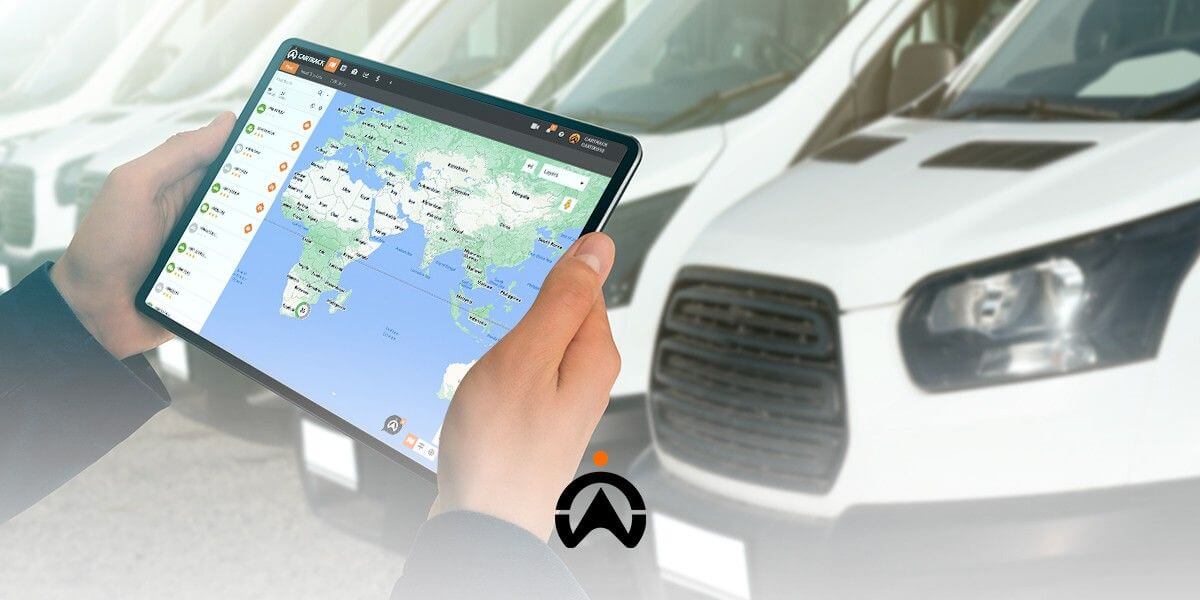
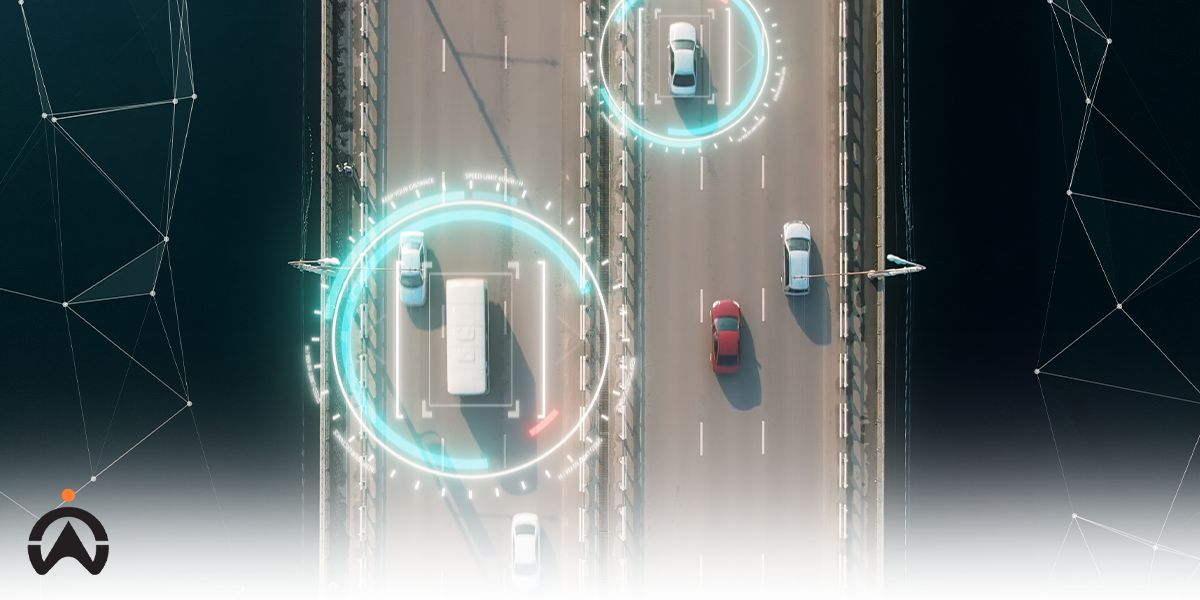
Vehicle tracking is the technology that keeps you informed of your vehicle’s whereabouts at all times, increasing its safety. Thanks to satellites, signals, and a tracking unit, you get a global GPS tracking system that can pinpoint the exact geolocation of your mobile assets at any time. Simply being able to view the live status and location of your vehicles in real time is a huge win.

Manually managing a large fleet of vehicles is often a daunting task. Luckily, with location-based technology, fleet managers can receive interactive and analytical reports in real-time and gain an advantage from using smart tracking solutions.

So, what is location-based technology? It’s GPS – aka a global positioning system. It’s used to track trucks, cars, and other mobile assets you own, like generators, trailers, and cement mixers, all via a tiny GPS tracking unit installed in a discrete location on the company asset.

A tracking unit offers a variety of advantages for fleet managers and their businesses, such as:

  • Seeing the exact location of vehicles in their fleet
  • Reducing the threat of vehicles being stolen
  • Increasing the chances of stolen vehicle recovery
  • Knowing exactly who is driving your vehicles and how they are driving them
  • Assuring your fleet remains within authorised locations
  • Increasing productivity through task management

More than locating your assets, GPS units ensure vehicles are used properly and are left in safe locations when not in use. In the event of vehicle theft, this GPS equipment often ensures its safe return.

So, how are vehicles tracked?

The GPS technology we just discussed above is a satellite-based radio navigation system that relies on ground stations, satellites and receivers to provide real-time data such as a vehicle’s:

  • Live location
  • Distance travelled
  • Travelling speed
  • Time and direction

The data is instantly transmitted using a cellular or wireless network.

This sort of technology is mainly used to increase the security of vehicles and is effective for the smooth functioning of fleet operations. It helps businesses save money and reduce dangerous driver behaviour like speeding or harsh braking.

Knowing the types of drivers in your business also helps, as employing safe drivers can lead to lower vehicle repair costs, which can in turn increase commercial profits and make your business run more efficiently, while reckless ones need further training or management and contribute to increased fleet running costs for your business.

Types of tracking methods

Looking to invest in tracking resources? It is important to first identify what type of GPS fleet tracking system is right for your business.

Here are the two ways you can track your assets:

  1. Active tracking, or two-way GPS: This is an on-the-go tracking system that automatically sends information into a central tracking system as it happens to allow for continuous monitoring and immediate action. This technology can be used to track employee behaviour by providing real-time updates and information on their whereabouts. Another example of active tracking is the GPS tracking used in ride-hailing apps like Uber and Lyft, where the location of the driver and passenger is continuously transmitted to the app’s central system to show pick-up and drop-off.
  2. Passive tracking: This stores information within the device itself by gathering the data either internally or on a memory card, showing the exact location history of the device. This type of GPS fleet tracking is used in passive RFID tags on shipping containers or cargo and can provide businesses with the same valuable insights into their operations as above, such as identifying routes, but with the added safety measure of manually downloading the data or collecting the memory card rather than having a 3rd party platform analysing the data.

When deciding on what kind of tracking device will best aid your business needs, there are a few questions you can ask yourself. Do you prefer internally stored data that you can download whenever you want, or do you want to receive reports and live vehicle tracking directly on your device?

Regardless of the tracking systems you choose for your business or personal needs, GPS information is always accurate, no matter the situation.

Sought-after GPS fleet tracking benefits

Fleet operators can greatly benefit from sophisticated GPS vehicle tracking systems. Installing a GPS tracking device encourages the fleet to increase its productivity and delivery efficiency while staying ahead of its competition.

When evaluating tracking systems, keep the following must-have features in mind:

  • Real-time tracking – First and foremost, GPS tracking systems should provide real-time tracking to monitor the vehicle’s position and activities. This feature is useful for helping customers locate their valuable cargo quickly, for reassurance. The data can also be used to recover stolen assets or vehicles.
  • Driver behaviour monitoring – This feature tracks negative driving habits such as harsh braking, overspeeding and distracted driving behaviour. This data is then translated into driver scorecards, which fleet managers can use to educate employees on the correct way to drive and reward them for driving well.
  • Alerts – Customers can monitor vehicle-related insights such as long idle times, fuel wastage, and vehicle maintenance. The alerts are used to notify managers of errors so they can resolve issues faster. This can effectively improve the fleet’s management and visibility, leading to better driver safety.

Why do businesses need a vehicle tracking system?

If you want to successfully manage your fleet operations, you need a vehicle tracking system. Tracking systems can improve factors such as route optimisation, operating cost management, fleet visibility, employee management and lower fuel expenses, among others.

Optimise resources – Monitor the daily utilisation of each resource and use them more efficiently in real-time with powerful reporting and analytics that track technology and telematics offerings.

Optimise routing – Access daily routes to see how much time employees spend on the road and use insights on live traffic and road conditions to offer alternative route options that ensure faster delivery and safer transit.

Improve customer service – Provide better customer service by offering real-time information on your business vehicles and cargo, soothing customers’ fears, and ultimately providing timely managed services.

Increase road safety – Use GPS tracking systems to replay routes, show speeding locations, empower employees to practise safe driving, and create a positive safety culture within the fleet.

Reduce operating costs – You can reduce operating costs, which may cut down on expenses such as unnecessary overtime, fuel overconsumption, road distractions, unauthorised business vehicle usage, and invoicing problems.

Improve performance evaluations for employees -Use data on driving behaviour to evaluate time spent on deviated routes and unauthorised stops and breaks to improve staff work ethic through further training or productivity bonuses.

What about the safety of fleet vehicles?

Yes, GPS vehicle tracking can assist in pinpointing the location of your drivers and fleet at any time, but what about attempted hijackings and criminal technologies like signal jammers that prohibit the GPS device from broadcasting its whereabouts?

That’s when stolen vehicle recovery services are used – quality tracking systems exponentially increase the chance of stolen vehicles being recovered and even lower the risk of theft in the first place. Vehicle tracking has certain triggers that send alerts if a vehicle is being tampered with or may have been stolen.

Here are some examples of a few ways alerts can be triggered to increase vehicle safety:

  • If the vehicle is on the move but there is no record of the engine being started (this is done by monitoring all engine activity)
  • Pressure sensors on seats can trigger alerts if there are more people in the vehicle than there should be. This would need to be linked through CAN Bus with the tracking device
  • Depending on predetermined routes, entering specific risk areas can trigger an alert, for example, if a vehicle is crossing into an area that is not part of the planned route or is a known hijacking hotspot

Additionally, geofences can be created to keep the fleet in or out of specified areas. This is a feature used to create virtual fences around any area and notifications can be sent to you when vehicles enter or exit these areas.

Fleet management platform

Where do you find and manage all the information that GPS vehicle tracking technology gives you?

On a fleet platform of your choice.

A fleet management system is an all-in-one management solution to all your fleet problems. It’s a combination of connected software and hardware that fleet managers or transporters use to manage their vehicles and oversee tasks faster, allowing them to achieve their business’s objectives quickly.

The complete collection of data, from your vehicles to drivers, will all be available to you at the click of a button on a fleet management platform — the ultimate fleet management tool that gives you instant access to all the vital information you need regarding your fleet.

Think of it as a large cloud where you can store important business-related information, such as:

  • Documentation on bought or leased vehicles
  • Vehicle specs and their current conditions
  • Maintenance schedules
  • History of parts and services
  • Insurance, licences, and tax documents
  • Fuel transactions
  • Vehicle and operation expenses
  • In-cabin AI camera footage

How does a fleet management platform work for your business?

Apart from GPS tracking technology, two other vital elements make this platform tick:

  1. Fleet management system

    This is a large database that stores all your fleet’s records, such as your vehicle tracking history, fuel consumption monitoring per trip, and vehicle diagnostics tracking, to ensure your vehicles are operating in tip-top shape.

    Fleet managers use this interface to access all the vehicle data gathered and gain insights into how to best optimise their fleet’s performance. This allows them to recognise potential fleet problems earlier on and implement solutions quickly.

  2. Cameras

    Fleet vehicles may be fitted with several camera systems: one, front-facing cameras that monitor how the vehicle is being driven as well as the movements of surrounding vehicles; and two, driver-facing cameras that monitor drivers’ behaviour and record their actions while driving.

    Some fleets may also require the added safety measure of cameras that have a full view of the cargo being transported and the doors surrounding it. These can be standard cameras or an AI camera system that gives insight into any road-related incidents while ensuring your cargo arrives safe and sound.
Powerful tracking companies

Depending on what corner of the globe you live in, there are a slew of vehicle-tracking businesses to choose from. Since each country has its own safety and logistical challenges, compare vehicle tracking companies and choose the best one that suits your needs and offers the kind of services and benefits you are looking for.

If you’re in the southern hemisphere, specifically South Africa, searching websites and looking for a highly trusted company, then Cartrack is the answer.

Cartrack is a global leader in connected vehicle technology and world-class fleet management solutions that put you in control. Situated in 23 countries across the world and loved by over 1.7 million subscribers who trust in its impressive recovery rate of over 90% – Cartrack is a company that dedicates its time to putting you in control so you can keep your vehicles:

Tracked✔
Monitored✔
Productive✔
Safe✔

Cartrack is constantly searching for innovative ways to help people and businesses excel. Their advanced software can equip big and small businesses with the tools to adapt to ever-changing market trends, like insurance advice, so they can remain competitive, earn money, and continue growing.

Partner your company with the experts

Keeping a close eye on your fleet is easier than ever thanks to our expert fleet management and individual customer solutions.

Match companies with their perfect fleet management system and take their fleet management skills to the next level.

Partner with Cartrack Tanzania and learn more today.
How To Effectively Lower Your Fleet’s Carbon Emissions

Transport has the highest reliance on fossil fuels, with increasing pollution rates, of any other sector.

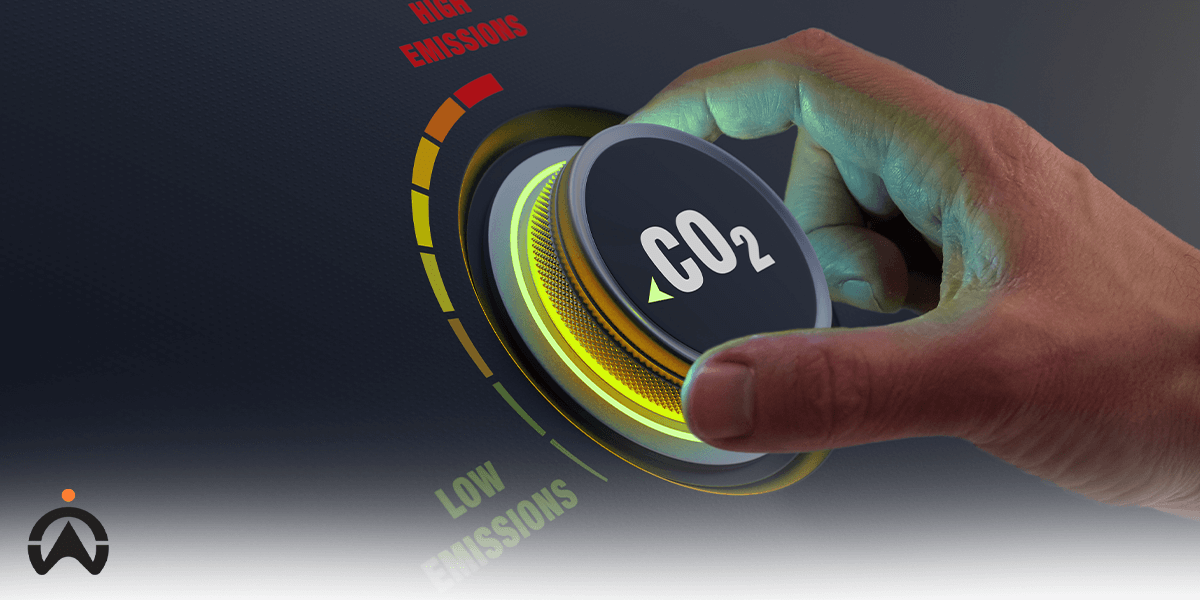
The figure sits at 37% of the total CO2 emissions released into the atmosphere.

This is why fleet sustainability matters so much. Fleet owners need to play their part to bring global emissions and CO2 levels down in their fleets.

Sounds like loads of responsibility but don’t worry, you’re not alone – a lot can be done to make your fleet more environmentally friendly.

The grass is greener on the other side with a fleet management platform.

What is a carbon footprint?

A carbon footprint is the total amount of greenhouse gases (including carbon dioxide and methane) that are caused by our daily activities, and we’re all guilty.

It could be a result of the food we eat, the clothes we wear, our mode of transportation, or our energy consumption levels.

Globally, the average annual carbon footprint per person is close to four tons. However, if we want to avoid a two-degree rise in global temperatures, this number needs to drop to under two tons by 2050.

The transportation sector is an entirely other beast, ranking as one of the most polluting industries for emissions. The average vehicle emits approximately six to nine tons of CO2 per year.

To put it into perspective, imagine a cube almost as tall, wide, and long as a telephone pole. That is how much space one ton of CO2 holds.

If you have a fleet, it is in your best interest to try and reduce your carbon emissions and be more sustainable. Let’s find out how you can do this.

Fleet sustainability defined

Fleet sustainability is a continual process of evaluating the environmental and social impact a fleet has — through a process of identifying improvements, creating change, and measuring success.

In a nutshell, you should be ticking some of these boxes to minimise your fleet’s carbon footprint, and improve your emission compliance and regulations:

  • Fuel-efficient driving
  • Reduction of idling
  • Carbon emissions
  • Adoption of low-or zero-emission vehicles
  • Right-sizing to meet fleet needs
  • Reducing total trips
  • Keeping your fleet healthy
  • Considering alternative modes of transportation

Spreading carbon neutrality in your fleet

Carbon neutrality refers to the state of net zero carbon dioxide emissions, or balancing emissions of CO2 from the environment.

This includes all of the carbon you produce throughout your operation — your vehicle fleet, the maintenance areas, distribution centres, your offices, etc.

You can go from carbon-heavy to carbon-neutral with these quick steps.

  1. Find out where you are today

    Calculate how many vehicles you currently have and the amount of waste you generate.

  2. Create a plan

    Establish emission reduction goals and milestones, and how you are going to get there. Communicate this to all your stakeholders.

  3. Start with the fleet operation

    Analyse fuel efficiency measures, maintenance, and effective route planning for your vehicles.
  4. Reduce waste footprint

    Have a look at the waste you produce in your business overall. This includes implementing recycling initiatives and what you do with used tyres, pallets, construction and renovation waste, hazardous waste, electronic waste, and all waste fluids.

  5. Carbon credits

    You could purchase credits that aid financial support for carbon reduction projects.

  6. Track and report

    Constantly measure, track, and report on your carbon reduction levels each year and compare them to your go-green goals. Also, track your employee’s commitment to reducing carbon emissions, and report on your annual achievements to stakeholders.

Are you familiar with the formula to quickly calculate your carbon footprint?

Well, let’s quickly unpack that…

How do you calculate your fleet carbon footprint?

The size of your carbon footprint solely depends on how much fuel gets burnt in your fleet, resulting in CO2 emissions.

There are two ways to efficiently calculate this number and your impact.

  1. The mathematical estimation

    Find out how many litres of fuel your business buys every month. Alternatively, you can divide the number of kilometres your fleet completes in a month by your average KPL (Kilometre per litre), to calculate the number of litres of fuel your fleet burned in that month.

    You can convert the number of litres of fuel into kilograms of CO2 emissions, created that month. One litre of diesel is 2.68kg, while petrol is 2.32kg. You can multiply the litres your fleet burned by 2.68 or 2.32 to get your kilograms of CO2.

  2. The accurate measurement

    Using telematics along with fleet management systems can give you a more precise and accurate method of measuring your fleet’s Carbon footprint. It allows you to monitor and track all your vehicles in real time, gathering information from their location and speed to their idling and fuel usage. Other than estimating, you can see the real KPL of each vehicle at any point in time with live fuel consumption rates and reports that highlight options to improve your fleet’s health and fuel efficiency, and easily get your fleet’s monthly emissions.

That’s why it’s important to take the necessary steps to manage your fleet effectively and with the help of a fleet platform.

Let’s get straight to it.

5 ways to reduce your carbon footprint with fleet management

A Return on Investment (ROI) is part of any business rule book. If you invest in a fleet management platform, you need to know if you are getting something out of it. Whether it’s getting more customers, saving on fuel and maintenance, doing less admin, or just fewer fleet headaches overall.

Cartrack can give you more bang for your buck and ease down your carbon footprint while it’s at it with these smart tools and insights:

  • Improved fuel usage and consumption

    A fuel-efficient fleet will save you tons and give you big returns on managing your fleet. But also, less fuel used, means less emissions released into the environment. Cartrack helps you easily keep tabs on this. Say you experience fuel theft, fuel card fraud, and high fuel consumption — you can intervene before costly fuel is wasted, as you’ll get an alert the minute this is detected. As a result, less excess pollution will come from your fleet, making it more sustainable in the long run. For example, you can identify if your drivers are taking longer routes than usual, or uncover other possible reasons such as inefficient vehicle performance, faulty tyres, or poor driving. This gives you the tools to do what’s necessary to ensure you get accurate litres used per kilometre and keep your fuel, and emission levels as low as possible.

  • Driver insights and eco-driving

    The way your vehicles are driven contributes to yourcarbon footprint. For every 10km/h your drivers go over 100, fuel efficiency drops by 10%. Driving 120 km/h on the highway instead of 100 is like paying 20% extra for fuel, and results in much higher emissions. And the same goes for aggressive driving — more fuel will be released. Another important factor is excessiveidling which creates the same kind of pollution as when the car is moving. An idling diesel truck burns approximately four litres of fuel an hour, and idling for ten seconds wastes more fuel than restarting the engine.

    Nip this all right in the bud with a good fleet management platform. For example, Cartrack’s in-cabin AI cameras can alert drivers in real time when they are driving harshly, braking suddenly, or taking corners quickly. This allows them to rectify their behaviour, minimising excess emissions and fuel wasted from your fleet. You can also pull up driver scorecards with reports on insights such as idling durations, and use these to educate your drivers on where they need to improve.

  • Preventative fleet maintenance

    Routine maintenance increases the lifespan of your vehicles which in turn, increases the resale value. An inefficient vehicle or one with faulty parts will use more fuel and create more emissions. There are multiple areas in a vehicle that could be malfunctioning, whether it’s a faulty spark plug, an oxygen sensor in a petrol engine, a dirty fuel injector in a diesel engine, causing more fuel consumption, or clogged air elements resulting in more fuel usage.

    With Cartrack, you can pull out all these stops to get more value out of your vehicles, instantly respond to maintenance needs and improve your carbon footprint:

  • Careful route planning

    Businesses using Cartrack Delivery’s route optimisation feature, report driving less mileage and saving more on fuel. The platform calculates the best routes for your drivers to take, so they can avoid traffic or excess miles. Fleet managers can also dispatch vehicles along the most efficient routes at the most efficient times of the day. By using Delivery, one customer reported that one of their drivers drove 27km less in one day. An eight-ton truck consumes 4km/l of diesel, and in this case, they consumed 7l less diesel in one day. If you apply this to the rest of the fleet, it works out to a 13% annual fuel saving. If the fuel spend is R2.5 million a year, that’s close to a R300 000 saving on fuel. Of course, this will drop the number of emissions released too.

    Did you know that for every litre of diesel, 2.68 kgs of CO2 is released? So one vehicle can emit 18.76 kgs less CO2 in just one day, as a result of Cartrack’s route optimisation.

  • Paperless processes

    Using less paper is always good for the environment, and with Cartrack, you can go entirely paperless. Cartrack’s platform is completely digitised and offers automation and alerts for a variety of tasks in real-time, and all types of reports when you want them — all sent straight to your inbox. Easily download the reports, where all your fleet insights will be stored online and in the cloud – no need to print them out. Not to forget, it’ll cut your admin time in half too.

Great, right? But fleet management aside, there is even more that you can do to make a sustainable difference:

Other steps to lower your fleet’s CO2 emissions

  1. Switch to fuel-efficient vehicles

    When purchasing trucks for your fleet, you should look out for fuel-savvy vehicles with low greenhouse gas emissions. These could include electric, plug-in hybrid electric, hydrogen fuel cell, and cleaner-burning gasoline vehicle types. You can conduct an assessment of the vehicle types in your fleet with the help of a fleet platform to identify which ones are using fuel efficiently. Maybe you’ll go through the process of selling and buying until you find the perfect “green” vehicle for you.

  2. Go electric

    In the long run, it’s cheaper to charge your electric car than spend money on petrol. Paying R1.84 per KW is the equivalent of driving on gasoline that costs less than R18.40 per gallon. On average, drivers save about R12 880 in fuel costs per year while driving electric cars. And of course, they are environmentally friendly as they do not emit pollutants. Studies find that emissions from EVs have emissions up to 43% lower than diesel vehicles. There are a variety of plug-in vehicles that you can choose from.

  3. Check your tyre pressure

    The air pressure in your tyres supports the whole weight of your car. This impacts vehicle performance, impacting fuel costs, and tyre wear and tear. Under-inflated tyres increase your vehicle’s drag, which increases fuel consumption. But by how much exactly? Every 1% decrease in tyre pressure correlates to a 0.3% reduction in fuel economy. When your tyres are underinflated by 10%, this will increase your fuel consumption by 2%. This means that you will be paying an extra 45 cents per litre on fuel.

  4. Rightsize LCVs and accurate loading

    Choose the size of vehicles in line with your load requirements, and avoid unnecessarily large vehicles, especially if a smaller van can carry the load sufficiently, and as long as they are operationally fit for purpose. Rightsizing light commercial vehicles will help you avoid excess volume and payload can add to CO2 savings. Overloading your vehicle can badly affect your car’s suspension, tyres, transmission, and at last, the engine, and fuel output.

  5. Choose the right fuel for the job

    Do you know what’s the best fuel for your vehicles? Different fuel types offer a range of options for reducing CO2 emissions. You can compare these options in line with how they meet your business needs and help with fleet sustainability.

    Here’s a quick rundown:

Last but not least, a lot is happening out there with the latest vehicle trends, and it’s looking positive.

Check this out:

Know the latest clean-fleet future trends

The 2022 State of Sustainable Fleets Annual Report, gives key insights into today’s clean vehicle technologies.

The good news is that the past year has set a benchmark for fleets trying to improve their carbon footprint, and for the rest of the world.

6 key findings include:

  1. Zero-emission regulations are transforming the U.S commercial transportation industry
  2. There is enormous demand for battery electric vehicles (BEV) from fleets
  3. Orders for hydrogen fuel cell vehicles have quadrupled, led by the transit sector where 20% of transit companies are moving to fuel cell vehicles in California. There has been an increase in hydrogen stations, also planned for other states
  4. 24% increase in renewable natural gas production from 2020 to 2021 in California, with a — 33% of carbon intensity
  5. Massive growth in renewable diesel too, where several refineries no longer process crude oil, but rather renewable fuel production.
  6. 700% increase in the amount of funding and incentives, with 20 billion dollars a year allocation, to accelerate the market

Go green with telematics

Fleets are under increasing pressure to be more environmentally friendly, but there is much that can be done, and it all starts with an efficiently managed fleet. Are you ready to reduce your carbon footprint? With Cartrack’s advanced fleet management platform, you can make your fleet cleaner and greener. Find out more.

Easy Methods to Make Your Company Thrive With a SaaS Fleet Management Solution

According to Gartner, the SaaS market is worth over $195 billion in 2023. 53% of organisations are implementing it, with the rest soon to hop on the bandwagon.

It’s no wonder. SaaS products help businesses make their operations extremely efficient and productive.

If you’re in the fleet game, you can win with a SaaS fleet management solution. It lets you manage your drivers, vehicles, admin, services, maintenance, fuel consumption, and way more.

It’s a real game-changer once you understand everything it’s capable of. That’s where we come in:

Software as a Service or SaaS explained

SaaS is a part of almost everyone’s daily life.

In a nutshell, SaaS is a software distribution model or application that is hosted by a cloud provider and made available to end users over the internet.

There are two types of hosting models. An independent software vendor (ISV) may contract a third-party cloud provider to host the application. Or, with larger companies, such as Microsoft, the cloud provider might also be the software vendor.

Additionally, SaaS is in three main categories of cloud computing, alongside infrastructure as a service (IaaS) and platform as a service (PaaS).

Products range from personal entertainment, such as Netflix, to advanced IT tools, and then of course, fleet management software platforms – all of which can be used by IT professionals, business users or personal users.

Curious to know how it all works? Let’s dive right in.

How does Software as a Service work?

As we know SaaS works through the cloud delivery model and many benefits come with this.

Firstly, you won’t be tasked with the setup and maintenance of the software. Secondly, you just need to pay a subscription fee to access the software, so you get a solution that gives you the flexibility to change your mind.

And not to forget, you won’t need to install hardware on your computer, where you have to constantly update it, or pay upfront fees. The application is there for you, and easy to access on any device with a network connection.

As a paying customer, you’ll have network-based access to a single copy of an application that your chosen provider has created specifically for SaaS distribution.

The application’s source code is the same for all customers, and when new features are released, they are rolled out across the board.

Just like buying a ready-made loaf of bread.

Depending on the service-level agreement you have with your provider, the data may be stored locally, in the cloud, or both.

Furthermore, it can be integrated with other software using application programming interfaces (APIs). For example, use your software tools to integrate with the SaaS provider’s APIs.

SaaS architecture

The application runs on a single version and configuration across different customers, called a multi-tenant approach. There’ll be common infrastructure amongst various customers, however, the data from each will still be segregated.

This means the cloud service provider can manage maintenance, updates, and bug fixes a lot faster, easily, and efficiently. Any changes needed will be implemented for all customers, in one shared instance.

All without compromising important cloud functions such as security, speed, and privacy.

According to technology industry analysts, we can expect to see more development in SaaS products, reaching nearly $200 billion in worth by 2024.

The benefits are evidently there, and speak for themselves, so let’s get them talking to you:

6 reasons why SaaS products are smart for business

  1. Less chaos and more organised tasks. All parts of your business can be organised in one place, and on one dashboard that gives you actionable data insights. From here, you can organise daily tasks through calendar schedules, task updates, auto-replies, analytic reports, automated workflows, or setting to-do lists for your staff members.
  2. Saved time through automation. There’s no need to go through heaps of paperwork, or endless spreadsheets when you can digitise and streamline your processes. Get automated alerts and reports for tasks, sent to your inbox, at the exact times you want. Reduce repetitive daily activities or tasks, so you can get through other more pressing jobs and not waste time on tasks you’ve already done.
  3. Increased flexibility and freedom. The nature of business is not linear and SaaS products are designed for that because you’ll get the flexibility to adapt to changing events and business requirements. For example, you can upgrade or downgrade your package at any time as you won’t be tied into a fixed contract. As a result, you can change products as your business needs vary.
  4. Reduced business costs. When your tasks are automated and efficient, you and your employees will avoid unnecessary work. This will directly influence your business expenses. This could include reducing the need for hiring additional staff members, saving you money on recruitment costs. Or perhaps, you will eliminate a certain process costing you money. Additionally, with its built-in functionality, you won’t incur any extra costs building your additional infrastructure – saving you lots of money.
  5. Improved actionable decisions. A SaaS platform gives you access to more data, analytics, and insights for your business to grow and improve. Without it, you could fall behind your competitors. You can pinpoint the cause of problems and visualise what exactly is happening in different locations, departments, and systems. All of these will help you make important business decisions, assess productivity levels and see what’s working and what isn’t.
  6. Room for business scalability. When you scale your business, you might need additional staff, to take on more orders, or open up other branches at different locations. SaaS lets you manage your workload, productivity and deadlines, and gives your employees the tools to manage their tasks better – equipping them to meet the business’ growing and scaling demands.

SaaS business models are transforming the fleet industry for fleet managers. How?

Let’s get straight to it.

Fleet management software and solutions explained:

Insights from Fortune Business Insights reveal that the global fleet management software market size is projected to reach USD 67.38 billion in 2029.

Fleet management refers to managing all aspects of a fleet operation, including drivers, vehicles, cargo, and all the fleet tasks that need to get done on time, and around the clock.

Vehicle financing, maintenance, vehicle locations, vehicle trip history, fuel consumption levels, and driver behaviour – are just some of the insights fleet managers need to manage a fleet successfully and profitably.

To do all of this at once, and efficiently, fleet software solutions are the answer, and it’s the data insights that’ll get you there.

These are just some solutions that will help you boost fleet efficiency, driver performance, and productivity and save on business costs:

  • Real-time location information and vehicle visibility
  • Driver behaviour data to identify driving patterns
  • Fleet maintenance insights to know when to service vehicles, avoiding unexpected downtime
  • Vehicle or machinery usage data to calculate the actual working hours of employees
  • Fuel insights to identify if there is any theft or poor fuel consumption

How does a vehicle tracking and fleet management system work?

A GPS (global positioning system) receiver is installed into the vehicles, to monitor vehicle locations and pinpoint their geographical location. It connects to a network of satellites within the Global Navigation Satellite System (GNSS) network.

This network consists of satellites that communicate with GPS devices to provide information on the current location, direction, time, and speed of the vehicle being tracked.

Typically, a GPS tracking system will use the same tech that cellular networks run on, called Global System for Mobile Communications (GSM).

The data is then collected and transmitted in real time to a fleet software programme or to the cloud, via an internet connection.

Here, you’ll get access to the fleet dashboard, and get a bird’s eye view of your fleet operation.

Interesting, right? Well, sit back and enjoy the benefits that come from it:

8 benefits of Cartrack’s SaaS fleet management solution for your company

What is the best fleet management software solution? One that gives you intelligent data, making you the master of your operation.

What exactly though? Let’s find out:

  1. Workforce optimisation and improved workflows

    With Cartrack’s platform, customers report having 80% more improvement in workflows and spending 30% less time on tasks because there’s less miscommunication and lost paperwork in their business.You can also achieve this in your business, with a fleet tracking platform that lets you strategically allocate your people and resources, track staff attendance, and comply with changing workplace laws – to keep your workforce flowing. One way to do this is with Cartrack’s work log reports and driver ID tags to manage your drivers on the road. They just need to tap the sensor in the vehicle or machine with the unique tag to start or stop operating it. This will help indicate their actual working hours. These times are then fed through to the fleet platform, giving you full visibility of driver attendance, so you can pay wages accurately.
  2. Monitor fuel costs and consumption

    Another major hit with the fleet platform is that customers report a 10% decrease in fuel consumption across their fleet. This is a big saving for two reasons, one, you’ve got a lot of vehicles, and two, fuel is one of your biggest expenses. Commonly, Cartrack will install a CANbus device into the vehicle, also known as CANbus integration. This will integrate with the vehicle’s on board fuel sensors and ECU (electronic control unit). The platform will then be able to retrieve all the fuel-related information from the vehicle, such as fuel usage per vehicle, as well as litres used per kilometre. If there is a sudden spike in fuel consumption, Cartrack’s MiFleet feature will give you financial reports regarding this.

    For example, you could be using an increased l/100km than previous trips. MiFleet will then red flag this along with any other discrepancies. You can then investigate the possible reasons for fuel wastage, which could be due to poor driving behaviour, inefficient vehicle maintenance, or fuel theft. Common types of fuel theft include siphoning, fuel card fraud, and false fuel card transactions. Pinpoint “which one”, “how” and “why” – to stop fuel wastage in its tracks

  3. Vehicle and cargo safety

    Your assets are the lifeblood of your fleet which is why they need to be kept safe, and even more so, if you are transporting valuable cargo. This helps reduce business downtime and costly asset expenses. In South Africa, truck hijackings have gone up by 36.8%, further emphasising the need for you to protect your vehicles from theft. Use the fleet platform to know where your vehicles are 24 hours a day. If one of your vehicles is ever stolen, Cartrack’s experienced air and on-the-ground recovery team have a 92% recovery rate so your fleet is in safe hands.

  4. Effective vehicle maintenance

    According to fleet experts, asset depreciation can be as high as 53% for fleet managers, and maintenance costs can make up 9% of expenses. If a fleet is well-maintained, with timely scheduled maintenance, these costs can go down rapidly. To effectively fight asset depreciation in a fleet, managers need to take measures to increase their vehicle longevity. With all this in mind, you’ll want the maintenance insights a fleet platform can give you. For example, receive alerts when your vehicles need servicing and maintenance, and get important vehicle diagnostics., such as worn-out brake pads, oil leaks, and much more. Get timely alerts on when to service your vehicles, and create effective maintenance plans to prevent costly breakdowns. And importantly, you’ll prevent unnecessary downtime and always keep your business moving.

  5. Automation and digitisation

    You can’t always attend to every area or problem in your business all at once, so why not make use of fleet tech, which helps you digitise and automate your processes? Automatically receive actionable data reports in your inbox when you need them, at the exact time you want, which you can customise too. Also receive live alerts and notifications regarding maintenance, fuel consumption, idling, and more, so you can make instant decisions in real time. With the alerts, you’ll know if something goes wrong, taking the guesswork out of your operations and keeping you updated on the progress of daily tasks. The result is having business management activities that are automated and streamlined, so you have less admin and paperwork, and can focus on more pressing tasks.

  6. Driver safety and management

    What’s a business without an efficient workforce? And in a fleet, it’s your drivers that are going to get your goods from A to B, in one piece and on time. Driver behaviour insights from a fleet management platform will give you control over your driver management. AI-powered camera technology tracks all your drivers’ behaviour in real time, audibly alerting them when it detects any form of dangerous or distracted driving behaviour. This could be anything from speeding, harsh braking, hard cornering or even distracted driving or yawning. They can then quickly rectify any poor driving in real-time, which not only makes your drivers drive safer but it helps them become more accountable too. You can then use the powerful insights you receive from driver behaviour scorecards, to educate and empower your drivers on best driving practices, creating a safe driving culture in your business.

  7. Secure operations

    If sensitive and confidential data lands in the wrong hands, there could be serious consequences for your business. Examples include criminals accessing physical data, like the location of your vehicles and cargo, which could lead to potential asset theft. Or if they access digital data and your client’s personal information, this could lead to a potential lawsuit and reputational damage. There might also be concerns about moving data from your server onto the cloud and keeping it safe from Cyber attacks. You don’t need that kind of stress on your plate. With a SaaS fleet platform, your information is kept safe and sound. It’s managed by cloud experts that use the latest practices and security technologies and constantly monitor the infrastructure for issues of any kind.

  8. Customer satisfaction and business growth

    When you use a SaaS solution to improve all parts of your fleet, the result is happy customers and a business model that works. There are so many fleet areas that could impact customer satisfaction. Maybe it’s using the platform to improve the communication with your drivers, and optimise delivery routes, so your customers get their orders fast and you are able to mitigate delays. Or you could be using it to keep your fleet safer so your customer’s goods are more protected and you can give better customer service. Word travels fast. Perhaps you’ll get more client referrals, increasing your profits or you can increase your customer retention better. This sounds much like a recipe for a stable and profitable business, and one that just keeps growing.

Ready to take your business head-on with SaaS?

SaaS fleet solutions assist thousands of fleet operations around the world. Shopping around for one? Luckily, Cartrack Tanzaniais around to give you the ultimate fleet solution, trusted by over 1.7 million users globally.

What Is Hypermiling and Can It Save Your Fleet Money?

Up to 60% of a company’s fleet operating budget is spent on fuel. In light of the continuous increase in fuel prices, fleet fuel costs are only expected to increase. Fortunately, fleets can reduce fuel costs through the use of safe hypermiling and Cartarck’s solutions and software.

What exactly is hypermiling?

As petrol prices increased in the early 2000s, drivers in the United States needed relief from the financial burden of fuel expenses. To find a solution, drivers invested infuel-efficient cars (the likes of the Toyota Prius) to save on fuel use and fuel costs. To achieve additional fuel efficiency, drivers began adopting techniques aimed at further decreasing fuel usage — known as hypermiling.

Hypermiling (or eco-driving) can be explained as an intentional driving technique that maximises fuel efficiency to minimise fuel costs. For hypermilers, hypermiling is a lifestyle – from MPG (miles per gallon) events, to incorporating regular driving habits that help maximise fuel economy and in turn reduce gas emissions, whether you are driving a personal Toyota Prius or business TATA Ace.

With high petrol and diesel prices showing no sign of dropping anytime soon, fuel costs will continue to strain fleets. Learning about hypermiling, its techniques, tips and benefits is essential to save your fleet bank… so here we go.

Top 10 common hypermiling techniques for your fleet

The main activity of a fleet is driving from one point to another. Some fleet businesses may have vehicles used for short, local trips, while others may have long-haul trucks that cover thousands of kilometres (or miles) per month. Hypermiling techniques are a set of driving practices implemented by drivers to increase vehicle fuel efficiency to reduce fuel consumption and fuel costs.

Here are 10 common hypermiling techniques that you can easily implement in your fleet:

  1. Drive at a constant speed:

    Slow and steady driving speed maintains vehicle engine efficiency and significantly reduces fuel consumption. This technique can be especially useful on highways and long trips where driving conditions are usually stable.

  2. Avoid idling:

    When a vehicle is idle, the engine is running while the vehicle is not moving. This consumes unnecessary fuel. Each time idling occurs, you lose 3.5 litres of fuel per hour for a bus, 3 litres per hour for a medium-heavy truck, and 1.5 litres per hour for a large sedan. Turning off the engine when the vehicle is idle at traffic lights, while in traffic, or when parked will save you loads of fuel.

  3. Coast through:

    Coasting refers to driving with the vehicle in neutral or the clutch disengaged. This allows the vehicle to ‘coast’ without the use of fuel. This technique is useful when driving downhill or approaching a stop sign or red traffic light.
  4. Use engine-off-coasting:

    A step further from coasting is engine-off-coasting. This technique involves turning off the vehicle’s engine while coasting in neutral or with the clutch disengaged when driving downhill or approaching a stop sign or red traffic light. While engine-off coasting can save even more fuel than normal coasting, it is important to note that it requires advanced driving skills and should be used with caution, as it can be dangerous if not done correctly (and some vehicles may not allow the engine to be turned off during motion).
  5. Avoid hard acceleration and sudden stops:

    Fuel consumption can be increased by up to 40% due to harsh acceleration or braking.This technique involves avoiding rapid acceleration and harsh braking by anticipating stops, as well as frequent speed changes and sudden lane changes. By accelerating and braking smoothly, and maintaining a steady speed, the fleet can save fuel, reduce emissions, and prolong the life of vehicles.

  6. Maintain proper tyre pressure:

    If vehicle tyre pressure is not maintained within the recommended range, the vehicle must work harder to move forward. This results in increased rolling resistance and fuel costs. Therefore, this technique is crucial to improve fuel efficiency, which in turn saves money on fuel costs.

  7. Reduce vehicle weight:

    This technique is simple — get the junk out of the trunk. The heavier the car, the more fuel it uses to move around. If you are not in the supply chain industry you could avoid travelling with heavy loads. Removing unnecessary items or equipment from your fleet vehicles can reduce vehicle weight, improving fuel efficiency.

  8. Avoid air conditioning and other electrical loads:

    Using air conditioning, headlights, and other electrical loads can increase fuel consumption. However, they may be necessary in certain situations, such as hot weather conditions or when driving at night. Even in these necessary times, fuel can still be used efficiently by driving at lower speeds to reduce fuel consumption, as air conditioning and other electrical loads tend to consume more fuel at high speeds.
  9. Plan routes ahead:

    This is one of the basic hypermiling techniques that involves planning the most efficient route from point A to point B to minimise unnecessary stops, traffic, and fuel consumption.
  10. Avoid traffic congestions

    Avoid congested areas or busy intersections during rush hour, as this can lead to fuel wastage from frequent stops and starts. Instead, optimise routes by taking alternative routes or driving during off-peak hours when possible.

Hypermiling can’t be bad, can it?

So you may already be wondering: It’s good for my wallet but is it good for my car?

If hypermiling is about being mindful of your driving habits, using your vehicle well, and reducing the strain placed on components like the brakes, suspension, and engine, then it should be good for your car and safe, right?

Well, hypermiling has both positive and negative effects depending on how cautiously it is implemented. On the positive side, hypermiling can significantly improve your fuel economy — meaning you can travel long kilometres (or miles) on a small amount of fuel. This not only means you save money on fuel costs but also increases vehicle longevity and reduces accident risks by promoting safer driving habits like avoiding aggressive driving.

On the negative side, some hypermiling techniques can be dangerous, violate traffic laws or put other drivers at risk. For example, in South Africa it is illegal to coast with the engine switched off, as this is considered dangerous and can cause the driver to lose control of the vehicle. On the other hand, coasting in neutral with the engine still running is not illegal as long as it is done safely and does not pose a risk to yourself and other road users. Additionally, some hypermiling techniques such as drafting and overinflated tyres may cause excessive wear and tear on the vehicle, leading to costly repairs or reduced safety.With this said, hypermiling can be a beneficial practice to save fuel and promote safer driving habits within your fleet. But it is important to implement these techniques safely and within the boundaries of the law to avoid putting the fleet and other road users at risk.

Hypermiling safety tips for your fleet

While hypermiling techniques can help you save money on fuel and reduce your carbon footprint, it’s still necessary to remember that safety should always be your top priority on the road. Here are some hypermiling safety tips:

  • Keep a safe distance between other cars: While practising hypermiling (such as coasting and slow speed) it is crucial to keep a safe following distance from other vehicles (in front and behind if possible). This will give you the time and space you need to avoid sudden changes in traffic and reduce your risk of a collision.
  • Avoid sudden braking or acceleration: When hypermiling, it is important to anticipate stops or slow-moving traffic ahead of time to gradually avoid sudden braking or accelerating or putting extra strain on your engine.
  • Stay alert and focused: Stay alert and focused by eliminating distractions such as cell phone use, eating, or adjusting the radio while driving, and always be aware of your surroundings on the road.
  • Obey traffic laws: Whether avoiding fuel waste to save money or driving normally, it is important to comply with traffic laws, such as not exceeding speed limits and running red traffic lights, or making unsafe lane changes.

By following these tips, you can practise hypermiling safely and enjoy the benefits of increased fuel efficiency without putting yourself or other drivers at risk.

What’s in it for the fleet? Benefits of hypermiling

By implementing safe hypermiling techniques and tips, fleets can save significant fuel costs, increasing profitability. But that’s not all, here are some of the other benefits your fleet can reap from implementing hypermiling techniques and tips:

  • Reduced fuel consumption and costs: Hypermiling safely and implementing fuel-efficiency tips will reduce fuel consumption and fuel wastage which results in lower fuel costs.
  • Extended vehicle lifespan: With vehicle maintenance tips and safe driving habits, fleet vehicles will experience less wear and tear, reducing the need for frequent repairs and maintenance, resulting in a longer vehicle life cycle.
  • Enhanced safety: Safe hypermiling practices such as maintaining a safe distance from other vehicles, adhering to speed limits and anticipating traffic can enhance your fleet’s safety and reduce accident risks.
  • Improved driver behaviour: Hypermiling requires disciplined and focused driving behaviour, which can translate to improved driver behaviour overall and lead to a safer and more efficient fleet.
  • Positive environmental impact: By implementing hypermiling techniques and tips you will reduce your fleet’s fuel consumption which produces less carbon emissions, contributing to a more positive environmental impact for the business’s community.

Can hypermiling save your fleet money?

In a nutshell, yes — especially with Cartrack’sfleet management software. With the help of our fleet management software and solutions, you will not only save your fleet money but also time and other fleet-related expenses by:

  • Managing fuel costs and fuel consumption

    To reduce fuel usage and costs in your fleet, it is essential to optimise fuel consumption. But how so? Our AI fuel monitoring software helps you manage fuel costs by matching fuel receipts with your vehicle’s location and fuel status to immediately alert you of any potential fraudulent activities, such as fuel card fraud. Additionally, monitor fuel usage with the help of our trip reports that incorporate fuel sensor data to identify abnormal increases in fuel consumption and easily validate any fuel misuse suspicions so you can use less fuel and therefore spend less money on fuel.

  • Maintaining vehicles on time

    A well-maintained fleet will save you money on downtime and prolong vehicle life. Using Cartrack’s real-time vehicle diagnosticsand automated preventative maintenance schedules, you can make sure your vehicles are properly maintained so that they operate more efficiently, costing you less in fuel and maintenance by avoiding unexpected repairs and breakdowns, and reducing downtime.

  • Ensuring correct tyre pressure

    Driving with underinflated tyres can be costly, as it can waste fuel and increase fuel consumption by up to 8%. Regularly checking your tyre pressure and ensuring it is at the correct level can help you save money on fuel costs. You can easily check your tyre pressure by getting air from the fuel station or using your own inflator. If your tyres are already damaged, you can still save money with Cartrack’s unbeatable deals on premium tyres from top brands and fitment centres, available on the Cartrack app.

  • Optimising your routes

    Optimising routes saves time and fuel, increases productivity and provides a competitive edge through quick turnaround times to customers. By using Cartrack’s routing software application, you can automatically allocate jobs to your employees and optimise them based on the quickest route or by job priority for faster turn-around times. Our route optimisation also provides real-time alerts for route deviations, ensuring vehicles stay on the planned route. By doing so, fuel costs can be reduced, while fuel efficiency and productivity increase.

  • Improving driver behaviour

    The way people drive significantly impacts fuel efficiency. Poor driver behaviour such as harsh acceleration and braking, speeding, and idling can waste a considerable amount of fuel. While on the other hand, sticking to speed limits, accelerating and braking gradually, and turning off the engine when not in use, can improve your fleet’s fuel economy by up to 15%–30% on highways and 10%–40% in stop-and-go traffic. Cartrack provides an easy way to establish a safety-first culture within your team through driver scorecards that track high-risk behaviour (such as speeding, harsh acceleration, cornering or braking) which impacts fuel consumption. Addressing these behaviours will reduce your fleet’s fuel usage and costs while also quickly pinpointing and addressing any fuel drainages in your fleet.

Eliminate high fleet fuel costs with Cartrack

If you are looking for a simple and effective way to take your fleet’s fuel efficiency to the next level, look no further. Cartrack has the software and solutions to help you significantly cut down on your fleet’s fuel costs. Contact us today!

What is Fleet Management?

The global fleet management industry is growing rapidly, in a fast-paced and emerging technology landscape.

The more fleet managers know, the better. That’s why 75% of fleet managers rely on fleet management tools, to manage their vehicles, cargo, operations, and drivers.

Successful fleet management will help you optimise and improve your operation’s efficiency, and gain a competitive edge in the market.

After reading this blog, you will know more about fleet management, and walk away with more knowledge to keep your fleet productive, efficient, and profitable.

With this in hand, you’ll be equipped with all the tools to manage your fleet confidently and successfully.

Ready to jump straight in?

What is fleet management? Here is Everything You Need to Know

A “fleet” is a group or collection of vehicles, ships, and aircraft which are used for purposes such as transportation, logistics, or commercial operations.

Fleet management refers to all the actions needed to run a fleet operation efficiently, at the lowest costs and highest profits possible.

It involves an array of tasks such as driver monitoring and management, administration, cost control, fleet compliance, and much more.

If you rely on your vehicles, drivers and machinery to provide a product or service successfully, then you need fleet management.

Why is fleet management important for fleets?

Let’s say you’re in the construction industry. Your operation needs to be as efficient and cost-effective as possible for it to remain successful, profitable and competitive.

One way of doing this is having a fleet management system in place to track, manage and improve how your construction vehicles and equipment are being used, to maximise the utilisation of your assets. If certain equipment, such as cement mixers are underutilised, it may be more cost-effective to rent or sell them rather than letting them waste away in your fleet.

In addition, cement plays a vital role in the completion of construction projects, and should be delivered on time with proper route planning. The timely delivery of cement ensures that the concrete mixture maintains its quality, which is necessary to complete projects.

A fleet system in place also helps you ensure that your equipment is well-maintained and serviced at regular intervals, which will prevent breakdowns and unexpected downtime. This is vital to help complete projects on time and meet customer expectations.

It also allows you to optimise your operations, manage your employees, plan routes effectively, prevent fuel and vehicle theft and enhance safety and compliance, so you keep your business booming.

There are just a few examples of why fleet management is needed in the construction industry or any industry for that matter:

  • Excessive fuel consumption and fuel theft
  • Low driver retention, or risky driving behaviour
  • An increase in asset theft or lack of effective asset utilisation
  • Poor vehicle maintenance, increased unexpected breakdowns and downtime
  • Poor customer service and delayed delivery times due to inefficiencies such as failed route planning

Every one of these seems pretty important, right? But, there is one aspect of fleet management that should be at the top of your list.

What is the most important aspect of fleet management for companies?

The first thing on your priority list should be keeping your fleet as safe as possible. This includes maintaining your vehicles, promoting safe driving practices, and enforcing compliance with safety regulations.

This helps keep your drivers, cargo, and other road users safe by preventing accidents, injuries and fatalities and also reduces unnecessary expenses and disruptions.

Without insights and data, managing a fleet is almost impossible. With data, you know exactly where improvements need to be made in your fleet, and how to take action and can accurately analyse your progress.

Now that you have a better idea of what the most important aspect of fleet management is, what does a fleet manager actually do?

Let’s quickly unpack a few of the day-to-day tasksthey face.

What does a fleet manager do?

  • Managing, overseeing, and supervising fleet operations
  • Hiring quality drivers and monitoring driver behaviour and performance
  • Educating drivers, monitoring and boosting team morale
  • Creating and managing driver job tasks and schedules to maximise productivity
  • Ensuring the fleet remains compliant and avoids unnecessary setbacks
  • Implementing fleet management strategies to reduce fleet costs and increase productivity
  • Creating and using detailed reports
  • Organising paperwork and administration
  • Ensuring regular vehicle maintenance for operational efficiency and minimising downtime
  • Meeting client expectations and ensuring a high level of client satisfaction
  • Excellent leadership and decision-making skills

Fleet management is a complex process that involves multiple players working together, allowing you to manage your fleet effectively.

So, who are these key role players?

Which key role players make fleet management possible for businesses?

  1. Fleet management software providers: Telematic solution companies like Cartrack provide solutions for businesses to track and manage their vehicles and drivers in real time.
  2. Drivers: The people in a business who are responsible for operating a vehicle to transport products, passengers or services from one point to another.
  3. Vehicle manufacturers: Companies who are in the fleet management space by offering their own telematics and fleet management solutions.
  4. Fleet leasing and rental companies: Give businesses access to fleets of vehicles on a lease or rental basis, and often offer additional services such as maintenance and insurance.
  5. Fleet consulting firms: Specialise in fleet management, and provide companies with advice and guidance on how to optimise their fleet operations, reduce costs, and improve efficiency.
  6. Insurance companies: Offer asset protection coverage for fleet vehicles, and some offer risk management solutions to reduce collisions and accident claims.
  7. Compliance and safety providers: Specialise in providing solutions to help businesses comply with regulations and improve safety because running a fleet can be risky.

Fleet managers are the main players in a fleet. To manage and build your fleet, you need to understand and excel in each fleet component.

What are those components that will help you boost your business? Here are 10 of them:

9 important building blocks of fleet management

  1. Vehicle acquisition or procurement

    Before you maintain and manage the lifecycle of your vehicles, you need to make an informed purchase. You’ll need to go through a process of selecting, purchasing, and financing vehicles for your fleet, and consider some data factors. The first thing is the initial cost of the vehicles. Many dealerships have a special division for fleet sales, and then it’s up to you to negotiate the best deal possible. Then you need to decide if you want to lease or buy them. Leasing has lower up-front costs but offers less flexibility for customisation. Buying, on the other hand, requires a larger up-front capital investment but offers greater flexibility. You can explore the options and pitch this to upper management.

  2. Maintenance and repairs

    Once you have purchased your vehicles, it is important to make sure they remain in good condition with a preventative maintenance plan in place. This includes having easy access to all your vehicle’s onboard diagnostics, such as oil leaks, water fluctuations, engine faults, worn brake pads, and more. So if parts fail, you will know and then can quickly replace them. You should also know when to service your vehicles at regular intervals, to prevent unexpected breakdowns.

    Another part is keeping a history report of your vehicles’ maintenance, to know which vehicles perform better than others, so you have the right vehicles in your fleet. This historical data also helps you predict when a particular part may fail in advance, so you can be more prepared for downtime. Ultimately, having a healthy fleet will increase the longevity of your vehicles, increase uptime and will improve maintenance and fuel costs too.

  3. Asset management

    Apart from maintenance plans, a question you need to ask is how effective are your assets being used? Whether it be your equipment or vehicles, are you getting the most out of them? A vehicle sitting for days with no load is a waste of money. Equipment not being used properly can cost you more money on maintenance and fuel. This is why effective asset utilisation is needed. It includes monitoring asset usage patterns and utilisation rates, so you can assess productivity levels. For example, if a piece of equipment is underutilised, you will need to find out the reasons behind it. It could be that it requires repairs or maintenance, or it may not be the most suitable equipment for the specific task at hand. The operator could not be using it efficiently, causing excessive idling. You will need to find out why it’s not as productive.

    Another important part is overseeing the entire lifecycle of all your assets, and typically which assets are the most valuable. You will need to decide when to sell old vehicles and buy new ones, and at the best time. You can do this by analysing data related to routine maintenance, repairs, and delays due to breakdowns. Next, you can calculate the cost of buying new vehicles, and find the best point in a vehicle’s life cycle to trade it in for a new one. This will also be good for your brand image, no business wants their brand name on a tattered-looking vehicle.

  4. Driver management

    This includes taking all the possible measures to ensure that your drivers operate your vehicles safely and reduce accidents and harsh driving. To achieve this, you will need to set safety standards for your organisation in line with compliance and regulations and then take steps to monitor your driver’s behaviour. One way to do this is to offer driver training on safe driving and uncover areas where they are not following the safety standards, and then empower them to rectify their mistakes and take accountability. Drivers should also have licenses and certifications to use certain vehicles, as ill compliance with these rules can lead to fines, legal issues, and reputational damage.

  5. Fuel cost control

    According to experts, up to 30% of a fleet’s expenses or costs can go toward fuel spend. With petrol prices at a record high, it’s no wonder why fuel control is an important part of fleet management. All steps should be taken to minimise fuel consumption, costs and address factors that waste fuel. Some possible reasons for fuel spikes could be speeding and driving methods, idling in traffic, low tyre pressure, poor vehicle maintenance and route optimisation as well as fuel theft. You should control fuel consumption in your fleet with data insights into driver efficiency, vehicle optimisation, route planning and fuel trends.

  6. Fleet admin

    What about all the paperwork tied to your vehicles and drivers? If this goes unnoticed, your business could face hefty fines and compliance breaches. No fleet manager has the time for avoidable and costly headaches, which is why you would need a plan that helps you manage the admin part of this. Everything from license renewals to insurance, maintaining commercial licenses for drivers, and hazmat placards (display of what kind of goods are being transported) — should be on your admin to-do list.

  7. Policy development

    Your business should have ethical policies in place, so you have a guideline and benchmark for making important decisions, which prevents you from making costly mistakes.

    Here are examples of some of the points these policies cover:

    – Are drivers allowed to idle the vehicle when they stop to rest?
    – Where can drivers refuel?
    – How many speeding tickets can drivers get before facing disciplinary action?

  8. Risk analysis

    Another part of the job is predicting and mitigating risks. You should create a risk audit, to assess what areas of the business pose risks and if your business’ policies address these risks — then see if your employees are complying. For example, if one of your drivers is not following the correct driving methods, there could be risks of collisions or accidents, causing damage to your assets and cargo. In this case, you could retrieve driver behaviour reports and conduct a risk assessment on the overall driving methods of all your drivers, and then calculate the probability of such risks.

  9. Environmental and sustainability management

    The transportation sector ranks as one of the most polluting industries for emissions. This is why you need to try to make your fleet greener and more eco-friendly. It involves being socially conscious of the impact your fleet has on the environment and where possible, trying to reduce your fleet’s carbon footprint. This could include improving fuel consumption through eco-driving methods, fleet maintenance, and route planning, to cut the emissions released from your fleet.

    Another part of fleet sustainability is ensuring that your business is paperless, where you can use digitised and automated processes. It also helps make fleet management successful and reduces the admin load in your business.

    Do any of these appeal to your business? Don’t worry about where to start, Cartrack’s powerful fleet management system does it all for you.

    Here’s a glimpse of everything it can do and how it can help you.

What does a fleet management system do?

A fleet management system is a software and telematics solution that gives you increased visibility of all aspects of your fleet 24/7, so you can streamline and manage your operations efficiently.

It uses powerful GPS technology to collect and analyse data from your vehicles, drivers, and assets in real time, so you can monitor their movements, prevent delays, make quick decisions, and eliminate unnecessary guesswork in your business.

Benefits of Cartrack’s fleet solution for fleet managers

Instead of juggling various fleet tasks at once,Cartrack can help you with everything fleet-related, giving you tools to handle the building blocks of fleet management.

Get the following features and more:

  • Know the performance of your vehicles and assets. Get asset utilisation rates and insights so you can maximise the usage of your assets, and sell underutilised assets.
  • Receive real-time vehicle diagnostics and maintenance alerts. This will allow you to service your vehicles regularly and keep your fleet healthy, to prevent downtime so you can keep your business productive.
  • Get driver behaviour insights and reports. Use these reports to monitor driver performance, educate drivers on good driving methods and cultivate a safe driving culture in your fleet.
  • Keep control of your fuel costs under control. Get data insights into the fuel consumption levels in your fleet, to prevent excessive fuel wastage and save on fuel costs. Easily detect fuel siphoning, fuel card fraud, and fuel theft which could be causing high fuel usage.
  • Digitise your operations and reduce admin in your business. Receive relevant reports, automated alerts, insights, and analytics tailored to your business needs, to avoid spending excessive time on paperwork and spreadsheets.
  • Keep your fleet sustainable. Get insights into reducing your fleet’s fuel consumption, which will result in fewer emissions and pollution.
  • Create ethical business standards and policies. With a fleet system, you can effectively monitor and improve the various activities within your fleet, allowing your business to operate with higher ethical standards and compliance. Get valuable insights and tools to optimise vehicle fleet performance, enhance driver accountability, and make informed decisions that align with ethical business practices.
  • Prevent risks in your fleet with live alerts. Use data alerts and vehicle tracking insights from the system to stop potential problems and risks in real-time, before they cause damage to your business.

And, this is just the tip of the iceberg, you’ve got to see for yourself…

Get powerful data you need to manage your fleet and business costs with Cartrack

No matter your industry and what you want to achieve in your fleet management company, Cartrack gives you cutting-edge tools and an all-in-one fleet solution.Gain more control over your vehicles, drivers, admin, and cargo today.

5 Fuel Saving Tips That Don’t Actually Work: Unlock The Truth Now

Ever tried unproven fuel-saving tips that produced zero results? Don’t blame yourself for being intrigued. As a fleet manager, it’s your job to look for any and every opportunity to cut costs.

Well, this is not one of those time-wasting articles. After reading this, you will know exactly which fuel tips work and which ones are just a waste of fuel.

Let’s dig in!

Why does saving petrol matter?

A question many vehicle owners and fleet managers ask themselves. The answer lies in the ever-increasing fuel prices and the need to effectively manage fuel costs to save money.

While fuel prices are beyond our control, finding ways to efficiently use fuel and minimise costs has become a crucial priority.

As a fleet manager, fuel is one of the issues at the top of your list. Managing fuel expenses is essential for businesses as it often takes a large piece of budget space, so keeping that amount as small as possible and making fuel last longer, benefits the entire business.

Whether your vehicles use petrol or diesel, finding ways to efficiently use fuel and manage costs has become more important than ever.

But how do you separate fact from fiction when it comes to petrol-saving?

Five petrol and diesel saving tips that don’t work

Let me help you separate fact from fiction and debunk the tips that make promises to stretch your petrol or diesel further, but actually don’t work.

  1. Tailgating trucks to cut through the wind

    Zooming right behind a big truck, thinking you’re cleverly reducing wind resistance and saving fuel is not only unsafe, but it won’t do much for your petrol-saving goals either. Maintain a safe distance, drive responsibly, and focus on other proven and much safer fuel-saving techniques.

  2. Coasting in neutral gear or engine shut-off

    Do you often coast downhill or turn off your engine while coasting to save petrol? Well, you don’t have to. Modern commercial vehicles are designed to use minimal fuel during deceleration anyway, and shutting off the engine can actually mess with essential control and safety systems. So rather keep your car in gear and enjoy the ride without worrying about switching it on and off.

  3. Filling up petrol in the morning to save fuel

    Ah, the classic myth that still lives on in drivers’ minds. As the temperature rises throughout the day, petrol expands, so you’ll get less fuel for the same amount of money later in the day right? Well, in reality, petrol stations store their fuel underground, where the temperature remains relatively stable and as soon as the petrol hits your tank, the liquid quickly reaches the ambient temperature, no matter the time of day so the amount of litres you pay for in the morning would be the same amount of litres at night.
  4. Warm up your car for several minutes

    We’re all familiar with the common belief of warming up your car for several minutes before driving, especially during cold weather. However, there’s no need for an extensive warm-up time. A few seconds of idling is preferred before setting off. Excessive idling not only wastes fuel but also adds unnecessary wear and tear to your engine. So, save fuel and reduce emissions by avoiding unnecessary idling.

  5. Keep your windows up to reduce drag

    You might have heard that keeping your windows rolled up while driving reduces drag and thus improves fuel efficiency but, at typical driving speeds, open windows have little effect on fuel economy.

Top five fuel tips that actually work

Now that we know what doesn’t work, let’s talk about a few proven fuel-saving tips that make a difference in your monthly fuel spending.

  1. Smooth and steady driving

    Risky driving habits like rapid acceleration and sudden braking can significantly impact your fuel. Encourage smooth and steady driving instead, like, gradually accelerating, and maintaining a consistent speed. Not only will this save you petrol, but it will also lead to a more relaxed and enjoyable driving experience.

  2. Proper vehicle maintenance

    Make sure you maintain your vehicle by keeping your engine properly tuned, ensuring your tyres are inflated to the recommended pressure, and changing air filters and spark plugs at the recommended intervals. Keeping your vehicle in tip-top shape will help you drastically save on fuel consumption.

  3. Lighten the load

    With fleet vehicles, this might be a bit hard to follow, but carrying unnecessary weight by having cargo that exceeds the vehicle’s recommended weight intake can increase fuel consumption. Take some time to properly plan weight distribution and remove any items that aren’t needed for your journey. Every kilogram counts when it comes to fuel efficiency, so lighten the load and watch your petrol savings increase.

  4. Plan efficient routes

    Planning your routes in advance can help you avoid congested areas and heavy traffic, ultimately saving you time and fuel. Take advantage of navigation apps or devices that provide real-time traffic updates and suggest the most efficient routes. Additionally, grouping multiple errands or trips in a logical order can minimise the distance travelled and optimise your fuel usage.

  5. Utilise fuel-saving technologies

    Invest in fleet management software that uses GPS and telematics systems to capture real-time data like vehicle usage, refuelling patterns and overall vehicle diagnostics that inform you of the water, oil and engine health.

Factors affecting fuel consumption

Running a fleet of vehicles comes with its challenges, and a big one is fuel. Many businesses rely on their fleets to transport goods and cover long distances daily. All those miles on the road add up when it comes to fuel costs.

To optimise efficiency and reduce fuel consumption, fleet managers strive to understand the factors that impact fuel usage. By considering these factors, managers can make more informed decisions regarding their fleet and implement strategies to maximise fuel economy.

Take a look at these key factors that heavily impact fleet fuel consumption and see what you can do to drastically improve your fuel costs:

  • Road conditions and terrain – The condition of roads, including potholes and rough surfaces, can significantly affect fuel consumption. Usually, trucks drive on different surfaces, from tar to gravel — these present varying challenges to fuel efficiency. For example, rough and uneven road surfaces, such as cobblestone or unpaved roads, can increase resistance and cause the engine to work harder, resulting in higher fuel consumption.
  • Traffic congestion – Traffic congestion and stop-and-go situations can lead to increased idling, which consumes more fuel. Scheduling deliveries around peak traffic hours and planning routes to avoid congestion can help optimise fuel efficiency. Keeping your fleet away from local roads and choosing routes that have highways might save you a few drops of petrol.
  • Vehicle maintenance – Regular maintenance and servicing play a vital role in maintaining optimal fuel efficiency. The longer you preserve your vehicles, the longer they will last. Neglecting maintenance by not fixing/replacing dirty air filters or worn-out spark plugs, can lead to increased fuel consumption with every use.
  • Fuel quality – Use the right fuel, the quality of fuel used can impact both engine performance and fuel economy. Clean, quality fuel from reputable sources like Engen and Sasol can help optimise fuel efficiency and keep your engine healthy.
  • Driver training and education – After assessing your driver’s driving behaviours with telematics and tracking systems, fleet managers can monitor various aspects of driver performance, such as speed, acceleration, braking, and idling patterns, and provide drivers with proper training and education on fuel-saving driving habits. Raising awareness about the importance of fuel efficiency and offering incentives for achieving fuel-saving targets can motivate drivers to adopt fuel-efficient practices.

Petrol saving habits a fleet management system can provide

Fleet management software has several smart fleet technologies that are created to assist fleet managers in optimising fuel efficiency, reducing costs, and contributing to environmental sustainability. Most fleet managers use businesses that can track their vehicles and provide fleet management software features to efficiently monitor their fleet like Cartrack.

How?

Cartrack’s fleet management solutions can help you track driver behaviour, identify maintenance issues, give you real-time updates on vehicle performance through inclusive reports and analytics, and monitor your fleet’s fuel consumption rate.

This is how Cartrack can assist in making fuel last:

  • Route optimisation and planning:

    Fleet managers employ sophisticated route planning tools to optimise driving routes. With Cartrack’s Delivery feature, factors like traffic conditions, route history, road conditions, and fuel consumption data are considered. It can provide drivers with the quickest and shortest route options that avoid deviations and unnecessary travel, resulting in decreased fuel consumption per trip, a decrease in harmful CO2 emissions released by your fleet and overall significant savings in fuel costs.

  • Monitor and analyse fuel consumption:

    Cartrack’s fleet management systems provide real-time monitoring of fuel consumption by using data analytics. With this, fleet managers gain insights into individual vehicle performance, driver behaviour, and fuel efficiency trends for each of their vehicles. Cartrack’s MiFleet fuel validation feature can also assist with fuel monitoring by connecting to fuel sensors or CANBus integration to monitor and analyse fuel consumption data, accurately track fuel usage and identify inefficiencies. This data empowers managers to address fuel-consuming patterns, implement targeted training programs for drivers and maximise fuel efficiency across the fleet.

  • Driver training and incentive programs:

    Drivers play a pivotal role in increasing fuel efficiency. Some Managers conduct comprehensive training programs to educate drivers on effective fuel-saving techniques. These programs can cover the driving benefits of smooth acceleration, maintaining consistent speeds, reducing idle time, and more. Fleet managers can access detailed reports and analytics on the fleet platform to assess each driver’s performance, and identify critical areas that need improvement. Providing more targeted training and instilling a fuel-efficient culture, helps encourage drivers to adopt eco-conscious driving habits. Incentive programs and Cartrack’s performance monitoring (driver scorecards) can be used to track driver behaviour and reward safe driving, further motivating drivers to drive safer and use fuel more responsibly.

  • Vehicle maintenance and performance:

    Cartrack assists fleet managers in keeping track of vehicles’ health with preventative maintenance alerts and notifying them of scheduled maintenance and inspections to ensure that vehicles operate optimally and avoid costly breakdowns. By addressing issues promptly, fleet managers prevent fuel-consuming problems, like engine misfires that can waste fuel, and ensure that vehicles maintain peak efficiency and avoid unnecessary downtime.

  • Environmental sustainability initiatives:

    Cartrack provides tools and features that enable fleet managers to optimise vehicle utilisation and fuel consumption such as asset management, fuel monitoring and route optimisation.

    If a business has electric vehicles in their fleet that need vehicle tracking and telematics technology installed, Cartrack’s leading SaaS platform provides seamless integration to EVs, provides fleet managers with battery management for real-time monitoring of the state of charge and temperature, and has preventative maintenance to track battery health and notify managers when the battery needs to be replaced.

Fuel tracking with Cartrack

Look no further than Cartrack for your ultimate solution for efficient fleet management.

Use Cartrack’s advanced telematics and tracking solutions to give you real-time insights into your commercial fleet’s fuel consumption and unlock substantial fuel savings.

Supercharge your fuel savings with Cartrack Tanzania today!

What You Need To Know About AI & Machine Learning In Fleet Management

Artificial intelligence (AI) and machine learning (ML) have revolutionised fleet operations in various fleet industries. Trying to manually manage an entire fleet (whether established or startup) can be catastrophic. Fortunately, this technology can ease the process. Here’s a look at some of the innovative ways to use AI and ML in fleet management.

AI and ML: the two peas in a pod

“Can machines think?” – Alan Turing

This is the crucial question that stirred the artificial intelligence conversation in the 1950s. Over the years, artificial intelligence (or AI for short) has been defined in a number of ways. However, Turing summed it perfectly as “systems that act like humans”. Although this simplification is still applicable today, AI is not that simple.

Artificial intelligence is an entire field that integrates computer science with robust datasets to solve problems and bring about innovation. AI subfields include machine learning (ML), deep learning, robotics and more. Together with its subfields, AI can be defined as technology that enables machines (especially computer systems) to think or act in a more ‘human’ way by gathering information from their surroundings and determining responses based on what is learned.

Commonly, artificial intelligence (AI) and machine learning (ML) are used interchangeably. However, the two are slightly different. ML emerged in the 1960s when scientists researched teaching computers how to imitate human decision-making. ML is used to teach machines to mimic how humans behave using data and algorithms so they can gradually improve their performance and accuracy.

Therefore, while AI is the tech enabling machines to display human-like behaviour, ML teaches AI how to behave. By leveraging the power of AI and ML, machines can now be trained to accurately perform complex tasks that were once deemed impossible for non-humans to accomplish.

Now that we understand AI, ML and their differences, why should we care?

Why do AI and ML matter?

From using facial recognition to unlock our smartphones to asking Siri, Alexa, and Google Assistant to play our favourite jam – AI and ML have become a part of our everyday lives. AI matters in today’s world for many reasons:

  • Repetitive and manual tasks can be automated

    AI and ML automate repetitive manual tasks like business administration (filing, data entry, and scheduling meetings). This increases efficiency and productivity while saving time and money spent on human resources. So get ready to be replaced by a robot… just kidding! Humans are still essential to set up and operate the system, ask the right questions, confirm the accuracy of data captured, and a few other skills.

  • Products are more ‘intelligent’

    By adding intelligence such as speech and voice recognition, and virtual assistance to existing products, AI and ML have opened up a world of advanced products and innovations. These products have upgraded the business world – from biometric systems for tighter security, to data and behaviour analysis to detect and prevent fraud.

  • Customer service is instant and better

    Thanks to AI and ML, chatbots can quickly process requests and accurately answer questions 24/7, enabling customers to get the help they need quickly. This automation of customer service saves time on tasks, reduces costs, and frees up staff to focus on more complex tasks.

  • Data is made useful

    Data in business is important now more than ever as it can offer a competitive advantage. Luckily, AI and ML have the ability to process large amounts of data. This data can be used to make accurate and informed business decisions.

  • Customer journeys are tailor-made

    AI and ML provide the ability to analyse customers’ purchase history, buying habits, search history, and other data. With this, businesses can personalise products and services to best suit their existing customers and attract potential customers. A personalised customer journey not only increases customer satisfaction and brand loyalty but also increases sales.

You may already be getting ideas of how these two peas in a pod can innovate your fleet. Let’s start with fleet management basics.

What you need to know about fleet management

Fleet management refers to all the ins and outs involved in ensuring a fleet operates its tasks smoothly, from start to finish. These ins and outs include (but are not limited to) the following tasks:

In essence, the role of a fleet manager is to ensure that these tasks are completed efficiently at top productivity levels and lowest costs while producing the highest profits. It’s a lot to handle and to top it off, fleet managers still face many other challenges:

  • Keeping track of vehicle maintenance: To operate, fleet businesses need their fleets to be in good condition. Regularly maintaining vehicles ensures that they remain in their most efficient state and increases their longevity. However, it is difficult for fleet managers to keep track of every single vehicle’s maintenance schedule. Not staying on top of vehicle maintenance needs can lead to productivity loss due to unexpected downtime from breakdowns, and unnecessary vehicle wear and tear.
  • Managing fleet data: Operating a fleet business (whether established or startup) comes with piles of data to collect, track, and organise. Manually sorting, assessing and managing this data is nearly impossible. Fleet businesses cannot make informed business decisions without well-organised data to gain accurate insights into fleet operations.
  • Simultaneously managing teams: From dispatchers to drivers, fleet managers need to oversee various departments simultaneously, and it is impossible to be everywhere at once. This makes it difficult to track productivity, monitor driver behaviour, communicate effectively, and solve problems swiftly.
  • Organising fleet administration: Fleet managers are responsible for performing administrative tasks such as task management, team management, fleet reporting and analysing, as well as scheduling and optimisation. With only 24 hours in a day, fleet managers struggle to perform these tasks and as a result, the fleet may operate efficiently.

Manually performing fleet management tasks and trying to overcome challenges can be catastrophic but thanks to AI and ML, fleet management problems are solved. Let’s find out how.

How AI and ML are used in fleet management

AI and ML have opened up new possibilities in fleet management software development.This is computer software that helps fleet managers successfully oversee an entire fleet all-in-one platform. Let’s get a glimpse of how different fleet industries use AI and ML-powered fleet management software in their fleet:

Rental and leasing

The use of AI and ML in the car rental and leasing industry is growing rapidly to enhance customer experience and improve business performance. Some ways AI and ML are used in this industry include:

  • Customer service: Instead of physically visiting car rental and leasing companies, AI-powered chatbots and virtual assistants can help customers book rentals in advance, answer frequently asked questions, and provide personalised packages based on customers’ preferences, and rental and leasing history.
  • Predictive maintenance: Car rental and leasing companies can perform preventative maintenance to ensure vehicles are in the best condition for rental and lease. This preventative maintenance is possible with AI and ML algorithms that analyse data such as vehicle mileage and date of last service to predict when a vehicle may need maintenance. This way, rental and leasing companies can ensure they reduce breakdowns when vehicles are rented or leased — increasing vehicle reliability, customer loyalty, and company trust.
  • Competitive pricing: By using AI and ML algorithms, rental and leasing companies can offer competitive prices by relying on data (such as vehicle preferences, demand, as well as rental and lease habits) to make strategic prices, and to detect and flag fraudulent behaviour, such as stolen credit cards or fake identifications, so that losses are kept low, and prices remain competitive.

E-hailing and ride-sharing

E-hailing services such as Uber, Lyft, Bolt, and other platforms require AI and ML as crucial components to provide ride-sharing services. Here are some ways AI and ML are used in e-hailing:

  • Connecting riders and drivers: Suppose you are rushing to an important meeting or simply want the most comfortable way to move from point A to B, e-hailing services use AI and ML to provide the most efficient services. AI and ML in e-hailing match riders with the most convenient drivers based on factors such as location, availability, and other rider preferences (such as vehicle type, preferred gender of drivers, etc).
  • Optimising routes: Once a driver is matched with a rider on an e-hailing platform, the goal is to reach the desired destination in the safest and fastest way possible. AI and ML algorithms optimise routes for drivers to reach a destination in the shortest possible time (while taking into account traffic congestion, accidents, and other factors). This is a win-win as the riders pay affordable prices (calculated by the algorithm at the end of the trip) while drivers can use their time more productively, save on fuel costs and maximise profits.
  • Safety enhancement: Safety plays a crucial role in e-hailing services as it is important to protect passengers and drivers, and hold a trustworthy reputation. ML algorithms can help e-hailing businesses put safety first by collecting data such as driver behaviour, driver personal information, and driver ratings to identify potential safety hazards and take the necessary precautions.

Construction

Construction companies are becoming increasingly dependent on AI and ML to improve safety, increase efficiency, and reduce costs. Here are some ways AI and ML are used in construction:

  • Safety enhancements: Given the nature of the construction industry and its high potential for safety hazards that lead to staff accidents, injuries, and fatalities, construction companies need to follow strict safety protocols. AI and ML (such as AI-powered cameras) can detect and alert workers of potential safety hazards such as falling objects, unsafe working conditions, and people not wearing protective gear. This helps to reduce the number of worker accidents, injuries, and fatalities that can occur on construction sites.
  • Resource optimisation: AI and ML systems can maximise resource utilisation by scheduling machinery, vehicles, and manpower. Large construction companies that work on large projects, multiple projects or rent their assets to other companies use AI and ML systems to avoid project schedule overlaps and ensure assets are used efficiently and productively.
  • Quality control: Construction companies must ensure that all projects are completed to the highest standards. ML and AI can be used to monitor construction processes from start to finish. Data from sensors (e.g. temperature sensors to monitor building site temperature, humidity, and vibration) is analysed by AI and ML algorithms to detect even the slightest deviations quickly and accurately and predict potential issues before they arise, enabling better quality control.

Transportation and logistics

Due to the rise of e-commerce and quick turnaround expectations, goods are now not moving from point A to B in the supply chain, but now to your home, office, and everywhere in between.

Here are some ways AI and ML are used in transportation and logistics:

  • Optimising routes: Due to high demands, fast turnaround expectations, and transportation of sensitive products, the quickest and safest routes are necessary. AI and ML systems are used to analyse traffic patterns, weather conditions, and other data to optimise routes to avoid potential delays, reducing delivery times and minimising fuel consumption.
  • Tracking assets: Asset tracking is a crucial aspect of transportation and logistics as it ensures goods are safe from dispatch to delivery. In this case, AI and ML can be used to increase visibility to prevent cargo loss and damage. For example, AI and ML technologies such as GPS can be used to track the location and condition of vehicles and cargo, and AI and ML systems can track drivers’ performance in real-time, analysing data such as driving speed, braking patterns, and other behaviours— ensuring safety at every point of the supply chain.
  • Enhancing security: Cargo theft in the supply chain can cause major losses. AI and ML-powered security such as cameras installed in warehouses and vehicles to detect suspicious activity, and driver identification tags to prevent the unauthorised use of vehicles or access to warehouses can help prevent theft and loss by providing real-time alerts and notifications.

AI and ML innovations for your fleet

Cartrack is a prominent global Software-as-a-Service (SaaS) platform supplier for small, medium, and large organisations (as well as consumers). With Cartrack, you can transform your fleet operations and achieve operational excellence with the power of AI and ML fleet management solutions such as:

  • AI-powered cameras and live-stream technology

    Empower your fleet with LiveVision that has up to eight internal or external cameras to help you keep your drivers, fleet, and cargo safe. With AI-powered cameras, you can live-stream your entire fleet while cameras detect possible front collisions, smoking, distracted or fatigued driving, and mobile phone use. This, together with ML-powered alerts allows drivers to quickly correct behaviour right in the moment and ensure safety on the roads.

  • Fuel monitoring software

    Improve fuel consumption and save fuel costs with our fuel monitoring software, MiFleet that captures fuel cost data. This shows you how much fuel your vehicle uses for idle time and aggressive driving. Furthermore, it detects fuel card fraud, fuel theft, and fuel wastage, so that you can save money on fuel expenses, and only pay for what you use.

  • GPS vehicle and asset tracking

    Accurately track and get full visibility of your entire fleet in real time with GPS technology. This gathers data on where your vehicles and assets are so you can track completion rates, productivity, and efficiency, and receive informative insights (such as idling status, fuel levels, and engine diagnostics) to make informed business decisions.

  • Specialised sensors

    Our specialised sensors provide fleet managers with detailed insights into fleet operations.Cargo door monitoring systems and temperature sensors can be used in cold chain logistics to provide real-time temperature and cargo door monitoring and send fleet managers alerts the moment any temperature fluctuations occur or the cargo door is opened, allowing them to immediately check in with drivers to resolve issues or send a replacement trailer if necessary to preserve goods and prevent profit losses.

  • Automated preventative maintenance

    Our platform automates the maintenance schedules for each of your vehicles by using the vehicles’ utilisation hours and the time of the last service to establish effective maintenance plans hassle-free. This way you can cut your maintenance costs, increase your fleet vehicle lifespan and reduce unnecessary downtime.

Empower your fleet with AI and ML solutions today

Give your fleet the innovative boost and competitive advantage it needs with Cartrack’s AI and ML-powered fleet management platform. Contact Cartrack Tanzania today.

Discover the Best Telematics Company in Tanzania

Imagine a fleet management world with digitised admin, seamless task management and team collaboration, controlled fuel consumption, and effectively managed costs. It means a fleet business that not only saves time and money, but also has a competitive advantage, high customer satisfaction, and a good reputation. Stop imagining.

This is the real world of telematics ‒ let’s discover it.

Let’s talk about telematics, what is it exactly?

Telematics – two words, tele (derived from the Greek word telema meaning distant or far away) and matics (derived from the Greek word informatics meaning representation, processing, and communication of information). The combination ‘telematics’ can be explained as the process of sending, receiving and transferring information or data (from remote objects) over a distance by means of networks.

Telematics has been used for decades, initially in the automotive industry. However, we are seeing the popularity of telematics as a feature in fleet management whether inagriculture, construction, mining, or rental and leasing.

In the fleet and logistics industry, telematics is considered synonymous with fleet telematics or vehicle (GPS) tracking system used as a method of monitoring fleet cars, trucks, equipment and cargo by using:

  • Global Positioning System (GPS) satellite technology: A network of more than 30 satellites circling Earth and deceiving devices used to determine an exact geographical location and provide information about the exact movements and subsequent movements of fleet vehicles or assets.
  • Wireless networks: Wi-Fi and other cellular networks (such as 4G LTE or 5G) that support communication between vehicles and other applications and services (such as cloud services) where data and information from vehicle GPS tracking devices are transferred (via internet or satellite data connectivity) and stored.
  • Internet browsers or mobile apps: Fleet management SaaS (Software as a Service) web-based and mobile-application tools used for viewing and analysing data from fleet vehicles with connected vehicle GPS tracking devices.
  • Sensor-based telematics:The incorporation of sensors (monitoring systems) with telematics connected to fleet management softwareto provide fleet managers with detailed insights into fleet operations. For example, temperature sensorscan be used in cold chain logistics to provide real-time temperature monitoringand send fleet managers alerts the moment any temperature fluctuations occur, allowing them to immediately check in with drivers to resolve issues or send a replacement trailer if necessary to prevent massive profit losses.

Clearly, telematics is a complex topic that may seem confusing at first, so let’s quickly take a look at how it works.

So, how does telematics work?

From GPS tracking devices, to collecting information and data, to storing and receiving, and all the satellites, technology and networks in between, telematics can be simplified into three functions:

  1. Capturing data based on vehicle location and movement through a GPS tracking device installed in a vehicle.
  2. Transferring the captured data via secure cellular networks.
  3. Visualising the vehicle data and information such as vehicle location, status (e.g. ignition on/off or idling time) and driver behaviour using a fleet management software platform (web-based or app).

So, how does telematics work to do this?

Let’s break it down into four parties; GPS tracking device, the vehicle, the server and you:

  1. A GPS tracking device (telematics device) is installed onto vehicles and connects to the vehicle’s onboard diagnostics system or CAN-BUS port with a SIM card to provide the vehicle’s geographical position and movements.
  2. The vehicle information such as GPS positioning, vehicle speed, trip history, driver behaviour, fuel consumption, idling time, engine health and more is collected and sent to a server or cloud with the help of mobile data and cellular networks or satellite communication.
  3. The server receives, interprets, analyses, and stores the information.
  4. Finally, you can access the vehicle data and information in real time through a fleetmanagement software website or app and turn data into reports that can be used to gain business insights. As an example, if your question is, “Why is the business spending so much on fuel?” you could access fuel usage data to pinpoint fuel wastages (such as idling) or possible fuel fraud in your fleet.

Telematics companies in South Africa

According to the 5th Edition of Fleet Management in South Africa, the country has a relatively mature telematics market. The penetration rate in the total population of fleet vehicles used by businesses is estimated to increase from 41.5% in 2021 to 68% in 2026. With this, the number of fleet telematics actively used in the country is said to grow at a compound annual growth (CAGR) of 12.6% from 2.0 million units at the end of 2021 to 3.6 million by 2026.

Currently, South Africa’s fleet management market is dominated by five domestic players with broad telematics portfolios that together represent70% of the total number of fleet management systems in use in the country. The analyst ranks Cartrack as one of the largest providers of fleet management in the county. The company has over 1 750 000 active users (to date) around 23 global branches.

In South Africa, companies suffer from vehicle hijackings, low driver productivity rates, driver shortages and asset and cargo safety. Luckily, telematics (such as Cartrack telematics, with an over 90% stolen vehicle recovery rate) helps companies address these challenges.

The question now is which telematics to use.

Discover the best telematics in Tanzania

Introducing Cartrack, an industry-leading global Software-as-a-Service (SaaS) platform and stolen vehicle recovery servicesfor small, medium, and large organisations, as well as consumers. Our advanced IoT device combines GPS, GSM (Global System for Mobile communication), RF (radio frequency), and remote jamming detection technology to ensure the reliable connection of your vehicle’s tracking unit so it continually provides accurate geographic locations, real-time data, and insights.

Thanks to our sophisticated telematics device, you can:

  • Boost fleet efficiency and productivity

    Cartrack’s telematics system provides real-time GPS vehicle tracking for your car or fleet, so you can identify the safest and most efficient routes to speed up deliveries, know exactly where your vehicles or drivers are, and the exact time spent on a site or location. This way, you can receive detailed information and insights into the vehicle’s idling status, fuel levels, engine diagnostics, specialised sensor readings, and more so you can improve fleet efficiency and productivity by correcting driver behaviour.
  • Monitor fuel costs and stop fuel theft

    With our fuel monitoring systems you can eradicate fuel theft, and decrease fuel costs. Cartrack’s telematics detects when the vehicle’s location, fuel data, and fuel card data are inconsistent by automatically reviewing whether your fuel transactions match your fuel receipts and the vehicle’s telemetry data. This is so you can instantly spot syphoning, fuel card fraud, cloning, and billing for multiple false transactions. Additionally, with Cartrack’s Delivery app, you can optimise routes helping you plan trips in the most efficient order from point A to B to C, not A to C then back to B- this way you improve fuel efficiency and spend less on fuel costs.

  • Forecast and plan vehicle maintenance

    Our fleet management platform automates maintenance schedules for each of your fleet vehicles by utilising vehicle telematics data such as mileage, and the hours and time of last service to ensure vehicles are maintained on time. This way, you have a strong maintenance and servicing routine, helping you prevent vehicle breakdowns, minimising major indirect and direct costs as your vehicles will remain healthier for longer, ensuring you get more out of them.

  • Easily monitor and locate trailers and assets

    Our telematics goes beyond fleet vehicles. With Cartrack’s GPS trailer-tracking technology you can ensure your trailers are always accounted for and never go missing by tracking your trailers’ exact live GPS location on one map and monitoring the whereabouts with full trip-history reports. You can also use our asset tracking technology to optimise your asset utilisation with real-time GPS so you know exactly where all your assets are located and receive live alerts the moment your equipment leaves an area without your permission.

  • Increase driver safety and cargo security

    Keep your drivers safe with driver scorecards that rate each driver on how safely they drive by monitoring high-risk behaviour such as speeding, harsh accelerating, cornering or braking, helping you know what areas to tackle in your coaching sessions. Additionally, monitor your cargo from dispatch to delivery with cargo door and temperature sensors and livestream the inside of your trailers with our smart-camera technology so you can prevent cargo loss or damage, keeping customers happy with freshly delivered and unscathed cargo.

Get the best telematics in Tanzania, get Cartrack

If you want your fleet to be better than the rest, you need the best telematics. Contact us today and get a free demo for a taste of how Cartrack Tanzania can transform your business with its industry-leading telematics solutions.

How to stop vehicle idling and save fuel and business costs

For an activity that requires so little movement, idling sure does put a dent in your business’s bottom line – and quickly too.

Whether drivers are leaving the engine running while unloading deliveries, stuck in traffic, taking a roadside phone call or warming up the interior in the winter months and cooling it down in the summer, every second – and cent – counts.

This is how idling vehicles in your fleet costs you, and how to save at the pump and on upkeep:

Minimise wear and tear on parts

If you think fuel costs are your biggest financial drain , consider much bigger expenses than your fleet’s petrol and diesel consumption as the vehicle goes nowhere slowly.

Excessive idling puts a huge amount of stress on your vehicles’ parts. When “just a few minutes” of idling turns into an hour daily, it adds up to around 102 998 km of engine wear over a year. And that’s just forone vehicle.

Driver scorecards can help increase your vehicles’ lifespan by decreasing bad driving habits like idling, reducing accidents and boosting your business’s operational efficiencies.

No matter the size of the cars in your fleet, parts and maintenance isn’t cheap. You could be using money spent on repeated repairs elsewhere, to grow your business.

Educate and motivate your drivers

You know that trick where you switch off the engine in heavy traffic and turn it back on when things get moving again? Some people believe restarting the vehicle burns more fuel than leaving it idling. Your drivers could be among them.

According to the Environmental Defense Fund, idling for 10 seconds wastes more fuel than restarting the engine. But, what about keeping the engine warm to reduce wear and tear from starting and stopping the engine repeatedly? Idling does a lot more damage.

Debunking these beliefs will encourage your drivers to switch off their engines when ever the vehicle is stationary for more than 10 seconds.

Track more than just routes

We mentioned fuel earlier, but how do you know where the leak is?

Software such as Cartrack’s smart dashboard shows you how much fuel your fleet uses for unproductive idling. By analysing data provided by the devices installed on your fleet vehicles, you can see where the most idling is taking place and why.

A customisable dashboard helps you easily monitor the key metrics that matter to your business. Improve your fuel consumption, idle rates, driver safety, fleet running costs, productivity, vehicle usage and more.

This actionable intelligence allows you to change routes, where necessary, and reduce time spent idling fuel away in traffic.

Save on running your fleet today

Idling can be an expensive problem for your business, but there’s a fairly simple fix. While making drivers aware of more cost-effective habits goes a long way, GPS vehicle tracking can help with limiting idling.

Contact Cartrack today to find out how our expert fleet management solutions can help. Visit Cartrack Tanzania for more.

How trailer tracking technology helps you manage, monitor and protect your trailers

Trailer tracking is just one of the many tools used to help make a manager’s life easier. With it, you can efficiently monitor and gain access to your assets from anywhere through our cloud-based solution.

It wasn’t that long ago that employees had to go out of their way to get information. Taking time to write down the trailer number, note the location, and record any onboard cargo leaves you with less time to actually use your assets.

When trailers were on the road, manual counting was more challenging and often required a phone call, or two, for the fleet manager to get an exact location. If a trailer went missing during transit or was stolen days could pass before the company found out.

Trailer tracking technology changed all that.

Telematics and asset monitoring for trailers

Although many businesses use GPS trackers for better trailer management, many don’t know the full extent and potential of these little gadgets, i.e a GPS device, in fleet telematics.

Telematics is the smart technology used through a GPS tracking device installed in their vehicles. It gathers and stores all vehicle and trailer data and compiles it for easy management and access through a fleet platform.

Like many fleet technologies, telematics is mainly used for tracking assets like vehicles, trailers, generators, IT devices and expensive equipment. This is used for damage prevention, asset protection and overall asset tracking within the fleet.

What is a trailer tracking device and how does it work?

With GPS technology advancing faster than many people imagined, we are only beginning to realise the true value that it adds to the transportation and logistics industry. One of the most promising uses of this technology is in asset protection through trailer GPS tracking.

There are two parts to the commercial trailer tracking systems.

Battery or solar-powered – A trailer tracking device is attached to the trailer itself which emits a GPS tracking signal that communicates through the use of a cell modem. This allows the user to find out where the trailer is at any given moment.

The software – This is what receives the signals sent by the tracking device. The software can translate the signal from the trailer tracker and put the information onto a map, showing the exact location, whether the trailer is stationary or moving, and in some cases, whether or not it is tethered to a vehicle.

What is a trailer tracking device and how does it work?

Why track your assets?

Businesses invest in many things to generate profits, like their employees, vehicles and overall trailer assets. Physical assets could include any equipment, technology, or machinery that an entity uses to provide a service to themselves or their customers. All these different types of vehicles and site equipment are valuable for the business and need to be protected.

Asset tracking is used to track a business’s assets. It gathers any GPS data related to them, such as their current location, maintenance conditions, when last it was in use, for how long and by whom. This is achieved by equipping the assets with a tracking device.

Asset tracking is useful for:

  • 24/7 trailer surveillance
  • Movements of the asset
  • Usage of the asset

Apart from your trailer’s protection, asset and trailer tracking is used for productivity and easy management, having a tracking device automatically tells you how long one of your trailers has been used in a day, and by who saves loads of time in calculating, it also helps add up working hours so you can bill clients or pay employees more accurately.

The real-time vision of their trailers gives fleet managers insights into their assets whether on-site or on the road. Using fleet trailer tracking units and software not only makes their job simpler but can also boost the organisation’s bottom line.

Asset tracking devices for theft prevention

So it happened, you clock in one morning, open your emails and read that one of your trailers was damaged or stolen while unattended. Now what? Most of the time, criminals would strip the trailer and remove the trailer’s vehicle identification number (VIN) before you even notice your assets are gone.

This happens all too frequently, costing businesses time and money. Every company that uses trailers understands these struggles. The dangers of leaving your assets unguarded, the area where they are left alone, the chance of the item getting stolen or used without our consent, and the list goes on.

With a trailer tracker, you will immediately know that something has gone wrong. An alert would be immediately sent out, giving you enough time to call the authorities and find your missing trailer, and you can receive all this info via your mobile device.

Types of trailers that can be tracked

Realistically, GPS trackers can be installed onto any moving vehicles and stationary assets. Cartrack’s tracking units can be easily installed on all types of trailers, and vehicles in use, including:

  • Flatbed trailers
  • Enclosed trailers
  • Equipment trailers
  • Open auto trailers
  • Speciality trailers

While any GPS fleet tracking device would do, partnering with an industry-leading fleet management company like Cartrack would give you numerous benefits and added peace of mind.

Asset tracking technology

While GPS tracking is the most popular tracking method, there is more than one way of tracking assets. Finding the best asset monitoring solution for your company might be difficult given the variety of asset tracking technology available.

Bluetooth asset tracking/ Beacons: These are remote gadgets that transmit Bluetooth low-energy signals sent to another Bluetooth digital gadget or smart device to establish the location of the beacon itself.

Radio frequency identification: Passive RFID asset tracking is a form of wireless communication that uses electronic fields to identify and track tags attached to objects. These require RFID reader devices to receive signals from the tag.

GPS-based asset tracking: GPS tracking devices are attached to any assets and can interact via cellular networks or satellites and communicate over long distances while keeping accurate, up-to-date logs for employees.

Most types of mobile asset tracking devices allow for custom alerts, notifications and even geofence set-ups for the safety and protection of your assets.

The best GPS tracking features to look out for

Before choosing an asset tracking solution, always consider your goals and ask yourself: What exactly is my business looking for and what features do we need the most?

The best tracking devices are ones that have the following features:

  • 24/7 real-time location tracking
  • Cloud-based system
  • Theft detection
  • Easy installation
  • Long battery life
  • Solar-powered technology
  • Instant reporting
  • Over-the-air serviceability
  • Interface with user-friendly mapping systems such as Google Maps or others
  • Viewing trailer trip history

Finding one device that offers all these features would be a dream, but realistically most devices are not one-size-fits-all, these features are spread out between devices that are used to track different assets in different environments.

The best GPS tracking features to look out for

Why does GPS asset tracking matter?

GPS asset tracking is done to improve the use and security of valuable items, in this case, your trailers and the cargo they carry. Companies that fail to track assets correctly could be losing vast sums of money on an annual basis and losing the trust of their customers.

Trailer (and asset) management is an essential component of your business’s supply chain operations. Lost or delayed cargo means lost sales and unhappy customers, which can be detrimental to a business.

Management may have a better and clearer image of where everything is, and where it is going, by connecting trailer tracking devices and their fleet management system.

By doing this, you can receive:

  • Lowered insurance rates due to aiding in trailer theft recovery
  • Software upgrades can be done digitally and don’t need the removal of the tracking device
  • Optimised asset usage
  • Increased asset and cargo security
  • Improved customer service with accurate and timely information
  • A sealed trailer tracker that can work in harsh weather and road conditions.

Different businesses that can utilise trailer tracking devices

If your assets aren’t frequently monitored, operate in unsafe locations, aren’t being utilised enough or bring value to your business, implementing trailer monitoring would be very beneficial.

No matter the fleet size, almost all industries can benefit from tracking and monitoring their trailers.

  • Landscaping
  • Construction
  • Handyman
  • Tile and flooring installation
  • AC & heating repairs
  • Transport and logistics
  • Utilities

The benefits trailer tracking can bring your business

A fleet of any size can profit greatly from using a dependable trailer tracking system. With this, you can safeguard your trailers, get visibility and insights into their movements, and much more:

Gain complete trailer visibility – Track all your van trailers on one platform.

Increased trailer utilisation – Monitor trailer utilisation at customer sites and optimise trailers by redeploying under-utilised assets.

Protect cargo – Use smart sensors and camera systems to gain 24-hour cargo monitoring and protection against tampering or unscheduled usage.

Simplify deployment – Trailer tracking can be used on any trailer to keep assets safe.

Increase productivity – Examine past GPS data to see where you can improve trailer efficiency and usage.

Increased trailer safety – Receive instant alerts on trailer status, location, door activity and unauthorised usage for optimum security.

Trailer tracking systems use the data sent to the dispatcher to provide dependable and secure insights to shippers for better management of their various assets.

Secure trailer tracking with industry experts

Cartrack’s GPS trailer tracking technology puts you in control of both your active trailers and non-moving assets.

If you’re looking for advanced safety and tracking features, Cartrack provides real-time security with customisable geofences and alerts for your assets.

Let us help you protect your assets. Contact Cartrack Tanzania tod