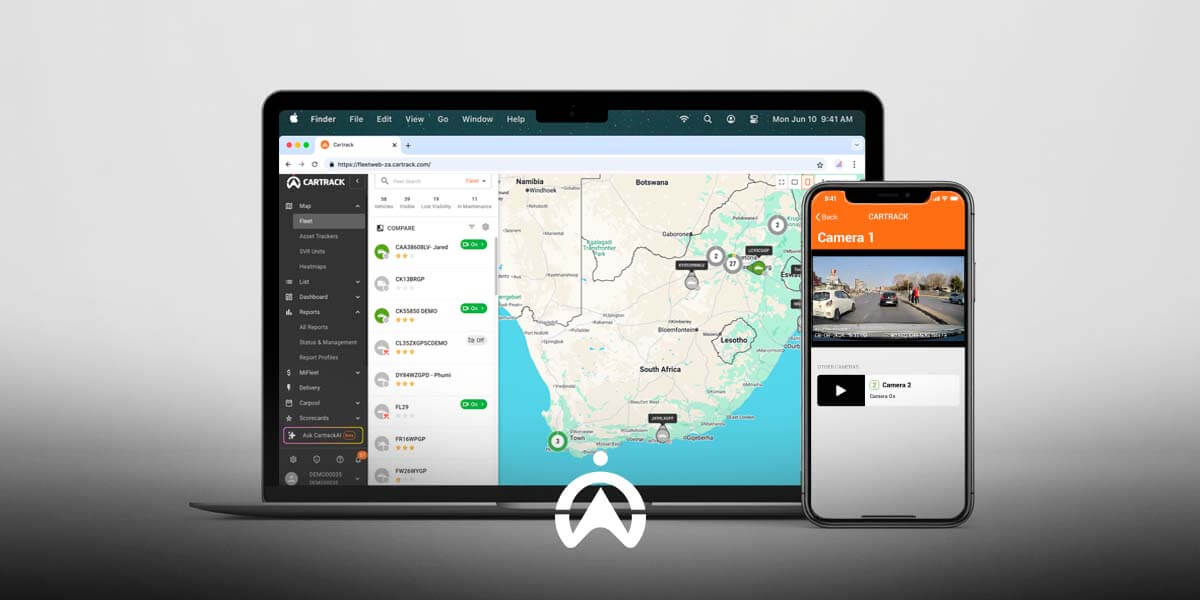
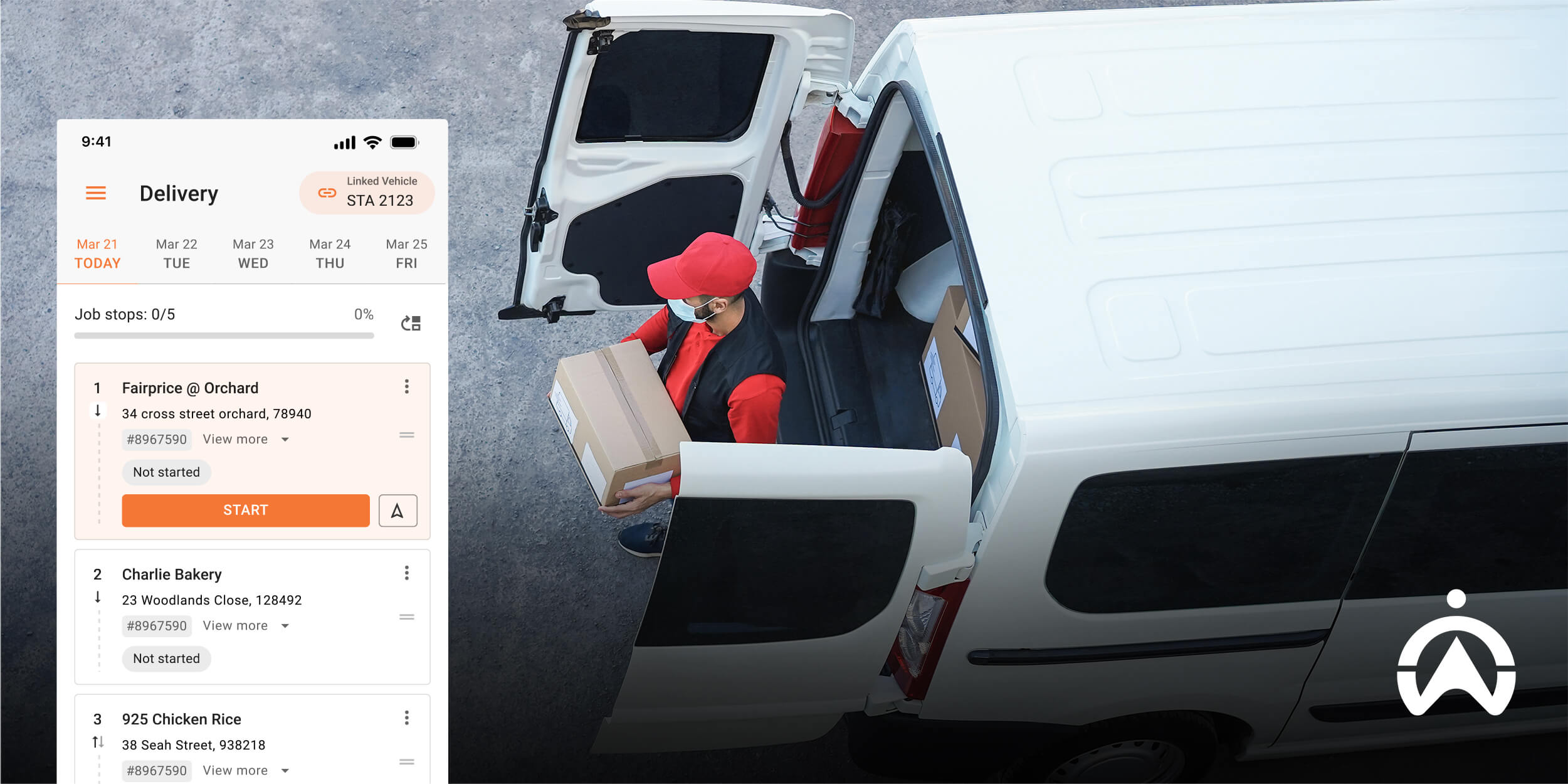
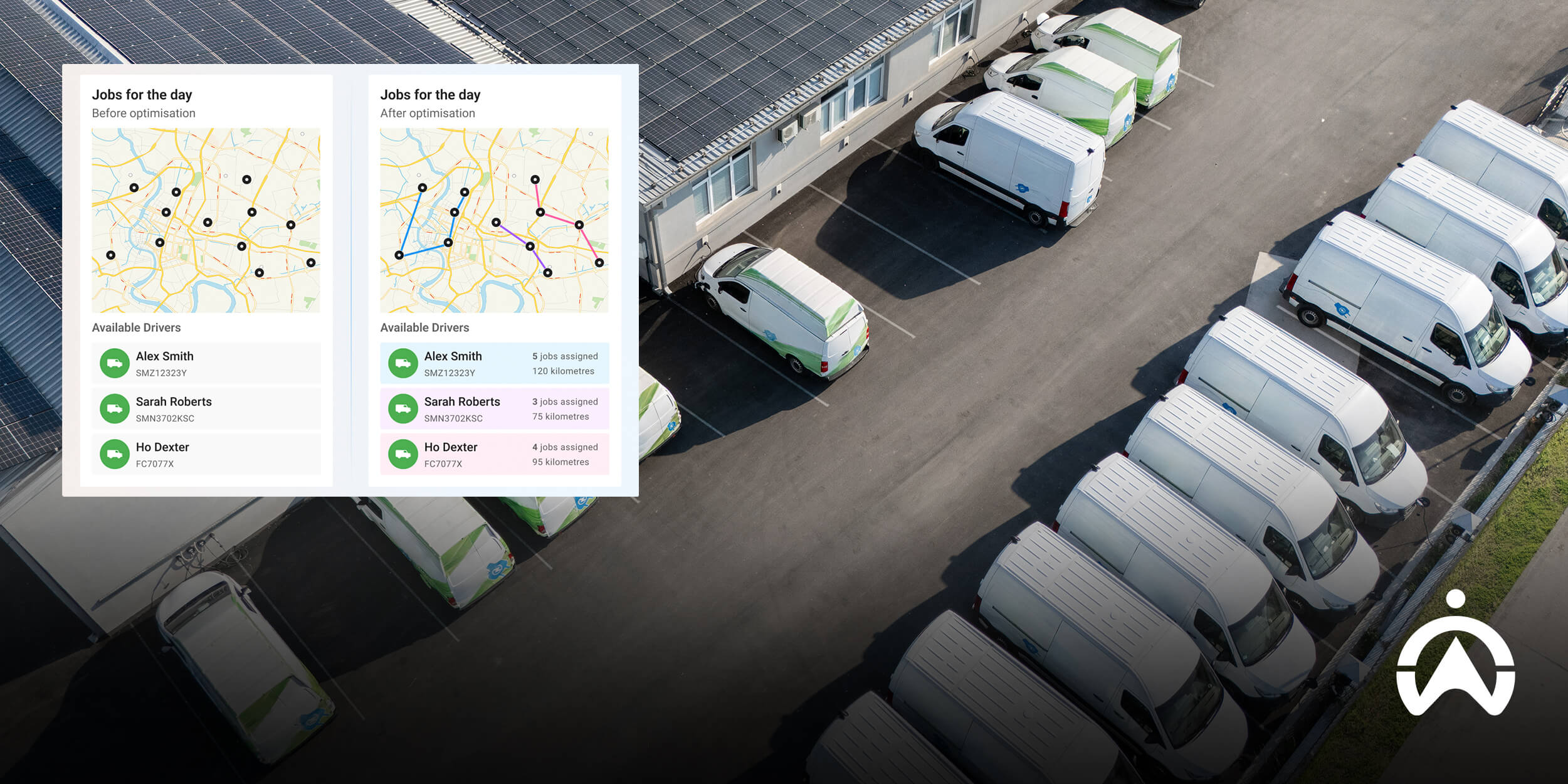
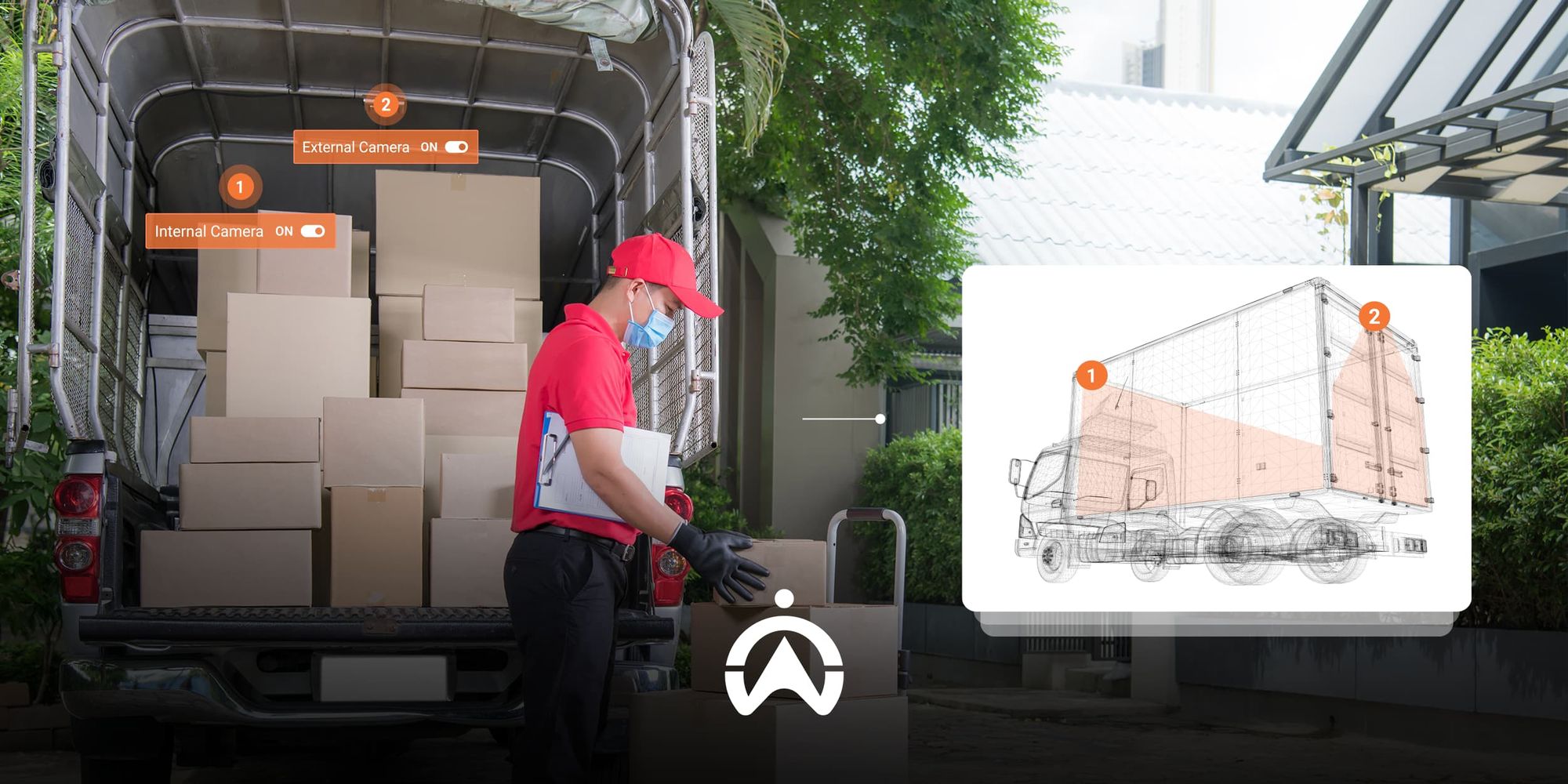
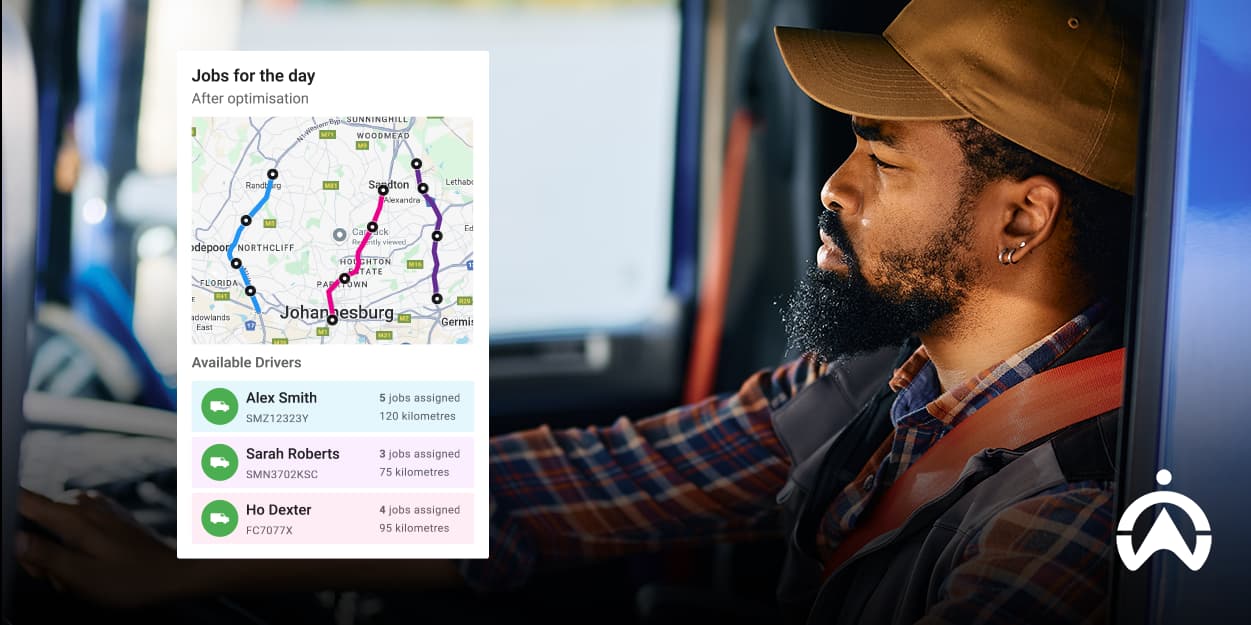
The Only Solution to Managing Your Mobile Healthcare with Field Service Software

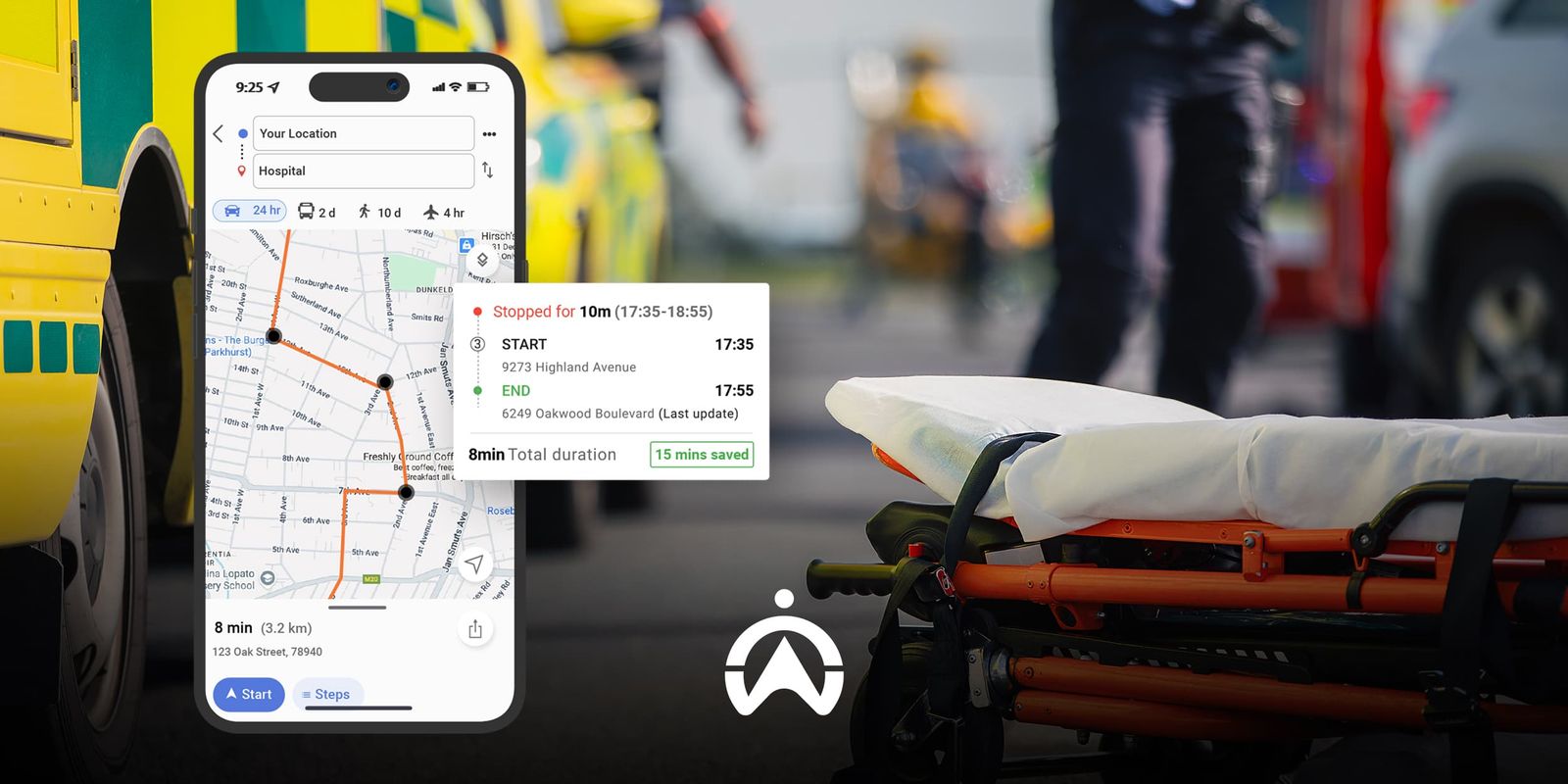
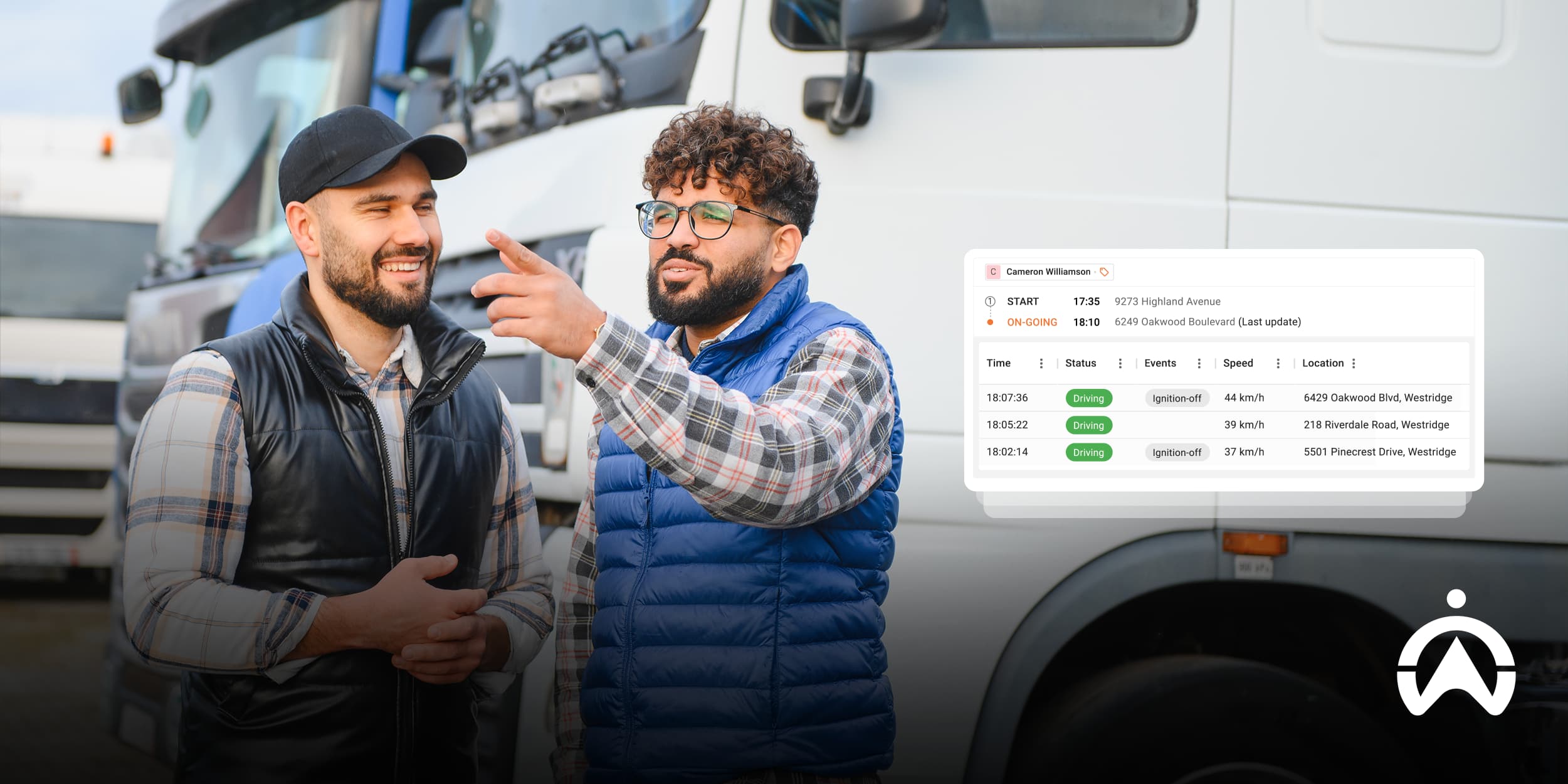
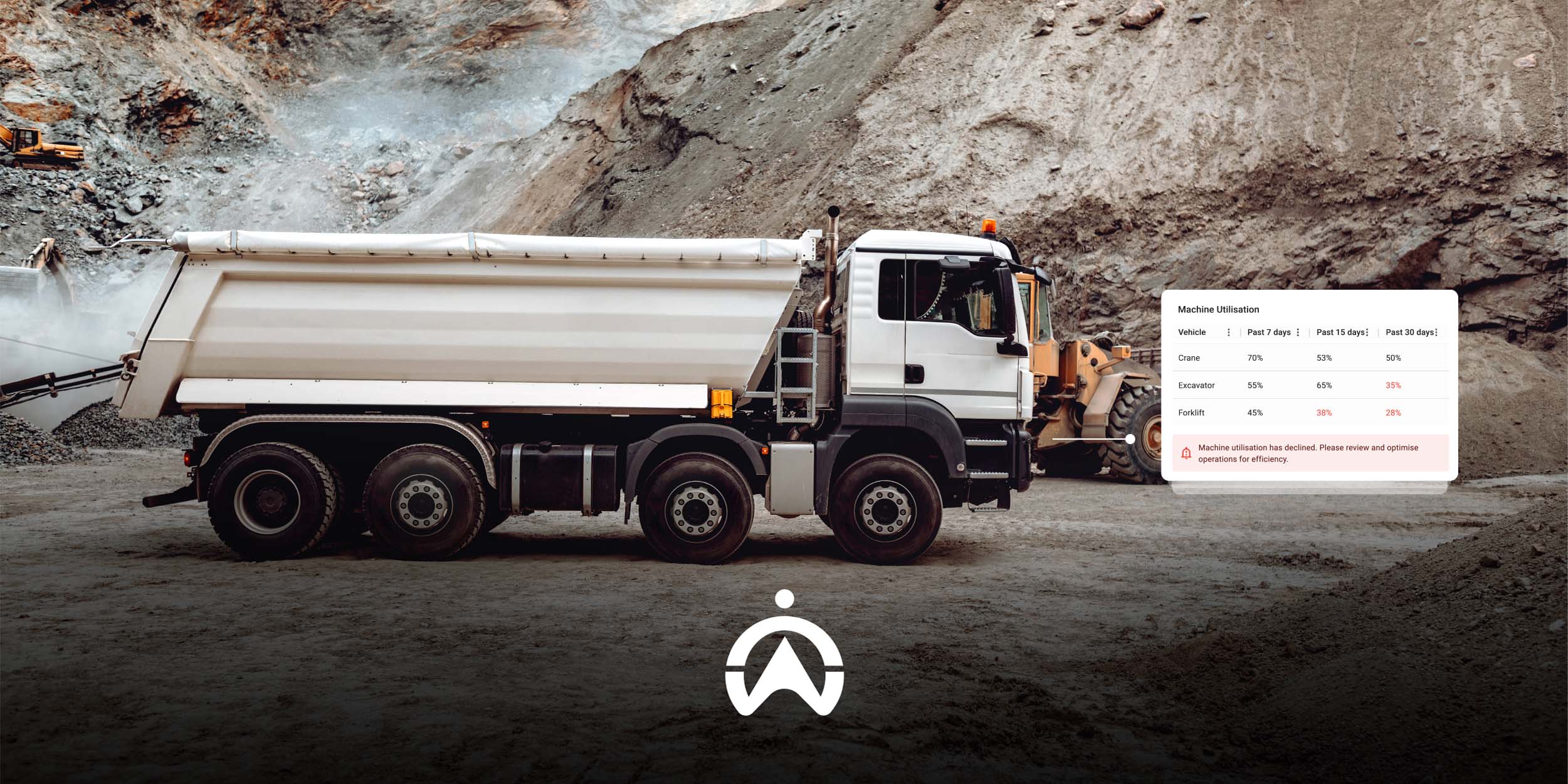
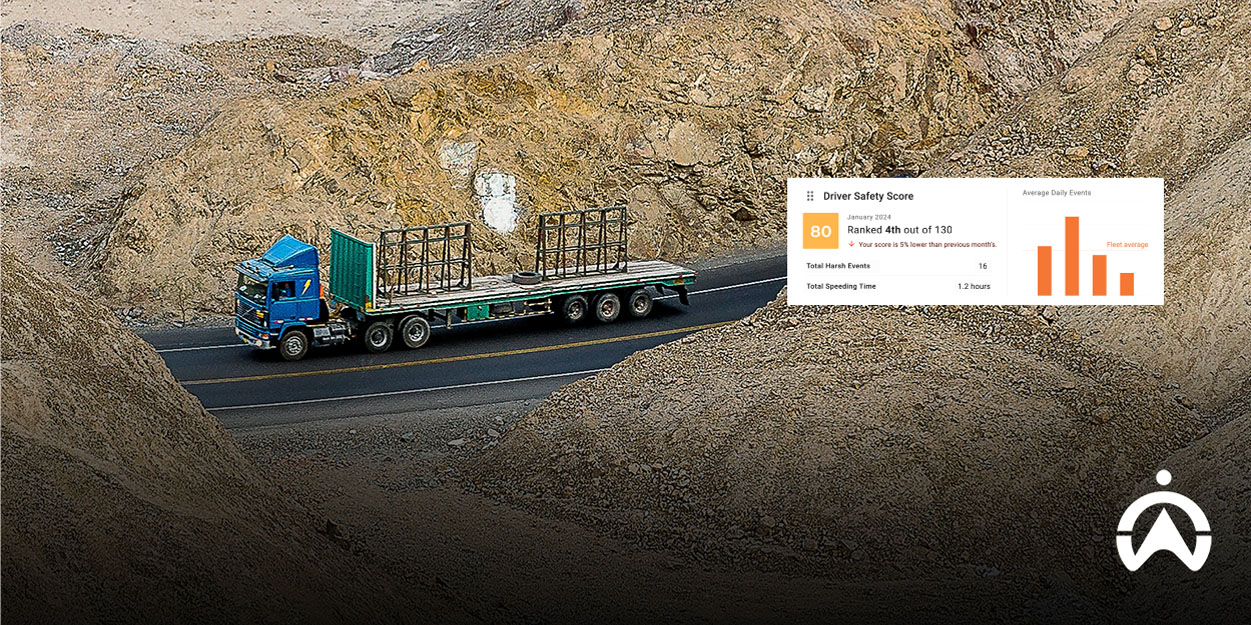
Field service management software (FSM) is the only way you can manage your mobile healthcare effectively. It combines scheduling, dispatch, routing, and real-time tracking all in one platform, giving healthcare teams full visibility and control. This ensures on-schedule visits, optimal use of staff and vehicles, accurate service records, and a consistently reliable patient experience at all levels.

Mobile healthcare has completely changed how healthcare services are delivered. Now, nursing care happens at your home, diagnostics are accessible via mobile, and medical devices and health programmes are serviced within your community. Healthcare has truly stepped out of hospitals and clinics, thanks to the mobility of health professionals.

And while this shift benefits patients, it unfortunately presents tough operational challenges for healthcare organisations. Managing healthcare professionals, transport, schedules, and patient visits is no walk in the park—especially with cancellations, delays, and emergencies thrown into the mix. Ensuring operational efficiency is crucial; otherwise, inefficiencies pile up.

Technology plays a key role in operating these mobile healthcare services effectively. According to Persistence Market Research, 70 to 80% of companies adopting mobile-driven solutions report improved productivity. Proving that field service software will allow mobile healthcare providers to complete more jobs each day, directly enhancing patient satisfaction

This is where field service management software comes in—by integrating employee collaboration, scheduling, routing, tracking, and reporting. Cartrack’s FSM software delivers the visibility and control your mobile health services need to operate smoothly without compromising the quality of care.

Key Takeaways:

  • FSM software is essential for mobile healthcare operations—manual and disconnected tools cannot scale or adapt to mobile care demands
  • Operational efficiency and patient experience improve together—real-time scheduling and tracking reduce delays and missed visits
  • Data from FSM supports smarter decision-making—visibility into performance helps control costs and plan growth
  • Cartrack Tanzania unifies mobile healthcare management—workforce, vehicles, and service data are managed in one platform

Why field service software is the only viable way to manage mobile healthcare

Field service software is the only viable way to manage mobile healthcare because without it, your mobile healthcare will end up with missed appointments, poor routing, limited visibility, and a heavy admin load. Manual systems struggle to keep up with cancellations, emergencies, or traffic issues, which negatively impacts patient experience, staff productivity, and compliance.

Mobile healthcare isn’t just healthcare on the move; it’s a sophisticated, distributed operation that requires seamless coordination of people, vehicles, time, and patient needs. Traditional methods like spreadsheets, manual planning, or basic GPS tracking simply can’t cope with this level of complexity.

FSM software transforms how mobile healthcare operations run by serving as a central operational platform. Instead of juggling schedules in one system and routes in another, along with piles of paperwork, everything integrates into a centralised real-time operation.

FSM software offers significant advantages for mobile medical service providers in several essential ways:

  • It brings together clinical staff, transport resources, and patient visits into one cohesive system.
  • It adjusts seamlessly to urgent situations, cancellations, or last-minute schedule tweaks.
  • It provides real-time visibility for distributed healthcare teams.
  • It captures accurate service data right at the point of care.
  • It helps manage expanding operations while ensuring consistency and accountability.

You simply can’t achieve that level of responsiveness with standalone tools. For a rapidly growing mobile healthcare business, adopting a field service management tool becomes the backbone of an operational system that ensures reliable and efficient care.

The challenges of managing mobile healthcare without FSM software

The challenges of managing mobile healthcare without field service management software are factors such as missed appointments, inefficient routing and inaccurate records. FSM software helps you streamline and centralise mobile operations by handling job scheduling, dispatching, real-time tracking, mobile reporting, and performance analytics.

For mobile healthcare teams, it’s essential that clinicians know precisely where to go, when to arrive, and how to capture service data accurately on the spot. Without the right field service solution, mobile healthcare teams encounter various challenges, such as:

  • Missed or rescheduled appointments due to manual scheduling.
  • Difficulty tracking team activities and locations.
  • Inefficient routing that increases travel time and fatigue.
  • Slow paper-based reporting systems.
  • Compliance risks from inaccurate or incomplete records.

These issues disrupt the facility’s efficiency and compromise confidence among patients and staff, leading to poor service delivery. If these inefficiencies persist, they’ll continue to escalate the costs of running the facility.
What field service management software actually does

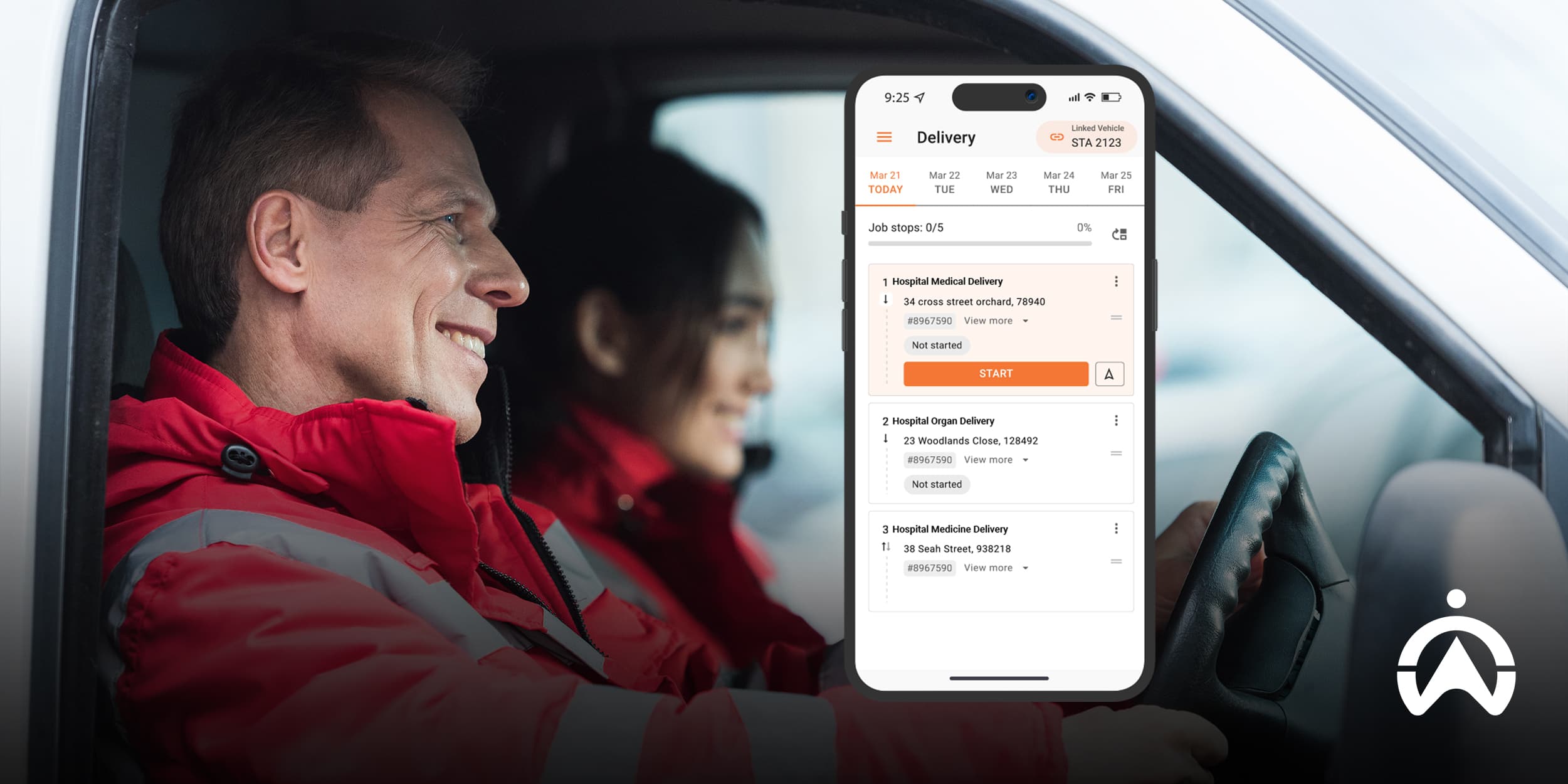
Field service management software simplifies how you manage mobile operations. Essentially, this tool links the entire service cycle, from planning and dispatching to completing and closing jobs. FSM software plays a vital role in mobile healthcare, where timely care delivery is essential, patients are the main focus, and regulations are strict.

In contrast to generic scheduling tools, FSM software—such as the one offered by Cartrack Tanzania—adapts in real time to accommodate urgent visits. It aligns practitioners’ skills with patient needs while maintaining precise service records for accountability and compliance.

Here’s what it offers:

  • Job scheduling and prioritisation.
  • Smart dispatch based on availability and location.
  • Real-time tracking of vehicles and staff.
  • Mobile access for field personnel.
  • Centralised reporting and performance analysis.

For mobile healthcare service providers, this means less manual effort and improved coordination and oversight.

Why mobile healthcare needs FSM — not just any software

Mobile healthcare needs FSM software because healthcare services are time-sensitive, and rescheduling visits can lead to delays in treatment, discomfort, or even risks to your patient’s health. While traditional businesses might prioritise this, mobile healthcare must strike a balance between efficiency and care, speed and sensitivity.

Field service management software makes this balance possible by offering:

  • Shorter wait times for urgent care.
  • Smart scheduling that matches practitioner skills with patient needs.
  • Real-time adjustments for changing conditions.
  • Better communication between office staff, field teams, and patients.

Generic scheduling or fleet management tools fall short when it comes to providing this level of integration. In mobile healthcare, it’s crucial to manage people, vehicles, and services effectively.

Managing patient experience at scale with field service software

You can manage your patients’ experience with field service management software by ensuring guaranteed arrival times, proactive communication, and consistent service delivery. It effectively eliminates delays and no-show appointments, fostering trust and ensuring quality care in mobile healthcare services, even as your patient numbers increase.

The patient experience kicks off well before your clinician arrives. It relies on reliability, communication, and trust—key ingredients for smooth operations in mobile healthcare.

This field service management tool improves your patients’ experience in multiple ways:

  • It offers precise arrival time estimates.
  • It minimises missed or late appointments.
  • It encourages proactive communication during scheduling.
  • It guarantees proper service documentation.

As mobile healthcare delivery grows, keeping a consistent patient experience becomes more challenging without automated systems. FSM software is designed to ensure that your patients’ care remains exceptional, even as operations expand.

Key features that make or break a field service solution for healthcare

The key features that make or break a field service solution tailored for the healthcare sector include mobile workforce apps, smart scheduling, route optimisation, real-time tracking, digital proof of service, and comprehensive reporting. This setup allows healthcare professionals to focus more on patient care while giving managers full visibility, control, and accountability over mobile services.

Not all field service solutions are the same. When it comes to mobile healthcare solutions, you’ve got to keep a few key factors in mind:

  • Mobile apps that allow access to physicians’ schedules and enable work status updates.
  • Efficient scheduling based on skills, location, and priority.
  • Route optimisation to minimise travel time and delays.
  • Real-time job status updates for enhanced visibility.
  • E-proofs,digital proof of service, including signatures and timestamps.
  • Reporting solutions that are ready for compliance, ensuring audits and accountability.

These features build a strong system that genuinely backs operations.

How Cartrack field service management software simplifies mobile healthcare

Cartrack’s field service management software makes mobile healthcare easier by uniting workforce coordination, vehicle tracking, scheduling, and reporting all in one place. You gain real-time insights, smarter routing, faster response times, and accurate service records, enabling healthcare providers to offer seamless patient care without sacrificing quality.

With Cartrack Tanzania, you’ve got everything you need on a single user-friendly platform. It empowers healthcare organisations to oversee jobs, teams, vehicles, and data from a central dashboard.

With Cartrack, mobile healthcare providers can:

  • Assign and adjust jobs in real time.
  • Track vehicles and field teams live.
  • Optimise routes to cut down travel time.
  • Digitally capture service data.
  • Access performance insights with reporting.

Cartrack Tanzania combines fleet intelligence with workforce management, allowing healthcare teams to stay responsive and efficient while maintaining accountability, even as operations become more complex.

Using field service data to make smarter healthcare decisions

Using field service data helps you make smarter healthcare decisions by providing insights into visit durations, travel times, workforce utilisation, and service demand. Mobile healthcare administrators tap into this data to allocate resources wisely, minimise inefficiencies, anticipate demand, and make strategic choices that foster sustainable growth and outstanding results.

Every mobile healthcare interaction provides valuable business intelligence. Without FSM software, a lot of this intelligence might just slip through the cracks.

The field service software offers information on:

  • Visit durations and service efficiency.
  • Travel time versus care time.
  • Workforce utilisation and capacity.
  • Missed or rescheduled appointments.
  • Regional demand trends.

These insights help managers make smart choices about staffing and service delivery. Over time, leveraging data to inform decisions cultivates more sustainable practices and enhances patient care outcomes.
How does field service management software improve your mobile healthcare?

FSM software brings a variety of benefits to your mobile healthcare business, including a direct return on investment, boosted productivity, reduced travel and fuel costs, and fewer service errors. For mobile health providers, this means better service delivery, smarter cost management, and standardised services.

Investing in field service management software pays off in several ways:

  • Boosted productivity with improved scheduling.
  • Lower fuel usage and transport costs.
  • Reduced admin workload.
  • Fewer errors in documentation.
  • Greater consistency in services.

For mobile healthcare providers, these perks mean they can handle more, keep costs in check, and deliver outstanding service.

Remember that lower costs, happier teams, and more satisfied patients.

Real-world workflow — before and after using FSM

Without field service management software, mobile healthcare processes can feel manual, reactive, and scattered. Once you implement the software, everything in your business becomes automated and integrated, offering real-time updates and improved routes that allow your team to respond swiftly.

Before FSM software, operations often reacted to issues:

  • Manual dispatching
  • Limited visibility
  • Paper-based documentation
  • Delayed reporting

After implementation, workflows shift to being proactive and connected:

  • Automated job assignments
  • Real-time updates
  • Mobile reporting
  • Actionable insights

Remember, the change isn’t just about efficiency—it’s about taking control.

Implementation tips for healthcare providers

To successfully implement field management service solutions for mobile healthcare, start with clear goals, give your teams solid training, roll it out in phases, and keep an eye on those early key performance indicators. By embedding the solution into the daily routine of your mobile healthcare fleet, you’ll guarantee a smooth adoption and lasting improvements.

Here are the best practices:

  • Set clear operational goals
  • Train your teams well
  • Integrate with what you already have
  • Roll out in phases
  • Keep an eye on KPIs from the start

A structured approach guarantees adoption and long-term success.

Common myths about field service software

There are many people who mistakenly believe the common myth that field service management software is only for logistics or large organisations. However, in reality, smaller healthcare professionals with mobile units can find tailored field service management solutionsthat suit their needs perfectly.

Let’s clear up some common myths about FSM software:

  • It’s just for logistics.
  • It’s too complicated to set up.
  • Only big providers need it.

The truth is, FSM software can enhance visibility, efficiency, and accountability for organisations of all sizes.

Wrap-up—a strategic investment in mobile healthcare

Investing in field service management software is a strategic investment for mobile healthcare because this software boosts scalability and efficiency and puts patients at the centre of service delivery. It combines real-time visibility, resource management, and intelligence to ensure you’re delivering top-notch care, all while keeping control of your costs.

As mobile healthcare takes off, the need for better coordination, visibility, and control is at an all-time high. You really can’t manage mobile healthcare operations effectively without FSM software. It’s essential!

Cartrack’s field service management software empowers healthcare facilities to deliver reliable and efficient care to patients, no matter where they are. By integrating workforce management solutions, real-time tracking, and valuable insights, it transforms how care is provided.

Contact us to get your mobile healthcare fleet optimised today!

FAQs

Can field service management software integrate with existing healthcare systems?

Yes, field service management software integrates effortlessly with existing healthcare systems. This includes electronic health records, billing systems, and patient management systems. This integration eliminates duplicate data entry and ensures smooth information exchange between office-based and mobile health service systems.

How long does it take to implement field service management software in a mobile healthcare environment?

Implementing field service management software in a mobile healthcare environment typically takes several weeks to several months, depending on the scale. You can opt for a staged rollout, enabling workers to benefit quickly while more complex features are refined.

Is field service management software suitable for both clinical and non-clinical mobile healthcare teams?

Yes, a field service management solution is suitable for both clinical and non-clinical mobile healthcare teams. It efficiently manages various staff roles, including nurses, technicians, drivers, and support staff, by streamlining job allocation, activity monitoring, and organisation on a single platform.
Custom Fleet Management Software Made Just for Your Business

Having custom fleet management software that’s made just for your business means you’ll have a system that’s shaped around your daily operations, your workflows, and your fleet structure. A fleet management software that isn’t customisable will limit you, resulting in some of your business needs not being met.

According to the Global Fleet Management Market Report 2024–2032, fleet operations usually make up about 20–35% of a company’s total operating costs. As delivery deadlines tighten, businesses need smarter, data-driven systems to boost fleet productivity and cut unnecessary costs. Fleet management software that’s made just for your business ensures that you get the exact tools you need to achieve your business goals.

In today’s article, we explore the features and benefits of custom fleet management solutions and help you choose one that’s best for you.

Key Takeaways:

  • Custom fleet software lets businesses get a system that fits their exact needs
  • You can add features like live tracking, driver alerts, and maintenance reminders
  • The software helps companies save money by only paying for what they use
  • Businesses of all sizes, like rental fleets and security companies, can work more safely and smarter

Why custom fleet software matters today

In today’s fast-paced business environment, custom fleet software matters because it offers solutions that are tailored for businesses with special operational requirements. One-size-fits-all solutions often fall short when it comes to giving each business what it truly needs to meet industry demands.

Let’s have a look at the characteristics of custom fleet management software:

Types of customisation

Custom fleet monitoring software allows you to design a dashboard with features that are tailored around your operations. You can set up alerts based on what you need to be highly aware of and the type of information each staff member with dashboard access is allowed to see. This way, all managers and supervisors only get reports on what they should solely focus on.

With custom fleet management software, you also get advanced system integration capabilities. You can connect your existing business tools with the system. This is called Application Programming Interface (API). With API capabilities, you can connect various systems, for example, integrating fuel cards to track fuel transactions on your fleet platform.

Growth-ready (scalability)

A ready-made fleet management solution might require you to get a new system later as the business expands. But with custom fleet management software, you can adjust as the business grows. A scalable setup lets you easily add more vehicles, users, and assets while still keeping everything running smoothly. It also helps you easily adjust to any new regulations, ensuring your fleet remains compliant.

Real cost efficiency

A customisable fleet monitoring system can save you costs in many ways. You choose what you need and therefore don’t pay for what you don’t use. For example, there’s no need for you to have a temperature monitoring system if your drivers aren’t transporting any fresh produce. It also helps you cut down on paying for multiple subscriptions to keep your fleet running.

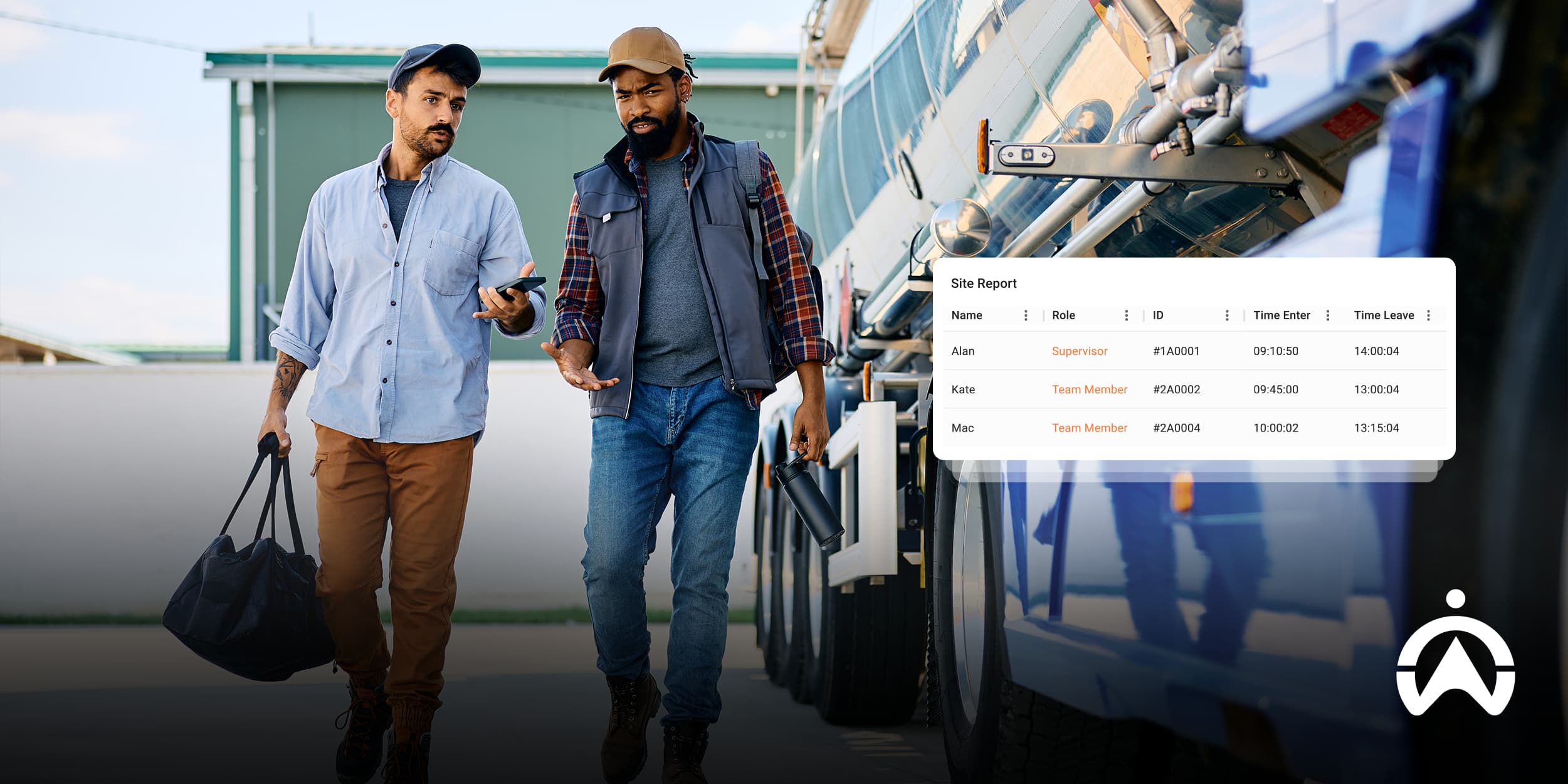
Team approaching truck while reviewing site report using custom fleet management software.

Which businesses benefit most from custom fleet software?

Businesses that benefit the most from custom fleet software are:

  • Logistics and last-mile delivery
  • Mining and construction
  • Cold chain logistics
  • Companies withmixed fleets
  • Corporate fleets

These industries gain the most value because custom software fits their specific workflows, addresses their operational challenges, and helps them perfectly meet their compliance needs.

Here are examples of how each industry benefits from fleet software that’s tailored for them:

Logistics and last-mile delivery

The online shopping boom has made this industry more complex and in need of solutions that help speed up the delivery process. With a customisable fleet management solution you can choose features that are delivery-focused. For example, you can add route optimisation software to your fleet management platform so it can help you plan faster and more efficient routes.

Mining, construction, and yellow machinery

The mining and construction industries come with many safety hazards, and for that reason, the fleet management solutions they go for are usually safety-focused. They need fleet maintenance software to check if all vehicles and machinery are in good condition and safe to use. The maintenance software also helps with tracking equipment utilisation, which helps them avoid overworking certain assets, resulting in breakdowns.

Fleet managers in these industries also need to know how operators behave to ensure they don’t put themselves and fellow workers in danger. Advanced technologies like AI-powered cameras are needed, as they can spot potential danger and alert drivers in time. This also helps with training staff on safer habits.

Refrigerated transport and cold-chain

The cold chain logistics industry mainly focuses on tracking vehicle locations and ensuring that the goods they carry are delivered in perfect condition and on time to avoid penalties. They need solutions like temperature monitoring sensors, cargo door sensors, and route optimisation software. They can set up the system to get detailed records of every step in the delivery process to ensure compliance.

Mixed fleets

A customisable fleet management software service allows businesses with mixed vehicle categories and assets to have settings for each category. For example, the maximum speed you’ll allow for a van is not the same for a truck, meaning you need to set up different speed alerts for each vehicle type. Custom fleet management software makes running a mixed fleet less complicated.

Corporate fleets

Many companies that aren’t in the fleet industry have vehicles they use to get to clients and perform their duties. Most staff members share vehicles, which can get complicated when it comes to knowing who’s taking which vehicle, on which day, and what other vehicles are available. A typical vehicle tracking system helps company fleet managers locate each vehicle and ensure that they aren’t misused.

With a customisable fleet solution, they can add a carpooling solution, which helps them simplify vehicle bookings. Each person who uses the vehicles can see which vehicles are in use and for how long, as well as which dates have no bookings.

Features you can customise in the Cartrack fleet management system

On the Cartrack fleet system, you can:

  • Make live tracking configurations
  • Set custom driver behaviour rules
  • Create fleet maintenance settings
  • Choose what users have access to
  • Tailor reports
  • Add safety and security automations

Our solutions are designed to give you full control over how you run your fleet, with a system that works the way you prefer.

Here’s a breakdown of how you can customise each of these solutions:

Live tracking configurations

To have better control of where your vehicles go, you can set up geofences. These are virtual boundaries that help safeguard your fleet and make it easier to keep up with vehicle whereabouts. You’ll get alerts whenever your vehicle enters or exits those boundaries. The boundaries could be for safety reasons, like ensuring drivers don’t go to high-risk areas, or you can use them to keep up with operations, like when drivers enter or leave warehouses.

Another tracking feature that you can add to your fleet platform is our route optimisation software tool. All you have to do is enter the locations each driver has to go to and all relevant information, and the system will suggest the best way to get there. This software factors in things like historical traffic patterns and road conditions to help you find the most efficient routes.

Custom driver behaviour rules

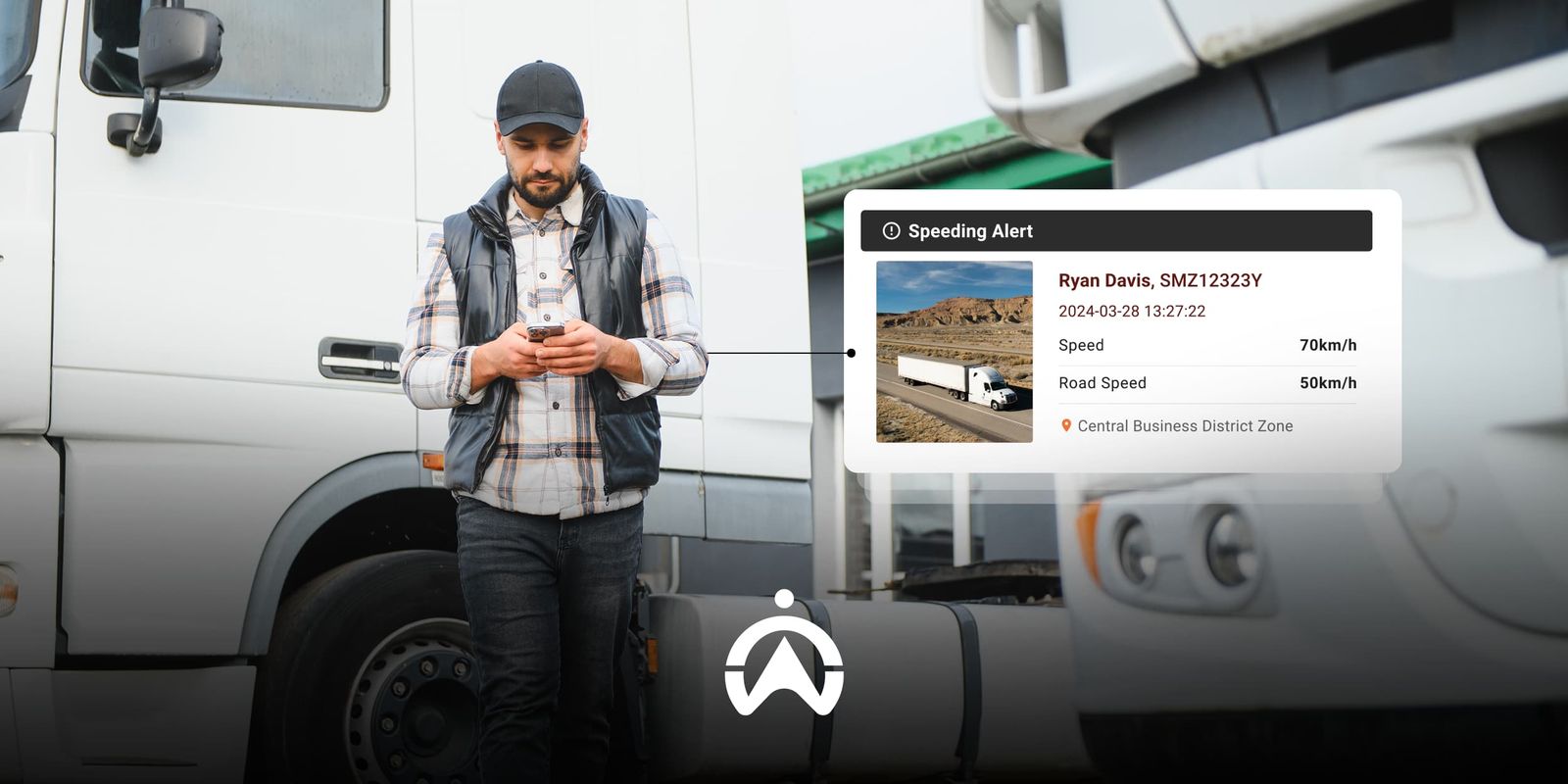
With our customisable driver management tools, you can set up alerts for risky or fuel-inefficient driving habits. For example, you can set up speed limitations for each vehicle type and get alerts when drivers have gone over the limit. You can also customise the camera alerts you’ll receive based on what’s most important to you.

Maintenance settings

Our fleet system allows you to import your fleet’s service history and recommended schedules. This way, you’ll have all your fleet maintenance information on one platform, and you can set up reminders so you don’t miss schedules. Our customisable platform also gives you the option to create digital vehicle inspection checklists based on the compliance requirements for each vehicle type.

You can also set the system to alert you when a vehicle reaches a certainmileage or engine hours, which might mean it’s time for an oil change, tyre rotation, or other maintenance services.

Permissions and user access

With the Cartrack fleet management platform, you can decide who gets to see what data. We know that some information should stay private from other team members. You can customise main user and sub-user settings to limit access to specific dashboards and tailor the data for each department.

Team discussing truck data and locations using custom fleet management software.

Proven results for fleets of all sizes | Cartrack case studies

Over the years, we’ve partnered with businesses from various industries and have seen how our custom fleet management software has helped transform operations and boost profits. This proves that no matter the fleet size or industry, our tailored solutions can drive efficiency, improve safety, and provide clear results.

Here are two case studies of companies from different industries who use our service:

Case study: AVIS

Avis is one of the world’s largest vehicle rental companies in the world. They first opened in 1946, and today they have a fleet of rentals in over 5,000 locations in 165 countries worldwide. Their business success is dependent on providing customers with a reliable, efficient and safe vehicle rental service.

Avis needs a simple system to keep an eye on their big fleet of rental cars. They wanted insights and data to track and enhance vehicle usage, health, and longevity. They were on the lookout for a reliable vehicle tracking service to ensure the safety of their vehicles and clients from theft and hijackings. Here’s how we helped them:

GPS tracking

Our GPS and tracking software allows Avis to monitor vehicle activity and provide accurate mileage data. This helps them ensure their rental vehicles are maintained at the right mileage milestones so they remain in good working order for their clients. These preventative maintenance measures minimise fleet breakdowns and downtime.

Data-driven fleet decisions

Avis can access historical data on vehicle usage from the Cartrack dashboard, giving them a clear view of trends and performance. This insight helps them spot which vehicles are cost-effective and in demand for rentals. With this information, Avis can make smart choices about buying or selling vehicles for their fleet.

Vehicle protection

Through our professional installation techniques, vehicle safety tools and 24-hour recovery team, Avis is able to reduce the risk of vehicle theft and increase their chances of vehicle recovery within their fleet. In turn, this reduces Avis’ costs associated with vehicle loss and allows the company to offer competitive rental rates.

Geofencing

With our geofencing feature, Avis’s fleet managers are able to set virtual boundaries to mark no-go or high-risk zones. They get alerts if customers are about to enter these areas with their rentals, adding an extra layer of risk management.

“We chose Cartrack largely due to their strong brand, track record of delivery, and commitment to customer service. We are thrilled with the benefits this partnership has delivered for our business.” Armour Gittings | General Manager, Investigations Department, Avis.

Case study: BCI Security

BCI offers a full range of private security protection services, including armed response, guarding, canine solutions, and technical teams, covering the whole security spectrum.

They had no way of ensuring their response units remained within their assigned areas. They also needed a way to instantly locate their vehicles and monitor driver behaviour. Not having a fleet management system prevented their driver response times and control room from being as quick and efficient as possible in emergencies. Here’s how we helped them:

Geofence alerts

Our geofencing feature allows BCI to set virtual parameters around assigned areas. They get alerts whenever drivers enter or leave those zones, helping them ensure their response units are always active and present in their assigned areas. This ensures that they respond to client emergencies as quickly as possible. The geofence reports are also useful in giving BCI’s clients an accurate indication of patrol activity in their areas and making drivers more accountable.

Live location tracking

BCI Security can pinpoint exactly where reaction officers are with Cartrack’s live GPS tracking and can quickly locate their nearest response unit to the location in need of a response, allowing them to improve response times. This also boosts accountability and service delivery as BCI can verify that response units were at the scene.

Driver behaviour alerts

Their fleet managers can easily keep an eye on driver behaviour and get custom alerts for risky driving habits like harsh braking and cornering. They can also set guidelines for when speeding is acceptable during emergencies.

This information helps educate drivers, reducing avoidable incidents that could harm them, their vehicles, communities, and BCI’s reputation. It’s a smart way to reduce unnecessary wear and tear on vehicles, helping the fleet last longer.

“Cartrack suited and understood our business from the start. We feel much safer with the Cartrack system, and their service is great; you are not just a number with them. Without them, we just wouldn’t be as efficient.” Johnny Loots | CEO, BCI Security

Upgrade to a fleet solution designed around your operations

Cartrack fleet solutions are designed to specifically cater to your fleet operational requirements. With us, you get a system that helps you cut costs, improve vehicle performance, enhance safety, and scale operations.Reach out to us to get a fleet consultant who can help you choose solutions that’ll work best for your business.

FAQs

What is the best fleet management software to choose?

The best fleet management software to choose depends on your needs, but Cartrack is a strong contender, as it offers customisable solutions that you can tailor for your specific needs. We offer a range of features, including live tracking, preventative maintenance, route planning software, and fuel monitoring tools.

What are fleet tools?

Fleet tools are software and hardware solutions that help you manage your fleet operations. They include GPS tracking systems, fuel monitoring systems, vehicle maintenance software, and driver solutions. Fleet tools are essential for fleet management as they help improve operations, enhance safety, and reduce costs.

Is fleet software hard to implement?

No, implementing fleet software is not hard, but it also depends on the service provider you choose. The Cartrack fleet management software is designed to be user-friendly, making it easy to understand. We also have fleet consultants who are always there to assist you if there’s anything you don’t understand.

Looking for Oil, Gas, and Mining Fleet Management Software Solutions?

Managing fleets of vehicles, heavy machinery, and mobile workforces in the oil, gas, and mining sectors isn’t a walk in the park. These industries operate in tough conditions, depend on numerous fleets, and constantly face pressure to reduce risks while keeping costs in check. That’s where the right fleet management software can transform your operations.

According to Forbes, fleets using such systems report up to 20% improvements in fuel efficiency and maintenance cost savings through data analytics. This highlights just how crucial fleet management software solutions are when you’re working with remote sites and high-value assets—insights like these are not just nice to have; they’re vital.

Before settling on a solution, take a moment to grasp the daily challenges your fleet encounters and explore how modern fleet management tools (like the one from Cartrack Tanzania) can streamline, secure, and enhance every aspect of your operations.

Key Takeaways:

  • Oil, gas, and mining fleets need real-time visibility to operate safely and efficiently
  • Predictive maintenance reduces downtime and avoids costly equipment failures
  • Fuel monitoring helps prevent theft, reduce idling, and cut operational costs
  • Cartrack’s all-in-one telematics platform gives you full control over mixed and remote fleets

Your oil, gas & mining fleet software buying checklist

When looking for oil, gas, and mining fleet management solutions, you need a buying checklist. Make your list of buying criteria start with the basics: visibility, reliability, accuracy, and remote site capabilities. You will also want to evaluate ease of integration, automation capabilities, reporting needs, and scale capabilities.

These are very basic and will help you to make comparisons with confidence. You will be aware of things that might be below your standards. However before buying your fleet management software, you need to know and understand the unique challenges that oil, gas, and mining fleets face.

The challenges unique to oil, gas and mining fleets

Everything from super remote locations to high fuel consumption and frequent maintenance are some of the unique challenges that oil, gas and mining fleets face. However, once you understand how much these challenges cost you, you’ll see why relying on outdated methods just isn’t enough anymore.

Remote sites and large geographic spread

Oil fields, drilling sites, and mines are usually located quite far from major towns, which makes managing a scattered fleet incredibly challenging. With long distances, limited visibility, and communication channels, it’s difficult for teams to track vehicles, equipment, and drivers in real time.

High fuel consumption and wastage risks

Fuel is one of the largest operating expenses, and the chances of wastage, idling, or fuel theft rise significantly in remote areas. Without detailed reporting, spotting suspicious fuel drops, tank syphoning, or drivers wasting fuel due to inefficient route planning becomes nearly impossible for fleet managers in the oil, gas, and mining industries to spot.

Wear and tear, harsh conditions, and frequent maintenance

Mining, gas and oil vehicles aren’t just heavily utilised; they operate in dust, heat, mud, and rough terrain daily. These harsh conditions fast-track wear and tear, making unplanned breakdowns a major risk. When a vehicle or machine stops working, it’s not just downtime—it’s a loss of production.

Safety, compliance, and operator risk

Oil, mining and gas industries have extremely strict safety standards. If not monitored properly, drivers might speed, choose unsafe routes, skip safety checks, or enter restricted zones. This exposes operators to massive liabilities, compliance failures, and preventable accidents.

Cost control and profitability pressures

Fluctuating oil prices, increasing operational costs, and strict investor expectations mean that every wasted litre of fuel or hour of downtime directly affects your profitability. This is when fleet data becomes a crucial tool for making smarter, quicker financial decisions.

The cost of inefficiency in harsh industrial environments

Inefficiencies in the oil, gas, and mining sectors lead to significant financial losses that escalate quickly. Lack of visibility increases fuel wastage, delays maintenance, complicates safety enforcement, and lowers output, all of which undermine operational resilience in industries reliant on consistent productivity.

Unplanned downtime creates operational bottlenecks

You’ve probably seen it before—unplanned downtime creates operational delays. When haul trucks break down or drilling-support vehicles fail, entire sites slow down or even come to a halt. These delays disrupt production timelines, contractor schedules, and on-site safety. Advanced predictive maintenance tools (like the ones from Cartrack Tanzania) enable operators to address issues early, preventing downtime from impacting operations.

Lost fuel = lost margin

One of the most disregarded impacts on profitability is fuel loss. Whether it’s theft, idling, unauthorised trips, or route inefficiencies, operators often spot fuel discrepancies only at the end of the month—when it’s way too late to recover losses. Real-time reports solve this problem immediately.

Inefficient asset allocation raises costs

Inefficient asset allocation also drives up costs. Without accurate usage data, some vehicles become overworked while others sit idle. This poor allocation results in uneven wear, additional maintenance, and higher replacement costs. Proper fleet management tools—like the ones provided by Cartrack—optimise utilisation, ensuring every asset is used effectively.

Industrial fleet monitoring for mining and energy sectors

What fleet management software can do

Fleet management software can do so much more than just simple GPS tracking. It can provide you and your oil, gas or mining business with complete operational visibility, cost control, safety enhancements and predictive planning tools that maximise the value of every vehicle and asset.

Real-time GPS tracking and visibility

Real-time tracking shows you where every truck, bakkie, loader, rig, or support vehicle is at any moment. This becomes super important when you’re managing dozens of vehicles across several remote sites. Live tracking ensures faster task assignment, safer routes, and fewer delays on site.

Fuel monitoring and fuel-use analytics

Fuel monitoring tools track consumption in real time, allowing you to spot unusual drops, potential theft, fuel card fraud, and inefficient driving behaviours. With comprehensive reports, you can eliminate idling, optimise routes, and save thousands of rand each month by reducing unnecessary fuel usage across your fleet.

Predictive maintenance and equipment health monitoring

Predictive maintenance uses real-time engine data, usage hours, temperature readings, and fault codes to warn you before a breakdown happens. This proactive approach helps you avoid unplanned downtime, costly repairs, and safety incidents caused by equipment failure. In heavy industries, these insights can avert significant operational losses.

Safety, compliance, and driver-behaviour tracking

Monitoring driver behaviour notifies you of speeding, harsh braking, sudden acceleration, fatigue indicators, and risky driving patterns. These insights help prevent accidents and safeguard your operators. Geofencing also keeps vehicles out of unsafe, restricted, or high-risk areas, ensuring strong compliance.

Centralised fleet analytics and cost control

A unified dashboard provides you with a clear view of fuel consumption, maintenance requirements, utilisation rates, safety alerts, tyre wear, and cost trends—all in one place. This central perspective empowers your operations, safety, and finance teams to collaborate effectively, plan smarter, and reduce unnecessary expenses.

Cartrack’s fleet management softwarecan help your team with all of this and more!

Common mistakes businesses make when managing industrial fleets

There are some common mistakes that businesses make when managing industrial fleets, such as outdated processes, manual tracking, or fragmented systems. These mistakes can cause many fleets to limit efficiency unintentionally. Being aware of those oversights will save you from costly operational setbacks.

Manual reporting

Manual logs are slow, inconsistent, and error-prone. Issues are often spotted by operators only AFTER they’ve caused costly problems. But automated data ensures decisions are based on current, accurate information.

Not having real-time fuel tracking

Checking fuel figures only at the end of the month will leave the fleet manager unaware of theft or wastage. Real-time tracking catches discrepancies INSTANTLY, enabling them to conduct an immediate investigation.

Delaying maintenance based on assumptions

Servicing based on guesswork or a fixed schedule ignores the actual conditions of the engine. Predictive tools, on the other hand, use live data to recommend precise service timing, hence preventing breakdowns and prolonging the life of assets. This feature is invaluable to the oil, gas and mining industries, where unexpected breakdowns can cause a loss of profit.

Benefits for oil, gas and mining operators

The benefits that fleet management software solutions provide for oil, mining and gas operators are plentiful. The right software helps you run a safer, leaner, and more efficient operation. From cost control to compliance, the impact is immediate and measurable.

Reduced operational costs and improved fuel efficiency

Fuel often represents a significant percentage of your operational expenses, particularly for fleets that cover long distances or have a lot of on-site idling (like oil, gas and mining). Fleet management software helps in minimising fuel waste, optimising routes, and identifying theft so you can significantly cut fuel costs. This ultimately boosts your profitability without the need to alter your fleet size.

Minimise downtime and lower maintenance expenses

With predictive maintenance and real-time diagnostics, you can quickly identify issues before they escalate into costly breakdowns. Early warnings will allow your team to schedule repairs during planned downtimes rather than scrambling during emergencies. This shift enhances uptime and keeps critical machinery productive.

Better safety and lower risk exposure

By monitoring operator performance, you can address risky driving behaviours before accidents happen. Tracking incidents and maintaining compliance records creates reliable audit trails. This proactive approach minimises the chances of injuries, equipment damage, and expensive claims or penalties.

More visibility across remote and dispersed sites

When you’re managing assets across multiple mines or oil fields, having real-time tracking enables quicker responses, prevents delays, and ensures accountability within your team. Additionally, centralised visibility is vital, especially in areas with poor network coverage, all while enhancing your overall asset utilisation.

Data-driven decision-making and long-term planning

By analysing historical fleet data, you uncover trends that might otherwise go unnoticed. This allows you to forecast fuel budgets, plan maintenance cycles, estimate asset lifespans, and prepare for regulatory audits. These insights empower you to make smarter, faster decisions, reducing risk and safeguarding your operational margins.

If you are ready to reap the benefits of fleet management software, contact us today!

How telematics improves environmental compliance

Telematics can help companies improve and comply with sustainability standards and reduce their environmental impact through measurable improvements. In 2025, we can see that environmental regulations are growing stricter and stricter across all industrial sectors, by both the government and the public.

Lower emissions through reduced idling

Idling is seen as one of the major contributors to unnecessary CO₂ output. Telematics helps you to identify excessive idling, which in turn helps in reducing fuel waste and consequent emissions.

Optimised routes reduce fuel burn

Accurate route planning means less fuel is being burnt by the engines. This ultimately helps your mining, oil or gas fleet meet their sustainability goals without compromising on productivity.

Better maintenance improves efficiency

A well-maintained engine uses less fuel and also emits fewer emissions. So having predictive maintenance will help you keep your fleet vehicles in peak condition.

Tracking heavy-duty vehicles across remote industrial sites

Why choose Cartrack Tanzania for your oil, gas & mining fleet

You should choose Cartrack Tanzania for your oil, gas and mining fleet because Cartrack Tanzania is tailor-made for use in these industries. Industries with heavy vehicles, remote sites, and strict standards for the safety of personnel will all benefit from our fleet management software. Our telematics, tracking, and analytics are specifically designed to thrive in challenging operational environments.

Industry-specific tools for extreme conditions

Cartrack Tanzania fully understands the unique challenges of mining, gas and oil operations. This is why tracking units and sensors are built to resist heat, dust, vibration, and general rough handling to make sure that you always get accurate data, even in the most extreme environments.

More than just GPS tracking

Cartrack Tanzania provides a complete ecosystem for fleet management, which includes fuel reporting, maintenance scheduling, cost and usage analytics, tracking of driver behaviour, alerts, operational insights, and full telematics visibility. It gives you everything you need in a single easy-to-use platform.

Did you know that Cartrack Tanzania has driver identification tags (DID) so that you can control who is able to use specialised vehicles based off the licences of the drivers they have?

Stronger safety and compliance support

From in-vehicle fatigue alerts to geofencing and risk-based driver monitoring, Cartrack Tanzania provides a comprehensive selection of safety tools that aid in reducing accidents and maintaining compliance. Our features are further supported for audit logs, insurance claims, and investigation processes in the event of incidents.

Did you know that many mining, oil and gas companies that have Cartrack’s fleet management software solutions have won CMA cases thanks to the evidence the software provided!

Flexible and scalable for mixed fleets

Mining and oil operators often manage a variety of asset types—from heavy rigs to supervisors’ bakkies. Cartrack Tanzania enables you to monitor all these assets in one place, allowing for seamless scaling as your operations expand without the need to switch platforms.

Local support and infrastructure

Cartrack’s operations span across Tanzania and across the globe, ensuring that you enjoy rapid responses, excellent network coverage, speedier installation times, and regional know-how. Having such a local footprint makes it ideal for remote operations where uptime is critical and troubleshooting needs to be provided quickly.

Did you know that Cartrack has a less than two-minute response time after a reported incident?

How to get started with fleet management in your operation

To get started with fleet management in your oil, gas or mining operation, you need to assess your fleet, define your goals and KPIs, test the system with a couple of your vehicles first, then scale the system across your entire fleet, and finally integrate the system with your entire team.

Implementing a reliable fleet management system is easier than many companies expect. With the right approach, you can begin optimising your fleet within days.

Assess your fleet and operational needs

Start by identifying your most significant challenges: fuel losses, downtime, safety issues, route inefficiencies, or lack of visibility? These specific pain points will be your guide to setting distinct goals and selecting the right features to prioritise during setup.

Define your goals and KPIs

Set measurable goals, such as reducing fuel consumption by a certain percent, cutting downtime hours, improving safety scores, or enhancing utilisation. This set of KPIs will then help guide your implementation and keep your teams focused on meaningful outcomes.

Run a pilot with a sample group of vehicles

A pilot test offers great insight into how the system performs in your real-world oil, gas or mining conditions. Choose a representative mix of haul trucks, service vehicles, or maintenance bakkies, and monitor the improvements in fuel efficiency, maintenance, and safety throughout the trial period.

Scale the system across your entire fleet

Once the pilot proves its value, you can roll out the system across all vehicles and equipment. Use the insights gained from the pilot to refine alerts, reporting tools, configurations, and maintenance schedules for each asset type.

Integrate the system with operations, safety, and finance teams

To get the most out of your fleet data, make sure it reaches the right people: operations can boost productivity, safety teams can minimise risks, and finance can manage costs more effectively. This collaborative approach brings multiple benefits and drives long-term success.

Conclusion

Oil, gas, and mining operate in high-pressure, high-risk, and high-cost environments. You need clear visibility into your operations, real-time data, and predictive tools—all seamlessly integrated into a solid system for managing assets across various worksites. Fleet management software puts everything in one platform.

Cartrack’s GPS tracking and telematics system can help your mining, oil, and gas fleet cut costs and downtime while boosting safety, compliance, and daily productivity.

So if you’re serious about getting more value from your fleet, now’s the perfect time to upgrade; contact one of our helpful consultants to give you a quote today!

Frequently Asked Questions

Can tracking software still work in remote sites with poor network coverage?

Yes, modern fleet tracking systems are built to handle operations remotely and can store data when the connection drops. When that vehicle or asset reconnects, all buffered data will upload automatically. Some platforms even use satellite communication, ensuring visibility and smooth operations, even in tough, off-grid conditions.

How do I manage both heavy machinery and light utility vehicles on one platform?

An advanced fleet platform will allow you to monitor both heavy machinery and light vehicles from a single dashboard. You’ll get specialised metrics, such as engine hours, payloads, and idling for machinery, and trip and driver behaviour data for utility vehicles. This gives you a unified view that simplifies reporting, maintenance planning, and overall operational control.

What formats are available to export reports for auditing, compliance, and stakeholder presentations?

Advanced systems support the export of reports in a host of formats, including PDF, Excel, and CSV, making the creation of audit-ready fuel logs, safety records, maintenance histories, and compliance summaries simple and seamless to share. You can quickly tailor reports for internal reviews, external regulators, and stakeholders who need operational insight and clarity.

How to Manage Your Light Commercial Vehicles (LCV) Effectively With Fleet Software

To manage your light commercial vehicles effectively with fleet software, you should invest in a platform that’ll directly tackle the biggest challenges LCVs face. LCV fleets deal with some unique vulnerabilities due to their frequent journeys. Wear and tear, fuel wastage, unexpected downtime, and more are just some of the main concerns.

LCVs are some of the most widely utilised vehicles in Tanzania, typically being used for deliveries, trade work, and other services. According to the World Bank, road transport carries over 75% of freight traffic in Tanzania, highlighting the growing need for effective fleet management solutions to improve vehicle visibility, operational efficiency, and driver safety across Tanzania’s road networks.

In this blog, we’ll discuss how using fleet software can completely change the way you manage your LCV fleet. Get more clarity, efficiency, and cost control for your business—all with the help of Cartrack Tanzania.

Key Takeaways:

  • LCV fleets face tougher daily demands, so they need software that helps cut costs, reduce wear, and improve safety
  • Fleet software gives you live tracking, smart maintenance alerts, and fuel insights to manage your vehicles with ease
  • Cartrack Tanzania helps you save money, guide drivers, prevent downtime, and improve delivery times with a single, intuitive platform
  • Using clear data and real-time updates lets you run a safer and more reliable LCV fleet every day

Why do LCV fleets need a different management approach?

LCV fleets need a different management approach because they usually deal with different conditions compared tobigger fleets, indicating a need for a fresh and unique take. Fleet management software allows LCV operators to keep an eye on and tackle these specific challenges, ensuring smooth operations.

These are some of the key points to discuss and consider:

  • Higher daily mileage: Because of their urban nature, LCVs tend to cover more distance in a day with all those deliveries and quick trips, which can lead to extra wear & tear.
  • High stop-start driving: The multi-stop trips are frequent, which means there’s a lot of stopping and starting. This puts more pressure on the engine and fuel amount.
  • More driver variation: Most of the time, there are drivers on rotation when it comes to LCVs, which can be confusing when driver behaviour monitoring is a consideration.
  • Increased wear & tear: As mentioned, daily trips with stop-and-starts mean more wear & tear, affecting the lifespan of the vehicle.
  • Greater exposure to urban congestion: The busyness and traffic jams of the city can put a lot of pressure on vehicles and their drivers.
  • Customer deadline pressure: High customer expectations and tight delivery windows add extra pressure to meet those expectations and deliver good service.

What is a light commercial vehicle (LCV)?

A light commercial vehicle is a vehicle that typically includes vans, bakkies, small trucks, and other vehicles weighing under 3,500 kg. They’re used for jobs like deliveries, repairs, and similar services.

These are the industries LCVs are usually involved in:

  • Deliveries (courier services, retail, and e-commerce)
  • Repairs and field services
  • Transportation (of people/passengers)

What does fleet management software help you manage in an LCV fleet?

Fleet management software helps you manage things like compliance, safety, and overall operational efficiency.

These are the main benefits of fleet management software:

  • Tracking: See where your vehicles are at all times and how well they’re getting around.
  • Maintenance: Plan regular servicing to prevent expensive downtime.
  • Fuel management: Look into fuel use and cut down on waste.
  • Driver management: Encourage better driver behaviour, responsibility, and safety.
  • Safety & compliance: Make sure vehicles stick to compliance standards and regulations.
  • Productivity & cost control: Plan the best routes, minimise delays, and improve business performance.

How much does fleet management software for LCVs cost?

The cost of fleet management software depends on a few factors, like who your service provider is, what features you choose, your business needs, hardware, etc. Prices are typically between about R100 and R900 per month, but could be more. Ultimately, the ROI usually surpasses any of the upfront costs, regardless of how high they may be.

Cartrack Tanzania can offer you a package that best suits your specific business needs, without surprise fees or pricing that isn’t transparent.

Core challenges for LCV fleet managers (and how software solves them)

The core challenges for LCV fleet managers include wear & tear and high fuel costs. Software solves these by providing the tools needed to address the challenges. Features like GPS tracking, driver monitoring, and fuel consumption reports are just a few of the tools that can transform your LCV fleet management.

Take a look at this breakdown:

LCV challenge: Growing fuel costs

How fleet software helps: LCVs usually have many stop-and-start routes, idle often, and generally make their way only around urban areas—all of which contribute to more fuel use. Fleet software helps by tracking fuel use, analysing consumption, and getting idling alerts. This way, you can spot where fuel’s going to waste, avoid inefficient routes, and so much more.

LCV challenge: Higher-than-usual wear & tear

How fleet software helps: On top of the multi-stops, trips that happen frequently contribute to vehicle degradation. Fleet software helps by offeringpredictive maintenance notifications, which can help in preventing expensive and unexpected downtime.

LCV challenge: Route delays

How fleet software helps: Working in urban areas means there’s bound to be congestion during trips, and these unfortunately affect delivery times. Fleet software helps by not only optimising routes for the quickest and most efficient trips, but also sharing real-time route updates to keep drivers on the quickest routes.

LCV challenge: Dangerous driving

How fleet software helps: On top of the multi-stops and potential route delays, the pressure to deliver on time means there are likely some reckless on-road behaviours from drivers. Fleet software helps by monitoring driver habits, scoring behaviours andproviding feedback for coaching. This can help you improve safety among your drivers.

LCV challenge: Unauthorised use or theft

How fleet software helps: With LCV vehicles, there are usually many people using or sharing one vehicle. But more than this, after-hours use and theft can really hit your business through increased liability. Fleet software helps by bringing together live GPS tracking, movement alerts, and remote vehicle immobilisation to stop misuse and help recover stolen vehicles quickly.

LCV challenge: Lack of visibility

How fleet software helps: LCVs are constantly on the move between locations, customers, and depots, so it can be a bit tricky to keep tabs on them without solid managerial control. Fleet software helps by displaying vehicle locations, fuel data, driving habits, and other features on one dashboard, giving managers the full overview required.

How to manage your LCV fleet more efficiently with Cartrack’s fleet software

You can manage your LCV fleet more efficiently with Cartrack’s fleet software, which has the tools that directly tackle your business challenges. Some of these tools include smart fuel usage insights, proactive maintenance alerts, and in-depth driver analytics that help cut running costs.

These are some practical, actionable steps:

Monitor fuel usage and reduce unnecessary costs

Fuel tends to be the biggest daily expense for most fleets, more especially LCV fleets with intense city trips. Our live fuel tracking gives you a clear view of how much fuel each trip and vehicle uses, plus alerts you when a vehicle is idling for too long.

Fuel card integration can also help you detect any odd spending, allowing you to take targeted action to reduce fuel waste.

Improve driver behaviour and safety

Driver habits on the road, unfortunately, significantly impact fuel consumption and accident risk. Our AI-powered camera systems and driver scorecards assess driver behaviour and highlight harsh driving.

Analytics and insights can also highlight recurring patterns, so you can give drivers coaching to help them drive better. This all contributes to a safer, more cost-effective fleet.

Keep every LCV roadworthy with predictive maintenance

LCVs put in so much work daily, and our predictive maintenance features track mileage, engine diagnostics, and service history to predict when they might need attention. Our software will send automated service reminders to catch issues early, preventing breakdowns and saving you further stress.

Increase delivery and service efficiency with route optimisation

For delivery companies, technicians, and other businesses that rely on LCVs, quick and efficient trips are vital. Our system uses live traffic data and trip patterns to suggest the best routes and accurate ETAs. This helps drivers reach their destinations faster, spend less time in traffic, andimprove customer service.

Protect your vehicles with real-time GPS tracking

Between theft and unauthorised use, our real-time GPS tracking keeps you in the loop about your LCVs. You’ll get alerts for geofenced vehicles or vehicles parked suspiciously. For high-risk cases, you can even immobilise the vehicle remotely, keeping your assets safe.

Consolidate all LCV data into one dashboard

Our system combines all your data into one dashboard, so you can quickly see driver behaviour, vehicle locations, fuel usage, and other features. This clarity helps you compare performance, quickly make informed decisions, and streamline your operations across the board.

What KPIs should LCV fleet managers track?

The KPIs that managers need to track are in five key categories: financial, maintenance, operational efficiency, compliance, and customer satisfaction. Some of these factors within these categories include fuel consumption, cost per kilometre, and delivery times. Measuring KPIs is the best way for you to bring down costs and easily identify gaps in performance.

These are measurable indicators relevant to light commercial operations:

  • Fuel consumption per trip or vehicle
  • Idling time
  • Driver behaviour score
  • Delivery and service completion times
  • Vehicle utilisation
  • Maintenance and services
  • Downtime and breakdown frequency
  • Cost per kilometre

Final takeaway

Light commercial vehicles work hard, and they don’t come cheap! Staying on top of things is a priority. With a bit of smart software, moving your LCV fleet into high gear is a breeze, making the roads a safer place and keeping maintenance costs under control. This keeps your bottom line nice and healthy.

Cartrack Tanzania brings all this functionality together into one neat package, so you can spend your time running a fleet that’s operating at its best for your business and your customers, instead of wasting time on trying to sort out the latest issue.

Manage your vans and light commercial vehicles with confidence.Speak to a Cartrack Tanzania specialistand start optimising your fleet today.

FAQs

Do LCV drivers need special training to use fleet systems?

No, LCV drivers don’t need special training to use fleet systems, but some quick, basic onboarding training from your provider can really help speed up the process. Fleet systems should be user-friendly enough to operate comfortably, but a bit of training helps everyone get the hang of the features that boost safety and performance.

Does fleet software help with improving customer delivery or service times?

Yes, fleet software does help with improving customer delivery or service times, as it provides all the necessary features that support live GPS tracking and direct communication. Having these tools means that you can manage any unexpected and urgent changes swiftly, which maintains that solid and reliable relationship with your customers.

How quickly can an LCV fleet be onboarded to Cartrack’s platform?

An LCV fleet can be onboarded to Cartrack’s platform very quickly, but it depends on how big your fleet is and how soon you request our technicians to come out and complete installations. Once everything is complete, though, the system begins to run immediately, and insights start to come in.

Advanced Vehicle Tracking System With Cartrack: What Makes Us Different

An advanced vehicle tracking system goes beyond simply showing you where your car is on a map. It’s those added features of an advanced platform that set Cartrack apart from the competition. Cartrack Tanzania provides unmatched safety and security with features designed for everyday protection, like quick stolen vehicle recovery (SVR) and instant notifications.

In Tanzania, vehicle theft and road-related crime remain ongoing concerns for motorists and fleet operators. Tanzanian police have previously reported large-scale recoveries of stolen vehicles and motorcycles during anti-theft operations, highlighting the growing need for reliable vehicle tracking and recovery solutions. This reinforces the importance of real-time tracking technology to improve vehicle visibility, support faster recovery, and enhance driver safety.

In this blog, you’ll understand why modern tracking systems matter, what makes them ‘advanced’, and why Cartrack’s tracking technologies give you the best in everyday protection.

Key Takeaways:

  • Professional tracking gives you live updates, strong safety features, and faster help than basic GPS tools
  • Tanzanian drivers need modern tracking because car crime is high, and instant alerts can protect you
  • Cartrack Tanzania stands out with real-time visibility, in-house recovery teams, and tools that keep your car safe
  • The easy app, clear pricing, and trusted recovery record make Cartrack a smart choice for everyday drivers

What is an advanced vehicle tracking system?

An advanced vehicle tracking system combines innovative technology with GPS tracking to keep your car fully protected. Standard tracking will show a delayed report of your car’s position, while advanced systems—like Cartrack’s—give you continuous and live visibility at all times. You’ll receive alerts if anything goes wrong, plus there are added security measures to keep you safe at all times.

The ‘advanced’ aspect of vehicle tracking is what every modern driver truly needs. Assurance is the goal: having the right technology that immediately notifies you of something urgent or supports quick vehicle recovery is the key to feeling confident and safe.

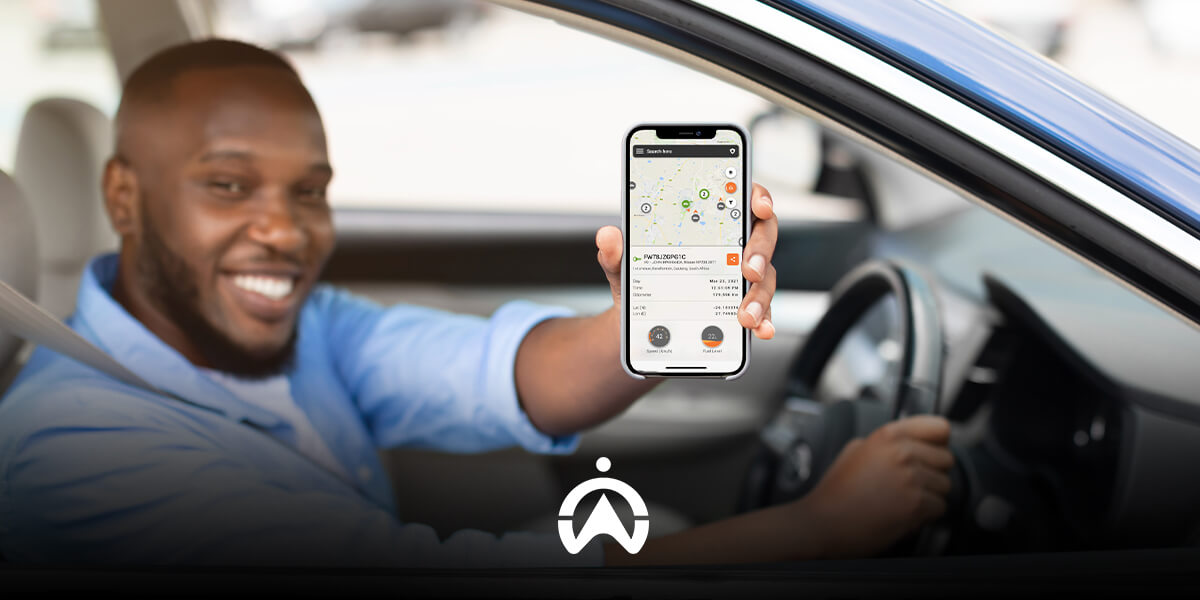
With accurate GPS tracking, tamper detection, trip history, and emergency support, everything can be accessed right from your smartphone. You can stay informed and protected no matter where you are.

How much does vehicle tracking cost?

Vehicle tracking costs typically depend on factors like subscription rates, installation, and additional services. Tracking software usually costs more because of all the bonus features and safety measures included, especially when you factor in the need for a reliable, stable connection.

At Cartrack Tanzania, we keep our fees and pricing structures clear enough for you. You won’t need to worry about extra add-ons and hidden fees. Expect live tracking, smooth app access, and SVR even at our most basic tracking package.

Does GPS tracking improve safety and peace of mind?

Yes, GPS tracking does improve safety and peace of mind, considering you have eyes on your car all the time. Knowing where your car is, especially during an emergency, significantly improves your chances of recovery or managing an unexpected incident better and faster.

The stress that comes with the emotional and financial impact of an emergency is also reduced, because you’ll be notified of unauthorised movements and have the right support.

Why do drivers need an advanced tracking system today?

Drivers need an advanced tracking system today because of modern theft risks and the importance of consistent visibility. Criminals have come up with clever tactics for vehicle crimes, so the key is to make sure the safety measures you pick keep up with these new tricks.

Consider these modern problems that need tackling:

  • Modern theft risks and increasing vehicle crime: As mentioned, modern thefts need modern safety solutions. GPS tracking, tamper alerts, and quick vehicle recovery will prove to be more of a necessity than a nice-to-have.
  • Rising insurance expectations: Some insurers expect drivers to have a tracking system to help manage threats. It’s also possible that your premiums could be lower thanks to a sophisticated platform and its offerings, like consistent location data.
  • Need for constant visibility and remote control: Stay on top of your car’s movement with ease. An advanced system lets you keep an eye on your vehicle, whether it’s parked or on the move, all from the comfort of your phone.
  • Peace of mind: This is so important for families, new drivers, elderly parents, and everyday commuters. Whether it’s parents keeping an eye on their teen’s car or just making sure a family member has arrived home safely, an advanced system is the perfect solution to today’s worries and uncertainties.

How to choose the right advanced tracking system for your needs

To choose the right advanced tracking system for your needs, you should consider coverage and GPS accuracy, security & support features, and the pricing structures. Remember that you’ll want a provider that goes beyond just providing you with a platform; the right company will go above and beyond with their support and service.

Take a look at this simple and complete evaluation checklist:

  • Coverage and recovery support: Strong, consistent coverage and recovery are rooted in reliable connections and in-house emergency responders. Look for a company that supports both of these core features.
  • Tracking accuracy: Ensure you get a GPS tracker that has no location delays, updating and transmitting the correct information at all times.
  • App and platform usability: Go for a tracking system that’s user-friendly and easy to navigate. The right platform should let you access all the features quickly.
  • Pricing transparency: Don’t get caught in the web of hidden fees; choose a provider that’s transparent about their pricing structure and monthly costs.
  • Customer support and success track record: A proven track record can be incredibly reassuring. Look for a company that shows trustworthiness through positive reviews, strong support, and successful recovery stories.
  • Security features: At the core of tracking tools are the extra security layers they provide. Look for features like movement detection, backup devices, and SVR for total security.
  • Customisable alerts: Explore providers that allow you to personalise your notifications, like choosing movement detection or geofencing activity. These options better suit whatever safety needs you’re looking for.

What makes Cartrack’s smart tracking solution different?

Cartrack’s smart tracking solution is different from the rest, thanks to its blend of precise telematics and powerful security features that guarantee your vehicle’s safety. It’s a particularly top-notch structure that provides the everyday driver, like you, with total control and complete protection.

Look at the features that set us apart:

  • 24/7 real-time visibility: Our location data is never delayed, because one of our biggest strengths is our precision and wide network coverage. This means that no matter what’s happening—whether you’re just at the mall or in a potentially dangerous situation—you’ll always know exactly where your car is.
  • Independent, in-house recovery teams: Not having our recovery and support teams being outsourced means that we can react appropriately and even faster than most. This is a massive advantage for you in emergencies, because there are fewer limitations.
  • Device tamper monitoring and portable, anti-jamming device backups: Along with tamper detection, the Cartrack Tag can get you even more security and an extra layer of safety. The Tag is an anti-jamming device that kicks in when your standard tracker has been jammed or removed.
  • Stolen vehicle recovery with extremely high success rates: We’ve recovered a large number vehicles in the last decade. We’ve built a solid legacy of trust and consistent success. We also have a 24/7 emergency and support team ready to help you when you need it.
  • Highly accurate positional data powered by telematics: One of our best features is the very accurate GPS tracking that’s backed by telematics. This is the key to live visibility and quick responses in emergencies.
  • Transparent pricing and long-term value: Our prices are completely clear with no hidden fees. We’re transparent about our pricing, with overall costs being dependent on your package or add-ons.

Comparison: How does Cartrack stack up against typical tracking systems?

This table shows how an advanced system provides better security, improved accuracy, and greater control compared to a basic entry-level tracker. It will highlight how Cartrack’s smart tracking stands out from a standard GPS tracker:

Feature Standard GPS tracker Cartrack smart tracking
Real-time visibility Often delayed Live, continuous
Recovery support Outsourced/limited In-house recovery teams
Tamper alerts Basic Advanced, multi-layer alerts
Platform access Minimal Full app and web dashboard
Behaviour insights No Yes
Remote functions Rare Available (depending on model)

Key features of Cartrack’s tracking platform

The key features of Cartrack’s tracking platform include trip reports, SVR, and a user-friendly interface that makes vehicle safety easy and stress-free for everyone. Instead of bombarding drivers with technical jargon, the app gathers everything in one handy spot, giving you complete visibility and control whenever you need it.

Here’s a breakdown of our platform-led features:

  • Live tracking: Get a quick glance of your car’s location at any time.
  • Trip history reports: Check where your car has been through easy-to-read insights.
  • Geofencing and instant alerts: Get alerts for movement, tampering, or geofencing (when your car moves in and out of virtual zones).
  • Location sharing for family safety: Keep your family/loved ones up to date with your movements, especially in the evening.
  • Stolen vehicle recovery: Get the necessary recovery support and contact our team from the app if you’re in an emergency.
  • Emergency support and assistance features: Explore the built-in safety features that are offered through our app.
  • App and dashboard designed for ease of use: Our user interface is straightforward. You don’t need to be a tech wizard to get comfortable with our tools.

Final takeaway

A smart tracking solution should actively protect your vehicle, let you know when something’s off, and provide quick & reliable help when you need it. That’s what makes sophisticated tracking different from basic GPS, and that’s exactly what Cartrack Tanzania offers.

Cartrack gives drivers a complete protection solution tailored to actual daily challenges. We feature continuous live visibility, layered security alerts, in-house recovery teams, and an easy-to-use app. Thousands of drivers trust Cartrack Tanzania for reassurance in safety and control on the road because it’s accurate and dependable.

Don’t settle for basic tracking. Upgrade to Cartrack’s advanced tracking system and protect your vehicle with technology that’s built for Tanzanian roads.

FAQs

How can I check if my car is being tracked?

You can check if your car is being tracked by looking at your app or dashboard. If you’re unsure whether a tracker is installed or active, get in touch with the support team, who’ll check the device’s connectivity for you. If you’re asking more generally, a reliable Cartrack technician can look at your vehicle for any unknown installed hardware.

How accurate is Cartrack’s live tracking?

Cartrack’s live tracking is extremely accurate, using intelligent telematics technologies and multi-signal positioning to deliver precise, real-time updates without any lag. The system refreshes constantly, so you get a current view of your vehicle’s location and movements. This level of accuracy also speeds up recovery in dangerous situations, making it more efficient.

Can a car tracker stop a car from starting?

Yes, a car tracker can stop a car from starting, but this only really applies if your tracker has remote immobilisation features. Remote immobilisation lets you stop your vehicle from a distance, but it’s a safety measure often used in high-risk situations, not for everyday use. With Cartrack, this feature is only available on specific, fleet-related models.

5 fleet maintenance tips you will use every day

The five ways in which you can keep up with fleet maintenance are:

  1. Performing routine inspections
  2. Following scheduled service dates
  3. Training your drivers
  4. Maintaining accurate records
  5. Investing in predictive maintenance technology.

Following these five steps reduces frequent breakdowns, accidents, and the costs associated with repairs and downtime.

According to recent studies, the implementation of preventative maintenance strategies results in a 50% decrease in downtime, a 40% decrease in maintenance costs, and a 60% decline in equipment failure rates. The strategies include measures such as the ones we’ve outlined in this article. So read along and see which step you’re missing in your maintenance routine.

Key Takeaways:

  • Daily checks, regular services, and good driving habits help stop breakdowns
  • Predictive tools and telematics let you spot problems early so you can fix them before they get worse
  • Training drivers and keeping clear records makes maintenance easier and helps you plan better
  • Cartrack Tanzania gives you digital tools that make inspections, monitoring, and service planning quicker and easier

The 5 daily maintenance tips to keep your fleet running smoothly

The five daily maintenance tips you can use to keep your fleet running smoothly are:

  1. Conducting daily inspection
  2. Sticking to service schedules
  3. Keeping an eye on vehicle health through maintenance technology
  4. Training your drivers
  5. Keeping accurate maintenance records

Together, these tips help you reduce the frequency of vehicle breakdowns and save costs.

Here’s a detailed breakdown of the importance of each method:

1. Conduct daily vehicle inspections

Performing vehicle inspections daily is crucial to ensuring driver safety. It also ensures that worn-out parts are noticed before they cause accidents or breakdowns. Your drivers must conduct these inspections before starting a trip and at the end of each day after completing all jobs.

Before starting a trip, your drivers must check essential components like tyres, brakes, mirrors, fluid levels, lights and dashboard warnings. They should also look under the vehicles for any leaks or other vehicle components that might be hanging out.

For post-trip inspections, your drivers must look for damage that may have developed during trips, like steering mechanisms, parking brake systems, mirrors, windscreen wipers, and tyres.

2. Stick to preventive maintenance schedules

Taking your vehicles in for servicing within the recommended time periods prevents future costly repairs due to mechanical failure and helps sustain vehicle performance. It also extends the lifespan of your fleet because vehicle components will remain in good condition for longer periods. Sticking to preventative maintenance schedules enhances safety, as it ensures that your vehicles are roadworthy.

3. Monitor engine & vehicle health in real time

You must invest in predictive maintenance technology to get early warnings of vehicle component faults. Some issues may not be visible to drivers during their daily inspections and may appear before the scheduled time for service. This means they’ll go unnoticed for a while until there’s a sudden breakdown, resulting in costly emergency repairs and unplanned downtime.

Predictive maintenance is the bridge between vehicle damage that can’t be noticed easily by drivers and the waiting time for recommended service dates. Through artificial intelligence (AI), telematics, and sensors, this technology can detect things like engine faults, worn-out brakes, and tyre pressure. This ensures that you always know of issues before they worsen.

Worker inspecting fleet vehicle with checklist, showing practical fleet maintenance tips.

4. Train drivers in good driving habits

It’s important to train and educate your drivers on how certain driving habits impact vehicle health and maintenance costs. Driving habits such as speeding, idling for too long, sudden braking, and harsh cornering increase wear & tear, leading to more breakdowns. So by training your drivers to improve their habits, you reduce the frequency of breakdowns.

You can use telematics devices to carefully monitor driver behaviour, so you know exactly which habits are common among your drivers and the kind of training they need. You can also use the reports to motivate your drivers and reward those who are showing improvement.

5. Keep accurate maintenance records

Keeping a good record of vehicle maintenance history gives you proof of proper care, which is essential for warranty claims and improving the resale value of your vehicles. The information gathered from good maintenance history records proves very helpful when it comes to diagnosing issues, planning for future maintenance tasks, and preparing for audits.

Your fleet’s maintenance history works the same way a doctor relies on your medical records; it helps identify issues early and guides the mechanic to the right “treatment”.

Your maintenance records should include the following:

  • Basic vehicle information: VIN, number plate, make, model, etc.
  • Service history: Tyre rotations and replacements, battery replacements, oil changes, etc.
  • Repair history: Details of minor and major damages with dates and parts that have been replaced.
  • Fuel economy: Records of mileage and fuel purchases to see if fuel economy has declined.

Bonus tip: Use quality parts and consumables

Cheaper vehicle parts might seem like a win for the budget, but in actual fact, they’re not. They’ll cost you more in the long run, as they’ll always need to be repaired or simply replaced again. Cheaper consumables also increase your budget because they run out faster. Poor quality oil, for example, can harm your engine, bringing about MORE problems than it solves.

So ensure that you use quality components for your vehicles to lower your maintenance costs, minimise downtime, and ensure that your fleet vehicles function optimally.

How to build a maintenance culture in your fleet

To build a maintenance culture in your fleet, you need to:

  • Set expectations
  • Make checks part of the routine workflow (and not “extra work”)
  • Encourage driver responsibility

In doing so, you turn maintenance into a natural part of your team’s routine.

Here’s a detailed breakdown of how you can build a maintenance culture:

Setting expectations

Setting clear expectations means developing policies that lay out in detail all the procedures, from daily inspections to what to do in the event of a breakdown. There should also be a maintenance plan for each type of vehicle, taking into account the specifications of each vehicle. Your team will then know what’s required of them and act accordingly.

Making checks part of the routine workflow

You must include the routine inspections in the normal daily schedule, rather than treating them as optional or extra tasks. This way, your drivers won’t rush through the inspections and take off with the fear of falling behind schedule. The maintenance shouldn’t feel like an additional burden.

Encouraging driver responsibility

Your drivers should be accountable for the vehicles they operate. You need to make them understand their role in vehicle care. They should understand how reporting vehicle issues early protects both the vehicle and the business. They should also understand the consequences of not following procedures.

Truck engine marked unsafe, highlighting essential fleet maintenance tips.

How Cartrack Tanzania helps you maintain a healthier fleet

At Cartrack Tanzania we help you maintain a healthier fleet by giving you digital tools that help track the health of your fleet in real time. This makes fleet maintenance less of a daunting task as it’ll be easier and less time-consuming.

Here are our top maintenance solutions for fleet maintenance:

Real-time vehicle diagnostics

With Cartrack’s predictive maintenance technology, you’ll get early warning alerts of things like worn-out brake pads or issues with the engine, so you can address them as soon as possible. This way, you avoid breakdowns and unplanned downtime. You also save your drivers from accidents caused by mechanical failures.

Service and maintenance scheduling

Our preventative maintenance solution helps you automate your service maintenance scheduling. You can import the original manufacturer’s recommended service schedule for each vehicle into our system and set reminders on our platform so you don’t miss the dates. This eliminates the amount of time wasted by searching for each vehicle’s service schedule manually.

Centralised maintenance records

Our system helps you maintain a digital record of your maintenance history, making it easier to track repairs and services over the years. You can easily access all the details when it’s time to sell your fleet vehicles or when a mechanic needs to review what’s been done.

Paperless inspections

To simplify the process of conducting pre- and post-trip inspections, our system gives you the option of creating digital inspection forms. This is where you can create a checklist of which vehicle components need to be looked out for when forming their checks. You’ll receive feedback on one platform, reducing paperwork, and ensuring you know of issues quicker.

Driver behaviour monitoring

Through our telematics system, you can keep track of driving behaviours like speeding and harsh braking, which increase wear & tear. You’ll get detailed reports of each harsh event, ensuring that you address your concerns with your team based on factual evidence. This also helps you to identify which habits to focus on when training your drivers about healthier driving habits.

Driver scorecards

Another way to encourage better driving behaviour is by recognising and rewarding good driving. Our fleet management system helps you with this through our Driver Scorecards solution. How this solution works is that it tracks on-road behaviour using our telematics system. Each driver gets a rating based on their number of harsh driving incidents, and you use these ratings to reward those with the best score while identifying which drivers need more training.

Get an all-round fleet maintenance solution with Cartrack Tanzania

Cartrack Tanzania gives you an all-round fleet maintenance solution. Throughout our years in the fleet management industry, we’ve seen the differences maintenance software and everyday maintenance habits can bring to your business. Our solutions create safer, more reliable, and more cost-effective fleets. So join us today and watch the health of your fleet transform for the better!

Frequently Asked Questions

What is a fleet maintenance plan?

A fleet maintenance plan is a strategic approach to keeping up with the health of your vehicles. It involves putting measures in place to prevent unexpected breakdowns and downtime. These measures include things like following service plans and using fleet maintenance software to get early alerts of faults. This ensures fleet safety and compliance and reduces the cost of maintenance.

What is the role of a fleet maintenance manager?

The role of a fleet maintenance manager is to oversee all things related to the maintenance and repair of fleet vehicles and equipment. Fleet maintenance managers must ensure the safety and compliance of all vehicles. With a fleet maintenance manager present, all vehicles should perform optimally, which then results in fleet efficiency.

What is a maintenance SOP?

A maintenance Standard Operating Procedure (SOP) is a detailed document with step-by-step instructions on how to conduct routine maintenance tasks. The whole point of this guideline is to ensure consistency, safety, and quality standards. Maintenance SOPs vary depending on the kind of service you offer, the specific requirements in your industry, and the size of your fleet.

The Best Delivery Routing and Dispatch Software

One of the best delivery routing and dispatch software is Cartrack’s Delivery on FleetWeb, designed to give Tanzanian businesses the clarity and technology needed for faster, more profitable delivery operations. With unpredictable traffic and customer expectations soaring, plus those tight and expedited delivery deadlines, there’s a real demand for more sophisticated systems.

A 2026 empirical study analyzing 170 trucking firms in Tanzania confirms why route optimization is shifting from an optional tech upgrade to a core survival tool for local operators. This only proves just how powerful smart routing can be, and how necessary it is for the modern business.

In this blog, you’ll get the full lowdown on what makes a routing and dispatch software ‘the best’, including understanding key features and knowing how to choose the right system. We’ll also show you why Cartrack Tanzania should be your top pick for expert guidance and insights that give you total delivery confidence.

Key Takeaways:

  • Smart routing and dispatch tools help businesses plan better routes, save fuel, and work faster
  • Live tracking and clear driver communication make deliveries smoother and keep customers happy
  • Cartrack’s Delivery system brings routing, dispatch, tracking, and proof of delivery together in one place
  • These tools help all kinds of industries deliver on time, cut errors, and run stronger operations

What’s the top delivery routing and dispatch software?

The top delivery routing and dispatch software is Cartrack’s Delivery feature, a fully-fledged tool that’s designed to make every step of delivery easier for your business. Cartrack has taken a unique approach by combining automated scheduling, live GPS tracking, and smart routing into one seamless platform, setting it apart from basic tracking tools.

Our Delivery function is much more than a tool that maps out multiple-stop trips. It gives you the total ability to act fast when something urgent happens while also making sure that everything runs smoothly and maintains a high standard. Drivers are always kept in the loop, receiving clear instructions via the app and instant notifications when changes occur.

Why your business needs advanced routing and dispatch tools today

Your business needs advanced routing and dispatch tools today because manual planning and basic tools are no longer an option. Basic software doesn’t allow you to keep up with the modern demands, like growing customer needs, a general pressure to deliver faster, or the need to operate with much more accuracy.

Advanced routing and dispatch tools can tackle challenges like:

  • Last-mile pressures: Real-time data simplifies the most intense part of the delivery process, helping to avoid delays and keep everything on track.
  • Fuel inefficiencies: Because routes are optimised, fuel waste becomes a thing of the past.
  • Manual planning errors: Smart and automated planning means that you minimise human error, which also means fewer delays.
  • Customer demand for real-time updates: Being able to share live ETAs can keep the customer in the know about the movements of their package, improving their levels of satisfaction.

What industries benefit from delivery routing and dispatch software?

The industries that benefit from routing and dispatch software include food delivery, retail, field services, and numerous other markets. These are industries that are quite reliant on time-sensitive deliveries.

Some of the key industries include:

  • Retail: Quickly ship goods from the store to the consumer
  • E-commerce: Comfortably manage the pressures of last-mile deliveries
  • FMCG (fast-moving consumer goods): Ensure deliveries between warehouses and distribution points are smooth
  • Food delivery: Speedy delivery, especially regarding a time-sensitive job that affects quality, can be guaranteed
  • Logistics: Strengthen your business operations, get more efficient routes, and complete deliveries with accuracy
  • Field services: Schedule tasks effectively and keep your drivers on the best routes
  • Pharmaceuticals: Make sure that deliveries to medical facilities (small clinics to large hospitals) are timely
  • Same-day delivery businesses: Manage the very tight deadlines required from same-day deliveries with the help of live tracking

How does routing software actually improve delivery efficiency?

Routing software actually improves delivery efficiency by enabling faster deliveries, cutting down on fuel waste, and ultimately achieving better customer satisfaction. It makes every step of the delivery process that much smoother.

Routing software benefits your business by:

  • Reducing planning time: You don’t have to worry about wasting time manually sorting out routes; the software can automatically do that for you.
  • Driving fewer kilometres: Because of reduced planning time through route optimisation, drivers can take the best routes and avoid potential detours.
  • Enabling lower fuel spend: Through travelling the best routes, drivers cut down on fuel waste.
  • Ensuring faster deliveries: Ideal routes are clear-cut, and any changes are automatically updated, leaving drivers to keep to a steady schedule.
  • Guaranteeing fewer customer complaints: Accurate ETAs, live updates, and consistently on-time deliveries really maximise customer satisfaction.

Does delivery routing differ from dispatch management?

Yes, delivery routing does differ slightly from dispatch management, as they solve different parts of the delivery workflow. But ultimately the best systems combine both into one integrated platform.

  • ‘Delivery routing’ refers to planning the journey, ensuring the trips are as efficiently organised as possible, the numerous stops are considered, and time & fuel use are kept as low as they can be.
  • ‘Dispatch management’ refers to the coordination and management of the work, ensuring that drivers and staff are allocated the right tasks, progress is closely monitored, and quick, informed changes can be made if necessary.
  • ‘Delivery management’ refers to the overall and total framework, combining routing and dispatch to deliver smooth communication and peak operational performance.

The best routing and dispatch software brings all of these aspects together, allowing you to plan, manage, and track deliveries from one platform. With Cartrack’s Delivery feature, these tasks come together seamlessly, ensuring everything works in harmony for smoother and more dependable delivery operations.

Delivery routing and dispatch software showing a courier loading a van with tasks and delivery details on a smartphone.

Key features the best delivery routing and dispatch software must include

Key features the best delivery routing and dispatch software must include are tools like live GPS tracking, system integrations, and proof of delivery. The software you choose must bring all these core tools together so you can maintain visibility and total control from the first to the last mile.

These are the non-negotiables:

  • Advanced route optimisation: Organise multi-stop routes to save you time and cut down on wasted fuel, even during peak traffic.
  • Automated dispatching: Assign jobs instantly to the nearest driver or one who’s available, eliminating the hassle of paperwork.
  • Real-time GPS tracking: You receive live updates on your vehicles’ locations, allowing you to monitor progress, catch any delays early, and step in when necessary.
  • Proof of delivery and driver communication: Integrated communication and proof of delivery systems let you track each delivery from start to finish, helping you resolve any disputes that may arise.
  • Vehicle and driver performance data: Monitor speed, idling, and braking habits so you can spot areas for improvement and boost operations.
  • Delivery ETAs: Get accurate, live delivery times so that both customers and your team know exactly what delivery expectations are, leading to better planning.
  • Geofencing: Set up virtual zones around key delivery areas and receive alerts when drivers enter or leave those zones, helping you keep tabs on progress.
  • System integration: Seamlessly connect with your existing tools, so you can say goodbye to clunky data transfers and manual updates.

What makes routing and dispatch software accuracy so important for delivery success?

Factors like better fuel use and customer satisfaction are what make routing and dispatch software accuracy so important for delivery success. These are the aspects that make or break the name of your business, and they carry a lot of importance. When you achieve accuracy, everything in your operations flows much more smoothly.

Consider the importance of these factors:

  • Customer satisfaction: Accuracy sets apart a smooth delivery from one that’s consistently met with delays. It means that deliveries are made when projected, bettering the delivery experience and keeping customers happy.
  • Reduced time on the road: Accuracy means deliveries are being made when they’re promised. This minimises detours and improper stops.
  • Improved driver safety: Accuracy means that you have the best routes possible mapped out for your drivers. This keeps drivers away from high-risk and congested areas, but also minimises bad map info or unintended turns.
  • Controlling fuel spend: Accuracy when it comes to operational costs means fewer wasted Shillings, especially when you consider how even the smallest mistakes can very quickly add up.

How does real-time visibility support smarter dispatching?

Real-time visibility supports smarter dispatching by letting you see what’s happening and helping you make smart decisions as deliveries happen. Instant communication with drivers makes it easy to reassign or change routes when things don’t go as planned. With live tracking, managers know exactly where each vehicle is, the route it’s taking, and if it’s on schedule.

Quick responses like these keep deliveries on track and ensure customers get accurate updates.

How does delivery routing software help reduce fuel waste?

Delivery routing software helps reduce fuel waste by optimising routes and addressing the major challenges like driver habits and traffic congestion. Keeping these tools handy makes sure we regularly analyse routes for the best fuel-saving routes.

The role of data in better routing and dispatch decisions

The role of data in better routing and dispatch decisions shows it’s the backbone of detailed delivery planning. By looking at delivery histories, spotting traffic trends, assessing driver performance, and understanding peak demand cycles, you can prepare for challenges before they arise.

This knowledge helps you map out routes more strategically, assign drivers more efficiently, and accurately predict delivery times, building a stronger delivery operation.

How the best delivery routing software improves the customer experience

The best delivery routing software can improve the customer experience by providing accurate ETAs, direct communication, and fewer failed deliveries. With customer demands growing every day, it’s important to focus on the following:

  • Accurate ETAs: Customers can get practical delivery timelines
  • Live delivery tracking: Customers can track their parcels to know where they are in the process
  • Fewer failed deliveries: Transparency and clear instructions can help customers make sure they’re prepared and ready to receive the parcel at the designated delivery address
  • Proof of delivery: Digital verification (by signature or picture) ensures the parcel is received by the right person and reduces disputes
  • Proactive communication: This kind of transparency fosters trust between customers and your business

Cartrack delivery routing and dispatch software showing optimized routes, driver details, and parked delivery vans.

Case study: How The Courier Guy improves delivery performance with Cartrack

The Courier Guy is known as one of the most popular and trusted service providers. What started as one motorbike and a favour for a friend has since rapidly grown into a fully-fledged nationwide fleet of over 2,200 vehicles. Of course, this level of massive growth calls for a reliable partner in fleet management and upscaling.

The challenge

Everything at The Courier Guy began to grow quickly: the number of drivers, the delivery vehicles, but most importantly, the customers and their demands. Because of this, there was an immediate need for total visibility, support, and simplification of tasks for fleet managers. The key was to improve operations and take good service to great service.

How Cartrack supported The Courier Guy’s operations

Cartrack’s Delivery and telematics technologies were able to completely transform and simplify The Courier Guy’s operations.

Here’s how:

  • Accurate driver visibility
    By leaving behind the unreliable method of manual tracking, fleet managers can now stay updated on driver locations in real-time.
  • Faster, flawless task and delivery management
    Customer details for recurring orders fill in automatically, which massively reduces submission errors and improves communication between managers and drivers.
  • Stronger customer communication and accountability
    Automated SMS and email updates keep customers in the loop during the delivery process. Drivers can snap photos or collect e-signatures as electronic proof of delivery, which boosts safety and service quality.
  • Enhanced safety and fewer operational losses
    AI-powered camera tech constantly streams and can monitor how drivers behave. Drivers can quickly fix risky habits, cut down on damaged goods, lower speeding incidents, and strengthen the brand reputation.

The impact

With Cartrack by their side, The Courier Guy took full control of their business operations. They handled routes, assigned tasks, ensured customer satisfaction, and prioritised staff safety with precision. This allowed the business to deliver consistently while maintaining a professional touch.

“Cartrack’s technology allows us to focus on our drivers, customers, cargo, and fleet all from one platform. It puts us in control from dispatch to delivery.” — Jeffrey Wheeler, Assistant Fleet Manager, Courier Guy

Myths about delivery routing and dispatch systems

Some myths about delivery routing and dispatch systems are centred around believing that drivers won’t adapt to the tools or that the systems are only suitable for large fleets. Despite the good that delivery software brings, there’s still often a lot of hesitation from owners or fleet managers.

Let’s dispel those myths for you:

  • “Google Maps is enough”: While Google Maps is a great option for general directions, it’s not as effective for a driver as a delivery platform. This type of system can account for navigation while also managing multiple stops, task allocations, and communication with managers.
  • “It’s only for large fleets”: Routing and dispatch systems work just as well for smaller fleets as they do for larger fleets. No matter the size of your fleet, the objectives typically remain the same: smoother operations, better safety, and greater profitability.
  • “Routing tools are too complex”: These features may look intimidating at first, but they’re usually designed to be as user-friendly as possible. And with the likes of Cartrack, you can ensure you and your staff are well-trained on how to operate these tools.
  • “Drivers won’t adapt”: It’s quite the opposite! Drivers usually adapt quite well to these systems because they ultimately make their jobs much easier. There’s less job-related stress because routes are faster, tasks are straightforward, and the instructions are clear.

Cartrack’s delivery routing and dispatch tools: What makes us different?

What sets us apart from the rest is that we offer a fully integrated delivery management system built for accuracy, reliability, and scalable performance across various industries. Other systems out there typically offer these tools as separate features, making your processes more complicated when they should be made simpler.

Cartrack gives businesses a distinct edge, from planning all the way to doorstep delivery.

Here’s a better look at why you should partner with us:

  • Live vehicle tracking: We provide live GPS tracking so that you have eyes on your fleet at all times. This allows you to monitor your fleet’s progress while drivers are out in the field.
  • Automated dispatching: Drivers can be allocated tasks based on their availability and location, meaning the hassle and congestion that comes with assigning tasks manually is eliminated.
  • Multi-stop route optimisation: Cartrack’s platform carefully and intelligently maps out the many stops that drivers need to make, helping them take the best and fastest routes.
  • Delivery and driver workflows: Established workflows make the entire process for drivers that much easier. From job acceptance to delivery, instructions are clear.
  • Seamless communication: Live updates and in-app messaging make keeping you and your drivers connected much simpler. This is important for emergencies or urgent changes.
  • Driver behaviour insights: Bad driving habits can cost the business. Monitoring these behaviours means addressing them immediately and avoiding costly mistakes.
  • Multi-channel communication tools: Auto-messages, whether by email or SMS, keep customers updated about every stage of their delivery. This is a major building block when it comes to building customer trust.
  • Central dashboard: Having all the tools needed on one single platform means you, as a manager, have a complete and instant overview of every part of your fleet. There’s no cross-platform confusion.

Final takeaway

Choosing the right delivery routing and dispatch software is the foundation of any company looking to run smoothly, grow confidently, and meet the increasing demands of today’s customers. With the right platform, you can cut unnecessary costs, improve delivery reliability, improve driver performance, and offer your clients the precise and professional service they expect.

Cartrack’s Delivery feature delivers the accuracy, automation, and real-time visibility needed to keep your modern delivery operations running efficiently. It’s a reliable choice for businesses across various sectors, connecting every element of the delivery process seamlessly.

Deliver faster, smarter, and more reliably. Let Cartrack Tanzania automate your delivery planning and dispatching.Speak to our teamto get started!

FAQs

Is it difficult to onboard drivers and dispatchers to a new routing system?

No, it’s not difficult to onboard drivers and dispatchers to a new routing system, and they’ll ultimately make everyone’s jobs so much easier. Most new-age systems, like Cartrack’s Delivery, are created to be as straightforward as possible. With the right onboarding training and continued guidance, staff usually get the hang of things quickly and enjoy smoother workflows.

How accurate is delivery routing software today?

Most delivery routing software today is designed to be as accurate as possible, tapping into live traffic data and telematics insights to create super-accurate routes and workflows. This helps businesses enjoy consistent arrival times, fewer delays, and improved delivery predictability throughout their fleet.

Does routing software work for both scheduled and on-demand deliveries?

Yes, routing software does work for both scheduled and on-demand deliveries. Advanced software, like Cartrack’s, can manage scheduled daily routes as well as unexpected delivery requests. Automated dispatching and live data help assign the closest driver instantly, keeping all delivery types running on time.

AI-Powered SaaS Solutions for Your Fleet

AI-powered SaaS (software as a service) solutions for your fleet are the best way for you to transform how you run it. SaaS lets you access software online through a subscription, meaning you no longer have to worry about managing complex software and hardware. Avoid hefty upfront costs. Instead, get scalable tools and immediate access to AI-powered automation and insight.

The numbers don’t lie: a recent report shows that 52% of fleets are convinced that predictive maintenance with AI can cut down vehicle downtime. This shows not only the trust fleet managers have in AI-powered SaaS solutions, but also exactly how they save you time on admin tasks, make your drivers safer, and help you make more informed decisions.

In this blog, you’ll get a clear picture of what AI-powered SaaS tools can do, whether they provide value for your fleet, and why CartrackTanzania is the number one SaaS provider.

Key Takeaways:

  • AI fleet software does the work for you by tracking data, spotting risks, and fixing problems before they grow
  • Fleets are choosing SaaS because it cuts costs, works online, and is easy to set up without tech skills
  • The best tools give live insights, simple dashboards, strong support, and smart cost control
  • Cartrack Tanzania offers one trusted platform that predicts issues, reduces admin, and helps fleets run smoother and safer

What makes a SaaS platform “AI-powered” today?

What makes a SaaS platform ‘AI-powered’ today is the implementation of machine learning and automation processes. Trying to manage fleets using manual techniques and spreadsheets makes operations almost impossible to control, highlighting the need for AI influence in SaaS. This is what takes the complexity out of daily tasks and insights.

AI-optimised SaaS tools don’t just show data; they interpret and take action using those insights. This feature is crucial for busy fleet managers who are already balancing heavy workloads, cost issues, and regulatory demands.

Look at how AI-powered SaaS improvesfleet management:

  • Continuous, automated optimisation: The system takes note of all driving patterns and the way each vehicle operates so that it can recommend proactive maintenance alerts or general trigger notifications.
  • Real-time data processing: Features like GPS tracking and driver events are analysed in real time, not being delayed or processed at a later stage.
  • Intelligent automation: Tasks and reports are managed automatically, which means there’s less chance of human error, and processes like scheduling or maintenance reminders are easy and efficient.
  • Predictive and preventative functions: The AI part of SaaS uses its smart capabilities to predict when a vehicle might need maintenance—before expensive downtime or dangerous incidents happen.

Why are fleets turning to AI-driven SaaS solutions now?

Fleets are turning to AI-driven SaaS solutions now because managers are facing immense pressures every day, from the rising fuel prices and servicing costs to compliance and safety. It’s a necessary tool, especially if you’re looking to tackle these challenges in the most efficient way.

AI-powered solutions are your key to shifting from reactive to proactive decision-making, with the backing of collected insights and data. Additionally, SaaS, being a cloud-based tool, makes it a powerful and accessible solution for businesses of all sizes. The technology is business-grade, doesn’t need intense setup, and has a subscription model that’s perfect for your fleet.

Are AI-powered SaaS tools difficult to adopt?

No, AI-powered SaaS tools aren’t difficult to adopt; in fact, that’s a popular myth. These tools are quite simple and should be user-friendly if implemented correctly and strategically, with the help of a little onboarding. Unlike traditional software, you’ll notice quicker adoption, automatic updates, less admin hassle, and no need to get used to the tech before reaping the benefits.

Today’s AI SaaS tools offer some of these:

  • Cloud-based access: You don’t really need a major installation, so access from your laptop or smartphone is quick and easy.
  • Plug-and-play hardware: Again, no major installation, so fitments are quick and immediately connect to the software.
  • Simple dashboards: Notifications come in on time and are clearly reflected on the dashboard.
  • Integrated onboarding and support: No need for IT specialists just to get the ball rolling. Your provider should offer you training and onboarding, with regular ongoing training.

Driver viewing jobs and routes on screen powered by AI-powered SaaS solutions.

Core functions of an AI-powered fleet SaaS platform

Core functions of an AI-powered SaaS platform include smart routing and dispatching, downtime prevention, and automation. It’s so much more than just tracking vehicles or storing data. Combining these tools helps fleet teams operate more swiftly and more accurately.

Here are the main functions that make AI SaaS stand out in everyday fleet operations:

Automated operational insights

Traditional systems might only tell managers what’s already happened, but AI-powered SaaS systems show you what’s happening right now and what really deserves your attention. The system learns what risks matter most to your fleet so you’re not bombarded with alerts.

  • It highlights operational obstacles as they happen
  • It prioritises issues from most urgent to least, so you can prioritise

This means less time putting out fires and more time for planning for the next potential crisis.

Predictive maintenance and downtime prevention

Rather than taking a one-size-fits-all approach to maintenance, use real data on your vehicles to signal when they need attention. This way, you can fix what truly needs fixing at the right time, which saves you money.

  • It helps you avoid unnecessary repairs by spotting potential issues early
  • It makes your servicing schedules more efficient and effective

All of this leads to fewer accidental breakdowns and a more productive, longer lifespan for your vehicles.

Smart route planning and dispatching

AI draws on live insights to create smart routes that consider everything: fuel efficiency, customer priorities, driver habits, and the type of vehicle you’re using. This means realistic routes that align with your operational goals.

  • Routes get updated automatically if there’s a delay
  • It simplifies job dispatching with automated workflows

Deliveries are smoother, faster, and more cost-effective.

Driver performance intelligence

AI systems enable you to coach drivers more objectively and proactively, looking at trends and suggesting improvements based on actual insights and event-based feedback.

  • It helps you identify potential problems early, reducing the chance of accidents
  • It supports coaching with actual data, ensuring no one gets treated unfairly

This results in fairer performance oversight and fewer insurance claims.

Intelligent cost control

Prices are constantly on the rise, meaning you need more than just a record of your costs. It’s important to understand what’s driving expenses up and how to tackle them. AI systems track your spending and give you a forecast of when your budget might tighten.

  • It flags avoidable costs, like idling or vehicle misuse
  • It provides a forecast of your fuel and maintenance spending based on current patterns

In the end, this moves your fleet budgeting from reactive to a proper, prepared strategy.

Dashboard showing driver phone usage data powered by AI-powered SaaS solutions.

Choosing the right AI-powered SaaS platform for your fleet

Choosing the right AI-powered SaaS means looking at key features that include user-friendliness, clear pricing, and smooth integrations. The focus should be to look beyond just the dashboards and data exports, and focus on whether the system actively helps you run a safer, more efficient, more profitable fleet.

The right system should focus on these features:

  • Data accuracy: Accurate data collected from the vehicles is the only way to ensure reliability in insights and automation.
  • Ease of use: The best platform should be simple to navigate with minimal training and no need for internal IT personnel.
  • Depth of insights: Insights should be interpreted, not just data presentation, or just showing numbers.
  • Integrations: Your AI SaaS should be compatible with other third-party systems, like payroll systems.
  • Local support in Tanzania: Support that’s specific to your region is key, especially in the case of an emergency. Hands-on expertise is the way to go.
  • Transparent pricing: The costs should be very clear from the start, with no surprises or hidden fees.
  • Security and uptime reliability: As the platform runs in real time, keeping data safe and ensuring stability are crucial for smooth operations.

FLOWCHART: “Is this AI-SaaS platform right for my fleet?”

Use these questions and the accompanying flowchart as a quick checklist when evaluating vendors. If your answer doesn’t move you forward, the platform may not be the right fit.

Step 1: Does it offer live insights, not just delayed reports?
→ If no, it’s outdated. If yes → Step 2

Step 2: Does it automate tasks you currently do manually?
→ If no, limited value. If yes → Step 3

Step 3: Can it adapt to your fleet growth and industry needs?
→ If no, consider alternatives. If yes → Step 4

Step 4: Does it include strong risk, cost, and compliance features?
→ If yes → Suitable platform.

Why Cartrack Tanzania offers a stronger AI-powered SaaS experience

Cartrack Tanzania offers a stronger AI-powered SaaS experience because it’s a game-changer, offering a fully connected system that delivers results without the need to juggle multiple suppliers. At Cartrack Tanzania, we combine precise telematics, smart predictions, and automated workflows into one tidy platform, giving you the tools you need to reduce risks and simplify daily tasks.

It’s all about reaping real benefits. Cartrack Tanzania offers local expertise and a 24/7 service team with continuous support and quick responses to tech issues, meaning you won’t be left waiting for help from a distant call centre.

By choosing a single platform that covers everything, businesses skip the trouble and costs of cross-platform confusion and duplicated work. With Cartrack Tanzania, your fleet can get a reliable and holistic system that evolves with you, ensuring smarter business decisions without the extra stress.

Final takeaway

AI-powered fleet SaaS isn’t just a distant dream; it’s transforming businesses today. Companies using these tools gain a competitive edge with lower costs, reliable vehicles, safer drivers, less paperwork, and smarter decision-making.

As a potential partner, Cartrack Tanzania can provide you with an all-inclusive AI SaaS platform with reliable data accuracy and measurable outcomes. We provide the essential tools that genuinely elevate a business from good to great.

See how AI insights can save you time, fuel, and admin. Make smarter fleet decisions andtry Cartrack’s platform now.

FAQs

What is the 3-2-2-2 rule of SaaS?

The “3-2-2-2” rule of SaaS refers to a handy guideline or growth model for businesses, suggesting how to maintain healthy growth. The model suggests the following: triple your revenue for two years, then double it for three. This model was created in the hopes that a business with a solid grounding could grow immensely within 5–7 years.

Does using AI-driven fleet software require technical skills?

No, using AI-driven fleet software doesn’t require technical skills. Modern AI-powered fleet SaaS platforms are built for everyday users, with intuitive interfaces and plug-and-play abilities. Most staff should be able to figure these systems out without needing to call IT; onboarding support and training are usually part of the package.

Can AI-powered SaaS integrate with my existing business systems?

Yes, AI-powered SaaS can integrate with your existing business systems, including maintenance schedules, ERP or payroll systems, and other tools. This integration makes workflows smoother, as you won’t need to juggle separate apps or process data manually.

Fleet Optimisation: 9 Steps to Success

When it comes to fleet optimisation, there are 9 steps to success. These are assessing your current fleet’s performance, setting clear optimisation goals, using real-time tracking & telematics, optimising your routes and schedules, managing your drivers’ behaviours, adopting predictive maintenance, right-sizing and future-proofing your fleet, and finally, tracking your total cost of ownership.

With fuel prices constantly on the rise and operational costs squeezing margins, making use of fleet optimisation is essential for your fleet’s survival. The local commercial telematics market is experiencing rapid expansion, with the total volume of active tracking and operational management solutions projected to climb significantly over the coming years. In such a highly saturated and competitive landscape, fleet systems that lack comprehensive optimization risk falling behind more agile, tech-driven operators.

So, how do you take charge? How do you streamline every kilometre, every drop of fuel, and every hour your vehicles hit the road? The answer lies in nine practical steps designed for real Tanzanian fleets, backed by data, supported by Cartrack Tanzania and proven to deliver results.

Let’s break it down.

Key Takeaways:

  • Fleet optimisation helps Tanzanian businesses save on fuel, minimise downtime, and enhance performance
  • With real-time tracking, telematics, and predictive maintenance, you get the insights to make smarter choices
  • Right-sizing your fleet and keeping an eye on total ownership costs are key for long-term savings
  • Cartrack’s tools deliver the data and automation to optimise every kilometre and maximise your ROI

What is fleet optimisation?

Fleet optimisation is the use of data, technology, and expert planning to get the most mileage from your fleet while keeping costs in check. It’s about more than just managing vehicles; it focuses on boosting efficiency, ensuring safety, and saving money. The goals include reducing fuel waste, minimising vehicle downtime, and optimising your fleet.

Step 1: Assess your current fleet performance

The first step before you can make improvements is to assess your fleet’s current performance. A fleet assessmentgives you a baseline to compare against, so you understand exactly where inefficiencies hide—fuel, idle time, routing, or driver behaviour. Without data, you’re guessing. With data, you’re in control!

What should you measure?

Start by reviewing the metrics impacting your bottom line:

  • Fuel consumption per vehicle
  • Idle time vs. productive time
  • Driver behaviour: speeding, harsh braking, harsh acceleration
  • Route efficiency and mileage
  • History of maintenance and downtime
  • Fleet utilisation rates

Local insight

Operational expenditure analysis reveals that energy consumption and routine vehicle maintenance collectively represent the overwhelming majority of total fleet costs—far outweighing administrative overhead or labor expenses. Without precise, continuous tracking of these specific variables, commercial operations face a high risk of significant, undetected budget overruns.

Step 2: Set clear optimisation goals

The second step tofleet optimisation success is to set clear optimisation goals. Data is great, but having a clear direction is even better. Well-defined goals help you track success and share your vision with your team. Whether you’re aiming to reduce fuel usage, cut downtime, or boost job completions, measurable objectives keep everyone accountable and motivated.

Questions to ask when setting goals

  • What does success look like for your fleet?
  • How can you reduce breakdowns?
  • How can you save between 10% and 15% on fuel costs?
  • Is productivity at the front of your mind?
  • Are sustainability and ESG reporting important?

Step 3: Leverage telematics & real-time tracking

Step three is to leverage telematics and real-time tracking. You can’t optimise a fleet you can’t see. With real-time vehicle tracking, you keep an eye on drivers, safety, fuel waste, and every kilometre travelled. This isn’t just monitoring; it’s insight that empowers you to make decisions instantly, rather than waiting for those month-end reports.

Benefits of telematics

  • Live vehicle location
  • Route deviation alerts
  • Driver behaviour monitoring
  • Idle time tracking
  • Instant alerts – theft, speeding, fuel waste
  • Precise recording of trip history & mileage.

Local insight

Tanzanian fleet owners face challenges like crime, poor road conditions, and rising fuel costs, making visibility of these factors essential. Industry consensus highlights that implementing real-time tracking solutions directly drives significant improvements in overall operational efficiency.

Cartrack’s role in step 3

Cartrack Tanzania gives fleet owners full visibility in real time: GPS tracking, driver behaviour monitoring, trip history, and instant alerts for fuel waste, theft, or unauthorised use. With live data at your fingertips, you’re not reacting to problems—you’re preventing them before they impact your bottom line.

Team reviewing fleet data beside vehicles to support fleet optimisation.

Step 4: Optimise routes & scheduling

Smart routing is one of the fastest ways to save money. Every unnecessary kilometre adds to fuel costs, time on the road, and vehicle wear and tear. With effective route planning, you can get the same number of vehicles to complete more jobs—and that means more profit!

Smart routing tactics

  • Group jobs by location
  • Leverage historical traffic data
  • Plan routes around delivery windows
  • Steer clear of hotspots and high-risk areas

Cartrack Tanzania automates all of these processes for you with an all-in-one, easy-to-use platform!

Local insight

Case studies demonstrate that commercial operations can achieve a substantial reduction in total distance traveled by implementing advanced route optimization strategies.—no extra vehicles, no additional drivers, just smarter planning.

Cartrack’s role in step 4

Cartrack’s route optimisation tools enable dispatchers to plan the most efficient routes according to traffic patterns, client locations, and delivery windows. Jobs are assigned quickly, kilometres are reduced, and each vehicle is able to complete more work in less time without the need for adding more vehicles to your fleet.

Step 5: Implement driver behaviour management

You need to implement driver behaviour management because your drivers are your largest expense, but they’re also your best chance for improvement. Just a few small changes in behaviour can result in significant fuel savings, fewer accidents, and extended vehicle lifespans. Telematics goes beyond monitoring; it actively coaches your drivers.

Key behaviours to track and improve

When implementing driver behaviour management, these are the behaviours you need to start tracking and improving upon:

  • Harsh braking and acceleration
  • Speeding
  • Idling time
  • Gear misuse and excessive revving
  • Route deviations

The bottom-line impact

Studies have shown that a change in driving style alone can directly yield a noticeable drop in overall fuel consumption. And fewer accidents mean far less unplanned downtime and fewer insurance claims.

Cartrack’s role in step 5

Cartrack’s driver behaviour analytics give you clarity into how your team performs behind the wheel—from harsh braking to speeding and excessive idling. With real data, you can coach drivers, reward good performance, and amplify road safety while cutting fuel waste.

Step 6: Use preventative maintenance

Step six is to start using preventative maintenance, so instead of waiting for things to break, you’ll anticipate them. Predictive maintenance uses data to track component wear, vehicle health, and service needs. This prevents breakdowns, extends vehicle lifespans, and keeps fleets on the road.

Don’t just repair—PREVENT!

Things you should be monitoring closely are:

  • Engine fault codes
  • Usage hours & odometer data
  • Brake wear
  • Tyre health
  • Battery performance
  • Service intervals

Cartrack’s role in step 6

Cartrack’s software automatically monitors odometer readings, fault codes, battery health, and service intervals—so you know exactly when a vehicle needs attention before it breaks down. This is achieved through predictive AI, which gathers and analyses the data in real-time, and then it provides an understanding of the equipment’s current condition.

So rather than you having to react to repairs, you can schedule maintenance earlier and reduce unplanned downtime across your fleet.

Step 7: Rationalise fleet size & structure

When it comes to rationalising your fleet size and structure, it’s important to remember that not every vehicle belongs in your fleet. Some are overused, some are underutilised and some are simply not the right fit. Right-sizing ensures your fleet matches demand at the lowest possible cost with the best possible performance.

Right-sizing your fleet

When it comes to right-sizing your fleet, these are the factors you’ll need to consider:

  • Utilisation rate per vehicle
  • Total cost per kilometre/TCO (total cost of ownership)
  • Depreciation versus replacement
  • Vehicle lifecycle (age, resale value)
  • Leasing versus owning
  • EV readiness and sustainability goals

Local insight

Operating the incorrect vehicle type under challenging SA conditions results in more repairs, fuel wastage, and downtime. The right vehicle is not always the cheapest; rather, it’s the one with the best total cost of ownership.

Cartrack’s role in step 7

Cartrack reports identify underperforming vehicles, overworked assets, and true cost per kilometre for every unit in your fleet. These help inform decisions relating to replacements, leasing options, and asset rotation—ensuring every vehicle delivers real ROI.

Delivery driver viewing optimized jobs interface for fleet optimisation.

Step 8: Track total cost of ownership (TCO)

Step eight requires you to track the total cost of ownership. Remember, fuel alone doesn’t paint a complete picture. TCO follows every single cost associated with every asset over its lifetime—from fuel to insurance to admin to downtime. This helps managers decide which assets to retire, which to keep, and which to invest in next.

What should be included and considered?

To track the TCO, include:

  • Fuel and maintenance
  • Depreciation
  • Insurance
  • Tyres
  • Licensing and admin
  • Accident costs
  • Downtime

Direct costs make up about 80% of total TCO:

  • Depreciation/Leasing: 35–45%
  • Fuel/Energy: 25–35%
  • Maintenance/Repairs: 10–15%
  • Insurance: 8–12%
  • Tires: 3–5%

Indirect costs account for 20%:

  • Corporate Vehicle Tax (TVS): 2–8%
  • Administrative management: 2–4%
  • Downtime due to accidents: 1–3%

Cartrack’s role in step 8

Cartrack Tanzania brings all the necessary cost data—fuel, maintenance, driver behaviour, downtime, and utilisation—onto one platform. With precise TCO reporting per vehicle, you instantly see which assets are profitable and which are draining your budget. That’s how smart investments get made!

Step 9: Plan for sustainability & future growth

Lastly, you need to plan for sustainability and future growthof your fleet. Sustainability isn’t just an ESG box to tick; all over the world, it’s increasingly tied to profitability and customer expectations. Tanzania is only gradually moving toward greener fleet operations, and businesses that prepare now will benefit later.

Green fleet strategies

  • Assess EV readiness (duty cycles, range, charging infrastructure)
  • Use telematics to measure CO₂ emissions or fuel efficiency improvements
  • Replace inefficient assets
  • Use data for ESG reporting
  • Track fuel-efficient patterns.

Why it pays off

There’s an increased trend by customers to favour those suppliers that have a sustainability strategy. Companies that get ready now will be better placed to win contracts and achieve higher scores in tender evaluations over the coming years.

Your fleet’s future starts now

Fleet optimisation doesn’t need to be a complete overhaul right from the get-go. Sometimes it’s as simple as improving just one metric, one route, one driver, or one vehicle. But as the data starts telling its story, you’ll see even more opportunities month after month on how to save money, improve, and grow.

The simple truth is this: the answers are already there in your fleet. The data is available. Your next step is to collect, analyse, and act on it.

Ready to optimise your fleet?

Start with a fleet audit, orspeak to our team at CartrackTanzaniathat works with Tanzanian fleets every day!

FAQs

What is the difference between fleet management and fleet optimisation?

The difference between fleet management and fleet optimisation is that fleet management focuses on daily operations like keeping vehicles running, drivers compliant, and routes assigned. Whereas fleet optimisation uses data, automation, and insights to enhance performance, cut costs, and boost efficiency across the whole fleet.

Can small or growing businesses benefit from fleet optimisation, or is it only for larger fleets?

Yes, small or growing businesses benefit from fleet optimisation. Smaller fleets can generate valuable data that reveals fuel waste, poor routes, and idle time. With scalable tools like Cartrack, small businesses can start optimising operations early on, growing smarter without overspending.

How do you calculate ROI on fleet optimisation technology like telematics and AI tools?

You can calculate ROI on fleet optimisation technology like telematics and AI tools by comparing your operational costs before and after implementation. Look at the savings from reduced fuel use, fewer breakdowns, lower insurance claims, and boosted productivity. Subtract your tech investment from those gains, and you’ll see your return on investment.

Does a Dashcam Record Inside the Car?

If you’re looking at buying a dashcam and wondering, “Can a dashcam record inside the vehicle?” The short answer is yes, but only certain models can do this. Most dashcams record the road ahead, but advanced models with dual-lens and 360-degree capabilities capture both street scenes and the inside of your vehicle, giving you extra protection and peace of mind.

This matters because Tanzanian roads can be extremely unpredictable. In fact, quarterly traffic data highlights that road incidents continue to claim a significant number of lives over a short period. This persistent loss underscores the critical need for robust road safety interventions and proactive risk management across the transport network.

So whether you’re driving to work, doing the school run, or even working as an Uber or Bolt driver, having clear video evidence can make a world of difference if something goes wrong. If you want a dashcam that does it all, then Cartrack’s AI-powered dashcams with live stream camera technology will be useful for everyday drivers like you.

Key Takeaways:

  • Not all dashcams record inside your car. To capture both the road and the cabin, you need a dual-lens or 360-degree dashcam
  • Tanzanian roads are risky. High incident rates underscore the risk on the roads. A dashcam ensures operators possess objective evidence if an incident occurs.
  • Dashcams are legal in Tanzania. But if you record inside, it’s best to tell your passengers. This keeps you transparent and avoids privacy problems
  • Your needs matter when choosing a dashcam. Parents, Uber drivers, and fleet owners benefit from inside recording

Do dashcams record inside the car?

Yes, dashcams can record inside your car. However, only certain models can. 360-degree and dual-vision dashcams are designed to record the inside of your car as well as the road. In order to record clearly (even in the dark), they typically have two cameras: one facing forward and the other inward. Advanced models usually have night vision.

This is particularly helpful for:

  • Drivers for e-hailing services (such as Uber, Bolt, etc.)
  • Parents keeping an eye on their children while they drive.
  • Owners of businesses that oversee fleet vehicles.
  • Regular drivers seeking additional peace of mind.

Benefits of recording inside the car

The benefits of recording inside your car are that an additional sense of security and responsibility is added by having a dashcam that records inside the vehicle. It provides you with a clear picture of what goes on inside your car, which can be just as important as what happens on the road.

Are there drawbacks to recording inside the car?

Yes, there can be some drawbacks to recording inside your car such as privacy, storage, high costs and installation challenges. While not all drivers will be impacted by these, it’s crucial to consider them before investing in a more advanced device.

  • Privacy concerns: Some passengers may find it uncomfortable to be filmed.
  • Storage issues: Additional storage may be required because two cameras produce more footage, which calls for a larger memory card.
  • Higher costs: Compared to standard models, dual and 360-degree dashcams are more expensive.
  • Installation challenges: Installing cabin cameras requires proper positioning and possible professional installation.

Three people in formal attire enjoying food in a car, with trees and a house visible outside the window.

Different types of dashcams and what they record

It’s important to note that dashcams come in different shapes and setups, and not all of them can record the inside of your car. So before you swipe your card, be sure you’re getting the right one for you. The table below breaks down the main types of dashcams, what they capture, and how much you can expect to pay in Tanzania:

Dashcam Type What It Records Inside the Car? Typical Use Case
Front-facing Road ahead No Everyday drivers needing accident evidence
Dual-vision Road ahead & inside cabin Yes E-hailing drivers, parents, business fleets
Rear dashcam Road behind No Extra coverage for parking or rear collisions
360-degree All angles inside & outside Yes Premium option for full coverage and peace of mind

Legal considerations in Tanzania

Currently in Tanzania, dashcams—including those that record inside cars—are legal. Evolving regulatory frameworks, however, may introduce stringent compliance requirements for onboard recording technology. Therefore, being transparent about recording helps prevent unnecessary complications. Telling passengers you’re using a dashcam is worthwhile, especially if you’re driving for Uber or Bolt.

Choosing the right dashcam for you

When choosing the right dashcam for you, you need to consider your driving habits and lifestyle. This will determine which dashcam is best suited for your needs. While some drivers require full coverage with additional features, others only want a basic road-facing camera. You can compare features using the following guide to determine which one best suits your needs.

Feature Why It Matters Who Benefits Most
Interior recording Captures what happens inside the car Parents, Uber/Bolt drivers, fleet owners
Night vision Clear footage in low light or at night Long-distance drivers, city drivers with night shifts
Wide-angle lens Covers more of the road or cabin Anyone wanting fewer blind spots
Audio recording Records conversations and sounds Taxi/e-hailing drivers, security-conscious users
GPS tracking Logs speed and location of trips Businesses, parents, and insurance purposes
Cloud storage Protects footage even if the dashcam is stolen High-crime areas, business fleets
Parking mode Records when the car is parked or unattended Everyday drivers
Ease of installation Saves time and setup hassle Everyday drivers, first-time users

A close-up of a black dashcam mounted on a car's windshield, with a blurred background of trees and vehicles.

How dashcams protect Tanzanian drivers

Dashcams protect Tanzanin drivers from the unique risks associated with Tanzanian roads, which include smash-and-grabs, hijackings, fraud, and accidents. Although a dashcam won’t prevent these incidents,it serves as crucial evidence to establish facts and protect against liability in the future. whether for peace of mind, insurance, or police reports.

For example:

  • Disputes can be swiftly resolved with accident footage.
  • Video footage makes it easier to report smash-and-grab incidents.
  • Drivers can defend themselves against false allegations.

Tips for using a dashcam effectively

Choosing the right dashcam is just the first step. You must install and use it properly if you want to get the most out of it. Your dashcam will always function when you need it most if you follow a few simple routines.

  • Make use of a memory card with 64 GB or more of quality.
  • Make sure the camera is positioned correctly to prevent sun glare.
  • Don’t rely solely on the memory card; make a backup of any important clips.
  • Think about hardwiring your dashcam or using an external battery if it has parking mode.
  • Let passengers know that recording is underway.

At Cartrack Tanzania, we offer premium-quality dashcams at affordable prices and with free installation. Contact us today to get the best dashcam solution for personal or business.

FAQs

Do dashcams record sound as well as video?

Yes, many modern dashcams record sound as well as video through built-in microphones. This can be useful if you need proof of what was said during an incident. If you’re not comfortable recording sound, most devices allow you to turn the audio feature off.

Can dashcam footage be used in court or for insurance claims?

Yes, dashcam footage can be used to support insurance claims or even as evidence in court. Clear video clips help settle disputes about who was at fault in an accident. Insurance companies are more likely to process claims quickly when you provide reliable footage showing exactly what happened.

Will a dashcam drain my car battery?

No, a dashcam won’t necessarily drain your car battery, this is because when you’re driving, dashcams usually run on the car’s power supply and use very little energy. However, dashcams with parking mode can continue recording while the engine is off.

How long is footage stored on a dashcam?

Dashcam footage can be stored anywhere from a few hours to a few months. Dashcams use loop recording, which means old footage is automatically overwritten when the memory card is full. The length of time footage is kept depends on the card size. With a 64GB card, you can usually store several hours before files are replaced, unless you manually save clips.

Do I need a special dashcam for Uber or Bolt driving?

Yes, for Uber or Bolt drivers, an AI dual-lens dashcam is the best choice. It records both the road ahead and the inside of the vehicle, which helps protect you against false claims or disputes with passengers. Some models even include night vision, which is useful for evening and late-night trips.