How Cartrack Boosts Your Operational Intelligence in Your Business

Cartrack boosts operational intelligence in your business by providing intelligible data that’s not only informative, but also ACTIONABLE. Our telematics (whether video footage, vehicle metrics, or driver performance) puts you in control of your business and enables you to make better decisions without having to rely on guesswork.

According to a research paper by Harvard Business, there are 4 steps to embracing digital intelligence. These include:

  • Adopting a digital mindset
  • Encouraging that mindset within your organisation
  • Understanding how to interpret data
  • Putting it all into action

If this research is accurate, some business owners have a lot of catching up to do. While some business leaders have adopted a technology-centered approach to their operations, a large majority are still on the fence. If you’re one of them, read this vital blog on thinking differently about how business will be done in the future.

Key Takeaways:

  • Operational intelligence means using real facts and data to run your business instead of just trusting a gut feeling
  • Smart companies around the world use AI and tech to get ahead of the competition and keep their costs low
  • Since logistics is the lifeblood of your country’s economy, managing your fleet well is the best way to protect your assets
  • You’ve got to embrace digital tools and train your team now or you’ll risk getting left behind by everyone else

What is operational intelligence in business?

Operational intelligence is KNOWING what’s going on in your company (data), collecting that data and interpreting it (insights), and then making decisions according to those insights. Done correctly, this will lead to company growth, risk management and a boost in brand reputation.

Operational control

As the old adage goes, knowledge is power. In business, knowledge that’s applied, equals control. This is all about leveraging the data you collect to promote the interests of your business. The more you know, the more opportunities you’ll have to shape things the way you want them.

Informed decision making

Managers of companies have often had to guess what the right decision is. Historically, they’ve gone on instinct or intuition. A manager who has a gut feeling about something will make a decision based on emotion or even what he or she hears from others. It’s mostly conjecture, and mistakes are made—A LOT!

The future of business is very different. Thanks to AI technology, guesswork and tummy cramps are no longer the basis for making a decision. With data at your fingertips, you can make decisions that are backed up with indisputable FACTS.

Competitiveness

Operational intelligence is at the heart of competition. This is especially relevant in countries where the opportunity to compete is immense. Why? Because as is usually the case, certain countries are behind the technological curve. There exists an old fashioned kind of people, who like to do business… “the way it’s always been done”.

But those who venture out of their comfort zones and actually embrace the same kind of AI technology being embraced by forward-thinking businesses, scale at an international level. There are many examples of this in different locations, but none are as obvious as the insurance industry where new players have entered the market with AI-run call centers, enabling them to charge MUCH lower premiums.

Accurate reporting

Every company has stakeholders. You might be the only one in yours, but if your business is large enough, chances are you have shareholders, partners, or affiliates that rely on YOUR good decision making. Being the manager who’s “on the ground” gives you some insight into how the business runs and what decisions need to be made. But this isn’t always well received by other stakeholders.

Reporting is an essential aspect to any organisation. It’s not just about “this is what happened”. It’s also about, “this is why I made these decisions—and these are the results!” True operational intelligence justifies its decision-making by reporting the WHAT, the WHY, and the HOW.

Risk management

Operational intelligence would be pointless if it didn’t also solve problems. But what if it could solve problems before they happen? That’s what the future truly holds for organisations like yours—risk mitigation.

Data always points in a particular direction. That direction becomes predictive with the help of AI algorithms (and they’re only getting smarter). It tells you what’s likely to happen unless you take action. It even tells you what action to take. This is where data becomes actionable, not just informative.

ESG (Environment, Social, Governance)

The future holds some interesting things for companies in terms of ESG regulations. Similar to other score-based legislations, companies (and even customers) will begin to do business with organisations that are perceived as responsible.

Responsible in what way?

  • First; responsible with regards to the environment and their overall carbon footprint on the planet. (E for Environment)
  • Second; responsible in how they protect and care for their employees. (S for Social)
  • Third; responsible in how their company processes work and how ethical those processes are. (G for Governance)

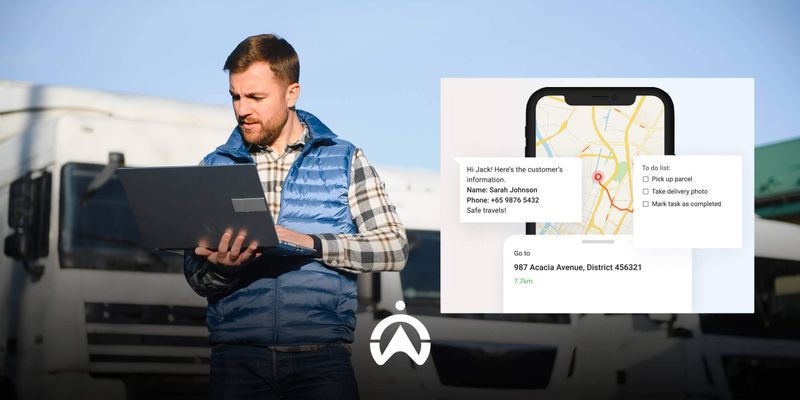
Business leader using laptop to improve operational intelligence with Cartrack business insights.

What does your fleet have to do with operational intelligence?

Your fleet often has EVERYTHING to do with operational intelligence, because logistics is the lifeblood of so many companies (whether they realise it or not). Not only is road logistics becoming more integral to your country’s economy, but how you drive, where you drive, and how you’re perceived while you drive all play a part in your company’s success.

The unavoidable importance of road logistics

The ports in some countries are virtually unsalvageable. The rails are no better. Companies are turning to road logistics as an only alternative to get products to where they need to be. With this comes a bunch of other fleet challenges that need to be addressed.

How you address those challenges can make or break you as an organisation. It all comes down to how you run your fleet, because roads are fast becoming the only logistical way to distribute goods and services.

Customer perception

But here’s the interesting thing about focusing your operations on the road—your customers are there on the same road with you! This introduces a couple of questions you can’t ignore:

  • How can I make sure my customers have a good perception of my company?
  • How can I ensure my drivers aren’t putting my customers (and the public in general) in danger?
  • How can I service my customers as well as possible without compromising on my budget?

If you’re asking these questions, you’re on the right track. We’ve got the answers, and they all lie in operational intelligence.

Asset management and asset protection

If you have vehicles in your organisation, chances are the bulk of your overheads go towards keeping them on the road. We’re not just talking about fuel, we’re also talking about driver salaries, vehicle maintenance, and the cost of the vehicles themselves!

Since much of your resources are allocated to your fleet, it only makes sense to derive your operational intelligence from that fleet. This is where the rubber meets the road. If you can manage your fleet, you can manage your business. This is where your investment should be.

The increase of last-mile logistics

Receipt of your product or service by the end user is one of the trickiest steps to get right. Customers are fussy. Their online reviews can heavily influence your brand. They want convenience and ease when ordering, not to mention when they decide to return a product.

It’s a complicated process that requires finesse. Even small companies need to pay attention to how their logistics affect their end users. Not only is this the most expensive part of your distribution process, it’s also the one that carries the most risks.

If you’re fully convinced that operational intelligence lies in your road fleet and distribution processes, read on to find out how you can apply these principles.

How can your business adopt operational intelligence?

Your business should adopt operational intelligence by embracing technological advancements that focus on your logistics processes. You also need to adapt your staff to those advancements, and focus more on data (and how to interpret it using AI) as your source for making decisions.

Step 1: Accept the fact that “digital” and AI are here to stay

Avoiding technology is a huge mistake. Companies that don’t adapt won’t grow, and most will probably fall away. AI-driven software will soon become a vital part of running your company, especially if you’re managing vehicles.

Step 2: Transform your workforce to think in digital language

You can’t do this alone. Training is an essential step to transforming your business and adopting technology. You want to bring your team along this journey with you and your stakeholders. Afterall, they’re the ones that will carry out the operations.

You’ve already changed your mind about technology. Now it’s time to change theirs too.

Step 3: Learn the data language of your company

Interpreting data is a valuable skill every manager has to learn at some point or another. Cartrack Tanzania does much of this for you, but remember that each company has different interests, and your company has a language that’s different to everyone else’s.

Example 1: If you run a farm, your data will pertain to machinery AND vehicles. Who uses them? Where are they when you need them? What’s the condition of each one?

Example 2: If you run a lift provider, your data will focus more on driver safety, driver behaviour, and the rate at which your drivers can serve passengers.

Example 3: If you run a logistics company, your data will focus on vehicle condition, driver fatigue rates, and fuel monitoring.

Know your data like the back of your hand and you’ll quickly learn how to discern between a good decision and a bad one.

Step 4: Determine how to execute on interpreted data

Now it’s time to take action! You have all the facts you need. You’ve made a series of sound judgments. The final step is to execute. Steer your ship in the right direction. But how?

Did you discover that your fleet is wasting a portion of fuel because of idling? Coach your drivers accordingly.

Did you discover that one of your vehicles isn’t braking as well as it should? Book it in for maintenance.

What about the big decisions? Should you scale? Should you purchase new vehicles? Can you afford to pay 5 new drivers? Is it time to tap into another section of your industry?

The data can help you make these decisions, you just need to know how and when to take action. Cartrack gives you this level of operational intelligence—from the small stuff to the significant, business-altering decisions, our tools are designed to give your information AND help you execute on it.
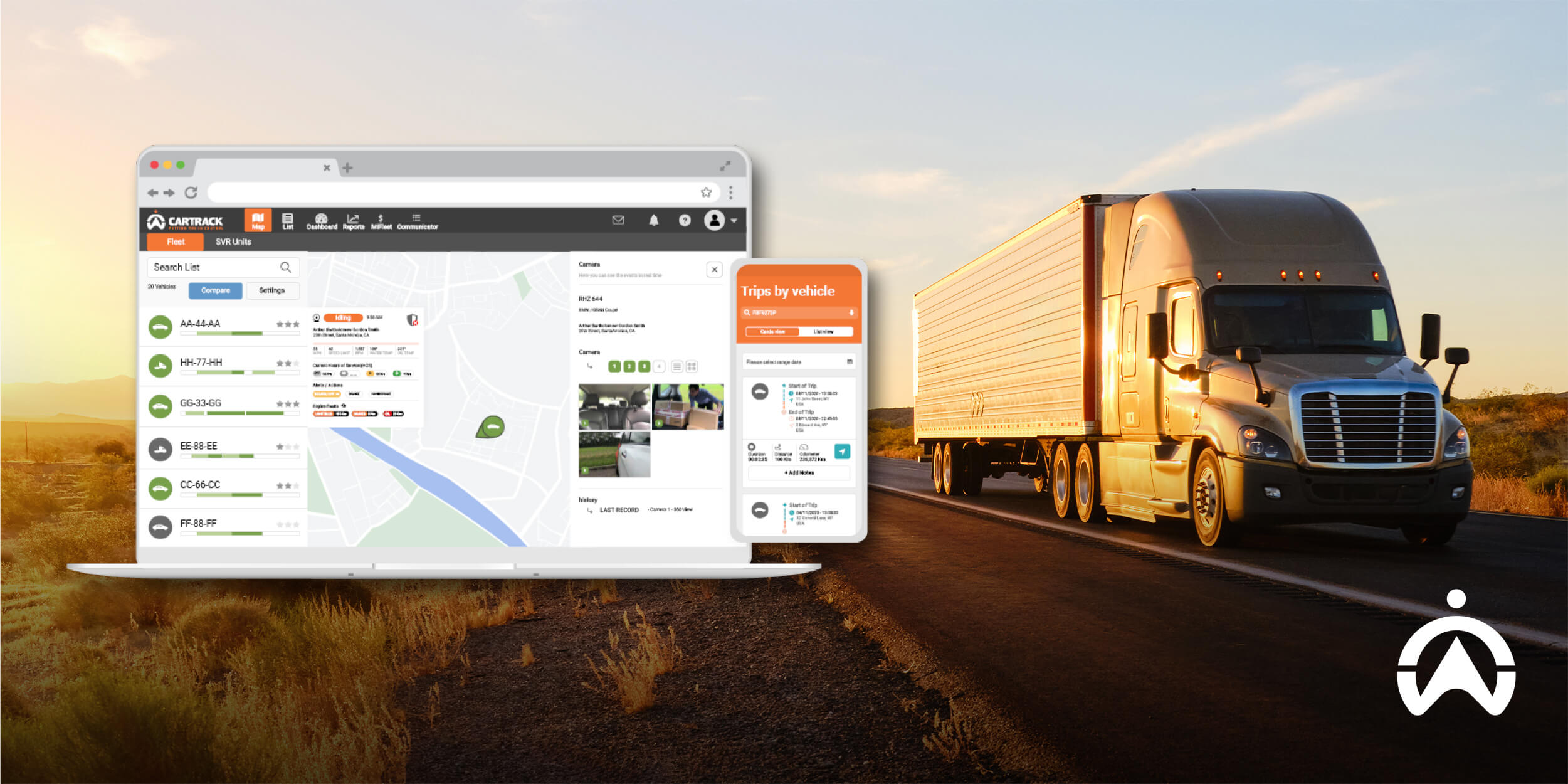
Laptop displaying Cartrack fleet dashboard beside truck, showing how Cartrack boosts operational intelligence in your business.

What will happen to companies that DON’T adopt technology?

Companies that wait too long to adopt digital means of running their business are at risk of becoming irrelevant or becoming overshadowed by their competitors (or even by new players in the market). This has already started to happen in the insurance industry, and will soon spread to other sectors.

Technology is like a big wave in the ocean. You can either grab your surfboard and catch the wave, or you can duck under the water and let it pass you by. If you have more than a few competitors, you might just get smacked by that wave without any chance of recovery.

How will you handle the technology trend? Will you take advantage of it and ride your business to new heights, or will you be left behind and allow others to dominate your industry?

Why choose Cartrack Tanzania as your operational intelligence partner?

Cartrack is intelligence-led, meaning we simplify your decision making based on facts, data, and irrefutable evidence. Our AI-powered software is also performance-driven, directing those decisions in ways that improve your daily operations and further YOUR business interests.

Choose Cartrack if you want a service-strong company that’ll guide you every step of the way. Call us to have an honest conversation about what your objectives are and how you plan to get there.

It all comes down to operational intelligence. Having it can make all the difference in how your business performs. Not having it will leave you where you are and possibly shrink your operations over time.

Choose wisely.

FAQs

What does Cartrack do?

Cartrack Tanzania acts as a business partner that focuses on one of the most expensive aspects of your company—your vehicle fleet. They maintain that collecting, interpreting, and acting upon data derived from your fleet will significantly transform the way your company operates by simplifying decision-making and boosting daily operations.

Can Cartrack’s software save my company money?

Yes, Cartrack’s software is actually designed to save your company money. Not just by identifying waste, but by growing your organisation and increasing profits. The idea behind this software is to boost your operational outcomes and help you successfully compete in an ever-changing arena.

Can Cartrack Tanzania manage my fleet for me?

Yes, Cartrack can manage your fleet for you because they provide Camera & Telematics Bureau Services. Using a combination of vehicle and driver telematics data, they offer many essential services for your fleet like route optimisation, driver monitoring, fuel management, vehicle maintenance, and more!
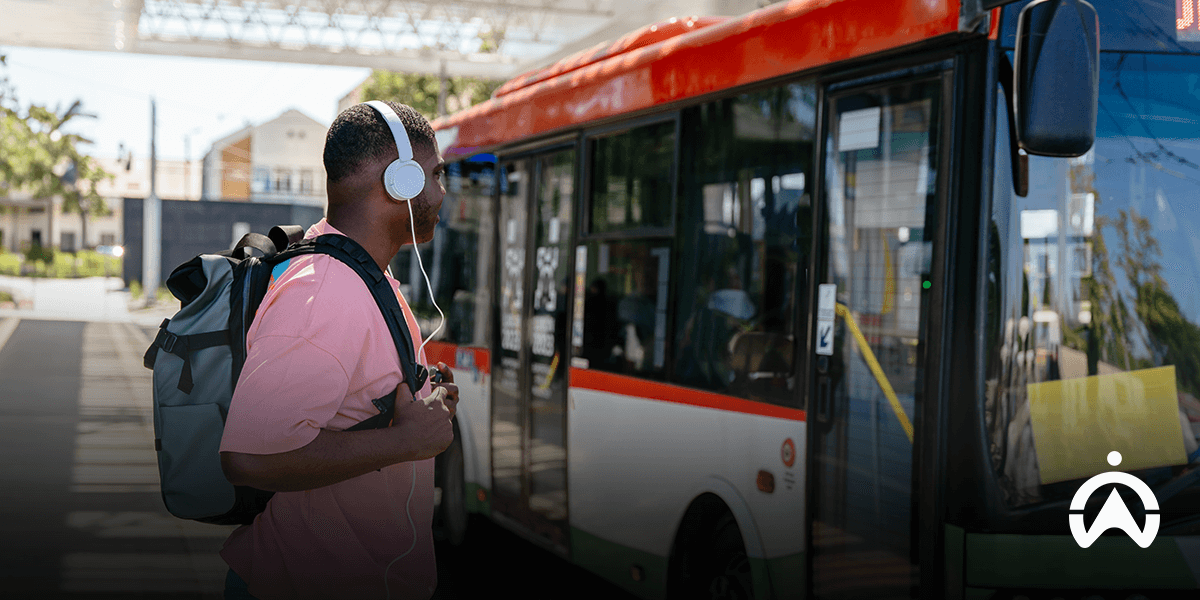
Get the Best Bus Fleet Management Software

The best bus fleet management software should always include top-of-the-range technology that specifically impacts bus companies and their drivers. This would include vehicle camera security, route optimisation abilities, and intuitive scheduling. Ultimately, the best bus fleet management software is depicted by how passengers view your brand.

Of the approximately 24,000 buses operating in Tanzania, a significant number are assigned to the public transportation of passengers, according to the Land Transport Regulatory Authority (LATRA). This means that the bus industry in Tanzania is one of the many important supporting structures for the country’s economy, providing essential mobility for millions of people across urban and rural areas.

Cartrack Tanzania has its Fleet Management Software (FMS) active in many public transportation entities, because we’ve designed it to solve a number of common problems faced by these companies. In this article, we’ll look at those problems and show you how FMS successfully mitigates them.

Key Takeaways:

  • Fleet management software helps buses run on time, stay safe, and cut daily costs
  • It solves common problems like late pickups, unsafe driving, fuel waste, and unhappy passengers
  • Security cameras, tracking, and driver monitoring improve safety for passengers and vehicles
  • Over time, better planning and lower costs help bus companies grow and make more profit

What should bus fleet software be able to do?

Modern-day fleet software for buses should be able to streamline your scheduling, keep your passengers safe, and prevent late arrivals at bus stops. It should also help to prevent vandalism of buses, regulate fuel use, and gradually increase the growth & profitability of the bus service in question (whether private or government-run).

At the heart of bus FMS should be the desire to mitigate problems that everyday bus drivers, bus company stakeholders, and even bus passengers face.

What are these problems? Glad you asked… keep reading.

What are some of the problems bus companies face?

The problems faced by bus companies today include unhappy customers (passengers), which is usually caused by late pickups, scheduling confusion, and even physical danger. Overall, these problems lead to financial issues too, because profitability is affected due to the gradual development of a bad reputation.

Cartrack deals with bus companies on a daily basis, and we’ve summarised the problems they face within 10 main points. Which of these 10 have you experienced while managing YOUR bus or shuttle service?

Late pickups

Consistently late pickups form one of the top problems faced by bus companies. Drivers simply can’t get their timing perfect every time due to traffic, bad road conditions, or bad planning. If this happens often enough, the brand becomes synonymous with UNRELIABILITY, leading to passengers opting or preferring other bus brands.

Late drop-offs

Passengers often rely on bus transport for work arrivals, school drop-offs, and important appointments. If the drop-off is later than scheduled, it greatly disrupts the plans of each passenger. Word spreads quickly among bus passengers, and new potential customers will be told to avoid a certain bus brand if possible—and this can SINK a bus company fast!

Scheduling conflicts

When multiple buses are assigned to an identical or similar route, it can lead to confusion when stops conflict with one another. This also happens because of other bus companies whose stops may conflict with those of your drivers. Without a smooth flow of stops and dropoffs, time is wasted, passengers are frustrated, and money is lost.

Unruly bus drivers

Bus service fleet managers often struggle to manage the backlash that comes with risky driving within their team. No matter how carefully they vet drivers before employing them, risky driving still takes place within the bus industry. If it happens often enough, eventually passengers get hurt, vehicles get damaged, and insurance costs skyrocket.

High fuel costs

Not a stranger to any industry that uses road transport, high fuel costs are among the biggest issues bus companies face today in Tanzania. The stopping and starting of vehicles in urban settings can be murder on petrol & diesel tanks, so conserving fuel is a MUST if bus companies want to see viable profits.

Passenger safety

The safety of bus passengers on every trip is an essential part of any bus or shuttle service. Drivers have a responsibility to keep their patrons safe, but this isn’t always easy. Incidents tend to happen in small confined spaces, and passengers experiencing theft is another problem bus drivers deal with daily.

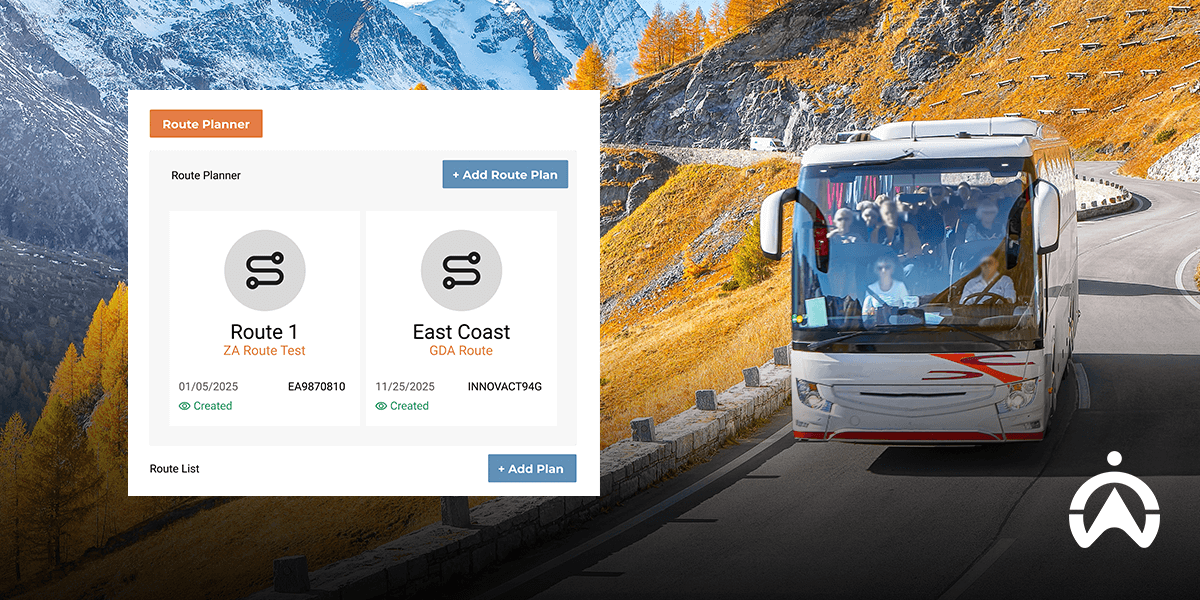
Bus fleet management system overview displaying routes, schedules, and vehicle data.

Vandalism

Because of how large they are, parking a bus is always a risk. Leaving it unattended isn’t always an option, because vandalism is a real problem—especially in particular areas. Insurance prices can go up if buses operate in unsafe areas, and bus companies need ways to lower their insurance costs while upping their vehicle safety.

Strict road compliance standards

Buses are held to a higher standard compared to many other types of road vehicles. They’re large & bulky, and have the potential to cause devastation on our roads. Keeping buses well maintained and road worthy is often a full time job! If a bus gets stopped by road authorities due to non-compliance, this just exacerbates the problem more because of downtime.

Lack of profitability

You might think running a bus service or shuttle company is a profitable endeavour, but considering the challenges we’ve already listed above, it’s not always as cut-and-dry as it seems. Many new bus companies start only to fail years (or even months) down the line. In today’s economy, how can bus companies turn enough of a profit to be able to grow and expand their fleet of buses?

Passenger dissatisfaction

Considering theft, safety, bad driving, and unreliability in bus travel, passengers are sure to have their say. With online reviews now a popular way to determine good service, some bus brands are gaining a reputation that leads to them being avoided. There’s always a competing bus company willing to replace a bad one, so keeping passengers happy is a MUST!

When we hear about all these challenges, it might seem impossible to run a bus service effectively. But the truth is, technology has come a long way to massively improve the bus industry. Fleet management software for bus fleets is designed to solve these problems. Feel free to contact a consultant at Cartrack Tanzania to see exactly how, or keep reading.

How will bus companies benefit from fleet management software?

Bus companies will benefit from fleet management software in the following ways:

  • Smarter scheduling
  • Happier passengers
  • Better fuel management
  • Higher level of security for passengers
  • Higher level of security for vehicles
  • Higher profitability
  • Safer driving
  • Consistent vehicle maintenance
  • Better road compliance
  • Consistency in on-time pick-ups and dropoffs

What does Cartrack Tanzania bring to bus companies?

Cartrack has developed fleet management software with bus companies in mind. There are a number of helpful features designed to make the day-to-day fleet management of a bus company easier and more profitable.

As you read further, notice how each of the following directly tackles the list of challenges mentioned above. Ask yourself, “What’s the biggest challenge I have within my bus service right now?” Now, let’s see if the solution can be found!

Smarter scheduling for buses

To solve the issue of schedule mix-ups, late pickups, and late (or missed) drop-offs, Cartrack has developed software that gives you a big-picture view of all your vehicles, who’s driving them, and where each one is scheduled to be.

This allows you to foresee late arrivals, reroute buses, or re-assign drivers at a whim. The software works with AI, and automates most of the thinking for you, allowing you to make better scheduling decisions as and when they matter most.

Better route optimising

Avoiding lateness with buses is better than managing it when it happens. Route optimisation analyses traffic, roadblocks, and bad road conditions to give your bus drivers the best possible routes from the get-go. This helps them to bypass all of those pesky delays and get more passengers to where they need to be.

External & internal bus security

Cartrack has developed industry-leading AI dashcams and vehicle cameras that work to monitor all angles of your bus. This includes the inside of the bus, showing you the driver as well as the passengers. If an incident occurs—whether an accident or something among the passengers—these cameras will pick it up and archive it in case you need it for insurance or the authorities.

Insurance companieswill also appreciate this extra level of security. Often they’ll lower your insurance premiums if they know you have this feature, because it makes their claims process so much easier and cheaper.

Fuel monitoring and fuel preservation strategies

The chance to save on fuel costs should grab the attention of any bus fleet manager. It’s at the top of your expense list and should be reviewed often if you want to turn a decent profit. Some fleets have reported a fuel cost reduction of 24% after using Cartrack’s fuel monitoring devices and software. From fuel sensors to fuel management software, bus companies like yours can greatly benefit!

Predictive bus maintenance

Keeping your buses on the road is just as important as running them affordably. If a bus is in the shop for maintenance, it can be days worth of income losses. Not to mention the people who rely on that bus to get to where they need to be, which also affects your reputation.

Cartrack uses AI to predict when a bus will need maintenance ahead of time. It does this by analysing the vehicle’s current condition, its last service, and how often it’s on the road. By predicting maintenance instead of scheduling it, your buses will have less downtime and run better throughout the year. Predictive maintenance also allows you to mitigate downtime by scheduling another bus to replace the one that’s being maintained.

It’s also worth mentioning that this intuitive way of scheduling maintenance will keep your buses compliant with road laws. That means fewer fines for you, and less chance of buses being impounded.

Driver monitoring & coaching

As we’ve already mentioned, bus driver behaviour matters. The safety of your bus passengers and those who encounter your drivers on the road are put in danger every time your drivers do something reckless. Unsafe driving is mitigated by targeted monitoring that highlights driver coaching.

How does it work? Drivers are rated according to how fast they drive, how harshly they take corners, and even what they do while they drive. Distractions, smoking, eating & drinking, and unsafe driving are immediately flagged in real-time, allowing you to target your driver coaching to keep them compliant.

Real-time bus Cartrack fleet tracking dashboard showing bus locations and performance metrics.

How does bus FMS specifically improve the customer experience?

From a customer experience perspective, fleet management software has a number of benefits that directly impact how passengers perceive your bus brand. If brand reputation is important to you, then take a look at how much you’ll benefit from having Cartrack Tanzania as your bus fleet management partner.

  • Passengers experience a sense of safety when using your buses.
  • They learn to trust your brand as a reliable one and recommend it to others.
  • They receive faster resolution in cases of theft and other incidents.
  • When reviewing your bus company or shuttle service, reviews will be positive.

How can bus-specific FMS be distinguished from regular FMS?

Bus-specific fleet management software can be distinguished from regular FMS in the features you choose. Cartrack allows you to tailor your FMS features so that you only pay for what you use. This means you can pick FMS features based on what works for your bus or shuttle service and optimise the benefits most important to you.

Will bus FMS eventually pay for itself?

It’s almost certain that FMS eventually pays for itself. Not only can it save your bus or shuttle service thousands of rands every year, but it also allows your company to grow and develop through fleet expansion and higher profits.

Here’s a quick overview of how FMS pays for itself within your bus or shuttle service:

Area What the software does How it saves money
Fuel use Tracks routes and driving Less fuel wasted
Driver time Plans better schedules Fewer paid idle hours
Vehicle care Reminds teams of servicing Fewer breakdown costs
Repairs Finds issues early Smaller repair bills
Safety Monitors driving behaviour Fewer accidents
Insurance Provides driving data Lower insurance costs
Admin work Automates reports and logs Less staff time needed

Which bus fleet management software should you choose?

You should choose fleet management software for your bus service that caters to the challenges you and your drivers face each day. Use a company like Cartrack Tanzania that stays at the forefront of bus service management software when it comes to AI-integration, camera quality, telematics device technology, and customer service.

Frequently Asked Questions

How do buses schedule their routes without FMS?

Without fleet software management, bus and shuttle companies use manual rosters, paper logs, and a telephone to manage their schedules and routes. Companies who still use these methods often deliver a very haphazard service. Fortunately FMS has come a long way to automate many of these tasks and digitise documentation so that it’s archived and accessible.

What features should I choose for my fleet management software if I run a bus service?

The specific FMS features you should consider for your bus or shuttle service include:

  • A vehicle camera system that monitors the inside and outside of the bus
  • GPS tracking that delivers accurate live locations of your vehicles
  • Scheduling software
  • Fuel monitoring software that highlights waste
  • Maintenance software that predicts when your buses need maintenance

Is bus theft a problem in Tanzania?

While incidents of bus theft and hijacking do occur in Tanzania, they are generally less common than other transport-related crimes such as vehicle theft, passenger theft, vandalism, and road accidents. In the public transport sector, issues such as passenger safety, petty theft, overcrowding, vandalism, and bus accidents are more prevalent concerns than the theft of buses themselves

Does FMS help to protect passengers on buses?

Yes, FMS does help to protect your bus passengers by integrating AI camera technology with incident detection. But mostly, fleet management software helps keep passengers safe through driver monitoring which encourages safer driving habits. FMS also keeps buses running in good condition, which is great for passenger safety.

Do Dashcams Drain Your Car Battery?

No, dashcams don’t drain your car battery if they’re high quality and have been installed properly. While a dashcam will use battery power while it’s in park mode (meaning the vehicle is off), it shouldn’t drain the battery to the extent that the car won’t start after a while.

If your dashcam is draining your car battery, you may need to get a dashcam that’s better quality. Insurance fraud and disputed accident claims remain a challenge for fleet operators in Tanzania, contributing to rising insurance and operational costs. However, the use of dashcam technology can help provide clear video evidence, reducing fraudulent claims and improving claim resolution for bus operators.

Considering these shocking statistics, isn’t it time you invested in a dashcam for your car? If you’re still not convinced, here are some interesting facts from Cartrack about dashcams, their effect on your car battery, and why you should get one anyway.

Key Takeaways:

  • Modern dashcams use very little battery power and only draw power when park mode is switched on
  • Battery problems usually come from cheap dashcams, poor installation or an old weak car battery
  • Using park mode only when needed and driving regularly helps keep your battery healthy
  • Choosing a trusted supplier with professional installation greatly reduces the risk of battery drain

Does a dashcam keep using battery power when the car is off?

A high quality dashcam that’s set to park mode will continue to use battery power even when the car is off. However, the amount of power it uses is negligible, especially if the car is being used regularly (because it recharges the battery every time you start the car up).

Still, it’s not recommended that you leave your dashcam on park mode for long periods of time too often. Save park mode for times when:

  • Your car is parked in a place you don’t know well
  • Your car is parked in a public area that’s usually very busy
  • You’re leaving your car unattended for an extended period of time (overnight or for longer than a full day)
  • Your car is parked in an area that’s high risk and known for smash & grab crime

How to preserve your battery when you have a dashcam

To preserve your car battery when you have a dashcam:

  • Use park mode only when necessary
  • Choose a dashcam supplier with a good reputation
  • Have your dashcam installed by a professional
  • Drive your car fairly regularly (to recharge your battery)
  • Check your battery and get a new one every 2 to 3 years

Did older dashcams used to drain car batteries?

Yes, older dashcams used to drain car batteries because they were typically plugged into the cigarette lighter point of the car. They weren’t designed to manage their power supply as well as they do today, and some of these dashcams are still being sold in shops today. Avoid those no-name brand dashcams and rather opt for a good one!

What can cause a dashcam to drain your battery?

A dashcam might drain your battery if it’s old, cheap, or improperly installed. When cars are left parked for long, small power drains do add up because your battery was designed to get a recharge (from driving the car) on a regular basis. If you have a dashcam, it adds to this drain if your car is always off.

How a dashcam affects a car battery.

Facts vs Myths about dashcams and your car battery

MYTH: A dashcam drains the car battery at night

FACT: Dashcams don’t use any power when the car is switched off unless they’re in parking mode. So essentially, when the car is switched off, the dashcam is automatically switched off as well.

MYTH: Parking mode instantly kills your battery

FACT: This is only true for low quality dashcams that have a low initial purchase price and require you to install it or plug it in yourself. High quality dashcams use very little battery power while in park mode.

MYTH: Using a 12V socket is better than hardwiring your dashcam

FACT: A hardwire installation is much better because it includes a voltage cut-off feature that’s actually designed to NOT drain your battery. That’s why a professional installation is so important when it comes to dashcams.

MYTH: Older cars shouldn’t install dashcams because of battery issues

FACT: Having an older car makes no difference to the amount of battery power used by your dashcam (as long as it’s installed properly either way).

MYTH: Hot weather causes your dashcam to drain the battery faster

FACT: Hot weather may have a negative effect on your battery, but this doesn’t become worse just because you have a dashcam installed to your vehicle.

MYTH: You have to disconnect your dashcam after every drive to preserve the car battery

FACT: Modern dashcams don’t require you to remove the dashcam after every drive, as they’ve been designed to switch off automatically every time the car isn’t running.

How long should a dashcam last?

If properly taken care of, a good quality dashcam can last around 3 to 5 years—and sometimes even longer. But some people are put off from buying dashcams because they once had a bad experience with a low quality device that packed up after a short period. Always choose a dashcam that comes with a warranty.

Cartrack’s dashcam comes with a 1-year warranty which can be extended for a small additional monthly fee.Call us to find out more!

What things DO drain your car battery?

Dashcams don’t make it high on the list of things that drain your car battery, so what things DO actually drain your battery? Compared to dashcams, these are far more likely to drain your car’s battery:

  • Those small lights on the inside of your car that light up your boot and the seat areas drain a lot more power than a dashcam does.
  • In-cabin TVs and music devices can’t be used for as long as a dashcam while the car is off, because they drain your battery relatively fast.
  • Playing your radio while the car isn’t running can quickly drain your battery. Even if it doesn’t, it contributes much more heavily to the wear & tear of your car battery compared to a dashcam.
  • Hot weather (and often very cold weather too) will wear your battery down and drain it over time. Having a dashcam does NOT exacerbate this common issue.
  • Did you know that most cars nowadays have a computer called an ECU? This computer system is continually in stand-by mode, which drains your battery unless you start your car and let it run every once in a while.

How will you know if your car battery is being drained by your dashcam?

If you’ve bought a dashcam that’s either cheap or installed incorrectly, you can tell if it’s draining your car battery by looking out for these signs:

  • There’s a slight delay in your car starting
  • The starter motor won’t engage after being parked
  • Parking mode won’t switch off
  • Your dashcam displays a warning light

You may also find that your car’s electronic features function better when the dashcam has been unplugged. If this is the case, there’s something wrong with the dashcam you have, or it hasn’t been connected properly. You should also listen out for clicking or buzzing sounds coming from your dashcam, which could indicate a perpetual drawing of power from your car battery.

Car dashcam connected to vehicle power system

Where can you get a dashcam that best preserves your car battery?

To get a dashcam that DOESN’T drain your car battery, make sure you purchase from a reliable supplier. You should also get that supplier to handle the installation for you. If they don’t include this as a service, it’s best to go to a supplier that does, since this will form part of your warranty.

Why choose Cartrack Tanzania as your next dashcam supplier?

Cartrack stands out as a phenomenal dashcam supplier because they tick all the right boxes we’ve already discussed in this article:

  • Our cameras are high quality
  • Our dashcams don’t drain your car battery
  • They’re designed for a large vehicle market
  • They come with a 1-year warranty
  • That warranty can be extended if you choose to do so
  • We handle the installation and stand by the professionalism of that installation
  • We offer a monthly subscription that manages your dashcam footage
  • We also offer other safety services like vehicle tracking and anti-theft strategies

Give our consultants a callif you want to know more about the dashcams from Cartrack and how they preserve your car battery even when you use park mode frequently.

Frequently Asked Questions

How long does a dashcam battery last?

The battery of a dashcam doesn’t last very long (usually only a few minutes). The purpose of a dashcam battery is to save the last video footage before the car turns off. Dashcams are designed to run off the power of the car, and should be designed to get the majority of their power from your car’s battery.

Where is dashcam footage stored?

Dashcam footage is large, and should be stored via cloud storage solutions. Some dashcams do come with internal or add-on memory, but these are doomed to fill up so quickly that they’ll hardly be worthwhile. The best solution for storing dashcam footage is cloud based, which is why Cartrack dashcams come with a monthly subscription.

Can having a dashcam lower my insurance premiums?

Yes, having a dashcam can encourage insurance companies to lower your insurance premiums. Having evidence in the form of video footage of an incident makes resolving claims a lot quicker and less expensive. It can also save them on costly legal fees, which will usually prompt them to acquiesce to your request for a lower premium.

Do dashcams record the front and the back of my car?

Yes, there are dashcams that record the front and back of your car, but not all standard dashcams have this ability. If you want a front-and-rear-facing dashcam, speak to a professional dashcam supplier like Cartrack about getting one that preserves your car battery and gives you clear, high-definition footage of both the front and the back of your car.

Can I upload my dashcam footage on YouTube?

Yes, it’s perfectly fine to upload footage of an incident on YouTube, but there are some precautions you should take to protect yourself from a legal perspective. First, make sure you blur the faces of people as well as their number plates. You should also blur out any distinguishing identifiable things like driver’s licenses and names on forms.

Should I divulge my dashcam if I’m in an accident?

Yes, if you find yourself in an accident and someone starts arguing with you about who is to blame, you can choose to divulge that your car has a dashcam. This isn’t necessary though, but it is better than allowing the other person to make an untrue claim about what happened only to disprove it in court.

What if my dashcam is damaged in an accident?

If your dashcam is damaged in an accident, the footage recorded on the memory card will likely remain intact. But dashcams that use cloud storage are a much safer bet, since the footage is automatically stored and managed, and can be easily accessed by request.

Top 7 Ways to Boost Construction Fleet Efficiency

The seven top ways to boost your construction fleet’s efficiency include:

  1. Using telematics and GPS tracking to keep things in check.
  2. Keeping your vehicle maintenance up to date.
  3. Getting a fuel monitoring solution to manage your fuel better.
  4. Offering continuous training for your drivers.
  5. Planning better routes between sites.
  6. Right-sizing your fleet to match your needs.
  7. Regularly checking your key performance indicators.

Fleet efficiency is important to construction fleets, as it directly impacts project timelines, safety, and costs. Without a good strategy and the right technology, your business faces challenges like high fuel costs, downtime, and bad driving habits, which affect vehicle and equipment health.

According toFuture Market Insights, companies are increasingly investing in AI-powered predictive analytics, IoT sensors, and mobile platforms to enhance fleet monitoring efficiency. To stay ahead of your competitors, you need an effective approach, and that’s why we’re here to give you the seven ways to improve your construction fleet operations.

Key Takeaways:

  • Using telematics and GPS tracking helps you see where your vehicles and equipment are and improves productivity
  • Regular maintenance and alerts from your fleet system prevent breakdowns and make vehicles last longer
  • Fuel management and driver training save money, reduce waste, and improve safety
  • Planning routes, right-sizing your fleet, and analysing performance keep your fleet running efficiently

7 Key strategies to improve construction fleet efficiency

The 7 key strategies to improving your construction fleet’s efficiency are:

  1. Investing in telematics and GPS tracking
  2. Regular maintenance
  3. Getting a fuel management system
  4. Driver training
  5. Route planning
  6. Fleet size optimisation
  7. Analysing KPIs

Together, these strategies help reduce costs, minimise downtime, and ensure your construction fleet is running at its best level.

Here’s a breakdown of each point:

1. Implement telematics and GPS tracking

Telematics resources have become essential in construction fleet management, as most companies now turn to making decisions based on data to increase operational efficiency. To stay on the same level or even ahead of your competitors, you also need to invest in telematics technology.

With telematics, you can monitor the location of your vehicles, equipment, machinery, and other tools. This helps prevent theft and makes it easier to locate your resources. You’ll also be able to see how productive your employees are, like whether the equipment is actually working or just idling most of the time.

2. Schedule regular maintenance

Your fleet is only as good as how well it’s maintained, and with telematics technology, you’ll be able to digitise maintenance-related tasks. To reduce unexpected downtime and enhance efficiency, make sure you utilise your fleet system’s maintenance features. Set reminders on your fleet platform of the manufacturer’s recommended service intervals. This way, you’ll know you’ll be able to schedule them for servicing well in advance and plan ahead for those days.

Through telematics, you’ll also receive early warnings of maintenance needs and identify potential mechanical failures before they occur. You must make use of this and sort out the issues before they cause breakdowns. This further reduces downtime, is safer, and increases vehicle lifespan.

3. Get a fuel management system

Make sure you add a fuel management system to your fleet software package so you can monitor usage per vehicle and equipment. A fuel management system consists of hardware and software tools that help you use fuel more efficiently and cut down costs. A fuel management system makes it easier for you to monitor fuel cards and can flag fraud. With tools like fuel level sensors, you can also quickly spot sudden drops in fuel tanks, which is a sign of theft or a leak.

4. Train drivers for efficiency

Drivers perform better when regularly trained. You must conduct regular training sessionsto educate drivers on actions that affect things like fuel costs and vehicle health. Fleet operators must be trained on defensive driving, vehicle safety checks, equipment handling, road rules, and how to use fleet software. Better driver behaviour will help you improve on safety and compliance, reduce fleet running costs, and have fewer accidents.

Construction fleet productivity improvements using smarter vehicle and equipment management

5. Improve job and route planning between sites

Poor planning between depots, suppliers, and construction sites can lead to wasted time and fuel. You must get route optimisation software to help you plan stops better, so your vehicles can get there on time and get the job done as quickly as possible without compromising on service quality. By planning better routes, you also cut down on last-minute changes, which can throw off other jobs, lead to extra fuel use and add stress for drivers.

6. Optimise fleet size and equipment allocation

Right-sizing your fleet means ensuring that the number of vehicles and equipment you have matches your operational needs. It’s important that you evaluate the size of your fleet. You might find that your vehicles/equipment are overused and worn out because there aren’t enough. Or you might have more than what you need and just need to downsize and reallocate assets in order to save costs.

7. Monitor and analyse key performance metrics

Measuring your fleet’s performance requires you to regularly check important metrics like:

  • Total Cost of Ownership (TCO)
  • Fuel cost per route
  • Vehicle utilisation rate
  • Maintenance costs
  • Downtime rate
  • Driver behaviour

Regular analysis helps you identify inefficiencies, and it’s easy when you have fleet management software because it gives you a detailed analysis of various aspects of running a fleet.

Explore our fleet management solutions to take your construction fleet to the next level

Our fleet management solutions take your construction fleet to the next level by giving you detailed insight into your operations and protecting your assets. We give you solutions like GPS trackers, preventative maintenance alerts, and a fuel monitoring system. These solutions help you reduce expenses, improve productivity, and therefore be more efficient.

Live vehicle GPS tracking

Always see where your vehicles and machinery are through our vehicle GPS trackers. This makes it difficult for your assets to go missing, and it ensures that you can see what drivers get up to and if they arrive on time.

Our GPS trackers have telematics capabilities, meaning you can also see when drivers are idling for too long or practising unsafe habits. You’ll get reports of these behaviours so you can quickly address your concerns.

Non-powered asset tracking

Some of your assets don’t have a power source and are therefore not compatible with the regular vehicle GPS tracking devices. For that, we’ve got non-powered asset trackers. These can be used to keep tabs on things like trailers, storage containers, and mobile toilets. Non-powered asset trackers help you safeguard your assets from possible theft. They also help you reduce the amount of time your staff will spend trying to locate on-site equipment.

We have three main kinds of non-powered asset trackers:

  1. Asset Tracker
  2. Track & Go
  3. TAG

Here’s how they work:

The Asset Tracker can be installed in non-powered assets like trailers solely for the purpose of locating them. They last up to four years and don’t need to be recharged. You’ll get up to two updates per day, perfect for assets that you don’t need constant checking.

The Track & Go is literally as the name suggests! It’s a portable magnetic tracking device that you can easily shift from one asset to another. It not only gives you location data, but also detailed telematics data to show you how the operators are handling it. It gives real-time updates and also requires some recharging every now and then. Perfect for tracking assets that you’ve rented, so you can remove them after finishing a project and take the assets back.

The TAGis another permanently installed device that gives you radius-based location data. This means you can draw a circle (called a radius) around any spot on a map and see where your asset is located within that area, perfect for tracking industrial equipment on a large site. It’s portable, doesn’t need any recharging, and it gives you frequent location updates, mostly in urban areas.

Geofencing

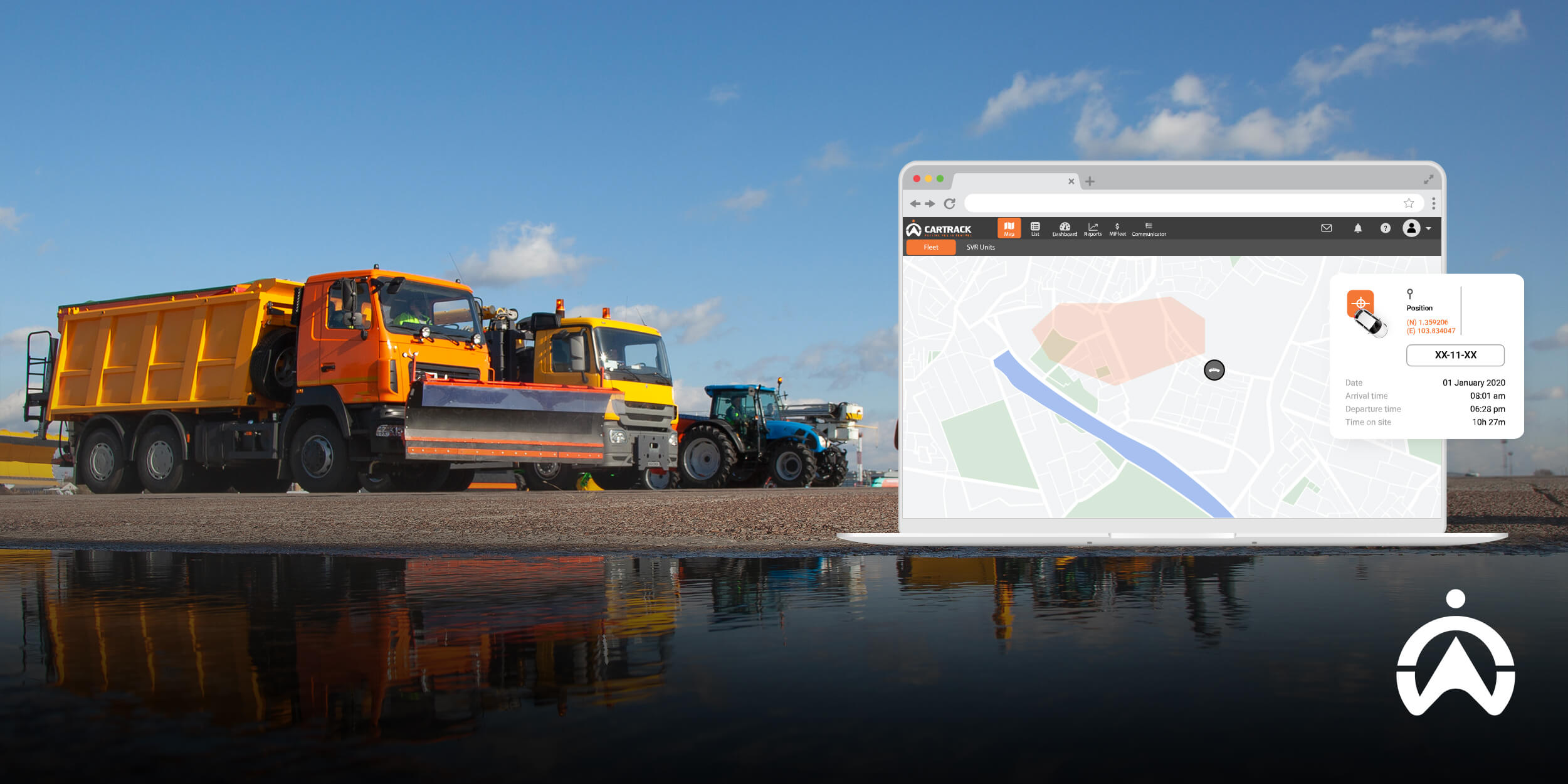
Our geofencing feature allows you to create virtual boundaries and get alerts when drivers enter or leave those areas. You can use this to ensure your vehicles or equipment don’t leave the construction site unless given permission. This feature can also be used to check whether the vehicles arrive on time at the various construction sites, and how long they take to get there.

Power Take-Off sensors

The Cartrack Power Take-Off sensors are IoT devices that monitor engine activity to help you see when your machinery is being used efficiently. Through this, you’ll be able to differentiate between productive and unproductive idling, helping you save fuel costs and improve operations.

Optimized construction equipment fleet supporting faster project delivery and reduced downtime

Preventative maintenance

Our preventative maintenance solution gives you features that help you better maintain your vehicles and machinery. You can add the recommended service dates to our platform and get reminders when the time is near. This way, you won’t skip maintenance, which improves vehicle lifespan, and you can plan operations better with less unexpected disruptions.

Through our maintenance platform, you can also create digital vehicle inspection checklists for drivers to use before and after trips. The feedback from these checklists will help you see which vehicles have parts that are worn out and need to be repaired or replaced. This reduces the chances of disruptions due to unexpected breakdowns, ensuring smoother operations.

Another great benefit of our preventative maintenance software is that it can also give you early warnings of things like engine faults, worn-out brakes, and much-needed oil changes. The system analyses certain components, allowing it to detect mechanical faults.

Fuel management

Fuel is a major contributor to high running costs, and with our fuel management system, you’ll make big savings. We have various solutions that ensure that you closely monitor fuel consumption, like MiFleet and Fuel Probes.

MiFleet is a cost management platform that helps you manage the expenses of various aspects of your fleet, including fuel. This feature monitors things like distance travelled, fuel receipts, litres, and location, then flags suspicious activities which could mean theft or fraud.

Fuel probes are sensors that are installed inside vehicle fuel tanks or the tanks on sites to measure fuel levels in real time. You’ll get alerts of sudden drops, which could mean fuel syphoning or a leak. These tools help you closely monitor how fuel is used and spot theft quickly.

Driver management

How your drivers treat your vehicles and equipment directly impacts your fleet’s health and efficiency. For that, we have driver management solutions like DID tags and fleet cameras.

Our Driver Identification (DID) tags help you maintain compliance and see who’s driving. You can assign each tag to a specific vehicle or machine that a driver is qualified to use. If someone tries to operate a vehicle or machine for which they don’t qualify, it won’t go on.

Our AI Multi Vision camera solution ensures that you see everything happening with your fleet in real-time. You can install up to eight cameras in and around your vehicles to monitor operations. You can live-stream the footage from anywhere at any time. Our in-vehicle (dashcam) cameras also identify distracted driving like drowsiness, cell phone use, and smoking. They then give audible alerts to warn drivers so they can quickly make corrections and focus.

Your trusted solution for construction fleet efficiency | Cartrack Tanzania

At Cartrack Tanzania, we offer our services to fleets of different kinds, including those in the construction industry. Over the years, we’ve helped many companies transform their fleet businesses for the better through our industry-specific features. With us, you’re assured smooth operations and optimal efficiency. Reach out to us and start seeing the difference!

Frequently Asked Questions

What factors contribute to successful fleet operations?

The factors that contribute to successful fleet operations are safety and compliance, driver management, and proper cost analysis. This is done effectively through fleet management software, which gives you smart solutions to better manage various aspects of running your fleet.

What skills do you need to be a fleet manager?

To become a fleet manager, you need a combination of leadership skills, financial skills, strong communication, technical knowledge, and problem solving abilities. You need to lead, be able to effectively communicate with your drivers, and motivate them towards a common vision. All while managing costs and identifying inefficiencies.

What is the biggest challenge in fleet management?

The biggest challenge in fleet management is managing the rising operational costs caused by things like fuel and maintenance. You can overcome this major challenge by investing in a fleet management system like Cartrack’s, which gives you more insight on your fleet operations. Our system helps you see what needs to be improved in order to cut down costs.

How a Fuel Dispensing Tracking System Helps Prevent Fuel Theft and Help Improve Fleet Safety

A fuel dispensing tracking system helps improve fleet safety and prevent fuel theft using tools that make it easier for you to monitor fuel usage and track consumption patterns. This advanced system involves installing fuel-level sensors inside the tanks or dispensers, which then collect data on fuel usage, giving you real-time fuel consumption feedback.

With fuel being one of the most expensive fleet running costs, many companies are turning to advanced fleet management technology to reduce these expenses. According to Fleet Management Weekly, businesses can reduce fuel consumption by approximately 13-16% when properly using fuel management tools.

A fuel dispensing tracking system gives you more control over your fleet’s fuel usage, and today, we’re here to discuss its importance and how it works.

Key Takeaways:

  • A fuel dispensing tracking system shows fuel levels in real time so you can see exactly where fuel is going
  • Fuel monitoring helps cut costs and spot theft & safety risks early
  • Fuel theft in Tanzania is serious and can involve large scale crime and real danger
  • Cartrack’s tools help you track fuel accurately and get alerts when something’s not right

Understanding a fuel dispensing tracking system

A fuel dispensing tracking system comprises hardware and software components that facilitate the real-time monitoring of fuel usage from storage tanks to vehicles and other equipment. It consists of sensors and IoT devices.

The sensors are placed inside fuel tanks to measure the amount of fuel dispensed. The information from the sensors is then transmitted to a centralised database (i.e., fleet management platform), so you can get easy access. Through this, you’ll be able to see exactly how much fuel is in each tank in real time and get records and alerts of suspicious activities.

Why fuel monitoring matters

Fuel monitoring matters because fuel accounts for a very large portion of fleet operational costs; so cutting down on fuel costs means big savings. Monitoring fuel consumption patterns also helps you quickly spot unusual suspicious activity, which could mean theft. Through close monitoring, you’ll also be able to identify safety risks like spilling, which is a fire hazard.

Let’s have a closer look at the reasons why a fuel monitoring system is a necessity for your business:

Fuel theft is a major business risk

Every employer hopes to work with staff members they can trust, but unfortunately there’ve been many cases of fuel theft by workers. Common fuel theft methods include:

  • Syphoning: When employees use hoses or other tube-like tools to drain fuel from a tank to personal containers or vehicles.
  • Tampering: Disabling tank locks to steal large quantities of fuel at one go.
  • Misreported fuel usage: When employees deliberately misreport fuel usage to hide theft or misuse, inflating records to cover up smaller thefts.

Safety concerns during refueling

Closely monitoring fuel levels and pressure also helps with detecting leaks or potential spills at an early stage. This helps prevent environmental contamination and reduces the risk of fire or explosions occurring, which are major safety concerns. It also gives you the opportunity to address common causes of spills (like improper handling) and train employees on better conduct.

Fleet vehicle monitored by fuel tracking system to improve safety

How bad can fuel theft get? A timeline of key cases

Fuel theft in Tanzania can get really bad. It has grown beyond isolated incidents into a serious, organised crime. Criminals steal thousands of litres of petrol or diesel through pipelines. A theft of this nature is a dangerous activity that impacts essential services, supply chains, and the overall economy.

To make you better understand the extent to which fuel theft can go, we’ve created a timeline of key cases that highlight the scale of the crime, involving methods like syphoning and tampering. Have a look:

December 2019 – Fuel theft worth millions uncovered

In December 2019, two suspects, aged 38 and 43, were arrested for allegedly stealing fuel worth more than approximately 486.39 million Tanzanian Shillings (TZS). at a Transnet station in Warden, the Free State. The suspects were caught by the Hawks, with four tankers that were headed to Gauteng.

October 2022 – Alleged Transnet fuel theft kingpin arrested

On October 19th 2022, the Hawks performed a joint operation with Bidvest Protea coin to catch the alleged kingpin of the Transnet fuel theft syndicate. The 35-year old suspect was arrested in Pretoria East, then taken to his property in Emalahleni for further investigation. Upon arrival, they found trucks, tankers, and fuel storage units.

January 2023 – Death of fuel theft suspects

On the weekend of January 14th, 2023, two fuel theft suspects were overcome by fumes in a tunnel and died while trying to syphon petrol from a pipeline. Their bodies were found at the site, with one in the structure and the other in the tunnel leading to the petroleum pipeline near Kipler Park, Johannesburg.

July 2024 – Suspect sentenced for fuel theft

On July 8th 2024, another fuel theft suspect was found guilty of fuel theft, tampering with essential infrastructure, and possession of stolen property. The Transnet Pipeline Chief Executive told news reporters that the sentence reflects the seriousness of the crime and its impact on both the economy and society. He also added that it’s through the swift response from their security teams and collaboration with law enforcement that have led to this outcome.

Smart fuel management system helping prevent theft and boost fleet safety

Take control of your fleet’s fuel with Cartrack’s fuel dispensing tracking system

Our fuel dispensing tracking system helps you gain full control of your fleet’s fuel. We have tools like fuel probes and MiFleet to help you keep a close eye on refuelling activities. This way you’ll accurately measure fuel levels and quickly spot any irregularities.

Here’s how our fuel tracking solutions work:

MiFleet

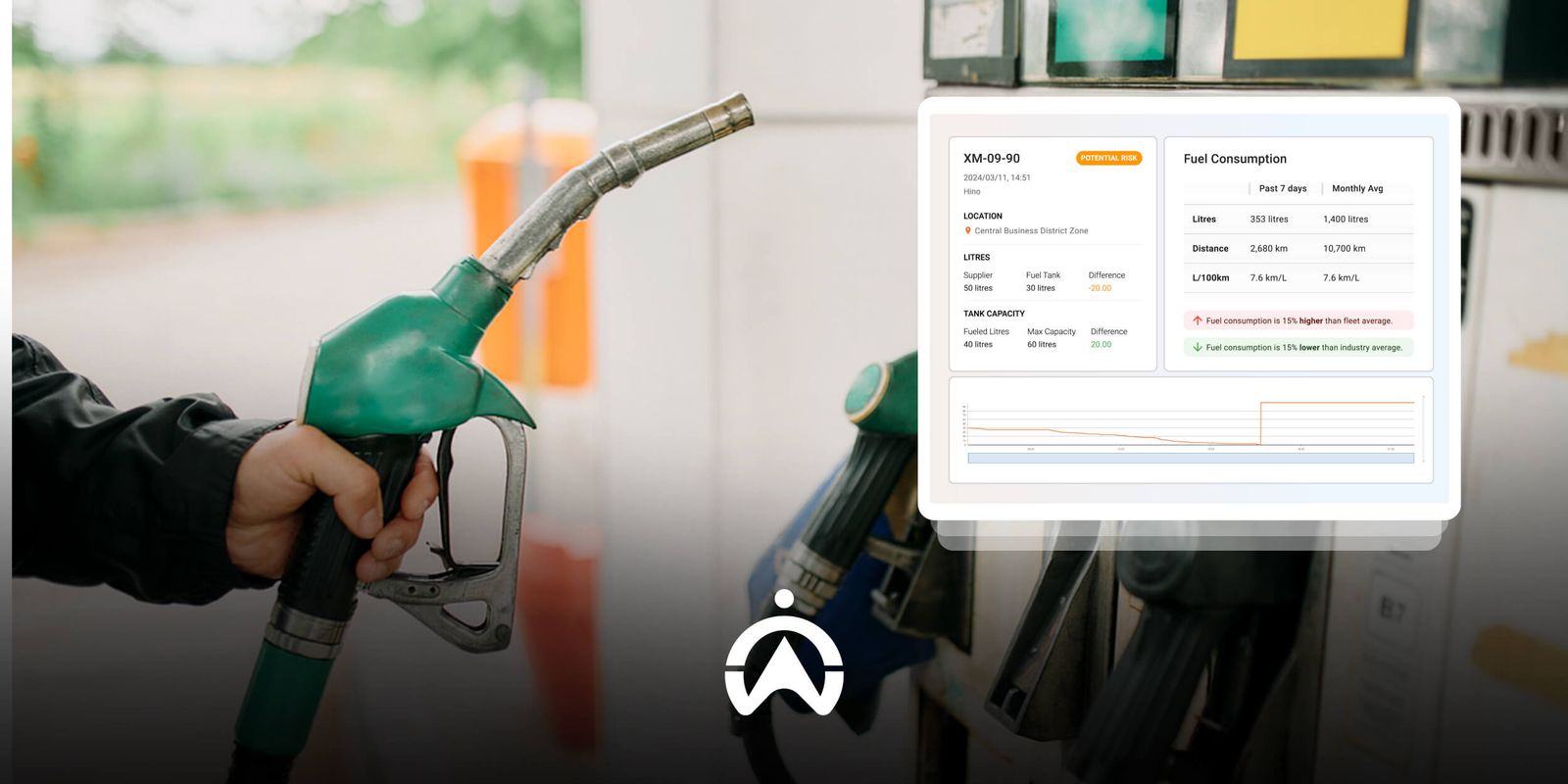
Cartrack’s MiFleet solution is a cost management tool on our platform that helps you track the cost of many things, including fuel. You’ll get validation of vehicle tank capacity and how many litres are in each vehicle’s tank. This makes it easier to spot theft. For example, if the truck’s tank capacity is 200 litres but records show 250 litres of fuel were poured into that vehicle, then you’ll get an alert.

Fuel probes

Fuel probes are fuel-measuring devices that use a float system to measure the quantity of fuel flowing in your tank. The float goes up and down as a vertical rod inside the tank as the fuel levels change. The fuel probes constantly check the resistance of the variable resistor, and any changes in resistance send a different electrical signal from the probes. Signal shifts show the fuel levels, and the information is sent to our fleet platform, giving you real-time updates.

Fuel probes are an effective way to spot syphoning and tampering, because you’ll get instant alerts of sudden massive drops in fuel levels. This helps you act quicker and possibly catch the thieves while in the act. The sudden drops could also mean spillage, helping you attend to the hazard quicker.

Fuel reports

With our system you’ll get detailed fuel consumption reports, like the rate of fuel flow to like:

  • A summary of actual working hours each machine/equipment with fuel consumption.
  • Fuel graph reports.
  • Fuel summary reports showing mileage, fuel used and fuel consumption.
  • Refuel reports which show the date, time, and amount of fuel that was refuelled.
  • Vehicle fuel cost, which shows the total cost of fuel per vehicle.

Choose Cartrack’s fuel monitoring system for your business

Investing in a fuel dispensing tracking system is no longer optional; it’s essential for cost saving, crime prevention, and protecting the environment. Our fuel dispensing management tools give you greater safety and improved control over fuel usage. Make sure that you reach out to one of our fleet consultants for a service you can trust!

Frequently Asked Questions

Can fuel tracking systems detect theft in remote or low-signal areas?

Yes, fuel tracking systems are still able to detect theft even in remote or low-signal areas. This is made possible through various technologies like offline data logging, sensors, and satellite communication. The many mining and agricultural sites are in low-signal areas, but thanks to the combination of these technologies, fuel theft and misuse are easily detected.

Do fuel level sensors work in all vehicles?

Yes, fuel level sensors work in virtually all vehicles because they vary in type. Most common vehicles use resistive (float-based) sensors. These use a float to adjust electrical resistance as the fuel levels go down, which then moves the dashboard needle.

How accurate are fuel level sensors?

Fuel level sensors like fuel probes are highly accurate when properly installed. To ensure accuracy, fuel probes are calibrated, which is the process of adjusting and aligning the measurements to match the actual volume of the tank. This ensures that the system gives you accurate and reliable data. The process of calibration requires three refills to verify accuracy.

How to Manage Your Waste Collection Trucks with GPS Tracking

To manage your waste collection trucks with GPS tracking, team up with a provider that offers the ideal GPS tracking solution for your fleet and business needs. Managing this kind of fleet goes far beyond the job itself; it’s about upholding the accountability and efficiency needed to complete these jobs well.

Your waste collection fleet likely faces some intense daily pressures, from rising fuel costs to very tight schedules and customer complaints about missed collections. Research shows that GPS-enabled route optimisation can cut your total fleet mileage by as much as 20%, leading to lower fuel consumption, less unnecessary travel, and better service performance.

Real-time data consistently pours in, so why would you not leverage it for a better and improved fleet management strategy? That’s the strength of a reliable GPS solution for your waste management team. This blog takes a look at the right GPS tools to track waste fleets, and how Cartrack Tanzania can help you maintain control and run your operation seamlessly.

Key Takeaways:

  • GPS tracking helps waste fleets cut fuel costs, reduce delays, and stick to tight collection schedules
  • Live tracking and route data make it easier to handle missed collections and customer complaints fast
  • Driver monitoring and trip history improve safety, accountability, and proof of service without micromanaging
  • A strong GPS platform like Cartrack Tanzania gives full visibility and control across vehicles, routes, and assets

How GPS tracking improves waste collection route efficiency

GPS tracking improves waste collection route efficiency by combining technology and careful planning to create the best, most optimised routes for your fleet. It’s a prime example of taking vehicle insights and turning them into actionable knowledge. GPS tracking also keeps you in the know, allowing you to act quickly if there are unexpected delays or hiccups.

What is GPS tracking in waste collection management?

GPS tracking in waste management uses GPS data to keep track of your vehicles and the waste they carry, monitoring their movement, routes, and other operational data. Tracking at a fleet management level helps you gather the information necessary for informed decision-making.

Tracking can be active or passive. Passive tracking keeps your data stored to be analysed later. Active tracking presents insights in real time, allowing you to make changes on the go if unexpected stops or rerouting take place.

Why waste collection fleets are uniquely hard to manage

Waste collection fleets are uniquely hard to manage because of daily challenges like frequent stop-and-starts, high risks, and public accountability. You can overcome these and other waste management obstacles by tapping into GPS tracking and the optimisation it provides.

Here are some particular challenges you may be facing:

  • Fixed schedules vs unpredictable real-world conditions: Collection routes are usually laid out ahead of time, but factors like traffic or construction can potentially slow down your productivity.
  • High stop-start driving and fuel drain: Collections translate into a high number of stop-and-start journeys. Couple that with the layout of an urban area, and you get substantial fuel consumption.
  • Public accountability and service-level pressure: The pressure to deliver, and to do so timeously, can be overwhelming. Missing stops or being late could potentially lead to complaints and threaten contractual agreements.
  • Heavy vehicles, safety risks, and compliance demands: The vehicles themselves are large and carry heavy loads while being expected to comply with health and safety rules.
  • Assets—trucks, bins, containers, drivers, depots: Coordinating and overseeing multiple interlinked assets across vast areas takes effort and attention.

How GPS tracking helps you manage waste collection trucks more effectively

GPS tracking helps you manage waste collection trucks more effectively by supporting route optimisation, improving running operations, monitoring driver behaviour, and other daily processes. This is essential for you to keep your business running smoothly, especially when unexpected stops or delays occur.

Let’s look at how tracking helps you better manage your waste trucks:

Real-time visibility across your entire waste fleet

Real-time visibility across your entire waste fleet means you have eyes on every single one of your vehicles in the fleet. This isn’t just about location or vehicle movement; it’s about you being able to respond quickly and effectively when unforeseen challenges arise.

This level of visibility is even more important when you consider Tanzania’s traffic congestion, varying road infrastructure conditions, and the accessibility of rural and peri-urban areas. These factors can easily affect service delivery and interfere with planned routes.

Sticking to a planned route is always great practice, but real-world problems will pop up, and live data feedback keeps you in the loop when these problems happen. You can handle missed stops, delays, or other interruptions quickly, as GPS tracking supports faster corrective action. It’s better for you to immediately solve the issue instead of dealing with complaints afterwards.

Smarter route planning and fewer wasted kilometres

Smarter route planning and fewer wasted kilometres are the key to optimising your operations. GPS tracking can help you optimise routes by analysing traffic patterns, data from previous trips, and real-time conditions—all to improve your travel times and fuel wastage issues.

Being able to cut back on fuel wastage, especially for stop-and-start journeys, directly impacts the cost of your fuel. It improves your overall expenses and makes fuel usage a more predictable cost. This supports your daily planning and prevents some of your trucks from being overworked while others sit idle.

Improved driver accountability without micromanagement

Improved driver accountability without micromanagement is possible, as tracking gives you total visibility and understanding of your drivers’ behaviours from a distance without having to excessively interfere. By managing this way, you give your drivers space to work independently without sacrificing oversight and supervision.

When challenges arise (like poor driver behaviour), well-recorded data is available for you to review and use in coaching feedback. This could effectively lessen the tension between you and your drivers, because genuine facts will always serve as the strongest evidence.

This evidence is also crucial regarding proof of service: if a complaint has been made by customers or the municipality, the GPS tracking history will confirm that your driver’s job has been completed.

Better asset utilisation and vehicle uptime

As briefly mentioned, tracking will help you maintain better asset use and vehicle uptime. With clear trip histories that show you which vehicle’s used when, you get an overview of the vehicles that are being overused or underutilised, allowing you to balance out their use.

Predictive maintenance also plays an important role here. When you better understand how a vehicle is being used, through factors like distance travelled and fuel usage, you can ensure that the vehicle’s service is scheduled before breakdowns happen.

GPS tracking use cases in waste collection operations

GPS tracking use cases in waste collection operations will show you firsthand the vital role it plays in daily operations. Despite waste collection functions varying according to area, service, and other elements, the beauty of GPS tracking is that it’ll undoubtedly improve processes across every use case—including yours!

Let’s look into each of the use cases in more detail:

Managing municipal waste collection routes

Managing municipal waste collection routes is made much easier with the help of tracking, helping you to keep an eye on the vehicles and ensure they’re taking the correct routes. Schedules and service windows are very tight, so when you’re monitoring these aspects, you ensure the tasks are successfully completed.

Through consistent tracking, historical journey logs can reveal everything from missed pick-ups to recurring operational issues that interfere with the smooth running of your business. This is particularly important in Tanzania, where missed waste collections and service delays can lead to public complaints, environmental concerns, and increased pressure on municipal authorities and service providers.

These insights contribute to the improvement and optimisation of your routes and processes. Additionally, it creates a much more consistent service for municipalities overall.

Tracking commercial and industrial waste pickups

Tracking commercial and industrial waste pickups means working within an agreed-upon timeframe. Contractually, there are goals that you and your drivers need to meet and obligations that you’ll need to fulfil; tracking will confirm that these goals and obligations are carried out.

Tracking is also an excellent added layer of security for tasks that might be a greater risk. You’re able to stay close and heavily monitor these trips, pick-ups, and drop-offs without worrying about extra organisational woes that come with high-risk tasks.

Of course, you can quickly handle any dispute or complaint with the support of the evidence that tracking provides.

Monitoring dump trucks and landfill trips

Monitoring dump trucks and landfill trips doesn’t have to be complicated, especially when you consider the fact that waste collection goes far beyond the pavement pick-ups. Movement still has to happen between collection points and disposal sites, and GPS tracking insights can help you with better task allocation and turnaround times to keep up productivity.

Container and bin tracking across multiple locations

Container and bin tracking across multiple locations is difficult when you don’t have a clear overview of vehicle movement. Waste trucks cover extensive ground, and tracking is highly valuable to keep track of movements and usage patterns, while also bringing down the number of lost/misplaced bins and containers.

Having precise location data enhances your planning for container servicing, relocation, or replacement. This way, you can allocate resources effectively where they’re needed most, while keeping service levels high.

GPS tracking features that matter most for collection fleets

GPS tracking features that matter most for waste collection fleets include driver behaviour monitoring, live vehicle tracking, and smooth integration with fleet management systems. Not all tools and platforms will meet your standards, but it’s important to know what to look for if you want the best for your fleet operations.

Here’s a look at some essential features you should keep in mind:

  • Real-time tracking and trip history: Live tracking is the key to total visibility. The best tracking solution has consistent tracking with a strong connection, even in areas with low connection. It should also have an accurate and detailed trip history log. These are functions that aid you in immediate intervention when necessary.
  • Route replay and proof of service: You should be able to review and retrace a journey in detail, especially in the case of any dispute, complaint, or need for confirmation. Route replay also serves as proof of service, providing evidence of collections or other municipally related queries.
  • Driver behaviour monitoring for heavy vehicles: Because your waste collection trucks are under a lot of pressure to move quickly from place to place and handle heavy loads, your drivers must navigate their routes with care. Driver monitoring systems can help correct aggressive driving behaviours and support safer habits.
  • Alerts, reports, and compliance support: Automated alerts are probably one of the most important features. These update you when there are route changes, holdups, or anything else that halts productivity. Detailed reports also simplify your compliance processes, especially if you can choose and filter information accordingly.
  • Integration with broader fleet management tools: Integrating GPS tracking with fleet management tools is the most effective approach for waste management. This structure allows you to monitor vehicles, drivers, and performance data all from one unified platform instead of having to manage numerous disconnected tools.

GPS tracking vs manual waste fleet management

Looking at GPS tracking vs manual waste fleet management will show you just how significant the role of live GPS tracking is, especially regarding automation and optimisation. The table below highlights how GPS-enabled systems make daily tasks easier and strengthen supervision in waste collection operations.

Take a look:

Operational task Without GPS tracking With GPS tracking
Route planning Manual, static Data-driven, optimised
Missed collections Hard to verify Easily identified
Fuel usage Estimated Accurately monitored
Customer complaints Difficult to resolve Backed by location data
Compliance reporting Time-consuming Automated

How Cartrack Tanzania supports your fleet management

Cartrack supports your waste collection fleet management by offering all the tools that you’d need to see successes: live GPS tracking, adaptable solutions, detailed insights, and complete visibility and control. Not all systems are equal, and Cartrack’s is one that certainly stands out above the rest.

Our live and continuously-updating GPS tracking keeps a close eye on your waste collection trucks while they’re working. This visibility makes it easier to see that the correct routes are being taken, enables quick reactions to any potential delays, and guarantees that there’s constant oversight during the working day.

Our versatile platform means that whether your fleet is small and straightforward or larger and complex, you’re guaranteed comprehensive insights and a strong fleet management solution. You can carry out daily tasks with ease and even improve operations through implementing data-driven changes.

Cartrack’s got all the necessary tools that you’ll need to improve safety and reliability in waste collection. You have access to highly accurate information that’s time-stamped, which means the early detection of operational risks. Overall, expect to improve your planning and maintain service standards on every occasion.

Final takeaway: the importance of visibility and control in route optimisation

The bottom line is that GPS tracking solutions are your best bet if you’re looking to manage a highly successful, safe, and optimised waste collection fleet. There needs to be confidence and certainty when managing this kind of fleet. Tight schedules, public scrutiny, and increasing costs have made GPS tracking an absolute necessity.

Cartrack Tanzania is your trusted, long-term partner. Our GPS tracking solutions are meant to go up against real-world challenges (and come out on top!). At Cartrack, we empower you—as municipalities and private operators—to carry out your services with confidence and control.

Stop losing time and fuel to inefficient waste routes. Reduce delays, improve service delivery, and manage your fleet more successfully with Cartrack GPS tracking.

FAQs

Can ChatGPT optimise routes?

No, ChatGPT can’t optimise routes. The most ChatGPT can do is help with some of the planning and provide ideas, but it won’t generate the feedback and insights necessary for route optimisation. Trip histories, preventative tools, and live tracking are all required for this process—none of which are provided by conversational AI tools.

Does Google Maps have an EV trip planner?

From a fleet perspective, no, Google Maps doesn’t have an EV trip planner. Google Maps is better suited to personal vehicles and individual trips, and in that way, it can show a trip beforehand or display charging stations. It’s not designed for fleet use, which includes many other aspects beyond simple navigation.

Can GPS data be used to verify completed collections during customer disputes?

Yes, GPS data can be used to verify completed collections during customer disputes. Because this data shows where a vehicle was and at what time, you get detailed feedback from route trip histories. This information can be verified against complaints, using it as clear evidence to reach quick conclusions.

What happens if a waste vehicle temporarily loses GPS signal?

If a waste vehicle temporarily loses signal, it’ll store the trip data while offline, and that data will be updated once the connection is restored. Following that, the transmission of data will go back to happening in real time. Overall, vehicle trip history stays intact, helping you to easily maintain operational visibility.

Why Are Dashcams Critical for School Lift Transport Vehicles?

Dashcams are critical for school lift transport vehicles because they not only keep drivers accountable and alert on the roads, but also watch out for the children who are on board. Children are some of the most vulnerable people on the roads, which makes school transport a higher risk.

As a parent, you place your trust in drivers to transport your children safely every day. As a driver, you face the responsibility of keeping children safe on Tanzania’s roads. Recent road safety reports continue to highlight the importance of stronger transport safety measures, particularly for school-going children who remain vulnerable to traffic-related incidents. This underscores the urgent need for improved driver accountability, vehicle monitoring, and road safety practices to help protect young passengers across Tanzania.

At Cartrack Tanzania, we know that your child’s safety is the most precious thing to you. In this blog, we discuss the value of dashcams in school transport vehicles, and why Cartrack’s solutions are the top choice for keeping every school journey safer.

Key Takeaways:

  • School lift transport is high risk due to vulnerable passengers, frequent stops, and peak-hour traffic conditions
  • Dashcams provide critical visibility inside and outside the vehicle, improving child safety and driver accountability
  • Video footage supports duty of care, compliance, and fair incident investigation for operators and drivers
  • Cartrack dashcams help create safer, more transparent school transport journeys for parents, drivers, and schools alike

Why are dashcams essential for protecting children during daily trips?

Dashcams are essential for protecting children during daily trips because children are the most vulnerable passengers. Visual evidence of events inside and outside the vehicle ensures that kids are safe at every point of the trip. Recording inside shows the kids buckled up and ideally behaving, while the outside captures drivers interacting with the vehicle and making safe stops.

These dashcams also serve as a strong barrier against dangerous driving or inappropriate behaviour. When drivers know they’re being recorded, they’re probably more likely to stick to the rules and drive responsibly. This makes a safer environment for everyone on board.

As parents, this added visibility offers real comfort and relief. Knowing there’s a reliable record of each journey reassures you that safety is a top priority, not just when incidents occur, but every single day.

What makes school lift transport a high-risk environment?

School lift transport is a high-risk environment because of the unique set of dangers that come with day-to-day multi-stop travel. As a driver, you make many kerbside stops in a single route, and chances are you’re getting caught up in busy suburban roads. You also try to ensure you’re treating your young passengers with extra care.

Let’s look at more of the risk factors:

  • Young passengers with unpredictable behaviour: Children tend to be up and about, forgetting to put on their seatbeltsor acting in ways that are unpredictable. For a driver this can be distracting, and potentially ups the risk factor.
  • Pressure on drivers to maintain schedules: Pick-ups and drop-offs create very tight schedules, especially when the passengers are children who need to be at school on time. Combine this with peak traffic hours, and there’s a chance that mistakes could be made while on the road.
  • Heightened emotional and legal stakes when incidents involve children: As a driver, having the lives of children in your hands can feel like a lot of pressure. As a parent, you put all your faith in drivers and expect clear answers if an incident occurs. This can cause heightened anxieties on both sides.

A school lift transport driver in a blue t-shirt holding a bus steering.

Can dashcams help school lift operators meet compliance and duty-of-care expectations?

Yes, dashcams can help school lift operators meet compliance and duty-of-care expectations, which is even more of a reason to push for transport with a monitoring system. As a driver, duty of care is more than just you getting schoolchildren from A to B; it’s about doing so with caution, with safety being at the forefront of one’s mind.

Dashcams support this by keeping footage stored and showing safety measures being enforced. When you wear seatbelts, drive safely, and make the right stops, all of this is recorded. This kind of visibility shows transparency and builds trust between you and parents.

How do AI-powered dashcams improve school lift safety?

AI dashcams improve school lift safety by detecting aggressive driving behaviours, which are flagged as alerts on the management platform.

Here are some of the benefits of introducing AI capabilities:

  • Real-time alerts for risky driving behaviours: Your operator is immediately notified via the management platform when an event is detected (i.e., harsh braking, speeding, etc.).
  • Driver coaching opportunities: Because events are captured and recorded, they can be used as teaching moments by management. This helps you as the driver to improve your behaviour on the road.
  • Evidence-based decision-making: If management decides to change and improve safety operations, there’s physical, AI-backed evidence that supports those changes.
  • Continuous safety improvement: Things change over time, especially from a compliance and regulations perspective. AI can identify trends, helping operators adapt to those changes and move from reactive action to proactive duty-of-care.

How do dashcams protect drivers and operators from false claims?

Dashcams help protect drivers and operators from false claims by providing strong, clear, and objective evidence in the event of an incident. For a driver, having clear evidence means no false claims and smoother processes when it comes to insurance matters or investigations. This gives you the chance to stand by your actions if anyone questions your behaviour.

Cartrack dashcam mounted onto a car's windscreen

What should school lift operators look for when choosing a dashcam solution?

School lift operators should look for features like two-angle-facing cameras, easy footage retrieval, and protected data storage when choosing a dashcam solution. As an operator or driver, these tools lean towards the visibility and safety that you’re looking for, beyond just recording. These tools support you in safer driving while reassuring parents and giving them confidence.

Consider the following:

  • In-cab and road-facing footage: Events both inside and outside the vehicle are being recorded, which include pick-ups and drop-offs.
  • Tamper detection: Part of maintaining privacy and safety is a dashcam that’s sturdy and tamper-proof, so that unauthorised people don’t get access.
  • Secure data storage: Much like the previous point, data and footage that’s stored needs to be safe and encrypted, preferably by industry standards.
  • Easy footage retrieval: If a serious incident happens, you’d want to avoid delays when collecting the footage. Retrieval should be straightforward.
  • Integration with fleet tracking: This supports better overall visibility, giving clearer views of where the vehicle is at all times.

How Cartrack dashcams support safer school lift operations

Cartrack dashcams support safer school lift operations by offering all the technologies needed to protect drivers and travelling children. It’s important that you, as a driver or as a parent, understand what a trusted and well-informed company like Cartrack Tanzania can do for schoolchildren’s travel safety. Our dashcams are there to make protecting children that much easier.

Keeping kids safe can’t stop at simply having good intentions. Safety calls for complete visibility, and the power to act fast when something seems off. We also provide both inward- and outward-facing camera options to encourage safer driving, ensure proper pick-up and drop-off procedures, and clarify any complaints or concerns.

With AI-powered detection, dangerous driving can be spotted early and nipped in the bud. Our dashcams also connect with fleet management data, giving a fuller picture of each journey. Finally, when incidents happen, secure access to footage will allow for quick and responsible reviews. This promotes fair investigations, protects everyone involved, and helps maintain trust with parents and schools.

Final takeaway: Why dashcams are no longer optional for school lift transport

Whether you’re a parent or a school transport operator, it’s clear that dashcams are no longer an option for lift transports. You understand that it’s not just about trusting each other; it’s about recognising how technology can minimise risks and foster a stronger, transparent relationship.

By supporting the adoption of dashcams, you’re supporting proactive safety strategies and accountability. Parents enjoy greater peace of mind. Drivers benefit from clearer expectations and fair protection. For school transport overall, we can begin to see a true embracing of prevention, care, and shared responsibility.

Every child deserves a safer journey to school.Speak to a professionaland learn how Cartrack’s technology can help improve oversight and accountability in school transport.

FAQs

Are dashcams an invasion of children’s privacy?

No, dashcams are not an invasion of children’s privacy when footage is handled with care. Dashcams are for protecting children, not for spying on them. It’s generally important to establish clear guidelines with the school, children, and parents. Additionally, keep privacy in check by choosing Cartrack Tanzania, because we follow strict privacy and protection policies.

Why are parents demanding more visibility into school transport?

Parents are demanding more visibility into school transport because there’s been an uptick of tragic events taking place in recent years. Dashcams bring that level of visibility and assurance, guaranteeing that video evidence will be available if an incident occurs. The presence of a dashcam also encourages drivers to behave more responsibly.

Why is accountability so important in school lift transport?

Accountability is so important in lift transport because it ensures everybody’s safety. Children are precious passengers on these trips, so the school and drivers need to be as transparent as possible. Rules should always be followed, complaints should be taken seriously, and investigations should be followed through.

What can school lift drivers do right now to improve safety?

Right now, school lift drivers can practise safe driving, stick to the rules of the road, and be a good example for the kids (wearing seatbelts and showing vigilance) to improve safety. To add extra layers of protection, drivers can do quick pre-trip inspections and steer clear of overloading, ensuring their vehicles stay in top shape.

Top Electric Scooter Fleet Management Solution

The process of managing an electric scooter fleet involves tracking, maintaining, charging, and protecting your scooters. This ensures that your fleet stays available, safe, and most importantly, profitable. Electric scooters work best in busy urban areas, as this is where they’ll be utilised the most and are most likely to have charging stations to keep your scooters running.

Without having effective operational control, you’ll end up having scooters in your fleet that’ll remain unused, go missing, or deteriorate much faster than expected. For businesses, local authorities, and transport providers, the question isn’t if e-scooters will become popular. The question is rather IF electric scooter fleets can be managed in a way that’s efficient enough to allow for sustainable growth.

With the global shared electric scooter market set to expand from roughly USD 2.15 billion in 2024 to over USD 16 billion by 2029, businesses have to prioritise smart fleet management to sustain growth.

It’s important to remember that electric scooter fleets don’t fail at the point of adoption—they fail during the process of daily management.

That’s why it’s important to partner up with a top fleet management solution provider like Cartrack Tanzania to make managing and maintaining your electric scooter fleets so much easier!

Key Takeaways:

  • Electric scooter fleets struggle due to limited operational control rather than insufficient demand
  • Battery downtime has a direct and immediate impact on scooter availability and revenue
  • Data-driven deployment decisions improve utilisation by placing scooters where demand actually exists
  • Generic fleet management tools lack the visibility and intelligence required for high-frequency micromobility operations

Why is managing electric scooter fleets more complex than traditional vehicles?

Managing electric scooter fleets is more complex than traditional vehicles because scooters are used more often. On top of that, they operate in smaller local areas, and they depend entirely on battery life and are unfortunately more susceptible to theft and getting damaged.

Electric scooters also act in ways that are much different from cars, vans, or trucks. A single scooter can complete many short trips in one day, they can be used by different people and, depending on the scooter type, across various types of road surfaces. This then causes constant operational pressure on fleet managers.

High-frequency usage creates constant operational pressure

The high frequency of usage in e-scooters changes many things. So unlike traditional fleets that accumulate kilometres slowly over time, scooters experience significant wear & tear on a daily basis. This means that parts like brakes, tyres, gears, and batteries wear out quickly, and all of these small damages can add up quickly if they’re not identified early on.

Having a dedicated EV fleet management solution will help your operators stay on top of daily wear & tear by providing you with real-time insights into your e- scooters usage and condition. Fleet managers will be able to easily identify scooters that are overused and arrange maintenance before small issues turn into costly repairs by tracking ride frequency, distances travelled, and unexpected movements.

This proactive approach will minimise unplanned downtime, extend the lifespan of equipment, and keep all of your e-scooters safe and roadworthy, even with heavy daily use.

Battery dependency turns downtime into lost revenue

The dependence on batteries unfortunately introduces daily risks to your profits. A scooter that has a dead battery is not just “parked” but is technically offline. Having only a limited visibility into the battery’s state-of-charge will result in missed opportunities and income.

Fleet management software helps you avoid revenue loss from battery problems by giving you real-time insights into each scooter’s battery level and usage trends. Instead of discovering flat batteries once scooters are offline, operators can prioritise charging or swapping batteries based on live data.

This approach enables teams to get scooters back on the road quicker, minimise idle time, and ensure assets are ready when demand peaks, safeguarding daily earnings.

Hyper-local operations leave no room for guesswork

The demand for e-scooters can change from one area to another based on the time of day, weather conditions, or current events. That’s why, without real-time data, your scooters will end up gathering in areas with a low demand, while places with high traffic don’t have enough scooters available.

A fleet management solution takes the guesswork out by analysing real-time location and usage data across your fleet. The data you’ll receive will be able to show you where your scooters are most used during the day—helping you to make smarter distribution choices. This means your scooters will end up in high-demand areas, boosting utilisation and reducing idle assets in low-traffic spots.

Where do electric scooter fleets lose money without realising it?

Electric scooter fleets often lose money through low utilisation, reactive maintenance, and unnoticed asset loss without even realising it. Scooters with flat batteries, hidden damage, or poor placement quietly reduce your earnings, shorten their lifespan, and distort performance data if they’re not actively monitored.

Here’s exactly how your e-scooters are losing money:

Poor utilisation due to lack of visibility

Low usage due to poor visibility happens when scooters are listed as “available” but are actually parked incorrectly or offline because of a low battery. Without having accurate usage data, decisions about distribution simply become guesses.

Reactive maintenance that shortens asset lifespan

Reactive maintenance is one of the main factors that shortens the lifespan of your electric scooter fleet. When you only address faults after your drivers complain, it leads to delays, causing components to fail faster and increasing the replacement costs over time.

Silent asset loss

Silent loss of assets occurs when scooters are moved, damaged, or taken without any notification. This then gradually reduces the overall value of your fleet and distorts your performance metrics.

Electric scooter fleet operations system used to monitor vehicles and performance.

What must an effective electric scooter fleet management solution solve?

An effective electric scooter fleet management solution must solve problems surrounding the real-time visibility of assets, the monitoring of battery health, analytics on usage, and alerts for proactive maintenance. These functions assist fleet managers in reducing downtime, improving utilisation, safeguarding assets, and making informed decisions about operations in urban areas that are heavily populated.

Real-time asset visibility

Operators must know the exact location of every scooter, how long it’s been in its idle state, and whether it’s making any unexpected moves.

Battery health and charging intelligence

Information about the state of charge, charging history, and battery performance trends helps you to prioritise field operations and reduce downtime.

Usage and demand pattern analysis

Understanding when and where scooters are used helps fleets match supply with real demand instead of relying on guesswork.

Proactive maintenance triggers

Spotting impacts, unusual movements, or any odd usage patterns can help identify potential faults before they turn into breakdowns or safety issues.

Why generic fleet tools fall short for electric scooters

Generic fleet management tools struggle with electric scooters since they’re designed for infrequently used vehicles rather than assets that need constant, high-density usage and rely on batteries. Operators often lack the detailed insights into usage and battery status necessary for effective daily management of scooters.

Lack of insights

  • Your scooter fleets need daily, not monthly, insights

Inability to monitor battery logistics

  • This is an electric vehicle, which means it operates with a battery life, not petrol or diesel
  • Cartrack has a comprehensive fleet management system—that works perfectly with electric vehicle fleets—that enables you to monitor your e-scooter’s battery health, charge levels, and energy usage. Plus, we offer predictive maintenance for battery wear, preventing unplanned downtime and optimising charging.

How data-driven control improves electric scooter fleet performance

Data-driven fleet management improves scooter fleet performance by increasing their availability, reducing downtime, and helping operators make smarter utilisation decisions. Real-time insights into usage, battery levels, and movement patterns empower operators to enhance their operations, improve safety, and extend the lifespan of their assets.

Smarter utilisation decisions

If your e-scooter fleet is in an area that’s not utilising them to their full potential, you’re wasting money and your drivers time.

For example, let’s say you have an e-scooter fleet that does Uber Eats deliveries, and all 12 of your drivers are in a small rural town that has only two fast food restaurants—you’re going to be operating at a loss. However, if you place one driver there and spread the rest out in busy suburbs that have plenty of restaurants—you’ll be utilising your fleet in the most profitable way.

This is why having a fleet management solution is important. You’ll get data that will help you improve your electric scooter fleet’s utilisation rate.

Reducing downtime through predictive insights

You have three e-scooters out of use because they need to be serviced, two have been parked in the basement parking for three months, four of your scooters can be used because they need to be charged and one just pulled up with a faulty battery. Does this sound familiar?

A data-driven fleet management system is the tool that ensures this chaos doesn’t happen. You’ll receive predictive insights that let you proactively keep your fleet maintained instead of you being reactive only once an issue arises. Predictive maintenance also enhances the lifespan of your fleet.

Improving safety

When it comes to electric scooters, accidents happen more often compared to regular fleets. Now, it’s also difficult to know if it’s the fault of your drivers or the fault of other vehicles. This is where a data-driven fleet management system works its magic.

You’ll get:

  • Real-time monitoring of vehicle and driver behaviour
  • Monitoring of driver performance
  • Customised driver safety policies
  • Proactive tracking on maintenance and servicing that keeps your e-scooters road-ready

Electric scooter fleet management dashboard showing real-time tracking and analytics.

What to look for in an electric scooter fleet partner

Electric scooter fleet operators should team up with a fleet partner who can deliver reliable connectivity in any local area. You should look for a partner with experience in high-risk environments and who offers scalable, data-driven tools. These are the features that guarantee consistent visibility, enhanced asset protection, and better control over operations as your fleets grow.

Proven experience in high-risk fleet environments

Having an e-scooter fleet partner with experience in high-risk environments is crucial. Your fleet partner should understand asset protection, theft prevention, and how to operate effectively in busy urban settings.

*Cartrack has been in operation since 2004 and has recovered over 100 000 vehicles in the past 10 years!

Local network reliability and support

It’s crucial to have reliable local connectivity and constant support. Fleet data is only valuable when it’s consistently accessible, even in challenging network conditions.

*Cartrack has 24/7 support to assist you with any emergencies, and our systems are designed to work even in remote local areas!

Scalability without operational complexity

You need scalability that doesn’t complicate things as you grow. As your fleets grow, management systems should be able to simplify operations rather than add to the administrative workload.

*Cartrack’s fleet management system is designed to grow with your fleet!

How Cartrack supports electric scooter fleets

Cartrack supports electric scooter fleets with real-time tracking, operational insights, and asset protection that’s tailored for busy urban environments. These tools are essential for operators and fleet managers, allowing them to keep an eye on usage, manage battery downtime, reduce losses, and ensure that their fleets are always accessible.

Real-time tracking built for high-density fleets

At Cartrack we offer real-time tracking for urban electric scooter fleets, making sure your operators have continuous visibility of scooter locations, movements, and status at all times.

Actionable data, not just dashboards

With Cartrack Tanzania you can access actionable operational insights. Our fleet management system turns data into clear information, supporting your daily decision-making beyond just reporting.

Protecting assets and extending fleet life

By monitoring usage patterns and spotting unusual behaviour, Cartrack can help to protect your assets and optimise their lifecycle, reducing losses and extending the lifespan of your electric scooters.

Conclusion: Control determines whether electric scooter fleets scale or stall

The success or failure of electric scooter fleets relies heavily on effective operational control, not just demand. By using fleet management solutions (like the one from Cartrack) that offer real-time visibility, insights into battery health, and proactive maintenance, operators can reduce risks, protect their assets, and manage fleet growth sustainably in urban environments.

Nowadays, having real-time visibility, battery intelligence, and proactive maintenance is essential, not just a nice-to-have.

For businesses that are looking to establish sustainable electric scooter operations, they must remember that the right fleet management solution focuses on a few things. This includes maximising value, uptime, and insights from each scooter already on the streets, rather than merely increasing their numbers.

Remember that managing electric scooters isn’t about adding more vehicles—it’s about extracting more value from each scooter already on the street.

If you’re ready to get the top electric scooter fleet management solution for your fleet, contact Cartack Tanzania today!

FAQs

How do electric scooter fleets perform during periods of load shedding?

Electric scooter fleet performance during load shedding relies on two main factors: battery planning and operational visibility. Fleets that utilise real-time battery monitoring gain a major edge. They can prioritise charging, manage battery rotation effectively, and redeploy scooters to the areas where they’re needed most.

Can electric scooter fleet data be integrated with existing business systems?

Yes, you can seamlessly integrate electric scooter fleet data with your existing business systems. This can be done through APIs or data exports. This type of integration lets organisations connect fleet insights with billing platforms, operational dashboards, maintenance systems, and reporting tools. However, this depends on the fleet management system you get.

What insurance and liability considerations apply to electric scooter fleets in Tanzania?

In Tanzania, when it comes to insuring electric scooter fleets, you must cover theft, damage, third-party injury, and public liability. To support insurance claims, assess operational risks, and improve accountability, it is important to maintain accurate tracking data, detailed usage records, and incident histories. This information can help operators investigate accidents, manage rider behaviour, reduce disputes, and demonstrate responsible fleet management practices.

Electrification of the Last-Mile and How a Fleet System Can Help

Electrification of the last-mile means switching from traditional internal combustion engine (ICE) vehicles to electric vehicles (EVs) for the final leg of the delivery journey. A fleet system helps by addressing the unique challenges that come with owning EVs, like battery monitoring, range anxiety, and charging schedules. Smoother operations and going greener are usually at the core of this decision.

With sustainability and emissions regulations becoming stricter, electrification is slowly becoming a no-brainer for most businesses, with a massive transformation already being seen in logistics companies. According to research, blending EVs with optimisation tools raises energy efficiency by 10–25%, shortens delivery times by 15–20%, and cuts emissions by up to 40% compared to traditional logistics methods.

You have the chance to turn your business’ challenges into a complete competitive edge. In this blog, we’ll take you through electrification, the importance of fleet management in that process, and why Cartrack Tanzania emerges as your ideal electrification partner.

Key Takeaways:

  • Last-mile electrification replaces fuel vehicles with EVs, reducing emissions and improving delivery efficiency
  • A fleet management system is essential for managing EV challenges like range, charging, and mixed fleets
  • Data from existing ICE fleets helps businesses plan a smoother, lower-risk electrification transition
  • Cartrack Tanzania supports last-mile electrification with one platform that delivers visibility, optimisation, and sustainability insights

How does a fleet management system support last-mile electrification?

A fleet management system supports last-mile electrification by providing all the insights needed to address the EV hurdles during deliveries. Vehicle data, automation, and visibility are all keys to helping you manage these hurdles, especially range anxiety and energy consumption.

A platform like Cartrack’s FleetWeb has all the vital tools and features, meaning you wouldn’t have to get separate FMSs for your ICE vehicles and EVs. Managing a mixed fleetor going through the gradual electrification process can all be handled with one platform.

Here’s what an advanced platform like FleetWeb can help with:

Why are businesses electrifying their last-mile fleets?

Businesses are electrifying their last-mile fleets to meet environmental goals, manage a better brand perception, and see long-term cost savings.

Making this switch brings down a logistics company’s carbon emissions, both electric and hybrid cars contribute to reducing air pollution and greenhouse gas emissions. Electrification of the last-mile is a much easier approach than that of the first or middle miles, because distances are shorter and more predictable. This makes going green in the last mile the most approachable step in the process of electrification.

Consider these reasons why businesses are making the change:

  • Long-term cost efficiency: Thanks to EVs having fewer moving vehicle parts and no reliance on fuel, you can see those savings add up over time.
  • Environmental drivers: Businesses are feeling the strain of meeting sustainability and carbon emission regulations, meaning there’s a stronger push towards greener practices.
  • Brand perception and customer expectations: Customers are another big part of why fleets go green. Customers are prioritising social responsibility, and how they feel has a direct impact on brand reputation and competitiveness.

Hand holding EV charging connector supporting electrification of the last-mile.

Fleet electrification vs traditional fleets: What changes operationally?

When looking at fleet electrification versus traditional fleets, it’s fuelling-up-and-going that then switches to a careful-planning-and-charging operation. A fleet managent systemplays a crucial role in this transition, though it still effectively supports both conventional and electric vehicles.

Take a look at the table for a quick and easy overview:

Operational area Traditional last-mile fleet Electrified last-mile fleet How a fleet system helps
Fuel/energy use Fuel-based, price volatile Electricity-based, predictable Tracks usage and efficiency
Maintenance More moving parts Fewer mechanical components Preventive maintenance alerts
Route planning Distance-focused Range- and charge-aware Optimised routing
Driver behaviour Fuel economy-focused Energy efficiency focused Driver performance insights

What challenges come with electrifying the last mile?

Thechallenges that come with electrifying last-mile deliveryinclude a lack of charging infrastructure, route instability, and potential gaps in data when making the move.

Despite the numerous upsides, these are all the challenges to consider:

  • Range anxiety and route suitability: The worry that an EV’s battery might drain before you reach your destination or a charging station is often the biggest, especially if routes haven’t been optimised or those real-world interferences happen.
  • Charging infrastructure planning: In connection with range anxiety, planning for charging becomes crucial as there’s a serious need to balance the availability of EVs with their charging times.
  • Vehicle availability and upfront costs: If vehicle availability and initial expenses aren’t properly planned, it could potentially halt your electrification process.
  • Driver behaviour and adoption: The unique challenges that come with EVs also affect your drivers and staff. Your drivers will need to adapt to and become comfortable with the different approaches needed to operate an EV.
  • Data gaps when transitioning from ICE to EVs: When making the move from ICE vehicles to EVs, gaps in data could occur. This limits your ability to effectively assess whether a smooth transition is possible, unless you adopt an FMS.

What data do you need before electrifying your last-mile fleet?

The data that you need before electrifying your last-mile fleet includes an understanding of vehicle utilisation, trip histories that reflect distances & frequency, and driver behaviour & patterns. In addition, it’s important to take a phased strategy rather than an immediate switch. Having this knowledge readily available drastically reduces the costly business mistakes and potential risks that come with this transition.

These insights are the foundation for every favourable electrification choice. Without them, businesses could miss out on impactful results. Cartrack Tanzania empowers data-driven electrification planning, helping your business evaluate readiness and confidently make the switch to electric last-mile delivery.

This is all the data to consider before making the change:

Trip distance and frequency

Analysing this helps you understand which routes would work best for EVs, especially because the last-mile is usually the phase that’s electrified first.

Stop duration and dwell times

Idle or stopping times that happen between deliveries or warehouse pickups are key to planning charging schedules. This must be done right so that you don’t end up potentially disrupting uptime.

Vehicle utilisation rates

This lets you know how often a vehicle is being used; vehicles being used less often might be the best choice for electrification, especially at the start of the transition process.

Driver patterns

Knowing your drivers’ habitsand driving styles on the road will tell you which drivers might be likely to use a lot of energy on the roads and which would practise safer and more conservative driving habits. This is important when you consider energy usage in EVs.

Man charging a yellow electric car with dashboard from Cartrack fleet management system displayed supporting electrification of the last-mile.

How Cartrack Tanzania supports smarter last-mile electrification

Cartrack supports smarter last-mile electrification by providing you with a full-fledged & sophisticated FMS, detailed reporting, and enough flexibility to support mixed fleets. Thanks to FleetWeb, you can confidently manage everything from one platform that minimises the operational risks associated with electrifying delivery fleets.

Here’s what makes Cartrack your top choice:

  • Readiness and flexibility for mixed fleets (EV and ICE): You can smoothly manage each vehicle type using one integrated platform. Not only do you avoid cross-platform confusion, but you continue to manage and track your fleet without any operational or data disruptions.
  • Reporting and insights for operational decision-making: In-depth reports ensure that every business decision you make is a well-informed, data-driven one.
  • Alignment with sustainability and efficiency goals: Our analytical insights help you align your electrification efforts with performance and sustainability goals, ensuring that the last mile remains reliable, cost-effective, and measurable for the duration of the transition.

Final takeaway: Is your fleet ready for last-mile electrification?

Your fleet is absolutely ready for last-mile electrification if you’ve got the support of a powerful FMS behind you. Electrification is a gradual journey that needs careful planning and continuous development. Without the right insights, this process becomes more of a hurdle than a successful effort to be a greener operation.

FMSs are essential for minimising that risk. By understanding fleet behaviour, managing mixed fleets, and scaling electrification gradually, you can proactively plan your long-term success.

Plan your last-mile electrification journey with confidence.Speak to Cartrack Tanzaniaabout meeting sustainability goals without compromising delivery performance.

Frequently Asked Questions

How long does it typically take to see ROI from electrifying a last-mile fleet?

While it ultimately depends on factors like mileage and energy expenses, it can typically take a few years—up to 5—to see ROI from electrifying a last-mile fleet. It might not appear as promising at first because the initial costs of the process are usually high. Eventually, though, savings on fuel and maintenance expenses will be noticeable.

What operational risks should businesses plan for when electrifying last-mile delivery?

The operational risks a business should plan for when electrifying last-mile delivery include limited range, lack of charging facilities, and poorly planned routes that could leave your driver and the vehicle stranded. The best way to avoid these risks is by adopting an FMS that supports better operations.

Does last-mile electrification require changes to existing delivery schedules?

Most of the time, yes; last-mile electrification does require changes to existing delivery schedules. Route planning no longer centres around fuelling stations, but rather range anxiety and charging facilities. This might need you to strategise a bit more carefully to accommodate these specific challenges without facing disruptions.

How You Can Achieve “API-First” in Your Logistics With the Right Fleet Management System

You can achieve API-first in your logistics with the right fleet management system, and Cartrack can meet your company’s needs. When you adopt API (Application Programming Interfaces)-first strategies, you’re choosing software designed to easily connect with other systems you’re already using, like accounting software. So, instead of data sitting in different tools, it’s all collected in one user-friendly dashboard.

According to GlobeNewswire, only 24% of companies have a clear view of 75-100% of their total shipments. This highlights that even with digital tools, many organisations still miss out on complete, end-to-end operational insight. Deciding to adopt an API-first approach means having a total & reliable view of your business operations, remaining competitive, and standing out above the rest.

An API-first approach for your business is the best approach. In this blog, we look at the importance of an API-first system, why you need the right fleet management software, and how Cartrack Tanzania should be the partner you trust to help you achieve this.

Key Takeaways:

  • An API first fleet system connects all your logistics tools so data sits in one clear place
  • APIs give real-time visibility that helps you react faster to delays and customer demands
  • Traditional systems slow teams down with manual work and missing or outdated data
  • Cartrack supports API first logistics with secure, flexible integrations that grow with your business

How does the right fleet management system enable API-first logistics strategies?

The right fleet management system enables API-first logistics strategies by taking on the role of a complete, central system that connects all the disconnected information. By linking numerous systems, smooth integration and seamless operations become the priority, easily connecting tools like telematics, ERPs, and TMSs. This crafts a seamless network for smooth data sharing.

If we look at it simply, an API-first approach is like using a universal plug. It’s designed to fit into almost any socket, so you wouldn’t have to think about redesigning or getting a new plug any time you introduce a new tool. Everything connects flawlessly, without the hassle of having to rewire everything.

What does “API first” actually mean in logistics?

“API-first” in logistics actually means you start by building the door before you try to build the rest of the house. It’s about designing a tool with smooth integration in mind from the start, so that it can easily connect and communicate with most other integrations. This is especially important when you consider how fast fleet industry technology continues to change.

The API-first approach is becoming more popular thanks to its extreme speed and flexibility, and with the need to avoid problems that slow productivity, it’s proving to be a logistical necessity.

There are different API systems available. Let’s establish these and take a look at the differences between them:

  • API-first vs API-available: Unlike API-first systems, API-available systems are available, but their abilities are limited, and they’re not equipped to accommodate many outside systems.
  • API-first vs legacy, siloed systems: Unlike API-first systems, legacy, siloed systems are outdated and usually work independently of more sophisticated systems. Their data is also locked within separate tools, contributing to the issue of fragmented data that needs to be manually pulled.

Why logistics operations are moving towards an API-first approach

Logistics operations are moving towards an API-first approach because it’s fast and effective. Besides fleet technology quickly evolving, growing customer expectations are one of the biggest factors. With deliveries, customers want to be kept in the loop about the movement of their parcels. Live movement updates, estimated ETAs, and open communication are necessary, but almost impossible without an integrated system.

Your logistics company also depends on various systems, like ERPs (Enterprise Resource Planning), TMSs (Transportation Management Systems), and billing & accounting software. Over time, the number of these tools might grow. You can maximise your time and efforts by ensuring you have the right API-first FMS (fleet management system) on your side. This reduces manual work and potential data errors.

How APIs support real-time visibility across logistics operations

APIs support real-time visibility across logistics operations by being a bridge between different systems. Thanks to fleet APIs (telematics, GPS, maintenance, etc.), fleet data is quickly and efficiently being communicated across all systems. APIs enable this, meaning vehicle location and alerts are live and immediate.

As mentioned, live and continuously updated information is perfect for keeping customers informed. Beyond that, it’s incredibly helpful when it comes to situational management. There will always be real-world challenges that arise, like potential route deviations or unexpected delays. But live information helps you quickly act and respond to these situations.

API-supported visibility puts control back into your hands, allowing you to react quickly and with an informed mind in urgent situations.

Where traditional fleet systems fall short

Traditional fleet systems fall short by being unprepared for the interconnectedness that’s required in modern logistics fleet management. API-first FMSs can tackle all of the rising issues here by putting data accessibility at the forefront, automating processes, and supporting all connected components at once.

Here’s how:

  • Limited or closed integrations: Traditional systems that have limited or closed integrations make it harder for information to be shared outside of the system itself. If there’s the ability to share data, it’ll likely have to be done manually, instead of an automatic exchange of data.
  • Heavy reliance on manual exports: Any manual work in logistics comes with a laundry list of downsides, including human error, duplications, data gaps, and more. This is especially the case when the information is spread across multiple streams.
  • Insight delays and inconsistencies: To continue our previous point, heavy reliance on manual processes can not only slow down productivity but also cause discrepancies as well. If your company continues to grow, those discrepancies can become more obvious.

Fleet manager standing by truck representing an API-first fleet management system.

What systems should your fleet management platform integrate with?

Yourfleet managementplatform should integrate with almost every system that’s part of your logistics management, especially ones like ERP, TMS, telematics, and finance platforms. Fixed connections should be a thing of the past. Your golden ticket is to look towards smooth data flow that happens in real time, not delayed data analysis.

Look at some of these common logistics integrations:

Transport management systems (TMS)

Integration with transport management systems (TMS) allows you to clearly see all the fleet data available. It brings together features like trip status and dispatching with real-time and real-world fleet data, improving routes, providing proof of delivery (POD), and bettering operational processes.

Enterprise resource planning (ERP) and finance platforms

Integration with enterprise resource planning (ERP) and finance platforms means you not only have a complete overview of finances and operations, but also automation of data sharing between these systems. So expenses, invoices, and other costs can be quickly and easily totalled to calculate the total cost of ownership (TCO).

Customer portals and dashboards

Integration of customer portals and dashboards links back to growing customer expectations. The sharing of live data means alignment with these demands, supporting features like efficient communication, consistently updated ETAs, and delivery timeframe transparency. All this can be done without a heavier workload for you or your staff.

Compliance and safety systems

Integration of compliance and safety systems lets you have access to and look over data like driver behaviour, MDVR (mobile digital video recorder) footage, and other event histories. If safety-related or compliance issues came up, it’d be easy to pull the necessary data that would support your arguments or legal adherence.

Fleet data as a shared digital backbone

Looking at fleet data as a shared digital backbone clearly shows just how centralised the network is. When we look at fleet data as a network, we see that it’s a connection of information from vehicle sensors, operational systems, and diagnostics. This information reflects your entire operation, bringing together data and planning, execution, and performance management.

Everything that happens when your vehicles are out in the field—from stops and delays to pings and alerts—is recorded as data. If that data is limited or closed, the data isn’t very valuable. If it’s supported by an API-first approach, then all the streams of data can be understood by one overarching system and used to improve your workflow.

All of this changes how we look at GPS data, understanding that it goes beyond tracking and actually turns that data into insights that inform;

  • operational intelligence
  • route planning
  • customer communication
  • compliance, and
  • financial reporting.

Decisions now rely on live data reflecting real-world conditions, not on assumptions or outdated reports.

Can API-first systems help reduce operational costs?

Yes, AP-first systems can help reduce operational costs by eliminating waste across multiple operations simultaneously. You might’ve fallen into the trap of trying to identify inefficiencies and correct them one by one, but an API-first approach makes it easier to deal with the bigger picture.

Here’s how operational costs are minimised:

  • Reduced administrative effort: Thanks to automation, this benefit is evident almost immediately. You and your team are not spending as much time on manual processes and reports, which means you’re all focusing on more important operational tasks.
  • Fewer data errors and disputes: In linking back to the above point, manually carrying out tasks can lead to discrepancies and outdated information. But by getting automated data from a single source, you can easily export reports and other essential data for disputes, compliance matters, and more.
  • Better route optimisation through shared data: Because of live location information being shared, you can make changes to routes as real-world delays and interruptions happen. Gathering this data over time lets you optimise routes, ensures your fleet keeps running at its best, and reduces fuel costs and delivery waste.
  • Smarter resource allocation: Live visibility into all aspects of your fleet gives you enough insights to make data-based decisions. Because of this, you can manage your assets, drivers, and resources far better. Taking this step will, over time, decrease your operational costs and help you continue to make better choices for your business.

What to look for in an API-first fleet management system

When looking for an API-first fleet management system, it’s important to consider key criteria such as well-documented APIs and a flexible platform that easily grows with your business. It’s worthwhile to deeply evaluate and spend time choosing the right API-first FMS for you, especially when you consider that not all platforms are as accommodating as others.

Consider these major factors:

  • Well-documented APIs: A strong API FMS has well-documented APIs, making data very easy to understand and access. Clearly documented APIs help cut down on time wasted on implementation and potential integration errors.
  • Secure authentication and access control: Your fleet data is important and sensitive, so it should be treated as such. An API-focused FMS should not only keep your shared data secure, but it should also allow you to control who is and isn’t allowed access to it.
  • Scalable architecture: Your business is likely to grow or develop in ways that you might not expect, and an API-focused FMS should be able to grow with you. You’ll want the system you choose to be able to handle these changes and further integrations without crashing.
  • Support and onboarding: This is one of the most important factors. Your FMS provider shouldn’t only fully support you during the setup process, but should also continue to guide and support you over time. This guarantees a stronger partnership and better long-term success.

Getting started with an API-first approach to fleet management

When getting started with an API-first approach to fleet management, it’s important to assess your current systems, identify your integration priorities, and pick the right FMS partner.

Look at these practical steps:

  • Assess current systems: Look for the parts of your operation that need to be automated, and identify the integration gaps.
  • Identify integration priorities: It might be best not to try to integrate everything at once. See which systems are the most important, and take it one step at a time.
  • Choose the right fleet management partner: This is your golden ticket. The right provider will provide support, knowledge, and a powerful platform. Cartrack simplifies this by offering an integration-ready platform and the know-how to link your fleet data.

Common concerns about API-first logistics (and how to overcome them)

Common concerns about API-first logistics usually centre around potential integration disruptions, in-house developers, and the size of the business.

If these are some of your concerns, let’s address them:

“Is this only for large enterprises?”
Absolutely not. This approach is just as valuable for a smaller business as it is for a larger one. It provides the same benefits and can grow with your business.

“Will integrations disrupt daily operations?”
No, especially when the integrations have been implemented properly, and the platform you’ve chosen is a strong and capable one. As mentioned before, the integrations can be connected gradually to ensure smooth operations.

“Do I need in-house developers?”
No; that isn’t necessarily a requirement. The right provider will make it possible and easy from the start, guiding the integration process and continuing to provide support as time passes.

A Cartrack delivery app interface displays job details alongside a motion-blurred truck transporting a tank on a highway.

How Cartrack Tanzania supports an API-first logistics strategy

Cartrack supports API-first logistics strategies by providing an FMS that’s designed just for you. We have a platform that’s prepared to connect with almost every existing logistics system and provide you with comprehensive data. Our network is also secure, so you never have to worry about the safeguarding of your fleet data.

Here’s how we stand out:

  • Integration readiness: Our platform is the meaning of ‘API-first’. We’ve built a system that’s put integration first, ultimately keeping your business and its success at the forefront.
  • Data reliability: We ensure that your fleet data is safe and secure, but also accurate and updated in real time.
  • Flexibility for logistics environments: Looking to expand your business or bring in new integrations? Perfect; that’s not an issue for us! With Cartrack Tanzania, you can keep working from one platform while introducing fresh integrations and growth to your business.

Final takeaway: why API-first logistics starts with the right fleet system

API-first logistics is all about creating operations that adapt, scale, and stay connected amidst growing complexities. APIs are the key to enabling seamless live data sharing between systems.

Fleet data is the heart of logistics, and the fleet system works as the main support for an API-first approach. When this data is reliable and accessible, it fosters flexibility, resilience, and smarter decision-making for your logistics network.

See how API-ready data can support your logistics operations. Speak to Cartrack Tanzania about building a more connected, API-first logistics environment.

Frequently Asked Questions

Do API integrations affect system performance or reliability?

No, API integrations don’t affect system performance or reliability, but this is only if integrations have been done correctly. When implementation is successful, the integrations will continue to share data. This’ll then improve the performance and keep the integrity of your circulated information.

Can API-first logistics support future technologies like AI and automation?

Yes, API-first logistics can support future technologies like AI and automation. An API approach is already a flexible data foundation, simplifying the adoption of technologies like AI-driven analytics, automation tools, and sophisticated optimisation systems. This is achieved without needing to overhaul your existing infrastructure.

What internal changes are needed to support an API-first approach?

The internal changes that are needed to support an API-first approach basically centre around standardising processes. You need to be able to have a thorough overview of who is and isn’t allowed access to data, bring the technical teams closer together, and adopt the general understanding that manual processes are a thing of the past.