What Are the Symptoms of a Faulty Fuel Management System?

Symptoms of a faulty fuel management system include performance issues that negatively affect your fleet, like your fuel costs climbing, but your mileage remaining the same. Reports may show there are data gaps you can’t explain. Even worse, a truck fills up twice in one day without any extra distance logged.

Sound familiar?

Fuel management systems are designed to save you time by tracking usage, preventing theft, and aiding in smarter planning. However, when these systems falter, they quietly drain your resources and alter your reports.

Fuel isn’t a minor expense for businesses.According to G2, 32% of fleets consider fuel to be their largest expense. If your fuel system is off, you could be losing control over one of your largest expenses!

So how can you tell if your fuel management system is underperforming—and what steps should you take? Let’s explore the classic warning signs, what they mean, and how Cartrack’s smart fuel tracking keeps your operations on track.

Key Takeaways:

  • A faulty fuel management system shows up through inconsistent data, sudden fuel spikes, and missing records
  • Ignoring fuel system issues leads to higher costs, inefficiency, and unnecessary downtime
  • Regular calibration, maintenance, and monitoring help prevent system faults before they escalate
  • Smart tracking solutions like Cartrack Tanzania keep your fuel data accurate, reliable, and easy to manage

What causes a fuel management system to fail?

A fuel management system can fail for various reasons, with hardware damage, software glitches, and user errors being the most common culprits. Spotting these problems early helps you avoid costly downtime and inaccurate reporting that can impact your entire fleet operation.

Here are the usual causes:

  • Damaged or dirty sensors: They throw off tank measurements.
  • Incorrect calibration: A faulty setup delivers inaccurate fuel data.
  • Outdated firmware: Software bugs can cause syncing issues and data loss.
  • Electrical problems: Faulty wiring or power surges can disrupt communication.
  • Environmental wear: Vibration, heat, and cold can age hardware faster.
  • Human error: Manual entry mistakes or missed maintenance checks create anomalies.

Common symptoms of a faulty fuel management system

Symptoms of a faulty fuel management system often reveal themselves through inconsistent data, unexpected fuel spikes, or mysterious drops in performance. You might catch fuel reports that don’t match receipts, strange consumption trends, or even missing records. These warning signs usually indicate that it’s time to sort out your sensors, software, or data links.

1. Sudden spikes in fuel consumption

If your books reveal an unexpected spike in fuel usage without any clear reason for the operating costs—no new routes or extra loads—that’s a warning sign. It might point to a faulty sensor, incorrect readings, or even unauthorised usage.

Make sure you cross-check your physical fuel card receipts with your telematics data to spot any discrepancies early on.

Cartrack’s system automatically matches tank readings with trip and mileage records, highlighting spikes in real time.

2. Inconsistent or missing fuel data

When your system misses logs or has gaps in fuel reports, it can lead to communication or integration issues. Not having enough data can alter your performance metrics and conceal anomalies.

Imagine a whole day’s driving vanishing from your records. You’d be left in the dark about where the fuel disappeared to.

With Cartrack’s integrated platform, all your data syncs automatically across vehicles, sensors, and dashboards, so nothing slips through the cracks.

3. Frequent fuel card discrepancies

Fuel cardmismatches are a major warning sign that something’s off in the system. When what you pay for doesn’t match what you actually use, it indicates a problem, either with the data feed or the behaviour influencing it.

Table: Common fuel card discrepancies and what they mean

Discrepancy Type Possible Cause Action to Take
Fuel purchased, but no trip data Faulty sensor or card misuse Audit driver activity and system logs
Refill exceeds tank capacity Potential fuel theft or data error Cross-check with GPS and fuel sensors
Duplicate transactions System glitch or human error Review software integration and logs
Missing transaction timestamps Connectivity or software sync issue Run diagnostics and re-sync telematics data

4. Fuel level readings don’t match actual use

When your tank gauges don’t match up with usage reports, it’s likely a sensor or calibration issue. Sometimes, it’s simply a hardware failure, but it could also be a subtle data integrity problem. Daily recalibration and diagnostics ensure everything runs smoothly.

Cartrack’s smart sensors are tailored for Tanzanian conditions and deliver accurate data, even in tough or high-vibration environments.

5. Slow or unresponsive software

A sluggish dashboard that takes ages to update or fails to refresh data in real time can really slow down your response to issues. You can’t manage what you can’t see.

When alerts are delayed, small inefficiencies or even theft can easily slip through the cracks.

Cartrack’s cloud-based system provides real-time data refreshes, allowing you to act swiftly and make confident decisions.

6. Increased maintenance or engine issues

A failing fuel management system doesn’t just hit your wallet—it can also take a toll on your vehicles. Misinformation can cause you to miss maintenance alerts or overlook poor fuel quality. Over time, this leads to increased wear, unexpected downtime, and expensive repairs.

Cartrack Tanzania links your fuel data with vehicle health insights, helping you spot early warning signs and keep your fleet operating at its best.

7. Irregular refuelling patterns across drivers

If some drivers or vehicles are refuelling more frequently or at unusual times, it could signal misuse or a system issue. Keep an eye out for patterns that don’t match up with mileage or work types, because they’re your cue to dig deeper.

With Cartrack’s geofencing and refuelling alerts, you pinpoint exactly where and when refuelling happens, making your operations clear and accountable.
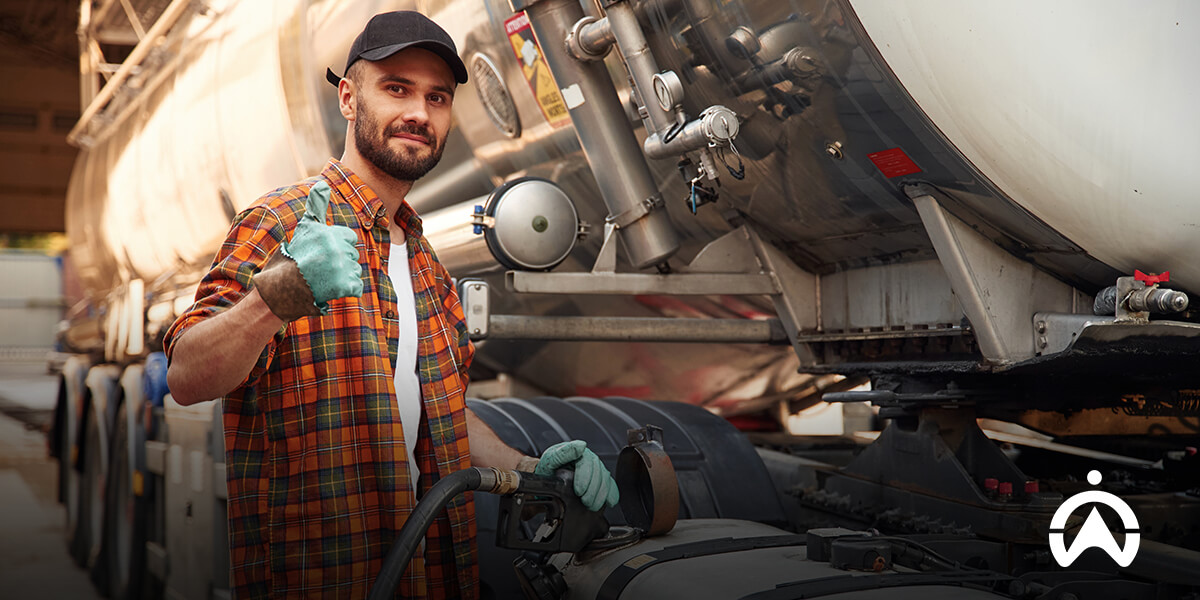
Worker holding fuel nozzle beside tanker, highlighting faulty fuel management system issues.

Why fuel management matters for your fleet

A fuel management system matters because it empowers you to take control of one of your fleet’s largest expenses—fuel. It allows you to monitor every litre spent, spot theft or waste, and optimise your routes more effectively. Without it, you’re navigating without a map, relying on assumptions and guesswork instead of real, actionable insights.

The role of a fuel management system

A fuel management system combines sensors, telematics, and smart software to keep an eye on your fleet’s fuel usage, as well as when and where every litre gets used. When it’s running smoothly, it helps you spot wastage, catch theft, and keep your costs predictable. With Cartrack Tanzania, you get real-time visibility and automatic alerts for every refuelling event.

The cost of fuel problems

Fuel ranks as one of the biggest controllable expenses in any fleet. A poorly managed system can lead to unnoticed fuel theft, inefficient driving, and unnecessary idling—all of which drain your budget and hinder productivity. Cartrack’s well-calibrated system ensures precise tracking, saving your business both time and money every day.

How does a faulty fuel management system affect fleet operations?

A faulty fuel management system affects fleet operations by distorting vital performance data and complicating decision-making. When measurements lack reliability, then planning routes, managing budgets, and holding drivers accountable become much harder. Over time, these inefficiencies pile up, increasing costs, lowering productivity, and causing unnecessary downtime across your business.

Here are the main operational effects:

  • Unreliable reporting: Makes tracking actual operating expenses a challenge.
  • Route inefficiencies: Misleading fuel data conceals unnecessary driving habits.
  • Loss of driver accountability: It becomes trickier to pinpoint misuse or fuel theft.
  • Maintenance delays: Deceptive data can lead to missed servicing for vehicles.
  • Lower profitability: Rising running costs and downtime slash your margins.

The business risks of ignoring fuel system faults

The business risks of ignoring fuel system failures can seriously dent your finances and operations. Fuel theft, often hidden, drives up costs and complicates financial planning. If you don’t tackle these issues in the long run, they accumulate into inefficiencies that boost maintenance costs and lower productivity—ultimately taking a toll on your profits.

Hidden costs add up quickly

Overlooking system faults causes your business to slowly lose money through inefficient and untracked fuel usage. Those seemingly “small” leaks can add up to thousands of Tanzanian Shillings in avoidable expenses over time. With Cartrack’s real-time insights, you’ll spot fuel issues before they spiral out of control.

Impact on fleet efficiency

Inaccurate data leads to poor decision-making. When your system isn’t reliable, you end up planning routes, fuel stops, and driver schedules based on shaky information. Cartrack’s integrated dashboard brings together your fuel management, telematics, and driver behaviour data, giving you the complete visibility you need to operate leaner and smarter.

Compliance and audit challenges

Incorrect or incomplete fuel records can turncompliance audits into a headache. Fleet managers require precise logs for tax allowances and ESG reporting. With Cartrack Tanzania reports, you can demonstrate fuel spending accuracy and stay compliant—all without drowning in paperwork.

Why data accuracy matters for fleet decision-making

Accurate data matters because every decision you make for your fleet relies on trustworthy information, be it for maintenance or budgeting. With the right fuel data, you can effortlessly plan routes, manage costs confidently, and evaluate driver performance fairly. When the data is off, you end up reacting instead of planning ahead.

Poor insights can lead to overspending, neglected maintenance, and flawed forecasts. Reliable, real-time data empowers you to run your operations proactively, efficiently, and in alignment with your business goals.

Diagnosing and fixing a faulty fuel management system

Diagnosing and fixing a faulty fuel management system starts with identifying where the issue lies; whether it’s hardware, software, or data transmission. Kick things off by checking for sensor failures, outdated firmware, or weak connectivity. Then, recalibrate your equipment or update your system software to guarantee precise, real-time fuel monitoring across your fleet.

Step 1 – Review data consistency

Start off by diving into your historical fuel data. Did you spot any sudden jumps, missing days, or odd readings? That’s your first hint that something’s not right. Use Cartrack’s reporting dashboard to visualise patterns and quickly flag any inconsistencies.

Step 2 – Check hardware and connectivity

Take a good look at all your hardware, your sensors, fuel probes, and telematics units. Any disconnected or damaged bits can lead to inaccurate readings. With Cartrack’s locally supported hardware, you’ll get reliable fuel information, even in the most remote areas.

Step 3 – Audit software and integrations

Most discrepancies arise when systems don’t communicate effectively. Make sure to align your fuel data with GPS, trip logs, and ERP tools. Within Cartrack’s all-in-one solution, information flows seamlessly across all functions, eliminating silos and discrepancies.

Step 4 – Recalibrate and run diagnostics

Recalibrate your sensors and run diagnostics to guarantee top-notch performance. Poor calibration can lead to a significant data drift over time. Cartrack features built-in diagnostics to help you verify accuracy without taking vehicles out of service.

Step 5 – Train your team

Even the best technology falls flat without skilled users. Equip your dispatchers and drivers to spot unusual fuel readings so that they can report them immediately. Cartrack’s user-friendly interface and mobile app keep your team engaged and connected
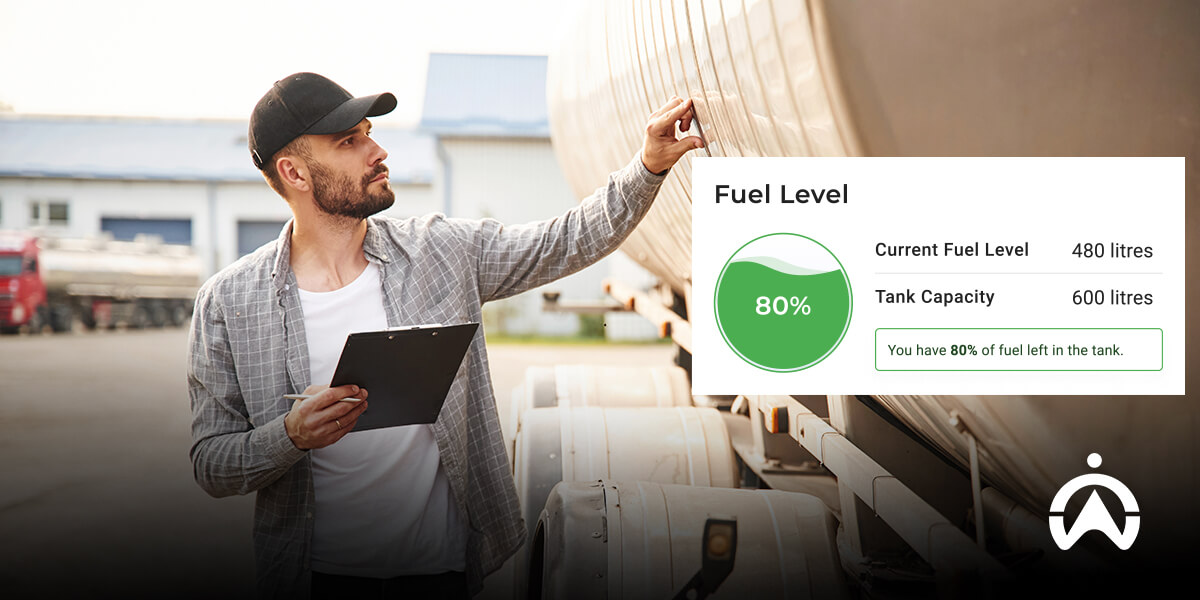
Cartrack fuel management system helping detect faulty fuel management system during fuel tank inspection.

How Cartrack Tanzania keeps your fuel management accurate

Cartrack Tanzania keeps your fuel management spot on with real-time tracking, cutting-edge telematics, and intelligent fuel monitoring tools. The system spots any irregularities, sends you instant alerts, and keeps your fleet’s data in sync. With smooth integration and round-the-clock support, Cartrack Tanzania takes the guesswork out and puts you in total control of every drop of fuel.

Real-time fuel tracking

With Cartrack’s fuel management system, you’ll never be left guessing where your fuel goes. The system tracks every litre in real-time, spots unusual usage, and alerts you right away to potential theft or leaks, stopping losses before they pile up.

Integrated data for full transparency

Cartrack merges fuel data with telematics, trip reports, and maintenance schedules. This gives you a complete operational overview—far beyond just fuel figures. You can see how driver behaviour, route choices, and idling habits impact your bottom line.

Proven reliability and local support

Cartrack operates throughout Tanzania, offering 24/7 local support and boasting over 2.4 million active units. You’re supported by a team that truly understands your market and the challenges you face. When uptime is crucial for your business, Cartrack’s dependable systems ensure your fleet stays on the move without a hitch.

Don’t let inefficient systems eat into your profits. Get in touch with Cartrack Tanzania today to keep your fuel management precise, efficient, and secure.

Frequently Asked Questions

How often should a fuel management system be calibrated?

You should calibrate your fuel management system at least once a year, or whenever you carry out major maintenance or change any sensors. Regular calibration ensures accurate readings, prevents data drift, and keeps your reports consistent, helping you make better operational and cost-saving decisions.

Is it possible to integrate a fuel management system with existing ERP or accounting software?

Yes, most modern fuel management systems are ERPC or accounting software compatible. Integration enables enterprises to automatically synchronise driver reports, route data, and fuel expenses. This minimises manual entries and errors and enables finance departments to obtain accurate, real-time information on fleet expenditures.

How can my business calculate ROI on a new fuel management system?

To calculate ROI on a fuel management system, track your maintenance and fuel cost before and after installation. Track savings: from less fuel theft, improved efficiency, and fewer breakdowns. Most fleets can recover their cost in 6 to 12 months thanks to better data and cost control.

What are the most common causes of fuel data discrepancies?

The most common fuel data discrepancies are often caused by faulty sensors, improper calibration, erratic refuelling patterns, or communication errors between the hardware and software. Early detection of these problems ensures that your fuel reports accurately reflect fleet-wide consumption,helps maintain accurate data, and prevents false reading

Can a fuel management system work without telematics?

Yes, a fuel management system is possible without telematics, but it won’t have full functionality. If you don’t have real-time tracking, you’ll have to resort to manual data entries and lagged reports.Telematics brings immediate insights, automatic alerts, and accurate information that allow you to better manage fuel consumption and expenses.
9 Car Checks You Should Never Skip Before a Long Road Trip

You should never skip regular maintenance and service checks before any long road trip. Check your spare tyre, the lights of the car, and make sure you have no cracked windows. The right checks ensure your car, your family, and you are safe during any road trip—long or short.

As we head into the festive season, these checks become more important for your safety. Tanzanian authorities intensified road safety procedures across the country’s roads to improve compliance and reduce traffic-related incidents. A significant portion of these offenses stemmed from faulty lights, mechanical failures, or accidents directly caused by a lack of proper vehicle maintenance.

Without the right checks done you may end up stranded somewhere unfamiliar, without any help. Being prepared means you do the right checks, and having a trusted partner to call on whenever & wherever you are in the country.

Key Takeaways:

  • You should always check your car before a long road trip to avoid breakdowns and keep your family safe on Tanzania roads
  • Check fluids, lights, tyres, brakes, belts, hoses, and glass to ensure your car is reliable and ready for long hours of driving
  • Your emergency kit and roadside assistance are lifesavers if something goes wrong, giving you help anywhere in the country
  • Regular car checks help you avoid fines, breakdowns, and accidents, especially during Tanzania’s busy festive travel season in 2025

Why should you do spot maintenance before going on any long trip?

Doing spot maintenance on your car before a long road trip ensures your engine, wheels, or safety systems won’t fail. Keeping your car in a working state means more than just ensuring it starts up. It needs to be reliable and capable of handling unexpected dangers on the road.

During our everyday commute, most cars don’t reach their full operating temperatures. When you’re doing a long road trip, this changes. Your car will operate for long hours without stopping. Each hour spent on the road is another hour your car has to operate at peak efficiency.

Increasing the punishment your car goes through are the road conditions countrywide. While cities and small towns may have good road infrastructure, the further you drive from civilisation the worse it gets. Roads may have potholes, be littered with debris, or be completely washed away due to recent storms.

With millions of people using the roads each day, a simple breakdown in your home city could become a life threatening situation.

The 9 car checks you have to do before going on a long road trip

1. Check your fluid levels (Oil, coolant, and washer)

Your car’s oil and coolant must be checked regularly. Check the oil condition and level by using the engine dipstick. Your car’s coolant levels can be checked on the reservoirs. A cold engine should have the fluids at the indicated lines. Coolant and oil keeps your engine SAFE, COLD, AND EFFICIENT.

Your washer fluid is easier to check, and will play a more visual role in your safety. Any long road trip will go through dust, rain, or worse. Having a windscreen covered in grime reduces your ability to see hazards on the road. Clean water is all you need to refill this in a pinch.

2. Check your belts, hoses, and wires (No obvious leaks, loose wires, or moaning belts)

Lift the hood of your vehicle and check every hose, belt, and wire you can reach. Hoses should have no fluids on the exterior. Wires shouldn’t be exposed or loosely fitted. Belts should not squeak or make loud sounds. There are hard to reach parts of your engine that are best left to a trained mechanic to check.

Many drivers never even do a cursory check on their wires, hoses, or belts. When you’re traveling on a long road trip, any of these can cause catastrophic engine failure.

3. Replace your filters (Oil, fuel, and cabin filters)

THREE filters in your car need to be replaced before you take any long road trip. The oil and fuel filters ensure that the fluids in your car are always clean. The fuel filter ensures that every drop of fuel you use is clean and safe. Oil filters increase the longevity of your oils, catching debris that may contaminate your oil.

Cabin filters are often forgotten by drivers, but on a long road trip they’re essential. You may drive behind a truck blowing diesel smoke or even drive through sand storms. Cabin filters keep the air inside the car clean and breathable, especially when you’re recycling the inside air.

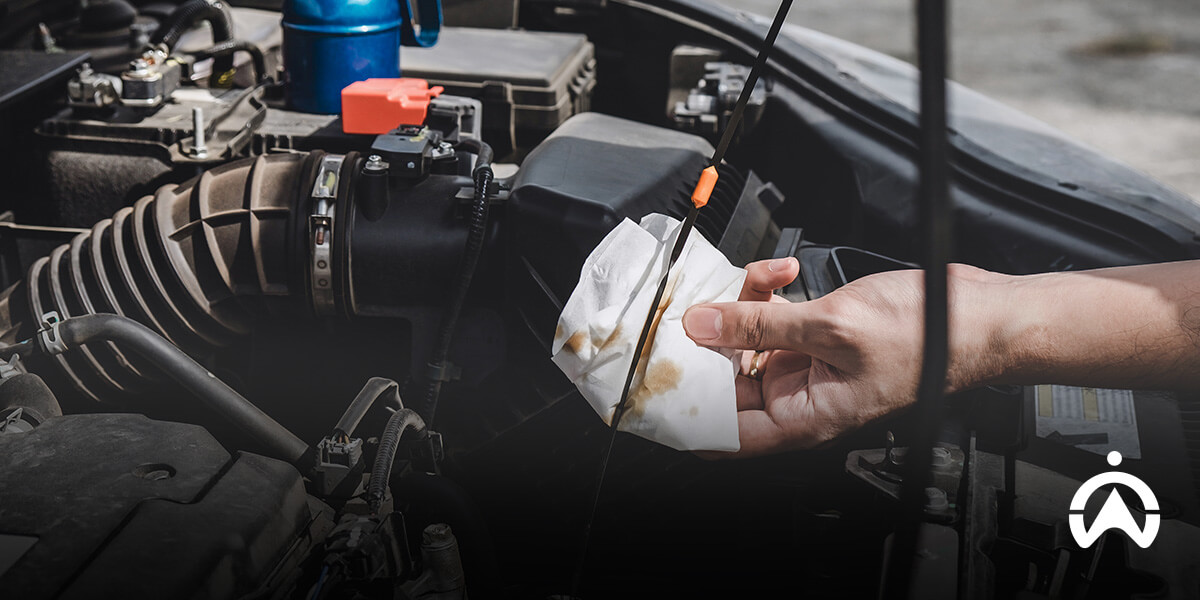
A person checking oil dipstick in a car engine as part of car checks you should never skip before a long road trip.

4. Do a battery test (Check its health and age)

Car batteries are forgotten until they fail. Every car battery hasa set amount of OPERATIONAL hours. Once they start reaching their ‘end of life’, the voltage they deliver will decrease. You can check the health of your battery using a volt meter. Alternatively, you can rely on a tracking partner that has built in battery testing systems.

Cartrack units measure the voltage from your car battery, sending a low-battery alert if the voltage drops or if the battery is disconnected. If you know your battery is old or you get regular low-battery alerts from your tracking unit, it’s always best to replace it.

5. Make sure all the lights work (Indicators, reverse, brake, fog, and headlights)

The most overlooked safety check you may forget to do is checking your lights. Your indicators, reverse lights, brake lights, headlights and high-beams can all fail without notice. Before departing for your trip do a check on each one. Ensure they are not too dim or broken.

If one of the lights seems weak, it’s safer to replace it. This ensures you’re safe on the road. It also avoids a possible fine when you’re pulled over.

6. Have the brakes and alignment checked (Pads, discs, fluids, and wheel alignment)

Your brakes and wheel alignments have a big effect on the safety of your drive. Before the day of your departure, take your car to a specialist to have all of these checked. They’ll check your brake discs, pads, and brake fluid levels. Recommending a change if needed.

Getting your wheels aligned once a year is vital to increasing the longevity of your tyres. Doing so before any long road trip drastically improves the safety of your car on the road.

7. Check your tyre health (Tread depth, tyre pressure, and overall condition)

The easiest way to check your tyre tread depth is with a coin. Checking your tyre health is something you can do at home with a few simple tools. In Tanzania using a 500 Tanzanian Shilling (TZS) coin works best. The tread of your tyres need to reach the golden circle in the middle of the coin at the minimum.

Once the tread depth is checked, the inside of the driver-side door will have a sticker that indicates what the right pressure of your tyres are. During your wheel alignment you should ask the team to rotate your tyres as well. This means moving the rear wheels to the front, and the front to the rear.

8. Make sure the spare tyre is working (Cracks, pressure, and size)

Easy to overlook, disastrous to forget, the spare tyre is one of the most important parts in your emergency kit. Anything can happen on the road, and that includes having a tyre that looks perfect suddenly getting a puncture in the middle of nowhere.

Check your spare tyre for cracks, pressure, and overall health. Be sure that you know where it’s kept if you’re driving an unfamiliar car, and that you can fit it alone if needed.

9. Check for cracks on any of the glass on your car (Windscreen, mirrors, rear windscreen, and side windows)

A small crack on the windscreen of your car can quickly become a crack that spreads across your entire vision. Check your windscreen, the mirrors, rear, and side windows for any chips or cracks that may cause a problem. Replace these or have them fixed before they become a bigger issue.

Bonus | 5 Extra tips for drivers with trailers

Knowing how to get your car safely on the road is already a WIN. But what if you’re going for a long time? Maybe you’re camping for a few weeks out in the bush. What checks should you do for a trailer?

  1. Inspect the tow hitch and coupler: Before hitching the trailer to your car, check the tow hitch and coupler. Make sure they are tightened correctly and that the coupler is wired properly.
  2. Check trailer lights and wires: Connect the trailer’s wiring harness to the tow hitch and coupler to test trailer lights. The reverse lights should go on with your car, as well as the indicators and brake lights.
  3. Balance and secure the load: Most trailers only have one axle. This means the heaviest luggage should be loaded at the front. Balanced loads prevent the trailer from tilting backwards, putting the wrong pressure on the hitch. Unbalanced loads can cause a trailer to swerve or ‘jump’ off the hitch.
  4. Check its tyres and pressures: Chances are your trailer has been in storage for close to a full year. The tyres and axles should be checked and properly lubricated. Tyres have to be crack free and the axle needs to turn unobstructed.
  5. Test the braking and safety chain: Larger trailers have their own brakes that apply when the car stops. Check to ensure these brakes are working and not rusted open or closed. All trailers in Tanzania have safety chains, check the chain to ensure it’s bolted on properly to the trailer arm.

Hand connecting hose for engine maintenance, showing car checks you should never skip before a long road trip.

What should be in the emergency kit for a long road trip across Tanzania?

When doing a long road trip across Tanzania your emergency kit should have the basic trauma kit and safety tools. Drivers should check that they have these before any trip they make. This is true even when driving in your home city. There are many other parts you should have in your emergency kit.

The table below lists all the items your emergency kit must have and why:

Category Items Purpose
Safety and First Aid First aid kit, medicines, reflective vest, warning triangle Treat injuries and stay visible on the road
Tools and Car Essentials Spare tyre, jack, wheel brace, jumper cables, basic tools Fix flat tyres and minor car problems
Lights and Electrical Spare fuses, bulbs, torch, batteries Keep the lights working and see at night
Navigation and Communication Mobile phone, charger, power bank, offline maps, GPS Find your way and call for help
Food and Water Water bottles, snacks, energy bars Stay hydrated and keep energy up
Comfort Blankets, warm clothing Keep warm if you stop unexpectedly
Safety Extras Fire extinguisher, Swiss Army knife, hand sanitizer Handle small emergencies and stay clean
Documents Car papers, emergency contacts Prove your car is legal and contact help fast

When traveling across the country, how can roadside assistance help you?

Roadside assistance when traveling across the country helps you stay safe and prepare for the worst. If you have chosen the right assistance a new battery, emergency fuel, or emergency services are all only a call away. When you are in an emergency, the right assistance you rely on already has solutions to the most common problem you may face.

These are the 4 most common problems and how to solve them:

  1. Problem: A flat tyre or breakdown and you don’t have the right tools.

    Solution:

    Cartrack Tanzania has roadside assistance you can call, a technician will come out with all the right tools to get you going again.

  2. Problem: You might not know where the nearest repair shop is in another province.

    Solution:

    Using Google maps or contacting a 24/7 support centre that knows the area will guide you to the nearest specialist you need.

  3. Problem: A dead battery or lost keys delay your trip.

    Solution

    : Just a quick call to your insurance or tracking provider and you’ll have a technician with a new battery or the right cables at your disposal.

  4. Problem: When you’re traveling with your family, the dangers of your car being stolen or being in an accident increase.

    Solution

    : Safety isn’t just actively calling for help. You can drive without stress because you know your tracking unit can detect crashes. Alerting the right emergency services if you’re unable to make the call yourself.

How Cartrack’s tracking keeps your family and vehicle safe when traveling on a long road trip

Cartrack’s units monitor your location, keeping you and your family safe anywhere in Tanzania. With advanced crash detection and geofencing you can be assured you’re safe wherever the road trip takes you. When parking in unfamiliar cities or towns, Carwatch features keep your car safe.

Our recovery teams are active nationwide and are mobilised by our 24/7 control room. Your long road trips aren’t just made easier. With us you can enjoy the open road with peace of mind, and carefree wind in your hair.

Frequently Asked Questions

How should you load the vehicle to ensure weight is distributed safely without compromising visibility?

You should load your vehicle by keeping heavy items low and over the axles to balance the weight. Avoid stacking items too high so your view is clear. Secure everything so it doesn’t shift while driving. Proper loading keeps your car stable and your trip safe.

How can you check whether a vehicle’s suspension and steering are in good condition for a long haul?

Check your suspension by looking for worn or broken springs and shocks. Test steering by turning the wheel and feeling for play or unusual noises. Listen for knocking sounds when driving over bumps. Proper suspension and steering keep your car stable and make long drives safer.

What vehicle failures should make me postpone a trip?

You should postpone a trip if your brakes, tyres, battery, or engine show signs of problems. Warning lights, leaks, strange noises, or cracks in glass are also red flags. Fixing these issues before you leave keeps you safe and prevents being stranded on Tanzanian roads.

Fleet Management Software vs Telematics

Every kilometre, litre of fuel, and minute of downtime counts when it comes to managing a fleet in Tanzania. Which is why it’s no surprise that fleet managers are constantly on the lookout for smarter solutions to keep everything in check. Yet somehow the debate over which is better—fleet management software or telematics—always pops up.

But here’s the kicker: that question misses the point entirely.

Fleet operators across Tanzania quickly embraced telematics systems, believing that tracking alone meant they had control. But a dashboard filled with warning lights, without a guide to make sense of them, is just like having data without the insights to back it up.

According to market reports on African telematics East African nations like Tanzania are experiencing a significant surge in adoption as the transport, logistics, and construction sectors expand. However, across the Tanzanian market, many of these active systems still only do basic tracking, leaving a lot of untapped potential on the table.

So let’s get into the real capabilities of these tools. We’ll look at why using them on their own just doesn’t cut it and how integrating a comprehensive telematics and fleet management system from Cartrack can transform Tanzanian fleets.

Key Takeaways:

  • Telematics gives you data—fleet management software turns that data into action
  • Using both together creates smarter, safer, and more efficient fleets
  • Local testing, support, and training matter for Tanzanian conditions
  • Start small, measure results, and scale as your fleet grows

What’s the difference between telematics and fleet management software?

The difference between telematics and fleet management software is that telematics collects data, and fleet management software turns that data into insights. Telematics is the hardware and connectivity layer that tracks your car’s location, driving habits and performance. But it’s the fleet management software that’s the brain that turns that raw data into decisions.

It’s all about the big picture. One gathers the data, while the other turns that data into a solid strategy.

What do we mean by “Telematics”?

Telematics collects real-time information on your vehicle’s position, speed, fuel consumption, idle time, and driving patterns using GPS and sensors. It notifies you when a vehicle has been idling in Polokwane for too long or has taken an unexpected detour near Durban Harbour.

What do we mean by “Fleet Management Software (FMS)”?

With fleet management software, we mean that you can schedule maintenance, monitor driver safety, automate reports, and manage costs effectively. This digital control tower helps you tackle the challenges of the open road. It connects every moving part of your operation (from vehicles to drivers), giving you real-time visibility, faster decision-making, and fewer costly surprises.

Tanzania: Where fleet tech proves its worth

Tanzania offers the ideal backdrop to truly put a fleet system to the test. Our roads challenge you with everything from localized grid power unreliability and Dar es Salaam’s brutal urban congestion to grueling, cross-border transit corridors. That’s why Tanzanian fleets are perfect for trialling technologies that can keep operations under control, even in the midst of logistics chaos.

Cartrack’s platform is built for these situations. We design, test, and support it right here in the region—where uptime, fuel control, and safety are non-negotiable. Built to withstand the continent’s toughest operating environments, it keeps fleets productive and profitable, tackling grueling road conditions with features like real-time tracking, driver coaching, and asset recovery.

The conventional business framing: “Telematics or FMS?”

In conventional business framing, fleet managers often focus on software versus hardware, but it’s this mindset that can lead to missed opportunities. Choosing one over the other might simplify the purchasing process, but it splits your data and limits control. You could end up buying analytics software that doesn’t offer real-time data or track vehicles without reviewing the outcomes.

Let’s break down the differences:

Focus Telematics Fleet Management Software
Output Real-time vehicle and driver data Reports, insights, and task automation
Investment Hardware and installation Platform, data integration, training
Strength Visibility Decision-making
Risk Data overload without action Weak insights without data

In Tanzania, the problem isn’t about businesses picking the wrong system; it’s that they stick to just one. Fleet management software puts you in control, while telematics offers you clear visibility. When you combine the two, you unlock measurable results.

It’s Not “Either/Or” but “Together, or Nothing”

Fleet management software and telematics work hand in hand, not against each other. One delivers the insights, while the other steers the direction. Without telematics, your software is left to guess, and your data becomes mere noise without the software. When they team up, you can analyse, anticipate, and elevate every journey in real time, going beyond just tracking your fleet.

Data alone is no strategy

Telematics delivers rich, real-time data, but without context, it’s just numbers. Simply knowing a car’s location doesn’t explain why it’s there or if it’s running efficiently. By using fleet management software, you can optimise routes, minimise downtime, and make smarter operational decisions.

Software without rich data is guesswork

Even the most advanced software is useless without quality data. Telematics delivers key insights like location, driving patterns, fuel consumption, and engine health. Without that real-time information, your decisions fall behind and your reports become outdated. Real-time telematics gives your software the accuracy it needs to operate effectively.

The combination is the differentiator

Using fleet management software alongside telematics gives you complete visibility and control. This powerful combo transforms confusion into clarity, helping you tackle problems before they get expensive. Fleets in Tanzania that embrace both enjoy reduced costs, enhanced driver safety, and a competitive edge in the tough logistics environment.

Practical Tanzanian checklist: How to evaluate and implement

If you want to evaluate and implement fleet management software and telematics, you need a practical Tanzanian checklist. As a fleet manager navigating the gridlock of Dar es Salaam, coordinating port logistics in Tanga or Mtwara, or managing heavy-duty vehicles at remote mining sites in Geita and agricultural hubs in Arusha or Iringa, this is your wake-up call.

Picking the right system goes beyond just ticking boxes; it’s all about aligning with real-world conditions, driver behaviours, and the specific challenges you face on Tanzania roads.

Technical

  • Are you ensuring that all your assets—trucks, trailers, and equipment—are covered by your telematics hardware on both urban and rural routes?
  • Can your fleet management software seamlessly integrate driver analytics, maintenance data, and GPS tracking in real time?
  • Does the platform deliver instant notifications for events like engine failures, route changes, or fuel theft?
  • How does it handle data when offline or in low-connectivity areas?
  • Is it user-friendly on mobile devices for field service managers and drivers?

Organisational/Operational

  • Have you trained your dispatchers and drivers to use the system effectively?
  • Do you recognise the signs of success? (Think better fuel economy, fewer breakdowns, and safer driving.)
  • Can your solution scale with your fleet or adapt for electric vehicles and future sustainability targets?
  • Have you considered the initial hardware costs compared to the ongoing software returns?
  • To ensure smooth adoption and progress, do you have a strategy for deployment and feedback?

Besides tracking your fleet, a fully integrated setup strengthens your business, boosts profitability, and ensures compliance.

Why this matters right now in Tanzania

This matters right now in Tanzania because our fleets are tackling tougher challenges than ever. From fluctuating fuel prices to a surge in cargo theft and tighter regulations. Just having visibility isn’t enough; you need technology that empowers you to take action, not just observe.

Industry projections suggest that Tanzania’s fleet management market will see robust annual growth over the coming years, driven by the expansion of the country’s transit corridors and infrastructure developments. But as the market expands, competition will intensify. Fleets that merely track vehicles will fall behind those that leverage their data to make faster, smarter decisions.… (Read that again!)

Shifting from a reactive to a proactive approach calls for integration. The future of logistics in Tanzania depends on this evolution from fleet monitoring to fleet optimisation.

What’s next?

Now that you know exactly how fleet management and telematics work together, it’s time to get started. Test it on a few vehicles, monitor the results and measure the savings. Once you see the cost savings and better operations, scale up.

Remember, it’s about transformation, not just tracking.

  1. Audit your current state: Take a good look at your current systems. List the equipment and software you’re using, along with any data gaps you’ve spotted
  2. Choose a vendor/solution: Pick one platform. Find a supplier that offers management tools, analytics, and telematics all in one place—like Cartrack.
  3. Pilot the integration: Run a test project. For three to six months, trial the whole system on 10% to 20% of your fleet and keep an eye on key metrics like incident rates, cost per kilometre, and idle time.
  4. Involve your team: Show your supervisors and drivers why it’s crucial to use the system every day. The more they know, the more they’ll cooperate.
  5. Scale based on learnings: Refine and scale up. Use the insights from your pilot to roll out improvements across your fleet and foster a culture driven by data.
  6. Review annually: Use your pilot’s insights to share across your fleet and build a company culture focused on data-driven improvements.

Remember: the goal is to create smarter processes, not just to buy new technology.

Cartrack’s telematics: The heartbeat of every fleet

The heartbeat of every fleet lies in Cartrack’s telematics, turning every route, stop, and sensor into valuable insights. You’ll stay informed with live vehicle diagnostics, GPS tracking, and driver behaviour monitoring. You can spot risky driving, tackle fuel theft, and optimise routes before problems hit your wallet.

Cartrack’s telematics not only collects data but also tells the story behind every action. Whether you’re tracking cross-border transport or monitoring cold-chain deliveries in Durban, you get real-time precision. This means quicker responses, safer driving, and smarter use of every litre and kilometre.

Cartrack’s fleet management software: transforming data into decisions

Cartrack’s fleet management software turns all your telemetry data into actionable strategies. It acts as your command centre, helping you schedule maintenance, minimise downtime, and manage costs across your entire operation. With just one dashboard, you can easily monitor vehicle health, driver productivity, and overall fleet performance.

What really sets Cartrack’s software apart is how it integrates with your business. You’ll make decisions based on facts, not guesswork, with automatically updated reports and simple insights. Whether you manage 500 vehicles across Bongo or 10 vans in Dar, it will make your fleet run smarter and more efficiently.

The takeaway: It’s not a choice—it’s a connection

Telematics and fleet management software aren’t meant to compete; they complement each other. When these two systems work in harmony, your fleet becomes safer, quicker, and smarter.

In Tanzania’s fast-changing logistics and transit scene, integration isn’t just a perk; it’s a necessity! With the expansion of the Standard Gauge Railway (SGR) and the digitization of port and customs systems, fleets that weave real-time data into their decision-making proactively avoid border delays and route bottlenecks instead of just reacting to them.

So, focus on how well your systems are connected rather than which one is better. The smartest fleets today are the ones that act swiftly, not just those that keep the best tabs.

FAQs

How do data privacy and PDPA compliance affect fleet management systems in Tanzania?

Data privacy and PDPA compliance affect fleet management systems in Tanzania by ensuring that businesses stay compliant. Fleet managers need to ensure their systems comply with the Tanzania Personal Data Protection Act (PDPA). They should build trust with their drivers by selecting a provider that has strong local data security, storage, and privacy policies.

Can smaller or mixed fleets benefit from integrated telematics and fleet management software?

Yes, smaller or mixed fleets can benefit from integrated telematics and fleet management software. These solutions help Tanzanian businesses be more efficient and compete with bigger players by giving real-time insights into fuel use, driver performance, and maintenance requirements. Plus, they grow with you.

What role does AI play in modern fleet management beyond tracking and reporting?

AI plays a role in modern fleet management beyond tracking and reporting by moving from reactive tracking to proactive decision-making. It allows you to optimise routes in real time, monitor driver behaviour, and anticipate maintenance needs. AI provides faster insights, lower costs, and safer, more efficient operations for Tanzanian fleets dealing with fuel theft and unpredictable traffic.

Fleet Benchmarking: How to Really Measure Performance

To really measure performance in fleet benchmarking, you need to spot key KPIs (key performance indicators), collect that relevant information, and compare it to top benchmarks so you can pinpoint the gaps that need attention. This isn’t just about checking off items on your business to-do list; it’s about significantly growing and evolving your business in ways that matter.

Fleet benchmarking is the best way for you to ensure that your business stays competitive. You won’t put out fires as they happen, but prevent them from happening altogether. Performance audits from the National Audit Office of Tanzania (NAOT) have repeatedly highlighted how a lack of lifecycle tracking leaves aging vehicles on the road far too long—massively driving up fuel consumption and bleeding capital into constant repairs. This proves that outdated fleets directly cripple your performance metrics and drain your bottom line.

In this blog, we’ll guide you through how fleet benchmarking really measures performance, how to spot the actionable gaps, and howCartrack Tanzania can make staying competitive a breeze for your business.

Key Takeaways:

  • Fleet benchmarking helps you measure how well your fleet performs by comparing it to industry standards
  • It lets you find weak spots in areas like fuel use, maintenance, and driver safety so you can improve them
  • Avoid mistakes like tracking the wrong data or not acting on what you learn
  • Cartrack Tanzania makes benchmarking simple with smart tools that track, compare, and boost your fleet’s performance

What successful fleets get right about measuring performance

Fleet benchmarking is comparing yourfleet’s performance metricswith industry standards or similar fleets to spot areas for improvement. They reach success by using insights to make smart business decisions that strike a balance between KPIs and business goals. This is how you move from guessing to knowing exactly how your business operates.

Fleet benchmarking measures business performance by looking at metrics such as maintenance costs, fuel use, and driver behaviours, then comparing them against best practices. Think of it as comparing your lap times to the top drivers on the track: you can only improve your speed once you know who’s leading and by how much.

There are two types of fleet benchmarking:

  • Internal benchmarking checks how different parts of your operations (like vehicle types or regions) are performing against each other to identify the best practices within your own team.
  • External benchmarking takes a broader view, comparing your performance to other fleets or industry standards to see where you stand.

Why should fleets benchmark performance?

Fleets should benchmark their performance to stay competitive and consistently perform to the best of their ability. Fleet benchmarking is the simplest way for you to commit to remaining accountable, attentive, and proactive for the sake of your business.

Accountability is driven by setting realistic targets that encourage staff to look at their performance and improve where possible. This kind of transparency can be uplifting while also motivating you and your staff to practise more responsible and productive behaviours at work.

Benchmarking also encourages data-based decision-making. When you have the facts at hand, you can be confident that the improvements you want to implement (i.e., optimising routes or scheduling preventative maintenance) will actually strengthen your business’ productivity.

What does an effective fleet benchmark measure?

An effective fleet benchmark measures metrics that directly influence customer service, expenses, and performance.

These are some of the key metrics:

  • Fuel efficiency and cost per km: Keeping track of fuel usage means you can spot bad routes or wasted energy.
  • Maintenance and downtime: Preventive maintenance means fewer unexpected breakdowns and expensive downtime.
  • Driver behaviour and safety scores: Focusing on safe and responsible driving means fewer accidents and better insurance premiums.
  • Vehicle usage and route efficiency: Optimising routes and using assets effectively means there’s no idling or wasted assets.
  • Compliance and law adherence: Sticking to the law and regulations means you’re not paying hefty fines and damaging your business’ name.

Here’s an example of good vs bad benchmarking:

  • Good benchmark: Driver safety scores consistently above 90%, with low instances of aggressive driving habits. There’s evidence of consistent risk management.
  • Poor benchmark: Safety scores below 75% with regular harsh events. There isn’t much evidence of

Example of a fleet benchmarking scorecard

Picture your fleet benchmarking scorecard as a ‘report card’. With this in mind, consider this example:

  • Fuel economy: B– (TSh 752/km vs TSh 651/km benchmark)
  • Utilisation: C+ (68% vs 80%)
  • Driver safety: B (82% vs 90%)
  • Downtime: C (14 vs 8 days)

TOP TIP TO REMEMBER: Think of industry benchmarks as a compass, rather than a GPS. It points you in the right direction, but it’s ultimately up to you to chart the course that best suits your fleet’s needs. Just like in school, the goal isn’t perfection; it’s progress.

Two professionals reviewing fleet performance data to illustrate fleet benchmarking.

What are the four stages of fleet benchmarking?

The four stages of fleet benchmarking are planning & defining objectives, collecting data, taking action and implementation, and reviewing & monitoring. Fleet benchmarking is most successful when there’s a solid structure to the process. Every new change builds on the last, turning that valuable data into the next big business improvement.

These are the four steps of the process:

  1. Planning and defining objectives: Define what you’re benchmarking and why. You want the goals you set to be realistic and beneficial to your business, so identify the KPIs that align with long-term growth.
  2. Data collection: Once you’ve set your goals, collect all the necessary information from reports or yourfleet management platform. Remember, the more accurate your data, the better the bigger picture will be. From there, you can clearly see patterns and gaps in performance.
  3. Taking action and implementation: Spot those gaps and then create a plan of action. For example, if high fuel spending is the problem, route optimisation or driver training could be the solution.
  4. Review and monitoring: Fleet benchmarking is an ongoing process. Reviewing and monitoring are how your business stays competitive in this ever-changing market. Doing this creates a culture of continuous improvement in your business.

Common mistakes to avoid when benchmarking

The common mistakes to avoid when benchmarking include benchmarking without context, monitoring useless data, not taking action, and ignoring consistent updates. You could put all the effort into fleet benchmarking, but if you’re doing it wrong, your efforts could be futile.

Keep these errors in mind to avoid slowing down progress:

  • Benchmarking without context: If you compare your fleet incorrectly, i.e., to the wrong industry or region, then the results could be wrong or confusing. Always benchmark with the right context in mind and compare against the right industry, fleet size, etc.
  • Overloading on metrics or tracking unimportant data: Tracking too much information can drown out the relevant data. Always focus on which metrics or KPIs you need to track for business growth.
  • Not acting on insights: Collecting the necessary information but not doing anything with it leads to wasted efforts. After gathering data, the next step is to use that information to implement the necessary change. Create a plan of action to address those business gaps.
  • Ignoring ongoing data validation or updates: Over time, data accuracy becomes outdated. Old figures, inconsistent reports, and unverified sources can steer you towards poor business choices. Regularly check your insights and update your benchmarks to match your fleet’s current performance and trends.

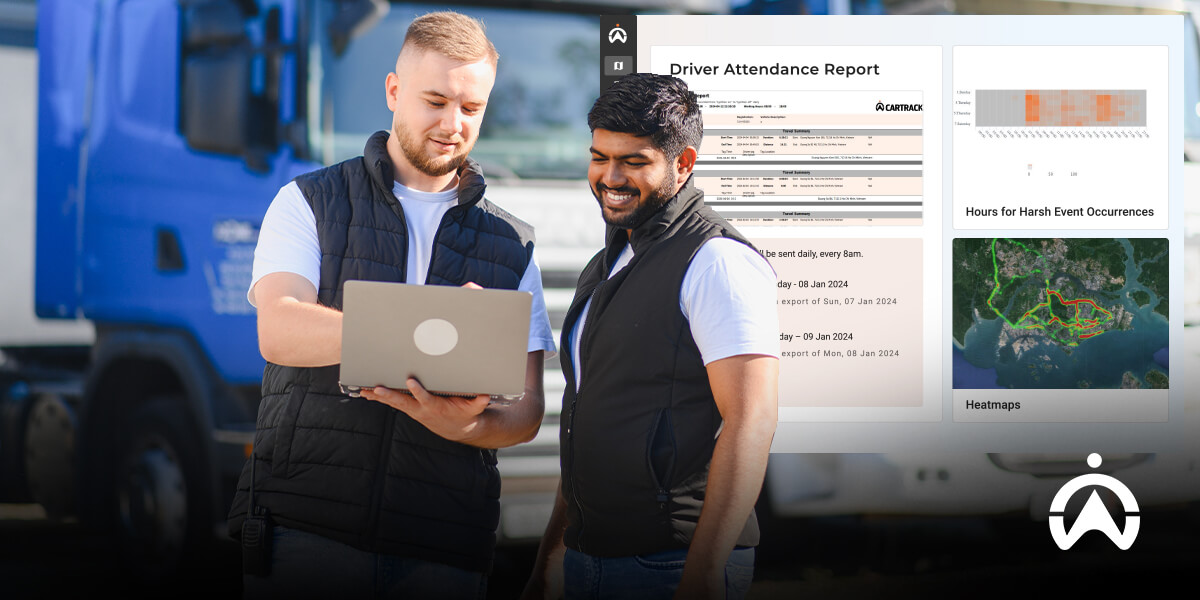
Team reviewing driver attendance report by truck for fleet benchmarking.

How Cartrack Tanzania simplifies fleet benchmarking

Cartrack Tanzania simplifies fleet benchmarking by providing you with all the insights you’d need to do so. As we’ve discovered, benchmarking is only as effective as the strong and accurate insights behind it. With Cartrack, you get a smart and straightforward platform to track, compare, and take action with total confidence.

Here’s how we stand out:

  • Data visibility: You have a complete overview of all the information you’d need on Cartrack’s FleetWeb platform. Every aspect of your fleet is covered, from fuel consumption and driver habits to maintenance. This makes it that much easier to spot those ever-elusive business gaps.
  • Custom reports and KPIs: FleetWeb has automated reports that you can customise to make reviews a simple task. You can gather whatever information you need without worrying about doing it all manually.
  • Driver behaviour analytics: We know how important safety is to your fleet productivity, which is why we have driver monitoring and scorecards on offer. You can coach the drivers needing help, reward those who are practising safe habits, and introduce incentives for all.
  • Simplified and automated information: Cartrack takes the hassle out of collecting data. Automation means you don’t have to spend hours looking over numbers, and you can quickly and confidently get to implementing the changes you need to raise productivity.

Final takeaway

Fleet benchmarking is the key to your business’ lasting success and constant improvement. The fleet industry is an ever-evolving one, meaning costs are constantly rising, customer demands are growing, and the need to have full visibility is weighing heavily.

Fleet benchmarking is how you can gain all the knowledge at hand and stop speculating about how your fleet compares. Cartrack Tanzania can make this process that much simpler for you, providing accurate and automated data you can turn into a valuable business advantage.

Are you ready to benchmark smarter and consistently outperform?Book a demoand let us show you how your fleet really performs.

FAQs

How often should a fleet be benchmarked?

A fleet should be benchmarked at least once a year, although it can be every quarter if you’d prefer something more regular. This can also depend on how rapidly the market is growing. Regularly reviewing benchmarks keeps your data updated and your business goals in line with your plans for regular improvement.

Can small fleets also benefit from benchmarking?

Yes, small fleets can benefit from benchmarking. Growth and development aren’t reserved for bigger businesses, and smaller businesses can also make the most of their resources. Through benchmarking, smaller operations can cut costs, increase vehicle longevity, and improve driver performance, without needing a massive team or fancy infrastructure.

How do I know which fleet benchmarking metrics are most relevant for my business?

You can know which fleet benchmarking metrics are most relevant for your business by seeing which ones impact your profits the most. Driver habits and CPK (cost per kilometre) are examples of some key metrics. It ultimately depends on what you’ve defined as your core objectives.

How long does it take to see the results of fleet benchmarking?

It typically takes several months before you start seeing tangible results from fleet benchmarking, but you could even be seeing results in a few weeks. The results that reflect quickly are usually from metrics like driver coaching or fuel management.

Fleet Maintenance Management Software: Run Your Fleet Smarter

Fleet maintenance management software helps you run your fleet smarter by making it easier to monitor vehicle upkeep. Gone are the days when you had to manually check for everything related to the health of your fleet of vehicles. With fleet maintenance management software, you’ll receive reminders of service dates and early warnings of faults in your vehicles.

The Fleet Maintenance Software market is currently showing fast growth as more companies seek ways to simplify their operations, save costs, and remain compliant. According toVerified Market Research, the Fleet Maintenance Software Market size was valued at USD 31.98 billion in 2024 and is projected to reach USD 14.08 billion by 2032.

With that said, let’s get into how you can use our maintenance software to handle your fleet vehicle health more easily.

Key Takeaways:

  • Fleet maintenance software helps managers plan by giving real-time updates on vehicle health and service needs
  • It saves time and prevents costly breakdowns by automating schedules and detecting problems early
  • Companies like Concord Cranes have become more reliable and efficient by using this technology to plan maintenance and track equipment use
  • With tools like CANBus and PTO sensors, Cartrack Tanzania helps businesses keep their vehicles roadworthy, cut costs, and build trust with clients

Why fleet maintenance management software makes running your fleet a lot easier

Fleet maintenance management software makes running your fleet easier by giving you detailed information on the health of your fleet so you can plan ahead. Fleet maintenance is often overlooked, as managers are always pushing to meet client expectations. It’s easy to forget about service dates and checking for vehicle faults when your main focus is meeting deadlines.

To put things into perspective, let’s get into how a regular workday goes for a fleet manager who uses maintenance software vs. when he doesn’t. His name is John, and he runs a fleet of 80 delivery trucks.

A day in the life of a fleet manager who runs a business without maintenance management software

Morning:

John normally starts his day by checking his emails and responding to urgent matters. He then goes through a pile of paperwork, checking driver logs. Thereafter, he goes through different spreadsheets to view past vehicle service records and see which trucks are due for maintenance.

John thought this would be quick, but it ends up taking him hours, as there are some missing dates which require him to go back and forth between spreadsheets and other documents.

Afternoon:

By midday, John is already behind schedule. He starts receiving calls from drivers. During these calls, he finds out that three trucks have broken down and the drivers need urgent help. From there, John needs to organise repairs and also let clients know that their deliveries will be late. He also needs to go back to the spreadsheets and make changes as more vehicles are unavailable.

End of day:

Dealing with these sorts of delays is what puts John further behind schedule and results in his time being wasted sorting out the costs of the repairs and rescheduling vehicles for deliveries. John didn’t complete his task for the day. His reactive fleet maintenance tendencies leave him stressed out and having no time to plan ahead. This wouldn’t have happened had he invested in fleet maintenance technology.

A day in the life a fleet manager who uses maintenance software

If John were to invest in fleet maintenance management software, this is what his day would be looking like instead:

Morning:

John logs into a fleet management platform and checks for service reminders. He can see which trucks need to go in for servicing. He then plans upcoming delivery schedules based on the knowledge he just gained, making sure he only books deliveries based on the number of cars that will be available on each day.

Afternoon:

During the day, John checks in on vehicle health data just to ensure everything is okay. He notices alerts of worn-out brake pads for two vehicles. He then calls his mechanic to schedule replacements before they get worse and cause accidents. John then updatesdelivery schedules.

End of day:

John reviews cost and downtime reports through the fleet management dashboard and shares this information with other managers. He then updates compliance records based on the information received and starts planning his tasks for the next day. John feels more confident in his role, because he’s always in the know when it comes to his fleet and is hardly ever blindsided.

How smart maintenance software makes all the difference

Smart maintenance software helps keep everything on schedule by keeping you in the loop with everything related to the health and safety of your vehicles. This is done through:

  • Automatic scheduling
  • Preventative maintenance
  • Detailed insight

Paired with regular vehicle inspection, this software gives you a fleet that runs smoother.

Here’s how this software makes the difference:

Automation that keeps everything on schedule

You can import your fleet’s service date schedule as per the manufacturer’s requirements onto your fleet management system. This creates automatic service scheduling and ensures that you get reminders while checking on other fleet reports, so you don’t miss dates.

Predictive maintenance that prevents downtime

Predictive maintenance happens through the power of CANBus technology. CANBus is a digital language that enables vehicle parts to communicate with each other. Through this, they can share information on how vehicles are performing. CANBus helps you get early warning signs of issues with vital vehicle parts like the engine. When these issues are detected early, you’ll be able to prevent a breakdown from happening.

Insight that drives better decisions

With fleet maintenance software, every maintenance activity and cost is automatically recorded. This results in detailed reports that show you trends. For example, you’ll start to notice if the same vehicle is always going for repairs, which could indicate that it’s being used more than others. You can then use this information to see how you can equally rotate vehicles. Vehicle maintenance data helps you stick to the budget and see what consumes more money.

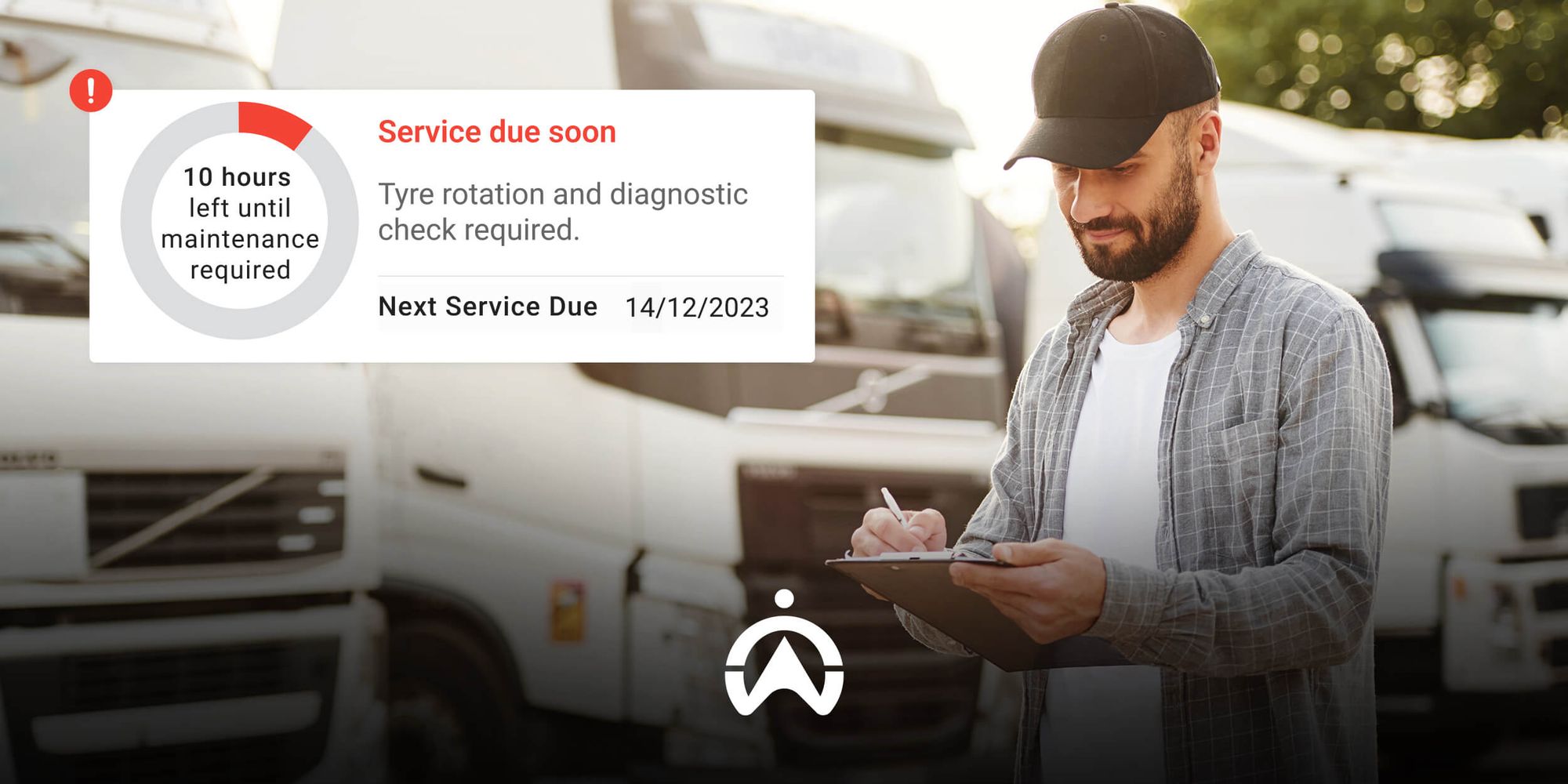
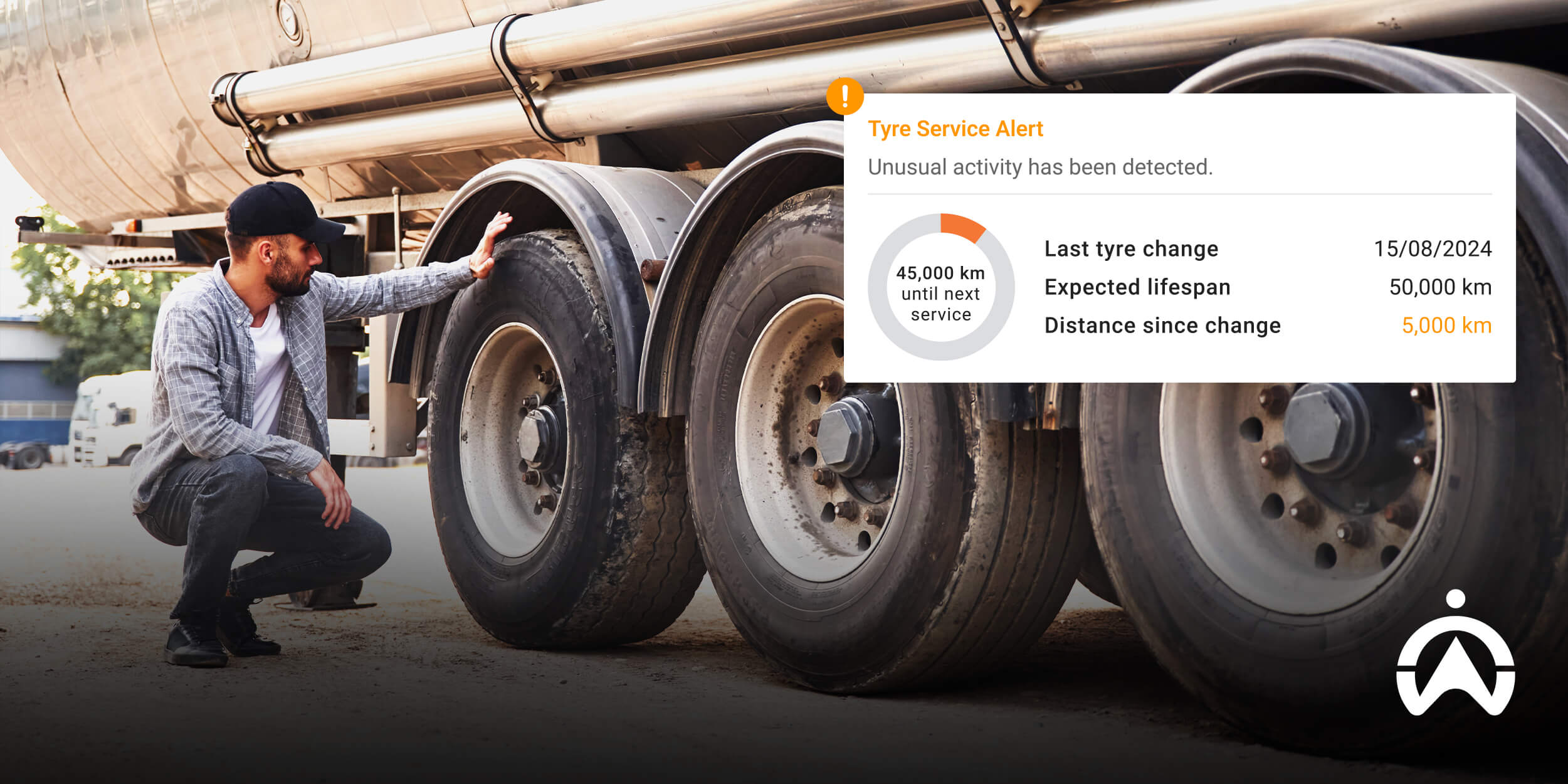
A person inspecting vehicle tyres with service alert supported by fleet maintenance management software.

The not-so-obvious advantages of using fleet maintenance software

The not-so-obvious advantages of using fleet maintenance software include improved:

  • Driver safety
  • Reliability
  • Customer satisfaction
  • Team efficiency

Keeping your vehicles in top shape improves your overall daily operations and gives you more time to focus on other important matters. It also ensures that your business adheres to compliance laws, saving you from heavy fines.

Driver safety

Vehicles are less likely to fail on the road if they’re well maintained. Things like failed brakes, lights that don’t work, or worn-out tyres lead to accidents. Fleet maintenance software ensures that your vehicles are always roadworthy, helping you meet compliance requirements.

Operational reliability

With fleet maintenance management software, your deliveries and schedules will stay consistent. You’ll know of all upcoming service dates and plan your delivery schedules based on the number of vehicles that’ll be available on that day. This makes your business more trustworthy, improves customer satisfaction and reduces service disruptions.

Sustainability

No one wants to buy a vehicle that won’t last long, especially if it’s for business purposes. Through fleet maintenance software, you reduce the need to get new vehicles. Your current vehicles will run cleaner and therefore last longer, giving you a better return on investment.

Team efficiency

With this software, you’ll hardly ever get a call about emergency repairs. Your things will go according to plan most of the time. Your team will be more efficient and productive, leaving you with less to worry about.

Case study: How Concord Cranes uses the Cartrack system for maintenance

Concord Cranes is a company with a fleet of over 180 cranes. They offer crane hire solutions across the continent. They specialise in loading, transporting and relocating abnormal loads using their cranes and expert rigging systems.

Concord’s main challenge was that they couldn’t accurately record the number of hours each crane worked daily, which made it hard to know when they needed maintenance. This negatively affected client deliveries, as they couldn’t give their cranes for hire without being sure that they were well maintained and safe to use.

How we helped them:

  1. Specialised power take-off sensors
    Using the Cartrack specialised power take-off sensors, Concord Cranes can monitor their cranes’ on-site working hours and track mileage, as well as the specific equipment used. This sort of data makes it easier for them to see the condition and usage of their cranes, helping them make more informed decisions.
  2. Preventative maintenance features
    Our very handy preventative maintenance features help Concord with cutting down costs by reducing the number of cranes that need maintenance because of unexpected breakdowns. This also reduces downtime as they now plan ahead for servicing.
  3. Improved reliability
    Through these preventative maintenance measures, Concord Cranes has improved their relationship with their clients. They’re more reliable and efficient. Their ability to plan ahead makes it easier for them to see which cranes will be available on which day, ensuring they never disappoint their customers.

“Using Cartrack’s advanced fleet management, we have been able to increase our operational efficiency to deliver a better service to our customers, as well as effortlessly establish a maintenance cycle that reduces our costs and increases our fleet longevity.” | Gareth Langley, Concord Cranes operations manager.

Beyond technology—the basic vehicle maintenance skills every fleet driver should have

The basic vehicle maintenance skills that your drivers should have include:

  • Checking for essential fluids
  • Checking tyre pressure
  • Understanding warning lights
  • Making minor repairs

Together, these skills help further prevent sudden breakdowns, because your drivers will play their part in maintaining vehicle upkeep.

Most of these tasks can be done before a trip, but drivers should pay attention to these components throughout the day. Here’s a detailed breakdown:

Checking and replacing fluids

Your drivers must know how to top up essential fluids like the engine oil, brake fluid, and coolant. Checking and replacing these fluids prevents engine damage and makes sure that critical vehicle components work properly.

Monitoring tyre pressure

When tyres lose air, they lose their grip, which results in an increase in braking distance. It also damages the tyres and increases fuel consumption. Tyre pressure should be checked weekly for fleet vehicles because of their high mileage. Your drivers should also check if the tyres are cold before starting a trip, as temperature changes can affect tyre pressure readings.

Identifying warning lights

Do your fleet drivers know what the warning symbols on their dashboards mean? Well, that’s another thing you should look into. A recent survey shows that only 7% of drivers feel confident identifying dashboard warning lights. Understanding these symbols is key to proactive vehicle maintenance, driver safety, and the safety of the public.

Performing minor repairs

Minor repairs include things like replacing windscreen wiper blades, jump-starting a battery, and changing tyres. Not every repair requires a mechanic, and knowing how to do it yourself can save time, which may result in deadlines still being met on time.

For example, if it rains and your driver notices that the windscreen wiper blades are in a bad condition, your driver can make a quick stop, replace them, and continue with the trip instead of waiting for someone else to do it.

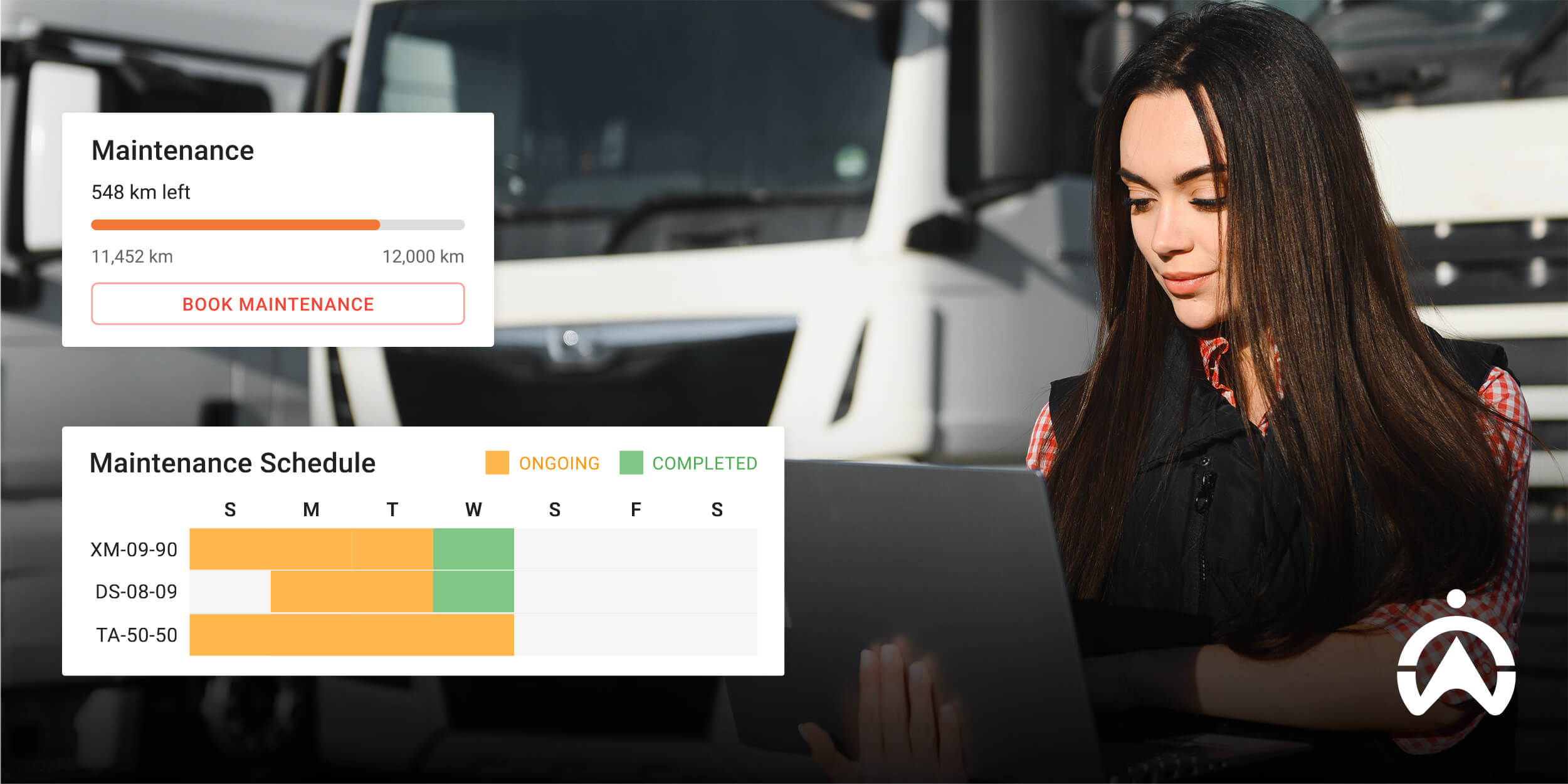
Woman reviewing vehicle maintenance dashboard powered by Cartrack fleet maintenance management software.

Build a more reliable and efficient fleet with Cartrack Tanzania

At Cartrack Tanzania, we help you build a more efficient and reliable fleet through early fault detection, service reminders, driver reports, and sensors. Using these tools ensures that you always know more about your fleet’s health, helping you avoid costly surprise breakdowns.

Here are our top fleet maintenance features:

Early fault detection (CAN Bus)

Our CAN Bus solution gives you real-time vehicle diagnostics. Through this, you’ll always know of things like oil and water fluctuations, issues with your engine, worn-out brake pads, or lights that need replacement. This helps you attend to matters before they get worse and cause breakdowns.

Power take-off sensors

The power take-off (PTO) sensors are for vehicles and machinery like tipper trucks, cement mixers, and cranes. Through PTO sensors, you’ll know how often your machinery is being used and for how long. This makes it easier to do maintenance planning that’s based on usage.

Scheduled service reminders

You can import vehicle service dates into your fleet management system so you can get reminders on our platform. Having all maintenance replacement information on one platform reduces the back and forth, saving you time and making it easier to maintain vehicle upkeep.

Driver reports (harsh driving habits increase wear & tear)

Proactive maintenance isn’t just about receiving alerts and replacing parts; it also requires you to ensure that your drivers are treating the vehicles well. Through our telematics system, you’ll be notified when drivers are engaging in habits that radically increase vehicle wear & tear, such as harsh braking. This helps you address these issues directly with the drivers and educate them on the importance of careful driving for safety and fleet longevity.

By partnering with us, you ensure that your vehicles are roadworthy, you save costs, and your business becomes more reliable. Contact us today and gain more control over your fleet operations.

Frequently Asked Questions

What are the 4 types of maintenance?

The four types of maintenance software are:

  • Reactive: Waiting for something to break before fixing it.
  • Preventative: Performing regular inspections and setting reminders of service dates.
  • Condition-based: Monitoring vehicle parts to determine when maintenance work is necessary.
  • Predictive: Using IoT sensors and other technologies to gather vehicle data and receive alerts of any faults.

What is the difference between CMMS and EAM?

The difference between CMMS (Computerised Maintenance Management System) and EAM (Enterprise Asset Management) is that CMMS focuses on work order management and scheduling, while EAM covers the entire life cycle of assets. CMMS is for maintenance teams and technicians, while EAM is for strategic planners and finance teams.

What is smart fleet management?

Smart fleet management refers to using technology such as GPS trackers, sensors, and software to gain more insight about your fleet. Using advanced tools helps you keep track of important fleet management components like fuel consumption, vehicle maintenance, and route planning.

What are the 4 pillars of fleet success?

The four pillars of fleet success are:

  1. Stakeholder satisfaction: Meeting the expectations of your customers, upper management, and community.
  2. Intentional culture: Purposely creating a positive and productive environment for your team.
  3. Resource efficiency: Making the most out of your resources to save costs and improve performance.
  4. Risk management: Identifying, assessing, and reducing the risks posed to the business.

How Predictive Maintenance Helps Save Fleets Thousands

Predictive maintenance helps save fleets thousands by notifying fleet managers of worn-out or faulty vehicle components before they worsen and cause breakdowns. Unexpected repairs usually cost more than the expected ones because they require immediate attention. This means you won’t have enough time to research and compare quotes; plus, it delays productivity.

The growing cost of fleet operations needs you, as the fleet manager, to find better ways to cut costs. With maintenance being one of the major expenses, predictive maintenance technology is what you need.Predictive maintenance can reduce fleet maintenance costs hugely through early fault detection and good servicing schedules.

Let’s have a look at the positive changes predictive maintenance technology will bring to your fleet and why you need it.

Key Takeaways:

  • Predictive maintenance helps fleets avoid breakdowns and expensive repairs
  • It helps you plan repairs ahead of time so work can carry on as normal
  • It keeps vehicles in good condition for longer and helps save on fuel
  • Sensors and other smart systems check vehicle data so faults are spotted early

Major ways in which predictive maintenance saves fleets thousands

Predictive maintenance can save you thousands by:

  • Preventing costly breakdowns
  • Reducing downtime
  • Extending vehicle lifespan
  • Reducing fuel consumption

If your business solely depends on fleet operations, your vehicles and drivers are your business’ greatest assets. This means that poor handling and maintenance of your vehicles will directly impact all other areas of your business.

Let’s get into more detail on how predictive maintenance technology helps you spend less:

Preventing unexpected breakdowns

Unexpected breakdowns dent the budget in so many ways. From the roadside assistance call-out fees and paying the mechanic, to the cost of outsourcing vehicle parts that might not be immediately available. You also face the possibility of getting financially penalised for late deliveries.

The early detection of mechanical failures or wear and tear through predictive maintenance software helps you avoid all these expenses caused by surprise breakdowns. In the long run, the money you’ll spend fixing vehicles early will be less than what you could possibly spend if you just wait for them to start falling apart.

Reducing unscheduled downtime

Every hour a fleet vehicle is off the road, there’s a loss in revenue. For many fleet businesses, there are peak and off-peak periods. Imagine owning a fleet of 50 delivery vans, and 10 of them suddenly need emergency repairs during the festive season. This will result in a significant loss in revenue, as it’s the busiest time of the year for delivery businesses.

Predictive maintenance insights allow you to plan and schedule repairs during off-peak hours, giving you minimal disturbances.

Extending vehicle lifespan

Spotting issues with vehicles early protects critical components like the engine, which results in vehicles lasting longer before the need for a replacement. It also helps you know which vehicles will soon need replacing, so you’ll have enough time to plan and budget vehicle acquisition.

Improving fuel efficiency

Things like worn-out brake pads, clogged air filters, and low tyre pressure lead to the engine having to work harder, which then requires more fuel. With fuel being another major fleet running expense, saving fuel costs in all ways possible is a must. By picking up issues of wear & tear early, predictive analytics help decrease fuel consumption. A better fuel economy equals more savings.

Preventing safety-related incidents

According to Lowman Law Firm, the top five mechanical failures that cause car accidents are:

  1. Tyre issues
  2. Faulty brakes
  3. Steering defects
  4. Defective headlights and lights
  5. Worn-out windscreen wipers

Since predictive maintenance technology can pick up some of these ahead of time, it helps prevent such accidents from happening, saving the lives of your drivers and other people on the road. Fewer accidents also mean fewer insurance claims, so by reducing the risk of accidents, you appear more reliable to insurers, which then results in lower premiums in the long run.

Worker repairing vehicle in garage as part of predictive maintenance.

How does predictive maintenance work?

Predictive maintenance works through data analysis. The data comes from telematics devices and sensors. Through these technologies, the system can follow the patterns of different components to notice unusual behaviour, which could be an early sign of wear & tear. The system then sends out alerts of these faults, so you can attend to them before they cause breakdowns.

Let’s look at the three main components of predictive maintenance.

Telematics data

Telematics systems collect a vast amount of data from the vehicles to the central system. Through this, you can get more information on things like odometer readings, driving habits, engine conditions, battery health, and tyre pressure.

Internet of Things (IoT)

IoT sensors make it possible to continuously monitor critical vehicle components. They typically keep an eye on things like the temperature, pressure, or vibration of certain parts. You’ll often find IoT sensors around the engine, brakes, suspension system, or the electrical circuit. They work together with telematics devices for the transmission of information.

Artificial intelligence (AI) and machine learning (ML)

You’ll find AI technology in nearly every smart innovation these days, and preventive maintenance is no exception. AI analyses sensor data and looks for patterns in order to predict potential failures. This part of AI that focuses on learning the patterns of vehicle components is known as machine learning.

Are preventative maintenance and predictive maintenance the same thing?

No, the terms ‘preventative maintenance’ and ‘predictive maintenance’ are often used interchangeably, but they aren’t the same thing. The difference between the two is that preventative maintenance focuses on sticking to service reminders to keep your fleet in top shape. Predictive maintenance is about anticipating vehicle issues through sensors, AI, and telematics devices.

So basically, predictive maintenance can be seen as a type of preventative maintenance method.

Cutting fleet costs with Cartrack’s predictive maintenance

At Cartrack Tanzania, we offer remote diagnostics and real-time maintenance alerts to help you cut down fleet costs and improve productivity. With us, you get an entire preventative maintenance system, which includes things like scheduling reminders and risky driving alerts.

Here’s a closer look at how our system works.

Remote vehicle diagnostics

Remote vehicle diagnostics simply means that our system can collect data using sensors and onboard computers from various vehicle components, like the brakes, transmission, and engine. From there, you’ll get alerts of faults from those vehicle parts and take necessary action. For example, if your brakes are worn out, the system will notify you, and you’ll be able to replace them before they fail.

Digital inspection forms

With our fleet maintenance system, you can create vehicle inspection forms that drivers can access via the Cartrack App. Each driver can then fill out the form to check for worn-out parts of the vehicle they’re using for the day. This can be done before starting a trip or afterwards.

Drivers can even take photos of the worn-out parts and upload them to the app. You’ll receive all the submitted forms and all other supportive evidence so you can see which vehicles have parts that need to be repaired or replaced.

Service reminders

You can import the owners’ manuals for all your vehicles and their service history reports into your system so you can have a digital record of service dates and get reminders. This ensures that you have all your vehicle maintenance-related information on one platform, instead of having to search through spreadsheets and emails to keep up.

Vehicle maintenance alert showing service countdown for predictive maintenance.

Case study: How Wisani Burial Society uses our maintenance services and other fleet management tools

Wisani Burial Society is a funeral business from Limpopo that was established in 1995. Their main goal is to offer affordable and reliable funeral services to diverse communities. Their services stretch as far as Mpumalanga and Gauteng, and they rely on their fleet’s efficiency to provide high-quality funeral services.

Wisani Burial Society had challenges with making timely deliveries. Things like hot weather, traffic, and vehicle breakdowns have serious repercussions, given the sensitivity of the contents they transport. They needed a system that could help them easily locate their vehicles and avoid delays so they could meet customer needs. So they invested in the Cartrack fleet management system.

Here’s how we helped them:

Control room assistance

At peak times, Wisani Burial Society can monitor over 300 vehicles simultaneously through their control room using our web platform. They can see the exact whereabouts of all vehicles and track productivity. It also makes it easy to quickly dispatch assistants in case of a breakdown.

Real-time vehicle diagnostics

Our real-time vehicle diagnostics and scheduled maintenance reminders help them quickly see which vehicles need maintenance and when. This way, they can reduce the chances of breakdowns and optimise vehicle usage.

Minimise breakdowns and save thousands with Cartrack’s predictive maintenance solutions

Our predictive maintenance tools and preventative maintenance system make it easier to stay in touch with fleet upkeep, saving your business from setbacks that can cost thousands. You’ll not only save costs but also the lives of your drivers. Reach out to us and get a vehicle maintenance system you can trust.

Frequently Asked Questions about predictive maintenance

What role does fleet maintenance play in optimising productivity?

Fleet maintenance plays the crucial role of minimising delays due to breakdowns, which optimises productivity. It ensures that your vehicles are always running on the days they should be, improving reliability. With proper fleet maintenance, there are fewer accidents caused by mechanical failure, which improves driver safety and efficiency.

Can AI improve predictive maintenance?

Yes, AI can significantly improve predictive maintenance. It is one of the vital components of predictive maintenance technology. AI analyses machine data to predict breakdowns and gives warnings before the situation worsens. This improves your maintenance planning, ensuring your vehicles are scheduled for repair ahead of time.

What is the 10% rule of preventive maintenance?

The 10% rule of preventive maintenance states that preventative maintenance should ideally be done within 90% of the scheduled time period and no more than 10% past the due date. For example, if one of your vehicles requires servicing every 100 days, the maintenance should happen within 90 days or no later than 110 days.3

What to Look for When Buying a Second-hand Car

When you’re looking to buy a second-hand car, the most important thing is knowing what usage you’re looking to get out of the car. Are you looking for an everyday car for short trips or a Daladala for the school holidays?

Either way, buying a second-hand car in Tanzania’s current economic climate makes sense, but it can be a major risk if you’re not sure what red flags to look out for. Accident damage, tampered mileage, hidden mechanical issues, and unpaid finance are just some of the factors that can turn what looks like a bargain into a financial nightmare.

The pre-owned car market in Tanzania is thriving. According to the marketre search future the Tanzania Used Car Market is experiencing a notable surge in demand. This is proof that pre-owned vehicles enjoy far higher demand than their new counterparts, making the second-hand car market one of the most active in the country.

This guide takes you through everything you need to check before sealing the deal—from paperwork and inspections to negotiation tactics and protection strategies. And once you find that perfect ride, teaming it up with reliable vehicle tracking and recovery from Cartrack Tanzania ensures your investment stays safe right from the start.

Key Takeaways:

  • Always check the exterior, interior, and engine bay carefully. Visual signs show problems that are not so obvious
  • Paperwork is non-negotiable, so make sure all legal documents and VINs match before purchasing
  • Take a proper test drive—listen, feel, and assess the behaviour of the vehicle in different situations
  • A mechanic’s pre-purchase inspection will save you thousands and give you confidence in your decision

What exactly to look for before buying a second-hand car

  • Set a clear budget: know what you can afford, including ongoing costs.
  • Decide where to buy: compare dealer safety versus private seller risks.
  • Do a full history and service check: verify accidents, finance, theft, and mileage.
  • Check the exterior: rust spots, tyres, dings, and poor alignment of panels.
  • Inspect the interior: look for damage, smells, and electrical faults.
  • Test all electronics: make sure the AC, windows, and dashboard lights work.
  • Check under the bonnet: look for leaks, worn belts, the battery and fluid quality.
  • Take a full test drive: listen for noises and check handling.
  • Check paperwork: make sure of ownership, roadworthiness, and legality.
  • Get a written agreement: protect yourself during private sales.
  • Plan for security: install a tracking device to safeguard your car.

Set your budget and know your needs

The most important step before you start looking at a second-hand car is to set your budget and know your needs. It’s important to keep in mind that ongoing costs like fuel, maintenance, licensing, and insurance in Tanzania could all add up rather fast.

Other factors, such as the fluctuating price of petrol and vehicle tax hikes, all take their toll on the total cost of ownership. So consider your lifestyle needs carefully. Where a student may only need a small hatchback, a family might want a large SUV that provides space and extra safety.

It’s important to distinguish your must-haves—such as safety and reliability—from your nice-to-haves, such as leather seats or high-end sound systems.

Don’t stretch your finances too far. Leave room in your budget for emergency repairs, tyre replacement, annual services and insurance premiums. It’s smarter to choose a basic vehicle that you can afford to maintain, rather than a feature-packed car that’ll prove to be a financial headache later on.

Should you buy your second-hand car from a dealership or a private seller?

You should buy your second-hand car from a dealership because they provide better protection. On the other hand, private sales often mean lower prices and better negotiation options. Either way, you still need to thoroughly inspect the vehicle to make sure you’re not getting a lemon.

Dealerships, especially if they’re part of a well-known franchise, typically offer vehicle checks, warranties, and roadworthy certificates, making it a lot safer for first-time buyers who might not be knowledgeable about car evaluations.

If you’re shopping privately, sites like Facebook Marketplace and Kupatana are full of used car listings, but they come with higher risks. You often lack guarantees about the car’s condition, and scams are extremely common.

No matter which route you choose, clarity is key. Always ask for documentation, proof of service history, and repair records. If you go private, consider bringing a mechanic or getting an independent inspection before you commit. Remember, peace of mind beats rushing into a deal just for a bargain.

Person handing over car keys during a second-hand car purchase inspection.

New car vs second-hand car — pros & cons

If you’re still unsure if you should buy a new car or a second-hand one, this simple table breaks down the pros and cons of each. This will help you make a more informed decision before you hit the showroom floors!

Comparison New Car Second-hand Car
Upfront Cost Higher purchase price More affordable
Depreciation Loses value quickly in the first 12 to 24 months Slower depreciation rate
Maintenance Low at first; warranties included Can be higher depending on age and mileage
Vehicle History Clean – you’re the first owner Risk of unknown history (accidents, poor maintenance)
Finance Approval Easier to finance through major banks Slightly harder, depending on the car’s age and condition
Insurance Costs Higher premiums Lower premiums (depending on model and security features)
Tech and Features Latest safety and infotainment features Older tech, which may need aftermarket upgrades
Value for Money Long-term value, but costly upfront Budget-friendly with smart choices
Customisation Can choose specs and extras What you see is what you get
Resale Value Good if well-maintained Depends on mileage and brand popularity
Warranty and Service Plan Included from the dealership Maybe expired or limited
Peace of Mind Fully guaranteed condition It can be risky if not inspected or verified properly

Do a full vehicle history check

Before you buy a second-hand car, it’s incredibly important to do a full vehicle history check. Understanding where this vehicle has been and how it was treated is essential. A history check helps you uncover various concerns, like accident damage, outstanding finance, mileage tampering, or even if the car was stolen.

This information can protect you from costly unexpected expenses and also gives you confidence in negotiating the purchase price.

Here’s what to check:

  • Request the VIN number and check the ownership and its legal status with it.
  • Utilise vehicle verification services, or check records through relevant Tanzanian authorities where possible.
  • Check for outstanding finance because the vehicle cannot be sold legally if there is still money owed on it.
  • Confirm that the car hasn’t been stolen, written off or imported illegally.
  • Review the service history for any records that will show consistent mileage and regular servicing.
  • Look for missing or skipped service intervals; these could be indicative of tampering.
  • Look into large repairs or accident history, including things like chassis or flood damage.
  • Request repair invoices or maintenance records that detail previously completed work. If unsure, invest in a pre-purchase inspection by a qualified mechanic.

Inspect the exterior

Start your inspection outside the car, focusing on the paintwork and how the panels align. If you spot uneven panels, mismatched paint, or overspray, it could be a sign of previous accident damage. Look for rust around the wheel arches or windscreen; this often points to long-term moisture exposure, especially in coastal areas like Dar es Salaam.

Next, check the tyres for wear and condition. Odd wear patterns might signal worn suspension or misaligned wheels. Make sure all the lights are working and that the mirrors aren’t cracked or loose. A chipped or cracked windscreen could end up costing you quite a bit to replace.

Check the car in daylight. Good lighting helps you spot dents, scratches, and signs of repainting that might go unnoticed in dim conditions. Kneel down for a closer look at the bodywork and run your hand along the panels. A thorough visual check can reveal significant clues about any past damage.

Inspect the interior

Inspecting the interior of a second-hand car is a must before you purchase! The interior often tells the real story of how well the car was looked after. Start with the upholstery and dashboard: tears, stains, and worn fabrics could signal neglect.

Listen for rattles and check for signs of water damage such as damp smells or mould, especially in coastal or flood-prone areas. Test all the electronic features. Turn the air conditioning, radio, windows, touchscreen, and central locking on and off.

Check if the dashboard warning lights turn on when starting the ignition and then turn it off after that. If they don’t turn off, this might indicate serious problems such as engine issues, electrical problems, or malfunctioning airbags—all requiring professional attention.

Look for signs of tampering. Scratched screws, loose panels, or trims that don’t fit properly are signs of previous repairs or modifications. Check seatbelts also for fraying, since safety equipment should always be intact. Generally, an immaculate interior characterises a responsible owner, while a neglected one hints at hidden mechanical issues.

Check under the bonnet

Next, pop the bonnet and take a look at the engine bay. Look for leaks, corrosion, or worn components. Fluid levels should be clear and at the right level. Oil that’s sludgy or thick may indicate maintenance that’s overdue; milky oil can point to serious engine problems such as head gasket failure

Give the belts and hoses a good look for any cracks or fraying. A worn belt can snap and cause engine damage, leading to costly repairs. Don’t forget to check the battery as well! Given the load-shedding (for EVs) and extreme temperatures in Tanzania, knowing how old the battery is can really help when planning for a future replacement.

Remember, just because the engine bay looks clean doesn’t mean the car’s in top shape. Excessive oil stains, loose wiring, or old clamps can hint at neglected maintenance. If everything else looks good, consider getting a pre-purchase inspection. Having a mechanic do a compression test or diagnostic scan can save you from unexpected costs down the line.

Take a proper test drive

Always push for a proper test drive. Start the engine and listen for any weird noises like knocking or ticking. During the drive, check how the steering responds and how the suspension handles. If it pulls left or right, it might need alignment or could’ve had a bump in the past.

Try it out in different scenarios: stop-and-go traffic, open roads, and ideally, the highway. Pay attention to the brakes and where the clutch engages. If you notice jerky gear shifts or vibrations, that could signal transmission issues. Keep an eye on the temperature gauge too; older cars often struggle with overheating in our hot summers.

Turn the radio off while driving to catch any squeaks or rattles. Test the turning radius, acceleration, and emergency brakes. If something feels off, don’t brush it aside. You can always ask for another test drive or walk away. The right car should feel solid, reliable, and trustworthy.

Buyer reviewing documents with dealer to assess what to look for when buying a second-hand car.

Understand the paperwork

Paperwork serves as your legal proof of ownership and protection as a buyer. In Tanzania, missing or outdated documents can cause delays, legal issues, or even fines. Before you buy, make sure you have every required document ready and valid.

Here’s what you need to get:

  • Vehicle registration card/book: This confirms legal ownership and vehicle details.
  • Valid roadworthy certificate: Ensure the vehicle has passed the required roadworthiness inspection.
  • Proof of sale or sales agreement: This protects you legally in case of disputes.
  • Stamped service book or maintenance records: These verify the maintenance history.
  • Copy of the seller’s ID and proof of address: This helps confirm authenticity.

Things to check carefully:

  • The VIN number on the chassis should match the documents.
  • Make sure there’s no outstanding vehicle finance.
  • If you’re buying privately, get a written agreement and signed receipt.
  • Remember, the transfer of ownership is completed promptly through the relevant Tanzanian registration authorities.

With solid paperwork, you ensure smooth ownership, and the deal isn’t done without it.

Protect your new purchase

After you’ve sealed the deal, it’s time to protect your purchase. With car theft rates alarmingly high in Tanzania, it’s wise to take steps to safeguard your investment. Installing top-of-the-range tracking and recovery tech can really help secure your car against hijacking, theft, or unauthorised use, particularly if you’re in a high-risk area.

This is where Cartrack Tanzania makes a real difference. From day one, Cartrack Tanzania protects your secondhand car with live GPS tracking, AI dashcams, and industry-leading stolen vehicle recovery. You can even set up geofencing alerts and real-time notifications to stay in control of your vehicle whenever it’s on the road.

Final takeaway

Buying a used car can be a smart choice if done correctly. Take your time, inspect it fully, check its history, and make sure all the paperwork is right. The right preparation prevents costly surprises and leads to better ownership in the long term.

Once you have the perfect car, protect it with Cartrack Tanzania so that on each journey, you enjoy peace of mind. Safeguard your investment and drive with confidence.

FAQs

Is it worth buying a second-hand car in Tanzania?

Yes, it’s worth it to buy a second-hand car in Tanzania. The second-hand car market is huge, affordable, and full of options for any type of buyer. By making use of the right tools, research, and inspections, you’re sure to find a diamond in the rough.

Can I negotiate the price of a second-hand car?

Yes, in most cases, you can negotiate the price of a second-hand car. Use findings from your inspection—such as wear, missing paperwork, tyre condition, or service history gaps—as negotiation points. Research market prices in advance to justify your offer with confidence.

Is financing available for used cars?

Yes, most banks in Tanzania provide vehicle finance for second-hand cars, provided the cars meet certain age and mileage requirements. More often than not, older cars (more than 10 years old) may not qualify, so confirm this with your bank or financial provider before committing.

Can a Dashcam Get Hacked Into?

Theoretically, yes, a dashcam can get hacked into, but there are safety measures that you can take to ensure your dashcam is secure from any security breaches. In recent years, dashcams have quickly become essential in fleet management, providing video evidence, monitoring driver behaviour, and protecting against false claims.

While they bring operational advantages, they can also introduce potential cybersecurity vulnerabilities. Like any device that collects, sends, or stores data, they’re not immune to hacking.

According to Auto Connected Car, incidents of cybersecurity breaches in the automotive and mobility sector jumped from 295 in 2023 to 409 in 2024, with the number of vehicles affected skyrocketing from 5% to 19%.

It’s only natural to question whether dashcams, as connected devices, are at risk when connected cars face such intense targeting. That’s why many businesses trust fleet partners like Cartrack Tanzania, whose connected dashcams offer advanced security, real-time visibility, and dependable local support.

Key Takeaways:

  • Yes, dashcams can be hacked, but it’s rare and preventable with the right security measures
  • Weak passwords, outdated software, and unsecured networks are the main reasons dashcams become vulnerable
  • Strong cybersecurity habits and trusted providers like Cartrack Tanzania keep your dashcams and data safe
  • Regular updates, training, and monitoring are essential to protect your fleet from digital threats

Can dashcams actually be hacked?

Although rare, yes, your dashcam can be hacked, just like any other connected device. This is especially true when they’re connected to an unsecured internet or cloud service. Hackers can tap into stored files, GPS data, and video feeds by exploiting weak passwords, outdated firmware, or vulnerable networks. To stay safe, you need solid cybersecurity measures in place.

Here’s how it can happen:

  • Weak or unchanged passwords: Leaving default passwords in place makes your device an easy target.
  • Unsecured Wi-Fi networks: Open or public connections can expose the data stream from your dashcam.
  • Compromised mobile apps: Attackers exploit security flaws in poorly designed dashcam apps.
  • Outdated firmware: Failing to update your device regularly can allow known vulnerabilities to be exploited.

Think of it like leaving your office door unlocked. Although most people wouldn’t just walk in, there’s still a risk.

What’s at risk if a dashcam is hacked?

Your entire fleet’s operational security is at risk if a dashcam is hacked. When dashcams get compromised, it’s not just the video footage at stake. Cybercriminals can access GPS data and vehicle routes as well, which puts your drivers’ privacy and safety at risk. It can place your entire company at a security risk.

Here’s what could go wrong:

  • Data exposure: GPS data, timestamps, and video could reveal your routes, delivery schedules, and client locations.
  • Network breach: Hackers might access other systems through a dashcam connected to your main company network.
  • Compliance issues: Exposed video could lead to privacy and data protection violations under Personal Data Protection Act, (PDPA).
  • Loss of money and reputation: Data breaches or outages can drain your time, finances, and trust.
  • Vulnerability: Thieves now know where you are and what is in the vehicle increasing the risk of hijacking, theft of goods, and vehicle theft.

Common dashcam security risks and what they mean for your fleet

There are four common dashcam security risks that can cause your fleet to be compromised. Outdated software, weak passwords, and unsecured networks pose the biggest risks to fleet cybersecurity. Below, you’ll find a brief overview of the key dashcam security threats and what they could mean for your drivers, vehicles, and business.

Risk Category What It Means for the Business Example Scenario
Data exposure Footage, GPS, timestamps accessible by unauthorised parties A competitor sees route patterns or client drop-offs
Network intrusion Dashcam acts as an entry point into your fleet systems A driver’s dashcam interface is used to access other telematics or back-office systems
Regulatory/Compliance Breach Data protection laws triggered by leaked footage or driver info A driver’s personal image is exposed and triggers Personal Data Protection Act (PDPA) investigations
Operational disruption Device malfunction or attacks result in downtime or loss of monitoring Dashcams go offline because of a firmware attack, reducing fleet oversight

Signs your dashcam might have been compromised

There are a few signs that your dashcam might have been compromised. You can keep your fleet safe from major operational and data risks by spotting the warning signs of a hacked dashcam. Cyberattacks often hide in plain sight, but a few red flags can signal something’s not quite right.

  1. Unusual activity or footage: Look out for strange recordings, missing clips, or videos that seem out of sync—these could all point to tampering.
  2. Unexpected settings changes: If you notice changes in permissions or configurations without your say-so, that could mean unauthorised access.
  3. Connectivity issues: Frequent disconnections or failed uploads might suggest network interference.
  4. Storage anomalies: Files appearing out of nowhere or rapidly diminishing storage space could signal malware or remote access issues.
  5. Increased data usage: A sudden spike in data transfer could indicate someone’s remotely streaming or downloading footage.
  6. System performance problems: Slow response times, constant reboots, or odd glitches might be signs of malicious interference.

If you notice any of these red flags, unplug the dashcam from its network, update all access credentials, and get in touch with your provider straight away. With secure tech and quick support from reliable partners like Cartrack Tanzania, we can swiftly identify and contain potential breaches—keeping your operations safe and sound.

Cartrack system alert showing a dashcam hack warning on dual monitors with data streams and a world map.

How to prevent dashcam hacking in your fleet

You can prevent dashcam hacking by having strong cybersecurity habits. Fleet managers need to ensure all passwords are complex and unique, that they utilise secure networks, and also that they regularly update firmware. To safeguard connected devices across your fleet, team up with a trustworthy telematics provider like Cartrack Tanzania.

Choose reputable providers

Team up with well-known telematics firms like Cartrack Tanzania, who have solid cybersecurity measures in place. Make sure they adhere to rigorous data protection and encryption guidelines. Seek out providers with clear security policies and accessible local customer support.

Keep firmware and software updated

Check in with your dashcam provider for any updates. These updates tackle security flaws and fix bugs. To keep things secure, schedule monthly maintenance.

Use secure passwords and multi-factor authentication.

Change those default passwords immediately. Use long, complex combinations of letters, numbers, and symbols. If two-factor authentication is an option, activate it.

Protect your network

Avoid connecting dashcams to public Wi-Fi. For data transfers, stick to secure networks or VPNs. Stay vigilant for any unusual login activity.

Choose reliable cloud storage

Ensure your provider encrypts all video files. Limit access to saved videos. For added security, implement role-based permissions.

Train your drivers and staff

Teach drivers the basics of cybersecurity. Motivate everyone to report alerts or suspicious activity. Make data protection a daily part of fleet operations.

Cartrack dashcam hack visual showing different dashcam models on a grid background.

Building a culture of cyber awareness in your fleet

Build a culture of cyber awareness to safeguard your fleet. Your team (not just your tech) is your first line of defence in cybersecurity. If your staff doesn’t grasp basic digital safety, even the most advanced dashcam systems can’t keep your fleet safe.

Regular training sessions and workshops can help embed these habits naturally. When employees understand the “why” behind data protection, they’re more likely to take ownership. You can also draft simple internal policies or quick reference guides to help teams stay consistent.

With a cyber-aware company culture, every employee becomes a line of defence. This empowers your team and strengthens your fleet against potential hacking attempts and data breaches, boosting your company’s security and resilience.

Why choosing the right dashcam supplier matters

Choosing the right dashcam supplier goes beyond just getting high-quality footage; it’s crucial for ensuring your data stays safe throughout the journey. A trustworthy partner like Cartrack Tanzania safeguards your fleet’s information at every step with local data hosting, automated software updates, and secure, encrypted networks.

Cartrack’s dashcam solutions offer you full visibility, control, and peace of mind by effortlessly integrating with its fleet management system. Enjoy a secure operation without any added stress, thanks to round-the-clock local support.

FAQs

How long do dashcams store footage before it’s overwritten?

Dashcams can store footage for a few days to several weeks before it’s overwritten, depending on the storage capacity and resolution settings. When the RAM is full, it automatically overwrites older files. To make sure you don’t lose important footage, turn on manual file saving or set up cloud backup.

Can dashcam footage be used as legal evidence in Tanzania?

Yes, dashcam footage can be used as legal evidence in court cases, insurance claims, and investigations in Tanzania. It provides unaltered, time-stamped proof of events, helping to clarify responsibility or blame. The video footage must be legally recorded and safely stored to avoid tampering in order to be admissible.

What’s the difference between a front-facing and dual-channel dashcam?

The main difference between a front-facing and a dual-channel dashcam is the area monitored. A dual-channel dashcam captures both front and rear views, whereas a front-facing dashcam just shows the road ahead. Dual-channel models are ideal for commercial and fleet use, providing enhanced protection by monitoring driver behaviour and surrounding traffic.

Do dashcams drain a vehicle’s battery?

No, dashcams typically won’t drain your vehicle’s battery and will use minimal power while you’re on the move. Most models feature standby or low-power modes to conserve energy when parked. You can easily prevent long-term battery drain with the right setup and installation.

How often should I service or check my dashcams?

You should service or check your fleet dashcams at least once a month to ensure they are recording, uploading, and updating properly. Regular checks ensure that the footage is high-quality, help you find problems early, and keep the firmware up to date for the best security and performance.

Get the Best and Easy-to-Use App for Last-Mile Logistics

The best and easy-to-use app for last-mile logistics is a feature-rich one. Last-mile logistics is all about that final leg of a product’s journey to the customer, moving from a distribution centre straight to their door. Even though it’s a short distance, it’s the trickiest and most expensive part of the supply chain.

This is all thanks to complicated routes, high delivery volumes, and the constant need to keep customers happy. According to Capgemini Research Institute, last-mile delivery accounts for over 50% of total logistics costs. Businesses that optimise the last leg save time, money and customer relationships.

In B2B logistics, the last mile is mostly about being reliable. Any delays or loss of goods while shipping can have a direct impact on a business’s relationship with its partners. Companies that utilise smart solutions, such as Cartrack’s Driver App, have an advantage over their competitors, as they can see and hold people accountable in real-time.

Key Takeaways:

  • The last mile can be the toughest and priciest part of logistics, but nailing it builds trust and loyalty with customers
  • Cartrack’s Driver App combines telematics, proof of delivery, and real-time communication for smoother fleet operations
  • When picking an app, choose one that’s easy to use, integrates seamlessly, and scales with your business
  • Companies using smart delivery solutions like Cartrack’s see lower costs, faster deliveries, and better customer connections

Understanding last-mile logistics: the backbone of customer experience

The last mile is more than just simply delivering a product to its final destination. This stage has the ability to shape how your customers feel about your business and how likely they are to come back. To master the last-mile logistics, you need to ensure that every part of the delivery process runs smoothly, reliably, and efficiently.

Why the last mile matters

  • Reputation enhancement: Consistently meeting deadlines builds your company’s credibility.

The modern challenge

As e-commerce demands surge and customer expectations rise, last-mile logistics becomes more intricate. Companies must keep customers updated in real-time, requiring a system that balances speed, accuracy, and cost-effectiveness.

The Cartrack advantage

Cartrack Tanzania provides businesses with the right solutions to master their last-mile operations. Features such as live tracking, easy driver communication, and proof-of-delivery guarantee that every order arrives on time, keeping customers in the loop.

What makes an app great for last-mile logistics?

An app that’s great for last-mile logistics is one that does more than just keep tabs on vehicle locations. It should completely transform how your teams plan, communicate, and execute deliveries. The most effective solutions seamlessly integrate user-friendliness with capabilities that reduce costs, optimise routes, and keep customers informed at every stage.

Must-have features:

  • Real-time tracking: Instantly check the current location of your fleet at any given moment.
  • Proof of delivery: Easily collect signatures, photos, or barcodes.
  • Two-way communication: Have the ability to keep drivers and dispatchers connected.
  • Analytics dashboards: Turn your delivery data into valuable insights.

Business benefits:

  • Quicker delivery time and fewer disputes.
  • Lower operational costs.
  • Happier and more efficient drivers.
  • Improved customer satisfaction and trust.

Cartrack app for last-mile logistics showing delivery van tracking with package details and ETA.

What are the challenges of last-mile delivery?

There are three main challenges that affect last-mile delivery. The first is that your customers expect deliveries to be made quickly. The cost of the last-mile delivery is very expensive. Lastly, the increase in the demand for special shipping services.

1 – Customers want speedy delivery

Today, big e-commerce platforms offer same-day or next-day delivery. Customers are now expecting their orders to arrive quickly and conveniently. While fast deliveries are heavily advertised, business owners, especially small business owners, must find a way to meet these expectations without breaking the bank.

2 – High cost of the last-mile delivery

When online shoppers spend over a certain amount, they expect free delivery. However, last-mile delivery can get pricey since drivers are juggling multiple packages that are headed to multiple locations. Complicated routes, frequent stops, and idle times all drive up your fuel costs and labour hours.

3 – Rising need for specialised shipping services

Last-mile logistics can get tricky. Whether it’s no one being home to receive deliveries, needing to reschedule, or customers wanting to return products they’re not happy with, there are plenty of challenges to navigate.

Choosing the right app for your fleet

When choosing the right app for your fleet, it’s important to look for the best last-mile delivery app. The best ones can completely transform your fleet operations, moving them from a reactive approach to a proactive one. The right platform provides your team with the tools to enhance automation, visibility, and your insights.

So before you jump in, invest some time in finding a solution that aligns with your operational goals and evolves with your business.

When evaluating logistics software, consider these four key factors:

Identify your operational needs

Every fleet faces unique challenges, whether it’s tackling city traffic or navigating rural roads.

Start by identifying your pain points:

  • Are any delays caused by poor routing or communication hiccups?
  • Do you need better proof of delivery or more accountability from your drivers?
  • Are you aiming to enhance customer visibility or reduce your costs?

Pro tip: create a checklist of essential features before diving into provider options.

Look for seamless integration

Your delivery app should fit seamlessly into your existing setup, not disrupt it.

  • Ensure it connects smoothly with your telematics, CRM, and ERP systems.
  • This integration allows dispatchers, managers, and drivers to work from a single source of data.
  • Having everything in one place boosts accuracy and reduces manual entry errors.

Prioritise ease of use

Complicated software can interfere with implementation. The best apps are user-friendly for both dispatchers and the drivers.

  • Look for clean dashboards and straightforward navigation.
  • Make sure mobile functionality operates well, even in areas with poor signals.
  • Opt for a platform that requires minimal training to get started.

Evaluate scalability and support

As your business grows, your app should keep pace.

  • Confirm that it can handle expanding fleets, multiple locations, and increased delivery volumes.
  • Seek a provider that offers 24/7 local support and regular updates.
  • Ask about implementation timelines and the onboarding assistance available.

Why Cartrack Tanzania checks every box

Cartrack’s Driver App combines telematics, routing, proof of delivery and driver communication all in one platform. It integrates effortlessly with your existing systems, performs reliably in Tanzanian conditions, and is backed by local teams who truly understand your business.

Why Cartrack’s Driver app leads the way in last-mile logistics

Cartrack’s Driver App leads the way in last-mile logistics because it was designed to tackle the unique challenges of Tanzanian logistics. Think unpredictable roads, heavy traffic, and those tricky remote routes. It offers a simple, user-friendly platform that connects drivers, dispatchers, and customers through live tracking, automation, and real-time communication.

Full visibility from start to finish

  • Monitor every delivery vehicle and route in real time.
  • Check driver progress, estimated arrival times, and any route changes. Instantly!
  • Get alerts about any potential delays before they impact your customer.

Smarter routing, less fuel waste

  • Dispatchers can quickly reroute drivers to avoid congestion.
  • This means fewer kilometres driven, less fuel used, and faster delivery times.

Real-time communication that keeps everyone in sync

  • Send immediate updates or instructions directly to drivers.
  • Drivers can update their delivery status right in the app.
  • Drivers and dispatchers don’t need to juggle phone calls or multiple chat apps.
  • Drivers can change the status of the delivery (completed, damaged, refused signature, returned product).

Proof of delivery that builds trust

  • Capture digital signatures, photos, or barcodes on-site.
  • Every record gets a timestamp and location verification.
  • Resolving disputes happens quicker and smoother.

Designed for local businesses

  • It runs smoothly, even in low-connectivity areas.
  • Designed specifically for the Tanzanian network.
  • Enjoy 24/7 support from local customer service.

Cartrack vs. generic delivery apps

There are a plethora of delivery apps available to use for last-mile logistics. However, most of them only offer surface-level fracking or basic dispatching tools. Whereas Cartrack’s Driver App goes above and beyond by combining telematics, advanced fleet management, and real-time analytics all into one connected platform.

Check out this table that compares Cartrack’s Driver App to generic delivery apps to help you make a more informed decision:

Feature Cartrack Driver App Generic Delivery Apps
Real-Time Tracking Integrated with live telematics for precise, vehicle-level visibility Basic GPS tracking, often delayed or app-based only
Route Optimisation AI-driven and adjusts to live traffic and delivery priorities Static routing; manual updates required
Proof of Delivery (POD) Built-in digital signatures, photos, and time-stamped data Often requires third-party plugins or manual uploads
Driver Communication Instant two-way messaging between drivers and dispatchers Limited or relies on external messaging apps
Analytics & Reporting Advanced dashboards with performance insights and fuel data Limited to basic delivery logs and summaries
System Integration Seamlessly connects with Cartrack’s fleet, fuel, and maintenance systems Usually standalone, difficult to integrate with fleet tools
Local Support 24/7 Tanzanian-based support and maintenance Offshore or automated ticketing systems
Reliability Backed by over 2.4 million active units across the globe Varies; often designed for smaller or non-fleet users

Cartrack app for last-mile logistics showing driver job scheduling, route planning, and delivery assignments.

What does Cartrack’s Driver App offer you

So you might be curious as to what Cartrack’s Driver App offers you that another app can’t. Cartrack’s Driver App isn’t just about tracking—it’s about transformation. Businesses that are using the platform can see measurable improvements across cost, efficiency, and most importantly, customer experience.

Operational Efficiency

  • Improved routing will boost the amount of deliveries each driver can make daily.
  • Automatic proof of delivery slashes admin time and paperwork.

Cost Control

  • You can save on fuel by choosing the best possible route, as well as cutting down on idle time.

Customer Experience

  • Having accurate ETAs and instant delivery confirmations builds trust with your customers.
  • Enjoy smoother deliveries and faster resolutions.
  • Create transparency that turns one-time customers into long-term loyal clients.

How to successfully implement a last-mile delivery app

There are a few things you can do to successfully implement a last-mile delivery app for your business. However, you need to keep in mind that adopting new technology can be quite complicated, especially when your teams are used to doing things manually. By ensuring a smooth rollout, you’ll maximise your investment and see results quicker.

Start with clear goals

  • Before getting the app, pinpoint your biggest delivery challenges.
  • Are delays your main concern?
  • Do you need better visibility or more efficient routing?
  • Or are you focused on enhancing your customers’ satisfaction?
  • By establishing clear goals early on, you can monitor your success and measure your ROI

Get team buy-in early

  • Your drivers and dispatchers are the key to your last-mile success.
  • Make sure you are involving them in the setup process.
  • Provide your team with brief, hands-on training sessions.
  • Highlight how the app will make their day easier, not more complicated.
  • When your teams can see the personal benefits, adoption rates will skyrocket.

Integrate with existing systems

  • Cartrack’s Driver App seamlessly integrates with fleet management, fuel monitoring, and maintenance tools.
  • Sync your delivery data effortlessly with your ERP or CRM systems.
  • Keep all information—routes, maintenance, and proof of delivery—in one ecosystem.
  • Integration removes the hassle of manual data entry and provides you with smoother operations.

Use data to drive decisions

  • Once the app goes live, tap into its built-in analytics to keep an eye on your progress.
  • Track delivery completion rates and route efficiency.
  • Compare the fuel usage across different vehicles or regions.
  • Spot trends that can shape your driver training or maintenance schedules.
  • Transform your delivery data into actionable insights for improved business results.

Continuously optimise

  • Last-mile logistics never stands still, and neither should your processes.
  • Review delivery data monthly to find new improvement areas.
  • Update routing rules or schedules as your business grows.
  • Keep engaging with your Cartrack Tanzania account manager for feature updates and best practices.

The businesses that thrive on logistics tech don’t just use it; they adapt alongside it.

Final thoughts: Simplify, streamline, and deliver

That last stretch, aka the last mile, is where your brand truly makes its impression. So make sure it’s a memorable one. With the right tools at your disposal, you can save time, cut costs, and avoid an unhappy client.

Cartrack’s Driver App puts you in the driver’s seat for each and every delivery. Allowing you to oversee everything from dispatch to doorstep.

To see how Cartrack Tanzania can simplify your delivery operations, book a demo today.

FAQs

What’s the difference between first-mile, middle-mile, and last-mile delivery?

So the first mile is getting the goods from the manufacturer to the warehouse. Then the middle mile takes over and moves the goods between hubs. And finally, the last mile is where the magic happens and delivers the goods to the customer’s doorstep.

How secure is delivery data collected by logistics apps?

Delivery apps keep your data safe with encryption, secure cloud storage and multi-level access controls. Trustworthy providers also comply with POPIA and international data protection standards so route data, proof-of-delivery records and customer information stay private and secure from unauthorised access or misuse.

Can last-mile delivery apps work for small or medium-sized businesses?

Yes! Small and medium-sized businesses can really make it work with last-mile delivery apps. The software does the automated scheduling, routing and tracking, which means less manual tasks, lower costs and faster deliveries—all without having to hire more staff. Scalable platforms like Cartrack Tanzania make it easy for any size of fleet to manage deliveries.

How do delivery apps handle connectivity issues in remote areas?

Cartrack’s last-mile driver app is offline capable. It tracks and stores delivery data even when there’s no signal and syncs everything once connectivity is restored. So no data gets lost, and operations can keep running smoothly in rural or low-coverage areas. A must-have for Tanzanian fleets.

What kind of hardware do I need to run a delivery app?

All you need is a smartphone or tablet with GPS. Some logistics teams opt for rugged or in-vehicle devices for added durability and accuracy. Since Cartrack’s app is on standard mobile operating systems, setup is quick, affordable and doesn’t require any fancy or special hardware.

Can delivery apps help with sustainability goals?

Yes, having a delivery app can definitely help with your sustainability goals. This is done through route optimisation, which is the key to reducing fuel consumption and minimising your carbon footprint. Making delivery apps a great tool to achieve sustainability.

Agriculture Fleet Management Software – The Best Solution for Farming

Agriculture fleet management software helps you to cut out the guesswork. New-age farming thrives on precision, data, and smart strategies. With fleet management software, farmers can boost productivity and cut costs per hectare by efficiently tracking, monitoring, and optimising their vehicles and equipment.

According to Agritech MEA, the agricultural machinery telematics market is set to hit US $7.6 billion by 2033. This indicates the crucial role that connected technology plays in modern farming.

By making use of feature-rich fleet management software, farmers can enjoy all the luxuries that come with advanced technology.

Key Takeaways:

  • Fleet management software helps farmers save money and boost productivity through real-time tracking and smarter planning
  • Using technology reduces downtime, fuel waste, and unexpected repair costs
  • Cartrack’s system gives farmers complete control over their vehicles, equipment, and drivers—even in remote areas
  • Smart fleet management makes farming more efficient, sustainable, and ready for the future

Why modern farms need fleet management software

Modern farms need fleet management software to handle the everyday challenges that farmers face. Challenges such as unpredictable fuel prices, labour shortages, and equipment breakdowns all negatively impact productivity. Fleet management software gives you real-time insights into your vehicles’ and equipment’s locations, performance, and areas for improvement.

The new era of effective farming

Manual coordination and reactive maintenance are key elements of traditional farming practices. However, thanks to technology, farms can now:

  • Monitor resources in real time.
  • Prevent equipment breakdowns.
  • Slash fuel waste.
  • Boost output without expanding the fleet.

Quick definitions:

Manual coordination involves hands-on management of tasks, vehicles, and workers, often relying on phone calls, paper logs, or spreadsheets instead of automated systems.

Reactive maintenance occurs when you only fix equipment after it breaks down, instead of servicing it regularly to avoid issues.

The cost of staying manual

By not embracing automation and technology, farms risk falling behind. By staying manual, farms can experience:

  • An increase in expenses from unexpected maintenance and repair costs.
  • Harvest delivery windows get missed.
  • Scaling operations becomes a challenge.
  • Resources are being wasted by unused cars and equipment.

Common challenges in managing agricultural fleets

There are some common challenges that farmers face when it comes to managing agricultural fleets. Farmers must manage fuel costs, coordinate detailed maintenance schedules, and monitor machinery across vast fields. Managing the agricultural fleet goes beyond just keeping their vehicles running.

Without real-time data, fleets can lose productivity, waste fuel unnecessarily, and overlook key maintenance moments.

Rising fuel and operation costs

Fuel stands out as one of the top three costs in farming, yet its wastage often slips under the radar.

Here are some fleet management challenges:

  • Excessive idling and poor route planning.
  • Fuel theft or leaks.
  • Struggles with budgeting and predicting seasonal fuel needs.
  • Equipment downtime and unexpected repairs.

Equipment downtime and unplanned repairs

When a tractor or harvester breaks down during harvest, it really hits productivity hard.

Key issues include:

  • Reactive maintenance instead of getting ahead with preventive care.
  • Lack of service tracking.
  • Downtime during peak seasons leading to lost yield.

Limited visibility over assets and workers

Having your machinery constantly shifting around the fields makes it really tricky to keep track of where everything is located.

Here are the common pain points:

  • Losing track of where the equipment and drivers are.
  • Struggling with coordination between teams.
  • Finding it hard to manage seasonal or temporary staff.

Compliance and safety risks

Agricultural fleets must meet road safety and operational standards for public road use.

Some challenges include:

  • Driver behaviour goes unmonitored.
  • Digital logs for inspections are often missing.
  • There’s a risk of fines or operational shutdowns from not meeting regulations.

This also highlights why farmers seek to reduce costs and streamline operations with smarter technology.

Cartrack agriculture fleet management software view of a tractor ploughing between green grass and brown soil.

Key advantages of agriculture fleet management software

The key advantages of agriculture fleet management software are boosting productivity, cutting costs, and enhancing operational control. It helps farmers track vehicles in real time, monitor fuel usage, schedule maintenance, and analyse performance. By connecting all your assets, you gain complete visibility, allowing you to make quicker, smarter farming decisions.

Optimised vehicle and equipment use

Route planning and real-time communication let your team spend less time on the road and more time getting things done.

You can:

  • Plan routes that cut down travel time between fields.
  • Monitor driver activity and progress.
  • Assign tasks efficiently to prevent overlaps.
  • Tackle on-field issues swiftly.

With automated tracking, you’ll always know where your tractors, sprayers, and trucks are—even on expansive farms.

Lower fuel and maintenance costs

A large chunk of farming expenses comes from fuel and maintenance. You can save money with fleet software by:

  • Keeping an eye on fuel usage across different vehicles.
  • Spotting inefficient idling or driving habits.
  • Alerting your team about maintenance needs before they become problems.
  • Reducing the costs of emergency repairs.

For example, if your harvester sits idle for 20 minutes each hour, you’re burning through diesel unnecessarily. Having fleet management software for farmers encourages you to act quickly.

Improved field productivity

Route planning and real-time communication keep your team working efficiently while reducing travel time.

  • Planning routes is a smart way to minimise travel between fields.
  • Keep an eye on your driver’s progress and activities.
  • Assign tasks wisely to avoid duplication.
  • Address on-field issues without delay.

Even on expansive farms, automated tracking ensures you always know the exact location of your trucks, tractors, and sprayers.

Enhanced safety and compliance

On public roads, agricultural operations must meet safety and compliance standards.

Fleet software makes it easy to:

  • To keep tabs on your driving hours and routes.
  • Spot any unauthorised travel or usage.
  • Boost accountability with digital reporting.

Data turns every tractor and truck into a valuable resource, enhancing your logistics and harvest planning.

Better decision-making with real-time data

Data-driven farming isn’t just a trend; it’s the future. With the right insights, you can:

  • Identify patterns in machine health and fuel consumption.
  • Predict future maintenance needs.
  • Set performance benchmarks for all seasons.
  • Make informed, strategic business choices.

Comparing traditional vs smart fleet management in agriculture

Comparing traditional farming fleets to those using management software, you’ll spot clear differences in control, cost savings, and efficiency. Fleet software streamlines manual processes, offering real-time insights by automating your tracking, maintenance, and reporting. Check out the table below to see how smart technologytransforms everyday farming tasks into data-driven, more efficient systems.

Aspect Traditional Farming Fleet With Fleet Management Software
Asset Tracking Manual logs or radio calls GPS tracking with real-time updates
Fuel Management No visibility on usage Automated monitoring and reports
Maintenance Reactive repairs Predictive maintenance alerts
Worker Coordination Time-consuming and scattered Centralised and automated
Productivity Hard to measure Data-driven insights and dashboards

How agriculture fleet software solves real farm problems

Agriculture fleet management software has the ability to solve many everyday real farm problems. Fleet management systems help farmers by reducing downtime during harvest season and assisting in managing seasonal workers and shared equipment. This, however, can only be achieved through a comprehensive fleet management system.

Reducing downtime during harvest season

Downtime during harvest leads to massive losses. Fleet software tackles this by:

  • Sending automated maintenance alerts.
  • Keeping track of service history.
  • Prioritising repairs ahead of peak periods.
  • Reducing last-minute equipment failures.

Managing seasonal workers and shared equipment

When seasonal workers are involved, it’s easy to lose track of who’s using what. Software tools simplify this by:

  • Assigning drivers to specific vehicles.
  • Digitally tracking work progress.
  • Monitoring equipment transfers and usage.
  • Closing gaps in accountability and preventing misuse.

Keeping up with tight delivery deadlines

Timely deliveries to distributors and markets are crucial for farms. Fleet software ensures:

  • Route optimisation for faster deliveries.
  • Accurate ETAs with real-time tracking.
  • Alerts for unexpected delays or detours.
  • Seamless collaboration between field and logistics teams.

How to implement fleet management in your farm

You can implement fleet management on your farm by assessing their current fleet needs and finding a scalable and farm-friendly solution. They should also start small and train their team thoroughly, only expanding once everyone is confident with the system.

Assess your current fleet and needs

Identify your biggest challenges first:

  • Are your cars not getting enough use?
  • Are you overspending on maintenance or fuel?
  • Are your drivers or assets hard to spot?

It’s much easier to track improvements when you understand what’s not working.

Choose a scalable and farm-friendly solution

Choose software that fits your environment and team perfectly.

Look for:

  • User-friendly dashboards that are intuitive.
  • A mobile-friendly design.
  • Offline functionality for rural areas.
  • Seamless connectivity with your existing systems.

User-friendly tools are more likely to be embraced, especially by teams that aren’t used to tech-heavy solutions.

Train your team and start small

You should avoid launching everything all at once.

Instead:

  • Start with a small fleet of vehicles.
  • Train your managers and drivers.
  • Review the data from the first few weeks.
  • Once everyone feels comfortable, scale up.

This approach will ensure long-term success and build confidence within your teams.

Cartrack agriculture fleet management software showing an aerial tractor harvest with data on harvest times and transport duration.

Why Cartrack Tanzania is the smart choice for farm fleet management

Cartrack’s agriculture fleet management software is the smart choice for farm fleet managers because it helps farmers track vehicles, equipment, and drivers in real time—all from one intuitive platform. This tool empowers farmers with complete control over every aspect of their operations.

Cartrack’s fleet management software helps boost productivity, cut down on fuel costs and minimise downtime. This is all perfectly designed for the unique farming conditions in Tanzania.

Tailored solutions for agricultural operations

Cartrack Tanzania empowers farmers to manage everything from delivery trucks to tractors & harvesters all from one dashboard.

  • Track your vehicles and equipment in real time.
  • Keep your vehicles and equipment safe with geofencing.
  • Plan maintenance and manage costs effectively.
  • Keep an eye on driver safety and productivity.

Real-time insights anywhere, anytime

With Cartrack’s powerful GPS and telematics tools, your farm stays connected, even in remote areas.

  • Access real-time fleet data right on your phone.
  • Get instant alerts on route changes, fuel losses, and outages.
  • Stay in control, no matter where you are.

Proven reliability and local support

Cartrack Tanzania is your partner in farming success, not just another software solution.

  • You can count on local support 24/7 across Tanzania.
  • Over two million tracking units are currently in action.
  • We’ve built a reputation for accuracy and reliability.

Tangible results that drive profitability

Farmers can experience notable savings in fuel, time, and maintenance with Cartrack’s fleet management software.

  • Minimise idle time during busy seasons.
  • Slash unnecessary fuel consumption.
  • Enhance operational efficiency all year round.

Leverage data to make smarter harvest plans, reduce costs, and boost profits sustainably.

Fleet management software is completely transforming farming. With a single central system, it helps farmers cut costs, boost productivity, and make smarter decisions based on data.

If you want to achieve more with less for your farm’s success, discover how Cartrack’s agriculture fleet management software can deliver immediate, trackable results.

FAQs

Can fleet management software work for smaller farms too?

Yes, fleet management software benefits small and large farms alike. Even the tiniest operations can tap into real-time tracking, fuel monitoring, and maintenance alerts with Cartrack’s scalable system. You’ll keep an eye on every vehicle and piece of equipment on your farm, saving both time and money right away.

Do I need special hardware to use the system?

No, you don’t need any specific hardware to use the system. Cartrack’s technology includes simple plug-and-play devices that integrate seamlessly into your existing fleet. Installation is simple, so you can begin tracking your trucks and equipment immediately. Farmers can monitor their assets, maintenance, and driver activities from a single, user-friendly dashboard.

Can I track tractors and other non-road equipment?

Yes, you can track tractors and other non-road equipment. Cartrack’s fleet management software keeps tabs on tractors, sprayers, harvesters, and all your agricultural gear. With real-time location, usage, and performance data at your fingertips, you can schedule maintenance, minimise downtime, and optimise each piece of equipment to boost productivity throughout the farming season.

How secure is my farm’s operational data?

Your farm’s operational data is completely secure. Cartrack safeguards sensitive farm and fleet data with encrypted cloud storage. Only authorised users can access reports and insights. This ensures your company’s operations, routes, and vehicle data remain shielded from external threats and unauthorised access.

Will it work in remote areas with a poor signal?

Yes, your system will work in remote areas with a poor signal. Cartrack’s system excels in remote settings. Even if there is a signal outage, the devices continue to capture data and will automatically sync once the connection is restored. This means you’ll never lose important tracking data—ideal for big farms or places with inconsistent mobile connections.