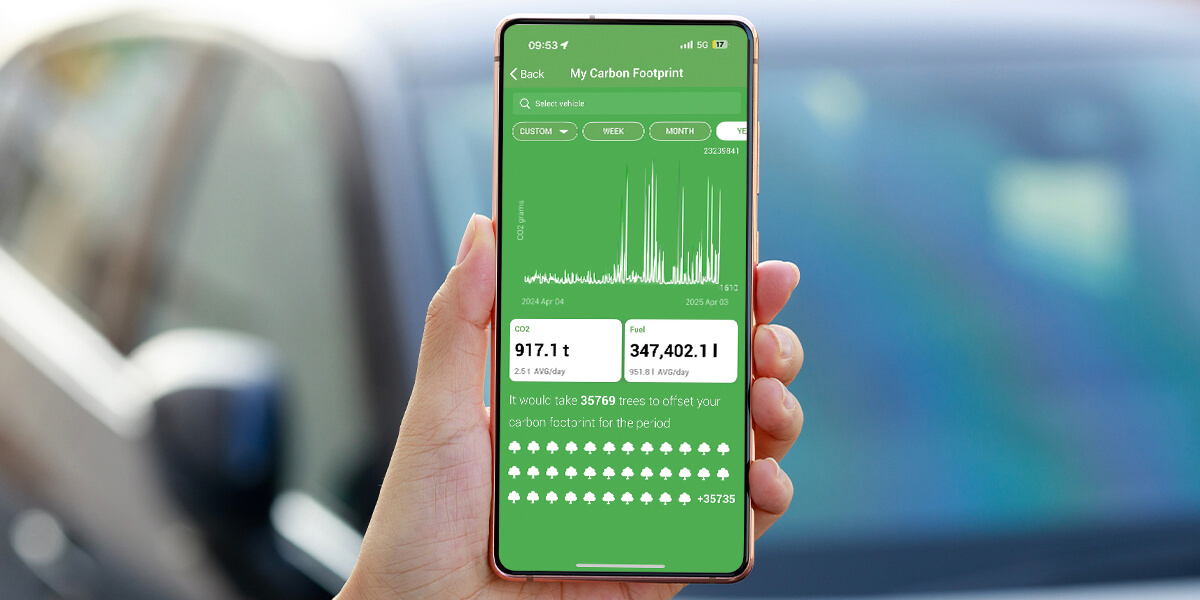

Myth or Fact: Electric Vehicles Don’t Need Any Maintenance?

The idea that electric vehicles need absolutely no maintenance is a myth. They may need less maintenance than your average ICE (internal combustion engine) vehicle, but it’s still required. It’s easy to understand where that myth comes from, considering the upkeep is simpler and operations are typically less environmentally harmful.

With no engine, exhaust, or oil systems, a 2025 report focused on the African market found that maintaining an electric vehicle costs around US $0.061 per mile, compared to US $0.101 per mile for petrol vehicles. This is roughly 40% less overall. However, even something as simple as worn tyres or a cooling system fault can cause expensive downtime and shorten a vehicle’s life if you’re not careful.

Knowing exactly what maintenance EVs still need is key to keeping your fleet running smoothly and profitably. In this article, we’ll separate myth from fact while helping you better understand EV maintenance. Moreover, we’ll show you how Cartrack’s smart fleet management tools can keep your electric vehicles in top shape.

Key Takeaways:

  • Electric vehicles still need maintenance, just less than petrol or diesel cars
  • Key areas to check are the battery, tyres, brakes, software, and cooling system
  • Ignoring EV maintenance can shorten battery life and raise costs
  • Cartrack Tanzania helps fleets stay efficient with real-time data and smart maintenance tools

Myth or fact? The truth behind EV maintenance

The verdict? Myth. The truth behind EV maintenance is that EVs require less maintenance than your petrol or diesel vehicles, but upkeep is still required. Regular servicing and treatment are the keys to keeping your electric vehicle running smoothly. If maintenance is neglected, you run the risk of damaged battery health and compromised vehicle safety.

To get a better idea, take a quick look at our Myth Meter:

80% Myth ▮▮▮▮▮▮▮▮▮▮▮▮▮▮▮▮▮▯▯ 20% Fact

Skipping these checks might not seem like a big deal, but it can significantly shorten battery life, limit driving range, and put safety at risk. In a fleet, these potential issues can add up fast. One neglected EV can cause ripple effects, leading to downtime, higher repair bills, and unnecessary strain on operations.

Why the ‘no maintenance’ myth exists

The ‘no maintenance’ myth exists because the simplicity and convenience of electric vehicles lead to the creation of this narrative. ICE vehicles have so many moving parts and components that are interconnected, making them far more susceptible to wear and tear. However, fewer parts don’t mean fewer responsibilities, and EVs need their software and electrical systems kept in shape.

Get a quick breakdown, separating myth from fact, and look at this table:

Myth Fact
EVs don’t have engines, so nothing needs servicing EVs still require regular checks on brakes, tyres, suspension, and cooling systems to stay road-ready.
EV batteries last forever Battery performance naturally degrades over time and needs ongoing monitoring and thermal management.
Regenerative braking eliminates brake wear completely It reduces brake wear but doesn’t eliminate it—systems still need periodic inspection and maintenance.
EV software updates are optional Software updates are essential for battery efficiency, safety systems, and diagnostic accuracy.
Tyre wear is the same as in petrol vehicles EVs are heavier and have higher torque, leading to faster tyre wear and more frequent replacements.

Core areas of EV maintenance you can’t ignore

Ensure the longevity of your electric vehicle by paying attention to the core areas of EV maintenance that shouldn’t be ignored. These include software and electronics, cooling systems, brakes, and tyres.

Let’s break down key maintenance categories:

  • Cooling systems: If cooling systems aren’t kept in check, it could lead to overheating or slow down the performance of the vehicle. Proper thermal management means complete circulation and no coolant leaks.
  • Brakes and tyres: Any vehicle is susceptible to wear and tear, but EVs are typically heavier than ICE vehicles. As a result, there’s usually more strain on brake pads and tyres, leading to the importance of regular checks and servicing.
  • Software and electronics: EVs rely far more on internal software than ICE vehicles, ensuring energy and performance are optimal and diagnostics are always logged. Routine software updates can maintain and even improve these features.
  • Suspension and steering: Again, the weight of EVs (particularly their batteries) puts strain on the car, more so on its suspension. Regular inspections and alignment checks prevent the vehicle from potential damage and instability.
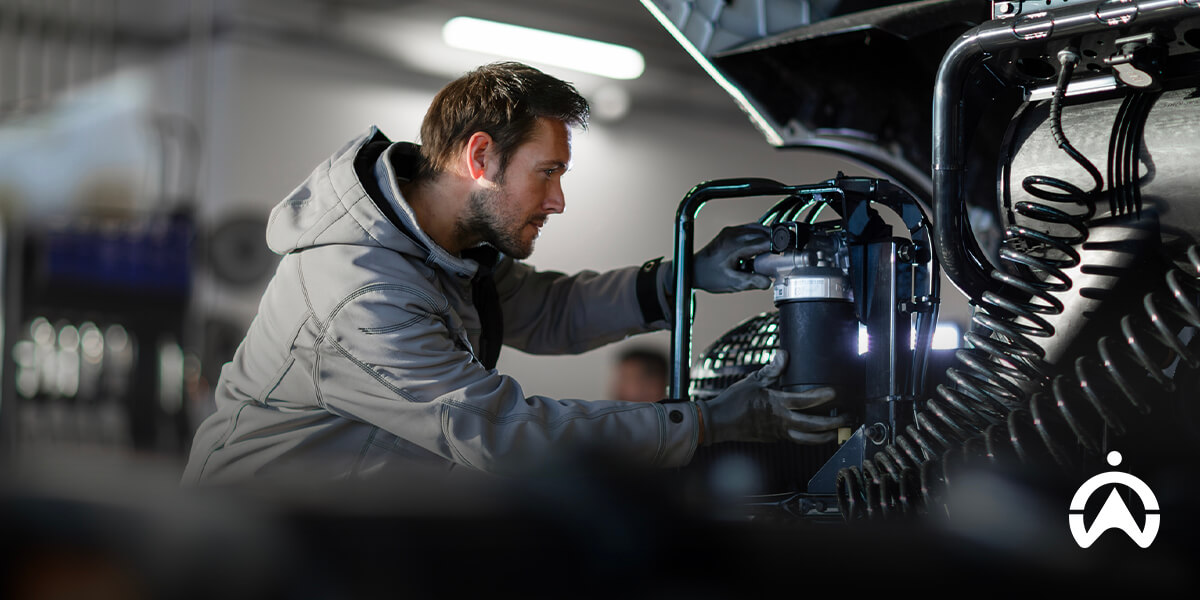
Technician performing electric vehicle fleet maintenance in workshop.

What are the hidden costs and risks of neglecting EV maintenance?

The hidden costs and risks of neglecting EV maintenance include safety hazards and reduced battery lifespan. As you can imagine, these issues are greatly increased in the context of a fleet.Staying on top of maintenance of your EV vehicleswill save you from headaches down the road, preventing you from expensive repair costs and major downtime.

Look at the potential risks:

Reduced battery lifespan

As mentioned, the battery is the most crucial component of the EV. Because almost all the components are connected to it, it serves as the heart of the vehicle. Not maintaining its health can lead right to battery degradation. Battery degradation means ineffective charging, poor circulation, and old, outdated software.

According to a report by Simon-Kucher & Partners, EV battery packs account for 30–40% of a vehicle’s total cost. Lack of maintenance can cost you more than the savings you’re supposed to get from EVs.

Safety hazards

Although you might not need to concern yourself about safety issues like engine fires, EVs still do bring about new kinds of safety hazards to consider. Moreover, safety hazards aren’t just about keeping the vehicle in check; they’re also about meeting compliance standards.

Consider routine inspections to stay compliant, but also ensure your vehicles are in the best condition. Inspections can keep you abreast of wear and tear, damaged cooling systems, and defective electrical components.

Higher long-term operational costs

Predictive maintenance is the best solution for preventing high long-term costs. Avoiding maintenance can only end up costing you more over time, proving counterproductive when you’re trying to save or be profitable. The more time your EV spends off the road, the more likely you are to lose business income.

Fleet impact

An EV’s downtime in a personal capacity is annoying and frustrating at most, but in a fleet? This is an exponential matter. An EV that isn’t serviced can mean the following:

  • Massive downtime
  • Disorganised schedules
  • Loss of important insights
  • Strain on existing EVs within the fleet

Keeping up with smart EV fleet maintenance

Keeping up with smart EV fleet maintenance is about staying up to date and always doing the right thing. It’s essential to dedicate time and remain mindful of regular maintenance. Invest in your EV fleet; get the right fleet management platform to ensure optimal performance, prevent downtime, and keep track of maintenance.

The best practices for EV care include:

  • Scheduled software updates: Software is at the centre, critical for diagnostics and battery control. Keep your software updated to ensure your fleet is not only running optimally, but also on the latest software version at all times.
  • Battery health monitoring: Keep your battery health in the best condition by ensuring thermal management is carefully monitored and charge cycles are tracked. This circumvents expensive replacements.
  • Tyre and brake inspections: The EV’s internal batteries put extra weight on tyres and brakes. It’s worth carrying out regular inspections to ensure you don’t fall prey to decommissioned EV fleet vehicles.
  • Cooling and electrical system checks: Any part of the vehicle that overheats is in danger of becoming damaged. Keep the most critical systems safe and cool by performing regular EV maintenance check-ups.

Fleet management software for EVs helps automate and monitor the following:

  • Predictive maintenance alerts: This is your key to spotting problem areas before they become real issues. Get notifications set up that alert you to potential anomalies and preventative maintenance—enough so that you can intervene accordingly.
  • Performance trends and data insights: To get a comprehensive overview of your vehicles’ and fleet’s performance, invest in a platform that has a digestible dashboard and allows you to automate the process of scheduling maintenance.
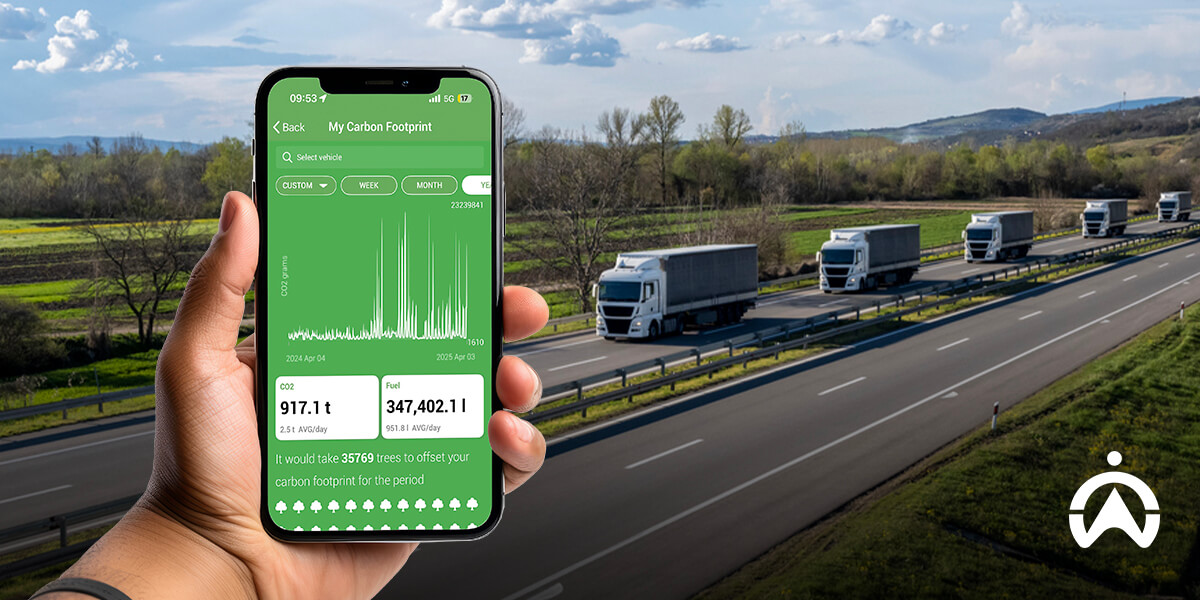
Smartphone showing carbon data for electric vehicle fleet maintenance on highway.

Cartrack’s role in simplifying EV maintenance

Cartrack’s role in simplifying EV maintenance is ultimately about being the best fleet management provider for your electric vehicles. When you’ve got the right tools, it’s much easier to successfully keep control over your vehicles and their maintenance needs.

Cartrack Tanzania is an enabler of proactive maintenance through the following:

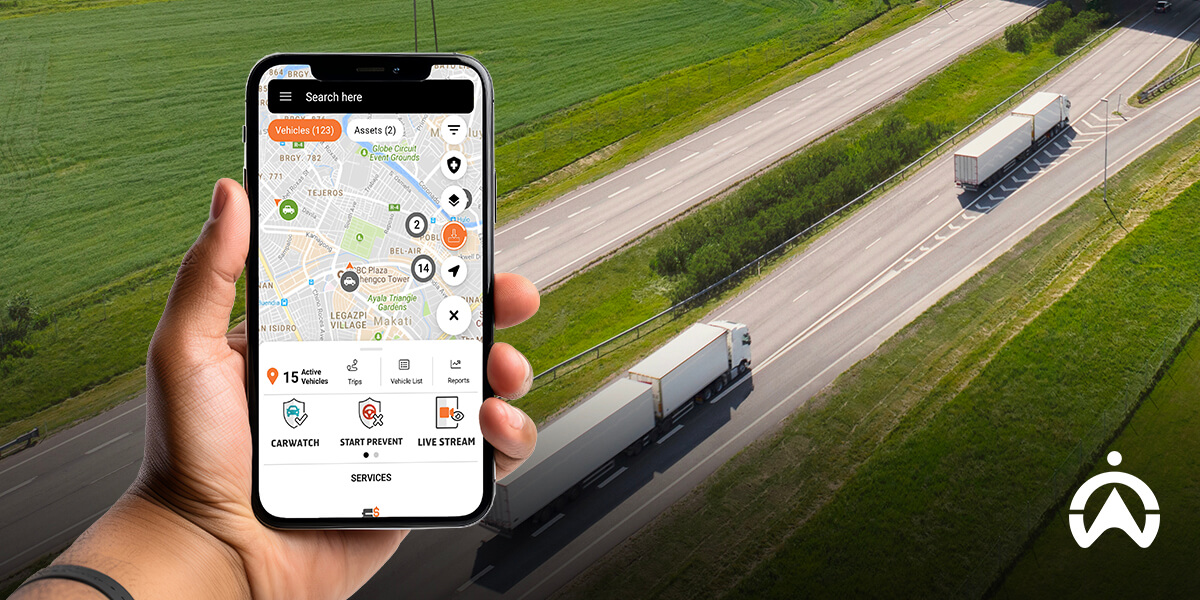
  • Real-time vehicle diagnostics: Thanks to Cartrack’s telematics, all information and insights collected from fleet vehicles are monitored. As a fleet manager, you’re immediately notified of diagnostic issues or vehicle health matters via alerts.
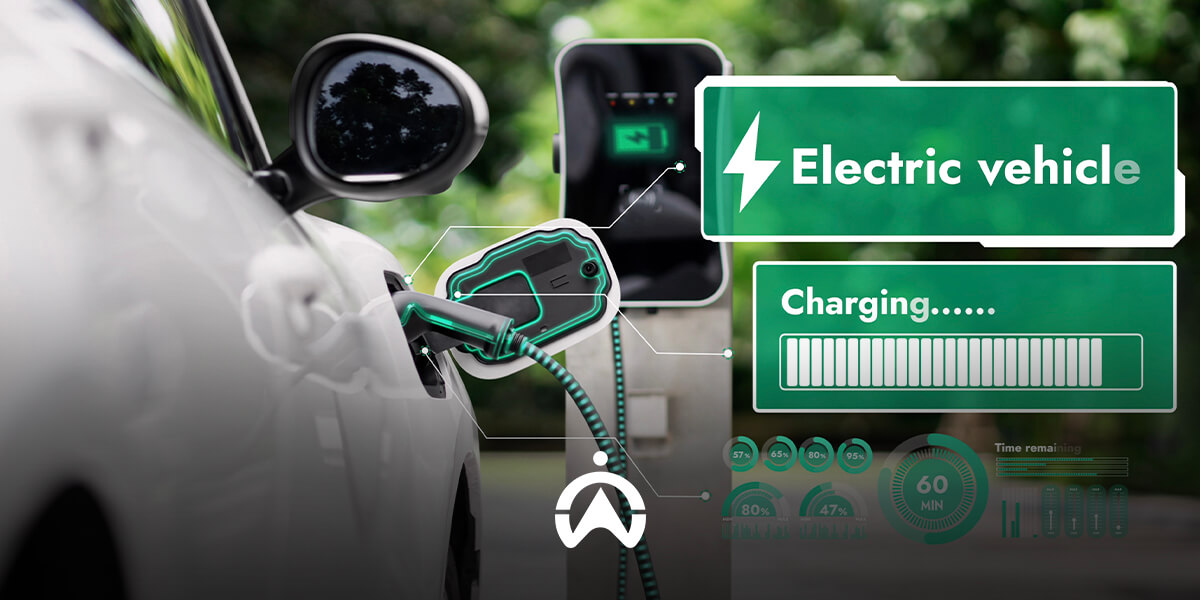
  • Battery health and temperature monitoring: Cartrack’s fleet software can keep track of your EV’s battery health and status, notifying you of any early signs of wear and tear.
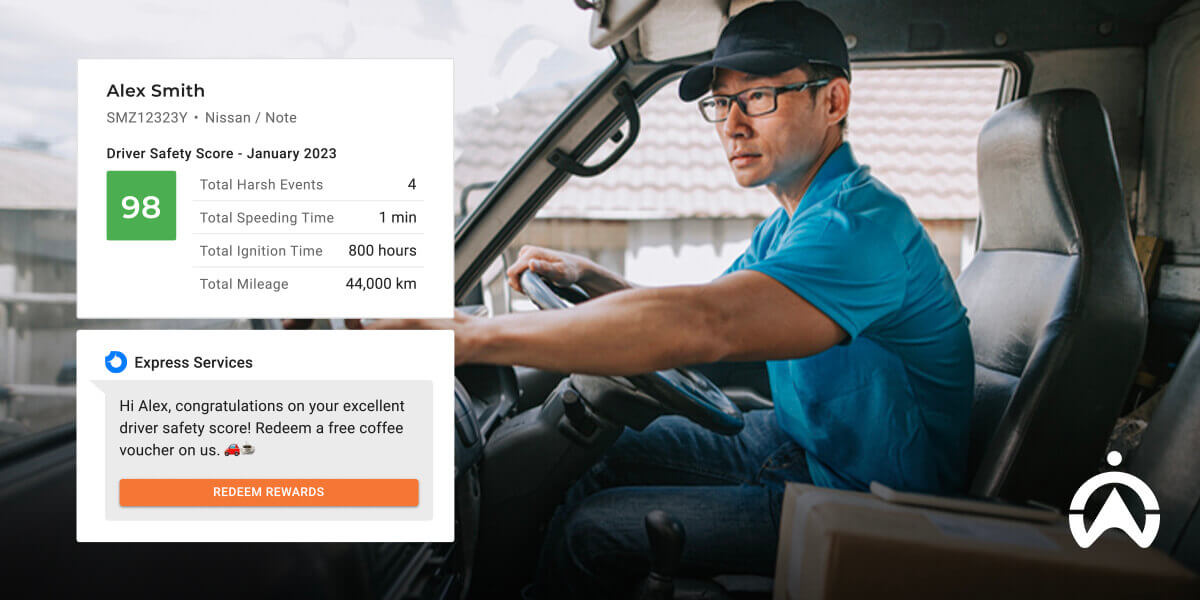
  • Driver behaviour insights: Driver habits are directly linked to an EV’s overall health. Bad driving means greater chances of deterioration and energy consumption. Through telematics and driver scorecards, you can monitor and coach drivers as necessary through FleetWeb.
  • Predictive maintenance scheduling: Our advanced insights help forecast when maintenance is required before costly breakdowns happen. This helps prevent prolonged downtime.

Putting all this together means Cartrack Tanzania gives businesses the tools to keep their electric fleets in top shape. The result? Greater uptime, longer EV lifespans, and lower overall maintenance costs. There’s also the satisfaction of running a sustainable operation that’s driven by the numbers.

Final takeaway

Electric vehicles have actually made fleet maintenance a whole lot simpler, and the fact remains they’re still needed. You wouldn’t have to do the same routine engine checks that you would with a petrol or diesel model, but EVs still need regular care to keep them running smoothly and safely without breaking the bank.

As a fleet manager, it’s important that you stay on top of maintenance. It isn’t really something you can put off. Regular inspections, keeping an eye on battery health, and proactive servicing that’s guided by all the right data are what you need to keep your vehicles on the road and running at their best.

Manage your electric or hybrid fleet with total control. Chat with a Cartrack Tanzania expert to discover how our fleet management tools keep your vehicles running efficiently, every kilometre of the way.

FAQs

What is the biggest problem with electric vehicles?

The biggest problem with electric vehicles is infrastructure and battery degradation. Over time, just about every EV’s battery will naturally lose some of its capacity, which in turn can cut down on its range and efficiency. For fleets, not having enough charging points can make things even worse.

What’s the most expensive part of maintaining an electric vehicle?

The most expensive part of maintaining an electric vehicle is the battery, as it’s costly when it comes to either maintaining it or replacing it. It can be as high as 40% of an EV’s total value, so keeping an eye out for thermal control and regular diagnostic checks is key to making sure that investment lasts.

What is the 80% rule for electric vehicles?

The 80% rule for electric vehicles suggests it’s far better for the health of the battery to charge to 80% than to charge to 100%. This method is the best way to keep your EV’s battery at a more stable temperature and extend its lifespan in general. It’s especially important for EV fleets that’ll charge numerous times in a day.

Why does no one want to drive EVs anymore?

It’s not necessarily that no one wants to drive EVs anymore, but there are concerns around ease of access and infrastructure needs. The popularity of EVs continues to increase, but the availability of charging stations, the necessary battery technology, and maintenance tools aren’t widely available. Advances in technology are slowly addressing these issues, but there’s still a way to go.
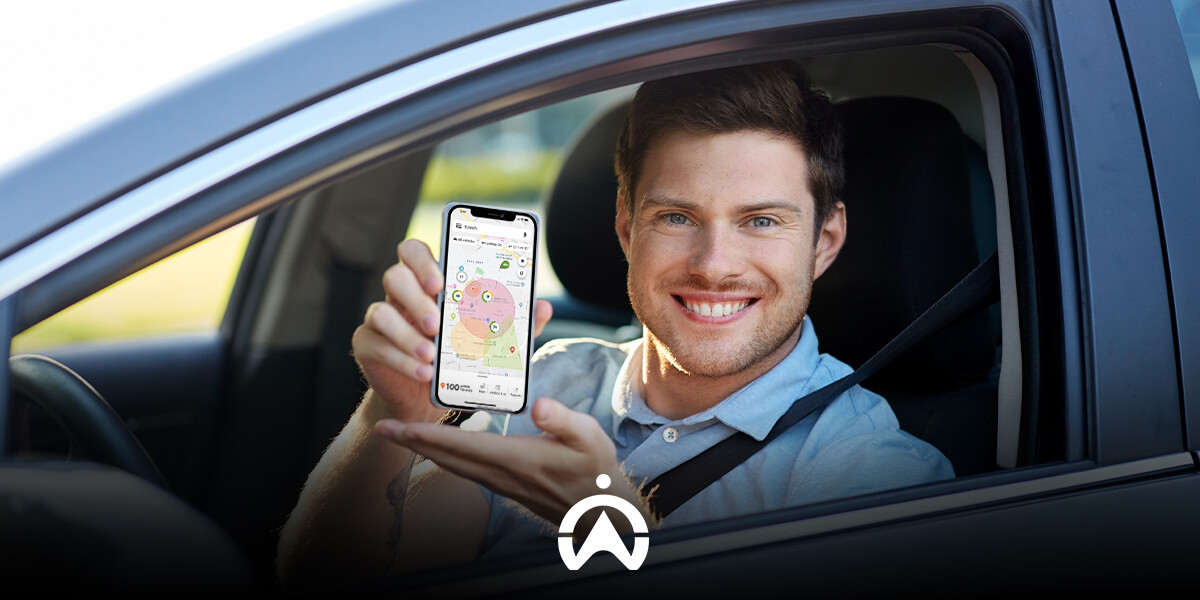

How to Protect Your Car Today: Reliable Personal Car Tracking

Protect your car today by going beyond the simple safety methods of car alarms and steering wheel locks, and invest in reliable personal car tracking. Considering that criminals are getting smarter in their tactics, it’s only right that your safety measures for your car match. Combining traditional safety methods with GPS tracking maximises your car’s safety.

One of the biggest concerns for most drivers in this country is vehicle safety.Tanzanian authorities, despite the encouraging decline in incidents, confirmed hijackings recorded across the country. That’s about 50 vehicles hijacked every day! Personal car tracking devicesare the key to 24/7 visibility and immediate alerts that make vehicle recovery a whole lot easier.

In this guide, we’ll take you through the steps to keeping your car protected, how GPS technology silently works hard in the background, and why Cartrack Tanzania is your top partner in dependable vehicle protection.

Key Takeaways:

  • Personal car tracking keeps your car safe by letting you see where it is at all times
  • GPS tracking helps you act fast if your car’s stolen and makes recovery much easier
  • There are different trackers for different needs, like plug-in, hardwired, and portable ones
  • Cartrack Tanzania gives you real-time tracking, quick recovery, and full support to keep your car safe

How can tracking keep your personal car safe?

Tracking can keep your personal car safe by monitoring your car’s location and giving you immediate alerts if something goes wrong. This gives you time to react quickly in an emergency. Personal car tracking takes things a step further, going beyond common safety measures and adding an extra layer of safety with a 24/7 connection to your car.

A snapshot of these benefits includes:

  • Tracking and monitoring: Keep sight of your car at all times.
  • Theft alerts: Get notified when your car moves without your knowledge or permission.
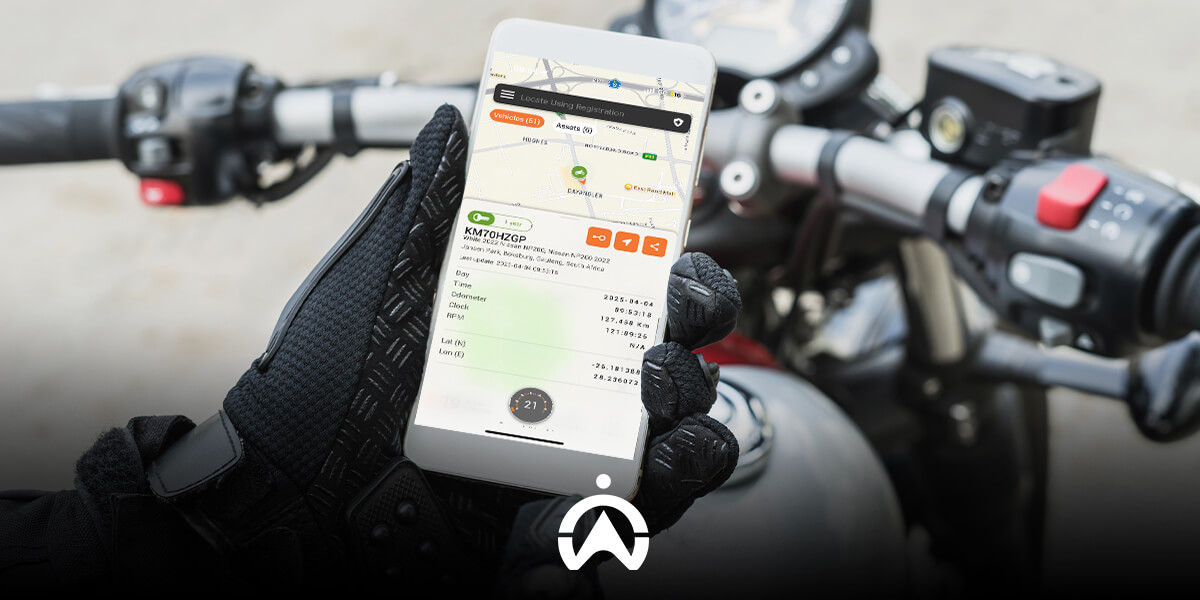
  • Availability: Have total access and notifications via a mobile app or platform.
  • Quick recovery: With eyes on your car, locate your car quickly with the help of GPS tracking.

Scenario: Quick Recovery in Action

Picture this: You’re at work when, out of the blue, your phone starts buzzing with a Cartrack alert – “unauthorised movement detected”. You quickly jump up to check the Cartrack mobile app, only to see your car meandering all over town in real time. One tap on the screen and you’re in contact with Cartrack’s control room and recovery team, who then spring into action, hot on your car’s heels.

Before you know it, the authorities are in the loop, and they’re already closing in on your car, all while keeping you fully informed.

This shows the best of what real-time personal car tracking can do: getting you alerts in a flash, getting things sorted with lightning speed, and keeping you feeling at ease the whole time.

Why car protection starts with tracking

Car protection should start with tracking because traditional safety methods aren’t enough. Modern vehicle tracking extends beyond alarms and physical locks, doing more to deter determined thieves. You get to keep your eyes on your car and its position at all times.

Tracking also provides you with instant alerts if your car is unfortunately stolen, which also increases your chances of fast vehicle recovery. In many cases across the country, cars fitted with trackers are recovered within hours, helping owners save both time and money.

How personal car tracking works

Personal car tracking works when GPS technology, typically from a device installed in your car, detects your location and sends that data to the app/platform you’re using.

Personal car tracking devices usually offer:

  • Situational notifications: If a collision occurs or someone interferes with your tracking device, you’ll get notified.
  • Geofencing: You can set up virtual geographic zones where your car is safe to enter/exit. Unauthorised movement or movements outside those zones will have you notified.
  • Immediate notifications: Get notifications for any movement or speeding offences.

Tips to maximise car safety alongside tracking

To maximise car safety alongside tracking, consider integrating conventional safety aspects with GPS tracking. Considering all safety angles is the best way to optimise your car’s safety.

Here’s what you can do:

  • Parking in safe, visible areas: Stay in well-lit areas where there’s as much traffic as possible to reduce danger and theft threats.
  • Locking doors and removing valuables: Try to reduce thieves’ attention to potential temptations.
  • Routine vehicle maintenance for functional safety: Make sure your car is kept in tip-top shape in terms of its default security.
  • Combining tech with practical safety measures: Take standard safety precautions and combine them with innovative tech to achieve ultimate peace of mind.

Man standing by silver convertible showcasing personal car tracking device benefits.

Types of personal car tracking devices

The types of personal car tracking devices include portable trackers, hardwired trackers, and OBD-II plug-in trackers. Each of them serves a purpose, and the tracker you choose depends on numerous factors. These include the level of flexibility you need, the type of car you have, and the way you use your car.

Take a look at each of these trackers in more detail:

OBD-II plug-in trackers

OBD-II plug-in trackers can be plugged into your vehicle’s OBD-II (on-board diagnostics) port under the dashboard.

Here’s a bit more about this tracker type:

  • It’s quick and easy to set up; plug in, sync with the mobile app, and you’re good to go.
  • It’s for everyday drivers who want basic vehicle tracking and diagnostic info, like engine performance or fault codes.

Hardwired trackers

Hardwired trackers are installed directly into your car’s electrical system.

Here’s a bit more about this tracker type:

  • Hidden and tamper-proof.
  • Because they’re obscured from view, installation makes it more difficult for thieves to find or disable them.
  • These are best for long-term protection, vehicles parked in high-risk areas, or for individuals who want a permanent solution.

Portable battery-powered trackers

Portable battery-powered trackers are compact and can be moved between vehicles.

Here’s a bit more about this tracker type:

  • They run on rechargeable batteries, not relying on the car’s power supply.
  • They’re usually for temporary or flexible use, like tracking rental vehicles, borrowed cars or motorcycles.
  • It’s important to remember to recharge portable batteries regularly to keep tracking going.

Quick comparison guide

Take a look at this quick comparison table to get a broad overview of each tracker type.

Device Type Pros Cons Ideal User
OBD-II Plug-in Easy install, car diagnostics Must use the vehicle port Everyday drivers
Hardwired Tracker Stealthy, long-term solution Professional installation High-risk areas or fleet owners
Portable Tracker Can move between cars Requires charging Rental cars, occasional users

Real-world advantages of reliable personal car tracking

The real-world advantages of reliable personal car tracking include everyday convenience through notifications, quick vehicle recovery if stolen, and consistent tracking. One of the most important things about personal car tracking devices is remaining in control of your car’s safety at all times. You can be confident that quick action can be taken if something unexpected happens.

Let’s take a closer look at these benefits:

  • Real-time location monitoring: This cements the extra layer of safety and security. You can see the location of your car right from the phone in your hand, knowing where it is if it’s in use. The location of your car is precise and visible around-the-clock.
  • Quick recovery if stolen: This is the golden key to preventing money loss and strain. When your car is gone and every second counts, precise locations increase the chances of recovery.
  • Extra value with insurance: Many insurance companies reward safe driving practices. This means you’re likely to receive smoother operations if you ever need to claim, or negotiate lower insurance rates.
  • Convenience through notifications: Notifications can be received via mobile apps, web portals, and instant alerts. Get notified about when your car’s on the move, leaves a certain area, or makes unauthorised moves. You’ll stay informed at all times!

Choosing the right tracker for your needs

To choose the right tracker for your needs, be mindful of some of the important points like coverage area, app accessibility, and tracking frequency. Not every tracker is the same, and not every driver has the same needs. Before you make a purchase, take the time to match your lifestyle and the features you’re looking for.

These are the important elements to consider:

  • Coverage area: Think about whether the tracker will actually work where you need it to, especially in places with spotty coverage like rural parts of Tanzania.
  • Tracking frequency: You’ll likely want a tracker that gives you accurate data as it happens; one that updates regularly and transmits information as often as it can.
  • Battery life or power source: Think about whether you’re alright with a hardwired device that uses your car for power, or if you’d rather not have to worry about keeping a portable one charged all the time.
  • Ease of use: Look for a tracker company that’s got a mobile app and platform that’s a breeze to use. You don’t want to be wasting time trying to figure things out or sifting through a bunch of data.
  • Support and recovery: It’s well and good to have a tracker, but does the provider give you full support and vehicle recovery if you ever get into trouble? Check the tracker company’s customer care and recovery support systems.

Matching your lifestyle with the right tracker:

  • For urban commuters: An OBD-II plug-in or hardwired tracker is a good choice because you get accurate, up-to-date location and insights into the vehicle’s health. An OBD-II plug-in, in particular, is also easy to install.
  • For rural and high-risk areas: A hardwired tracker is your best bet. This tracker works well in low-to-no signal areas and is the most reliable when it comes to durability and its tamper-proof build.
  • For families: Any tracker that allows for shared access is suitable, although the most common options are the hardwired or OBD-II plug-in trackers. These are great for families because they allow multiple people to monitor a vehicle and its location.
  • For occasional or temporary use: A portable device is the ideal choice here, because occasional or temporary use usually applies to renters or homes with more than one car. This means it’s easy to switch the device between cars, or simply provide mobility for a short-term situation.

Hand holding car keys outside a vehicle displaying personal car tracking device.

Myths about car tracking: debunked

Themyths about car tracking include three very common misunderstandings. First, that trackers are easy to hack; second, that trackers are only for high-end cars; and third, that tracking is a privacy violation. Despite the pros outweighing the cons, many people still have their doubts.

Let’s set the record straight.

  • Myth: “Trackers are easy to hack.”
    The truth is, most modern trackers are very secure and should be fully encrypted. With Cartrack Tanzania, you can rest assured knowing that your tracking information is end-to-end encrypted, which is on par with online banking safety measures. This makes any sort of hacking quite difficult for criminals to carry out.
  • Myth: “Trackers are only for high-end vehicles.”
    This is false; car tracking devices are for every kind of vehicle. As seen throughout this article, there are many types of trackers that have different uses and work for different vehicle types. Everyone with a car can own a tracker, and Cartrack Tanzania has a solution for everyone.
  • Myth: “Tracking violates privacy.”
    Tracking can only operate based on your consent, while also working within Tanzanian laws. Additionally, only chosen or authorised individuals can have access to tracking information. Cartrack’s protocols are designed to keep you protected and informed at all times.

How Cartrack Tanzania simplifies car protection

Cartrack simplifies car protection by covering the most important features needed for every personal car. From accurate tracking and notifications to customer support, we always have your safety and best interests in mind. Cartrack provides innovative technology combined with a hands-on approach, ensuring you stay completely protected.

Here are some of our promises to you:

  • 24/7 tracking and alerts: You can have a connection to your car’s location whenever and wherever. Get immediate access and view from your phone or your laptop. You’ll also be notified if your car makes any unauthorised movements.
  • Mobile app: The Cartrack mobile app is so easy to use, giving you a smart and fast way to get full visibility. Our app is designed for the everyday person, combining sophistication with ease of use.
  • Car theft recovery support: Cartrack has some of the highest recovery rates in the country. We provide vehicle theft recovery you can rely on, giving you comfort and confidence if the worst should ever happen.
  • Customer support and installation services: Our 24/7 customer support, how-to guides, and installation services ensure that you receive the necessary personalised help. We’re always just a call or in-app tap away.

Wrapping up on personal car tracking

Peace of mind and safety benefits are anchored in reliable personal car tracking. Your car is an important and valuable asset. It doesn’t just help you move from A to B, but it’s likely ingrained in your daily life and sense of security.

Cartrack Tanzania makes tracking your personal car a breeze. You stay constantly connected to your car, have swift stolen vehicle recovery, and enjoy an easy and user-friendly app. Everything is designed with YOU in mind, offering you total confidence and convenience.

Protect your car with Cartrack Tanzania.Don’t wait until it’s too late; get complete peace of mind with a reliable personal car tracking device.Explore our solutions now.

FAQs

Can someone track your car without you knowing?

From a legal perspective, no, but from a general perspective, someone can illegally track your car using a commercially bought GPS tracker. Cartrack’s whole system is built around getting your consent. If you ever notice something suspicious going on, you can get a Cartrack Tanzania expert to help you figure out where unwanted devices are and how to get them out.

Does installing a car tracker affect my personal vehicle warranty?

Installing a tracker through a proper service won’t affect your warranty because it shouldn’t disturb any of the core systems in your car. All the installations are done by professionals to the manufacturer’s standards to make sure your vehicle stays completely compliant with warranty rules.

Can I track my personal car internationally while travelling?

Yes, you can track your personal car internationally while travelling, as long as the SIM connectivity is set up to handle international coverage. Cartrack Tanzania also has special international tracking options for certain places, ensuring your car stays safe even when you’re out of the country.

The Top Challenges of Last-Mile Delivery and How to Overcome Them

To overcome the challenges of last-mile delivery, you have to implement a delivery management system that has solutions for each one. These are:

  • Labour cost reduction through AI route planning
  • Faster delivery times from drivers
  • Decreased fuel and maintenance costs
  • Package security increased through real-time driver location data

On-time and cost-efficient delivery is ESSENTIAL. In a rapidly growing logistics market, experiencing delayed or failed deliveries can be a significant setback. Companies and customers expect packages to move without interruption.

Costs involved with last-mile delivery must be managed, and your solution to fleet dispatching is where this starts.

Key Takeaways:

  • Cut costs with route planning, tracking, and smart deliveries
  • Keep customers happy by delivering on time every time in 2026
  • See everything so you know where drivers and parcels are
  • Use tech to plan routes, confirm deliveries, and reduce errors

How to overcome the biggest obstacles facing last‑mile delivery in Tanzania?

The biggest obstacle last-mile delivery faces is the high costs of labour. These can be overcome through:

  • Using advanced route planning to reduce labour costs
  • Implementation of a delivery management system
  • Scheduling to reduce driver delivery times
  • Decrease fuel costs with real-time tracking

Apart from the manageable obstacles that any fleet faces, there are several that are out of the control of any management team. Road quality, congestion, and stolen parcels are unavoidable, but can be planned for with the RIGHT fleet management system.

Managing your last-mile delivery costs involves having a team that’s capable of seeing where parcels, drivers, and clients are. Without a proper management system, or worse, one that’s disconnected, you may not be aware of how much you are losing on your last-mile deliveries.

What are real-world last-mile solutions that have worked?

The challenges created by last-mile delivery aren’t unique to any one company. There are thousands of deliveries made each day. Each successful delivery is a success story of overcoming challenges, obstacles, and possible disasters. Two of the success stories that we can look at are delivering to inaccessible areas, and the success of cold chain delivery.

Expanding Delivery into Inaccessible Areas Using Smart Pick-Up Points

A large local retailer faced the challenges of delivering daily parcels to areas with high crime rates and poor infrastructure. They already had a system that used traditional delivery methods, which only resulted in delays, stolen packages, and dissatisfaction.

  • Challenge: Delivering to hard-to-reach and high-risk areas where home deliveries repeatedly fail.
  • SOLUTION: The company implemented a network of local pick-up points and a confirmation system for drop-off and collection.
  • Benefit: Customers are much more satisfied and repeat orders increased. The total operation costs decreased.

Solving Cold Chain and Fulfilment Issues in Grocery Deliveries

Cold-chain integrity is one of the most challenging issues faced by grocery companies. Summer heat, infrastructure, and delays caused last-mile delivery delays. Customer satisfaction was decreasing, and the costs involved in keeping cold was too much.

  • Challenge: Maintain the cold chain integrity of perishable goods and have the right orders delivered on time.
  • SOLUTION: A reliable logistics partner that helps to adjust routes, integrated systems, and efficient reverse logistics when needed to keep food fresh.
  • Outcome: The order accuracy and customer satisfaction improved, while food spoilage decreased and product quality was unaffected.
  • Benefit: Drivers spend less time on the road with improved routes, fuel costs decreased, and food spoilage means less overall loss.

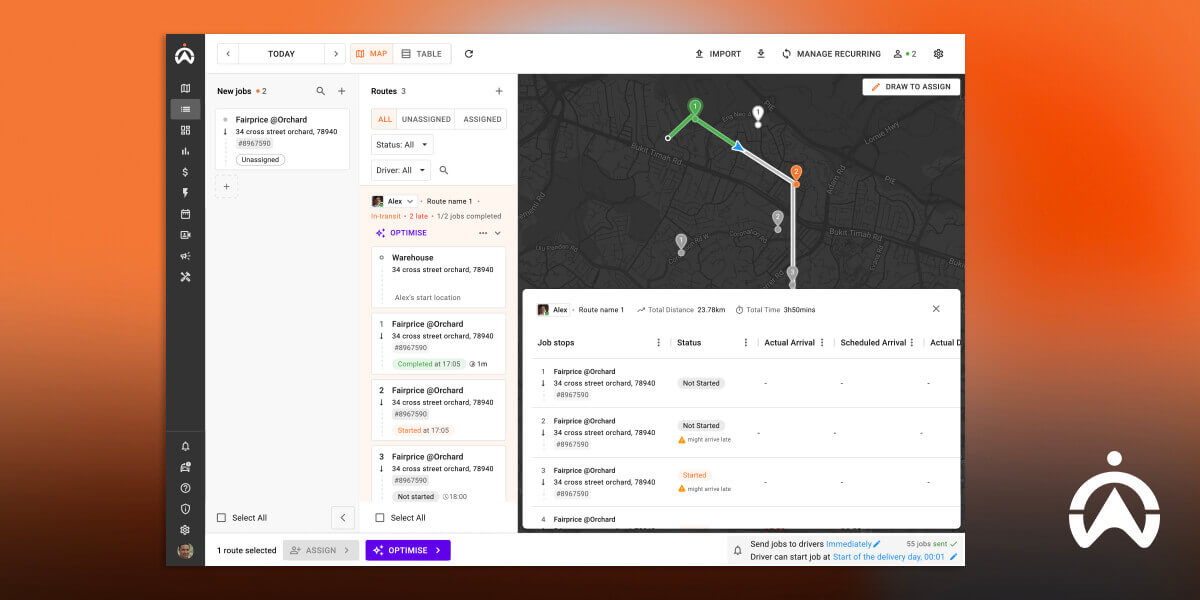
Cartrack dashboard illustrating challenges of last-mile delivery with routes, job statuses, and a map for organising deliveries.

Why are last‑mile delivery costs so high in Tanzania?

Tanzania has a challenging delivery environment, with large urban sprawls and outdated infrastructure that increases last-mile delivery costs. Tougher-to-reach locations increase the labour involved, which means the cost of getting a package delivered is always increasing.

This challenge means fleets become more expensive, impacting the last-mile delivery cost.

Fleet sizes and area coverage affect delivery prices further. A larger coverage area means drivers can be managed improperly and take longer to complete their deliveries. This inefficiency decreases delivery efficiency, inflating your fleet costs. You’ll also have to adjust to customer expectations as you grow.

Customers now expect same-day deliveries. A product ordered in the morning has to be delivered in the afternoon. This pressure means more mistakes can be made and last-mile delivery costs increase.

However, when a complete fleet management solution has been properly integrated, these are costs and challenges you’ll have the solution to.

Myth Fact
Last-mile delivery costs are only high because of fuel Labour is the biggest cost, especially in Tanzania’s urban sprawl and outdated infrastructure
Larger fleets automatically make deliveries faster and cheaper Bigger coverage areas can make drivers take longer routes, lowering efficiency and increasing costs
Customers don’t expect same-day delivery In 2025, many customers expect orders in the same day, adding pressure and risk of mistakes
Technology can’t help with high delivery costs A proper fleet management system can reduce costs, improve efficiency, and solve delivery challenges

The problems a Tanzania fleet has to face and how they are solved

Local last-mile delivery challenges are some of the easiest to solve when a proper management system is installed. This is how a dispatch system keep your costs down:

Problem: Parcels are stolen or reported as undelivered, with no real way to confirm whether the driver or client is lying.

SOLUTION: The solution is simple, a confirmation delivery system that requires the driver to take a picture of the parcel delivery, and the client to sign.

Problem: Your drivers are repeatedly going to the same address, unable to find the client; and clients are complaining that drivers are never on time.

SOLUTION: This requires a system that sends live-alerts to your drivers and clients, letting them know the day before (or earlier) that a delivery is on its way and when it will arrive.

Problem: Unfortunately, there are many informal addresses in Tanzania, and as we continue to grow new areas may require deliveries before maps are updated.

SOLUTION: There are two solutions to this problem: exact pinned locations from your clients, as well as live location tracking. Accurate locations mean your drivers don’t have to look for addresses on the side of the road.

Problem: Packages are delivered to the wrong address or packages are sent back because of damage to the product.

SOLUTION: To solve this you need to have an integrated tracking system, knowing where packages are at each step of the delivery process. Tracking knowledge ensures damage is mitigated and packages are delivered to the right people.

Problem: Even with notifications, clients are confused about where a package is, often expecting a delivery on the wrong day.

SOLUTION: The best way to solve this is through live updates to your clients, sending SMS notifications and having a portal they can use to track their packages from hand-off to final delivery.

What role does vehicle security play in last‑mile risks?

Vehicle security creates safer work environments for drivers, by tracking packages, and routing drivers through safer areas. Drivers may be taken on routes that are slower, which have roads that are maintained and are safer to use. This slower speed may initially seem detrimental, but as is commonly said, slow is smooth, and smooth is fast.

Here’s how security choices will affect your last-mile deliveries:

Risk or Factor What It Means Why It Matters
Hijacking and theft Vehicles can be stopped, and goods stolen Big losses and drivers are at risk
High insurance costs More crime means higher insurance prices Makes delivery more expensive
Security costs Guards or tracking tools cost money Adds to delivery costs
Slower delivery times Drivers avoid unsafe areas or take longer routes Delays packages reaching customers
Driver safety Drivers are not always safe on the road Harder to keep good drivers
Tracking technology GPS and cameras help watch the vehicle Can stop theft and help find stolen vans
Careful route planning Some areas are avoided or visited only at certain times Keeps drivers safer and deliveries on track
Unmarked vehicles Using plain vans with no logos Helps avoid drawing attention to valuable goods

The step-by-step strategy that reduced failed delivery attempts

Failed deliveries can quickly cause your costs to skyrocket, with many fleets only allowing one redelivery for free. To ensure your fleet doesn’t have to reattempt delivery, there are several steps you can implement:

  • Delivery time windows: When delivery is confirmed, offering clients a selection of delivery windows gives them more control. Clients will choose the best time for THEM.
  • Advance SMS & App notification: Outdated systems don’t notify customers ahead of time. Implement a system that notifies clients ahead of time (preferably a full 24-hours) about a scheduled delivery.
  • Drop point delivery: Clients may not be able to take delivery of a package at all times. Using a drop point system allows clients to choose a locker or decide on in-person pickup, decreasing failed deliveries.
  • Flexible re-delivery options: Offer clients the option to reschedule deliveries to different times entirely. Freeing up your drivers for other deliveries and ensuring clients are there when needed.
  • Incentivise driver availability: During peak delivery times you need to ensure as many drivers are available. Through incentives such as flexible shifts, and performance rewards means you have more drivers when you need them.

Cartrack driver app showing safety score and rewards, highlighting challenges of last-mile delivery performance.

How does route optimisation help last-mile deliveries?

Route optimisation helps last-mile deliveries by reducing:

  • Labour costs
  • Travel times
  • Fuel costs

The less time it takes drivers, routing staff, and others to work with a package, the more efficient your system becomes. An efficient delivery system is faster, making clients happier, and reducing costs.

Route optimisation will ensure that your fleets aren’t wasting time on unnecessary delays, longer routes, or problematic breakdowns.

How exactly does route optimisation software save money on deliveries?

Route optimisation reduces the fuel used on unnecessary travel distances. The software can calculate traffic, which means your drivers will not be stationary for long. Further, the knock-on effect of driving less and being efficient means reduced maintenance and service intervals.

Optimised route = reduced fuel usage

Can route optimisation make a difference in places with poor infrastructure or informal addresses?

Yes, route optimisation uses accurate GPS location data. Once a delivery address has been confirmed the system easily shows a driver where to go. Further, the system can be set to avoid dangerous areas, using alternative paths that have safer and more maintained roads.

Route optimisation = accurate location data

Is route optimisation only important for larger delivery fleets?

No, even the smallest fleet can experience big benefits from a delivery and dispatch system. Smaller fleets have to plan even more than large ones. Ensuring that your limited number of drivers are where they should be. Drivers that aren’t where they’re meant to be can easily be tracked, rerouted, and made more efficient.

Route optimisation = even small fleets become efficient

How can Cartrack technologies improve visibility and tracking in the last mile?

Cartrack’s delivery system SEAMLESSLY integrates driver routing, package tracking, and fleet management. Your fleet becomes fully visible, lowering the high costs associated with final-mile labour costs. When fully implemented and integrated, your drivers can easily and accurately deliver packages across the country.

The last mile is the most expensive and unpredictable part of delivery , but it doesn’t have to be. With the right tools you get:

  • Smarter routes
  • Better visibility
  • Confirmed deliveries

You can reduce costs, improve reliability, and keep customers happy. If you’re still managing last-mile challenges manually, it’s simply time to change and embrace the autonomy of fully integrated delivery management systems.

Don’t take the risk of letting packages get lost, take full control of your dispatching, give Cartrack Tanzania a call.

What are some of the frequently asked questions regarding last-mile deliveries?

What partnerships or shared delivery networks offer cost‑sharing benefits?

Shared delivery networks and partnerships with other businesses let you split transport and labour costs while increasing delivery reach. In Tanzania, working with courier hubs, local shops, wholesalers, or motorcycle delivery riders helps you fill more vehicles, reduce empty trips, and make last-mile delivery more affordable for everyone involved.

How can customer expectations (fast delivery, real‑time tracking) be balanced with cost control?

You can balance fast delivery and real-time tracking with cost control by using route optimisation and smart scheduling. These tools cut fuel waste, reduce travel time, and keep customers updated without extra labour. In busy cities, efficient planning keeps service quick while avoiding unnecessary delivery expenses.

What metrics should logistics managers monitor to improve last‑mile performance?

Logistics managers should track delivery time, failed deliveries, fuel use, driver efficiency, and customer satisfaction. Monitoring these metrics shows where time and money are lost. In Tanzania, keeping a close eye on these numbers helps you plan better routes, save fuel, and keep deliveries reliable and on time.

What are the Key Areas of a Fuel Efficiency Management Strategy Framework?

The key areas of a fuel efficiency management strategy framework include driver monitoring, route optimisation, and fuel buying and storage. All areas directly affect not only fuel consumption, but also the expenses and overall performance of a fleet. This framework is essential to better manage fuel consumption and view each key area on one dashboard.

A recent 2025 study found that effective fleet management, i.e., telematics and data systems, can reduce fuel consumption by 5–10%. This shows that having a clear fuel efficiency management strategy isn’t just smart; it’s undoubtedly essential.

In this guide, we’ll help you understand which core areas you need to focus on to improve your business and its operational processes. We’ll also look into how Cartrack Tanzania can help you achieve your improved fuel economy goals and make cost-saving decisions with more confidence.

Key Takeaways:

  • A fuel efficiency strategy helps fleets use less fuel and save money across all operations
  • The key areas include fuel data tracking, driver behaviour, servicing, routes, buying fuel, and reports
  • Small problems like bad driving or long routes can make fuel costs rise fast
  • Cartrack Tanzania gives real-time insights that help cut waste and improve fleet performance

The core areas of a fuel efficiency management framework

The core areas of a fuel efficiency management framework encompass six main points of interest that build a comprehensive picture of fuel consumption. Some of these areas include fuel tracking, vehicle health monitoring, and route optimisation (amongst others). Managing sustainable business strategies and fuel waste calls for this simple but holistic overview.

Take a look at the framework’s key pillars using an easily scannable table, setting up a deeper dive through the headings below.

Key Framework Area Core Objective Key Measures
Data Collection and Monitoring Capture accurate, real-time fuel data Fuel consumption, idling time
Driver Behaviour Management Reduce inefficient driving practices Speeding and other dangerous driving events
Vehicle Maintenance Ensure vehicles operate at peak efficiency Maintenance schedule adherence
Route and Dispatch Optimisation Cut unnecessary distance and idle time Route efficiency and smart dispatching
Fuel Procurement and Usage Streamline sourcing, tracking, and allocation Cost per litre, wastage rates
Reporting and Continuous Review Turn insights into ongoing efficiency improvements Fuel efficiency trends over time

#1. Data collection and continuous fuel monitoring

Live, accurate data regarding fuel consumption is likely the most important pillar of all six. Without the features that come together to present these insights, you’re left to play a guessing game rather than make sound business choices based on legitimate data. Beyond this, you’d no longer have to worry about manually retrieving data thanks to automated reporting.

Most modern fleet management systems, like Cartrack’s MiFleet, incorporate functions like real-time GPS tracking, fuel card integration/fleet cards, and onboard fuel-level sensors to give you a clear and comprehensive overview of fuel consumption. This gives you space to quickly make changes if you notice fuel wastage or areas that need improvement.

#2. Driver behaviour supervision and training

Driver behaviour has a profoundly strong connection to fuel consumption. A driver’s habits on the roads can directly reflect an increase in fuel consumption, especially through habits that include aggressive driving and excessive idling. With supervision and coaching, you can quickly address these behaviours.

To make it more effective, get drivers involved in setting targets and reward progress. Interactive tools like driver leaderboards and peer recognition will get good habits into daily operations rather than one-off initiatives.

Driver behaviour monitoring tools, much likeCartrack’s smart insights and driver scorecards, allow you to encourage a safer, more efficient driving culture. You can give informative and evidence-based feedback to drivers while advocating for fuel-conscious driving habits.

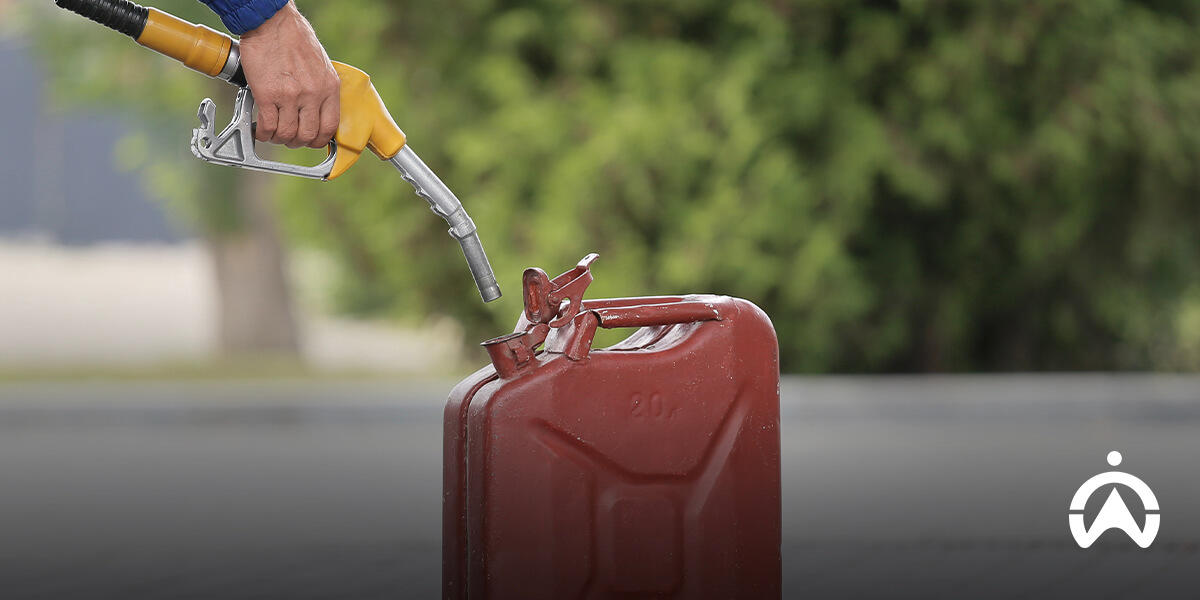
Hand holding a yellow fuel pump nozzle above a red canister demonstrating fuel efficiency management.

#3. Vehicle maintenance and health monitoring

Vehicle maintenance and health monitoring ensure that your vehicles are kept in tip-top shape. A well-maintained vehicle isn’t using extra or unnecessary fuel and is performing properly, which means fuel consumption is being kept under control. Simple routines, like regular tyre checks and preemptive service scheduling, can make all the difference long term.

Predictive maintenance tools, like Cartrack’s Maintenance and instant alerts, significantly reduce downtime by anticipating issues before they occur and potentially impact your fleet’s fuel efficiency. Linking maintenance KPIs (key performance indicators) with fuel performance can also help you keep an eye on ongoing errors.

#4. Route optimisation and proactive dispatching

Route optimisation and proactive dispatching are other important pillars of fuel optimisation and management, providing a tangible and evident effect on fuel use. In straightforward terms, any extra kilometre wasted is fuel wasted. Through the use of AI-assisted route planning and task delegation, your drivers can take better routes while also improving delivery times.

Smart route optimisation and trip reports, as offered by Cartrack’s FleetWeb dashboard and Reports, give you a complete overview of driver journeys. From these insights, you can evaluate route efficiency, then create targeted adjustments that improve trip performance and overall fuel efficiency.

#5. Fuel buying, storage, and consumption control

Fuel buying, storage, and consumption are other foundational pillars that are rarely discussed. Through these elements, you’re very clear on how much fuel you’re paying for and using by putting in place supplier agreements, volume tracking systems, and transparent purchase reporting.

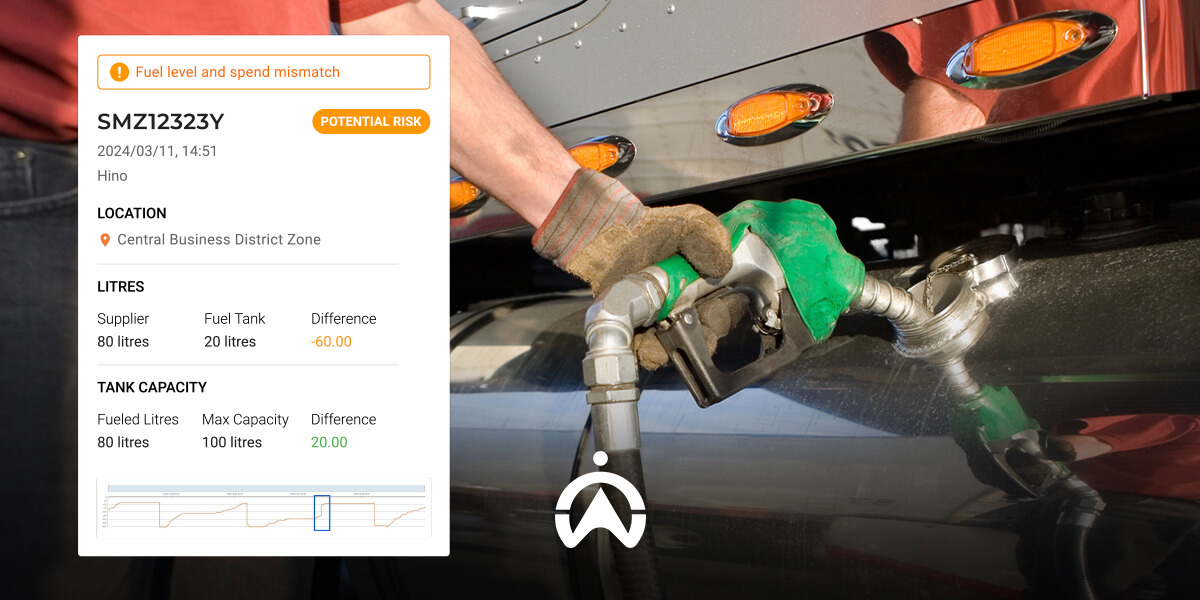
You can spot anomalies like theft or unauthorised use by keeping a careful eye on fuel/fleet card transactions, tank levels, and refuelling events. Tank-level alerts and transaction validation tools, as offered by Cartrack’s MiFleet, assist in recognising those inconsistencies through carefully managing fuel costs, which lowers expenses and waste.

#6. Reporting and continuous improvement

Fuel efficiency management and making better business decisions are ongoing efforts. You have to constantly set new benchmarks to see where you are progress-wise, as well as spot new opportunities for the improvement of your business. A clear and comprehensive dashboard will, as mentioned, factor in things like route optimisation to help you with your goals.

Regular benchmarking against previous performance and industry standards will show you where you are. It’ll highlight where you are falling behind competitors or operational targets. Over time, data-driven evaluation will help you fine-tune your strategy so you get continuous progress, not one-off improvements.

Having custom fuel reports and a streamlined dashboard, like Cartrack’s Fleetweb dashboard and Reports, provides you with all the raw data you need, converted into easily digestible insights. These will help you see trends and areas where you can save money.

Building a culture of fuel efficiency

You can implement all the tools and resources necessary to improve fuel efficiency, but at the end of the day, a culture built around it is the best approach. Staff and teams stay engaged and motivated when open communication, responsibility, and honesty are advocated for. Better fuel efficiency management can become a business culture through implementing driver leaderboards, incentives, and shared performance goals.

Leadership buy-in is also key. When management visibly supports efficiency targets, drivers will likely be more motivated. Regular meetings to review performance data, celebrate milestones and discuss ideas will create a sense of shared accountability that will keep the efficiency culture strong over time.

Businesses can cultivate a culture that celebrates growth, empowers drivers, and continuously lowers fuel costs by considering Cartrack’s tools for tracking and measuring results.

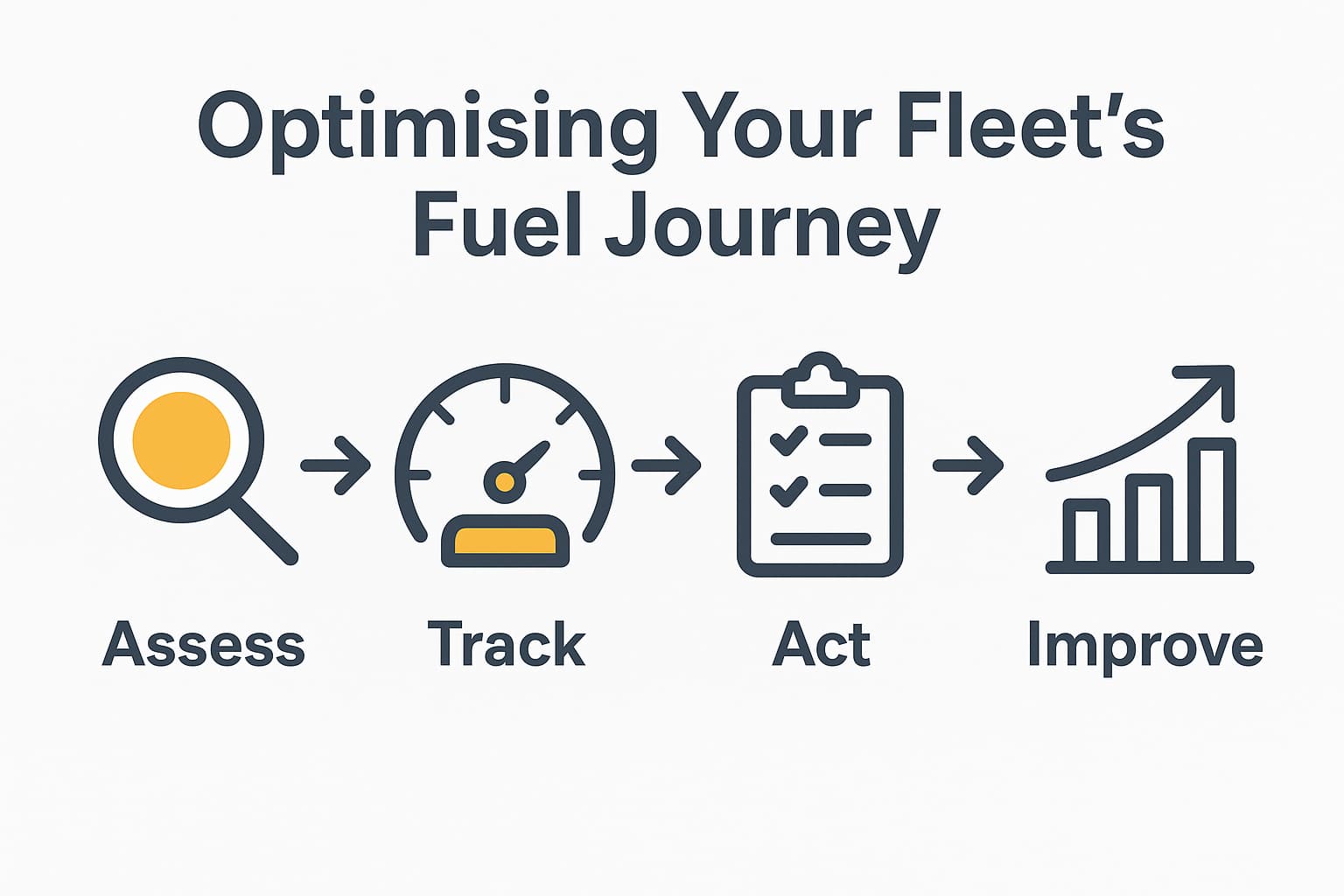
A graphic illustrating the process of optimizing a fleet's fuel journey: Assess, Track, Act, Improve, with corresponding icons.

Future of fuel efficiency management

The future of fuel efficiency management is predictive analytics and artificial intelligence. It forecasts fuel, detects waste before it happens and suggests fixes. As fleets get more connected and electric vehicles come in, data will be key to unified efficiency management.

Companies that get in early will not only save costs but also future-proof their business against changing environmental and economic regulations.

Understanding the purpose of a fuel efficiency strategy

The purpose of a fuel efficiency strategy is to ensure that your fuel use is as effectively optimised as it can be. This goes beyond just fuel expense costs, extending to the calculated management of every litre and rand that goes towards improved fleet management. Even the smallest bottlenecks can add up over time, negatively impacting profitability.

These are just some of the vulnerabilities you’ll face without a strong fuel efficiency strategy:

  • Bad routes and too much idling: These might not seem like big deals on a day-to-day basis, but they add up to fuel wastage across the fleet.
  • Unauthorised or unmonitored fuel purchases: These expenses can get lost in the cracks and add up to significant money lost over time.
  • Missing or delayed vehicle maintenance: Not doing scheduled maintenance affects engine health and vehicle efficiency, so vehicles end up burning more fuel to do the same job.
  • Dangerous or aggressive driving: Driving behaviours like hard braking, quick acceleration, or unnecessary revving increase fuel consumption. It also increases maintenance costs through wear and tear.

This is why telematics-based technology is the solution to the ultimate fuel efficiency management strategy framework. A strategy that’s backed by tangible evidence is a reliable and effective one. If you’re looking for a proactive way for your business and its fleet to benefit from cost savings and operational improvement, support from Cartrack Tanzania is certainly your best bet.

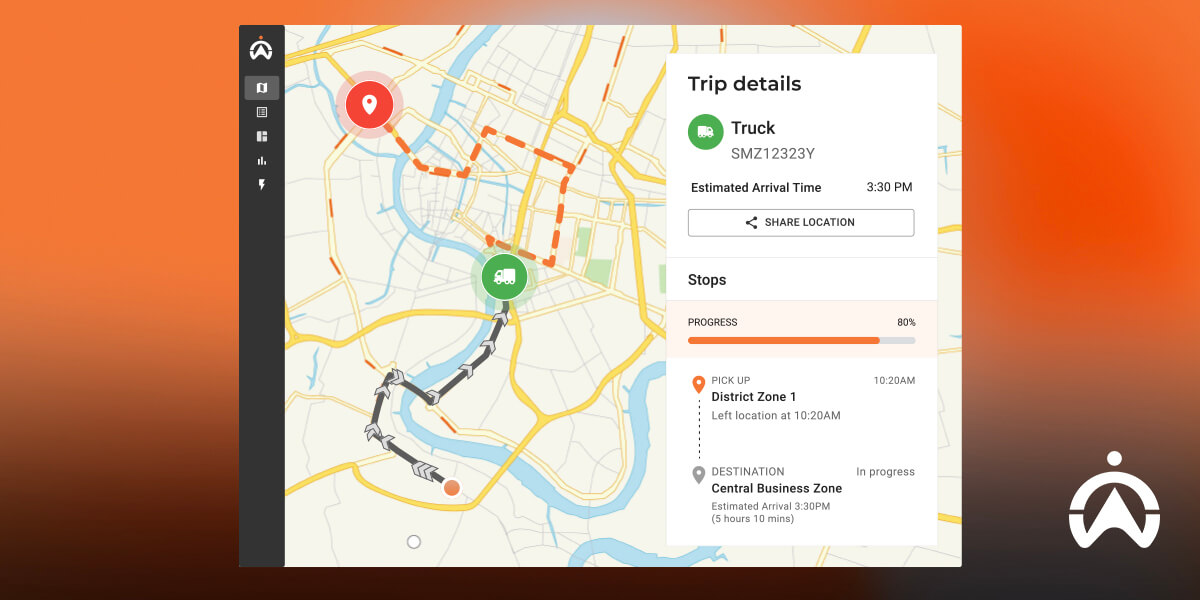
Cartrack map interface showing truck route and trip details for fuel efficiency management.

Final Takeaways

The key areas of a fuel efficiency management strategy framework encompass six major players when it comes to improved fuel control:

  1. Real-time data collection and monitoring
  2. Driver behaviour management and training
  3. Preventative vehicle maintenance and health checks
  4. Smart route and distribution optimisation
  5. Controlled fuel purchasing and usage
  6. Regular reporting and continuous improvement

When all these parts are working together, you get the total visibility and control you need to get rid of the waste. This data will make or break your strategy, and with the right tools, you’ll see exactly where you’re going wrong and fix it before it harms your bottom line.

Supercharge your fleet’s fuel efficiency today. For control and measurable savings,speak to our fleet expertsand empower your fleet with Cartrack’s fuel monitoring framework.

FAQs

Can small fleets benefit from a fuel efficiency framework, or is it only for large operations?

Yes, small fleets can benefit from a fuel efficiency framework, and it’s not only for large operations. In fact, modest fleets are typically more impacted by fuel inefficiencies, as working on a smaller scale means every cent is truly felt. The smallest steps taken to measure a key area, such as route optimisation, can make all the difference.

What is the fuel efficiency formula?

The fuel efficiency formula is distance travelled ÷ fuel used. This is usually displayed as km/L (kilometres per litre) or MPG (miles per gallon). The higher the number, the better, because this means a vehicle is travelling further on the petrol. Some fleets also track L/100km and fuel cost per km.

How often should a fuel efficiency strategy be reviewed or updated?

A fuel efficiency strategy should be reviewed or updated relatively regularly, whether that’s every 3 months or annually. It depends on your KPIs and how often you think it’s necessary. Reviews are also dependent on volatile variables, including fluctuating fuel prices, driver turnovers, and potential changes in operational demands. Keep factors like these in mind when deciding on review periods.

Are there cost-effective alternatives to telematics for monitoring fuel use?

Yes, there are cost-effective alternatives to telematics for monitoring fuel, although they aren’t as effective. Alternatives include manual tracking of fuel receipts, fuel card reports of transactions and discounts, and GPS tracking (minus fuel sensors) to monitor trip distances and potential route deviations. Although these methods can work to a small degree, key details provided by telematics will be missed.

Does weather or terrain affect fleet fuel efficiency?

Yes, weather or terrain can affect fleet fuel efficiency through their pressure and stresses on the vehicle. The added strain and possible longer travel times—from harsh environments and road surfaces or travelling at safer speeds due to weather—are created from resistance. This resistance comes from aerodynamic drag or the engine being forced to work harder, leading to high fuel use.

The 7 Advantages of GPS Technology in Your Business

The 7 advantages of GPS technology in your business include full visibility, a safer driving culture, higher productivity, and cost reductions. These are just a handful of the benefits guaranteed, particularly when you consider how crucial GPS technology is for essential fleet assets and vehicles.

Choosing to incorporate GPS technologies means that you get to see exactly where your resources are going, how they’re being used, and how well they perform. Research shows that 65% of fleet managers noted that GPS technologies are ‘very’ or ‘extremely’ beneficial for reducing fleet costs. This also underscores its role in helping businesses cut operational expenses and improve profitability.

Through this article, you’ll get a full understanding of the 7 advantages that’ll strengthen your business, and how each of them improves productivity and minimises expenses. Moreover, we’ll dive into why Cartrack Tanzania is your trusted partner in GPS technologies and telematics, no matter the size of your business.

Key Takeaways:

  • GPS technology helps businesses save time, fuel, and money by improving how fleets are managed
  • Real-time tracking gives full visibility, helping you stop theft and make faster decisions
  • GPS data improves driver safety, boosts productivity, and keeps customers happy
  • Cartrack’s smart GPS systems give reliable tracking, quick support, and insights that help your business grow

What are the 7 ways GPS technology benefits your business operations

The 7 ways GPS technology strengthens business operations include:

  • Fleet visibility
  • Time and fuel savings
  • Improved security against fraud and theft
  • Safer driving
  • Cost reductions
  • Higher productivity, and
  • Data-driven insights

All things considered, employing GPS technology supports companies in improving security, managing fleets more effectively, and gaining a practical understanding that promotes more profitable operations.

Look at the 7 ways in which GPS technologies boost your company’s processes:

#1. Full fleet visibility through real-time tracking

Full fleet visibility comes from consistent and accurate GPS tracking, keeping you in the know about where your vehicles are at all times. Because of this, you’re in total control while also being able to respond swiftly in the case of an emergency.

How it blocks unauthorised use, improves dispatching, and cuts downtime:

  • Accurate location data means better dispatching decisions. You can send the nearest driver, minimise delays, and optimise job allocation.
  • You can reduce downtime, eliminate wasted hours, and turn hidden costs into measurable, attainable performance when you’re aware of where your vehicles are and how they’re being used.

All of this means more productivity: fewer wasted hours, faster response to customer needs, and better resource usage.

How Cartrack Tanzania delivers complete visibility

Live tracking on both web and mobile apps for immediate fleet oversight

Accurate location updates to monitor vehicles in real time

Comprehensive trip history to review past routes, stops, and driver performance

Custom alerts and reports for proactive fleet management and accountability

Cartrack’s GPS tracking system gives you full visibility and control anytime, anywhere.

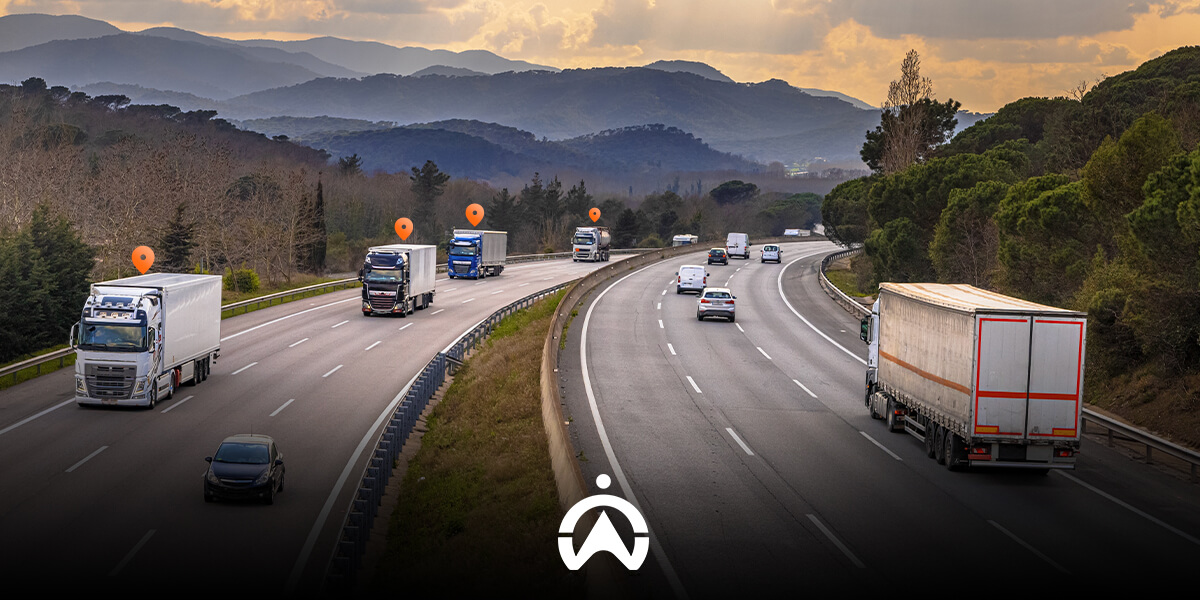
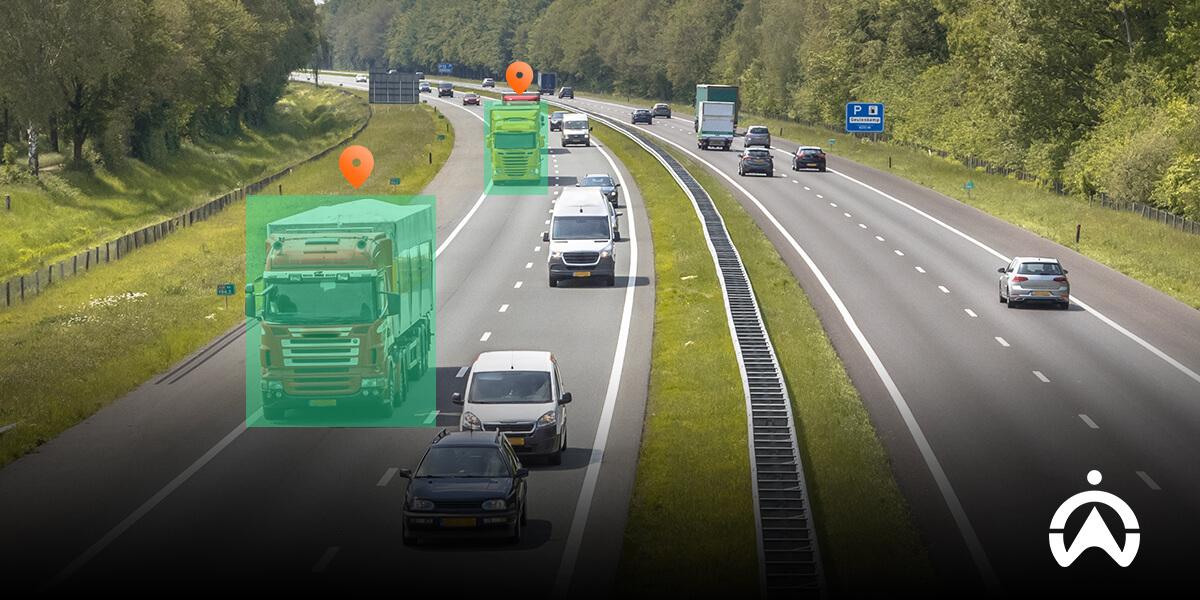
Highway traffic with vehicles highlighted demonstrating advantages of GPS technology.

#2. Time and fuel are saved with effective route planning

When you optimise your routes with the help of GPS telematics, you save on time and fuel. Effective route planning means your drivers take the most efficient trips, reducing fuel and mileage waste. Additionally, live GPS data can alert you to potential delays and traffic, actively allowing you to redirect drivers in real time.

#3. Improved security against theft and fraud

If the worst happens and a business vehicle has been stolen or misused, GPS tracking technologies can save the day. Advanced GPS tracking means you have an eye on your asset, allowing you to quickly locate the vehicle in those challenging circumstances. With geofencing, you can also be immediately alerted when a vehicle enters and exits permitted areas.

#4. Safer driving and lower accident risk

With GPS telematics, you have the necessary technology to monitor your drivers and their on-road behaviours. Through this, dangerous practices like reckless driving, speeding, and abrupt braking are all recorded and logged. Research shows that by using these insights, you can give data-driven feedback to drivers and encourage them to be safer on the road.

#5. Cost reductions via improved operational management

As mentioned, optimising routes and improving driver behaviour through GPS technologies has a direct impact on operational management and, by extension, profitability. Beyond this, the insights produced can help you make information-based decisions for your business. These choices include scheduling and dispatching improvements, admin reduction, and assessing vehicle lifespan.

#6. Higher productivity and customer satisfaction

When your routes are optimised and your scheduling is assigned accordingly, deliveries are likely to be smoother. GPS technologies ensure accurate ETAs (estimated time of arrivals) and faster responses if a surprise delay or emergency arises. All these lead to happier customers, cementing stronger business-client relations.

#7. Data-driven insights for smarter business strategy

What GPS technologies have to offer goes beyond just tracking—they also provide comprehensive insights. Compliance and reporting are made easier through automated reports. Trends and patterns in these reports allow you to spot areas for improvement, whether in scheduling or driver performance. Using data in smart ways means you’re always finding the best ways for your business to improve.

How to choose the right GPS technology for your business

To choose the right GPS technology for your business, it’s important to look at key components that include reliability, support, and platform integrations. Picking the right solution is what will help you improve your business and avoid costly regret. Always ensure that the features you look for align with your business’ needs.

Before settling, it’s also highly important to consider subscriptions versus potential hidden costs. Although some options may seem cheaper upfront, they may have longer contracts and hidden fees. Subscription-based models may seem harder on the pocket, but these actually offer better value for money. With hardware included, automatic updates, and fewer unexpected repair costs, your monthly expenses are predictable.

Here’s what to look out for:

  • Reliability: Reliable GPS technology is one that supports strong national coverage, which ultimately means greater uptime and sturdy hardware. Unreliable technology equates to potential blind spots and unforeseen costs.
  • Accuracy: Swift stolen vehicle recovery and strong decision-making are anchored in accurate GPS tracking. It’s important to choose a tracker that transmits data very frequently. A tracker that updates every few seconds, compared to every few minutes, is the better option for urgent responses.
  • Support: If something fails or you need assistance in an emergency, reliable support is exactly what you need. Seek out a GPS technology provider that is responsive and cares for your business’ well-being.
  • Compliance: Always ensure the GPS solution you choose meets compliance standards regarding data protection and staff monitoring. Opt for a choice that makes standard law and compliance matters easier through automated reporting features.
  • Platform integrations: The GPS telematics technology should seamlessly connect with your existing business systems, such as fuel cards and maintenance systems.

At Cartrack Tanzania, we deliver on ALL of the above. Our network is a secure and global one, proving reliable and scalable no matter the size of your business.

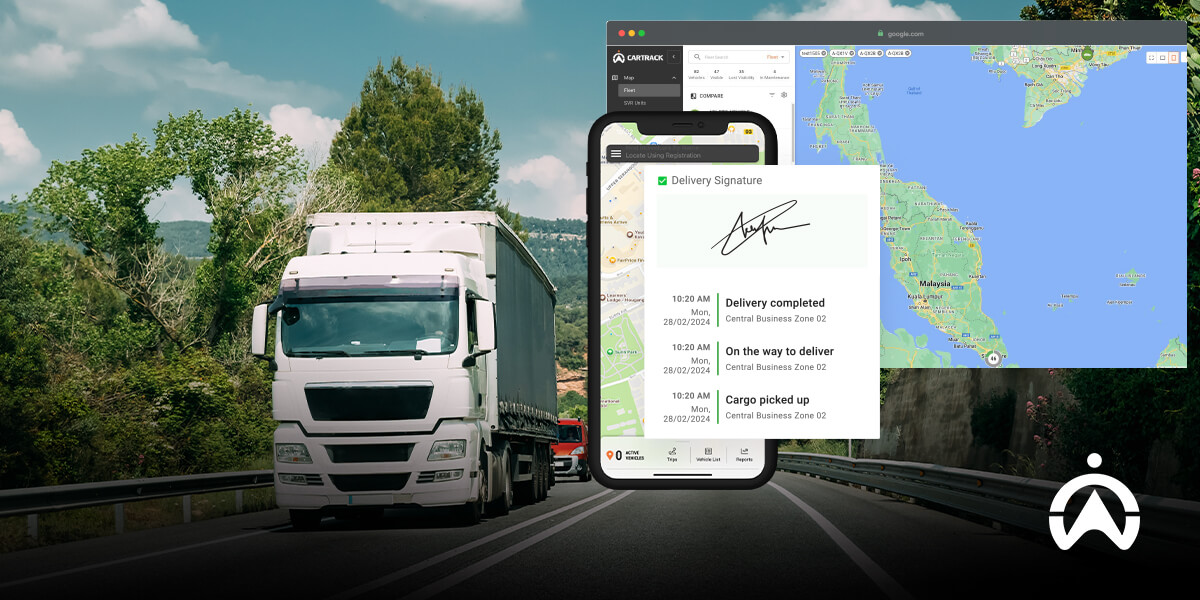
Cartrack app showing truck deliveries on highway, highlighting advantages of GPS technology.

Cartrack Tanzania: Powering business growth with GPS technology

Cartrack powers business growth with GPS technology by turning insight into action, so you can get all the benefits we’ve covered in this article. Cartrack Tanzania offers the resources you need to operate with assurance and control, from improved visibility and route optimisation to safer driving.

You can rely on Cartrack Tanzania to maintain your business operations with its cutting-edge dependability, high-availability networks, and continuous uptime. Our proactive support teams mean minimal downtime and fast resolution, so your business never loses momentum.

Cartrack’s platform is designed to tackle real-world challenges, like:

  • Scalable fleet visibility for growing businesses.
  • Advanced driver behaviour monitoring for safer, more efficient trips.
  • Integrated reporting and compliance tools for simpler and smoother admin.
  • Smart alerts and geofencing for instant emergency responses.
  • Customisable dashboards to focus on the KPIs that matter most.

Whether you have a small or large fleet that operates in any industry, Cartrack Tanzania has a connected system that helps your business save costs, protect assets and continuously improve performance—all through the power of reliable GPS.

Final takeaway

Having complete oversight is often the difference between operating a business and expanding it, and GPS technology provides just that! It’s not just about tracking cars anymore; it’s about changing the way your company runs from one day to the next. With GPS technology that best suits your business, you can achieve total control over your assets while giving your customers much better service overall.

No matter where your operations take you, our revolutionary telematics platform gives you the clarity, assurance, and control you need to run your company more effectively, safely, and intelligently.

Not sure where to start with GPS tracking for your business? Let Cartrack Tanzania guide the way.Get a demoand experience complete business visibility with Cartrack Tanzania.

FAQs

Do employees need training to use GPS technologies?

Yes, employees usually do need training, although it’s minimal. It’s always best to ensure your employees are trained not only in the tools themselves, but also in the consent, policy, and compliance laws surrounding the technologies. Transparency is the best policy. Companies, like Cartrack Tanzania, are also usually prepared to offer onboarding and continuous training.

How quickly can a business see results from GPS technologies?

A business can see results from GPS technologies almost immediately when it comes to live visibility. On the other hand, results from an ROI perspective can be seen within the first few weeks. Cost savings and improved business performance become evident as soon as data is collected and accessible over time.

What happens if a GPS device is tampered with or removed?

If a GPS device is tampered with or removed, you’ll typically be updated via an alert or notification. In most cases, the vehicle will no longer be tracked if a GPS device is removed. With Cartrack Tanzania, the portable Tag will be activated, which will allow continuous tracking and much better chances for vehicle recovery.

Can GPS technologies support sustainability goals?

Yes, GPS technologies can support sustainability goals through route optimisation and efficient resource management. Through route optimisation, fuel waste and incessant idling are significantly decreased. Through driver monitoring, you can also encourage smarter and more responsible driving habits, cutting redundant costs and operating sustainably.

Fleet Camera Systems: Get Advanced Safety and Driver Management

Fleet camera systems have come a long way since entering the Tanzanian market just over a decade ago. It’s unbelievable to watch how quickly this technology has developed and adapted to the needs of fleet professionals. Two things stand out here: better safety is the first; driver management is the second.

Why are they important? Well, they directly impact your profits as a business. Cartrack will take you through some of the most important & definitive ways fleet camera systems transform the way fleet companies do business. You’ll quickly see why the best & biggest fleets only get bigger and more successful because of this transformative tech.

Ready to learn more and implement this into your own fleet? Good decision. Let’s begin!

Key Takeaways:

  • Fleet camera systems make roads safer by helping detect fatigue, distractions, speeding, and poor visibility in real time
  • They help managers track and coach drivers using AI alerts, GPS, and driving behaviour data
  • Cartrack’s systems offer advanced features like live streaming, night vision, tamper alerts, and automatic video storage
  • These cameras can integrate with telematics systems to give full control and compliance with data laws

What’s the point of getting fleet camera systems for fleet vehicles?

Getting fleet camera systems for fleet vehicles is your best way to enhance safety & compliance. It’s also one of the most effective methods for evaluating your drivers and identifying their individual coaching needs. At the end of the day, fleet cameras have PROVEN their worth as an invaluable way to grow your fleet and make more profit.

There are some interesting stats about this (both local and global). Here’s one that may interest you:

According to theLand Transport Regulatory Authority (LATRA), the number of road transport service licences issued in Tanzania increased by 6.4% year-on-year during the first quarter of the 2024/25 financial year, reflecting continued growth in the country’s vehicle and transport sector.

Sounds good for our economy, but there’s a downside too.

You see, the roads of Tanzania will experience more truck-related accidents than passenger-related ones. This is a consistent statistic, and it’s one that Cartrack Tanzania has always tried to lower. With the help of technology (and nowadays AI tech), we’ve looked at the root of these accidents and what can be done to prevent them.

The root of truck driver accidents

Truck drivers have a big responsibility. They operate large vehicles that can cause devastation on the road that’s unique from a regular car accident on your way to work. If they lose control of their trucks, it’s almost inevitable that other road users will be affected—NEGATIVELY!

We’ve done our research. We’ve looked at the stats. These are the most common causes of truck driver accidents. Once you see them, you’ll quickly realise why fleet camera systems are the most obvious solution:

  • Fatigue
  • Distracted driving
  • Speeding
  • Lack of visibility

How is safety improved through fleet cameras?

Once we knew what the problems were, we felt more able to come up with the solutions. Ironically, one solution actually goes a long way to solving ALL of these problems. You guessed it: vehicle cameras!

Check it out…

Problem: Many drivers don’t get enough sleep during their off times, making them dangerously tired while driving.

Solution: AI fleet cameras can detect signs of fatigue like droopy eyes, yawning, and long periods of eyes being closed.

Problem: Drivers are often distracted by passengers, food, smoking, and things they drive past.

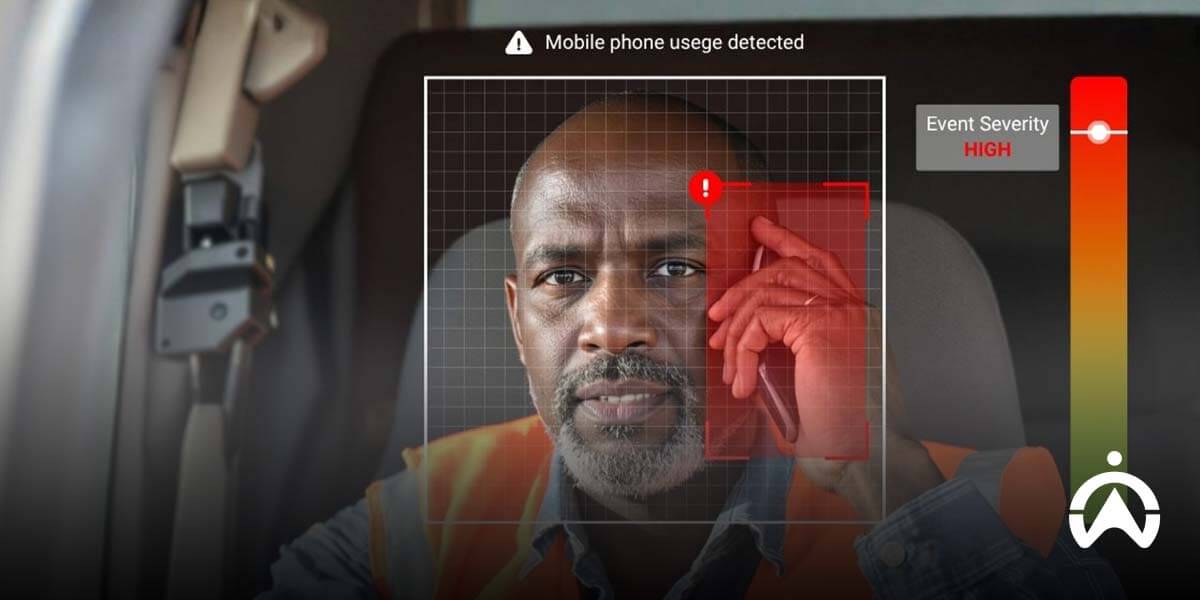
Solution: Dashcams can now monitor driver behaviour and alert you (and them) to potentially dangerous in-cab actions.

Problem: Going over the speed limit is a common occurrence with truck drivers. Most of us have seen the maximum speed board at the back of their trucks, but many drivers don’t always adhere to this important rule.

Solution: AI-powered dashcams for fleet trucks actually detect speeding, and even record evidence of the speeding so you can address it later.

Problem: Because of the size of their vehicles, truck drivers can sometimes struggle with all-round visibility. Their blind spots are often more extensive than yours or mine.

Solution: Fleet cameras give your drivers a full-vehicle view of what’s behind, in front, and next to their vehicles. This prevents them from swerving at the wrong time, cutting off other drivers, or hitting the brakes too quickly.

How do fleet cameras help to manage your drivers?

Fleet cameras help you to manage your drivers because of their additional features that track, observe, and alert. AI has revolutionised cameras to be so much more! This gives fleet managers like you the ability to comprehensively check on your drivers, track the vehicle they’re driving, and alert you to anything pertinent (like unauthorised passengers, collisions, or dangerous behaviour).

What all can a fleet camera system offer you today?

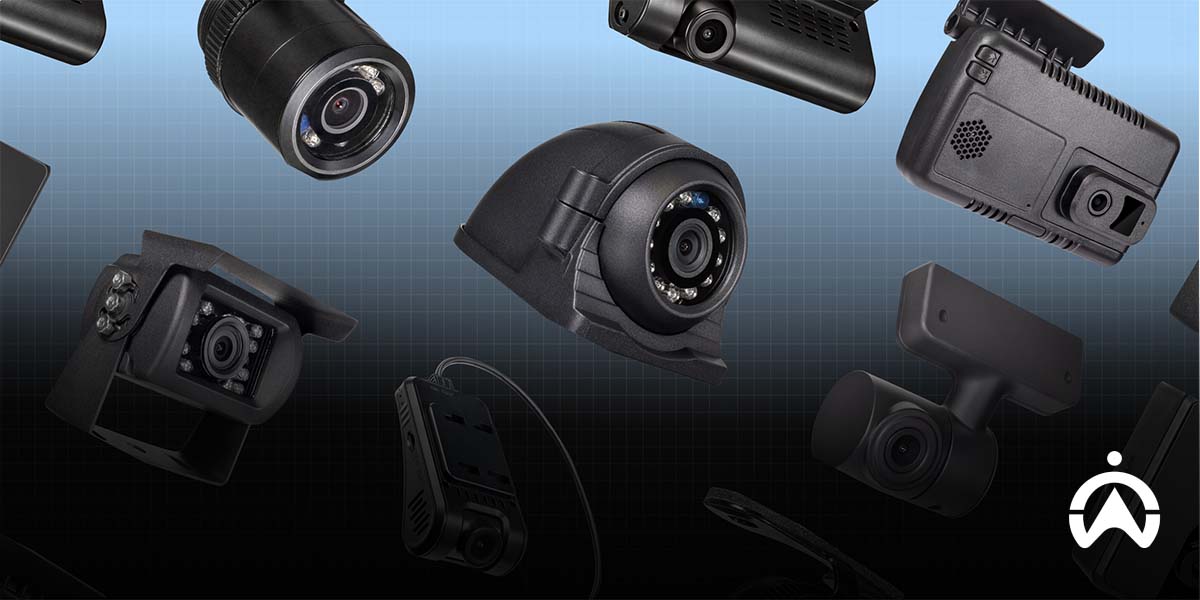
As of 2025, fleet camera systems can offer you a full package of awesome features that show you the road ahead, as well as the driver inside the vehicle cab. Sounds like a regular dashcam, right? Well, our dashcams also offer:

  • GPS tracking
  • Driving notifications
  • Tamper warnings
  • Automatic footage archiving

So as you can see, Cartrack Tanzania is offering so much more than a dashcam. This is a system that solves a myriad of everyday problems faced by fleet managers and company owners across Tanzania.

What types of cameras are included in a fleet camera system?

Even the most basic fleet camera system from Cartrack possesses ‘SmartCabin capabilities, giving you a live stream of the road ahead. Basically, you see what the driver sees (yes, even at night with our infrared night vision). But tracking is also integrated into this entry level camera system, helping you identify where your driver was when any incident happened.

Then there’s the dual vision that also has AI features. Dual vision simply means you get a feed of the road ahead as well as the in-cab. So why integrate AI into a camera that already monitors your drivers and their viewpoint? Because you simply can’t sit and watch your drivers all day long—especially if you have multiple teams on the road. Our cameras do that for you, and only alert you when something’s wrong.

If you really need a full package, Cartrack also offers a multi-camera system with AI surveillance. This gives you up to 8 to 16 cameras that give you an all-round view of the vehicle, its contents, the road, and the driver. This is super helpful for large trucks, because something might happen on the side or the back of the vehicle that regular dashcams wouldn’t capture. This system does of course include all of the other awesome features mentioned above.

Important to remember: Cartrack can tailor your camera package to suit any vehicle. We can add cameras, configure them to capture blind spots, and even help you surveil your vehicle contents.

How is video stored and for how long?

Video footage from fleet camera systems is a constant stream that feeds to your head office or mobile device. Footage is only stored at your request, or when an incident is detected. This footage will be stored for as long as you need it, and can be requested for:

  • Insurance claims
  • Disciplinary action
  • Training purposes
  • Driver coaching

How do fleet cameras integrate with your existing telematics or GPS system?

If you already have an existing telematics or GPS system, you might want to integrate fleet cameras to make that system better. This is done by linking video data with your vehicle’s telematics data (things like speed, location, and driver behaviour).

Now all you need is a dashboard where everything can be viewed and controlled from. Cartrack gives you immediate access to a centralised platform, giving you full control of your drivers, your camera live feeds, and tracking info.

Which fleet camera systems are the best?

The best and most advanced fleet camera systems in Tanzania belong to Cartrack Tanzania, and we pride ourselves in staying ahead when it comes to fleet camera technology. Not only have we solved multiple fleet management problems, but we also tailor our systems to suit all individual fleets.

Important note: You might be wondering about compliance to PDPAwhenit comes to tracking and surveilling your drivers. This blog will help you understand how this works and what your obligations are.

Frequently asked questions about fleet camera systems

Can drivers disable or cover inward-facing cameras for privacy?

No, your drivers disable or cover inward-facing cameras for privacy. Cartrack has thought of this too! Our AI-powered cameras detect when the lens is being blocked or tampered with. This will instantly alert you. Only you can authorise tampering, and only you have access to the footage.

Are fleet cameras compliant with Tanzania’s privacy and data protection laws?

Yes, Cartrack’s camera systems are designed to align with Tanzania’s data protection requirements, including the Personal Data Protection Act and international data security standards such as GDPR principles. Video data is encrypted to help prevent unauthorized access and is securely stored for controlled access when needed. However, businesses should still inform drivers and staff about why monitoring is taking place, how footage will be used, and who can access it. Transparency and responsible data handling are essential for maintaining compliance and trust.

What happens to footage after a vehicle is decommissioned or sold?

When a vehicle is sold or no longer used, all its cameras and devices are disconnected from the system. Old videos are safely deleted (or stored for a short time). This will depend on your own company’s rules and privacy laws of course. Once the old data is cleared, the cameras can be reused and moved to a new vehicle.

Can footage be used as evidence for insurance claims or legal disputes?

Yes, the footage from fleet camera systems is mostly used to settle insurance disputes and claims. In fact, many insurance companies will hesitate to insure your vehicles UNLESS you have a proper fleet dashcam system, as this solves a lot of disputes much faster.

What Should You Do If You Are Involved in a Car Accident

If you’re ever involved in a car accident, the first thing you should do is to stop. No matter how minor the accident is, you’re required by law to bring your car to a standstill. This is so you and all other parties involved can assess the damage and figure out what needs to be done next.

Knowing how to react in an accident is important for protecting your health, safety, and finances. After an accident, things can get pretty chaotic. Most people experience shock, stress, and confusion at the same time, and never really know what to do next.

Tanzania generally has a high road accident rate. According toTanzania’s National Bureau of Statistics and the Tanzania Police Force, there were a total of 1 735 reported road accidents between January 2024 and December 2024. No matter how careful you are, you might fall victim. Having a clear plan of action can help prevent further damage, which is why Cartrack Tanzania is here to provide you with tips on what to do and how our technology can assist you.

Key Takeaways:

  • Always stop safely, check for injuries, call for help, and protect the accident scene
  • Document everything with photos, notes, and get witness details
  • Report the accident to the police and your insurance provider, and seek medical attention
  • Modern tech like dashcams, GPS trackers, and crash sensors can provide evidence and faster help

The immediate steps to take after a car accident

The immediate steps to take after an accident include stopping your car in a safe place, checking for injuries, and calling for help. From there, you need to get out of the car, assess the situation, document everything, and get all the details you need for your claim and the police report.

Here’s a detailed step-by-step guide on what to do if you’re involved in a car accident:

  1. Ensure safety first
    Turn on your hazard lights to notify other drivers that something is wrong. Once you’ve done that, and if possible, slowly move your car to a safe location to avoid the risk of causing another accident. This can be on the shoulder of the road or a parking space, depending on where the accident happened. From there, check yourself and passengers for any injuries.
  1. Check for injuries and call for help
    Call emergency services immediately if there are injuries. Don’t try to move someone who’s severely injured unless that person is in immediate danger, (like if you suspect the car is about to catch fire). This also goes for you if you’re severely injured; don’t move, as you might make things worse for yourself.

    If you have minor injuries, you must still seek medical attention. Make sure you keep all medical records for insurance claims and legal purposes. When calling for help, try to give the emergency service personnel clear details of where you are. Tell them how many people are injured and how bad it is so they can come prepared.

  1. Protect the scene
    If the position of your car doesn’t increase the risk of causing other accidents, leave it where it is for evidence purposes. From there (assuming this is a minor accident with no injuries), put out warning signs such as warning triangles or cones if available.

    You should avoid moving any broken remains or disturbing any skid marks. Insurers normally assess the damage to both vehicles. Safeguarding the evidence of an accident scene is crucial because it can help prove who was at fault.

  1. Document the accident
    As the social media merchants always say, “Did it even happen if you didn’t take a photo?” Well, the same applies to car accidents. Take as many photos as possible, from all angles, and make sure the damage is clearly visible. Make sure to include images of the other vehicle(s) involved, and their surroundings.

    Take note of the time and date of the accident, as these little details are easy to forget when there’s a lot going on. Collect as much information as possible about the other party, and include the following details:

    • Vehicle registration number
    • National Identification number
    • Cellphone numbers and alternative contact details
    • Insurance company details
    • Physical address
    • Make and model of the other car(s) or Motorcycle

      The police will require a sketch and description of the accident, and this means you need to remember details of your surroundings, such as road names, intersections, and traffic lights. So take note of that too. Gather witness statements too, if there are any.

  1. Avoid admission of fault
    Don’t admit blame at the scene. Determining who’s at fault is crucial for insurance claims, legal proceedings, and potential liabilities. According to The Cotto Law Group, an admission of fault could result in your insurer viewing you as a high risk and increasing your premiums. Insurance companies also use such admissions to deny or minimise claims, making it difficult for you to receive fair compensation.

    In some cases, people believe they were at fault and admit it to speed up the process and move on. Others admit unintentionally by saying things like “I’m sorry” or “I didn’t see you”, which may be considered admissions of guilt. Rather stick to factual descriptions when speaking to the police and avoid arguing with the other parties involved.

  1. Notify authorities and insurance
    If there are any fatalities, injuries, or damages to someone’s property, or if you suspect the other driver is intoxicated, you need to immediately call the police. If it’s a minor accident, you must ensure that you report the accident to the police within 24 hours. From there, you can contact your insurance provider.
  1. Watch out for post-accident reactions
    Your body releases adrenaline after an accident, which might mask pain and emotions. This type of reaction may have you feeling like you’re fine, leading you to overlook symptoms of injuries. The hidden signs of injuries include headaches, dizziness, and unexplained pain. Make sure you seek medical attention to steer clear of any hidden health issues. Visiting the doctor as soon as possible also creates a medical record that links your injuries to the accident.
  1. Follow up
    After leaving the accident scene, you must conduct a follow-up. This is usually where lengthy disputes emerge, and the evidence you’ve gathered is what will save you from that. Seek legal advice if that happens.

    Keep a record of your communications with insurers, repairers, and all other parties involved. Stick to insurer-approved repair centres to ensure your car is fixed correctly and safely.

Warning triangle on road after car accident at dusk.

How modern-day technology can help after an accident

Modern-day technologies such as dashcams, vehicle tracking units, and sensors can help you after an accident by:

  • Providing clear footage of the accident and the moments leading up to it.
  • Providing telematics that can support insurance claims.
  • Detecting vehicle impact so you can get faster emergency service response.

Here are brief explanations of how these three technologies work to your advantage if you’re ever involved in an accident:

Dashcams

Dashcams are the best way to ensure that everything surrounding the accident is recorded. With these gadgets, you won’t have to worry about taking pictures of everything to prove your innocence. It also helps those who suffer from memory loss after an accident and are unable to recall the sequence of events leading to the accident. A dashcam strengthens your claim by providing factual video evidence with time stamps.

Vehicle tracking units

Vehicle tracking units with telematics capabilities provide location data and driver behaviour. This means they’ll show the exact time and place of the accident and reveal the speed at which you were travelling, or if you were braking or accelerating harshly. Through telematics, you can further prove to insurers that you were not in the wrong.

Crash detection sensors

Some tracking units also have sensors that can identify severe vehicle impact. This is known as crash detection technology. Through crash detection technology, your vehicle tracking service can identify when your car has been in an accident. They’ll then send emergency services to your location, giving you a faster response.

Get the support you need after a car accident with Cartrack Tanzania

At Cartrack Tanzania, we provide the support you need after an accident with advanced solutions that speed up the process so you can worry less. You can count on our GPS trackers, dashcams, roadside assistance, and medical assistance services to be there for you when you need them most.

Here’s a closer look at our post-accident solutions:

GPS tracking unit

GPS trackers are a must-have for every car owner as they come in handy in many situations—an accident being one of them. They’ll give you telematics data that shows how you were driving in the moments leading up to the accident. For example, if you’re accused of speeding, you can simply go to your Cartrack mobile app, access your trip history, and prove that you weren’t driving recklessly in any way.

Unfortunately, some accidents are staged. Criminals might intentionally, yet gently, bump your car from behind, making you stop and go out to assess the damage. They’ll then take over and steal your car. This form of hijacking is called the “tap-tap” method, and should you fall victim, our GPS tracking unit gives you the best chance at getting your car back. We have nationwide recovery teams that are always on standby, waiting for your call.

Dashcams—Road Vision

The Cartrack Road Vision dashcam is a front-facing camera that captures everything that happens in front of you while you drive. This helps eliminate the back and forth that happens after accidents, as you’ll have evidence of everything.

The Road Vision camera offers high video quality that can capture finer details such as road signs and number plates. For example, if you’re ever a victim of a hit and run, the dashcam will help you quickly find the culprit. You can present footage showing the number plate to the police so they can trace the car owner.

Cartrack dashcam alert showing unsafe following distance to help prevent car accidents.

Crash detection

A quick response after an accident can save lives. At Cartrack Tanzania, we have a crash detection service that you can add to your package to ensure that you receive emergency assistance as soon as possible. Once we detect a heavy impact on your car, we’ll call you or your family member to find out what kind of help you need, then immediately send help to your location.

Protector (roadside and medical assistance)

Cartrack’s Protectoris a value-added service that provides 24/7 emergency assistance such as roadside, medical, and legal support. It’s available on the Cartrack app at the push of a button. For instance, if you’re in an accident and need a towing service, you can contact us and we’ll arrange it for you.

Cartrack Tanzania helps you prepare for the unexpected

Knowing what to do before an accident occurs is crucial, and having the right technology makes dealing with the situation a lot easier. Cartrack Tanzania comes to the aid in such instances so you can focus on recovering. Reach out to us and enjoy the benefits of our post-accident solutions.

Frequently Asked Questions about car accidents

Will my insurance increase after a claim?

Yes, your insurance premium may increase after a claim. It depends on how often you claim. The more you claim, the higher risk you are to insurers, and they’ll charge you more for that. If it’s your first claim, you might get a small increase or no increase at all.

Who do you contact after an accident occurs?

After an accident occurs, you must contact an ambulance service if there are injuries. From there,report the incident at the nearest police station within 24 hours.You can also dial 999 or 112 to report the issue, and give accurate details about the accident. Make sure you get a case number, because it’s required for insurance claims and legal purposes.

Can I Track a Truck Location Without GPS?

Yes, you can track a truck location without GPS, but there are certain limitations, and the methods vary in cost and effectiveness. Any business owner with a fleet knows how crucial consistent visibility is. It’s a matter of security and efficiency, and any compromise poses a significant risk.

Tanzanian logistics companies continue to face difficulties when it comes to supply chain security. Commercial cargo shipments are significantly more vulnerable to transit risks like material theft and opportunistic siphoning than private vehicles, and cross-border transport losses have prompted a sharp year-on-year increase in the adoption of electronic cargo tracking systems. This strongly highlights the fact that businesses can’t afford to lose sight of their fleets. Loss of visibility means vulnerability!

When GPS fails, what are your options? If your tracking unit has been tampered with, is there anything you can do? In this guide, we’ll take you through your tracking technology alternatives, the pros and cons of these options, and how the Cartrack Tag is the safety net you need to maintain control over your fleet’s visibility.

Key Takeaways:

  • You can track trucks without GPS using alternatives like SIM triangulation, RFID, Wi-Fi/Bluetooth, and ANPR, but accuracy and coverage are limited
  • Non-GPS tracking methods are best used as backup solutions for situations like GPS signal loss, jamming, or device tampering
  • The Cartrack Tag provides continuous visibility even when GPS fails, detecting tampering and alerting managers in real time
  • Combining GPS tracking with the Cartrack Tag ensures maximum fleet security, uninterrupted monitoring, and faster recovery if a vehicle is stolen or hijacked

Is it possible to track a truck’s location without GPS?

Yes, it’s possible to track a truck’s location without GPS, but there’ll be some restrictions. When tracking using alternative means, you won’t get the accuracy and reliability of tracking with GPS. Some of these alternative methods include cellular network tracking, Wi-Fi, and Bluetooth locating services.

What are some reasons you might need to track a truck without GPS?

There are numerous reasons why you might need to track a truck without GPS, and they’re almost always connected to issues of safety and risk management.

Consider these actual-world scenarios:

  • Rural or underground areas with poor coverage: If the fleet vehicle enters an area with poor coverage—like underground, outlying regions, or even mine sites—this can reduce GPS connectivity.
  • Backup tracking for precautionary measures: Any business with a fleet needs backup procedures to ensure complete safety and prevent blind spots.

How to protect your fleet of trucks if GPS fails

As a redundancy and precaution, consider using alternative locating technologies to protect your fleet of trucks if GPS fails.

Look at these practical protective measures:

  • Monitor driver behaviour telematics: Unusual patterns, behaviours, and deviations on a driver’s trip could indicate that they might be in trouble or that the vehicle’s been taken. Driver behaviour insights like this could alert a fleet manager to potential danger.
  • Use geofencing and alerts (with other locating technologies): Geofencing doesn’t necessarily require GPS to work and can be paired with alternative tracking tech, so you can be alerted to unauthorised movement.
  • Integrate with a fleet management platform: If you have a centralised fleet management platform that has a clear and comprehensive overview of your insights (like FleetWeb), you’re more likely to quickly detect oddities.

The limitations of tracking without GPS

Tracking without GPS introduces limitations that include coverage difficulties and fragmented insights.

Consider these limitations:

  • Location accuracy and coverage issues: Pinpointing the exact location for a vehicle can be difficult, especially because alternative tracing methods are inconsistent or ineffective in rural or network-dense areas.
  • Dependence on third-party infrastructure: GPS is typically globally available. This is not the case for alternative tracking methods that usually depend on structures like cell towers, readers, or cameras.
  • Lack of real-time nationwide visibility: Continuous visibility doesn’t work for all alternative tracking methods. For example, ANPR only works when the vehicle passes the correct camera.
  • Risk of incomplete data: Because the visibility is fragmented, the data is as well. You may only receive some information or delayed data, leaving gaps in trip insights.

A white truck drives swiftly on a highway, surrounded by a digital communication signal, symbolizing connectivity and technology in logistics.

Methods of tracking a truck without GPS

There are numerous methods of tracking a truck without GPS, and these include SIM triangulation, Bluetooth-based location services, and Cartrack’s Tag. Every option works differently and has its own pros and cons. It’s important to clearly understand each of them so you can decide which works best for you as a backup strategy.

Cellular Network Tracking (SIM triangulation)

Cellular Network Tracking (SIM triangulation) helps you understand where a vehicle is by detecting the SIM card’s signal strength in relation to surrounding cellphone towers. This helps pinpoint a location where the signals intersect.

Pros:

  • SIM card/device using a SIM is the only thing required
  • Will continue to work in places where GPS signal strength might be weak/unavailable
  • Still able to provide live updates

Cons:

  • If cellular connectivity is low, then this kind of tracking won’t work
  • Location positions are only accurate to about a hundred metres
  • Outlying areas with less cellphone towers are not as reliable

Radio Frequency Identification (RFID)

RFID is wireless technology that uses electromagnetic or radio waves to track and identify tags located in the vehicle. An RFID reader is typically used to process data, and readers are often found at particular checkpoints or depots.

Pros:

  • The best option for keeping track of when a vehicle is entering/leaving logistical points
  • Very accurate within a short range

Cons:

  • RFID readers call for installation in numerous places
  • Only accurate within a short range, so not useful while on the road
  • Doesn’t allow for continuous tracking

Wi-Fi and Bluetooth-based location services

Wi-Fi and Bluetooth-based location services estimate a truck’s location by using Wi-Fi access points and Bluetooth beacons and determining signal strength.

Pros:

  • Can work well in areas that typically disturb GPS signals, like underground or in tunnels
  • Can sometimes work well in areas with extensive networks

Cons:

  • Coverage isn’t very successful in areas that are rural or on highways
  • Network density determines coverage constraints
  • Vehicles need to have scanning devices that can communicate signals

Automatic Number Plate Recognition (ANPR)

ANPR uses cameras and optical character recognition (OCR) to detect and read number plates on vehicles. This information tracks movements and typically processes data for traffic management and law enforcement. Alerts are immediate, and ANPR can pick up on ‘blacklisted’ plates.

Pros:

  • Works very well in monitoring areas that are high-risk, have little coverage, have tolls, or are on specific routes
  • Doesn’t require any devices or hardware to successfully detect number plates

Cons:

  • Requires roads that are monitored or have the right cameras and OCR
  • Location is only caught at the points of detection—nowhere else
  • Camera has to be good quality to successfully detect

Cartrack’s answer: The Cartrack Tag

The Cartrack Tag is a wireless unit that doesn’t depend on any cellular connectivity, working as an anti-jamming and tracking device. It can be discreetly fitted onto various vehicles and assets. It also uses a proprietary radio frequency (RF) network that provides better protection and improved recovery efforts.

Pros:

  • Gives strong, continuous visibility at all times—even when GPS is no longer working
  • Fully linked to FleetWeb, which allows for all the perks (immediate alerts, geofencing, etc.)

Cons:

  • You must be signed up to a Cartrack Tanzania subscription/package

A hand holds a smartphone displaying a tracking app while trucks drive on a highway with greenery along the roadside.

Comparing truck tracking options without GPS

Use this table as an easy way to understand and compare your various backup tracking options.

Take a look:

Method Accuracy Cost Reliability Best Use Case
Cellular Medium Low Varies Urban coverage
RFID High (short range) Medium Limited Warehouses/logistics hubs
Wi-Fi/Bluetooth Medium Low Limited Short-range/local
ANPR High High Location-dependent Toll roads/cities
Cartrack Tag High Included in the subscription/package Strong backup Fleetwide visibility

The Cartrack Tag and GPS solutions for maximum security

The Cartrack Tag keeps visibility on your fleet even when there isn’t any GPS connection. We’d argue that our Tag is one of the best options for complete and maximum security, offering you additional protection and filling the tracking gaps when you need it.

A clear breakdown of the Cartrack Tag

The Cartrack Tag is triggered the moment a GPS signal is lost. Because it’s an anti-jamming device first, the Tag is usually triggered by tampering/jamming of a primary GPS tracking device. Once the primary device detects jamming and can’t communicate using the GPS signals, it’ll switch to the Cartrack Proprietary Radio Frequency (CPRF) Network, which is unaffected by jamming.

Cartrack Tags send out a ‘pulse’ to nearby primary tracking devices, which respond by effectively saying, “I’m here.” This constant exchange keeps the vehicle visible within the network. The Tag also has a large power source, giving it an estimated 5-year battery life.

What exactly does your fleet of trucks gain from the Cartrack Tag?

Your fleet of trucks gains complete visibility and protection from the Cartrack Tag, especially when you know it’s a fully supportive addition to your GPS tracking device. You won’t have to worry about fragmented solutions. Accurate GPS tracking is reinforced by our Tag’s constant protection against signal interference and tampering.

Here’s more on what you can expect:

  • Uninterrupted monitoring: GPS handles daily tracking, while our Tag stands as a failsafe, keeping every vehicle visible at all times.
  • Theft prevention: If thieves jam GPS signals or tamper with devices, our Tag keeps transmitting silently and triggers instant alerts.
  • Operational confidence: Together, GPS tracking and the Tag remove blind spots, reduce business risks, and give you complete truck fleet protection.

Final thoughts: Is non-GPS tracking worth it?

It’s possible to track a truck without GPS by using alternative methods like cellular triangulation, RFID, or ANPR. These methods come with limitations, though, and they include lesser accuracy and dependence on external infrastructure. While they can offer additional insights, they can’t replace GPS for comprehensive fleet visibility.

Your best solution is to combine GPS tracking with the Cartrack Tag. This dual-layered approach ensures complete coverage, delivering maximum security and true peace of mind.

Keep your fleet visible 24/7. Don’t let jamming, tampering, or signal loss put your trucks at risk. Contact our expertsto see how Cartrack Tanzania can keep your business moving.

FAQs

Can I track a truck location without GPS online?

You can track a truck location without GPS online, but your choices are fairly limited. A few systems use structures like signal towers or checkpoints, though they won’t give you the constant feed that you’d need. In practice, if you want regular updates, the safest bet is still GPS with a backup tracking device.

Is it legal to track a truck without GPS in Tanzania?

Yes, it’s legal to track a truck without GPS in Tanzania if you’re following the rules and staying in line with privacy protection laws. Remember: always be transparent with your drivers and ensure you have their consent. Staying compliant is easy with Cartrack Tanzania, so you can focus on running your fleet without having to worry about potential legal issues.

Are number plate recognition systems widely available across Tanzania?

Number plate recognition systems are only available across select urban intersections, major ports, and border posts, but it’s important to note that coverage isn’t nationwide. These won’t provide continuous tracking and will likely have gaps in data feedback. This makes ANPR a useful localized checkpoint tool for customs (TRA) and port authorities (TPA) carrying out static verifications, but not a viable option for a fleet manager needing full, en-route visibility across the country’s vast transit corridors.

Can someone else track my truck if the GPS is off?

No, someone else wouldn’t be able to track your truck if the GPS is off because a truck with no GPS won’t be detectable. This is the case for criminals who rely on GPS tracking for nefarious activities. Ensure you have a reliable backup system in place, like the Cartrack Tag to have eyes on your fleet at all times.

Best GPS Bike Tracker Anti-Theft Solution

The best GPS bike trackers for anti-theft solutions are those that have a good battery life and deliver accurate GPS tracking. Signal strength is also a feature you should look for, as well as durability and water resistance for harsh conditions. Consider the subscription fee of your bike GPS tracker and don’t forget to check SIM card compatibility.

Tanzanian Regional Police Commanders have reported a rise in bodaboda thefts across major transit regions like Iringa, Morogoro, and Dar es Salaam, noting that organized syndicates have been targeting motorcycles using forged registration papers and contributing to a sharp increase in violent theft incidents. If you want to keep YOUR bike safe, you might be wondering what the best anti-theft GPS tracker is. Cartrack Tanzania has the answer, so let’s find out.

Key Takeaways:

  • A good GPS bike tracker should have long battery life, strong signal, live tracking, and be tough and waterproof to handle all conditions
  • Choosing a small, hidden tracker with fair monthly costs and SIM compatibility makes it harder for thieves to find and easier for you to manage
  • GPS trackers work best with a skilled recovery team like Cartrack’s, which has helped recover thousands of stolen motorcycles
  • The most effective bike protection comes from combining a GPS tracker with locks, alarms, and insurance for complete peace of mind

What features should you look for in a GPS bike tracker for anti-theft?

Features you should look out for when choosing an anti-theft GPS bike tracker are:

  • The battery life
  • Tracking accuracy
  • Signal strength
  • Live tracking with minimal delay
  • Durability
  • Waterproofing
  • Concealment of the installation
  • The monthly price
  • SIM card compatibility

Choose a GPS bike tracker that encompasses all of these features so that you have as many security layers as possible.

Why are these features important? Take a look:

Feature Why It Matters Example Benefit What Cartrack Tanzania Offers
Battery life Keeps your tracker running longer You don’t need to charge it often A long lasting rechargeable battery
Tracking accuracy Shows your bike’s exact spot Easier to find your bike if it’s stolen GPS with high precision and a stable connection
Signal strength Works even in weak network areas Keeps tracking in remote places A tracker that uses multiple networks
Live tracking Sends real-time updates Let’s you follow your bike quickly A short update delay or live map view
Durability Handles bumps and drops Lasts longer and works in rough use A solid build with quality materials
Waterproofing Works in rain or wet weather No need to worry about water damage At least an IP67 water resistance rating
Concealment Hides the tracker from thieves Harder for thieves to find and remove A small tracker that fits inside the bike frame
Monthly price Affects your ongoing costs Helps plan your budget easily A fair fee with no hidden charges
SIM card compatibility Sends tracking data correctly Ensures the tracker connects anywhere A tracker that supports your local network

Now let’s look at each of these features more closely.

Battery life and power options

Bike trackers need to be recharged periodically. So choosing one that lasts longer is important, because it’ll determine how long you can track your bike without recharging. Some trackers last weeks, others just a few days. You should also check if it uses rechargeable batteries or a replaceable option so you don’t get caught off guard when you need it most.

Does the Cartrack motorcycle tracker have a good batter? Yes, our trackers are designed to self-charge from your bike’s battery, and will last several weeks even if not charged.

GPS accuracy and signal strength

Not all GPS trackers for bikes are created equal. Some aren’t as accurate as others (and you can usually tell by the low price or the obscure brand). GPS accuracy is key to finding your bike quickly. Strong signal strength means your tracker can pinpoint your bike even in busy streets or near tall buildings.

Does Cartrack’s bike tracker have good signal and accuracy? Yes! Our GPS trackers work off cellphone towers and even work when in rural or low-signal areas.

Real-time tracking and mobile app alerts

You definitely want a bike tracker with zero delays in pinpointing its position. You also want to be able to see its signal on your mobile phone or tablet. That way you’ll always know what’s happening, and can act fast if someone tries to steal your bike.

Does Cartrack Tanzania offer real-time (live) tracking? Yes! Cartrack Tanzania has one of the quickest GPS response signals on the market!

Durability and waterproof rating

Rain. Mud. Dust. Rattling. All these things can damage a bike tracker if it’s not the best quality. Look for a GPS bike tracker that’s waterproof and tough enough to handle long, rough rides. A strong casing is also a good idea, since this ensures it keeps working even in wet or dusty conditions.

Are Cartrack’s tracking devices durable and weather-resistant? Of course! When you fit a Cartrack GPS tracker to your motorcycle, you’re choosing one of the best quality devices in Tanzania.

Discreet installation and size

Bike thieves (especially those working for syndicates) are well aware that some motorcycles have tracking devices. They’ve learnt how to disable or even uninstall them before or during the theft. A small and discreet GPS tracker is harder for thieves to find. You can hide it inside your bike frame, under the seat, or in the handlebars. The smaller it is, the safer your tracker stays.

Is the Cartrack GPS tracker well hidden on bikes? Yes, a Cartrack motorcycle GPS tracker won’t be easily found by would-be thieves.

Subscription fees and SIM card compatibility

Most good GPS trackers are going the way of subscriptions. These fees cover data for live tracking and alerts sent to your device. Other trackers use built-in SIMs or even your own mobile network. Check the costs before buying so you don’t end up with a surprise bill at the end of the month. Also make sure it works with your phone and location.

Does the Cartrack tracking device for bikes work on a subscription? Yes, and it’s affordable considering the safety benefits you’ll enjoy against theft.

A vintage motorcycle parked beside a gray wall with a white door, featuring a location pin icon above it.

How does GPS bike tracking technology work?

GPS bike tracking works through satellite signals that pinpoint your motorcycle’s exact location. This is done live, and the tracker sends this data to a platform that might be on your phone or PC. From here you can see where your bike is at any moment, which also increases your chance of recovering if it gets stolen.

But there’s more to having a GPS tracker for your bike than simply preventing theft…

The benefits of GPS tracking beyond theft prevention

GPS tracking for your bike has a bunch of other great uses. You can track your rides, especially if you’re part of a club that goes on weekend trips or breakfast runs. You can also track your fuel use, and identify which routes offer the most economic rides. Finally, GPS tracking also monitors your speed, giving you interesting data on how fast you went and how long it took you to get to your destinations.

What to consider before installing a GPS tracker on your motorcycle

Before you get a GPS tracker for your motorcycle, choose your provider carefully. You want a GPS that:

  • Won’t drain your battery: Cheap GPS trackers might drain your battery, especially if you’re not riding for long periods of time.
  • Is water resistant: For those times you’ll be riding in the rain, always make sure your GPS tracker for motorcycles is water resistant. Not all of them are, so check with your supplier.
  • Is small and easy to hide: Thieves have gotten wise to GPS trackers, and might try to locate and disconnect yours. Choose a supplier that’s good at hiding the device due to professional installation and small size.
  • Still works when the signal is weak: In some areas in Tanzania, your GPS will lose signal. However, good GPS trackers can still pinpoint your bike thanks to cell tower triangulation and built-in signal buffering that stores and transmits location data once connectivity returns.

How effective are GPS bike trackers at recovering stolen bikes?

GPS bike trackers are highly effective when it comes to ultimately recovering your motorcycle. However, this is only true if you have a top notch recovery team as backup. It’s one thing to see your bike being driven away from where you left it; it’s another to call on a team of experts to get it back!

How GPS trackers assist in theft recovery

Because GPS trackers provide a live, second-by-second indication on where your bike is, it can be easily found and recovered before it gets to a chop-shop or across the border. Cartrack’s vehicle recovery team works with local authorities to get your vehicle back and stop thieves as soon as your bike leaves its parking spot.

Real-life success stories and statistics

Cartrack Tanzania has successfully recovered over 100,000 vehicles in the past decade. A chunk of that statistic is attributed to recovered motorcycles. Many companies and bike owners currently have their bike safe in possession because they chose us as their tracking partner.

Factors that influence tracker performance

A bike tracker is very effective, but if you want to get the most out of yours, it’s important to note some of the factors that influence its performance.

  • Clear view of the sky for accurate GPS signals
  • Strong battery life to keep the tracker active
  • Stable mobile or data signal for real-time updates
  • Tall buildings, walls, or underground parking can reduce accuracy
  • Proper setup and installation help the tracker work at its best

What to do immediately after your bike is stolen

If something unfortunate happens and your bike gets stolen, don’t panic! This is why you got the tracker in the first place, remember? Here’s what you do:

  • Open your tracker app to see the last known location
  • Alert the police and provide them with the GPS location
  • Notify friends or biker groups who might help spot it
  • Check nearby CCTV or witnesses if possible
  • Keep monitoring the tracker for updates while waiting for help

What are common mistakes people make when choosing a bike GPS tracker?

Learn from the mistakes of others and avoid these mistakes when choosing your next (or first) GPS bike tracker:

  • Picking a tracker with poor battery life that dies quickly
  • Installing the tracker in an obvious or easy-to-remove spot
  • Ignoring hidden costs like subscriptions or SIM fees
  • Overlooking signal issues caused by buildings or weather
  • Failing to test the tracker before relying on it
  • Choosing a cheap device that lacks durability or accuracy

A person in a black ski mask manipulates a scooter's dashboard, suggesting potential theft or tampering.

How do GPS bike trackers compare to other anti-theft measures?

GPS tracker vs. heavy-duty locks

Myth: A heavy-duty lock alone will keep your motorcycle safe.

Fact: Locks are a strong deterrent, but thieves can still break or cut them (and often do). A GPS tracker won’t necessarily STOP theft, but it helps you locate your bike quickly if it’s taken. THIS should rather be a second line of defence.

GPS tracker vs. bike alarms

Myth: Motorcycle alarms chase away thieves.

Fact: Alarms can scare off casual thieves, but not syndicates and serious (or desperate) thieves. Loud noises don’t always work. A GPS tracker tracks your bike in real-time, so even if the alarm fails, you can still recover your motorcycle.

How trackers complement physical security

Myth: One type of protection is enough for your motorcycle.

Fact: Combining a GPS tracker with locks and alarms gives you MULTIPLE layers of defence. While physical measures slow thieves down, the tracker lets you locate your bike immediately if all else fails. This makes it way harder for thieves to get away with your property.

When to combine GPS with insurance or marking systems

Myth: A GPS tracker alone protects your motorcycle’s value.

Fact: Trackers help you find your bike, but insurance covers financial loss if it’s stolen. Marking systems make motorcycles easier to identify and deter theft. Using all three together gives you both security and peace of mind.

What’s the best GPS tracker for bikes in Tanzania?

The best anti-theft GPS tracker for bikes in Tanzania is the one that’s been specially designed by Cartrack. Why is it perfect for all motorcycles? Because it keeps tabs on your bike in real time no matter where you are, it’s also tough for Tanzanian roads and weather. Best of all, it sends instant alerts if your bike is moved or tampered with.

Plus, it’s linked to Cartrack’s recovery team, so if your motorcycle ever gets stolen, they can help track it down fast. In short, it’s like having a 24/7 bodyguard for your ride!

Frequently asked questions about GPS bike trackers anti-theft solutions

Can I track my bike if it’s inside a building or an underground parking area?

Yes, in most cases it’s possible to track your bike if it’s inside a building or underground parking area. There are some limits because GPS signals can get weak indoors or underground. The Cartrack one uses extra tech like GSM or Wi-Fi signals to give a close estimate even when GPS is blocked.

Do GPS bike trackers work internationally when travelling with your bike?

Yes, most GPS bike trackers work internationally when you travel on or with your bike! If your tracker’s SIM card supports roaming or works with networks in the country you’re visiting, you’ll still get live updates. Just check your plan or app settings before you go so you don’t get hit with surprise data charges.

What’s the difference between Bluetooth and GPS trackers for bikes?

Bluetooth trackers work only over short distances—usually a few meters—so they’re better for finding things nearby, like your keys or a parked bike. GPS trackers, on the other hand, use satellites to track your bike anywhere in the world. That’s why GPS is best for theft protection.

Can I use my smartphone as a bike tracker instead of buying one?

You can try to use your smartphone as a bike tracker instead of buying one, but it’s not a good solution. Phones run out of battery life quickly, and they can overheat. Phones are also easy to spot, and yours might get stolen along with your bike! A bike tracker provides long battery life, hidden placement, and constant tracking.

Are there GPS bike trackers that don’t need mobile data or a SIM card?

Some basic GPS bike trackers don’t need mobile data or SIM cards. They use satellite data and upload it later when you’re back online. This may defeat the anti-theft purpose, though, since you won’t be able to track your bike live.

Should I combine the GPS tracker with other anti-theft devices?

Yes, you SHOULD combine your GPS tracker with other anti-theft devices, because layered security is always the best way to prevent theft. Consider locks, immobilisers, and even an alarm to add more protection. Also be vigilant about where you park your bike, and in which areas you leave it unattended.

Top 9 Electric Vehicle Myths That You Need to Know

There are a lot of myths surrounding electric vehicles (EVs), but it’s important to note that EVs aren’t just a buzzword. They’re rapidly becoming a significant part of fleet and business mobility strategies. However, there are still plenty of myths and misconceptions that hold companies back from adopting them.

According to the International Energy Agency (IEA), in 2024 global EV sales topped 17 million, pushing EVs to account for over 20% of new car sales worldwide. These figures demonstrate that EVs are becoming more mainstream and are no longer considered a niche product.

For any business considering green mobility, understanding and dispelling these myths is key. In this blog, we’ll tackle the top 9 electric vehicle myths you need to know—and why you shouldn’t let them stop your fleet from evolving.

Before looking at each myth, let’s take a moment to understand why they continue to exist. Many are based on outdated data, limitations of early-generation electric cars, or misconceptions from passenger car use cases.

Key Takeaways:

  • EVs fit your daily routes. Most modern EVs offer 300km to 400km per charge, which is more than enough to cover daily trips
  • Charging is faster than you think. Fast chargers give you up to 80% in around 30 minutes
  • Costs are lower in the long run. You’ll save with cheaper electricity, less maintenance, and local incentives that cut your running costs
  • EVs are here to stay. Global sales passed 17 million in 2024, and Tanzania adoption is growing

Why it’s crucial to debunk electric vehicle myths

It’s crucial to debunk electric vehicle myths because misconceptions discourage decision-makers from investing in EVs in advance or correctly. In reality, accurate data assists businesses in avoiding oversights, lowering risk, and maximising productivity. Better planning for charging infrastructure, total cost of ownership, and integration with risk and compliance systems is made possible by busting EV myths.

Myth 1 — EVs don’t have enough range

A major concern when it comes to EVs is that they don’t have enough range. It’s true that the early EVs did struggle with range, but thanks to battery and energy density improvements, it has dramatically improved.

In fact, the average modern EV has a range of 300-400 kilometres per charge, more than enough for many business fleet routes. For many commercial routes, such as deliveries, sales rounds, and local services, range isn’t the constraint it once was.

Fleets benefit from knowing route patterns. For example, if 90% of routes fall under 250 km, then an EV’s range should be sufficient. Although there’s still a need for long-haul route planning for some operations, “range anxiety” is exaggerated for many other routes.

Myth 2 — Charging takes too long

While it’s true that refilling a vehicle with an internal combustion engine (ICE) is much faster than charging an EV, charging doesn’t actually take as long as you think. In fact, fast charging can give an 80% charge in roughly 30 minutes in many EVs.

Charger technology has advanced in public places and depots. Downtime is reduced through high-power DC fast chargers, smart charging scheduling, and overnight depot charging. In practice, many fleets charge during off-peak hours or during driver breaks.

When you compare this to refuelling ICE vehicles—driver wait time, queuing, fuel price fluctuations—charging can be far more predictable when managed correctly.

Myth 3 — EVs are more expensive to own

In actuality, EVs frequently have lower costs per kilometre over the course of a vehicle’s life. The upfront price may be higher, but lower energy (electricity vs. fuel) costs, lower maintenance (fewer moving parts, no oil changes, simpler drivetrains), and incentives frequently tip the scales in its favour.

Additionally, during specific periods, some governments or utilities provide tax breaks, grants, or reduced electricity prices.

When fleet managers run total cost of ownership (TCO) models, EVs frequently come out favourably, especially for higher-usage vehicles.

Myth 4 — EVs can’t handle heavy loads or long trips

Another major misconception is that EVs can’t handle heavy loads or long trips, when they actually can. Many EVs are built with strong torque and a capable load capacity. Electric motors are able to deliver instant torque, which is helpful for heavy loads or hilly terrain. Many manufacturers now offer electric vans, trucks or utility vehicles.

Long trips will require charging infrastructure planning, but for medium-duty logistics and urban freights, EVs are practical. Some EV versions of existing trucks show performance that’s on par with diesel in certain scenarios. This is sure to only improve with time.

An electric vehicle charging connector plugged into a station, with a white delivery truck parked nearby.

Myth 5 — The power grid can’t support EV growth

The myth that the power grid can’t support EV growth may not be the case. Smart charging tools aid in load management, and grids are also evolving. Electricity systems are making investments in demand response, energy storage, and upgrades. Smart chargers have the ability to dynamically adjust charging rates or move loads to off-peak times. Demand curves are also made smoother by integration with renewable energy sources (like wind and solar).

With proper planning, adding EVs to a fleet won’t overwhelm a grid—it’s a manageable engineering challenge.

Myth 6 – EV batteries wear out too quickly

Many believe that EV batteries wear out too quickly, but in reality, they often last 8–15 years or more, depending on usage and care. Yes, battery degradation is real, but it’s slower than many expect. Many manufacturers also offer warranties (e.g., 8 years / 160,000 km or similar).

Many batteries maintain 70–80% capacity well into later years. You can also extend the battery life by not fully charging it, not letting the battery get very low before charging, and not exposing it to extreme temperatures. In real-world fleets, battery replacement is a minority expense within the lifetime of the vehicle.

Myth 7 – EVs aren’t really sustainable

When comparing internal combustion engines to full lifecycle emissions, they’re more sustainable. Although EVs do have upstream emissions from manufacturing and battery production, they typically emit fewer carbon emissions over the course of their lifetimes than ICE vehicles, particularly when the energy is low-carbon.

The “sustainability” argument is strengthened when recycling and advancements in battery technology are included. EV fleets can significantly lower emissions associated with transportation when aiming to meet ESG targets or carbon reporting.

Myth 8 – There aren’t enough charging stations

Actually, the infrastructure for charging is growing quickly, and private stations are possible. Cities, highways, and business centres are seeing an increase in the number of public charging stations.

Installing on-site or depot chargers provides control and coverage in various fleet situations. Combining public and private charging usually works well, even in places with limited coverage.

Businesses can frequently overcome the “lack of stations” issue by implementing a hybrid scheme that combines public network use with private depot charging.

Myth 9 – EVs are just a passing trend

The last myth is that EVs are just a trend. They’re not. Global momentum and regulatory shifts indicate long-term popularity.

Electrification is being strongly supported by both markets and policies. Internal combustion is being phased out by several automakers. Over the next ten years, EVs are expected to account for the majority of new car sales. EVs are a long-term solution because of customer desires, carbon regulations, and ESG concerns.

For a fleet, dismissing EVs as a passing trend is risky. You may miss the wave rather than ride it.

Side-by-Side: Myth vs Reality

Having a clear comparison is helpful before jumping into a more in-depth conversation or operational planning session. By resolving misunderstandings, it immediately lowers risk in executive planning, budgeting, and decision-making. Companies are able to steer clear of overly complex solutions or overestimating challenges.

Businesses can develop realistic, affordable rollout plans and meet sustainability targets by having confidence in the true potential and limitations of EVs. This also helps them maintain their competitiveness in a changing mobility market.

Myth Reality Implication for Business / Fleet
EVs have insufficient range Many EVs now deliver 300–500 km+ on a single charge Fits many daily routes without range issues
Charging takes too long DC fast charging (80 % in 20–40 mins), plus overnight depot charging Downtime is manageable and predictable
Too expensive Lower energy and maintenance costs, incentives Total cost of ownership often favours EVs
Poor for heavy loads Electric motors deliver strong torque, usable in vans/trucks Viable option for many logistics tasks
Grid can’t cope Smart charging, grid upgrades and energy storage help EV growth manageable with planning
Batteries degrade fast Warranties and real-world data support 8–15+ year life Battery replacement is rarely prohibitive
Not truly sustainable Lifecycle emissions lower than ICE, especially with clean grid Aligns with ESG and carbon goals
Not enough chargers Charging networks are growing & depot charging Charging accessibility is improving rapidly
Just a trend Sales, regulation and investments indicate staying power It’s a strategic, long-term shift

The Business case for acting now

Putting off the introduction of electric vehicles could lead to higher costs and missed opportunities. Businesses that wait run the risk of losing market share as laws become more stringent and consumer demands shift. By acting early, you can get incentives and establish your fleet as environmentally conscious and progressive.

Act now to:

  • Secure access to government or utility incentives before they phase out.
  • Lock in lower long-term operating costs compared to ICE vehicles.
  • Build a stronger ESG profile to meet stakeholder expectations.
  • Improve brand reputation with customers who value sustainability.
  • Get ahead of competitors who are slower to adapt.

A hand holds a smartphone displaying carbon footprint data, including CO2 emissions and trees needed for offsetting, against a blurred car background.

The benefits of using EVs for your fleet in Tanzania

The benefits of using EVs for your Tanzaniann fleet are lower operating costs, improved fleet reliability, a better driver experience, sustainability and future-proofing. Making the switch to EVs has immediate benefits for your fleet and your bottom line, so it’s not just about complying with regulations.

Businesses stand to benefit financially, operationally, and in terms of their reputation by reducing emissions. Because of these advantages, EVs are a better long-term investment than traditional cars.

  • Improved fleet reliability: Fewer moving parts mean fewer breakdowns and less downtime.
  • Better driver experience: Quieter, smoother vehicles improve driver satisfaction and reduce fatigue.
  • Sustainability gains: Demonstrate real progress towards ESG goals and carbon reporting.
  • Future-proofing: Position your business ahead of regulations and industry changes.

How Cartrack Tanzania supports your EV transition

Cartrack Tanzania supports your EV transition in the following ways. From monitoring battery health, charge levels, and energy usage to integrating risk compliance and sustainability reporting. Cartrack Tanzania ensures that your fleet’s EV rollout is measurable, optimised, and aligned with corporate goals. Our risk management and compliance tools make it easier to track, audit and report on your EV operations.

With Cartrack Tanzania, you can confidently and intelligently manage EVs rather than just adopting them. Electric cars have long since outlived their infancy. There are more and more antiquated misconceptions regarding range, cost, infrastructure, battery life, and sustainability. Busting these myths is more than just academic for companies and fleets—it’s crucial for long-term planning, risk reduction, and wise investment.

If you’re considering electrifying your fleet, let Cartrack Tanzania help you to make the transition smooth, measurable and safe. Visit our Sustainability & Compliance page to see how our tools support your EV journey.

Frequently asked questions about electric vehicles

Do EVs hold their resale value?

Yes, EVs are starting to hold value better as demand grows. In Tanzania, the second-hand EV market is still small, but it’s expanding fast. Businesses that invest now can expect stronger resale opportunities in the future, especially as more drivers and fleets shift to electric.

Are electric vehicles reliable for business fleets?

Yes, EVs are increasingly dependable when properly managed. Many fleets report strong uptime, and EVs have fewer mechanical parts (no oil, fewer fluids, fewer moving components). Regular maintenance checks, battery monitoring and software updates typically keep reliability high.

How do EV running costs compare to petrol or diesel vehicles?

EV running costs are usually lower per km. Electricity is often cheaper and more stable in price than fuel. Maintenance costs drop (no oil, fewer moving parts). When you factor in incentives or tax breaks, the gap widens further in EVs’ favour.

Can EVs really reduce my company’s carbon footprint?

Yes, EVs really do reduce your company’s carbon footprint over their full lifecycle. EVs tend to emit less CO₂ than ICE vehicles. Even considering manufacturing emissions, the operational emissions are far lower—especially when charged from a clean grid. For businesses with ESG targets, switching to EVs is one of the more tangible carbon reduction levers.

Are EVs practical for fleets in Tanzania?

Yes, EVs are becoming more practical for your fleet in Tanzania. More public fast-charging stations are rolling out, and you can also install depot chargers for your vehicles. With electricity still cheaper than petrol or diesel, you’ll cut operating costs while building a greener, future-ready fleet.

Will EV adoption affect fleet productivity?

No, EV adoption won’t affect fleet production if it’s planned well. In fact, it often improves reliability and predictability. By aligning charging times (overnight, off-peak), pairing with route planning and using real-time monitoring, EVs can match or surpass ICE fleet productivity. Predictable energy costs and fewer mechanical failures help too.