How to Protect High-Value Goods in Transit

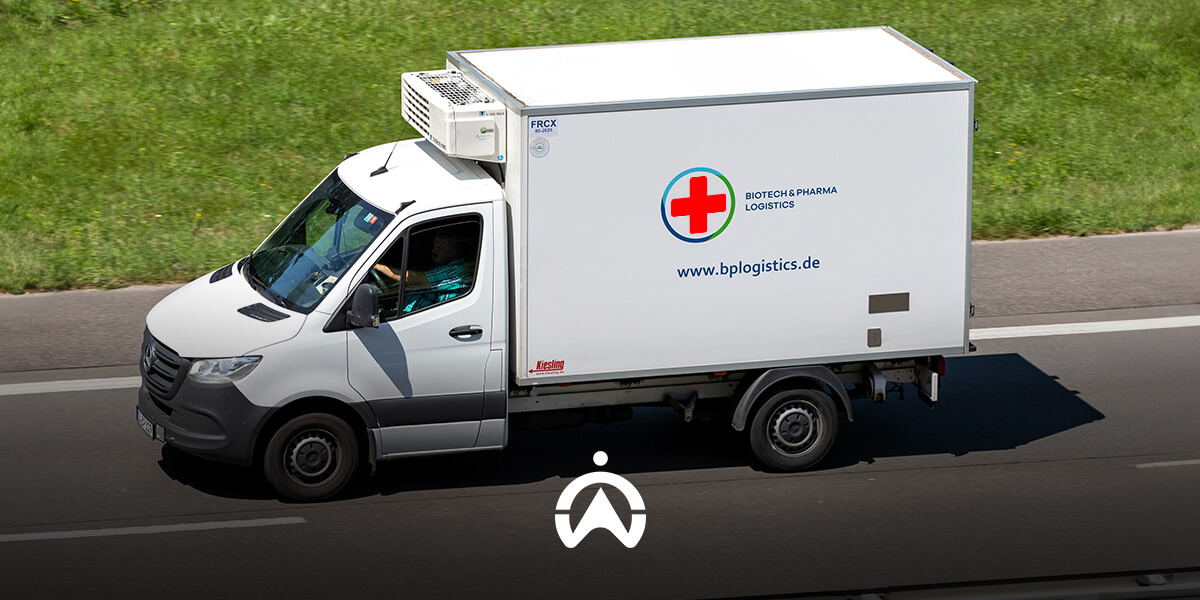
High-value goods range from luxury items and electronics to sensitive medications, premium cigars, alcohol, livestock, and fine art. These goods have high value, making them prime targets for criminals and more susceptible to theft and hijacking than regular goods.

Given their importance, high-value goods require exceptional care and attention during transit. A single security lapse can lead to substantial financial losses, harm a company’s reputation, and disrupt multiple industries.

Let’s discuss the risks involved in transporting these valuable items and explore how advanced technologies like Cartrack’s fleet management solutions can help protect them while on the road.

In this article, you will:

  • Learn more about the risks associated with the transportation of high-value goods
  • Understand how technology can help mitigate these risks
  • Explore the key best practices for protecting your goods while in transit
  • Know how Cartrack solutions can help you protect your cargo

What Are the Risks of Transporting High-Value Goods?

High-value items are at an increased risk of theft due to their desirability. These goods can also be easily damaged and often come with strict regulations that must be considered during transit. Let’s take a closer look at these risks:

Theft or hijacking

According to POLO4PL,the most commonly targeted commodities includes electronics and consumer goods, pharmaceuticals, auto parts, clothing and apparel, and food and drinks. This highlights that high-value goods are prime targets for criminals, who may either steal the items or hijack the entire vehicle.

High-value goods are highly vulnerable to theft and hijacking during transit because they go through multiple handovers, such as drivers, logistics companies, and warehouse teams. These goods are often left unprotected at unsecured rest stops or while being transferred between locations. With each handover, the risk of theft increases, as security can be inconsistent. Unlike at warehouses, which have strict security, the lack of continuous protection during transit makes it easier for criminals to target the shipment.

Accidental Damage

Due to the delicate nature of most high-value goods, they are most likely to be damaged during transit. This may result from improper handling, incorrect storage, inadequate packaging, accidents, adverse weather, and poor road conditions. For temperature-sensitive products, it could be that the temperature was incorrect throughout the trip, resulting in spoilage of items, and compromising their quality.

Accidental damage causes significant harm to the cargo, resulting in financial loss and customer dissatisfaction.

Regulatory and Compliance Risks

Noncompliance with regulations is a significant risk when transporting high-value cargo, particularly for items like pharmaceuticals or international shipments. Noncompliance with legal and safety standards can lead to hefty fines, legal action, and reputational damage. It’s important to ensure all regulations are met to avoid these risks during transit.
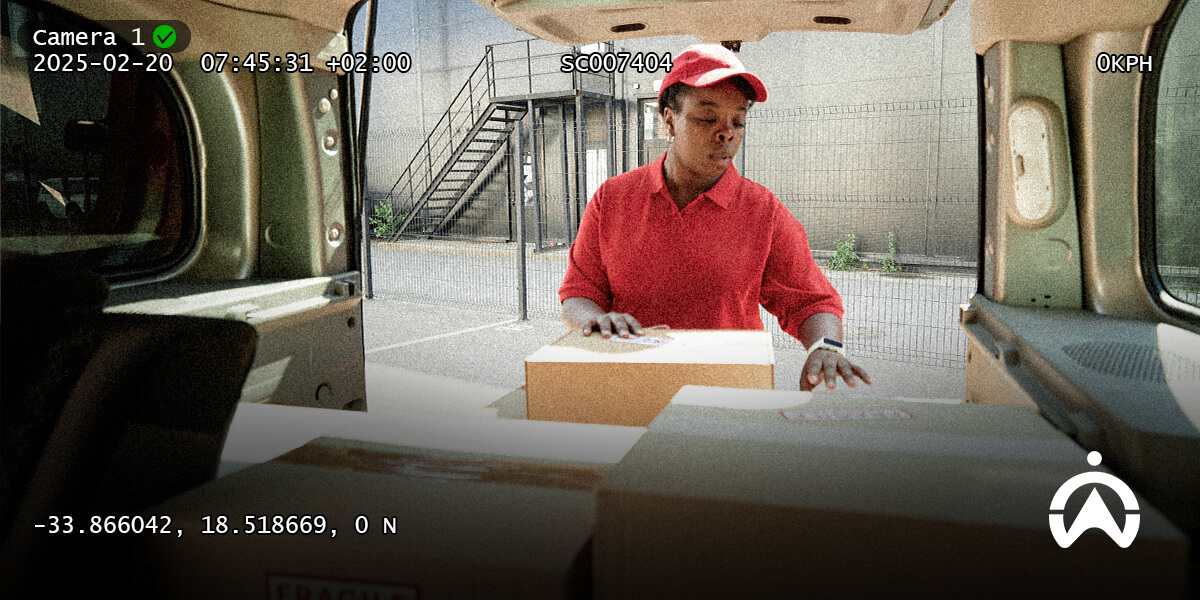
A delivery person wearing a red uniform and cap stands outside a van, preparing to handle cardboard boxes in a parking area.

How Can Technology Mitigate the Risks of Transporting High-Value Goods?

Technology plays an important role in mitigating risks associated with transporting high-value goods. Through GPS tracking and telematics, you can be in charge of your fleet at all times and will be able to act swiftly before anything happens to your cargo.

Here are some ways technology can enhance safety and security:

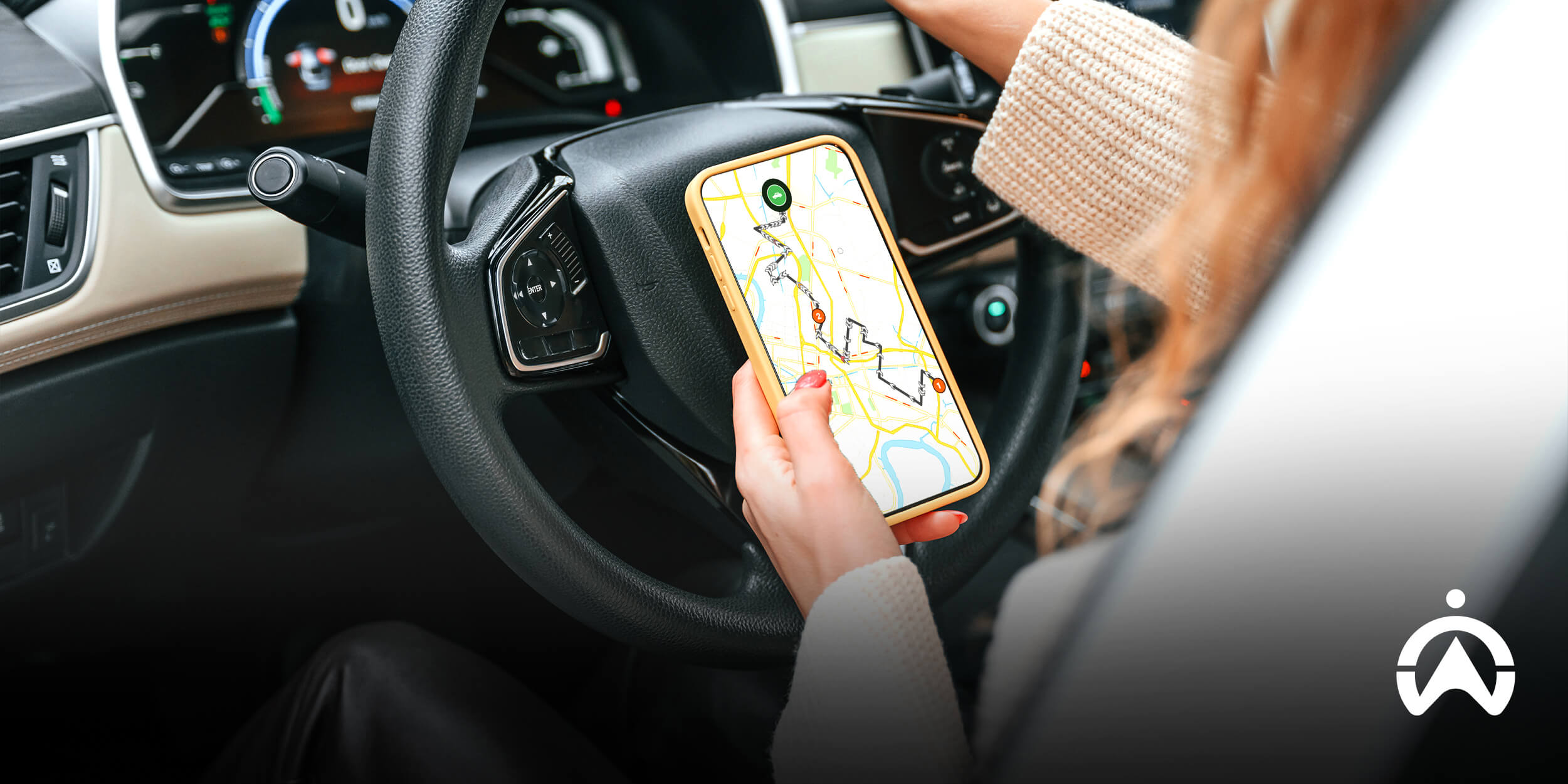
  • Real-time GPS tracking: You will know the location of your cargo through continuous tracking.
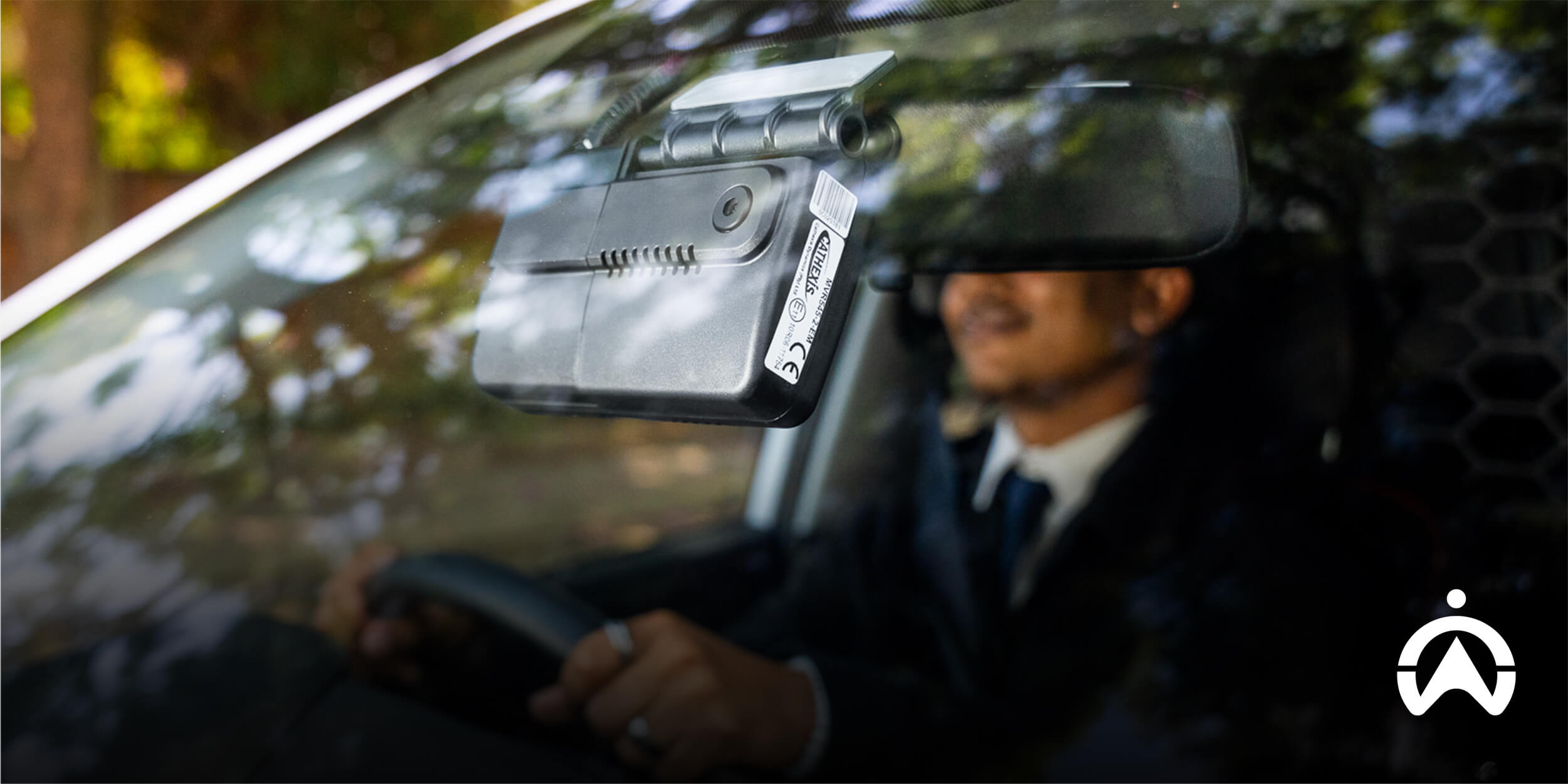
  • Vehicle surveillance: Cameras and an alarm system add an extra layer of security to your fleet by deterring theft. Cameras equipped with AI technology allow you to monitor driver behaviour and provide training where necessary.
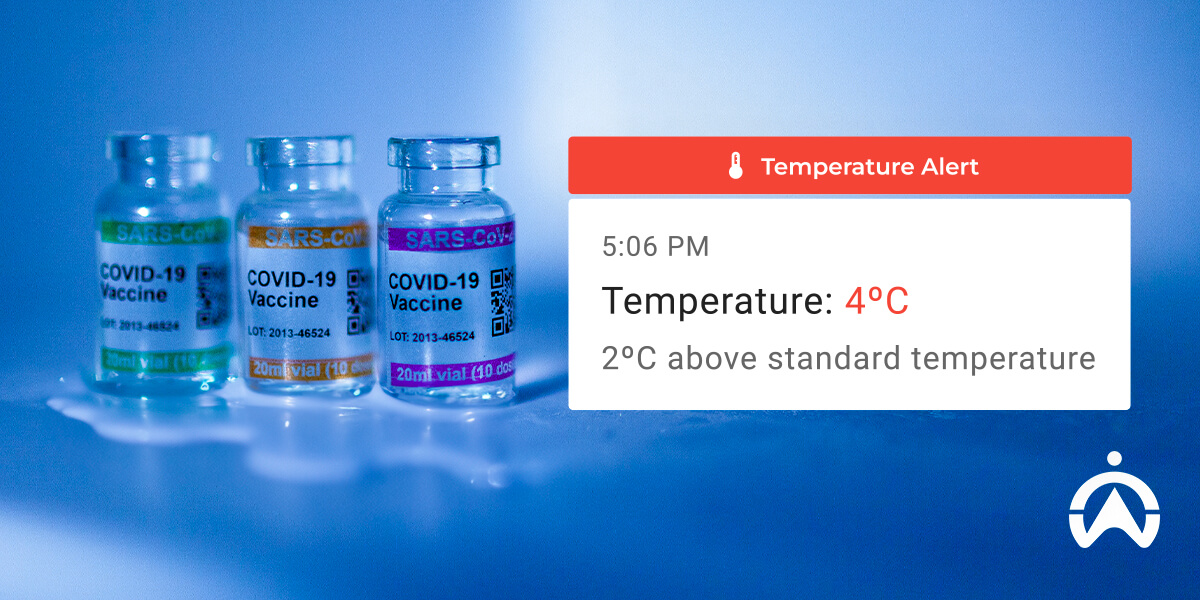
  • Temperature monitoring for sensitive goods: Having temperature sensors will ensure that your sensitive cargo remains in good condition throughout transit, avoiding spoilage and waste.
  • Automated alerts: Instant notifications and alerts allow fleet operators to take action if there are any changes to the fleet. This includes vehicle deviations or changes in temperatures.
  • Remote immobilisation: Many tracking systems feature immobilisation options, enabling fleet managers to disable the vehicle remotely if stolen. This improves the chances of recovery and ensures better protection for the vehicle.

What Are the Best Practices for Protecting High-Value Goods in Transit?

When protecting high-value freight during shipment, you need to have a strategy that covers all bases. This means enhancing your security, conducting regular inspections and maintenance, and minimising stops on the way.

Here are some key best practices to help you get it right:

Strengthening Security Protocols for Drivers

Fleet operators should train drivers in secure cargo handling and emergency response protocols. These training programs will equip drivers to know how to identify when something is wrong, and they will be able to act swiftly in an emergency.

Drivers must ensure they know which protocols to follow while on the move; this includes checking for tampering, knowing how to use panic buttons, and reporting incidents immediately.

Drivers are basically in charge of your cargo and vehicles, so they must be protected at all times to ensure that the goods get delivered safely and securely.

Conducting Regular Vehicle Inspections and Maintenance

It goes without saying that the vehicles used to transport these high-value goods need to be properly maintained to avoid unnecessary breakdowns on the road.

Managers must schedule regular inspections and ensure that vehicles go for servicing as and when required to prevent breakdowns. These inspections include checking security systems such as alarms and GPS tracking devices to see if they are still functioning as they should.

Regular checks can help identify and solve issues before they become major problems, posing potential threats to the cargo.

Minimising Stops and Delays During Transit

In order to make timely deliveries, fleet operators must make sure that the routes have minimum stops. Fewer stops reduce the risk of unauthorised access or tampering while improving fuel efficiency and delivery timelines.
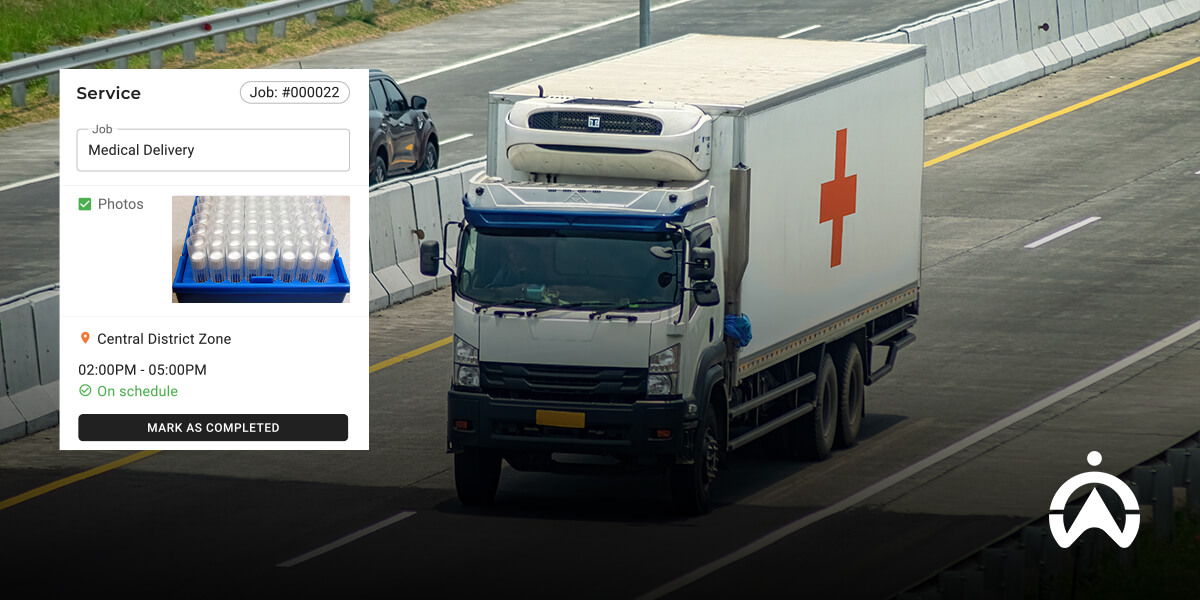
A medical delivery truck drives along a highway, accompanied by a job summary for scheduled deliveries.

How Can Cartrack Solutions Help Protect High-Value Goods?

Cartrack’s fleet management solutions ensure that your high-value freight is protected throughout its journey, ensuring that products are delivered in the right condition. Here’s how:

  • GPS tracking: Fleet managers have full fleet visibility through real-time GPS tracking, which allows them to monitor vehicle locations, track routes, and respond quickly to any issues or delays.
  • Route optimisation: Cartrack’s fleet management software allows operators to optimise routes, ensuring timely deliveries. This feature enables drivers to use the fastest routes with less traffic congestion to avoid delays. You will get alerts if the vehicle deviates from these planned routes.
  • Geofencing: Operators can identify unsafe areas such as hijacking hotspots and set geofences around these zones. They will be notified via SMS or email should the vehicle enter these zones.
  • Temperature sensor: Cartrack’s temperature monitoring solution supports up to four sensors per vehicle, ensuring real-time oversight of perishable goods.
  • AI-powered cameras: Cartrack’s AI-powered cameras act as an extra set of eyes on the road, helping operators monitor driver behaviour. The cameras detect unsafe behaviours such as harsh braking, speeding, smoking, or mobile phone usage. Our AI dual-vision cameras will audibly send alerts to the driver in real-time so they can correct their behaviour.
  • Panic button: If drivers are in a compromising situation like an emergency or a hijacking, they can simply press the panic button, which will instantly send a silent alert to our control room. An operator will instantly alert the fleet manager and coordinate emergency response if required.
  • Cargo door sensor: Cartrack’s cargo door sensors instantly detect unauthorised access and trigger alerts for swift action.
  • Start prevent: Fleet managers can immobilise a vehicle on the fleet management web interface. The vehicle will be immobilised once the ignition is turned off, ensuring the safety of both the vehicle and the driver.
  • Driver scorecards: Our driver scorecards track high-risk behaviours like speeding or harsh cornering. Each driver receives a rating, allowing fleet operators to pinpoint areas for improvement and offering the opportunity to coach drivers and improve their driving habits.

Cartrack offers you solutions to protect your cargo better, leaving you with satisfied clients. Contact us today for a tailored security solution.

Frequently Asked Questions about high-value goods

Q: What type of insurance is necessary for transporting high-value goods?

A: To cover your high-value goods, get an all-risk insurance, which offers the most comprehensive coverage. It protects your goods against a wide range of risks, including damage, theft, loss, and accidents.

While we don’t provide insurance directly, our insurance agency can help you find the right insurer that fits your needs and budget.

Q: Does Cartrack offer any solutions for improving the safety of high-value goods during nighttime transport?

A: Yes, we do. It is important to note that our GPS tracking units continuously track your vehicles 24/7, and our operators are also available to assist you with anything you need. Our cameras are designed to perform effectively in low-light conditions, which means they will be able to capture clear and reliable footage even at night.

Q: Can a fleet management system help recover stolen high-value goods?

Yes, Cartrack’s fleet management system can help recover stolen high-value goods. With real-time GPS tracking, geofencing, and instant alerts, fleet managers can quickly locate stolen vehicles and coordinate with law enforcement and Cartrack’s recovery team to recover the vehicle transporting the goods.
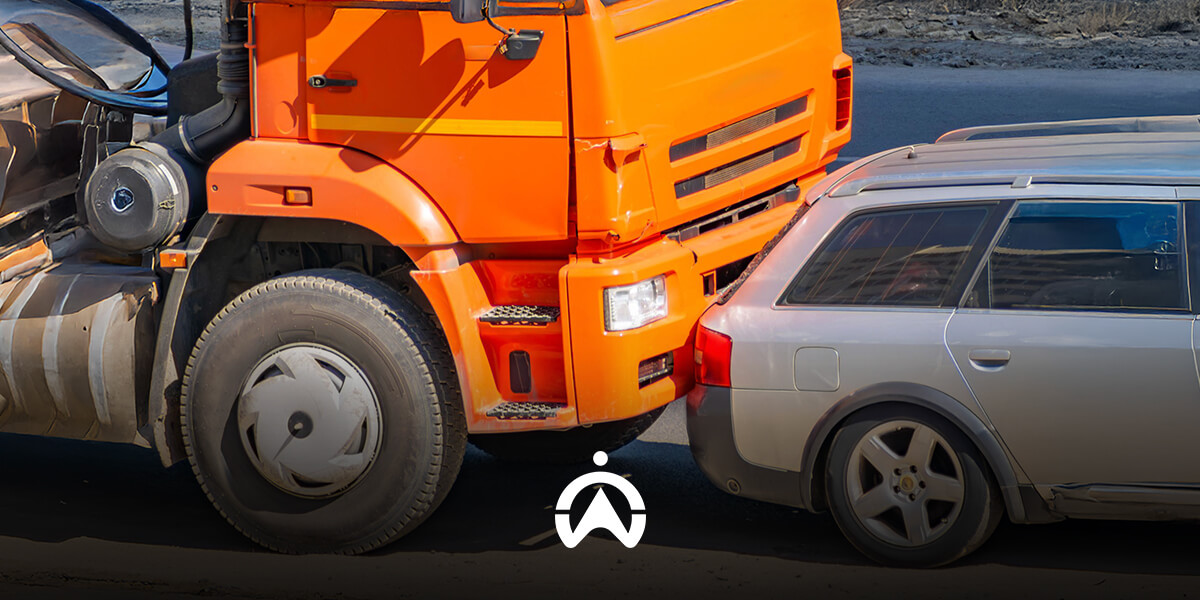
What are the True Costs of Fleet Accidents

Many assume that accident-related costs are limited to vehicle repairs and insurance claims. However, these incidents involve hidden expenses that can negatively affect a business’s bottom line.

When a company vehicle is involved in an accident and the driver or the vehicle’s mechanics are found to be at fault, the business may be held liable for covering medical expenses and other related costs. In some cases, the company may also be responsible for property damage and legal fees. Over time, these costs can accumulate, leading to a substantial financial burden for the business.

Beyond these direct costs, the company is most likely to experience reputational damage, leading to a significant decline in customer trust and loyalty. A company with a reputation for unsafe driving practices may struggle to maintain long-term customer relationships.

Let’s explore the true costs of fleet accidents and how Cartrack’s fleet management solutions can help businesses mitigate them.

In this article, you will:

  • Know the implications of fleet accidents
  • Learn how to protect operations from fleet accident losses
  • Understand how technology can help prevent fleet accidents
  • Discover how Cartrack fleet management solutions can help mitigate the costs of fleet accidents

What Are the Financial Implications of Fleet Accidents

Fleet accidents have implications that go far beyond immediate repair costs. Understanding these consequences is crucial, especially when looking to mitigate financial losses and protect the business’s reputation.

What are the real expenses associated with fleet accidents

  • Vehicle repair and replacement costs: When a vehicle is involved in an accident, the starting point will be to get the vehicle fixed. This means buying new parts to replace the damaged ones and paying the mechanic handling the repairs.
  • Medical and liability expenses: Companies may cover medical expenses for those injured and, depending on the situation, offer compensation for additional damages or losses.
  • Increased insurance premiums: If fleet vehicles are frequently involved in accidents, insurance companies may classify the business as high-risk, leading to higher premiums, which can affect profitability over time.

Beyond the immediate costs, fleet accidents also generate substantial legal and reputational issues, adding further pressure to the business.

Legal implications of fleet accidents

  • Legal consequences and liability: Fleet accidents can expose the company to lawsuits, whether for personal injury, death, or property damage, leading to substantial legal costs.
  • Regulatory penalties: An accident involving a company vehicle is often investigated.If authorities find fault in the driver’s behaviour or the vehicle’s condition, the company may be liable to pay fines and penalties for violating traffic laws.
  • Insurance disputes and legal fees: Insurance claims investigations can take months to resolve, especially for complex cases. This often requires legal assistance, adding further expenses that impact the company’s cash flow.

Reputational implications of fleet accidents

  • Public perception and brand damage: Frequent accidents,particularly those with severe consequences, could negatively affect a business’s reputation. In the digital age, a viral social media post of a company vehicle involved in an accident can damage the brand’s reputation and deter customers from supporting the business.
  • Customer loyalty and retention: Accidents can negatively affect a business’s operations, resulting in lower customer satisfaction rates. Customers may question associating with a company that frequently experiences accidents and may look for services elsewhere.
  • Employee morale and turnover: Witnessing or experiencing a crash can affect the well-being of drivers, leaving them traumatised and less motivated. Drivers may need some time off at work or even counselling, which will further affect operations. If accidents happen more frequently, employees may start to question the company’s commitment to safety and leave for better opportunities elsewhere.

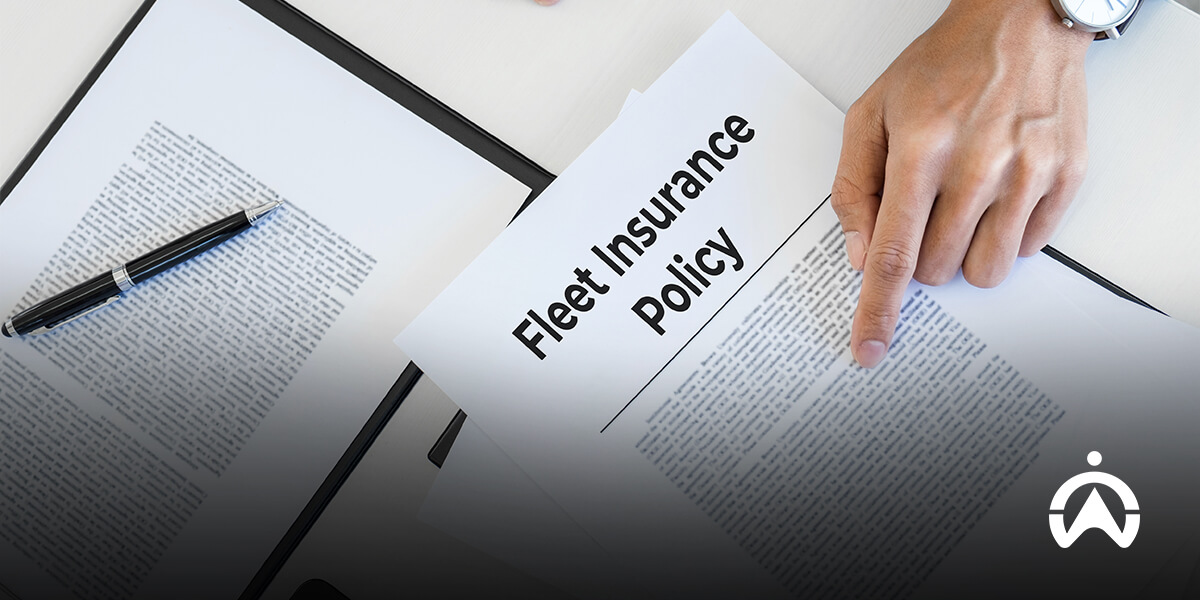
A hand points to a "Fleet Insurance Policy" document on a table, accompanied by a pen and additional papers.

How to protect operations from fleet accident losses

To protect a business from the financial, legal, and reputational losses caused by fleet accidents, managers must have a proactive approach. This means implementing strategies that can reduce the likelihood of accidents and ensure that operations run smoothly should accidents occur. Here are key ways to safeguard the fleet and business from the aftermath of accidents:

Implement Fleet Accident Management for Incident Response and Prevention

Fleet Accident Management (FAM) plays a critical role in minimising the impact of accidents on a business. It enables fleet managers to respond swiftly, manage claims efficiently, and mitigate common accident causes such as risky driver behaviour, distractions, and poor road conditions. By implementing FAM, these issues can be addressed head-on, ensuring better safety practices and reducing downtime, as well as the financial and operational consequences of accidents.

Conduct regular maintenance and servicing

Conducting regular maintenance on the fleet will significantly enhance safety, reduce breakdowns, and minimise downtime, helping save costsin the long run.

A structured maintenance schedule will cover critical things such as wear and tear, tyres, engine health, lights, and other important vehicle components. This will not only ensure vehicle longevity but will also minimise the accidents that are caused by mechanical failures, faulty parts, or poor vehicle handling. Regular inspections and timely repairs help identify potential hazards before they become serious issues, ultimately improving driver safety and maintaining operational efficiency.

In addition to regular maintenance, it is important to get the vehicles serviced on time so that issues can be detected and dealt with in time before repairs become too expensive. Regular servicing ensures that a vehicle’s components are working at optimum levels, which means better performance from all aspects of the vehicle.

Implement driver safety programs

To help reduce accidents, fleet managers can implement driver training programs that will enhance their safety on the road. Driver training programs will empower drivers to follow the rules of the road and avoid participating in unsafe behaviours such as distracted driving, speeding, harsh braking, and tailgating. Practising safe driving helps save on fuel costs and reduces wear and tear on vehicles, making them last longer.

Fleet managers can also host driver incentive programs—reward-based methods to motivate their drivers to continue practising safe driving.

Drivers can be rewarded in the following ways:

  • Monetary bonuses: Fleet managers could reward drivers with cash for outstanding performance.
  • Recognition: Drivers could be rewarded with a certificate or trophy monthly, making them “employee of the month”.
  • Career development: Managers could also consider promoting drivers who are consistent in their performance.

Rewarding drivers through any chosen method is a great way to keep them motivated and create a healthy working environment.

Review insurance policies and coverage regularly

Regularly reviewing fleet insurance policies ensures that coverage aligns with current operational needs and provides protection against potential risks.

As the fleet or business grows, reassessing insurance needs is important to maintain adequate coverage. This entails examining accident coverage, liability coverage, vehicle damage coverage, and theft coverage so that all areas are fully protected.

Furthermore, staying informed about industry regulations and adjusting coverage accordingly can prevent gaps that might leave the fleet unprotected in the event of an unforeseen incident. This practice helps avoid unexpected financial surprises and supports the continued safety of fleet operations.

Use fleet management solutions and telematics

Incorporating technology such as telematics and fleet management systems can significantly reduce accidents. These technologies allow operators to monitor driving habits and vehicle performance in real-time.

By tracking driving behaviours such as speeding, braking, and sharp acceleration, operators will be able to identify which drivers need training to avoid getting involved in constant accidents.

The systems will alert operators when maintenance is due, which will help prevent breakdowns and accidents caused by malfunctioning equipment. Telematics also help optimise routes through live traffic updates, weather updates, and road conditions, ensuring that drivers stay away from potentially dangerous areas.

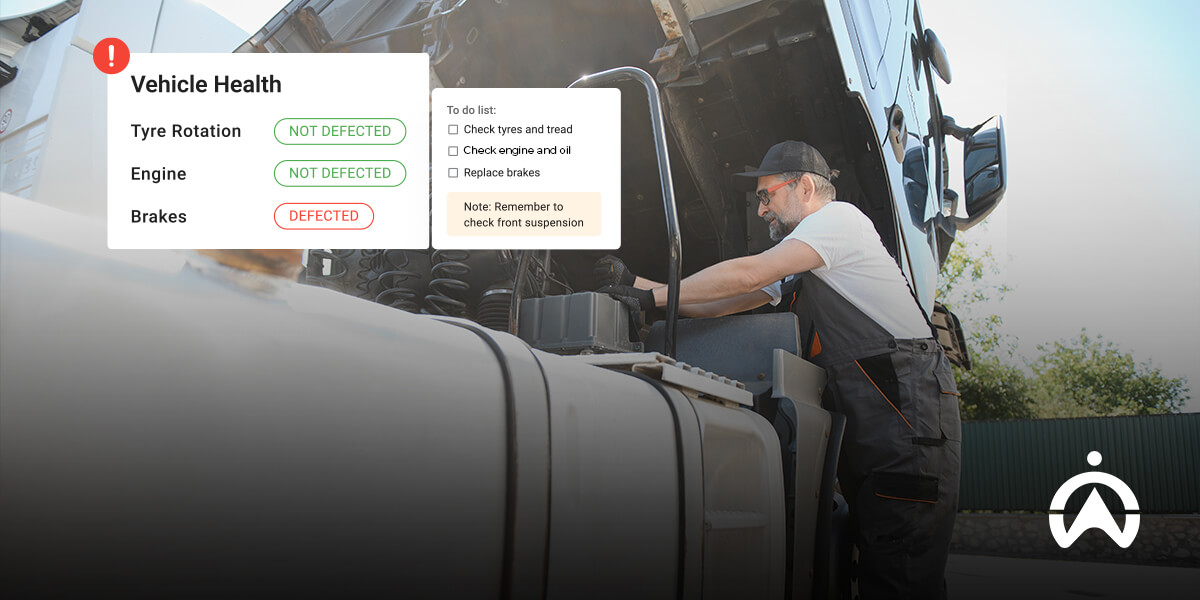
A mechanic inspects a truck's engine while reviewing the vehicle health report highlighting defective brakes and maintenance tasks.

How Cartrack helps mitigate the costs of fleet accidents

Cartrack offers comprehensive fleet management solutions that help businesses prevent and manage accidents, ultimately reducing costs.

We achieve this in the following ways:

  • Real-time tracking and alerts: Our GPS tracking devices allow managers to track their fleet in real-time, providing full visibility. In the event of an accident, instant alerts are sent to managers, enabling a prompt response during emergencies.
  • Driver behaviour monitoring: Our system helps operators monitor driver behaviour by sending alerts every time there are harsh events like speeding, harsh braking, and cornering. With this data, fleet managers can identify drivers that need coaching to improve their performance. This will significantly reduce accident risks and promote safer driving habits.
  • Cartrack’s AI-powered cameras: Our AI-powered camerasprovide real-time monitoring with in-cabin audible alerts that notify drivers of distractions such as cell phone use, fatigue, smoking, speeding, and other risky behaviours. These alerts help drivers correct their actions immediately, which can help reduce accidents. If an accident does occur, footage can be retrieved and used to prove the driver’s innocence and can be submitted to insurance companies to help expedite the claims process. Managers can use the footage to analyse what happened and provide targeted training to drivers where necessary.
  • Preventative maintenance: Cartrack’s system sends alerts to inform managers about any engine faults and when vehicles are due for servicing. By monitoring engine hours and usage, managers can easily stay on top of maintenance needs. This proactive approach helps ensure that the fleet remains in good condition and operates efficiently.
  • Crash detection: Our smart IoT device uses g-force technology to detect an accident in real-time, allowing us to immediately send emergency services to the driver’s exact location so help can arrive as soon as possible. Crash detection boosts drivers’ confidence on the road, knowing that protection is available at all times should accidents occur. Companies stand a chance to be assisted sooner during the insurance claims process since all necessary information is readily available through this technology.
  • Advanced Driver Assistance System (ADAS): ADAS uses camera-based sensors, intelligent algorithms, and AI technology to enhance driver awareness, increasing driver and vehicle safety. This system alerts drivers of blind spots and gives forward collision warnings.

In closing, investing in a robust fleet management system can reduce fleet accidents, helping save on hidden costs such as financial, legal, and reputational costs. Implementing driver training programs and conducting regular maintenance ensures that drivers and fleets are safe on the road.

Ready to safeguard your fleet and save on costs? Contact us today to achieve your business’s bottom line, leaving you with satisfied clients and enhanced profitability.

Frequently Asked Questions about accidents and fleet management systems

What are the main causes of fleet accidents?

Factors such as human driver behaviour, poor road conditions, adverse weather conditions, and vehicle faults all contribute to fleet accidents.

How does the frequency of accidents affect a company’s ability to grow?

Frequent accidents can deter a company from growing to its full potential due to all the costs the company will have to pay as a result of these accidents. This means the company will be working at a loss, and its bottom line will be negatively affected.

How do fleet accidents affect customer satisfaction?

Fleet accidents can cause delivery delays and service interruptions, and, in some cases, products may be lost and damaged during these crashes. This will negatively affect customers, leaving them dissatisfied and unimpressed with the service.

7 Most Common GPS Tracking Problems

GPS tracking systems are essential for every motorist or fleet business. They offer numerous benefits, such as personal safety and continuous updates that help businesses keep track of productivity. However, as reliable as they are and like any other form of technology, GPS tracking systems also come with a few challenges that can have significant implications. Understanding these issues and how they may affect you is essential.

Today, we explore the most common GPS tracking problems and how Cartrack effectively resolves each one to provide you with the best possible service.

In this article, you will:

  • Learn about 7 common GPS tracking problems
  • See how Cartrack resolves each issue
  • Find out why our solutions stand out from the rest

Uncovering the 7 common GPS tracking problems and how to solve them

GPS tracking issues can lead to a wide range of consequences, such as delayed emergency responses, resource wastage, loss in revenue, and legal implications. Before choosing a service provider, you must know the possible challenges and what solutions they have to overcome these obstacles.

Here are 7 common GPS tracking problems and the measures we take to overcome them:

1. Connectivity and signal issues

Cause:
GPS tracking devices usually consist of two modules. A GPS model that connects to satellites to determine the vehicle’s location and a GSM module that relies on a SIM card and cellular network to send location information to the GPS tracking platform. This means if you are in a remote area, where the mobile signal is weak, some updates might be missed or very delayed.

Additionally, GPS signals can penetrate through materials like glass and plastic but are obstructed by dense structures such as concrete and metal. For a GPS module to function properly, there must be a clear view of the sky. For this reason, signal loss may occur when vehicles go through tunnels or tall buildings. Severe weather conditions, such as heavy rain, may also affect the signal.

Solution:
Cartrack’s GPS system utilises cloud-based technology to provide precise, real-time location updates, ensuring seamless monitoring even in challenging environments. Our vehicle tracking system gives you nationwide network coverage.

When you are in an area with little or no coverage, there will be no missed updates as the unit will continue to record up to 5000 data points (location, speed, etc.). This ensures continuous tracking even in challenging environments. Once the signal is back, you will receive all the data you need about what was happening in that area.

2. Cross-border tracking issues

Cause:
As mentioned in the previous point, a GPS tracking system heavily relies on cellular and satellite communication to function effectively. Due to international roaming restrictions, many GPS tracking systems stop working or experience limited functionality when vehicles are outside the country. This can be troublesome for businesses such as logistics companies that have drivers who frequently travel in and out of the country.

Solution:
The Cartrack GPS tracking system is globally compatible and supports international roaming. This feature ensures continuous and accurate tracking across borders for both individuals and businesses if you choose this package. It also enables us to recover vehicles that are stolen and then smuggled out of the country.

3. GPS device malfunctions or hardware failures

Cause:
Some tracking devices are built using low-quality materials. This results in them being fragile and prone to external factors such as extreme temperatures, blown fuses, and general wear and tear that can affect functionality. It also means that they constantly need to be replaced, which can be costly. Additionally, faulty wiring during installation may cause device malfunction.

Solution:
A tracking unit with durable hardware. Cartrack’s GPS tracking devices are built with robust hardware that is weatherproof and can withstand wear and tear. We produce devices that are manufactured in-house with high-quality materials to ensure you get the best out of your device and prevent hardware failures. Our skilled technicians ensure smooth and professional installations to avoid inaccuracies caused by faulty wiring.

4. Signal jamming and interference

Cause:
In an effort to prevent the ability to locate a vehicle, criminals use signal-jamming devices to block or interfere with radio communications, such as GPS tracking systems. As a result, if your vehicle is stolen, the recovery service will not see where it is and therefore cannot recover it. It also gives the criminals more time to search for the device and cast it away.

Solution:

One of our newest innovations to tackle this issue is the Cartrack-Tag. When paired with a Cartrack tracking device, the Cartrack-Tag can detect and alert our control room services of any signal interference that may occur when a vehicle has been stolen. Through this powerful technology, we are still able to find your vehicle despite the attempts made by criminals to block us from receiving information.

5. GPS device tampering

Causes:
GPS tracking devices that are not strategically hidden can be easily located and tampered with. Common reasons for tampering are for employees to evade monitoring, for criminals to be able to steal vehicles, or for hackers to manipulate GPS tracking data for illegal activities.

Solution:
Cartrack’s devices are designed for discreet installation in hard-to-reach areas, reducing the risk of tampering. Our technicians are trained to perform fitments that are as close to tamper-proof as possible. As an extra layer of protection, we also have power event notifications that send an alert if your vehicle battery is disconnected, which could indicate some sort of tampering.

Our control room agents will get instant notifications, call you immediately, and then take the necessary steps to safeguard your vehicle.

6. Software glitches and compatibility issues

Causes:
Technical glitches are common with every software. In the vehicle tracking industry, they can lead to data inconsistencies and huge delays. These glitches are caused by outdated software, fleet management tools that do not work directly together, or technical bugs that can cause system failures. For example, if the data on a fleet management platform is outdated, fleet dispatchers may not receive live updates. This results in drivers getting dispatched for delivery jobs that are further than the ones that they are closest to.

Solution:
Cartrack ensures that all devices and software are regularly updated for optimal performance. Cartrack’s software undergoes regular updates to maintain optimal performance, prevent glitches, and ensure seamless fleet operations.

Our fleet management solutions are integrated, which means all our solutions can be found on one platform. We also have technical support and a customer service line that is available throughout the day to troubleshoot and resolve any possible software or compatibility issues you might encounter.

7. Overwhelming amount of data or alerts

Cause:
Constant GPS tracking updates can result in an overload of data. This makes it difficult for users to manage and prioritise information. Some alerts are irrelevant to a specific user, which leads to the person ignoring all notifications and missing the critical ones.

Solution:
Our platform allows users to customise alerts so they get notifications and updates that are only specific to their concerns. For example, a big concern in fleet management is driver behaviour. Fleet managers can set up alerts on speeding to ensure drivers are practising safe driving habits on the road. We also have a user-friendly dashboard that helps our customers easily filter and prioritise data, making tracking more manageable.

An additional GPS tracking problem that service providers need to look into is privacy concerns

As GPS tracking data has become more advanced over the years, so has the information it can provide about one’s personal life. Many users worry about how their sensitive information is collected, stored, and used. Improper handling of tracking data can lead to privacy violations and security risks.

Cartrack prioritises your privacy. We are fully POPIA compliant, guaranteeing your personal data remains secure. We employ end-to-end encryption and uphold a strict policy against sharing your information with external parties.

Avoid the common GPS tracking problems with Cartrack solutions

In conclusion, a GPS tracking device is an invaluable tool for improving vehicle security and operational efficiency, but common issues can cause disruptions that may jeopardise the safety of people and vehicles in critical situations.

These inconveniences may also lead to costly errors for businesses. It is important to choose a vehicle tracking service that can manage and overcome these challenges so you can get the best possible experience and value for money.

Cartrack’s advanced GPS tracking solutions address these issues, providing reliable, real-time tracking, secure installations, and cost-effective preventative measures to keep vehicles safe and business operations running smoothly. Join our over 2 million subscribers and experience unparalleled vehicle security and tracking reliability.

Want to know more about common GPS tracking problems? Take a look at these frequently asked questions

What is the most common cause of a GPS location error?

The most common GPS location error is satellite blockage due to obstructions such as trees, tall buildings, and mountains. They prevent satellite signals from directly reaching the receiver (e.g., a vehicle tracking unit). This causes delays in location updates and inaccuracies.

Why is my GPS tracker not sending the location?
A GPS tracking device may not send a location update due to poor signal, such as when in a remote area. Other reasons for this could be device malfunctions, battery failure, or software updates. Ensure that you contact your service provider as soon as you notice to find the root cause.

How to improve GPS tracking?
Choose a GPS tracking service that provides high-quality devices and has backup plans in place for issues that may arise. Regularly update your software to ensure that the information is always accurate, and filter your alerts so you only keep track of the thing you are interested in.

Cartrack gives you GPS-tracking solutions you can rely on

Ensure that you secure your vehicle(s) with a trusted GPS tracking service provider that can tackle any issue. Contact us today!

Quick and Easy Steps to Checking Your Car’s Fluid Levels

Owning a car comes with some responsibilities that can not be negotiated. One of these is vehicle maintenance, especially when a car is getting older.

The simplest car maintenance task you can do yourself is checking fluid levels to ensure they are within the recommended range. Doing this regularly reduces wear and tear on your car, keeping it in good health for longer.

We have put together a simple guide on how to check your car’s fluid levels and how Cartrack’s maintenance solutions can help you.

In this article, you will:

Why Checking Your Car’s Fluid Levels Is Important

We all want a car that always runs smoothly and never suffers any issues, but unfortunately, that is not always the case. Every car will eventually experience one mechanical problem or another. These can compromise vehicle health and roadworthiness, affecting driver and passenger safety.

Your fluid levels can be checked monthly or as recommended based on your vehicle’s age and condition. This process is quick, easy, and requires no special tools; most drivers can take the task on with relative ease.

Here are some reasons why checking car fluids is important:

  • Ensures smooth engine operation
  • Maintains proper transmission performance
  • Overheating is prevented with coolant
  • Enhances braking safety
  • Protects the power steering system
  • Improves fuel efficiency
  • Prevents expensive repairs
  • Enhances resale value

Low or contaminated fluids can cause overheating, braking issues, or engine damage, which may lead to costly repairs. These are all consequences that can easily be avoided with a few maintenance checks on a car every once in a while.

Easy Steps to Checking Your Car’s Fluid Levels

Checking fluids can be done as part of a pre-or post-car inspection, both for daily use and long-distance travel. Let’s go through the steps you need to take when checking your car’s fluids.

Step 1: Park on a Level Surface and Let the Engine Cool

When starting a fluid check, the car must be parked on a stable and level surface with a cooled engine. This ensures accurate readings from the fuel rods and other measuring tools.

We advise switching off the engine and waiting a few minutes before opening the bonnet to start the checks. This will protect you from the steam build-up that will come jetting out of the engine or water tank, which happens when those liquids have not cooled sufficiently.

Step 2: Locate the Fluid Reservoirs

The next step is to identify the specific fluid you need to check or replace. Here is a list of the key fluids that need regular inspection and what the fluid does:

  • Engine oil – Lubricates engine components.
  • Coolant/Antifreeze – Regulates engine temperature.
  • Brake fluid – Ensures proper braking performance.
  • Transmission fluid – Keeps gear shifts smooth.
  • Power steering fluid – Aids in easy and smooth steering.
  • Windscreen washer fluid – Keeps visibility clear.

Most of these can be accessed directly from the engine, with symbols on each to indicate what they are and do. If there is any uncertainty, check your car’s manual for further explanation on where to find these fluids.

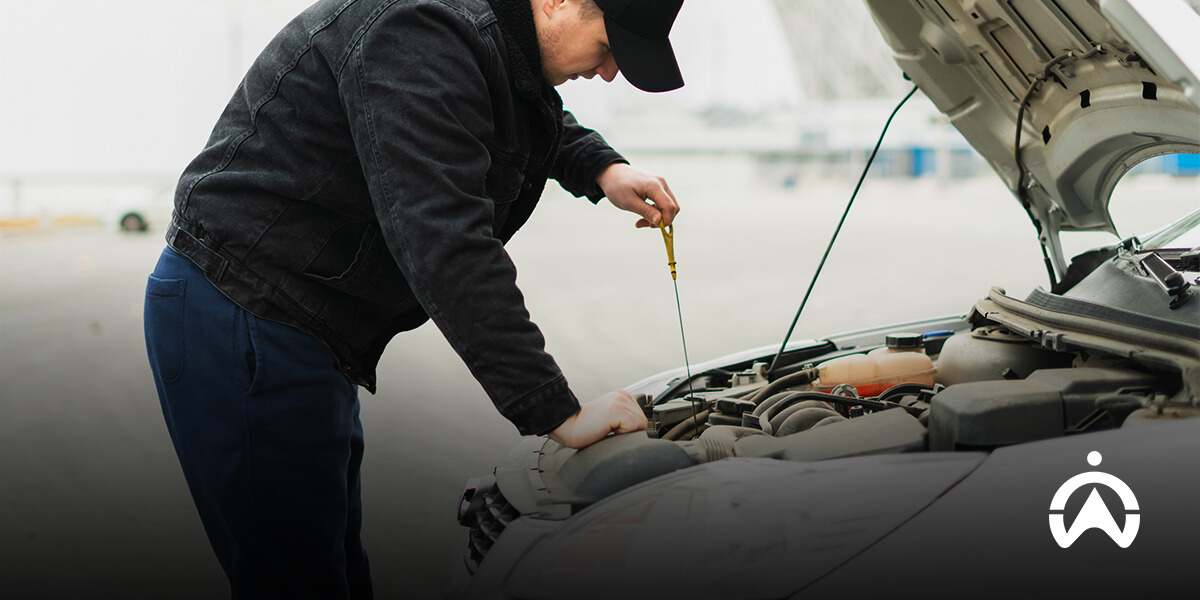
A person in a black jacket and cap inspects the engine of a car with the hood raised, checking the oil level with a dipstick.

Step 3: Check the Engine Oil

One of the easier fluids to check is engine oil. Once the bonnet is open, pull out the dipstick from the engine, wipe it clean, reinsert it, and check the level. The oil level should be between the two marks on the dipstick. If it falls below the lower mark, it needs to be topped up.

It is also important to consider the oil colour and consistency. The darker and grittier the oil is, the likelier it is to need changing.

Step 4: Inspect Coolant Levels

In order to check the coolant level, you must look at the reservoir markings. They will indicate where the coolant needs to be for it to be full. Make sure not to overfill the coolant by going over the “Full” marking.

We must warn you against opening the radiator cap when the engine is hot. This will release heated coolant and gas which may cause severe burns.

Step 5: Examine Brake Fluid and Power Steering Fluid

If you are looking to check brake fluid, look for the brake master cylinder, usually on the driver’s side, where the brake fluid reservoir will be attached. You can check these fluid levels against the “Min” and “Max” marks, this will let you know if you need to top it up or not.

It is important to know that low brake fluid could indicate worn brake pads or a potential leak. This will need to be investigated by a technician in order to get the most accurate prognosis.

Step 6: Assess Transmission Fluid

The best way to check automatic transmission fluid is by using a dipstick. This process will be similar to the brake fluid one, where you check the stick’s markings. The level should be between the “Max” and “Min” markings.

Transmission fluid should be red or pink. A darker colour may indicate contamination or burning, which requires attention.

Step 7: Top Up If Necessary

When topping up fluids, make sure to clean the area and, where applicable, remove components for cleaning. If the fluid appears to be contaminated, then you should drain it and replace it with new fluids.

Engine oil, coolant, and other car fluids can be found at major supermarkets or petrol stations, ranging from12,000 TZS to 18,000 TZS 1 litre of engine oil and coolant from 25,000 TZS to 45,000 TZS for 1 litre.This price will depend on the brand and quality of the fluid being purchased, with more premium brands costing more.

Always make sure to use the correct fluid type as specified in the owner’s manual. This should also be the case when replacing fluids or topping them up.

Check your dashboard after doing these changes and make sure none of the lights are on, as this could indicate that one of the fluids is still low.

Cartrack’s Smart Vehicle Maintenance Solutions at Your Fingertips

Keeping track of fluid checks can be challenging amid a busy schedule, however, it is important to do so if a driver wants to avoid getting into a car accident. Fortunately, Cartrack has features that can assist with this problem.

Here’s what we have on offer to help:

Comprehensive Vehicle Tracking Solutions

Cartrack’s advanced car tracking system does more than just monitor your car’s location, it comes with a host of solutions to help with car maintenance. Our technology has built-in telematics and vehicle diagnostics, all of which are meant to give accurate reports on driver behaviours that might influence vehicle health.

A yellow SUV drives on a road with a maintenance reminder showing 548 km left until service is due.

Real-Time Vehicle Diagnostics for Proactive Maintenance

Unexpected breakdowns can be both inconvenient and expensive. This is why receiving early warnings is important, as it allows you to address minor issues before they escalate into costly repairs.

Cartrack’s vehicle diagnostics provide real-time alerts on key vehicle health indicators, fluid level detection depends on your vehicle’s CAN bus compatibility with telematics. The alerts can be for:

  • Low fluid levels (oil, coolant, brake fluid)
  • Battery health warnings
  • Engine performance issues
  • Potential mechanical faults

Checking your car’s fluids with this system in place is much easier as you will now have a more comprehensive view of all the factors affecting your car’s overall health.

The Cartrack App: Your Personal Vehicle Assistant

Whether you drive a brand-new car or an older model from your grandparents, our app ensures you will never miss a critical maintenance check. With the mobile app, keeping up with car maintenance has never been easier. The app provides:

  • Maintenance reminders based on mileage and service history
  • Instant alerts for low fluids or urgent mechanical issues
  • Detailed vehicle health reports to track long-term performance

Having this technology at the tip of your fingers makes it easier to stay on top of all car maintenance. These can be sent to you as reminders and come as reports as well so you have an overview of what is happening in your car.

Keep Your Car Running Smoothly With Regular Fluid Checks

Your car will not always run smoothly, but there are things you can do to help. Doing regular fluid checks and changes is one of the things that you can do, it is fairly simple and does not require technical skill. What is important is that they are done early or as soon as there is an indication that something is wrong.

With Cartrack, these issues are a thing of the past. Our offering provides full diagnostics and gives you alerts when something is wrong. If this sounds good to you, then contact us to learn more about what we can do for you.

Fleet Management for E-Commerce

We live in an age when almost everything can be bought online from almost anywhere. This is mostly due to the growth of the internet.

This situation has necessitated solid fleet and delivery management software to manage the ensuing logistics of delivery.

Let us discuss e-commerce fleet management and how Cartrack is the best partner for this job.

In this article, you will:

  • Learn why there is a growing need for e-commerce logistics management
  • Discover what the challenges are for e-commerce businesses and fleet management
  • Find out why fleet management is ideal for the e-commerce sector
  • Understand why Cartrack is best suited to the e-commerce business model

The Growing Demand for Efficient Fleet Management in E-Commerce

The impact of online shopping on delivery operations has been profound. This convenience is made possible by efficient and timely deliveries, a vital component for any e-commerce business.

Fleet management helps this sector by providing solutions for companies looking to simplify the process between ordering andlast-mile delivery of products. This means aligning, drivers, route planning, time management and proof of receipt, by doing this e-commerce business can have hassle-free movement of goods.

Here are some key points to know about the growing demand for e-commerce logistics:

  • This shopping model has been largely successful with products being sold and delivered across borders. According to the report from ECDB, Tanzania e-commerce market generated over US$536m in 2025, reflecting an e-commerce growth rate of 15-20%.
  • Go-Globe, a global e-commerce platform developer, found from their 2024 E-commerce and Online Shopping Study that52% of online shoppers report shopping internationally.
  • This has created high expectations from many adopters of the style of shopping, with certain standards being set on delivery times and policies regarding returns and refunds.
  • Both consumer behaviour and customer expectations are constantly evolving, with new ones emerging yearly.
  • To be successful and competitive, an e-commerce business must regularly monitor these changes in behaviour and expectations and adapt accordingly.

What are The Challenges in E-Commerce Fleet Management

Many logistical challenges beset e-commerce businesses, most of them concerning last-mile delivery.

Effective order and delivery management will require a solid fleet management system, which will therefore help mitigate some of the hurdles that may arise in handling delivery. With more consumers shopping online, e-commerce businesses face growing challenges, including delivery instructions, duty fees, and shipment disputes.

Let us take a closer look at some challenges an e-commerce business can face.

Delivery Delays

Deliveries are the backbone of an e-commerce business. They make up an important part of the business model that allows this type of venture to thrive. Therefore, delays threaten this kind of business the most. These delays are often caused by poor route planning and traffic congestion. Such inefficiencies break down the flow of work and result in a snowball of delays.

The impact of poor fleet visibility on delivery times is huge. Here’s how:

  1. There are vendors who are unaware of what happens to their products once they have been sent off to the client.
  2. There is no means for them to track where it is on the journey or if it has been delivered at all.
  3. This inevitably creates issues with customers when there are delays and the vendor is unable to provide any information on the status of the delivery.

A woman sits on a couch, checking her phone for delivery updates with a map showing the delivery route and estimated arrival time.

Rising Fuel Costs and Driver Salaries

Some e-commerce businesses have vehicles that do deliveries exclusively for the business. These can range from motorbikes, cars, vans and even large cargo trucks. Managing fuel costs for a delivery fleet, regardless of size, needs tight financial management and precise reporting.

  • Fuel Costs
    Fuel costs are usually affected by the typical reasons, namely, fuel price change, inefficient routing, and idling. These factors contribute significantly to rising fuel costs in e-commerce logistics. What often makes this a challenge is that many businesses do not have efficient systems in place to manage this system. Most still use paper systems and rely on petrol cards to monitor fuel usage and the costs that come with it.
  • Driver Salaries
    Another cost that often affects operational expenses is driver salaries. This becomes an issue when drivers are not allocated jobs efficiently. This can lead to drivers being paid when there are not enough deliveries to justify their wages. The inverse is also true, where there are too few drivers for the jobs needed, necessitating the need to get additional drivers last minute to cover the workload. This ultimately affects operational costs in the long run.

Security Risks and Theft

Security of both the vehicle and the items in delivery can be a major headache for many businesses involved in deliveries. Here are some insights to be aware of:

  • Theft usually occurs depending on the type of products being delivered, with higher-value items such as jewellery and high-tech gadgets becoming the prime objects of attack.
  • Theft risks affect both long-distance and local deliveries, making security a concern for the entire e-commerce sector.
  • These thefts have a significant impact on businesses, they affect customer satisfaction and lead to high insurance premiums for vehicles and packages.
  • This means that businesses incur losses on products that are stolen and need to be re-delivered to customers.
  • The need for proactive security solutions is the best solution in the long run.
  • Most businesses rely on the driver’s ability to discern and avoid this crime, often with little to no support.
  • For businesses that outsource the delivery process, they trust that the service provider will handle all security risks and put in the appropriate measures. This unfortunately isn’t always the case as some delivery companies are not large enough or established enough to have robust security systems and protocols.

Why You Should Implement Fleet Management in E-Commerce Businesses

Most of the challenges that e-commerce businesses face can be resolved by implementing a comprehensivee-commerce fleet management system. This will assist in managing and even addressing some of the pain points that come from having to deal with deliveries from an online customer base along with general fleet maintenance.

The benefits that come from having such a system are many, let’s explore what you should get when installing one.

Enhanced Delivery Efficiency with GPS Tracking

Getting deliveries done on time and in the most efficient manner is crucial for a business that functions entirely online. One of the best ways to enhance this is by getting delivery fleet management software that comes with route optimisation and GPS tracking.

These functions will ensure that both the vendor and the customer are always updated on the progress of the delivery and that it is being done in the most efficient way possible. Real-time tracking ultimately optimises fleet performance and leads to faster and more organised workflow.

Improved Fleet Security and Driver Safety

Knowing where deliveries are as they are happening allows for more security measures to be put in place. These security measures protect both the cargo and the drivers, as both can be located and retrieved early when a theft occurs.

Some e-commerce fleet management systems include camera systems that monitor driver behaviour with telematics technology and dashcams to record footage of the journey. The telematics component of the fleet management system allows for the additional monitoring of driver behaviour.

Vehicle recovery solutions reduce financial losses and give both drivers and business owners peace of mind.

Reduced Maintenance Costs

Automation and telematics technology cut the costs of many e-commerce businesses in varying ways. With telematics, a business owner can receive alerts on when a vehicle in the fleet needs to be serviced through the use of predictive maintenance technology in the fleet management system. This will save costs in the long run as it reduces wear and tear and costs associated with repairs.

Why Choose Cartrack for E-Commerce Fleet Management

Cartrack is an industry leader in fleet solutions and has some of the most comprehensive product offerings out on the market that can manage commercial vehicles effortlessly. These solutions cater to a variety of industries, of which e-commerce is one.

For an e-commerce business owner looking to take their business to the next level, few other service providers compare to Cartrack. The fleet management system offered, called MiFleet, has technology that enhances delivery operations and keeps the fleet safe and functioning optimally.

Here is what you get when you choose Cartrack as a partner:

Real-Time GPS Tracking

Cartrack’s delivery fleet management software offers live tracking of vehicles allowing for full visibility and route efficiency. This GPS fleet management solution is available for all vehicle types and can function in all terrains, locales and environments without significant disruption.

The movement of your drivers and packages can be seen on the Cartrack Mobile App along with a view of the journey courtesy of our Vision camera solutions. Not only do you follow where they are geographically, but you also get a detailed look at what is happening on the journey.

These cameras can be installed in up to eight different locations on the vehicle to monitor all the happenings while delivery is underway. This offering from Cartrack caters well to e-commerce businesses that do long-distance deliveries, even across borders.

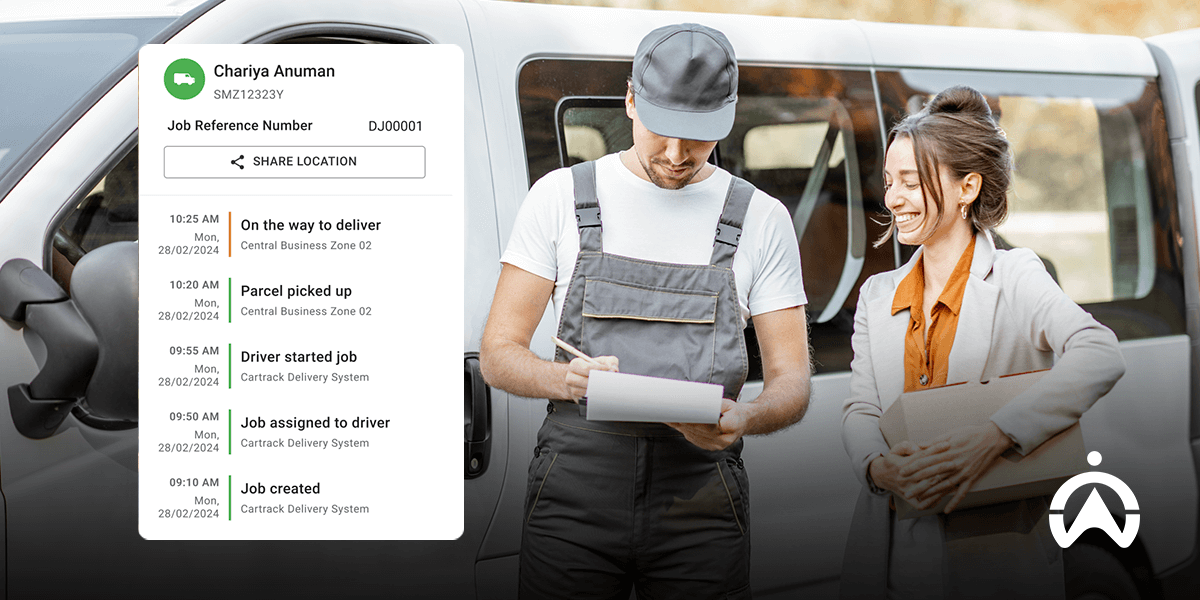
A delivery driver checks a job status on a mobile app while interacting with a customer, surrounded by a delivery van.

Route Optimisation

MiFleet offers AI-driven smart routing to reduce transportation times and fuel costs, this technology optimises all deliveries and keeps delays at a minimum. The ability to optimise delivery routes based on distance, time sensitivity, volume and driver availability is all possible with Cartrack’s system. All these features make the management of deliveries an easy process, one that can be done from the comfort of your own home thanks to the Cartrack Mobile App.

Driver Behaviour Monitoring

For an e-commerce business with an in-house set of vehicles for deliveries, driver behaviour is important. It is this factor that often plays a role in how deliveries are and the condition the packages arrive in. Monitoring speeding, harsh braking, and idling are just a few of the many metrics that can be monitored and reported with a telematics unit from Cartrack.

Monitoring these driving habits not only keeps the deliveries arriving safely but the drivers as well. Fatigue, smoking, an obstructed view and yawning are all recorded and flagged as bad habits. These are sent as alerts to the fleet manager, allowing them the chance to directly contact the driver to intervene. This intervention can be a direct call as the journey is underway or coaching provided later on once the footage has been downloaded.

Fuel Management Solutions

Cartrack’s fleet management system has tools to track and control fuel consumption, these tools can measure mileage, fuel consumption and fuel flow. Fuel is one of the largest expenses for a business that delivers directly to consumers. Curbing the fuel wastage on all fronts saves on this expense and will give the business some financial leeway.

Stolen Vehicle Recovery

With over 100,000 vehicles recovered in the last decade, Cartrack stands in a lane of its own with no other competitor providing such certainty. This high recovery number comes courtesy of our audited financials and is proof of the success of our recovery teams.

When delivering goods rapid response solutions to recover stolen vehicles and cargo are paramount. This is why getting a fleet management system that comes with this service is essential.

E-commerce is an industry that is growing globally as more and more territories adopt internet use and fintech solutions. This only means that the delivery systems and logistics in place need to be robust and carefully considered.

Camera Solutions

Camera solutions are a necessary component of fleet management in e-commerce, especially if the business is in charge of its own deliveries. Fortunately, Cartrack has AI-powered camera solutions that can be placed in up to eight different locations on a vehicle. These cameras keep your drivers safe with preventative in-cabin voice alerts that let them know about potential safety violations so they can correct them immediately.

Cartrack Delivery

Cartrack’s fleet management system has a unique value-added service that caters specifically to deliveries. It allows for the allocation of drivers, vehicles, jobs and work shifts all on one platform.

These features make it manageable to delegate work, keep track of multiple deliveries and verify when deliveries have been made. There is even a feature that allows for photographic evidence of delivery along with the signature of receipt. This is ideal for any online business that needs to manage stock and customer expectations.

As it currently stands Cartrack’s solutions are some of the best suited for this transition. If you are interested in hearing more about our offering call us to BOOK A DEMO AND GET A QUOTE TODAY.

How to Prevent Farm Equipment Theft

Farms form an integral part of the economy, both locally and globally. It is therefore very important that they remain a safe and productive space, where there is continuous and uninterrupted productivity.

The theft of farm equipment is a problem that hinders the daily operations of a farm. This is an issue as most of these tools are expensive and hard to source.

If you want to find out how to prevent farm equipment theft and how Cartrack can help resolve this issue with its GPS tracking solution, then carry on reading.

In this article, you will:

  • Learn about the threat of farm equipment theft
  • Find out how GPS tracking helps prevent farm equipment theft
  • Discover why Cartrack is the best choice for GPS tracking of farm equipment

How to Deal with The Threat of Farm Equipment Theft

A farm’s remote locations and the high value of agricultural machinery make them prone to theft, the likelihood of agricultural machinery theft is an industry issue with huge annual losses. Farms are easy targets for many criminals, mostly due to high-value equipment and how large and remote the properties normally are. Quad bikes, tractors, and 4x4s are among the most commonly stolen items, often targeted in planned thefts.

Addressing the challenges that come with stolen equipment leads to businesses incurring unexpected expenses and dealing with insurance providers.

Here are some tips to help protect farm equipment from theft:

  1. Get a GPS asset-tracking management
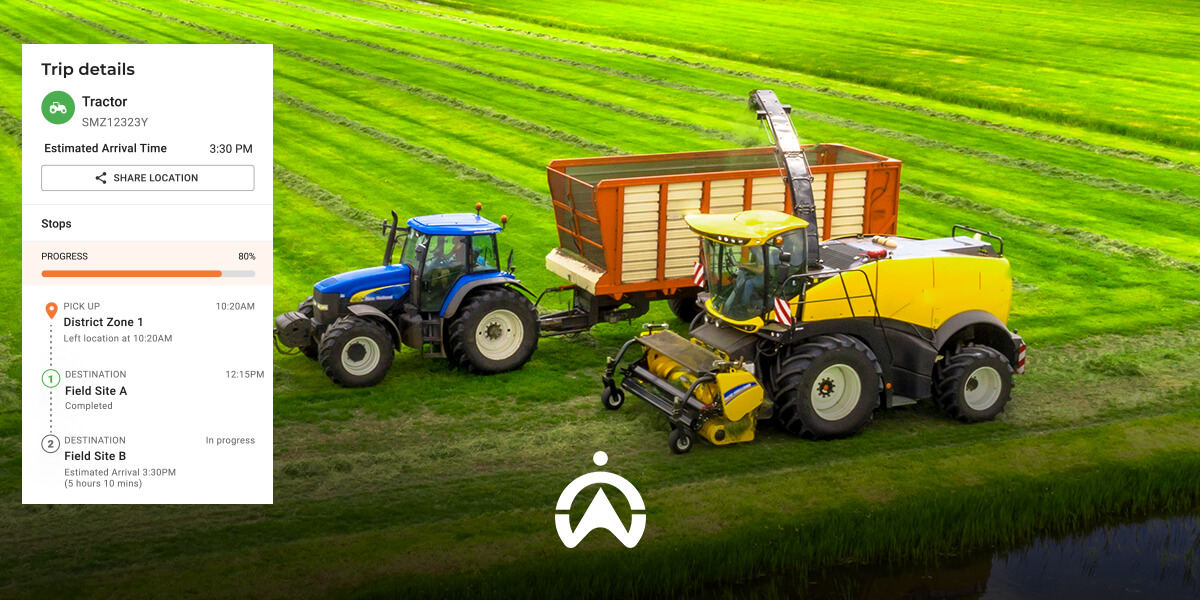
    Manually keeping tabs on all farm equipment can get daunting, especially when the amount of farm equipment is high. Getting a GPS tracking system is an easy and straight-forward solution to this problem. These units will track where equipment is and how often it is being used, alerting you when it is taken out of established boundaries.
  1. Lock equipment up in secure storage spaces
    Whether inside or in outbuildings, lock up equipment with locking bars or high-security padlocks. All the large machinery and fuel tanks should be locked up inside. Install power tools in lockable containers that are also attached to the ground or wall. Have a serial number record or log all equipment so that you can know details of equipment in case of farm thefts.
  1. Install an alarm system and security cameras
    A CCTV or video surveillance system is one of the best options to keep your property safe from equipment theft. This footage will be useful in identifying intruders and other types of criminals when law enforcement is called. Cameras that are installed at strategic places aid you in watching those areas where the most vulnerabilities are located. With home security applications, you will be able to view your property even from a remote location.
  1. Collaborate with the community
    Form a rural watch group with nearby friends and neighbours to guard each other’s properties. Note down descriptions of strangers and vehicles with license numbers, location, date, and time. This may help police track crimes in the locality.
  1. Mark equipment with unique identifiers for easy identification
    Leave a security marking on the equipment, and register them, if possible. Put your farm address on the top of your trailers so that they can be easily seen from above. Apply bright colour paint or a warning decal or symbol to the equipment to help them be easily spottable.

How GPS Tracking Helps Prevent Farm Equipment Theft

Criminals show little concern for the disruption and financial burden imposed on farmers by their crimes. This is unfortunate, especially when more traditional security measures no longer have the efficacy they used to. Criminals keep coming up with new tactics to bypass these systems, exploiting the limitations they have.

The one solution that remains, is one most are unaware of- GPS tracking. Let’s explore how it can help prevent farm equipment theft:

Real-time location tracking

With GPS tracking you get to know exactly where your machinery is at all times. This is done in real-time with great accuracy, meaning that all your machinery will always be accounted for whenever you need to check on their whereabouts. Farm equipment theft is often opportunistic, and once machinery is taken, recovering it can be nearly impossible without a proper GPS tracker.

Whether a tractor is left in a distant field or a harvester is stored overnight, a GPS tracker can provide precise location updates. This means less time spent worrying and more time focused on productivity.

Geofencing alerts

Keeping track of farm machinery spread over large areas can be challenging, but geofencing makes it easier. A good GPS tracking system will come with Geofence technology which notifies you when equipment moves outside designated areas.

This feature allows the farmer to create virtual boundaries around specific locations, such as fields, storage areas, or designated work zones. If a piece of equipment moves beyond these set boundaries, you receive an instant alert.

This proactive approach helps prevent theft before it happens. Whether an unauthorised person tries to remove a vehicle, or a machine is mistakenly taken beyond its assigned location, geofencing provides an additional layer of control, helping you intervene before a potential loss occurs.

Tamper alerts

GPS tracking technology will not only tell you where your equipment is; it also tells you when someone is messing with it. If a GPS tracker is removed, blocked, or tampered with, you will receive an alert immediately, giving you time to respond before anything goes missing.

This feature helps ensure theft does not occur and prevents a farmer’s equipment from being used unauthorised. Whether they’re opportunistic criminals or employees using the machinery off the books, tamper alerts will help keep your farm assets safe. This means less worry for maintenance costs should an attempt be made on your assets.

Theft recovery assistance

Regardless of the precautionary measures, thefts do happen. But with GPS tracking, the chances of recovery become significantly higher. Live location data means tracking your heavy equipment has never been easier, making it easier for the authorities to recover stolen assets.

Many have found this technology effective in assisting farmers in recovering tractors, trailers, and other valuable equipment mitigating great loss. Apart from reducing financial losses, farmers get a sense of assurance on the safety of their assets. Investing in GPS trackers is not just a preventive tactic but also an option for quick response in case theft does occur.

Why You Should Choose Cartrack’s GPS Tracking to Stop Farm Equipment Theft

Cartrack has a state-of-the-art GPS tracking system, that is adaptable to vehicles and equipment of all types. Our offering can work for a variety of equipment types, from tractors to generators and even mills. This means that you can have the entire farm equipment inventory covered and tracked by our GPS solutions.

The GPS tracking solutions tailored for farm security include:

24/7 real-time monitoring

Farming runs round-the-clock, and so does your heavy equipment. With Cartrack’s GPS tracking, you will receive location updates every hour of the day, giving you the pinpoint location of your assets. You will know where your machinery is, whether on active use or parked for the night.

By eliminating the guesswork from farm management, this solution lets farmers work knowing that every piece of equipment-a tractor, trailer, or irrigation pump-is being tracked live. If anything goes moves, you’ll be notified so you can take action immediately.

Movement alerts and geofencing

Your farm equipment should stay where you left it. With Cartrack’s geofencing technology, you can create zones for your machinery, ensuring that if anything moves outside those boundaries, you are instantly alerted.

Whether that is a combine harvester leaving the field after hours or a generator being illegally removed, you’ll always be in the know. These alerts allow you to intervene in good time, preventing theft and protecting your assets from unauthorised use. With live tracking, geofencing gives you the extra security you need to ensure that your valuable equipment compliantly stands where it should be. Combined with live tracking, geofencing ensures that your valuable equipment stays exactly where it’s supposed to be.

Remote immobilisation

Imagine being able to stop criminals in their tracks! Cartrack’s remote immobilisation does just that: you can shut down a piece of equipment if it is ever stolen. With this revolutionary technology, you have the upper hand in keeping stolen machinery within recovery range. In the case of theft, you can disable the vehicle’s engine, making it impossible for a criminal to restart it once it has stopped running. Doing so considerably boosts the chances of recovery while also acting as a strong deterrent against future thefts.

Detailed reports

Beyond security, Cartrack’s trackers also provide valuable insights into your farm’s operations. With detailed reports on usage, location history, and movement patterns, you can optimise equipment efficiency while ensuring that everything is being used as it should be.

These reports help you track productivity, identify unusual activity, and even assist with maintenance scheduling. If a machine is being used outside of designated hours or taken off-site without permission, the data will be right at your fingertips. Whether for theft prevention or operational management, Cartrack’s reporting tools give you full control over your farm assets.

As farms move to modernising their processes, security should also be considered in the same light. This is why GPS tracking for farm equipment is the future and is the best solution for the theft of powered and non-powered assets.

Cartrack’s innovative solutions are best suited to farmers looking to get easy, simple and effective security measures for their equipment. If you would like to learn more about our offering, then make sure to CONTACT US TO GET A QUOTE.

FAQs

What makes theft of farm equipment a big problem?

Farm equipment is low-priced in most cases, usually left in a secure area unattended, and very easy to resell, so it becomes a good target for criminals.

Who will I need to notify first between the police and Cartrack when farm equipment gets stolen?

You should contact Cartrack first so we send out our recovery team, you can then immediately contact the police. The two parties will work together to locate and recover your stolen asset.

Can GPS tracking work across borders?

Yes, Cartrack’s GPS tracking technology can locate assets beyond the borders of Tanzania if choose the cross-border tracking option.

Top 10 Fleet Management Mistakes and How to Avoid Them

Mistakes in the workplace are bound to happen, but when it comes to fleet management, one small error can cost the entire business a fortune. Many of these mistakes are caused by fleet managers prioritising certain tasks over others to meet client expectations and boost revenue. With the right technology, these mistakes can easily be avoided. In an effort to simplify things for you, we have identified ten common mistakes most fleet managers make and how to avoid them using our fleet management solutions.

In this article, you will:

  • Get a breakdown of common fleet management mistakes
  • Find out how Cartrack solutions reduce the chances of possibly making errors

Breaking down common fleet management mistakes

With all the responsibilities fleet managers have to take on, some aspects of the job may not be immediately apparent and fall into the cracks. Here are ten fleet management mistakes you could make and how to refrain from them:

Mistake 1: Overlooking driver behaviour

Many fleet managers overlook the importance of carefully monitoring drivers and their habits. Unsafe driving practices are a huge concern in fleet management and for all motorists in general. They increase the risk of accidents that could turn fatal. Bad driving habits such as harsh braking and speeding also increase fuel consumption and increase the chances of vehicle wear and tear.

How to avoid it: Use our telematics devices and AI cameras to monitor driving behaviour. Through this technology, you will get alerts and detailed reports on the behaviour of each driver. We also have a coaching platform that helps you notice recurring incidents of each driver and address them accordingly through training sessions.

Mistake 2: Neglecting preventive maintenance

The pressure to meet customer expectations and make a profit has many fleet managers postponing routine maintenance or even forgetting about it. This causes vehicle wear and tear, which leads to an increase in unexpected breakdowns, downtime, and costly repairs.

How to avoid it: Incorporate telematics tools that provide diagnostics on vehicle and asset performance. Our preventative maintenance solution provides you with data analytics that gives insight into potential issues, such as engine faults. You can also set up automated maintenance reminders so you don’t miss routine maintenance appointments. This ensures critical maintenance activities are not overlooked and that the fleet performs optimally.

Mistake 3: Overlooking compliance and regulations

Regulatory requirements cover a range of areas, from roadworthiness and hours of service to environmental standards and safety measures. Overlooking compliance requirements poses the risk of heavy fines, legal issues, and vehicle impoundment. This happens quite often in a fleet business due to managers and operators pushing to meet delivery deadlines.

How to avoid it: Make use of fleet management software features such as GPS logbooks and Driver Identification (DID) tags. These help you monitor how much time each driver has spent on the road to ensure driving limits are not exceeded and that there are enough resting periods in between. The logbook also helps you remain tax-compliant by classifying business and private trips accurately. Additionally, we also help you determine how much carbon dioxide your fleet emits by giving CO₂ reports so you can be aware of your carbon footprint.

Mistake 4: Poor fuel management strategies

Fleet managers do not always have time to focus only on fuel expenses. This leaves room for possible fuel theft, vehicle misuse, and administrative errors.

How to avoid it: Use a cost management tool such as our MiFleet software, to manage your fuel cards and overall fuel costs. This smart tool ensures that all fuel card transactions match telemetry data such as time, location, and distance travelled. Train drivers on fuel-efficient driving habits, and ensure they use DID tags once again so the fuel used on personal trips can be accounted for. Lastly, install fuel sensors such as fuel probes to get real-time accurate readings of the in-tank fuel levels.

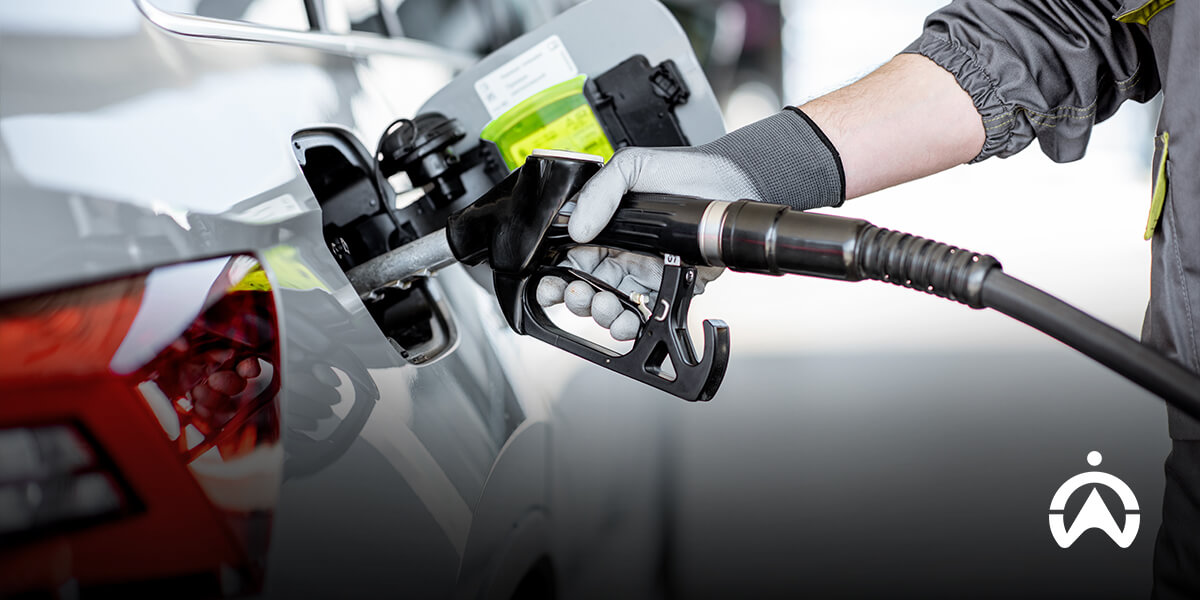
A person in a gray glove fuels a silver car at a gas station, holding the nozzle near the fuel cap.

Mistake 5: Lack of real-time vehicle tracking

Knowing where drivers are with an estimate of how long they should take is not enough. As a fleet manager, you need to see the live locations of all vehicles to spot any issues drivers encounter along the way and act promptly. Reduced fleet visibility results in higher operational costs due to low efficiency and also imposes a security risk.

How to avoid it: To improve your fleet’s visibility, invest in GPS tracking and telematics for real-time monitoring. With this, you can see if a driver spends too much time in one place or if they are following the route as planned.

Mistake 6: Not utilising fleet data for decision-making

GPS trackers, IoT devices, and sensors collect large volumes of data that give valuable insight. When the data comes from various sources, it becomes overwhelming and difficult to process. This leads to fleet managers missing the finer details of this information, which may result in misinterpretation of data and poor decision-making.

How to avoid it: It is easier to understand data that comes from one platform. Choose a fully integrated fleet management solution, make use of data visualisation tools such as the given graphs, and train staff on how to correctly interpret them. Ensure they thoroughly check reports to spot trends and patterns. Use this insight to develop strategies that will increase productivity and reduce overall operational costs.

Mistake 7: Inadequate communication between fleet managers and drivers

It is no secret that clear communication is a necessity for smooth business operations. Yet fleet managers and dispatchers overlook this factor due to how busy they can be with other tasks. This causes misunderstandings and leads to delays, lowering productivity levels.

How to avoid it: Speak to your staff more often and hold regular meetings so you can hear their pain points. Give feedback and ask if there are any new developments. Lastly, use fleet management software tools such as the two-way audio from our AI Dual Vision camera to get updates from drivers in real time and vice versa.

Mistake 8: Underestimating the importance of safety protocols

It is your responsibility as the fleet manager to ensure that drivers, vehicles, and cargo are safe on the road. For this reason, there need to be safety programs such as pre-and post-trip checklists to assess vehicle conditions. Failure to follow safety protocols will lead to accidents, legal penalties, unplanned maintenance costs, and the need for new vehicles.

How to avoid it: Foster a culture of safety in your team by creating a strict policy that applies to all workers who get behind the wheel. This policy should combine general knowledge of traffic regulations and best practices. Highlight the importance of following policies and procedures and train staff on any updated regulations. Furthermore, use our driver scorecards to rate each driver and reward those who are showing improvement.

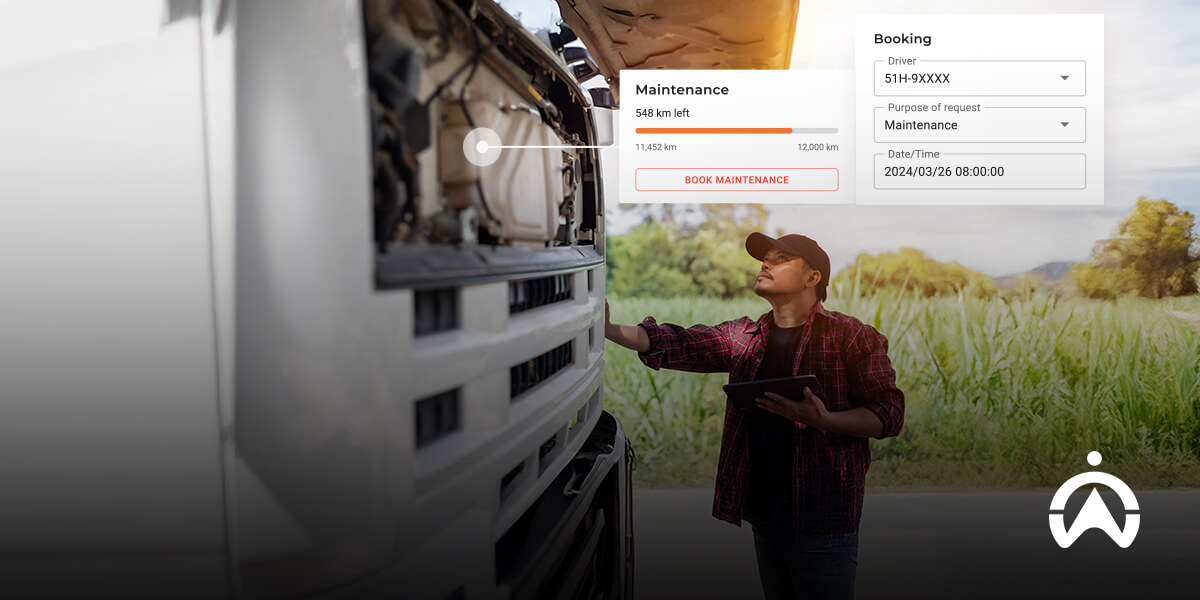
A technician inspects a truck's engine while a booking interface shows maintenance details and scheduling options.

Mistake 9: Ineffective route planning

Poor route planning increases travel time, which leads to unnecessary overtime, an increase in fuel costs, and late deliveries. The disappointment that stems from these delays creates a bigger issue which is customer dissatisfaction, leaving a dent in the brand’s reputation.

How to avoid it: Use our route optimisation software to plan your deliveries. Place pick-up and drop-off points onto the software to find the most effective routes. This technology factors in things like distance, traffic patterns, and delivery priorities to help you find the way for drivers to get to their destinations.

Mistake 10: Failing to adapt to industry changes

The adoption of fleet management software is ever-growing with the industry undergoing rapid changes. These changes are driven by technological advancements and expanded consumer preferences. Using outdated technology will cause your business to fall behind.

How to avoid it: Stay informed about industry trends and choose a fleet management software provider that is innovative and always introduces new technologies to enhance your fleet operations and boost profit. At Cartrack, we strive to give you the latest technology by developing and constantly updating our services to align with emerging fleet management solutions. With us, your business will always be in sync with new industry standards.

Avoid fleet management mistakes with Cartrack solutions

Our advanced fleet management solutions make it easier for you to navigate the business landscape. We have measures put in place to tackle each aspect of running a fleet, so you don’t miss anything essential. If you need more information, reach out to us and speak to one of our fleet consultants.

Fleet Management for the Pharmaceutical Industry

Behind every pharmaceutical delivery lies a patient waiting for life-saving medication. With lives literally on the line, the pharmaceutical industry operates under intense pressure to maintain the integrity of its supply chain.

Unfortunately, due to sensitive pharmaceutical products, the industry faces a lot of challenges; the products need to be transported in temperature-controlled containers so that the quality is not compromised. Security is also a huge factor to consider since these products are popular in the black market.

This is where fleet management solutions come in; these systems can ensure that every delivery reaches its destination safely and on time.

We will now unpack ways fleet management can be used to transport pharmaceutical products and discover how Cartrack solutions support the cold chain industry.

In this article, you will:

  • Know the importance of fleet management in the pharmaceutical industry
  • Learn key components of pharmaceutical fleet management
  • Explore how Cartrack solutions support the pharmaceutical industry

The Importance of Fleet Management in the Pharmaceutical Industry

The pharmaceutical market in Tanzania has significantly grown over the years and continues to do so. The estimated value of the pharmaceutical industry in Tanzania is approximately US$1.1 billion to US$1.2 billion, proving that it contributes not only to the health sector but also to the whole economy.

This is why efficient and reliable fleet management is important. It’s more than just getting from point A to point B; it’s about making sure that life-saving medications and vaccines arrive safely, securely, and on time.

Fleet management systems help pharmaceutical companies oversee every aspect of their vehicle operations. This includes making sure that vehicles are properly maintained to avoid breakdowns, that drivers are well trained and monitored, and that routes are optimised for speed and safety. By paying attention to these details, companies will not only reduce risks like theft and temperature control issues but will also ensure that they’re meeting strict industry regulations.

Ultimately, effective fleet management allows pharmaceutical companies to focus on their core mission, which is to provide quality healthcare products while knowing their deliveries are in good hands.

A pharmacist in a white lab coat handles a cardboard box in a dimly lit storage area filled with stacks of boxes.

Key Components of Pharmaceutical Fleet Management

The industry is quite niche; it requires proper handling and transportation; otherwise, if not handled with care, the efficacy of the products will be compromised. To avoid this, the industry will need to adopt fleet management solutions. Let’s explore the key components of pharmaceutical fleet systems:

Maintaining Compliance with Regulatory Standards

Shipping regulations are among the most critical factors to consider when distributing pharmaceuticals. These regulations are strictly enforced to protect the medical integrity and quality assurance of medicines and vaccines across the supply chain.

In Tanzania, all pharmaceutical distribution and wholesale companies must be registered and licensed by the Tanzania Medicines and Medical Devices Authority (TMDA). This ensures that every medicinal product entering, moving within, or leaving the country retains the required quality, safety, and efficacy.

Furthermore, the Pharmacy Council of Tanzania oversees the professional standards for handling these products. To comply with Good Distribution Practices (GDP) and ensure public safety, the following rules must be strictly observed:

  • Climate & Temperature Control: Temperatures must be monitored and controlled at all times—from the warehouse to the final delivery point—to prevent the degradation of sensitive medical products.

  • Sanitation & Hygiene: Vehicles must be kept in a high state of cleanliness to eliminate the risk of cross-contamination between different medicinal batches.

  • Specialized Driver Training: Personnel transporting these goods must be appropriately trained in Cold Chain Management and Tanzanian transport safety standards. Drivers must provide valid documentation proving they can maintain the cold chain within the manufacturer’s specifications.

  • Fleet Reliability: Trailers and containers must undergo rigorous preventative maintenance to avoid breakdowns on the road, which can lead to catastrophic temperature excursions.

  • Approved Transport Units: Vehicles must be specifically approved for transporting thermolabile (temperature-sensitive) pharmaceutical products. This includes refrigerated trucks, specialized vans, and sealed containers. Open-air vehicles or non-enclosed transport modes are strictly prohibited.

  • Strategic Route Planning: Routes must be mapped and assessed in advance. This planning must account for potential transit delays and Tanzania’s tropical climate to ensure that exposure to extreme temperatures is mitigated.

A fleet management system can help track all transportation activities, generating detailed delivery times, routes, temperatures, and driver performance. This data provides documentation that can be used for audits and demonstrates compliance with industry regulations.

Ensuring Safe and Temperature-Controlled Transport

To preserve their effectiveness, many medications must be transported within specific temperature ranges, often requiring cool or cold conditions.

Fleet management software has temperature sensors to ensure that vehicles maintain the desired temperature throughout the journey, ensuring product integrity and compliance with regulatory requirements.

Securing High-Value Pharmaceutical Shipments

Medication is expensive, so it is no surprise that pharmaceutical shipments are susceptible to crime.

Since there is high-level security at warehouses where the pharmaceuticals are stored, criminals are most likely to attack during transit.

A fleet management solution will ensure that fleet managers are aware of the container’s location through continuous real-time GPS tracking. Drivers will only use planned and optimised routes to ensure the safest and quickest routes, with no unnecessary delays on the way. Tools and features such as cameras and geofencing add an extra layer of security.

Three COVID-19 vaccine vials with a temperature alert, indicating 4°C, 2°C above the standard temperature.

How Cartrack Solutions Support Pharmaceutical Fleet Management

Cartrack’s fleet management solutions help businesses in various industries to meet their bottom line. The pharmaceutical industry is no different. Let’s explore ways our solutions can ensure safe transportation of medication and vaccines, helping patients get the treatment they need:

  • Temperature sensors: We can install up to four temperature sensors on your containers or trucks. This lets you monitor and maintain the temperature of your cargo throughout the whole journey. You can set up alerts for any temperature changes, helping ensure that the medication arrives in the right condition to patients.
  • GPS tracking: Through real-time GPS tracking, fleet managers will have full visibility of the shipment. They will be able to see the location of the vehicle at all times.
  • Geofencing: Fleet managers can set geofences around areas that are unsafe, such as areas that are hotspots for hijacking, and will receive instant alerts either through SMS or email if the vehicles enter these areas.
  • Driver ID tags: Identification tags help managers know which driver is driving which vehicle and at what time. This is very important in the pharmaceutical industry since only highly trained drivers who know how to deal with high-value cargo can transport medications. These tags allow managers to monitor driver behaviour such as speeding, harsh braking, and idling to hold drivers accountable for their behaviour and provide coaching if necessary.
  • Preventative maintenance: Cartrack’s preventative maintenance feature gives you real-time alerts of engine faults and automated vehicle maintenance schedules for each vehicle. This lets you know which vehicle is due for servicing, helping avoid unnecessary breakdowns and ensuring regulatory compliance.
  • Route optimisation: Our fleet software allows fleet operators to optimise routes, ensuring timely deliveries. This feature allows drivers to use the fastest routes with less traffic congestion. You will receive alerts for any deviations from these routes.
  • AI-powered cameras: Cartrack’s AI-powered cameras act as an extra pair of eyes on the road, helping operators monitor driver behaviour. These cameras can detect risky behaviours such as smoking, speeding, or mobile phone usage. Our AI dual vision cameras have a built-in speaker that will audibly alert drivers in real-time so that they can correct their behaviour and prevent an accident.
  • Cargo door sensors: You will get instant alerts if cargo door sensors detect any unauthorised movement, which suggests potential tampering. You can then contact your driver to verify if all is in order.
  • Panic button: If drivers encounter an emergency or find themselves in a compromising situation such as a hijacking, they can simply press a panic button, which will instantly send a silent alert to our control room. An operator will be in touch with the manager to investigate and provide necessary assistance.

In closing, the pharmaceutical industry experiences many challenges when transporting life-saving medication and vaccines, especially regarding temperature control, security, safety, and compliance with regulations. Pharmaceutical companies are not just regular businesses where a mistake can easily be overlooked; one mistake in the distribution of these pharma products can unfortunately claim a life. Telematics systems ensure that operations run smoothly, and that medication and vaccines are delivered safely with their quality and integrity still intact.

Contact us today to enquire about how we can help your business reach its full potential.

Frequently Asked Questions about Fleet Management

Q: Is it possible to have different temperature zones within the same cargo area, and can Cartrack monitor those zones independently?

A: Yes, it’s possible. Depending on your needs, we can set up different temperature zones inside your vehicles. We can install up to four sensors in a vehicle that report separately so that you can keep each type of medication at the right temperature, even in the same shipment.

Q: Is it possible to track multiple pharmaceutical shipments simultaneously?

A: Yes, on our web interface or mobile app, you are able to manage and track multiple deliveries all at once.

Q: Are fleet management systems scalable for pharmaceutical companies of all sizes?

A: Companies of all sizes can benefit from fleet solutions. Whether a company has a few vehicles or a large fleet, the system can be customised to match the operational scale and complexity, offering flexibility and cost-effectiveness.

Get a GPS Tracker With a Camera for Your Car Today

If you’re a car owner in Tanzania, you should get a GPS tracker with a camera for your car today! With the high crime rates, we’re all concerned about the safety of our vehicles when we park our car at the local mall, outside a friend’s house or even on our commute to work.

More and more Tanzanians are opting for a GPS tracker with a camera. It doesn’t only show where your car is but also what’s happening inside or around your car. With reliable options like Cartrack’s real-time GPS tracking, the peace of mind you’ll have is unmatched.

Key Takeaways:

  • GPS trackers with cameras give Tanzanians real-time visibility and stronger vehicle protection
  • Cartrack offers Live Vision video, fast recovery and accurate tracking
  • Camera footage helps resolve insurance claims quickly and fairly
  • Installing a tracking camera boosts safety for you, your family and your car

A GPS tracker helps—but a camera makes all the difference

A GPS tracker pinpoints your car’s location, making quick recovery and real-time monitoring a breeze. By adding a camera, you can see exactly what’s actually going on inside and around your vehicle. This extra insight boosts safety, provides evidence, supports insurance claims, and brings you peace of mind in risky situations.

What to look for when buying a GPS and camera device

When you’re shopping for a GPS and camera device, the most important factor to look for is reliability. You want a tracker that updates quickly, connects consistently, and provides accurate information whenever you check your phone. Delays or weak signals could make a huge difference during an emergency.

The camera itself needs to be high-quality, with good resolution, night vision, and wide coverage so you can capture as much detail as possible. These features help you clearly identify faces, number plates, and actions that might point to who tampered with your car.

Reliable storage is another key feature. Some devices store footage on SD cards, while others offer cloud backups. Cloud storage is ideal because footage remains safe even if the device is removed or damaged. This ensures you won’t lose valuable evidence when you need it most.

Tanzania can sometimes have unique connectivity challenges, so the device must work well with local mobile networks. A trusted provider like Cartrack ensures strong, consistent signal performance for accurate real-time tracking in both urban and rural areas.

We also recommend getting a professional to install your device for the best discreet positioning and tamper-proof wiring. When it’s set up correctly, thieves are much less likely to spot or disable it, which means you’ll enjoy better long-term protection and functionality.

Checklist for choosing the right tracker

  • Real-time GPS tracking
  • High-resolution camera with night vision
  • Tamper alerts
  • Cloud or large-capacity storage
  • Reliable mobile app
  • Strong network connectivity
  • Professional installation
  • Local support and monitoring

The benefits of combining a GPS tracker with a camera

The biggest and most immediate benefit a GPS tracker with a camera provides you with is peace of mind. With a GPS and surveillance system combo, you’ll always know where your car is and what’s happening around it. That alone can reduce quite a bit of stress, especially when you depend on your car daily.

One big advantage is deterring theft. Many criminals will think twice about stealing a car with a camera, as they don’t want to be caught on tape. For those who still take the risk, you’ll have recorded footage to aid in recovery.

So, if the worst happens and your car gets stolen, you’ll have both tracking and video evidence to help the police or recovery teams act quickly. With services like Cartrack, you get dedicated 24/7 recovery support that significantly boosts your chances of getting your vehicle back.

Another benefit is the long-term financial savings that come with it. By preventing theft, reducing insurance hassles, and improving recovery chances, the tracker pays for itself. It’s an investment that saves money, time, and stress over the years.

A driver in a suit holds the steering wheel, with camera with GPS tracker mounted on the windshield capturing the view ahead.

Why choosing a trusted provider matters

Choosing a trusted provider matters, because either the badly assembled device or the unstable platform will fail in that very moment when it’s needed. Ultimately, you should choose a provider you can trust because, in reality, the quality of your tracking and camera depends a great deal on the reliability of service.

Cartrack has earned its reputation for reliable real-time GPS tracking, tamper alerts, robust uptime, and a user-friendly mobile app tailored for the Tanzania market. Our system is built to handle local network fluctuations, weather conditions, and real-world safety challenges.

Professional support is needed too. With Cartrack, besides getting the device itself, you have access to trained installation technicians, 24/7 customer support, and even a dedicated stolen vehicle recovery team. All these services combined offer more protection compared to buying a device from an online store.

Make sure you ask about the technology each provider uses, from the installation process and response times to recovery rates and whether they offer cloud storage. The more transparent they are, the more confident you’ll feel in your choice.

A trusted provider isn’t just selling a device; they’re selling reliability, protection, and support. That’s why investing in the right partner like Cartrack makes all the difference.

The reality of car theft in Tanzania

The unfortunate reality of car theft in Tanzania is that thousands of vehicle owners have to face it each year. It doesn’t matter where you are in the country; the risk of theft is high and unpredictable.

Thieves don’t just operate at night; car thefts, break-ins, and hijackings can happen at any time of the day. They’re becoming more organised and bold, targeting busy shopping centres, public parking lots, and even gated communities. It’s no longer enough to just lock your doors or set your alarm.

Another thing is that losing your car takes a massive emotional toll, especially when it affects your ability to get to work, school, or other important appointments. And when you factor in the financial strain of excess payments, insurance delays, and unexpected transport costs, it becomes clear why extra security is essential.

The impact of car theft lingers long after the incident. You might spend days or weeks trying to recover your vehicle, redo paperwork, or deal with insurance disputes. No one wants to waste their valuable time and energy when a reliable tracking solution could have prevented the loss in the first place.

Typical use cases in Tanzanian context

1. Everyday commuters

If you’re one of those people who parks at busy malls, in town, or in office basements, you probably know just how unpredictable these areas can get. By having a GPS tracker with a camera attached, you can keep an eye on your vehicle at all times—even when you’re in a meeting, shopping, or at the gym.

2. Work bakkies and company cars

Work vehicles often carry tools, equipment, and valuable goods, making them the number one targets for thieves. With a camera and GPS system, you can monitor your bakkie’s movement and also capture footage when someone tries to break into it. It’s an essential investment for protecting your livelihood.

3. Long-distance and holiday travel

Tanzanians often travel far between regions, towns, and holiday destinations. When your car is parked outside a hotel or unfamiliar neighbourhood, you’d want reassurance that everything is safe. A tracker with a camera gives you that security no matter where you are.

4. Family cars

Families are reliant on their cars for school runs, commutes to work, emergencies, and weekend plans. Real-time monitoring helps to protect the family members and the car itself. Whether your teen is borrowing the car or your partner is on a late shift, you’ll feel more at ease knowing they’re safe.

Tips for using your GPS and camera smartly

Having tips on how to use your GPS tracker and in-car camera in a smart way will help keep you safer, capture clearer footage, and leverage real-time alerts. Simple things such as placing your camera correctly, frequent alert checks, updating your app, and reviewing stored footage will go a long way to enhance your all-round visibility and protection.

Smart tips include:

  • Place your camera for the widest possible cabin or road view.
  • Regularly test your live feed to ensure the angle and clarity are appropriate.
  • Set up custom alerts for movement, speed, or tampering.
  • Keep your Cartrack app updated to ensure all features continue to run smoothly.
  • Take an occasional look at your cloud-stored footage to confirm that important clips save correctly.
  • Set up geofences to alert you when your car enters or leaves certain areas.
  • Keep your device clean and dust-free to ensure clear footage at all times.

How a GPS tracker with a camera can help your insurance

Did you know that having a GPS tracker with a camera can help lower your insurance? This is because having this combo can provide evidence in proving or disproving whose fault an accident was, and it helps in recovering your vehicle if it gets stolen.

Lower premiums over time

Insurance companies love drivers who can supply real-time data and footage. With clear video evidence and accurate tracking, you’re often seen as a lower risk, which can lead to better premiums in the future.

Quicker claims

Video footage fast-tracks accident or theft investigations on the part of insurers because they don’t have to depend on statements alone. It’s much clearer and faster with a clip or even just a screenshot.

Should You Get a GPS Tracker with a Camera Today?

So should you get a GPS tracker with a camera? If you live in Tanzania… yes. Between high theft numbers, daily road risks, and expensive insurance claims, adding camera-enabled tracking is one of the best ways to protect your car, your family, and your finances.

And if you choose Cartrack, you get…

  • 24/7 Stolen-Vehicle Recovery
  • Live Vision video streaming
  • Instant movement and tamper alerts
  • Reliable location accuracy
  • A powerful, user-friendly app

Person holding a smartphone with Cartrack app showing map connected to a GPS tracker with a camera for a car.

Why Cartrack is Tanzania’s top choice

Cartrack Tanzania is the top choice because we go beyond basic tracking. Enjoy real-time GPS accuracy, Live Vision camera access, 24/7 stolen-vehicle recovery, and a user-friendly app designed specifically for Tanzanian drivers. People across the country trust us for our reliability, quick response times, and top-notch recovery success.

Fastest recovery rate in the country

With its real-time GPS accuracy and dedicated recovery teams, Cartrack continues to boast one of the highest stolen-vehicle recovery rates in Tanzania. This is a huge reassurance in a high-risk country like ours.

Live Vision gives you eyes on your car

Most tracking companies only give location data, but Cartrack gives you real video visibility. This lets you monitor your car like never before and stay connected from anywhere.

User-friendly app experience

The simple, visual, and easy-to-understand design of the platform makes this possible without requiring a technical mindset. The idea is that you can access everything with just a few taps.

What to expect from a GPS tracker installation with a camera

When you book a GPS tracker with a camera installation, you should expect a quick and professional process (especially if you’re booking it with Cartrack). Technicians fit the device securely, position the camera for perfect visibility, and test everything with you. It should be simple, clean and usually done in less than an hour.

Quick professional installation

Cartrack’s technicians install your device professionally, ensuring the angle of the camera, wiring, and setup are perfect. It’s a neat and clean installation that doesn’t tamper with the electronics of your car.

Testing and setup

Once it’s installed, you’ll be shown how the Live Vision and GPS tracking work, how to use the app, and what alerts you can customise. It’s simple and quick to learn.

Conclusion

In a country where vehicle crime is a daily struggle, car alarms and old-school methods just won’t cut it. A camera GPS tracker gives you powerful visibility and instant alerts, letting you take charge of your car’s safety from anywhere in the world.

With real-time tracking and live or recorded footage, you gain a massive edge in preventing theft, recovering your vehicle, and handling insurance claims. It’s one of the smartest, most practical investments you can make as a Tanzanian driver today.

If you’re after that extra layer of protection, peace of mind, and control, now’s the perfect time to dive in. Discover Cartrack’s real-time GPS tracking solutions here!

FAQs

Does the GPS tracker with a camera drain my car battery?

No, the GPS tracker with a camera shouldn’t drain your car battery. Modern tracking devices like Cartrack’s are made to use very little power and won’t interfere with your car’s electrical system. They’re professionally installed, which means everything’s wired safely and efficiently to avoid unnecessary battery strain.

Does the camera record either at night or in low light?

Yes, a camera can record either at night or in low light. But only the most high-quality tracking cameras, like those in Cartrack’s Live Vision range, have low-light or infrared capability. That means you’ll get clear cabin or road footage even when parking in dim areas, garages, or poorly lit streets.

Can I view my car’s camera footage while I am overseas?

Yes, you can view your car’s camera footage while you’re overseas, provided you have internet access. You can open your Cartrack app and instantly stream footage or check your car’s location from wherever you are in the world. Your view is not limited by distance or country borders.

Predictive Maintenance: How to Reduce Unplanned Downtime

In this day and age, with rapid business development and steep competition, your fleet or machinery’s working condition is a vital factor to consider. For most companies, unplanned downtimes are costly, with challenges such as lost productivity and repairs.

Predictive maintenance is the most important way to cut unplanned downtime, optimise fleet management, and generally improve operational performance. This innovative approach focuses on advanced technology along with data-based insights to foresee incidents from the beginning and keep the assets performing at their top condition while causing minimal disturbances.

In this blog we learn about how predictive maintenance can help you get real-time vehicle diagnostics and establish effective maintenance plans for your fleet.

In this article, you will:

  • Learn about predictive maintenance
  • Discover the impact predictive maintenance has on fleet operations
  • Find out why Cartrack is the ideal partner for predictive maintenance solutions

What is Predictive Maintenance and How Does It Work?

Predictive maintenance uses data analysis to identify operational issues and potential equipment defects, enabling timely repairs before failures occur. It aims to minimise maintenance frequency, avoiding unplanned breakdowns and unnecessary preventive maintenance costs.

Core Principles of Predictive Maintenance

Predictive maintenance relies on various technologies in order for it to work effectively, these include:

  • The Internet of Things (IoT)
  • Predictive analytics
  • Artificial intelligence (AI)
  • Connected sensors

These components gather data from assets such as machinery and equipment. Here is how the components of predictive maintenance work:

Data Collection:

  • Components gather data from assets (machinery, equipment).
  • Data is collected in the cloud within an AI-enabled EAM or CMMS.

AI Analysis:

  • AI and machine learning analyse data in real-time.
  • This analysis provides an understanding of the equipment’s current condition.

Defect Detection & Alerting:

  • Alerts are triggered for potential defects.
  • Alerts are delivered to the maintenance team.

Predictive Capabilities:

  • Machine learning algorithms predict future equipment conditions.
  • Enables efficient maintenance workflows (scheduling, labour, parts).

Continuous Improvement:

  • Increased data collection leads to more insights and better predictions.
  • Provides confidence in optimal equipment performance.

Mechanic in overalls rolling a large tire with a blue truck in the background.

Data Sources in Fleet Predictive Maintenance

In predictive maintenance, it is only through rich and accurate data that problems can be predicted before they bring about unexpected downtime. With Cartrack’s advanced and effective fleet management solutions, we exploit different sources to give a complete picture of how a vehicle performs. This data is acquired in real-time through telematics devices, sensors, and onboard diagnostics, enabling fleet managers to monitor critical metrics and get alerts for potential problems. Below are some of the critical data sources for effective predictive maintenance:

  1. Engine Health
    The heart of any vehicle is its engine, and one needs to ensure that such components are monitored in order to avoid any chances of failure. Control actions regarding engine temperature, oil pressure, fuel consumption, and engine loading make it possible to flag early evidence of crisis. Take for example increased temperature in the engine or abnormality in oil pressure which can indicate possible failures in the cooling system or oil leak respectively. All these are parameters that are monitored continuously by the telematics systems from Cartrack, thus supplying fleet managers with real-time information regarding the times when engine health begins to decline, making timely action possible before more severe damage occurs.
  2. Braking Patterns
    Brakes are the most important safety feature in a vehicle. Worn-out or non-efficient brakes often lead to fatal accidents and very expensive repairs. Monitoring braking behaviour, including braking force, frequency, and response time, will help in identifying potential problems at an early stage. For example, excessive braking, especially sudden or hard braking, can lead to defective brake pads or adversely affect systems linked to brake fluid. With the help of Cartrack’s telematics system, fleet managers can track and analyse braking behaviour, thus providing an analysis that could lead to action being taken.
  3. Fuel Efficiency
    A drastic drop in fuel economy could be indicative of problems related to the engine, under-inflated tyres or a dysfunctional fuel system. Constant monitoring of average fuel consumption over time can help identify and address inefficiencies, which can accumulate into significant costs. Cartrack tracks a vehicle’s fuel usage in real-time so that fleet managers can study patterns on fuel consumption. This is then used when planning routing, optimising driving behaviour, and in case of any mechanical problem affecting fuel efficiency.
  4. Tyre Wear
    Tyres have a great deal to do with the safety and performance of a vehicle, factors to consider include varying forms of wear such as excessive and uneven tyre wear. These could indicate misalignment, improper inflation, or some other mechanical failure. Monitoring of tyre pressures as well as tread volumes informs when tyres will have reached the replacement service level. Cartrack has sensors that continuously monitor tyre health and notify fleet monitoring personnel when the pressure reaches below optimal levels or physical wear patterns indicate a need for replacement. By having early prevention measures in place, it will minimise blowouts and improve safety.

Why Predictive Maintenance Matters for Fleet Businesses

Predictive maintenance matters most to fleet businesses because of the cost reduction it brings. Another main reason is that efficiency increases since vehicles will rarely have downtime due to repairs. Most importantly it makes driver safety that much more possible as the vehicles will almost always be in top condition.

The Impact of Predictive Maintenance on Fleet Operations

Predictive maintenance has had a massive impact on the fleet management industry. Fleet managers can now foresee many issues that would otherwise affect fleet performance. Many benefits have come from this way of planning maintenance, let’s have a look at some of them.

Key Benefits of Predictive Maintenance

Minimising downtime and repair costs is the biggest benefit of predictive maintenance. The early services of vehicles mean that repairs are reduced and in some cases completely removed.

Another benefit is prolonging vehicle lifespans and improved asset utilisation. When vehicles are repaired early it means that they will have significantly reduced downtime and are not likely to break down randomly, maximising operational time.

Reducing fuel waste is a byproduct of optimally functioning vehicles. An engine that is working well and in good condition is more fuel efficient than one that isn’t. This means that fuel costs can be expected to go down overall. An added benefit is the reduced environmental impact from the reduced fuel use.

Operational Efficiency

Operational efficiency is the biggest advantage of predictive maintenance as it allows better planning for vehicle availability. It becomes very easy to manage vehicles when very few of them are in maintenance or getting a service. Smarter resource allocation with accurate maintenance scheduling will be the norm moving forward.

Cartrack: A Game-Changer in Predictive Maintenance

Cartrack is a provider of advanced telematics solutions for fleet management, the services include GPS tracking, vehicle diagnostics, and vehicle data analytics. This is all provided both in real-time and in scheduled reports. These features all assist in predictive maintenance, here’s how.

How Cartrack Enhances Predictive Maintenance

Cartrack’s telematics technology detects performance anomalies and warns well in advance about potential critical issues. The management software then gives actionable insights to operators on how to resolve each vehicle’s issues, thus reducing unplanned downtime and ensuring that vehicles remain operational.

Fleet managers that use a Cartrack platform, are able to:

  • Monitor the entire fleet’s KPIs.
  • Get predictive alerts on components that are nearing failure.
  • Evaluate historical data to anticipate future maintenance activities.
  • Schedule maintenance activities based on data-driven insights.
  • Prevent unnecessary fuel consumption.
  • Improve driver behaviour and route optimisation.

Features of Cartrack Solutions

At Cartrack, we pride ourselves on offering a comprehensive suite of features designed to enhance the effectiveness of predictive maintenance, improve fleet management, and ultimately reduce unplanned downtime. Our solutions are built with flexibility, reliability, and real-time data at their core, ensuring that fleet managers have all the tools they need to keep their vehicles operating at their best. Here are some of the standout features that set Cartrack apart:

  1. Customisable Maintenance Schedules and Automated Reminders
    Cartrack understands that each fleet has unique needs, which is why we offer customisable maintenance schedules tailored to your specific fleet profile. Our system takes into account the type of vehicles you operate, their usage patterns, and manufacturer recommendations, ensuring that maintenance is scheduled at the optimal time for each asset. Furthermore, we provide automated reminders for scheduled maintenance tasks, such as oil changes, tyre rotations, or filter replacements. These reminders are delivered via email or the Cartrack mobile app, ensuring that no important maintenance task is overlooked.
  2. Proven Results in Reducing Downtime and Saving Costs
    Cartrack’s predictive maintenance technology has consistently delivered tangible results in reducing unplanned downtime and lowering maintenance costs for fleets of all sizes. By providing accurate, real-time data on vehicle health, we enable businesses to shift from reactive maintenance strategies to a more proactive, data-driven approach. Our predictive insights allow fleet managers to address small issues before they escalate, preventing costly breakdowns and repairs.

    Our customers have reported significant improvements in both vehicle uptime and cost savings through Cartrack’s predictive maintenance solutions. By preventing unexpected repairs and optimising maintenance schedules, businesses can reduce repair costs, extend the lifespan of their assets, and improve fleet performance.

  3. Real-Time Alerts and Predictive Insights
    Cartrack’s advanced alert system offers immediate notifications when a vehicle requires attention. This helps ensure that issues are addressed before they result in a breakdown. Whether it’s an engine anomaly, a critical component failure, or unusual driving behaviour, fleet managers receive predictive alerts through the Cartrack app or other communication channels. These insights enable a proactive approach, allowing for quick fixes or the adjustment of maintenance schedules to avoid disruptions.

    With Cartrack’s real-time alerts and insights, you can stay ahead of potential problems and significantly reduce the risk of unplanned downtime.

  4. Data-Driven Performance Optimisation
    Cartrack’s system also provides performance analytics that go beyond predictive maintenance. By monitoring trends in fuel efficiency, driving patterns, and vehicle health, fleet managers can identify inefficiencies and make data-driven decisions to improve overall fleet performance. Optimising routes, adjusting driving behaviour, and managing fuel consumption not only contribute to vehicle longevity but also enhance operational efficiency and reduce costs across the fleet.
  5. Comprehensive Reporting and Fleet Insights
    Cartrack’s platform offers comprehensive reporting tools that allow fleet managers to track and analyse data on all aspects of fleet performance, from maintenance schedules to fuel consumption. These reports can be customised to your specific needs, offering detailed insights into the health and status of each vehicle. With Cartrack, you can track the progress of maintenance tasks, compare fleet performance over time, and gain a deeper understanding of which vehicles or components are most likely to require attention.
  6. 24/7 Vehicle Monitoring
    One of the key advantages of using Cartrack’s telematics system is our round-the-clock vehicle monitoring. Our platform continuously collects and analyses data from all vehicles in the fleet, providing real-time insights into their performance, condition, and location. This 24/7 surveillance ensures that fleet managers are always informed, whether they are on the go or managing their fleet from the office. With Cartrack, fleet operators can detect issues as they emerge, allowing for immediate action to prevent failures and keep operations running smoothly.

Worker in overalls presenting a laptop screen displaying service reminders.

The Future of Predictive Maintenance

The evolution in technology is going to continue to open the door wider for predictive maintenance. Future breakthroughs promise ever more intelligent machine learning algorithms, tighter integration of Internet of Things (IoT) devices, and more in-the-moment monitoring capabilities. Thus enabling companies to achieve more precise predictions on failures and the improvement of operational efficiencies.

Predictive maintenance, in short, is a drastic shift in strategy for an organisation with a fleet of vehicles or heavy equipment. For organisations trying to remain competitive, predictive maintenance is no longer optional but rather a strategic need. To optimise fleets, reduce unplanned downtime, and boost productivity Cartrack’s advanced telematics solutions are the best way to go.

Cartrack is at the forefront of this technological evolution to make businesses shine with smarter, safer, and cost-effective fleet management practices.

Contact us today to learn more about how Cartrack can help you and your fleet stay ahead of the curve.

FAQs

What is the ROI of predictive maintenance?

The ROI depends on factors like the industry, equipment complexity, and implementation scale. However, businesses typically see significant savings through reduced downtime, lower repair costs, and enhanced operational efficiency.

Can small businesses implement predictive maintenance?

Yes, with the increasing affordability of IoT devices and scalable cloud-based platforms, even small businesses can leverage predictive maintenance to improve efficiency and reduce costs.

How does predictive maintenance differ from preventive maintenance?

Predictive maintenance relies on real-time data to predict failures and act just in time, whereas preventive maintenance follows a fixed schedule based on time or usage, regardless of equipment condition.

What industries benefit most from predictive maintenance?

Predictive maintenance is widely used in industries like manufacturing, transportation, energy, healthcare, and utilities—where equipment reliability and uptime are critical.