
Roadworthy Test Checklist: What You Need to Know

Keeping your car running smoothly on the road requires regular maintenance. The more you let things slide, the more the damage to your vehicle, and eventually, it might not be good enough to use or sell to anyone.

One way to check the condition of your car is through a roadworthiness test, and we have compiled a checklist that will help you pass the test.

This blog will discuss everything you need to know about roadworthiness and how Cartrack solutions help you stay compliant on the road.

In this article, you will:

  • Learn what a roadworthy test is
  • Find out what should be in your roadworthy checklist
  • Discover how Cartrack can help keep your vehicle roadworthy

What is a roadworthy test?

A roadworthy test, also known as a roadworthy inspection, determines whether the vehicle is safe to drive or not. Every new or used vehicle in Tanzania needs to pass a roadworthy test before it can be licensed in the new owner’s name. The inspection is administered by a trained and registered technician, whose job is to ensure the vehicle is safe to use on the road. A roadworthy test can be done at a public or private testing station. Once completed, the vehicle owner will get a certificate that is generally valid for 60 days.

A vehicle that is roadworthy is less likely to have breakdowns, which reduces the risk of accidents. For this reason, the roadworthiness test is a legal requirement to ensure that a vehicle meets the safety standards set by the Tanzania Bureau of Standards (TBS). Every vehicle owner must take responsibility for maintaining his or her vehicle regularly. Failing to keep a car roadworthy can also result in fines or penalties if caught by traffic enforcement.

A roadworthy test must be done every time a vehicle changes ownership. If your vehicle is used for public transport or is a heavy-load vehicle (excluding buses), you must take it to be tested for roadworthiness every year before you renew your licence.

The roadworthy checklist every driver needs to know

So how do you know if your car is roadworthy? Well, here are the basic criteria for roadworthiness in Tanzania:

  • Identification: The engine number and the vehicle identification number (VIN) must match those on the registration document. There should be no signs of tampering on any of the vehicle identifiers. If the engine has been changed, all associated requirements must be in place and logged on to the National Traffic Information System.
  • Braking system: This is one of the most critical safety components in any vehicle because reduced braking efficiency can cause fatal accidents. The owner’s manual for your car should give you an idea of how often you need to replace your vehicle’s brake pads. When preparing for a roadworthy test, you not only need to check the brake pads but the disc and brake fluid levels as well.
  • Suspension and steering: The suspension system is there to maximise the friction between the tyres and the road surface. This helps stabilise the vehicle and makes it possible for the car to handle bumps and dips on the road. It consists of various parts, such as shock absorbers and coil springs, that all play a part in maintaining stability on the road. A car’s steering wheel is also closely tied to the health of its suspension system. Inspectors check the steering wheel and the linkage between the wheel and the rest of your car. Your wheels must be aligned to specifications, and the undercarriage must be free of rust and leaks.
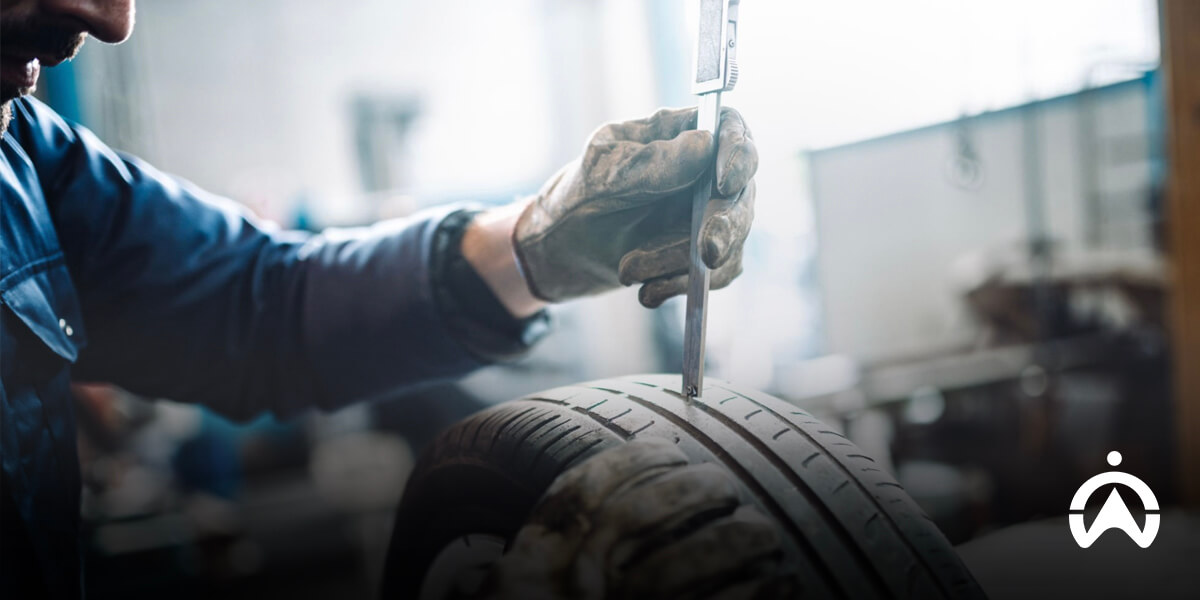
  • Tyres and wheels: Tyres must be the correct size and in good condition; this includes the spare wheel. They should be inflated to the proper pressure and must have a tread at least 1.6mm deep. There should not be any cuts, bumps, or any other form of damage. If your tyres fail the inspection, you will need to have them repaired or replaced before your vehicle can be deemed roadworthy.
  • Lights and basic electrics: All lights must work independently and correctly; this includes headlights, fog lights, brake lights, and indicators. They must be securely fitted, with no signs of water leaking into any of them. Also, check for loose or exposed wiring and that all battery clamps are there.
  • Exhaust and emissions: Check if emission levels meet regulations. There should be no leaks, excessive smoke, or noise coming from the exhaust.
  • Engine and transmission: Your car’s engine should not have any leaks or damage. The engine and transmission mountings must be intact. Additionally, there should be no loose or damaged wirings, and the transmission must be in good working order.
  • Bodywork: Inspectors will also conduct an interior and exterior check on your vehicle. The chassis should not show any sign of weakness and the undercarriage must be free of rust. There should be no structural damage that can cause injury to pedestrians or cyclists. Ensure that all doors, mirrors, and bumpers are secure and correctly positioned and that all of your reflectors are intact.
  • Windscreen and windows: There should be no cracks on the windscreen or any sort of damage obstructing the view. At least one correctly functioning windscreen wiper must be fitted; all windows must open and close properly.
  • Seatbelts and interior safety features: All seatbelts must be fastened and released with ease, with no cuts or damage. Seats must be securely in place. The odometer, hooter, and speedometer must also be in working order.
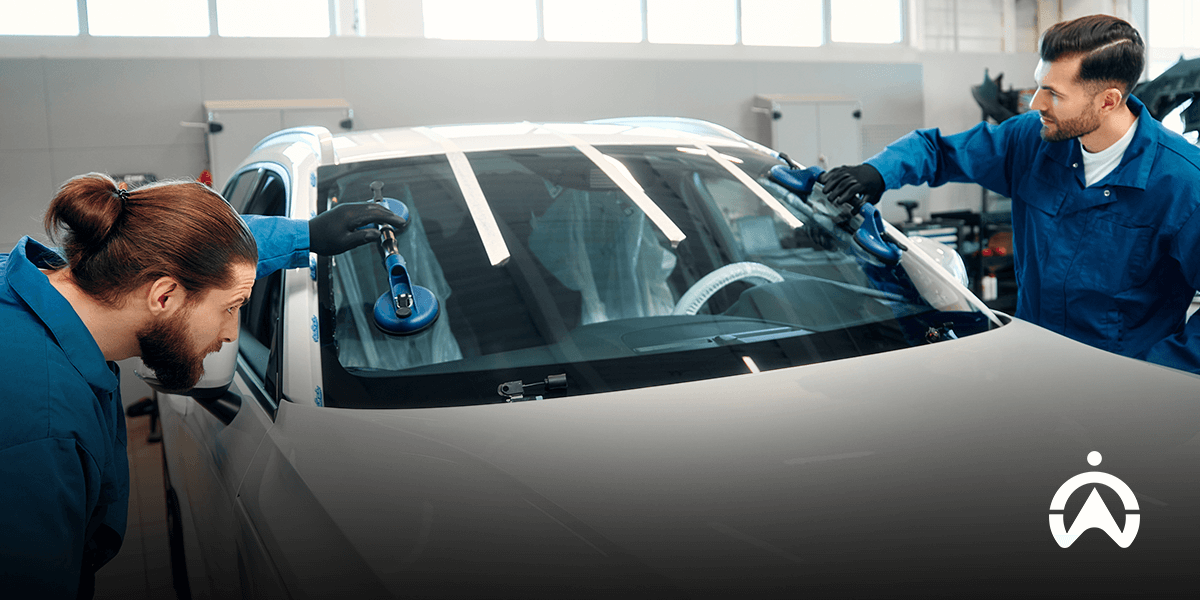
Two technicians repairing a car windshield in an auto shop.

What happens if your vehicle fails the roadworthy test?

If you fail the roadworthy test, you will be given 14 days to fix any defects identified. Once done with the repairs, you must return for a retest to ensure the issues have been addressed. If you fail to complete the repairs within 14 days, you will have to undergo a full inspection from scratch.

How Cartrack solutions help you stay on the road

To ensure that your car remains roadworthy, you need to take care of it on a daily basis. This means improving your driving habits in order to reduce the chances of accidents and vehicle damage. Cartrack not only specialises in location-based tracking; our advanced device also keeps a record of your driving habits. You can log on to the Cartrack mobile app or website to get a full view of driving that could increase vehicle wear and tear, such as speeding, harsh braking, and harsh cornering.

Cartrack also has value-added services that are there to assist you in maintaining or replacing certain car parts, such as:

  • Battery replacement
    If you need a new battery for your vehicle, you can contact your service agents to get a quote and make arrangements. Just like the tyre service, battery replacements are done either at your home or at one of our fitment centres.
  • Roadside assistance
    Immediate repair prevents further damage. Cartrack’s roadside assistance is a value-added service that comes to the rescue when ever you encounter issues on the road such overheating and, flat tires, and battery problems, reducing the risk of further damage.

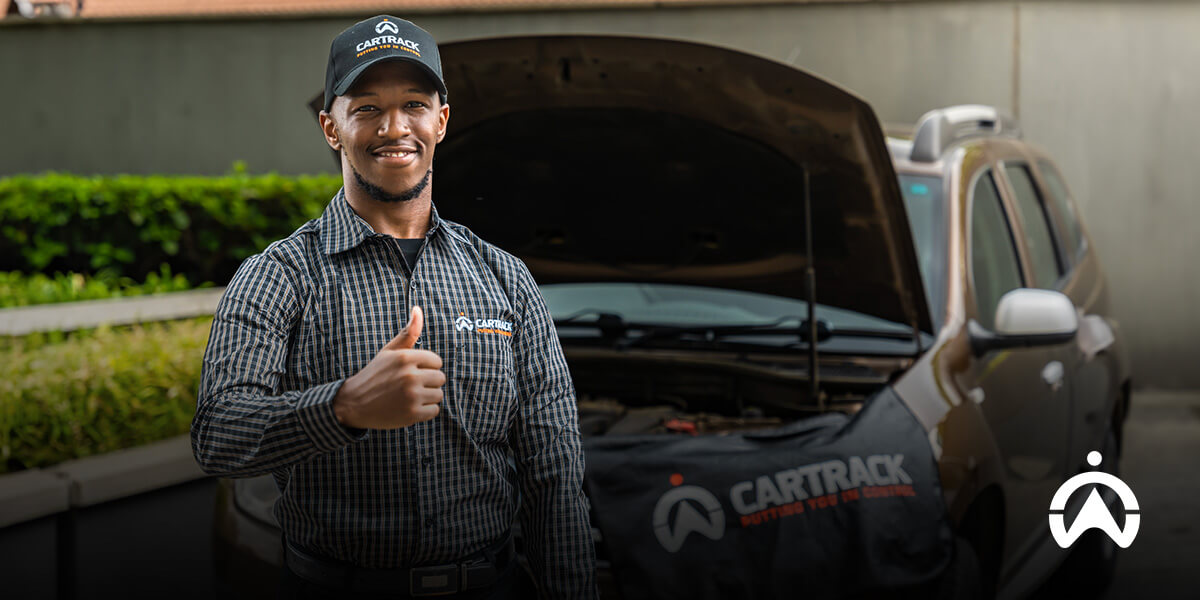
Person holding car keys near a vehicle while giving a thumbs-up gesture.

Keep your vehicle in top shape with Cartrack

Secure your car and keep it roadworthy with Cartrack’s value-added services. Choose a plan that works best for you and enjoy the benefits. Cartrack specialises in stolen vehicle recovery but also caters to almost all your vehicle needs. Join us today and have one less thing to worry about.
What Are 10 Ways to Save Fuel?

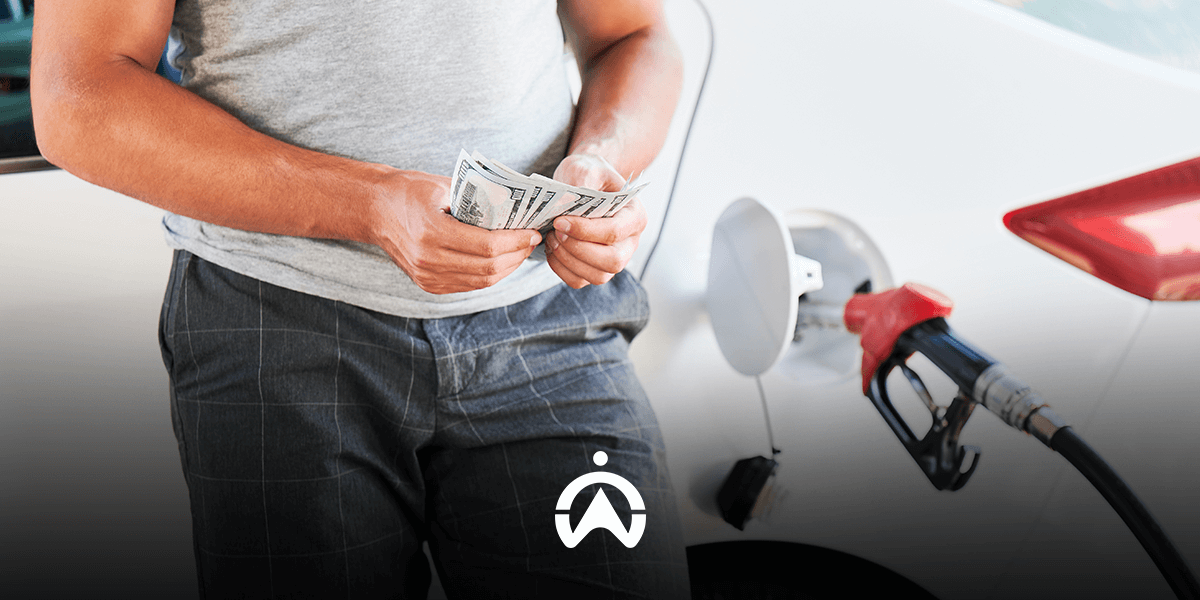
The cost of fuel is a regular concern for many vehicle owners, especially with fuel prices fluctuating numerous times. Planning for this cost has come with some challenges which have made it hard to keep fuel costs low. Many vehicle owners are feeling the pinch and eagerly looking for different ways to save on fuel.

In this article, let’s explore ten simple ways you can start saving on fuel and how Cartrack can help you keep track of your fuel consumption.

Let’s dive in.

In this article, you will:

  • Discover 10 ways to help you save fuel
  • Learn how driving habits and vehicle maintenance impact fuel usage
  • Find out how Cartrack’s mobile app can help you save on fuel cost

10 Ways to Help You Save Fuel

Changing your approach to how you care for your vehicle is an effective way to save on fuel, these can range from adopting new driving behaviours to regular vehicle checkups. Learn these ways to make fuel wastage a thing of the past.

Here are ten effective ways to save fuel:

1. Adopt Efficient Driving Habits

Saving fuel starts with how you drive your vehicle. When a vehicle’s speed increases, the car experiences more drag (air resistance). This occurs when the force from the resistance causes the engine to work harder to accelerate which burns more fuel. By incorporating a more moderate driving speed, which is normally between 65-90 km/h, your vehicle will experience less drag as it moves.

Other practices include avoiding congested roads that lead to idling and keeping your rev per minute constantly around 3000rpm while driving. Another efficient driving habit to adopt is avoiding frequent lane changes and abrupt stops in stop-and-go traffic.

2. Use engine braking and drive in higher gears

Engine braking and driving in high gear is an underutilised method for driving that many drivers don’t consider when trying to save fuel. Engine braking is when you take your foot off the accelerator pedal and allow the engine to slow the vehicle down. This can be incorporated instead of using the brake pedal when you’re getting close to a traffic light or stop sign. Less fuel is consumed because the engine is allowed to slow the vehicle down, using less brake power to stop it.

3. Opt for fuel-efficient vehicles

If you are thinking of buying a new car, it is best to choose the type that is fuel efficient, such as vehicles with small engines or hybrid cars. These vehicles were designed to provide an excellent driving experience while using less fuel.

There are a few things to consider when looking for a fuel-efficient vehicle, such as fuel consumption rate, engine size and weight. Lighter cars and smaller engines burn less fuel and can maximise your fuel savings over time.

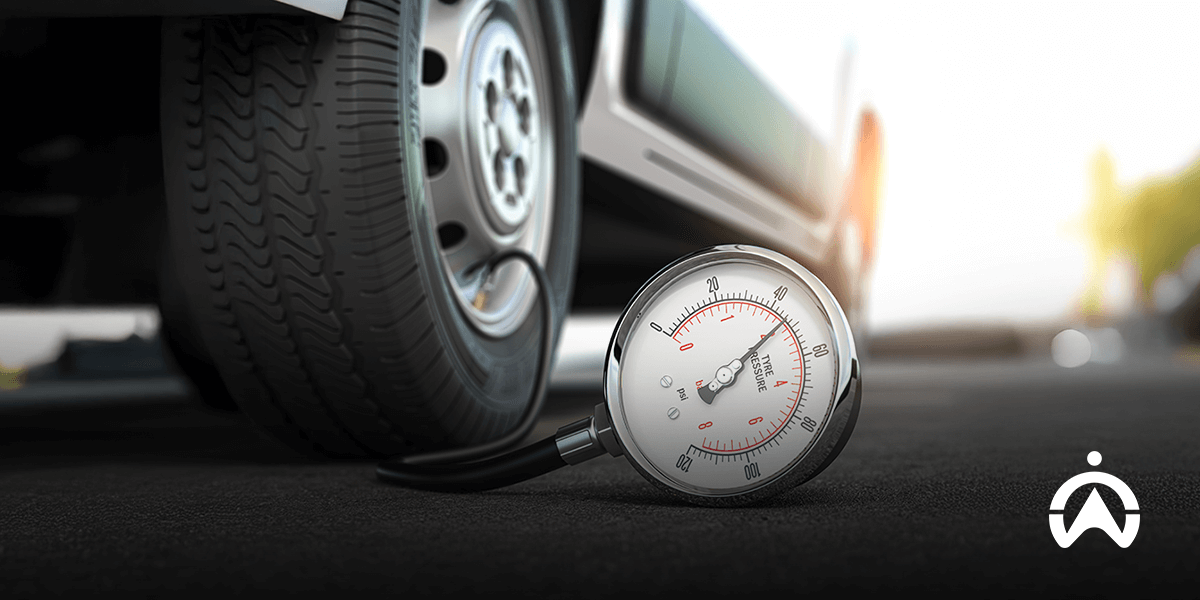
4. Maintain Optimal Tyre Pressure

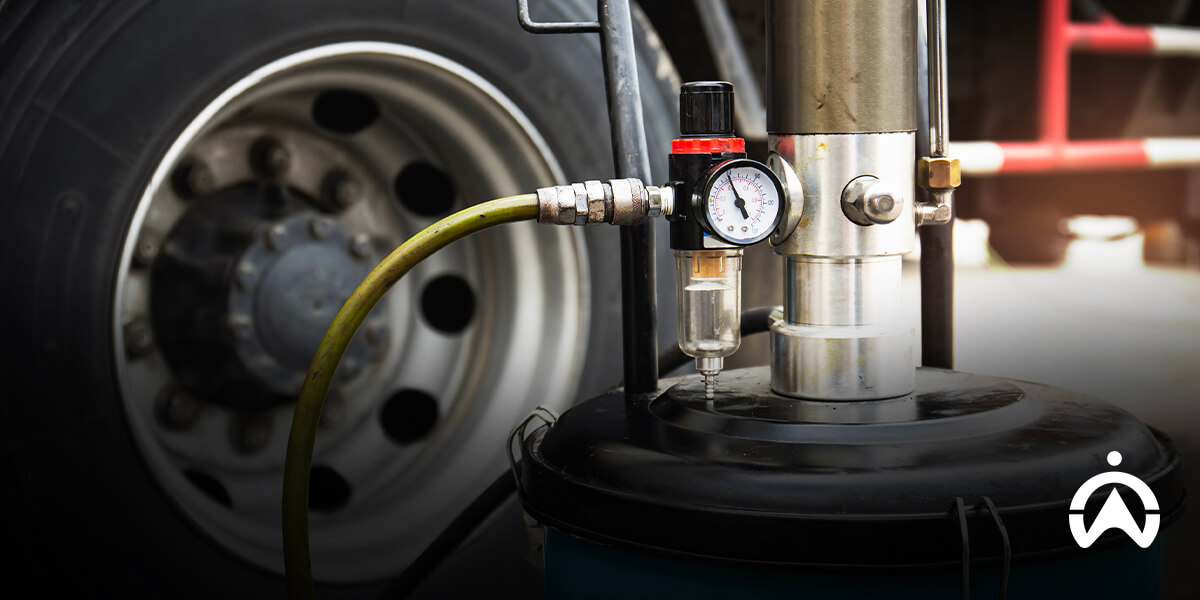
Optimal tyre pressure plays an important role in a vehicle’s performance and fuel efficiency. Keeping your tyres at the appropriate pressure recommended by your manufacturer will greatly benefit you down the line.

Let’s discuss how:

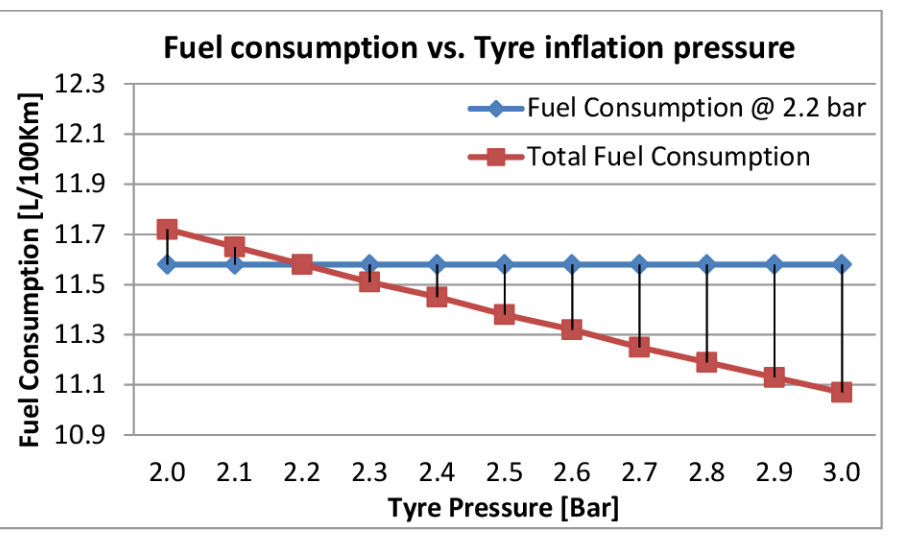
  • Underinflated tyres increase the rolling resistance of a car and force the engine to work harder and burn more fuel. It also causes uneven tread wear on the edges of the tyres which leads to the tyres degrading faster.
  • Overinflated tyres negatively affect the handling of the vehicle, they make the drive bumpy, create uneven tread wear and burn more fuel. Furthermore, the uneven tread wear reduces the tyre’s ability to maintain contact with the road which can be dangerous at high speeds.

To make sure that you save on fuel and reduce wear and tear on your vehicle, it’s suggested that you check your tyre pressure at least once a month.

A tire pressure gauge on the ground next to a car tire.

5. Keep windows closed at high speeds

I know what you’re thinking, driving with your window open while cruising at a high speed feels refreshing, however, this significantly affects fuel efficiency. This normally occurs when a vehicle travels above 80 km/h, where the air resistance is at its greatest. To save on fuel consider keeping your windows closed and use the vehicle’s ventilation system instead.

6. Avoid heavy loads

Unnecessary weight in your vehicle makes the engine work harder which increases fuel consumption. This is especially true when driving long distances. Another load that adds extra weight and consumes more fuel are roof racks. Roof racks increase air resistance and reduce your vehicle’s aerodynamics when driving at high speeds.

To enjoy better fuel efficiency and a smoother drive consider packing light or keeping heavy items inside the vehicle.

7. Use quality fuel

There are three primary fuel types used in Tanzania: Unleaded Petrol (RON 91), Premium Unleaded (RON 95), and Diesel. Each fuel impacts a vehicle’s performance and fuel efficiency differently. RON 95 can withstand more compression before it ignites compared to RON 91, which directly improves vehicle performance at high speeds and under heavy loads.

RON 91 is the standard fuel grade in Tanzania and is generally suitable for many older vehicle models whose engines were designed for lower octane ratings. However, newer model vehicles imported into the country require higher octane fuel like RON 95 to maintain optimal performance and fuel economy. Using a lower octane fuel in these modern engines can decrease fuel efficiency and potentially lead to ‘knocking,’ which can damage the engine or the vehicle’s emission control systems over time.

8: Use cruise control on highways

Cruise control is an added feature that comes with most modern vehicles today. Not only do cruise control systems offer comfort and convenient driving, but they also help you save fuel. Cruise control helps the driver maintain a steady speed enabling them to only concentrate on steering. This allows for a smooth trip with fewer manoeuvres. Cruise control minimises how much fuel is used by removing the need to constantly accelerate and decelerate which burns more fuel.

9: Take advantage of loyalty programs

A great option to save on fuel costs these days is to join loyalty programs, these are offered at petrol stations, banks as well as through retailers. Whenever you refuel petrol you receive a certain amount of points. You can accumulate points over time and use them to purchase fuel or receive discounted prices. Consider choosing a program that is best for your needs and that allows you to fill up at a petrol station near you.

10. Combine trips

To save on fuel day to day, consider combining errands and driving fewer trips. Plan all the tasks you need to do ahead of time and do them all in one trip. By doing this you reduce the distance you drive that not only saves you valuable time but reduces fuel consumption.
Another effective way you can cut down on trips is by starting a lift club. Each person in the lift club can take turns driving one week a month, saving up to three weeks of fuel that you would have used if you were driving alone.

By implementing these ten ways, you can significantly reduce fuel wastage and save on fuel costs.

Mechanic with dreadlocks working on a car engine near a tool chest.

How Cartrack’s mobile app can help save fuel

Now that you know the 10 ways to save fuel, let’s discuss how Cartrack’s Mobile app can help keep track of your fuel usage.

Here are some reports from the app that will help save fuel:

  • Monitoring vehicle speeds
    Constant increases in speed require the engine to work harder to maintain the higher speed. The Cartrack mobile app map indicates every point where you were speeding and how fast you were going. This insight helps you identify this behaviour so that you adjust your driving behaviour to use less fuel.
  • Reducing harsh braking
    Harsh braking from high speeds causes your vehicle to use more fuel than necessary. This happens because after you have slowed down the vehicle transmission needs to shift to a lower gear to regain lost momentum. The Cartrack app records every harsh braking event, this informs the driver on how frequently this mistake is made.
  • Avoiding idle time
    Long periods of idle time in congested traffic consume fuel unnecessarily. The Cartrack app tracks your idle time during a trip, this data provides you with a wealth of information that shows you where the most traffic congestion is and when it occurs. This allows you can identify less congested routes that enable you to plan less congested routes.
  • Planning efficient routes
    Every time you drive your vehicle, the trip information is saved on your app history. This trip history provides insights into the route you took which shows the distance and how much fuel was used. This is an effective way to plan every route you take.

    You may use different routes to work and would like to know which route uses the least fuel. You can use the report history of the different routes to see your past trips. This will tell you how long the trip took as well as the speeds you were able to travel, so you can compare them against each other to see which one is the most fuel-efficient.

Start saving fuel with Cartrack Today!

Fuel costs do not have to be a burden. By taking advantage of Cartrack’s advanced mobile app technology you can reduce fuel consumption and save costs in no time.
Cartrack is committed to helping motorists drive smarter and efficiently. Our mobile app is not only for tracking your vehicle, it provides actionable insights that empower you to make fuel-saving decisions every day.

Why wait? Start applying these tips and let Cartrack help you save on fuel costs. Contact us today to find out more.

Driver Incentive Programs: How Dashcams Can Help You Coach Your Drivers

When running a fleet business no other resource matters more than your drivers. Managing them requires efficiency and good planning, this is what allows for safer travel and optimised delivery of goods and services. For this efficiency and optimisation to happen, drivers must perform at their best at all times.

A good way to encourage better driving practices and behaviour is by implementing a driver incentive program. One way of doing this is by using dashcams to record trips and overall driver performance.

This blog will discuss how driver incentive programs and dashcams can help improve driver safety through coaching.

Let’s get into it.

In this article, you will:

  • Learn about driver incentive programs
  • Find out what role dashcams play in driver coaching
  • Discover how to implement an incentive program
  • Understand the legal considerations of using dashcams
  • Learn how Cartrack’s dashcams can work for you and your coaching program

What Are Driver Incentive Programs

An incentive program is a reward-based method to motivate someone to complete an action. These programs leverage the power of rewards to align behaviour with business goals. When incentives are used in a work setting as part of a formalised system with business goals, it’s called an incentive program.

The goal of an employee engagement program is to improve workplace performance and culture while retaining employees with rewards and recognition. One of the biggest benefits of incentive programs is their flexibility as they can be tailored to suit the goals of the company, with enough room for occasional adjustments.

There are many types of incentive programs, each with its own process and reward structure. Here are some types of incentives offered:

  • Monetary bonuses: The most common incentive program is bonuses for good or outstanding performance. This comes in the form of a cash reward usually based on a percentage of the driver’s salary.
  • Recognition: Getting official recognition is another popular incentive that employers use. This could be an award given at the end of the year or any other public declaration of the driver’s great performance. The most common version of this is an Employee of the Month program that rewards a driver monthly for meeting or exceeding company goals.
  • Career development: Creating a reward structure that promises high performers a chance at career development is a very effective incentive program. This offers a clear path for drivers to see how to progress in their careers, this progression can be in the form of a promotion or skills development.

These incentive programs benefit both companies and drivers as they offer reduced costs, increased morale, and better customer service overall.

The Role of Dashcams in Driver Coaching

When it comes to monitoring driver behaviour only a few other technologies work as well as dashcams. They offer comprehensive recordings of trips, offering alerts for distracted driving and other offences. Let’s learn more about modern dashcams in a business setting.

How dashcams provide insights into driver behaviour

As a fleet manager, monitoring drivers as they perform their deliveries is important, this is why the use of dashcams is highly advised. They offer real-time video recordings of the journey and give the fleet manager insight into how the route usually goes, providing areas of improvement.

Modern dashcams offer a range of AI-powered solutions that assist in reducing accidents. One of these is event-triggered alerts that inform the driver and fleet manager on specific behaviours such as smoking and distracted driving.

The use of AI for analysing driving patterns is now an industry standard for most fleet management software. Key features of AI-powered dashcams include:

  • Real-time behaviour analysis: This feature identifies incidents of distracted driving, driver fatigue, and forward collisions.
  • In-cabin alerts: Gives instant feedback to drivers to avoid an incident or an accident.
  • Data integration: They have integrated connectivity with fleet management platforms to enhance organisational procedures.

Why use dashcams for coaching and training drivers

Dashcams are reliable mechanisms that have been in use for a number of years now. Using them for coaching and driver training is ideal as they provide objective feedback that can not be easily disputed. The biggest benefit of using dashcams for driver training and coaching is that they help in identifying areas of improvement. These can often be hard to figure out and spot without actual footage of the incident. Some common types of incidents you may want to respond to in coaching include:

  • Smoking
  • Fatigue
  • Forward collisions
  • Camera cover or tampering
  • Cellphone use
  • Seat belt compliance
  • Distracted driving

Monitoring these incidents and using them as a source for coaching is highly beneficial as it gives drivers real-world context. Failing to adhere to the rules leads to drivers getting demerits that can accrue over time. This is useful not only for the drivers but the business as well as it will have a comprehensive catalogue of offences that most drivers commit. When done correctly this can lead to safer trips overall. There are three main occasions when it is best to coach drivers, these include:

  • Onboarding new employees
  • In response to incidents
  • Ongoing scheduled basis

Following this process is useful as it will assist in reducing liability and incident frequency. Additionally, this footage can help lower insurance claims costs, and help protect your brand. Dashcam footage can also significantly expedite and simplify the resolution of disputes arising from traffic incidents. By offering an objective, first-hand account of the events leading up to an accident, these devices can help establish fault and facilitate fair compensation for the parties involved.

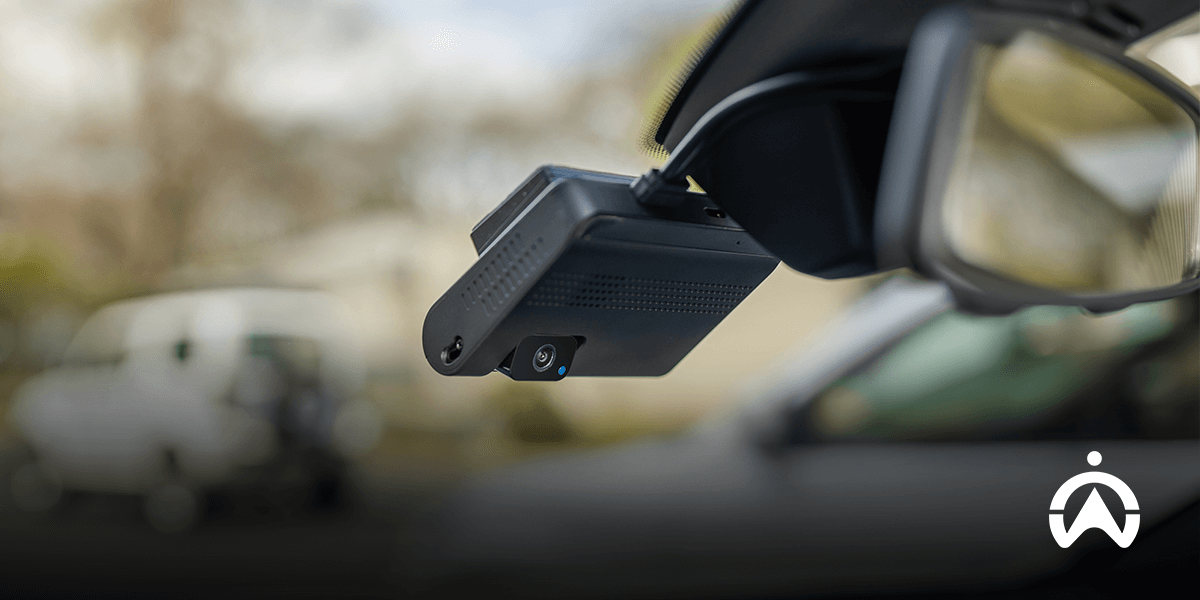
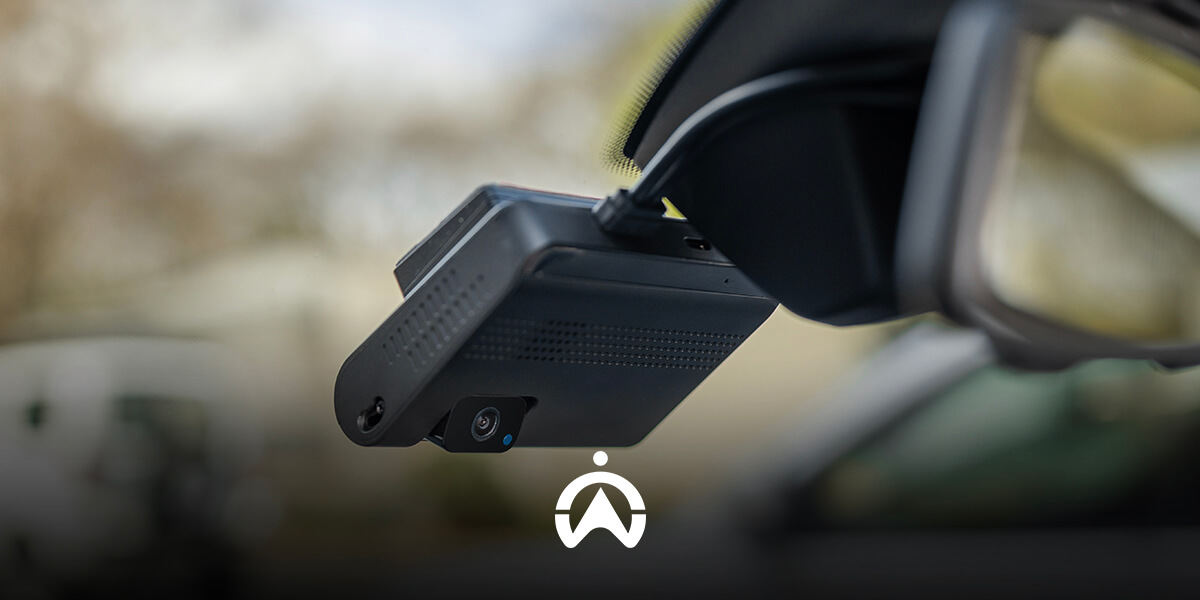
Dashcam attached to a car's windshield with blurred background.

How to implement Dashcam-Based Coaching Programs

In order to maximise on your dashcam footage and create incentives, a coaching program needs to be put in place. This will serve as a system to encourage better driving and make the overall management of drivers easier. This coaching program can be administered during the journey, after a trip and even during performance review sessions. The goal is to encourage better driving habits from drivers and improve fleet performance holistically.

Here is a step-by-step guide on how to create the right program for you and your drivers.

Step-by-step guide on how to implement a dashcam-based coaching program:

  1. Selecting the right dashcam solution for your fleet.
    The first step is choosing the best dashcam solutions for your business. This must be a solution that aligns with the goals of your company and the program you are setting up.

    You must consider whether you will need just one camera or more; whether it will have AI-powered features; and how much storage and recording capacity it will have.

  1. Integrating dashcams with fleet management systems.
    In order for this process to run smoothly the dashcams should be able to be integrated with whichever fleet management system your business has in place. This is essential as it will simplify the monitoring and reporting process. The tools in the system should support the features in the dashcam solution so that there is a seamless integration of the two.
  1. Developing clear coaching and feedback protocols.
    Once the system is integrated the next step is to establish clear coaching and feedback protocols. This means drivers will need to know how and when the coaching happens, from whom it will come, and how to give feedback on the coaching. This will assist in measuring incentives and determining who to award them to.
  1. Aligning coaching sessions with incentive programs.
    The goal of the coaching sessions should be clearly stated, aligning with how the incentive program will run. This could mean explicitly stating which goal leads to which incentive or creating a points system that accumulates over a certain period of time. A driver should find it easy to understand where the coaching intersects with specific rewards from the incentives program.

Tips for a Successful Coaching Program

In order for the coaching and rewards program to work successfully there are some vital things to consider. Consistent feedback is essential for coaching, especially when people’s careers are on the line. The feedback should not just be in one direction, drivers should be able to give feedback on their coach’s performance as much as coaches do.

This leads to the next component to consider fairness. A program like this requires transparency so that drivers do not feel that there is bias or favouritism in how the coaching works and how incentives are given. It is this fairness that will keep drivers engaged in the program, unfairness will lead to disgruntled drivers and a drop off in performance.

Celebrating improvements is equally as important, not just celebrating the top achievers. This kind of recognition will make all the participants in the program feel seen even when they are not receiving rewards from the incentives program.

Future Trends in Driver Incentives and Dashcam Technology

There are many emerging advancements in dashcam technology sweeping the fleet management industry. The most prevalent of them all is AI integration in camera systems. This involves development in other areas such as machine learning and cloud storage capabilities. All these elements work together to form Advanced Driver Assistance Systems (ADAS) which aim to enhance driver safety.

Integration with telematics and predictive analytics is where the industry is going, with most fleet management systems already using these technologies. This is especially true for dashcams and driver behaviour monitoring.

The development of these technologies has made it easier to implement and run driver incentive programs. The evolving role of incentive programs in companies is a sign of how many drivers prefer it. Most driving job offers now include this as part of the employment package, making it a deciding factor for many in a competitive market.

Person in a hi-vis vest working on a laptop with security camera feeds displayed on the monitor.

Cartrack’s Dashcams and Coaching Solutions

At Cartrack we offer a variety of camera solutions where you get to monitor your fleet with road and cabin-facing AI dashcams. You can get up to 8 internal or external cameras to help keep your drivers, fleet, and cargo safe.

This solution comes with preventative in-cabin voice alerts that let drivers know about potential safety violations so they can correct them immediately. Our event-based footage instantly gives you the exact footage you need, when you need it. Our AI-powered cameras analyse internal and external surroundings, allowing you to detect and alert drivers in real-time about any high-risk behaviour so they can avoid accidents. All footage of any incidents is stored on our cloud platform and can be used to coach drivers on how they can improve their driving behaviour.

You will have no more wasted hours spent going through hours of footage hoping to find what you’re looking for. You can live-stream the recordings for any active vehicle using Android, Apple or Huawei. View categorised event-based footage for any safety events captured, request footage based on a time and date or live-stream footage for any active vehicle.

As we move into a new technological era in fleet management it is advisable to make use of the tools currently available, such as dashcams. Combining driver incentive programs with dashcam-based coaching is one of the ways in which you can optimise your business and increase overall driver safety.

If you are looking for a reliable and trustworthy dashcam and AI-powered camera system, then make sure to contact us to learn more about our offering.

FAQs

How much does it cost to implement dashcams in a fleet?

Contact us at Cartrack to get a quote on our range of dashcams and cameras.

Are there privacy concerns with using dashcams in Tanzania?

There is no specific law clarifying their legality or how the footage can be used. This means that recording people in public without their knowledge could potentially raise privacy issues, especially if the footage is shared without proper justification; however, dashcams are generally considered legal to use when recording public spaces such as roads.

What types of incentives work best for drivers?

The most effective incentive programs are cash bonuses and career development opportunities. These two options provide actual benefits to drivers that can positively impact their lives.

How quickly can results be seen after implementing these programs?

This will depend on the type of reward structure in place, but it is typical to see results in the first month after implementation.

Optimised Fleet Solutions for Refrigerated Transport Services

The global demand for refrigerated transport services has increased over the years due to the rise in e-commerce. Nowadays, people buy food and medication online, which has increased the need to transport products in agriculture, food and beverages, and pharmaceuticals.
Refrigerated transport services play a vital role in modern global supply chains. They make sure temperature-sensitive goods such as vegetables, seafood, and fresh flowers reach their destinations in perfect condition. Without the right technology, this essential service can get quite complex.

Today we explore everything you need to know about fleet solutions for refrigerated transport services.

In this article, you will:

  • Get a brief understanding of the cold chain logistics industry
  • Discover three main challenges faced by refrigerated transport services
  • Find out how Cartrack solutions make it easier to run a refrigerated transport business

All you need to know about refrigerated transport services

Temperature-controlled trucks enable businesses to reduce their transportation costs by transporting products by road, which is cheaper than shipping by air. This form of transport service is also known as cold chain logistics. The main objective of this industry is to maintain product quality and safety throughout the entire supply chain.

These goods can be on the road for days before reaching their destinations, so there have to be strategies in place to ensure that they are transported efficiently—that’s where fleet management technology comes in.

Understanding the needs of refrigerated transport

There are many obstacles that refrigerated transport businesses come across daily, most of which can be avoided through advanced technology. Here are three major challenges faced by most businesses that offer refrigerated transport services:

  • Temperature Sensitivity: It is important to maintain a specific temperature range when storing and transporting refrigerated goods. The temperature depends on the type of product it is. For example, fruits and vegetables require a temperature range of 2℃ to 4℃, while seafood needs to be frozen at -28℃ to -30℃. Products such as vaccines are so sensitive that they require constant controlled temperature from the moment they are manufactured. If the temperature changes, even for a short period, they could lose potency and become unfit for use. For this reason, there has to be an unbroken transport chain. This means, from the production stage, through distribution, to delivery, the products must be kept at a constant controlled temperature. Achieving this result can be difficult due to factors such as extreme weather conditions and the opening and closing of cargo doors during the loading and offloading stage. With the right technology, the issues surrounding temperature sensitivity can be quickly resolved.
  • Timeliness: Being on time is important for many businesses, but for temperature-sensitive goods, it is crucial. Drivers are constantly under immense pressure to reach their destinations without delay. A delay during the delivery stage may cause temperature fluctuations, which then affect product quality. This also shortens the shelf life of products such as fruits and vegetables, meaning the products cannot be in the store for long once they reach their destinations. For this reason, some retailers have strict guidelines that can result in steep penalties for deliveries that arrive late. There are many things that prolong transit times, such as vehicle breakdown, taking longer routes, or border clearance. This heightens the need for real-time visibility, properly planned routes, and good communication.
  • Compliance: A major challenge is that fleet businesses for refrigerated goods need to adhere to strict industry regulations and standards. Transporting temperature-sensitive products, particularly food, requires good hygiene and total reliability. The food transportation businesses are regulated by law. These regulations first address the hygienic aspect, stating that the vehicle compartment must be clean to the extent that physical or microbiological contamination of the food is prevented. Secondly, it is important that the vehicle itself is reliable; the vehicles must be in good condition at all times because that is also a reflection of the refrigerated compartments. Failure to adhere to such regulations will result in heavy fines or the business being deemed unfit for the role.

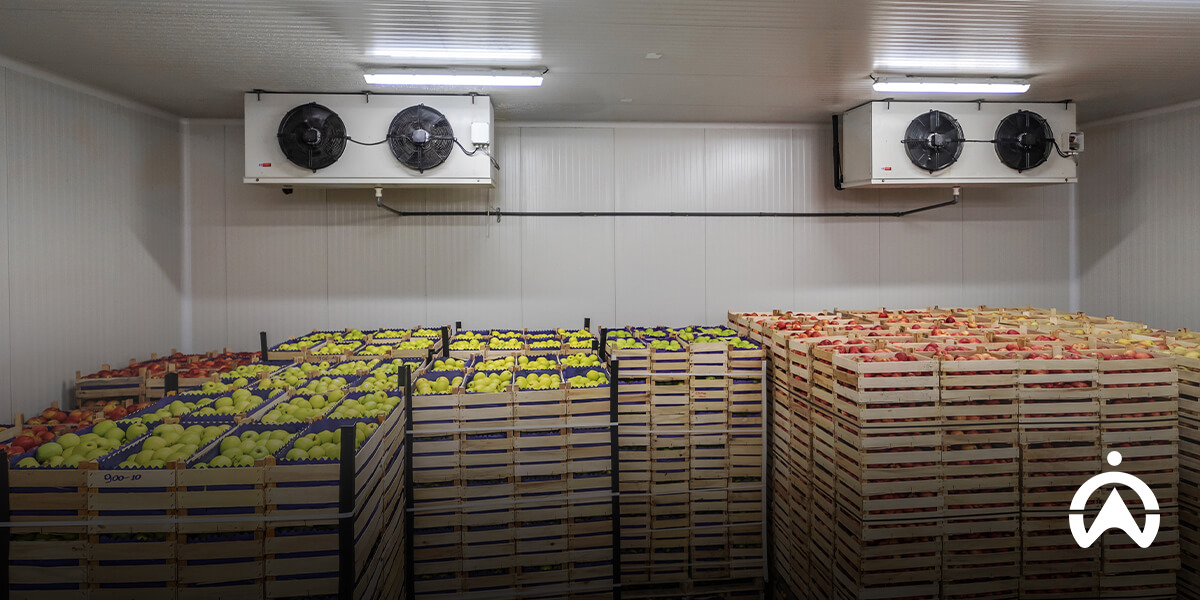
Industrial cold storage room filled with wooden crates of apples, with cooling units on the wall.

How to Monitor Refrigerated Cargo with Cartrack

Cartrack gives you optimised fleet management solutions for your refrigerated transport service so you can focus on happy clients and making a profit. Here’s how we help:

Real-time temperature monitoring:

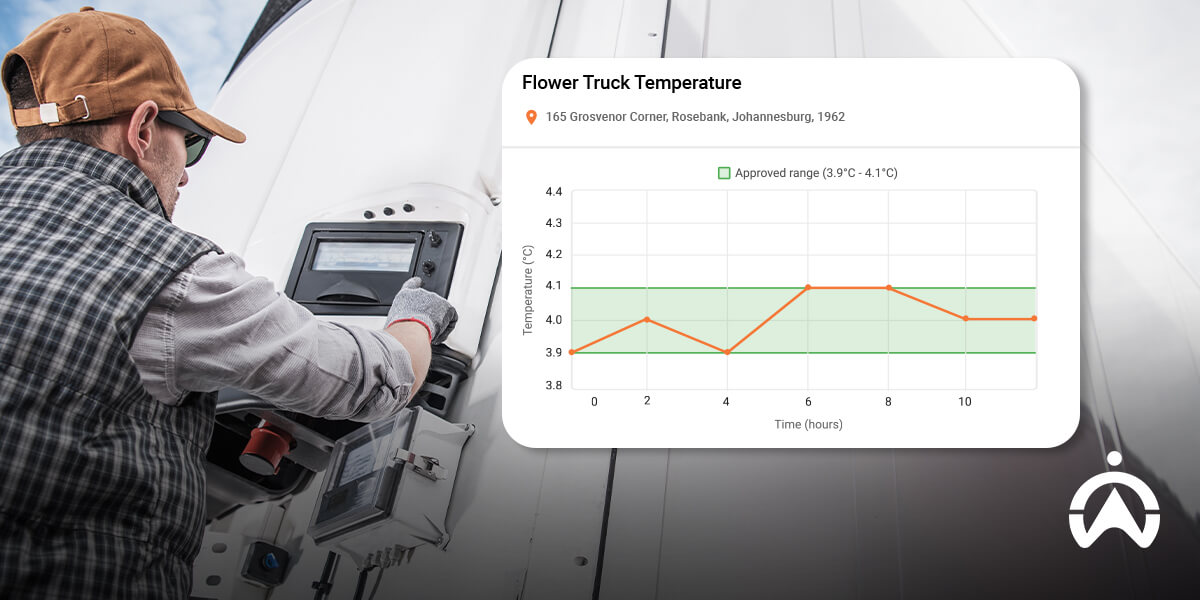
Cartrack offers up to four temperature sensors to remotely monitor the temperature of your cargo. With this, you can receive alerts on any temperature fluctuations and reports that show temperatures stayed within the compliant range. For example, you can get alerted if temperatures go outside your approved range and correct them before produce or goods go off. If products spoil, cargo temperature reports can help prove that transportation was not the cause.

Secondly, through our cargo door sensors, you get to know when cargo doors open and close and get real-time alerts as well as reports that give you the location and duration of the sensor activity. This means you will immediately know when cargo doors are opened and whether they were opened outside of your pre-approved pickup or dropoff zones. The reports show you how long your reefer trailers’ cargo doors were open, so you can identify temperature fluctuations caused by drivers leaving them open.

Route optimisation

Reduce transit time to preserve product quality with our route optimisation service. This feature helps you avoid longer travel times that could cause delays and also affect product quality. Our system automatically creates job routes for drivers that minimise mileage and fuel costs. With this tool, you will know when drivers did not go according to the planned routes so you can quickly address the issue.

Fleet location tracking

Live location
Cartrack gives you full visibility of your vehicles in real-time, so you know where they are at all times. Our GPS tracking technology shows you accurate vehicle locations so you can ensure safe and efficient travelling.

Geofencing
Create virtual fences around areas of your choice, such as drop-off zones and filling stations, to ensure route compliance and that drivers adhere to their schedules. Our geofence feature alerts you whenever drivers enter or exit these zones so that they start and end their shifts at the correct times to enhance productivity and streamline operations.

Driver management

In addition to having technology that will keep your refrigerated cargo in good condition, drivers also need to be trained on how to handle temperature-sensitive cargo. To make it easier, Cartrack has a driver coaching platform that helps monitor driver behaviour so you can have a record of incidents, such as when cargo doors are left open for long. Drivers can then be called in for a coaching session in order to improve their habits.

Predictive maintenance

Our IoT-powered fleet management tools help you reduce downtime and maintenance costs while boosting productivity. With this, you get accurate odometer readings for internal reporting and vehicle management. You also receive information on engine diagnostics so you can send vehicles for repairs before the problems become bigger. This helps prevent unexpected delays caused by vehicles breaking down, which could compromise goods. Additionally, you can record, update, and store maintenance activities digitally for easy reference and convenient reporting.

Man adjusting truck refrigeration unit with a "Flower Truck Temperature" chart displayed.

Ensure your refrigerated cargo stays fresh at all times

Cartrack specialises in all things fleet management. Our solutions are here to boost your fleet’s productivity, streamline operations, and reduce costs. With us, your refrigerated cargo will always be closely monitored to ensure your clients receive the goods in the best possible condition. Contact us today and get a free quote.

Here are some frequently asked questions about refrigerated cargo

How to transport refrigerated goods?

Firstly, the goods need to be properly packed using materials that are meant for packing refrigerated goods, such as styrofoam, dry ice, and gel packs. The packaging must keep the heat out so the products can remain frozen.

Secondly, there are vehicles that are specially designed for this task, such as reefer trucks and reefer trailers. You need to choose vehicles with refrigeration and freezing systems that meet your specifications and carefully plan the transportation process.
Lastly, you need to invest in a fleet management system that will help you monitor cargo temperatures in real time, so you always know what’s going on and ensure that the goods remain in desired conditions.

What is the demand for refrigerated transport?
According to Research and Market, the refrigerated transport market is expected to reach US$ 27.07 billion by the year 2032 from US$ 17.77 billion in 2023,with a growth rate of 4.79% from 2024 to 2032.

What is refrigerated transportation?

Refrigerated transportation is a way of transporting goods that have specific needs for controlled temperatures. The goods are placed in vehicles that have built-in refrigeration systems in order to maintain the required temperature during the transportation process.

If you have more questions, you cancontact us today and speak to a fleet consultant.

How to Prevent Fuel Theft in Your Truck Fleet

Fuel theft and fraud rates in the road freight industry continue to be a concern. As a fleet manager, you will never know what drivers get up to while making deliveries. The only way to be sure is by bringing in technology that will give you more insight into what’s happening in and outside your vehicle, specifically, your fuel tank.

Today we look at anti-fuel theft tactics that you can apply to your fleet.

In this article, you will:

  • See how fuel theft impacts the trucking industry
  • Learn the signs of fuel theft
  • Find out how you can prevent fuel theft
  • Know the different forms of fuel theft and fraud
  • Discover Cartrack’s fuel monitoring solutions

The impact of fuel theft on road freight transport

Earlier this year, an article by BusinessTech revealed that the price of unleaded 93 petrol increased by an astounding 119% over the last four years, similarly the same for unleaded 95 petrol and diesel. This interesting revelation might seem shocking in numbers but if we put more thought into it, we’ve all felt the impact of fuel price hikes. So where does that leave the average truck fleet manager? Under immense pressure to save as much as they can on fuel so they can make a profit while gaining a competitive advantage, that’s where. The increase in the value of fuel is what feeds into the rise in fuel theft and fraud.

Fuel is one of the biggest and most important fleet operational costs, without fuel there’s no business, and the more you pay for it, the less profit you make. With that said, fuel theft is a growing concern for many South African fleet businesses. It is a criminal offence that many don’t realise. Fleet managers need to look into why the fuel goes missing in the first place, how it gets emptied, and how to prevent it.

Fuel theft warning signs

  • Frequent refuelling
  • Sudden drops in fuel levels
  • Discrepancies on receipts
  • Fuel charge at an odd location

How to put an end to and prevent trucking fuel theft

Now let’s look at how you can prevent fuel theft in your trucking fleet:

  • Invest in a smart fuel monitoring system
    The first step to combating any fuel theft is a fuel monitoring system. A fuel monitoring system helps you manage fuel cards, keep track of consumption, use GPS technology for time and location accuracy, and generate detailed reports. If there’s a sudden drop, transactions don’t make sense or drivers are not refuelling at a set location, you will be the first to know.
  • Get the best fuel card
    A smart fuel card is a must-have as it’s the quickest way to trace transactions but make sure you pick a provider with enhanced security features. Do your research and compare the benefits of each provider. Look for cards with PIN protections, transaction limits and real-time monitoring. A good fuel card also offers discounts and has a variety of participating fuel stations nationwide.
  • Set daily spending limits and require pins
    In addition to the above mentioned,know how many refills a driver will need per trip and how much each refill should cost, then set daily spending limits and make sure each driver has their own pin.
  • Have regular audits
    Conduct periodic checks of fuel recipes, mileage logs, and maintenance records so you can identify any discrepancies, patterns or trends. This can be done by comparing transactions with fuel consumption data. The fuel transactions should be checked by two people so that one person can pick up an error that the other might have missed. Get external auditors where possible.
  • Anti-fuel theft device
    Invest in fuel anti-theft devices such as fuel cap locks, fuel tank alarms and anti-siphon devices. These will prevent thieves from physically accessing the fuel in the tank.
  • Secure your parking
    Install CCTV and security lighting in your parking area. The area where the trucks park after a shift should have good lighting and surveillance, preferably motion-detecting lights. The gates should always be locked as well.
  • Defensive Parking
    All trucks must be strategically parked in a way that blocks access to fuel tanks. Use other vehicles or solid structures like a wall, to block access to fuel tanks.
  • Train your drivers
    Drivers should know how to handle fuel cards and be aware of the scams going around so they can always be on the lookout for suspicious people. Training drivers also enforces accountability.

Know the different kinds of fuel theft and fraud

Here are a few examples of how thieves trick their way into getting your fuel:

  • Skimming and cloning: A card skimmer is a device that is placed on top of a card reader to get data on a fuel card. The card details are then used to duplicate the card, and fill up other vehicles or make purchases at the fuel station. All the charges will go to the driver.
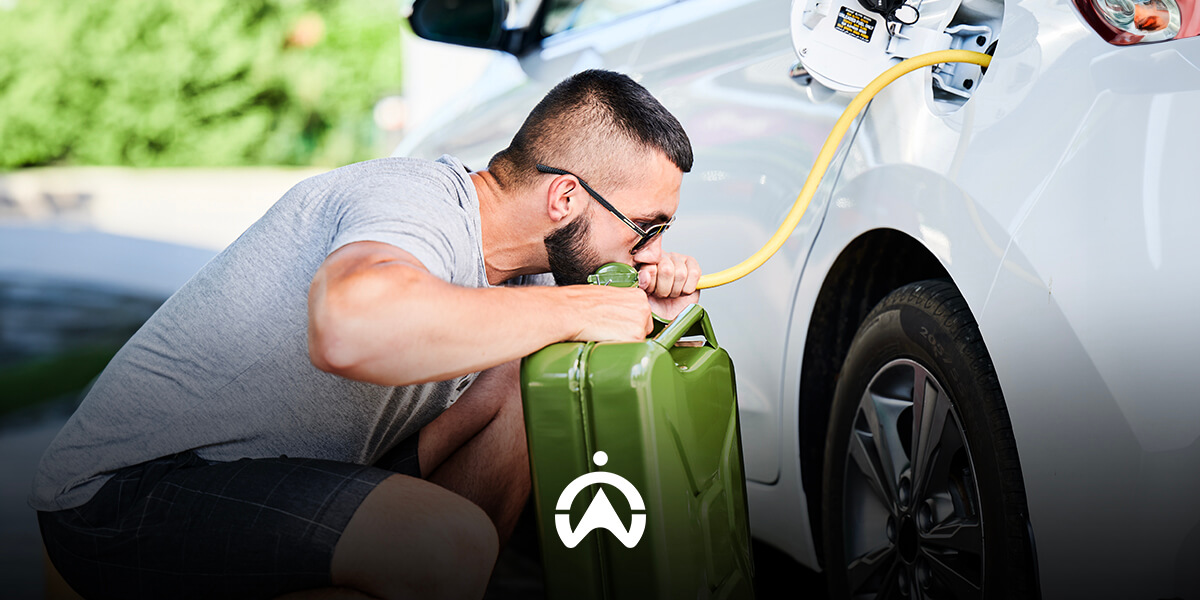
  • Siphoning: Some thieves use their mouth and a hose or an automatic pump to drain fuel out of the tank and place it into a container. The fuel is then transferred from the container to another vehicle or it is sold.
  • Multiple pump transactions: Some drivers collaborate with fuel station employees to merge numerous pump charges into one transaction on the fuel card. The additional pumps’ payments are then shared among them in cash.
  • Neutral driving: This might be a shocker, but many truck drivers drive with the transmission on neutral to manipulate fuel usage by showing lower consumption through mileage. This form of fuel theft also increases vehicle wear and tear and can cause accidents.
  • Unrecorded personal trips: In some instances, drivers manipulate fuel logs or use company fuel cards for personal vehicles.
  • Odometer tampering: This is when drivers reduce, increase, or pause the mileage reading on the vehicle. Some old trucks have a simple system that can be easily manipulated, the modern-day trucks also have some exceptions in their onboard system that allow odometer tampering.

Digitise fuel validations with Cartrack’s fuel management system

Here are some of the features of our all-in-one fuel management system:

  • GPS tracking
    The first step to combating theft for your truck fleet is knowing where your trucks are at all times. Cartrack’s GPS tracking technology gives you full visibility of your fleet so you can notice any deviations that might be taking more of your fuel.
  • MiFleet
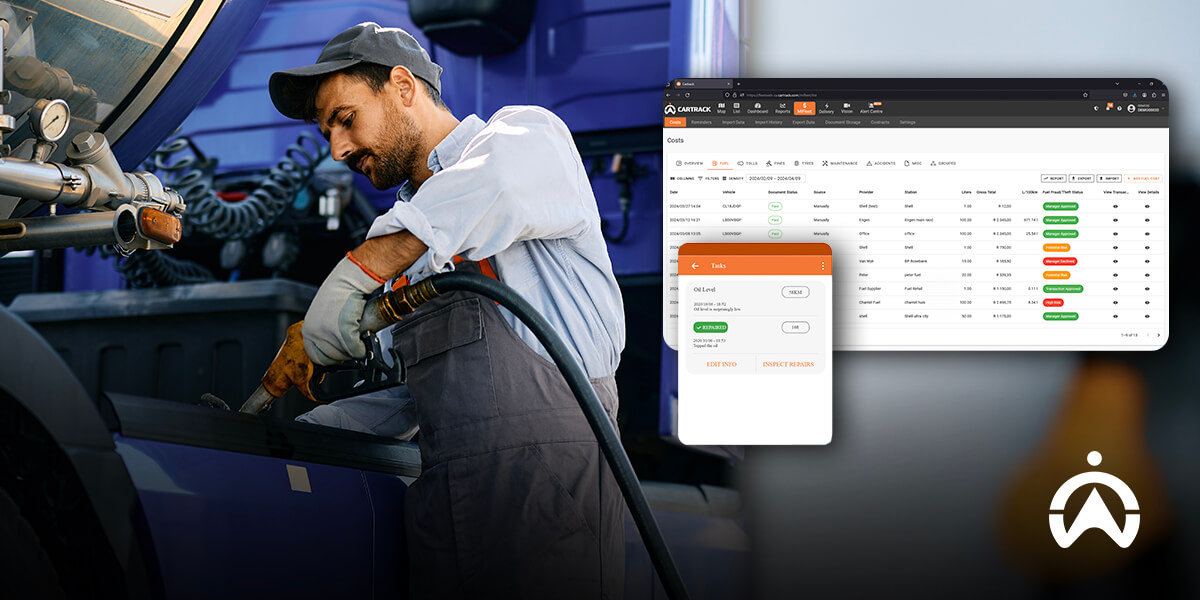
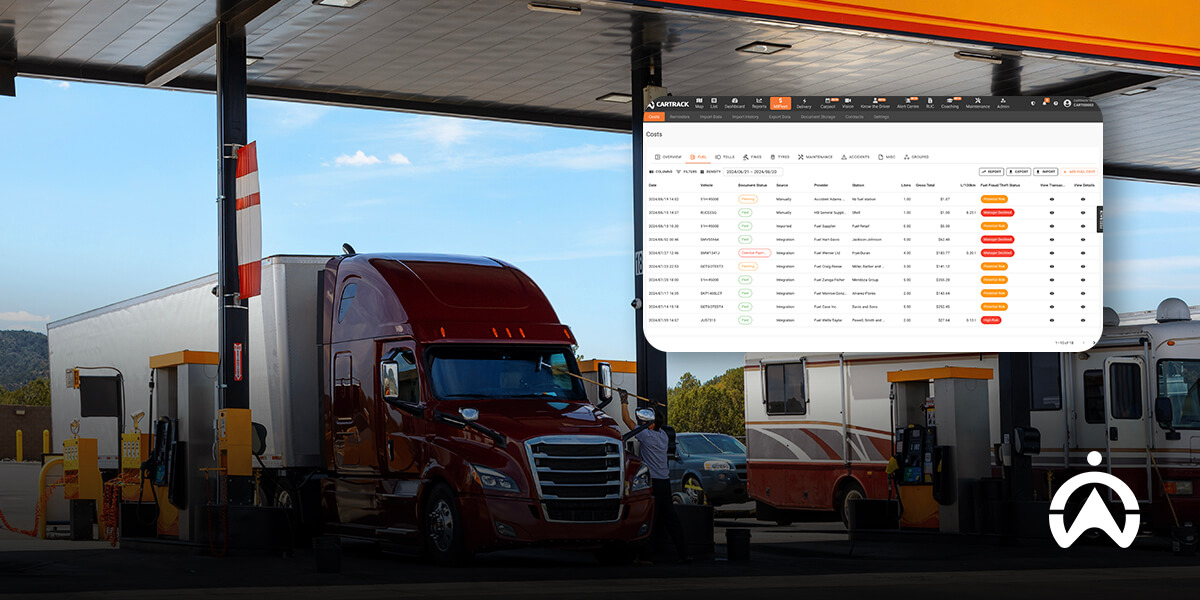
    Let our cost management platform automatically review all your fuel transactions. Mifleet eliminates the manual admin that could take weeks to process. It matches fuel receipts with vehicle telemetry data such as location, litres and tank capacity. You’ll get alerts of any suspicious activity, so you can further investigate and take action.
  • Geofence
    Create a virtual fence around your preferred fuelling stations so you can get alerts when your trucks enter or leave the stations. This ensures that your drivers only refuel at credible and cost-effective stations, that align with the set routes.
  • Fuel probes
    Install a fuel probe, this is an electronic piece of hardware that is placed into your trucks’ fuel tanks and allows the monitoring of fuel levels in real time. It ensures high accuracy in readings and if there are any sudden drops, which could indicate theft, you’ll get an alert and be the first to know.
  • Driver ID tags
    Instantly know which driver was using which truck through our advanced driver identification tags. This enforces driver accountability, meaning should there be any suspensions of fuel theft, drivers will know that they will be held responsible.
  • Fuel reports
    Access detailed reports of refuelling events such as date, time, location and amount. Get fuel report graphs and fuel effect data which compares target ratings against vehicle category.

Choose the best fuel management software — Cartrack Tanzania

Our fuel management solution helps you easily detect fuel theft and maintain good fuel consumption levels by giving you accurate information about where the leaks come from. Contact us today to stop the theft, and put money back into your pockets.

Have a look at our frequently asked questions for more fuel-related tips

How to stop fuel theft from trucks?

Invest in fuel monitoring software and install fuel anti-theft devices such as tank alarms, fuel caps and an anti-siphoning device.


How do you manage fuel for the fleet?

Implement a fuel management system and incorporate telematics, prioritise vehicle maintenance, use fuel cards and keep an eye on transactions, monitor driver behaviour, and lastly train your drivers on fuel-efficient driving habits.


How to prevent gas stealing?

Ensure your vehicle is parked in a secure place and that the fuel cap is locked at all times.

How do I monitor fleet fuel consumption?

Invest in GPS telematics as fuel level sensors such as fuel probes. These will give you accurate readings and well as detailed insight. Additionally, telematics also monitors overall vehicle health and driver behaviour which are also important when looking to minimise fuel expenses.

For more details, contact us today.

Changing Business Vehicles? Transfer Tracking Devices to Keep Your Contract

Are you thinking about transferring your tracking device from one vehicle to another?

Cartrack offers a “De-installation and Re-installation”, or “De– and Re–” for short”.

This process allows you to keep your reliable contract and retain your device instead of purchasing a new one.

In this article, you will:

  • Understand why businesses opt for Catrack’s tracking device
  • Find out how you transfer tracking devices and keep your current contract
  • Think about what essential factors to note when considering De-installation and Re-installation
  • Answer the question, “Why should you transfer your Cartrack tracking devices?”
  • Learn why our tracking device and fleet management platform features are the best choice for your business

Why businesses are investing in Cartrack’s tracking device

Whether transporting goods or passengers or managing a fleet of vans, trucks, or semi-trucks, business owners and fleet managers must invest in the right resources to improve company performance, output and profit gains.

A Cartrack GPS tracking device is an investment with a competitive edge and has many vital benefits listed below:

Improved safety and protection of assets

With a tracking device, you improve the safety of your drivers, fleet, passengers, or goods. Running off real-time location data, these tracking devices strengthen security against cargo theft and hijackingby increasing the chances of recovery.

In best-case scenarios, business vehicles will be returned, avoiding the cost of investing in new ones.

Make “Best-case-scenarios” the norm with Cartrack’s Stolen Vehicle Recovery (SVR)

Cartrack’s tracking device packages, including the Stolen Vehicle Recovery (SVR) feature, make “best-case scenarios” more possible.

This feature includes a ground and air stolen vehicle recovery team. We boast South Africa’s highest-audited stolen vehicle recovery rate.

Lower insurance premiums

In a country where hijacking and cargo theft are rampant, it is wise to invest in a device that will protect you should an incident occur and defend against high insurance costs.

The ability to track and monitor fleets

Companies may want to track and monitor their fleets for many reasons, especially when they combine or integrate these devices with advanced fleet management tracking solutions that can monitor essential information, such as fuel monitoring, driver management and real-time tracking.

They can also improve communication between managers and their fleets.

Cartrack’s 36-month minimum term option contract can grant you these safety features, protection, and benefits from our tracking devices.

Why businesses opt for De-installation and Re-installation

You may need or want to transfer your tracking device to new vehicles for numerous reasons, including accidents, growth and costs, or contract continuity, which we elaborate on here.

  • Accidents: Preserving historical data when purchasing a new fleet: You may want to get a new fleet with the same tracking devices to preserve their historical data—data that can help you optimise fleet operations going forward. Accidents and wear and tear are two of the many reasons why business owners or fleet managers may opt for this purchase.
  • Growth and costs: You may want to expand your fleet size to push for growth or keep up with growing demand. Alternatively, some businesses may want to downsize to reduce costs.
    In “Reducing Labour Costs in Fleet Management,” we suggest that companies “drop unnecessary vehicles” andthat “Cutting your fleet size can save thousands over the life of the vehicles. If you have- underutilised trucks, consider removing them from your fleet to decrease fleet spending. If you can’t eliminate any fleet vehicles, see if some routes could double up, where drivers could share a vehicle. You can expect to lower total ownership costs by at least five percent.”
  • Contract continuity: With Cartrack, this transferring process means you can keep your contract instead of cancelling it. As with any agreement with any company, contract continuity has the potential for lower insurance premiumsand potential discounts, fostering a long-term and reliable professional relationship and reduced disruption in service in between the noise of renewals and cancellations.
    It is important to note that if you intend to opt for this process, your contract must be for a minimum of 36 months. After 36 months, it becomes a monthly contract.

How do you transfer tracking devices to keep your contract through Deinstallation / Reinstallation?

The De-installation and Re-installation standard fee

You can transfer the tracking device to a new car by replacing the business vehicle and keeping the contract. We need to retrieve the old device for a standard and affordable fee.

When you may provide extra payment for a De- and Re-

If Cartrack cannot retrieve the tracking device, you must pay a reasonable replacement fee. We will provide you with a new unit and hard-lock the old one.

Zero cost De-installation and Re-installation

If your contract is 30 months and older, Cartrack will do it for you at no cost. However, your account must be in a good state.

Important factors to note when considering a De- and Re-

  • Contract reset: The De-installation and Re-installation allows you to continue your 36-month contract but does not act as a contract reset.
  • Proof of purchase: Your booking will only become official once Cartrack has the payment receipt.
  • Five working days’ notice for scheduling: You must give Cartrack five working days’ notice for scheduling. If not, you will be accountable for a reasonably priced hard lock fee. This notice period should be extended if multiple tracking devices must be transferred for fleets or businesses with several vehicles. This is essential as the process will take extra time to implement, and it will be easier to schedule the installation/reinstallation process during low-demand periods to suit your business needs and lessen downtime.
  • Vehicle availability: If you do not present the vehicle within the stipulated time, you will also be liable for a hard lock fee.
  • De- and Re- process overview: Access our De-installation and Re-installation form. Once you fill this out, Cartrack will arrange for a technician to perform the De- and Re- at a convenient time for your business, after which they will test it to ensure it is fully functional.

The tracking device in action

For businesses, tracking devices serve the core function of protecting their drivers, vehicles, goods, or passengers. Expanding your knowledge below is essential to learning more about a device that plays a massive role in your business.

How do you know when your devices are working?

You can check on the Cartrack application and pinpoint whether the car’s position is accurate. Otherwise, if you have invested in our fleet management platform, which keeps track of multiple vehicles simultaneously, you can do the same with your fleet or business vehicles.

However, contacting Cartracks’ Control Room is the best option for a professional and comprehensive check of your tracking device or devices.

Does your tracking device have a warranty?

Every Cartrack device guarantees cost-free repairs with a 12-month warranty. You can also enquire about a lifetime warranty via our Client Services Department: 011 250 3000.

What happens if someone attempts to tamper with your device?

Following an alert, our Control Room will immediately contact you so that you can take the necessary steps.

What happens if a private or business-owned vehicle is stolen or hijacked?

The SVR feature, which comes with all tracking device packages, will come into play after a client realises their vehicle has been taken and ideally contacts Cartrack immediately. From there, Cartrack tracks down the culprits through the tracking device’s GPS using our already-mentioned recovery teams.

Why should you transfer your Cartrack tracking device?

Overall, Cartrack’s Re-installation process is the more financially viable option, and it does not involve losing critical information or features.

Let’s learn about this in more detail below.

  1. Service continuity: Especially if you or your business have integrated it with fleet management solutions, opting out of the transfer process means you cannot access historical data that can inform efficient fleet management operations and provide a better understanding of aspects such as driver behaviour and vehicle performance.
  2. Take advantage of our advanced solutions: Cartrack’s advanced tracking solutions, such as real-time alerts or fuel monitoring, can work on any vehicle. This means that any advanced tracking features will remain functional wherever the device is installed now and in the future.
  3. Cartrack’s tracking devices are unique. Out of its many offerings, our tracking devices stand out for their user-friendliness. They can collect comprehensive data through telemetry technology, improve safety through real-time alerts, and have over 90% recovery success rate for stolen vehicles.

Seize our tracking devices to protect your business’s fleet

We offer tailored fleet-tracking solutions to businesses, providing tracking devices for everyday vehicles. The following features are included in our three standard packages, giving you a glimpse into the advanced and integrated technology you could work with.

The first three features in the list below, SVR, Vehicle Location via Call Centre, and the Mobile App, are all part of every Cartrack package. Meanwhile, the rest are features that are only included in some of the other packages.

  • SVR: As mentioned before, SVR is an instant recovery service where Cartrack deploys a recovery team to track and retrieve your stolen vehicle or vehicles using the device’s GPS signal. If Cartrack cannot recover your car, we offer a warranty of up to R150,000. [Terms and conditions apply]
  • Vehicle Location via Call Centre: Cartrack customers can find out where their vehicle is by contacting our call centre. This is especially useful if you cannot access the application or the device itself.
  • Mobile App: Beyond real-time vehicle tracking, Cartrack’s mobile application includes the features below. It can also be widely used for fleet management solutions with trip history reports and driver behaviour monitoring features.

Other additional features:

  • Logbook: The logbook, which can also be used via the application, automatically tracks important information for private or business individuals. This information can include expenses, trips, mileage, and fuel consumption. It can help you comply with regulations and easily create and send South African Revenue (SARS) compliant reports.
  • CarWatch: CarWatch is a virtual car guard that sends push notifications via the Cartrack application if it recognises unauthorised movement.
  • Crash Detection: Utilising telematics, Crash Detection detects collisions, notifying the vehicle owner via the application and Cartrack’s 24-hour control room, who then alert the pre-appointed individuals.
  • Protector: Available 24/7, this emergency service offers assistance with medical support, breakdowns and legal help.

Take hold of our fleet management solution platform and take it a step further

Protection to prosperity; you should consider investing in our tracking devices and fleet management platform — an integrative online software platform that provides you with tools to keep track to manage and optimise your business.

Cartrack’s scalable solution grows and expands along with your business. It can integrate with other business systems or software, such as CRM and other APIs, for operational efficiency.

Contact us today to learn more about our efficient fleet management solutions.

Frequently Asked Questions (FAQ’s)

Q: What factors influence the duration of the de-installation and reinstallation process?

A: While the transferring of any tracking device usually only takes a few hours, many factors influence how long the De- and Re- process takes, such as:

  • Vehicle location: The closer the vehicle or vehicles are to the technician or professional performing the process, the faster it will be completed.
  • Scheduling: You should schedule the De- and Re- process as early as possible, as outside circumstances can always bring the unexpected.
  • As stated, you must provide Cartrack with five working days’ notice for scheduling, and if it is numerous vehicles or a fleet, you should opt to give even more notice.

In addition, documentation, any extra services, traffic conditions, and the length of the testing phase can all significantly affect the period of the transferring process.

Q: How long do vehicle trackers last?

A: On average, tracking devices can last around two to ten years, depending on various factors, such as usage frequency, battery life, environment, warranties and maintenance levels.

To extend the lifespan of your tracking device or devices, you can perform regular maintenance or inspection and protect them from harsh environments.

Keep your device, contract, and historical data safe with Cartrack Tanzania

Here at Cartrack Tanzania, we give our all to our clients. We ensure that we provide the highest-quality tracking devices with affordable contracts and that your historical data is kept alive and protected for your operational needs.

Contact us now to learn more about our trackers.

Tracking Unit Transfers: What to Do When Your Vehicle is Sold or Involved in an Accident

Being a vehicle owner comes with a lot of work. From making sure it stays in good condition, to dealing with accidents and insurance claims, then finally coming to terms to let it go. Once everything is sorted out you might realise that there’s something you forgot about —your tracking unit.

Life happens and we understand, so today we look at what options Cartrack Tanzania gives you when selling your car or if you are involved in an accident.

In this article, you will:

  • Learn the options you have when selling your vehicle
  • Find out what happens to your tracking device if your car is in an accident
  • See what the process is for commercial vehicles
  • Get more information on how we protect your privacy
  • Discover the benefits of being with Cartrack Tanzania

What happens to your tracking unit when you sell your vehicle?

Firstly, you need to inform your tracking unit service provider that you plan on selling your vehicle and ask what options you have. At Cartrackyou have the option of doing a change of ownership, or de-installation and reinstallation (De-Re) of your unit.

Let’s have a closer look at the difference between the two, but to make this easier, we’ll break it down into three possible scenarios:

  • Scenario 1: You’re getting a new car after selling your current one
    You can transfer the device to your new one, all you need to do is notify us at least five days before the vehicle is sold. We’ll send you an email with the form you need to fill in, and then a technician will be sent to remove the device from the old car and transfer it to the new one — this is what we call a De-Re. Alternatively, the person buying your vehicle can keep your device and all we’ll do is update the details (change of ownership) and the new owner will continue with your contract from where you left off.
  • Scenario 2: You inform us after you’ve sold the car
    If you have already sold your car to someone you can easily get hold of, and he/she agrees to the device being removed from that car to your new one, then the process is the same as in the above scenario. Should the person not agree then we will hard lock the device, then give you a new one for your next car. This option comes at an additional once-off charge, then you can continue with your normal subscription fee.
  • Scenario 3: You’re not getting a new car anytime soon after this
    If you sell your car, you are not getting a new one, and the buyer is not interested in keeping your tracking unit, you can cancel your contract. Just let us know within 20 working days, and the device will be deactivated. However, if you’re on a rental contract you’ll have to pay the remaining balance or a cancellation fee depending on which is cheaper. The vehicle tracking device does not have to be removed but if that’s what you prefer then we will remove it free of charge at one of our service centres. Alternatively, we can send a technician to remove it for you in the comfort of your home, at an additional cost.

What to do with your tracking device if your vehicle is involved in an accident

In the unfortunate event that your vehicle is involved in an accident, the unit transfer process still applies. You need to notify us so we can send a technician to assess how severe the damage is. Some units come out unharmed, and others need to be repaired, but in some cases, the damage to the vehicle is so bad that the tracking unit is unretrievable. By sending a technician, we will know if we should give you a new device or repair the old one and place it in your new vehicle. If you are involved in a minor accident and are unsure if your device has been affected, just call us so we can test it. Warranty Ts&Cs apply.

  • If your vehicle is under extensive repairs
    Your Cartrack device is built to last, its battery life can carry you for many years provided the vehicle is in motion. If your vehicle was involved in an accident and has been at the repair store for months, your battery will lose power. Normally when this happens we get a signal of the battery going low and call to ask what’s happening. Once you inform us of the situation, we will then put the device on “maintenance mode”. After the repairs, you’ll need to call us so we can deactivate the maintenance mode. The person deactivating it will reboot the device and check for faults.
  • If your vehicle is written off
    In most cases, the tracking device of a vehicle that is declared a write-off is unretrievable. If there is a replacement vehicle, we will give you a new device at an additional cost. If the device is retrievable, we will conduct the De-Re process. Once again, all you need to do is let us know. Alternatively, if your vehicle is declared a write-off and there is no replacement vehicle, it will be treated as a cancellation.

How the De-installation and Re-installation or change of ownership works for commercial vehicles

We usually assign an Account Manager (AM) to each of our fleet clients. If one or more of the vehicles need to be sold or get involved in an accident, then the fleet manager needs to inform his/her account manager. The account manager will then sort out the de-re or change of ownership process for each vehicle.

Some companies buy their vehicles through hire purchases, while others take on a lease agreement. If you are leasing out your vehicles to a fleet business, they would need to have access to the fleet management system that you signed up for. At Cartrack, there is no need to do a change of ownership for that instance; you can go to our Fleetweb platform and create a sub-user account for the business to which you are leasing your vehicles. That way they will have access to the vehicle tracking services they need to manage their fleet.

Vehicle tracking transfer costs and fees

For every de-installation and re-installation, there is a once-off charge, but if we are unable to retrieve the device from the old vehicle then there is an additional replacement fee. If your contract is 30 months or older, the labour is free and you’ll only pay for is the once-off replacement fee. Once that is out of the way, you can continue with your contract as per the normal agreement.

A change of ownership comes with an admin fee that can be paid by you or the buyer, depending on your agreement. Both parties need to fill in the form, once signed, the person taking over will continue from where you left off.

Protecting your privacy after selling a car with a tracking device

The information of all parties involved in the device change of ownership process needs to be in safe hands and handled with caution. At Cartrack, we are obliged to follow the rules of the Protection of Personal Information Act (POPIA). Once all data is loaded onto the system, your details will automatically be greyed out and only the new owner’s information will appear. The new owner will not be able to access any of your old information even on the mobile app. The same goes for you, if you ever want to access the mobile app or get certain details about the device after handing over your contract, it will not be possible. For those with more than one vehicle, you will only have access to information about those with tracking devices that are still under your name.

Secure your vehicle with Cartrack and we’ll be with you every step of the way

Here are more Cartrack smart features that will make your life easier:

  • Crash detection
    Get an immediate response to an emergency with Cartrack’s Crash detection feature that automatically sends a signal to our control room whenever your car is involved in an accident. Our agents will call you or one of your registered close contacts to notify them and send the help you need.
  • Protector
    Cartracks Protector is a 24-hour service that gives you medical or roadside assistance at the flick of a button. Say for example you are stuck in the middle of nowhere, you can simply access your protector feature on the Cartrack mobile app and since we will know your exact location, help will get to you quicker.
  • CarWatch
    Get extra parking security with our virtual car guard, Carwatch. Available on your mobile app, this feature gives you an alert the moment your parked car moves without your knowledge so our skilled air and ground team can act swiftly.
  • Limited Recovery Warranty
    In the unlikely event that your vehicle is stolen and not found, you can claim up to R150 000 cashback payment, to replace your vehicle. (Ts &Cs) apply.
  • Geofence
    Create virtual boundaries around areas of your choice so you can get alerts whenever your vehicle enters or leaves the area. The geofence feature is there for you to know when your car is in an area that is high risk but can also be used by businesses to check when vehicles enter and leave job sites.

Let us give you vehicle-tracking solutions that you can rely on

Cartrack Tanzania gives you vehicle solutions for any situation. With a recovery rate of over 90% and over 2 million subscribers, who else can you trust? Contact us for a free quote and see what drivers love us.

Car Dashcam: Why You Need One

There are more than 800,000 road accidents in South Africa every year. With congested traffic, potholes, reckless drivers, and unpredictable conditions, having an extra set of eyes on the road is more important than ever.

Here’s where a dashcam can help. Whether you’re commuting to work, running errands, or hitting the open road for a weekend adventure, having a dashcam can give you peace of mind. Think of it as having a trusty co-pilot always ready to capture those unexpected moments—be it a fender bender or a breathtaking view.

Acting as a silent witness, a dashcam captures every moment on the road. It creates a detailed record that can be vital in the event of an accident or dispute. While practising defensive driving is essential, the presence of a dashcam ensures that should anything go wrong, there is clear evidence to explain exactly what happened.

Let’s find out more about dashcams and the key benefits they offer.

What is a Dashcam?

A dashcam, short for ‘dashboard camera,’ is a small camera mounted in your car that records everything that happens on the road as you drive.

These devices come equipped with a variety of useful features. For instance, many modern dashcams have high-definition recording, GPS capabilities, and night vision.

Some models even have advanced features like parking mode, motion detection, and dual-camera systems that can record both the front and rear views of the vehicle simultaneously.

Dashcams are more than just a tool for recording accidents. They serve as deterrents to reckless driving, fraud, and vandalism. Whether you’re driving through busy city streets or isolated country roads, your dashcam acts as an impartial observer, documenting everything that happens.

Investing in a dashcam can offer more security and confidence while driving if you’re a daily commuter or a long-distance traveller.

The Benefits of Having A Dashcam

Maybe you’ve heard about dashcams, and it’s left you wondering whether they’re a worthwhile investment. Let’s look at the top reasons why an increasing number of drivers are choosing to invest in these valuable devices.

Your Guardian Angel in Accidents

Imagine driving along when suddenly—BAM! You’re in a collision. In this unlucky but all too familiar scenario, having a dash cam can be invaluable.

It provides indisputable video evidence of the incident, eliminating the ambiguity often associated with accident claims.

This footage can clearly show who was at fault, protecting you from the stress of “he-said-she-said” scenarios and potentially safeguarding you from increases in your insurance premiums due to false claims.

Installing a dashcam in your car brings a sense of security. Knowing that there is a reliable witness recording everything that happens while you drive allows you to focus on the road ahead without unnecessary worry.

Keeping Your Family Safe

One of the best things about having a dashcam is how it helps keep your family safe while they’re driving your car. As a parent, it’s such a relief to know that you can keep an eye on your kids when they’re behind the wheel.

This kind of monitoring not only holds them accountable but also encourages them to be more responsible on the road since they know their actions are being recorded. Plus, if the unfortunate happens and there’s an accident, having that footage means you’ll have solid evidence to help clarify what happened. It’s a great way to protect your loved ones from any potential liability issues!

Deterring Car Break-ins and Vandalism

A dashcam can serve as a powerful deterrent against car break-ins and vandalism. Criminals don’t like an audience. Just the presence of a visible dash camera is often enough to make wrongdoers think twice before targeting your vehicle.

Learn from Your Driving (No Judgment!)

The truth is, we could all use a little coaching when it comes to our driving habits. Your dash cam footage can be a great teaching tool. Review your drives to spot areas where you could use some fine-tuning.

For example, you might notice that you’re not constantly checking your blind spots or that you’re following too closely to the car in front of you.

Once you’ve identified these areas for improvement, you can start making changes to your driving habits. This could involve taking a defensive driving course or simply practising safer driving techniques.

Fraud Buster: Your Dashcam Defense

Insurance fraud is a growing concern, with some individuals staging accidents to exploit unsuspecting drivers. A dashcam acts as a deterrent against scammers and their fraudulent activities.

Should a staged accident occur, the recorded footage can expose a fraudster’s deceitful tactics, protecting you and your insurance provider from unwarranted claims.

Insurance Incentives On The Rise

Did you know that having a dashcam may positively impact your auto insurance premiums? Insurance companies in South Africa are becoming more open to offering favourable premiums to drivers who use dashcams, as they provide concrete evidence that can expedite insurance claims. By presenting clear footage of an incident, you can support your case and avoid lengthy disputes.

Peace of Mind on the Road

Let’s face it: driving can be stressful. Between rush hour traffic, unpredictable weather, and that one driver who apparently thinks turn signals are optional, hitting the road can sometimes feel like entering a war zone.

Ultimately, having a dash cam installed in your vehicle offers reassurance. Knowing that there is a reliable witness recording everything that happens while you drive allows you to focus on the road ahead without unnecessary worry.

Capturing Memorable Moments

Not all road trips are high stress of course. Sometimes, you might come across breathtaking scenery or hilarious highway antics. Your dash cam helps to capture the road ahead and these moments, too, preserving memories you might have otherwise forgotten. In this way, your dashcam acts as a personal videographer for your road trip adventures.

How To Choose The Right Dashcam For You

With a variety of models available, each equipped with unique features, selecting the right option might seem a little overwhelming.

Here are a few of the key factors to keep in mind when choosing a dash camera that best fits your needs.

Video Quality

One of the most important aspects of a dashcam is video quality. High-resolution cameras produce clear, sharp footage that captures essential details, such as license plates, road signs, and faces.

Low-quality footage may not provide enough clarity, especially in fast-moving or low-light conditions, which may be a problem if you need the footage for insurance claims or legal disputes.

Lowlight Conditions

Cartrack dashcams are designed to perform effectively in low-light conditions. This capability allows them to capture clear and reliable footage even in darker environments.

Easy Installation

Installing a dashcam in your vehicle should be a simple, hassle-free process. With this in mind, Cartrack has developed an innovative dash camera solution.

Our dashcam product offers a plug-and-play functionality. This user-friendly design ensures that you can seamlessly integrate a video recording system into your vehicle without any confusing procedures or specialised knowledge.

GPS Capabilities

Dashcams with built-in GPS can track your location and speed, adding valuable context to the footage. This feature can be handy when disputing speeding tickets or providing evidence in case of an accident.

Cost Considerations

When deciding to purchase a dashcam, cost is a crucial factor to evaluate. Prices can vary widely based on the camera’s features and brand. It’s essential to strike a balance between the features you require and your budget.

However, keep in mind that investing in a quality aftermarket dashcam is often worthwhile. It not only provides an added sense of protection while driving but can also save you money in the long run if you need to file an insurance claim or face a legal dispute.

Improve On-Road Protection with Cartrack’s Vision Cameras

Dashcams have become an essential tool for drivers in South Africa, offering an extra layer of protection against accidents, fraudulent insurance claims, and theft. With advanced features like night vision, GPS tracking, and parking mode, modern dashcams provide a comprehensive safety solution for today’s drivers.

With Cartrack’s Road Vision Camera, we offer a high-quality dashcam solution that will cater to all your needs. Whether you’re looking to protect your car, reduce your insurance premiums, or simply capture memorable road moments, our innovative AI-powered dashcams have you covered.

Invest in the peace of mind that comes with having a reliable witness in your car. Contact us today to learn more.

FAQs

What are important safety considerations when using a dashcam?

While dashcams can be invaluable for recording events on the road, there are several safety considerations to keep in mind. Firstly, ensure that the dashcam does not obstruct your view of the road, as this can be hazardous and may also violate local regulations.

Always set up the dashcam to automatically start recording when the vehicle is turned on to minimise distractions. Avoid adjusting or interacting with the dashcam while driving; if adjustments are necessary, do so when the car is safely parked.

Regularly review recordings, especially if your dashcam has features like parking mode or motion detection, to ensure it is functioning properly.

Can I use dashcams for my business vehicles?

Yes, dashcams for business vehicles and fleet management are a vital way to monitor your assets and save money.

Cartrack offers an AI-powered solution with its innovative Cartrack Visions Camera and app.

This provides valuable first-hand footage and data for accidents, improved driver safety, and reduced insurance costs.

How do I know if a dashcam is compatible with my vehicle?

Most dashcams are designed to be universally compatible with any vehicle. However, feel free to contact Cartrack Tanzania for more information and advice about dashcam installation.

Will using a dashcam affect my vehicle’s battery life?

Our dashcams are designed to have minimal impact on a vehicle’s battery. They usually operate efficiently and shut down automatically to prevent unnecessary drain.

Do dashcams require regular maintenance?

Though dashcams are generally low-maintenance, periodically checking their functionality is always a good idea. Ensure the lens is clean for clear recordings, and check the memory card has sufficient storage space.

Replace the memory card if it shows signs of wear, and periodically update the dashcam’s firmware to make sure it continues to operate at optimal levels.

Tyre Pressure and Tread: The Big Impact It Has On Your Fuel Economy

Whether it’s your fleet or personal vehicle, tyre pressure and tread play a silent but massive role in fuel economy, which is directly linked tofuel consumptionand, as a result, fuel costs.

Tyre pressure is often overlooked—that is, until you are lost and stuck in the middle of nowhere, wondering why your fleet or car used a ridiculous amount of fuel over a relatively short distance, not realising that it may have something to do with your tyre pressure, your tread, or both.

In this article, you will:

  • Explore the definitions of fuel economy, tyre pressure and tread
  • Discover why South Africans should be concerned about fuel economy
  • Understand the effects of overinflated and underinflated tyres on fuel economy
  • Find out the impact of tyre tread and pressure on fuel economy
  • Learn how to skyrocket your fuel economy with Cartrack’s innovative solutions

Navigating fuel economy, tyre pressure and tread

According to Forbes, tyre tread contributes to almost a third of a vehicle’s fuel economy.

Learn tosave on fuel costsby educating yourself on fuel economy, tyre pressure, and tread below:

Navigating fuel economy

  • Defining fuel economy: Fuel economy is the distance a vehicle can reach while running on a fixed amount of fuel. Youcalculate it by dividing the distance you travelled in kilometres by the number of litres in the vehicle. In other words, kilometres per litre (km/l).Many descriptions of this concept rely on the USA’s metric, which translates to mpg or miles per gallon.
  • Exploring the calculation: The calculation can become more complex. The distance your vehicle or fleet may be able to travel can be influenced by a lot of factors, including:
    • Car size
    • Style of driving
    • Cruise control usage
    • Cargo weight
    • Terrain

The difference between fuel economy and fuel efficiency

It is essential to define fuel efficiency, as many assumefuel efficiency and fuel economy are the same thing.

Fuel economy is specific to distance, and while fuel efficiency is calculated the same way, this concept is simply used to describe how to use fuel, in general, to ensure that as little as possible is used.

Lori Baker’s article for MIT School Of Engineering, “What’s the difference between fuel efficiency and fuel economy” clarifies this difference by explaining that fuel economy means miles per gallon. On the other hand, fuel efficiency is instead used to describe how efficiently fuel is used.

Navigating tyre pressure and tread

  • Defining tyre pressure: Tyre pressure is the volume of air pumped into a tyre. It helps stabilise vehicles by ensuring that each tyre has the correct pressure.
  • Defining tyre tread: Tyre treads are the grooves or patterns on tyre exteriors. These treads are designed to ensure vehicles have a solid grip on the road’s surface.

Why everyday South Africans and businesses should pay attention to fuel economy

Petrol prices have caused everyday South Africans and businesses’ fleet management departments to reach much too deep into their pockets, calling for innovative ways to handle fuel consumption. Riding off the Volvo numbers above, it is clear that improving fuel economy is an effective way to reduce fuel costs, whether you are a fleet manager or an everyday car owner.

Find out more about the cost benefits and other advantages of improving your fuel economy below:

Cost benefits expanded

  • Fuel costs: As mentioned, improving your fuel economy will reduce fuel costs, as less fuel will be used over certain distances. This also means you can budget to drive longer distances with the same amount of fuel you were using before you improved your fuel economy.
  • Maintenance costs: If you travel the same distance with less fuel, there will likely be less wear and tear. This wearing away prevents engine maintenance and the associated costs, as well as unnecessary downtime.
  • Geographical expansion: Regarding business, if fleet managers choose to use the extra fuel that would have been used at a previously outlined distance, fleet delivery could be geographically expanded to reach a broader customer base. This expansion means fleet managers can obtain more clients and sell more products, improving business expansion overall.
  • Net profit and disposable income: Fleet controllers can also simply increase their net profit, and individuals could use the extra money to pay for basic resources or generate disposable income.

Making and saving money while saving the environment

Less fuel consumption means less smoke will be released from the exhaust—this smoke contains harmful gases that negatively impact the environment, such as carbon dioxide, nitrogen oxide and carbon monoxide.

Beyond the positive environmental impact, this can lead to good standing with current or new customers, partners, or other businesses.

Increasing fleet productivity

Using less fuel over a certain distance allows fleet drivers to stop less often to refuel. Fewer stops save time, make deliveries more efficient and improve fleet productivity.

Tyre pressure and tread and its impact on fuel economy

Tyre pressure impacts many parts of your driving experience, from smooth rides to flat tyres. It impacts the safety of the driver and all the passengers or goods in the vehicle. Overall, vehicle performance worsens if tyres are overinflated or underinflated, and high fuel economy is just one of the negative consequences.

Increased Fuel Use

Increased fuel consumption means that a vehicle will travel less distance than it could have if there had been less fuel consumption, directly influencing fuel economy. Both overinflated and underinflated tyres can lead to a climb in fuel consumption.

Underinflated tyres

  • Expanding the tyre’s contact with the road increases rolling resistance, boosting fuel consumption as the engine works harder. According to Forbes, “Rolling resistance accounts for around 9% of a truck’s fuel consumption.”
  • Impact on fleet management: Three researchers applied this fact to fleets in a 2019 journal article that investigated the influence of tyre pressure on fuel consumption in trucks. According to their research, tyre pressure is a core factor affecting vehicle efficiency, rolling resistance and fuel consumption.
  • Tyre bending: Lower tyre pressure will also increase rolling resistance, leading to tyre bending.

Overinflated tyres

There is a misconception that overinflated tyres can improve fuel economy.While this can be true to a slight extent, the more overinflated the tyre and the longer the overinflation continues, the more opposing results can occur. The relationship between overinflated tyres and fuel consumption is more complex.

The graph below shows the assumption that fuel consumption falls with more inflation. As the tyre inflates to 3.0 bars of tyre pressure (represented by the red line), fuel consumption decreases to 10.9 at 1/100 or 1 litre per kilometre (represented by the blue line). These numbers are all accurate, but there is more to it.

While tyre overinflation may not be directly related to elevated fuel consumption, it causes wear and tear over time, which increases rolling resistance. This results in a rise in fuel consumption, bringing about a swell in fuel economy.

Tyre tread and its impact on fuel economy

Tyre tread and patterns also affect fuel economy, sometimes overlapping with tyre pressure. For example, when overinflated tyres wear and tear, the tyre tread wears out, especially in the centre, and so, once again, rolling resistance climbs.

Discover more about tyre tread, patterns and their relation to fuel economy:

  • Increased tyre grip: The greater the tread depth, the more grip the vehicle has, leading to better fuel economy and vice versa. This fuel economy boost is because the car won’t need as much fuel for movement.
  • Deforming tyres: Tread patterns, which help vehicle traction, significantly influence fuel consumption, either negatively or positively, based on the vehicle type and context of where and what condition the vehicle or fleet is driving in. Some of these examples include:
    • Rib patterns: Rib patterns are overwhelmingly recommended because they have lower resistance and are parallel to the tyres on the road.
    • Standard energy tyres: Standard energy tyres are not recommended for low fuel economy in private vehicles, as their patterns are not designed to improve fuel efficiency but create more rolling resistance. However, these tyres are still used in most vehicles. According to a Tyre World Medium article, they are manufactured for the general population to provide durability and comfort.
    • Aggressive tread patterns: It is not recommended to employ aggressive tread patterns on highways, as they can heighten rolling resistance. These tread patterns are constructed for off-road use.

Skyrocket your fuel economy with Cartrack’s innovative solutions

Cartrack’s innovative solutions will help you prevent and detect a possible increase in fuel economy. Explore more below:

  • Automated Preventative Maintenance: With our automated preventative maintenance solution, fleet managers can easily track any maintenance needs and tend to them before they become a more significant, more expensive, and time-consuming issue, with more in-depth fixes and longer downtime. These solutions include real-time alerts so you can know precisely when it’s time to put more air in or replace tyres, making sure that there is no delay in ensuring that your fuel economy is at a healthy level.
  • Fuel Monitoring: Cartrack’s fuel consumption monitoring can help you track your fleet’s fuel usage and note any spikes in usage. While this does not necessarily mean that the tyres are the issue, it can point to other problems affecting your fuel economy, including your tyres, and so can help you address them ahead of time.
  • Driver behaviour: Using our driver behaviour solutions, such as driver scorecards and driver behaviour reports, fleet managers can monitor whether drivers engage in behaviours that potentially damage their tyres.
  • Driver scorecards: Driver scorecards allow you to observe your drivers for harsh behaviours and reward them with high ratings if they behave well. Some of these harsh behaviours, such as speeding or harsh acceleration, can damage tyres. In other words, incentivising drivers to drive safely, whether through high ratings or motivating them through other means, such as bonuses or raises, can help you avoid damaging your fleet’s tyres and negatively impacting your fuel economy.
  • Driver behaviour reports: Driver behaviour reports provide in-depth insight into your driver’s habits, such as keeping track of all harsh behaviours for every driver over time. Once again, this can help you spot behaviours damaging your fleets’ tyres. You can also request instant trip reports to help combat harsh behaviours in real time.
  • Car tyre deals: If you are not running a fleet and are looking to improve your fuel economy as a personal-use driver, Cartrack experts can negotiate car tyre deals for you, ensuring you get prime tyres for fuel economy.

Answering your all-consuming fuel economy questions (FAQs)

Q: How do tyres reduce fuel consumption?

A: As mentioned, tread patterns can reduce fuel consumption depending on various factors, such as tyre pressure, whether the pressure is set correctly, and whether it is over- or underinflated.

In addition, wheel alignment, size, and weight can reduce fuel consumption, among many other factors.

Wheel alignment can reduce or increase fuel consumption depending on whether they’re misaligned. Misaligned wheels drag, so they use more fuel, requiring the engine to work harder.

Adequately aligned wheels, however, have the opposite effect. There won’t be as much drag, the engine will be less stressed, and fuel consumption will be lower.

Tyre weight affects rolling resistance in that the lighter the tyre, the less rolling resistance there is, and vice versa, decreasing and increasing fuel consumption subsequently.

Q: What is the best tyre pressure?

A: Tyre pressure is measured in bars or PSI (pounds per square inch). While every vehicle has required tyre pressure, the generally recommended and accepted pressure measurement is between 28 and 36 PSI, which converts to approximately 1.9 to 2.5 bars.

Q: How can I choose the right tyres for better fuel economy?

A: Investing in energy-efficient tyres, also known as “eco-tyres” or “green tyres,” is one great way to choose the right tyres for better fuel economy. These tyres are low-resistant. While they may be high-priced, the costs you will save in the long run will outweigh the initial expenses.

Q: How can I improve my fuel economy?

A: There are many ways you can improve fuel economy, including ensuring that your tyre pressure is at the correct PSI or bar and getting them pumped when necessary is one way to do so. Another is looking after and choosing the right tyres andensuring your wheel alignment is in order.

Regular maintenance and no speeding, rapid acceleration, or coasting are also recommended. Try to maintain a consistent speed or move into cruise control when suitable. Remove any extra weight or unnecessary cargo from your vehicle or fleet.

Get a grip on your fleet by investing in Cartrack’s fleet management solutions

At Cartrack Tanzania, we aim to simplify and automate your fleet management experience with various solutions such as real-time tracking, increasing delivery efficiency and route optimisation.

Contact us today to increase your fleet’s grip on the road and your profits.

How To Reduce Fuel Consumption

Fuel usually accounts for the majority of any fleet’s budget, and if it’s not properly managed, the costs can balloon, potentially ruining your budgeting abilities or even, in a worst-case scenario, running your business down. The question is, how do you keep it on track in a way that doesn’t take too much of your time so you don’t exceed the budget?

Let’s look at what affects fuel consumption, what changes you can implement, and how Cartrack Tanzania can help you.

In this article, you will:

  • Learn what fuel consumption is
  • Understand what affects fuel consumption
  • See which driving habits decrease fuel efficiency
  • Find out how Cartrack Tanzania simplifies fuel monitoring
  • Get more answers from our FAQ section

A quick background on fuel consumption

Fuel consumption refers to a measurement of how much fuel a vehicle uses over time. It calculates how many kilometres the car can travel for every litre of fuel used. A study done by Energy Education revealed that not all the fuel consumed is being used to power the vehicle directly; about 3-11% of the fuel being consumed is used to overcome rolling resistance. This is why it is important to implement driving techniques to reduce fuel consumption.

What affects fuel consumption?

Looking at vehicle parts first, here are some of the things that will cause more money to be spent on fuel:

  • Engine size
    We all know that the larger the engine, the more fuel it requires; why so? Well, that’s because larger engines burn more fuel and air than smaller ones under the same driving conditions, and for an engine to run smoothly, there needs to be a balance of fuel and air mixing. Carburettors were traditionally responsible for mixing and sending it to the engine cylinders for ignition and powering the vehicle, but nowadays, vehicles have fuel injectors, which serve the same purpose but are more precise and have fewer emissions.
  • Tyre pressure and wheel alignment
    There is always friction between the tyres and the road surface. The bumpier the road, the more friction, and this is called rolling resistance. An underinflated tyre creates more resistance and therefore requires more energy, and means what? More fuel! The National Highway Traffic Safety Administration (NHTSA) in the USA revealed that a 1 per cent decrease in tyre pressure equates to a 0.3 per cent reduction in fuel economy. A tyre that is underinflated by 10 per cent increases fuel consumption by 2 per cent. So make sure you know the rolling resistance grade for your tyres when making a purchase, it’s usually on the label. Additionally, wheel alignment is also important, as the correct alignment reduces tyre drag and rolling resistance, further enhancing fuel efficiency.
  • Vehicle maintenance
    Are you skipping your service dates? Well, you should know that a vehicle that is serviced regularly helps maintain the engine’s fuel efficiency. When a vehicle gets serviced, the technician checks vital components such as air filters, fuel injectors and spark plugs. Here’s how they work:

    – Air filters: Air filters prevent small particles like dust or dirt from entering and damaging the engine. If an air filter is clogged, it restricts airflow, which causes the engine to work harder and consume more fuel. During service, the air filter can be checked and replaced if necessary.

    – Faulty spark plugs: Spark plugs provide the spark that ignites the air and fuel mixture, which powers the engine. So when they aren’t “sparking” correctly due to wear and tear, they affect the combustion, which results in increased fuel consumption.

    – Fuel injectors: The fuel system also needs to be regularly maintained so it can efficiently deliver fuel to the engine as fuel injectors often get clogged. Through regular inspection, this can be detected, and the injectors will be cleaned or replaced.

    When properly maintained, these components ensure combustion and smooth engine performance, which in turn results in less fuel consumption.

  • Vehicle body weight
    A light vehicle requires less energy from the engine, and a heavier one requires more. So if the vehicle is heavy, it will need to overcome more resistance which means it must burn more fuel to match the resistance.
  • Engine oil quality
    The engine oil helps minimise friction, remove contaminants, protect engine components, and regulate the temperature. There are different types of engine oils, such as:

    –Conventional oil: This one works with most vehicles and is less expensive than the other oil options. You can find it in most grocery stores or other convenient shops, such as ones at the filling station. It works best with vehicles that don’t have high mileage, but it has to be changed more frequently. In addition, the oil is very thick, which means it moves slower in colder conditions.

    -Synthetic oil: These oils are man-made from chemically modified components, such as petroleum, but the base is always distilled crude oil. They are designed to flow quickly in both warm and cold temperatures, and they provide higher levels of protection and engine performance than conventional oils. However, they are also more expensive.

    –Semi-synthetic oil: Sometimes called synthetic blend motor oil, this is a mixture of fully synthetic oil and conventional oil. It is a pocket-friendly option that still offers some of the benefits of fully synthetic oil.

    –High-mileage oil: Vehicles with a high mileage or older engine have specific requirements due to the potential for failing seals or oil leaks. A high-mileage oil helps look after the seals and reduce the leaks.

    Choosing the wrong oil for your vehicle can result in the engine consuming more fuel than necessary.

Is your driving behaviour increasing your fuel consumption? Your go-to checklist

Let’s look at a few driving habits that you should be keeping your eye on:

  • Speeding: The faster you go the more fuel is used per kilometre. Speeding increases the aerodynamic drag which causes the engine to burn fuel quicker than it should leading to more fuel being used.
  • Idling: Keeping the engine running while the vehicle is in motion is certainly a waste of fuel. This mostly happens in traffic or when picking up or dropping off deliveries. If most vehicles in your fleet are doing this, then it means there will be a lot of frequent tank refills. Idling also causes vehicle wear and tear and shortens lifespan.
  • Revving: The higher the revolutions per minute (RPM), the faster the fuel injectors have to work to inject fuel into the engine, meaning more fuel will be needed. Revving the engine also increases the number of times the gears have to be changed, meaning the engine has to adjust, increasing the amount of fuel needed.
  • Rapid Acceleration: The harder you accelerate, the more fuel you will use compared to gradually accelerating to the desired speed. Harsh acceleration burns more fuel because it tells the engine that more speed is required. Remember that more speed means more power and more power means more fuel.
  • Driving in the wrong gear: Every gear has a speed limit, and driving at a higher speed in lower gears will increase the RMPs, meaning the engine will consume more fuel. Using high gears while driving uphill or when cornering also wastes fuel. Drivers need to know not to drive at higher gears at low speeds and lower gears at high speeds.
  • Deviations and poor route planning: Drivers often take their own routes to get to destinations instead of the one that was set out initially; some even make stops along the way for personal reasons and that just adds on to the pile of things that waste fuel. Additionally, poor route planning such as having a lot of short trips scheduled instead of one big trip can have a major impact on fuel consumption.

How to reduce fuel consumption using Cartrack’s advanced telematics

Telematics provide fleet managers with data that will give them insight into every aspect of the fleet. The technology provides you with real-time data on driver behaviour, vehicle performance, and vehicle location; through this, you can pick up fuel consumption patterns or all things that might empty your pockets by decreasing your fleet’s fuel efficiency.

Cartrack provides fuel monitoring tools to elevate your fleet business and save costs. Depending on what you need, here are a few:

  • MiFleet
    Get a cost management platform that automatically reviews all your fuel transactions. Mifleet matches fuel receipts with telemetry data and alerts you about potential fuel theft. It also saves you time by eliminating manual admin and reducing human error.
  • Fuel sensors
    This is a technology that monitors the real-time level of fuel inside the tank. A good example of a fuel sensor would be Cartrack’s fuel probe. A fuel probe is an electronic device that can be placed inside the fuel tank to detect changes in fuel levels and give accurate real-time readings. They are not only used in vehicle fuel tanks but can also be used for measuring in-house fuel tanks found in mines.
  • Advanced Driver Assistance Systems (ADAS)
    ADAS is a powerful tool that uses camera-based sensors, intelligent algorithms, artificial intelligence (AI), and machine learning technology to enhance driver awareness by warning them of potential blind spots or forward collisions.
  • AI-powered Multi Vision Cameras
    With our smart camera features, your drivers will receive real-time audible alerts whenever distracted driving is detected, such as cell phone use, yawning, or smoking. This will allow them to quickly correct their behaviour and avoid having to brake harshly or idle for too long in traffic because of distractions. It also helps prevent possible accidents.
  • Preventative Maintenance
    As mentioned before, the engine plays a vital role in fuel consumption, and a well-maintained vehicle will save you a fortune. Cartrack’s Preventative Maintenance feature gives you real-time alerts of any engine faults and automated maintenance schedules for each vehicle. You know each car is due for servicing, so avoid unexpected breakdowns.

Reduce your fuel consumption and unlock fuel savings with Cartrack Tanzania

Cartrack Tanzania is an industry leader in fuel management. Our features are easily accessible and all on one platform. With us, you’ll save on fuel and every other aspect of your fleet. Join us today.

Got questions? We’ve got you! Discover the answers to some of the frequently asked questions about fuel consumption.

  • How can I reduce my car’s fuel consumption?
    Follow your car’s servicing recommendations and avoid driving habits such as speeding or harsh acceleration.
  • How do I fix high fuel consumption?
    Check your tyre pressure, don’t speed, avoid idling, watch your RMPs and make sure your engine is in good condition.
  • What can we do to reduce the use of fuel?
    Avoid careless driving habits such as revving your engine to warm it up every morning or idling for too long, and make sure you do not skip vehicle service dates so they can pick up issues on time.
  • Why is my car consuming so much fuel?
    There’s no straight answer to that, as there can be any reason why. In most cases, it’s because of driving habits such as speeding and idling, but it could also be related to vehicle maintenance or the size of your engine.

Let us take care of your fuel concerns. Contact us today.