How to react in the event of a hijacking

Nobody climbs into their car expecting to be hijacked en route to their next destination. But, it happens.

“The best way to protect yourself from a carjacking is to be aware of your surroundings and do whatever you can to prevent it from happening altogether,” says Eugene Herbert, CEO of MasterDrive.

Navigate the unexpected

The prospect of being targeted in a hijacking is frightening. It’s a scenario that you hope to never find yourself in. Unfortunately, despite our best efforts, the reality is that it could happen to any one of us. That’s why it’s important to have the appropriate knowledge that will allow you to safely navigate this unfortunate event.

Here are some tips on how you should react in the event of a hijacking:

1. Don’t resist and do as you’re told

While your first instinct may be to retaliate when your life and possessions are threatened, avoid this reaction at all costs. Yes, it’s your car and you’ve worked hard to own and drive it, but hopefully it’s also insured, so unlike your life, it can be replaced, along with your other possessions inside the vehicle.

The best way to handle the situation is to not threaten or challenge the hijackers in any way, especially if they are carrying a weapon such as a gun or a knife.

Calmly just leave all your valuables in the vehicle, surrender your car and move away from it as quickly as possible without making any sudden moves. Always try your best to place as much distance as possible between yourself and the hijackers.

2. Don’t make any sudden movements

As previously mentioned, trying to be a hero is a move criminals expect from the people they’re stealing from, so the hijackers are more likely to be startled by any sudden movements and they may perceive it as a threat. Their response could be to panic which could result in them retaliating aggressively.

Keep your hands clearly visible at all times, preferably in the air. “The safety belt can put you at risk of getting shot at,” a hijacker told Independent Media in an interview. “When you reach to unclick your seatbelt, we might panic and think that you are reaching for a weapon, and that is when you get shot.”

Lift both your hands up and spread your ten fingers wide apart to show you’re not holding anything, which sends a message that you are not a threat to the hijacker, advises Derek Kirby, Ford South Africa’s advanced and defensive drivingexpert.

Avoid making eye contact with hijackers and speak slowly and calmly so as not to further aggravate the hijackers.

3. Subtly gather information

Instead of looking for a way out of the situation by challenging the hijackers, use the time in which you’re being told to give up your car to gather as much information as you can without posing a threat to the hijackers.

It’s a stressful situation but taking note of small and important details that will be useful to police at a later date helps when making a statement which will help hopefully get your car back. This information includes:

  • How many hijackers are involved in the crime
  • General descriptions of the hijackers and the clothes they were wearing
  • How many firearms or weapons were used and what they look like
  • The type of language and accent they used
  • The direction they drove off in after taking your car
  • All the belongings left in your car at the time of the hijacking

What to do after the hijacking

As soon as you are safe, you must borrow a phone and call the Police Service.

1. Activate your tracking device

If you have an active tracking device from Cartrack, immediately alert Cartrack’s control operations room by phoning +255 784 908 908.

Vehicle tracking has become an important technology for the safety of not only fleet vehicles but also for the individual driver. With the extensive range of optional extras offered by Cartrack, you will be covered for almost every eventuality, including a hijacking.

2. Don’t panic, push the button

When you tap the Protector button on the Cartrack app, it unleashes a world of tools that come to your rescue, managed by highly-trained control room operators:

  • Our team will contact you to determine what kind of assistance you need
  • The closest, most appropriate provider will be dispatched to your exact location
  • Help will arrive based on real-time analysis of the GPS and satellite technology embedded in your installed device

Cartrack’s Protector feature is an additional, optional service that is available on all Cartrack’s packages. Our emergency control room teams are always ready to support you in the unfortunate event of vehicle theft or hijacking. They will communicate directly with our private response teams and local police to ensure a rapid response.

3. Sound the alarm

“Install apps on your phone that friends and family can use to track your location should you not arrive on time,” says Herbert. The Share Location feature on the Cartrack app allows drivers or individuals to share their exact location from anywhere. This comes in handy when hijackers are driving off with your car, leaving you stranded. Sharing your trip before hitting the road is ideal to get the best of this feature.

Another great feature is geofencing, to alert you when entering a predefined high-risk area. “Investigate high-risk areas,” advises Herbert. “This is not to say you shouldn’t drive in those areas, but knowledge of this information can help you make the best decisions for your safety.”

Near or far, we’ll watch your car

A Cartrack tracking unit in your car ensures that no matter how far you go or who illegally dispossesses you of your car, there will always be a team of experts ready to come to your rescue. Contact Cartrack Tanzania for ultimate peace of mind and find out why #DriversLoveUs

5 tips to keep in mind if you’re modifying your car

We’ve all seen them. We’ve even heard them long before they appear. Idling in traffic waiting on the green light and suddenly a striking car catches your eye. The bold colour and unique exterior are hard to ignore and you wonder for a bit what it would be like to cruise down William Nicol in a car like that.

You can get your modest car to look and perform like a premium model through the magic of modifications.

Whether your modifications are purely for aesthetics or you want to increase your car’s performance for more driving pleasure, modifying your car isn’t as easy as the movies might have you believe. Getting a car that rivals a Fast & Furious ride can be expensive, time-consuming and even illegal. Here are a few considerations to keep in mind before planning that drive off into the sunset with your pimped-up ride.

1. What are the most popular car modifications?

There are three main categories of trendy car modifications, based on the goal of the change to the vehicle. The most popular ways drivers are modifying their cars involve:

  • Boosting engine capacity
  • Installing illegal devices like nitrous oxide cylinders
  • Dropping suspensions
  • Fitting bigger wheels
  • Tinting windows extremely dark
  • Installing body panels, spoilers, diffusers, and tail fins
  • Altering the exhaust system to emit louder sounds
  • Fitting super sound systems that exceed the approved decibels levels

From looks, to feel and the need for speed, the most common tweaks people generally make to their cars are:

Aesthetic or visual car modifications

Stars, stripes, flames and even graffiti are popular choices when drivers want to add a more cost-effective visual appeal to their wheels. However, aesthetic modifications extend beyond the car body and can include chrome tyre rims, grilles and so-called “halo” headlights.

Modifying your car in this way is the simplest because all these changes aren’t permanent and only affect the way the car looks and not the way it performs. It’s a pretty harmless way to make tweaks to your car, but there’s no guarantee you won’t stop traffic with your bold design choices.

Functional car modifications

Car enhancements that have more to do with function than form mostly have to do with a vehicle’s suspension.

If you’re satisfied with your car’s general performance and don’t intend on increasing its machine power, you’re probably looking at making some functional car modifications, for practical reasons. Some reasons include lifting your vehicle’s suspension to navigate bumpy roads and rough terrain as a bakkie driver. This kind of enhancement elevates the vehicle to avoid any damage to its bottom. [N3]

Perhaps you want a sportier look and feel to your ride. A slight drop in suspension enables your car to have bigger and wider tyres while cruising comfortably – and safely.

Performance car modifications

Looks aren’t everything, and drivers who have a need for speed and a desire for a powerful engine know this. Car modifications that improve a vehicle’s engine power, speed and braking abilities are considered performance-based.

Turbochargers and nitrous oxide are popular ways to alter your car’s speed limit, but they’re not so popular with the law. These performance modifications are likely to be illegal because of the threat they pose to the safety of the driver and other users on the road.

The idea behind modifying your car for performance purposes is to improve the driver experience or simply increase your car’s capabilities in your chosen environment.

2. Benefits and challenges of modifying your car

The concept of modification isn’t just for illegal street car racing like in the movies. Some cars can benefit greatly from a few tweaks to various parts.

For example, if you alter your car’s speed capacity, your car will have more power, which you could either use with restraint and experience fuel economy benefits or choose to drag race, putting you and other road users at risk.

Fitting larger rims and better tyres could either improve your car’s roadholding ability and reduce road noise or be a road hazard if they are not compatible with your vehicle, ill-fitting or don’t have the correct speed rating.

Car modifications that fall outside the manufacturer’s approved accessory installation can also affect the warranty of your car. When the same alterations also contravene the Road Traffic Act, the car can be deemed illegal for use on a public road. This can result in your car being discontinued from service, and to continue driving it, you will need to restore it to its original condition and present it for a retest at an approved vehicle testing station.

According to Forensic Road Transport and Risk Expert Stanley Bezuidenhout, there should be no issues with modifying your car with after-market accessories or performing upgrades on a vehicle if you:

  • Have the car manufacturer’s approval
  • Use parts developed or provided by companies with suitable certifications regarding standards
  • Fit modifications supplied by a local company who have an elevated level of credibility

On the other hand, says Bezuidenhout, there are certain modifications that compromise vehicles and could deem your car unroadworthy:

  • DIY cutting and widening of rims
  • Suspension is done by cutting of springs or heating of coils
  • Swapping engines between different vehicles of different sizes and capacities

Remember to keep in mind when modifying your car the impact of the enhancements on fuel consumption. Cars are built a standard way for a reason, and they’ve gone through tests to get the most economic performance for that particular make. Something as small as the wrong set of tyres could increase your fuel costs

3. Which car modifications are considered valid?

To be considered valid, modifications to your car need to be fitted with parts and accessories approved by the car manufacturer so you don’t lose the vehicle’s warranty.

Tampering with the engine performance, suspension, wheels, and brakes of a vehicle go outside the approved parameters, making the car’s dynamic performance a safety hazard because that specific vehicle wasn’t designed with high-performance driving in mind, especially on a public road.

“Such highly modified vehicles can only be restricted for use on racing tracks,” says Bezuidenhout. “Illegal street racing with vehicles modified to boost the performance of the vehicle has become a significant concern to all in road traffic enforcement and a threat to all road users.”

4. Which modifications are a threat to road safety?

“Simply put, alterations and modifications can be described as bringing about changes to the original vehicle parameter standards with a view, largely of enhancing a vehicle’s performance in fuel consumption, load capacity, cosmetic trim, 0 – 100km/h or top speed runs,” says Bezuidenhout. “Where these modifications do not comply with the requirements of the Road Traffic Act, they will be deemed illegal.”

So, what car modifications are considered a threat to the law and safety of other road users?

  • Speed enhancement modifications, which results in reaching illegally high speeds
  • Suspension modifications, which can affect the steering and control of the vehicle
  • DIY suspension modifications which can sometimes see springs falling out of the vehicle
  • An oversized engine which can compromise overall driving, including the ability to stop in time.
  • Overly wide wheels which can cause premature wear of wheel bearings and other critical components

5. What is your modification budget?

One thing about modifying your car – it won’t be cheap.

Buying a car in itself is an expensive exercise, regardless of whether you’re buying it pre-owned or brand new, financed or cash. If you’ve already put down a deposit on a new car, you probably don’t have that much more to spend on modifying it to your satisfaction.

Not-so-obvious costs of car modification

Not to mention covering the hidden costs of car modification and maintaining your new enhancements. A modified engine may need you to switch to premium fuel, costing you more in the long run with every visit to the petrol pump. A specialised paint job can make a scratch or dent feel like more than a minor incident.

It’s already expensive driving an ordinary, off-the-rack vehicle. Throw in a few modifications and you’re looking at big short- and long-term costs. You need to decide if digging deeper into your pockets for nice-to-have features is a necessity.

Long-term costs of modifying your car

Perhaps consider seeking out modified cars for sale matching your desired features. It’s not guaranteed you’ll find exactly what you’re looking for, but it may work out cheaper than modifying an ordinary car from scratch.

You may have to make peace with the fact that your new pimped up ride may have been put through quite a lot already. Have a trusted contact in the auto industry run a check on the car’s history to ensure you’re not buying a car that will give you future problems because of a sketchy past.

Another consideration to keep in mind is that all these modifications may not increase the car’s value. The car’s book value remains the same, despite how much you spend on modifying it. So, in the long run, if you intend on selling the car one day, be prepared to lose everything you’ve put into it.

Protect your prized possession

Your modified car is just as special to us as it is to you. Let us help you protect it with our world-class vehicle tracking service. About to drive through a dodgy neighbourhood or park at the mall for an errand? We’ve got you. Contact Cartrack Tanzania and let us help you stay safe on the road.

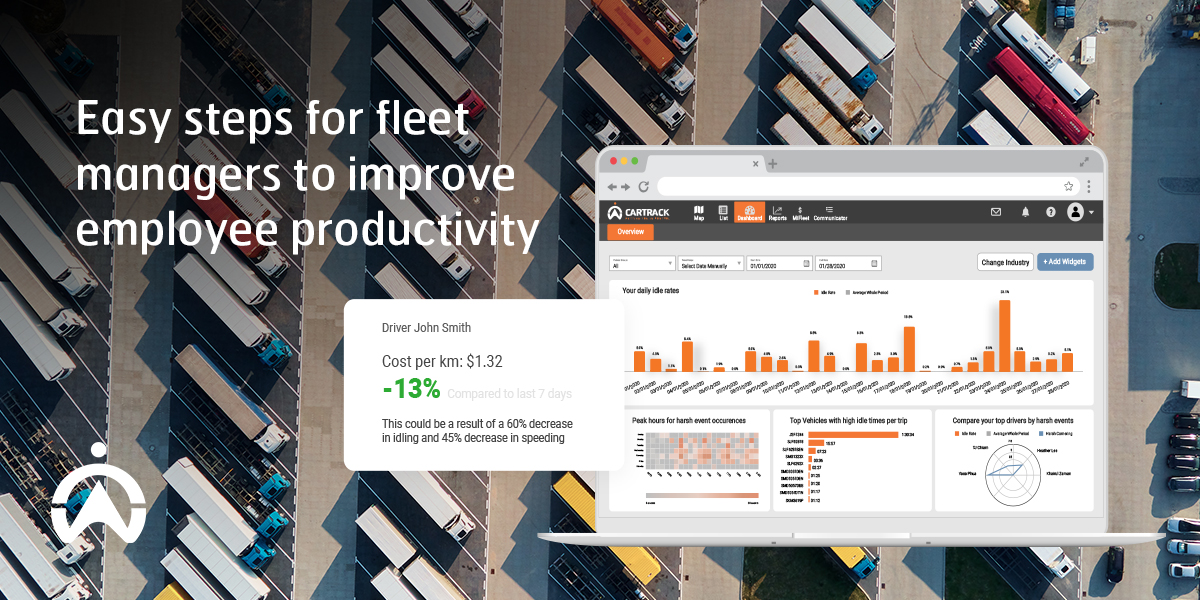
Easy steps for fleet managers to improve employee productivity

Managing fleet administrative tasks such as vehicle registration, fuel cards, invoicing and much more, leaves little to no time for fleet managers to focus on other business matters such as – employee productivity. Here’s how fleet managers can improve productivity rates.

Fleet managers often wear multiple hats and work on several projects simultaneously. Managing fleet administrative tasks such as vehicle registration, fuel cards, invoicing, driver expenses and quoting leaves little to no time to focus on other critical business matters, such as – employee productivity. Learn how to boost staff productivity and encourage fleet managers to bring production back on track.

With all the responsibilities fleet managers have, some might not be aware of the modern fleet technologies out there that can lessen their load and prove helpful in their daily duties. The most efficient way for fleet managers to increase their employee productivity is by outsourcing some of their responsibilities to someone, or something else.

Telematics and fleet management systems

A fleet management system is a database used to store all records of your fleet. Documentation on active vehicles, fleet vehicle specs, maintenance and anything else that has to do with your fleet vehicles can all be stored and accessed anytime you need the information.

Telematics, on the other hand, is a combination of vehicle tracking and communication services. It gathers and analyses all data collected from your vehicle(s) and sends it directly to the fleet manager. This information is used to keep track of various vehicle information.

Together, they possess a wide range of fleet data, reports and insights that fleet managers have full access to. All the administrative tasks that would have taken the manager several days to gather and compile, would all be waiting for him/her as soon as they open their laptop or phone.

How does fleet management help improve employee productivity?

The role of fleet managers is to keep costs low, maximise profits, and minimise risk while overseeing a fleet. With fleet management systems and telematics, half of the hard work would already be taken care of.

With the help of GPS technology, fleet management systems allow you to:

• Know the location of every vehicle in your fleet

• Be aware of each vehicle’s fuel consumption and be able to save

• Be able to decrease maintenance costs by continuously monitoring the vehicles

• Being the first to know when something needs to be replaced or fixed

• Cut delivery time down by implementing route optimisation

With these benefits put in place, and fleet management systems handling the heavy-duty tasks, fleet managers have more time to focus on maximising safety, improving service delivery standards and customer service and satisfaction. Fleet management systems don’t only improve a business’s work efficiency they also positively affect every employee’s productivity.

What is Employee Productivity?

Employee productivity is about fleet managers working smarter to raise the business’s bottom line. It’s the amount of work an employee gets done in a specific amount of time, or in simpler terms, how many jobs a fleet driver completes in a day.

Managers can access fleet data or employee productivity reports through productivity tracking and see where the majority of the employees’ time goes, how long it takes to complete their work and the quality in which it is done. This information is used by the manager to optimise operations going forward.

Productivity tracking

Productivity tracking measures show how productive your employees are in terms of how many projects they can handle and how fast they can get them done. It also tracks what the employees do when they are idling or simply not working, which websites they visit and how long they spend on these sites.

For a fleet manager, overseeing their many tasks on a day-to-day basis and being able to complete them before the day is done is very important. Productivity rates could rapidly decrease if their process is decreased by employees idling by or not completing their quota of tasks. It’s the manager’s job to keep them on schedule and avoid disaster.

“We often assume that productivity means getting more things done each day. Wrong. Productivity is getting important things done consistently,” says James Clear, author of Atomic Habits, “and no matter what you are working on, there are only a few things that are truly important. Being productive is about maintaining a steady, average speed on a few things, not maximum speed on everything,” says the productivity expert.

James Clear shares some top productivity methods with us:

These productivity methods could be used and utilised by both managers and employees. A valuable tool to have in your workflow management arsenal.

  1. Eliminate Time-Wasting Activities by Using the Eisenhower Box

The Eisenhower box is a task management tool that helps you prioritise tasks. It helps distinguish tasks according to urgency and importance and then lets you go through your work accordingly.

  1. Warren Buffett’s “ 2 List ” Strategy

Warren Buffett, a well-known billionaire investor, devised a two-list strategy in which you write 25 of your top priorities on one list, circle five goals from the first list, and jot them down on the second. Then only focus on those five while avoiding the remaining 20.

  1. The Ivy Lee Method

This is a 100-year-old strategy that’s proven to work time and time again. At the end of each day, write down six important tasks for the next day, then immediately do those tasks first thing in the morning. Repeat each working day with a new list.

  1. The 15-Minute, Anthony Trollope method

Anthony Trollope created a routine where he would ruthlessly do his work at 15-minute intervals every morning without giving himself any leeway. He exceeded his goals and increased productivity by:

  • Having someone keep him accountable
  • Tracking his progress
  • Focusing on the small achievements, not the finished product

Being productive is as simple as taking a few minutes out of your day and implementing one of these methods. Ten minutes of planning could result in a whole day’s worth of productive work.

What does it mean to improve employee productivity?

Increasing your employees’ productivity means catering to their needs. Fleet managers do this by:

  • Creating a healthy work-life balance
  • Establishing employee relationships within the workforce
  • Creating doable working hours
  • Providing positive feedback on how they can improve their work.

This allows fleet managers to make long-term solutions that will encourage employee productivity in the long run. These suggestions might not have immediate results, but little by little, an improvement will be evident in productivity rates.

5 Ways to boost employee productivity in your workplace

For employees, it’s easy to fall into the mundane routine of working at a steady pace, which often results in incomplete tasks. This could add more tasks to your to-do list for the following day. The more you repeat this cycle, the more work gets piled up and results in procrastination, falling behind on work and slowing down efficiency in your respective department.

Being productive is a skill that many of us struggle to grasp, but it does not have to be that way. Here are a few tips managers should implement to help increase their employees’ productivity at work.

  1. Stop multitasking

You might think doing a few tasks at once will help you finish your work faster, but in truth, it only slows you down and creates more work, as seen in the scenario above. Giving your attention to one task at a time is the only way to ensure your work is done and done properly.

  1. Take breaks

The time allocated for your break is important. It gives your mind and body time to recuperate and get some much-needed energy back into your system. One might think working for a prolonged period means being productive, but the opposite is true. You will feel mentally drained and produce work of poorer quality at a slower rate if you don’t take some time for yourself.

  1. Set small goals

Small achievements help maintain momentum over the long run. You’re more likely to complete large projects when they come by focusing on every achievement, no matter how big or small.

Acknowledging employees’ achievements helps motivate them, which in turn makes them more productive.

  1. Do the most work when you have the most energy

Whether it’s in the early hours of the work-day, or right after your lunch break, the time of day when you’re most alert and energised should be the time where you attend to your biggest tasks. Big projects require large amounts of energy, so give them the proper amount of time and attention they need. There’s no use letting all that energy go to waste on follow-up emails and organising paperwork.

  1. Implement the “two-minute rule”

This method is perfect for preventing procrastination and for reaching objectives without even noticing. All you have to do is fill small spaces of idling by doing tasks that would take you two minutes to do. Before you know it, you will have accomplished a lot of work and improved your work ethic.

Factors that impact employee productivity

Investing in your employees will have a lasting impact on your organisation. Beyond an employee’s experience, skills, and work ethic, several other office-based factors affect their work. These factors impact employee productivity, but they are often overlooked by fleet managers:

  • Engagement: Managers often think employees are productive simply by waking up, showing up for work and doing their assigned tasks. Getting to know your employees, giving them a sense of value and purpose so they feel a need to want to do more, is also an important aspect. It encourages them to be more productive.
  • Management practices: What level of engagement does the fleet manager have? Are they available and easily approachable by employees? And does he or she work with individuals’ strengths? Are they able to motivate their workers through their management style? These questions help determine if a manager’s management practice is effective or if it’s a liability to the business.
  • Workplace environment: When the atmosphere is unpleasant or intense, engagement and productivity levels plummet, which negatively affects the entire organisation’s productivity. Unnecessary stress and pressure might even drive employees to consider working for other businesses.

Fleet managers should look for ways to lighten the mood in stressful moments to ensure their employees remain calm and focused.

  • Appropriate tools: It is about providing people with the necessary tools and resources they need to get their jobs done to the best of their abilities. As a manager, make sure systems are in place to ensure new employee hires and current staff members have access to all the necessary software and resources they need to get their jobs done.

Employee engagement

This can be seen as the level of involvement or interest employees have within their workspace, towards their managers and with their surrounding colleagues. Whether they are fully involved in the business culture or are struggling to integrate into the environment.

Prioritising employee engagement in the business and various departments within it will build up work relationships and help in the long run, by making employees feel welcomed and more comfortable at work. Providing a safe environment for stellar production increases is an investment any business should be willing to make.

Lack of employee engagement

This lack of interest is often a result of improper organisational socialisation, also known as onboarding, in the first few weeks of the company. This is usually the responsibility of HR and the training department, but fleet managers also have a role in continuing to inform, assist and guide employees in their new roles and duties. This will aid in employees’ getting to know and engaging with their environment, colleagues and managers.

The type of work produced by an employee who is merely there to clock in and finish off their day, and one produced by an employee who truly enjoys their work and interacts with their colleagues, are drastically different.

Based on research gathered from 50 employees, Gallup states that “ Engaged employees produce better business outcomes than other employees – across industry, company size and nationality, and in good economic times and bad.”

Key factors to staff engagement:

  1. Purpose – “ People want purpose and meaning from their work. They want to be known for what makes them unique. This is what drives employee engagement.” says Gallup.
  1. Development – Employees need to feel like their skills and know-how are constantly being improved and they are learning new things by being at work. Not a place where they constantly share their business knowledge, but one where the business gives back by investing in them.
  1. A caring manager – Some managers think they need to lead with an iron fist, but a friendly personality and positive feedback go a long way.
  1. Ongoing conversations – The relationship between an employee and their supervisor is critical. If the employee and manager have a good line of communication with each other, issues can be resolved quickly and the work produced will be more aligned with the manager’s expectations, which means fewer reverts.
  1. A focus on strengths – Employees must focus on the strengths they already have while cultivating and improving their weaknesses.
  1. Have team building activities – Most people might think this is the job of HR, but managers are the ones that have to put the effort into planning and implementing team building activities as they have an impact on the overall production and behaviour of their employees.

Improving_employee_productivity_with_Cartracks_fleet_management_system

Project management

Project management is a process that helps to identify and manage the scope, cost, schedule, risks, and resources of a business. It also includes making sure that all the employees’ tasks are completed, resources are allocated appropriately, and that the work produced provides the business with increased sales and meets the business’s objectives.

The goal of project management is to create an environment where everyone on the team can work together and produce their best work. The aim is not to fix short-term problems like increasing the number of customer calls or emails sent per day. Yes, these are factors that increase employee productivity, but these problems will more than likely not have an impact on productivity in the long run.

What are performance measures

Performance measures are a collection of different attributes that come together to show how much a business, or employee, has achieved, based on its performance in a specific amount of time.

Many businesses use performance measures to set goals established by what their stakeholders and higher-ups expect from them. They then push these objectives towards their fleet managers and employees, to have a set goal.

Understand performance pace for different employees

Remember, not all employees work the same or at the same pace. For fleet managers, comparing one employee’s performance to their overall expectations of them or even to another employee is not always an accurate indicator of their ability to perform.

Managers have to evaluate each employee individually. Keep in mind that they are not all on the same level and they each have their own strengths, weaknesses and process they follow to get through their work.

Use employee productivity reports to customise every evaluation and use that data to individually improve productivity output. This will improve confidence in the employer, as it shows that the performance measures taken are used to help employees identify their ‘blind spots’. It also builds trust as it proves that the software is really there to make improvements and not as a spy tool.

The importance of performance measures

These are to keep fleet managers and businesses accountable and informed about every step taken to reach their goals. Each performance improvement is used to track the trajectory to success and the period in which it would take them to reach their target.

Without performance measures, managers wouldn’t have any means of tracking small milestones made on their way to achieving the business’s objectives.

Here are five pros and cons regarding productivity monitoring and performance measures:

Advantages

  • Ensures fairness within a work environment
  • Track individuals and team productivity
  • Sets positive standards for workplace behaviour, even outside the office
  • It reveals high-performing employers and underperformers
  • Shields business from cyberattacks

Disadvantages

  • Distributions of trust
  • Creates privacy problems
  • Employees can feel highly monitored and start to feel uncomfortable doing their job.
  • Lack of knowledge concerning the monitoring software
  • Cannot track where online, the employee spends their time

Most of the disadvantages of productivity monitoring can be dealt with through effective communication, indicating what exactly will be monitored.

For fleet managers, it’s important to be open and inform fleet drivers of the necessary safety measures put in place in each vehicle, yes, including the AI camera system recording their every move.

Advantages of employee productivity tracking

Productivity tracking helps to fine-tune business efficiency and employee work ethic. It helps the business in the long run by focusing on long-term solutions and not just short-term ones.

With the help of productivity tracking software, fleet managers can change the way they monitor employees, measure time, and keep track of their teams in between formal office hours.

Here are some of the benefits of implementing employee productivity:

  • Improve employee productivity and efficiency
  • Identifies struggles and internal problems
  • Efficiently track attendance and effort
  • Improves working from home conditions
  • Creates trust in employees
  • Effective project management
  • Increases security and safety

Employee productivity monitoring analyses the data provided to improve your employee’s work ethic, behaviour and productivity.

It is designed to show fleet managers which measures work. The data can be used to improve a team’s productivity as well as allow fleet managers to make informed important decisions like:

  • Whether they need to adjust their goals
  • Modifying certain departments.

It also gives a business a good indication of how far they are from achieving their objectives.

Make Cartrack your no.1 solution

When looking for a digital assistant to help you improve your employee productivity ratings, workflow and work ethic, Cartrack’s fleet management solutions do it all.

Cartrack offers fleet managers a range of add-on features that help cut fuel costs and driver expenses, lowers acquisition prices, saving businesses time and money.

Some add-on features include:

  • Routing
  • Fuel Monitoring
  • Temperature monitoring
  • CarWatch

Take your first step into work optimisation, Contact Cartrack Tanzania today to get a quote.

6 Ways Cartrack celebrates and empowers youth

The core of youth culture today is taking the world on fiercely, pitching ideas and exploring possibilities.

Turning eighteen is awesome; that sweet taste of independence is fabulous. For first-time drivers and car owners, or those driving for a few years – your car will keep you riding the youth wave.

Whether it’s for your first job, fun with friends, family responsibilities, or college – we get it.

All the twists and turns, rules and beeps in between, the roads can be scary, leaving many young drivers in absolute jitters, especially on South African roads

Cartrack puts youth in control. We are here to empower youth to drive confidently and with a smile!

What’s the main reason young drivers need extra tech and safety?

The big difference is experience. Even though we all think we’re the best drivers, those who’ve been doing it for longer are usually that little bit more cautious. And those who haven’t, will get there.

But until then, you could have DJ Khalid on full blast, while navigating the roads and then to top it off – your friend is asking for dating advice. In other words, extra distractions combined with learning the roads could put you in danger. Maybe you park in an unsafe area, putting you and your car at risk. Plus the peer pressure and fun might get the better of you, where you don’t think twice about the “no-go” areas, making you a bigger target.

Not to forget, it could be your first car, which is a precious asset. If it goes, we know it will hurt big time and we’re not just talking about your wallet. We do understand the need to buy nice things, so unnecessary car expenses should be avoided at all costs.

Watch what the youth have to say:

Let’s dive into how Cartrack makes driving as a youngster in SA a lot less scary.

6 ways Cartrack Tanzania can help youth feel safer

1. Get your car back

In the unfortunate event of your vehicle being stolen, you are not alone. We have the advanced vehicle tracking tech to trace and track your car down right to the exact location and recover it. Call us immediately, and our composed call agents will offer immediate assistance, together with our highly trained recovery team. Be rest assured that every precaution and effort is made to make a successful recovery of your vehicle.

2. Be in control with the Cartrack App

Park your Cartrack app right next to your Spotify one, because it’s going to give you peace of mind. You could use it for vehicle tracking, security, stolen vehicle recovery, and driver safety.

There’s lots of features. But we rate you are going to love these:

  • Be adventurous with Protector. It provides medical, roadside, legal, accommodation and car hire services, especially useful for a last-minute road trip.
  • Discover how you can improve your driving behaviour with reports. This will also help you save on fuel and maintenance costs.
  • Your loved ones might worry about you, you know, being so young and all. Share your live vehicle location with them in the case of an emergency.
  • We get that stuff is expensive. So get special deals on tyres and insurance.

3. Watch out with CarWatch

Out and about and worried about where you’ve just parked your car? CarWatch keeps a virtual eye on your car when you can’t. You can also activate CarWatch from the app, which alerts you if your parked vehicle moves without your permission, so you can make the right decision about what assistance you may need.

4. Panic button

No need to panic with the panic button feature. In an emergency, the press of a button will instantly send a silent alert to the Cartrack control room and an operator will respond to you right away.

5. Save cash

Need extra cash for online shopping? Then you are gonna want to save on insurance. New drivers tend to pay higher insurance premiums than other motorists. We know, it’s a tough one, but if you have a vehicle tracking device installed, you are bound to get lower rates.

6. Recovery warranty

Cartrack offers a R150 000 recovery warranty in the event that we cannot recover your vehicle. So either way, you won’t need to fork out unnecessary money.

So save your funky jams for the off-road stuff. Protect your car withCartrack Tanzania, and let our tech do the worrying for you so you can concentrate on the road ahead!

Using fleet management systems to empower your drivers

Fleet drivers represent the business world and provide much-needed services to the public. Safety measures would not only benefit them, but also the company they work for in terms of maximising profits, cutting costs, and improving delivery systems. Discover actionable fleet safety tips for drivers.

From the moment they drive out the business grounds and hit the road, fleet drivers are responsible for the vehicle, cargo, and their own well-being. They should consider how they handle the vehicle, how they avoid potholes and any objects that could compromise their safety, and much more.

The safety of drivers is the most critical aspect of the success of a fleet management system. By putting driver safety and empowerment at the centre of training programs, fleet managers can focus on their most valuable assets – drivers who can recognise their own risky, on-road behaviour and strive to correct their actions. Taking initiative puts fleet drivers in the best position to help keep their fleet on track during challenging times and gives their managers one less thing to worry about.

Cartracks-fleet-management-system-helps-you-manage-your-vehicle-maintenance-schedule

Managing your fleet on the road

While fleet systems get new technical upgrades annually, it’s important not to forget to use the technological innovations to also positively impact fleet drivers’ daily workload. Fleet managers should start using fleet management software to not only optimise delivery workflow but also improve driver skills, awareness and behaviour on the road.

There are many challenges fleet drivers face while driving; one that impacts the supply chain is on-road issues, which may hinder or delay delivery. These issues could be anything from dealing with vehicle maintenance problems such as a tyre blowout while driving, which could endanger both themselves and other motorists, or unforeseen situations of criminal activity, putting the driver’s life in possible danger.

Fleet safety comes first

According to the International Traffic Safety Data and Analysis Group Annual Road Safety Report for 2020, issues such as heavy loads and unworthy cross-border vehicles contribute quite heavily to road accidents and casualties, as do vehicles travelling inappropriately on rural roads.

Speed coupled with the lack of lane lines, unmarked intersections and unsafe road surfaces, also adds to the high accident rate on our roads.

This same report highlights that in all countries:

  • Speed is a contributing factor in 15% to 35% of fatal crashes
  • Driving under the influence of alcohol is a factor in 10% to 30% of fatal crashes

Truth is, your drivers are on these very roads but that’s where a technologically advanced fleet management system comes into play. It will allow you to put a speed management and monitoring strategy in place that will help you enforce safer driving behaviour through regular reporting, as well as keep track of where your drivers and vehicles are so that if they do run into any kind of trouble, you can act fast.

Gain insights from your fleet

A good means of instilling safer driver behaviour in your fleet is to hold safety meetings with your drivers. Here they can actively engage in discussions with the management team on where improvements need to be made to individual vehicles and the fleet as a whole. These can be as simple as avoiding a route currently under construction or needing to change a route completely due to dangerous situations such as potholes, illegal activity and more.

Take the time to draft a fleet safety policy revolving around your drivers. Put yourself in the driver’s seat. Keep it simple but as specific as possible and conduct regular reviews with your drivers. These meetings could include discussions around the wearing of seat belts, the use of breathalysers, and focused driving, which could be monitored by a fleet management system.

Being on the road gives fleet drivers the front-seat advantage, so put their knowledge to good use and drive effective teamwork. Managers can also use these meetings to discuss aspects such as the vehicles themselves, ways and means of improving things such as inspections, toll fees, licence renewals and more.

Cartrack’s MiFleet software is a great application to use for all this; it cuts down on your administration time and keeps you updated through alerts and reminders on where and when vehicle costs need to be covered.

The alerts sent would also help fleet managers avoid unnecessary downtime and loss of production due to delays such as service maintenance or unpaid fines, and help increase vehicle longevity.

Using-Cartracks-fleet-management-system-to-keep-track-of -your-vehicle-maintenance

Fleet monitoring to benefit transporters

Roadside situations are plentiful and it’s the responsibility of the fleet manager to try and be present as much as possible in every one of his/her fleets, to defuse any minor or major problems and quickly find the right long term solutions.

While managers do their part in keeping drivers safe, with the help of fleet management software, they can also:

  • Supply accurate vehicle tracking
    Through GPS wireless connectivity, the fleet system ensures your drivers can always be found, no matter what route they take.
  • Provide 24-hour live reporting
    To keep the fleet manager as informed as possible, fleet management systems will automatically send reports of every event that occurs while in transit, even if the driver forgets to update it on the mobile app.
  • Have always-on digital platforms
    A live program grants both the manager and driver the benefit of continued and instant communication.
  • Instant access to custom dashboards
    Conveniently have your important or most used tools at the ready as soon as you access your mobile app. Cutting time spent on having to search for certain features.

These types of features help managers keep track of their fleet and implement both instant and long-term strategies to improve driving habits, reduce running costs and increase fleet longevity.

Put safety in your own hands

There are also a few ways drivers can take initiative and implement safety into their daily schedules.

Training programs are available to help in managing the risks of driving, improve behind-the-wheel skills and also reduce the impact of accidents and breakdowns.

Sometimes, something as simple as rewarding drivers who practise safe road behaviour is all the motivation needed to encourage self-awareness and improvement.

Finding solutions to fleet vehicle neglect

Before we start deep diving into solutions, we first have to know the reason behind destructive driving behaviour and neglect of company vehicles.

One is if drivers haven’t been properly trained, are unsatisfied or unmotivated at work and are reluctant or haven’t properly integrated into the work environment or culture.

This negligent behaviour can result in on-road running costs increasing, including frequent tyre and brake replacements, future maintenance expenditures, and worse, accidents.

To help rectify this behaviour, fleet managers can peruse:

  • Engaging the workforce by sharing pertinent information with them
  • Hold regular meetings with your fleet drivers to keep them informed and engaged
  • Show them their performance reports, pointing out where they’re doing well or need to make improvements, and what factors affect their results
  • Obtain as much data as possible, both electronic and verbal, to help you form a holistic image of your fleet that allows you to make informed changes with speed and efficiency

The cost of fleet accidents

One accident can greatly affect and cost your company anywhere from $16,000 to $75,000, even if it’s minor and no one was hurt. In the case of fatalities, the cost can skyrocket even if it wasn’t your employees’ fault. The fact that fleet accidents are among the most expensive injury claims for a business, is one of the main reasons why safety is a high priority for fleet business owners.

Here’s a list of the type of cost implications accidents can have on your fleet:

  • Vehicle repairs/ replacement
  • Fines due to traffic violations
  • Legal representation
  • Court fines
  • Loss of revenue due to damaged fleet vehicles
  • The cost of insurance premiums and deductibles
  • Replacement driver training
  • Loss of productivity due to avoidable downtime

Though this list might be enough to cause a dent in any business’s profit margin, there might still be additional costs added depending on the circumstances, but rest assured, with fleet safety programs and training implemented, there will be significant reductions in on-road incidents.

Cartracks-fleet-management-system-helps-you-monitor-vehicle-maintenance

What are the 5 key elements of effective fleet management?

To avoid losing money in the case of accidents or general poor productivity, businesses should invest in fleet management systems and a fleet safety program, as this long-term investment pays off through better accountability, improved fleet safety, promotes fewer collisions, and reduced operating costs.

There are a few key elements that contribute to an effective fleet safety program:

1. Hiring responsible drivers

An effective fleet safety program begins with the driver recruitment process. Start by finding the right drivers that meet the business’s fleet driver standards. Having a skilled driver with experience in driving fleet trucks would be beneficial.

The idea is to build a reliable and safe team of skilled drivers who understand the importance of fleet safety and prioritise it as much as possible. Hiring drivers who are like-minded in terms of work ethic, attitude and driving skills might result in having a low fleet driver turnover rate.

2. Having a comprehensive driver training program

After assembling a team of safe and reliable drivers, the next step is to train them.

Cartrack Tanzania has a fleet management training course for fleet managers looking to maximise productivity, as well as offers training facilities for drivers to better improve their driving skills and behaviour.

The training of drivers not only reduces the possibility of accidents on the road but also sets a standard forsafe driving among the fleet, ensuring smooth operations.

3. Monitoring driver performance and behaviour

An effective fleet safety program requires the use of high-end fleet management software that allows fleet managers to efficiently monitor all fleet activity. Regular monitoring of driver performance and driver behaviour ensures all drivers are following the fleet safety guidelines and driving safely.

As a Cartrack Tanzania customer, you’d have the benefit of using an AI-powered camera system that monitors drivers while on the road. With this, you could get a full view of your drivers, vehicles and cargo in transit, and receive alerts on any risky driving behaviour or possible collisions.

You can also use driver scorecards to review their performance, which makes it easier for fleet managers to identify drivers who require further coaching.

4. Vehicle maintenance

Having routine inspections of fleet vehicles is also an essential part of proper fleet management. Now that you’ve trained your drivers to exercise safe driving behaviours, you need to equip them with vehicles that are in tip-top shape.

This will help prevent unforeseen breakdowns and accidents that result from faulty equipment or poorly maintained parts. Plus, regular vehicle monitoring will lower maintenance costs.

5. Keep a continued focus on fleet safety

The importance of overall fleet safety needs to be repeated regularly. With constant use of safety procedures, this idea will become the norm and integrate itself into the business’ culture.

Sharing important fleet safety metrics with your drivers, fleet managers, and safety officers frequently is also recommended. Seeing the benefits that the safety program brings will validate the effectiveness of the fleet safety program. The habit will continue and be properly implemented into the training programs of new drivers.

With Cartrack’s end-to-end SaaS solutions, you can improve the safety of your fleet by:

  • Having real-time monitoring of vehicle and driver behaviour with Artificial Intelligence (AI) technology can help identify and correct poor driving habits that lead to accidents and prevent them.
  • Monitoring driver performance through scoring and providing targeted training opportunities for drivers improves driving efficiency and lowers your fleet operating costs. Provide end-to-end driving analysis on your drivers’ dashboards so you can identify their most-used routes and intervene to prevent unsafe driving.
  • Creating customised driver safety policies to ensure that they can operate safely while delivering items. It also helps to lower the costs associated with poor driving behaviour.
  • Maintaining and servicing vehicles properly to keep them safe to operate and reduce the risk to both drivers and other road users. Proper maintenance can help prevent problems from occurring.
  • Creating a rewards programme to encourage drivers to drive safely and increase engagement. It is important to be able to attract and retain drivers that are motivated and engaged, as well as offer incentives or bonus payments for those who go above and beyond.

Cartrack’s tailor-made fleet management systems

Put driver safety and empowerment at the centre of fleet management with Cartrack’s user-friendly, fleet management tools. Fleet managers can get more out of Cartrack by taking part in their fleet management training as well as empowering their drivers to partake in the available driver training programs.

To see other ways Cartrack Tanzania can help you optimise your business, visit Cartrack Tanzania today.

Using fleet management systems to empower your drivers

Fleet drivers represent the business world and provide much-needed services to the public. Safety measures would not only benefit them, but also the company they work for in terms of maximising profit

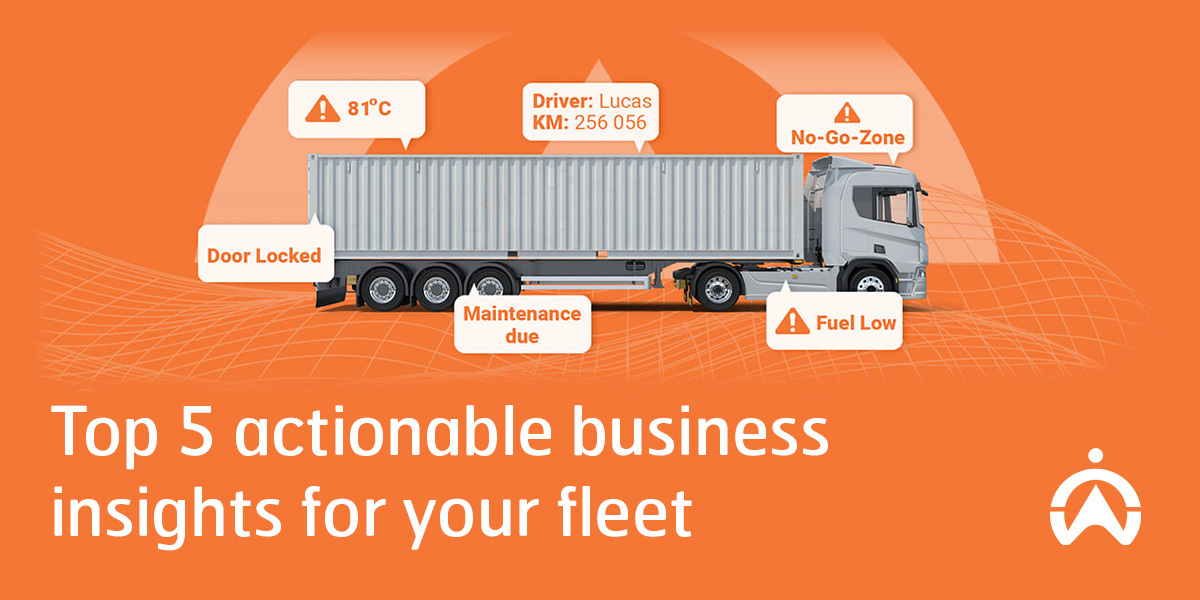
5 top actionable business insights for your fleet

The process of data collection is more than meets the eye. When cracked right, there are multiple ways businesses can use it to their advantage.

It starts with analysis, followed by objective-based interpretation, and ends with opportunities for business development and exploration.

In this article, we’ll take you on an insightful data mission, where you will get the chance to achieve actionable business insights through data.

We are here to empower managers and unleash their decision-making powers.

Actionable business insights through data

How-fleet-management-helps-with-your-vehicle-maintenance

The data process can seem like quite a mouthful, but let’s break it up into bite sizes.

Data is the information that you collect from your systems. For example, in the fleet management process, you might need data about driver behaviour, fuel consumption, maintenance alerts, and much more.

Insights are the value you derive from the analysed data. You can use data analytics to identify trends and patterns in the information retrieved. Analytics assists to make sense of the data.

Information is a product of refining this data and giving it structure and context. This way, you aren’t staring at a bunch of random numbers on spreadsheets and documents.

Actionable insights are where the magic happens. This is the part where businesses use data analytics and discoveries to take action and improve the efficiency of their operations.

There are many online tools available to make sense of data. In the fleet vehicle tracking industry, software platforms are trending. The advanced tech is already in place, with powerful insights, and integrated analytics – all designed to give you the reports you need.

Let’s dive in a bit more.

What are actionable insights examples?

How-Cartracks-fleet-management-delivers-actionable-insights

Fleet management systems or platforms are what fleet managers can use to achieve and harness actionable insights.

These are accompanied by advanced software technology assisting businesses in developing a strategy to make informed decisions.

You could choose Cartrack Tanzania as a provider and gain actionable insights such as:

  • Instantly pinpoint challenges. This will allow you to make changes immediately during work hours and in your business overall. While you are quickly putting fires out the business can keep growing with increased productivity levels.
  • Receive contextualised metrics. Perhaps you want a specific context for a certain reporting requirement, such as the cost per job. The operational, administrative, and financial data costs can be aligned for you to analyse this spec. Receive metrics for all three and can determine the exact cost per job, and make price comparisons. Maybe one outweighs the other creating a cost imbalance, so you might need to make some cost changes there. Also, compare accurate metrics to see whether your routes are optimal and know how other costs impact your margins.
  • Use comparable metrics. Compare metrics across drivers and vehicles to pinpoint price differences in costs per task, or differences in behaviour and maintenance costs for the vehicles they are driving. If one driver’s vehicle is costing significantly more on maintenance than others, managers can assist their driving behaviours and empower them where needed. Use this to assess driver productivity. Know how much time your drivers spend on the road and how many jobs they complete in the required time.
  • Get important insights instantly. There might be an urgent concern that needs your immediate attention, prompting a meeting with concerned parties. Say you don’t have time to spend hours analysing data; the platform will give you a visual overview of your fleet’s fuel consumption, unproductive idling, safety, and utilisation on the dashboard, all with one click. You can filter data by time or vehicle for added flexibility and speed in pinpointing challenges. With this, you can be prepared for your meeting without doing much prep.

What are data insights for business decisions?

Data-insights-deliverd-through-cartarcks-fleet-management

We know that actionable data can help you make immediate moves and business decisions.

However, we should expand on it, ultimately using it in the best way possible for the business. In other words, use it to drive workforce optimisation, which encompasses admin together with task, team, and change management.

Fleet owners need a solid business structure and strategy behind them to set the foundation for fleet managers, drivers, and all other staff. From there, we can create meaning out of insights.

But let’s start with the base first.

Actionable insight business considerations

  • Get the right people in your corner

It’s important to hire the appropriate people for the job who can understand the data insights. Investing time and energy into finding the wrong people is costly, and not just financially, but for the business flow. For example, fleet managers should be hired based on the fleet experience they have to understand what the system data means.

  • Communication and team planning

The importance of communication and planning for businesses and teams has proven to be one of the most important task management strategies. With a vehicle fleet, it goes without saying that you will have a diverse team, often distributed all over. As a result, you need to plan, manage, follow up on tasks and create a space for them to excel. One way of doing this is having communication channels in place to improve driver productivity and ensure efficiency. Fleet software apps offer this feature.

  • Set up KPIs

These are used to assess an organisation’s performance against its goals. They aid in decision-making, assist in setting strategic objectives, and enable effective processes. This will motivate employees and assist with their performance.

  • Internal actions

Managers and teams need to create actions within their task management, and delegate tasks to team members. Reminders are set and updates are done, once the task is complete – they can move on to the next. This is also part of the communication channel chosen.

  • Competitive advantage

Companies should capture, manage and analyse their data to improve their business intelligence. They can then grab the opportunity to jump ahead of competitors by offering great customer service.

How do you convert data into meaningful insights?

Actionable-insights-brought-to-you-through-our-fleet-management-system

  1. Define your goals and objectives

Before even choosing appropriate fleet management software, goals should be top of mind. Goals give everyday tasks more meaning and clarify the reasoning behind company decisions. Without these in place, there isn’t much to work towards causing stagnation and struggle to make accomplishments. Goals are steps to the end result, which are part of every business plan.

Fleet managers can set operational goals such as saving on fuel costs and improving driver engagement. With this in mind, they can go directly to the part of the platform that gives this insight. Maybe the marketing team’s goal is to bring in more leads for the business, which will require a higher budget. Saving on fuel costs and working towards that goal, will directly bring in more revenue for the company.

If this does come to fruition, the data indeed will be a meaningful insight that can be measured to the goals.

Now, you will be able to ask the right questions and figure out what questions you want your data to answer. Before you unravel the data, it will ensure that you don’t spend time on the wrong things.

  1. Segment your data

Cutting up data into segments can help you make better sense of it. A fleet software platform works in the same way as Google Analytics. You can customise the platform to suit your needs, and pull up the specific data you require for adequate reporting. For example, maybe you have a management meeting about driver behaviour and productivity. You can create a segmentation for that on the platform, and then relay feedback on that only.

  1. Use visuals to simplify data sets

Visuals are a nice way to represent data in an easily comprehensible manner. Especially when it comes to presentations, you cannot use raw data to relay information, but should rather use visuals to show your findings. The software’s report function will be the starting point before you create the perfect presentation for your meeting.

  1. Discover the context

Without the right context, you’re either not getting the full story or getting the wrong one. Based on your pre-determined goals, you need to get the full picture to create meaning out of the outcome or visuals. You should ask questions like who is responsible for this within your fleet? Or why did it happen? And in what way does it affect the business?

  1. Spot the right patterns

Up, down and zig-zags in between, this is what you commonly see on visual representations. From this, you can determine patterns or trends in the data concerning certain incidents. You can identify when there is an upward or downward trend, visualise a relationship between two factors, and more. They’re all tailored towards uncovering the stories behind the data.

  1. Determine a hypothesis and action plan

You’ve done your research, now is the time to get going with an action plan. Perhaps, vehicle maintenance issues are the common trend of driver misconduct. Maybe you need to delegate this issue to more team members to resolve, where they will dissect this reporting feature in more detail.

6 key attributes of an actionable insight

Actionable-insights-for-your-business-through-our-fleet-management

We understand that you could be on the move a lot. Want a quick rundown of how to achieve actionable insights? Whip these out and take action.

  1. Alignment

Tie your insights to defined business goals to drive action. Align them with your KPIs to create urgency.

  1. Context

You need background information or comparisons to give data insightful context. Otherwise, there will be more unanswered questions rather than a plan.

  1. Relevance

Deliver the insight to the right person at the right time and setting. They need to reach key decision-makers for appropriate action to take place.

  1. Specificity

If you are highlighting actions, then you need to explain them in detail for people to understand. Explain why something happened to develop more action.

  1. Novelty

Give interesting insights. There’s no need for repetitive insights but rather to give new developments to create more growth and challenges. We switch off to information if we feel they constantly reinforce, rather than challenge and increase our current knowledge.

  1. Clarity

Insights need to be clear to understand. People need to understand the reason behind it and how it will help them. Visualisations will help the information stick.

Conclusion

Need some meaningful insights? With Cartrack Tanzania, there are hundreds of reports to boost your business. Speak to us today and receive automated reports to match your workflow straight in your inbox.

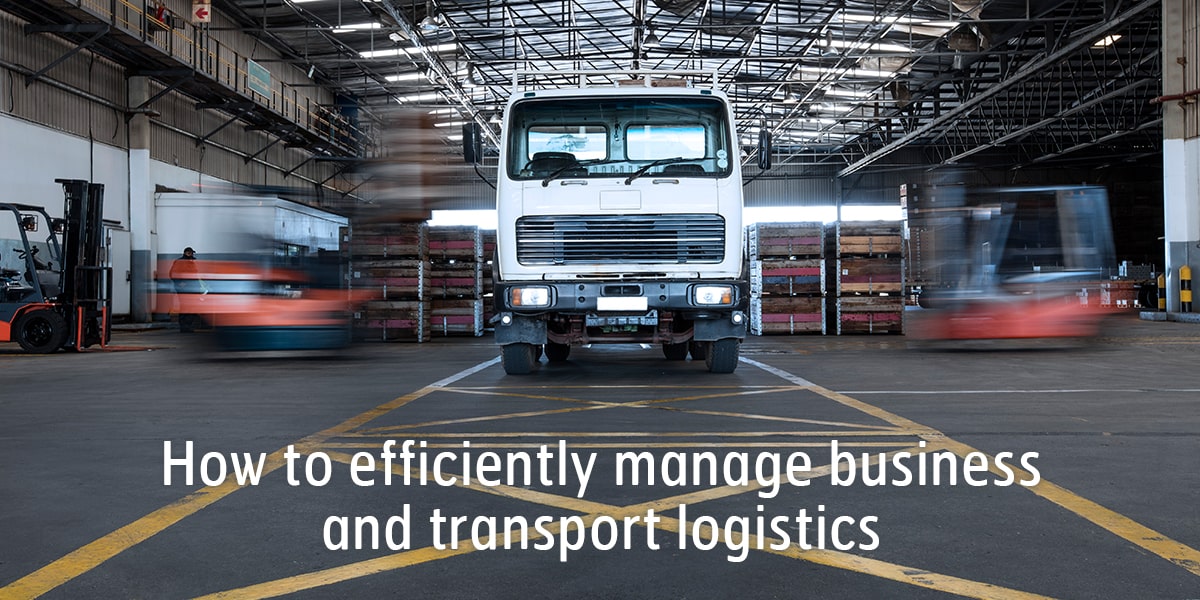
How to efficiently manage business and transport logistics

What is business and transport logistics management and how can it benefit my company?

Business logistics matters to every organisation, regardless of the scope, industry or specialisation. Read more on how fleet managers can better utilise logistics management to transport goods and services from point A to B.

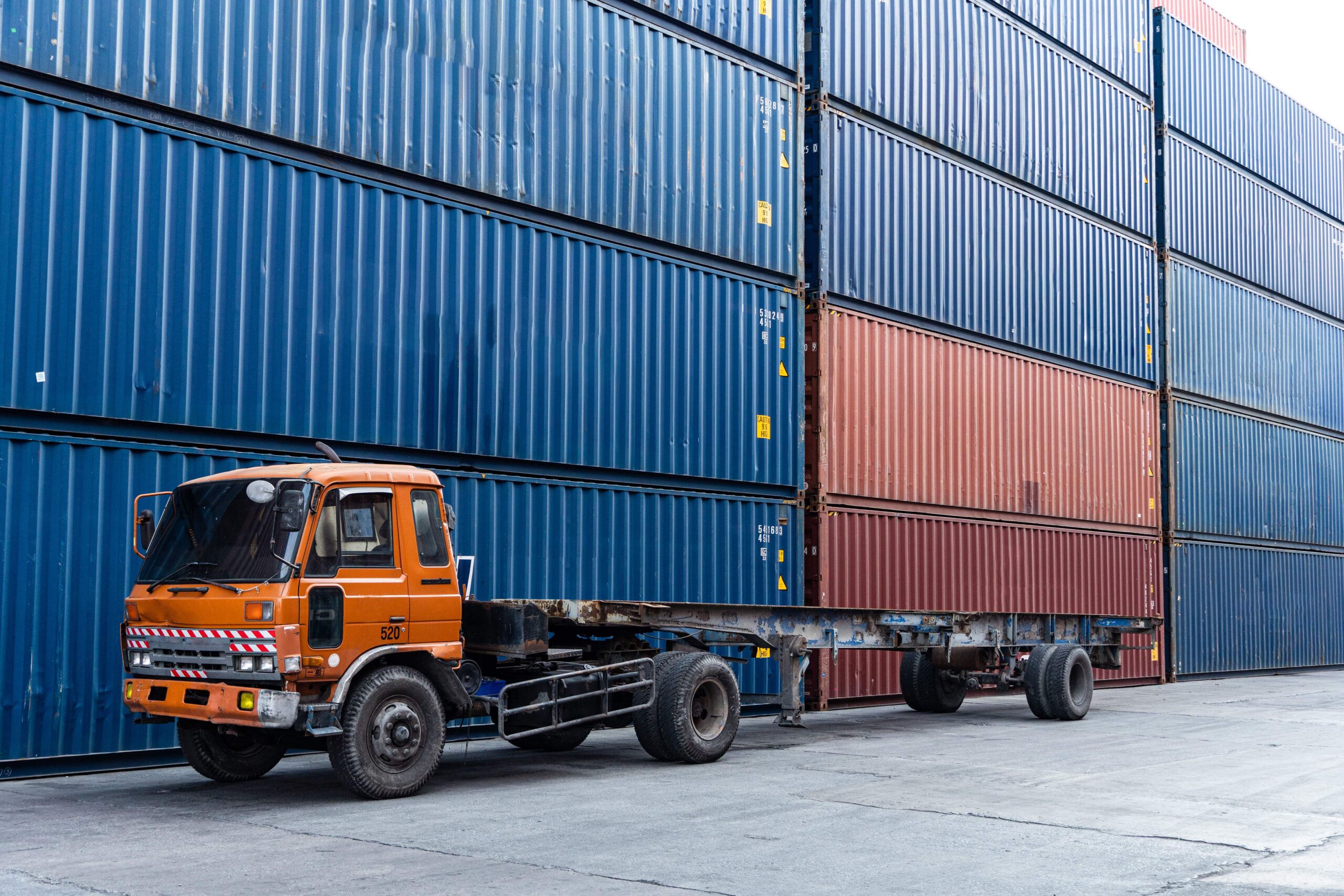
This is the process of transporting goods from one primary location, such as a manufacturing warehouse, to their destination. This process of movement makes up contemporary business logistics and keeps your logistics business running smoothly.
logistics_and_supply_chains

logistics and supply chains

What are logistics and supply chains?

Supply chain management and logistics management are two topics often used interchangeably because both concepts are central to running a successful business. While the supply chain includes every element from production to delivery, logistics is only one element in the larger concept of the supply chain.

Let’s unpack this a bit more.

A Supply chain is a network of businesses, organisations and other people working together to produce and distribute popular products. Logistics, on the other hand, handles the safe movement of supplies and finished goods from location A to B, this includes transportation and warehousing.

Logistics also includes two processes:

  • The gathering of data on each process involved in a company’s distribution
  • The allocation of resources such as human resources, materials, equipment and capital to the different steps required in the movement of goods

Although logistics is a simpler concept to understand than the overall supply chain, don’t let its simplicity fool you, logistics has a huge role to play with many steps within it to keep it functional and beneficial to the business.

Business logistics: What it is and how it works

Business logistics refers to the workflow and oversight of goods in transit, whether from a supplier to a business or from a business to a customer. The key concept here is managing these processes as a unified system.

You don’t have to manage and oversee this process manually. A logistics management system can take care of inbound elements like purchasing and arranging the transportation of products, parts, materials and finished inventory from suppliers to a company’s warehouse or manufacturing plant. And outbound elements like the flow of items through a company’s production line, warehouse and ultimately to the customers.

Both these elements would need the logistics manager to implement other management techniques such as:

  • Transportation management
  • Warehouse management
  • Fleet management
  • Order processing
  • Inventory control
  • Supply and demand forecasting
  • Managing third-party logistics (3PL) service providers

A logistics management system can take over these different management departments and automatically gather and process information as needed. Leaving logistics managers with practical tasks such as making sure the supplies being transported arrive safely and intact, and striving to attain positive feedback from customers.

business_logistics_management

business logistics management

How does business logistics management boost profits?

Business logistics management gains profit and trade for the business, by exchanging goods and services, making logistics the backbone of any business. Without financial gain and trade, there would be virtually no transactions taking place, no deals, no profits and ultimately, no business.

But when done right, business logistics management can make organisations leaner and more profitable over time. Granting broader visibility over the movement of goods and items from production to consumption, identifying infrastructure and operational practices that help or hinder the smooth transportation and distribution of goods

As smooth as this process is, it can show cracks in the current workflow of any business. It can also inform which aspects of an employee’s duties are handled well, and which require new or updated systems. To ensure no further ‘cracks’ are shown, a set of inbound and outbound domains should be followed to ensure effective logistics handling.

The 7 pillars of effective logistics

1. Material sourcing

Material sourcing is more than finding the cheapest supplier of raw materials. Logistics includes calculating and managing factors like backorder delays, add-on service costs, extraneous fees, increased shipping costs due to distance or regulatory environments, and warehousing costs.

Going the extra mile to find the right supplier for any material also requires understanding how these factors will impact the overall operation cost. This process is referred to as “strategic sourcing”.

2. Transportation

Fleet managers should pay special attention to this component of logistics planning, as it is the core of logistics management.

For transportation to contribute and fulfil its role in logistics planning, first, a company needs to select the best mode of transportation – there are only three freight options for shipments: air, water, or land. Then they choose the best carrier based on cost, speed and distance, including optimising routes that require multiple carriers.

If goods are being transported globally, the shipper needs to be knowledgeable about customs, tariffs, compliance and any relevant regulations, while transport and fleet managers have to document and track shipments, manage billing and report on performance using dashboards and analytics software.

3. Order fulfilment

For items to get to their destination(s) without trouble, the right items must be “picked” from the warehouse as per the customer’s order, get properly packaged and labelled, and then shipped to the customer’s home or collection location as scheduled. Once delivered, this creates an order fulfilment, which is the heart of logistics sequencing in customer distribution.

4. Warehousing

Both short- and long-term storage are common parts of logistic planning, so common in fact, that a new process, warehouse management systems (WMS), was created to help logistics planners optimise warehouse space by taking into consideration specific conditions for perishable goods, as well as enquired facilities such as cold storage, docking facilities, and proximity to modes of transportation such as rail lines.

Further, WMS can also deduce goods that are scheduled for transport to be placed at the front of the warehouse. While lower-demand items are stored toward the rear. Perishable goods are often rotated, so the oldest items are shipped out first, ensuring effective warehouse operations.

5. Demand forecasting

Logistics caters to inventory demand forecasting. This ensures the business never runs out of high-demand products or materials and doesn’t stock up on items that aren’t needed. This saves the businesses money, time and products that might expire as a result of poor sales. By using demand forecasting, logistics managers can precisely determine how much of each product they will need and when they will need it.

6. Inventory management

Based on past trends or seasonal behaviour, companies can plan for increased demand for certain products and meet demand when requested. In turn, a company can better determine when to offer discount pricing for items that aren’t in demand and offer incentives for free capital to reinvest in goods that are in higher demand. With this, they can also keep profits higher and make inventory turn faster.

Since stores differ from one another, good inventory management enables the business to decide to ship products that are performing poorly in one store or region to another where the products are in demand rather than take a loss via discounting pricing to get rid of stock. Or creating waste by throwing away the products. Logistics is key to moving inventory where it is likely to get the best price.

7. Supply chain management (SCM)

A supply chain is essentially a series of transactions. If logistics fails, the supply chain will fail, and transactions will come to a standstill. To better explain, during the pandemic, aisles in multiple stores were empty, caused by sudden high demand. While warehouses and farms had amble goods that were going bad and had to be thrown out. The transportation restrictions during that time broke supply chains, and thus stores didn’t receive their goods, losing profit in the long run.

If business and transportation logistics were implemented and business owners used demand forecasts beforehand, they could have foreseen the disaster and prepared for the sudden spike in demand.
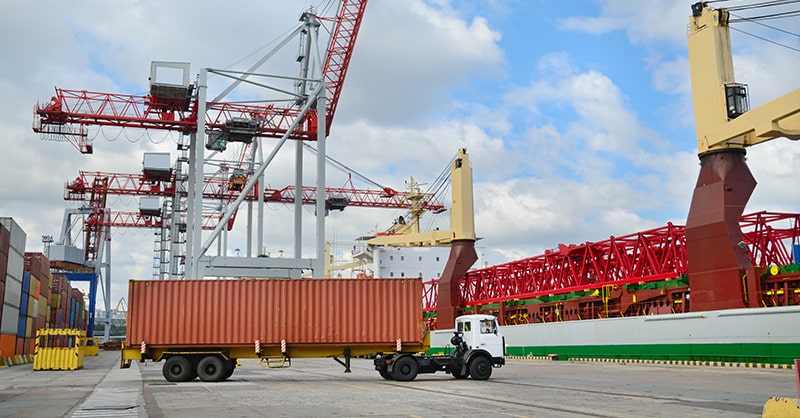
What_is_transportation_logistics_management

What is transportation logistics management

What is transportation logistics management?

Transport management is part of logistics management and, as such, It’s considered one of the most important aspects of the distribution element, as well as the factor that can make or break a company.

Because transportation and logistics management are so similar, it’s not uncommon for them to share the same primary goal of efficiently and effectively transporting goods throughout a company’s supply chain.

The end goal: physical delivery

Transportation logistics focuses on the successful delivery of goods from one location to another. Planning to have a safe and scheduled delivery is one thing, but going through the terrain without loss, damage or attempted theft and delivering the physical items is another.

To swiftly meet delivery deadlines without encountering any problems, it’s best to get to know the transportation functions. The function of transportation services can be divided into three important areas:

  • Operations Management
  • Vehicle and Fleet Organisation
  • Infrastructure Administration

The best terrains for your business

Depending on what shippers are transporting, how large the item(s) are, and how valuable they may be, different modes of transportation may be appropriate for that item; however, when comparing the different terrains, it is stated that out of all the different modes of transportation, road transportation is the popular mode frequently used by the freight industry, here’s why:

  • It’s the most cost-effective of all the modes of transportation
  • You can have a quick and scheduled delivery (1-3days delivery)
  • Flexible service
  • Easily traceable cargo and fleet vehicles
  • Door-to-door complete delivery services are available
  • Most economical means of transportation

Transport_Logistics_management

Transport Logistics management

Why is active management crucial?

Order fulfilment is only one of the many aspects of transportation and logistics management. There are several other reasons why it’s crucial to be proactive in this area of your business. As seen above, transportation management is a huge deal in the overall supply chain and the success of a business.

Let’s take a closer look at a few reasons that support active management:

Optimisation of inventory flows

Your entire supply chain can run smoothly when you manage your transport logistics effectively. This will allow you to keep a close eye on inventory and manage it accordingly, especially if transportation techniques are used. As a result, your warehouse’s operational efficiencies will be improved, lead times will be reduced, and storage costs will be reduced.

Environment sustainability

As you become more streamlined in your logistics approach and use the terrain that best suits your business practices, another benefit is reducing your carbon footprint. The transportation industry is known for being a bit ‘emissions-heavy’ so every little step towards decreasing emissions is one to be celebrated.

Moreover, striving to lessen air pollution will draw in customers that want to work with companies that take social responsibility seriously. Optimising your transportation process will simultaneously reduce environmental impact while increasing customer satisfaction.

Some notable benefits of logistics management

1. Increases visibility

With business logistics management, logistics managers have the advantage of seeing the distribution and transportation process through a strategic, more precise lens. It’s important to note the steps taken in the primary stages of product creation, such as front-end design, testing and production of its goods. While these are vital processes and essential to solidifying brand market share, they should not take time away from pushing the products through the business’s supply chain in a timely, efficient and cost-effective way.

2. Reduces costs

Smart business logistics planning helps logistics managers trim costs on many previously overlooked transportation and storage expenses. Through programs like fleet management software, inventory management and demand forecasting, businesses can tailor far more strategic inbound and outbound shipping schedules, routes, fleet vehicle maintenance and more. With this, managers can use the money saved through the efforts of effective spending and money-saving methods to be distributed elsewhere.

Key overhead costs reduced through business logistics efforts include:

  • Storage and inventory holding calculations
  • Purchasing expenses
  • Per-unit production costs
  • Fixed-asset expenses, such as warehouses, vehicles, etc.
  • Total supply chain expenditures

All the while, business logistics improve:

  • Cash flows
  • Order fulfilment rates
  • Delivery times
  • Net profits

3. Improves customer experience and increases customer satisfaction

Out of all the different options a business has for delivering their products, most customers favour door-to-door delivery. With this delivery option, customers can enjoy safe payment methods, quality of a good or service upon arrival, and save up on fuel and travelling expenses to the nearest delivery location.

To better cater to the customer, the delivery process should be a swift and straightforward experience, as a customer there’s nothing worse than not knowing where your parcel is or when it will arrive. Prompt and on-time arrivals, clear communication channels from the organisation and intact, undamaged cargo are key factors that impact customer satisfaction and guarantee positive feedback on the overall delivery service.

When your organisation fails to meet these delivery expectations, customer satisfaction can greatly decrease. Logistics managers, however, can prevent that from happening with the help of business logistics.

4. Increased Profit

Efficient logistics management gives you credible transport and business insight on operations and customer relations. The information can then be used to increase the order fulfilment rate which can boost profit. With the aid of other management programs, such as fleet management software, fleet data, route optimisation, and active vehicle tracking, managers can minimise operational costs and ensure supply chain synchronisation.

fleet management

fleet management

What impact does it have on fleet management?

At best, poor logistics planning will temporarily affect a company’s bottom line. At worst, it could be quite damaging. Since logistics are seen as the physical manifestation of a transaction, without them, cash flow can’t move from buyer to seller, resulting in a halt in production and a staggering loss in products and profit, ultimately leading to poor customer satisfaction and a decrease in customers.

Fortunately for the business, managers can use logistics management software to help make the best decisions for the business and fleet, such as calculating the best routing and shipping decisions, containing costs, protecting investments and tracking the movement of goods.

Logistical best practices vary depending on the nature of the business and its product decisions, but the process is always complex. Automation is the key to efficiency. This software can often also automate processes, such as:

  • Choosing shippers according to rate fluctuations or skills
  • Printing shipping labels
  • Transactions are automatically entered in financial ledgers and on the balance sheet
  • Ordering shipper pickups
  • Recording receipts and receipt signatures
  • Helping with inventory control

This one software can do the job of many in no time. Modern logistics management, aided by technologies such as Artificial Intelligence (AI) and the Internet of Things (IoT), enable managers to find new revenue streams and increase delivery profitability. Sure, these objectives can be met without the use of technology, but these methods allow businesses to achieve higher standards of logistics management and delivery efficiency.

Cartrack’s tailor-made fleet management systems

Have Cartrack’s user-friendly, fleet management tools readily available to help in the management of your business and transportation logistics as soon as you open our app. To further optimise your business practice, visit Cartrack Tanzania and let’s get started.

5 ways real-time vehicle maintenance alerts can help fleet managers

Real-time maintenance alerts are an important part of a business maintenance strategy. There are different types of maintenance you can implement for your business, particularly if you have a vehicle fleet.

Your business is multi-faceted. Maybe it has multiple assets on-site, fleet cargo, industrious equipment, or high maintenance vehicles–which make up its innate structure.

Maintenance management is an important part of building a healthy business ecosystem.

With advanced IT systems, real-time monitoring and maintenance alerts can be available at your fingertips. There are numerous benefits and ways it can work for you positively.

We are here to guide you, so you grab them with both hands and manage your business effectively.

What_is_maintenance_and_monitoring

What is maintenance and monitoring

What is maintenance and monitoring?

Whether you would like to receive maintenance alerts for your vehicle fleet or important assets at your premises– it all forms part of asset maintenance and monitoring, under the umbrella of asset management.

What exactly is Asset monitoring? It refers to the management and assessment of assets and equipment of an organisation, which incorporates the tracking of asset usage.

The main purpose of asset maintenance is to ensure effective operations, create a safe working environment and protect your assets. Quality asset maintenance will ensure you get the most asset value and longevity for your business investment.

Real-time asset tracking allows asset-intensive companies to monitor the condition and usage of their assets. In order to monitor the efficiency of assets immediately, and receive maintenance alerts on the fly– we need real-time asset tracking through various technology and sensors.

What is real-time monitoring?

In other words, we mean data monitoring– the route of real-time monitoring.

Real-time monitoring is a process, enabled by IoT, where sensor-collected data is streamed continuously for immediate access and review, with zero to little latency between collection and delivery.

Traditionally, other monitoring solutions were used such as data loggers. These required costly installations creating data blindspots and issues. But with real-time monitoring, there are fewer gaps in data processing and interpretation due to continuous data streaming. In addition, you can use a time monitor for even extra visibility.

There are various administrative methods that can be used for data collection, such as fleet management. For example, real-time monitoring is important when it comes to fleet management and monitoring of cargo transportation.

The sensor device can be placed in the fleet’s cargo. It will collect data about temperature, light, humidity, and much more– depending on the fleet manager’s requirements for data processing.

It will be interpreted by the vehicle provider’s software platform (such as Cartrack), where data points will be streamed in real-time. The business can consolidate the information with the platform’s comprehensive reporting tool.

But let’s talk about how it can be fundamental for vehicle and asset maintenance. Now we are diving into real-time maintenance alerts.

Real-time monitoring example

What does real-time monitoring do?

Say you own a country-wide food delivery company, with a robust vehicle fleet under your wing. Fleet management and vehicle cost-efficiency are a top priority. Vehicle maintenance is an important consideration to cut costs and ensure an effective production line.

Fleet managers can make use of real-time data collection on vehicle health from a vehicle tracking company such as Cartrack Tanzania, which will provide streamlined data and alerts relating to vehicle maintenance.

Their fleet management platform uses telematics software to give you the necessary information, and real-time vehicle diagnostics.

We will dive more into this later on.

But let’s first look at some practical examples and benefits of how asset tracking and maintenance alerts can assist your business– an add-on service provided by a vehicle tracking provider.

monitoring_business_benefits

monitoring business benefits

5 real-time monitoring business benefits:

  1. Improved asset utilisation

Smart algorithms will alert you when your assets and machinery require servicing. Receive maintenance alerts on movable assets such as industrious equipment on your manufacturing site. This works through asset tracking to manage them better, increasing their durability. For instance, forklifts that aren’t managed and maintained on-site could break down causing more maintenance problems. Also, use monitoring to ensure the completion of equipment maintenance without delay.

  1. Save costs

Reduce asset repair or replacement costs. Well-maintained equipment reduces the frequency or necessity of buying new equipment or replacing broken parts. It can also assist with stock inventory management. If equipment breaks down, this can affect production costs and supplies– impacting sales and customer retention.

  1. Improve employee and workforce safety

If assets are maintained well, then staff will be protected from danger caused by equipment. If there is any danger on site, authorities will be alerted accordingly. You can also prevent situations that could threaten safety.

  1. Asset and business management

If you are implementing asset maintenance management, you can go a step further and create a risk assessment to help identify equipment with high safety risks– based on maintenance reports. Once identified, the appropriate maintenance schedule can be implemented, to plan part replacements or upgrades. This will assist with managing your business more efficiently.

  1. Improved admin processes

Streamline your administrative processes effectively and have everything you need in one place. Instead of using filing, paper trails and other manual tools- you can retrieve everything in one place. For example, access powerful reports on usage hours and costs for you to make maintenance decisions on your equipment.

Types of maintenance

Part of vehicle and asset management is having a maintenance strategy in place to get the most out of software data and maintenance alerts. Maintenance tasks can involve a chunk of procedure, leaving us in a situation of not knowing where to start. Making it easier for you, we can break them up into predictive, preventive, or corrective maintenance. The difference between preventive maintenance and predictive maintenance lies in the data being analysed.

Let’s unpack this a bit more:

Predictive maintenance

Predictive maintenance is an advanced form of planned maintenance that monitors asset conditions in real-time. It relies on monitoring and analysing data from the actual, current condition of the equipment in operation. Within predictive maintenance, there are condition monitoring tools used to detect equipment malfunctions and damages.

How does predictive maintenance work?

Maintenance workflows are used to retrieve your asset or vehicle diagnostics, so you receive the necessary maintenance alerts. A vehicle tracking provider will usually already have this in place.

Sensors are connected to the asset being monitored, data is then collected from the sensors within identifiable baselines and set parameters. While the asset is running, the sensor will detect any performance abnormality and send out maintenance alerts. Maintenance will then be performed before running the asset as usual. Advanced warnings like this can save your business from excessive maintenance costs or worse, irreparable damage to your assets.

Here are the tools and technologies that make it possible:

  • Condition-monitoring equipment

These are sensors commonly used in maintenance, to pick up information and capture data from the asset, which is then communicated with the software to assess the state of the asset in real-time. As part of internal operations, Alerts can be configured into a cloud monitoring service for maintenance. You can configure single or multi condition-based alerts to notify you about problems that may require attention. When a condition-based alert is triggered, you will be notified through one or more notification channels.

In addition to increasing the longevity of equipment. Machine condition monitoring supports a variety of goals for manufacturers, including:

  • Reducing and eliminating unplanned machine downtime
  • Optimising machine health and performance
  • Improving quality and reducing scrap parts
  • Driving a maintenance performance programme based on accurate machine data
  • Enabling automation based on real-time machine condition data

There are various condition-monitoring sensors that detect environmental phenomena.

Here are some examples for businesses to consider:

  • Vibration monitoring. Vibration patterns can indicate many different things. Monitoring vibration patterns can offer insight into part durability and changes to this pattern can indicate a failing tool, often 15 minutes or more than when a human operator can begin to see a problem.
  • Temperature. Temperature is a strong sign of any potential problems in a machine. If temperatures deviate against the set parameters or standards, employees will be alerted about any impending machine failure, machine breaks, or even fires in hazardous environments. This could all pose major health risks too.
  • Torque: A worksite might have assets operating using a twisting force around an axis, called a torque. Use sensors to identify anomalies in the rotational force of the machine, and develop an understanding of how it changes during job runs. Monitor its day-to-day functioning, and identify any correlation with scrap parts, machine failures, and broken tools. Site managers can integrate data retrieved into their maintenance strategy.
  • The Internet of Things (IoT)

IoT refers to the way devices interact with one another. The role of IoT is to analyse and make sense of the equipment data. The different sensors collect and share the data working with other parts of IoT technology, such as user interfaces and connectivity within the central information system.

  • Predictive Formulas

From here, predictive formulas identify common equipment maintenance trends, including servicing, repairs, or a replacement. The formulas rely on predetermined algorithms that compare a machine’s current behaviour against its expected behaviour. Once the trend deters from the standard, there will be signals of gradual deterioration. The maintenance team can then take measures to prevent the equipment from failing.

[H1] What are the main industries using predictive maintenance right now?

The manufacturing industry benefits the most from predictive maintenance. According to Mckinsey Global Institute, the global manufacturing industry could save up to $630 billion by 2025, by using predictive maintenance. Manufacturers can use this maintenance strategy to manage plant floor equipment, boost operations, and improve workplace safety.

Preventative_maintenance

Preventative maintenance

Preventative maintenance

Preventive maintenance relies on historical data, averages, and life expectancy statistics to predict when maintenance activities will be required. It includes taking the necessary precautions and actions to prevent equipment incidents or failures from occurring before they happen.

The benefits of preventive maintenance will decrease business downtime and productivity resulting from equipment not working properly. It will also ensure all equipment and employees work only during scheduled hours, eradicating the need for paying staff overtime due to unforeseen machinery failures.

Real-time_vehicle_monitoring

Real-time vehicle monitoring

Real-time vehicle monitoring benefits

According to vehicle safety experts, all vehicles are subject to wear and tear and unless maintained at regular intervals, this wear and tear will eventually result in unsafe vehicles and vehicle breakdowns which could impact your downtime and productivity.

Regular planned maintenance is a critical step in preventing this.

We know that for operational managers, on-site maintenance and management are necessary. The same applied to vehicle fleets, which is equally crucial.

Here are some ways real-time monitoring is used in vehicle maintenance.

  • Increased driver safety as ill-maintained vehicles could cause life-threatening incidents on the road.
  • Seamless maintenance plans which are easily adjustable
  • Avoid road breakdowns and accidents. Receive real-time alerts of any engine faults, worn brake pads, oil and water fluctuation, and other diagnostics, helping you pre-empt which vehicles need servicing.
  • Instantly respond to maintenance needs. Schedule maintenance and warn drivers in advance via our app, and keep workflows undisrupted. Communicate directly with your driver the moment a fault is detected and let them know where to take the vehicle in real-time, helping you minimise downtime and future issues.
  • Automated preventative maintenance. Our platform automates the maintenance schedules for each of your vehicles by using your utilisation hours and the time of the last service, hassle-free:
  • Cut your maintenance costs. A strong maintenance servicing routine helps prevent vehicle breakdowns, minimising major indirect and direct costs.
  • Increase your vehicle lifespan. With proactive-maintenance schedules your vehicles will remain healthier for longer, ensuring you get more out of them.
  • Reduce unnecessary downtime. Prevent vehicle breakdowns and plan for your servicing in advance to reduce project disruptions.
  • Improved maintenance workflows: For your fleet, you can use the Cartrack app, which will give you real-time maintenance alerts. As a result, you can streamline your process and workflows better.

Other uses of a real-time monitoring application

  • What is real-timeDatabase monitoring? It is used to measure a database’s performance in real-time. Receive alerts to identify problems and other attributes which could cause future problems.
  • A real-time monitoring tool is useful in the healthcare industry. Real-time alerting for maintenance is crucial for a patient’s safety in hospitals.
  • Real-time monitoring call centre refers to the tools and software used by managers to oversee and track agent calls as they occur. Alerts can be more quickly routed to appropriate staff, or even to automated systems, for future mitigation.

Use Cartrack Tanzania to stay on top of your vehicle maintenance and/or asset maintenance and create a maintenance strategy that works for you.

Fearless Women Truck Drivers Shattering Stereotypes In Our World

Are women breaking into previously male-dominated industries?

They sure are, and you may be surprised at what they’ve already achieved in the once-masculine world of trucking and fleets. With a shift taking place, more women are discovering how to become valued members of this male-dominated industry.

We’ve got all the details on how women managed to break the mould, the organisations created to support women in trucking, and what you should know if you’re interested in joining this female-growing industry.

In this article, you will:

  • Learn more about female representation in trucking
  • Find out about female-focused support organisations
  • Discover why women should join the trucking industry
  • See how Cartrack helps you create the ideal fleet business for all genders

Women’s growing representation in the fleet industry

Gender perception has contributed to how different industries are viewed and influenced the career paths of both sexes. Women entering the trucking industry is a unique example of piercing a male-dominated environment that can still seem impenetrable today.

Historically, societal roles were primarily based on gender: domesticated and caring roles like nursing and childcare were perceived as more female, upholding feminine and maternal stereotypes. Society’s perception of gender also kept women from working in more masculine industries like mechanics, construction, and modern-day fleet-based jobs like trucking.

However, this did not stop women from breaking barriers and entering male-dominated workplaces with vigour. Today, companies worldwide are also actively contributing to diversification in male-dominated industries to give women the representation and inclusion they deserve.

Women’s_growing_representation_in_the_fleet_industry

The history of women in trucking

As testosterone-fuelled as the trucking industry has been throughout history, women persevered and cracked it through a good cause.

The journey began during World War II in the US, where women stepped up to fill men’s jobs who were at war, one of those jobs being trucking. In 1918, Luella Bates pioneered the trucking industry as the first female truck diver and worked for Four Wheel Drive Auto Co during the war.

After Bates’ trailblazing entry, Lillie Elizabeth Drennan became the first licenced US truck driver and trucking firm owner in 1929. In 1944, Dusty Row became the first female truck driver to complete a 2 237km route with a fully-loaded truck.

These ladies ultimately initiated a shifting perspective of women in trucking, and since then, women have made serious strides in the fleet industry as a whole.

  • According to a survey conducted by the National Transport Institute (NTI), the average percentage of female over-the-road (OTR) drivers increased from 7.13% in 2017 to 7.89% in 2018.
  • A survey conducted byFrightwaves further shows that women now make up over 10% of OTR drivers, an increase from the 2018 survey. Recently, the percentage of female truck drivers has risen close to an increase of 30% in a period of a year (2018 to 2019).
  • The US Bureau of Labor Statistics shows that the Trade, Transportation, and Utilities industry was the second largest employer of women in 2017, after manufacturing. Of the 7.7 million workers in the US Transportation and Utilities sector, women constituted 22.6%. There are 24.8% of women represented in the industry in 2021.

Here’s why women should get into trucking

Calling all women with a deep desire to drive a heavy-duty powerhouse or even to own their fleet. With things looking up for women in the fleet industry, there’s no time to consider joining this flourishing industry like the present.

While there’s still work needed in terms of representation, inclusion, and gender equality in the industry, women today are more empowered than ever with resources and opportunities through social media, organisations, and communities that share support, guidance, and valuable information. Here’s why the fleet and trucking industries need more women:

  • Equal pay: The trucking industry offers fair and equal pay, with no known wage gap between men and women.
  • High demand: There is an increased demand for truck drivers, creating more opportunities for women to enter the industry.
  • Career stability: Women who remain with trucking companies for long periods tend to experience a sense of stability in their careers and their lives.
  • Safety and cautiousness: With women often being less distracted and more safety-conscious, they become good drivers who prioritise good driving.

While the profession can be demanding, it’s also rewarding and offers valuable job security and financial freedom for women across the world.

Here’s_why_women_should_get_into_trucking

Influential women in trucking

There’s no better way to measure the growth of women in trucking than looking at what some of the most successful women have achieved and how these achievements are paving the way for other aspiring female truckers and women in the fleet industry. Here are some of the most influential women in trucking today and how their achievements empower other women to follow in their footsteps.

  1. Siphokazi Matsha is the founder and chief executive of GoGirl Logistics, a South African, 100% black, female-owned logistics and courier company. Matsha aims to empower women in the fleet and transport sectors through hiring, quality training, and leadership. Growing up in Mdatsane in the Eastern Cape, Matsha is no stranger to the daily struggles women face, which is her primary source of inspiration for creating new opportunities for women in South Africa.
  2. Trina Norman was named 2022’s Most Influential Woman in Trucking by US organisation Women in Trucking. Working as a feeder operations manager for UPS for the past three decades, Norman is praised as a woman with an admirable work ethic and an exceptional leader and mentor in her field. Norman’s mission is to recruit, mentor, and empower women to join the remarkable women behind the wheels at UPS in Southern California.
  3. Felicia Marfo is an African trailblazer and the brains behind Ladybird, Ghana’s first female-only logistics firm. Marfo further empowered her female employees by training them to become globally-certified truck drivers, contributing to narrowing the gender gap in the Ghanaian logistics and fleet industry. She is determined to help women empower themselves with the belief that when women work, economies experience growth.

Female-friendly supporting organisations across the world

With forward-thinking women aiming to offer empowerment as leaders in the industry, other avenues of support present a range of organisations designed to support women in the trucking industry. Here are a few:

  1. AWISCA, or Women In Supply Chain, is all about boosting and revolutionising supply chain skills in Southern Africa. They team up with big companies, the government, universities, and the whole industry to make it happen. Their main job is to fix any gaps in the supply chain’s abilities and capacity and develop smart solutions for these challenges.
  2. Women in Trucking: The Women In Trucking Foundation is a non-profit organisation that’s all about supporting ambitious students, drivers, and professionals in the trucking industry who want to level up their skills through classroom and vocational training. They’re a community of corporations, foundations, and individuals who truly value professional growth in trucking and are dedicated to its success.
  3. Iron Women Southern Africa: Iron Women is a badass truck driving school exclusively for women, supported by Volvo Group Southern Africa. Their mission is to boost the skills of professional drivers and make our roads safer. Graduates become top-notch drivers, making their future employers’ fleets more productive, safe, and efficient.

How to make it: The top 5 tips for aspiring female truckers

Being a minority group in a booming industry can be challenging, but that just makes it all the more exciting to start destroying that glass ceiling. Here are five tips to help female truckers overcome all obstacles and reach new heights.

  1. Find a school or training program

    The first thing you’ll need to get is a valid truck driving license and applicable training. Organisations like Iron Women are a great example of a female-focused group that offers training designed to give women a boost in the competitive trucking industry. After finding a team that appeals to you, you can add Cartrack’s fleet management technology to support you all the way to the top.

  2. Apply for grants and scholarships for a financial boost

    Many women depend on scholarships to get the education they need for a successful career, so don’t let a shortage of funds stop you. Be on the lookout for grants and scholarships through female trucking organisations, in your private capacity, or internal funding and grants within the school or program of your choice.

  3. Become part of a community

    With so many organisations ready to support you, you never have to face a challenge alone. Become part of a group and get to know like-minded women who are just as determined to be successful in a man’s world and share valuable experiences.

  4. Choose a company that prioritises diversity and inclusion

    With so many companies prioritising diversity in the workplace nowadays, this shouldn’t be much of a problem, even in a predominantly male-dominated industry like trucking. Working at a company that supports equal opportunities gives women the chance to advance in their careers with equal pay and benefits.

How_to_make_it_The_top_5_tips_for_aspiring_female_truckers

How you can diversify your fleet with Cartrack

Diversifying your fleet means having a range of age, ethnicity, gender, and other differences within your workforce.

Today, trucking companies are shifting their approach to match the constant diversification of the workforce. Adding a female touch to your fleet can bring a fresh perspective to how companies successfully operate and engage with clients. Additionally, women can close the truck driver shortage and contribute to company success by being part of increased productivity.

Companies need to offer a favourable working environment to attract more women. Since truck driving is male-dominated, some conditions may not be favourable for female workers.

Suitably, technology can be used to fuel positive changes and progress in diversifying today’s trucking industry by fostering better working conditions for women.

Here’s how some of Cartrack’s fleet management software solutions can help you build a strong, diverse, safe and successful fleet for all genders:

  • Delivery app: Simplify your deliveries and keep your clients happy with prompt and efficient service. Cartrack’s delivery app automates the entire delivery process and related admin, helping you maintain full visibility of the entire process as well as full control over workflow management from start to end.
  • Route optimisation: Cartrack’s Delivery app has a route optimisation feature that automatically analyses distance and travel time, offering drivers shorter and quicker route options without traffic or road deviations, helping them complete jobs faster, with less frustration and fuel usage.
  • MiFleet: Accurately identify all areas where you can cut fleet-related costs with Cartrack’s MiFleet cost management software. From timely maintenance alerts to detailed fuel-usage tracking, you have advanced tools and smart actionable data at your fingertips to improve your fleet’s profitability.
  • Protector: Give your workers peace of mind with Protector. This fleet-management add-on provides access to a range of services designed to make their job as worry-free as possible. At the push of a button, an agent immediately makes contact to assist with roadside, legal, or medical services.
  • AI-powered cameras: Keep your drivers safe with AI driver behaviour recognition. These in-cabin cameras audibly alert your drivers in real time they detect forms of dangerous or distracted driving gestures like, cell phone use, speeding, fatigue and more. This gives your drivers the chance to correct their behaviour live as it happens and prevent any collisions from occurring.

Men or women, Cartrack has fleet-boosting solutions for everyone

Increased female representation in the trucking industry ultimately depends on fleet companies. Diversifying your fleet can empower women, reduce driver shortage, and increase profitability.

Whatever type of fleet you manage or strive to manage, Cartrack’s smart fleet management and optimisation tools will help you transform your business.

Contact Cartrack Tanzania today!

How courier companies can benefit from cost reduction and implement business growth through fleet management

With great demand for online-based shopping comes an even greater need for efficient fleet management. Adapt to the times and grow your courier business with rewarding fleet management practices.With great demand for online-based shopping comes an even greater need for efficient fleet management. Adapt to the times and grow your courier business with rewarding fleet management practices.

Modern delivery services and fleet management go hand in hand in the era of fleet innovation. For a manager to accurately keep track of customers, delivery routes and local as well as international delivery services, the use of fleet management is highly recommended.

What is a courier company?

Whenever you scroll through an online store, order items and clear your cart, guess who delivers your goods right to your doorstep? Courier companies.

These are businesses that collect and deliver items ranging from things like clothes to groceries, from one location to another. They are an affordable option for transporting and delivering parcels across South Africa.

While courier services make online shopping that much easier for the average person, businesses also use these services often, as they are an important part of business operations.

Using couriers for e-commerce fulfilment allows businesses to:

  • Deliver multiple packages
  • Provide a more specialised or regional delivery service
  • Relieve themselves of service delivery responsibility

How does delivery work in a courier business?

How courier services go about fulfilling their orders, depends on the nature of the business, contracts, locations, customer needs and a number of other variables.

To reduce overall transport and delivery time, couriers often pick up many different orders to deliver to specific areas at a time. This is prefered over going back and forth between locations, with a zig-zag pattern. To help avoid this, route optimisation is often used. This way, courier services can dispatch multiple orders in a day and cut down on unnecessary journeys by coordinating area-specific deliveries.

Delivery cycle

How couriers go about delivering parcels might change depending on where the couriers are located. Most couriers follow a standard cycle centred around the customers based on their chosen delivery preferences.

An average courier delivery process could look like this:

1. From the moment your order is processed and shipping details are sent to you for easy tracking, businesses deliver all orders to a local depot where couriers pick them up and drive them to designated areas of distribution.

2. During this time, you will receive a tracking update of their items, notifying you that the courier company is on-route to delivering goods right to your home or office.

3. This cycle gets repeated as the courier returns to the local depot to pick up and deliver parcels to other eagerly waiting customers.

Depending on delivery routes and destinations, this cycle could be a lot more back and forth, especially without the fleet management services that offer route optimisation and fuel management.

How to choose the best courier service in Tanzania?

Courier companies handle a lot of precious, personal and valuable goods. That’s why it’s important to find a company you trust. A business might need a courier who can deliver their goods on time and make sure their goods arrive undamaged, while the average person just needs a courier company that can deliver their goods quickly.

When looking at courier companies, there are plenty to choose from. Based on your needs, a consumer can view online reviews from previous customers, while it’s best for businesses to choose a courier that has what it takes to manage the size of orders they wish to fulfil and whether that company can meet their local or global needs, they might need to partner with both local and international courier services.

Other aspects to consider include; price, location, international reach, express delivery options and many more. For businesses, it’s smart to consider multiple courier companies that can cater for delivering different types of packages to assist with your needs.

We put together a list of five courier companies South Africa has to offer that includes both local and/or global shipping:

  1. Fastway Couriers
  2. Globeflight
  3. The Courier Guy
  4. MDS Collivery
  5. Aerospeed Couriers

With The Courier Guy being one of the top courier services south of Africa, offering a popular range of delivery services like:

  • Same-day express delivery
  • Overnight courier
  • International shipping

In order to select the best South African courier service for you, research the services offered and become familiar with their processing procedures.

How_to_choose_the_best_courier_service_in_Tanzania

How to choose the best courier service in South Africa?

What is fleet management and how does it benefit delivery services?

Fleet management is used to track and monitor business operations. With this, a courier company can keep a fleet running efficiently, on time, and within budget while also making effective business decisions.

Fleet management and operations are a part of any business that relies on commercial vehicles to function. To boost productivity and make a business run as smoothly as possible, fleet management is used to oversee all fleet operations, employees and maintenance practices.

The reason fleet management is widely used, apart from efficient management:

  • Coordination of fleet
  • Ability to cut fleet costs
  • Maximising productivity
  • Reaching delivery quotas

How does fleet management work?

While fleet management software may appear to be a simple solution to the many difficulties that this line of work presents, it is only when other factors are under control that the technologies of fleet management services can be used to their fullest potential.

Software

The foundation of fleet management is GPS tracking. The fleet manager can view the precise location using the software and use it to monitor the vehicles while receiving additional information on other aspects of driving behaviour and safety.

Telematics

Fleet managers can more easily gather data about a vehicle’s acceleration, speed, braking force, and fuel consumption through telematics, which helps them determine when maintenance and repairs are necessary.

The sensors are used to detect any sudden movements, such as fast acceleration or harsh braking, giving you a good idea of the driver’s behaviour, which can directly impact the fuel usage of that vehicle.

Maintenance

Keeping track of a fleet’s records and maintenance expenses can be very expensive. By handling vehicle maintenance, negotiating maintenance expenses, and planning service intervals, using a fleet management system can help cut costs and avoid unexpected downtime.

How do delivery services benefit through vehicle telematics?

Using courier delivery services to ship goods from suppliers to wholesalers or fulfil customer orders is a common and affordable option for business growth. In our increasingly connected world, especially with the rise of e-commerce, there is no denying the importance and benefits of courier services.

In all aspects of fleet management, a manager needs to run fleet vehicles and maintain safety while they are on the road.

Vehicle telematics data comes in handy when analysing the following:

  • Fleet vehicles
  • Vehicle location
  • Service delivery
  • Coverage
  • Driver behaviour
  • Community safety
  • Routing
  • Dispatching units
  • Diagnostics
  • Preventative maintenance

For your package to be shipped securely and on schedule, you will need an experienced company or service provider that uses telematics technology to live-track and deliver packages securely.

Lost goods?

After ordering an item online and getting the confirmation Email/SMS from the courier service that your parcel is on its way, the first logical option is to track its every movement until it arrives at your doorstep, right? Well, what if your goods get lost in transit around South Africa or within your city? This is where fleet management can assist.

Each parcel has a shipping label that is scanned at each stop along the way, fleet management software can conduct a search starting from the last depot where the shipment was scanned and track it down to the last vehicle that had the items.

What’s the role of the fleet manager?

Fleet managers aim to keep costs low, maximise profits, and minimise risk while overseeing and optimising a fleet.

They are often in charge of the different departments that make up a whole fleet. Fleet managers are in charge of fleet operations and may be tasked with duties like route planning, driver management, asset utilisation, vehicle maintenance, and the implementation of any programmes that help boost business productivity and avoid cost wastage.

To improve fleet efficiency and lower operating costs, entities frequently use companies like Cartrack Tanzania that offer efficient vehicle telematics with affordable, easy-to-use overall fleet management solutions.

The latest benefits of fleet management

No matter how many vehicles are in the fleet, manually managing them can be difficult. Through predictive analytics and precise reporting, fleet management software can assist fleet managers in:

  • Gaining real-time visibility into their operations
  • Improving driver satisfaction
  • Reducing fuel consumption.
    Reducing operation cost
  • Maintaining fleet
  • Complying with regulatory guidelines
  • Boosting service levels

5 ways fleet management can improve delivery efficiency in companies

Fleet management technologies have dominated the world of logistics and business transportation. Due to the variety of advantages it provides, they have not only simplified the process but also improved delivery efficiency. Here’s how:

  1. Real-time routing

Route optimisation for effective planning is referred to as “real-time dynamic routing” because it enables fleet managers to make use of real-time data and insights. It considers a variety of factors, including same-day delivery, the quantity of goods, the weather conditions, and the movement of traffic.

It increases the business organisation’s dependability in keeping to schedules and deadlines. Additionally, it helps drivers save time, enabling them to complete more deliveries in a single day.

  1. End-to-end real-time monitoring

The data is available throughout the supply chain for managers and qualified employees. Allowing for better decision-making and general performance improvement as they would be able to access live information anytime from their fleet platform.

Fleet platforms make use of artificial intelligence (AI), machine learning and telematics to provide the power of planning, fleet and driver allocation, and tracking from a single point.

Productivity is increased by highlighting potential problems and improving transparency for customers, managers, drivers, and the business through:

  • Aggregated data
  • Automated reporting
  • Improved real-time visibility across the supply chain
  1. Visibility

Since goods sometimes use several different modes of transportation to get to their destination, it is occasionally challenging for businesses to pinpoint their exact location due to the nonlinear nature of the route.

However with automated systems, the visibility of intermodal transportation has improved, aiding in the smooth coordination and execution of the plans. Fleet management also increases operational capability and operational efficiency while ensuring that shipments are handled with the utmost care and according to best practices.

  1. Electronic proof of delivery

An electronic proof of delivery (POD) is the signing off of your delivered items on a mobile device. It’s a significant benefit of moving logistics toward digital methods. By going paperless, you can cut costs while streamlining operations for both fleet managers and employees.

With the aid of electronic tools, the labour-intensive manual data entry process is now significantly reduced and gives drivers all the information they require, on an easily accessible platform.

  1. Contactless Shipping

Fleet management software can let customers know when their products have been delivered and confirm delivery through electronic signatures, minimising or eliminating physical contact and maintaining social distance. They are kept informed at every stage of the process and can also pay using digital wallets.

Resulting in:

  • Enhanced customer experience
  • Increased delivery profitability
  • Efficient #PL management
  • Greater control over fleet operations
  • Improves intermodal transportation efficiency
  • Helps archive perfect order index
  • Adherence to on-time in-full deliveries
  • Reduces carbon footprint

fleet_management_can_improve_delivery_efficiency_in_companies

5 ways fleet management can improve delivery efficiency in companies

Benefits of fleet management for courier companies

Fleet management software offers the same benefits enjoyed by other businesses and industries. With a complete view of fleet daily operations, managers can efficiently manage and offer their expertise through fleet platforms without physically being where they are needed.

Now, courier services can monitor their driver’s progress with real-time information, giving you the required insight into driver behaviour and vehicle treatment.

Wireless communication can be used to inform customers when their deliveries will arrive. While other features like mileage reports allow you to track and validate your employees’ work and billing.

Fleet management services also offer the following benefits to courier companies:

  • Communicate quickly and clearly
  • Reduce time spent on administration
  • Deliver a more flexible and reliable service
  • Maximise successful orders
  • Improve operational efficiency
  • Ensure accurate pickups, deliveries and returns

Why is fleet management required?

Catrack’s fleet management solutions can help courier companies that deliver locally and internationally. No matter the size of the courier service, a good fleet management system can help you manage any business.

Contact Cartrack Tanzania today for an easy fleet management solution that can be tailored to your business needs.